
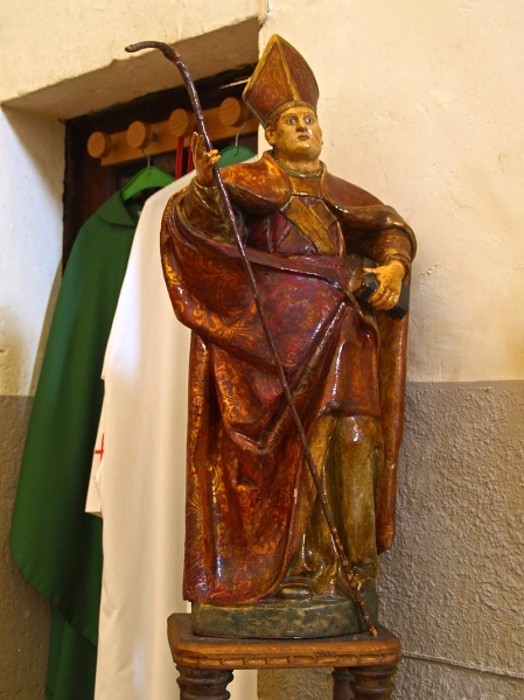
Saint of the Day – 16 April – Saint Turibius of Astorga (c402-c460) Bishop, Hermit, Monk, Defender of the Faith against heresy, in particular, the heresy of Priscilian., Miracle-worker (the image below is known as The Miracle of St Turibius of Astorga but unfortunately I can find no references to this ‘Miracle.’Born in Astorga in c402 and died there in c460 of natural causes. Patronages – Diocese of Palencia, Diocese of Santander, Diocese of Astorga. Also known as – Toribi, Toribio, Turrybiusz. Additional Memorial – On the Monday of the Second Week of Easter, a Solemnity is celebrated in the Diocese of Astorga.
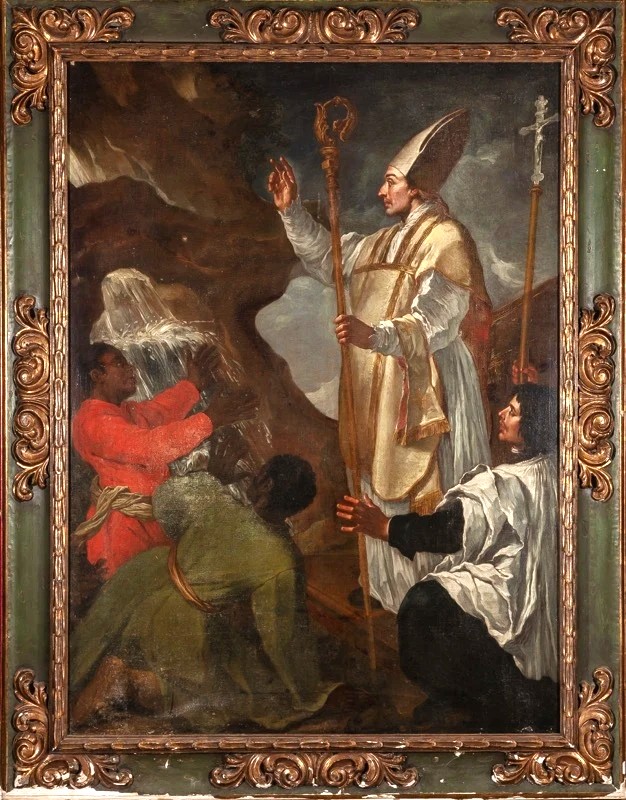
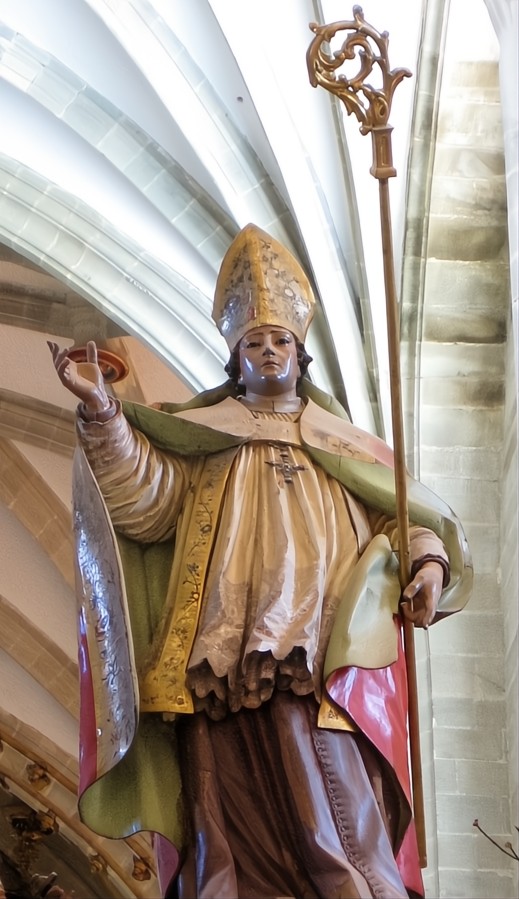
The Roman Martyrology reads: “At Palencia, St Turibius, the Bishop of Astorga, Spain, who with the aid of Pope St Leo the Great, drove the heresy of Priscilian entirely out of Spain and, went to rest in the Lord with a great renown for miracles.”
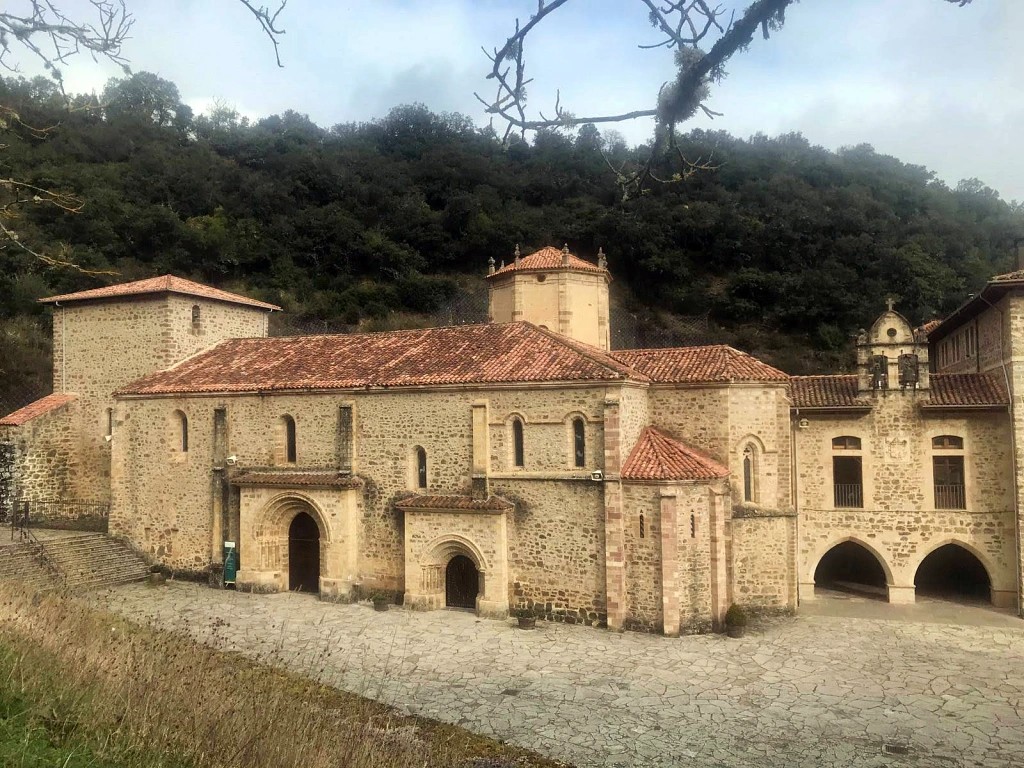
According to tradition, Turibius lived for some time as a Hermit in a cave in the mountains near the Monastery of Santo Toribio de Liébana near Pottes which has been named after Turibius of Liébana since 1181.
He undertook a pilgrimage to the Holy Land, was Ordained a Priest and was appointed as a Guard at the Holy places. Due to the Persian invasion of the Holy City, Turibius went to Rome taking with him a Relic belonging to the Cross of Jesus. In Rome, Pope Saint Leo the Great appointed him as the first Bishop of the Diocese of Astorga. Thus, he returned to his hometown as the Bishop and bringing the very important Relic with him. He solemnly deposited it in the Cathedral of Astorga. In the 8th Century and due to the Arab domination, it was brought to this Sanctuary of the Monestery of St Turibius of as a safe place.
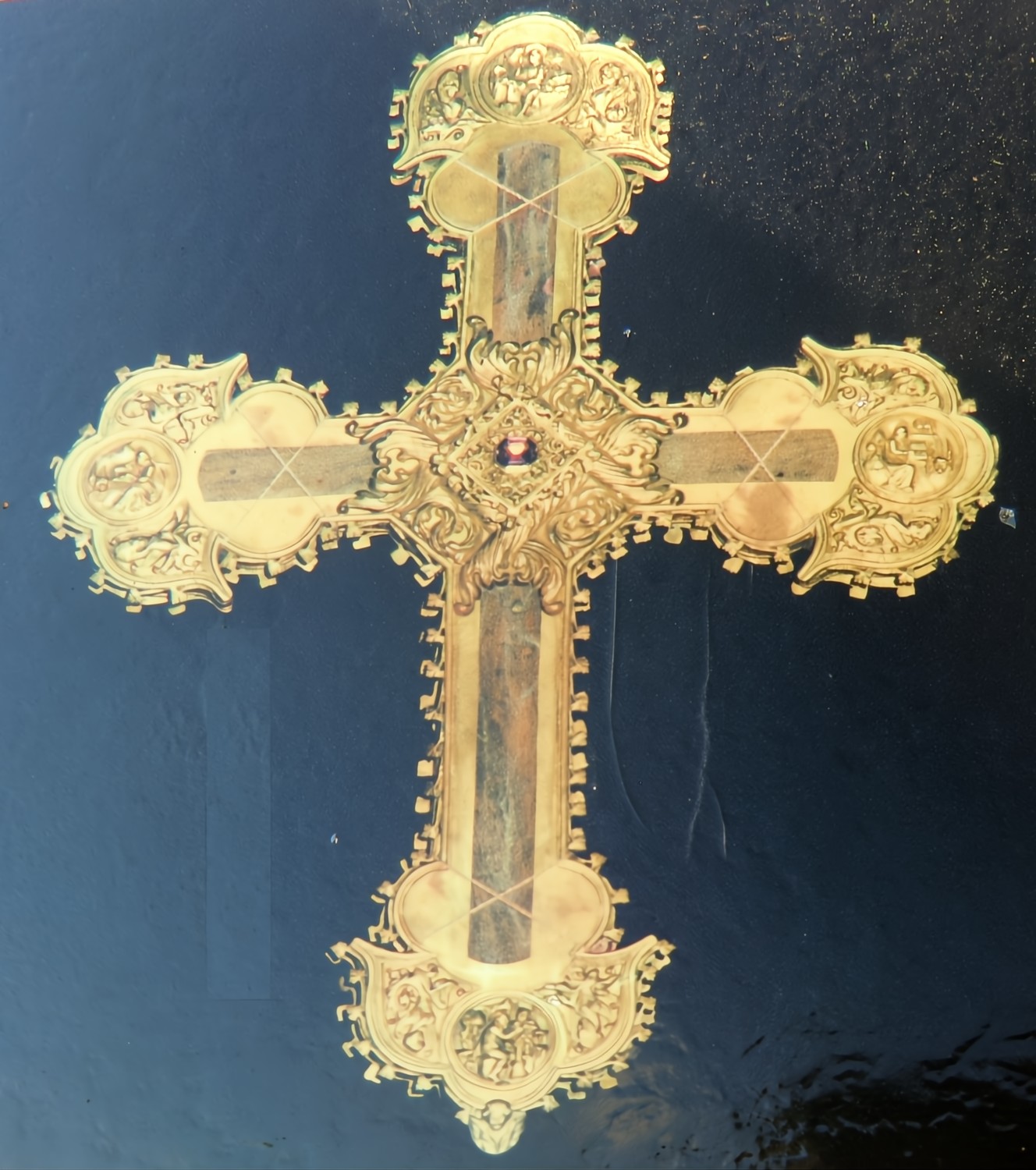
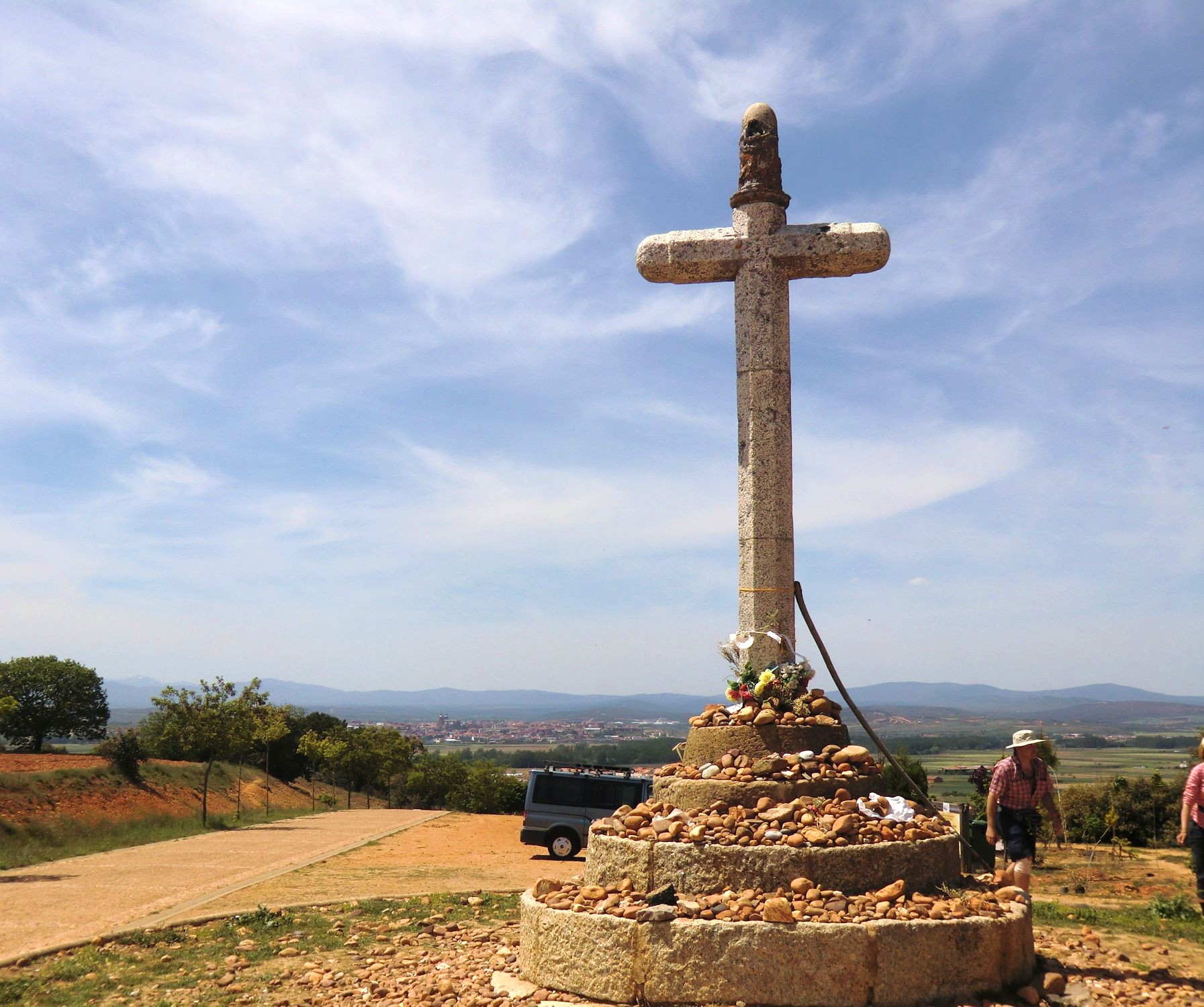
This turned the Monastery into an important pilgrimage centre which is why, in 1512, Pope Julius II granted this place the privilege of the Holy Year. It is celebrated every time thathe Monastery lies on t 16 April, the Feast of Saint Turibius, falls on a Sunday. Another important aspect is the fact that the Monastery lies on route to Compostela and so attracts many visitors to view the Relic of the Holy Cross.
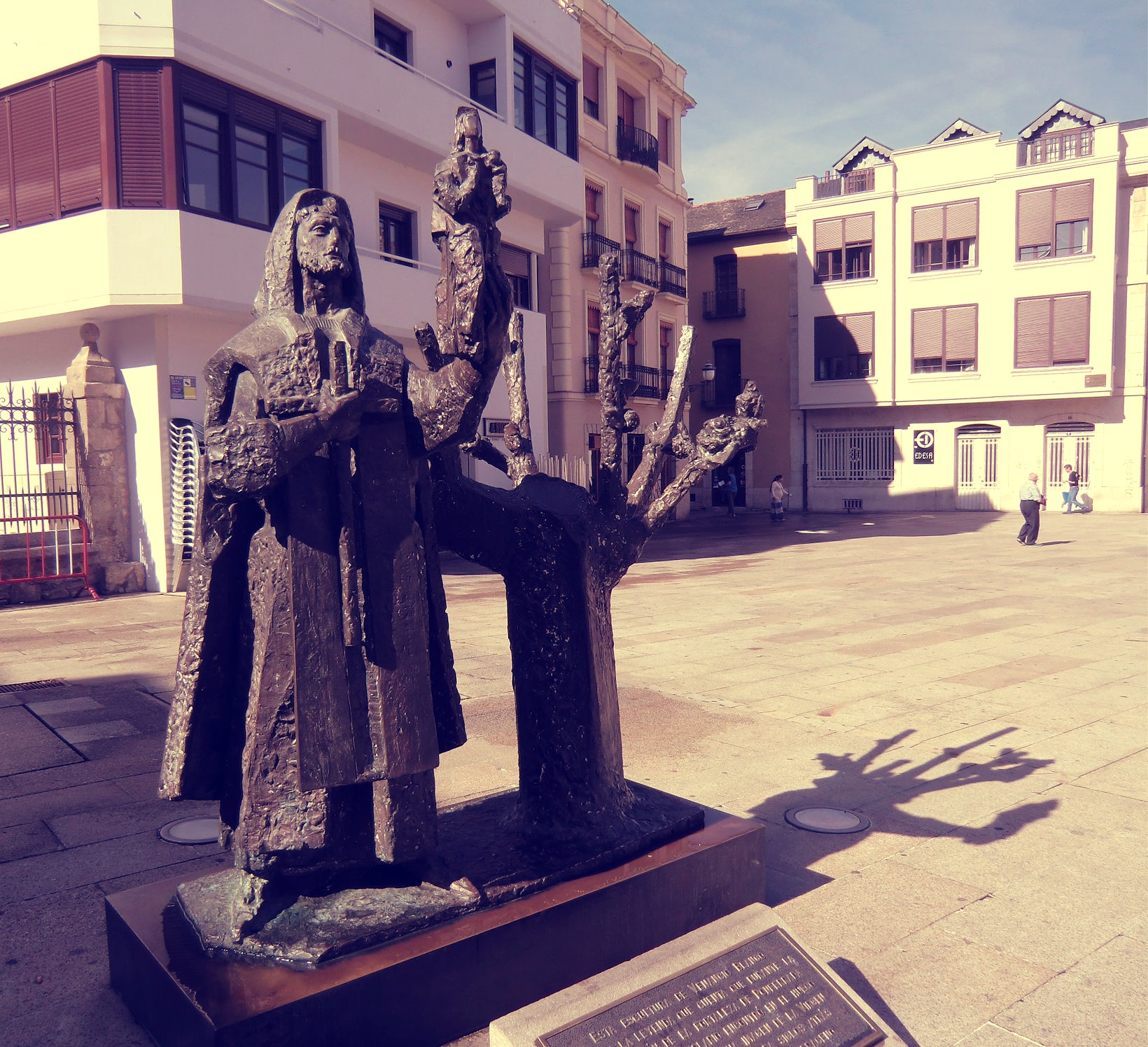
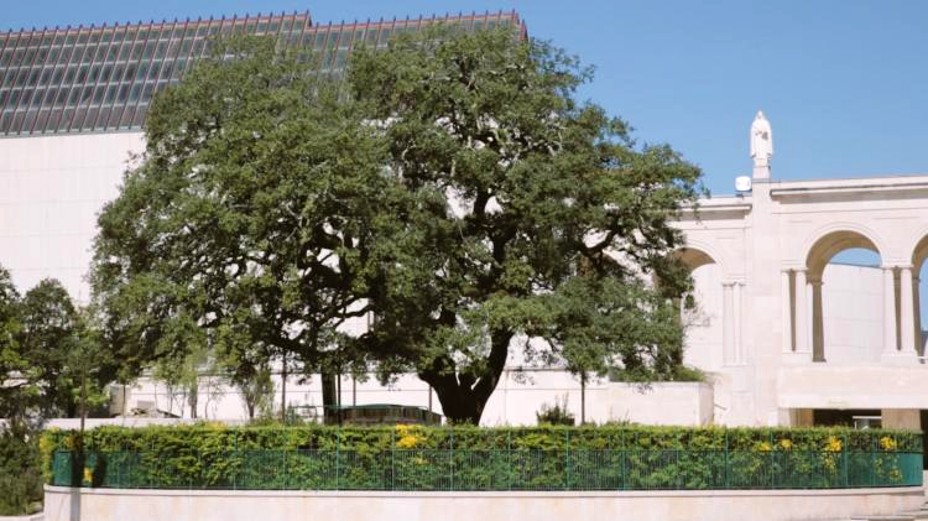
He also brought a Statue of the Blessed Virgin Mary which was, in later years, hidden from the Arabs during the times of war. For a long time the Statue was considered lost but was finally found around 1200, under a Holm Oak tree by a Knight Templar named Venacio Blanco who was involved in the construction of their new castle in Ponferrada. This Statue has been revered publicly ever since in that City; of Ponferrada.
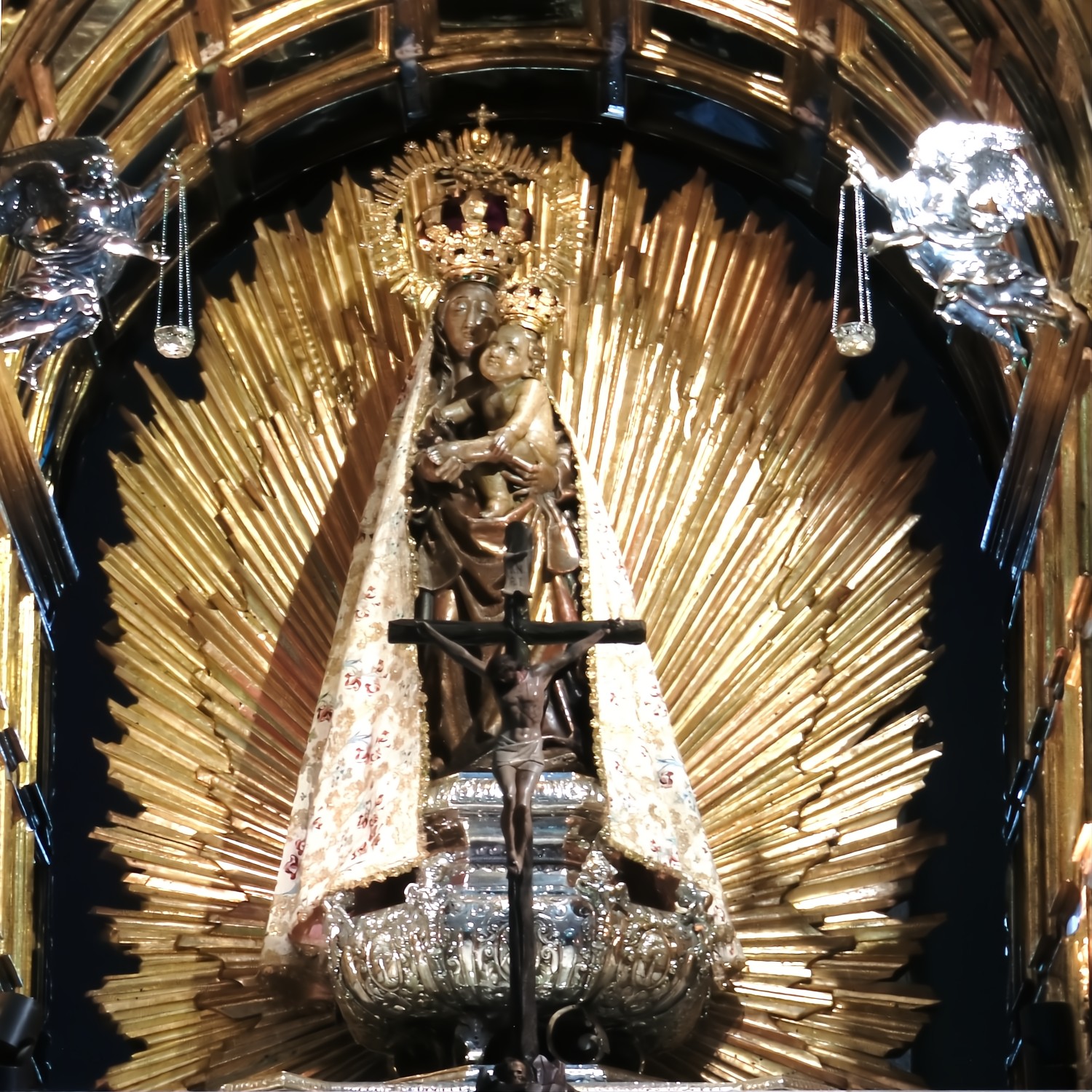
The Church of Nuestra Señora de la Encina, Our Lady of the Holm Oak , was built there in the 16th Century retaining the ancient Holm Oak in front of the Church which remains there today.
As Bishop, Turibius brought about the conversion of the Suebi peoples who were residing in the area and confronted the supporters of Priscillianism. He wrote two books criticising this heresy and presented them to Pope Leo I, who then commissioned him to call a Council. Turibius’ efforts against the heretics was succesful and he vanquished this heresy from the Spanish land.
When the Visigoth King Theuderic II, conquered Astorga in 456, Turibius was captured and taken to Gaul. After his release, he contributed to the reconstruction of the City of Astorga.
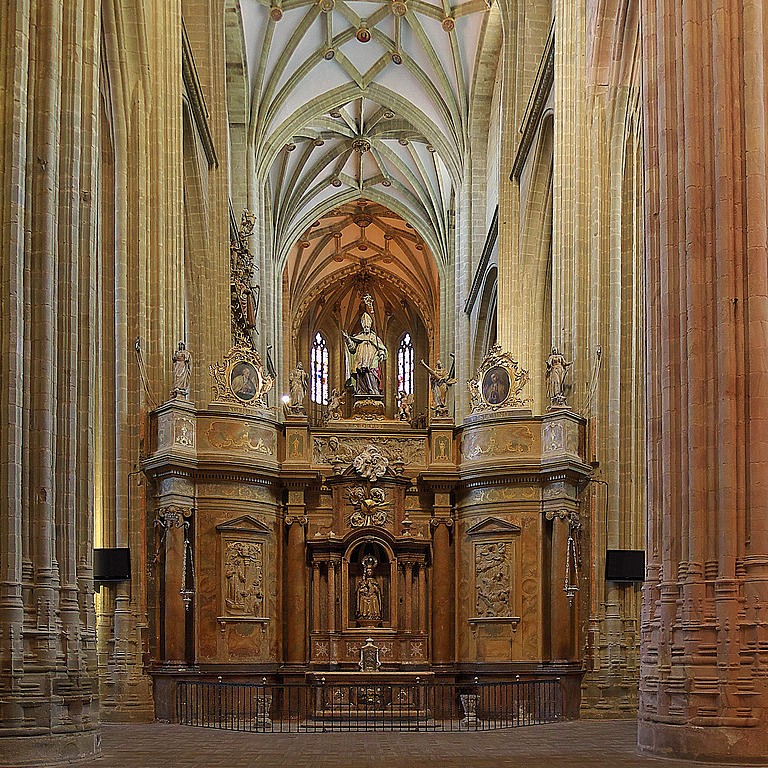
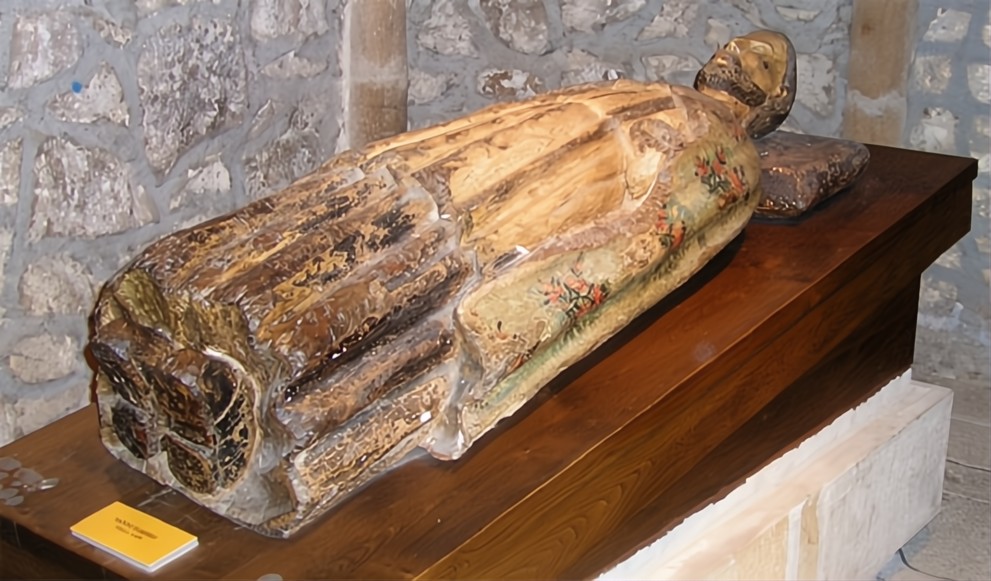
Over time, more Hermits settled in the mountains of Liébana, the Monastery of San Martín was founded there – probably in the 6th or at the latest in the 8th Century. After the Muslim occupation of Spain, Turibius’ Relics were brought here to safety. With the spread of the cult of St Turibius in the late 12th Century, the Monastery was now named after him which is why Turibius of Astorga is often confused with its Founder also St Truibius but remembered as “of Liébana.”


 AnaStpaul