Saint of the Day – 24 July – Saint Christina Mirabilis (1150-1224) Virgin, mendicant, Apostle of prayer of reparation, Mystic – also known as Christina the Astonishing – Patronages – millers, people with mental disorders, mental health workers, mental health caregivers, professionals, psychiatrists, psychologists and therapists.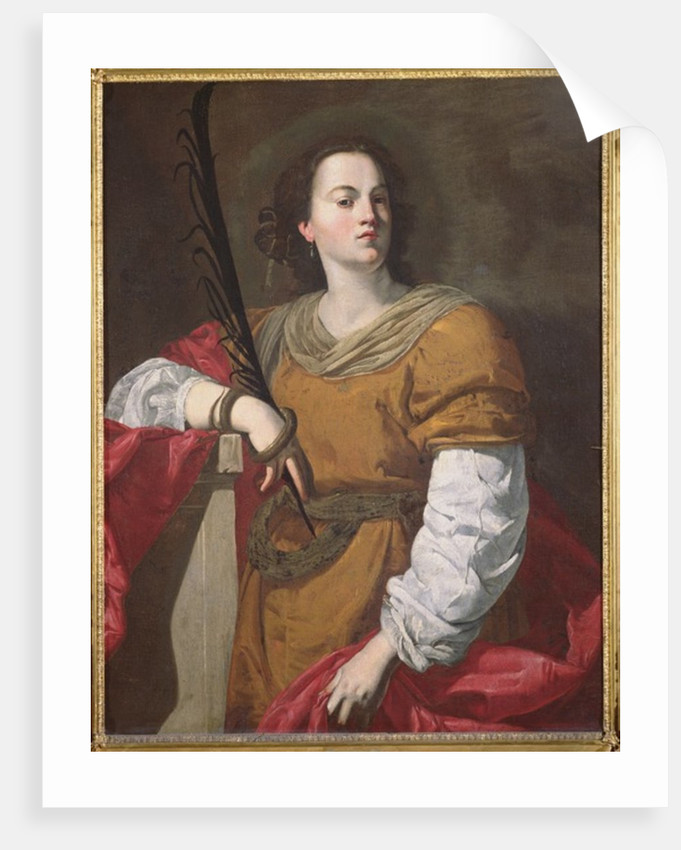
St Christina was born to a peasant family in Belgium. She was orphaned as a child and raised by her two older sisters. When she was 21 she had what was believed to be a severe seizure and was pronounced dead. At her funeral she suddenly revived and levitated before the bewildered congregation. She said that during her coma she had been to heaven, hell and purgatory and had been given the option to either die and enter heaven, or return to earth to suffer and pray for the holy souls in purgatory.
Christina chose the greater act of charity. From then on she lived in extreme poverty, wearing rags, sleeping on rocks and begging for her food. She is called “Astonishing” because she did the most bizarre things and suffered the pains of inhuman feats without being physically harmed by them. She would roll in fire and hide in hot ovens; she would stand in freezing water for hours in the dead of winter; she allowed herself to be dragged under water by a mill wheel; she spent much time in graveyards. She would also climb trees to escape the strong odour of sin in those she met.
Many thought her to be possessed by demons or insane but many devout people recognised and vouched for her sincerity, obedience and sanctity. They believed, that she was a living witness to the pains that souls experience in purgatory, willingly suffering with them and for them. Christina the Astonishing is the patron of those with mental illness and disorders, mental health workers, psychiatrists and therapists.
Thomas of Cantimpré (1201–1272), then a canon regular who was a professor of theology, wrote a report eight years after her death, based on accounts of those who knew her. Cardinal Jacques de Vitry, who met with her, said that she would throw herself into burning furnaces and there suffered great tortures for extended times, uttering frightful cries, yet coming forth with no sign of burns upon her. In winter she would plunge into the frozen Meuse River for hours and even days and weeks at a time, all the while praying to God and imploring God’s mercy. She sometimes allowed herself to be carried by the currents downriver to a mill where the wheel “whirled her round in a manner frightful to behold”, yet she never suffered any dislocations or broken bones. She was chased by dogs which bit her without any bodily injury.
Christina died at the Dominican Monastery of Saint Catherine in Sint-Truiden, of natural causes, aged 74. The prioress there later testified that, despite her unusual methodds of reparation, Christina would humbly and fully obey any command given her by the prioress.
“We have”, says St Robert Bellarmine (1542–1621) Doctor of the Church, referring to the report of Thomas of Cantimpré, “reason for believing his testimony, since he has for guarantee another grave author, James de Vitry, Bishop and Cardinal and because he relates what happened in his own time and even in the province where he lived. Besides, the sufferings of this admirable virgin were not hidden. Everyone could see that she was in the midst of the flames without being consumed and covered with wounds, every trace of which disappeared a few moments afterwards. But, more than this, was the marvellous life she led for forty-two years after she was raised from the dead, God clearly showing that the wonders wrought in her by virtue from on high. The striking conversions which she effected and the evident miracles which occurred after her death, manifestly proved the finger of God and the truth of that which, after her resurrection, she had revealed concerning the other life.”
Thus, argues Bellarmine, “God willed to silence those libertines who make open profession of believing in nothing and who have the audacity to ask in scorn, Who has returned from the other world? Who has ever seen the torments of Hell or Purgatory? Behold two witnesses. They assure us that they have seen them and that they are dreadful. What follows, then, if not that the incredulous are inexcusable and that those who believe and nevertheless, neglect to do penance, are still more to be condemned?”
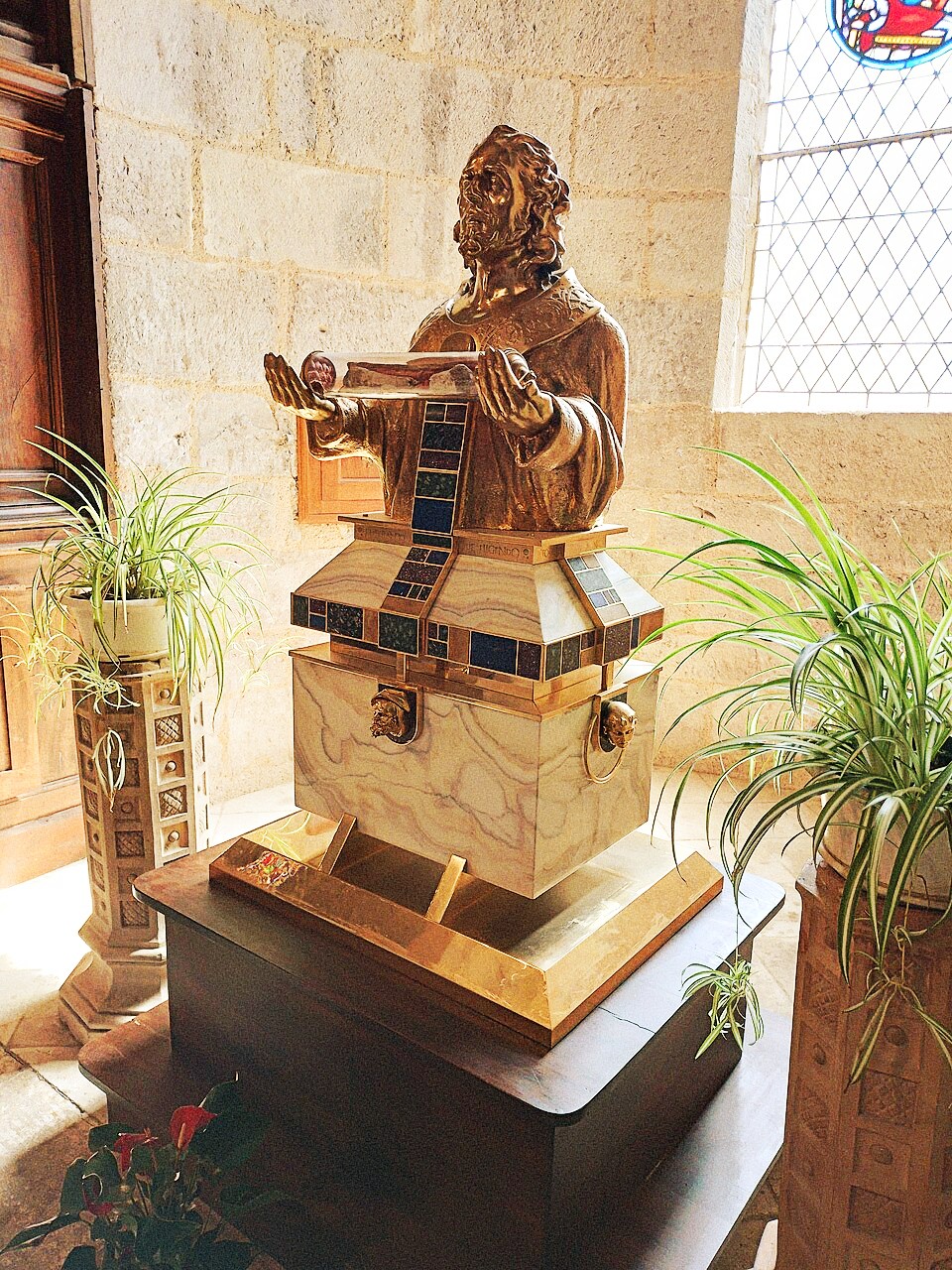
St Christina the Astonishing has been recognised as a saint since the 12th century. She was placed in the calendar of the saints by at least two bishops of the Catholic Church in two different centuries (17th & 19th) that also recognised her life in a religious order and preservation of her relics. There remains a strong devotion to her in her native region of Limburg.




You must be logged in to post a comment.