Posted in DOCTORS of the Church, FATHERS of the Church, LENT 2026, The PASSION, Thomas Aquinas

Thursday of the First Week of Lent – 26 February – Our Lenten Journey With St Thomas Aquinas – It was fitting that Christ should be Crucified with the Thieves

Thursday of the First Week of Lent – 26 February – Our Lenten Journey With St Thomas Aquinas (1225-1274) Doctor of the Church

Thursday of the First Week of Lent
It was fitting that Christ
should be Crucified with the Thieves

Christ was Crucified between the thieves because such was the will of the Jews and also because, this was part of God’s Design.
But the reasons why this was appointed, were not the same in each of these cases.

  1. As far as the Jews were concerned, Our Lord was Crucified with the thieves on either side to encourage the suspicion that He too was a criminal.
    But it transpired otherwise!
    The thieves themselves have left not a trace in the remembrance of man, while His Cross is everywhere held in honour. Kings lying their crowns aside, have embroidered the Cross on their Royal robes. They have placed it on their crowns; on their armiur. It has its place on the very Altars. Everywhere, throughout the world, we behold the splendour of the Cross.

In God’s Plan, Christ was Crucified with the thieves in order, for our sakes, He became accursed of the Cross, so, for our salvation, He is Cucified like an evil Man amongst evil men.

  1. The Pope, St Leo the Great, says that the thieves were crucified, one on either side of Our Lord, so that, in the very appearance of the scene of His Suffering, there might be set forth that distinction which should be made in the judgement of each one of us.
    St Augustine has the same thought. “The Cross itself,” he says, “was a tribunal. In the centre was the Judge. To the one side a man who believed and was set free, to the other side, a scoffer and he was condemned.”
    Already there was made clear the final fate of the living and the dead, the one class placed at His Right, the other on His Left.
  2. According to St Hilary, the two thieves, placed to right and to left, typify that the whole of mankind is called to the mystery of Our Lord’s Passion. And, since division of things, according to right and left is made with reference to believers and those who will not believe, one of the two, placed on the right, is saved by justifying faith.
  3. As St Bede says, the thieves who were crucified with Our Lord, represent those who, for the faith and to confess Christ, undergo the agony of martyrdom or the severe discipline of a more perfect life.
    Those who do this for the sake of eternal glory are typified by the thief on the Right Hand.
    Those whose motive is the admiration of whoever beholds them, imitate the spirit and the act of the thief on the Left Hand.

As Christ owed no debt in payment for which a man must die but submitted to death of His Own Will, in order to overcome death, so also, He had not done anything on account of which He deserved to be put with the thieves.
But of His Own Will, He chose to be reckoned among the wicked that by His Power, He might destroy wickedness itself.
Which is why St John Chrysostom says, to convert the thief on the cross and to turn him to Paradise, was as great a miracle as the earthquake!

ST THOMAS AQUINAS (1225-1274)
Priest, Theologian, Dominican
Doctor Angelicus (Angelic Doctor)
Doctor Communis (Common Doctor)
Added by Pope Saint Pius V in 1568

Posted in CONFESSION/PENANCE, GOD ALONE!, HOLY COMMUNION

Quote/s of the Day – 26 February – St Margaret of Cortona (

Quote/s of the Day – 26 February – St Margaret of Cortona (1247–1297) Penitent

This morning, my soul is greater
than the universe, since it possesses Thee,
Thou Whom Heaven and earth cannot contain
!”

Hide nothing from your Confessor …
a sick man can only be cured
by revealing his wounds
.”

In times of desolation,
God conceals Himself from us
so that we may discover, for ourselves,
what we are without Him.

St Margaret of Cortona (1247–1297)
Penitent

Posted in DIVINE Mercy, Goodness, Patience, FATHERS of the Church, GOD ALONE!, Our MORNING Offering, PRAYERS of the SAINTS, QUOTES on HOPE, QUOTES on the DEVIL/EVIL

Our Morning Offering – 26 February – To Thee, O Master

Our Morning Offering – 26 February – Thursday of the First Week of Lent – Ferial Day

To Thee, O Master
Morning Offering
By St Macarius the Wonder-Worker (Died 850)

To Thee, O Master,
Who loves all mankind
I hasten Mn rising from sleep.
By Thy Mercy,
I go out to do Thy Work
and I make my prayer to Thee.
Help me at all times and in all things.
Deliver me from every evil thing of this world
and from pursuit by the devil.
Save me and bring me to Thy eternal Kingdom,
For Thou art my Creator,
Thou inspire all good thoughts in me.
In Thee is all my hope
and to Thee I give glory,
now and forever.
Amen

Posted in SAINT of the DAY

Saint of the Day – 26 February – St Andrew (9th Century) Bishop and Confessor of Florence

Saint of the Day – 26 February – St Andrew (9th Century) Bishop and Confessor of Florence. Also known as – Andrea.

The Roman Martyrology reads today: “At Florence, St Andrew, Bishop and Confessor.”

Andrea da Firenze, Spanish Chapel, Santa Maria Novella, Florence, Fresco, 1365-1367.

Information regarding St Andrew’s life is scarce and fragmentary. According to tradition, he lived in the 9th Century and was the Bishop of Florence.

The first documented record dates to 18 December 871, when he is mentioned as an Imperial Envoy attended at Court with Margrave Adalbert. In 874, he obtained from Emperor Louis II the German, the privilege of immunity for the Bishop’s property. On 1 March 893, his Envoys are reported to have handed his niece to Bertha, Abbess of the Abbey of Sant’Andrea, to be educated and trained to succeed the Abbess.

This scant information does not allow us to reconstruct Saint Andrew’s life. However, it is possible to hypothesise that he was a man of great faith and profound culture. His presence in Florence is attested by several documents and by his Liturgical Feast celebrated today.

Saint Andrew is considered the protector of the City of Florence. His figure has been depicted in several works of art, including a 15th Century Altarpiece preserved in the Church of Sant’Andrea in Florence.

A Church dedicated to him existed as early as the 13th Century, located in the Square of the same name in the historic center of the City. This Church was replaced and today, the memory of Saint Andrew is preserved in the Cathedral of Florence. A Chapel is also dedicated to him in the Church of San Lorenzo, where the Relics of his predecessor, Saint Zenobius, are preserved.

Posted in MARIAN TITLES, SAINT of the DAY

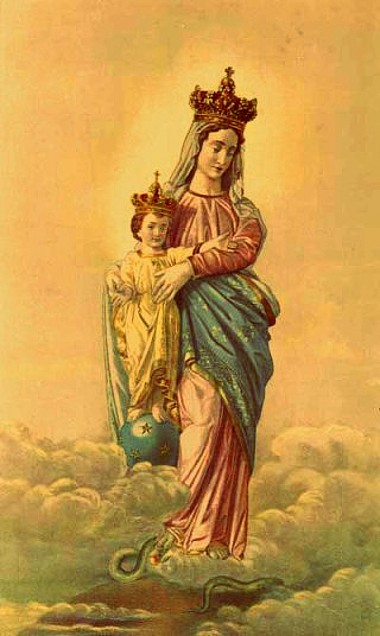
Notre-Dame des Champs / Our Lady of the Fields, Paris (250), St Margaret of Cortona and the Saints for 26 February

THURSDAY of the FIRST WEEK of LENT

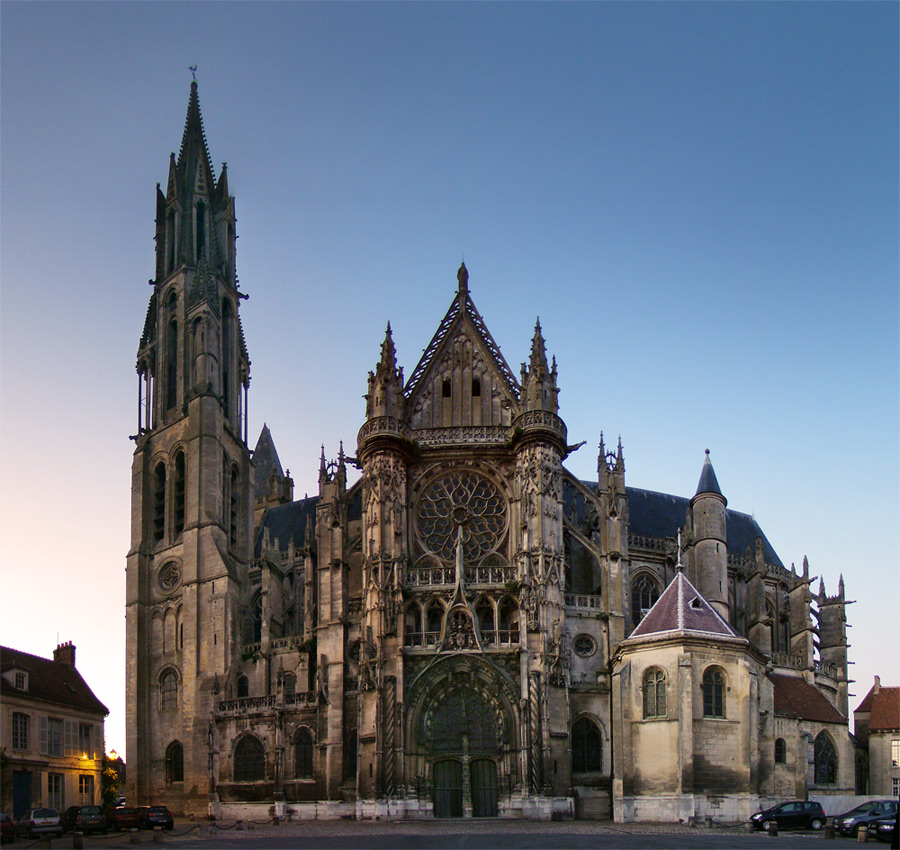
Notre-Dame des Champs / Our Lady of the Fields, Paris, France, consecrated by St Denis (250) – 26 February:
HERE:

https://anastpaul.com/2021/02/26/our-lady-of-the-fields-paris-france-consecrated-by-st-denis-250-and-memorials-of-the-saints-26-february/

St Margaret of Cortona TOSF (1247–1297) Penitent, Franciscan Tertiary, Mystic, Apostle of Charity, Founder of a charitable Lay Apostolate and an Order of Sisters known as “Le Poverelle” – Italian for “The Little Poor Ones.”
“Le Poverelle” :

https://anastpaul.com/2019/02/22/saint-of-the-day-22-february-st-margaret-of-cortona-tosf-1247-1297/

Bl Adalbert of Tegernsee
St Agricola of Nevers

St Alexander of Alexandria (Died c326) Bishop of Alexandria, Confessor, Defender of the True Faith against heresies, in particular the Arians.
The Roman Martyrology states of him today: “At Alexandria, the Bishop St Alexander, an aged man held in great honour who was a successor of the blessed Peter as Bishop of the City. He expelled from the Church, Arius, one of his Priests, tainted with heretical impiety and convicted by Divine Truth and, subsequently, was one of the three hundred and eighteen Fathers, who condemned him at the Council of Nicea.
Holy Father St Alexander:

https://anastpaul.com/2022/02/26/saint-of-the-day-26-february-st-alexander-of-alexandria-died-c-326/

St Andrew (9th Century) Bishop and Confessor of Florence
St Dionysius of Augsburg

St Faustinian (4th Century)The 2nd Bishop of Bologna.
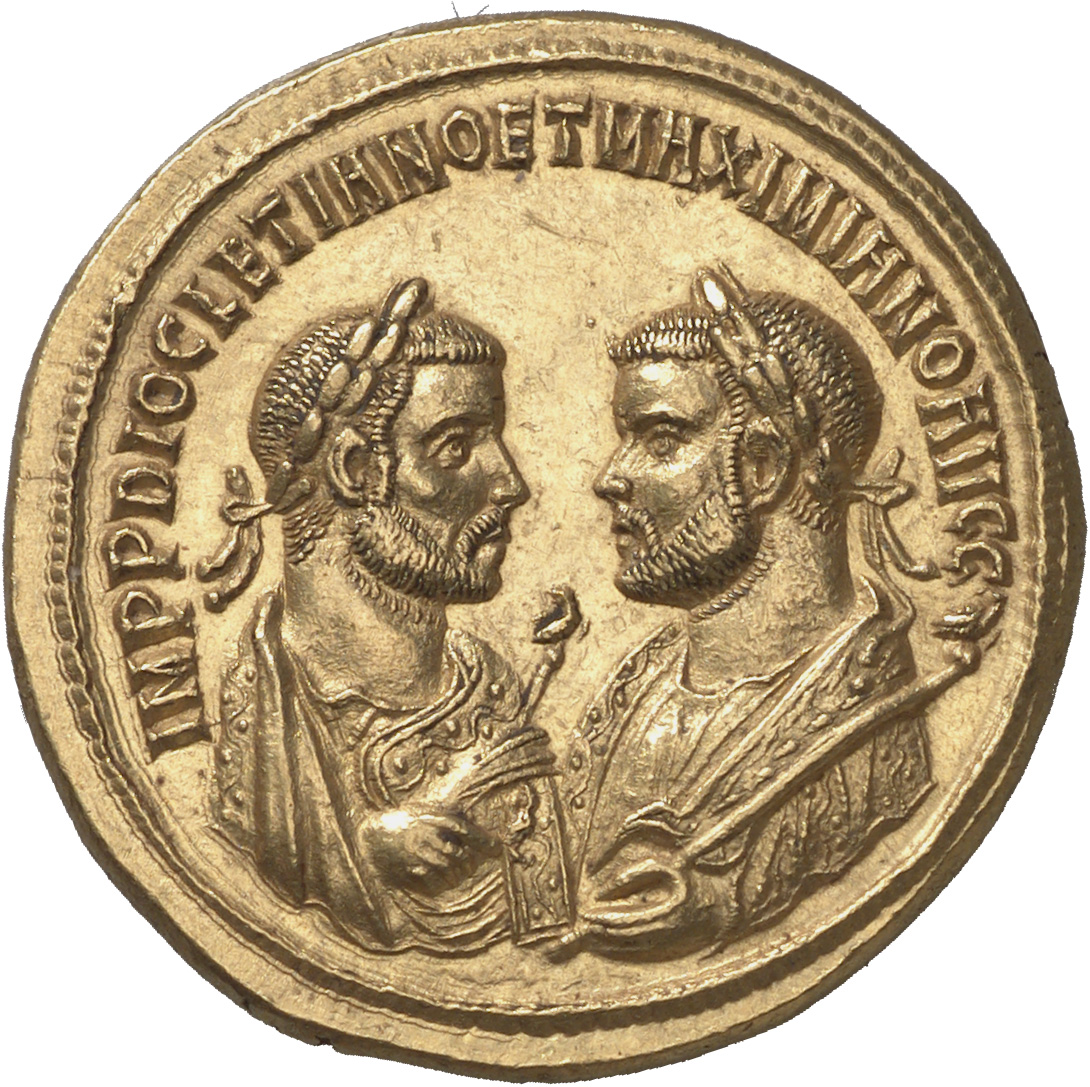
The Roman Martyrology reads today: “At Bologna, the Bishop St Faustinian, whose preaching strengthened and multiplied the faithful of that Church which had been much afflicted during the persecutions of Diocletian.”
A Brave and Zealous Shepherd:

https://anastpaul.com/2025/02/26/saint-of-the-day-26-february-st-faustinian-4th-century-the-2nd-bishop-of-bologna/

St Felix
St Fortunatus
St Irene
Bl Ottokar of Tegernsee

St Porphyrius of Gaza (Died 420) Bishop of Gaza from 395 to 420, known, from the account in his Life, for Christianising the recalcitrant pagan City of Gaza in Palestine and demolishing its pagan temples. Previously he had been a Hermit.
His Life:

https://anastpaul.com/2023/02/26/saint-of-the-day-26-february-saint-porphyrius-of-gaza-died-420-bishop/

Blessed Ulrik O.Praem. (Died1187) Priest, Prior of the Monastery of Obermarchtal
Blessed Ulrik’s Life:

https://anastpaul.com/2024/02/26/saint-of-the-day-26-february-blessed-ulrik-of-obermarchtal-o-praem-died-1187-priest/

St Victor the Hermit (Died 6th Century) Priest, Monk, Hermit, miracle-worker.
Holy St Victor:

https://anastpaul.com/2021/02/26/saint-of-the-day-26-february-saint-victor-the-hermit-died-6th-century-priest/

Posted in LENT 2026, QUOTES on SUFFERING, The PASSION, Thomas a Kempis

Wednesday of the First Week of Lent – 25 February – Our Lenten Journey With St Thomas Aquinas – How Great was the Sorrowo of Our Lord in His Passion?

Wednesday of the First Week of Lent – 25 February – Our Lenten Journey With St Thomas Aquinas (1225-1274) Doctor of the Church

Wednesday of the First Week of Lent
How Great was the Sorrow
of Our Lord in His Passion?

“Attend and see if there be any sorrow like unto My sorrow.
Lam i. 12.

Our Lord as He suffered felt in reality and in His Senses, that pain which is caused by some harmful bodily injuries.
He also felt that interior pain which is caused by the fear of something harmful and, which we call sadness.
In both these respects, the pain suffered by Our Lord was the greatest pain possible in this present life.
There are four reasons why this was so.

  1. The causes of the pain.
    The cause of the pain in the senses was the catastrophic injuries to the body, a pain whose bitterness derived partly from the fact that the sufferings attacked every part of His Body and partly, from the fact that, of all species of torture , death by Crucifixion is undoubtedly the most bitter.
    The nails are driven through the most sensitive of all places, the hands and the feet, the weight of the body itself increases the pain every moment.
    Add to this the long extentuated agony, for the Crucified do not die immediately as do those who are beheaded. The cause of the internal pain was:
    (i) All the sins of all mankind for which, by suffering, He was making satisfaction, so that, in a sense, He took them to Himself as though they were His own. The words of my sins, it says in the Psalms (Ps xxi. 2).

(ii) The special case of the Jews and the others who had had a share in the sin of His death and especially, the case of His disciples for whom His death had been a thing to be ashamed of.

(iii) The loss of His Bodily Life which, by the nature of things, is something from which human nature turns away in horror.

  1. We may consider the greatness of the pain according to the capacity, bodily and spiritual, for suffering of Him Who suffered. In
    His Body He was most admirably formed, for it was formed by the miraculous operation of the Holy Ghost and, therefore, Iits Sense of Touch, the sense through which we experience pain, was of the keenest.
    His Soul likewise, from Its interior powers, had a knowledge as from experience of all the causes of sorrow.
  2. The greatness of Our Lord’s Suffering can be considered in regard to this that the pain and sadness were without any alleviation. For, in the case of no matter what other sufferer, the sadness of mind and even the bodily pain, is lessened through a certain kind of reasoning, by means of which there is brought about a distraction of the sorrow from the higher powers to the lower.
    But when Our Lord suffered this did not happen, for He allowed each of His Powers to act and suffer to the fullness of its special capacity.
  3. We may consider the greatness of the suffering of Christ in the Passion, in relationship to this fact, that the Passion and the pain it brought with it, were deliberately undertaken by Christ with the object of freeing man from sin.
    And, therefore, He undertook to suffer an amount of pain proportionately equal to the extent of the fruit which was to follow from the Passion.

From all these causes, if we consider them together, it will be evident that the pain suffered by Christ was the greatest pain ever suffered.

ST THOMAS AQUINAS (1225-1274)
Priest, Theologian, Dominican
Doctor Angelicus (Angelic Doctor)
Doctor Communis (Common Doctor)
Added by Pope Saint Pius V in 1568

Posted in CHRIST the WORD and WISDOM, CONFESSION/PENANCE, DOCTORS of the Church, FATHERS of the Church, GOD is LOVE, JUNE-THE SACRED HEART, MEDITATIONS - ANTONIO CARD BACCI, QUOTES for CHRIST, QUOTES on OBEDIENCE, QUOTES on PATIENCE, QUOTES on REPARATION/EXPIATION, QUOTES on REPENTANCE, QUOTES on SACRIFICE, SACRED and IMMACULATE HEARTS, SACRED HEART QUOTES, The WORD

Quote/s of the Day – 25 February – Repent

Quote/s of the Day – 25 February –– Ember Wednesday – 3 Kings 19:3-8; Matthew 12:38-50 – Scripture search here: https://www.drbo.org/

The sign of Jonah

Matthew 12:39

It was, too, to lead the Ninevites
to firm repentance and to convert them
to Him, Who would deliver them from death,
amazed as they were by the sign accomplished in Jonah …
In the same way, God permitted man
to be swallowed by that great monster,
the author of disobedience,
not so that he should altogether vanish away
and die but because God, had prepared beforehand,
the salvation fulfilled by His Word
by means of the “sign of Jonah.

St Irenaeus (130-208)
Bishop of Lyons, Martyr and Father

To do penance is to bewail
the evil we have done
and to do no evil to bewail.

But He still follows behind us and counsels us,
although we have despised Him,
He still does not cease to call us.
We turn our backs on His face, so to speak,
when we reject His Words,
when we trample His Commandments underfoot
but He, Who sees that we reject Him,
still calls out to us by His Commandments
and waits for us by His patience,
stands behind us and calls us back
when we have turned away.

St Pope Gregory the Great (540-604)
Father & Doctor of the Church

What are we doing?
If we really love the Sacred Heart of Jesus,
we should offer penance and sacrifices
in order to make reparation for our sins
and the sins of others
and, to propitiate this adorable Heart,
Which ardently desires to bestow
new favours upon us.

Antonio Cardinal Bacci (1881-1971)

Posted in DIVINE Mercy, Goodness, Patience, DOCTORS of the Church, FATHERS of the Church, HYMNS, LENT 2026, Our MORNING Offering, PRAYERS of the SAINTS, QUOTES on FASTING, QUOTES on FORGIVENESS

Our Morning Offering – 25 February – Ex More Docti Mystico, The Fast, As Taught by Holy Lore

Our Morning Offering – 25 February – “Wednesday of The First Week of Lent

Ex More Docti Mystico
The Fast, As Taught by Holy Lore
By St Gregory the Great (540-604)
Pope, Father, Doctor of the Church

Trans. John Mason Neale

The fast, as taught by holy lore,
We keep in solemn course once more.
The fast to all men known and bound
In forty days of yearly round.

The law and seers that were of old
In divers ways this Lent foretold,
Which Christ, all seasons’ King and Guide,
In after ages sanctified.

More sparing, therefore, let us make
The words we speak, the good we take,
Our sleep and mirth – and closer barred
Be every sense in holy guard.

Avoid the evil thoughts that roll
Like water o’er the heedless soul;
Nor let the foe occasion find
Our souls in slavery to bind.

In prayer together let us fall,
And cry for mercy, one and all,
And weep before the Judge’s Feet,
And His avenging wrath entreat.

The grace have we offended sore,
By sins, O God, which we deplore;
But pour upon us, from on high,
O pardoning One, Thy clemency.

Remember Thou, though frail we be,
That yet Thine handiwork are we;
Nor let the honour of Thy Name
Be by another put to shame.

Forgive the sin that we have wrought;
Increase the good that we have sought
That we at length, our wanderings o’er,
May please Thee here and evermore.

Grant, O Thou Blessed Trinity,
Grant, O Essential Unity,
That this our fast of forty days
May work our profit and Thy praise.

There are twelve translations of this lovely Lenten Hymn.
This one by L M Neale
Liturgical Use: Matins Hymn on Sundays
and week-days during Lent.

Posted in SAINT of the DAY

Saint of the Day – 25 February – Saint Pope Felix III (Died 492)

Saint of the Day – 25 February – Saint Pope Felix III (Died 492) Papacy from 13 March 483 to his death on 1 March 492. He was the great-grandfather of St Pope Gregory the Great.

The Roman Martyrology reads today: “At Rome, the birthday of Pope St Felix III, great-grandfather of St Pope Gregory the Great, who relates of him that he appeared to St Tharsilla, his niece and called her to the Kingdom of Heaven.”

Felix III Descendant of aristocrats and the son of a Priest, was ahimself a widower with 2 children when he was elected to the papacy in 483.

He was the first Pope to announce his election to the Emperor in Constantinople. The following year, he excommunicated Patriarch Acacius of Constantinople, who was a monothelite.

The Catholics appealed to Felix, who convened a Synod in 487 and sent a letter to the Bishops of Africa, expounding the conditions under which the unwilling apostates were to be allowed to return to the Church. Felix addressed the issue of readmitting to the Church of those who through fear, the Arians had forcibly re-baptised i.e. members of the flock were allowed to return to the fold of the Church after penance and Clergy were allowed to return only on their deathbed.

Felix died in 492 and was buried in the Basilica of St Paul Outside the Walls in Rome.

Posted in EMBER DAYS

Ember Wednesday, Notre-Dame-de-Grande-Puissance / Our Lady of Great Power, Quebec (1673), St Walburga, Blessed Sebastian of Aparicio and the Saints for 25 February

EMBER WEDNESDAY – Fast & Abstinence
https://anastpaul.com/2020/12/16/today-is-an-ember-day-did-you-remember/

Notre-Dame-de-Grande-Puissance / Our Lady of Great Power, Quebec, Canada, (1673) – 25 February:
HERE:

https://anastpaul.com/2021/02/25/our-lady-of-great-power-quebec-canada-1673-and-memorials-of-the-saints-25-february/

St Walburga (c710-779) Virgin, Nun and Missionary. Daughter of St Richard the King. Sister of St Willibald and St Winebald, niece of St Boniface.
The Life of St Walburga – image below with her noble and Saintly family:
https://anastpaul.com/2017/02/25/saint-of-the-day-25-february-st-walburga/

Blessed Sebastian of Aparicio OFM (1502-1600) “The Angel of Mexico,” Franciscan Lay Brother, Confessor, Ascetic, apostle of the poor, builder of roads and bridges in Mexico and thus is honoured as the founder of the transport and road system in Mexico.
About the Amazing Blessed Sebastian:

https://anastpaul.com/2021/02/25/saint-of-the-day-25-february-blessed-sebastian-of-aparicio-ofm-1502-1600-the-angel-of-mexico/

St Adelelmo of Engelberg
St Aldetrudis
St Ananias of Phoenicia

Blessed Avertano of Lucca O.Carm ( 1320-1380 ) Lay Brother of the Order of Carmel, Miracle-worker, Avertano had a great devotion to the Passion of Christ.
Biography:

https://anastpaul.com/2022/02/25/saint-of-the-day-25-february-blessed-avertano-of-lucca-o-carm-1320-c-1366/

St Caesarius of Nazianzen (c329-369) Celibate Layman, a prominent Physician and Politician, Son of Saint Gregory of Nazianzen the Elder and Saint Nonna, Brother of Saint Gorgonia and Saint Gregory of Nazianzen. Patronages – of Physicians and bachelors.
His Holy Life:

https://anastpaul.com/2024/02/25/131658/

St Donatus the Martyr
St Felix III, Pope (Died 492)
St Gerland the Bishop
St Gothard the Hermit
St Herena the Martyr
St Justus the Martyr

St Nestor of Side
St Riginos

Blessed Robert of Arbrissel (c1045 – 1116) Priest, Itinerant Missionary Preacher, Founder of the renowned dual Monastery of Fontevraud-l’Abbaye in Pays-de-la-Loire, France, Teacher, both a Reformer, as well as possessing the opposite virtue of being a Peacemaker. A quite astonishing man!
https://anastpaul.com/2023/02/25/saint-of-the-day-25-february-blessed-robert-of-arbrissel-c1045-1116-priest-missionary-preacher-founder/

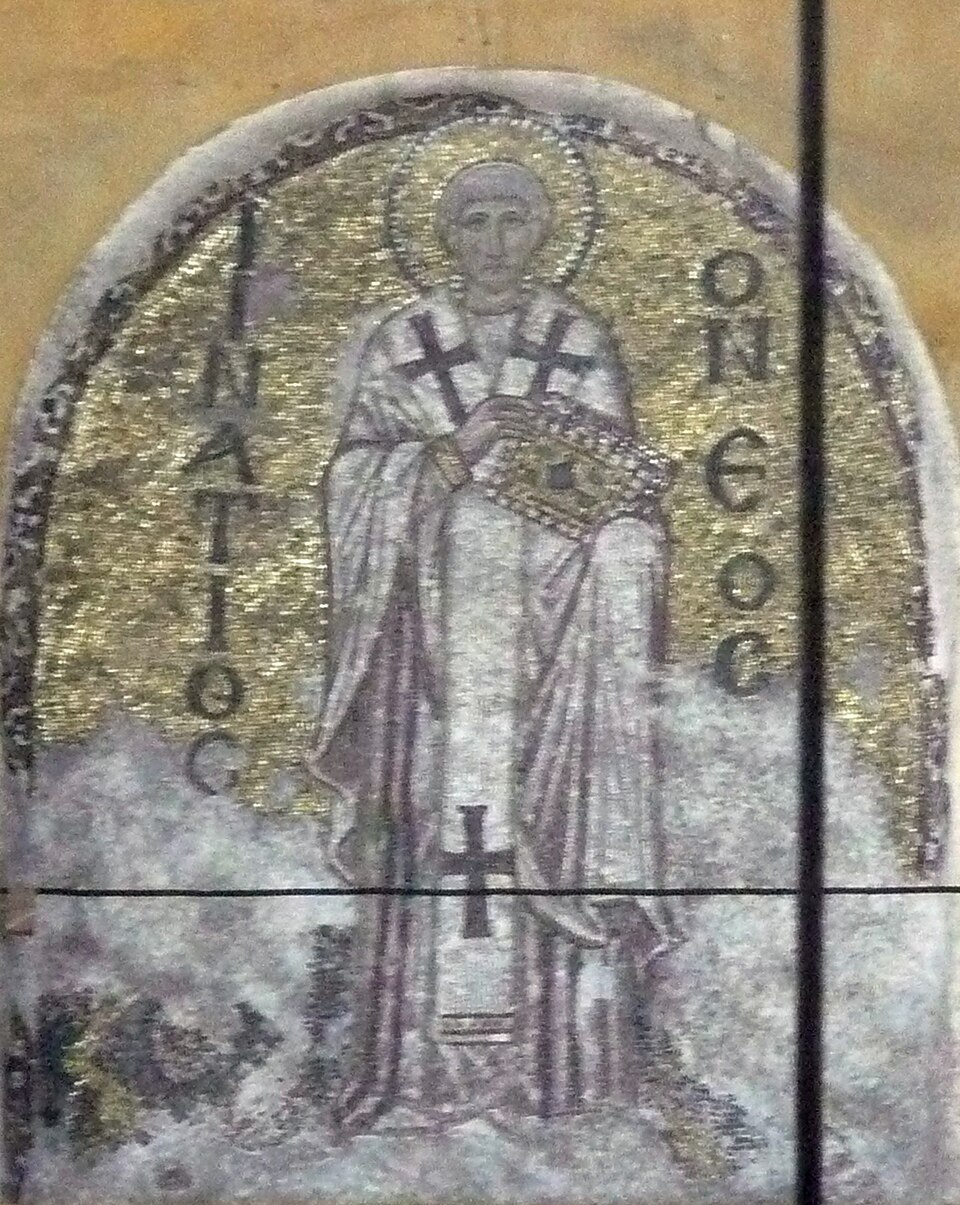
St Tharasius (c730-806) Bishop of Constantinople from 25 December 784 until his death on 25 February 806, Defender of Sacred images and of the sanctity of marriage against the imperial powers.
The Roman Martyrology reads today: “At Constantinople, St Tharasius, the Bishop, a man of great erudition and piety, to whom is addressed an epistle of Pope Adrian I, in defence of holy images.”
His Fervent Life:

https://anastpaul.com/2025/02/25/saint-of-the-day-25-february-saint-tharasius-c730-806-bishop/

St Victor of Saint Gall

Martyrs of Egypt – A group oSeven f Christian men who were exiled to Egypt for their faith and were eventually Martyred for their faith in the persecutions of Numerian. We know little more than their names: Claudianus, Dioscurus, Nicephorus, Papias, Serapion, Victor, Victorinus.

Posted in LENT 2026, QUOTES on SUFFERING, The PASSION, Thomas Aquinas

Tuesday of the First Week of Lent – 24 February – Our Lenten Journey With St Thomas Aquinas – Christ underwent every kind of suffering

Tuesday of the First Week of Lent – 24 February – Our Lenten Journey With St Thomas Aquinas (1225-1274) Doctor of the Church

Tuesday of the First Week :
Christ underwent every kind of suffering

Every kind of suffering.
The things men suffer may be understood in two ways.
By “kind” we may mean a particular, individual suffering and in this sense, there was no reason why Christ should suffer every kind of suffering, for many kinds of sufferings are contrary, one to the other, as for example, to be burnt and to be drowned.
We are of course, speaking of Our Lord as suffering from causes outside Himself, for to suffer the suffering effected by internal causes, such as bodily illness, would not have become Him.
But, if by “kind” we mean, the class, then Our Lord did suffer by every kind of suffering, as we can show
in three ways:

  1. By considering the men through whom He suffered.
    For He suffered something at the hands of Gentiles and of Jews, of men and even of women as the story of the servant girl who accused St.Peter goes to show.
    He suffered, again, at the hands of Rulers, of their Ministers, and of the people, as was prophesied, Why have the Gentiles raged and the people devised vain things? The Kings of the earth stood up and the Princes met together against the Lord and against His Christ (Ps ii. i, 2).
    He suffered, too, from His friends, the men He knew best, for Peter denied Him and Judas betrayed Him.
  2. If we consider the things through which suffering is possible. Christ suffered in the friends who deserted Him and in His good name through the blasphemies uttered against Him.
    He suffered in the respect, in the glory, due to Him through the derision and contempt bestowed upon Him.
    He suffered in all things, for He was stripped even of His clothing; in His soul, through sadness, through weariness and through fear; in His body through wounds and the scourging.
  3. If we consider what He underwent in His various members. His head suffered through the Crown of piercing Thorns, His hands and feet, through the nails driven through them, His face from the blows and the defiling spittle and His whole body through the scourging.

He suffered in every sense of His body.
Touch was afflicted by the scourging and the nailing, taste by the vinegar and gall, smell by the stench of corpses as He hung on the Cross in that place of the dead which is called Calvary.
His hearing was torn with the voices of mockers and blasphemers and He saw the tears of His Mother and of the disciple whom He loved.
If we only consider the amount of suffering required, it is true that one suffering alone, the least indeed of all, would have sufficed to redeem the human race from all its sins. But if we look at the fitness of the matter, it had to be that Christ should suffer in all the kinds of sufferings.

ST THOMAS AQUINAS (1225-1274)
Priest, Theologian, Dominican
Doctor Angelicus (Angelic Doctor)
Doctor Communis (Common Doctor)
Added by Pope Saint Pius V in 1568

Posted in AUGUSTINIANS OSA, CHRIST the WORD and WISDOM, DOCTORS of the Church, FATHERS of the Church, GOD ALONE!, I BELIEVE!, QUOTES on FAITH, QUOTES on GOOD WORKS, QUOTES on GRACE, QUOTES on LOVE of GOD, QUOTES on PURITY, QUOTES on SANCTITY, The BEATITUDES, The HEART, The WORD

Quote/s of the Day – 24 February – Feast of St Matthias “Thou has Chosen”

Quote/s of the Day – 24 February – Feast of St Matthias, Apostle – Acts 1:15-26, Matthew 11:25-30 – Scripture search here: https://www.drbo.org/

And praying, they said:
Thou, Lord, Who knows the hearts of all men,
show which of these two Thou hast chosen,
to take the place of this ministry and apostleship,
from which Judas hath, by transgression, fallen …”

Acts 1:24-25

You did not choose Me
but I chose you…

John 15:16

That is amazing grace!
For what were we before Christ had chosen us
besides being wicked and lost?
What then has He chosen in those who are not good?
You cannot say, I am chosen because I believed.
For if you believed in Him,
you had already chosen Him.
Nor can you say, before I believed I did good works
and, therefore, was chosen.
For what good work is there
before faith when the Apostle says,
“Whatever is not of faith is sin?”
What is there for us to say, then
but that we were wicked and were chosen,
that by the grace of having been chosen,
we might become good?

St Augustine (354-430)
Father and Doctor of Grace

Day by day follow God’s path,
keeping Him closely attached to you by His promise.
In fact, He Himself said, through the mediation of His Apostles,
to all those who seek His will and His testimonies
that He would be with them
until the end of the world (Mt 28:20)
where paths and footsteps
will be unknown (cf Ps 76:20),
as the divine David said in his songs.
Yet, in an invisible way,
He is present to the eyes of the mind,
making Himself seen by those
who have a pure heart
and conversing with them.
So pursue your path 
…. ”

St Theodore the Studite (759-826)
Abbot, Confessor, Father of the Church

Posted in BREVIARY Prayers, CATHOLIC-PRAYERS OF THE CHURCH, FATHERS of the Church, HYMNS, Our MORNING Offering, PRAYERS of the CHURCH, The APOSTLES & EVANGELISTS

Our Morning Offering – 24 February – St Matthias, Apostle – Exsultet Orbis! Let the World Rejoice!

Our Morning Offering – 24 February – Feast of St Matthias, Apostle and Martyr

Exsultet Orbis!
Let the World Rejoice!
Unknown Author

Now let the earth with joy resound,
And Heaven the chant re-echo round;
Nor Heaven nor earth too high can raise
The great Apostles’ glorious praise.

O ye who, throned in glory dread,
Shall judge the living and the dead,
Lights of the world forever more!
To you the suppliant prayer we pour.

Ye close the Sacred Gates on high.
At your command apart they fly.
O loose for us the guilty chain
We strive to break and strive in vain.

Sickness and health your voice obey,
At your command they go or stay.
From sin’s disease our souls restore;
In good confirm us more and more.

So when the world is at its end.
And Christ to Judgment shall descend,
May we be called, those joys to see
Prepared from all eternity.

Praise to the Father, with the Son,
And Holy Spirit, Three in One;
As ever was in ages past
And so shall be while ages last.
Amen

(Roman Breviary for the Common of Apostles)
An Office Hymn traditionally prescribed for Vespers and Lauds on the Feasts of Apostles and Evangelists outside Easter time.
The Hymn is found as early as the 10th Century in a Hymnal of Moissac Abbey.

Posted in SAINT of the DAY

Saint of the Day – 24 February – St Praetextatus (Died 586) Bishop and Martyr of Rouen

Saint of the Day – 24 February – St Praetextatus (Died 586) Bishop and Martyr of Rouen who spent a large part of his long 35 year Espicopate in exile, was murdered by the orders of the Queen of the time whilst he celebrated Holy Mass. Also known as – Pretextat, Pretextatus.

The Roman Martyrology reads today: “At Rouen, the Passion of St Praetextatus, Bishop and Martyr.

The 35 years during which he occupied the position of Bishop, were riddled with troubles involving the Frankish Monarchy, a result of which was a time of exile for the Saint.

Among the players of this political drama. was Fredegund, mistress of King Chilperic, a murderous woman responsible for several deaths in the Royal family.

Fredegund despised Praetextatus and opposed his return from exile but a Council in Rouen overruled her interference and reinstated the holy Bishop to his sSe.

“The time is coming when you shall revisit the place of your exile.” She threatened the Saint shortly before his death.

“I was a Bishop always, whether in exile or out of exile and a Bishop I shall remain but as for you, you shall not always enjoy your crown!” he said, as he urged the Queen to convert.

The wicked Queen refused to reform her life,and in 586 as Praetextatus was offering Holy Mass, Fredegund had an assassin stab him under the arm.

The mortally wounded Bishop managed to drag himself to the Altar and receive Holy Communion before he died.

Posted in MARIAN TITLES, SAINT of the DAY

St Matthias the Apostle, TUESDAY of the FIRST WEEK of LENT, Plague in Rome ends after Saint Pope Gregory the Great leads a procession with a painting of Our Lady by Saint Luke (591) and the Saints for 24 February

TUESDAY of the FIRST WEEK of LENT

St Matthias the Apostle, Martyr. After Christ’s Ascension, Matthias was chosen Apostle in place of the traitor Judas, as is detailed in the Epistle of this day and, after the descent of the Holy Ghost, announced the Gospel, first to his own people, the Jews and then, in Cappadocia and the neighbourhood of the Caspian Sea.
St Matthias!

This Feast was moved to 1969 to 14 May.
https://anastpaul.wordpress.com/2018/05/14/saint-of-the-day-feast-of-st-matthias-apostle/
AND:
https://anastpaul.com/2022/02/24/saint-of-the-day-24-february-st-matthias-apostle-of-christ-martyr/

Plague in Rome ends after Saint Pope Gregory the Great leads a procession with a painting of Our Lady by Saint Luke (591): – 24 February
HERE:

https://anastpaul.com/2021/02/24/plague-in-rome-ends-after-saint-pope-gregory-the-great-leads-a-procession-with-a-painting-of-our-lady-by-saint-luke-591-and-memorials-of-the-saints-24-february/

St Adela of Blois (c1067-1137) Widow, Mother, Countess of Blois, France, Princess. She contributed greatly to the religious, economic and cultural well-being of her lands and was generous in endowing Monasteries and Churches.
A Holy Lady of Many Gifts:

https://anastpaul.com/2024/02/24/saint-of-the-day-24-february-saint-adela-of-blois-c1067-1137-widow/

Bl Antonio Taglia
Bl Arnold of Carcassonne
St Betto of Auxerre
Bl Berta of Busano

Blessed Constantius of Fabriano OP (1401-1481) Priest and Friar of the Order of Preachers, Prior, Reformer, Preacher of renown, Writer, known as a Miracle-Worker and had the gift of prophecy, peacemaker. He was Beatified in 1821 by Pope Pius VII (cultus confirmed).
Rivetting Constantius
:
https://anastpaul.com/2019/02/24/saint-of-the-day-24-february-blessed-constantius-of-fabriano-op-1401-1481/

St Cummian Albus of Iona

St Ethelbert of Kent (552-616) King and Confessor.
Holy St Ethelbert:

https://anastpaul.com/2021/02/24/saint-of-the-day-24-february-saint-ethelbert-of-kent-552-616-king/

St Evetius of Nicomedia
Bl Ida of Hohenfels
St Liudhard
Bl Lotario Arnari

Blessed Marco De’ Marconi OSH (1480-1510) Monk of the Order of the Hermits of Saint Jerome (The Hieronymites). Marco was gifted with the charism of prophecy and of miracles.
His Life:

https://anastpaul.com/2023/02/24/saint-of-the-day-24-february-blessed-marco-de-marconi-osh-1480-1510-the-glory-of-mantua/

St Modestus (Died c486) Bishop and Confessor. He was a man assiduous in prayer who systematically practiced fasting. Modestus fought against the discouragement and poverty of all his people. He was also tireless in the fight against the indiscipline of the Clergy and in the fight against all forms of corruption.
His Holy Life:

https://anastpaul.com/2025/02/24/saint-of-the-day-24-february-saint-modestus-died-c486-bishop-and-confessor/

Statue of Saint Modestus, Bishop of Trier, in Notre-Dame-de-Bonsecours Church, L

St Peter the Librarian
St Praetextatus (Died 586) Bishop and Martyr of Rouen
St Primitiva
St Sergius of Caesarea
Bl Simon of Saint Bertin

Posted in LENT 2026, QUOTES on TEMPTATION, QUOTES on the DEVIL/EVIL, Thomas Aquinas

Monday of the First Week of Lent – 23 February – Our Lenten Journey With St Thomas Aquinas

Monday of the First Week of Lent – 23 February – Our Lenten Journey With St Thomas Aquinas (1225-1274) Doctor of the Church

Monday of the First Week :
Christ had to be tempted in the desert

He was in the desert 40 days and 40 nights and was tempted by satan.
Mark i. 13.

  1. It was by Christ’s Own Will that He was exposed to the temptation by the devil, as it was also, by His Own Will that He was exposed to be slain by the limbs of the devil. Had He not so willed, the devil would never have dared to approach Him.

The devil is always more disposed to attack those who are alone because, as is said in Sacred Scripture: “If a man shall prevail against one, two shall withstand him easily (Eccles iv. 12).
This is why Christ went out into the desert, as one going out to a battleground, that there, He might be tempted by the devil. Whereupon St Ambrose says, Christ went into the desert for the express purpose of provoking the devil. For unless the devil had fought, Christ would never have overcome him for me!

St Ambrose gives other reasons too. He says Christ chose the desert as the place to be tempted for a hidden reason, namely, that He might free Adam from his exile who, from Paradise, was driven into the desert and again, that He did it for a reason in which there is no mystery, namely, to show us that the devil envies those who are tending towards a better life.

  1. We say with St Chrysostom that Christ exposed Himself to the temptation because the devil, most of all, tempts those whom he sees alone.
    So in the very beginning of things, he tempted the woman, when he found her away from her husband. It does not however follow from this that a man ought to throw himself into any occasion of temptation which presents itself.

Occasions of temptation are of two kinds.
One kind arises from man’s own action, when, for example, man himself goes near to sin, not avoiding the occasion of sin.
That such occasions are to be avoided we know and Holy Scripture reminds us of it. “Stay not in any part of the country round about Sodom” (Gen xix. 17).
The second kind of occasion arises from the devil’s constant envy of those who are tending to better things, as St Ambrose says and this occasion of temptation is not one we must avoid.
So, according to St John Chrysostom, not only Christ was led into the desert by the Holy Ghost but all the children of God who possess the Holy Ghost are led in like manner. For God’s children are never content to sit down with idle hands but the Holy Ghost ever urges them to undertake for God some great work. And this, as far as the devil is concerned, is to go into the desert, for in the desert, there is none of that wickedness in which the devil’s delight.
Every good work is, as it were, a desert to the eye of the world and of our flesh, for good works are contrary to the desire of the world.

To give the devil such an opportunity of temptation as this is not dangerous, for it is much more the inspiration of the Holy Ghost, Who is the promoter of every perfect work which prompts us, than the working of the devil, who hates them all.

ST THOMAS AQUINAS (1225-1274)
Priest, Theologian, Dominican
Doctor Angelicus (Angelic Doctor)
Doctor Communis (Common Doctor)
Added by Pope Saint Pius V in 1568

Posted in CONFESSION/PENANCE, DOCTORS of the Church, FATHERS of the Church, OUR Cross, QUOTES on GRACE, QUOTES on PATIENCE, QUOTES on SELF-DENIAL, QUOTES on SILENCE, QUOTES on SUFFERING, Quotes Self-Oblation

Quote/s of the Day – 23 February – St Peter Damian

Quote/s of the Day – 23 February – Monday of the First Week of Lent – The Feast of St Peter Damian (1007-1072) Cardinal Bishop, Confessor, Father and Doctor of the Church

Let us detach ourselves in spirit
from all that we see
and cling to that which we believe.
This is the Cross
which we must imprint
on all our daily actions and behaviour.

The best penance is to have patience
with the sorrows God permits.
A very good penance is to dedicate oneself
to fulfill the duties of everyday
with exactitude and to study and work
with all our strength.

We hold our tongues in check
because if they are undisciplined
they empty the soul of the strength
of heavenly grace
and weaken its healthful vigour.”

MORE:
https://anastpaul.com/2024/02/23/quote-s-of-the-day-23-february-st-peter-damian-3/

St Peter Damian (1007-1072)
Bishop, Father and Doctor of the Church

Posted in CONFESSION/PENANCE, DIVINE Mercy, Goodness, Patience, DOCTORS of the Church, FATHERS of the Church, Our MORNING Offering, PRAYERS of the SAINTS, QUOTES on MORTIFICATION, QUOTES on REPENTANCE, SAINT of the DAY

Our Morning Offering – 23 February – Have Mercy, LordBy St Peter Damian

Our Morning Offering – 23 February – The Feast of St Peter Damian (1007-1072) Cardinal Bishop, Confessor, Father and Doctor of the Church

Have Mercy, Lord
By St Peter Damian (1007-1072)
Father & Doctor of the Church

Have mercy, Lord,
on all my friends and relatives,
on all my benefactors,
on all who pray to Thee for me
and on all who have asked me
to pray to Thee, for them.
Give them the spirit of fruitful penance,
mortify them in all vices
and make them flower
in all Thy virtues.
Amen

Posted in SAINT of the DAY

Saint of the Day – 23 February – St Felix (Died c650) Bishop of Brescia, Italy

Saint of the Day – 23 February – St Felix (Died c650)Bishop of Brescia, Italy in the 7th Century, a zealous shepherd and a strenuous opponent of the Lombard Arians.

The Roman Martyrology reads today: “At Brescia, St Felix, Bishop,”

Unknown Bishop Saint

We have no information on his life bar the fact that he was appointed as the Bishop of Brescia and that he governed this See for more than 40. This fact alone certainly adds a great lustre to his sanctity as a good and holy shepherd of his flock.

Added to this, Felix was an ardent opponent of the Lombard Arians. He protected the Faith of Christ and his flock from the serious incursions of heresy levied by the Arians.

Posted in DOCTORS of the Church, FATHERS of the Church, MARIAN TITLES, SAINT of the DAY

Monday of the First Week of Lent, Nuestra Señora de la Peña / Our Lady of the Rock (1434), St Peter Damian and the Saints for 23 February

MONDAY of the FIRST WEEK of LENT

St Peter Damian OSB (1007-1072) Cardinal Bishop of Ostia, Benedictine Monk, Confessor, Theologian, Reformer, Writer, Teacher, Preacher, Poet, Papal Envoy, Father and Doctor of the Church. Dante placed him in one of the highest circles of Paradiso as a great predecessor of Saint Francis of Assisi. Peter was acclaimed as “one of the most accomplished Latinists of his time, one of the greatest writers of medieval Latin.
The wonderful St Peter here:
https://anastpaul.wordpress.com/2017/02/21/saint-of-the-day-21-february-st-peter-damian/
AND:
https://anastpaul.com/2019/02/21/saint-of-the-day-21-february-st-peter-damian-osb-1007-1072-doctor-of-the-church/

Nuestra Señora de la Peña / Our Lady of the Rock, Pena de Francia, near Salamanca, Spain (1434) – 23 February:
HERE:

https://anastpaul.com/2021/02/23/our-lady-of-the-rock-pena-de-francia-near-salamanca-spain-1434-and-memorials-of-the-saints-23-february/

St Abilius (Died c98) the 2nd Bishop of Alexandria, Egypt. He was the 2nd Bishop of Alexandria. He was Ordained by Saint Mark the Evangelist and was also the first convert Mark won to Christianity in the region.
His Fervent Life:
https://anastpaul.com/2025/02/22/saint-of-the-day-22-february-st-abilius-died-c98-the-2nd-bishop-of-alexandria/

St Alexander Akimetes
St Boswell
St Dositheus of Egypt
St Felix (Died c650) Bishop of Brescia
St Florentius of Seville
St Giovanni Theristi (1049–1129) Monk
Bl John of Hungary

St Lazarus Zographos (c810-c 867) Priest, Monk known as “the Painter and the Iconographer.” Lazarus lived before and during the second period of Byzantine Iconoclasm.
The Roman Martyrology states of him today: “St Lazarus, a Monk, whom the Iconoclast Emperor Theophilus ordered to be put to torture for having painted holy images. His hand was burned with a hot iron but, being healed by the power of God, he painted anew the holy images which had been defaced and finally rested in peace.”
The Painter Saint:

https://anastpaul.com/2022/02/23/saint-of-the-day-23-february-st-lazarus-zographos-810-865/

St Martha of Astorga
St Medrald

St Milburga (Died 715) Virgin, Prioress, Abbess, Miracle-worker.
Holy Milburga:

https://anastpaul.com/2023/02/23/saint-of-the-day-23-february-saint-milburga-died-715-abbess/

St Milo (Died c1077) Bishop of Benevento, Teacher, Spiritual Guide and most zealous Shepherd of his flock and a loving father to the poor, the sick and the nedy.
Loving Father St Milo, Pray for Us!

https://anastpaul.com/2024/02/23/saint-of-the-day-23-february-saint-milo-of-benevento-died-c1077-bishop/

St Ordonius
St Polycarp of Rome

St Romana (Died c324) Virgin

St Serenus the Gardener (Died 307) Martyr. Serenus was by birth a Grecian. He left his family estate, friends and country to serve God in celibacy, penance and prayer. With this design he bought a garden in Sirmium in Pannonia, which he cultivated with his own hands and lived on the fruits and herbs it produced.
His Life and Death:

https://anastpaul.com/2019/02/23/saint-of-the-day-23-february-st-serenus-the-gardener-died-307-martyr/

St Willigis of Mainz (c940-1011) Archbishop of Mainz, Reformer, builder of the Cathedral of Mainz and many Churches, bridges and roads throughout his Diocese, de facto Regent of Germany during the minority of Otto III, to whom he was Guardian.
About St Willigis:

https://anastpaul.com/2021/02/23/saint-of-the-day-23-february-saint-willigis-of-mainz-c-940-1011-archbishop/

St Zebinus of Syria

Martyrs of Syrmium – 73 Christians who were Martyred together in the persecutions of Diocletian. We know no details about them, and only six of their names – Antigonus, Libius, Rogatianus, Rutilus, Senerotas and Syncrotas.

Posted in AUGUSTINIANS OSA, CHRIST the HIGH PRIEST, CHRIST the WORD and WISDOM, DOCTORS of the Church, LENT 2026, QUOTES on TEMPTATION, The WORD, Thomas Aquinas

The First Sunday of Lent – 22 February – Our Lenten Journey With St Thomas Aquinas – Christ willed to be tempted

The First Sunday of Lent – 22 February – Our Lenten Journey With St Thomas Aquinas (1225-1274), Doctor of the Church

The First Week of Lent – Sunday

It was fitting that Christ should be tempted

Jesus was led by the spirit into the desert,
to be tempted by the devil.

Matt iv. i

Christ willed to be tempted:

  1. That He might assist us against our own temptations.
    St Gregory says: “That our Redeemer, Who had come to earth to be killed, should will to be tempted, was not unworthy of Him. It was. indeed but just that He should overcome our temptations by His own, in the same way that He had come to overcome our death by His death.”
  2. To warn us that no man, however holy he be, should think himself safe and free from temptation.
    Whence again, His choosing to be tempted after His Baptism, about which St Hilary says: “The devil’s wiles are especially directed to trap us at times when we have recently been made holy because the devil desires no victory as much as a victory over the world of Grace.”
    Whence too, the Scripture warns us, “Son, when thou comest to the service of God, stand in justice and in fear and prepare thy soul for temptation” (Ecclus ii. i).
  3. To give us an example of how we should overcome the temptations of the devil, St Augustine says: “Christ gave Himself to the devil to be tempted that, in the matter of our overcoming those same temptations, He might be of service, not only by His assistance but too, by His example.”
  4. To fill and saturate our minds with confidence in His Mercy.
    “For we have not a High Priest Who cannot have compassion on our infirmities but One , without sin but ttempted in all things, like as we are, (Heb iv. 15).

ST THOMAS AQUINAS (1225-1274)
Priest, Theologian, Dominican
Doctor Angelicus (Angelic Doctor)
Doctor Communis (Common Doctor)
Added by Pope Saint Pius V in 1568

Posted in CHRIST the WORD and WISDOM, GOD ALONE!, GUARDIAN ANGELS - Prayers etc, In the PRESENCE of GOD, LENT 2026, QUOTES on TEMPTATION, The WORD

Quote/s of the Day – 22 February – Begone, Satan!

Quote/s of the Day – 22 February – The First Sunday of Lent – 2 Corinthians 6:1-10, Matthew 4:1-11

Begone, Satan!
for it is written:
The Lord thy God shalt thou adore
and Him only shalt thou serve.

Matthew 4:10

Do not, therefore, lose your confidence,
which has a great reward.
For you have need of patience that,
doing the Will of God,
you may receive the promise.
For yet a very little while
and He Who is to come,
will come
and will not delay.

Hebrews 10:35-37

It might even be said that we are fortunate
to have temptations, for these are the times
of spiritual harvest when we gather up for Heaven. …
If we were thoroughly saturated
with God’s Holy Presence,
it would be easy for us to resist the enemy.
With the thought ‘God sees you!’ we would never sin!

There was a Saint who complained to our Lord
after being tempted and said to Him:
“Where were Thou, my most loveable Jesus,
during that awful storm?”
Our Lord answered:
“I was in the centre of thou heart…

St John-Marie Baptiste Vianney (1786-1859)
The Curé of Ars

When tempted,
turn immediately to your
Guardian Angel and ask him,
with all your heart,
“My Guardian Angel help me now.
Do not let me offend my God!

St John Bosco (1815-1888)

Posted in DOCTORS of the Church, FATHERS of the Church, HYMNS, PRAYERS of the SAINTS, St PETER!

Our Morning Offering – 22 February – O Prince of the Apostolic Senate!

Our Morning Offering – 22 February – The Chair of St Peter at Antioch

O Prince of the Apostolic Senate!
Hymn to the Prince of the Apostles
By St Peter Damian (1007-1072)

Cardinal Bishop of Ostia
Doctor of the Church

O Prince of the Apostolic Senate!
Herald of our Lord!
First Shepherd of the Faithful!
watch over the Flock intrusted to thee.

Lead us through verdant pastures,
feeding us with the nourishment of the Word
and lead us, thus fed, into the heavenly fold,
whither thou hast already gone.

To thee, Peter, have been delivered
the Keys of heaven’s gate
and all things, both in Heaven and on earth,
acknowledge thy authority.

Tis thou that choosest the City
where is to be established the Rock of the True Faith,
the foundation of the building,
on which the Catholic Church stands immoveable.

Thy shadow, as thou passest by, heals the sick
and Tabitha, who made garments for the poor,
was raised to life
at thy bidding.

Bound with two chains,
thou wast set free by an Angel’s power;
he bids thee put on thy garments and thy sandals
and lo! the prison door is opened.

To the Father unbegotten
and to the Only-Begotten Son
and to the co-equal Spirit of them both,
be praise and kingly highest power.
Amen.

Posted in SAINT of the DAY

Saint of the Day – 22 February – St Paschasius (Died c441) Bishop of Vienne

Saint of the Day – 22 February – St Paschasius (Died c441) Bishop of Vienne, in modern France, a learned man of great erudition but equally a man celebrated for his holy and virtuuous life. Also known as – Paschase, Pascase, Pascasio.

The Roman Martyrology reads today: “At Vienne, St Paschasius, the Bishop, celebrated for his learning and holy life,

Unknown Bishop Saint

Paschasius appointed as the Bishop and governed the See of Vienne in the early 5th Century.

In the official chronology of the Diocese’s Bishops, he is listed 11th, as indicated by Adonis’ “Universal Chronicle.”

He was part of that first group of ancient Bishops of Vienne, all of whom are considered Saints.

There is no certain date of his reign. We know that he succeeds Saint Simplicius, mentioned in 400 and precedes Saint Claudius, the Bishop before 441.

He is remembered for his integrity and erudition.
Furthermore, Saint Paschasius is known as a famous confessor.

Around the 10th Century, a false privilege was invented about him, according to which Pope Sylvester, in an autograph letter, appointed him Primate of all the Bishops of Gaul.

Posted in MARIAN TITLES, SAINT of the DAY

The First Sunday of Lent, The Chair of Saint Peter at Antioch, Vigil of St Matthias, Apostle, Notre-Dame de Rennes / Our Lady of Miracles and Virtues, Rennes, France (1357) and the Saints for 22 February

The First Sunday of Lent

The Chair of Saint Peter at Antioch – where the disciples were first entitled “Christians.” The Chair/Throne or Cathedra itself is a Relic conserved in St Peter’s Basilica although it seems not to be the original Chair. This Antioch is where the disciples were first called CHRISTIANS.
https://anastpaul.com/2022/02/22/the-feast-of-the-chair-of-saint-peter-at-antioch-22-february/

Vigil of St Matthias, Apostle

Notre-Dame de Rennes / Our Lady of Miracles and Virtues, Rennes, France (1357) – 22 February:
HERE:

https://anastpaul.com/2021/02/22/our-lady-of-of-miracles-and-virtues-rennes-france-1357-feast-of-the-chair-of-st-peter-and-memorials-of-the-saints-22-february/

St Abilius (Died c98) Bishop of Alexandria
St Angelus Portasole
St Aristion of Salamis
St Athanasius of Nicomedia
St Baradates of Cyrrhus

Blessed Diego Carvalho SJ (1578-1624) Priest and Martyr of the Society of Jesus, Missionary to Japan. Patronage Japanese miners. Beatified on 7 May 1867 by Pope Blessed Pius IX.
His Life and Death:

https://anastpaul.com/2021/02/22/saint-of-the-day-22-february-blessed-diego-carvalho-sj-1578-1624-priest-and-martyr/

St Elwin

St Isabella of France (1225-1270) Virgin, Founder Nun, Sister of Saint Louis IX; Aunt of Saint Louis of Toulouse.
Previously done on 26 February (post 1969 Feast Day):
https://anastpaul.com/2017/02/26/saint-of-the-day-26-february-blessed-isabellae-of-france/
AND:
https://anastpaul.com/2024/02/22/saint-of-the-day-22-february-saint-isabella-of-france-1225-1270-virgin/

St John the Saxon
St Limnaes
Bl Mohammed Abdalla
St Papias of Heirapolis
St Paschasius (Died c441) Bishop of Vienne
St Raynerius of Beaulieu
St Thalassius

Martyrs of Arabia – A memorial for all the unnamed Christians Martyred in the desert and mountainous areas south of the Dead Sea during the persecutions of Emperor Valerius Maximianus Galerius.

Posted in CHRIST the WORD and WISDOM, LENT 2026, The SACRED PASSION - Meditations for LENT, The WORD, Thomas Aquinas

Saturday after Ash Wednesday – 21 February – Our Lenten Journey With St Thomas Aquinas – Saturday : The Grain of Wheat

Saturday after Ash Wednesday – 21 February – Our Lenten Journey With St Thomas Aquinas (1225-1274), Doctor of the Church

Saturday : The Grain of Wheat

Unless the grain of wheat falling into the ground die, itself remaineth alone.”
John xii. 24

We use the grain of wheat in two ways, for bread and for seed. Here the Word is to be taken in the second sense, grain of wheat meaning seed and not the matter out of which we make bread. For in this sense it never increases, so as to bear fruit.
When it is said that the grain must die, this does not mean that it loses its value as seed but that it is changed into another kind of thing. So St Paul (i Cor xv. 36) says, “That which then thou sowest is not quickened, except it die first.”

The Word of God is a seed in the soul of man, insofar as it is a thing introduced into man’s soul, by words spoken and heard, in order to produce the fruit of good works.
The seed is the Word of God (Luke viii. II). So also the Word of God garbed in Flesh is a Seed placed in the world, a Seed from which great crops should grow, whence it is compared in St Matthew’s Gospel (xiii. 31, 32) to a grain of mustard seed.

Our Lord, therefore, says to us, “I came as Seed, something meant to bear fruit and, therefore, I say to you, unless the grain of wheat falling into the ground die, itself remaineth alone” which is, as much as to say, “Unless I die, the fruit of the conversion of the Gentiles, will not follow.”
He compares Himself to a grain of wheat because He came to nourish and to sustain the minds of men and to nourish and sustain are precisely what wheaten bread does for men. In the Psalms it is written, That bread may strengthen man’s heart (Ps ciii. 15) and in St John, The bread that I will give is My Flesh for the life of the world(John vi. 52).

  1. “But if it die it bringeth forth much fruit” (John xii. 25). What is here explained is the usefulness of the Passion. It is as though the Gospel said, Unless the grain fall into the earth through the humiliations of the Passion, no useful result will follow, for the grain itself remaineth alone. But if it shall die, done to death and slain by the Jews, it bringeth forth much fruit, for example:

(i) The remission of sin.
This is the whole fruit, that the sin thereby should be taken away (Isaias xxvii. 9). And this is the fruit of the Passion of Christ as is declared by St Peter – Christ died once for our sins, the just for the unjust that He might offer us to God (i Pet iii. 18).

(ii) The conversion of the Gentiles to God.
“ I have appointed you that you shall go forth and bring forth fruit and that your fruit should remain” (John xv. 16). This fruit the Passion of Christ bore, if I be lifted up from the earth, I will draw all things to myself (John xii. 32).

(iii) The fruit of Glory.
The fruit of good labours is glorious (Wis. iii. 15).
And this fruit too, the Passion of Christ brough forth; We have, therefore, a confidence in the entering into the Holies by the Blood of Christ – a new and living way which He hath dedicated for us through the veil, that is to say, His Flesh (Hebr x. 19).

ST THOMAS AQUINAS (1225-1274)
Priest, Theologian, Dominican
Doctor Angelicus (Angelic Doctor)
Doctor Communis (Common Doctor)
Added by Pope Saint Pius V in 1568

Posted in CHRIST the LIGHT, CHRIST the WORD and WISDOM, LENT 2026, The WORD

Quote of the Day – 21 February – Isaias 58:9-11

Quote of the Day – 21 February – The First Saturday of Lent – Isaiah 58:9-14, Mark 6:47-56

Thus says the Lord God:
If you remove from your midst oppression,
false accusation
and malicious speech.
if you bestow your bread
on the hungry
and satisfy the afflicted;
then light shall rise
for you in the darkness
and the gloom
shall become for you,like midday;
then the Lord will guide you always
and give you plenty,
even on the parched land.
He will renew your strength
and you shall be like a watered garden,
like a spring whose water never fails.

Isaiah 58:9-11

Posted in DIVINE Mercy, Goodness, Patience, GOD ALONE!, LENT 2026, Our MORNING Offering, PRAYERS of the SAINTS, QUOTES on THANKSGIVING, Quotes Self-Oblation

Our Morning Offering – 21 February – Lord be Blessed! By St John of God

Our Morning Offering – 21 February – Saturday after Ash Wednesday

Lord be Blessed!
(A Prayer of Thanksgiving and Self-oblation)
By St John of God (1495-1550)

Lord be blessed!
for in Thy great kindness to me,
who art such a great sinner,
having performed so many wicked things,
yet Thou seest fit to set me free,
from such a tremendous temptation
and deception into which I fell,
through my own sinfulness.
Thou hast brought me into a safe harbour,
where I shall endeavour to serve Thee
with all my strength.
My Lord, I beg Thee, with all my might,
give me the strength of Thine grace
and always let me see Thine clemency.
I wish to be Thy slave,
so kindly show me what I should do.
Give peace and quiet to my soul
which greatly desires this.
O most worthy Lord,
may this creature of Thine,
serve and praise Thee.
May I give my whole heart
and mind, to Thee.
Amen

Posted in SAINT of the DAY

Saint of the Day – 21 February – St Peter Mavimenus (Died c737) Martyr

Saint of the Day – 21 February – St Peter Mavimenus (Died c737) Martyr and probably the Bishop of Damascus.

The Roman Martyrology reads today: “At Damascus, St Peter Mavinemus, who was killed by some Arabs who visited him in his sickness because he said to them “Whoever does not embrace the Christian and Catholic Faith is lost, like your false prophet, Mahomet.

We have little confirmed information on our Saint today but have gleaned that he was probably the Bishop of Damascus.

Peter was Martyred in Damascus (in modern Syria) by the Muslims who, visiting him when he was on a sickbed, had openly said to them :
“Whoever does not embrace the Christian and Catholic Faith is lost, like your false prophet, Mahomet.”

Writing on his life one historian states:

Peter, the most holy Bishop of Damascus, killed at the orders of Valid, Prince of the Arabs; imitator and namesake Peter willingly underwent a famous Martyrdom at Maiuma in these times.

Posted in MARIAN TITLES, SAINT of the DAY

Notre-Dame de Bon-Port / Our Lady of Bon Port/Good Haven, France (1838) and the Saints for 21 February

FERIAL DAY Saturday after ash Wednesday

Notre-Dame de Bon-Port / Our Lady of Bon Port/Good Haven, Paimpol, France (1838) – 21 February:
HERE:

https://anastpaul.com/2021/02/21/the-first-sunday-of-lent-2021-our-lady-of-bon-port-good-haven-paimpol-france-1838-and-memorials-of-the-saints-21-february/

St Avitus II of Clermont
Bl Claudio di Portaceli
St Daniel of Persia
Bl Eleanora
St Ercongotha
St Felix (4th Century) Bishop of Metz
St George of Amastris
St Germanus of Granfield
St Gundebert of Sens

St Maximian of Ravenna (c499-556) Archbishop of Ravenna and Confessor. completor of the immensely renowned Basilica of St Vitalis and many more Churches. He was a man of creative talents who ordered the creation of many famous and very beautiful artworks of various types, for his See, as well as, a great lover of Books and literature, (being a prolific Writer himself) ensuring the acquisition of many illuminated manuscripts. Maximian may have been the first Latin Bishop to use the title ‘Archbishop.’
Biography – his Feast Day was changed after 1969 to 22 February. Being rather confused, I have revisted him today 
again: Talented St Maximian:
https://anastpaul.com/2024/02/21/saint-of-the-day-21-february-saint-maximian-of-ravenna-c499-556-bishop-and-confessor/
AND:

https://anastpaul.com/2023/02/22/saint-of-the-day-22-february-saint-maximian-of-ravenna-499-556-bishop/

Blessed Noel Pinot (1747-1794) Priest and Martyr. During the French Revolution, he refused to take the oath of the Civil Constitution of the Clergy unlike his superio! He wore his Mass Vestments to execution and died reciting the opening words of the Mass. He was Beatified by Pope Pius XI on 31 October 1926.
His Life and Death:

https://anastpaul.com/2020/02/21/saint-of-the-day-21-february-blessed-noel-pinot-1747-1794-priest-and-martyr/

St Paterius of Brescia (Died 606) Bishop of Brescia Italy, Monk. Friend and spiritual student of Pope Saint Gregory the Great, prolific spiritual writer.
His Life:

https://anastpaul.com/2023/02/21/saint-of-the-day-21-february-saint-paterius-of-brescia-died-606-bishop/

St Pepin of Landen
St Peter Mavimenus (Died c737) Martyr
St Randoald of Granfield
Blessed Richard Henkes

St Robert Southwell SJ (1561-1595) Martyr, Priest of the Society of Jesus, Poet, Hymnodist, Writer, clandestine missionary – Additional Memorials: 25 October as one of the Forty Martyrs of England and Wales and 29 October as one of the Martyrs of Douai.
St Robert’s Biography::

https://anastpaul.wordpress.com/2018/02/21/saint-of-the-day-21-february-st-robert-southwell-s-j-1561-1595-martyr/

St Severian of Scythopolis
St Severus of Syrmium

Blessed Thomas Pormort (c1560-1592) Priest Martyr
His Life and Death:

https://anastpaul.com/2022/02/21/saint-of-the-day-21-february-blessed-thomas-pormort-c-1560-1592-priest-martyr/

St Valerius of San Pedro de Montes
St Verda of Persia

Martyrs of Sicily – 79 Saints: Sevent nine Christians Martyred together in the persecutions of Diocletian. They were Martyred in c 303 on Sicily.

Martyrs of Hadrumetum – A group of 26 Christians Martyred together by Vandals. We know little more than eight of their names – Alexander, Felix, Fortunatus, Saturninus, Secundinus, Servulus, Siricius and Verulus. c 434 at Hadrumetum (modern Sousse, Tunisia).