
Saint of the Day – 20 July – St Elias the Prophet (Elias from the Greek) lived during the reign of King Ahab (9th Century BC), according to the Books of Kings. The spelling ‘Elijah’ is from the Hebrew. Patronages – for rain, against drought, coachmen, Air Forces, civil aeronautics, Romanian Air Force, the Carmelite Order, Mount Carmel, Bosnia and Herzegovina. Melkite Greek Catholic Archeparchy of Akka, Haifa, Israel, in Italy: Buonabitacolo, Malito, Peschici.

The Roman Martyrology states: “On Mount Carmel, the holy Prophet Elias.”
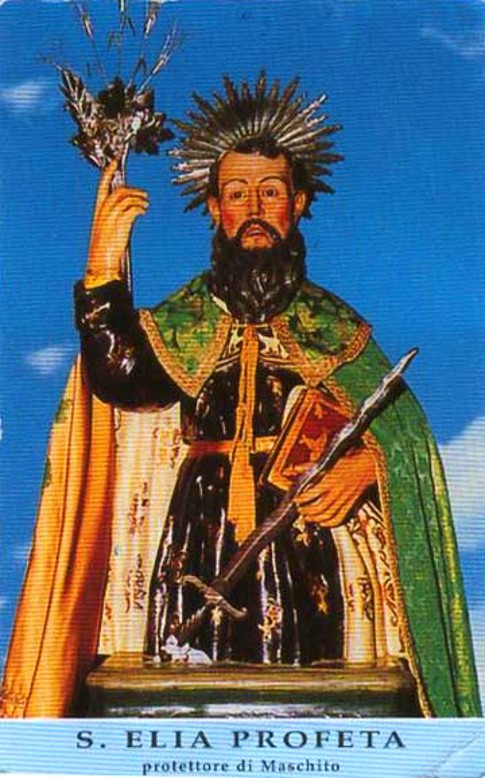
Born in Thisbe in the 9th Century BC, at the time of King Ahab, he dedicated his life to turning the people away from the worship of idols and bringing them back to the one true God, consistent with the name given to him – Elias in fact means: “The Lord is my God”.
Precursor of Saint John the Baptist:
A virtuous and austere man, he wore a camel-hide cloak over a simple apron tied around his hips, thus prefiguring St John the Baptist eight centuries in advance.
Elias was gifted with the heart of a warrior and a refined intellect, he combined in his soul, the burning fire of faith and zeal for the Lord, so much so, that St John Chrysostom defined him as “an angel of the earth and a man of Heaven.”
Centuries later, the Church presented him as a model of Christian life and passion for God.
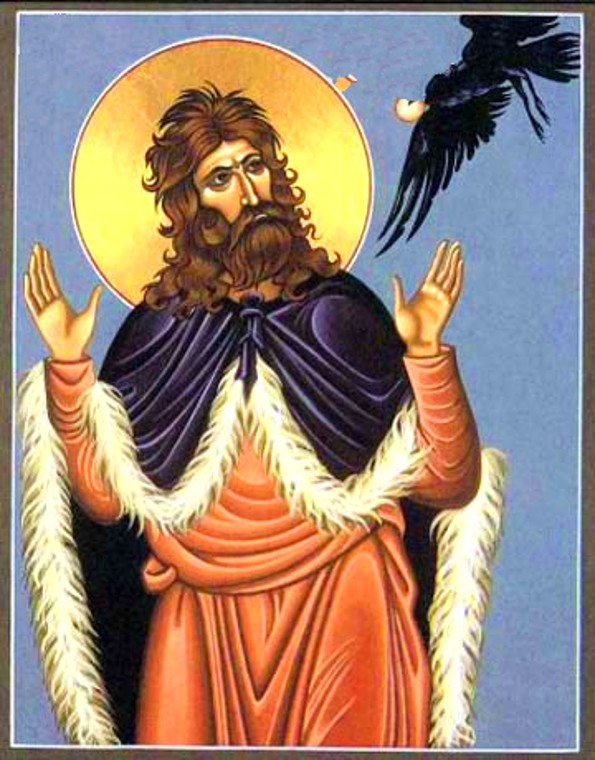
The Clash with the Followers of Baal:
A striking example of Elias’ prophetic power can be read in the first Book of Kings, chapter 18 which tells how, at the time of King Ahab, Israel succombing to the seduction of idolatry: in fact, they worshipped Baal because they believed he brought rain and, therefore, fertility to the fields, livestock and mankind. Precisely to unmask this lying belief, Elias gathered the people on Mount Carmel and put before a choice – follow the Lord or follow Baal. The Prophet invited over 400 idolaters to a confrontation – each one would prepare a sacrifice and each woulf pray to their own god, so that he would reveal himself. The one who responded unequivocally, was the Lord, “God of Abraham, Isaac and Israel,” Who burned the offering for the sacrifice prepared by Elias on an altar made of twelve stones, “according to the number of the tribes of the sons of Jacob, to which the Lord had given the name of Israel.”
Thus the hearts of the people were converted, faced with the evidence of the Truth. Baal, however, remains silent and powerless because – and this is Elijah’s teaching – “the true adoration of God is to give oneself to God and to men, the true adoration is love.”
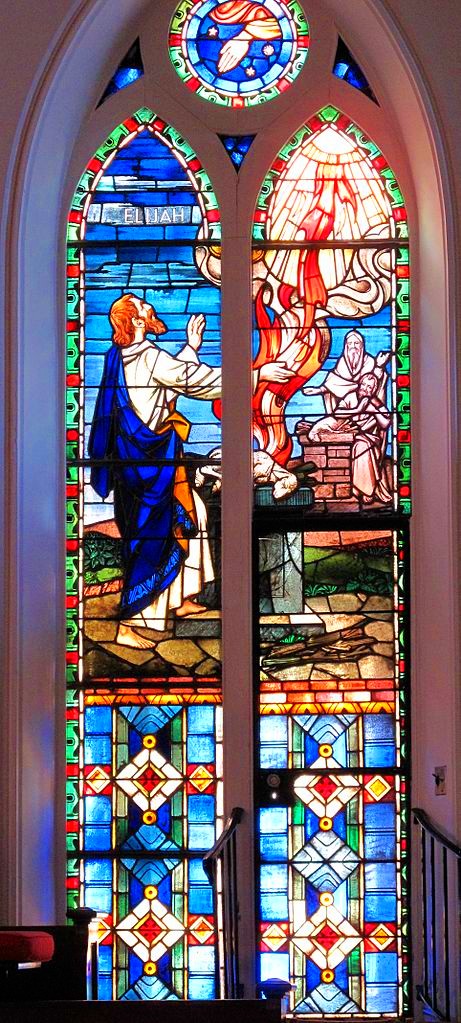
The Encounter with the Lord on Mount Horeb:
A new test, however, awaits the Prophet he, who has fought for the faith, must escape the wrath of Queen Jezebel, Ahab’s idolatrous wife, who wishes him to be removed permanently.
Exhausted and frightened, Elias asks God that he might be taken out of this life and abandons himself to an uninterrupted sleep. But an Angel wakes him and orders him to climb Mount Horeb to meet the Lord. Elias obeys – he walks for 40 days and 40 nights to reach the destination, in a journey which is the metaphor of the pilgrimage and purification of the heart, ascending towards the experience of God.
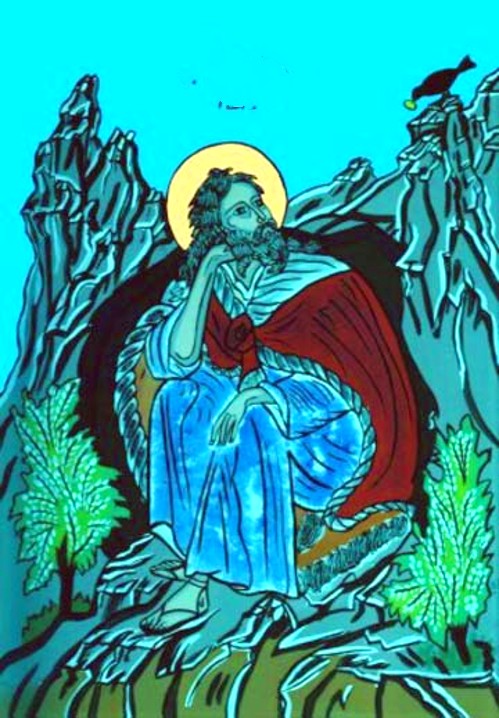
The Sonorous Silence:
As prefigured, the encounter with the Lord occurs but not in a human sensational way – God reveals himself, in fact, in the form of a light breeze. It is a “thread of a sonorous silence” – which exhorts Elias not to be discouraged and to retrace his steps to complete his mission.
And the prophet, covering his face as a sign of adoration and humility, obeys God’s call because he understands its value – that of testing, obedience and perseverance.
Once again, therefore, Elias challenges Ahab and Jezebel, who had usurped a farmer’s land, prophesying terrible misfortunes to them, until he induces them to repent.
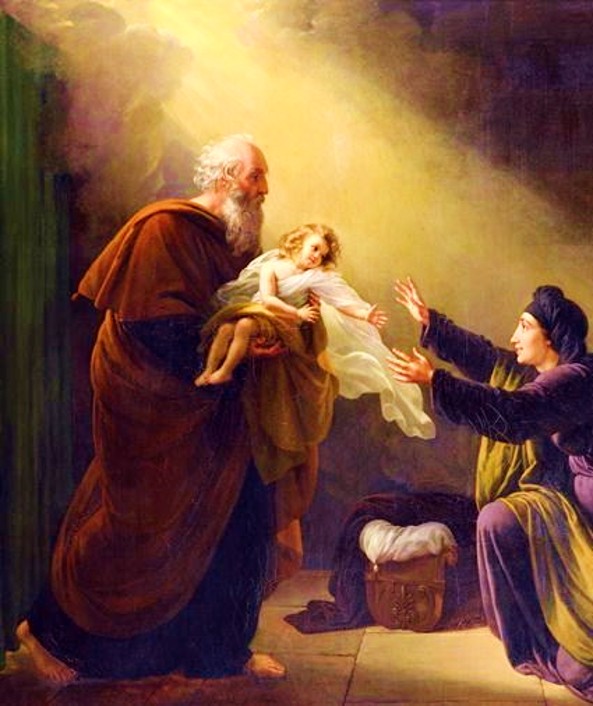
The Prophet also alleviates the suffering and misery of a widow, feeding her and healing her son who is on the brink of death.
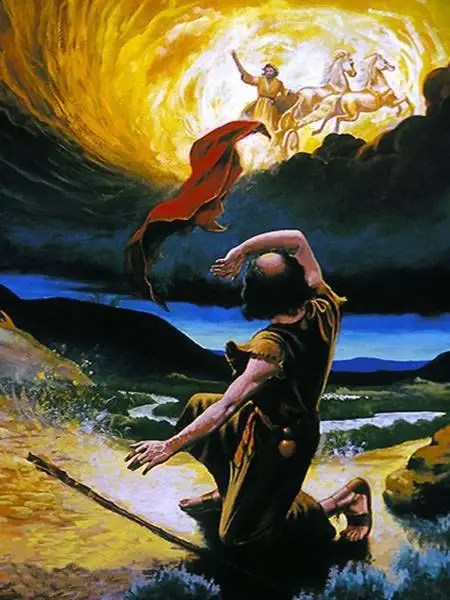
Once his mission was accomplished, Elias disappeared, ascending to Heaven on a Chariot of Fire and entering the infinity of that God, Whom he had served with such passion.
His cloak remained on earth, destined for the disciple Elisha as a sign of investiture.
Prophetic Zeal:
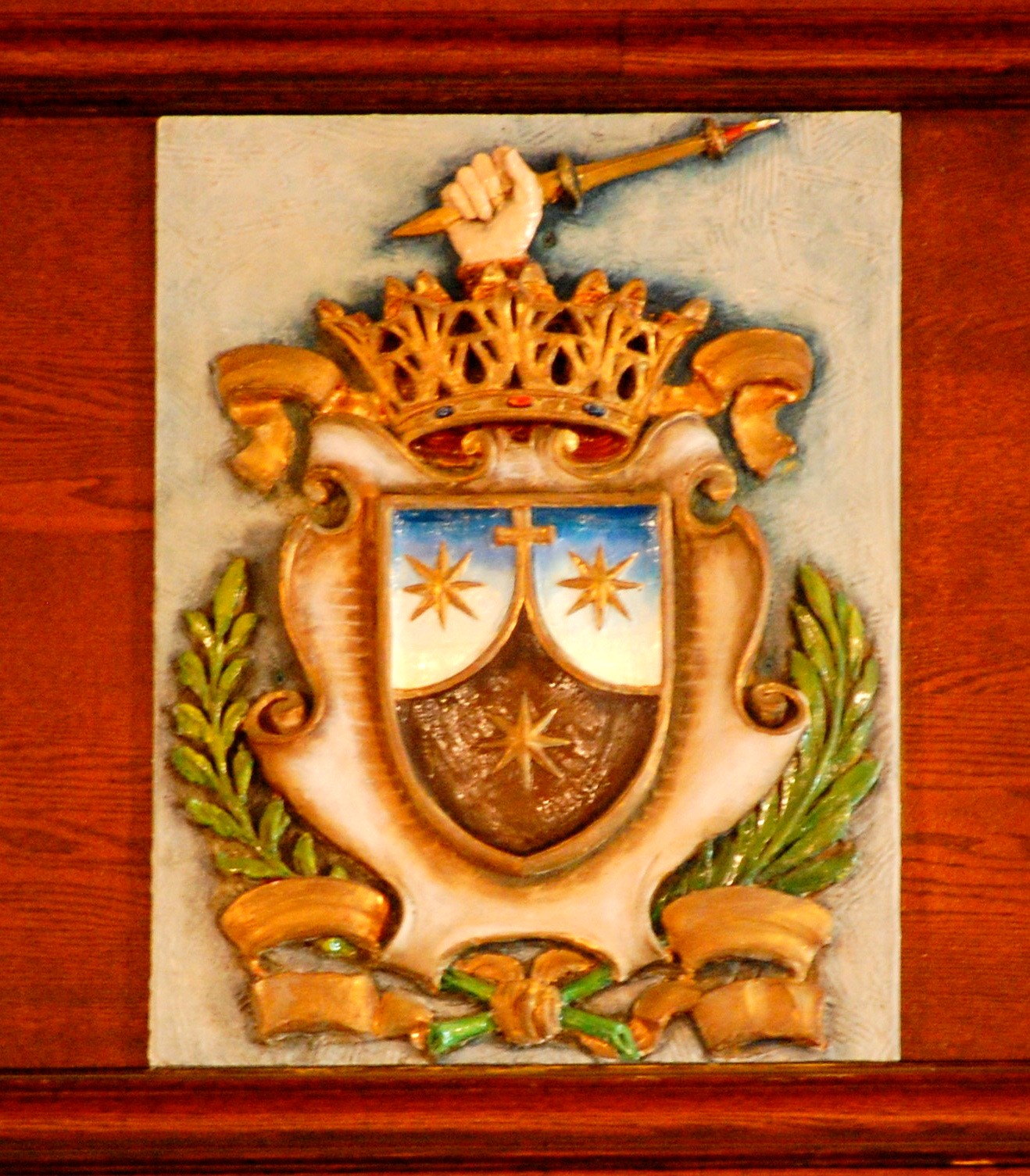
Today the religious Order of the Hermits of Mount Carmel (The Carmelites) recalls this great Prophet in its Shield-shaped Coat of Arms – it depicts an arm holding a flaming sword and a ribbon with the words “Zelo zelatus sum pro Domino Deo exercitum”, or “full of zeal for the God of hosts”.
Elias, along with Elisha and Samuel, is one of the greatest Prophets of Ion (distinct from the writing Prophets, such as Isaiah, Jeremiah, Ezekiel and Daniel, who have left anonymous writings of the Sacred Books) and his mission was to incite the people to be faithful to the One True God, without being seduced by the influence of the idolatrous and licentious cult of Canaan.
The work of spiritual rebuilding, so laboriously begun, was carried forward with complete success by his disciple, Elisha, to whom he communicated the Divine call while he was in the fields behind the plough, throwing his cloak over his shoulders.
Elisha was also the only witness to the mysterious end of Elias’s earthly sojourn which occurred around 850 BC.


 AnaStpaul