
Saint of the Day – 28 August – St Julian of Auvergne (Died c304) Martyr. Born in Vienne, Dauphiny, Gaul (modern France) and died there by being beheaded. Patronages – against headaches, of Canons, Auvergne, Briounde, Baldissero Torinese, Italy and Barbania, Italy. Also known as – Julian of Brionde, Julian of Brioude, Julian of Briounde, Giuliano…
The Roman Martyrology reads today : “At Brioude, in Auvergne, St Julian, Martyr, during the persecution of Diocletian. Being the companion of the blessed tribune, Ferreol and secretly serving Christ under a military garb, he was arrested by the soldiers and killed in a barbarous manner by having his throat cut.”
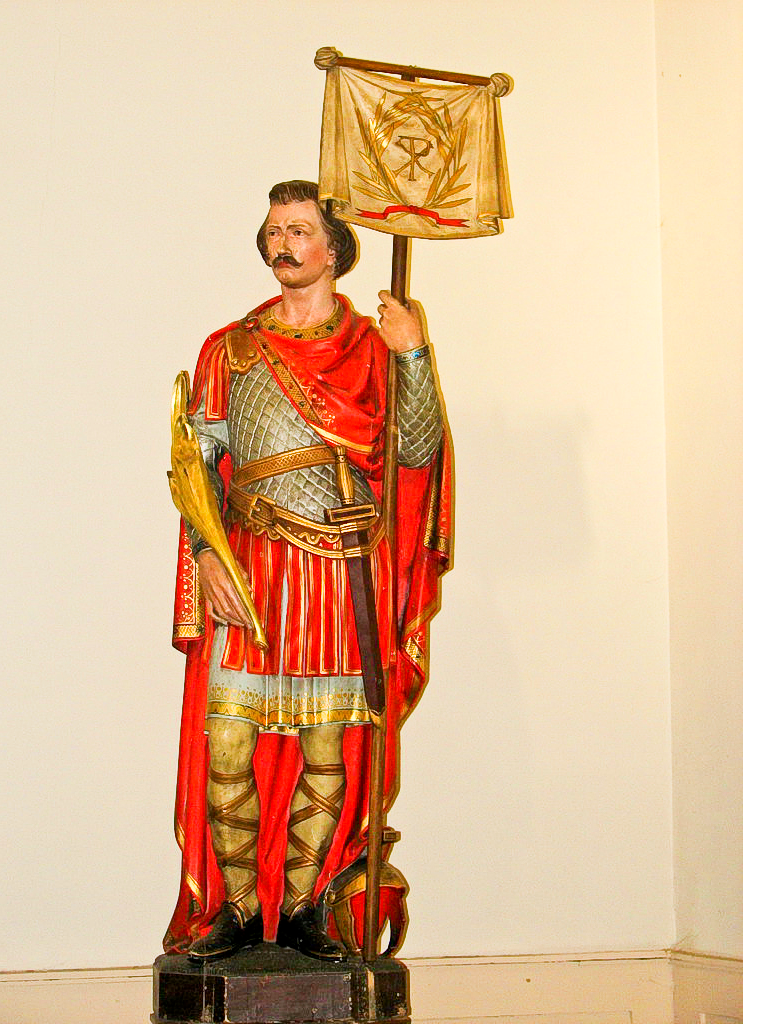
Julian was a 4th Century Martyr from the Auvergne region of France. Although the main focus of his worship was in the small Village of Brioude, he was originally from the City of Vienne and also associated with Clermont. He was most famous through his association with an aristocratic family of Bishops of the time, his most notable proponents being St. Gallus of Clermont and St Gregory of Tours (the latter best known for his Ten Books of Histories). Gregory wrote a Vita of Julian.
Little is known of the life of St Julian. The persecution in Vienne, under the auspices of the Governor Crispinus (although this is disputed) forced him to leave the Town, as advised by his friend and fellow Saint, the Tribune Ferréol.
He also feared that his parents might prevent the Martyrdom he longed for. He hid in the house of a poor woman within the region of Clermont but upon hearing pagans nearby, he revealed himself and presented himself for execution.
Having decapitated the Saint, his executioners took his head to Vienne, leaving the body to be buried in Brioude by two old men, who received an invigorating miracle which made them feel young again thereafter.
His feast is usually kept on 28 August but in the Towns of his Patronage it is moved to 29 in order to avoid confliction with St Augustine.
Although the main focus of his cultus is in the small Village of Brioude, he was originally from the City of Vienne and also associated with Clermont. He was most famous through his familial association with an aristocratic family of Bishops of the time, His most notable proponents being St Gallus of Clermont and St Gregory of Tours (the latter best known for his Ten Books of Histories). St Gregory wrote a Vita of Julian.
In 543, Bishop Gallus instituted Rogations and the people of Clermont processed to the Church of St Julian at Brioude in order to seek his intercession against the plague which beset their City.
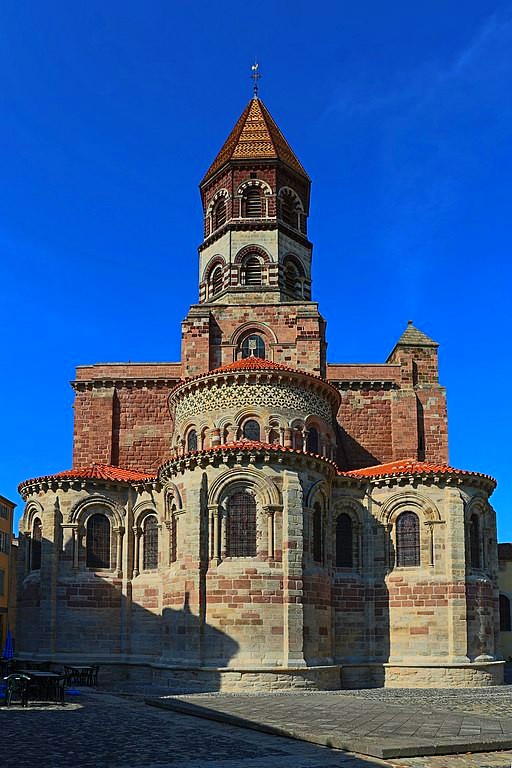
A Church was built over Julian’s Tomb which later became the Basilica of Saint-Julien de Brioude, the largest Romanesque in Auvergne, see below. The Feast of Saint Julian, celebrated in Brioude on 28 August, drew such crowds to the Saint’s Relics that in the mid-11th Century, the Chapter was obliged to build a hostel to care for the indigent pilgrim and the sick.
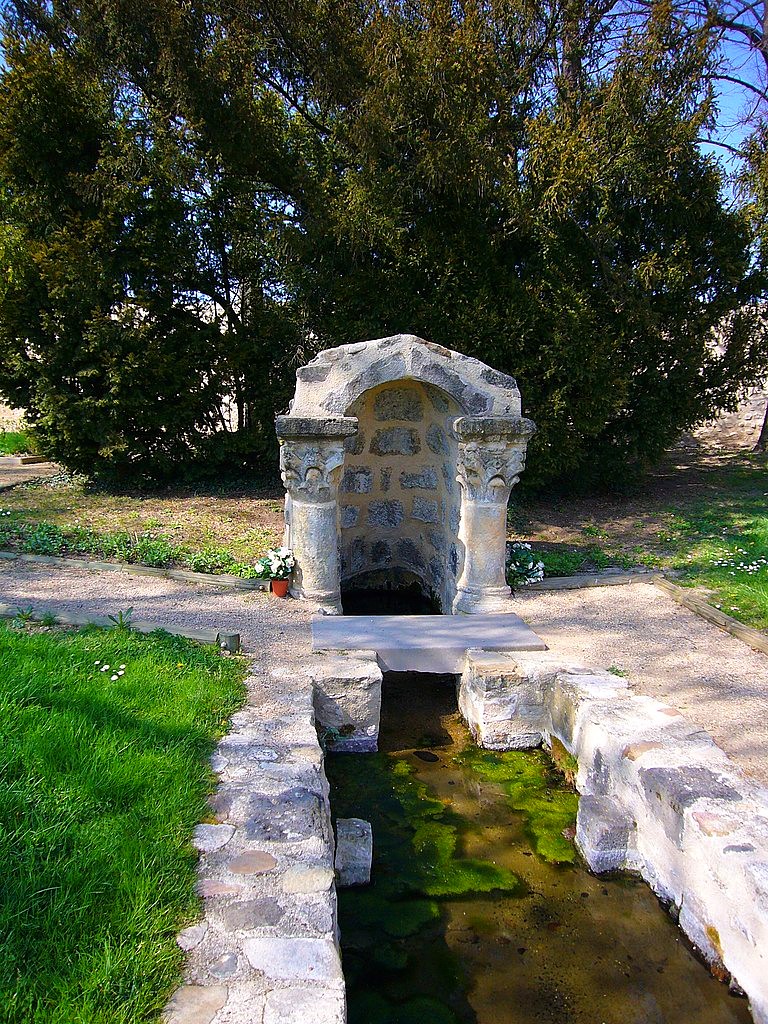
Very early on the site of Julian’s death also became a place of pilgrimage and a small Shrine was erected over the miraculous Fountain which had sprung up where he had been Martyred. In the Miracles of Julian, St Gregory of Tours tells of numerous instances of people cured by drinking water from the Fountain and there is a particularly large number of miracles attested to the cure of headaches. A Holy Mass is still celebrated near the Spring, on the Feast Fay of the Saint, during the Patronal celebrations of the Town.


 AnaStpaul