Posted in PREPARATION for DEATH, QUOTES on CONSCIENCE, QUOTES on CONSOLATION, QUOTES on DEATH, QUOTES on TEMPTATION, QUOTES on the DEVIL/EVIL

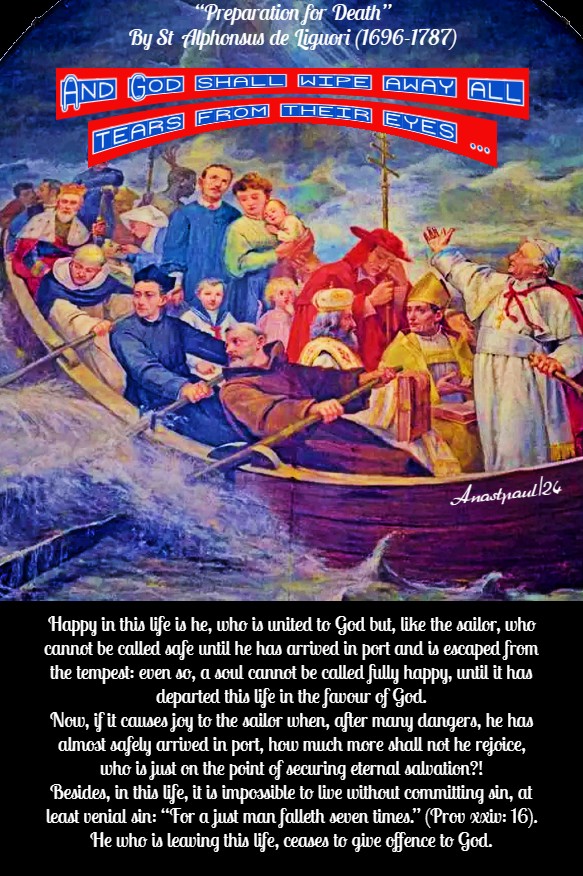
Thought for the Day – 19 September –CONSIDERATION VIII, Second Point – The Death of the Just – “And God shall wipe away all tears from their eyes …”

Thought for the Day – 19 September – Meditations with Saint Alphonsus Maria de Liguori (1696-1787) Bishop, Confessor, Most Zealous Doctor of the Church

“Preparation for Death”
By St Alphonsus Maria de Liguori (1696-1787)

CONSIDERATION VIII

SECOND POINT;
And God shall wipe away all tears from their eyes and there shall be no more death.” (Apoc xxi: 4) .
Therefore, in death the Lord will wipe away from the eyes of His servants the tears which they have shed, living as they do in trouble, in fears, in dangers and in battles with hell.
What can be greater consolation to a soul who has loved God when death is announced, than the thought, that soon it will be freed from the many dangers there are in this life of offending God; from the many barbs of conscience, and from the temptations of the devil. This present life is a continual warfare with hell, in which we are in constant danger of losing our souls and then, our God!

St Ambrose tell us, that upon this earth we are ever walking amidst the snares of the enemy who lies in wait to rob us of the life of grace.
It was this danger which caused St Peter of Alcantara to say when dying, to a religious who, when assisting him, touched him:
My brother, keep away from me because I am still living and am yet in danger of being eternally lost!
It was this danger also that caused St Teresa to be consoled
each time she heard the clock strike, rejoicing that another hour of warfare was passed, for she said: “At any moment of my life, I may sin and by doing so, I may lose God.

Therefore, it is that the Saints are so rejoicing, when death is announced to them, knowing, as they do that very soon their battles and their dangers will be ended and they, within a very short time, will reach that happy state when they will no longer be able to lose God.
It is related in the lives of the Fathers – once when an aged
Father was dying in Scythia, he laughed when the others wept; on being asked why he laughed, he answered:
Wherefore do you weep, knowing, as you do, that I am going to my rest?
Likewise, St Catherine of Sienna,when she was dying, said:
Rejoice with me, for I am leaving this world of sorrows and I am going to a place of rest.
St Cyprian observes, that if someone were living in a house, the walls of which were falling down and the floors and roof were shaking, so that everything was threatening ruin, would not such a one be very desirous to quit that house?
In this life, all things are threatening ruin to the soul – the world, hell, the passions, the rebellious senses; these all draw us onto sin and to everlasting death. The Apostle exclaims: “ Who shall deliver me from the body of this death?” (Rom vii: 34).
Oh, what joy will the soul feel when it hears those words:
Come with Me from Lebanon, My spouse, with Me from Lebanon … from the lions’ dens.” (Sol Song iv: 8). Come, my spouse, come from the place of tears and from the dens of lions which are seeking to devour thee and to make thee lose the Divine grace.
Therefore, St Paul desiring death, said that Jesus Christ was his only life and, therefore, he thought that to die was his greatest gain, since, in dying, he obtained life which has no end.
For me to live is Christ and to die is gain.” (Phil i: 21).
It is a great favour which God grants to that soul that is in a state of grace to take it from this world, where, at any time, it may become changed and may lose the friendship of God!
He was taken away lest wickedness should alter his understanding.” (Wisd iv: II..

Happy in this life is he, who is united to God but, like the sailor, who cannot be called safe until he has arrived in port and is escaped from the tempest: even so, a soul cannot be called fully happy, until it has departed this life in the favour of God.
Now, if it causes joy to the sailor when, after many dangers, he has almost safely arrived in port, how much more shall not he rejoice, who is just on the point of securing eternal salvation?!
Besides, in this life, it is impossible to live without committing sin, at least venial sin: “For a just man falleth seven times.” (Prov xxiv: 16).
He who is leaving this life, ceases to give offence to God.

St Ambrose asks: “What is death but the sepulchre of vice!” It is even this that makes death so desirable to
the lovers of God.
With this, the venerable Vincent Caraffa consoled himself when dying, by saying: “When I cease to live, I shall cease to offend God.
And St Ambrose also said:
Wherefore, do we desire this life, in which the longer anyone lives, the greater will be the burden of sins with which he is laden!
He who dies in the grace of God, is placed in a state in which he cannot, neither does he know how, to offend God. “The dead know not how to sin,” remarks the same Saint.

Therefore, the Lord praises the dead, more than any man living, although he may be a Saint. “Wherefore I praised the dead who are already dead, more than the living.” (Eccles iv: 2).

A certain good man ordered, that he, who should come to announce his death to him, should say:
Rejoice because the time is come when thou shalt no more offend God!

Affections and Prayers

Into Thy Hands I commend my spirit, for Thou hast redeemed me, O Lord, Thou God of truth.” (Ps xxxi: 5). Ah, my sweet Redeemer, where should I have now been if Thou hadst allowed me to die when I was living far from Thee? I should now be in hell.where I could never love Thee more.
I thank Thee for not having abandoned me and for having granted me so many graces to win my heart to Thee. I am very sorry for having offended Thee. I love Thee above all things. I pray Thee ever to make me more sensible of the evil I have committed in despising Thee and, of the love which Thy Infinite Goodness deserves.
I love Thee and I would like soon to die, if it be Thy holy will, in order to be freed from the danger of ever losing Thy holy Grace,and to be sure of loving Thee forever in eternity.

Ah, during the years which may remain to me, give me strength, my beloved Jesus, to do something for Thee before death shall overtake me. Give me strength to withstand the temptations and passions and especially against that passion which, for the past time, has most caused me to displease Thee.
Give me patience in infirmity and under the wrongs I may receive from men. I now pardon, through Thy love, all who may have despised me and I pray Thee, to give them those graces which they may desire.
Give me strength to be more diligent in avoiding even venial sins, concerning which I know that I am negligent. Help me, my Saviour, I hope for all things by of Thy Merits.

Posted in DOCTORS of the Church, DOMINICAN OP, franciscan OFM, PRAYERS for VARIOUS NEEDS, PRAYERS of PETITION, PRAYERS of the SAINTS, QUOTES on PATIENCE, QUOTES on PEACE, QUOTES on PERSEVERANCE, The SECOND COMING, The WILL of GOD, The WORD

Quote/s of the Day – 19 September – Patience, Perseverance, Prayer

Quote/s of the Day – 19 September – “The Month of The Seven Sorrows of the Blessed Virgin Mary and The Holy Cross” – Hebrews 10:32-38; Matthew 24:3-13 – Scripture search here: https://www.drbo.org/

But he who shall persevere
to the end,
he shall be saved.

Matthew 24:13

For patience is necessary for you
that, doing the Will of God,
you may receive the promise.
For yet a little and a very little while
and He that is to come, will come
and will not delay.

Hebrews 10:36-37

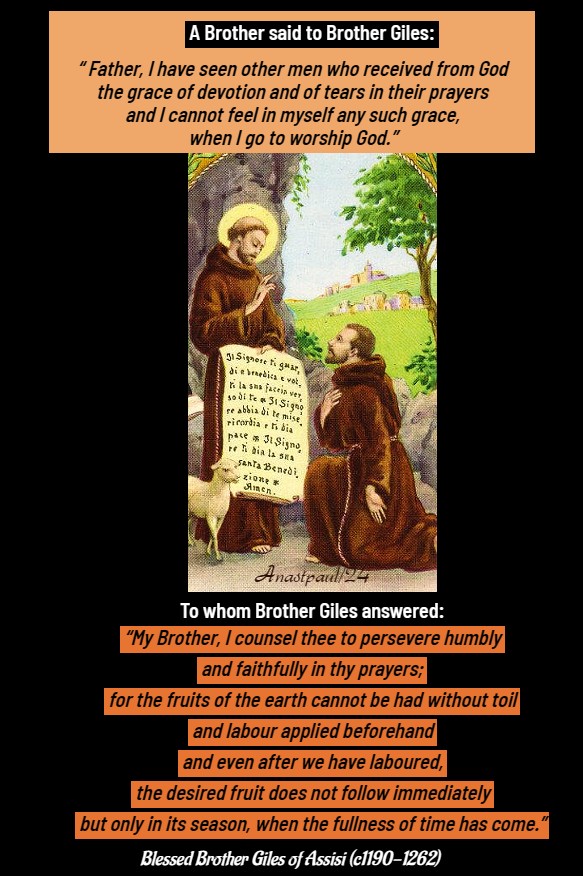
A Brother said to Brother Giles:
“ Father, I have seen other men who received from God
the grace of devotion and of tears in their prayers
and I cannot feel in myself any such grace,
when I go to worship God.”
To whom Brother Giles answered:
“My Brother, I counsel thee to persevere humbly
and faithfully in thy prayers;
for the fruits of the earth cannot be had without toil
and labour applied beforehand
and even after we have laboured,
the desired fruit does not follow immediately
but only in its season, when the fullness of time has come.

Blessed Giles of Assisi (c1190-1262)

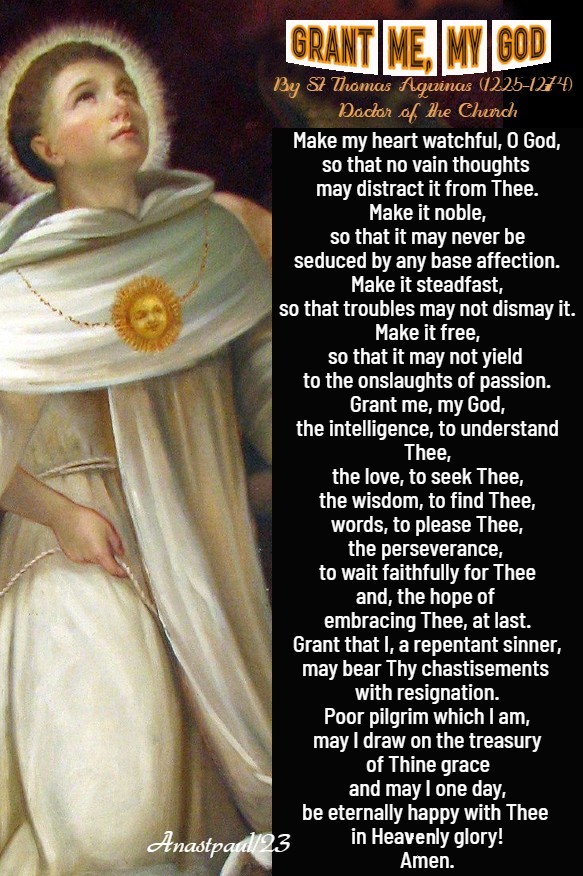
Grant Me, My God
By St Thomas Aquinas (1225-1274)
Angelic Doctor, Common Doctor

Make my heart watchful, O God,
so that no vain thoughts may distract it from Thee.
Make it noble,
so that it may never be seduced by any base affection.
Make it steadfast,
so that troubles may not dismay it.
Make it free,
so that it may not yield to the onslaughts of passion.
Grant me, my God,
the intelligence, to understand Thee,
the love, to seek Thee,
the wisdom, to find Thee,
words, to please Thee,
the perseverance, to wait faithfully for Thee
and, the hope of embracing Thee, at last.
Grant that I, a repentant sinner,
may bear Thy chastisements with resignation.
Poor pilgrim which I am,
may I draw on the treasury of Thine grace
and may I one day,
be eternally happy with Thee in Heavnely glory!
Amen.

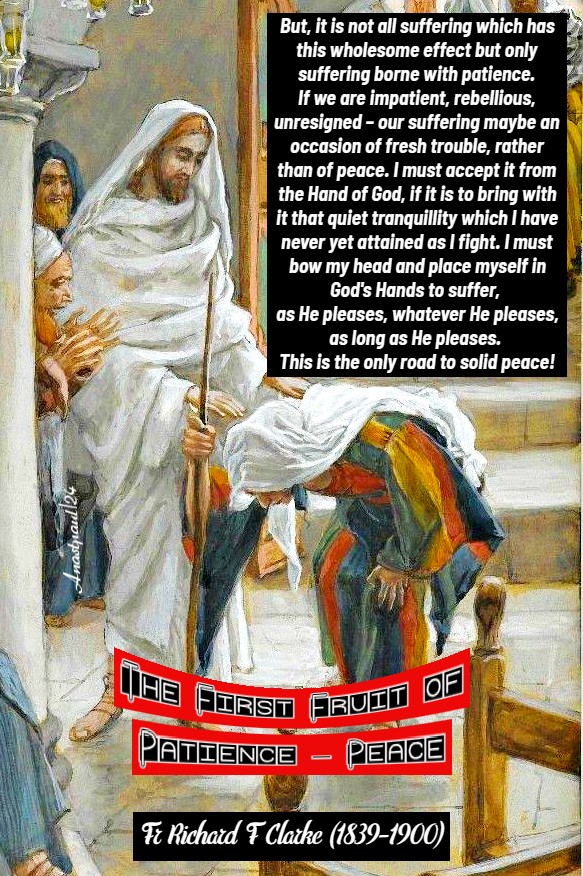
But, it is not all suffering
which has this wholesome effect
but only suffering borne with patience.
If we are impatient, rebellious, unresigned –
our suffering maybe an occasion of fresh trouble,
rather than of peace. I must accept it
from the Hand of God, if it is to bring with it
that quiet tranquillity which I have never yet attained
as I fight. I must bow my head and place myself
in God’s Hands to suffer, as He pleases,
whatever He pleases, as long as He pleases.
This is the only road to solid peace!

Fr Richard Frederick Clarke SJ (1839-1900)
(The First Fruit of Patience: – Peace)

Posted in CHRIST the WORD and WISDOM, DOCTORS of the Church, FATHERS of the Church, GOD ALONE!, ONE Minute REFLECTION, QUOTES on PATIENCE, QUOTES on PERSECUTION, QUOTES on PERSEVERANCE, QUOTES on PRAYER, Quotes on SALVATION, QUOTES on SIMPLICITY, QUOTES on THE WORLD, The WORD

One Minute Reflection – 19 September – “But he that shall persevere to the end, he shall be saved.” – Matthew 24:13

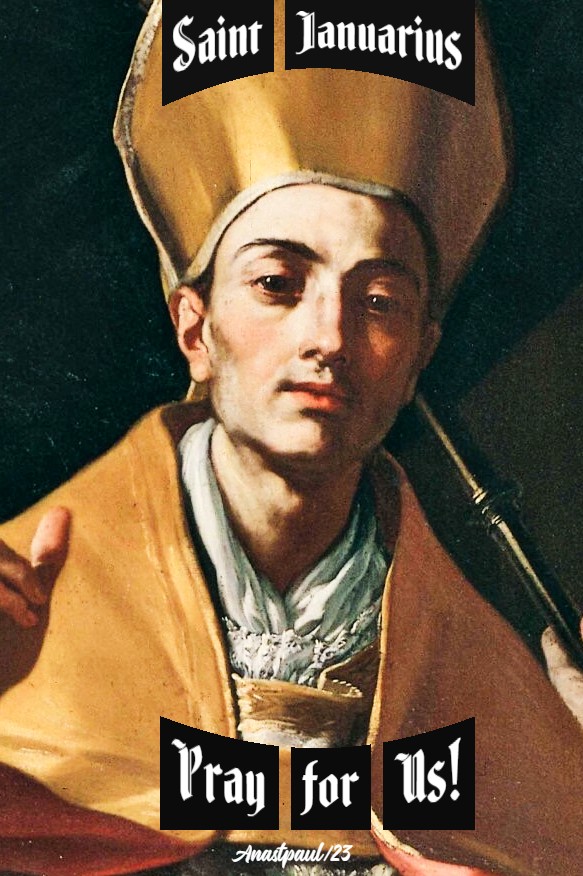
One Minute Reflection – 19 September – “The Month of The Seven Sorrows of the Blessed Virgin Mary and The Holy Cross” – St Januarius of Naples (Died c304) Confessor, Bishop, Martyr and his Martyred Companions – Hebrews 10:32-38; Matthew 24:3-13 – Scripture search here: https://www.drbo.org/

But he, who shall persevere to the end, he shall be saved.” – Matthew 24:13

REFLECTION – “He who is mocked by his neighbour, as I am, will call upon God and He will answer him …” (Job 12:4 Vg) … But sometimes, the soul perseveres in good works with a constant heart and yet, is pushed violently by the scoffing of men; it does admirable deeds and receives only abuse and he, who might have been encouraged, to come out of himself by commendation, is repulsed by insults and returns back again into himself. He establishes himself the more firmly in God, as he finds no place elsewhere he may rest in peace – for all his hope is fixed in his Creator. Amidst ridicule and abuse, he implores only the interior Witness. His soul in distress, becomes God’s neighbour, in proportion, as he is a stranger to the favour of man’s esteem. So, he pours himself out in prayer and, hard-pressed from without, is refined with a more perfect purity, to enter more deeply into all that is interior. Therefore, it is well said at this time, “He who is mocked by his neighbour, as I am, will call upon God and He will answer him …” And while the soul of the good strengthens itself, with compunction, in prayer, it is united within itself, in the hearing of the most High, in the very act which severs it, from the approval of men, outside itself. ..

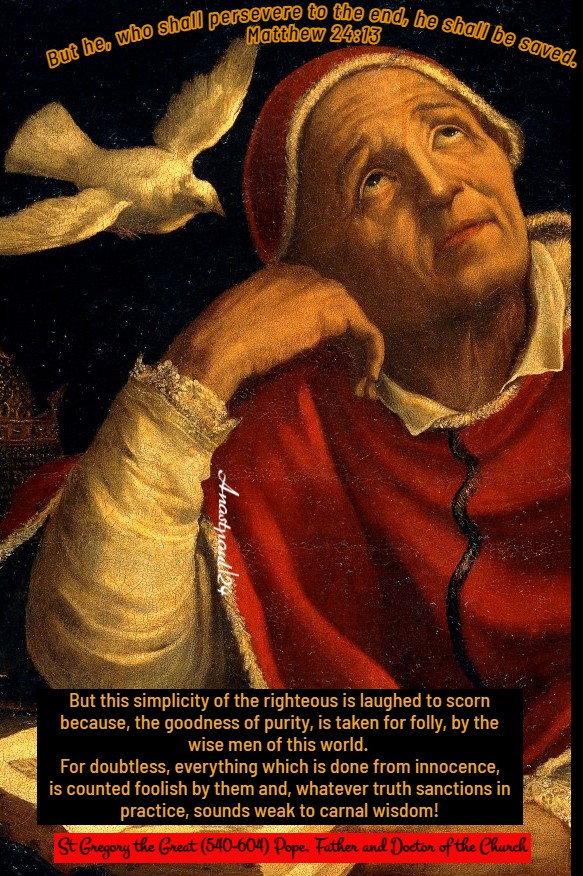
For the upright man’s simplicity is laughed to scorn” (Job 12:4) It is the wisdom of this world to conceal one’s feelings with pretence, to veil the sense with words; to show things which are false, as true and, to present as fallacious that which is true. But, on the other hand, it is the wisdom of the righteous, to pretend nothing, … to discover the meaning, by words; to love the truth as it is, to avoid falsehood; to set forth good deeds freely, to bear evil more gladly than to do it; to seek no revenge for a wrong, to count ill repute as a gain, for the truth’s sake. But this simplicity of the righteous, is laughed to scorn because the goodness of purity, is taken for folly, by the wise men of this world. For doubtless, everything which is done from innocence, is counted foolish by them and, whatever truth sanctions in practice, sounds weak to carnal wisdom!” – St Gregory the Great (540-604) Pope, Father and Doctor of the Church (A commentary on the Book of Job 10:47-48).

PRAYER – O God, Who gladdens us by the annual festival of Thy Martyrs Januarius and Companions, grant that we, may be inspired by the example of those, in whose merits we rejoice.Through tJesus Christ, Thy Son our Lord, Who lives and reigns with Thee, in the unity of the Holy Ghost, God, world without end. Amen (Collect).

Posted in INDULGENCES, MARIAN PRAYERS, Of a Holy DEATH & AGAINST A SUDDEN DEATH, of the DYING, FINAL PERSEVERANCE, DEATH of CHILDREN, DEATH of PARENTS, Our MORNING Offering, PRAYERS for VARIOUS NEEDS, PRAYERS to the SAINTS, QUOTES on DEATH

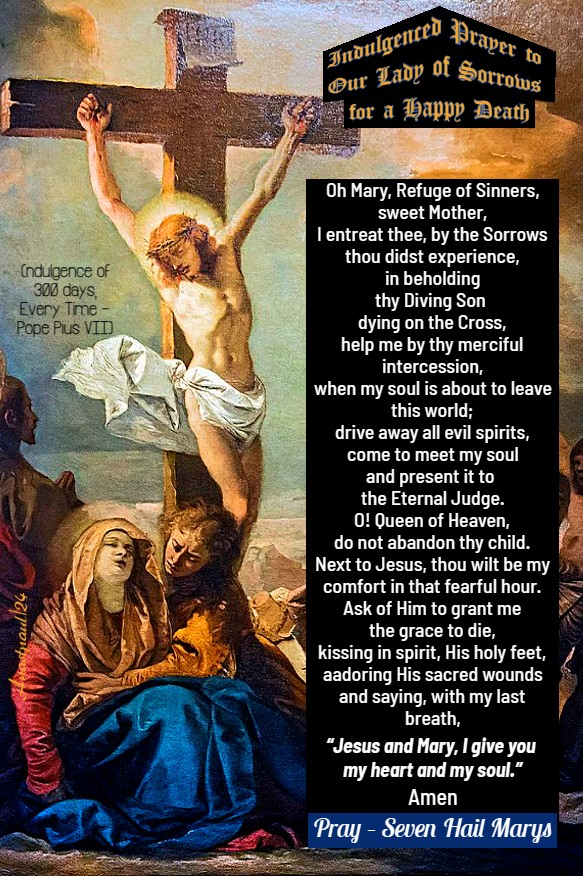
Our Morning Offering – 18 September – Indulgenced Prayer to Our Lady of Sorrows for a Happy Death

Indulgenced Prayer to
Our Lady of Sorrows
for a Happy Death

(Pope Pius VII granted an
Indulgence of 300 days, Every Time
)

Oh Mary, Refuge of Sinners, sweet Mother,
I entreat thee, by the Sorrows
thou didst experience, in beholding
thy Diving Son dying on the Cross,
help me by thy merciful intercession,
when my soul is about to leave this world;
drive away all evil spirits,
come to meet my soul
and present it to the Eternal Judge.
O! Queen of Heaven, do not abandon thy child.
Next to Jesus, thou wilt be my comfort
in that fearful hour.
Ask of Him to grant me the grace to die,
kissing in spirit, His holy feet,
aadoring His sacred wounds
and saying, with my last breath,
Jesus and Mary, I give you my heart and my soul.
Amen

PRAY – Seven Hail Marys

Posted in INCORRUPTIBLES, SAINT of the DAY

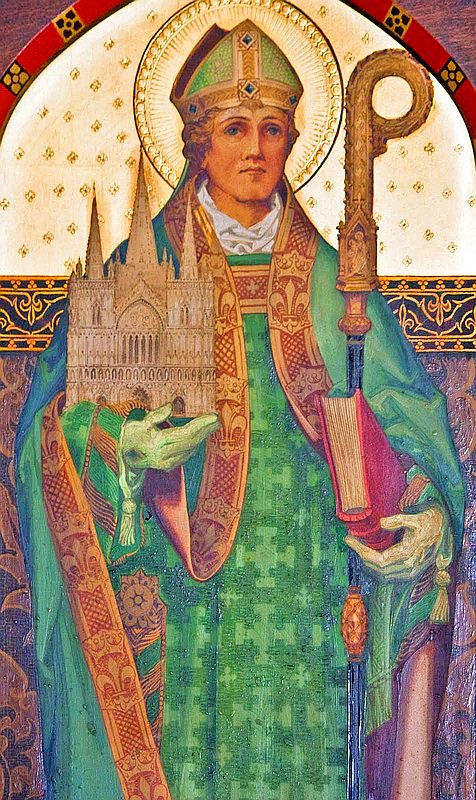
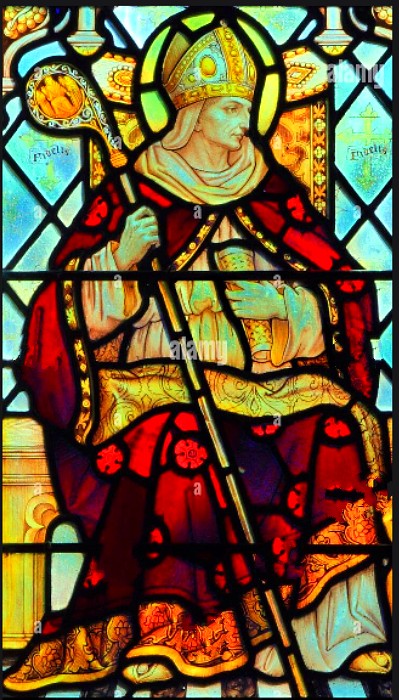
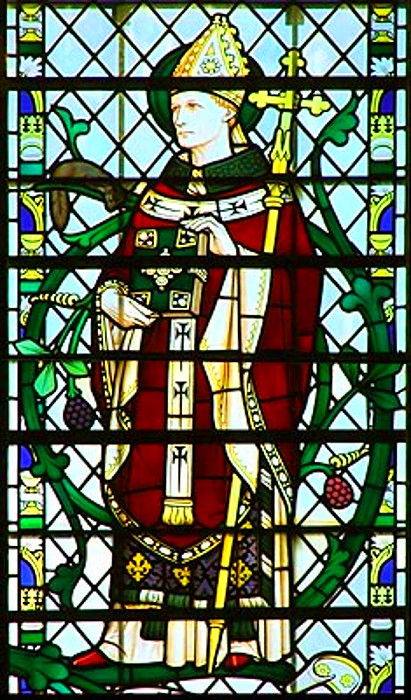
Saint of the Day – 19 September – St Theodore of Canterbury (c602-690) the 7th Archbishop of Canterbury

Saint of the Day – 19 September – St Theodore of Canterbury (c602-690) the 7th Archbishop of Canterbury, England and the first archbishop to rule the whole English Church. Theodore was an important and memorable figure in the English Church. Born inc 602 in the City of St Paul’s birth, Tarsus in Cilici, Greece, now in modern Turkey and died on 19 September 690 in Canterbury, Kent, England of natural causes. Also known as – Theodore of Tarsus. His body is Incorrupt.

The Roman Martyrology reads today: “At Canterbury, the holy Bishop, Theodore, who was sent to England by Pope Vitalian and was renowned for learning and holiness.

After the death of St Deusdedit, the Archbishop of Canterbury, King Oswi of Northumberland and King Egbert of Kent, sent a virtuous and learned Priest – named Wighard – to Rome that he might be Consecrated as the new Bishop and duly confirmed to that important See by the Pope himself. However, sadly, Wighard and most of those who attended him, died in Italy of the Plague and Pope Vitalian chose instead, Adrian, Abbot of Niridian, near Naples, to be raised to that dignity. This Abbot was by birth an African. He understood Greek and Latin perfectly and was thoroughly versed in theology, as well as in monastic and Ecclesiastical discipline. But so great were his fears of the dignity to which he was called that the Pope was compelled, by his entreaties and tears, to yield to his excuses. He insisted, however, that Adrian should find a person equal to that charge and should, himself, attend upon and assist him in instructing the inhabitants of this remote island in the perfect discipline of the Church.

Adrian first named to the Pope a Monk called Andrew but he was judged incapable of the necessary physical strength on account of his bodily infirmities, although otherwise a person extremely well qualified. There was then at Rome, a Greek Monk named Theodore, aged sixty-six, a native of Tarsus in Cilicia, a man of exemplary life and well skilled in divine and human learning and in the Greek and Latin languages. Adrian presented him to the Pope and procured that he should be made a Bishop, promising to bear him company into England.

Theodore was duly Consecrated in 668 and then set out from Rome with St Adrian and St Benedict Biscop, later the Bishop and Abbot of Wearmouth and Jarrow, Durham. In 669 they reached Canterbury, where Theodore appointed Adrian the Abbot of Sts Peter and Paul Monastery, afterward named St Augustine’s.

There they created a famous school influential in the lives of such brilliant scholars as the celebrated historian St Bede the Venerable and the skilled Church architect St Aldhelm.

Theodore organised the English Church, many Sees which were vacant on his arrival and others which needed to be divided. In 672 he called the first General Synod of the English Church at Hertford, to end certain Celtic practices and to divide Diocese. The division issue was postponed, but the Synod imposed the date of the Roman Easter, established obedience for Clerics and Monks, forbade Bishops to interfere in matters relating to and of other diocese and reaffirmed the Church teaching on Marriage and Divorce.

During this period Theodore came into sharp conflict with St Wilfrid, whom he had appointed as the Bishop of York but whom he soon deposed. In 677/678, St Wilfrid went to Rome to protest. Meanwhile, in 678, Theodore helped settle relations between King Aethelred of the Anglo-Saxon Kingdom of Mercia and King Ecgfrith of Northumbria, whom Aethelred had defeated in battle.

Theodore’s Synod at Hatfield in 679, his 2nd Genral Synod, cleared the English Church from associations with the heresy of the Monothelites. Few things have rendered the name of St Theodore more famous than his Penitential or Code of Canons, prescribing the term of public penance for penitents, according to the quality and enormity of their sins. In this Penitential it is stated that when a Monk died, Holy Mass was offered for him on the day of his burial, on the third day after and as often again, as the Abbot thought proper. Also, the Holy Sacrifice was offered for the laity and accompanied by fasting. This Penitential which had been colated and published by his disciples, became highly influential in England and on the Continent.

Theodore, being more than eighty years old and seized with frequent bouts of illness, was desirous of being reconnciled with St Wilfrid. He, therefore, requested the exiled holy Prelate to come to him at London, begged his pardon for having consented with the Kings to his deprivation, without any fault on his side, did all he could to make amends and restored him to his See of York. For this purpose he wrote strong letters to Alfrid, King of Northumberland – who had succeeded his brother Egfrid, to Ethelred, King of the Mercians and to others who were opposed to St Wilfrid or were interested in this affair. Theodore had the comfort of seeing his endeavours everywhere successful.

One of Theodore’s greatest achievement was to adapt the Roman ideal of a centralised Church to English conditions. His establishment of a centralised Church under the Archbishopric of Canterbury in close alliance with secular rulers, was maintained by his successors. No biography of Theodore has survived.

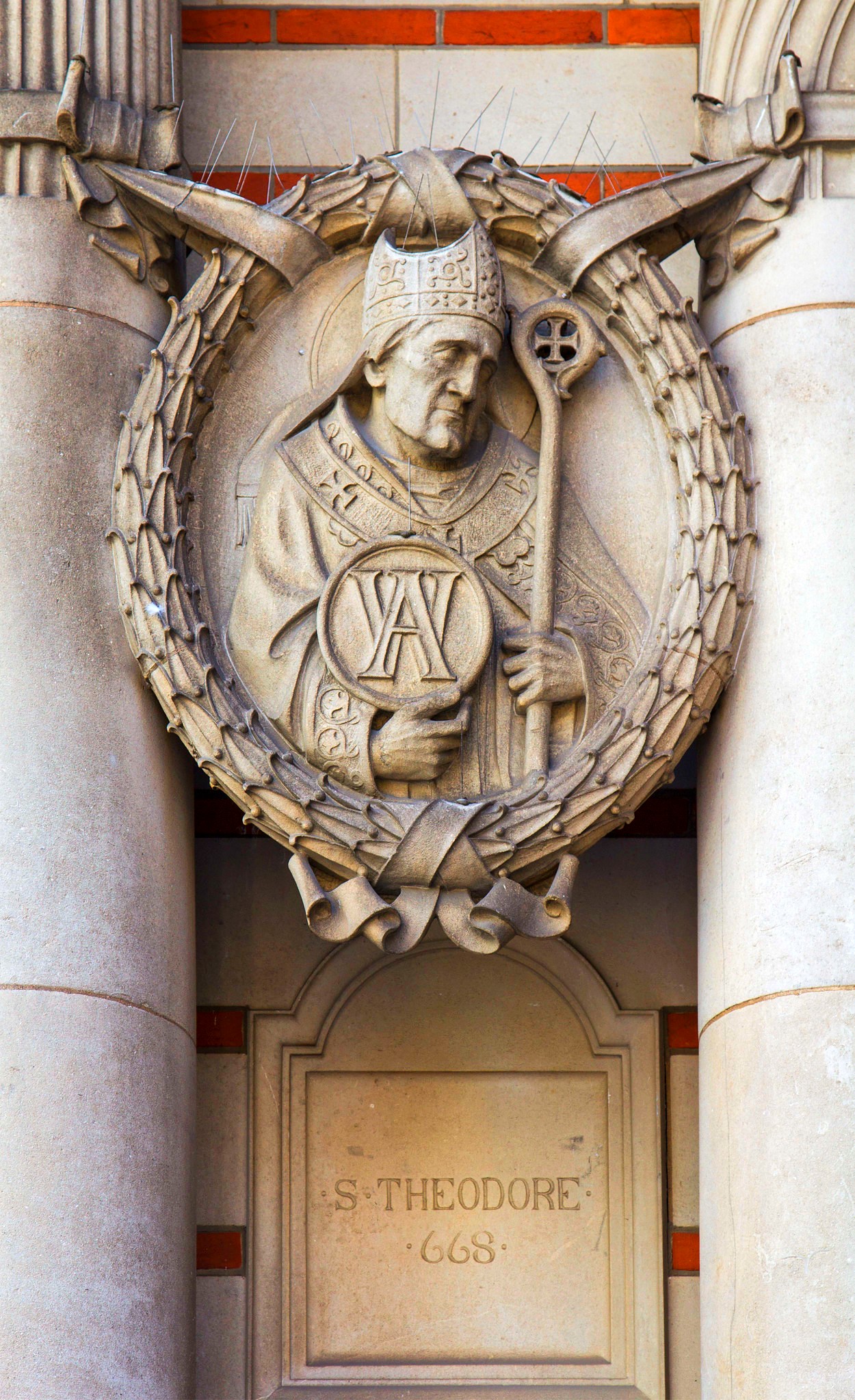
This Medallion resides on the west facade of Westminster Cathedral

St Theodore was the Archbishop of Canterbury for twenty two years and died in 690, at the age of eighty-eight years. His memory is honoured on 19 September the date of his death. He was buried in the Monastery of St.Peter, which afterwards took the name of St Augustine. In 1091 his body was found Incorrupt when it was re-interred in the Cathedral.

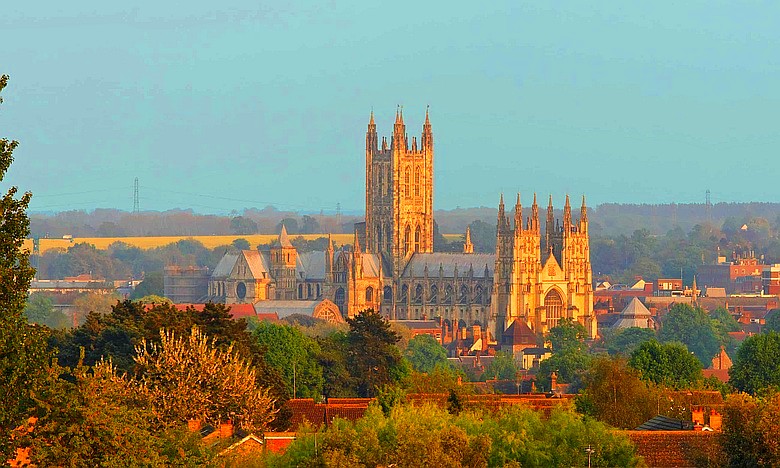
Canterbury Cathedral

The Lives of:
St Adrian of Canterbury:
https://anastpaul.com/2018/01/09/saint-of-the-day-9-january-st-adrian-of-canterbury-c-635-710/
St Benedict Biscop:
https://anastpaul.com/2021/01/12/saint-of-the-day-12-january-st-benedict-biscop-osb-c-628-690/
St Wildrid:
https://anastpaul.com/2018/10/12/saint-of-the-day-12-october-st-wilfrid-c-633-709/

Posted in INCORRUPTIBLES, MARIAN TITLES, SAINT of the DAY

Notre-Dame de la Salette / Our Lady of La Salette), France (1846), St Januarius of Naples (Died c 304) and all the Saints for 19 September

Notre-Dame de la Salette / Our Lady of La Salette), La Salette-Fallavaux, Isère, Rhône-Alpes, France (1846) 19 September:
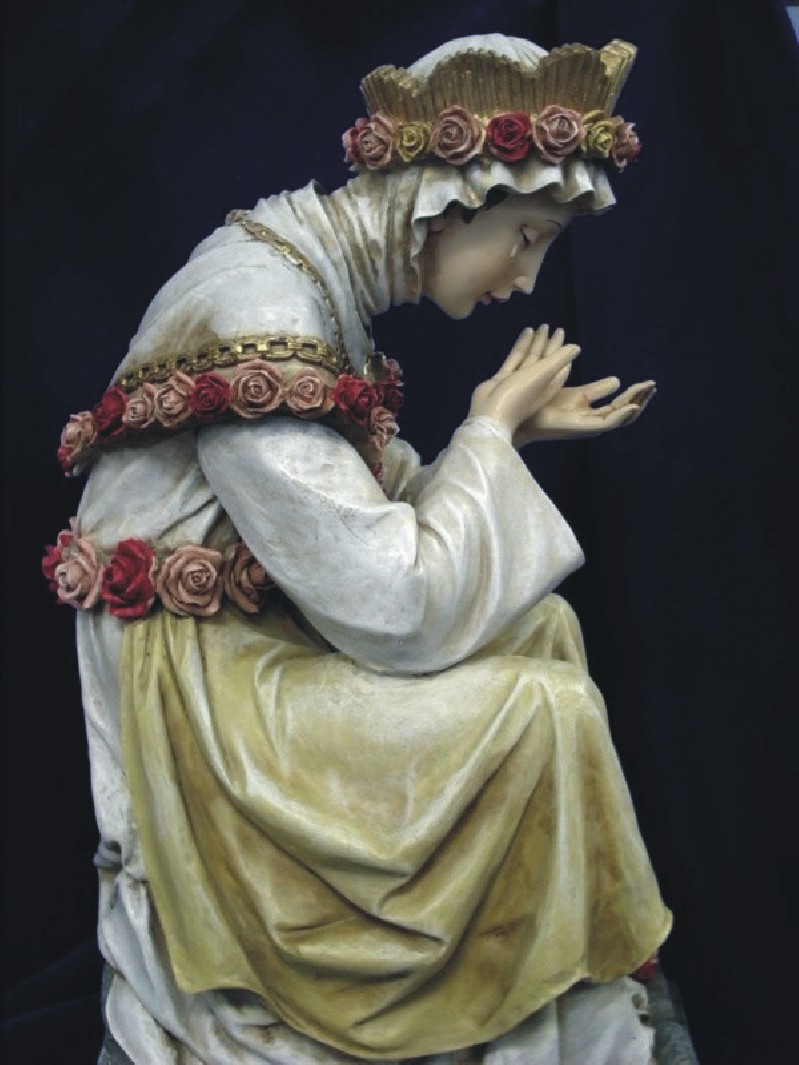
Our Lady appeared to two small children, Melanie Mathieu and Maximin Giraud, on the mountain of La Salette in the French Alps. She was crying and around her neck was a crucifix, with a hammer and pincers on either side – 19 September 1846. Approved by the Diocesan Bishop in 1851.
Read the story here:

https://anastpaul.wordpress.com/2017/09/19/feast-of-our-lady-of-la-salette-19-september/

St Januarius of Naples (Died c 304) Confessor, Bishop, Martyr
About St Januarius here:

https://anastpaul.wordpress.com/2017/09/19/saint-of-the-day-19-september-st-januarius

St Emilie de Rodat (1787–1852) Nun and Founder of the Sisters of the Holy Family, Mystic. Venerable Pope Pius XII Beatified her on 9 June 1940 and Canonised her on 23 April 1950.
Biography:

https://anastpaul.com/2019/09/19/saint-of-the-day-19-september-saint-emily-de-rodat-1787-1852/

St Alonso de Orozco Mena OSA (1500 – 1591) Augustinian Priest, Preacher, Writer, Apostle of Charity, Spiritual Director, Marian Devotee, Ascetic.
Biography:

https://anastpaul.com/2018/09/19/saint-of-the-day-19-september-st-alonsus-de-orozco-mena-o-s-a-1500-1591/

St Arnulph of Gap
Bl Carolus Hyon Song-Mun
St Constantia of Nocera
St Desiderius of Pozzuoli
St Eustochius of Tours
St Felix of Nocera
St Festus of Pozzuoli

St Goeric of Metz (c570-c643) Bishop Goeric is listed as the 30th Bishop of Metz, having governed that See from 625 to 642 or 643.
The Roman Martyrology rads: “In Metz in Austrasia, still in the territory of today’s France, Saint Goeríco or Abo, Bishop, who succeeded Saint Arnulf, whose body was transported with veneration to this City.
His Life:

https://anastpaul.com/2023/09/19/saint-of-the-day-19-september-saint-goeric-of-metz-c570-c643-bishop/

St Maria de Cervellón OdeM (1230 – 1290) Virgin, Catalan Superior of Second Order of the Mercedarians in her region. Mystic, graced with the gift of bilocation, Apostle of the poor, the abandoned, the needy. She was the first woman to wear the Habit of the ‘ Order of the Blessed Virgin Mary of Ransom. She is considered the Founder of the Mercedary Nuns.
Her entry in the Roman Martyrology states: “At Barcelona in Spain, blessed Maria de Cervellione, Virgin of the Order of Our Lady of Ransom. She is commonly called Maria of Help on account of the prompt assistance she renders to those who invoke her.
Patronages – Mercadarian Nuns and Sisters, Navigators, against shipwreck, Spanish sailors, of the abandoned.
On 13 February1692, Pope Innocent XII gave a favourable judgement and confirmed her immemorial cult;and she was introduced into the Roman Martyrology as a Saint on 8 November 1729. Her body is Incorrupt.
Her Holy Life:

https://anastpaul.com/2021/09/19/saint-of-the-day-19-september-st-maria-de-cervellon-odem-1230-1290/
Please watch this video if you are able to spare the time. It is absolutely beautiful.

St Pomposa
St Sequanus
St Sosius of Puzzuoli
St Theodore of Canterbury (c602-690) the 7th Archbishop of Canterbury
St Trophimus of Synnada

Martyrs of Antioch – 3 Saints: Christians imprisoned, tortured and executed in various ways in the persecutions of Emperor Probus; some names have come down to us – Dorymedon, Sabbatius and Trophimus. c 277 at Antioch (in modern Turkey).

Martyrs of Phunon – (4 aints): Four bishops in Egypt who were sentenced to forced labour in a rock quarry and martyred in the persecution of Diocletian. Noted for celebrating Mass in prison. – Elias, Nilus, Patermuzio and Peleus. They were burned to death in 310 at Phunon, near Petra in Palestine.