
Saint of the Day – 12 November – St Theodore the Studite (759-826) Abbot of the Stoudios Monastery in Constantinople, Confessor, stern Reformer, zealous Defender of the sanctity of Marriage and of Sacred Images, two of several conflicts which set him at odds with both the Emperor and Bishops. He played a major role in the revivals both of Byzantine monasticism and of classical literary genres in Byzantium. He was a spiritual writer and exegesis and throughout his life, he maintained letter correspondences with many important spiritual, political and cultural figures of the Byzantine Empire. Born in 759 in Constantinople, (modern-day Istanbul, Turkey) and died on 11 November 826 (aged 66/67) whilst in exile in Cape Akritas (modern-day Tuzla, Istanbul, Turkey). Also known as – Theodorus Studita, Theodore of Studium, of Stoudios, of studion.
The Roman Martyrology reads today: “At Constantinople, St Theodore Studita, who became celebrated througout the whole Catholic Chirch by his vigorous defence of the Faith against the Iconoclasts.”
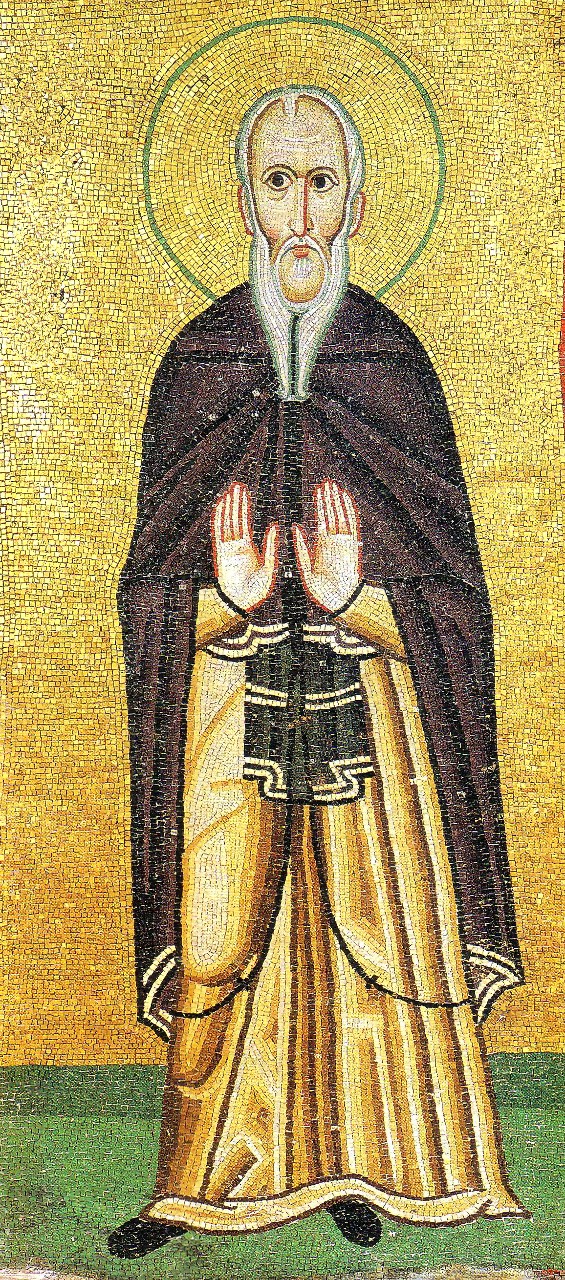
Theodore was born in Constantinople in 759 and from his youth he fought courageously in defence of the Sacred Imagery present in the capital of the Byzantine Empire, threatened by the adverse religious policy of the imperial government.
In 794 he succeeded his uncle Plato, (who ten years earlier had persuaded him to take monastic vows) in the direction of the Monastery of Sakkoudion in Bithynia. Shortly afterwards, however, he was sent into exile in Thessalonica, for having excommunicated the Emperor Constantine VI, later also venerated as a Saint, who had divorced his wife Mary to marry Theodota. This incident was not a simple occurence of one man’s sinful adultery but, under the name of “Synod of Adultery” an assembly of errant Bishops who, in the 9th Century, wished to approve the practice of second marriage after the repudiation of the legitimate wife, entered the history of the Church – (ring any bells – only no-one is being exiled for this now!?) Saint Theodore was the one who most vigorously opposed it and for this reason he was persecuted, imprisoned and exiled three times.
In 797, after the death of the Emperor, Theodore was recalled to his homeland with full honours, left Sakkoudion Monastery which, in the meantime, had been sacked by the Arabs and Theodore moved to the Monastery of Studios in Constantinople, from which he took his nickname. Here he undertook a powerful campaign in favour of asceticism and radical monastic reforms. The key points of his rule, later used in both Byzantine and Eastern Monasteries, were strict seclusion, poverty, discipline, study, religious offices and manual labour.
Abbot Theodore is also remembered for allowing his Monks to sprinkle nutmeg, one of the most expensive spices at the time, ontp their pea soup when they were forced to eat it. This anecdote, the veracity of which is difficult to ascertain, far from ridiculing the Saint, helps us to approach him in aspects of his daily life, as the shepherd of a community, certainly a firm spiritual leader but also, at the same time, a kindly shepherd displaying a generous love.
In 809, Theodore was again banished because of his refusal to receive Communion from Patriarch Nicephorus, who had reinstated the Priest Joseph, guilty of having officiated at the wedding between Constantine and Theodote. Two years later, Emperor Michael I, over whom our Saint had much influence, recalled him from exile but, he was again banished and flogged in 814 because of his strenuous opposition to the iconoclastic edict promulgated by Emperor Leo V which prohibited the veneration of Sacred Images. Released in 821 by Emperor Michael II, in 824 he promoted an insurrection against the latter, whom the Saint judged to be too indulgent towards the iconoclasts. However, when his plans failed, Theodore then thought it appropriate to leave Constantinople.
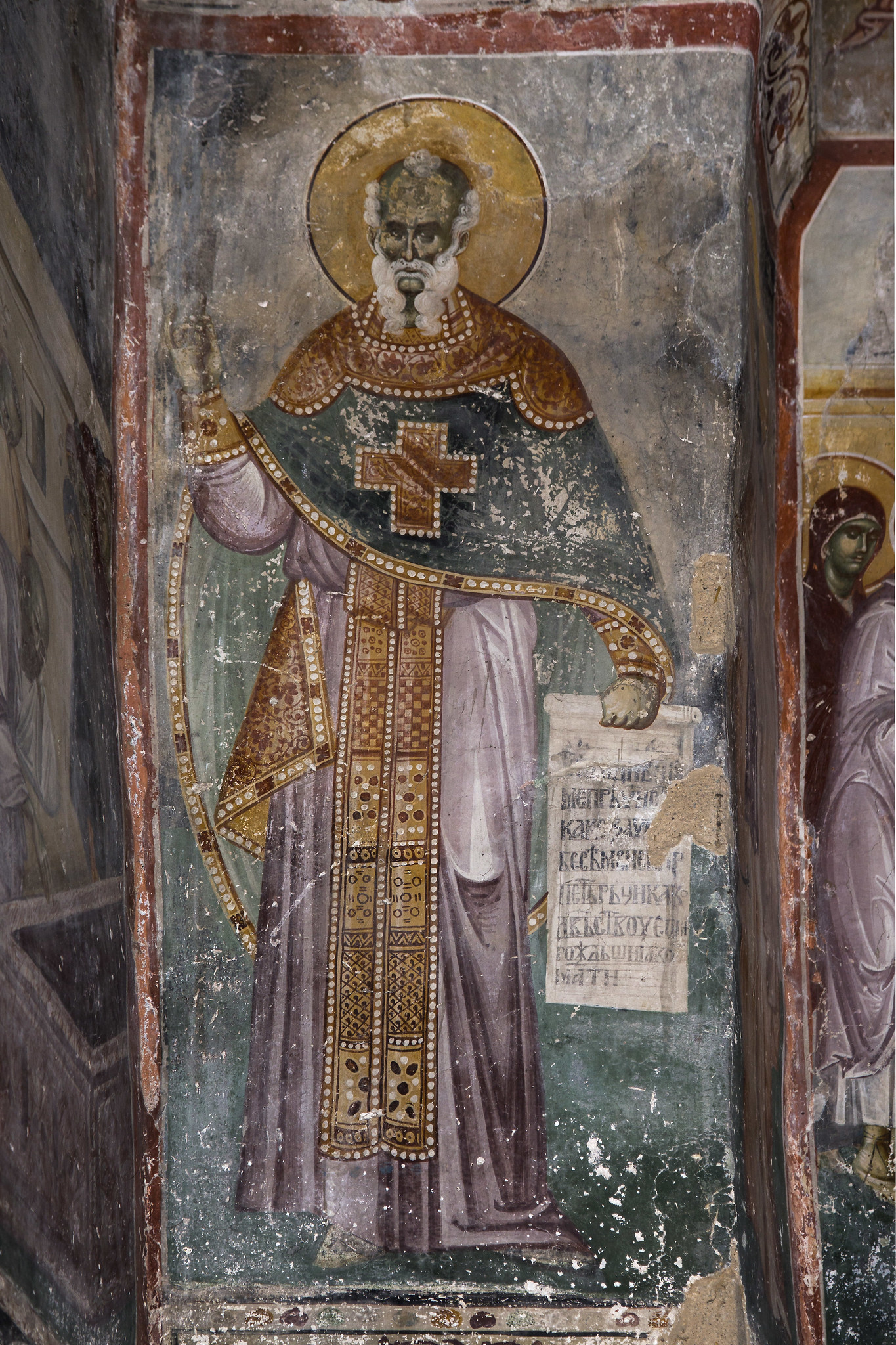
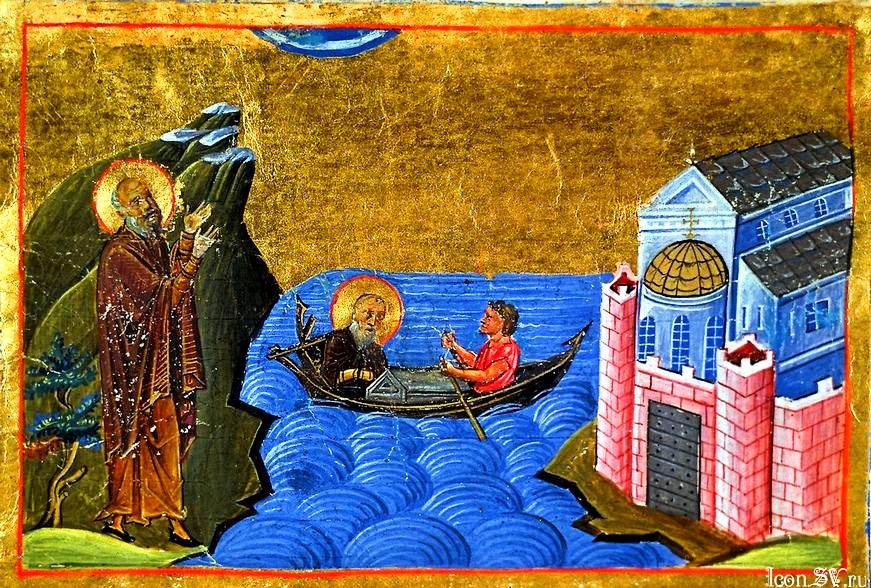
From that moment he wandered between various Monasteries in Bithynia and died in that of Chalcis on 11 November 826. Initially buried in that Monastery, on 26 January 844, his body was translated to Studios Monastery.
He is celebrated today 12 November, the day after his death.
Saint Theodore composed several literary works. First of all, as an intrepid fighter for the defence of the indissolubility of Marriage; he wrote a treatise and a paper ‘On the economy in general’ which were unfortunately lost or more probably destroyed by order of the Patriarch Methodius. His letters the importance of which is constituted by the picture of the life and character of St Theodore which is displayed within them and, which also shed light, on the theological disputes in which he intervened. St Theodore also wrote Catechetical works divided into two collections, addressed to Monks and containing warnings and advice connected with spiritual life and monastic communities; funeral orations for his mother and for his uncle Plato; theological works focused on the use and veneration of Sacred Images; epigrams on various subjects, some of which demonstrate considerable originality and some Sacred Hymns. Furthermore, like all the Monks of the Studios, Saint Theodore was renowned too for his calligraphy and for his skill in copying manuscripts.
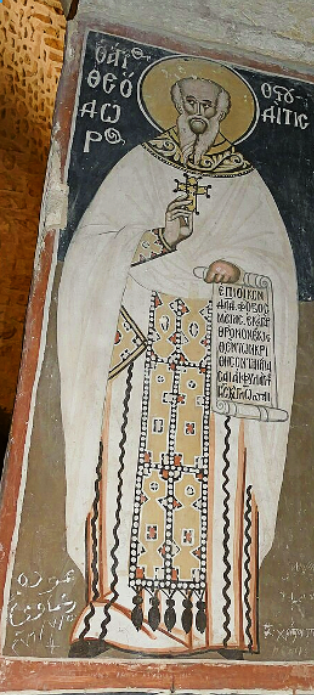
St Theodore the Studite, a simple but deeply religious man who dared to challenge the imperial power and the Ecclesiastical hierarchies of the time, should be considered one of the heavenly protectors of those who, even today, faced with the changed Church, have the courage to repeat an inflexible love of the One True Church and a denial of all unlawful practices. St Theodore the Studite, Pray for us!

 AnaStpaul