
Saint of the Day – 14 November – Saint Dubricius of Wales (c465-c545) Bishop and Confessor, Monk and Founder of Monasteriest, becoming an Abbot, highly renowned and learned Scholar, Hermit, Miracle-worker. Born in Madley (?) near Hereford in England around 465 and died in c545 of natural causes. on Bardsey Island, Wales. Dubricius is one of the greatest of Welsh Saints. He is usually represented holding two Crosiers which signify his jurisdiction over the Sees of Caerleon and Llandaff. Patronages – of Hereford (his birth City in England), of Caldey Island and Monmouth in Wales. Also known as – Dubricius Dubritius, Dubric, Dyfig, Devereux. Additional Memorial – 9 February (on some calendars), 29 May (translation of his Relics).
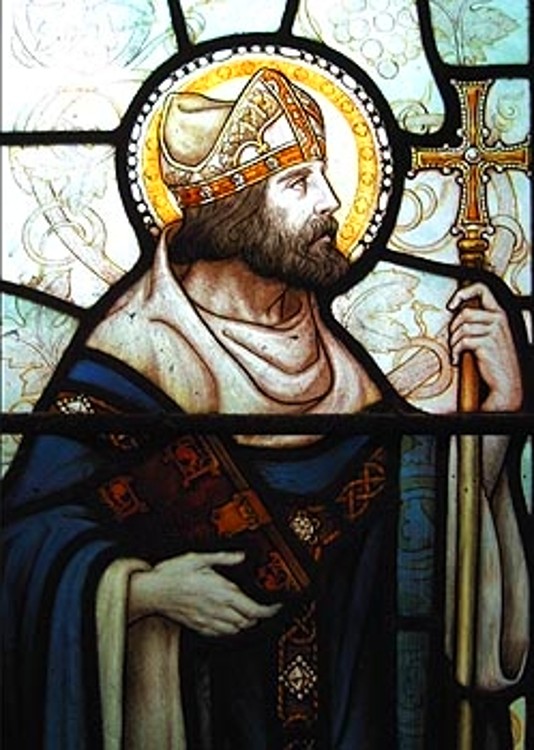
Dubricius was the illegitimate son of Efrddyl, the daughter of King Peibio Clafrog of Ergyng. His grandfather threw his mother into the River Wye when he discovered she was pregnant, but failed to drown her. Dubricius was born in Madley in Herefordshire, England. He and his mother were reconciled with Peibio when the child Dubricius touched him and cured him of his leprosy.
Noted for his precocious intellect, by the time he attained manhood, Dubricius was already known as a scholar throughout Britain. Dubricius founded a Monastery at Hentland and then one at Moccas, both of these in Herefordshire.
Later moving to Wales, he became the teacher of many well-known Welsh Saints, including Teilo and Samson and also healed the sick of various disorders through the laying on of hands.
Dubricius was Consecrated as the Bishop of Llandaff by Saint Germanus of Auxerre and legend says he later crowned King Arthur. He lalso became the Bishop of Ergyng, possibly with his seat at Weston and probably held sway over all of Glamorgan and Gwent, an area which was then incorporated into the Diocese of Llandaff. Dubricius was a good friend of Saints Illtud and Samson. He attended the Synod of Llanddewi Brefi in 545, where he is said to have resigned his See in favour of Saint David.
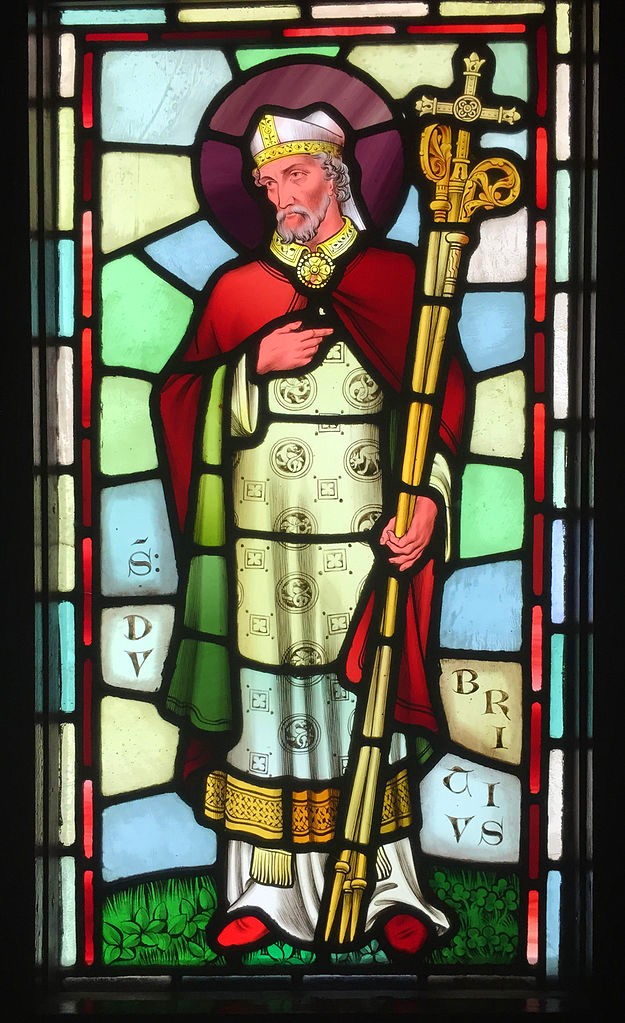
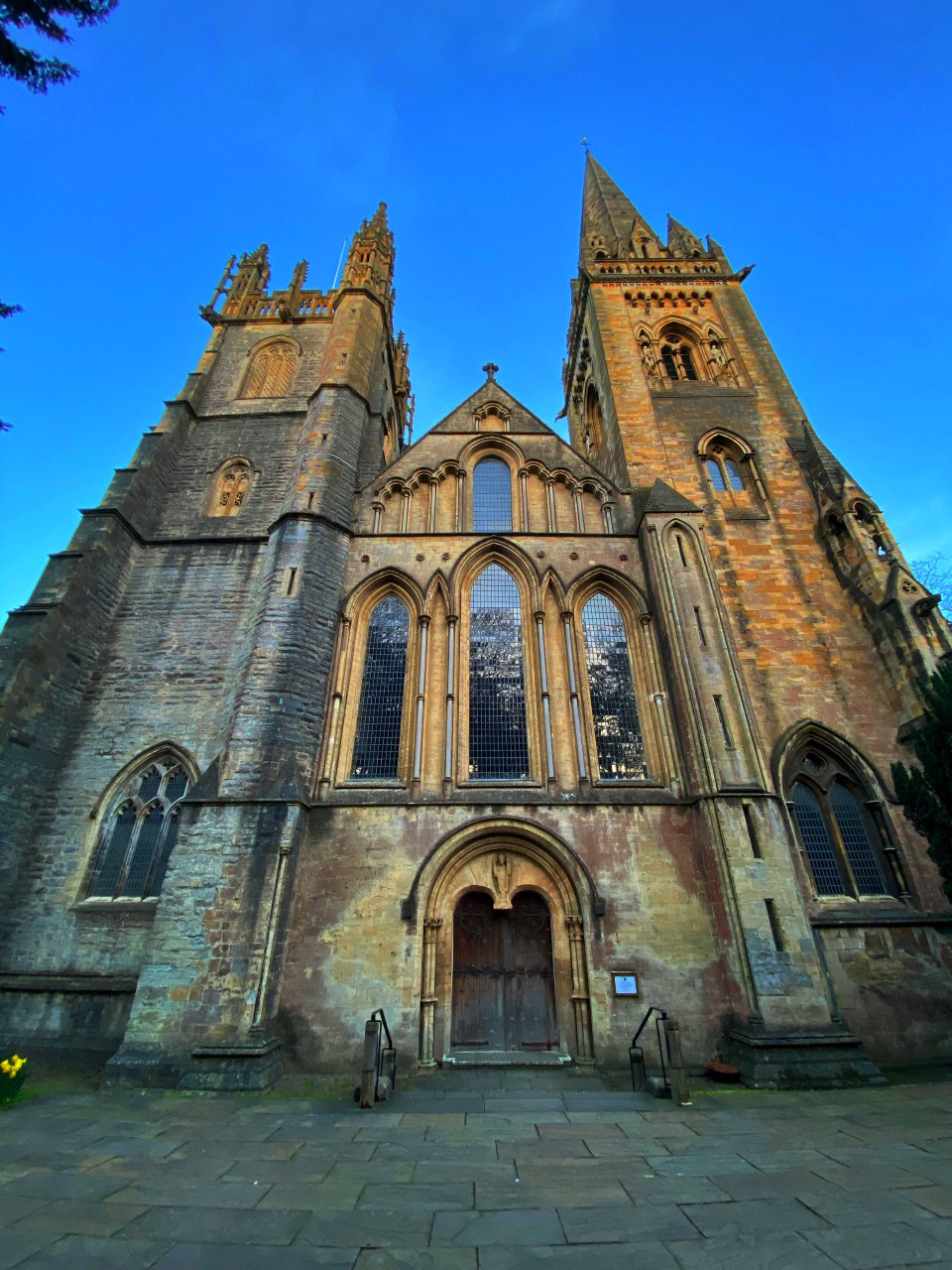
It is believed that he died not long after having retired to Bardsey Island to live his last years as a Hermit. This is where he was eventually buried before his body was translated to Llandaff Cathedral in 1120. There are many Churches dedicated to our Saint across England and Wales.


 AnaStpaul