Quote/s of the Day – 20 November – “The Month of the Holy Souls in Purgatory”
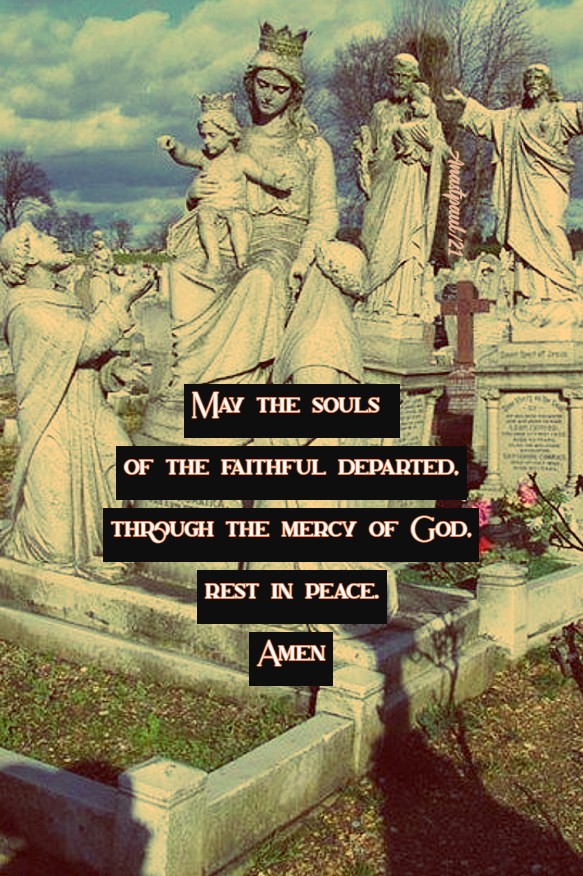
“May the souls of the faithful departed through the mercy of God, rest in peace, amen.”
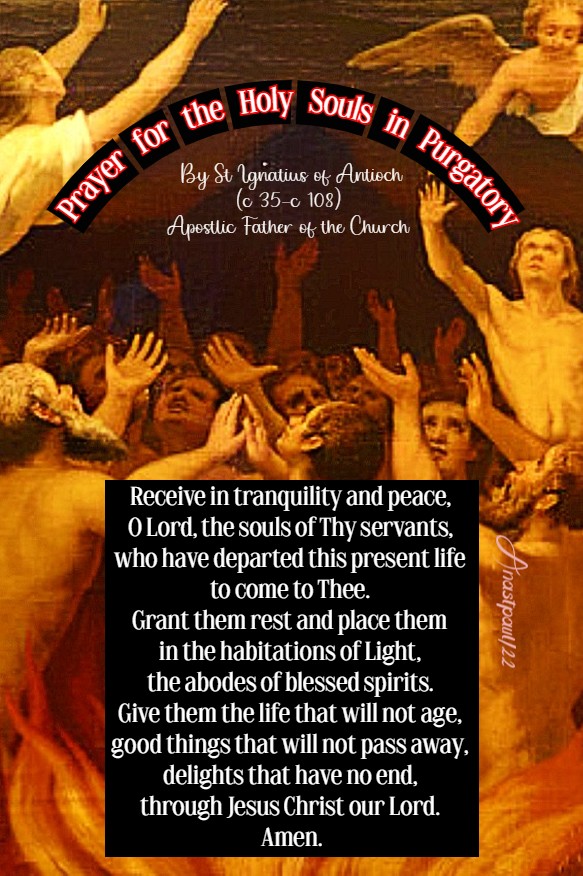
Prayer for the Holy Souls in Purgatory By St Ignatius of Antioch (c35-c108) Apostolic Father of the Church
Receive in tranquility and peace, O Lord, the souls of Thy servants, who have departed this present life to come to Thee. Grant them rest and place them in the habitations of Light, the abodes of blessed spirits. Give them the life that will not age, good things that will not pass away, delights that have no end, through Jesus Christ our Lord. Amen.
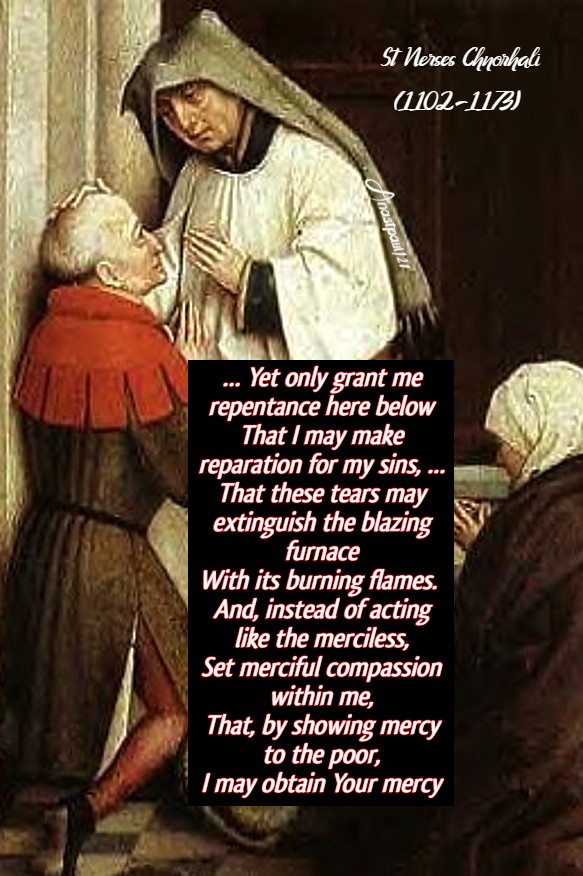
“ … Yet only grant me repentance here below That I may make reparation for my sins, … That these tears may extinguish the blazing furnace With its burning flames. …
And, instead of acting like the merciless, Set merciful compassion within me, That, by showing mercy to the poor, I may obtain Your mercy.”
St Nerses Chnorhali (1102-1173) Armenian Bishop
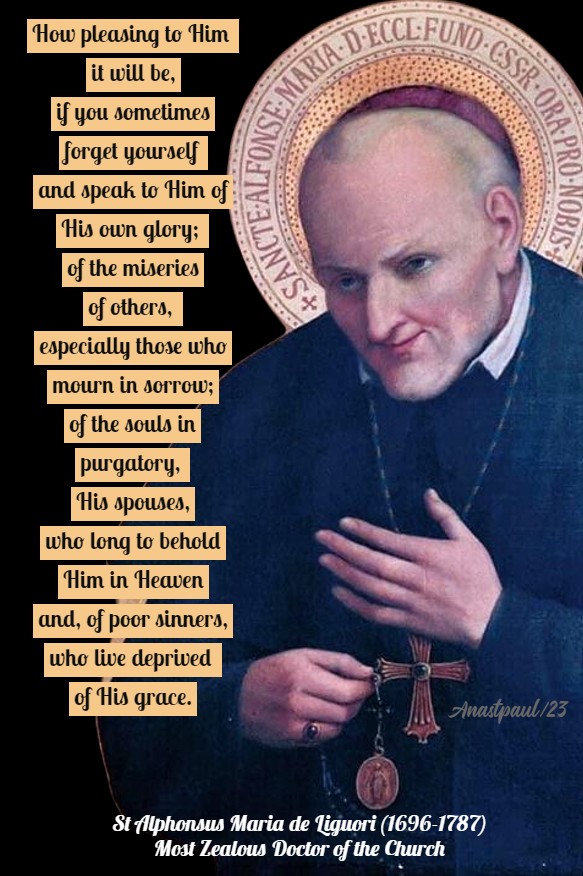
“How pleasing to Him it will be, if you sometimes forget yourself and speak to Him of His own glory; of the miseries of others, especially those who mourn in sorrow; of the souls in purgatory, His spouses, who long to behold Him in Heaven and, of poor sinners, who live deprived of His grace.”
St Alphonsus de Liguori (1696-1787) Most Zealous Doctor
Thought for the Day – 20 November – Meditations with Saint Alphonsus Maria de Liguori (1696-1787) Bishop, Confessor, Most Zealous Doctor of the Church
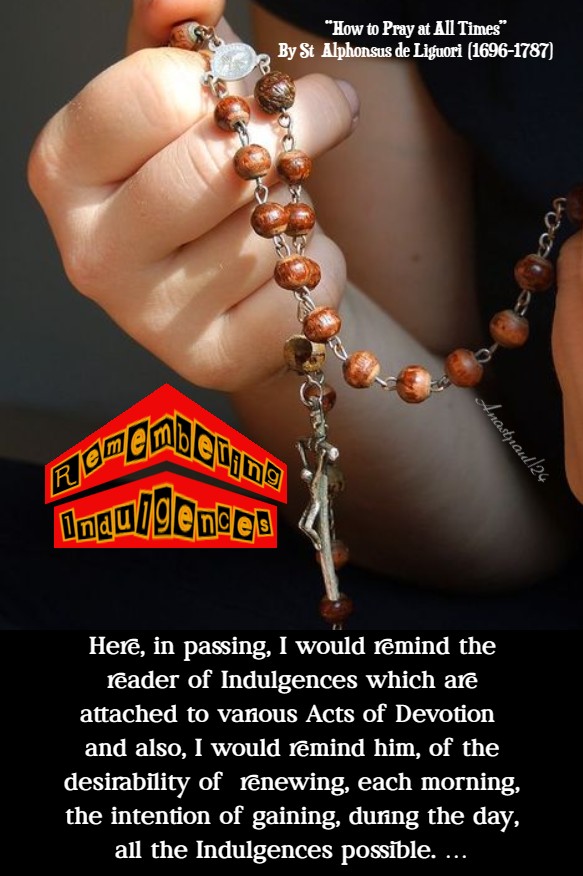
“How to Pray at All Times” By St Alphonsus Maria de Liguori (1696-1787)
The Practice of Praying Constantly Remembering Indulgences Excerpt from Chapter Five:3
“Here, in passing, I would remind the reader of Indulgences which are attached to various Acts of Devotion and also, I would remind him, of the desirability of renewing, each morning, the intention of gaining, during the day, all the Indulgences possible. …
In like manner, form the intention of gaining too, all the Indulgences granted for saying the Rosary on beads properly blessed, the Angelus three times a day, the Litany of our Blessed Lady, the Salve Regina, the Ave Maria and the Gloria Patri; … for reciting the prayer Anima Christi; for bowing the head at the Gloria Patri and at the Most Holy Names of Jesus and Mary; for hearing Mass; for making half an hour’s mental prayer – for this, there is a Partial Indulgence, and also, if the meditation is made daily, a Plenary on the usual conditions of confession, Communion and praying for the intentions of the Church; for genuflecting before the Blessed Sacrament; for kissing the Crucifix …”
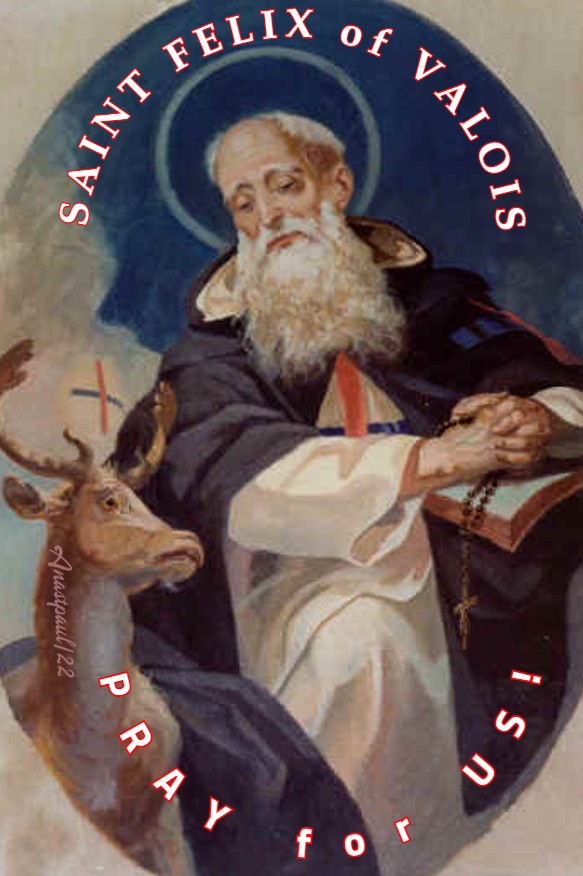
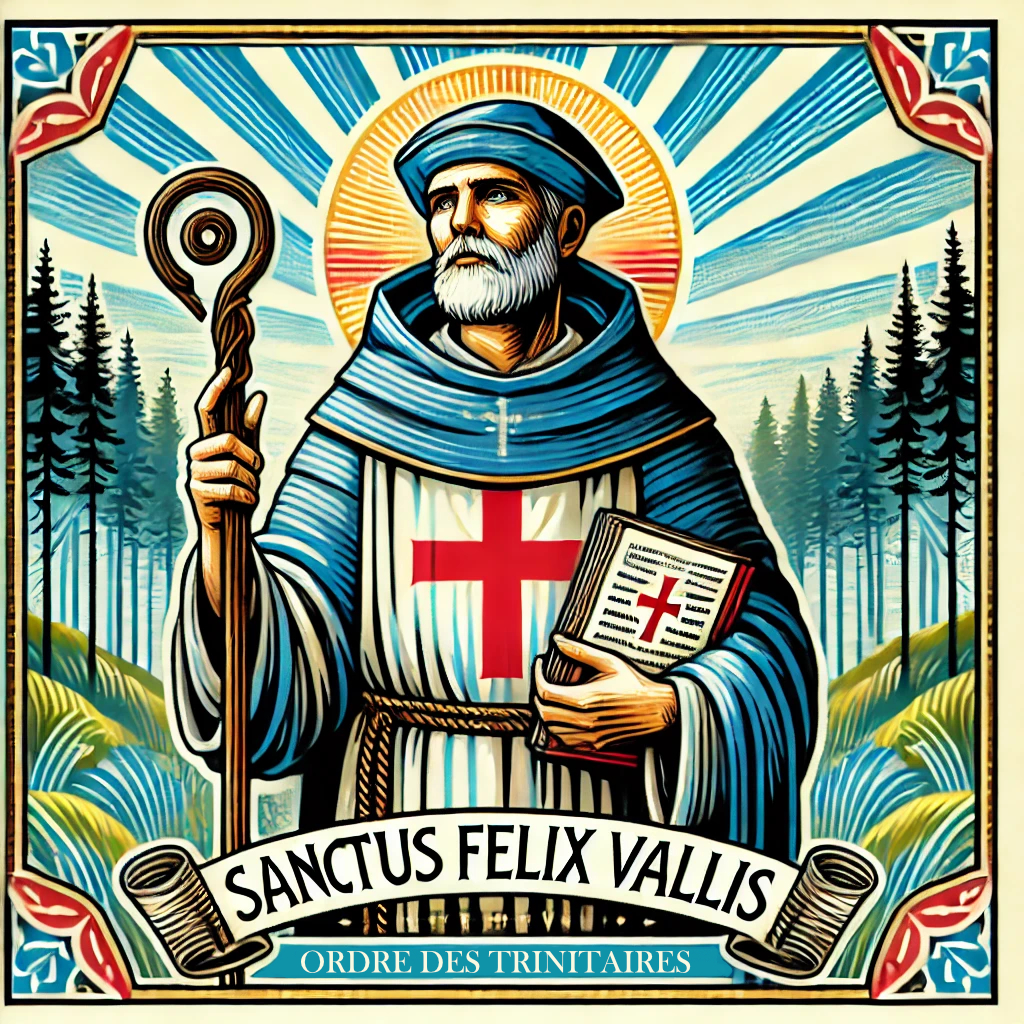
One Minute Reflection – 20 November – “The Month of the Holy Souls in Purgatory” – St Felix of Valois (1127-1212) Confessor – 1 Corinthians 4:9-14; Luke 12:32-34 – Scripture search here: https://www.drbo.org/
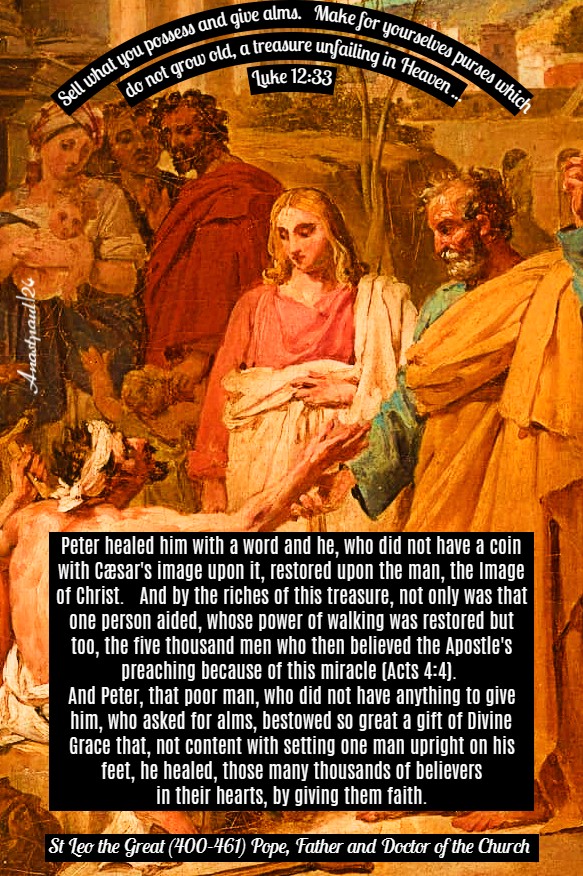
“Sell what you possess and give alms. Make for yourselves purses which do not grow old, a treasure unfailing in Heaven, where neither thief draws near, nor moth destroys.” – Luke 12:33
REFLECTION – “Blessed are the poor in spirit, for theirs is the Kingdom of Heaven” (Mt 5:3) … Of this generous poverty, the Apostles first, after the Lord, have given us example. Unhesitatingly leaving all they had, at the Voice of the heavenly Master, they were joyfully converted and abandoned the catching of fish, to become fishers of men (Mt 4:18f.). Among the latter, many became like themselves, by imitating their faith; for with those first children of the Church, “the community of believers was of one heart and mind” (Acts 4:32). Stripped of all their possessions, they were enriched with eternal goods, thanks to holy poverty. Welcoming the Apostles’ preaching, they rejoiced to have nothing in this world and yet, possess all things in Christ. (2 Cor 6:10).
Hence, the blessed Apostle Peter, when he was going up to the temple and was asked for alms by a lame man, said, “I have neither silver nor gold but what I do have I give you; in the Name of Jesus Christ the Nazorean, rise and walk” (Acts 3:6)… Peter healed him with a word and he, who did not have a coin with Cæsar’s image upon it, restored upon the man, the Image of Christ. And by the riches of this treasure, not only was that one person aided, whose power of walking was restored but too, the five thousand men who then believed the Apostle’s preaching because of this miracle (Acts 4:4). And Peter, that poor man, who did not have anything to give him, who asked for alms, bestowed so great a gift of Divine Grace that, not content with setting one man upright on his feet, he healed, those many thousands of believers in their hearts, by giving them faith.” – St Leo the Great (400-461) Pope, Father and Doctor of the Church (Sermon 95 2-3).
PRAYER – OGod, Who by heavenly inspiration graciously called forth blessed Felix, Thy Confessor, from the desert to the work of ransoming captives; grant, we beseech Thee, that by his intercession and liberated by Thy grace from the captivity of our sins, we may be led into our heavenly fatherland. Through Jesus Christ, Thy Son our Lord, Who lives and reigns with Thee, in the unity of the Holy Ghost, God, world without end. Amen (Collect).
Our Morning Offering – 20 November – “The Month of the Holy Souls in Purgatory”
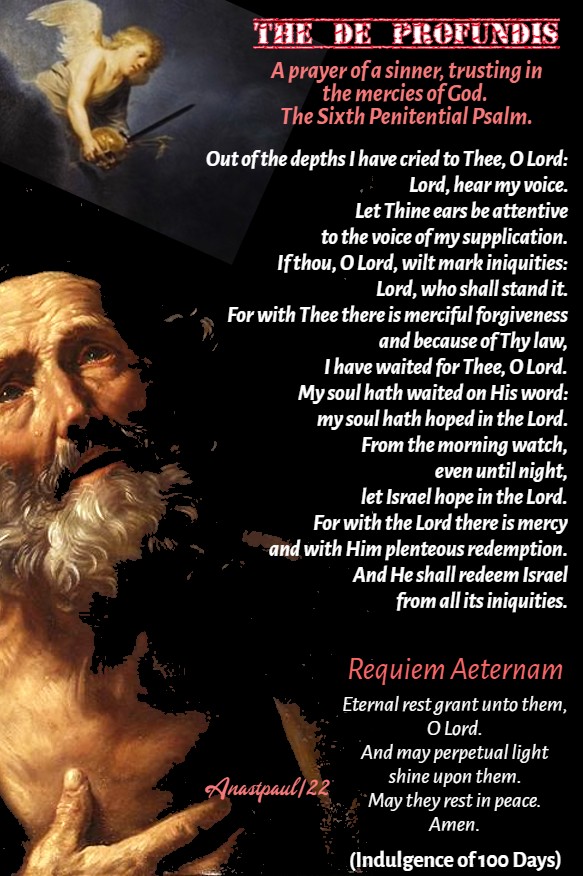
The De Profundis Psalm 129
A prayer of a sinner, trusting in the mercies of God. The Sixth Penitential Psalm.
Out of the depths I have cried to Thee, O Lord: Lord, hear my voice. Let Thine ears be attentive to the voice of my supplication. If thou, O Lord, wilt mark iniquities: Lord, who shall stand it. For with Thee there is merciful forgiveness and because of Thy law, I have waited for Thee, O Lord. My soul hath waited on His word: my soul hath hoped in the Lord. From the morning watch, even until night, let Israel hope in the Lord. For with the Lord there is mercy and with Him plenteous redemption. And He shall redeem Israel from all its iniquities.
(Eternal rest or “Requiem aeternam”) Eternal rest grant unto them, O Lord. And may perpetual light shine upon them. May they rest in peace. Amen.
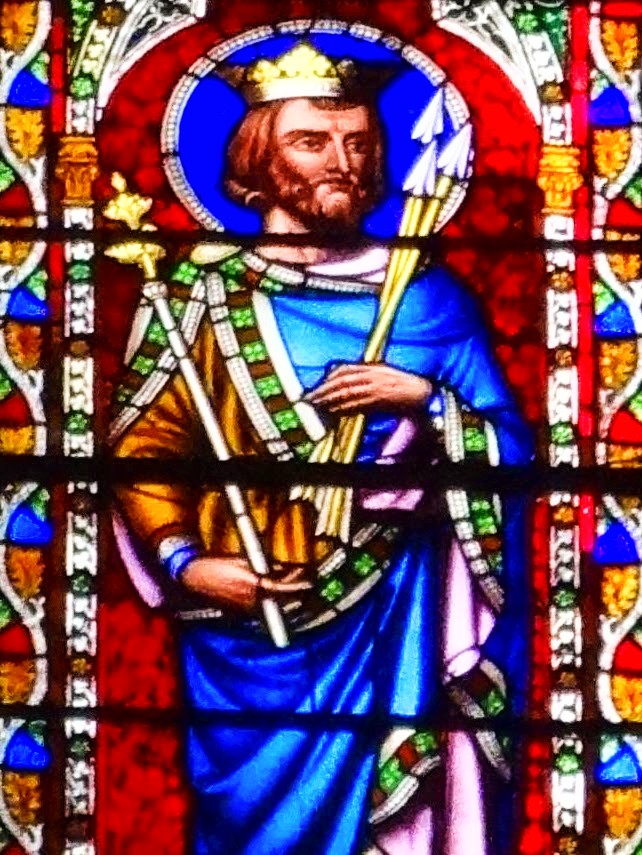
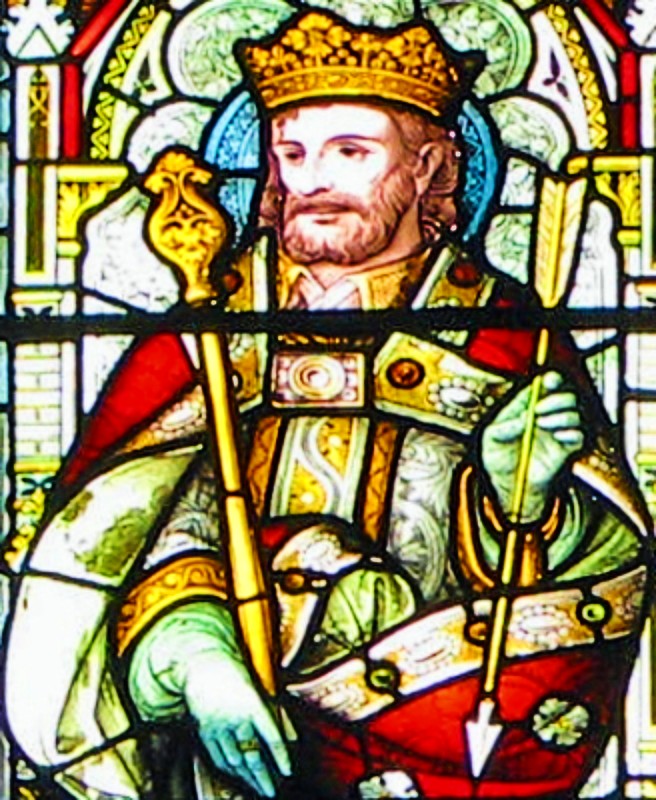
Saint of the Day – 20 November – St Edmund (c841-870) King and Martyr. Born in c841 probably in Nuremburg, Germany and died by being beaten, whipped, pierced with arrows “until he bristled with them like a hedgehog” and then beheaded at Hoxne, Suffolk, England on 20 November 870. Patronages – Co-Patron of England, against the Plague/Epidemics, of Kings, of torture victims, wolves, of the County and Diocese of East Anglia. Also known as – Edmund the Martyr, … of East Anglia. Additional Memorials – 29 April (translation of Relics), 2 November and 25 December on some local calendars.
The Roman Martyrology reads today: “In England, St Edmund, King and Martyr.”
On Christmas Day in the year 855, a remarkable event unfolded as a 14-year-old boy named Edmund was hailed as the rightful King of Norfolk by the influential figures of the County, including ruling men and Clergy. This acclaim was soon followed by a similar declaration from the leaders of Suffolk the following year.
For the next 15 years, Edmund would rule over the East Angles, a region in England, with a reputation for Christian dignity and justice which was universally acknowledged. He appeared to draw inspiration from the piety of King David of the Old Testament, notably excelling in the public recitation of the Psalms during worship.
However, Edmund’s reign was not without its challenges. Starting in 866, his Kingdom faced escalating threats from Danish invasions. For four years, the East Angles managed to maintain an unstable and often broken peace, with the invaders. Nevertheless, the situation took a dire turn, when the Danes set fire to Thetford, prompting King Edmund’s army to confront them. Unfortunately, they were unable to defeat the marauding Danish forces.
As the invaders reached East Anglia, they presented Edmund with an offer of peace but, it came with a condition which Edmund found impossible to accept. The condition required him to rule as a vassal under Danish authority and, most notably, to forbid the practice of the Christian Faith. Edmund unwaveringly refused this ultimatum, choosing to stand firm in defence of Christ.
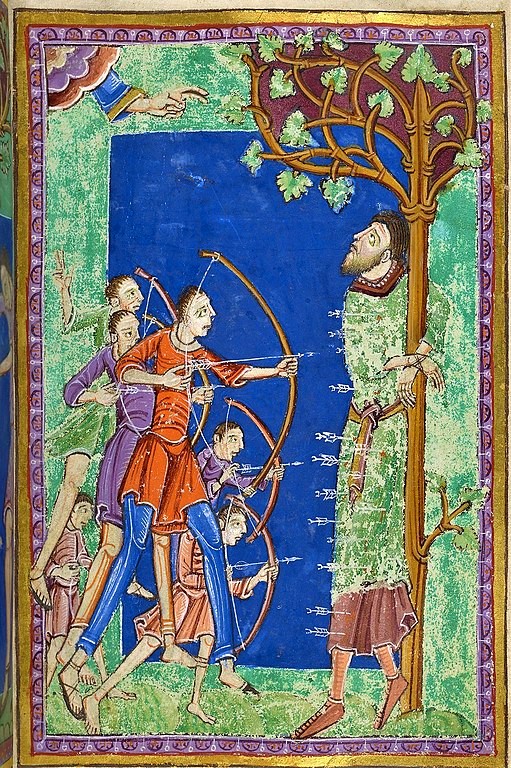
In response to his refusal, Edmund was subjected to a gruesome and torturous fate. He was bound to a tree and made the target of Danish archers, who rained down a hail of arrows upon him. Throughout this agonising ordeal, Edmund displayed remarkable bravery, repeatedly invoking the Name of Jesus. Eventually, he was decapitated, sealing his fate as a Martyr for Christ and His Church.
The Martyrdom of St Edmund, from the 12th Century Passio Sancto Eadmundi
Edmund’s final resting place is the City of Bury St Edmunds, where his memory is cherished to this day. The tree at Hoxne which tradition claimed was the site of his Martyrdom, stood as a symbol of his sacrifice until 1849 when it fell. During the tree’s dismantling, an arrowhead was discovered embedded in its trunk, serving as a poignant reminder and Relic of his Martyrdom.
St Edmund holds a unique place in history as the only English sovereign to die for both his religious beliefs and the defence of his throne, until the time of King Charles I. His Martyrdom quickly earned him reverence and his cultus spread widely throughout the Middle Ages. Together with Saint George, Saint Edmund is celebrated as one of the Patron Saints of England.
‘There was a great wonder, that he was as whole as if he were alive, with an intact body and his neck was healed which had previously been cut; it was as if there were a red silken thread about his neck, to show men how he had been killed. And the wounds which the cruel heathen had made in his body, with many shots, were healed by Heaven’s God and he lies thus incorrupt until this present day, awaiting the resurrection and eternal glory.’
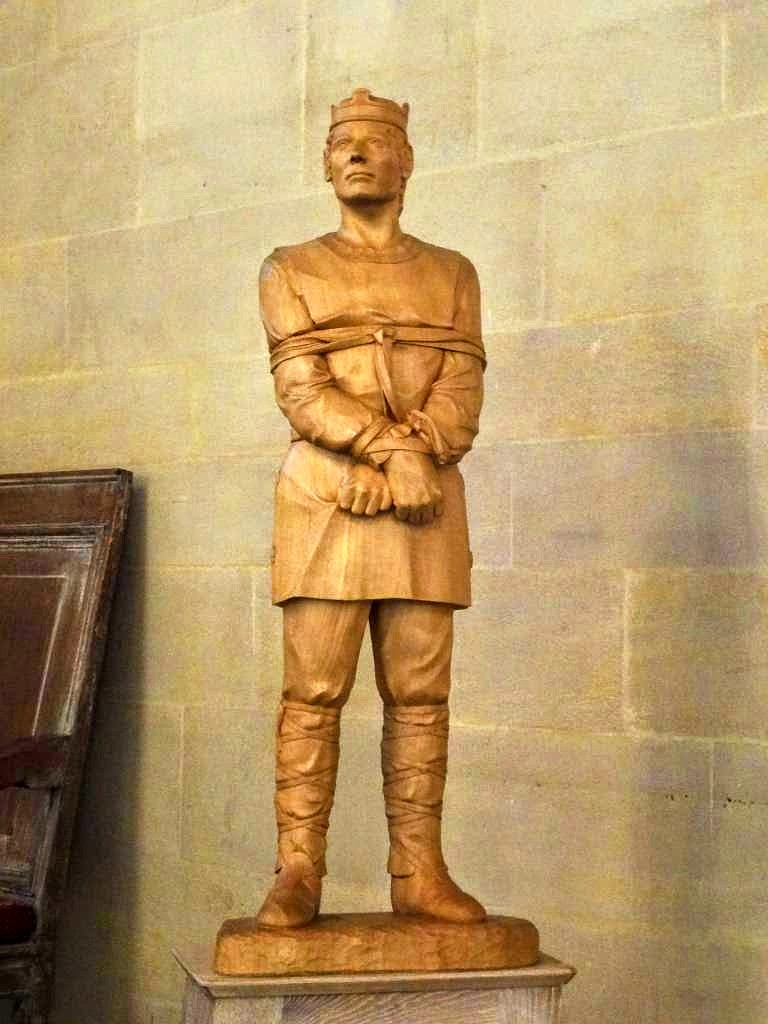
This modern Statue of St Edmund in the Cathedral of Bury St Edmund
St Agapius of Caesarea Bl Ambrose of Camaldoli St Ampelus of Messina St Anatolius of Nicea St Apothemius of Angers St Autbodus of Valcourt St Basil of Antioch St Bernerio of Eboli St Crispin of Ecija
St Dasius of Dorostorum St Dorus of Benevento St Edmund (c841-870) King and Martyr
St Eudo of Carméry St Eustachius of Nicea St Eval of Cornwall St Gaius of Messina St Gregory Decapolites St Hippolytus of Belley St Humbert of Elmham St Leo of Nonantula St Maxentia of Beauvais St Milagros Ortells Gimeno St Nerses of Sahgerd and Companions St Simplicius of Verona St Sylvester of Châlons-sur-Saône St Thespesius of Nicea St Teonesto of Vercelli
Martyrs of Antioch – 3 Saints: Group of three Christians executed together for their faith. No details have survived except their names – Basil, Dionysius and Rusticus. They were martyred in Antioch (Antakya, Turkey).
Martyrs of Heraclea – 3 Saints: A group of 43 Christians Martyred together. The only details about them to survive are three of their names – Agapitus, Bassus and Dionysius. They were martyred in Heraclea, Thrace.
Martyrs of Turin – 3 Saints: Three Christian Martyrs whose original stories were lost and somehow came to be associated with the Theban Legion. They are – Adventor, Octavius and Solutor. They were beheaded in 297 in Turin, Italy. Patronage – Turin, Italy.






 AnaStpaul
You must be logged in to post a comment.