
Saint of the Day – 22 January – Saint Dominic of Sora (951-1031) Abbot, Priest, Founder of many Monasteries, Miracle-worker. Born in 951 at Foligno, Etruria (Tuscany district of modern Italy) and died on 22 January 1031 in his Monastery in Sora, Campania, Italy of natural causes. Patronage – against fever, against toothache, against poisonous snakes and snake bites, against rabid dogs, protection from storms and hail, of the Italian Towns of Sora and Cocullo. Also known as – Dominico.
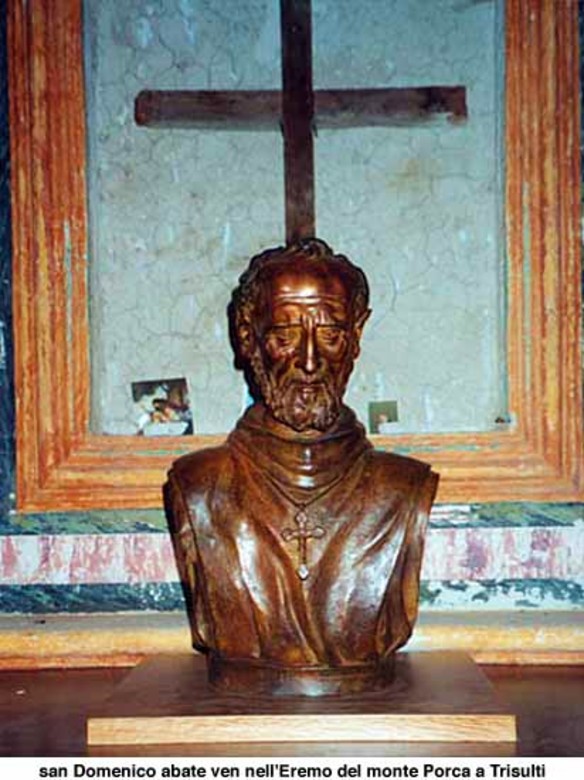
The Roman Martyrology reads today: “At Sora, the holy Abbot Dominic, renowned for miracles.”
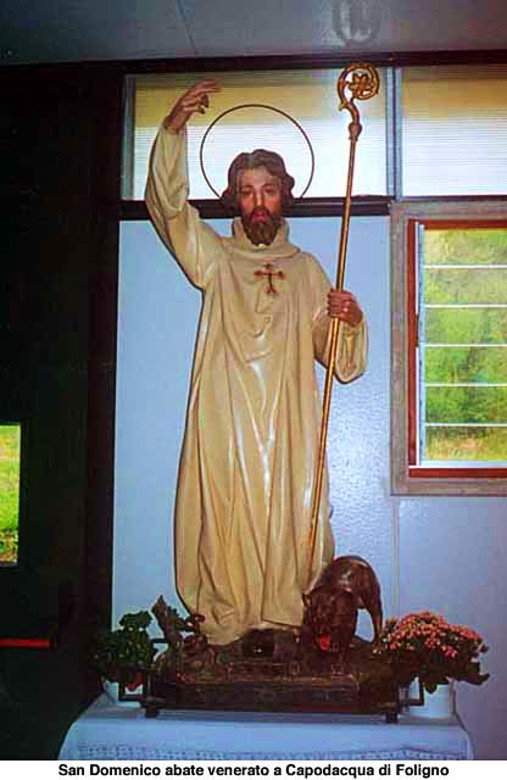
The Monk Giovanni, who was Dominic’s companion on all his travels, wrote his ‘Life’ which is, therefore, very accurate and truthful.
Domenic was born in Foligno in 951. He was entrusted as a child by his parents, to the Monks of St Silvester of Foligno, to carry out the necessary studies. When he became a young man, Dominic left everyone and went to the Monastery of St Maria di Pietrademone, where he was Ordained a Priest and vowed his profession as a Monk.
But Dominic desired a Hermit’s life, so he began to alternate solitude with the community life – he retired to a mountain in the Province of Rieti. But he was immediately followed by disciples from the surrounding area, for them he founded the Monastery of St Salvatore, becoming its Abbot.
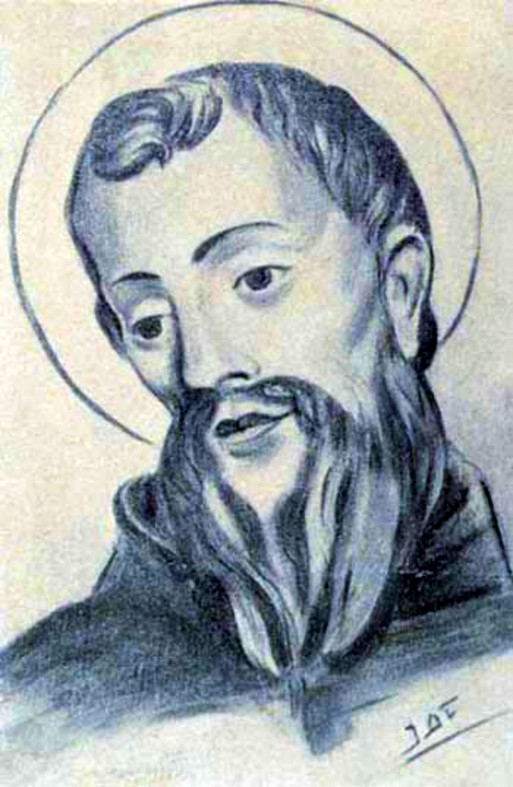
Since his fame of sanctity attracted many people, to hide he moved towards L’Aquila, where he founded the Monastery of St Pietro del Lago, in the same way he founded the Monastery of St Pietro di Avellana in the Sangro region. During his journeys he arrived in Campania, where he remained unknown, for three years, until the population recognised him through some hunters, surrounded him with devotion and there was a rush of sick people. The reports of his miracles consisted above all, in curing the illness and death caused by snake bites, hence his Patronage.
In Trisulti he founded the Monastery of St Bartolomew which achieved much fame, it was richly endowed by the inhabitants of the nearby municipalities which Domenic then visited, urging them to a life woven with charity, penance and good works.
Dominic met with Pope John XVIII, from whom he asked for Papal protection for his foundations. Thanks to a donation of land, made by Count Pietro Rainerio, the Lord of Sora, he was able to build another Monastery, which remained, due to its importance, linked to his name, permanently.
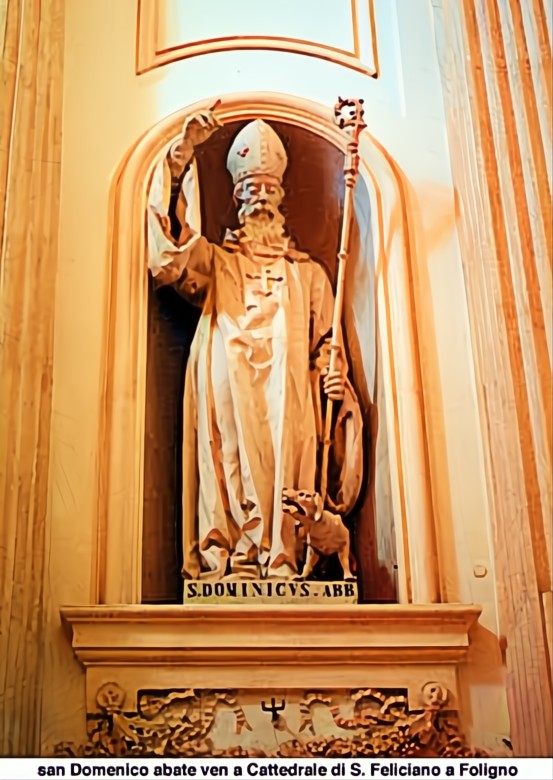
Dominic fell ill while undertaking yet another journey to Tusculum but he returned back to Sora and died there on 22 January 1031 and was buried in the Monastery Church, where he is still preserved.
Dominic of Sora, like other great Founders of that era, remains a reformer of the life of the medieval Church, all intent on expanding monastic life with its great flowering, also a precursor of the great Orders which, a few centuries later, would appear in the Church, starting with his great namesake St Dominic of Guzman.
In Sora, as in the whole Liri Valley, he is invoked against the bites of poisonous snakes and rabid dogs, from storms and hail but also against fever and toothache.
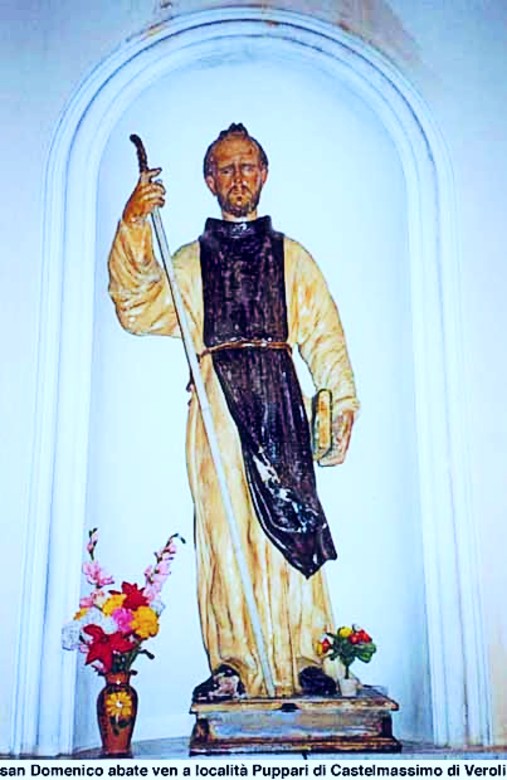
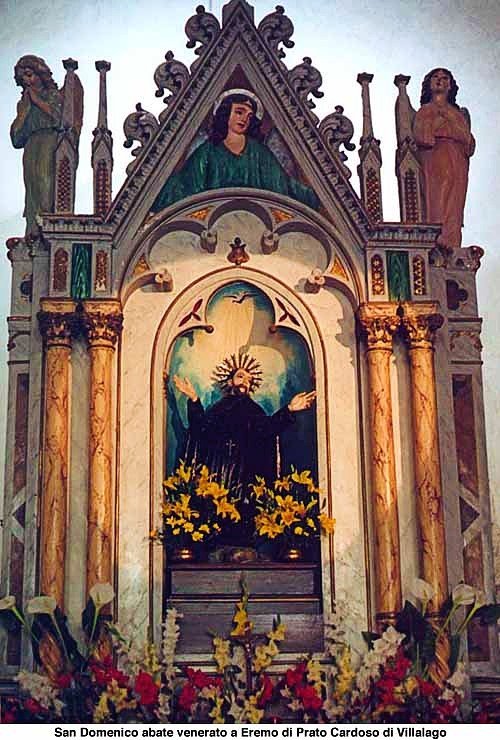
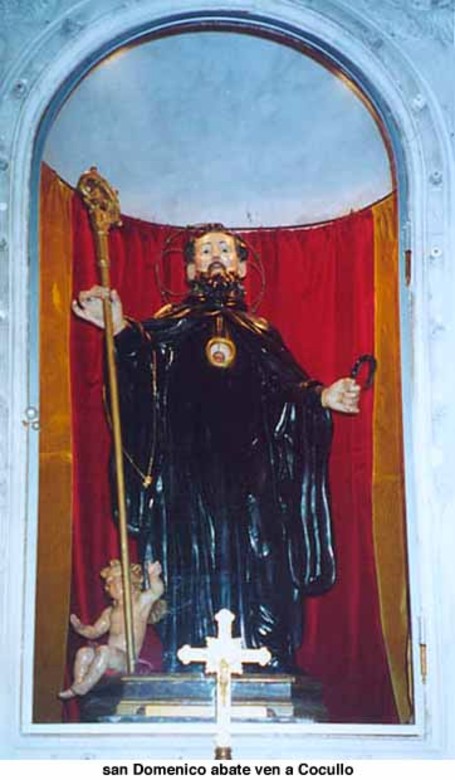
His Feast is celebrated with solemnity, both in Sora, of which he is the Patron and where there is a Sanctuary containing his body and in Arpino and nearby Towns but above all, for his particularity in Cocullo, where his Statue is carried in procession covered in real live snakes! Once, after the Mass, the snakes were killed or sold to tourists, today with a different environmentalist culture, they are set free. The ‘snake catchers’ are very careful to capture the harmless snakes, while they leave the poisonous vipers alone, the population participating in the celebrations has an almost sacred respect for reptiles, a legacy of a pagan cult of pre-Christian times which the Church had to make its own and this union, between pagan use and Christian celebration, in this case occurred through St Domenic of Sora, the great miracle- worker, who from the Middle Ages until today, attracts a multitude of imploring faithful ever venerating and imploring his aid in all their needs.


 AnaStpaul