
Septuagesima Sunday:
The word “Septuagesima” is Latin for “Seventeenth.”
It is both the name of the Liturgical Season and the name of the Sunday.
Septuagesima Sunday marks the beginning of the shortest Liturgical Season.
This Season is seventeen (17) days long and includes the three Sundays before Ash Wednesday.
The length of the Season never changes but the start date is dependent on the movable date of Easter, which can fall between 22 March-25 April.
Septuagesima Sunday can be as early as 18 January.
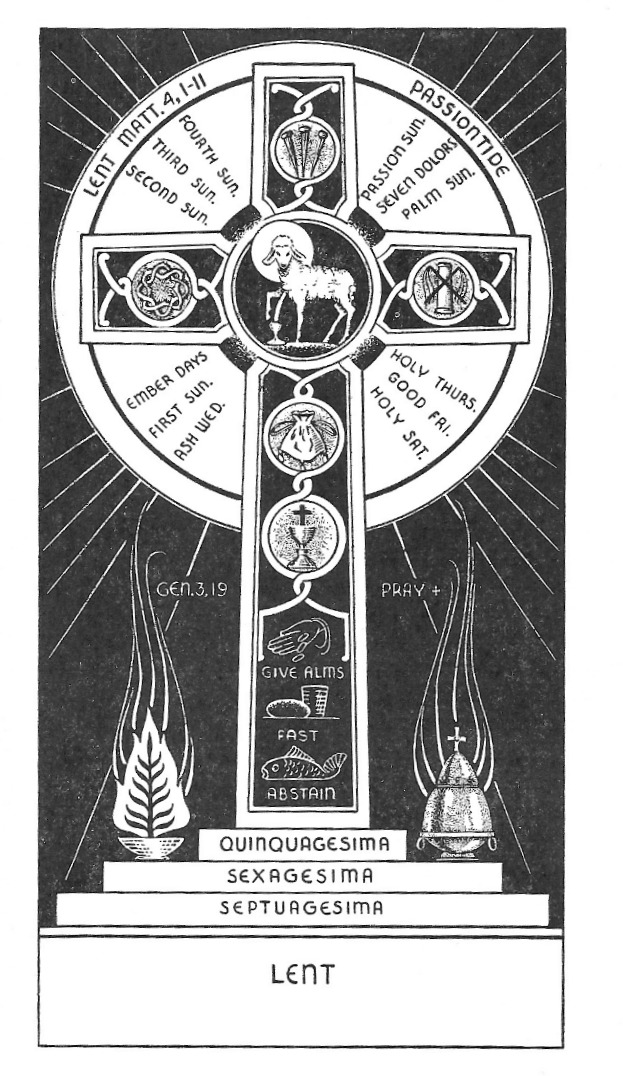
Dom Prosper Guéranger OSB (1805-1875) Abbot of Solesmes from 1837-1875, devoted a whole volume of his great work – The Liturgical Year, to Septuagesima. In his Preface, Dom Guéranger referred to Septuagesima as a Season of “transition, inasmuch as it includes the period between two important Seasons – Christmas and Lent. … The Church, therefore, has instituted a preparation for the holy time of Lent. She gives us the three weeks of Septuagesima, during which she withdraws us, as much as may be, from the noisy distractions of the world, in order that our hearts may be the more readily impressed by the solemn warning she is to give us, at the commencement of Lent, by marking our foreheads with ashes.”
The Septuagesima Season helps the faithful ease into Lent. I t is a gradual preparation for the serious time of penance and sorrow; to remind the sinner of the grievousness of his errors and to exhort him to penance.
Liturgically it looks very much like Lent. The Gloria and Alleluia are omitted, the tone becomes penitential with the Priest wearing Purple Vestments.
The main difference is that there are no fasting requirements.

Notre-Dame de l’ Epine / Our Lady of the Thorn, Chalons-sur-Marne, France (1400) – 16 February:
HERE:
https://anastpaul.com/2021/02/16/our-lady-of-the-thorn-chalons-sur-marne-france-1400-and-memorials-of-the-saints-16-february/

St Aganus of Airola
Blessed Bernard Scammacca OP (1430-1487) Priest and Friar of the Order of Preachers, Preacher, Apostle of charity, Mystic, with a gift of prophecy and a great devotion to the Passion of Christ.
About Bl Bernard:
https://anastpaul.wordpress.com/2018/02/16/saint-of-the-day-16-february-blessed-bernard-scammacca-o-p-1430-1487/
St Faustinus of Brescia (not the St Faustinus brother of St Jovinus – 15 February).
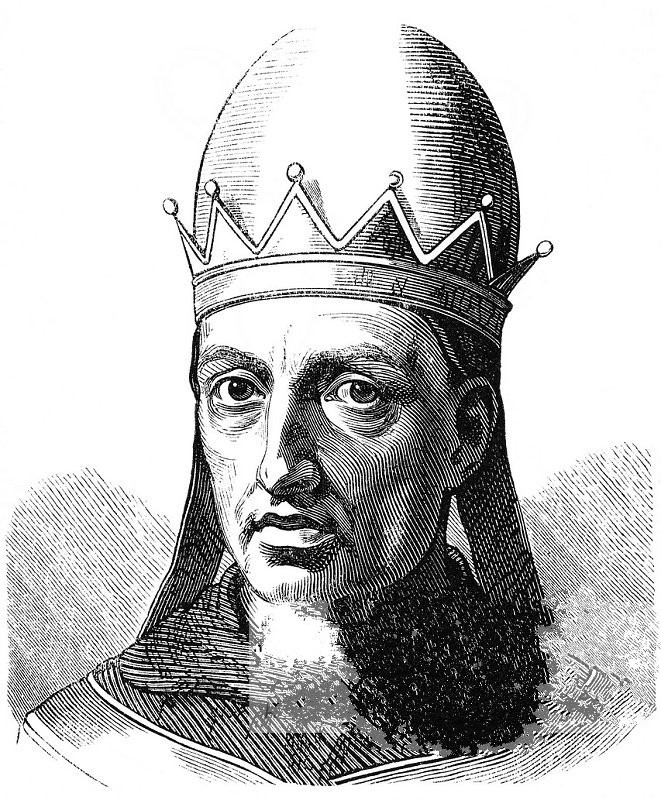
Blessed Gregory X (1210-1276) Pope Papacy began 1 September 1271 until his death on 10 January 1276.
His Feast was one of those moved in 1969. Today is the date of his celebration.
A Very Interesting Pope:
https://anastpaul.com/2022/01/10/saint-of-the-day-10-january-blessed-pope-gregory-x-1210-1276/
St Honestus of Nimes
St John III of Constantinople
St Julian of Egypt
St Juliana of Campania
St Juliana of Nicomedia
Blessed Mariano Arciero
St Maruta (Died 415) Bishop, Confessor, Theologian, Writer, honoured in the Syrian Rite Church as a Doctor of the Church. He was a friend of Saint John Chrysostom and acted as an Ambassador between the East Roman Emperor and the Persian Emperor.
His Life:
https://anastpaul.com/2022/02/16/saint-of-the-day-16-february-saint-maruta-died-c-415/
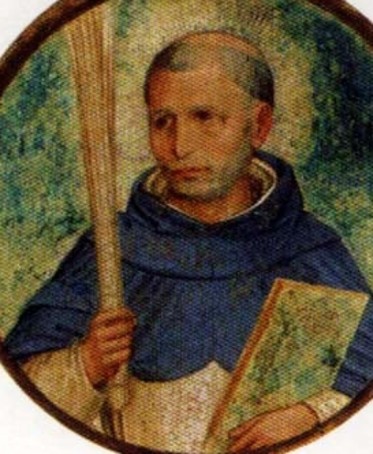
Blessed Nicola Paglia OP (1197-1256) Priest of the Order of Preachers , faithful travelling companion of St Dominic, Superior General (twice). A cultured and far-sighted man, he promoted the study of Sacred Scripture and the compilation of biblical Concordances.
Blessed Nicola’s Life:
https://anastpaul.com/2020/02/16/saint-of-the-day-16-february-blessed-nicola-paglia-op-1197-1256/
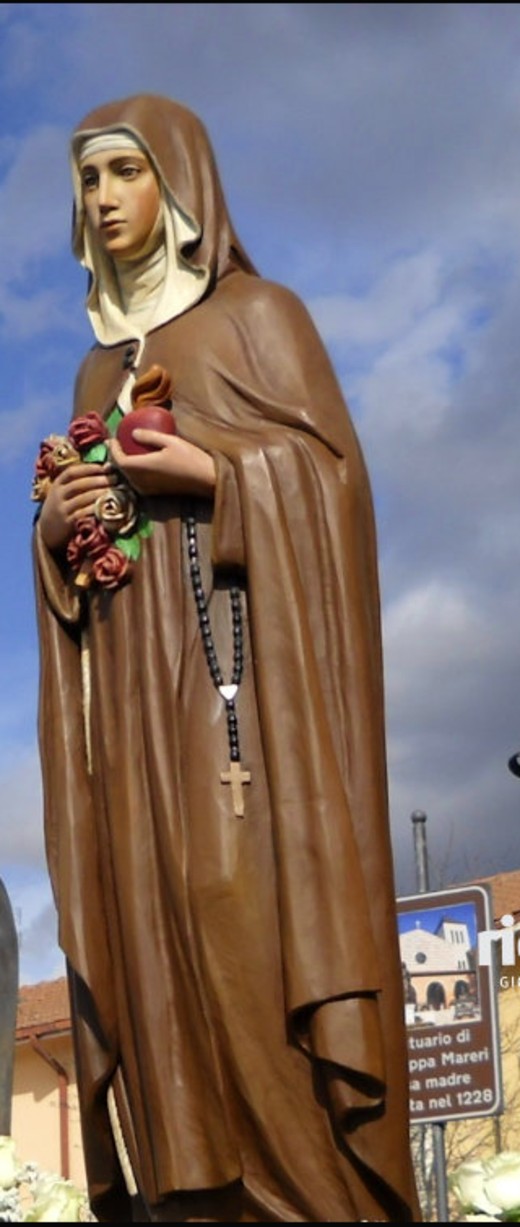
Blessed Philippa Mareria OSC (c1195-1236) Nun of the Poor Clares, foundress of the monastery of Franciscan Sisters of Saint Philippa Mareri of the Poor Clares, Penitent.
Her Lifeof Penance:
https://anastpaul.com/2021/02/16/saint-of-the-day-16-february-blessed-philippa-mareri-osc-c-1195-1236/
Martyrs of Cilicia – 12 Saints: A group of Christians who ministered to other Christians who were condemned to work the mines of Cilicia in the persecutions of Maximus. They were arrested, tortured and martryed by order of the governor Firmilian. They were Daniel, Elias, Isaias, Jeremy, Samuel. The group also includes the three known have been sentenced to the mines – Pamphilus, Paul of Jamnia, Valens of Jerusalem
and those who were exposed as Christians as a result of these murders –
Julian of Cappadocia, Porphyrius of Caesarea, Seleucius of Caesarea, Theodule the Servant. They were Martyred in 309 in Cilicia, Asia Minor (in modern Turkey).


 AnaStpaul