
Saint of the Day – 8 September – BlessedAlanus de Rupe OP (c1428-1475) Priest and friar of the Order of Preachers, “Apostle of the Holy Rosary” Theologian, Professor, renowned Preacher, Missionary and Mystic. Born in c1428 in Sizun, Brittany, France and died on 8 September in 1475, in Zwolle, Netherlands. Patronage – of Zwolle, Netherlands. Also known as – Alain de la Roche, Alan de Rupe, Alan de la Roche, Alan the Breton, Alano de la Roca, Alanus Rupe
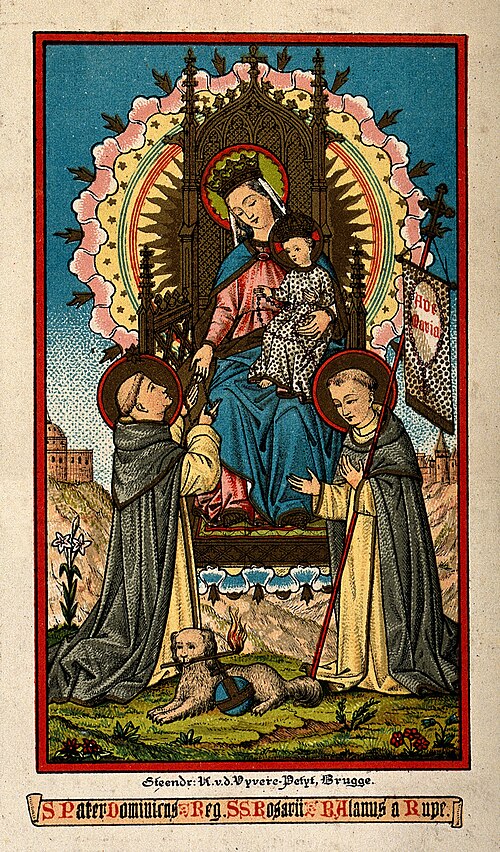
Some writers claim him as a native of Germany, others of Belgium but his disciple, Fr Cornelius Sneek OP (1455–1534), says he was born in Brittany. He is especially notable for his contributions to devotion to the Holy Rosary. According to tradition, the devotion to the Holy Rosary had been neglected and forgotten in most of Europe in the centuries after Saint Dominic established it and Alan is credited with re-establishing, increasing and spreading this most loved of all our devotions.
Alanus entered the Dominican Order in 1459 at age thirty-one. While pursuing his studies at Saint Jacques, in Paris, he distinguished himself in philosophy and theology.
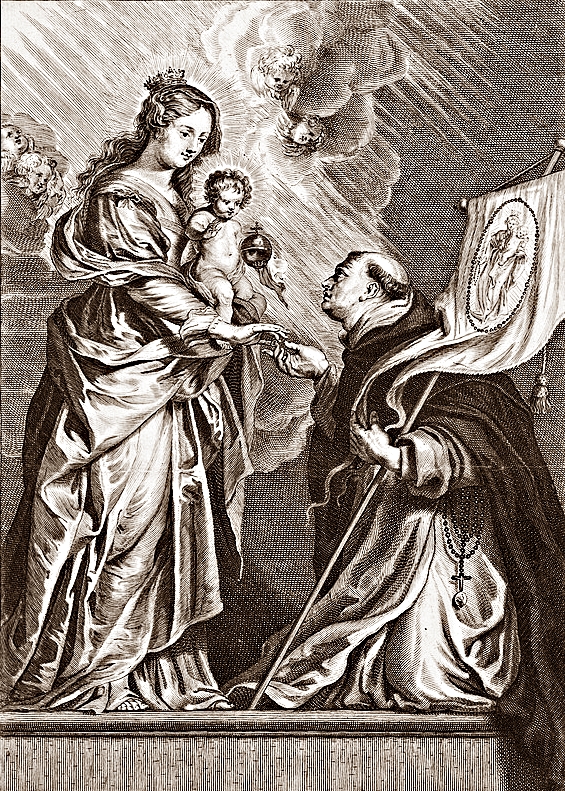
From 1459 to 1475 he taught almost uninterruptedly at Paris, Lille, Douay, Ghent and Rostock in Germany, where, in 1473, he was made Master of Sacred Theology. During his sixteen years of teaching, he became a most renowned preacher.
He was indefatigable in what he regarded as his special mission, the preaching, spreading and re-establishment of the Holy Rosary which he did with tremendous success throughout northern France, Flanders and the Netherlands. In around 1470, A;amus established a Confraternity of the Psalter of the Glorious Virgin Mary which was instrumental in disseminating the Holy Rosary throughout Europe.
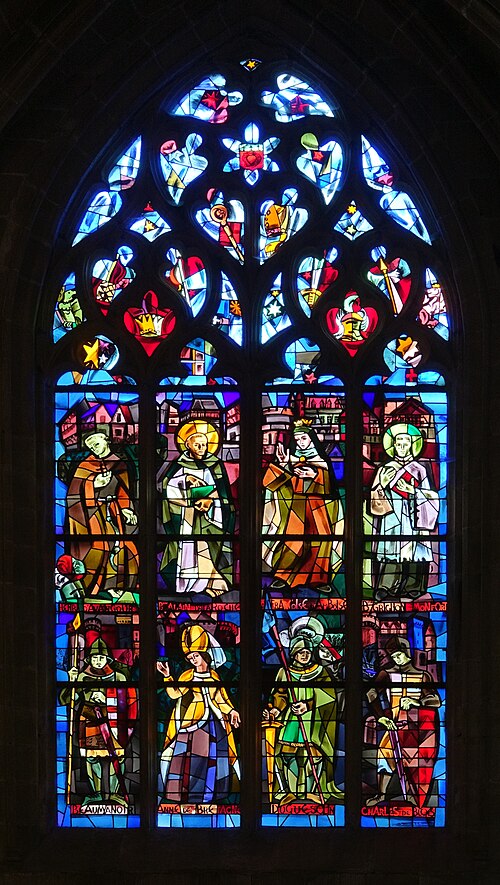
Alanus published nothing during his lifetime,but immediately after his death, the brethren of his Province were commanded to collect his writings for publication. In 1859, a list of his writings was compiled.
“It was Blessed Alanus de Rupr, one of the first disciples of Saint Dominic, who co-ordinated the Rosary and enriched it by adding meditations, as well as the life of Jesus and Mary. He called it the Holy Rosary because it resembled a bouquet of roses placed at the feet of the Virgin.” (website of the Diocese of Meaux).


 AnaStpaul