Thought for the Day – 16 September – Meditations with Antonio Cardinal Bacci (1881-1971)
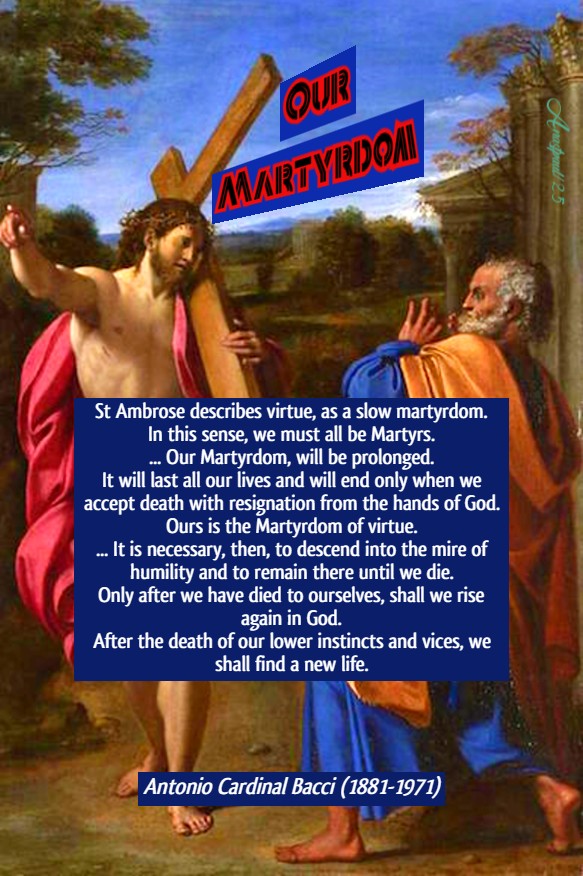
Our Martyrdom
“St Ambrose describes virtue, as a slow martyrdom. In this sense, we must all be Martyrs. There is only one difference. The Martyrs of the Church shed their blood and gave up their lives for Jesus, within one hour or one day and gained their reward immediately. Our Martyrdom, on the other hand, will be prolonged. It will last all our lives and will end only when we accept death with resignation from the hands of God. Ours is the Martyrdom of virtue. Let us clearly understand, that solid Christian virtue is a slow and continual Martyrdom which will only end with death. It is not a flower which springs up spontaneously in the garden of the soul. It is like a seed which is thrown on the damp earth and must die there slowly, so that it can generate young shoots which will produce the ears of corn. “Unless the grain of wheat falls into the ground and dies, it remains alone. But, if it dies, it brings forth much fruit” (Jn 12:24-25). It is necessary, then, to descend into the mire of humility and to remain there until we die. Only after we have died to ourselves, shall we rise again in God (Cf ibid). After the death of our lower instincts and vices, we shall find a new life.”
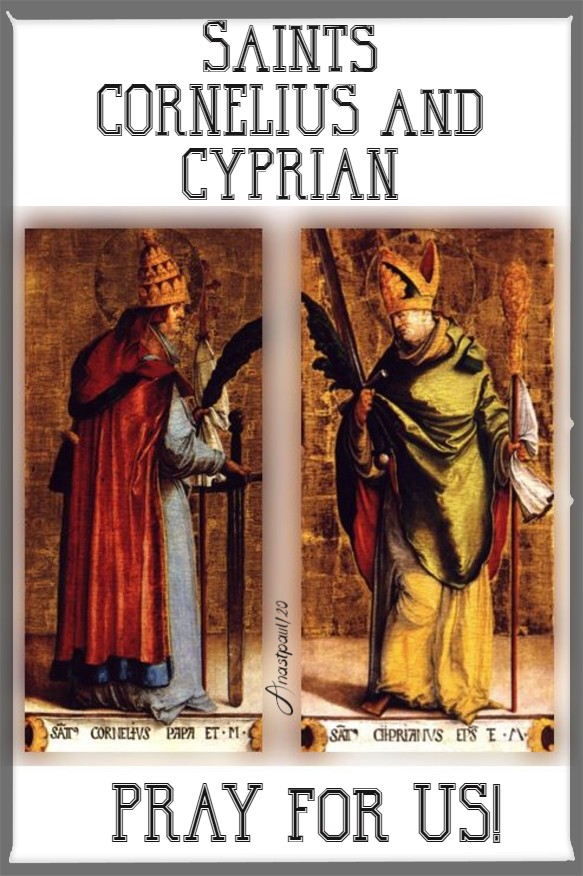
Quote/s of the Day – 16 September – “The Month of The Seven Sorrows of the Blessed Virgin Mary and The Holy Cross” – The Feast of Saint Corneliu, Pope & Martyr and Saint Cyprian, Bishop & Martyr
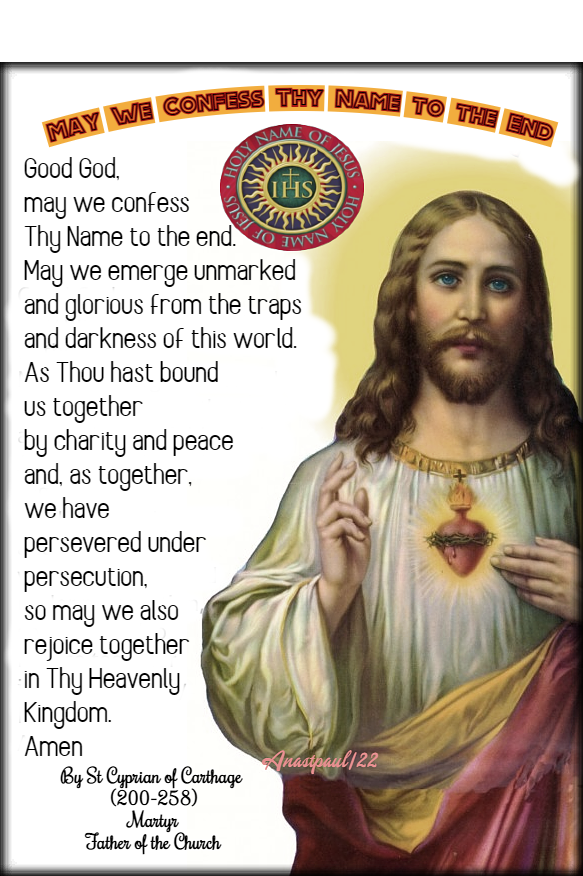
May We Confess Thy Name to the End By St Cyprian of Carthage (200-258) Bishop and Martyr Apostolic Father of the Church
Good God, may we confess Thy Name to the end. May we emerge unmarked and glorious from the traps and darkness of this world. As Thou hast bound us together by charity and peace and, as together, we have persevered under persecution, so may we also rejoice together in Thy Heavenly Kingdom. Amen
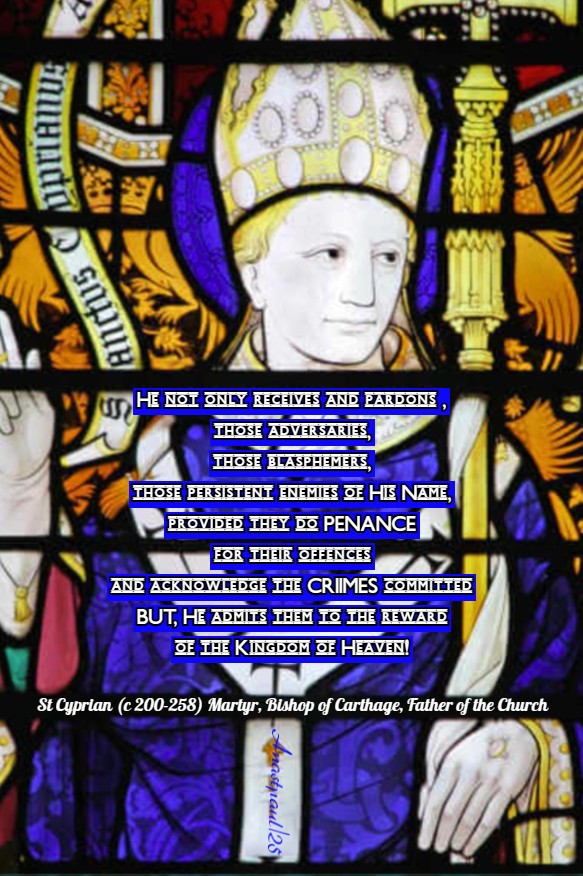
“He not only receives and pardons , those adversaries, those blasphemers, those persistent enemies of His Name, provided they do PENANCE for their offences and acknowledge the CRIIMES committed BUT, He admits them to the reward of the Kingdom of Heaven!”
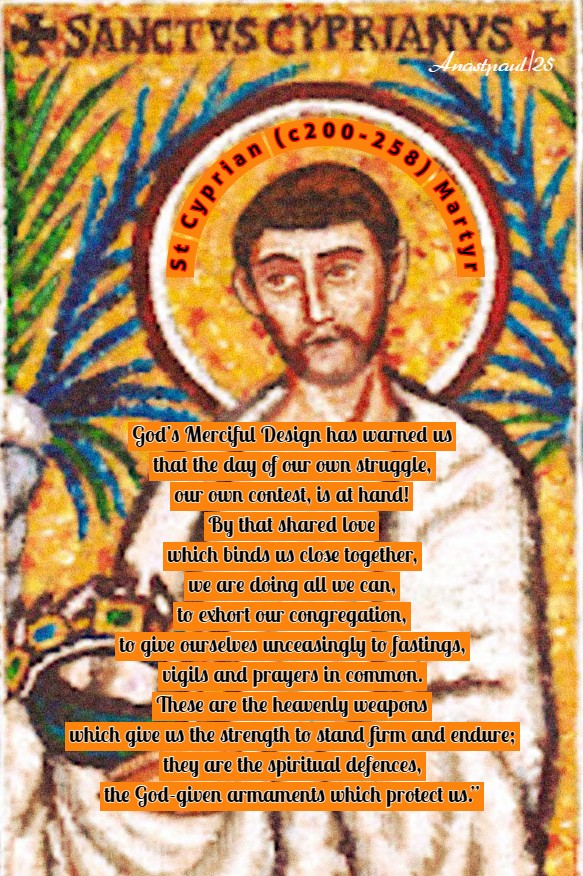
“God’s Merciful Design has warned us that the day of our own struggle, our own contest, is at hand! By that shared love which binds us close together, we are doing all we can, to exhort our congregation, to give ourselves unceasingly to fastings, vigils and prayers in common. These are the heavenly weapons which give us the strength to stand firm and endure; they are the spiritual defences, the God-given armaments which protect us.”
One Minute Reflection – 16 September – “The Month of The Seven Sorrows of the Blessed Virgin Mary and The Holy Cross” – The Feast of Saint Corneliu, Pope & Martyr and Saint Cyprian, Bishop & Martyr – Wisdom 3:1-8 – Luke 21:9-19 – Scripture search herehttps://www.drbo.org/
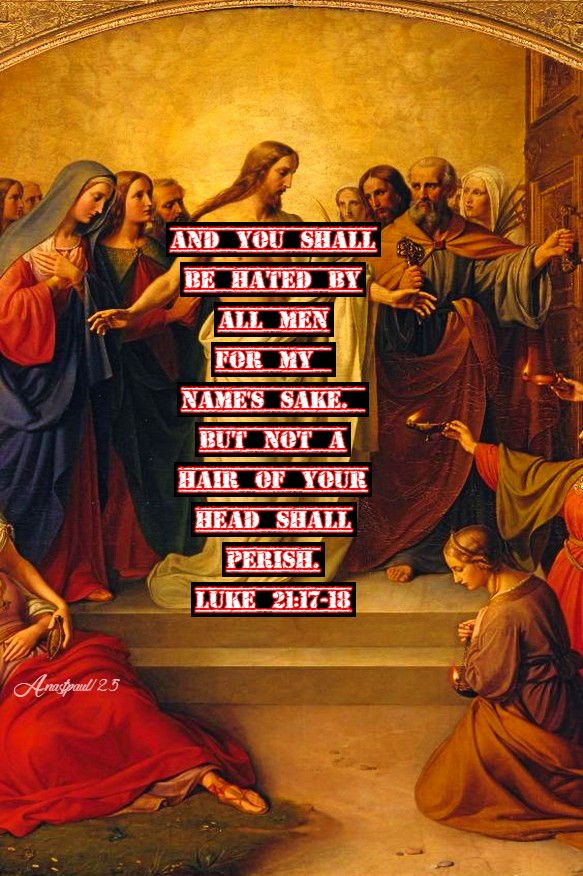
“And you shall be hated by all men for My Name’s sake. But not a hair of your head shall perish.” – Luke 21:17-18
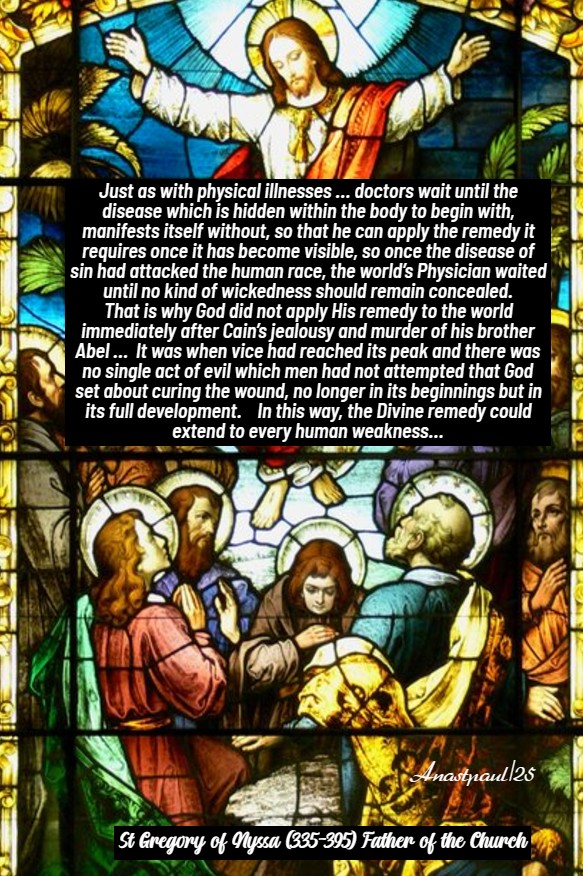
REFLECTION – “If God’s gift to the world in sending it His Son is so good, so worthy of God, why did He then defer His gift for so long? Why, when evil in the world was still in its early stages, did God not cut short its hidden development? I have time to respond briefly to this objection – that it is God’s foreknowledge and Wisdom, the One Who is good by nature, Who has impeded this gift. Just as with physical illnesses … doctors wait until the disease which is hidden within the body to begin with, manifests itself without, so that he can apply the remedy it requires once it has become visible, so once the disease of sin had attacked the human race, the world’s Physician waited until no kind of wickedness should remain concealed.
That is why God did not apply His remedy to the world immediately after Cain’s jealousy and murder of his brother Abel … It was when vice had reached its peak and there was no single act of evil which men had not attempted that God set about curing the wound, no longer in its beginnings but in its full development. In this way, the Divine remedy could extend to every human weakness…
But then, why was the grace of the Gospel not at once extended over all? True, the Divine call is addressed equally to all alike, without distinction of condition, age or race … But, He Who has the free arrangement of all things within His Hands, pushed to the extreme His respect for humankind. He has permitted each one of us to have our own domain over which we alone are masters – this is the will, the faculty which does not know bondage which remains free, founded on the autonomy of reason. Therefore, faith is at the free disposition of those who receive the message of the Gospel.” – St Gregory of Nyssa (335-395) Bishop, Father of the Church, [The brother of St Basil the Great] (Catechetical Instruction 29-30)
PRAYER – May the feast of the blessed Martyrs and Bishops, Cornelius and Cyprian, protect us, O Lord, we beseech Thee and may their holy prayer recommend us to Thee.Through Jesus Christ, Thy Son our Lord, Who lives and reigns with Thee, in the unity of the Holy Ghost, God, world without end. Amen (Collect).
Our Morning Offering – 16 September – “The Month of The Seven Sorrows of the Blessed Virgin Mary and The Holy Cross” – The Feast of Saint Corneliu, Pope & Martyr and Saint Cyprian, Bishop & Martyr
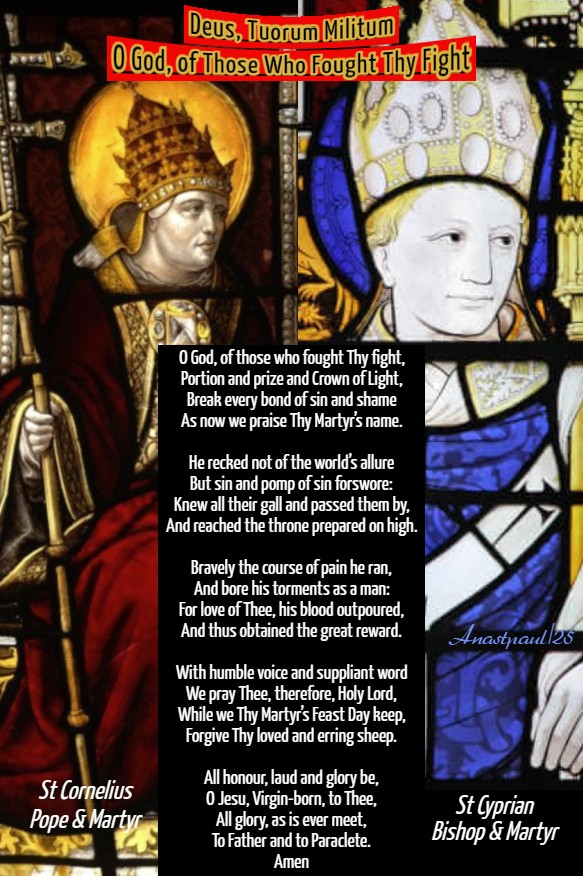
Deus, Tuorum Militum O God, of Those Who Fought Thy Fight Unknown Author (6th Century)
O God, of those who fought Thy fight, Portion and prize and Crown of Light, Break every bond of sin and shame As now we praise Thy Martyr’s name.
He recked not of the world’s allure But sin and pomp of sin forswore: Knew all their gall and passed them by, And reached the throne prepared on high.
Bravely the course of pain he ran, And bore his torments as a man: For love of Thee, his blood outpoured, And thus obtained the great reward.
With humble voice and suppliant word We pray Thee, therefore, Holy Lord, While we Thy Martyr’s Feast Day keep, Forgive Thy loved and erring sheep.
All honour, laud and glory be, O Jesu, Virgin-born, to Thee, All glory, as is ever meet, To Father and to Paraclete. Amen
An Ambrosian Hymn traditionally assigned for Matins and Vespers for the common feast of a Martyr in the Roman Breviary. It dates probably from the sSxth Century and is attributed to the unknown author of Rex Gloriose Martyrum and jesu, Redemptor Omnium. The Hymn exists in a longer versJon of eight strophes and a shorter one of four or five, which is probably earlier. The Vatican Antiphonary provided two different melodies for use in the Paschal Season and during the Octave of the Nativity, during which the Feast of Saint Stephen the Protomartyr occurs. The Hymn is a prayer asking God to forgive the sins of His servants on the day of the Martyr’s triumph over the pleasures of the world and the torture of persecution.
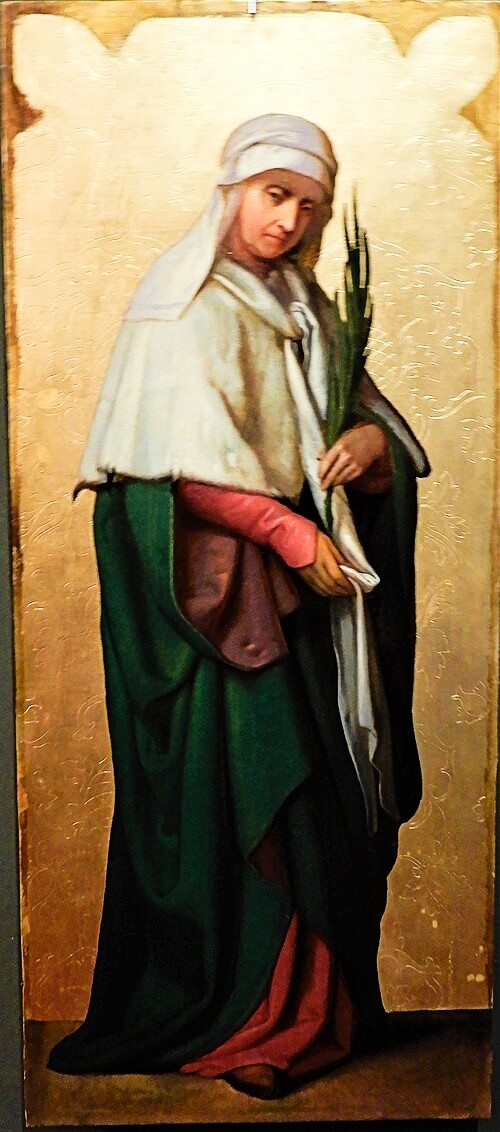
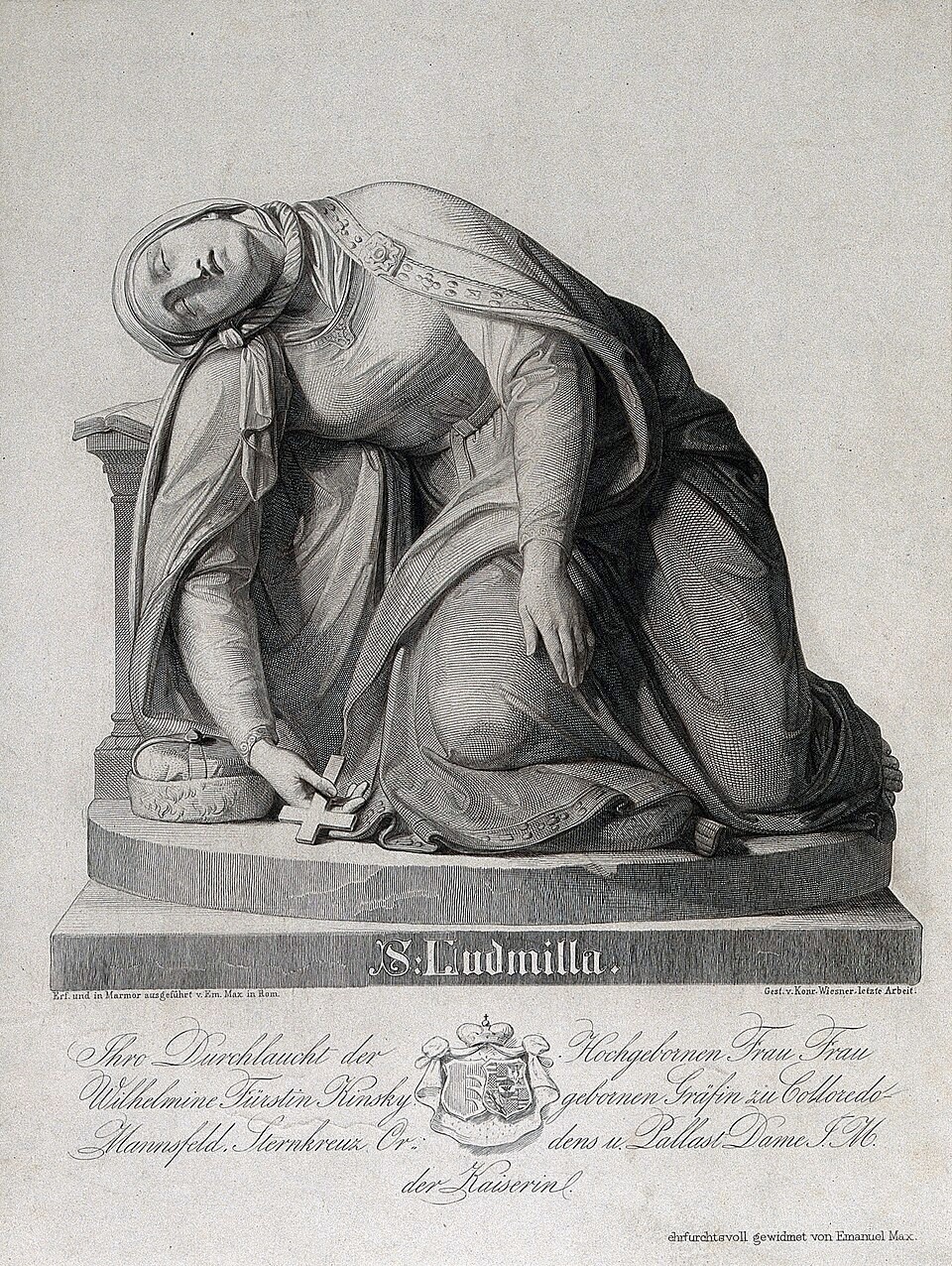
Saint of the Day – 16 September – St Ludmila (c860-921) Martyr, Mother, Widow, apostle of the poor and ill. Ludmila was the grandmother of Saint Wenceslaus, who is widely referred to as Good King Wenceslaus. Born in c860 at Mielnik (in modern Poland) and died by strangulation by hired assassins at Tetin, (modern Czech Republic) on 15 September 921 by the orders of her daughter-in-law, due to her influence over Saint Wenceslaus, her Grandson. Patronages – against in-law problems, Catechists, converts, Duchesses, mothers, widows, Bohemia, Czech Republic, the City of Prague, Czech Republic. Also known as – Ludmilla. Saint Ludmila was Canonisd shortly after her death. As part of the process of Canonisation, in 925, St Wenceslaus translated her remains to St George’s Basilica, Prague.
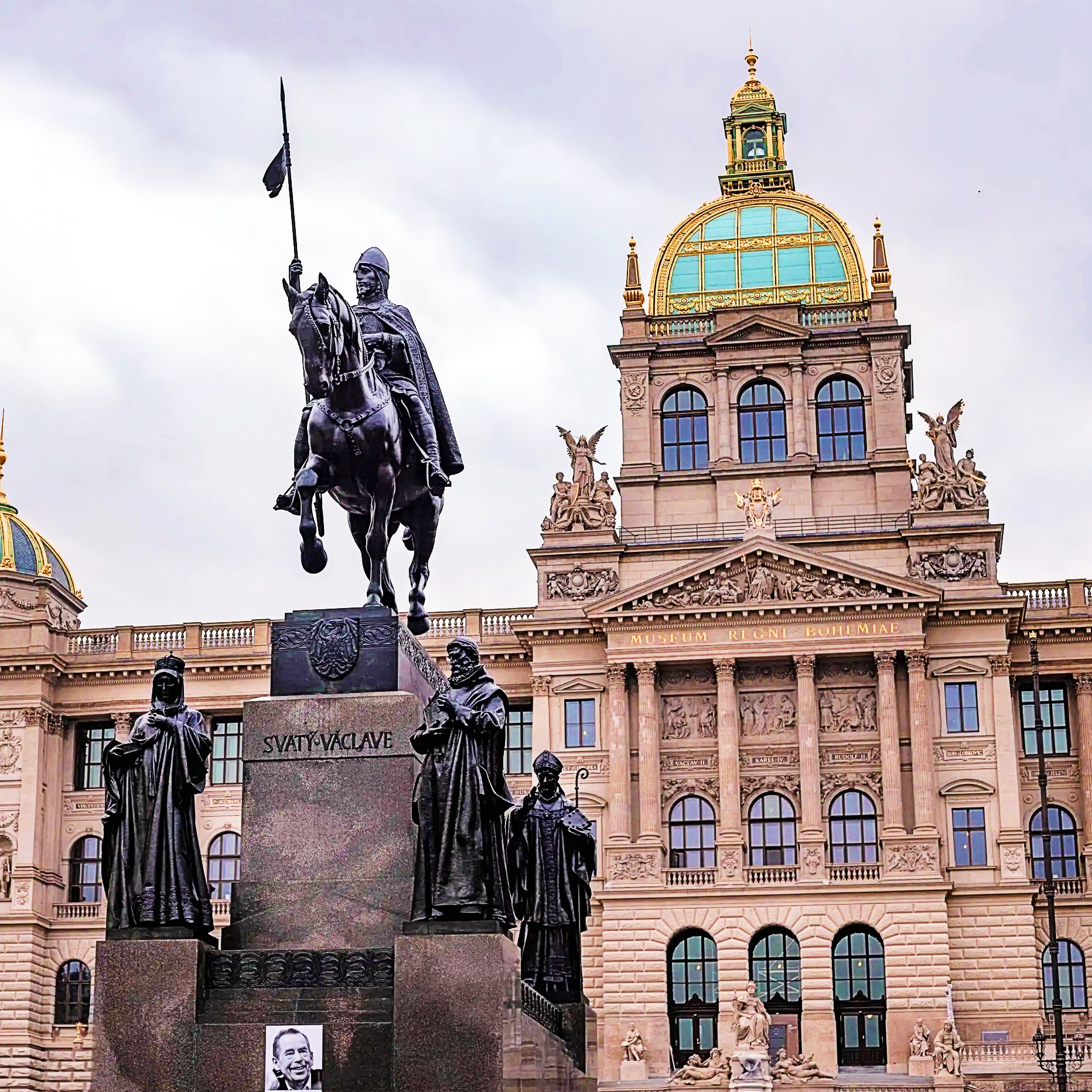
Anyone who has been to Prague will certainly remember, among its countless and breath-taking monuments and statuess, shrines and displays, the enormous Wenceslas Square, strategically located between the Old Town and the New as a symbol of national destiny and Czech identity in modern history.
There, beneath the National Museum, stands the equestrian Monument of the Patron Saint, Saint Wenceslas (c905–935), the propagator of Christianity in Bohemia and murdered as a young man by his diabolical brother, Boleslav. His large Statue is surrounded by the four Bohemian Patron Saints: Adalbert and Agnes behind him, Prokop and, not coincidentally, Ludmila herself.
St Ludmila on the left
She was Wenceslas’ Grandmother, with a name which translates from Slavic means “beloved of the people” and the title, after her death of “mother of the poor” for her charitable works. She was born around 860 in Lusatia, a historical region located in Central Europe and divided today between Poland, Germany and the Czech Republic. Her father, Slavibor, was the Duke of Milsko and Ludmilla married Borisvoj, Duke of Bohemia,in 873, while still a teenager. The two were later Baptized by Saints Cyril and Methodius, Apostles of the Slavs in the 9th Century.
The couple were blessed with three sons and three daughters and were committed to their Christian education and, at the same time, to the spread of Christianity in that region.
Widowed in 894, Ludmila donated all her possessions to the poor and devoted herself to a life of piety, living with her eldest son, Vratislaus. When he died prematurely in 916, the nobles entrusted the Regency of the Duchy to his wife, Drahomira and the education of their firstborn grandson, Wenceslaus, to his Christian Grandmother. Drahomira, still essentially attached to paganism and jealous of her mother-in-law’s influence over the child, forced Ludmila to retreat to Tetin Castle. There, in 920, the poor widow was strangled with the widow’s veil she wore, likely on Drahomira’s orders.
Wenceslas, as soon as he came of age and became the Duke himself, had his Grandmother’s Relics, venerated and miracle-working, translated to the Basilica of the Ducal Castle in Prague. Unfortunately, this Basilica was transformed into a museum during the communist regime in Czechoslovakia.
St Abundantius of Rome St Abundius of Rome St Cunibert of Maroilles St Curcodomus St Dulcissima of Sutri
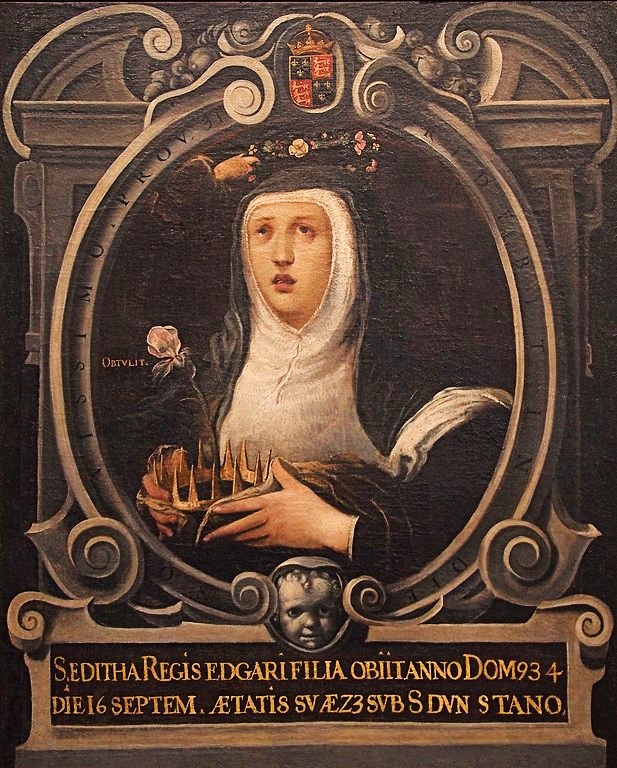
St Edith of Wilton (961-984) Virgin, Nun, Princess, Founder of a Church and a Hospital for the poor. Born in 961 at Kensing, Kent, England and died on 15 September 984 aged just 23 years, a date foretold by Saint Dunstan of Canterbury, of natural causes. Edith is one of the most venerated female Saints of England. Her extensive legacy continues to this day – there is a Pilgrimage route, “St Edith’s Way” and annual devotions take place on her Feast day. An Astounding Life: https://anastpaul.com/2023/09/16/saint-of-the-day-16-september-saint-edith-of-wilton-961-984-virgin-nun-princess/
Blessed Luigi Ludovico Allemandi (c1390-1450) Bishop and Cardinal, called “The Cardinal of Arles.” Blessed Luigi was a Priest driven by immense love for the Holy Mother of God and for the Church. His involvement in various Councils and Papal dissentions, were the result of his great desire to maintain the purity of the Chair of Peter. He was Beatified in 1527 by Pope Clement VII. His Devoted Life; https://anastpaul.com/2020/09/16/saint-of-the-day-blessed-luigi-ludovico-allemandi-c-1390-1450/
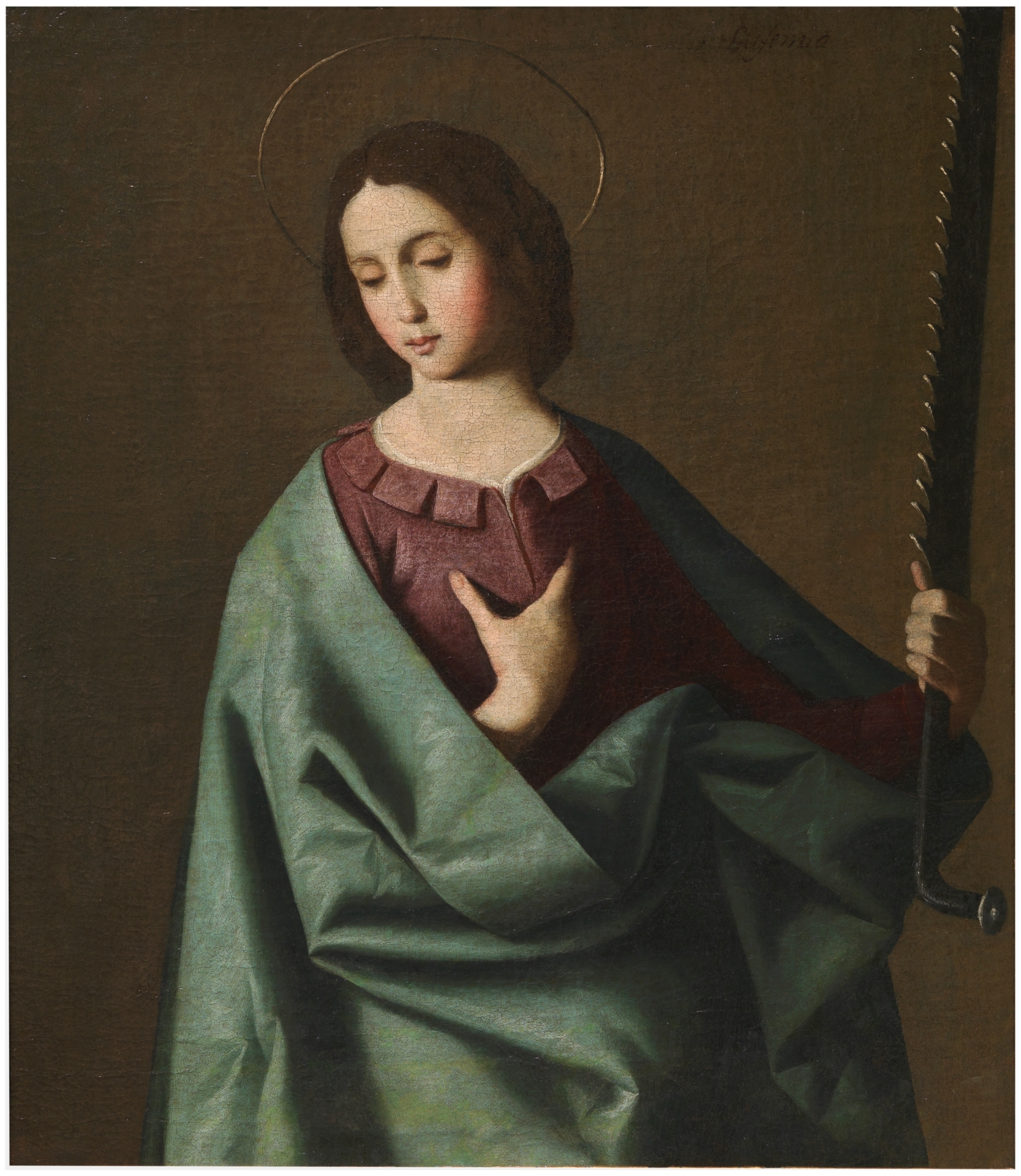
St Lucia and St Geminianus (Died c300) Virgin Martyrs of Rome + St Ludmila (c860-921) Widow, Martyr of Bohemia St Marcian the Senator Bl Martin of Huerta Bl Michael Himonaya
Bl Paul Fimonaya St Priscus of Nocera St Rogellus of Cordoba St Sebastiana St Servus Dei St Stephen of Perugia
Martyrs of the Via Nomentana: Four Saints: Christian men Martyred together, date unknown – Alexander, Felix, Papias and Victor. They were Martyred on the Via Nomentana outside Rome, Italy.






 AnaStpaul
You must be logged in to post a comment.