
Saint of the Day – 9 November – St Ursinus (Died c280) Confessor and the 1st Bishop of Bourges, France from 251 to 280, Patronage – of the City and Diocese of Bourges. Also known as – Ursinnus, Ursin, Ursino, Orsino.
The Roman Martyrology reads today: “At Bourges, St Irsinus, Confessor who was Ordained in Rome by the successors of the Apostles and appointed the first Bishop of that City.”

Various ‘Lives’ have been written over time, of the holy Bishop which, are largely legendary. Here we stick to the text of the great Bishop and Historian, St Gregory of Tours (538-594), who in his “Historia Francorum” describes Ursinus as having been sent to France (Gaul) with the first seven Bishops.
In another work, “De Gloria Confessorum” chapters 79 and 90, St Gregory says that Ursinus was one of the 72 Disciples of the Apostles, specifying that he was present at the Last Supper, serving as a reader at the table. This last version is very popular in the Berry region, where tradition adds that Ursinus was present at the Passion, followed the Apostles until Pentecost and also received the Holy Ghost with them. He later accompanied St Stephen, collecting his blood when he was Martyred. It was Pope Clement (88-97) who sent him to Gaul.
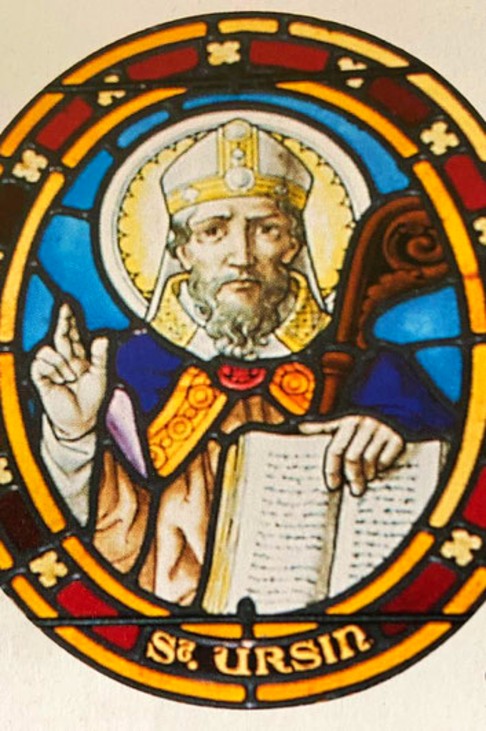
In reality, this entire version is legendary, especially given the historical period; because following the version in the “Historia Francorum” Ursinus, having arrived in Berry, after having preached, converted and Baptised a large part of the population, especially the poorest, wanted to build the first Church in the region in Bourges; he built it on the property of a rich converted pagan, the Senator, St Leocadius († early 4th Century), a member of the family of St Vettius Epagatus, Martyred in Lyon.
After Consecrating the Church, Ursinus placed the Relic of the blood of St Stephen the Protomartyr there. Ursinus governing the Church of Bourges for 27 years and died on 29 December an unspecified year in the second half of the 3rd Century.
These few chronological details, such as the death of St. Leocadius and the establishm of the first Church in Bourges in around 250, credibly indicate that St Ursinus lived in the 3rd Century, while other accounts, which have also passed into popular tradition, erroneously place him in the 1st Century, during the Apostolic period.
St Gregory of Tours continues the tale, recounting the miraculous discovery of the Saint’s Sarcophagus, beneath a vineyard in an ancient cemetery, duing the Episcopate of Probianus, sometime between 558 and 573. The Relics were brought to the Basilica of St Symphorianus which later took the name of St Ursinus.
In 1055, Hugh, the Bishop of Lisieux, requested and obtained, some Relics of St Ursinus, which were the subject of canonical recognitions in 1399 and in the 17th and 18th Centuries, further Relics were preserved in Chaussée-Saint-Victor.
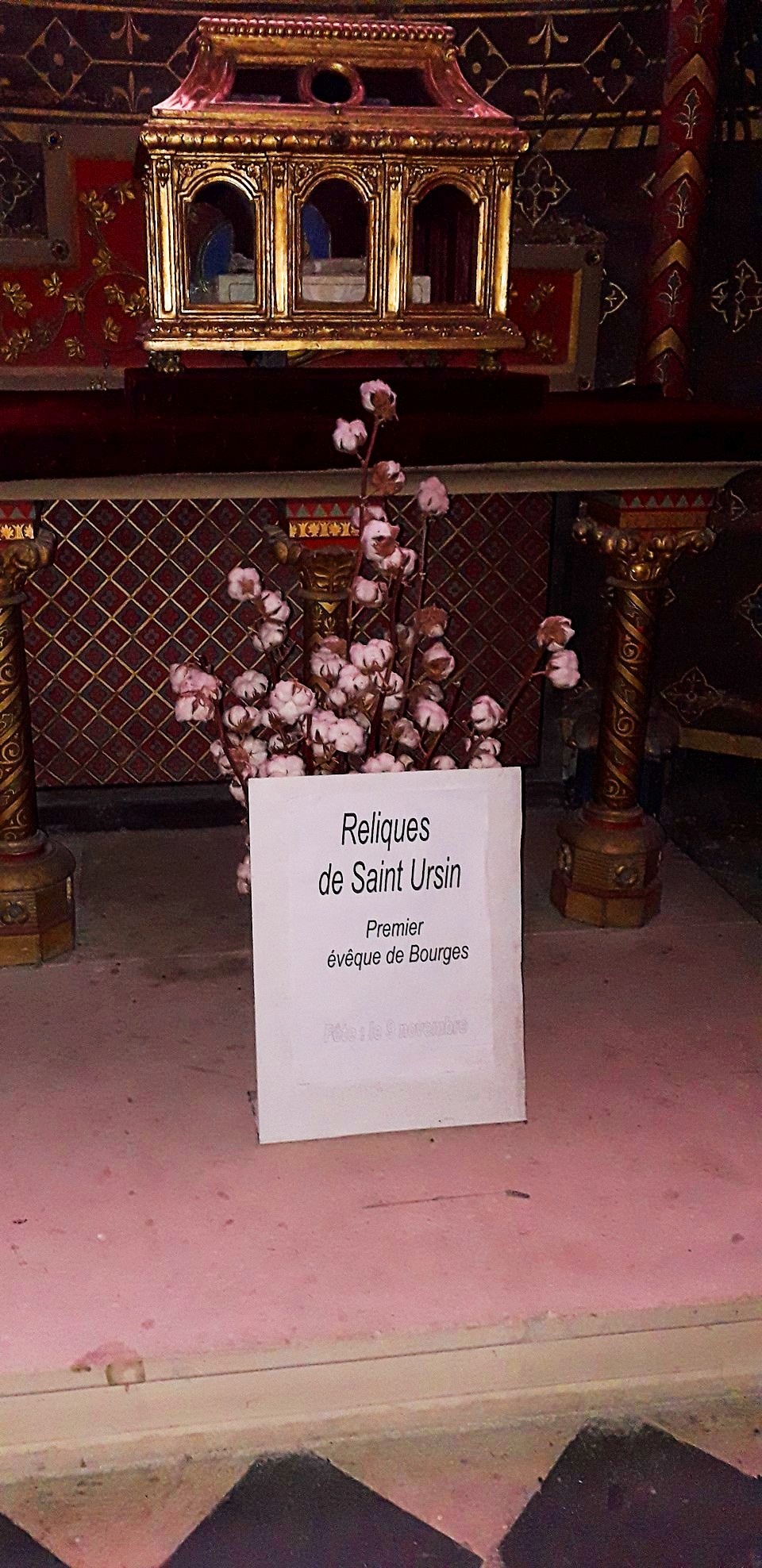
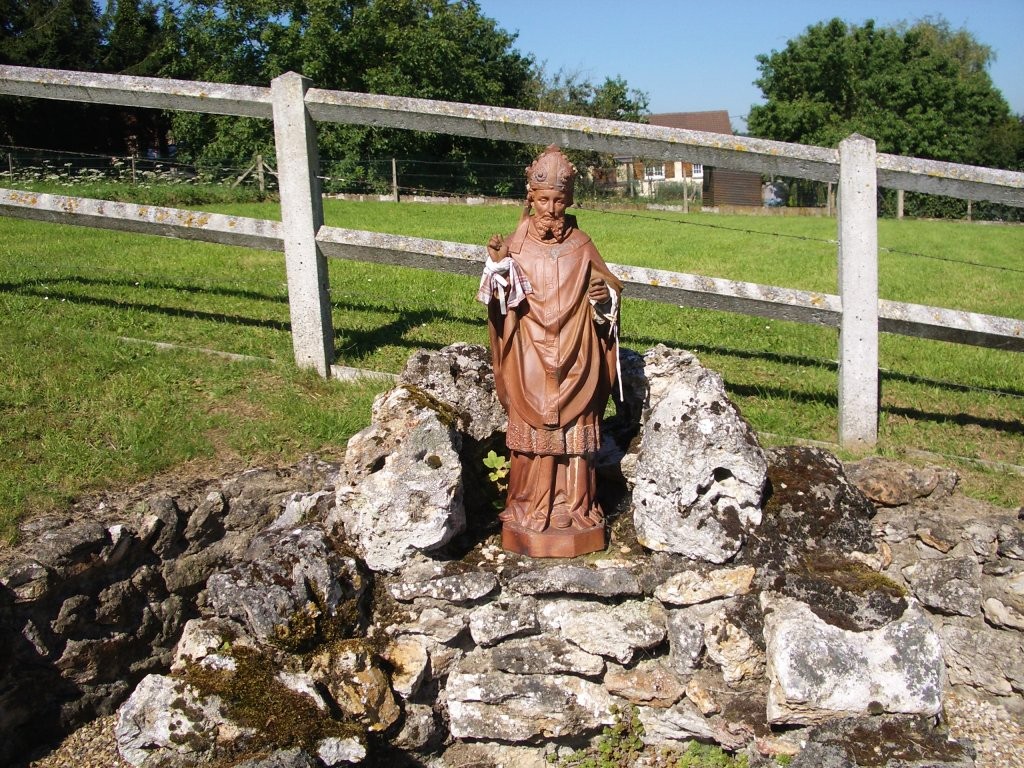
The cult of the holy Bishop, in addition to Bourges, is widespread in Normandy, in the Dioceses of Lisieux, Bayeux, Rouen and Blois.
Bourges Cathedral is the greatest testimony to the profound cult that binds the City to its holy Founder Bishop, St Ursinus. The works of art and religious devotion there are a testament to devotion to their Patron Saint. One of the most famous 13th Century stained-glass windows and the 15th Century sculptures of the Saint-Ursinus Gate, which narrate the culminating episodes of the saintly evangeliser of Berry, are dedicated to him. Other works of art housed in the Bourges Museum and in the Church of Lisieux, reproduce scenes from the legend of Ursinus, who witnessed Jesus’ Last Supper with the Apostles.

 AnaStpaul