Posted in SAINT of the DAY, St PAUL!, The WORD

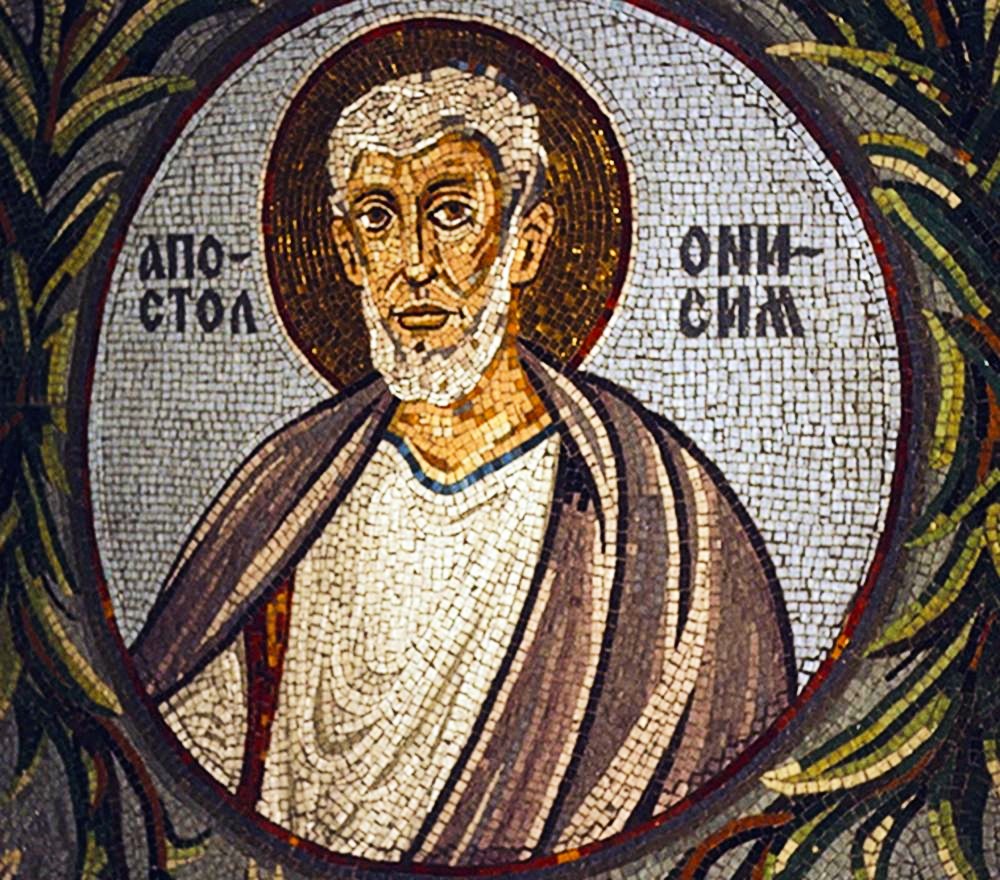
Saint of the Day – 15 February – St Onesimus the Slave (Died c90) Bishop, Martyr, Disciple of St Paul the Apostle.

Saint of the Day – 15 February – St Onesimus the Slave (Died c90) Bishop, Martyr, Disciple of St Paul the Apostle.

The Roman Martyrology reads today: “The birthday of the blessed Onesimus, concerning whom the Apostle Paul wrote to Philemon, He made him the Bishop of Ephesus after St Timothy and committed to him the Office of Preacher. Being led a prisoner to Rome and stoned to death for the Faith in Christ, he was buried in that City but his body was afterwards carried to the place where he had been the Bishop.

Onesimus, in Greek, means “useful or beneficial.“ The Saint thus named lived in Phrygia (Asia Minor) as a slave to the Christian Philemon, a friend and disciple of the Apostle St Paul.

But then Onesimus escaped (perhaps even robbed his master) and woe betide him if he were caught – he might then be sentenced to a lifetime of forced labour, with the letter “F” (Fugitivus) branded on his forehead.
After days and days of walking, hiding and terror, finally, he sought refuge with St Paul in Rome. The Apostle was held captive under military custody in a house, almost always chained to a soldier but free to receive visitors. Here Onesimus found ready refuge, tried to make himself useful in daily matters and listened to St Paul’s conversations with so many people; the man in chains called everyone to ente“into the glorious freedom of the children of God.”

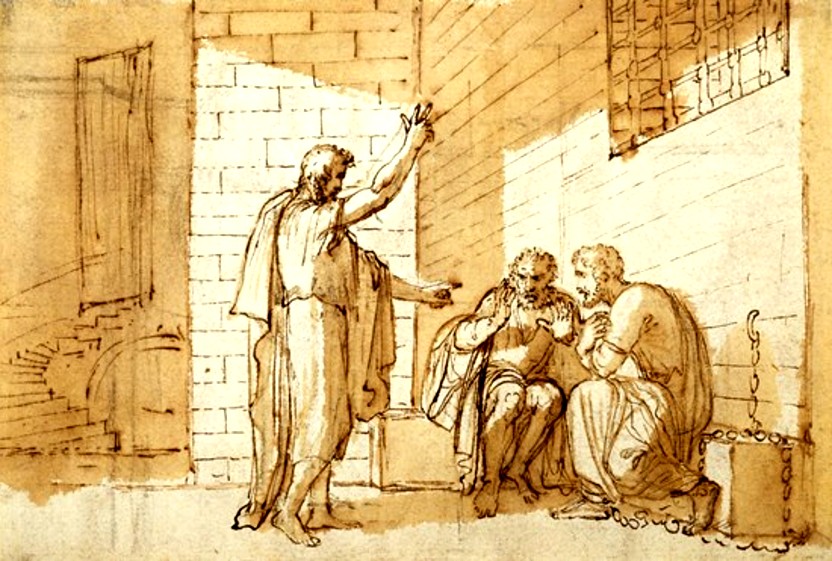
St Paul teaching St Onesimus

And he called Onesimus too, of course, who one day too was converted and able to call himself a Christian, treated by Paul as a son “begotten in chains.” Then the Apostle sent him back to his former master, Philemon.

To Philemon, St Paul wrotes a concise and lively letter in his own hand, clarifying a crucial point – Onesimus, having escaped as a slave, now returns as a “dear brother, first to me but how much more to you, both as a man and as a brother in the Lord.” Others think of abolishing slavery with laws; Paul erases it from the heart of man in the name of Christ. And if the former slave had robbed Philemon, the Apostle promptly guarantees: “I will pay!”

Onesimus left to return to his master Philemon, with Tychicus, Paul’s most faithful collaborator, who carries his letters to the Christians of Ephesus and Colossae. And so St Paul introduces him to his fellow Colossians: “With Tychicus will come Onesimus, the faithful and beloved brother, who is one of you. They will inform you of all things concerning this place.”

Thus the former slave has already become a collaborator in the apostolate. Then he certainly found Philemon, giving him the letter, which hase reached us in the New Testament.

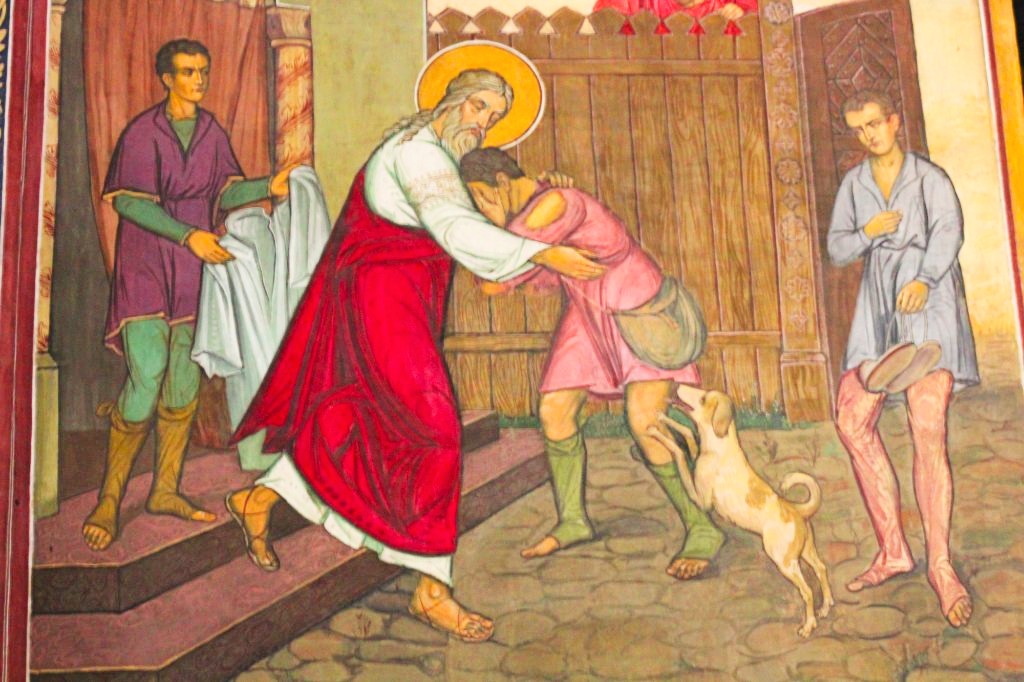
St Philemon rreceives the ‘prodigal’ St Onesimus

[10] I beseech thee for my son, whom I have begotten in my bands, Onesimus, [11] who hath been heretofore unprofitable to thee but now is profitable, both to me and thee, [12] whom I have sent back to thee. And do thou receive him as my own bowels. [13] Whom I would have retained with me that in thy stead he might have ministered to me in the bands of the Gospel [14] but without thy counsel I would do nothing that thy good deed might not be as it were of necessity but voluntary. [15] For perhaps he, therefore, departed for a season from thee that thou mightest receive him again for ever,
[16] not now as a servant but instead of a servant, a most dear brother, especially to me but how much more to thee, both in the flesh and in the Lord?”
[Philemon 1:10-16]

Posted in LENT 2026, MARIAN TITLES, SAINT of the DAY

Quinquagesima Sunday, Immaculate Heart of Mary: Refuge of Sinner, Notre-Dame de Paris / Our Lady of Paris, France (522), St Faustinus & St Jovinus (Died c 120) Martyrs and the Saints for 15 February

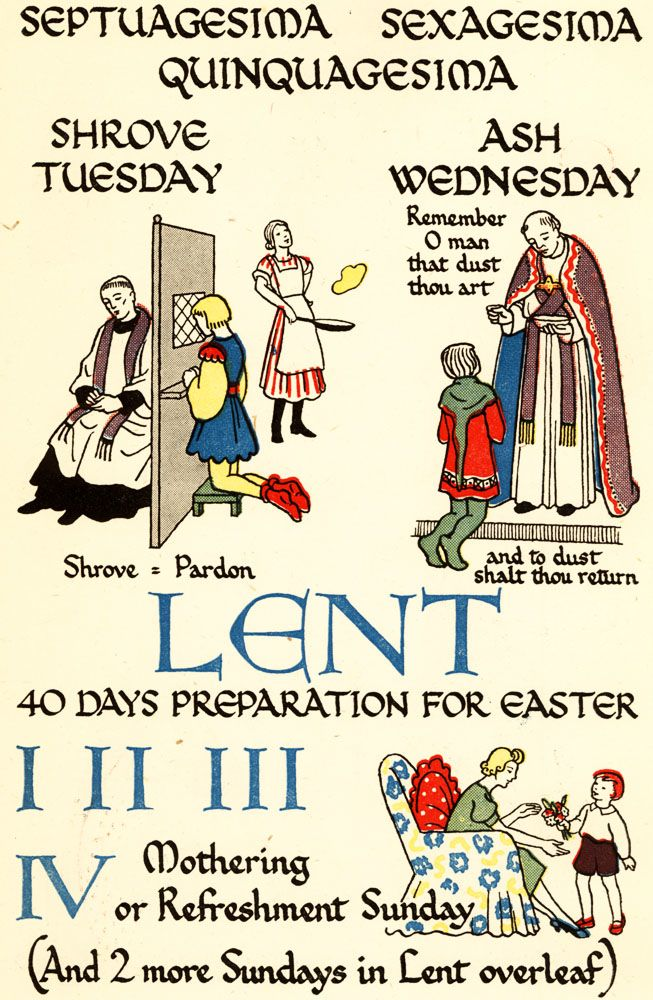
Quinquagesima Sunday:
This Season is seventeen (17) days long and includes the three Sundays before Ash Wednesday.
The length of the Season never changes but the start date is dependent upon the movable date of Easter, which can fall between 22 March-25 April.
For many early Christians Quinquagesima marked the time after which meat was forbidden. In many places, this Sunday and the next two days, were used to prepare for Lent by a good Confession; hence in England, we find the names Shrove Sunday and Shrovetide. Shrove is a form of the English word “shrive,” which means – to obtain absolution for one’s sins by way of Confession and doing penance..
As the days before Lent were frequently spent in merry-making, Pope Benedict XIV by the Constitution “Inter Cetera” (1 January 1748) introduced a Forty Hours’ Devotion to keep the faithful from dangerous amusements and to make some reparation for sins committed.
Quinquagesima also means, the time between Easter and Pentecost, or from the Saturday after Easter to the Sunday after Pentecost; it is then called Quinquagesima Paschae paschalis, or laetitae.

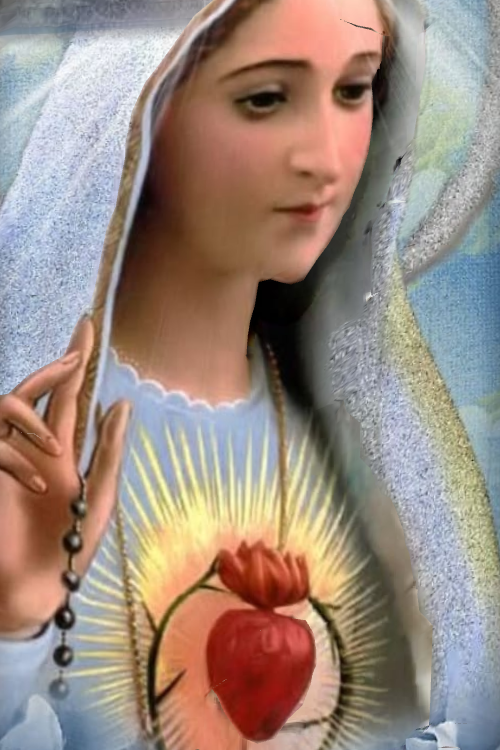
Immaculate Heart of Mary: Refuge of Sinner
Listed in the Missal as a Feastday in some place.
What does this Feastday mean?
The Heart of Mary is the divinely-appointed Refuge of Sinners.
O God,” exclaims St Alphonsus, “how great shall be the remorse of the damned Christian in thinking that, during life, he could have saved his soul with so much facility by invoking the intercession of this Mother of mercy; that he had not done so and that, there shall be no more time to do it.
“Perhaps,” says St Bonaventure, “we are in doubt as to whether Our Lady will hear us when we address our prayers to her. No, Mary does not refuse and never has refused pity and aid, to any sinner who has invoked her intercession.

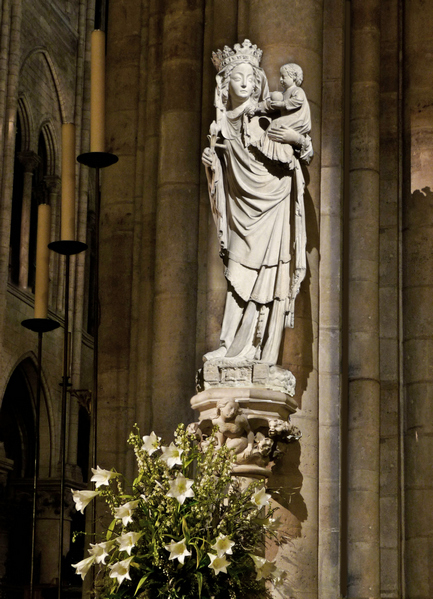
Notre-Dame de Paris / Our Lady of Paris, France (522) – 15 February:
HERE:

https://anastpaul.com/2021/02/15/our-lady-of-paris-france-522-and-memorials-of-the-saints-15-february/

St Agape of Terni

Blessed Angelus de Scarpetti OSA (Died c 1306) Religious of the Order of the Hermits of St Augustine, Missionary, miracle-worker.
His Blessed Life:

https://anastpaul.com/2021/02/15/saint-of-the-day-15-february-blessed-angelus-de-scarpetti-osa-died-c-1306/

St Berach of Kilbarry
St Craton
St Decorosus of Capua
St Dochow
St Druthmar of Corvey
St Eusebius of Asehia
St Farannan of Iona

St Faustinus AND St Jovinus (Died c 120) Martyrs, Priest and Deacon respectively. Brothers. Both Evangelists, Preachers. Born at Brescia, Lombardy, Italy and the two brothers died together. They was thrown to the lions but the animals refused to touch them. Then beheaded in 120 at Brescia, Italy.

St Faustus of Monte Cassino

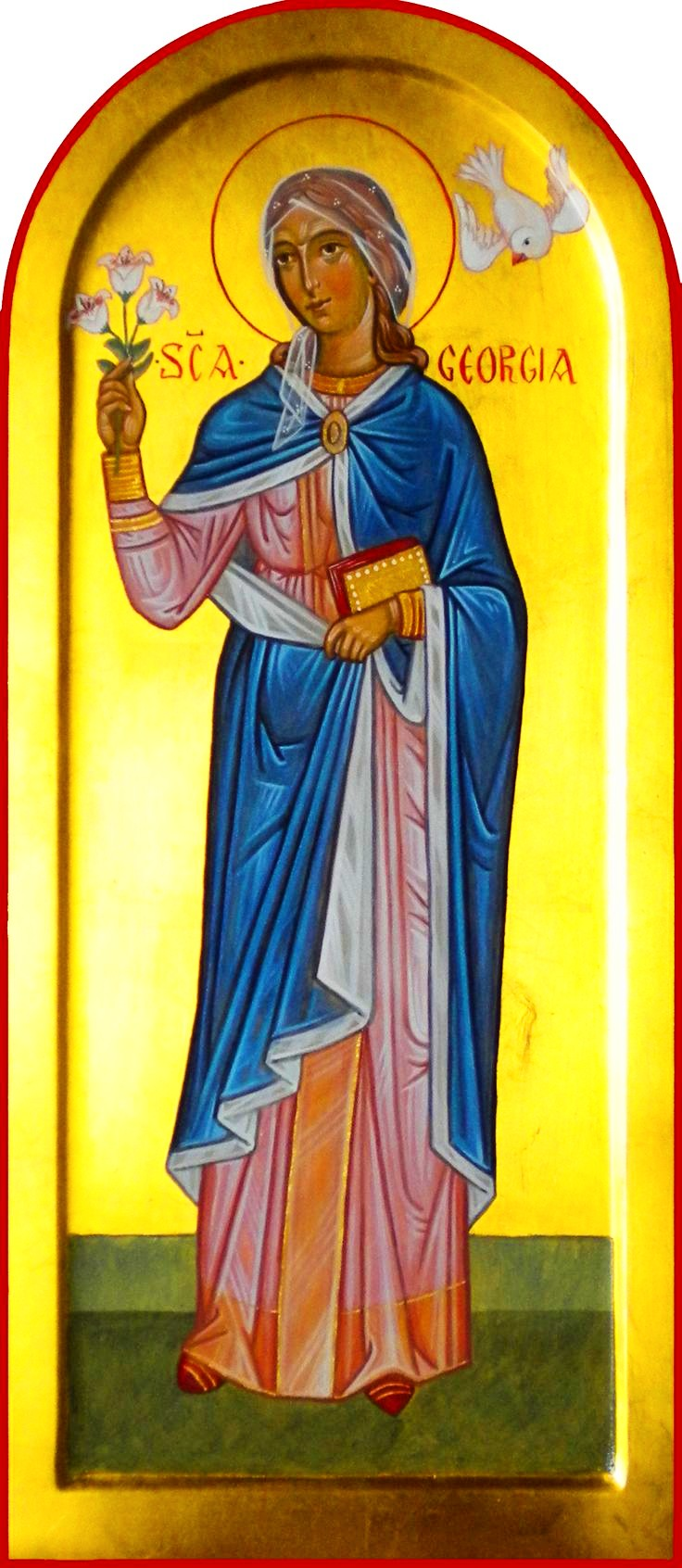
St Georgia (6th Century) Virgin nd Recluse.
The Roman Martyrology reads today: “At Clermont in Auvergne, St Georgia Virgin.”
Holy Georgia:
https://anastpaul.com/2025/02/15/saint-of-the-day-15-february-st-georgia-6th-century-virgin-recluse/

St Joseph of Antioch

St Onesimus the Slave (Died c90) Bishop and Martyr, Disciple of St Paul the Amosite

St Quinidius of Vaison

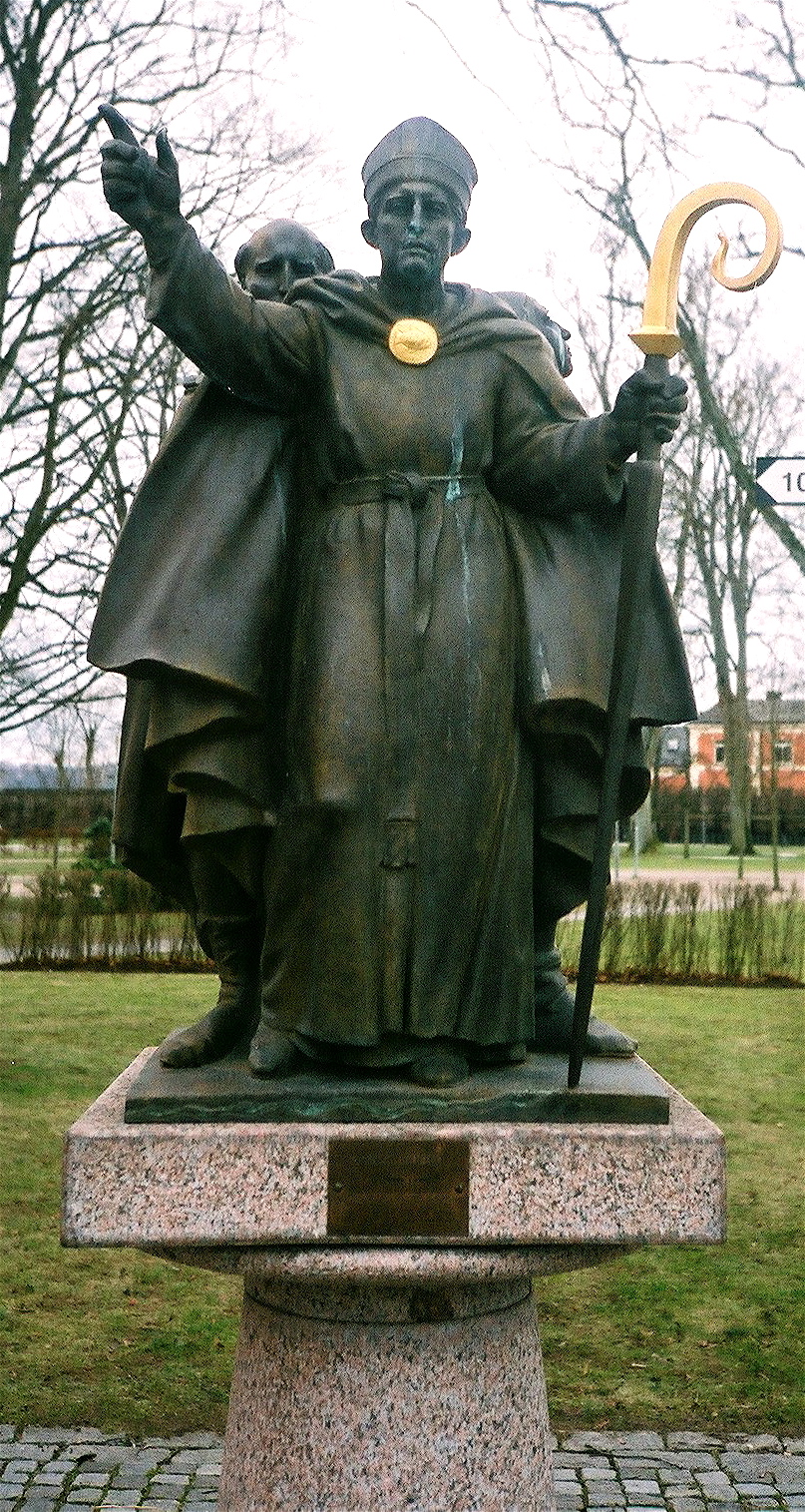
St Sigfrid of Sweden (Died 11th Century) “Apostle of Sweden,” Bishop, Missionary, Miracle-worker.
About St Sigfrid:

https://anastpaul.com/2020/02/15/saint-of-the-day-15-february-saint-sigfrid-of-sweden-died-11th-century-apostle-of-sweden/

St Severus of Abruzzi

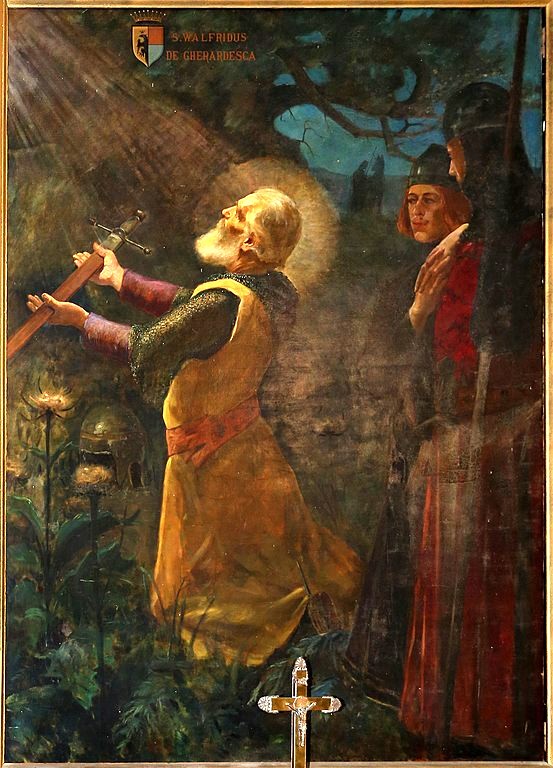
St Walfrid/Galfrido (Died c765) AbbotBorn in 8th Century Pisa, Italy and died on 15 February 765 at Palazuollo, Italy of natural causes.
His Penitential Life:

https://anastpaul.com/2024/02/15/saint-of-the-day-15-february-saint-walfrid-galfrido-della-gherardesca-died-c765-abbot/

Martyrs of Antioch: 5 Saints:
A group of Christians murdered together. We know the names of five of them – Agapev, Baralo, Isicio, Joseph and Zosimus.

Martyrs of Passae:
Castulus
Lucius
Magnus
Saturninus

Martyrs of Sweden:
Sigfrid
Sunaman
Unaman
Winaman