Wishing you all a Holy and Blessed Solemnity of Saints Peter and Paul
The Solemnity of Saints Peter and Paul
St Augustine (354-430)
This day has been consecrated for us by the Martyrdom of the blessed apostles Peter and Paul. It is not some obscure martyrs we are talking about. “Their sound has gone out into all the earth and their words to the ends of the world” (Psalm 19). These martyrs had seen what they proclaimed, they pursued justice by confessing the truth, by dying for the truth.
The blessed Peter, the first of the Apostles, the ardent lover of Christ, who was found worthy to hear, “And I say to you, that you are Peter” (Matthew 16:13-20). He himself, you see, had just said, “You are the Christ, the Son of the living God.” Christ said to him, “And I say to you that you are Peter, and upon this rock I will build my Church.” Upon this rock I will build the faith you have just confessed. Upon your words, “You are the Christ, the Son of the living God,” I will build My Church, because you are Peter. Peter comes from petra, meaning a rock. Peter, “Rocky”, from “rock” not “rock” from “Rocky”. Peter comes from the word for a rock in exactly the same way as the name Christian comes from Christ.
Before His passion the Lord Jesus, as you know, chose those disciples of His whom He called apostles. Among these it was only Peter who almost everywhere, was given the privilege of representing the whole Church. It was in the person of the whole Church, which he alone represented, that he was privileged to hear, “To you will I give the keys of the kingdom of heaven.” After all, it is not just one man that received these keys but the Church in its unity. So this is the reason for Peter’s acknowledged pre-eminence, that he stood for the Church’s universality and unity, when he was told, “To you I am entrusting,” what has in fact been entrusted to all. To show you that it is the Church which has received the keys of the kingdom of heaven, listen to what the Lord says in another place to all His apostles: “Receive the Holy Spirit” and immediately afterwards, “Whose sins you forgive, they will be forgiven them; whose sins you retain, they will be retained” (John 20:22-23).
Quite rightly, too, did the Lord after His resurrection entrust His sheep to Peter to be fed (Jn. 21: 15-19). It is not, you see, that he alone among the disciples was fit to feed the Lord’s sheep but when Christ speaks to one man, unity is being commended to us. And He first speaks to Peter, because Peter is the first among the apostles. Do not be sad, Apostle. Answer once, answer again, answer a third time. Let confession conquer three times with love, because self-assurance was conquered three times by fear. What you had bound three times must be loosed three times. Loose through love what you had bound through fear. And for all that, the Lord once and again, and a third time, entrusted His sheep to Peter.
There is one day for the passion of two apostles. But these two also were as one; although they suffered on different days, they were as one. Peter went first, Paul followed.
We are celebrating a feast day, consecrated for us by the blood of the apostles. Let us love their faith, their lives, their labours, their sufferings, their confession of faith, their preaching.
O God, who on the Solemnity of the Apostles Peter and Paul
give us the noble and holy joy of this day,
grant, we pray, that Your Church
may in all things follow the teaching
of those through whom she received
the beginnings of right religion.
Through our Lord Jesus Christ, Your Son,
who lives and reigns with You in the unity of the Holy Spirit,
one God, forever and ever.
Amen
Saint of the Day – 27 June – St Cyril of Alexandria (376-444) Father and Doctor of the Church – “The Pillar of Faith” & “Seal of all the Fathers” – Doctor Incarnationis (Doctor of the Incarnation) – Patronage – Alexandria, Egypt.
Pope Benedict’s Catechesis on The Fathers of the Church
St Cyril of Alexandria
Wednesday, 3 October 2007
Today too, continuing our journey following the traces left by the Fathers of the Church, we meet an important figure: St Cyril of Alexandria. Linked to the Christological controversy which led to the Council of Ephesus in 431 and the last important representative of the Alexandrian tradition in the Greek Orient, Cyril was later defined as “the guardian of exactitude” – to be understood as guardian of the true faith – and even the “seal of the Fathers”. These ancient descriptions express clearly a characteristic feature of Cyril: the Bishop of Alexandria’s constant reference to earlier ecclesiastical authors (including, in particular, Athanasius), for the purpose of showing the continuity with tradition of theology itself. He deliberately, explicitly inserted himself into the Church’s tradition, which he recognised as guaranteeing continuity with the Apostles and with Christ himself. Venerated as a Saint in both East and West, in 1882 St Cyril was proclaimed a Doctor of the Church by Pope Leo XIII, who at the same time also attributed this title to another important exponent of Greek Patristics, St Cyril of Jerusalem (315-387). Thus are revealed the attention and love for the Eastern Christian traditions of this Pope, who later also chose to proclaim St John Damascene (675-749) a Doctor of the Church, thereby showing that both the Eastern and Western traditions express the doctrine of Christ’s one Church.
We have almost no information on Cyril’s life prior to his election to the important See of Alexandria. He was a nephew of Theophilus, who had governed the Diocese of Alexandria as Bishop since 385 AD with a prestigious and iron hand. It is likely that Cyril was born in this Egyptian metropolis between 370 and 380 A.D., was initiated into ecclesiastical life while he was still very young and received a good education, both culturally and theologically. In 403, he went to Constantinople in the retinue of his powerful uncle. It was here that he took part in the so-called “Synod of the Oak” which deposed the Bishop of the city, John (later known as “Chrysostom”) and thereby marked the triumph of the Alexandrian See over its traditional rival, the See of Constantinople, where the Emperor resided. Upon his uncle Theophilus’ death, the still young Cyril was elected in 412 as Bishop of the influential Church of Alexandria, which he governed energetically for 32 years, always seeking to affirm her primacy throughout the East, strong also because of her traditional bonds with Rome.
Two or three years later, in 417 or 418, the Bishop of Alexandria showed himself to be realistic in mending the broken communion with Constantinople, which had lasted by then since 406 as a consequence of Chrysostom’s deposition. But the old conflict with the Constantinople See flared up again about 10 years later, when in 428 Nestorius was elected, a severe and authoritarian monk trained in Antioch. The new Bishop of Constantinople, in fact, soon provoked opposition because he preferred to use as Mary’s title in his preaching “Mother of Christ” (Christotòkos) instead of “Mother of God” (Theotòkos), already very dear to popular devotion. One reason for Bishop Nestorius’ decision was his adherence to the Antiochean type of Christology, which, to safeguard the importance of Christ’s humanity, ended by affirming the division of the Divinity. Hence, the union between God and man in Christ could no longer be true, so naturally it was no longer possible to speak of the “Mother of God”.
The reaction of Cyril – at that time the greatest exponent of Alexandrian Christology, who intended on the other hand to stress the unity of Christ’s person – was almost immediate, and from 429 he left no stone unturned, even addressing several letters to Nestorius himself. In the second of Cyril’s letters to Nestorius (PG 77, 44-49), written in February 430, we read a clear affirmation of the duty of Pastors to preserve the faith of the People of God. This was his criterion, moreover, still valid today: the faith of the People of God is an expression of tradition, it is a guarantee of sound doctrine. This is what he wrote to Nestorius: “It is essential to explain the teaching and interpretation of the faith to the people in the most irreproachable way and to remember that those who cause scandal, even to only one of the little ones, who believe in Christ, will be subjected to an unbearable punishment”.
In the same letter to Nestorius – a letter which later, in 451, was to be approved by the Council of Chalcedon, the Fourth Ecumenical Council – Cyril described his Christological faith clearly: “Thus, we affirm that the natures are different that are united in one true unity but from both, has come only one Christ and Son, not because, due to their unity, the difference in their natures has been eliminated but rather, because divinity and humanity, reunited in an ineffable and indescribable union, have produced for us one Lord and Christ and Son”. And this is important – true humanity and true divinity are really united in only one Person, Our Lord Jesus Christ. Therefore, the Bishop of Alexandria continued: “We will profess only one Christ and Lord, not in the sense that we worship the man together with the Logos, in order not to suggest the idea of separation by saying “together’ but in the sense that we worship only one and the same, because He is not extraneous to the Logos, His body, with which He also sits at His Father’s side, not as if “two sons” are sitting beside Him but only one, united with His own flesh”.
And soon the Bishop of Alexandria, thanks to shrewd alliances, obtained the repeated condemnation of Nestorius, by the See of Rome, consequently with a series of 12 anathemas which he himself composed and finally, by the Council held in Ephesus in 431, the Third Ecumenical Council. The assembly which went on with alternating and turbulent events, ended with the first great triumph of devotion to Mary and with the exile of the Bishop of Constantinople, who had been reluctant to recognise the Blessed Virgin’s right to the title of “Mother of God” because of an erroneous Christology that brought division to Christ Himself. After thus prevailing against his rival and his doctrine, by 433 Cyril was nevertheless already able to achieve a theological formula of compromise and reconciliation with the Antiocheans. This is also significant, on the one hand, is the clarity of the doctrine of faith but in addition, on the other, the intense search for unity and reconciliation. In the following years he devoted himself in every possible way to defending and explaining his theological stance, until his death on 27 June 444.
Cyril’s writings – truly numerous and already widely disseminated in various Latin and Eastern translations in his own lifetime, attested to by their instant success – are of the utmost importance for the history of Christianity. His commentaries on many of the New and Old Testament Books are important, including those on the entire Pentateuch, Isaiah, the Psalms and the Gospels of John and Luke. Also important are his many doctrinal works, in which the defence of the Trinitarian faith against the Arian and Nestorian theses recurs. The basis of Cyril’s teaching is the ecclesiastical tradition and in particular, as I mentioned, the writings of Athanasius, his great Predecessor in the See of Alexandria. Among Cyril’s other writings, the books Against Julian deserve mention. They were the last great response to the anti-Christian controversies, probably dictated by the Bishop of Alexandria in the last years of his life to respond to the work Against the Galileans, composed many years earlier in 363 by the Emperor known as the “Apostate” for having abandoned the Christianity in which he was raised.
The Christian faith is first and foremost the encounter with Jesus, “a Person, which gives life a new horizon” (Deus Caritas Est, n. 1). St Cyril of Alexandria was an unflagging, staunch witness of Jesus Christ, the Incarnate Word of God, emphasising above all his unity, as he repeats in 433 in his first letter (PG 77, 228-237) to Bishop Succensus: “Only one is the Son, only one the Lord Jesus Christ, both before the Incarnation and after the Incarnation. Indeed, the Logos born of God the Father was not one Son and the one born of the Blessed Virgin another but we believe, that the very One who was born before the ages, was also born according to the flesh and of a woman”. Over and above its doctrinal meaning, this assertion shows that faith in Jesus the Logos born of the Father is firmly rooted in history because, as St Cyril affirms, this same Jesus came in time with His birth from Mary, the Theotò-kos and in accordance with His promise will always be with us.
And this is important – God is eternal, He is born of a woman and He stays with us every day. In this trust we live, in this trust we find the way for our life…. Pope Benedict XVI
For more on St Cyril here : https://anastpaul.wordpress.com/2017/06/27/saint-of-the-day-27-june-st-cyril-of-alexandria-doctor-father-of-the-church-the-pillar-of-faith-seal-of-all-the-fathers-doctor-incarnationis-doctor-of-the-incarnation/
Thought for the Day – 26 June – The Memorial of St Josemaria Escrivá (1902-1975)
Excerpt from St John Paul’s Homily
on the Canonisation of St Josemaria – 6 October 2002
“All who are led by the Spirit of God are sons of God” (Rom 8,14). These words of the Apostle Paul, … help us understand better the significant message of today’s canonisation of Josemaría Escrivá de Balaguer. With docility he allowed himself to be led by the Spirit, convinced that only in this way can one fully accomplish God’s will.
This fundamental Christian truth was a constant theme in his preaching. Indeed, he never stopped inviting his spiritual children to invoke the Holy Spirit to ensure that their interior life, namely, their life of relationship with God and their family, professional and social life, totally made up of small earthly realities, would not be separated but would form only one life that was “holy and full of God”. He wrote, “We find the invisible God in the most visible and material things” (Conversations with Josemaría Escrivá, n. 114).
This teaching of his is still timely and urgent today. In virtue of the Baptism that incorporates him into Christ, the believer is called to establish with the Lord an uninterrupted and vital relationship. He is called to be holy and to collaborate in the salvation of humanity.
To fulfil such a rigorous mission, one needs constant interior growth nourished by prayer. St Josemaría was a master in the practice of prayer, which he considered to be an extraordinary “weapon” to redeem the world. He always recommended: “in the first place prayer; then expiation; in the third place but very much in third place, action” (The Way, n. 82). It is not a paradox but a perennial truth: the fruitfulness of the apostolate lies above all in prayer and in intense and constant sacramental life. This, in essence, is the secret of the holiness and the true success of the saints.
May the Lord help you, dear brothers and sisters, to accept this challenging ascetical and missionary instruction. May Mary sustain you, whom the holy founder invoked as “Spes nostra, Sedes Sapientiae, Ancilla Domini!” (Our Hope, Seat of Wisdom, Handmaid of the Lord).
May Our Lady make everyone an authentic witness of the Gospel, ready everywhere to make a generous contribution to building the Kingdom of Christ! May the example and teaching of St Josemaría be an incentive to us, so that at the end of the earthly pilgrimage, we too may be able to share in the blessed inheritance of heaven! There, together with the angels and all the saints, we will contemplate the face of God and sing His glory for all eternity.”
Mary, Our Hope, Seat of Wisdom, Handmaid of the Lord, Pray for us!
One Minute Reflection – – 23 June – The Memorial of St Joseph Cafasso (1811-1860)
“Peace be with you. As the Father has sent me, even so I send you.”…John 20:21
REFLECTION – “Not without a special and beneficial disposition of Divine Goodness have we witnessed new stars rising on the horizon of the Catholic Church: the parish priest of Ars and the Venerable Servant of God, Joseph Cafasso. These two beautiful, beloved, providently timely figures must be presented today; one, the parish priest of Ars, as small and humble, poor and simple as he was glorious and the other, a beautiful, great, complex and rich figure of a priest, the educator and formation teacher of priests, Venerable Joseph Cafasso”….Pope Pius XI
PRAYER – Holy God, may St Joseph Cafasso’s example serve as a reminder to all to hasten towards the perfection of Christian life, towards holiness. In particular, may St Joseph Cafasso, remind priests of the importance of devoting time to the sacrament of Reconciliation and to spiritual direction and to all, the concern we should have for the most deprived. May we find help in his intercession and that of the Blessed Virgin Mary, to whom St Joseph Cafasso was very devoted and whom he called “Our beloved Mother, our consolation, our hope”. St Joseph Cafasso, St John Vianney, please pray for all our priests! We make our prayer through our Lord Jesus Christ, with You, in the union of the Holy Spirit, one God forever, amen.
Thought for the Day – 22 June – The Memorial of St Paulinus of Nola (c 354-431)
Of him, Pope Benedict XVI said:
“In our catechesis on the great teachers of the early Church, we now turn to Saint Paulinus, the Bishop of Nola in southern Italy. A native of Bordeaux in Gaul, Paulinus became the Roman governor of Campania, where, after encountering the depth of popular devotion to Saint Felix Martyr, he was led to embrace the Christian faith. After the tragic loss of their first child, he and his wife sold their goods and undertook a life of chastity and prayer. Ordained a priest and then Bishop of Nola, Paulinus distinguished himself by his charity to the poor during the troubled times of the barbarian invasions. A man of letters and a gifted poet, Paulinus placed his art at the service of Christ and the Church. In his poetry and his vast correspondence, Paulinus expressed his deep faith and his love of the poor.
His letters to such contemporary churchmen as Saints Ambrose, Augustine, Jerome and Martin of Tours, reflect his asceticism, his deep sense of the Church’s communion and his cultivation of the practice of spiritual friendship as a means of experiencing that communion within the mystery of Christ’s mystical Body, enlivened by the Holy Spirit.”
Many of us are tempted to “retire” early in life, after an initial burst of energy. Devotion to Christ and His work is waiting to be done all around us. Paulinus’ life had scarcely begun when he thought it was over, as he took his ease on that estate in Spain. “Man proposes, but God disposes.”
The life of Saint Paulinus is one of great accomplishments and positions—none more important than those which began with his baptism into the faith. As with all baptism, Paulinus was made anew, filled with the Holy Spirit and through this rebirth, was able to devote himself to the holy work of God, serving others and bringing many to the faith. Today, we pray for a renewal of our own baptismal promise, awake and alive in our faith!
The Word of the Cross
by Saint Paulinus of Nola
Look on thy God, Christ hidden in our flesh.
A bitter word, the cross, and bitter sight:
Hard rind without, to hold the heart of heaven.
Yet sweet it is; for God upon that tree
Did offer up His life: upon that rood
My Life hung, that my life might stand in God.
Christ, what am I to give Thee for my life?
Unless take from Thy hands the cup they hold,
To cleanse me with the precious draught of death.
What shall I do? My body to be burned?
Make myself vile? The debt’s not paid out yet.
Whate’er I do, it is but I and Thou,
And still do I come short, still must Thou pay
My debts, O Christ; for debts Thyself hadst none.
What love may balance Thine? My Lord was found
In fashion like a slave, that so His slave
Might find himself in fashion like his Lord.
Think you the bargain’s hard, to have exchanged
The transient for the eternal, to have sold
Earth to buy Heaven? More dearly God bought me.
Quote/s of the Day – 22 June – The Memorial of St Paulinus of Nola (c 354-431) and St John Fisher (1469-1535) and St Thomas More (1478-1535) Martyrs
“To my mind the only art, is the faith and Christ is my poetry.”
“It is not surprising if, despite being far apart, we are present to each other and without being acquainted, know each other because we are members of One Body, we have One Head, we are steeped in One Grace, we live on One Loaf, we walk on One Road and we dwell in the Same House.”
St Paulinus of Nola
St Paulinus of Nola (c 354-431)
“A good man is not a perfect man; a good man is an honest man, faithful and unhesitatingly responsive to the voice of God in his life.”
St John Fisher
“I reckon in this realm no one man, in wisdom, learning and long approved virtue together, meet to be matched and compared with him.”
St Thomas More speaking of St John Fisher
“The things we pray for, good Lord, give us grace to labour for.”
“We cannot go to heaven in featherbeds.”
“One of the greatest problems of our time, is that many are schooled but few are educated.”
“If we lived in a state where virtue was profitable, common sense would make us saintly. But since we see that avarice, anger, pride and stupidity commonly profit, far beyond charity, modesty, justice and thought, perhaps we must stand fast a little, even at the risk of being heroes.”
“You wouldn’t abandon ship in a storm, just because you couldn’t control the winds.”
Sunday Reflection – 3 June 2018 – The Solemnity of Corpus Christi
There is a claim that the Adoro Te Devote, our morning offering today, was the prayer that St Thomas Aquinas addressed to Christ as he was dying. The claim remains doubtful, (in the sense that it is a highly intricate prayer and it would be difficult to write whilst very ill) but the account that his biographer, William of Tocco, gives of the holy Doctor’s last moments of life is, in itself, an extraordinary testimony of Eucharistic devotion and reveals the source of the doctrine that, directly or indirectly, inspired the most beautiful Eucharistic texts of the Latin Church, including the Adoro Te Devote.
“Feeling his strength failing and sensing the nearness of his departure from this world, the holy Doctor, with great devotion, requested the viaticum of the Christian pilgrimage, the Most Holy Body and Blood of Christ.
After the abbot and the monks had brought the Eucharist to him, he prostrated himself on the ground, weak in body but strong in spirit and went, with tears, to meet his Lord.
Then, in the presence of the Sacrament of the Body of Christ, as is the custom with every Christian at the moment of death, he was asked if he believed that in that consecrated host was the true Son of God, born of the womb of the Virgin, suspended from the scaffold of the Cross, who died and rose for us on the third day. With a free voice and great devotion, mingled with tears, he replied: “I truly believe and hold as certain that He is true God and true man, Son of God and of the Virgin Mother and I believe with my heart and profess with my lips, that which the priest has asked me of this most Holy Sacrament.”
And after some words of devotion (at this point it is believed St Thomas quoted the Adoro), receiving the Sacrament, he exclaimed: “I receive You, price of the Redemption of my soul, for love of which I have studied, watched and worked, I have preached and taught You, I have said nothing against You nor am I obstinate in my opinion, if in some part I have spoken poorly of this Sacrament, I submit all to the correction of the Holy Roman Church, in who obedience, I pass from this life.”
May we also, at the end of life, be able to say the same as St Thomas Aquinas!
Let us be transported to the same climate of expectation and joyful hope as we feel in the Adoro Te Devote with these last words of the Lauda Sion, the Eucharistic hymn/sequence also written by St Thomas Aquinas. (Fr Raneiro Cantalamessa O.F.M. “This is My Body”)
Source of all we have or know, feed and lead us here below. Grant that with Your saints above, Sitting at the feast of love, We may see You face to face.
Amen Alleluia!
Lord Jesus Christ, in the Most Blessed Sacrament, we Adore and Love You!
Thought for the Day – 1 June – The Memorial of Blessed John Baptist Scalabrini (1839-1905)
“God’s temple is holy, and that temple you are” (1 Cor 3:17). The universal call to holiness was constantly felt and personally lived by John Baptist Scalabrini. He loved to say over and over: “Would that I could sanctify myself and all the souls entrusted to me!”. Striving for holiness and proposing it to everyone he met, was always his first concern.
Deeply in love with God and extraordinarily devoted to the Eucharist, he knew how to translate the contemplation of God and his mystery into intense apostolic and missionary activity, making himself all things to all men in order to proclaim the Gospel. This ardent passion of his for the kingdom of God made him zealous in catechesis, pastoral activities and charitable work, especially for those most in need. Pope Pius IX called him the “Apostle of the Catechism” because of his efforts to promote the systematic teaching of the Church’s doctrine to children and adults in every parish.
Out of his love for the poor, particularly for emigrants, he became the apostle of his many compatriots compelled to leave their country, often under difficult conditions and in concrete danger of losing their faith: for them he was a father and sure guide. We can say that Bl John Baptist Scalabrini intensely lived the paschal mystery, not through martyrdom but by serving the poor and crucified Christ, in the many needy and suffering people, whom he loved, with the heart of a true Shepherd in solidarity with his flock….St Pope John Paul (1920-2005) on the Beatification of Bl Scalabrini – Sunday, 9 November 1997.
Oh if we could gain just a grain of such zeal, we would all become saints.
Thought for the Day – 17 May – Thursday of the Seventh Week of Eastertide and the Memorial of St Paschal Baylon O.F.M. (1540-1592) “Seraph of the Eucharist”.
Prayer before the Blessed Sacrament occupied much of Saint Francis of Assisi’s energy. Most of his letters were to promote devotion to the Eucharist. Paschal shared that concern.
The life of Saint Paschal Baylon is one of simple adoration of the Lord and great devotion to His Mother. Saint Paschal recognised the importance of spending time before Our Saviour, in contemplation of His passion, love and sacrifice—in the earthly presence of God. Through his devotion to the Blessed Sacrament, Saint Paschal was graced with wisdom beyond his education and obedience and charity, beyond measure. His life inspires us to greater communion with the Lord, leading us to His spiritual treasures.
An hour in prayer before our Lord in the Eucharist could teach all of us a great deal.
Go to Jesus in the Most Blessed Sacrament with bended knee and acknowledge that He is truly present Body, Blood, Soul and Divinity!
Go to Jesus in the Most Blessed Sacrament with a silent tongue and confess “Jesus in The Most Blessed Sacrament, you are Lord!”
Go to Jesus in the Most Blessed Sacrament with bowed head and say “lead me, Lord”.
Go to Jesus in The Most Blessed Sacrament with a humble heart and say “show me how to love as You love, Lord”.
Go to Jesus in The Most Blessed Sacrament with folded hands and say “take my hands, use them as Your hands Lord”
Go to Jesus in the Most Blessed Sacrament with a closed mouth and listen to Him whispering to our soul, and responding with “Yes Lord”.
Go to Jesus in the Most Blessed Sacrament with a meek spirit and say, “Not by my power and my might but by Your power and Your might Lord!”
Go to Jesus in the Most Blessed Sacrament with a fiat and say, “Not my will but Your will be done Lord!”
Thought for the Day – 29 April – Fifth Sunday of Eastertide and the Memorial of St Catherine of Siena (1347-1380) Doctor of the Church
Catherine of Siena is one of the most remarkable figures of the fourteenth century and had an influence far beyond her holiness of life. She took part in the politics of both Church and State and was a beacon of light in a very difficult time.
The mystical experiences that were to last throughout her whole life and an intimacy with her Saviour that transformed her whole existence began when she was but six years old. She grew up, known for cheerfulness and merriment, with no indication of the astonishing role she was to play in the work of the Church.
In 1364, she became a member of the Third Order of St Dominic and from this time her influence began to grow in Siena as she gathered around her a circle of followers. She began dictating letters to this circle and to take part in public affairs. (She had never learnt to write, which was not uncommon for women in that era). In 1374, she began to interest herself in furthering a crusade against the Turks and in the return of the Pope from Avignon to Rome. In 1376, she went to Avignon to urge Pope Gregory XI to return to Rome. With her encouragement, he did but died shortly thereafter. In 1375, whilst on a trip to Pisa, she received the Stigmata.
Pope Gregory’s successor, Urban VI, so alienated the Cardinals who elected him, that they decided to elect another pope. This was the beginning of the Great Western Schism in which two and later three, popes, divided the allegiance of Christendom. Catherine was shattered by this division in the Church and went to Rome to work for the reunification of the Church.
Burdened with sorrow and offering herself for the unity of the Church, Catherine died in Rome on 29 April 1380. She left a huge collection of letters as well as her chief work, The Dialogues.
By the sheer force of her personality, St Catherine converted thousands and the mere sight of her would convert hardened sinners. We may not have her personality but we can reach into the lives of others and influence them for good. We cannot have warmth ourselves, without giving it to others. “Then they said to each other, ‘Did not our hearts burn within us as he talked to us on the road and explained the scriptures to us?’...Luke 24:32
Thought for the Day – 25 April – Wednesday of the Fourth Week of Easter and the Feast of St Mark the Evangelist
Today we celebrate St Mark, the Evangelist, the first Gospel writer and the friend of Sts Peter and Paul, the cousin of St Barnabas and our Father in faith – our friend too, a chosen member of the Catholic Church who has gone before to show us the way. Mark knew there would be difficulties for believers in every age, for the persecution of the early Church was the beginning “of the labour pains” (13:8), since “the Gospel must first be preached to all nations” (13:10). He has given us a moving story of how God works in mysterious ways and shown us in the actions of Jesus how to be patient in our faith even in the most troubling circumstances, for “he is going before you to Galilee; there you will see him as he told you” (16:7). This narrative could only have been created by someone who himself knew suffering, the pain of unfulfilled hopes and the sorrow of untimely death. His faith made him write about it. His hope makes it so convincing! Let us listen to Pope Benedict on being a Catholic today, now, in the world we live in!
Chosen: I think it is worth reflecting on this word. We are chosen. God has always known us, even before our birth, before our conception, God wanted me as a Christian, as a Catholic, He wanted me as a priest. God thought of me, He sought me among millions, among a great many, He saw me and He chose me. It was not for my merits, which were non-existent but out of His goodness; He wanted me to be a messenger of His choice, which is also always a mission, above all a mission and a responsibility for others. Chosen: we must be grateful and joyful for this event. God thought of me, he chose me as a Catholic, me, as a messenger of His Gospel, as a priest. In my opinion it is worth reflecting several times on this and coming back to this fact of His choice; He chose me, He wanted me, now I am responding.
Perhaps today we are tempted to say: we do not want to rejoice at having been chosen, for this would be triumphalism. It would be triumphalism to think that God had chosen me because I was so important. This would really be erroneous triumphalism. However, being glad because God wanted me is not triumphalism. Rather, it is gratitude and I think we should relearn this joy: God wanted me to be born in this way, into a Catholic family, he wanted me to know Jesus from the first. What a gift to be wanted by God so that I could know His face, so that I could know Jesus Christ, the human face of God, the human history of God in this world! Being joyful because He has chosen me to be a Catholic, to be in this Church of His, where subsistit Ecclesia unica; we should rejoice because God has given me this grace, this beauty of knowing the fullness of God’s truth, the joy of his love.
Chosen: a word of privilege and at the same time of humility. However “chosen” — as I said — is accompanied by the word “parepidemois”, exiles, foreigners. As Christians we are dispersed and we are foreigners: we see that Christians are the most persecuted group in the world today, because it does not conform, because it is a stimulus, because it opposes the tendencies to selfishness, to materialism and to all these things.
Christians are certainly not only foreigners; we are also Christian nations, we are proud of having contributed to the formation of culture, there is a healthy patriotism, a healthy joy of belonging to a nation that has a great history of culture and of faith. Yet, as Christians, we are always also foreigners — the destiny of Abraham, described in the Letter to the Hebrews. As Christians we are, even today, also always foreigners. In the work place Christians are a minority, they find themselves in an extraneous situation; it is surprising that a person today can still believe and live like this. This is also part of our life: it is a form of being with the Crucified Christ, this being foreigners, not living in the way that everyone else lives, but living — or at least seeking to live — in accordance with His Word, very differently from what everyone says. And it is precisely this that is characteristic of Christians. They all say: “But everyone does this, why don’t I?” No, I don’t, because I want to live in accordance with God. St Augustine once said: “Christians are those who do not have their roots below, like tree, but have their roots above and they do not live this gravity in the natural downwards gravitation”.Let us pray the Lord that he help us to accept this mission of living as exiles, as a minority, in a certain sense, of living as foreigners and yet being responsible for others and, in this way, reinforcing the goodness in our world.
This is faith: touching Christ with the hand of faith, with our heart and thus entering into the power of His life, into the healing power of the Lord. And let us pray the Lord, that we may touch Him more and more, so as to be healed. Let us pray that He will not let us fall, that He too may take us by the hand and thus preserve us for true life….
One Minute Reflection – 23 April – Monday of the Fourth Week of Eastertide and the Memorial of St George
Since we have these promises, beloved, let us cleanse ourselves from every defilement of flesh and spirit, making holiness perfect in the fear of God.…2 Corinthians 7:1
REFLECTION – “Saint George was a man who abandoned one army for another, he gave up the rank of tribune to enlist as a soldier for Christ. Eager to encounter the enemy, he first stripped away his worldly wealth by giving all he had to he poor. Then, free and unencumbered, bearing the shield of faith, he plunged into the thick of the battle, an ardent soldier for Christ. Clearly what he did, serves to teach us a valuable lesson, if we are afraid to strip ourselves of out worldly possessions, then we are unfit to make a strong defence of the faith. Dear brothers, let us not only admire the courage of this fighter in heaven’s army but follow his example. Let us be inspired to strive for the reward of heavenly glory. We must now cleanse ourselves, as Saint Paul tells us, from all defilement of body and spirit, so that one day we too may deserve to enter that temple of blessedness to which we now aspire.” – from a sermon by St Peter Damian (1007-1072) Doctor of the Church
PRAYER – Almighty, everliving God, we confidently call You Father, as well as Lord. Renew Your Spirit in our hearts, make us ever more perfectly Your children. Grant that all who have received the grace of Baptism may strive to be worthy of their Christian calling and reject everything opposed to it. St George, in strength and love, you rejected false Gods, gave all you had to the poor and bravely went to your death in complete trust, please pray for us. Through our Lord Jesus Christ, in union with the Holy Spirit, one God forever, amen.
Thought for the Day – 23 March – The Memorial of St Turibius of Mogrovejo (1538-1606)
Nothing gave our saint so much pleasure as the greatest labours and dangers, to procure the least spiritual advantage to one soul. Burning with the most vehement desire of laying down his life for his flock and of suffering all things for Him who died for us, he feared no dangers. When he heard that poor Indians wandered in the mountains and deserts, he sought them out; and to comfort, instruct, or gain one of them he often suffered incredible fatigues and dangers in the wildernesses and boldly travelled through the haunts of wild animals.
The ardour of his faith, his hope, his love of his Creator and Redeemer, his resignation and perfect sacrifice of himself, gathered strength in the fervent exercises and aspirations which he repeated almost without ceasing in his illness. By his last will he ordered what he had about him to be distributed among his servants and whatever else he otherwise possessed to be given to the poor.
His body when translated the year after his death to Lima, was found incorrupt, the joints flexible, and the skin soft.
The Lord indeed writes straight with crooked lines. Against his will and from the unlikely springboard of an Inquisition tribunal, this man became the Christlike shepherd of a poor and oppressed people. God gave him the gift of loving others as they needed it. St Turibius, pray for us!
“Remember that you will derive strength by reflecting that the saints yearn for you to join their ranks; desire to see you fight bravely, and behave like a true knight in your encounters with the same adversities which they had to conquer, and that breathtaking joy is their eternal reward for having endured a few years of temporal pain. Every drop of earthly bitterness will be changed into an ocean of heavenly sweetness.”
Thought for the Day – 21 March – The Memorial of St Nicholas of Flue (1417-1487) and Wednesday of the 5th Week of Lent 2018 (this reflection includes our Lenten Reflection for today.)
Although our minds are limited in their ability to attain God in this life, we are capable of “greater desire and love, and pleasure in knowing divine matters” than we are able to find in “the perfect knowledge of the lowest things.” Thus far Aquinas, who taught as one who knew. Saint Nicholas of Flue (1417-1487) was in perfect agreement. “God,” he once said, “gives us such a taste for prayer that we yearn for it as if we were waiting to go to a dance.”
The likeness was more than a bit incongruous, for the speaker was a true hermit, a man who had given up not only dances but nearly everything else that bound him to this world, even food. Born to a pious, upstanding peasant family, young Nicholas stood out for his goodness, simplicity and mortification. While still a young man, labouring in the fields and meadows of the valleys south of Lucerne, he fasted four times per week, explaining himself, when pressed, by saying, “Such is the will of God.” Until his fiftieth year, his life was that of an exemplary Swiss free man. Like many of his fellow countrymen, he served his canton both under arms and by holding civic office. And this pillar of the community raised up five sons and five daughters with the help of his exemplary wife Dorothy. Yet God persisted in calling him to a life beyond that of the domestic holiness he had already embraced and sent visions to him in his late-night prayer vigils and his moments of afternoon solitude in the fields, visions that beckoned him to leave all.
As the eminent Swiss theologian Charles Cardinal Journet (1891-1975) explained in his biography of the hermit-saint, “it no longer sufficed for him to walk along the roads of the world with God in his heart; he had to take the path set aside for him, that he might be taken by the hand and led to where he knew not.” What praise of Dorothy of Flue could be lovelier, Journet asked, than to admire her magnanimity in being able to They parted friends, just thirteen weeks after the birth of their youngest child and remained so. Several years later, a pilgrim visitor to Nicholas’ hermitage saw the saint, with joyous mien, lean out of the window of his tiny cell after the morning Mass to greet his family with a blessing: “May God give you a blessed day, dear friends and good people!” One is glad to know that his wife and children attended his deathbed. After all, she had never lost her husband completely. Honoured by Swiss Protestants, venerated by Swiss Catholics, Nicholas’s cult, uninterrupted since his death, was officially sanctioned by Clement IX (1667-9). In 1947 he was canonised by Pope Pius XII.
What lesson might Nicholas of Flue hold out for our generation? Were he alive today this simple Swiss peasant would doubtless be startled by our wealth. The recession of recent years seems to have done little to dull the edge of our consumption. The adjective “worldly” is now being used as a term of approbation, to signify the savoir-faire of the person who knows the latest fashions and ways of thinking. It is a telling linguistic development. Nicholas of Flue spent the last twenty years of his life in a tiny room with two windows. Through one of them, he could see something of the beauty of his native land, a beauty that nourished his reflection and piety: “O man, think of the sun so high in the sky and consider its splendour: but your soul has received the splendour of the eternal God.”Through the other, he saw the altar, whence came the very food of his soul. “We should carry the Passion of God in our hearts, for this is the greatest consolation to a man at the hour of his death.” The one thing needful indeed.
One Minute Reflection – 13 March – The Memorial of St Leander (c 534-c 600)
For his sake I have forfeited everything….so that Christ may be my wealth and I may be in him....Philippians 3:8-9
REFLECTION – “This man of suave eloquence and eminent talent shone as brightly by his virtues as by his doctrine. By his faith and zeal the Gothic people have been converted from Arianism to the Catholic faith”…St Isidore of Seville speaking of his brother St Leander, whom we celebrate today.
PRAYER – Help me to discern through prayer and meditation what You truly want of me. Then enable me to offer it to You – and indeed to offer myself and all I have to You. St Leander, you were and are an example to all of total and complete commitment to the Glory of the Kingdom and the One, True Faith. Grant Holy Father, that by the prayers of St Leander we may too be filled with zeal and love, amen!
Saint of Day – 27 February – St Gregory of Narek (950-1003) – Doctor of the Church – Armenian monk, poet, mystical philosopher, theologian, writer and saint of the Armenian Apostolic Church and Catholic Church, born into a family of writers. Based in the monastery of Narek (Narekavank), he was “Armenia’s first great poet”and as “the watchful angel in human form”.
Born circa 950 to a family of scholarly churchmen, St Gregory entered Narek Monastery on the south-east shore of Lake Van at a young age. Shortly before the first millennium of Christianity, Narek Monastery was a thriving centre of learning. These were the relatively quiet, creative times before the Turkic and Mongol invasions that changed Armenian life forever. Armenia was experiencing a renaissance in literature, painting, architecture and theology, of which St Gregory was a leading figure. The Prayer Book is the work of his mature years. He called it his last testament: “its letters like my body, its message like my soul.” His best-known writings include a commentary on the Song of Songs and his “Book of Lamentations,” more commonly known as “Narek.” St Gregory left this world in 1003 but his voice continues to speak to us for all earthly time.
Pope Francis named the tenth century Armenian monk, St Gregory Narek, the 36th Doctor of the Church on 21 Feb 2015. I love the writing of St Gregory! He’s a poet to the core and demonstrated amply, like the Hebrew prophets, that beauty is the truest form of divine discourse. Many of his theological and mystical-ascetical works are written as a colloquy — a dialogue with God — as was St Augustine’s autobiography, the Confessions. Theological colloquy offers such a deep insight into the nature of theological discourse which must always be, in the first instance, a dialogue with the revealing God Himself. God reveals to us not mere data for speculative consideration but Himself for consummating union.
And, true to Pope Francis’ pastoral style, this doctor is chosen from the “margins” of the suffering church. (Incidentally, in 2012 Pope Benedict named a “marginal” medieval woman as Doctor of the Church, the twelfth century Abbess Saint Hildegard of Bingen. A genius. Sadly, so little fuss was made subsequently.
The Armenian Apostolic Church (great documentary here), that traces its origins back to the first century, has a rich monastic, liturgical and theological tradition and a rich history of saints and culture. But Armenian Christians also have a long history of oppression, climaxing in the horrors of the “Armenian Holocaust” genocide of 1915, carried out by the Ottoman Turks who slaughtered more than one million Armenian Christians.
The Armenian Divine Liturgy is magnificent in its poetry, sense of mystery, and theological depth. One of the most cherished hymns of the Liturgy is called Khorhoort Khoreen, “O Mystery Deep.” (Dr Tom Neal)
O Mystery deep, inscrutable, without beginning. Thou hast decked Thy supernatural realm as a chamber unto the light unapproachable and hast adorned with splendid glory the ranks of Thy fiery spirits.
St Gregory has shown up a couple of times in Magisterial writings. The Catechism of the Catholic Church, for instance, contains a reference to him:
Medieval piety in the West developed the prayer of the rosary as a popular substitute for the Liturgy of the Hours. In the East, the litany called the Akathistos and the Paraclesis remained closer to the choral office in the Byzantine churches, while the Armenian, Coptic, and Syriac traditions preferred popular hymns and songs to the Mother of God. But in the Ave Maria, the theotokia, the hymns of St Ephrem or St Gregory of Narek, the tradition of prayer is basically the same. (§2678)
St Pope John Paul II also referred to him in his encyclical, Redemptoris Mater:
In his panegyric of the Theotokos, Saint Gregory of Narek, one of the outstanding glories of Armenia, with powerful poetic inspiration ponders the different aspects of the mystery of the Incarnation, and each of them is for him an occasion to sing and extol the extraordinary dignity and magnificent beauty of the Virgin Mary, Mother of the Word made flesh.
With the formation of the Armenian Catholic Church St Gregory received his first liturgical veneration within the Catholic Church. He has not been officially canonised by the pope. Some have speculated that the declaration of Gregory as a Doctor of the Church might have served as an equipollent canonization (see more on this below). Others have simply stated that the recognition of the Armenian liturgy and liturgical calendar by the Catholic Church served as a confirmation of the cultus of saints in that rite. Though it appears that he was placed in the Roman Martyrology, prior to the declaration on 12 April 2015.
St. Gregory’s proclamation as a Doctor of the Church was commemorated by the Vatican City state with a postage stamp issued 2 September 2015.
Equipollent or equivalent canonisation
It should be noted that when Pope Benedict XVI declared St. Hildegard von Bingen as a Doctor of Church he used the process of equipollent or equivalent canonisation, as she also had not been formally canonised. Even St Albert the Great was canonised in this fashion when he was declared a doctor of the Church in 1931 by Pope Pius XI. Pope Benedict used this process of canonisation a few other times and Pope Francis has also done so.
‘When there is strong devotion among the faithful toward holy men and women who have not been canonised, the Pope can choose to authorise their veneration as saints without going through that whole process. … This is often done when the saints lived so long ago that fulfilling all the requirements of canonisation would be exceedingly difficult.’
Quote/s of the Day – 20 February 2018 -The First Memorial of Saints Francisco (1908-1919) and Jacinta (1910-1920) – “The Shepherds of Fatima”
“We were burning in that light which is God and we were not consumed. What is God like? It is impossible to say. In fact, we will never be able to tell people”
St Francisco Marto of Fatima (1908-1919)
“Speak ill of no-one and avoid the company of those who talk (ill) about their neighbours.”
St Jacinta Marto of Fatima (1910-1920)
“Father, to You I offer praise, for you have revealed these things to the merest children”. Today Jesus’ praise takes the solemn form of the beatification of the little shepherds, Francisco and Jacinta. With this rite the Church wishes to put on the candlelabrum these two candles which God lit to illumine humanity in its dark and anxious hours. …Father, to You I offer praise for all Your children, from the Virgin Mary, Your humble Servant, to the little shepherds, Francisco and Jacinta. May the message of their lives live on forever to light humanity’s way!”
St Pope John Paul (1920-2005) on the Beatification of Francisco and Jacinta, 13 May 2000
Thought for the Day – 19 February – The Memorial of Bl John Sullivan SJ (1861-1933)
It was at Clongowes that his life of prayer and penance began to be noticed. He ate the plainest of food. Staff who looked after rooms said his bed was untouched and he slept on the floor. He was always seen in the chapel praying until late and rising early to do so again. At times, he hardly seemed to notice the world around him. But if he was hard on himself, he was never so on others. Despite his brilliant mind and academic achievements it was his holiness that was recognised. Many revered him as a saint. He prayed constantly – he walked with God continually – he listened to Him and he found Him and God worked through him. Many who were in need of spiritual or physical healing flocked to him and asked his prayers – and strange things happened. The power of God seemed to work through him and many were cured.
But there was another dimension. Apart from his work as teacher, spiritual father and retreat director, Father Sullivan was a familiar figure amongst the sick and the needy for miles around Clongowes. He visited them on foot or on an old battered bicycle. On these home visits to the poor, he brought them small luxuries, including a bit of tobacco, tea and sugar, as well as oranges and apples. In time, there was an ever-widening circle of others, whom he visited in hospitals and consoled by letter, or who came to him from almost every county in Ireland to ask the intercession of his prayers in their illness and misfortunes. He constantly heard confessions in the church attached to the college. People came by bicycle, by horse or donkey and cart, or arranged a lift in a car for a sick person. In later years, it was a common sight to see several vehicles waiting outside the door, in which invalids had been brought to receive his blessing.
Neither weather nor distance seemed to be major obstacles. Once Fr Sullivan walked fourteen miles there and fourteen miles back to pray with and to bless a sick person. His bicycle brought him on longer journeys, including visits to Dublin and back. In his threadbare clothes and his aged and patched boots, he was a familiar sight on the roads around Clongowes and further afield.
Fr Sullivan’s prayers restored people to health, cured their pain, relieved them of psychological problems. His compassion and reverence for the person was often observed. He would draw very close to them, when even medical staff found their condition near nauseating. There have been hundreds of testimonies attributing various healings to him during his life and a number of those are seen as miracles and have been verified as such, which has led to his beatification.
Cardinal Amato, at the Beatification ceremony, also referred to an incident when Fr John, on one of his customary visits to the sick, encountered a priest already in the cottage visiting. “The pastor asked him to leave, fearing a dangerous opponent in the ministry. Upon his brusque command, Fr Sullivan knelt down and asked forgiveness. The pastor was profoundly moved.” The profound humility of Bl John reaches out now still to us all. May we constantly pray for his intercession that God may grace us with this greatest of all virtues, humility!
PRAYER for the CANONISATION of Blessed JOHN SULLIVAN (1861-1933)
O God, who honour those who honour You, make sacred the memory of Your servant, John Sullivan, by granting through his intercession the petition we now make ………………………………………. [bring to mind your intention] Hasten the day when his name will be numbered among those of Your saints. We make our prayer through Christ our Lord. Amen.
One Minute Reflection – 18 February – The Memorial of Blessed John of Fiesole/Fra Angelico O.P. (1387-1455)
Well done you are an industrious and reliable servant…… Come share your master’s joy…………Matthew 25:21
REFLECTION – “In God’s house we must try to accept whatever job he gives us – cook, kitchen boy, waiter, stable boy or baker. For we know that our reward depends not on the job itself but on the faithfulness with which we serve God.”… Pope John Paul I
“Fra Angelico’s painting was the fruit of the great harmony between a holy life and the creative power with which he had been endowed.”… St Pope John Paul II
PRAYER – O God, in Your providence You inspired blessed Fra Angelico to portray the beauty and sweetness of heaven. By his prayers and the example of his virtues, grant that we may manifest this splendour to our brothers and sisters. Blessed Angelico, pray for us! Through Christ our Lord, amen.
Saint of the Day – 18 February – Blessed John of Fiesole/Fra Angelico O.P. (1387-1455) Born in 1387 in Vicchio di Mugello near Florence, Italy as Guido di Pietro – he died on 18 February 1455 in the Dominican convent in Rome, Italy of natural causes. He was known to contemporaries as Fra Giovanni da Fiesole (Brother John of Fiesole) and Fra Giovanni Angelico (Angelic Brother John). In modern Italian he is called il Beato Angelico (Blessed Angelic One); the common English name Fra Angelico means the “Angelic friar”. In 1982, Pope John Paul II proclaimed his beatification in recognition of the holiness of his life, thereby making the title of “Blessed” official. Fiesole is sometimes misinterpreted as being part of his formal name but it was merely the name of the town where he took his vows as a Dominican friar and was used by contemporaries to separate him from others who were also known as Fra Giovanni. He is listed in the Roman Martyrology as Beatus Ioannes Faesulanus, cognomento Angelicus—”Blessed Giovanni of Fiesole, surnamed ‘the Angelic’ “. Patron of Catholic Artists.
Fra Angelico was an Early Italian Renaissance painter described by Vasari in his Lives of the Artists as having “a rare and perfect talent”.
Early life, 1395–1436
Fra Angelico was born Guido di Pietro at Rupecanina in the Tuscan area of Mugello near Fiesole towards the end of the 14th century. Nothing is known of his parents. He was baptised Guido or Guidolino. The earliest recorded document concerning Fra Angelico dates from 17 October 1417 when he joined a religious confraternity or guild at the Carmine Church, still under the name of Guido di Pietro. This record reveals that he was already a painter, a fact that is subsequently confirmed by two records of payment to Guido di Pietro in January and February 1418 for work done in the church of Santo Stefano del Ponte. The first record of Angelico as a friar dates from 1423, when he is first referred to as Fra Giovanni (Friar John), following the custom of those entering one of the older religious orders of taking a new name. He was a member of the local community at Fiesole, not far from Florence, of the Dominican Order; one of the medieval Orders belonging to a category known as mendicant Orders because they generally lived not from the income of estates but from begging or donations. Fra, a contraction of frater (Latin for ‘brother’), is a conventional title for a mendicant friar.
According to Vasari, Fra Angelico initially received training as an illuminator, possibly working with his older brother Benedetto who was also a Dominican and an illuminator. The former Dominican convent of San Marco in Florence, now a state museum, holds several manuscripts that are thought to be entirely or partly by his hand. The painter Lorenzo Monaco may have contributed to his art training and the influence of the Sienese school is discernible in his work. He had several important charges in the convents he lived in but this did not limit his art, which very soon became famous. According to Vasari, the first paintings of this artist were an altarpiece and a painted screen for the Charterhouse (Carthusian monastery) of Florence; none such exist there now.
From 1408 to 1418, Fra Angelico was at the Dominican friary of Cortona, where he painted frescoes, now mostly destroyed, in the Dominican Church and may have been assistant to Gherardo Starnina or a follower of his. Between 1418 and 1436 he was at the convent of Fiesole, where he also executed a number of frescoes for the church and the Altarpiece, which was deteriorated but has since been restored. A predella of the Altarpiece remains intact and is conserved in the National Gallery, London, and is a great example of Fra Angelico’s ability. It shows Christ in Glory surrounded by more than 250 figures, including beatified Dominicans.
San Marco, Florence, 1436–1445
In 1436, Fra Angelico was one of a number of the friars from Fiesole who moved to the newly built convent or friary of San Marco in Florence. This was an important move which put him in the centre of artistic activity of the region and brought about the patronage of one of the wealthiest and most powerful members of the city’s governing authority, or “Signoria” (namely Cosimo de’ Medici), who had a cell reserved for himself at the friary in order that he might retreat from the world.
It was, according to Vasari, at Cosimo’s urging that Fra Angelico set about the task of decorating the convent, including the magnificent fresco of the Chapter House, the often-reproduced Annunciation at the top of the stairs leading to the cells, the Maesta (or Coronation of the Madonna) with Saints (cell 9) and the many other devotional frescoes, of smaller format but remarkable luminous quality, depicting aspects of the Life of Christ that adorn the walls of each cell.
The Last Judgement
The Transfiguration shows the directness, simplicity and restrained palette typical of these frescoes. Located in a monk’s cell at the Convent San’ Marco and intended for private devotion.
In 1439 Fra Angelico completed one of his most famous works, the San Marco Altarpiece at Florence. The result was unusual for its time. Images of the enthroned Madonna and Child surrounded by saints were common, but they usually depicted a setting that was clearly heaven-like, in which saints and angels hovered about as divine presences rather than people. But in this instance, the saints stand squarely within the space, grouped in a natural way as if they were able to converse about the shared experience of witnessing the Virgin in glory. Paintings such as this, known as Sacred Conversations, were to become the major commissions of Giovanni Bellini, Perugino and Raphael.
San Marco Altarpiece
The Vatican, 1445–1455
In 1445 Pope Eugene IV summoned him to Rome to paint the frescoes of the Chapel of the Holy Sacrament at St Peter’s, later demolished by Pope Paul III. Vasari claims that at this time Fra Angelico was offered the Archbishopric of Florence by Pope Nicholas V and that he refused it, recommending another friar for the position. The story seems possible and even likely. However, if Vasari’s date is correct, then the pope must have been Eugene IV and not Nicholas, who was elected Pope only on 6 March 1447. Moreover, the archbishop in 1446–1459 was the Dominican Antoninus of Florence (Antonio Pierozzi), canonised by Pope Adrian VI in 1523. In 1447 Fra Angelico was in Orvieto with his pupil, Benozzo Gozzoli, executing works for the Cathedral. Among his other pupils were Zanobi Strozzi.
From 1447 to 1449 Fra Angelico was back at the Vatican, designing the frescoes for the Niccoline Chapel for Nicholas V. The scenes from the lives of the two martyred deacons of the Early Christian Church, St Stephen and St Lawrence may have been executed wholly or in part by assistants. The small chapel, with its brightly frescoed walls and gold leaf decorations gives the impression of a jewel box. From 1449 until 1452, Fra Angelico returned to his old convent of Fiesole, where he was the Prior.
Death and beatification
In 1455, Fra Angelico died while staying at a Dominican convent in Rome, perhaps on an order to work on Pope Nicholas’ chapel. He was buried in the church of Santa Maria sopra Minerva.
When singing my praise, don’t liken my talents to those of Apelles. Say, rather, that, in the name of Christ, I gave all I had to the poor.
The deeds that count on Earth are not the ones that count in Heaven.
I, Giovanni, am the flower of Tuscany. — Translation of epitaph
The English writer and critic William Michael Rossetti wrote of the friar:
“From various accounts of Fra Angelico’s life, it is possible to gain some sense of why he was deserving of canonisation. He led the devout and ascetic life of a Dominican friar and never rose above that rank; he followed the dictates of the order in caring for the poor; he was always good-humoured. All of his many paintings were of divine subjects and it seems that he never altered or retouched them, perhaps from a religious conviction that, because his paintings were divinely inspired, they should retain their original form. He was wont to say that he who illustrates the acts of Christ should be with Christ. It is averred that he never handled a brush without fervent prayer and he wept when he painted a Crucifixion. The Last Judgement and the Annunciation were two of the subjects he most frequently treated.”
The Crucified Christ
Pope John Paul II beatified Fra Angelico on 3 October 1982 and in 1984 declared him patron of Catholic artists.
“Angelico was reported to say “He who does Christ’s work must stay with Christ always”. This motto earned him the epithet “Blessed Angelico” because of the perfect integrity of his life and the almost divine beauty of the images he painted, to a superlative extent those of the Blessed Virgin Mary.”— St Pope John Paul II
Thought for the Day – 10 February – The Memorial of St José Sánchez del Río “Joselito”(1913-1928)
Mexican child-saint José Sánchez del Río (Joselito) “is not only a martyr of the Christian faith, but is a martyr of the fundamental rights of the person.”
In an interview with the Register at the Vatican on Saturday, the newly proclaimed saint’s postulator, Father Fidel Gonzáles, stressed this as he spoke about St José Sánchez del Río. Father Gonzalez stressed how young José’s faith was not for sale and no one, no “offer” — not even his parents’ intervention — would convince him to negate his faith, even if it cost him his life.
The Vatican official also addressed how there are many Christian martyr saints that exist, even if they have not been formally recognised by the Church and reflected on how important it is, in the midst of today’s world, full of ambiguities, relativism and religious persecution, to not abandon our faith, as St Josélito teaches us.
“It’s always a little surprising to hear about saints as young as only 14 years old. But can a child, someone so young, really be a saint as much as an adult or an elderly person? Of course. There is a theological sanctity that belongs to every baptised person, even if baptised even a few hours after birth, because it is a grace of the Holy Spirit. Instead, the moral holiness grows like a tree, which comes and develops from a small seed and then spreads throughout the course of a lifetime. In the specific case of St José Sánchez del Río, we are facing a martyr of nearly age 15 but he had a clear awareness of the ideas that led him to proclaim his faith with martyrdom. I can say that he really is an exceptional figure.
Why?
…because he showed a psychological maturity much higher than that of his own age. We could say that, psychologically, he had the maturity of someone at least 18 or 20 years old, especially as he demonstrated his firm decision to reject the many proposals that they made to free him from prison in exchange for the apostasy of his faith in Christ. But he replied with a phrase, instead, of accepting, one that the witnesses then reported, a phrase that he used speaking to his parents when they tried to free him from captivity: “My faith is not for sale,”which means: “My faith in Christ cannot be sold, even though I know that this involves torture and death.” “Long live Christ the King” was the cry with which the Mexican Cristeros went down in history. What did those words mean to them? It’s a theological expression; maybe neither St Josélito nor the others, fully realised its meaning, its significance. For them, it was a way of proclaiming the centrality of Christ in history. We must point out that St José did not ever stop proclaiming Christ. They said, “If you shout, ‘Death to Christ the King,’ we will spare your life.” But instead he continued: “Long live Christ the King. … Long live the Lady of Guadalupe.” This invocation of Our Lady of Guadalupe was significant, too, as it was the first concrete manifestation of God in the history of Mexico and Latin America. José stayed faithful to the very, very end, even as they continued stabbing him and eventually shot him with the pistol.”
As a specialist on the concept of sanctity, are you familiar with other martyrs like St. José?
“I have been a consultant for 31 years of the Congregation for the Causes of Saints and I have seen hundreds of cases of martyrdom but never of a martyr so young. It’s a unique case, where you really see the power of divine grace. But José Sánchez del Río — this is my thesis — is not only a martyr of the Christian faith but is a martyr of the fundamental rights of the person: the right to freedom of opinion, freedom of religion, the right to practice their religion. … In short, he is a martyr of all the rights that were denied the totalitarian era. The 20th century is the century of totalitarian regimes, each very different from the others but yet they all agree on setting aside God, getting rid of the foundation of human rights. St Josélito simply teaches us that the Catholic faith is not for sale, as he said himself [while] dying. This is especially true in a world like today, full of ambiguities, of relativism, of dominant cultural nihilism. The Christian faith, instead, has a solid foundation, i.e., the principle that God is the creator of all reality and if we put it aside, then all the rights of the person lose consistency and end up at the mercy of a political power.
It’s interesting, I repeat, that all ideological totalitarianisms of the 20th century have desecrated the human person, profaning God.”
Correspondent Deborah Castellano Lubov writes from Rome.
Quote/s of the Day – 9 February – The Memorial of Bl Anne Catherine Emmerich (1774-1824)
“The prayer most pleasing to God is that made for others and particularly for the poor souls. Pray for them, if you want your prayers to bring high interest.”
Bl Anne Catherine Emmerich (1774-1824)
“As much as by her patience to endure her physical weaknesses, we are impressed by the strength of character of the new blessed and her firmness in the faith. She received this strength from the Holy Eucharist. In this way, her example opened the hearts of poor and rich men, educated and humble people, to complete loving passion toward Jesus Christ. Still today she communicates to all the salvific message: ‘By his wounds you have been healed’ (see 1 Peter 2:24).”
St Pope John Paul II, homily at the beatification of Blessed Anne, 3 October 2004
Yesterday 7 February 2018, the Vatican Congregation recognised the healing of an unborn child. Pope Francis’ final decision and announcement of canonisation day is the last step
Paul VI will be canonised soon. The meeting of the bishops and cardinals of the Congregation of Saints unanimously approved the recognition of a miracle attributed to the intercession of Giovanni Battista Montini. Now the only thing missing, is Pope Francis’ final signature of approval and the announcement of the date for the canonisation of the Pontiff from Brescia who died in Castel Gandolfo forty years ago.
The miracle needed for Paul VI’s aureole concerns the healing of an unborn child, in the fifth month of pregnancy. A case studied by the postulation in 2014. The mother, originally from the province of Verona, was carrying out a difficult pregnancy and was at risk of miscarriage for a disease that could have compromised the life of the fetus and mother. A few days after Pope Montini’s beatification, which took place in Rome on Sunday 19 October 2014, the woman went to Brescia to pray the new Blessed at the Santuario delle Grazie. The baby girl was born in good health and still is as is the mother.
The miracle had been studied by the Congregation for the Causes of Saints. The inexplicability of the healing had been decided upon last year by the Medical Council of the Department and then analysed and approved by theologians. The last step was today’s cardinal meeting, which took note of the doctors’ conclusions and theologians’ evaluations. Now the Cardinal Prefect, Angelo Amato, will bring the bishops’ and cardinals’ ballot to Pope Francis. He will have the final word on the matter. The Holy Father will announce -during a consistory- the date of Paul VI’ canonisation, which will probably be celebrated in Rome in October, during the Synod of young people.
Last December, the diocesan weekly magazine of Brescia speculated on potential dates, “At this point, we are more sure than hopeful. The month of October could be the right one. From 3 to 28 October in Rome the 15th Ordinary Assembly of the Synod of Bishops on young people will be celebrated and will converge in the Vatican prelates from all over the world. What better opportunity to canonise, in front of such a great number of Bishops, the other Pontiff – after Saint John XXIII – of the Second Vatican Ecumenical Council? It will probably occur on one of the first three Sundays of October, though the most popular one today seems to be that of 21th”.
However, the 50th Anniversary of the Publication of Pope Paul VI’s Encyclical, Humanae Vitae, is on 25 July this year (25 July 1968) – this too could be a very appropriate date.
Pope Montini, born in 1897 and died in 1978, was the Pontiff who brought the Second Vatican Ecumenical Council to completion and succeeded in concluding it practically with the unanimous approval of the documents voted. He began the epoch of apostolic travels in the world, he went through the years of post-conciliar crisis. The day he was beatified, Francis, who often refers to Montini’s Magisterium, had said, “On this day of the beatification of Pope Paul VI, his words return to my mind, with which launched the Synod of Bishops, … By carefully surveying the signs of the times, we are making every effort to adapt ways and methods to the growing needs of our time and the changing conditions of society”.
Pope Francis had thanked Paul VI for his “humble and prophetic witness of love for Christ and his Church! “ and had recalled that “the great helmsman” of the Second Vatican Council and founder of the synod, after the closing of the Council meeting, wrote: “Perhaps the Lord has called me and preserved me for this service not because I am particularly fit for it, or so that I can govern and rescue the Church from her present difficulties, but so that I can suffer something for the Church and in that way it will be clear that He, and no other, is her guide and saviour”.In this humility – Francis concluded – “the grandeur of Blessed Paul VI shines forth: before the advent of a secularised and hostile society, he could hold fast, with farsightedness and wisdom – and at times alone – to the helm of the barque of Peter, while never losing his joy and his trust in the Lord”.
I love you, nearly Saint Paul VI, please pray for the universal Church and for the whole world!
Quote/s of the Day – 8 February – The Memorial of St Jerome Emiliani (1486-1537) & St Josephine Bakhita (1869-1947) and the Fourth World Day of Prayer and Awareness against Trafficking in Persons
” God wishes to test you, like gold in the furnace. The dross is consumed by the fire but the pure gold remains and its value increases. It is in this manner, that God acts with His good servant, who puts his hope in Him and remains unshaken in times of distress. God raises him up and, in return for the things, he has left out of love for God, He repays him a hundredfold in this life and with eternal life hereafter. If then you remain constant in faith, in the face of trial, the Lord will give you peace and rest for a time in this world and forever in the next.”
St Jerome Emiliani (1486-1537)
“When a person loves another dearly, he desires strongly to be close to the other: therefore, why be afraid to die?”
“The Lord has loved me so much: we must love everyone… we must be compassionate!”
“If I were to meet the slave-traders who kidnapped me and even those who tortured me, I would kneel and kiss their hands, for if that did not happen, I would not be a Christian and Religious today.”
St Josephine Bakhita (1869-1947)
“Rejoice, all of Africa! Bakhita has come back to you: the daughter of the Sudan, sold into slavery as a living piece of merchandise and yet still free: free with the freedom of the saints.”
Thought for the Day – 7 February – The Memorial of Blessed Pope Pius IX (1792-1878)
“In the context of the Jubilee Year, it is with deep joy that I have declared blessed two Popes, Pius IX and John XXIII and three other servants of the Gospel in the ministry and the consecrated life: Archbishop Tommaso Reggio of Genoa, the diocesan priest William Joseph Chaminade and the Benedictine monk Columba Marmion.
Five different personalities, each with his own features and his own mission, all linked by a longing for holiness. It is precisely their holiness that we recognise today: holiness that is a profound and transforming relationship with God, built up and lived in the daily effort to fulfil his will. Holiness lives in history and no saint has escaped the limits and conditioning which are part of our human nature. In beatifying one of her sons, the Church does not celebrate the specific historical decisions he may have made but rather points to him as someone to be imitated and venerated because of his virtues, in praise of the divine grace which shines resplendently in him.
Listening to the words of the Gospel acclamation: “Lord, lead me on a straight road”, our thoughts naturally turn to the human and religious life of Pope Pius IX, Giovanni Maria Mastai Ferretti. Amid the turbulent events of his time, he was an example of unconditional fidelity to the immutable deposit of revealed truths. Faithful to the duties of his ministry in every circumstance, he always knew how to give absolute primacy to God and to spiritual values. His lengthy pontificate was not at all easy and he had much to suffer in fulfilling his mission of service to the Gospel. He was much loved but also hated and slandered.
However, it was precisely in these conflicts that the light of his virtues shone most brightly: these prolonged sufferings tempered his trust in divine Providence, whose sovereign lordship over human events he never doubted. This was the source of Pius IX’s deep serenity, even amid the misunderstandings and attacks of so many hostile people. He liked to say to those close to him: “In human affairs we must be content to do the best we can and then abandon ourselves to Providence, which will heal our human faults and shortcomings”.
Sustained by this deep conviction, he called the First Vatican Ecumenical Council, which clarified with magisterial authority certain questions disputed at the time, and confirmed the harmony of faith and reason. During his moments of trial Pius IX found support in Mary, to whom he was very devoted. In proclaiming the dogma of the Immaculate Conception, he reminded everyone that in the storms of human life the light of Christ shines brightly in the Blessed Virgin and is more powerful than sin and death.
Let us confidently ask the new blesseds, Pius IX, John XXIII, Tommaso Reggio, William Joseph Chaminade and Columba Marmion, to help us live in ever greater conformity to the Spirit of Christ. May their love of God and neighbour illumine our steps at this dawn of the third millennium!” – St Pope John Paul II – Beatification Homily, Sunday 3 September 2000
Meanwhile, although “prisoner” he may now have been, Pius IX’s popularity nevertheless soared, abetted by technological innovations that carried the words and images of the pope to Catholics around the world, while also carrying a growing number of pilgrims to Rome to see and pray with him in person. By the time of his death this helped make him what historian Eamon Duffy calls “a popular icon.”
But so, above all, did the goodness and charm of the man himself. Even his critics, Duffy writes, “admitted that it was impossible to dislike him.”
“He was genial, unpretentious, wreathed in clouds of snuff, always laughing. His sense of the absurd sometimes got the better of him, as when some earnest Anglican clergymen begged his blessing and he teasingly pronounced over them the prayer for the blessing of incense, ‘May you be blessed by him in whose honour you are to be burned.’”
People aren’t beatified for having a sense of humour, but with Pius IX it surely didn’t hurt.
Today we ask, Blessed Pope Pius IX, please pray for us!
Second Thought for the Day – 6 February – The Memorial of St Alfonso Maria Fusco (1839-1910)
“At the start of today’s celebration, we addressed this prayer to the Lord: “Create in us a generous and steadfast heart, so that we may always serve you with fidelity and purity of spirit” (Collect).
By our own efforts, we cannot give ourselves such a heart. Only God can do this and so in the prayer we ask him to give it to us as his “creation”. In this way, we come to the theme of prayer, which is central to this Sunday’s scriptural readings and challenges all of us who are gathered here for the canonisation of new Saints. The Saints attained the goal. Thanks to prayer, they had a generous and steadfast heart. They prayed mightily, they fought and they were victorious.
The saints are men and women who enter fully into the mystery of prayer. Men and women who struggle with prayer, letting the Holy Spirit pray and struggle in them. They struggle to the very end, with all their strength and they triumph but not by their own efforts: the Lord triumphs in them and with them. The seven witnesses who were canonised today also fought the good fight of faith and love by their prayers. That is why they remained firm in faith, with a generous and steadfast heart. Through their example and their intercession, may God also enable us to be men and women of prayer. May we cry out day and night to God, without losing heart. May we let the Holy Spirit pray in us and may we support one another in prayer, in order to keep our arms raised, until Divine Mercy wins the victory.”
Homily of HH Pope Francis – St Peter’s Square – Sunday 16 October 2016 – HOLY MASS AND CANONISATION OF THE BLESSEDS: Salomon Leclercq, José Sánchez del Río, Manuel González García, Lodovico Pavoni, Alfonso Maria Fusco, José Gabriel del Rosario Brochero, Elisabeth of the Holy Trinity Catez
One Minute Reflection – – 6 February – The Memorial of St Alfonso Maria Fusco (1839-1910)
The Lord replied, “If you have faith the size of a mustard seed, you would say to [this] mulberry tree, ‘Be uprooted and planted in the sea’ and it would obey you…Luke 17:6
REFLECTION – “It was a genuine and tenacious faith that guided the work and life of Bl Alfonso Maria Fusco, founder of the Sisters of St John the Baptist. From when he was a young man, the Lord put into his heart the passionate desire to dedicate his life to the service of the neediest, especially of children and young people… For this he undertook the path of the priesthood and, in a certain way, become the “Don Bosco of Southern Italy.” From the beginning, he wanted to involve in his work some young women who shared his ideal and he offered them the words of St John the Baptist, “Prepare the way of the Lord” (Lk 3,4). Trusting in divine Providence, Alfonso and the Sisters of John the Baptist set up a work that was superior to their own expectations. From a simple house for the welcome of the young, there arose a whole Congregation which today is present in 16 countries and on 4 continents working alongside those who are “little” ones and “last”. “…St Pope John Paul – Beatification Homily 7 October 2001
PRAYER – Lord God, source of strength to all the saints, You called St Alfonso and the sisters, to live in total faith, accepting the sufferings and hardships to fulfil Your commandment of love. Let their prayers, help us to keep our faith and total commitment, to the end of our days, so that we may see Your Face and live with all Your saints and angels. Through our Saviour, Your Son, Jesus Christ, one God in unity with the Holy Spirit, amen.
One Minute Reflection – 5 February – The Memorial of St Agatha (c 231- c 251)
Rather, God chose the foolish of the world to shame the wise and God chose the weak of the world to shame the strong…1 Corinthians 1:27
REFLECTION – “My fellow Christians, our annual celebration of a martyr’s feast has brought us together. Agatha achieved renown in the early Church for her noble victory. For her, Christ’s death was recent, His blood was still moist. Her robe is the mark of her faithful witness to Christ. Agatha, the name of our saint, means “good.” She was truly good, for she lived as a child of God. Agatha, her goodness coincides with her name and her way of life. She won a good name by her noble deeds and by her name she points to the nobility of those deeds. Agatha, her mere name wins all men over to her company. She teaches them by her example, to hasten with her to the true Good, God alone.” – from a homily on Saint Agatha by Saint Methodius of Sicily (c 788-c 847)
PRAYER – Lord God, let St Agatha, who became precious in Your sight through her pure life and valiant martyrdom, plead for our forgiveness. For, with joy and rejoicing, as though to a feast, St Agatha, went to prison and offered her sufferings to You, with many prayers. Through Jesus Christ, Your divine Son, in unity with the Spirit, one God forever. St Agatha, pray for us, amen.
Thought for the Day – 28 January – The Memorial of St Thomas Aquinas (1225-1274) Doctor angelicus (Angelic Doctor) and Doctor communis (Common Doctor)
Pope John Paul II, recalled that “the Church has been justified in consistently proposing St Thomas as a master of thought and a model of the right way to do theology” (n. 43). It is not surprising that, after St Augustine, among the ecclesiastical writers mentioned in the Catechism of the Catholic Church, St Thomas is cited more than any other, at least 61 times! He was also called the Doctor Angelicus, perhaps because of his virtues and, in particular, the sublimity of his thought and the purity of his life.
The last months of Thomas’ earthly life remain surrounded by a particular, I would say, mysterious atmosphere. In December 1273, he summoned his friend and secretary Reginald to inform him of his decision to discontinue all work because he had realised, during the celebration of Mass subsequent to a supernatural revelation, that everything he had written until then “was worthless”. This is a mysterious episode that helps us to understand not only Thomas’ personal humility but also the fact that, however lofty and pure it may be, all we manage to think and say about the faith is infinitely exceeded by God’s greatness and beauty which will be fully revealed to us in Heaven.
The life and teaching of St Thomas Aquinas could be summed up in an episode passed down by his ancient biographers. While, as was his wont, the Saint was praying before the Crucifix in the early morning in the chapel of St Nicholas in Naples, Domenico da Caserta, the church sacristan, overheard a conversation. Thomas was anxiously asking whether what he had written on the mysteries of the Christian faith was correct. And the Crucified One answered him: “You have spoken well of me, Thomas. What is your reward to be?”.And the answer Thomas gave him was what we too, friends and disciples of Jesus, always want to tell him: “Nothing but Yourself, Lord!”…Pope Benedict XVI – First in the series of Catechesis on St Thomas Aquinas – 2 June 2010
Series on the Catechesis of Pope BENEDICT XVI on St Paul
“Speaking of St Paul ” No 1 – Wednesday, 2 July 2008
Religious and Cultural Environment
Marco Zoppo (1433–1478) – Italian painter (1433-1478) St Paul circa 1468
Dear Brothers and Sisters,
Today I would like to begin a new cycle of Catechesis focusing on the great Apostle St Paul. As you know, this year is dedicated to him, from the liturgical Feast of Sts Peter and Paul on 29 June 2008 to the same Feast day in 2009. The Apostle Paul, an outstanding and almost inimitable yet stimulating figure, stands before us as an example of total dedication to the Lord and to his Church, as well as of great openness to humanity and its cultures. It is right, therefore, that we reserve a special place for him in not only our veneration but also in our effort to understand what he has to say to us as well, Christians of today. In this first meeting let us pause to consider the environment in which St Paul lived and worked. A theme such as this would seem to bring us far from our time, given that we must identify with the world of 2,000 years ago. Yet this is only apparently and, in any case, only partly true for we can see that various aspects of today’s social and cultural context are not very different from what they were then.
A primary and fundamental fact to bear in mind is the relationship between the milieu in which Paul was born and raised and the global context to which he later belonged. He came from a very precise and circumscribed culture, indisputably a minority, which is that of the People of Israel and its tradition. In the ancient world and especially in the Roman Empire, as scholars in the subject teach us, Jews must have accounted for about 10 percent of the total population. Later, here in Rome, towards the middle of the first century, this percentage was even lower, amounting to three percent of the city’s inhabitants at most. Their beliefs and way of life, is still the case today, distinguished them clearly from the surrounding environment and this could have two results: either derision, that could lead to intolerance, or admiration which was expressed in various forms of sympathy, as in the case of the “God-fearing” or “proselytes”, pagans who became members of the Synagogue and who shared the faith in the God of Israel. As concrete examples of this dual attitude we can mention on the one hand the cutting opinion of an orator such as Cicero who despised their religion and even the city of Jerusalem (cf. Pro Flacco, 66-69) and, on the other, the attitude of Nero’s wife, Poppea, who is remembered by Flavius Josephus as a “sympathiser” of the Jews (cf. Antichità giudaiche 20, 195, 252); Vita 16), not to mention that Julius Caesar had already officially recognised specific rights of the Jews which have been recorded by the above-mentioned Jewish historian Flavius Josephus (cf. ibid., 14,200-216). It is certain that the number of Jews, as, moreover, is still the case today, was far greater outside the land of Israel, that is, in the Diaspora, than in the territory that others called Palestine.
It is not surprising, therefore, that Paul himself was the object of the dual contradictory assessment that I mentioned. One thing is certain: the particularism of the Judaic culture and religion easily found room in an institution as far-reaching as the Roman Empire. Those who would adhere with faith to the Person of Jesus of Nazareth, Jew or Gentile, were in the more difficult and troubled position, to the extent to which they were to distinguish themselves from both Judaism and the prevalent paganism. In any case, two factors were in Paul’s favour. The first was the Greek, or rather Hellenistic, culture which after Alexander the Great had become a common heritage, at least of the Eastern Mediterranean and of the Middle East and had even absorbed many elements of peoples traditionally considered barbarian. One writer of the time says in this regard that Alexander “ordered that all should consider the entire oecumene as their homeland… and that a distinction should no longer be made between Greek and barbarian” (Plutarch, De Alexandri Magni fortuna aut virtute, 6, 8). The second factor was the political and administrative structure of the Roman Empire which guaranteed peace and stability from Britain as far as southern Egypt, unifying a territory of previously unheard of dimensions. It was possible to move with sufficient freedom and safety in this space, making use, among other things, of an extraordinary network of roads and finding at every point of arrival basic cultural characteristics which, without affecting local values, nonetheless represented a common fabric of unification super partes, so that the Jewish philosopher, Philo of Alexandria, a contemporary of Paul himself, praised the Emperor Augustus for “composing in harmony all the savage peoples, making himself the guardian of peace” (Legatio ad Caium, 146-147).
There is no doubt that the universalist vision characteristic of St Paul’s personality, at least of the Christian Paul after the event on the road to Damascus, owes its basic impact to faith in Jesus Christ, since the figure of the Risen One was by this time situated beyond any particularistic narrowness. Indeed, for the Apostle “there is neither Jew nor Greek, there is neither slave nor free, there is neither male nor female; for you are all one in Christ Jesus” (Gal 3: 28). Yet, even the historical and cultural situation of his time and milieu could not but have had an influence on his decisions and his work. Some have defined Paul as “a man of three cultures”, taking into account his Jewish background, his Greek tongue and his prerogative as a “civis romanus [Roman citizen], as the name of Latin origin suggests. Particularly the Stoic philosophy dominant in Paul’s time which influenced Christianity, even if only marginally, should be recalled. Concerning this, we cannot gloss over certain names of Stoic philosophers such as those of its founders, Zeno and Cleanthes and then those closer to Paul in time such as Seneca, Musonius and Epictetus: in them the loftiest values of humanity and wisdom are found which were naturally to be absorbed by Christianity. As one student of the subject splendidly wrote, “Stoicism… announced a new ideal, which imposed upon man obligations to his peersbut at the same time set him free from all physical and national ties and made of him a purely spiritual being” (M. Pohlenz, La Stoa, I, Florence, 2, 1978, pp. 565 f.). One thinks, for example, of the doctrine of the universe understood as a single great harmonious body and consequently of the doctrine of equality among all people without social distinctions, of the equivalence, at least in principle, of men and women and then of the ideal of frugality, of the just measure and self-control to avoid all excesses. When Paul wrote to the Philippians, “Whatever is true, whatever is honourable, whatever is just, whatever is pure, whatever is lovely, whatever is gracious, if there is any excellence, if there is anything worthy of praise, think about these things” (Phil 4: 8), he was only taking up a purely humanistic concept proper to that philosophical wisdom.
In St Paul’s time a crisis of traditional religion was taking place, at least in its mythological and even civil aspects. After Lucretius had already ruled polemically a century earlier that “religion has led to many misdeeds” (De rerum natura, 1, 101, On the Nature of Things), a philosopher such as Seneca, going far beyond any external ritualism, taught that “God is close to you, he is with you, he is within you” (Epistulae morales to Lucilius, 41, 1). Similarly, when Paul addresses an audience of Epicurean philosophers and Stoics in the Areopagus of Athens, he literally says: “God does not live in shrines made by man,… for in him we live and move and have our being” (Acts 17: 24, 28). In saying this he certainly re-echoes the Judaic faith in a God who cannot be represented in anthropomorphic terms and even places himself on a religious wavelength that his listeners knew well. We must also take into account the fact that many pagan cults dispensed with the official temples of the town and made use of private places that favoured the initiation of their followers. It is, therefore, not surprising that Christian gatherings (ekklesiai) as Paul’s Letters attest, also took place in private homes. At that time, moreover, there were not yet any public buildings. Therefore, Christian assemblies must have appeared to Paul’s contemporaries as a simple variation of their most intimate religious practice. Yet the differences between pagan cults and Christian worship are not negligible and regard the participants’ awareness of their identity as well as the participation in common of men and women, the celebration of the “Lord’s Supper”, and the reading of the Scriptures.
In conclusion, from this brief over-view of the cultural context of the first century of the Christian era, it is clear that it is impossible to understand St Paul properly without placing him against both the Judaic and pagan background of his time. Thus he grows in historical and spiritual stature, revealing both sharing and originality in comparison with the surrounding environment. However, this applies likewise to Christianity in general, of which the Apostle Paul, precisely, is a paradigm of the highest order from whom we all, always, still have much to learn. And this is the goal of the Pauline Year: to learn from St Paul, to learn faith, to learn Christ, and finally to learn the way of upright living.



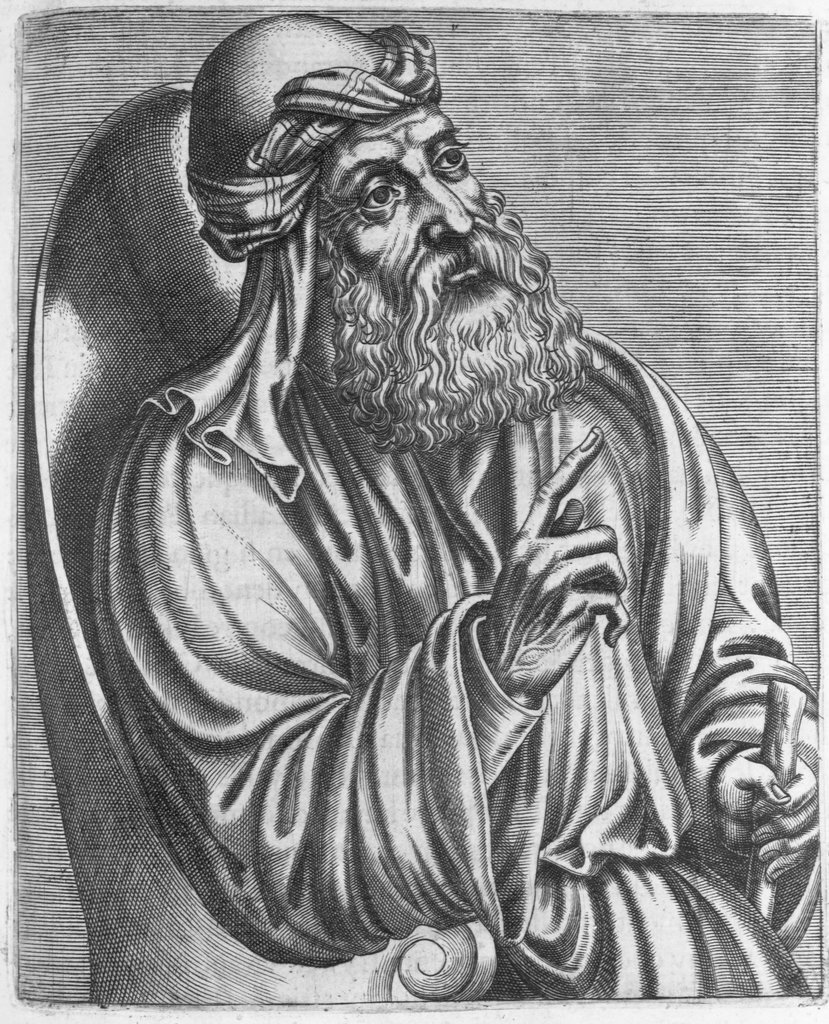
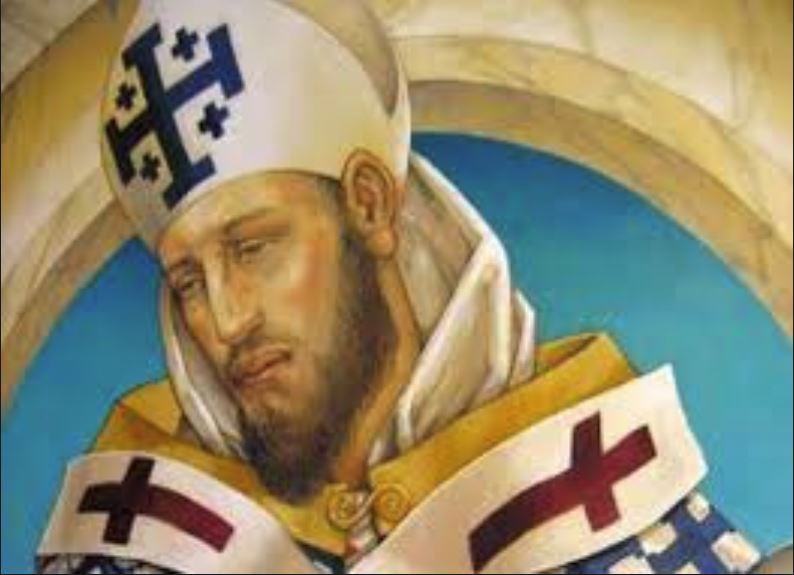
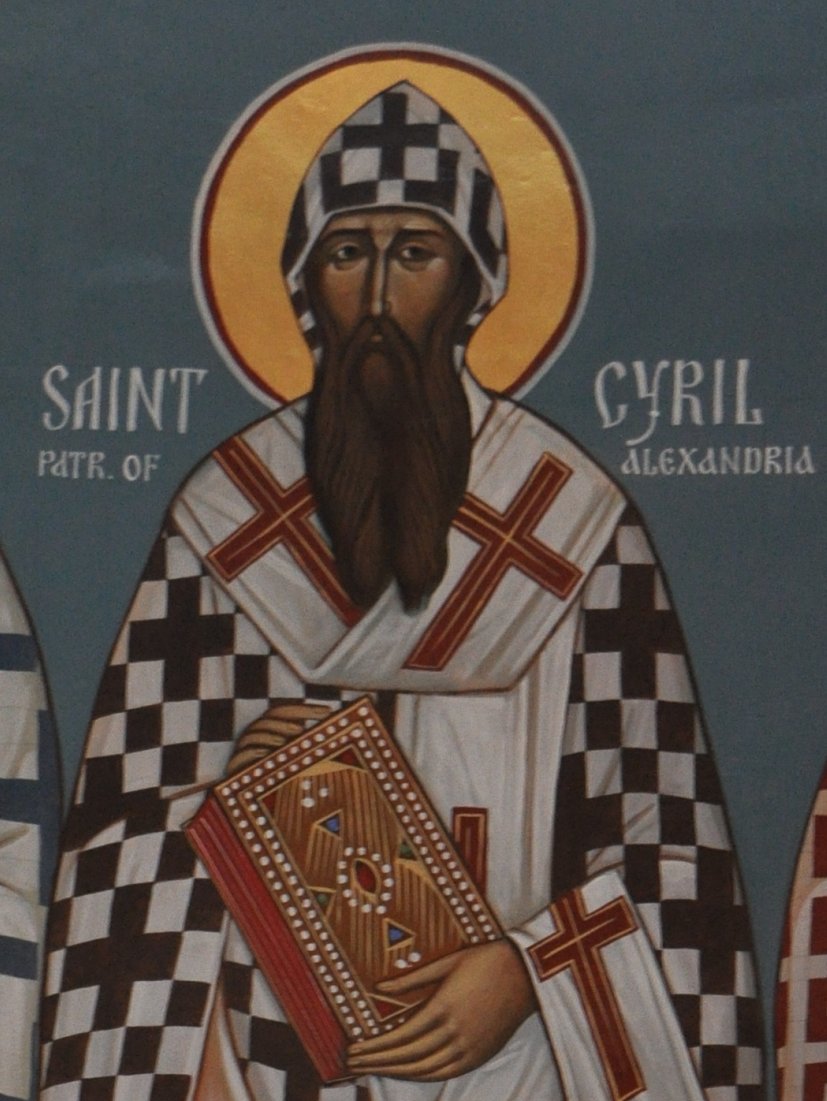
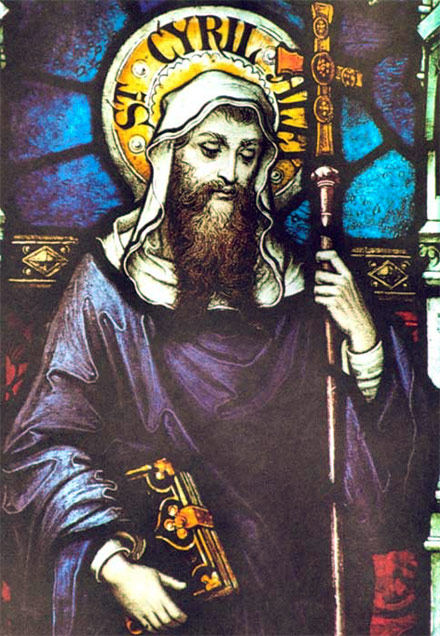
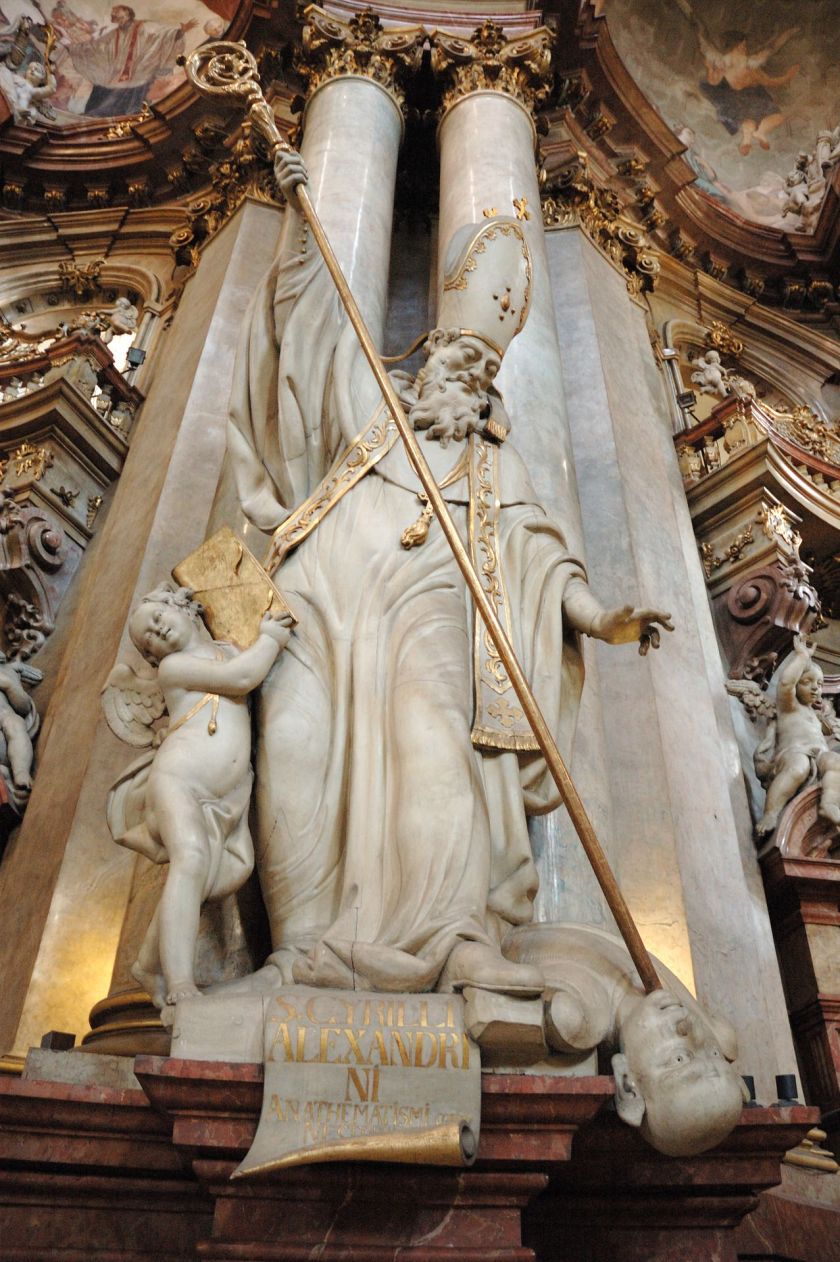
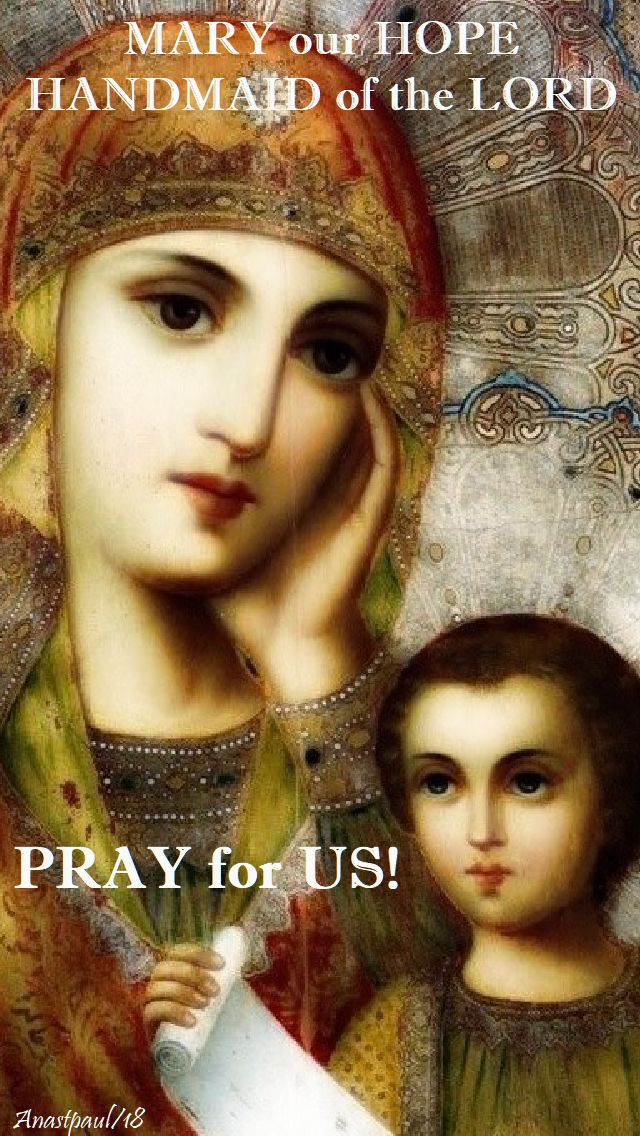
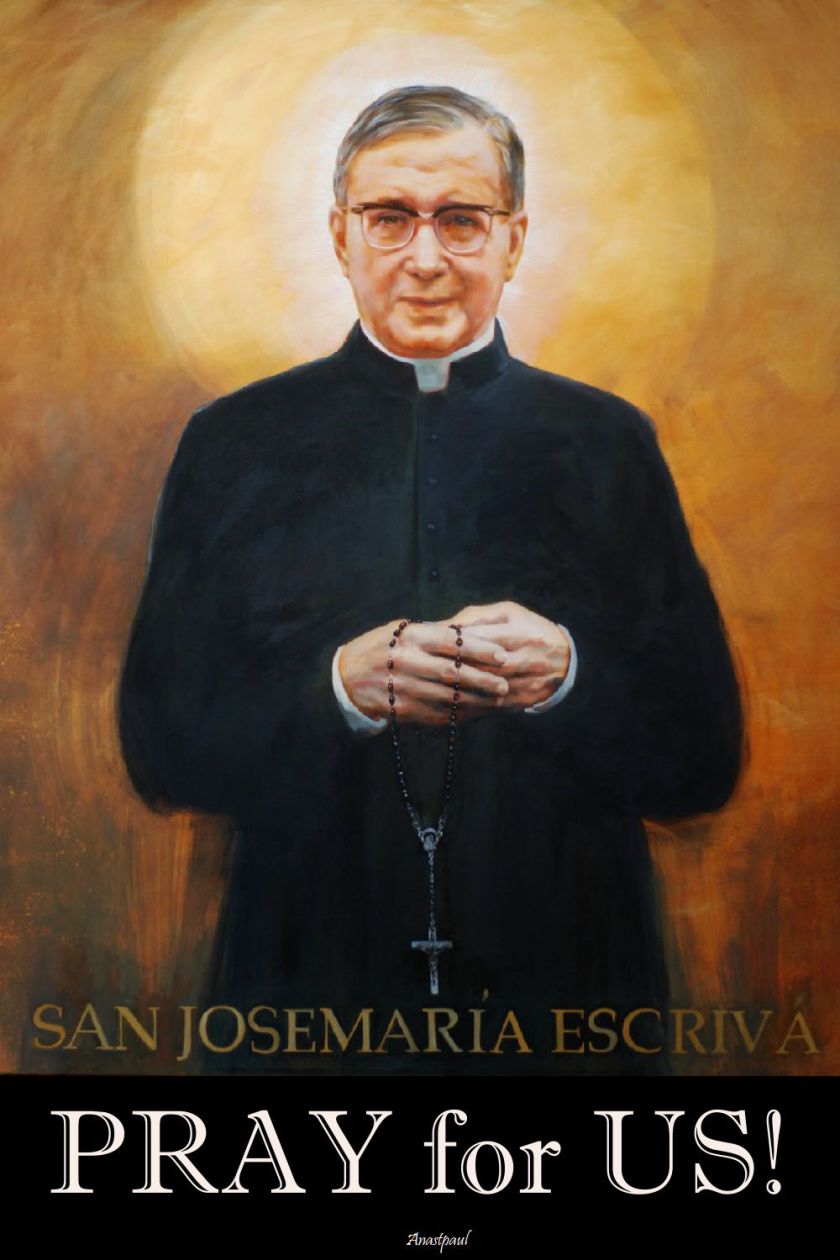
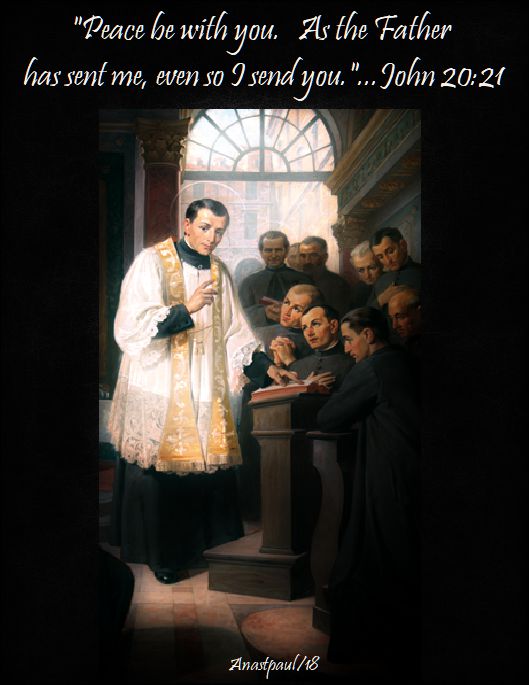


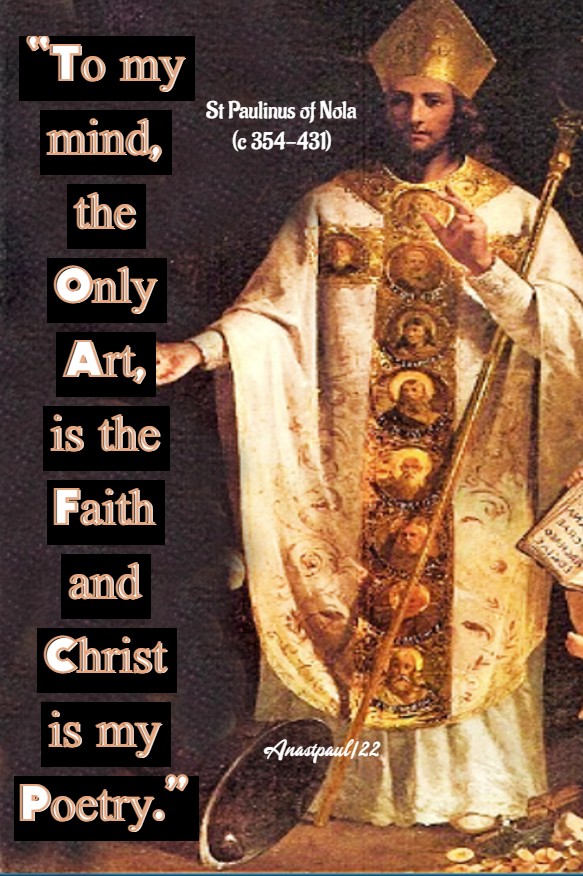
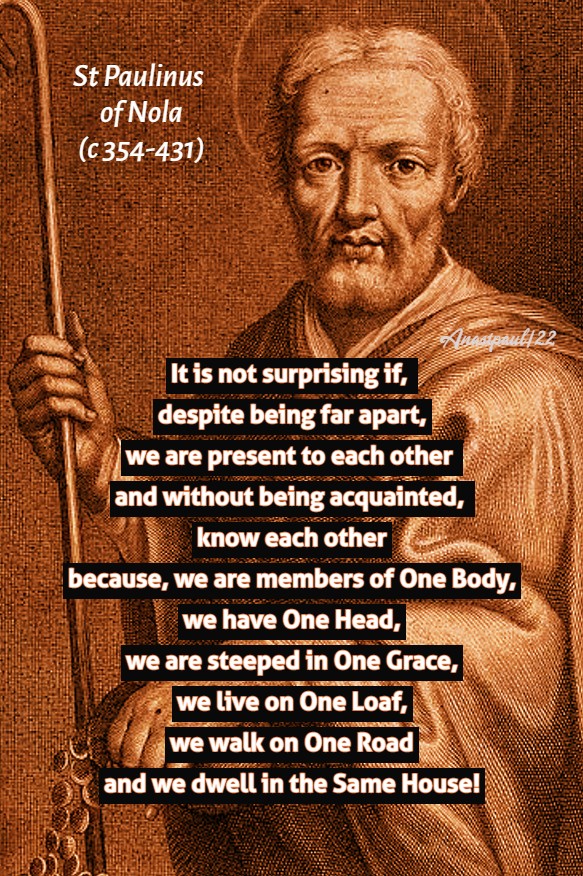

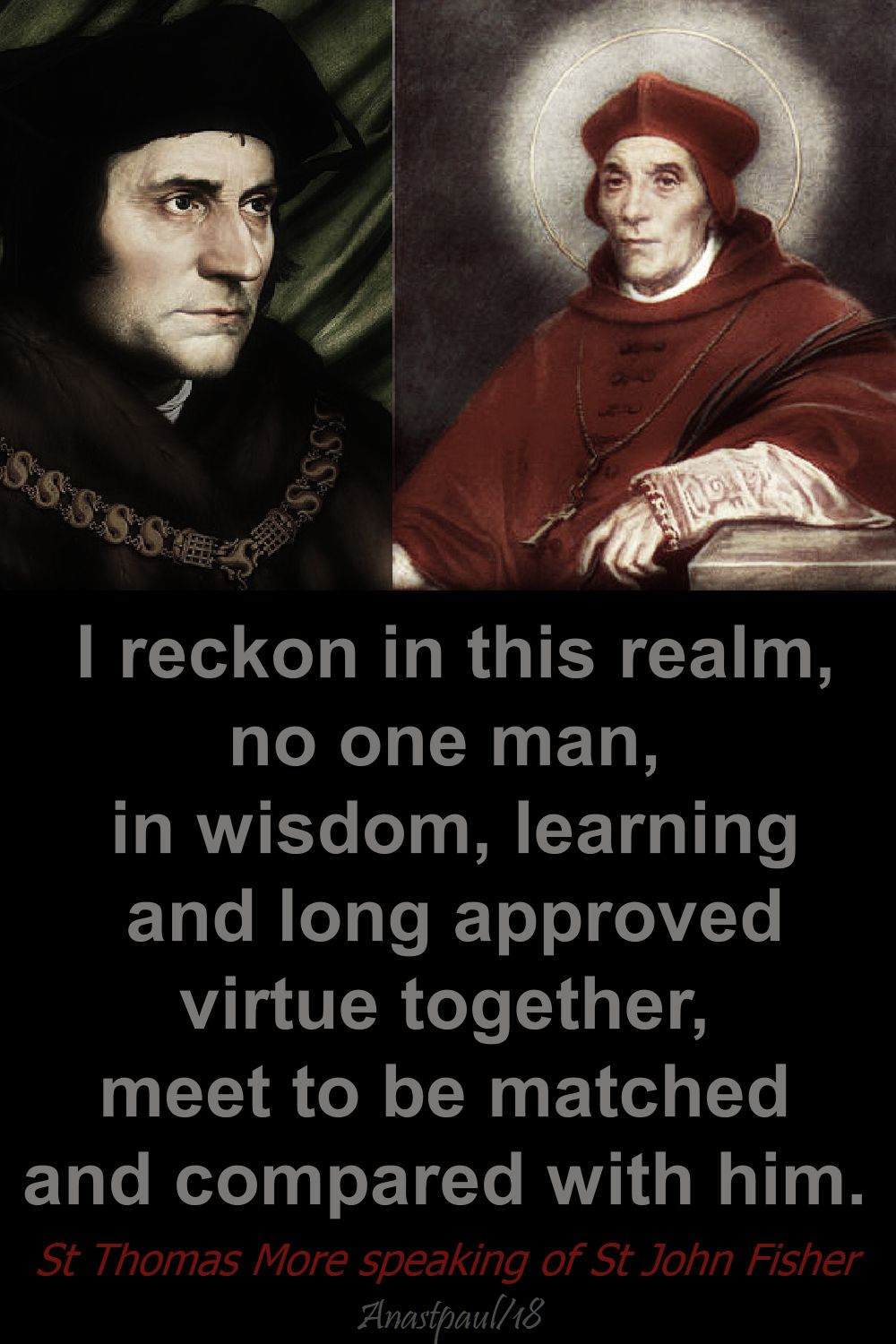
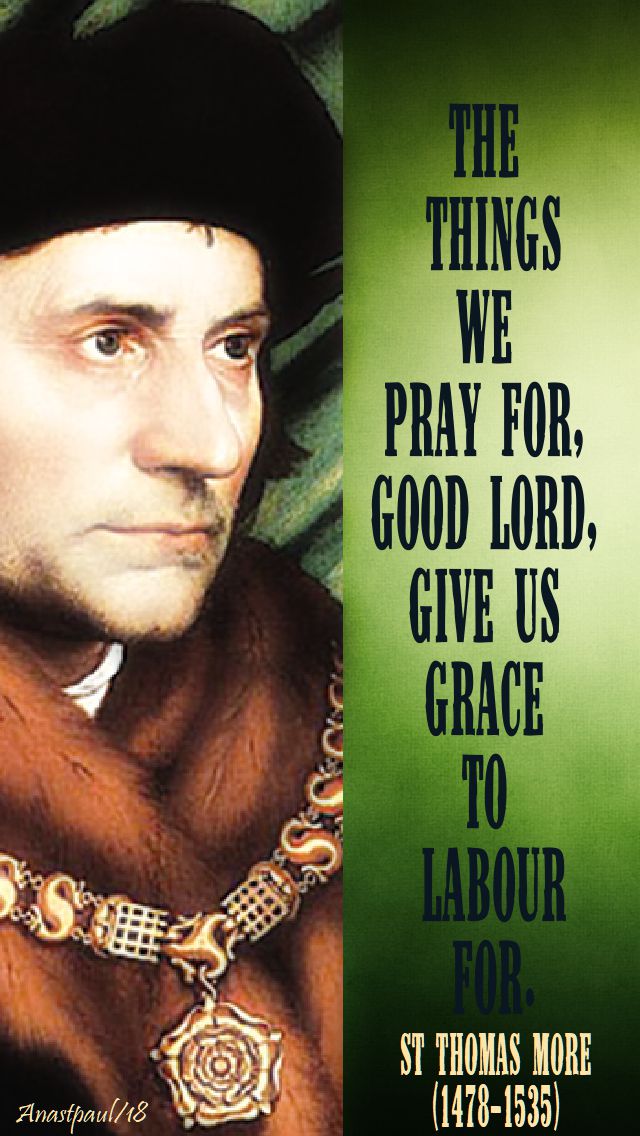
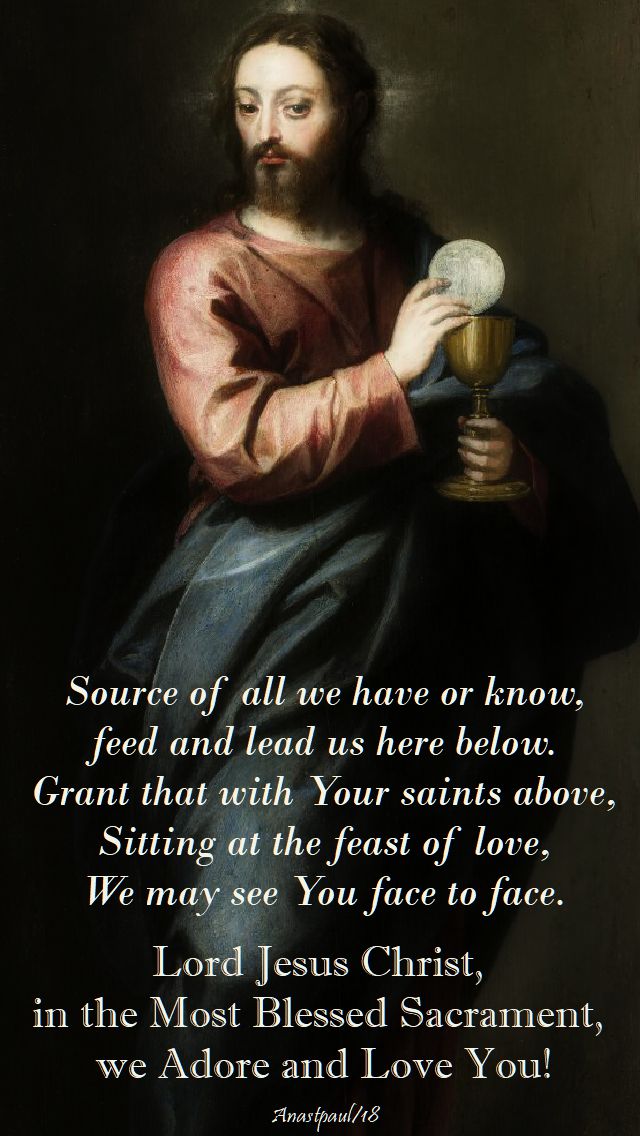
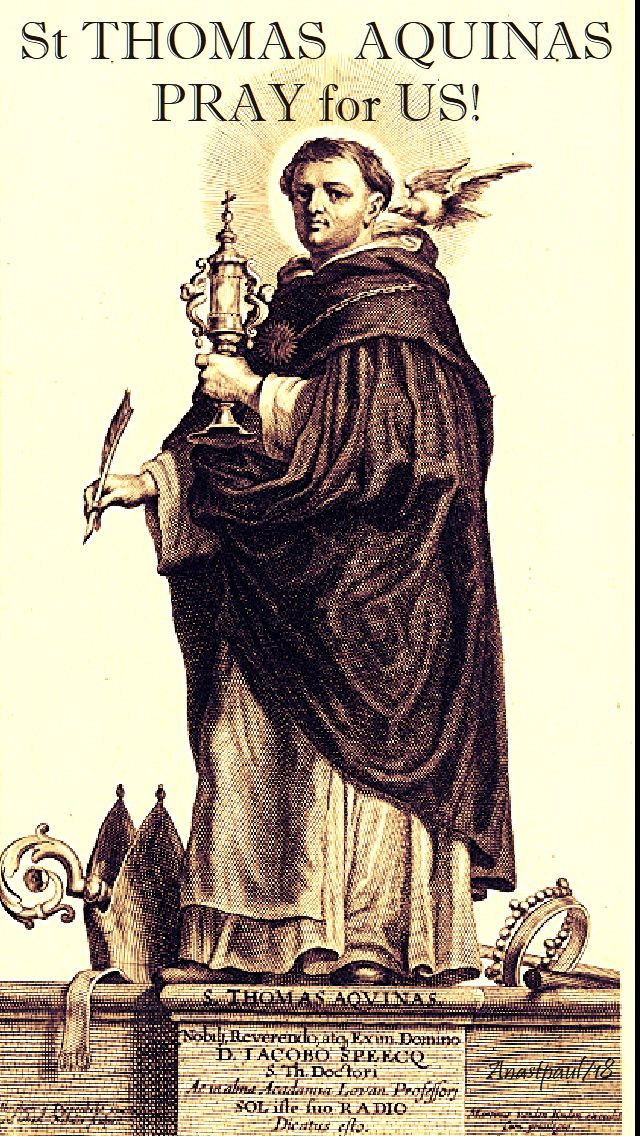
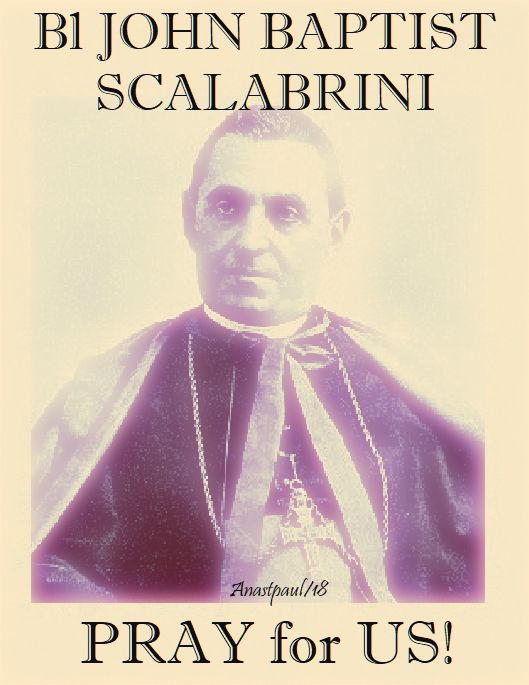

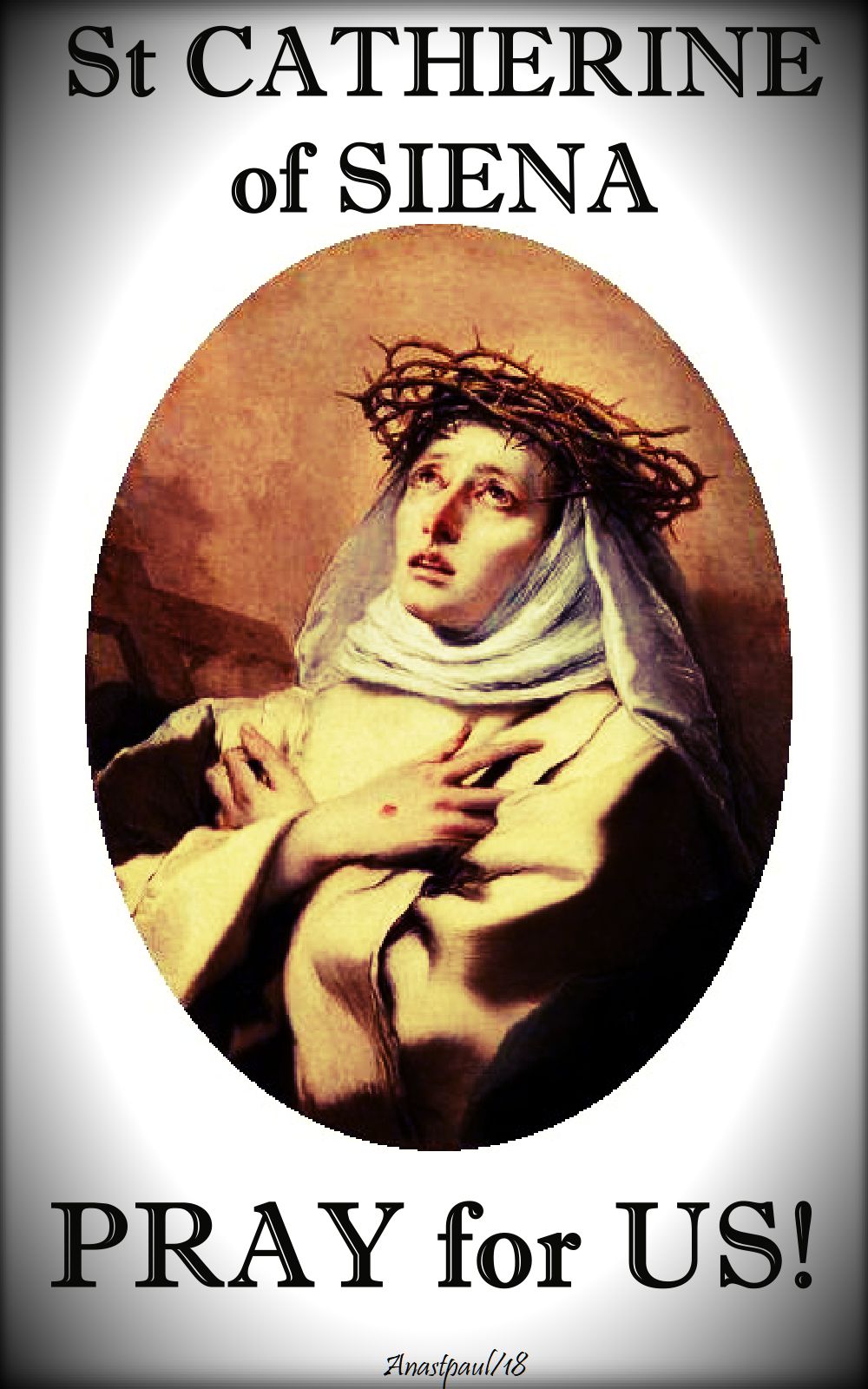
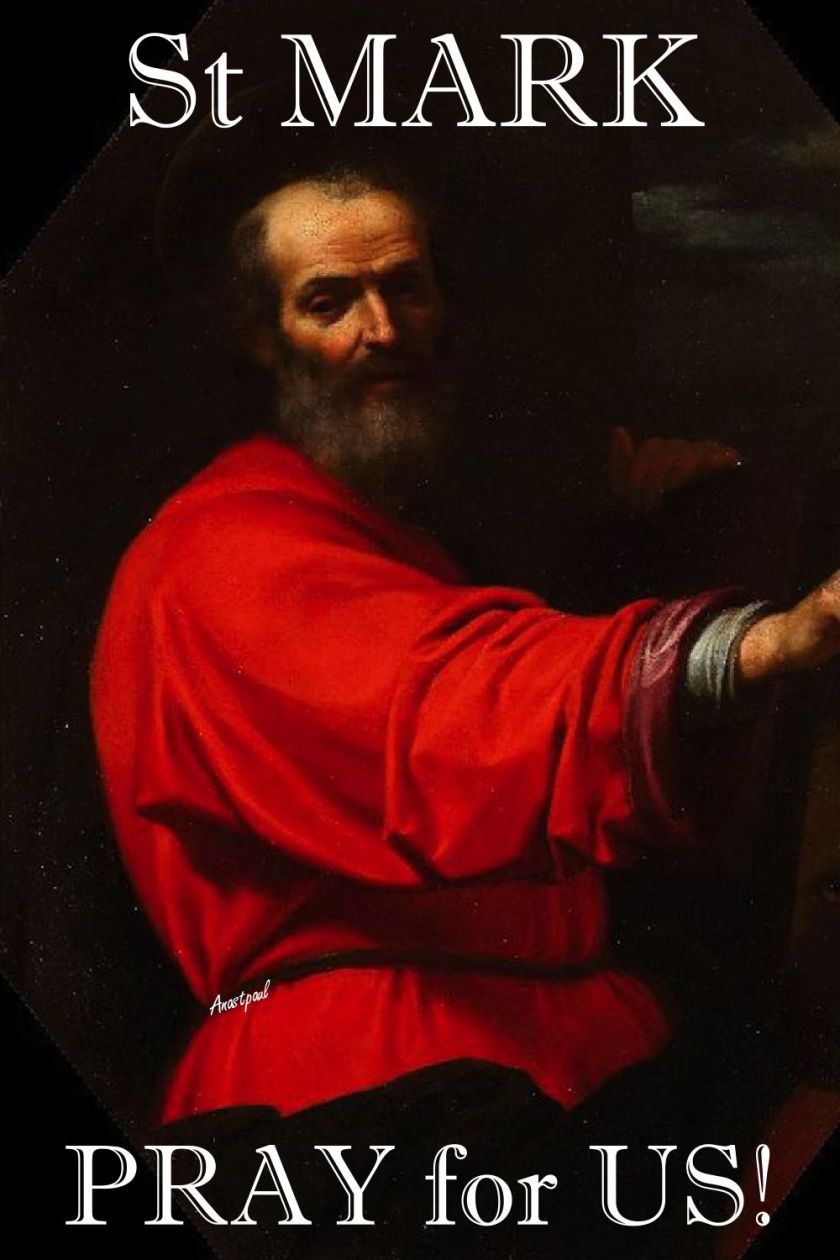

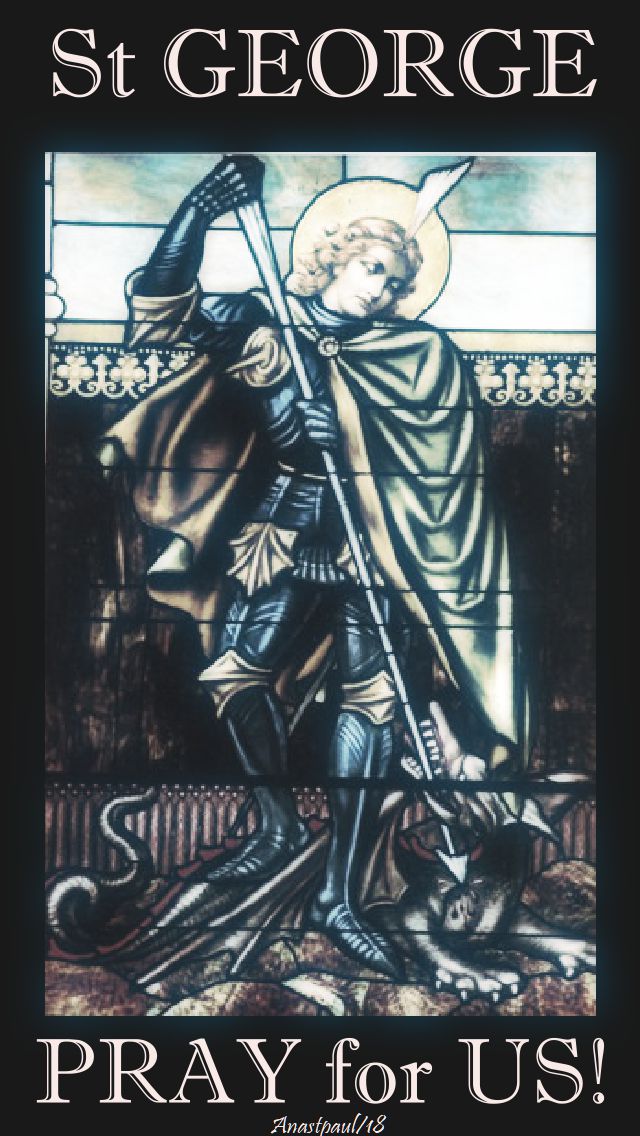
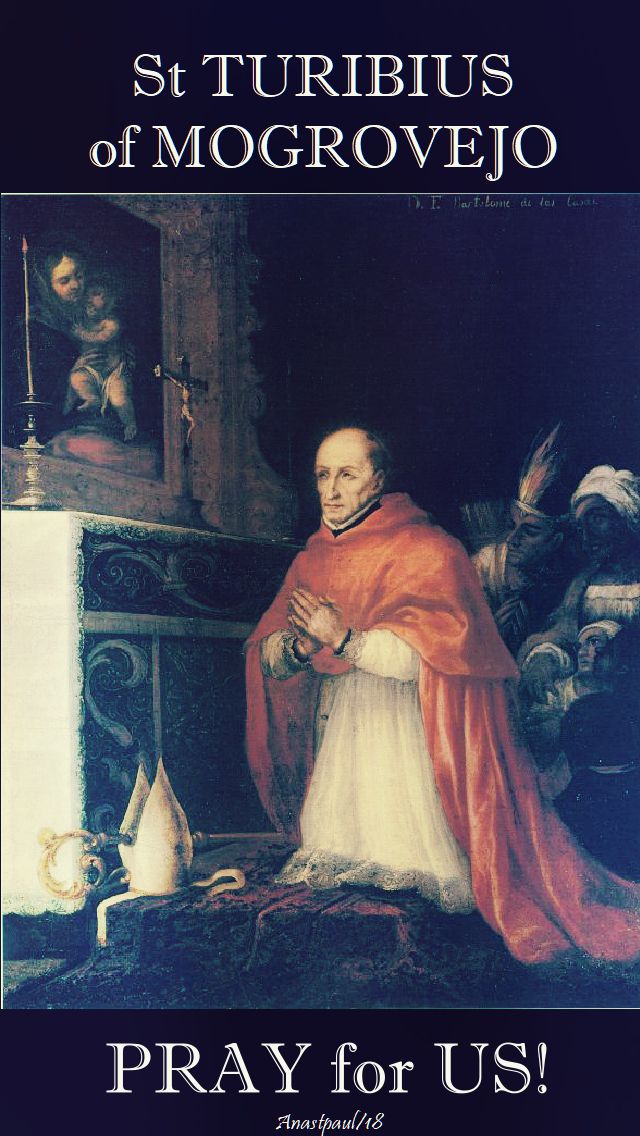
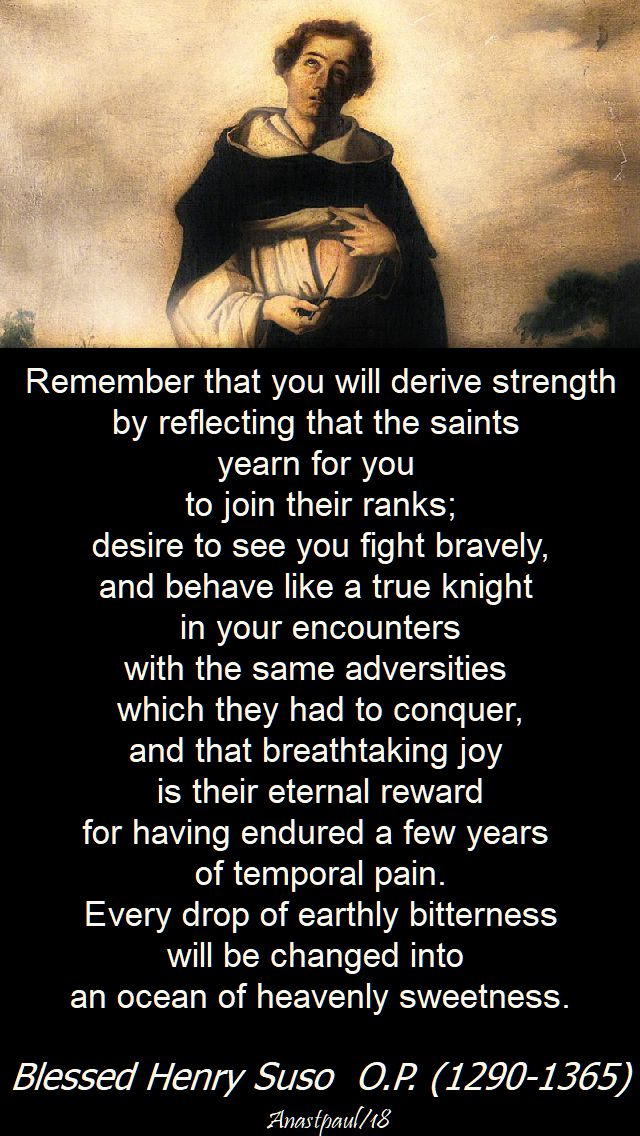
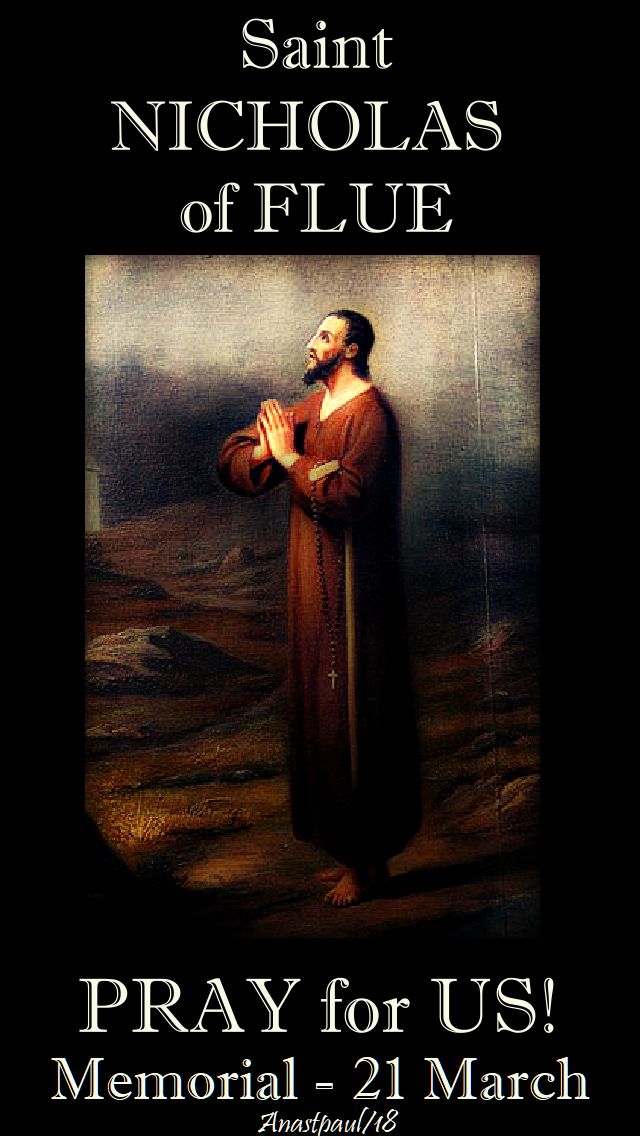
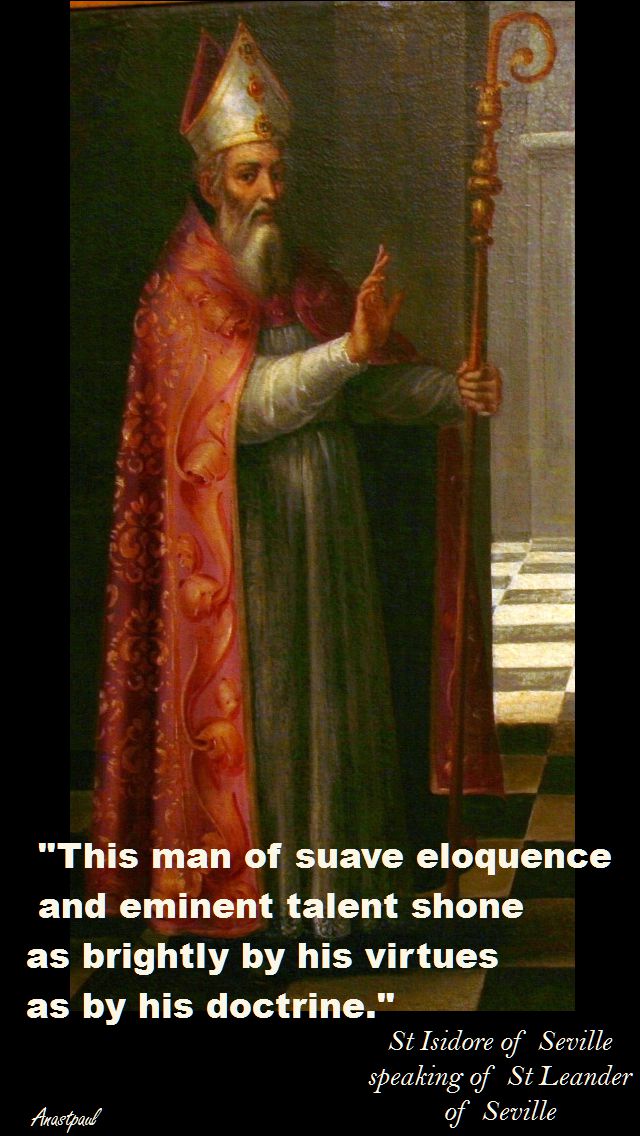


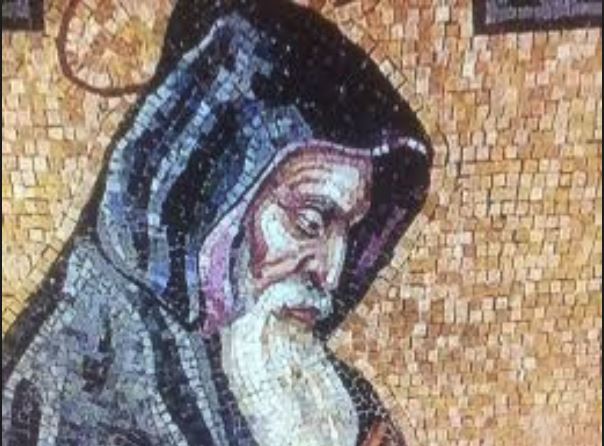


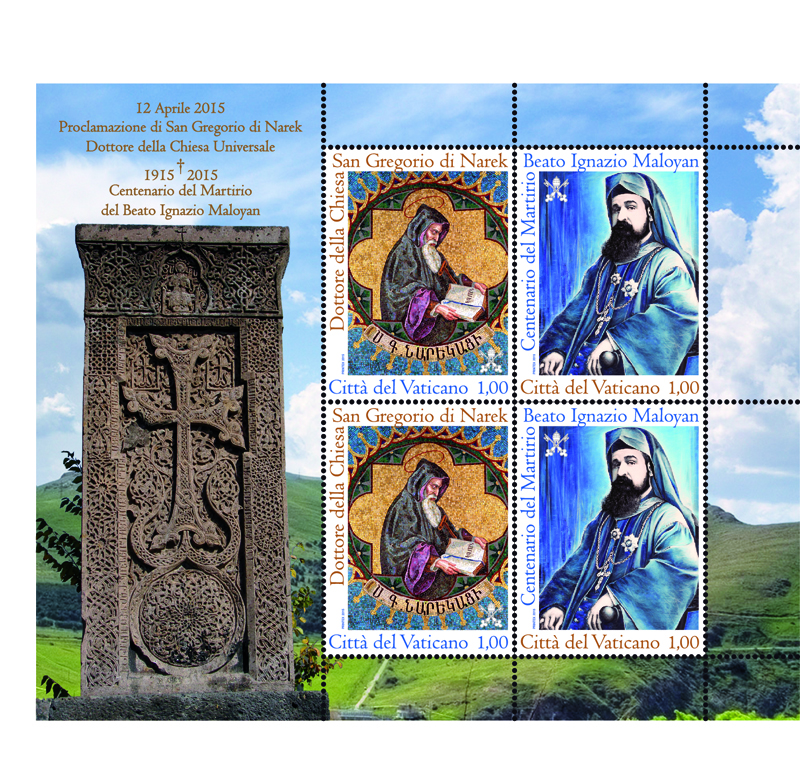


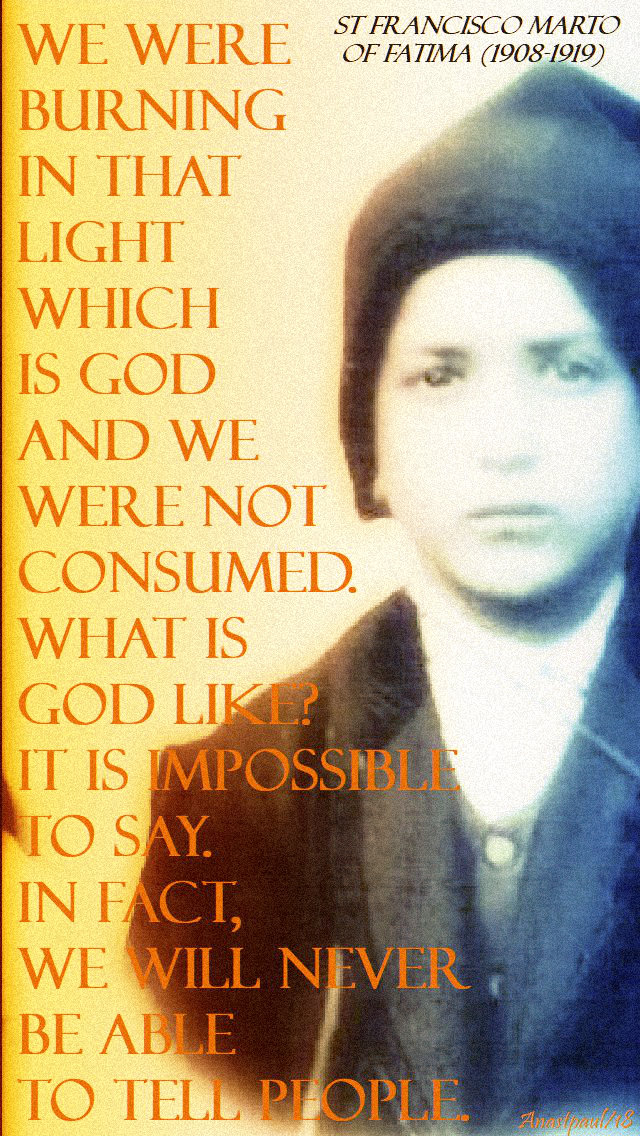
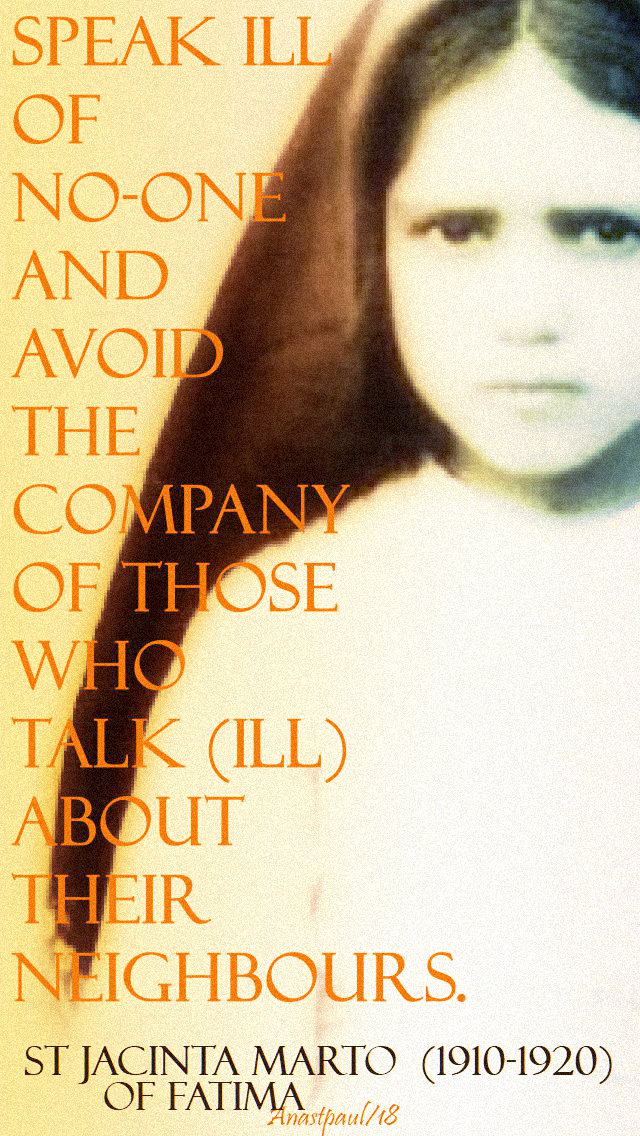
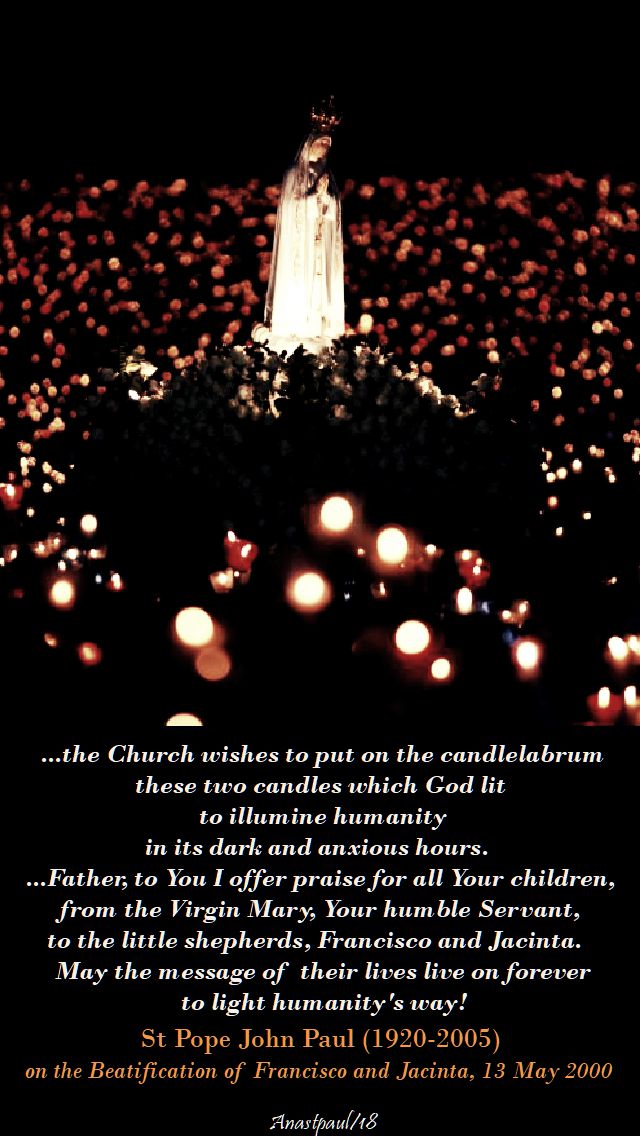

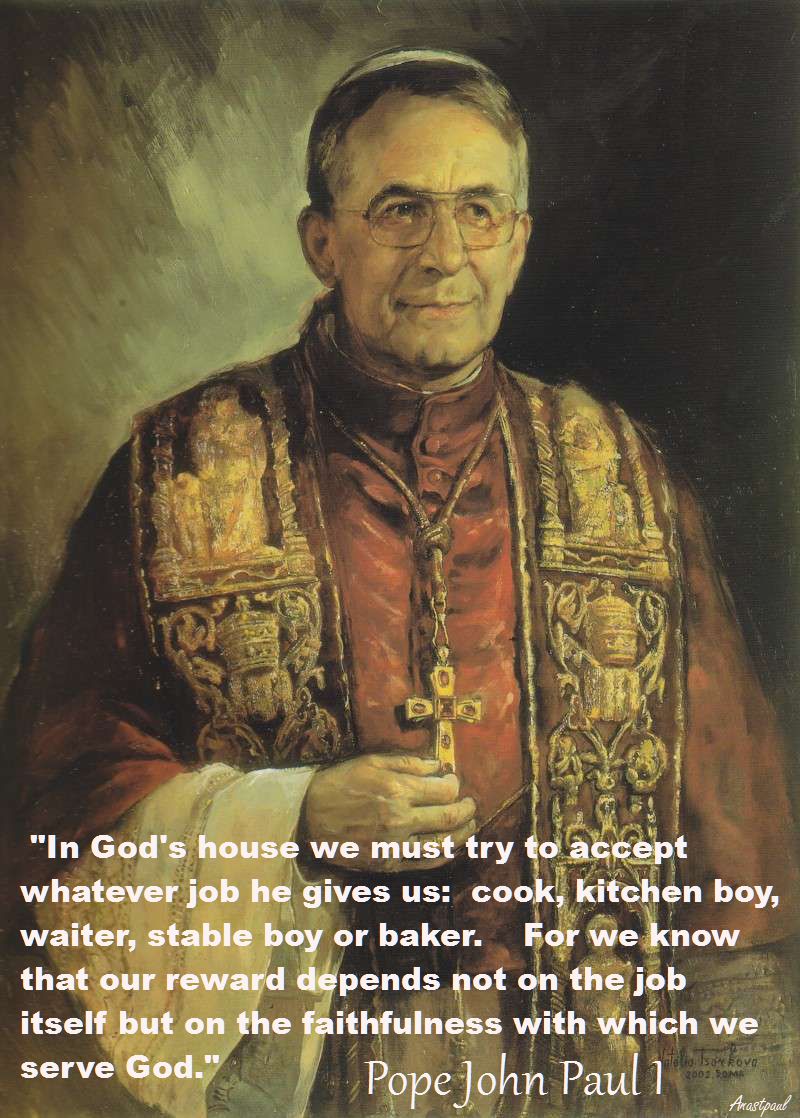
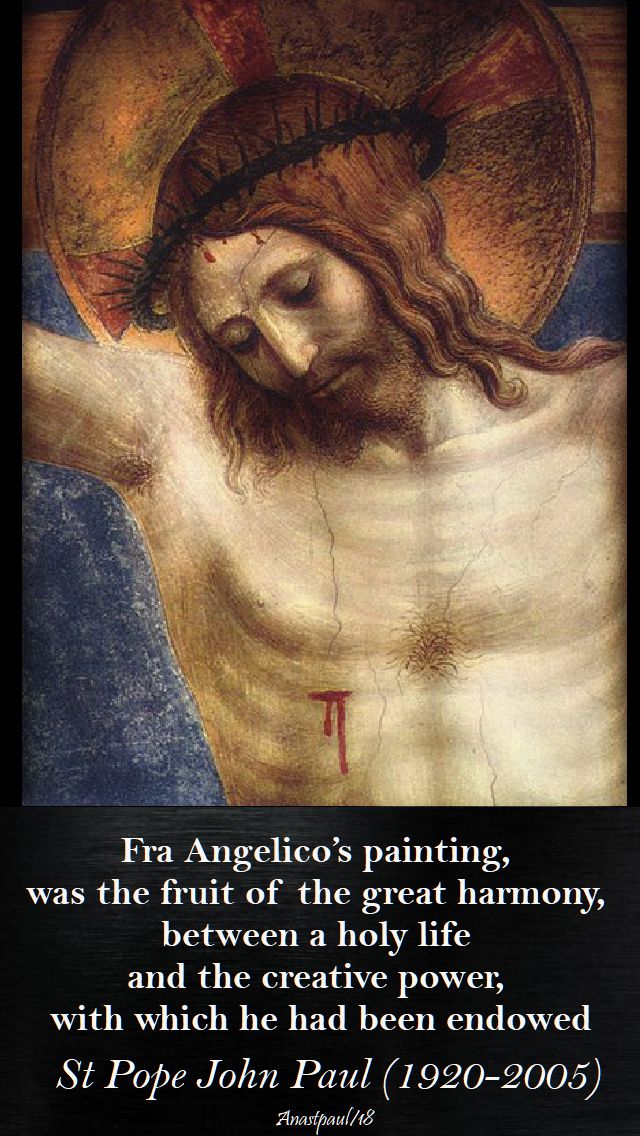
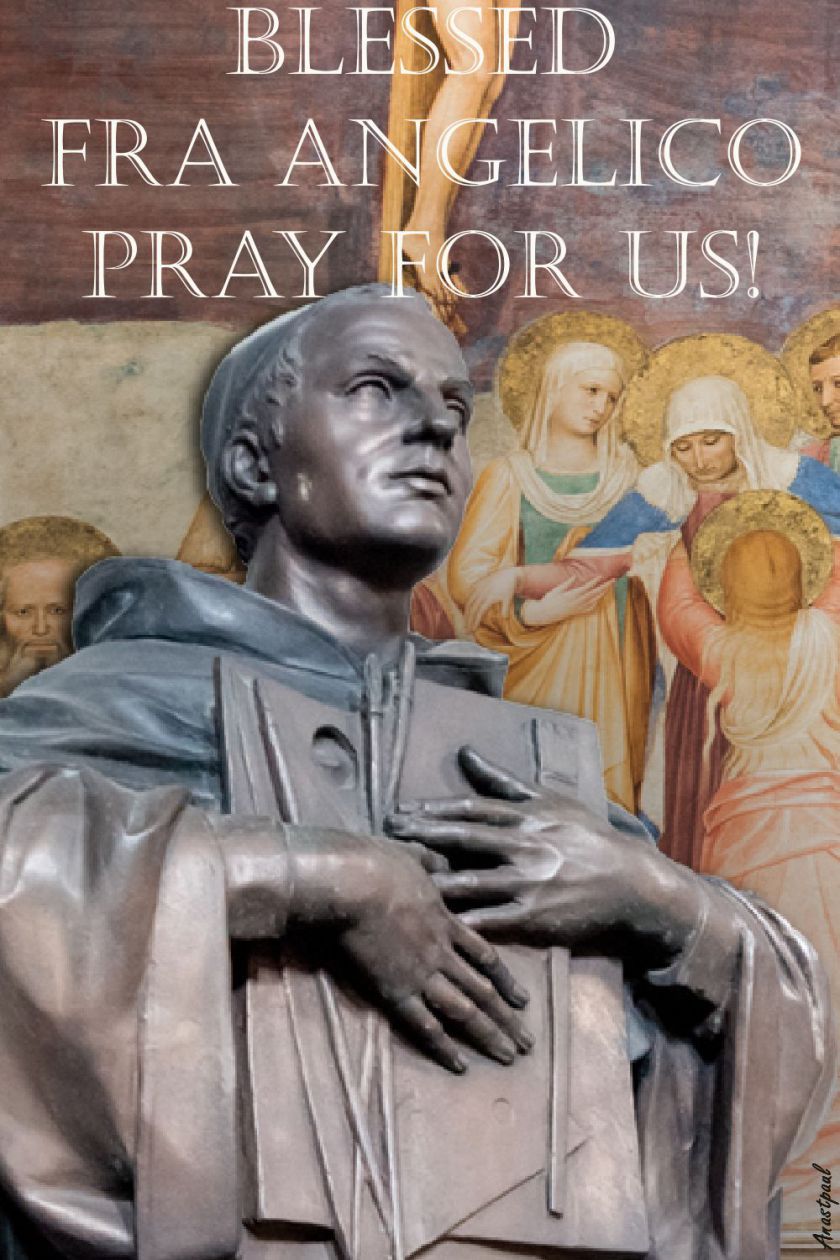
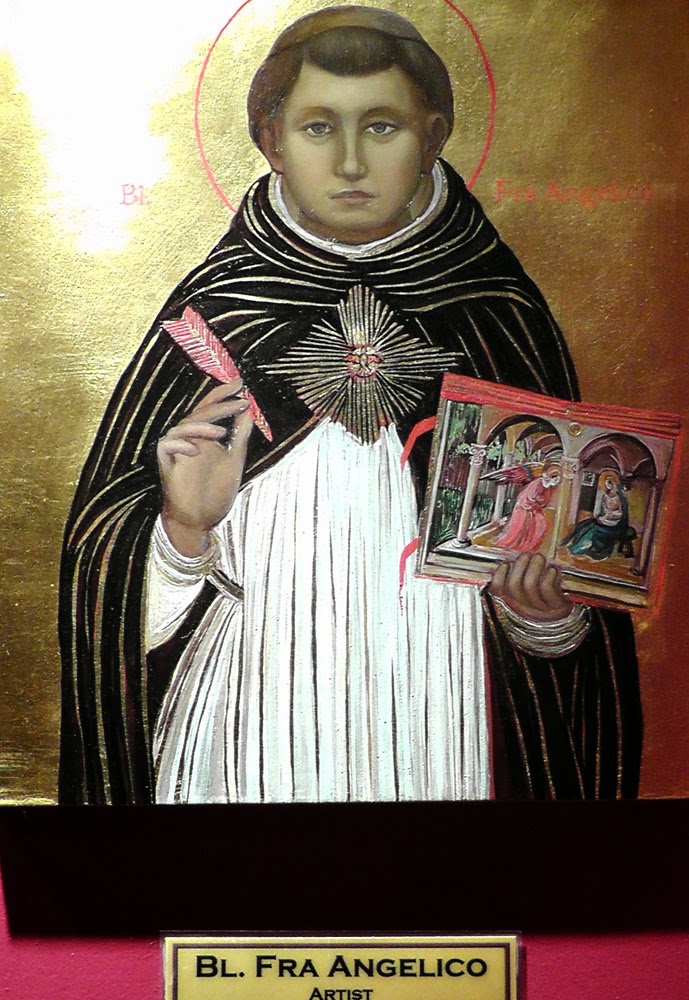
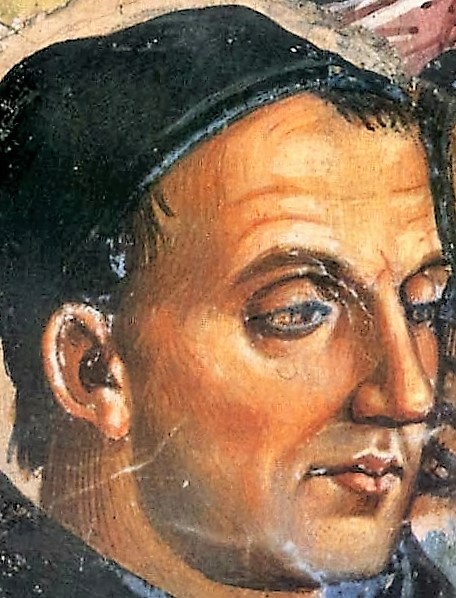
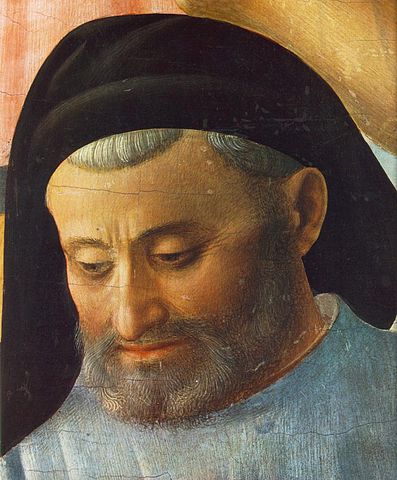
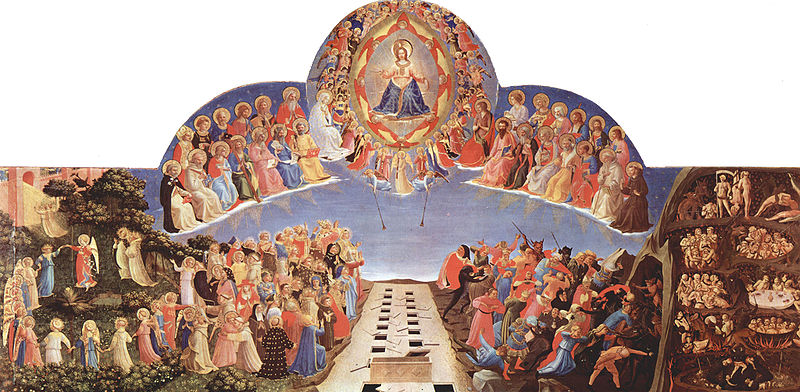
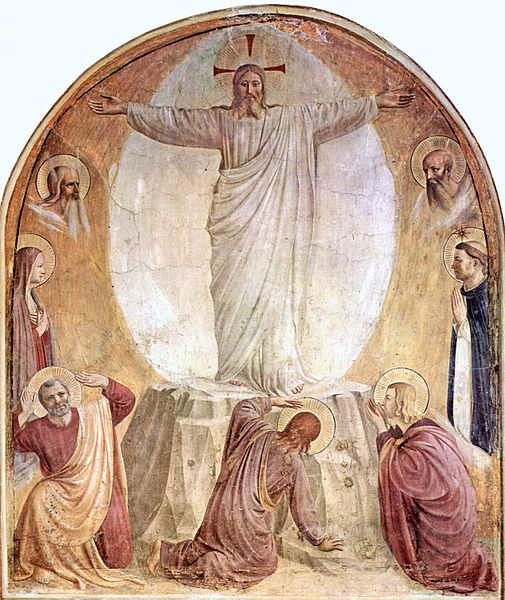

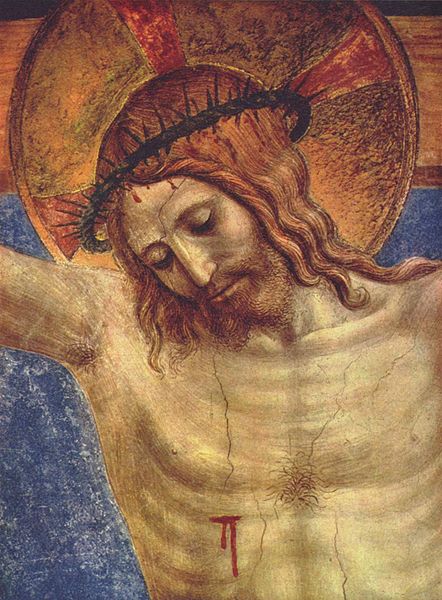

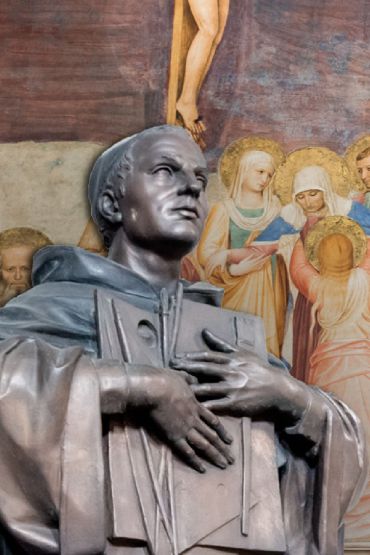
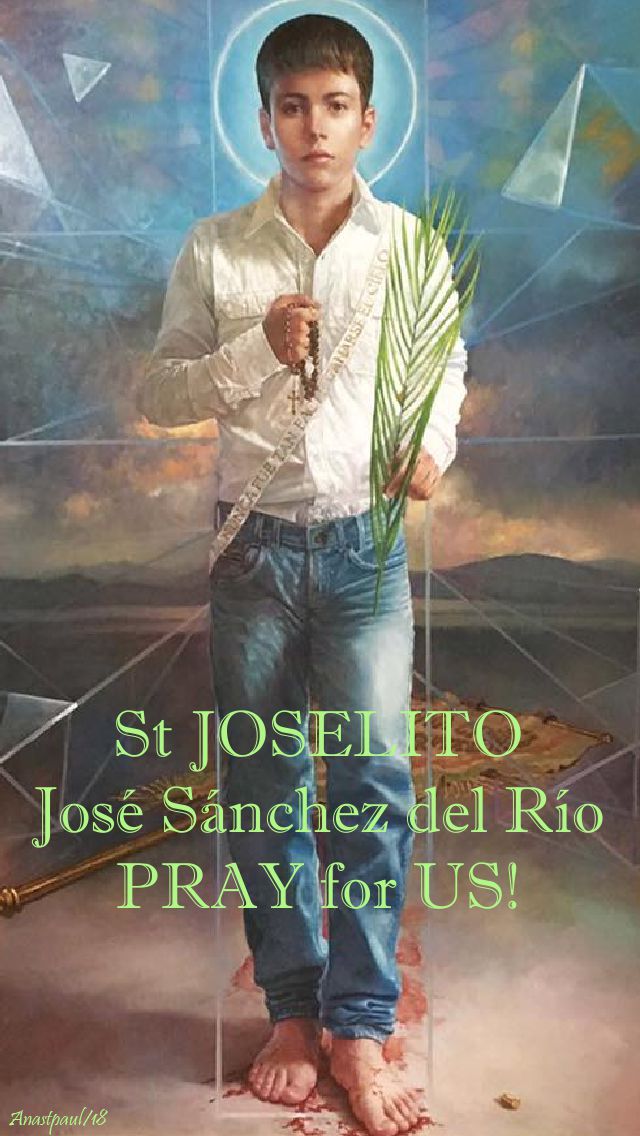
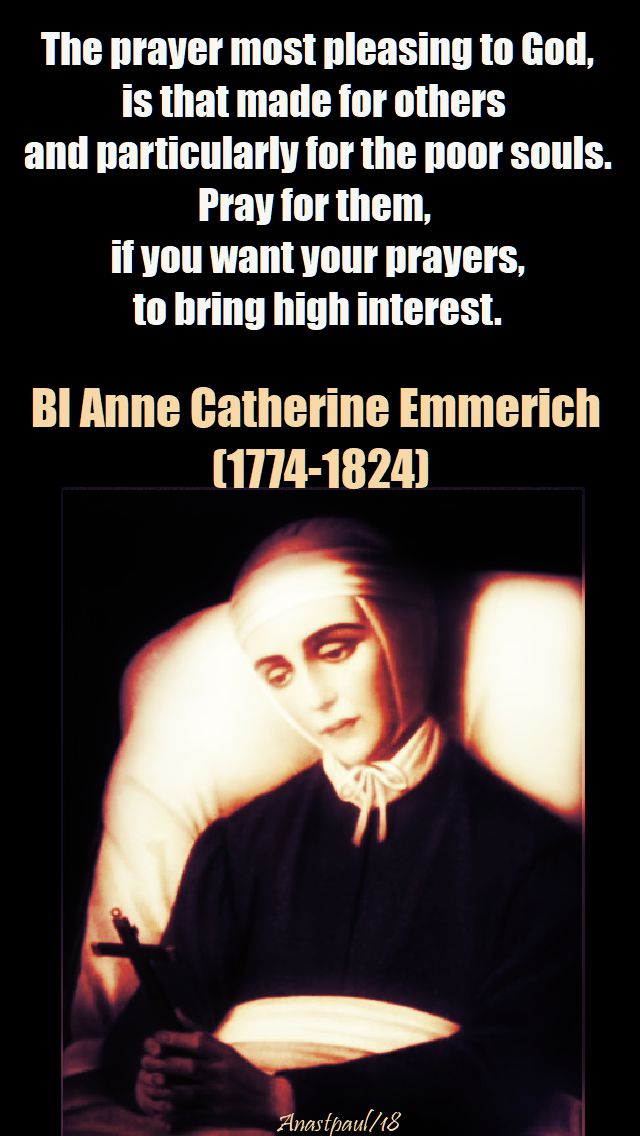
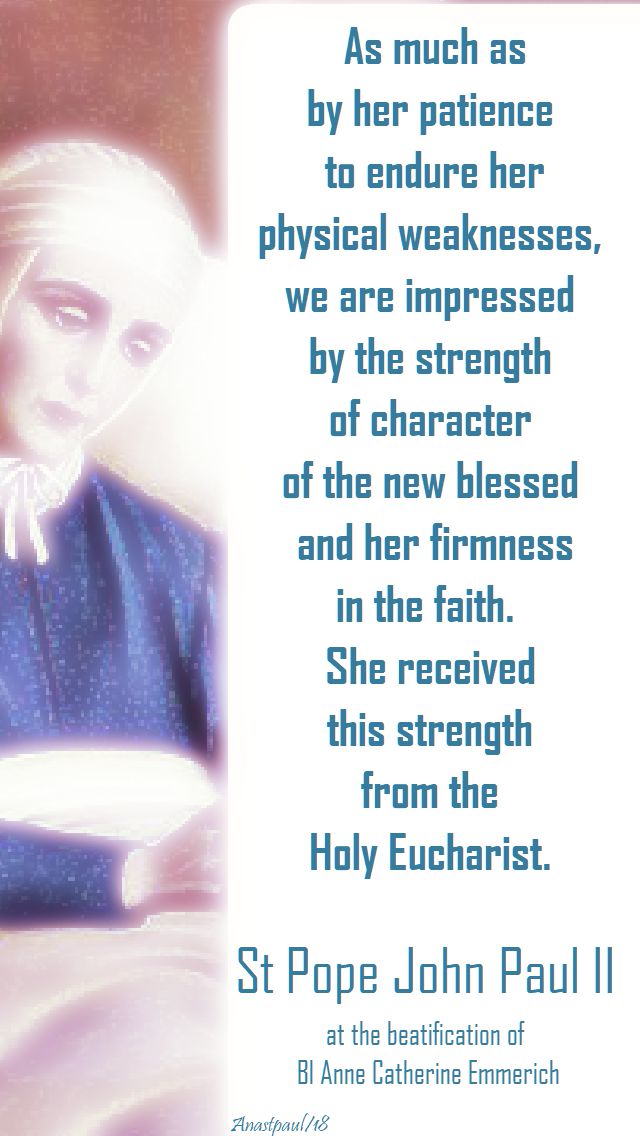


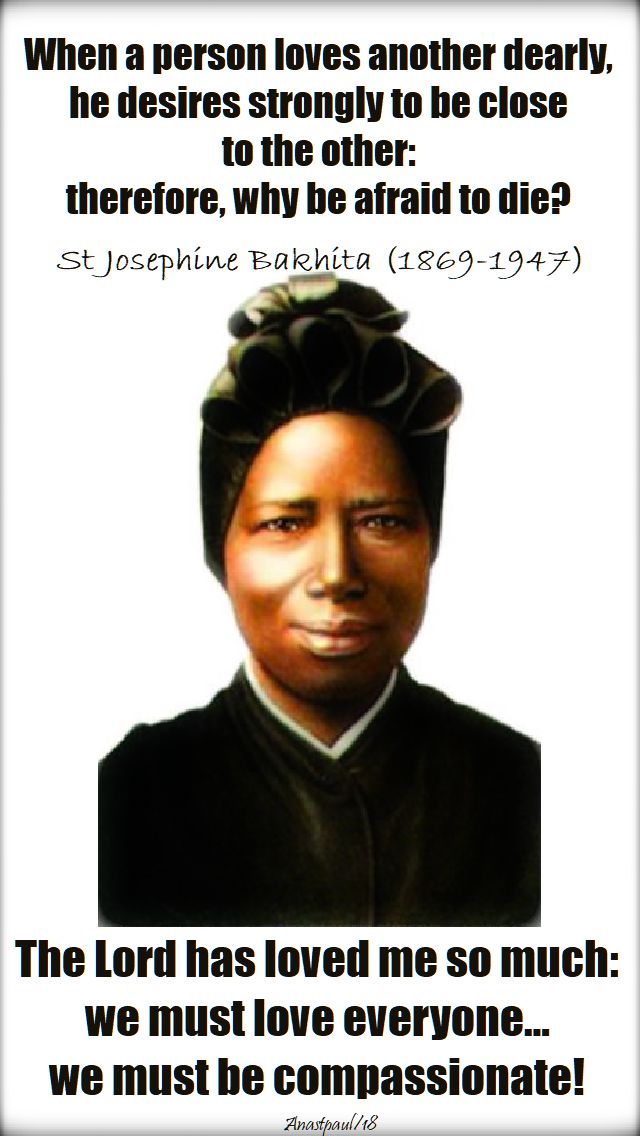
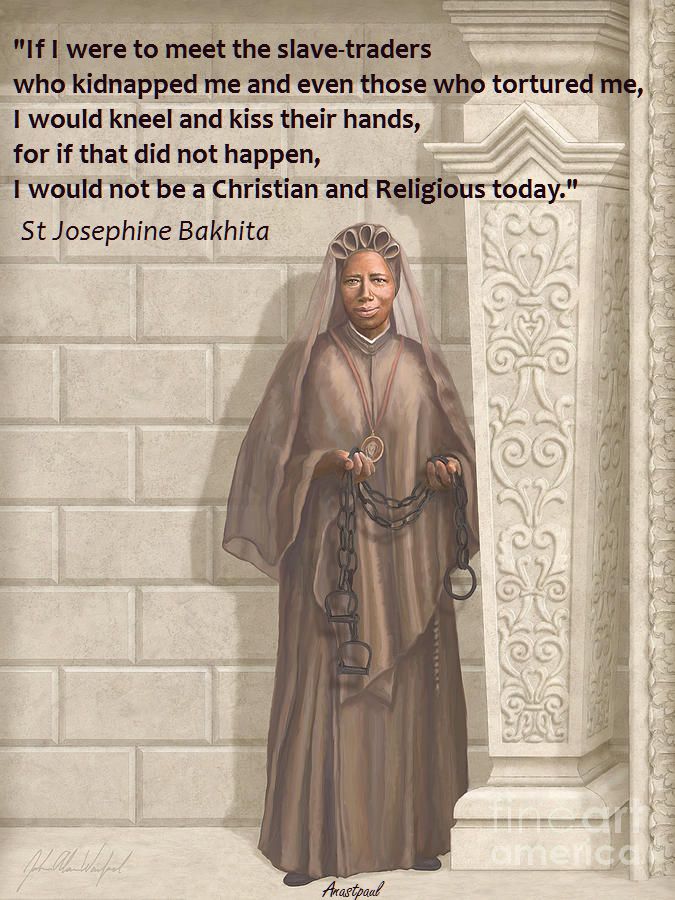
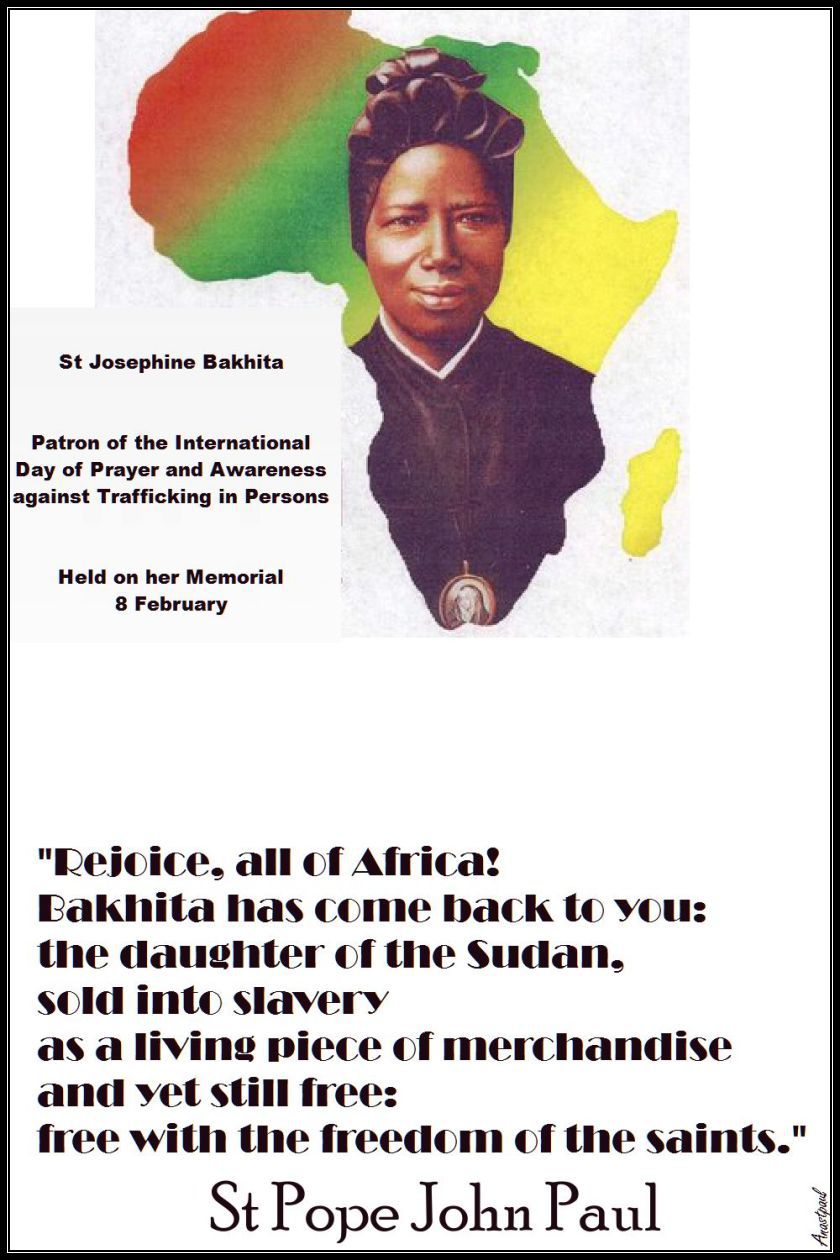
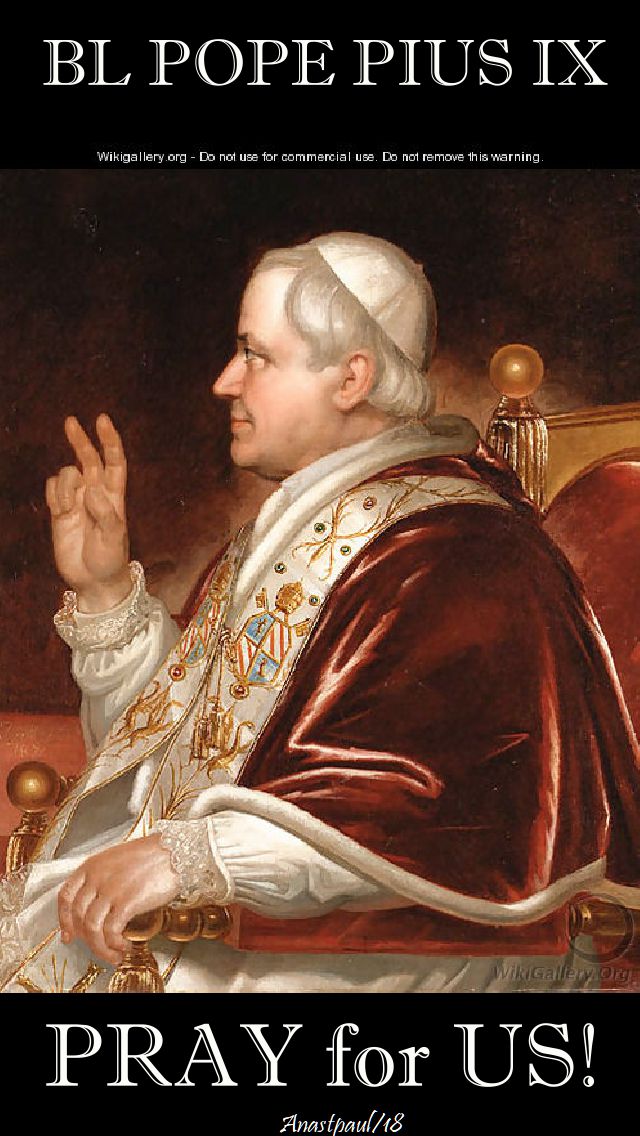
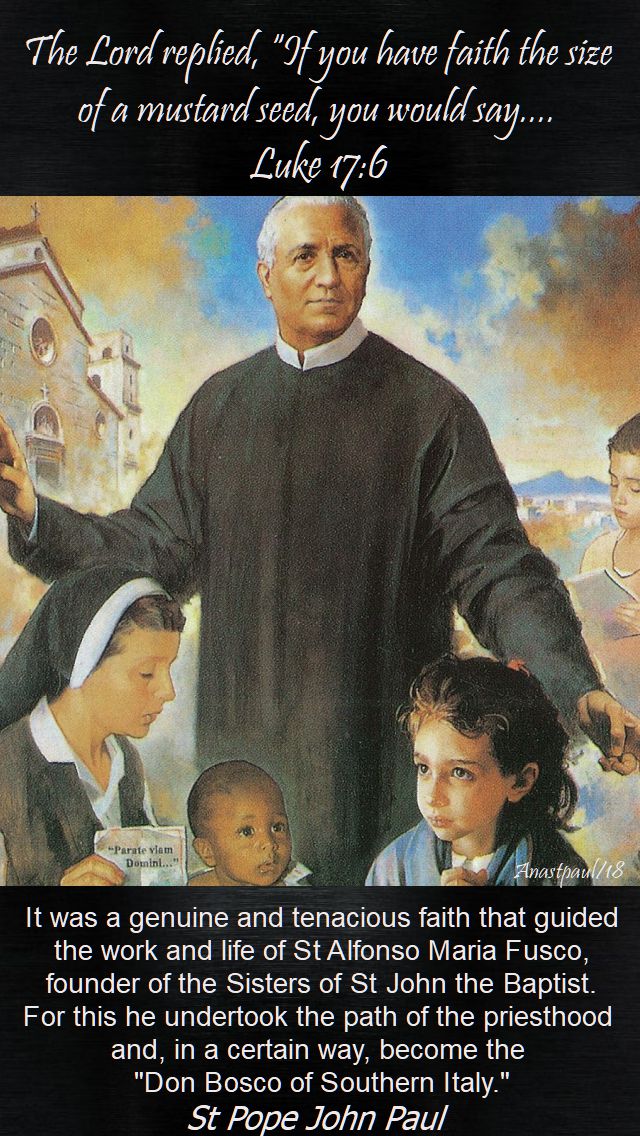

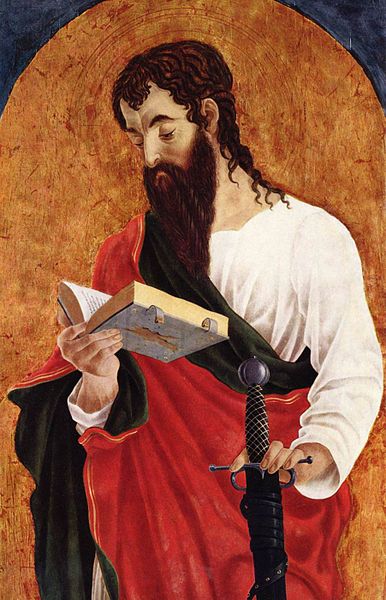
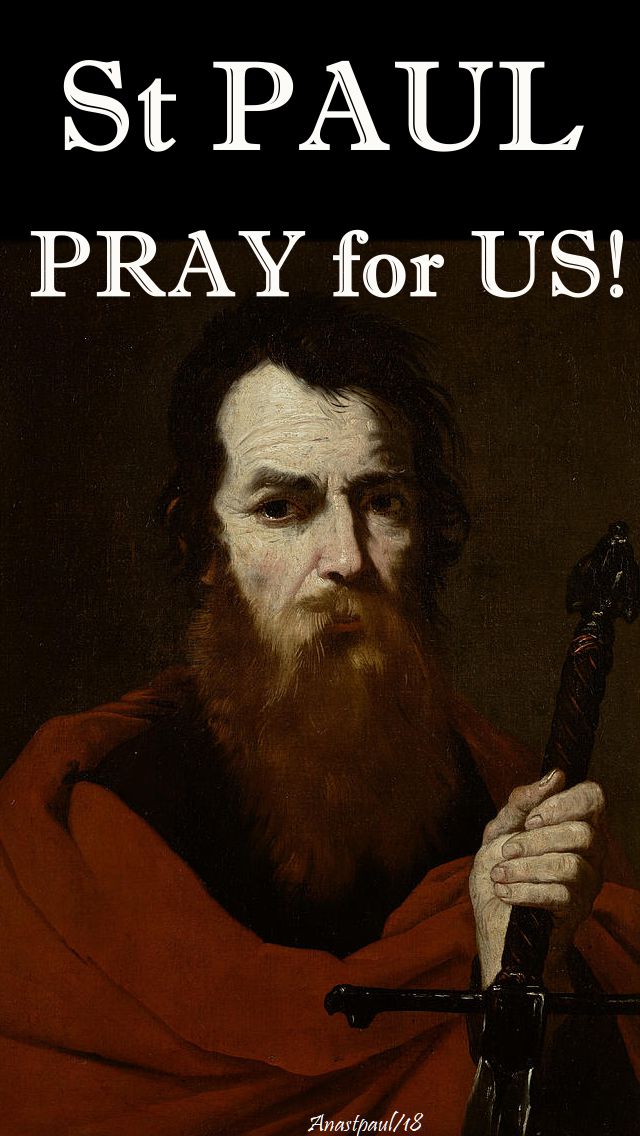
 AnaStpaul
You must be logged in to post a comment.