Saint of the Day – 22 January – Saint Dominic of Sora (951-1031) Abbot, Priest, Founder of many Monasteries, Miracle-worker. Born in 951 at Foligno, Etruria (Tuscany district of modern Italy) and died on 22 January 1031 in his Monastery in Sora, Campania, Italy of natural causes. Patronage – against fever, against toothache, against poisonous snakes and snake bites, against rabid dogs, protection from storms and hail, of the Italian Towns of Sora and Cocullo. Also known as – Dominico.
The Roman Martyrology reads today: “At Sora, the holy Abbot Dominic, renowned for miracles.”
The Monk Giovanni, who was Dominic’s companion on all his travels, wrote his ‘Life’ which is, therefore, very accurate and truthful.
Domenic was born in Foligno in 951. He was entrusted as a child by his parents, to the Monks of St Silvester of Foligno, to carry out the necessary studies. When he became a young man, Dominic left everyone and went to the Monastery of St Maria di Pietrademone, where he was Ordained a Priest and vowed his profession as a Monk. But Dominic desired a Hermit’s life, so he began to alternate solitude with the community life – he retired to a mountain in the Province of Rieti. But he was immediately followed by disciples from the surrounding area, for them he founded the Monastery of St Salvatore, becoming its Abbot.
Since his fame of sanctity attracted many people, to hide he moved towards L’Aquila, where he founded the Monastery of St Pietro del Lago, in the same way he founded the Monastery of St Pietro di Avellana in the Sangro region. During his journeys he arrived in Campania, where he remained unknown, for three years, until the population recognised him through some hunters, surrounded him with devotion and there was a rush of sick people. The reports of his miracles consisted above all, in curing the illness and death caused by snake bites, hence his Patronage.
In Trisulti he founded the Monastery of St Bartolomew which achieved much fame, it was richly endowed by the inhabitants of the nearby municipalities which Domenic then visited, urging them to a life woven with charity, penance and good works.
Dominic met with Pope John XVIII, from whom he asked for Papal protection for his foundations. Thanks to a donation of land, made by Count Pietro Rainerio, the Lord of Sora, he was able to build another Monastery, which remained, due to its importance, linked to his name, permanently.
Dominic fell ill while undertaking yet another journey to Tusculum but he returned back to Sora and died there on 22 January 1031 and was buried in the Monastery Church, where he is still preserved.
Dominic of Sora, like other great Founders of that era, remains a reformer of the life of the medieval Church, all intent on expanding monastic life with its great flowering, also a precursor of the great Orders which, a few centuries later, would appear in the Church, starting with his great namesake St Dominic of Guzman.
In Sora, as in the whole Liri Valley, he is invoked against the bites of poisonous snakes and rabid dogs, from storms and hail but also against fever and toothache.
His Feast is celebrated with solemnity, both in Sora, of which he is the Patron and where there is a Sanctuary containing his body and in Arpino and nearby Towns but above all, for his particularity in Cocullo, where his Statue is carried in procession covered in real live snakes! Once, after the Mass, the snakes were killed or sold to tourists, today with a different environmentalist culture, they are set free. The ‘snake catchers’ are very careful to capture the harmless snakes, while they leave the poisonous vipers alone, the population participating in the celebrations has an almost sacred respect for reptiles, a legacy of a pagan cult of pre-Christian times which the Church had to make its own and this union, between pagan use and Christian celebration, in this case occurred through St Domenic of Sora, the great miracle- worker, who from the Middle Ages until today, attracts a multitude of imploring faithful ever venerating and imploring his aid in all their needs.
A Processional Statue of St Dominic I believe the one used in Cocullo and covered with live snakes
Saint of the Day – 20 July – St Elias the Prophet (Elias from the Greek) lived during the reign of King Ahab (9th Century BC), according to the Books of Kings. The spelling ‘Elijah’ is from the Hebrew. Patronages – for rain, against drought, coachmen, Air Forces, civil aeronautics, Romanian Air Force, the Carmelite Order, Mount Carmel, Bosnia and Herzegovina. Melkite Greek Catholic Archeparchy of Akka, Haifa, Israel, in Italy: Buonabitacolo, Malito, Peschici.
Ludovico Carracci (1555–1619) The TGransfiguration with Moses and Elias
The Roman Martyrology states: “On Mount Carmel, the holy Prophet Elias.”
Born in Thisbe in the 9th Century BC, at the time of King Ahab, he dedicated his life to turning the people away from the worship of idols and bringing them back to the one true God, consistent with the name given to him – Elias in fact means: “The Lord is my God”.
Precursor of Saint John the Baptist: A virtuous and austere man, he wore a camel-hide cloak over a simple apron tied around his hips, thus prefiguring St John the Baptist eight centuries in advance. Elias was gifted with the heart of a warrior and a refined intellect, he combined in his soul, the burning fire of faith and zeal for the Lord, so much so, that St John Chrysostom defined him as “an angel of the earth and a man of Heaven.” Centuries later, the Church presented him as a model of Christian life and passion for God.
The Clash with the Followers of Baal: A striking example of Elias’ prophetic power can be read in the first Book of Kings, chapter 18 which tells how, at the time of King Ahab, Israel succombing to the seduction of idolatry: in fact, they worshipped Baal because they believed he brought rain and, therefore, fertility to the fields, livestock and mankind. Precisely to unmask this lying belief, Elias gathered the people on Mount Carmel and put before a choice – follow the Lord or follow Baal. The Prophet invited over 400 idolaters to a confrontation – each one would prepare a sacrifice and each woulf pray to their own god, so that he would reveal himself. The one who responded unequivocally, was the Lord, “God of Abraham, Isaac and Israel,” Who burned the offering for the sacrifice prepared by Elias on an altar made of twelve stones, “according to the number of the tribes of the sons of Jacob, to which the Lord had given the name of Israel.” Thus the hearts of the people were converted, faced with the evidence of the Truth. Baal, however, remains silent and powerless because – and this is Elijah’s teaching – “the true adoration of God is to give oneself to God and to men, the true adoration is love.”
Elias’ offering is consumed by fire from Heaven
The Encounter with the Lord on Mount Horeb: A new test, however, awaits the Prophet he, who has fought for the faith, must escape the wrath of Queen Jezebel, Ahab’s idolatrous wife, who wishes him to be removed permanently. Exhausted and frightened, Elias asks God that he might be taken out of this life and abandons himself to an uninterrupted sleep. But an Angel wakes him and orders him to climb Mount Horeb to meet the Lord. Elias obeys – he walks for 40 days and 40 nights to reach the destination, in a journey which is the metaphor of the pilgrimage and purification of the heart, ascending towards the experience of God.
The Sonorous Silence: As prefigured, the encounter with the Lord occurs but not in a human sensational way – God reveals himself, in fact, in the form of a light breeze. It is a “thread of a sonorous silence” – which exhorts Elias not to be discouraged and to retrace his steps to complete his mission. And the prophet, covering his face as a sign of adoration and humility, obeys God’s call because he understands its value – that of testing, obedience and perseverance. Once again, therefore, Elias challenges Ahab and Jezebel, who had usurped a farmer’s land, prophesying terrible misfortunes to them, until he induces them to repent. The Prophet also alleviates the suffering and misery of a widow, feeding her and healing her son who is on the brink of death. Once his mission was accomplished, Elias disappeared, ascending to Heaven on a Chariot of Fire and entering the infinity of that God, Whom he had served with such passion. His cloak remained on earth, destined for the disciple Elisha as a sign of investiture.
St Elias and the widow
Prophetic Zeal: Today the religious Order of the Hermits of Mount Carmel (The Carmelites) recalls this great Prophet in its Shield-shaped Coat of Arms – it depicts an arm holding a flaming sword and a ribbon with the words “Zelo zelatus sum pro Domino Deo exercitum”, or “full of zeal for the God of hosts”.
Carmelite Coat of Arms
Elias, along with Elisha and Samuel, is one of the greatest Prophets of Ion (distinct from the writing Prophets, such as Isaiah, Jeremiah, Ezekiel and Daniel, who have left anonymous writings of the Sacred Books) and his mission was to incite the people to be faithful to the One True God, without being seduced by the influence of the idolatrous and licentious cult of Canaan.
The work of spiritual rebuilding, so laboriously begun, was carried forward with complete success by his disciple, Elisha, to whom he communicated the Divine call while he was in the fields behind the plough, throwing his cloak over his shoulders. Elisha was also the only witness to the mysterious end of Elias’s earthly sojourn which occurred around 850 BC.
St Scholastica was the twin sister of St Benedict (480-547) and the Foundress of the Benedictine Nuns. As twins, St Scholastica and St Benedict were naturally born together and died within 6 weeks of each other. She is the Patron of Schools and Education, especially – tests and reading; of Convulsive children; Nuns; invoked against storms, lightening; rain. Normally prayed from 1 February until the 9th, in preparation for her Feast day on the 10 February.
O God, Thou caused the soul of Thy blessed virgin Scholastica, to enter heaven in the form of a dove, to show us the way of innocence. Grant us, by her prayers and merits, to live in such innocence that we may deserve to attain eternal joys. Through Jesus Christ, Thy Son our Lord, Who liveth and reigneth with Thee, in the unity of the Holy Ghost, ever one God, world without end. Amen. V. By the example and intercession of the Blessed Virgin Mary, Mother of the Church, keep us faithful to Thy Word. R. Hear us, O Lord. V. By the example and intercession of St Scholastica, keep us rooted in Thy love. R. Hear us, O Lord. V. By the example and intercession of all the holy virgins, keep us firm in prayer and charity. R. Hear us, O Lord.
(Mention your request here…)
Lord our God, Thou robed the virgin St Scholastica with the beauty and splendour of love. Help us to walk blamelessly before Thee, so that in the company of virgins, we may praise Thy Name forever and find our delight in Thee, through the same Jesus Christ our Lord. Amen
Saint of the Day – 16 January – Saint Honoratus of Arles (c350-c429) Bishop and Confessor, Monk and Abbot, Miracle-worker, Founder of the renowned Monaster at Lérins. on the Iles-de-Lérins, the Lérins Islands, outside present-day Cannes. Born in c350 in northern Gaul (modern France) and died in January 429 of natural causes, Patronages – against and for rain, against drought. Also known as – Honorat, Honore, Honoratus of Lérins.
The Roman Martyrology reads today: “At Arles, St Honoratus, Bishop and Confessor, whose life was renowned for learning and miracles.”
This Statue of St Honoratus resides in Barcelona – Basílica de la Mercè
Honoratus and his brother, also a Saint, Venantius were of a noble pagan family of Roman heritage, their father being a Roman Consul to Gaul in the north of modern France. Honoratus was born around the year 350 probably in Lorraine or possibly in Trier in present-day Germany.
After receiving an outstanding education in the liberal arts both Honoratus and his brother became Christians and in 368, under the instruction and guidance of St Caprasius (died around 430), a holy Hermit of Lérins, the two brothers embarked, from Marseilles, on a pilgrimage to the Holy Land and the Desert Monks in Egypt and Syria, speciafically aimed at studying monasticism.
The sudden death of Venantius and illness of Honoratus in Greece, prevented further travels. St Caprasius and our Saint, returned home through Italy stopping at Rome. On their return to Gaul, Honoratus went on into Provence. There in around 405, encouraged by St Leontius the Bishop of Fréjus (Died c488), he was Ordained a Priest and took up his abode on the wild Lérins Island today named after him — the Île Saint-Honorat, with the intention of living there in solitude.
Numerous disciples soon gathered around Honoratus, including St Lupus of Troyes, St Eucherius of Lyon and St Hilary of Arles (who was our Saints’ nephew[?]). Thus was founded the Monastery of Lérins which has enjoyed so great a celebrity status and which was, during the 5th and 6th Centuries, a nursery for illustrious Bishops and remarkable Ecclesiastical writers. His Rule of Life was chiefly borrowed from that of St Pachomius. It is believed too that the glorious St Patrick trained there for his missionary work in Ireland. The famous Monastery of Lerinum (Lérins) which stands there to this day, the oldest existing Monastery in Europe, is today inhabited by Cistercians. Many visitors also found their way to Lérins, among them Saint John Cassian . He called the foundation at Lérins “en ingens fratrum coenobium — a great community of brothers.”
Honoratus’ reputation for sanctity was such that in 426, after the assassination of Patroclus, Archbishop of Arles, he was summoned from his solitude to succeed to the government of the Diocese which the Arian and Manichaean beliefs had greatly disturbed. He appears to have succeeded in re-establishing order and orthodoxy, while still continuing to direct, from afar, the Monks of Lérins.
He died in the arms of Hilary, his disciple and nephew, who was to succeed him in the See of Arles. Almost immediately after his death in around 430, Hilary wrote the “Sermo de Vita Sancti Honorati” probably in 430.
In 1391, Honoratus’ Relics were transferred to Lérins and his Tomb now stands empty under the High Altar in the Church named after him in Arles. His Relics have, since 1788, been in the Church of Notre-Dame in Grasse in the south of France, north-west of Cannes. There he was later honoured as “St Transitus” (Latin transitus = the moved) – possibly moved for safety during the Revolution.
Honoratus’ various writings have not been preserved, nor has the Rule which he gave to the solitaries of Lérins. St John Cassian, dedicated several of his “Conferences” to our Saint Honoratus.
Saint of the Day – 9 January – Saint Marcellinus of Ancona (Died c577) the Fifth Bishop of Ancona, Italy.Born in Ancona and died there on 9 January in c577 of natural causes. Patronages – against fire (a raging fire ceased by St Marcellinus waving his prayer book at it; the book survived the fire with only slight damage; afterwards, people who touched it, while praying, were cured of ailments), of Ancona, Italy. Also known as – Marcellin, Marcellino.
The Roman Martyrology reads: “At Ancona, St Marcellinus, Bishop, who, according to St Gregory the Great, miraculously delivered that City from destruction by fire.”
Marcellinus, of the noble family of Boccamaiori, became the Fifth Bishop of Ancona in 539. At that time, the Church of Santo Stefano acted as the Cathedral. According to a Vita of the Saint, instead of being proud of the high office which had been entrusted to him, Marcellinus mortified himself with fasting and continual penance which he offered to God, together with vigils, prayers and works of charity.
In his Dialogues, St Gregory the Great (540-604) called him “a man of venerable virtue” and recalled the miracle when he extinguished a fire which was devastating Ancona.
In the Istoria d’Ancona, written in the first half of the 19th Century by Abbot Antonio Leoni, who drew upon a number of ancient sources, we read what happened when the fire “untreated at first” was fuelled by the wind. The City’s inhabitants implored the help of their Bishop who, after raising his eyes to Hea in prayer, was carried on a chair (he had difficulty walking due to a severe attack of gout) to the point where the fire was most threatening. There, he held out and read from the Evangeliary containing the passages of the synoptic Gospels, with notes relating to the Liturgical use of Ancona. The Evangeliary was partly scorched by a sudden upsurge of the flames which, however, went out the instant the Saint suddenly shut the book, to everyone’s gratitude.
A portion of the Evangeliary which was damaged
The Evangeliary of Saint Marcellinus, on the eve of the Saint’s Feast, is carried in procession through the City’s streets and is still kept in the Diocesan Museum of Ancona, after being restored in the 20th Century. Sick people who touched it regained health; the son of a noble family remained unharmed in the midst of a fire into which the devil had thrown him, out of envy at the veneration shown to Marcellinus by the youth; a fire in a village near Ancona immediately ceased when the prayer book was brought there.
Early 1300s Statue of St Marcellinus
The first Cathedral in Ancona is commemorated by an inscription on the Primary School which is now built on this site.
St Marcellinus’ Relics , circa 1756, in the Crypt of Ancona Cathedral
Saint of the Day – 16 September – Saint Edith of Wilton (961-984) Virgin, Nun, Princess, Founder of a Church and a Hospital for the poor. Born in 961 at Kensing, Kent, England and died on 15 September 984 aged just 23 years, a date foretold by Saint Dunstan of Canterbury, of natural causes. Edith also had a gift for communicating with wild animals as so many Saints have had. Edith is one of the most venerated female Saints of England. Her extensive legacy continues to this day – there is a Pilgrimage route, “St Edith’s Way” and annual devotions take place on her Feast day. Also known as – Edith of Barking, Eadgyth…. Eadgith…. Editha…. Ediva…. Patronage – against blindness and eye diseases, of sailors, against storms at sea, Wilton Abbey.
Edith was the only daughter of King Edgar the Peaceful (959-975) and St Wulfthryth, who later became Abbess of Wilton Abbey. Edith is an interesting Saint because she seemed to be able to combine her Royal status and its concerns, with the asceticism of a Benedictine Monastery. There seems to be some doubt about the relationship of her parents. Apparently Edgar took the noblewoman Wulfthryth, from the Convent at Wilton and either kept her as a concubine or else married her. However, the union was dissolved and Wulfthryth returned to her Convent with Edith. Edgar, nonetheless, continued to take an interest in his daughter, arranging her education with two foreign Chaplains, Fr Radbod of Rheims and Fr Benno of Trier.
There is a indecision over whether Edith was actually a Nun or a lay member of the community – whether she took Vows or not. Her main biographer, writing about a hundred years after her death, was a Flemish Benedictine Monk, who came to England and wrote lives of the Saints. He relates that her father, Edgar, came to the Convent and placed before her the finest clothes and jewels, while her mother placed religious objects before her eyes. Edith, opted for the religious life, although she always wore fine clothes – the Bishop of Winchester admonished her for this but she replied: “My father, the mind maybe modest and God-fearing under fine clothes, as under a serge habit. The God I love looks to the heart and not to the dress.” According to legend, she was vindicated when a chest caught fire as a candle was accidentally dropped on it – the clothes remained untouched inside! The chest was preserved in the Convent. She also maintained the custom, suited to a Princess but not expected of a Nun in a cloistered community, of heating her bath water with a special metal casket.
In spite of her fine clothes, she observed strict fasting and abstinence and wore a hair shirt under those clothes – a lesson in not juding a book by its cover, I would think. She had a care for the poor and sick and asked that a hospital be built to care for the poor and destitute patients. It was said of her that at night she would wash the stockings of her fellow sisters.
Her education was one that befitted a Royal lady. She seems to have been a talented needlewoman and designed and embroidered a sumptuous Alb and other Ecclesiastical Vestments. She was versed in literary languages and the arts. She had a fine singing voice, painted, wrote and composed. She had a library and wrote out a book of prayers. She was also very well read. Edith also seemed to have been free to indulge her interest in animals, as she kept a menagerie of native and exotic creatures.
Although she had chosen a Convent life, she seems to have had influence at her father’s Court and that of her half-brothers Edward the Martyr and Ethelred. She was highly regarded by the nobility of England; foreign Kings and Ambassadors sought her favour through letters and gifts and high-ranking Clergy, her intercession. Her father tried to make her Abbess of three Convents but she refused the honour. When Edward the Martyr was murdered, she was offered the throne,but again declined.
St Dunstan, Archbishop of Canterbury, predicted her death and that the thumb on her right hand – which made the Sign of the Cross in an unusual way – would remain incorrupt. Edith died three weeks after his prediction, on 16 September 984. Dunstan presided when her body was removed to the Chapel of St Denys, which our Saint had built and the thumb had not decomposed.
Edith’s cult seemed to have developed slowly. The Abbess, Aelfgifu was cured of an eye disease during a dream vision. There are stories of her intervention, when either her surroundings or Relics were interfered with. King Canute did not believe she was a Saint and demanded that her Tomb be opened so he could decide for himself. The body of Edith rose up and struck him! He got the message and generously endowed the Convent. He claimed also that later, Edith had rescued him from a storm at sea.
She was Canonised thirteen years after her death through the offices of her half-brother King Ethelred II and with the support of St Dunstan and other Ecclesiastics. Her body was removed to the Church of St Denys, which she had founded.
She became a very popular Saint in medieval Britain with the help of Royal patronage. The Convent at Wilton became a place where Royal and noble ladies could receive a good education. The Abbey continued to function until the Reformation when it was dissolved. St Edith, however, has not been forgotten. She is venerated at her birth-place in Kemsing. The Holy Well in the centre of the Village bears her name and, it is said, to have healing properties. Well dressing has been revived recently. There is also a Pilgrimage entitled “St Edith’s Way.”
Saint of the Day – 24 August – Saint Eptadius of Autun (c490-525) Priest, Hermit, Abbot and Founder of the Abbey of Saint-Eptade de Cervon. Born in c490 near Autun, France and died on 25 August 525 in Montelon, France of natural causes. Patronage – of Blacksmiths, against storms and lightening. Also known as – Eptadius of Cervon, Aptas, Eptade, Eptare, Heptade.
He was a serious boy at 12, a learned scholar at 15, receiving a holy and pious education and a handsome young man who was about to be a bridegroom at 20. Shortly before his marriage, he was seized by a stubborn and severe fever. After a visit by three holy women, his faith and religion were ignited and he prayed to God for recovery and dedicating the rest of his life to Him alone.
Eptadius immediately recovered and then led a life of austerity and penance. Impressed by his virtue, King Clovis tried to persuade him to accept the charge of the Episcopate of Auxerre, as did Saint Flavien (Died 614), the Bishop of Autun but Eptadius not wanting honours and went into exile in the forest at a place called Cervon. However before leaving Eptadius accepted the desire of Bishop Flavian and was Ordained to the Priesthood.
It was in this solitude that Eptadius lived his desire to unite himself to God in prayer, fasting and penance and to redeem the captives of warring Lords in the neighbouring towns. The reputation of his virtues and austerities spread throughout the region and attracted a growing number of disciples, which led him to build a Monastery. The King made him responsible for his good works and entrusted his Monastery with great wealth to be used by our Saint, as the first Abbot, for the glory of God.
Eptadius returned to his hometown of Autun every year for the Feast of Saint-Symphorien a local Martyr who died in c179 and whose Feast day is 22 August.
Saint of the Day – 16 August – St Theodulus (4th Century) Confessor, Bishop, considered the First Bishop of the Swiss City of Valais and of the Walser people, Miracle-worker. Patronages – against storms and bad weather, of vintners, of Valais, Switzerland. Additional Memorial – 26 August on certain calenders. Also known as – Theodule of Octodur, Theodule of Grammont, Theodulus… Theodore… Teodoro…
The Roman Martyrology reads: “In Sion, in Valais in present-day Switzerland, Saint Theodule, the First Bishop of the City, who, following the example of Saint Ambrose, defended the Catholic faith against Arianism and venerated the Relics of the Martyrs of Agaunus.”
The Saint in question, sometimes called Theodore, is absolutely not to be confused with another Theodule, belonging to the group of the Forty Martyrs of Sebaste. These names, by which he is known, certainly suggest an oriental origin. In fact, absolutely nothing certain is known about his birthplace. It seems that he was sent by the Milanese Bishop St Protasius to evangelise Valais, today’s Swiss Province.
There is a document dated in 381, attesting that Theodulus was the Bishop of Octodurum, the current Valais – it is his signature at the Council of Aquileia. In this Council, in which the Arian Bishops Palladius and Secundus were condemned. Theodulus declared: “We believe that Palladius, denying that Christ is God and onr with the Father, is in no way a Christian or a Bishop!”
St Thedulus and St Peter Martyr of Verona with donor
In early 390, St Ambrose also convened the Synod of Milan in 393 where the Priest Jovinian was condemned, who did not believe in theperpetual virginity of Mary. Our Saint was one of the signatories of a letter, addressed by this Synod to Pope Siricius, informing him of their condemnation of the Jovinian and his followers.
Theodulus’ fame is particularly linked to the discovery of bones of Martyrs of the Theban Legion and their translation to a Basilica the construction of which, Thodulus was himself the first promoter of, to be fuilt at the foot of a rock surmounting the Town of Agaunum, today’s Sain- Maurice.
Unfortunately, other precise dates on his life are missing. Instead, there are two legends about a Theodulus, perhaps not really related to the bishop in question but still very popular and worthy of being mentioned.
St James the Greater left and St Theodulus right
A miracle attributed to St Theodulus and giving rise to his patronage of vintners, tells that winegrowers went to Theodulus in tears because, after a bad year, the harvest had yielded almost nothing. The Saint then withdrew in prayer and later ordered to bring him some empty barrels and the few bunches that they had been able to gather. Taking these grapes in his hands,Theodulus filled all the containers with the best wine ever tasted by those present. There are many more legends of his miracles which are known, loved and venerated in his See and the surrounding areas.
The most certain thing about St Theodulus remains the unchanged popular veneration towards him, which has now lasted for seventeen Centuries! Even today, numerous Churches and Chapels are dedicated and the faithful are devoted to him.
Saint of the Day – 11 June – St Rembert of Hamburg (c830-888) Archbishop of Hamburg-Bremen, Missionary, Miracle-worker, Founder of Churches and Monasteries, Disciple of St Ansgar (801-865) “The Apostle of the North.” Born in c830 in Denmark (probably) and died on 3 February in 862 or 888 of natural causes. St Rembert most famously wrote the Hagiography about the life Ansgar, the Vita Ansgari, one of the most popular hagiographies of middle ages. Patronage s- of the blind and those with eye diseases, against storms at sea. Also known as – Rembert, Rembertus, Rimbert. Additional Memorial 4 February the day on which St Rembert was chosen as the Archbishop. St Ansgar’s life here: https://anastpaul.com/2019/02/03/saint-of-the-day-3-february-saint-ansgar-osb-801-865-apostle-of-the-north/
The Roman Martyrology reads : “In Bremen in Saxony, in today’s Germany, Saint Rembert, Bishop of Hamburg and Bremen, who, a faithful disciple of Saint Ansgar and his successor, extended his ministry to the regions of Denmark and Sweden and, at the time of the invasions of the Normans, he took care of the ransom of the Christian prisoners.”
Engraving in the Austrian National Library in Vienna
Little is directly known about Rimbert, much of the information available regarding his life comes from the Vita Rimberti, a Hagiography written by an unknown author, likely produced some time in the 10th Century. We believe that Rembert might have been a Dane. He studied under St Ansgar near Bruges in the neighbouring Monastery of Turholt. St Ansgar called him to his assistance in his missionary labours and, in his last sickness, recommended him to be his successor, saying: “Rembert is more worthy to be Archbishop, than I to discharge the office of his Deacon.”
After St Ansgar’s death, in 865, Rembert was unanimously chosen as the Archbishop of Hamburg-Bremen and evangelised, governed and administered all the Churches of Sweden, Denmark and Lower Germany, finishing the work of their conversion. Rembert continued much of the missionary labours begun under St Ansgar, despite the lack of Royal or Papal support.
As Archbishop, he maintained the poorhouse in Bremen which had been established by St Ansgar and founded a Monastery at Bücken. Rembert, furthermore, obtained market, coinage and toll rights for the City of Bremen.
He also began the conversion of the Sclavi and the Vandals, now called Brandenburghers. He sold the Sacred Vessels to redeem captives from the Normans and gave the horse on which he was riding, for the ransom of a virgin taken by the Sclavi.
In 884 Rembert personally led a Frisian army against the Vikings and following the victorious Battle of Norditi, was able to drive them permanently out of East Frisia! This indeed, was a Saint of many talents.
It was also chronicled in the Vita Rimberti that our Saint had performed numerous miracles, many of which are associated with his missionary work in Sweden. The miracles attributed to him include calming stormy seas, restoring sight to the blind and in one instance, performing an exorcism on the son of Louis the German.
He was most careful never to lose a moment of time from serious duties and prayer and never to interrupt the attention of his mind to God in his exterior functions.
Rembert died on 3 February in 888 (or 862) but is commemorated also on the 4th of February, the day on which he was chosen Archbishop. Hewas buried on the outer wall of Bremen Cathedral next to St Willehad.
His life of St Ansgar is admired, both for the Author’s accuracy and piety and for the elegance and correctness of the composition. His letter to St Walburga, the first Abbess of Nienherse, is a vulnerable exhortation to humility and virginity.
Saint of the Day – 11 April – Saint Godeberta (c640-c700) Abbess, Miracle-worker. Born in c640 near Amiens, France and died in c700 at Noyon, France of natural causes. Patronages – against plague/epidemics, for drought relief )fpr rain) , of Noyon, France. Also known as – Godeberta of Noyon, Godebertha, Godberta.Godeberta means “fervour.” Additional Memorials – 11 June, the Fifth Sunday after Easter.
Godeberta was born about the year 640, at Boves, a few leagues from Amiens, in France;. She was very carefully educated, her parents being of noble rank and attched to the Court of King Clovis II. When the question of her marriage was being discussed in the presence of the King, the saintly Bishop of Noyon, St Eligius, as if by inspiration, presented Godeberta with a golden ring and expressed the hope that she might devote her life to the service of God. Godeberta, moved by the Holy Spirit and feeling her heart suddenly filled with Divine love, turned away from the bright prospects before her and refused the advantageous offers which had been made by her noble suitors. She declared her willingness to be the spouse of Christ and asked the holy prelate to allow her to assume the veil.
The Legend of Saint Eligius and Saint Godeberta, by Petrus Christus.
In a short time all opposition to her wishes disappeared and she entered on her new life under the guidance of St Eligius. The King of the Franks was so impressed by her conduct and her zeal that he made her a present of the small palace which he had at Noyon, together with a little Chapel dedicated to St George. Godeberta’s example inspired a number of young women to follow in the same path and she founded in her new home, a Convent, of which she became the Abbess
Here she passed the remainder of her life in prayer and solitude, save when the call of charity or religion, brought her forth among the people, many of whom were still sunk in the vices of paganism. She was remarkable ,in particular, for the constant penances and fasts, to which she subjected herself. She had a wonderful faith in the efficacy of that ancient practice of the early Christians–the Sign of the Cross and, it is recorded, that on one occasion, in 676, during the Episcopacy of St Mommelinus, when the town was threatened with total destruction by fire, she made the Sign of the Cross over the flames,and the conflagration was forthwith extinguished.
The exact year of her death is unknown but it is said to have occurred on 11 June, on which day her feast is marked in the Proprium of Beauvais. In Noyon, however, by virtue of an indult, dated 2 April, 1857, it is kept on the fifth Sunday after Easter, the feast of 11 April appears to stem from the belief that this was the date of the translation of her Relics. The body of the Saint was interred in the Church of St George, which was afterwards called by her name.
In 1168 Godeberta’s body was solemnly translated from the ruined Church where it had rested for over 450 years, by Bishop Baudoin to the Cathedral of Noyon. Providentially her relics have escaped the ravages of time and fire and the malice of the irreligious. At the period of the Revolution a pious townsman secretly buried them near the Cathedral. When the storm had passed they were recovered from their hiding place and their authenticity, being canonically established, they were replaced in the Church.
A bell is still preserved which tradition avers, to have been the one actually used by Godeberta in her Convent. It is certainly very ancient and there seems no good reason, in particular from an archaeological point of view, for doubting the trustworthiness of the legend. In the treasury of the Cathedral, likewise may be seen a gold ring, said to have been that presented by St Eligius to the Saint. Mention is made in a record of the year 1167 of this Relic having been then in the possession of the Church of Noyon.
Unfortunately the most ancient documents we have giving details of Godeberta’s life do not, in all probability, date beyond the Eleventh Century, as the oldest “Vita” which, in truth, is rather a panegyric for her feast than a biography, is believed to have been composed by Radbodus, who became Bishop of Noyon in 1067. In those days, too, the aim of such writers was the edification rather than the instruction of the faithful, so we find in this life, the usual wonders related in such pious works of that period with but few historic facts. It is certain, however, that St. Godeberta was looked upon as a protector in the time of plagues and catastrophes and we have every reason to hold that this practice was justified by the results that followed her solemn invocation.
In 1866 a violent outbreak of typhoid fever occurred in Noyon, decimating the Town. On 23 May in that year, one of the leading citizens, whose child had just been stricken down, approached the cure of the Church and recalling the favours that had been granted in ages past to the clients of the Saint, earnestly asked that the Shrine containing her Relics should be exposed and a Novena of intercession begun. This was done the following day,and forthwith, the scourge ceased; it was officially certified that not another case of typhoid occurred. In thanksgiving a solemn procession took place under the guidance of the Bishop, Mgr Gignoux, a few weeks later, the Relics of St Godeberta being carried triumphantly through the town. A beautiful statue of the saint, the cathedral of Noyon, which was blessed by the Bishop on 25 February, 1867, perpetuated the memory of this wonderful event.
Saint of the Day – 5 February – Saint Bertulph c640-c705) Priest, Abbot, Miracle-worker, Founder of a Monastery in Renty, France. Born in c640 in eastern Europe and died in c705 of natural causes in Renty near Calais, France. Patronage – against storms. Also known as – Berton, Bertou, Bertoul, Bertulf, Bertulphe, Bertulphus. Name means: the shining wolf (old high German). Additional Memorial – 20 May (transfer of Relics).
Bertulph came to Flanders with his pagan parents . Under the influence of St Audomar of Thérouanne, he converted to Christianity, was Baptised and was Ordained a Priest by St Audomar.
He then became steward of the estates of the pious Earl Wambert in Renty, showing generosity to the poor. Envious people accused him of extravagance; his innocence was miraculously confirmed as cheese and bread turned into roast meat and water into wine. Bertulph persuaded his master to found four Churches in the area. Together they made a pilgrimage to the seven pilgrimage Churches in Rome.
During the journey, while Bertulph was tending the horses at night and reading a book, he and his book remained dry despite the heavy rain. An eagle soaring overhead covered him with its wings and a heavenly torchlight shone for him to read. Overwhelmed by such miracles, Wambert made Bertulph his adoptive son.
After Wambert and his wife died, leaving their inheritance to Bertulph, he established a Monastery dedicated to Dionysius on the inherited estates at Renty, which he presided over as Abbot.
To protect Bertulph’s Relics from being desecrated by the invading Normans, they were transferred to Boulogne-sur-Mer in 898. Then they came to the Saint-Sauveur Collegiate Church in Harelbeke in Flanders, finally in 955 to the Saint-Pierre-au-Mont-Blandin Monastery in Ghent, where they were destroyed in the Reformation in 1578. The Monastery at Renty later became a Cistercian Monastery, demoted to priory in 1168 and dissolved in 1668.
Saint of the Day – 9 August – Saint Emigdius (c 272 – c 303) Bishop Martyr, Confessor, Miracle-worker. Born probably in Trier in south-western Germany in c 272 and died by being beheaded in c 303. Patronages – against earthquakes – against natural disaster, of the City and Diocese of Ascoli Piceno, of the Cities of L’Aquila, Cingoli, San Ginesio, Nocera Umbra, Italy. Also known as – Emygdius, Emigdius, Emigdio.
The Roman Martyrology states of him today: “St EmIgdius, Bishop and Martyr, who was Consecrated Bishop by Pope Marcellus and sent thither to preach the Gospel. He received the crown of Martyrdom for the confession of Christ, under the Emperor Diocletian.”
Emigdius was a pagan converted and was baptised by St Nazarius and St Celsus in Trier. . With others who had been converted to Christianity, he first went to Milan , where he was Ordained a Priest, then to Rome.
In Rome he cured the paralytic daughter of his host Gratianus, who had given him access to his home on Tiber Island. Gratianus and his family then converted to Christianity. Emigdius also cured a blind man. The people of Rome believed him to be the son of Apollo and carried him off by force to the Temple of Aesculapius on the island in the Tiber, where he cured many of the sick. Emygdius declared himself a Christian, however and tore down the pagan altars and smashed into pieces a statue of Aesculapius. H e also converted many to Christianity which enraged the Prefect of the City.
He was Consecrated a Bishop by Pope Marcellus and sent to Ascoli Piceno. On his way to Ascoli, Emigdius converted many more people, and performed a miracle where he made water gush out of a rockface after striking a portion of a cliff. Polymius, the local Governor, attempted to convince Emygdius to worship Jupiter and the goddess Angaria, the patroness of Ascoli. Polymius also offered him the hand of his daughter Polisia. Instead, Emygdius baptised her as a Christian in the waters of the Tronto, along with many others.
St Emigdius baptising Polisia
Enraged, Polymius decapitated him on the spot now occupied by the Sant’Emidio Red Temple, as well as his followers Eupolus (Euplus), Germanus and Valentius (Valentinus). Emygdius stood up, carried his own head to a spot on the mountainside, where he had constructed an Oratory (the site of the present-day Sant’Emidio alla Grotte). After Emygdius’ Martyrdom, his followers attacked Polymius’ palace and pulled it down.
Sant’Emidio Red Temple
The Martyrdom of St Emigdius
His hagiography was written probably by a Monk of French origin in the eleventh century, after the rediscovery of the Saint’s relics, which had been conserved in a Roman sarcophagus. However, his hagiography was attributed to his disciple Valentius, who was Martyred with him. The cult of Saint Emygdius is ancient, documented by Churches dedicated to him since the eighth century. The translation of his relics from the catacomb of Sant’Emidio alla Grotte to the Crypt of the Cathedral of Ascoli, happened probably around the year 1000 under Bernardo II, Bishop of Ascoli Piceno.
St Emigdius’ Tomb in Ascoli Cathedral
In 1703, a violent earthquake occurred in the Marche but did not affect the City of Ascoli Piceno. The City’s salvation was attributed to Emigdius and he was thenceforth, invoked against earthquakes. As a result of this event, a Church was deciated to the Saint in 1717. Additionally, many Towns appointed him as Patron, erecting Statues in his honour in the Parish Churches (L’Aquila, 1732; Cingoli, 1747; San Ginesio, 1751; and Nocera Umbra, 1751)
Emigdius is considered to have protected Ascoli from other dangers. A dazzling vision of Emigdius deterred Alaric I, King of the Visigoths, from destroying Ascoli in 409. The troops of Conrad II, Holy Roman Emperor passed through the region in 1038 carrying the dreaded disease – the Plague; Bernardo I, Bishop of Ascoli, invoked Emydgius’ aid and the spread of the Plague was immediately arrested. During World War II, on 3 October 1943, Emigdius protected the City against the Germans and against the hunting and arrest of the Italian partisans.
The Annunciation, with Saint Emigdius is an Altarpiece by Italian artist Carlo Crivelli showing an artistic adaptation of the Annunciation. The Altarpiece was painted for the Church of the Annunziata in Ascoli Piceno, in the region of Marche, to celebrate the self-government granted to the town in 1482 by Pope Sixtus IV. St Emygdius is shown in the passageway on the left.
Saint of the Day – 5 February – Saint Albinus of Brixen (Died 1005) Bishop of Brixen, Advisor to both Emperors of the Holy Roman Empire, Otto II and Henry II. Born in the 10th century Carinthia, Austria and died on 5 February 1005 in Brixen, Italy of natural causes. Patronages – against drought, the City of Brixen, Italy and the Diocese of Brixen, Italy. Also known as – Albinus of Sabion, Albinus of Bressanone, .lbuin, Alboino, Albuino, Albuinus
The Roman Martyrology: states: “In Bressanone (Brixen) in South Tyrol, commemoration of St Albuino, Bishop, who transferred the Episcopal Chair from Sabion to this seat.”
Albinus was born in the first half the 10th Century. He was the son of Blessed Agatha Hildegardis of Carinthia and Count Paul, Margrave of Carinthia, of the noble and powerful Ariboni family,
As a young man he attended the schools of the Cathedral of Brixen, then entered the clergy and became the Bishop of the City of Sabion, South Tyrol (in modern Italy) around 975.
During his Episcopal term he brought many gifts, lands and properties, endowed both by his family and by the Emperors Otto II and Henry II, in gratitude for his counsel, the latter to whom, Albinus was related, as well as being his close friend. Some of these endowments, for example, were: a property in Regensburg and another in Villach in his native Carinthia, which included a Castle and which was transformed by him, into a Church. This beautiful Church still stands today. Land was also awarded to him in Krain.
In 991 , he moved his Bishopric from Brixen (now Bressanone), closer to the Diocese that the See should govern. Thus he became the last Bishop of Sabion and the First of Bressanone (previously Brixen). He also arranged for the translation of the relics of St Ingenuinus (Died 605) a predecessor Bishop of Sabion.
He died on 5 February 1005, after over 30 years of ruling his See.
At the end of the 11th century he was already venerated as a saint and associated with Ingenuinus. Blessed Artmann (a successor) gathered the relics of both under the same Altar and from that time, their names were inserted together on 5 February in calendars, while their cult extended to the Dioceses of Trent, Freising and Eichstaett.
St Ingenuinu left and St Albinus on the right
The relics of the two Saints are kept on the Altar of St Cassian in the Basilica of Bressanone, which also contains a Chasuble which is believed to have belonged to St Albinus, while their heads are kept in two silver reliquaries.
Saint of the Day – 20 January – Saint Henry of Uppsala (Died c 1156) Martyr, Bishop of Uppsala, (then in eastern Sweden), Missionary. Born in England and died struck with an axe in c 1156 at Nousis, Finland. Patronages – against storms, of Finland. Also known as – Henry of Finland. Henry of Sweden, Heikki, Henrik. Additional Memorial – 18 June (translation of his relics).
According to his Vita (the legend of his life), which was written nearly one hundred years after his death, Henry was born in the early twelfth century and reigned in the See of Uppsala during the time when King Saint Eric of Sweden (also a Martyr) ruled the country. Apparently, Bishop, Henry and the Monarch were good friends and brothers in the Faith and Henry’s biographer blissfully describes this period in Sweden, as Christendom at its finest.
Turning his attention eastward, King Eric, decided to do battle with the pagan Finns, who were separated from Uppsala by the Gulf of Bothnia. Some legends attribute Eric’s campaign against the Finns as retaliatory measures for their plundering activities in Sweden. Other sources say that Eric and Henry worked in tandem and their motivations were largely evangelical. By conquering the Finns, the Bishop and the King hoped to win them over the Christianity.
Whatever their true motivations, King Eric and Bishop Henry conquered Finland and subsequently baptiSed the locals and built Churches. The Catholic Cathedral in Helsinki, Finland’s Capital City, is named in Henry’s honour, to recognise the credit that Finnish Christians give to this saintly Bishop for giving them their faith.
Bishop Henry Baptises the Finns at the spring of Kuppis.
King Eric returned to his home in Swede, but Henry stayed in Finland, as he loved serving as a Missionary in Finland, evangelising and converting numerous numbers.
Henry was murdered by a soldier named Lalli. Lalli was a Baptised Christian who had murdered another soldier. After examining the case, Henry excommunicated Lalli, who flew into a rage and struck Henry with an axe. The murder of Henry is believed to have occurred in the year 1156. Immediately after Henry’s death, his legend records, many miracles began to occur around his tomb and in the surrounding towns – children were raised from the dead, a blind woman’s eyesight was restored, fishermen survived terrible storms at sea.
St Henry is an important figure in the medieval history of Finland and there are a plethora of colourful poems and legends written about his life.
Devotion to St Henry, which spread throughout Finland over subsequent centuries, is a beautiful testament to the pride that countries throughout the globe have taken in their origin stories of the brave men and women who have brought the Good News of Christ to their homeland.
Henry was buried at buried at Nousis in Finland and on 18 June 1300 his relics were translated to Totku but they were stolen by the Russian troops in 1720.
He was Canonised and declared Patron of Finland in 1158 by Pope Adrian IV, who had also been a Missionary in the area.
Saint of the Day – 15 January – Saint Romedius of Nonsberg/theologians Hermit, Penitent., Pilgrim. Born in Thaur, Tyrol, Austria and died in the 4th Century in Salzburg, Austria of natural causes. Also known as – Romedio of Hohenwart, Romedio of Salzburg, Romedio of Sanzeno, Romedio of Thaur. Romedio. Additional Memorial – 1st Sunday in October (translation of relics). Patronages – against accidents, against bone diseases, against danger at sea, against fever, against fire, against floods, against hail, against headaches, against toothaches, of prisoners, theology students/theologians, travellers/pilgrims. Canonised on 24 July 1907 by Pope Pius X (cultus confirmation).
The Roman Martyrology states: “In the Val di Non in Trentino, St Romedius, an anchorite, who, having given his possessions to the Church, led a life of penance in the hermitage that still bears his name today.”
Romedius was the son and heir of the wealthy Count of Thaur, the lord of a castle near Innsbruck and owner of salt pans in the valley of the River Inn. After a pilgrimage to Rome, Romedius gave all his possessions to the Church, withdrawing into a hermitage in grottoes in the Val di Non. he was accompanied by two companions, Abraham and David.
A later date emerges from the history of his works and extensive research. It is most likely that Romedius came from the family of the Counts of Andechs , lived in the 11th century, gave up his fortune in Thaur and joined the then spreading mendicant movement. After a visit to the Bishop of Trento , he visited the Martyrs’ graves of Alexander , Martyrius and Sisinniusin Sanzeno. It is believed that he died at the age of 74.
Romedius is often depicted alongside or astride a bear. According to his hagiography he wanted to visit the friend of his youth, St Vigilius, Bishop of Trento (who died in 405) but his horse was torn to pieces by a wild bear. Romedius, however, had the bear bridled by his disciple David. The bear became docile and carried Romedius on its back to Trento.
Upon Romedius’ death, his body was laid to rest in a small tomb above his cave in the mountains, a site that was soon visited by pilgrims. The Sanctuary of San Romedio grew from the little Church that was built to venerate him, to a popular pilgrimage site. The Santuario di San Romedio is across the lake from Cles at the head of the Val di Non, above the village of Sanzeno. The Sanctuary where Romedius lived with his bear companion, is now a complex of several Churches, from the Romanesque period to the 20th century beyond a gateway on the forested slopes. Votive offerings of crutches line the walls of the narrow stone stairwell up to the highest chapel, said to mark the site of the Saint’s retreat.
Staircase with votive offerings in the Hermitage at Tavon, 1706
His local cult, which consolidated itself in the course of the 11th century, was officially recognised in the twelfth by the Bishop of Trento. In 1795, permission was given for special offices in his name in the Diocese of Brixen, which at that time, included the Northern Tyrol. His cult remains popular in Trentino, Bavaria, and the Tyrol.
Romedius’ Bear In remembrance of this legend, in 1958 Italian Senator G. G. Gallarati Scotti, honorary member of the committee for the foundation of the World Wildlife Fund in Italy, purchased Charlie, a bear intended to be killed and donated it to the Sanctuary of San Romedius, in the Valle di Non.
Today, the Province of Trentino protects the last brown bears of the Alps in the Adamello-Brenta National Park and, near the Sanctuary, takes care of young bears born in captivity in Trentino.
Relief at the pilgrimage church near Thaur
In the work known as Illustrissimi, a collection of letters written by Pope John Paul I when he was Patriarch of Venice, Romedius’ bear is one of the “recipients” of the letters.
Saint of the Day – 27 December – 27 December – St John the Apostle and Evangelist. Patronages – • against burns; burn victims• against epilepsy• against foot problems• against hailstorms• against poisoning• art dealers• authors, writers• basket makers• bookbinders• booksellers• butchers• compositors• editors• engravers• friendships• glaziers• government officials• harvests• lithographers• notaries• painters• papermakers• publishers• saddle makers• scholars• sculptors• tanners• theologians• typesetters• vintners• Asia Minor (proclaimed on 26 October 1914 by Pope Benedict XV)• 6 Diocese• 7 Cities.
St John, Apostle and Evangelist by Father Francis Xavier Weninger SJ (1805-1888)
St John, Apostle and Evangelist of Jesus Christ, a brother of St James and son of Zebedee and Salome, was born at Bethsaida, a Town in Galilee. Christ, our Lord, called him and his brother James to follow Him, at the time when they were mending their nets in a boat, on the shore of the Sea of Genesareth. John, without delay, left all he possessed, even his own father and, with his brother, followed the Lord. Although the youngest of the Apostles, he was beloved by the Saviour above all the others – whence he is several times mentioned in the Gospel, as “the disciple whom Jesus loved.” The cause of this special love of Jesus for him, was, according to the Holy Fathers, his virginal purity, which he kept undefiled and the tender love he bore to the Lord. “He was more beloved than all the other Apostles,” writes St Thomas Aquinas, “on account of his purity.” “For the same reason,” says St. Anselm, “God revealed more mysteries to him, than to the other Apostles. Justly,” says he, “did Christ the Lord reveal the greatest mysteries to him, because he surpassed all in virginal purity.“
Anthony van Dyck
It is evident from the Gospel, that St John was one of the most intimate of the friends of the Lord, and was, in consequence, sometimes admitted into Christ’s presence, when, except Peter and James, no other Apostle was allowed to be near. Thus, he was with Christ when He healed the mother-in-law of Peter; when He raised the daughter of Jairus from the dead and when He was transfigured on Mount Thabor. He also accompanied Christ when He suffered His Agony in the Garden of Olives. The other two above-named Apostles ,shared these favours with John but none was permitted to lean upon the Saviour’s bosom, at the last supper, save John; none was recommended as son to the divine Mother but John. Only he, of all the Apostles, followed Christ to Mount Calvary,and remained there with Him, until His death. To recompense this love, Christ gave him to His Mother as her son, when He said: “Behold thy Mother!” Christ, who had lived in virginal chastity, would trust His Virgin Mother to no-one else but John, who himself lived in virginal purity. As St.Jerome says: “Christ, a virgin, recommended Mary, a virgin, to John, a virgin.” No greater grace could John have asked of Christ; no more evident proof could he have received of His love. The most precious thing which the Lord possessed on earth, His holy Mother, He commended to His beloved disciple. He took him as brother, by giving Him as son to His Mother. Who cannot see from all this, that Christ loved and honoured St John above all others?
How deeply this beloved disciple must have suffered by seeing his Saviour die, so ignominious a death, is easily to be conceived; and St Chrysostom hesitates not to call him, therefore, a manifold Martyr. After Christ had died on the Cross, had been taken from it, and interred with all possible honours, St John returned home with the divine Mother, who was now also his mother, and waited for the glorious Resurrection of the Lord. When this had taken place, he participated in the many apparitions of the Lord, by which the disciples were comforted and, doubtless received again, particular marks of love from the Saviour. He afterwards assisted, with the divine Mother and the Apostles and other disciples of Christ, at the wonderful Ascension of the Lord. With these, also, he received, after a ten days’ preparation, the Holy Ghost, on the great festival of Pentecost.
Soon after this, he and Peter had, before all others, the grace to suffer for Christ’s sake. For when these two Apostles had, in the name of Christ, miraculously healed a poor cripple who was lying at the door of the temple of Jerusalem and used this opportunity, to show to the assembled people, that Jesus of Nazareth was the true Messiah.
Fresco in the Cappella Brancacci, Florence, attributed to Masolino da Panicale (1383 – c.1447). It is part of the cycle of frescoes painted between 1425 and 1427 depicting the life of St. Peter. It shows the Apostle, accompanied by StJohn, giving his hand to a cripple seeking alms. The cripple is instantly cured.
They were seized, at the instigation of the chief priests,and were cast into prison. On the following day, the priests came together and John and Peter were called before them and asked in whose name and by what power, they had healed the cripple. Peter and John answered fearlessly, that it had been done in the Name of Jesus Christ. The high priest dared not do anything further to them but, setting them free, prohibited them from preaching, in future, the Name of Christ. The two holy Apostles, however, nothing daunted, said: “If it be just in the sight of God to hear you rather than God, judge ye: for we cannot but speak the things which we have seen and heard.“
Anthony van Dyck
St. John remained for some time in Jerusalem after this and, with the other Apostles, was zealous in his endeavors to convert the Jews. When the Apostles separated, to preach the Gospel over all the world, Asia Minor was assigned to St John. Going thither, he began with great zeal his apostolic functions and, by the gift of miracles, he converted many thousands to the Faith of Christ. The many Bishoprics which he instituted in the principal cities sufficiently prove this. In the course of time, he went also to other countries, preaching everywhere the Word of Christ, with equal success..
Anthony van Dyck
oil, oak
64,5 x 50 cm
The Emperor Domitian, who, after the death of the Emperor Nero, again began to persecute the Christians, ordered his officers to apprehend John and bring him to Rome. Hardly had the holy Apostle arrived there, when he was commanded by the Emperor to sacrifice to the gods. As the Saint refused this and fearlessly confessed Christ, the Emperor had him most cruelly scourged and afterwards, cast into a large caldron, filled with boiling oil. The Saint signed himself and the cauldron with the Holy Cross and remained unharmed, when he was cast into it. This gave him an opportunity to announce, with great energy, to the assembled people, the Gospel of Jesus Christ. The tyrant, who could not suffer this, had him taken out of the cauldron, and sentenced him to banishment on the island of Patmos, to work in the mines and perform other hard labour, in company with other Christians. St John had, at that time, reached his ninetieth year but was willing to undergo the unjust sentence.
After his arrival on the island, he had many and wonderful visions, which, by command of God, he put down in writing. The book which contains them, is a part of Holy Writ, called the Apocalypse, or Revelation of St John, a book which,, according to St Jerome, contains almost as many mysteries as words. After the death of Domitian, St John was liberated and returning to Ephesus, remained there until his death. He outlived all the other Apostles, as he reached the age of 100 years. His great labours, wearisome travels and the many hardships he endured, at last enfeebled him to such an extent, that he could not go to the Church without being carried. F
Frequently he repeated, in his exhortations, the words: “My little children, love one another.” Some, annoyed at this, asked him why he so often repeated these words. He answered: “Because it is the commandment of the Lord and if that is done, it suffices.” By this he meant, that if we love each other rightly, we also love God and when we love God and our neighbour, no more is needed to gain salvation – as love to God and to our neighbour contains the keeping of all other commandments.
The holy Apostle, who had suffered and laboured so much for his beloved Master, was, at length, in the year 104, called by Him into heaven to receive his eternal reward.
Besides the Apocalypse, to which we referred above, St John also wrote three Epistles and his Gospel, on account of which, he is called Evangelist. In his Gospel he gives many more facts than the other Evangelists, to prove the Divinity of Jesus Christ; as, at that period, several heretics, as Cerinthus, Ebion and the Nicolaites, fought against this truth. In his Epistles, he exhorts particularly, to love God and our neighbour,and to avoid heretics. In the first, among other things, he explains that love to God consists in keeping the commandments of God, which are not difficult to keep. “For this is the charity of God,” writes he, “that we keep His commandments;and His commandments are not heavy.” Of the love of our neighbour he says, that it must manifest itself in works, that is, we must assist our brethren in their need and, if necessary, give even our lives for them, after the example of Christ. The holy Apostle exemplified his words by his actions.
Several holy Fathers relate the following of him. The Saint had given a youth in charge of a Bishop, with the commendation to instruct him carefully in virtue and sacred sciences. After some years, when the Saint returned to this Bishop and asked for the young man, he heard with deep sorrow, that he had secretly left and had joined the highwaymen and had even become their chief. The holy Apostle set out at once and went, not without danger to his life, into the woods, where the unhappy young man was said, to be. Finding him, he spoke most kindly to him and succeeded in bringing him back. It is touching to read how the holy, man promised to atone for the youth’s sins, if he would repent and lead a better life. The youth followed the Saint’s admonition and did penance with such fervour and zeal, that the Saint hesitated not to give him charge of the Church at Ephesus. (1876)
St John, Pray for Holy Mother Church, Pray for us all!
Saint of the Day – 18 October – St Amabilis of Auvergne (c 397- c 475) Priest, Confessor, Miracle-worker. Tradition tells that snakes and demons fled from his voice, often the images and medals depicting him bear the words “The demons flee as well as snakes and fire.” Born probably in Rimo, France in c 397 and died in Auvergne in c 475 of natural causes. Patronages – against demonic possession, against fire, against mental illness, against poison, against snake bite, against wild beasts, of Auvergne, France, of Riom, France. Also known as – Amabilis of Riom, Amabilis the Cantor. Additional Memorial – 1 November.
In the sixth century, St Gregory of Tours in his ‘De gloria confessorum,’ described the popular belief in this Saint’s power over demons and serpents as well as the veneration at his tomb. Gregory reports that he, himself witnessed two miracles there.
Notice the snake at his feet
Amabilis served as a Cantor in the Church of Saint Mary at Clermont and then as the Precentor at Clermont Cathedral . Later as Parish Priest at Riom, where, in 1120, a Church was dedicated to him. He acquired a reputation for holiness in his lifetime.
In the seventh century his relics were transferred to Riom from Clermont. Riom grew up around the collegiate Church of Saint Amable, which was the object of pilgrimages. In the eighteenth century a dispute occurred over these relics between neighbouring Clermont and Riom, where Amabilis is Patron.
Chapel of St Amabilis in the Church dedicated to him at Riom
Relics
St Amabilis Church
Public processions in his honour have been traditional in Riom for more than 1500 years, where he is invoked against fire and snakes. Father Antoine Déat, a Missionary in Canada , introduced his cult to North America, where he is also still venerated today. A chapel is dedicated to him in the Notre-Dame Basilica in Montreal.
Saint of the Day – 30 June – St Donatus of Münstereifel (c 140-c 180) Martyr, Roman Soldier , Confessor, Miracle-worker. Born in c 140 in Rome, Italy and died in c 180 in modern Hungary. He was buried by his mother in the Saint Agnes Catacomb outside Rome. Patronages – against lightning, against storms, against fire, bakers, wine makers, Buda, Hungary, Saint Donatus, Iowa (named in his honour by Luxembourgish immigrants). Additional Memorials – 2nd Sunday in May (Euskirchen, Germany during which a fair is held), 2nd Sunday in July (Archdiocese of Cologne, Germany during which a pilgrimage to his relics is held), 7 August (Balaton wine region in Hungary during which his intercession is asked for the wine harvest). Also known as – Donato.
Saint Donatus was a 2nd-century Roman soldier and Martyr. His parents were named Faustus and Flaminia. When Faustus was deathly ill, his wife Flaminia sought the intercession of Saint Gervasius, who assured her that her husband would recover and beget a son . This came to pass and Flaminia named the boy Donatus, which means“gift.” She educated him in the Christian faith. At the age of 17, he enlisted in the famed 12th Legion “Fulminatrix”, i.e., the “Thundering Legion.”. He rapidly rose through the ranks and soon became a personal bodyguard to the Emperor, Marcus Aurelius.
In the year 173, the 12th Legion was engaged in the Marcomannic Wars in Moravia along the Danube frontier. According to the contemporary writer Dio Cassius, part of the legion was surrounded and nearly overwhelmed when it was miraculously saved by a divine thunderstorm. Cassius attributed the thunderstorm to the invocation of Mercurius by Aurelius’ Egyptian sorcerer, Arnuphis but Tertullian and other Christian writers, ascribed the miracle to the prayers of the many Christians in that Legion. Later legend credited Donatus as the leader of the Christians’ prayers. After the miracle, Donatus gave thanks to God and he was Martyred by the Emperor.
He was buried by his mother in the Catacombs of Saint Agnes. Over the centuries, access to the Catacombs was lost. In 1646, the Catacombs were re-opened and the relics of Donatus and many other Saints were re-discovered. Pope Innocent X bequeathed Donatus’s relics to the Jesuit Church in Muenster Eifel and they were carried in procession from Rome to the Rhineland. On 30 June 1652 the relics were at St Martin’s Church in Euskirchen. as a Jesuit priest, Fr Heerde, was saying Mass in the morning, at the conclusion of Benediction, lightning struck the Church and set the Altar and the Priest on fire. He immediately invoked the aid of Saint Donatus and was miraculously restored unharmed. This miracle spread the fame of the Roman Martyr throughout the region.
Saint Donatus is a Patron against lightning strikes. His cultus is closely linked to that of Saint Florian, who is the protector against May frost. The two together are often invoked to protect the wine harvest, particularly in Hungary. Although he is not in the Roman Martyrology, he shares an additional feast day with his namesake, Saint Donatus of Arezzo, on 7 August. He is also commonly venerated today, the anniversary of his miracle in Euskirchen. There is an annual fair in his honour in Euskirchen on the 2nd Sunday of May. The Archdiocese of Cologne sponsors an annual pilgrimage to Bad Muenstereifel on the 2nd Sunday of July. In Hungary, where he has a widespread cult in the Balaton wine region, his protection for the vintage is asked on7 August He is depicted in art wearing Roman armor, and armed with a thunderbolt.
Saint of the Day – 2 April – Saint Urban of Langres (c 327-c 390) Bishop, the sixth Bishop of Autun and Langres, in Burgundy, France from 374 until his death, Confessor. Saint Leodegaria was his sister. Patronages – Langres, Dijon, vine-growers, vine-dressers, gardeners, vintners, invoked against blight (mildew or fungus infestation in plants), frost, storms, alcoholism and faintness. Additional Memorial – 23 January in Langres, France.
Urban was Bishop of the See of Autun and Langres during a time of political upheaval. At one point, he fell foul of the local Duke, an unpleasant man by the name of Junius Medellius. Urban found support from a patron of his, named Maceratius, who owned a vineyard and he was able to hide among the vines. The vine-dressers in the area concealed him and he took the opportunity to convert them to Christianity. Those same vine-dressers then helped him in his covert ministry, as he moved from one town to another via their vineyards.
There is a legend told that, on one sunny morning, some soldiers had been tracking the movements of Urban’s followers and they narrowed his position down to a specific row of vines. By the time they had decided to apprehend him, a wind picked up and would not subside. The soldiers took a few steps but heavy rain began falling and they could not get close to Urban for a massive hailstorm descended upon them, denting their armour and sending them iscurrying into retreat and back to their camp. So it was, that Urban survived his own storm, coming out of hiding and eventually becoming the Patron saint of wine amd against storms.
Due to St Urban’s work and to his devotion to the Holy Blood, he developed a great affection for all the people in the wine industry and they for him. Urban is thus the Patron saint of all those who work in the wine industry and is invoked against blight and alcoholism.
The cult of St Urban of Langres spread rapidly, especially among in wine growing areas. The German vineyard owners seemed to have adopted him as their own. His cult was closely associated with the weather too. Several old German sayings reflect this:
“The weather on St Urban’s Day, will indicate what the autumn weather will be.“
“If there is sunshine on St Urban’s Day,the wine thrives afterwards, they say.“
“O holy Urban, bring us comfort! Give us this year much noble must.“
“ What the weather is like on St Urban’s day, orders the same for 20 days.“
Saint of the Day – 26 March – Saint Castulus of Rome (Died c 288) Martyr, married to Saint Irene of Rome (the woman who assisted St Sebastian after he had been wounded by the Imperial archers), Military Officer and he was the Chamberlain (or officer, valet) of Emperor Diocletian. Martyred in c in 288 on the Via Labicana outside Rome near the Colosseum. Patronages – against blood poisoning, against drowning, against skin diseases and rashes, against fever, against horse theft, against lightning, against storms, against wildfire, cowherds, farmers, shepherds, Hallertau, Germany, Moosburg an der Isar, Germany.
The Roman Martyrology states: “At Rome, on the Labicana road, St Castulus, Martyr, Chamberlain in the Palace of the Emperor. For harbourig Christians, he was three times suspended by the hands, three times cited before the Tribunals and as he persevered in the confession of the Lord, he was thrown into a pit, overwhelmed with a mass of sand and thus obtained the crown of martyrdom.”
Castulus was a convert to the Christian religion. He sheltered Christians in his home and arranged for religious services, unbelievably, inside Emperor Diocletian’s Palace. Among those he sheltered, were the Saints and Marytrs, Mark and Marcellian. He is one of the saints associated with the life and martyrdom of Saint Sebastian.
With his friend Saint Tiburtius, he converted many men and woman to Christianity and brought them to Pope Saint Caius to be baptised. He was betrayed by an apostate named Torquatus and taken before Fabian, prefect of the City.
He was tortured and executed by being buried alive in a sand pit on the Via Labicana. According to traditional sources, his wife, Irene subsequently buried the body of the martyred Saint Sebastian. She was later be martyred herself, it is thought also in c 288.
A Church is dedicated to him in Rome, built on the site of his martyrdom and has existed, from at least the seventh century.
Castulus was venerated in Bavaria after relics of his were taken to Moosburg. Duke Heinrich der Löwe started the construction of the Castulus Cathedral in 1171.
In 1604, relics were also brought to Landshut, Germany. His relics still rest in Landshut’s Church of St Martin’s and in the Church of St Castulus, Prague.
Saint of the Day – 27 December – St John the Apostle and Evangelist. Patronages – • against burns; burn victims• against epilepsy• against foot problems• against hailstorms• against poisoning• art dealers• authors, writers• basket makers• bookbinders• booksellers• butchers• compositors• editors• engravers• friendships• glaziers• government officials• harvests• lithographers• notaries• painters• papermakers• publishers• saddle makers• scholars• sculptors• tanners• theologians• typesetters• vintners• Asia Minor (proclaimed on 26 October 1914 by Pope Benedict XV)• 6 Diocese• 7 Cities.
The days following Christmas are full of symbolic meaning, as on 26 December we honour the first Martyr, St Stephen, who shed his blood for Jesus. 27 December, honours St John the Evangelist, the Disciple of Jesus who wrote the Gospel of John and the book of Revelation. Interestingly enough, he is the only Gospel writer to omit a narrative of Jesus’ birth. Based on this fact alone, it seems strange to include him during the Octave of Christmas. What is the Church’s reason behind this choice? Servant of God, Dom Prosper Guéranger in his Liturgical Year, points to St John’s pure chastity and his focus on the Divinity of Christ, as the reasons why he is honoured now at the Crib of Christ.
Dom Prosper Guéranger OSB (1805-1875)
The Disciple Whom Jesus Loved, the Eagle
“Nearest to Jesus’ Crib, after Stephen, stands John, the Apostle and Evangelist. It was only right, that the first place should be assigned to him, who so loved his God, that he shed his blood in his service; for, as this God Himself declares, greater love than this hath no man, that he lay down his life for his friends [1 John, 15:13] and Martyrdom has ever been counted, by the Church, as the greatest act of love and as having, consequently, the power of remitting sins, like a second Baptism. But, next to the sacrifice of Blood, the noblest, the bravest and, which most wins the heart of Him, who is the Spouse of souls, is the sacrifice of Virginity. Now, just as St Stephen is looked upon as the type of Martyrs, St John is honoured as the Prince of Virgins. Martyrdom won for Stephen the Crown and palm; Virginity merited for John most singular prerogatives, which, while they show how dear to God, is holy Chastity, put this Disciple among those, who, by their dignity and influence, are above the rest of men.
St. John was of the family of David, as was our Blessed Lady. He was, consequently, a relation of Jesus. This same honour belonged to St James the Greater, his Brother; as also to St James the Less and St Jude, both Sons of Alpheus. When our Saint was in the prime of his youth, he left, not only his boat and nets, not only has lather Zebedee but, even his betrothed, when everything was prepared for the marriage. He followed Jesus and never once looked back. Hence, the special love which our Lord bore him. Others were Disciples or Apostles, John was the Friend, of Jesus. The cause of this our Lord’s partiality, was, as the Church tells us in the Liturgy, that John had offered his Virginity to the Man-God. Let us, on this his Feast, enumerate the graces and privileges that came to St John from his being The Disciple whom Jesus loved.
This very expression of the Gospel, which the Evangelist repeats several times — The Disciple whom Jesus loved [John, 13:23, 19:26, 21:7, 21:20] — says more than any commentary could do. St Peter, it is true, was chosen by our Divine Lord, to be the Head of the Apostolic College and the Rock whereon the Church was to be built – he, then, was honoured most but St John was loved most. Peter was bid to love more than the rest loved and he was able to say, in answer to Jesus’ thrice repeated question, that he did love Him in this highest way and yet, notwithstanding, John was more loved by Jesus than was Peter himself, because his Virginity deserved this special mark of honour.
Chastity of soul and body brings him, who possesses i,t into a sacred nearness and intimacy with God. Hence it was, that at the Last Supper – that Supper, which was to be renewed on our Altars, to the end of the world, in order to cure our spiritual infirmities and give life to our souls – John was placed near to Jesus, nay, was permitted, as the tenderly loved Disciple, to lean his head upon the Breast of the Man-God. Then it was, that he was filled and from their very Fountain, with Light and Love, it was both a recompense and a favour and became the source of two signal graces, which make St John an object of special reverence to the whole Church.
Divine wisdom, wishing to make known to the world, the Mystery of the Word and commit to Scripture, those profound secrets, which, so far, no pen of mortal had been permitted to write — the task was put upon John. Peter had been crucified, Paul had been beheaded and the rest of the Apostles had laid down their lives in testimony of the Truths they had been sent to preach to the world; John was the only one left in the Church. Heresy had already begun its blasphemies against the Apostolic Teachings; it refused to admit the Incarnate Word as the Son of God, Consubstantial to the Father. John was asked by the Churches to speak and he did so in language heavenly above measure. His Divine Master had reserved to this, his Virgin-Disciple, the honour of writing those sublime Mysteries, which the other Apostles had been commissioned only to teach — THE WORD WAS GOD, and this WORD WAS MADE FLESH for the salvation of mankind.
Thus did our Evangelist soar, like the Eagle, up to the Divine Sun and gaze upon Him with undazzled eye, because his heart and senses were pure and, therefore, fitted for such vision of the uncreated Light. If Moses, after having conversed with God in the cloud, came from the divine interview with rays of miraculous light encircling his head – how radiant must have been the face of St John, which had rested on the very Heart of Jesus, in whom are hid all the treasures of wisdom and knowledge! [Col. 2:3] how sublime his writings! how divine his teaching! Hence, the symbol of the Eagle, shown to the Prophet Ezechiel, [Ezechiel 1:10, 10:14] and to St John himself in his Revelations, [Apoc. 4:7] has been assigned to him by the Church and, to this title of The Eagle has been added, by universal tradition, the other beautiful name of Theologian. This was the first recompense given by Jesus to his Beloved John, a profound penetration into divine Mysteries. The second was the imparting to him a most ardent charity, which was equally a grace consequent upon his angelic purity, for purity unburdens the soul from grovelling egotistic affections and raises it to a chaste and generous love. John had treasured up in his heart the Discourses of his Master, he made them known to the Church and, especially, that divine one of the Last Supper, wherein Jesus had poured forth His whole Soul to His own, whom he had always tenderly loved but most so, at the end [John, 13:1]. He wrote his Epistles and Charity is his subject – God is Charity — he that loveth not, knoweth not God — perfect Charity casteth out fear — and so on throughout, always on Love. During the rest of his life, even when so enfeebled by old age as not to be able to walk, he was forever insisting upon all men loving each other, after the example of God, who had loved them and so loved them! Thus, he that had announced more clearly than the rest of the Apostles the divinity of the Incarnate Word, was by excellence, the Apostle of that divine Charity, which Jesus came to enkindle upon the earth.
But, our Lord had a further gift to bestow and it was sweetly appropriate to the Virgin-Disciple. When dying on His cross, Jesus left Mary upon this earth. Joseph had been dead now some years. Who, then, shall watch over His Mother? who is there worthy of the charge? Will Jesus send His Angels to protect and console her? — for, surely, what man could ever merit to be to her as a second Joseph? Looking down, he sees the Virgin-Disciple standing at the foot of the Cross – we know the rest, John is to be Mary’s Son — Mary is to be John’s Mother. Oh! wonderful Chastity, that wins from Jesus such an inheritance as this! Peter, says St Peter Damian, shall have left to him the Church, the Mother of men; but John, shall receive Mary, the Mother of God, whom he will love as his own dearest Treasure and to whom, he will stand in Jesus’ stead; whilst Mary will tenderly love John, her Jesus’ Friend, as her Son.
The Blessed Virgin in the House of St John by Dante Gabriel Rossetti, 1859
Can we be surprised after this, that St John is looked upon by the Church as one of her greatest glories? He is a Relative of Jesus in the flesh; he is an Apostle, a Virgin, the Friend of the Divine Spouse, the Eagle, the Theologian, the Son of Mary; he is an Evangelist, by the history he has given of the Life of his Divine Master and Friend; he is a Sacred Writer, by the three Epistles he wrote under the inspiration of the Holy Ghost; he is a Prophet, by his mysterious Apocalypse, wherein are treasured the secrets of time and eternity. But, is he a Martyr? Yes, for if he did not complete his sacrifice, he drank the Chalice of Jesus [Matt. 20:22], when, after being cruelly scourged, he was thrown into a caldron of boiling oil, before the Latin Gate, at Rome. He was, therefore, a Martyr in desire and intention, though not in fact. If our Lord, wishing to prolong a life so dear to the Church, as well as to show how he loves and honours Virginity, — miraculously stayed the effects of the frightful punishment, St John had, on his part, unreservedly accepted Martyrdom.
Such is the companion of Stephen at the Crib, wherein lies our Infant Jesus. If the Protomartyr dazzles us with the robes he wears of the bright scarlet of his own blood — is not the virginal whiteness of John’s vestment fairer than the untrod snow? The spotless beauty of the Lilies of Mary’s adopted Son and the bright vermilion of Stephen’s Roses — what is there more lovely than their union? Glory, then, be to our New-Born King, whose court is tapestried with such heaven-made colours as these! Yes, Bethlehem’s Stable is a very heaven on earth and we have seen its transformation. First, we saw Mary and Joseph alone there — they were adoring Jesus in his Crib; then, immediately, there descended a heavenly host of Angels singing the wonderful Hymn; the Shepherds soon followed, the humble simple-hearted Shepherds; after these, entered Stephen the Crowned and John the Beloved Disciple; and, even before there enters the pageant of the devout Magi, we shall have others coming in and there will be, each day, grander glory in the Cave and gladder joy in our hearts. Oh! this Birth of our Jesus! Humble as it seems, yet, how divine! What King or Emperor ever received, in his gilded cradle, honours like these shown to the Babe of Bethlehem? Let us unite our homage with that given him by these the favoured inmates of his court. Yesterday, the sight of the Palm in Stephen’s hand animated us and we offered to our Jesus the promise of a stronger Faith: to-day, the Wreath, that decks the brow of the Beloved Disciple, breathes upon the Church the heavenly fragrance of Virginity — an intenser love of Purity must be our resolution and our tribute to the Lamb.
Saint of the Day – 14 July – Saint Francisco Solano OFM (1549 – 1610) “The Wonder Worker of the New World,” Priest, Friar of the Order of Friars Minor, Missionary, Musician, Preacher, Miracle worker, Apostle of the Blessed Sacrament, the Holy Virgin Mother and of Prayer, Polyglot – born on 10 March 1549 at Montilla, Diocese of Cordova, Andalusia, Spain and died on 14 July 1610 at Lima, Peru of natural causes. He is also known as Francis Solanus. Patronages – Argentina, Bolivia, Chile, Paraguay, Peru, against earthquakes, Diocese of Añatuya, Argentina.
Frncisco was born on 10 March 1549 in Montilla, the third child of Mateo Sánchez Solano and Ana Jiménez. When she was pregnant with the future saint, Ana consecrated him to Saint Francis of Assisi, after whom he was named. Francisco Solano’s parents gave him an entirely Catholic formation, which he finished at the Jesuit school in his city. He was a splendid conversationalist and possessed a good bearing, beautiful voice and rare musical sense. At the age of twenty, he joined the Order of Friars Minor at Montilla, entering the novitiate at St Lawrence Friary, which was located in a place of great natural beauty. The community there belonged to the Reformed observance within the Order, following a very strict routine of prayer, silence and fasting. Francisco followed this regimen rigorously, always going barefoot, abstaining from meat, and wearing a hairshirt throughout that entire year. As a result, however, his health was permanently affected, leaving him sick and fatigued.
Francisco was solemnly professed in 1569. He was then sent to the Friary of Our Lady of Loreto in Seville for his seminary studies. There he learned not only philosophy and theology but developed his musical talents. He was Ordained in 1576, a ceremony his mother was unable to attend due to her poor health. Shortly after his Ordination he was named Master of Ceremonies for the community. Still a lover of simplicity, Francis made a small cell for himself adjacent to the Chapel of the Friary, made of clay and reeds.
After completing his final theological studies, Fr Francisco was assigned as an itinerant preacher to the surrounding villages of the region. He was eventually given a licence as a confessor. During this period, he requested that he might be allowed to go to North Africa, with the hope of achieving Martyrdom for preaching the Catholic faith. He was denied this request.
After the death of his father, he returned to his hometown of Montilla to care for his mother. During that time, he gained the reputation of a Wonder worker, as a number of people were cured of their afflictions through his intercession. In 1583, A pestilence having broken out at Granada, he tended the sick and dying.
Fr Francisco always had a remarkable joy when he was in the presence of the Blessed Sacrament or an image of Our Lady holding the Child Jesus. He would become so ecstatic at seeing the Child Jesus cared for in the arms of Our Lady, that sometimes, he would call all the priests in the Monastery together and say: “Father come look, does this not make you happy? Look at how well treated the Child Jesus is in the arms of Our Lady. That is how He lived on earth! Let’s be happy!” He would play the violin, sing and dance before the statue, or even before the Blessed Sacrament.
King Philip II requested the Franciscans to send Missionaries to preach the Gospel in the Americas. In 1589 Fr Francisco sailed from Spain to the New World and having landed at Panama, crossed the isthmus and embarked on a vessel that was to convey him to Peru. During the journey, a storm at sea crashed his ship against the rocks not far from Peru. The crew and the passengers abandoned the ship but Francis stayed with the slaves that were on board. After three days, they were rescued.
For twenty years Fr Francisco worked at evangelising the vast regions of Tucuman (present day northwestern Argentina) and Paraguay. He had a skill for languages and succeeded at learning many of the regions’ native tongues in a fairly short period. It is believed that he could also address tribes of different tongues in one language yet be understood by them all. Being a musician as well, Solano also played the violin frequently for the natives. He is often depicted playing this instrument. Francisco exuded joy wherever he carried out his apostolate. He was always happy and enthusiastic, whether fighting spiritual battles, suffering or contemplating. This wonderful joy was infectious, the local tribes all grew to love him and through him, the Lord of our life whom he brought to them.
At this time, Fr Francisco was appointment as Guardian of the Franciscan Friary in Lima, Peru and at the same time, he filled the same Office for the Friaries of his Order in Tucuman and Paraguay.
Around 1601 he was called to Lima, Peru, where he worked hard to recall the Spanish colonists to their Baptismal integrity. Francisco predicted the devastating 1619 earthquake of Trujillo, Peru. He died at Lima.
Solanus was Beatified by Pope Clement X in 1675 and Canonised by Pope Benedict XIII in 1726. His feast is kept throughout the Franciscan Order on 24 July and in the Universal Calendar until post-Vatican II when it was altered to 14 July.
Still today, most wondrously, in Humahuaca, everyday at precisely 12 noon, on the City Hall bell-tower, heavy copper doors slowly open and a life-sized animated wooden, dramatic-looking Statue of St Francisco Solano appears for about two minutes and gives his Benediction to the silent crowd amassed on the village plaza.
The whole life of Saint Francis Solano was Martyrdom and crucifixion; still, during his last two months on earth he was given the opportunity of winning God’s promised reward for suffering patiently as a Christian. Very severe pains and a raging fever forced him to take to his bed for good. But no illness could keep him from praying and during his last days the gift of contemplation was at work in him, to such an extent, that he seemed to be living all the time in the company of the angels.
He was so forgetful of his bodily wants that his ability to go on living seemed to be a miracle, even in the opinion of eminent doctors. He kept on repeating with great feeling his favourite aspiration: “God be glorified,” or some similar one. Sometimes he asked that the Psalms “Bless the Lord, my soul” and “My soul, give thanks to the Lord” should be recited and these caused his heart to melt. He even wanted to read Saint John’s Gospel for himself, beginning at the passage “It was before the festival of the Passover.” The story of the Crucifixion especially affected him deeply and he would begin to speak of the suffering of Christ, giving Him thanks and praising the goodness and mercy shown to a sinner like him at such great cost. Hymns in honour of Our Lady often helped him to feel better and he was filled with happiness and joy at the thought of her. On one occasion he said to his confessor: “Father, help me to speak the praises of God,” immediately adding, “0 God, my Creator, my King and my Father, You are all my delight, you are everything to me.” At this, the flame of divine love burned so fiercely that his soul was turned to inward things and was wholly occupied with spiritual joys, leaving him immobile, his senses numbed, his body like marble.
Five days before he died he said to the infirmarian, Brother John Gomez: “Brother, have you noticed God’s great mercy to me in giving me the strength to overcome the enemy?” Two days later he turned to the friar who looked after him and exclaimed with tears and sighs: “How is it, my Lord Jesus, that You were Crucified while I have Your servants to care for me; You were naked while I am clothed; You were struck with blows and crowned with thorns, while I have everything I need to satisfy my wants and give me consolation?” On the following day in the presence of many of the friars he cried out: “God of my life, may You be glorified! What honour You heap on me. I rejoice, my Lord, that You are God, the source of all my joy!”
The night before he passed away he was rapt in ecstasy so that everyone thought he had died. But he came to himself again and exclaimed: “I rejoiced when I heard them say: ‘Let us go to God’s house.”’ From then until the end, his face was suffused with an expression of overflowing joy, eagerness and beauty. His soul exulted at the thought of the good things promised him and so broke out in these signs of joy. A friar said to him: “Father, after God has taken you to heaven, be mindful of me when you reach the eternal kingdom,” and Saint Francisco replied: “It is true that I am going to Heaven but on the strength of Christ’s Passion and Death; for myself, I am the greatest of sinners. But I will be a good friend to you when I reach my home in Heaven.” … Acta Sanctorum July V Paris 1860 pages 884-6 – God of my life, Source of all joy: glory to You.
Prayer
Father,
through Saint Francisco Solano
you led many inhabitants of South America
into the community of the Church.
By his merits and prayers
join our hearts to You in love
and lead non-believers to know and reverence Your name.
We ask this through our Lord Jesus Christ, Your Son,
who lives and reigns with You and the Holy Spirit,
one God, forever and ever. Amen
Saint of the Day – 3 January – Saint Genevieve (c 419-c 502) Virgin, apostle of prayer and of the poor and sick – Patronages – against plague, against natural disasters, against fever, French security forces (chosen in 1962), Paris, France, Women’s Army Corps. In 451 she led a “prayer novena” that was said to have saved Paris by diverting Attila’s Huns away from the city. When the Germanic king Childeric I besieged the city in 464, she acted as an intermediary between the city and its besiegers, collecting food and convincing Childeric to release his prisoners. Her following and her status as patron saint of Paris were promoted by Clotilde – Princess and Saint (c 474-545), who may have commissioned the writing of her vita.
On his way to combat heresy in Britain, St Germanus of Auxerre (c 378-c 448) made an overnight stop at Nanterre, France. In the crowd that gathered to hear him speak, Germanus spotted Genevieve, a beautiful 7-year-old girl and he foresaw her future holiness. When he asked little St Genevieve if she wanted to dedicate her life to God, she enthusiastically said yes. So he laid hands on her with a blessing, thus launching the spiritual career of one of France’s most admired saints.
Saint Genevieve, seventeenth-century painting, Musée Carnavalet, Paris
St Genevieve was born around the year 420 in the small French village of Nanterre. After both of her parents died, she went to live with her godmother in Paris. She was admired for her piety and works of charity and she practised corporal austerities which included abstaining completely from meat and breaking her fast only twice in the week. Many of her neighbours, filled with jealousy and envy, accused Genevieve of being an impostor and a hypocrite.
At 15, Genevieve formally consecrated herself as a virgin but continued to live as a laywoman. Because of her generous giving to the poor, she became widely known in the vicinity around Paris. At first, however, Genevieve met great hostility. But St Germanus defused it by authorising her with public signs of his support.
Once when the Franks were besieging Paris, Genevieve rescued the city from starvation by leading a convoy of ships up the Seine to Troyes to obtain food. In this selection from her biography, we learn that she had to work a miracle to bring it home safely:
During the return voyage, however, the ships were so buffeted by the wind . . . that the high holds fore and aft in which they had stored the grain tipped over on their sides. And the ships filled with water. Quickly Genovefa, her hands stretched toward heaven, begged Christ for assistance. Immediately the ships were righted. Thu,s through her, our God . . . saved eleven grain-laden ships. . . .
When she returned to Paris, her sole concern was to distribute the grain to all according to their needs . She made it her first priority to provide a whole loaf to those whose strength had been sapped by hunger. Thus, when her servant girls went to the ovens they would often find only part of the bread they had baked. . . . But it was soon clear who had taken the bread from the ovens for they noticed the needy carrying loaves throughout the city and heard them magnifying and blessing the name of Genevieve. For she put her hopes not in what is seen but in what is not seen. For she knew the Prophet spoke truly who said: “Whoever is kind to the poor is lending to God” (Proverbs 19:17). For through a revelation of the Holy Spirit she had once been shown that land, where those who lend their treasure to the poor expect to find it again. And for this reason, she was accustomed to weep and pray incessantly, for she knew that as long as she was in the flesh she was exiled from the Lord.
From that time Genevieve enjoyed a heroine’s status and used her influence and wonders on the city’s behalf. For example, she persuaded Childeric, who had conquered Paris, to release many captives. And in 451, when Attila the Hun was advancing on the city, she got the populace to pray and fast for their safety. The invader changed his course and Paris was spared. She also became a trusted adviser to Clovis, the king of the Franks.
St Genevieve had a particular devotion to St Denis (died 3rd century) and wished to erect a chapel in his honour to house his relics. Around the year 475 Genevieve purchased some land at the site of the saint’s burial where a shrine was built. This small chapel became a famous place of pilgrimage during the fifth and sixth centuries.
When Genevieve died around 500, she was buried in the church of Sts Peter and Paul at Paris. So many miracles occurred through her intercession there that it became a pilgrimage spot and came to be called St Genevieve.
St Genevieve’s Tomb
The King, Clovis, founded an abbey for St Genevieve, where she was later re-interred. Under the care of the Benedictines, who established a monastery there, the church witnessed numerous miracles wrought at her tomb. In the year 1129, the city was saved from an epidemic, the relics of St Genevieve were carried in a public procession.
About 1619 Louis XIII named Cardinal François de La Rochefoucauld abbot of Saint Genevieve’s. The canons had been lax and the cardinal selected Charles Faure to reform them. This holy man was born in 1594 and entered the canons regular at Senlis. He was remarkable for his piety and, when ordained, succeeded after a hard struggle in reforming the abbey. Many of the houses of the canons regular adopted his reform. In 1634, he and a dozen companions took charge of Saint-Geneviève-du-Mont of Paris. This became the mother-house of a new congregation, the Canons Regular of St Genevieve, which spread widely over France.
Saint of the Day – 4 December – Saint Barbara (3rd Century) Martyr – died by being beheaded by her father c 235 at Nicomedia during the persecution of Maximinus of Thrace. Patronages – against death by artillery, against explosions, against fire, against impenitence, against lightning, against storms ,against vermin, ammunition workers, architects, armourers, artillerymen, boatmen, bomb technicians. brass workers, brewers, builders, carpenters, construction workers, dying people, fire prevention, firefighters, fireworks manufacturers, fortifications, foundry workers, geologists, gravediggers, gunners, hatmakers, mariners, martyrs, masons, mathematicians, miners, ordnance workers, prisoners, saltpetre workers, smelters, stonecutters, Syria, tilers, warehouses, 8 Cities. Saint Barbara is one of the Fourteen Holy Helpers. Her association with the lightning, which killed her father has caused her to be invoked against lightning and fire. By association with explosions, she is also the patron of artillery and mining.
St Barbara with her attributes – three-windowed tower, central panel of St Barbara Altarpiece (1447), National Museum in Warsaw
Because of doubts about the historicity of her legend, she was removed from the General Roman Calendar in the 1969 revision, though not from the Catholic Church’s list of saints.
Saint Barbara is often portrayed with miniature chains and a tower. As one of the Fourteen Holy Helpers, Barbara continues to be a popular saint in modern times. A 15th-century French version of her story credits her with thirteen miracles, many rest upon the security she offered, that her devotees would not die before getting to make confession and receiving extreme unction.
According to the hagiographies, Barbara, the daughter of a rich pagan named Dioscorus, was carefully guarded by her father who kept her locked up in a tower in order to preserve her from the outside world. Having secretly become a Christian, she rejected an offer of marriage that she received through her father.
Before going on a journey, her father commanded that a private bath-house be erected for her use near her dwelling and during his absence, Barbara had three windows put in it, as a symbol of the Holy Trinity, instead of the two originally intended. When her father returned, she acknowledged herself to be a Christian, whereupon he drew his sword to kill her but her prayers created an opening in the tower wall and she was miraculously transported to a mountain gorge, where two shepherds watched their flocks. Dioscorus, in pursuit of his daughter, was rebuffed by the first shepherd but the second betrayed her. For doing this, he was turned to stone and his flock was changed to locusts.
Dragged before the prefect of the province, Martinianus, who had her cruelly tortured, Barbara remained faithful to her Christian faith. During the night, the dark prison was bathed in light and new miracles occurred. Every morning, her wounds were healed. Torches that would be used to burn her, were extinquished as they approached her. Finally, she was condemned to death by beheading. Her father himself carried out the death-sentence. However, as punishment, he was struck by lightning on the way home and his body was consumed by flame. Barbara was buried by a Christian, Valentinus and her tomb became the site of miracles. This summary omits picturesque details, supplemented from Old French accounts.
According to the Golden Legend, her martyrdom took place on 4 December “in the reign of emperor Maximianus and Prefect Marcien” (r. 286–305); the year was given as 267 in the French version.
Saint of the Day – 27 August – Saint Caesarius of Arles (470-543) – Archbishop and Church Father, Theologian, Preacher, Apostle of charity, Legislator, Administrator, Writer, Reformer – sometimes known as Caesarius of Chalon due to his birthplace, born in 470 at Châlons, Burgundy, Gaul (modern France) and died on 27 August 543 at Saint John’s Convent, ArleS. Patronages – against fire.
Caesarius was born at what is now Chalon-sur-Saône, to Roman-Burgundian parents in the last years of the Western Empire. His sister, St Caesaria, to whom he addressed his “Regula ad Virgines” (Rule for Virgins), presided over the convent he had founded. Unlike his parents, Caesarius was born with a very strong and intense feeling for religion which alienated him from his family for the majority of his adolescence.
He entered the monastery of Lérins when quite young but his health being affected, the abbot sent him to Arles in order to recuperate. The Monastic community he joined there nursed him back to health and he was soon popularly elected as their bishop. By middle age, he had “become and was to remain the leading ecclesiastical statesman and spiritual force of his age.” His concern for the poor and sick was famous throughout and beyond Gaul as he regularly provided ransom for prisoners and aided the sick and the poor. Upon arriving in the city, the Vita Caesarii Life of Caesarius, says that Caesarius discovered, completely to his surprise, that the bishop of Arles – Aeonius – was a kinsman from Chalon (concivis pariter et propinquus – “at once a fellow citizen and a relative”. Aeonius later ordained his young relative as deacon and then Priest. For three years he presided over a monastery in Arles but of this building, no vestige is now left.
On the death of the bishop Caesarius was unanimously chosen his successor. He ruled the See of Arles for forty years with apostolic courage and prudence and stands out in the history of that unhappy period as the foremost bishop of Gaul. His episcopal city, near the mouth of the Rhone and close to Marseilles, retained yet its ancient importance in the social, commercial, and industrial life of Gaul and the Mediterranean world generally. As Bishop, Caesarius suffered much political hardship and attacks from many sides but he consistently remained true to his role as Bishop of the faith.
Caesarius, is, however, best known in his own day and is still best remembered, as a popular preacher, the first great ‘peoples’ preacher’ of the Christians, whose sermons have come down to us. As a preacher, Caesarius displayed great knowledge of Scripture and was eminently practical in his exhortations. Besides reproving ordinary vices of humanity, he had often to contend against lingering pagan practices, as auguries, or heathen rites.
Caesarius also has the reputation of being the faithful champion of Augustine of Hippo in the early middle ages. Thus Augustine’s writings are seen to have profoundly shaped Caesarius’ vision of human community, both inside and outside the cloister and Caesarius’ prowess as a popular preacher, is understood to follow from his close attention to the example of the Bishop of Hippo. A certain number of these discourses, forty more or less, deal with Old Testament subjects and follow the prevalent typology made popular by St Augustine.
Caesarius has over 250 surviving sermons in his corpus. His sermons reveal him as a pastor dedicated to the formation of the clergy and the moral education of the laity. He preached on Christian beliefs, values and practices against pagan syncretism. He emphasises the life of a Christian as well as the love of God, reading the scriptures, asceticism, psalmody, love for one’s neighbour and the judgement that would come. His works travelled to all parts of the Christian West, spreading his medieval sermon tradition and its topics. His writings were used by monks in Germany, repeated in Anglo-Saxon poetry and turned up in the important works of Gatianus of Tours and Thomas Aquinas.
As the occupant of an important see, the bishop of Arles exercised considerable official, as well as personal, influence. Caesarius was liberal in the loan of sermons and sent suggestions for discourses to priests and even bishops living in Spain, Italy, and elsewhere in Gaul. The great doctrinal question of his age and country was that of semi-Pelagianism. Caesarius, though evidently a disciple of St Augustine, displayed in this respect, considerable independence of thought.
Caesarius instituted many reforms, was the first to introduce in his cathedral the Divine Office, Hours of Terce, Sext and None and he also enriched with hymns, the Psalmody of every Hour. On a visit to Rome, Pope St Symmachus gave him the Pallium and made him the apostolic delegate to France. St Caesarius was the first in western Europe to receive the Pallium, thus being a forebear of this custom, which now is a rite of the Church.
St Caesarius published the Brevarium Alarici, an adaptation of Roman law which became the civil law of all Gaul. Following the fall of Arles by the Franks in 536, Caesarius moved his offices and residence to Saint John’s convent where he lived out his last seven years, spending much of his time in prayer.
Caesarius was a perfect monk in the episcopal chair and as such, his contemporaries revered him. He was a pious and a peaceful shepherd amid barbarism and war, generous and charitable to a fault, a great benefactor of his Church, mindful of the helpless, tactful in dealing with the powerful and rich, in all his life a model of Catholic speech and action.
19th-century reliquary of St Caesarius, Church of S. Trophime in Arles
Saint of the Day – 18 August – St Helena (c250 – c 330) Empress, Mother of Saint Constantine, Founder of the True Cross of Christ. Patronages – against fire, against thunder, archeologists, converts, difficult marriages, divorced people, dyers, empresses, needle makers, Birkirkara, Malta, Helena, Diocese of Montana. Helena ranks as an important figure in the history of Christianity and of the world due to her influence on her son. In her final years, she made a religious tour of Syria Palaestine and Jerusalem, during which she discovered the True Cross.
Helena’s birthplace is not known with certainty. The 6th-century historian Procopius is the earliest authority for the statement that Helena was a native of Drepanum, in the province of Bithynia in Asia Minor. Her son Constantine renamed the city “Helenopolis” after her death around 330, which supports the belief that the city was her birthplace. She married a Roman General, Constantius Chlorus and became the mother of Constantine the Great. She embraced Christianity late in life but her incomparable faith and piety greatly influenced her son Constantine, the first Christian emperor and served to kindle a holy zeal in the hearts of the Roman people. Forgetful of her high dignity, she delighted to assist at the Divine Office amid the poor and by her alms deeds showed herself a mother to the indigent and distressed.
In her eightieth year she made a famous pilgrimage to Jerusalem, with the ardent desire of discovering the cross on which our Blessed Redeemer had suffered. After many labours, three crosses were found on Mount Calvary, together with the names and the inscription recorded by the Evangelists. The pious empress, transported with joy, built a beautiful Basilica on Mount Calvary to receive the precious relic, sending portions of it also to Rome and Constantinople, where they were solemnly exposed to the adoration of the faithful. She built two other famous churches in Palestine to honour the sacred sites of Our Lord’s life, one at the site of His Ascension and the other, known as the Basilica of the Nativity, in Bethlehem, which she and her son richly adorned.
Saint Helen’s influence on her son Constantine is recognised by all historians. He always honoured her in every way. In the year 312, when Constantine found himself attacked by Maxentius with vastly superior forces and the very existence of his western empire was threatened, he remembered the crucified Christian God whom his mother Helen worshipped. Kneeling down, he prayed God to reveal Himself as the supreme God, by giving him an otherwise impossible victory. Suddenly at noonday, a cross of fire was seen by his army in the calm and cloudless sky and beneath it the words, In hoc signo vinces — In this sign thou shalt conquer. By divine command, Constantine made a standard like the cross he had seen, to be borne at the head of his troops. This is the famous banner known as the Roman Labarum. Under this Christian ensign they marched against the enemy and obtained a complete victory.
Peter Paul Rubens, Constantine Worshipping the True Cross (Tapestry)
She died around 330, with her son at her side. She was buried in the Mausoleum of Helena, outside Rome on the Via Labicana. Her sarcophagus is on display in the Pio-Clementine Vatican Museum, below and the statue of her at St Peter’s.
Saint of the Day – 11 June – St Barnabas, Apostle – Prophet, Disciple, Apostle to Antioch and Cyprus, Missionary and Martyr – born in Cyprus as Joseph – martyred in c 61 at Salamis. At his Baptism, when he sold all his goods and gave the money to the apostles in Jerusalem, they gave him a new name, “Barnabas”, which means “Son of Encouragement; Son of Consolation.” Patronages – Cyprus, Antioch, against hailstorms, invoked as peacemaker.
St Barnabas, was designated by the Holy Spirit to share the charge and mission of the twelve Apostles, is venerated by the Church as one of them. He played an important part in the first extension of Christianity outside the Jewish world. It was Barnabas who presented St Paul to the other Apostles when, after his long retreat in Arabia, he came to Jerusalem for the first time after his conversion, to submit for Peter’s approval, the mission to the Gentiles entrusted to him, by the Master Himself. Barnabas was Paul’s companion and helper on his first missionary journey and returned with him to Jerusalem but left him, when he set out on his second journey and went to Cyprus. The name of St Barnabas is mentioned in the Canon of the Mass.
We know nothing about St Barnabas except what Scripture tells us. St Luke says he was “a good man, filled with the Holy Spirit and faith” (Acts 11:24). No one could ask for a better recommendation! The saint was born at Cyprus, a Jew of the tribe of Levi. His given name was Joseph, but the apostles called him Barnabas, which meant “son of encouragement” (Acts 4:36). That nickname suited him to a tee, for everywhere he went he seems to have played a major supportive role in establishing the Christian community. For example, he sold his property and donated the money to the apostles for the poor.
Later the apostles sent him to care for the fledgling church at Antioch (Acts 11:20–22). He brought Paul from Tarsus to help him and the community flourished under their leadership (Acts 11:25–26). Twice Barnabas and Paul travelled to Jerusalem on behalf of the church at Antioch (Acts 11:27–30; 15:2). He also accompanied Paul on his first missionary journey that began in Cyprus and circuited through Asia Minor (Acts 13:1–2, 7).
Before the next missionary journey, however, Paul and Barnabas quarreled over some personal and pastoral matters and decided to separate. Barnabas returned to Cyprus and evangelised the island. Paul’s later references to Barnabas in his letters indicate that the two apostles were ultimately reconciled (see 1 Corinthians 9:6; Colossians 4:10).
Early Christians attributed an epistle to Barnabas but modern scholars say he probably did not write it. Tertullian and other Western writers regard Barnabas as the author of the Letter to the Hebrews. This may have been the Roman tradition—which Tertullian usually follows—and in Rome the epistle may have had its first readers. Modern biblical scholarship disagree.
It is believed that he was Martyred at Salamis in 61.
There are two ways of doctrine and authority, one of light and the other of darkness. But these two ways differ greatly. For over one are stationed the light-bringing angels of God but the angels of Satan are over the other. This, then, is the way of light: Love God who created you. Glorify God who redeemed you from death. Be simple in heart, and rich in spirit. Hate doing anything unpleasing to God. Do not exalt yourself but be of a lowly mind. Do not forsake the commandments of the Lord. Love your neighbour more than your own soul. Do not slay the child by procuring an abortion, nor destroy it after it is born. Receive your trials as good things. Do not hesitate to give without complaint. Confess your sins. This is the way of light. But the way of darkness is crooked and cursed, for it is the way of eternal death with punishment. In this way are the things that destroy the soul: idolatry, overconfidence, the arrogance of power, hypocrisy, double-heartedness, adultery, rape, haughtiness, transgressions, deceit, malice, avarice and absence of any fear of God. Also in this way are those who persecute the good, those who hate truth, those who do not attend to the widow and orphan, those who do not pity the needy, those who murder children, those who oppress the afflicted and are in every respect transgressors.
The Epistle of Barnabas
The Catholic religious order officially known as “Regular Clerics of St Paul” (Clerici Regulares Sancti Pauli – C.R.S.P.), founded in the 16th Century, was in 1538 given the grand old Monastery of Saint Barnabas by the city wall of Milan. This becoming their main seat, the Order was thenceforth known by the popular name of the Barnabites.
More about St Barnabas here: https://anastpaul.wordpress.com/2017/06/11/saint-of-the-day-st-barnabas-the-apostle-11-june/
Saint of the Day – 29 April – St Catherine of Siena (1347-1380) Doctor of the Church, Virgin, Stigmatist, Mystic, Scholastic Philosopher and Theologian, Writer, Reformer, Adviser, Mediator, Dominican Tertiary. St Catherine was born Caterina Benincasa on 25 March 1347 at Siena, Tuscany, Italy and died on 29 April 1380 in Rome, Italy of a mysterious and painful illness which manifested itself suddenly and was never diagnosed. Her body was buried in the Dominican church of Santa Maria sopra Minerva in Rome. The first funerary monument was erected in 1380 by Blessed Raymond of Capua, her Relics were re-enshrined in 1430 and again in 1466, at the High Altar of the Church. She was Canonised in July 1461 by Pope Pius II.
Patronages – against bodily ills, against fire, against miscarriages, against sexual temptation, against sickness, firefighters, nurses, nursing services, people ridiculed for their piety, joint patron of Europe with St Benedict of Nursia, St Gertrude of Sweden, Sts Cyril & Methodius and St Edith Stein,3 Diocese, Siena, Joint Patron of Italy, with St Francis of Assisi, of Varazze, Italy.
Caterina Benincasa was born in Siena on 25 March 1347, the last of 25 children of the wealthy wool-dyer Jacopo Benincasa and Lapa di Puccio dé Piacenti.
At the age of six, Catherine received her first vision, near the Church of San Domenico. From this moment onwards the child began to follow a path of devotion, taking the oath of chastity only a year later. After initial resistance from her family, eventually her father gave in and left Catherine to follow her inclinations. In 1363, at just 15 years of age, Catherine donned the black cloak of the Dominican Tertiary sisters. In 1367 she began working tirelessly to help the sick at the hospital of Santa Maria della Scala.As her fame spread throughout Christendom, during a visit to the city of Pisa, Catherine received the stigmata from a wooden cross hanging in the Church of Santa Cristina. Her many travels abroad to act as mediator for the Papacy included a trip to Avignon, where she urged Pope Gregory to bring the Papal Court back to Rome from its exile in France.
On returning to Siena, Catherine founded the Monastery of Santa Maria degli Angeli in the castle of Belcaro. With the death of Pope Gregory XI in 1378, his successor Urban VI had to face strong opposition from a number of cardinals who had elected a second Pope with the name of Clement VII, thereby provoking what would later come to be termed the Great Schism of the West. Pope Urban VI called on Catherine to act as mediator with princes, politicians and members of the Church, with a view to legitimising his election.
In 1380, at just 33, Catherine died and was buried in the Rome church of Santa Maria Sopra Minerva. In 1461 Pope Pius II proclaimed her saint and in 1866 Pius IX included her as one of the patron saints of Rome. In 1939, along with St Francis of Assisi, St Catherine of Siena was proclaimed patron saint of Italy by Pope Pius XII.
In 1970 Paul VI conferred the title of Doctor of the Universal Church on Catherine and in 1999 she was proclaimed co-patron saint of Europe by Pope John Paul II.
Catherine of Siena is one of the outstanding figures of medieval Catholicism, by the strong influence she has had in the history of the papacy. She is behind the return of the Pope from Avignon to Rome and then carried out many missions entrusted by the pope, something quite rare for a simple nun in the Middle Ages.
Her writings—and especially The Dialogue, her major work which includes a set of treatises she would have dictated during ecstasies—mark theological thought. She is one of the most influential writers in Catholicism, to the point that she is one of only four women to be declared a doctor of the Church. This recognition by the Church consecrates the importance of her writings.
St Catherine’s home now known as The Sanctuary of St Catherine is a major Pilgrimage Site in Siena. The architecture of this sanctuary dedicated to Saint Catherine isn’t entirely original but the atmosphere definitely is. As are many of the objects that belonged to the saint. The rooms have been altered a lot since 1461, when the house was bought by the city of Siena and transformed into a museum. The idea wasn’t faithful architectural conservation but rather preserving her honour and memory, hence the eclectic art collection celebrating her life and work. It’s a sensitive place, full of religious passion and historical references and well reflects the extraordinary life of this woman.
The Oratory of the Bedroom: this houses the small cubicle where Catherine rested and prayed and the stone where the saint would lay her head. This space is connected with the first phase of Catherine’s life, where she would withdraw from the world in contemplation. Images below.
Church of the Crucifix: The church is home to the wooden crucifix from which Saint Catherine received the stigmata, an event which took place in Pisa, where Catherine had gone in 1375 to persuade the Lords of the city to shun the anti-papal league. The stigmata remained visible only to the Saint for the rest of her life, miraculously appearing at the moment of her death.
Saint of the Day – 2 April – St Francis of Paola O.M. (1416-1507) also known as “Saint Francis the Fire Handler” – Monk and Founder, inspired with the Gift of Prophecy and still called the “Miracle-Worker“, Apostle of the poor, Peacemaker – born on 27 March 1416 at Paola, Calabria, Kingdom of Italy (part of modern Italy) and died on 2 April 1507 (Good Friday) at Plessis, France of natural causes. He was an Italian mendicant Friar and the Founder of the Order of Minims. Unlike the majority of founders of men’s religious orders and like his Patron Saint, Francis was never Ordained a Priest In 1562 Huguenots broke open his tomb, found his body incorrupt and burned it. The bones were salvaged by Catholics and distributed as relics to various churches. Patronages – against fire, against plague/epidemics, against sterility, mariners, sailors, naval officers, travellers, 7 Cities.
St Francis founded the Hermits of St Francis which Rule was formally approved by Pope Alexander VI, who, however, changed their title into that of “Minims”. Their name refers to their role as the “least of all the faithful”. Humility was to be the hallmark of the brothers as it had been in Francis’s personal life. bstinence from meat and other animal products became a “fourth vow” of his religious order, along with the traditional vows of poverty, chastity and obedience. Francis instituted the continual, year-round observance of this diet in an effort to revive the tradition of fasting during Lent, which many Roman Catholics had ceased to practice by the 15th century. The rule of life adopted by Francis and his religious was one of extraordinary severity. He felt that heroic mortification was necessary as a means for spiritual growth. They were to seek to live unknown and hidden from the world. After the approbation of the order, Francis founded several new monasteries in Calabria and Sicily. He also established monasteries of nuns and a third order for people living in the world, after the example of St Francis of Assisi.
Francis was born in the town of Paola, which lies in the southern Italian Province of Cosenza, Calabria. In his youth he was educated by the Franciscan friars in Paola. His parents were remarkable for the holiness of their lives, having remained childless for some years after their marriage, they had recourse to prayer and especially commended themselves to the intercession of St Francis of Assisi, after whom they named their first-born son. Two other children were eventually born to them.
When still in the cradle, Francis suffered from a swelling which endangered the sight of one of his eyes. His parents again had recourse to Francis of Assisi and made a vow that their son should pass an entire year wearing the “little habit” of St Francis in one of the friaries of his Order, a not-uncommon practice in the Middle Ages. The child was immediately cured.
From his early years Francis showed signs of extraordinary sanctity and at the age of 13, being admonished by a vision of a Franciscan friar, he entered a friary of the Franciscan Order to fulfil the vow made by his parents. Here he gave great edification by his love of prayer and mortification, his profound humility and his prompt obedience. At the completion of the year he went with his parents on a pilgrimage to Assisi, Rome, and other places of devotion. Returning to Paola, he selected a secluded cave on his father’s estate and there lived in solitude; but later on he found an even-more secluded cave on the sea coast. Here he remained alone for about six years, giving himself to prayer and mortification.
Soon others joined him and they took the name Hermits of Saint Francis of Assisi and followed the practices of the Franciscans, or the Franciscan Minim Friars. The order attracted many candidates within a sort space of time.
Francis later felt God calling him to defend those who were poor and oppressed. He scolded King Ferdinand of Naples and his sons for their wrongdoing. In 1482, when King Louis XI of France was dying, he begged that Francis come to cure him. Francis at first refused but Pope Sixtus IV ordered him to care for the king and prepare him for death. When the king saw Francis, he pleaded for a miracle. Francis rebuked him, saying that the lives of kings are in the hands of God. Francis restored peace between France and Great Britain and between France and Spain.
Famous Miracles:
According to a famous story, in the year 1464, he was refused passage by a boatman while trying to cross the Strait of Messina to Sicily. He reportedly laid his cloak on the water, tied one end to his staff as a sail and sailed across the strait with his companions following in the boat. The second of Franz Liszt’s “Legendes” (for solo piano) describes this story in music.
After his nephew died, the boy’s mother—the saint’s own sister—appealed to Francis for comfort and filled his apartment with lamentations. After the Mass and divine office had been said for the repose of his soul, St Francis ordered the corpse to be carried from the church into his cell, where he continued praying until, to her great astonishment, the boy’s life was restored and Francis presented him to his mother in perfect health. The young man entered his order and is the celebrated Nicholas Alesso who afterwards followed his uncle into France and was famous for sanctity and many great actions.
St Francis also raised his pet lamb, Martinello, from the dead after it had been eaten by workmen. “Being in need of food, the workmen caught and slaughtered Francis’ pet lamb, Martinello, roasting it in their lime kiln. They were eating when the Saint approached them, looking for his lamb. They told him they had eaten it, having no other food. He asked what they had done with the fleece and the bones. They told him they had thrown them into the furnace. Francis walked over to the furnace, looked into the fire and called ‘Martinello, come out!’ The lamb jumped out, completely untouched, bleating happily on seeing his master.”
Pope Leo X canonised him in 1519. He is considered to be a patron saint of boatmen, mariners and naval officers. His liturgical feast day is celebrated by the universal Church today, the day on which he died. In 1963, Pope John XXIII designated him as the patron saint of Calabria. Though his miracles were numerous, he was canonised for his humility and discernment in blending the contemplative life with the active one.
Devotion of the Thirteen Fridays:
Pope Clement XII, in the brief “Coelestium Munerum Dispensatio” of 2 December 1738, promulgated an indulgence to all the faithful who, upon 13 Fridays continuously preceding the Feast of St Francis of Paola (2 April), or at any other time of the year, shall, in honour of this Saint, visit a church of the Minims and pray there for the Church. In this brief, mention is made of a devotion which originated with St Francis himself, who, on each of 13 Fridays, used to recite 13 Pater Nosters (Our Fathers) and as many Ave Marias (Hail Marys) and this devotion he promulgated by word of mouth and by letter to his own devout followers, as an efficacious means of obtaining from God the graces they desired, provided they were for the greater good of their souls
Saint of the Day – 5 February – St Agatha (c 231- c 251) Virgin and Martyr. St Agatha was born at Catania or Palermo, Sicily and she was martyred in approximately 251 at Catania, Sicily by being rolled on coals. She is one of seven women, who, along with the Blessed Virgin Mary, are commemorated by name in the Canon of the Mass. Patronages – against breast cancer, against breast disease, against earthquakes, against eruptions of Mount Etna, against fire, against natural disasters, against sterility, against volcanic eruptions, of bell-founders, fire prevention, jewellers, martyrs, nurses, rape victims, single laywomen, torture victims, wet-nurses, Malta, San Marino, 64 Cities.
One of the most highly venerated virgin martyrs of Christian antiquity, Agatha was put to death during the persecution of Decius (250–253) in Catania, Sicily, for her determined profession of faith. Her written legend comprises “straightforward accounts of interrogation, torture, resistance and triumph which constitute some of the earliest hagiographic literature”. Although the martyrdom of Saint Agatha is authenticated and her veneration as a saint had spread beyond her native place even in antiquity, there is no reliable information concerning the details of her death.
According to Jacobus de Voragine, Golden Legend of c 1288, having dedicated her virginity to God, fifteen-year-old Agatha, from a rich and noble family, rejected the amorous advances of the low-born Roman prefect Quintianus, who then persecuted her for her Christian faith. He sent Agatha to Aphrodisia, the keeper of a brothel. The madam finding her intractable, Quintianus sent for her, argued, threatened and finally had her put in prison. Amongst the tortures she underwent was the cutting off of her breasts with pincers.
After further dramatic confrontations with Quintianus, represented in a sequence of dialogues in her passio that document her fortitude and steadfast devotion, Saint Agatha was then sentenced to be burnt at the stake but an earthquake saved her from that fate; instead, she was sent to prison where St Peter the Apostle appeared to her and healed her wounds. Saint Agatha died in prison, according to the Legenda Aurea in “the year of our Lord two hundred and fifty-three in the time of Decius, the emperor of Rome.”
Saint Agatha is a patron saint of Malta, where in 1551 her intercession through a reported apparition to a Benedictine nun is said to have saved Malta from Turkish invasion. Agatha is the patron saint of bell-founders because of the shape of her severed breasts and also of bakers, whose loaves were blessed at her feast day. More recently, she has been venerated as patron saint of breast cancer patients. She is claimed as the patroness of Palermo. The year after her death, the stilling of an eruption of Mt. Etna was attributed to her intercession. As a result, apparently, people continued to ask her prayers for protection against fire.
Agatha is buried at the Badia di Sant’Agata, Catania. She is listed in the late 6th-century Martyrologium Hieronymianum associated with Jerome and the Synaxarion, the calendar of the church of Carthage, ca. 530.
Two early churches were dedicated to her in Rome, notably the Church of Sant’Agata dei Goti in Via Mazzarino, a titular church with apse mosaics of c 460 and traces of a fresco cycle, overpainted by Gismondo Cerrini in 1630. Agatha is also depicted in the mosaics of Sant’Apollinare Nuovo in Ravenna, where she appears, richly dressed, in the procession of female martyrs along the north wall.
Basques have a tradition of gathering on Saint Agatha’s Eve (Basque: Santa Ageda bezpera) and going round the village. Homeowners can choose to hear a song about her life, accompanied by the beats of their walking sticks on the floor or a prayer for the household’s deceased. After that, the homeowner donates food to the chorus.[25] This song has varying lyrics according to the local tradition and the Basque language.
An annual festival to commemorate the life of Saint Agatha takes place in Catania, Sicily, from February 3 to 5. The festival culminates in a great all-night procession through the city for which hundreds of thousands of the city’s residents turn out.
St Agatha’s Tower is a former Knight’s stronghold located in the north west of Malta. The seventeenth-century tower served as a military base during both World Wars and was used as a radar station by the Maltese army.

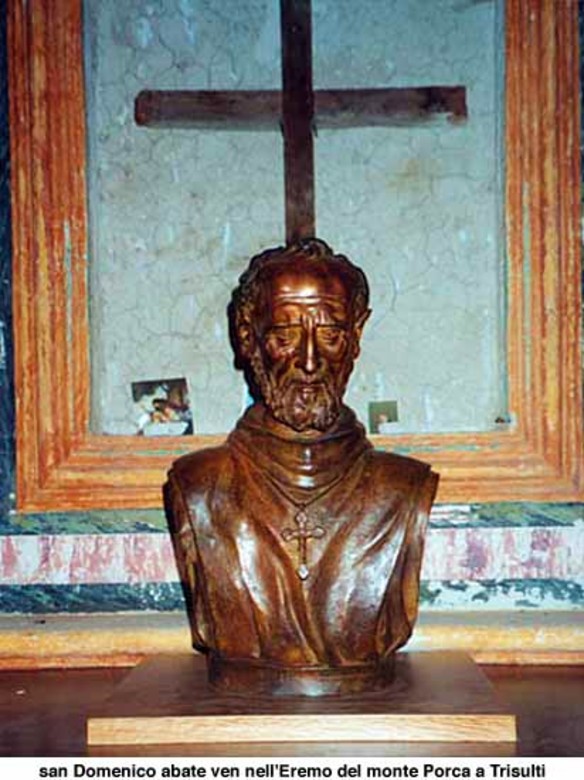
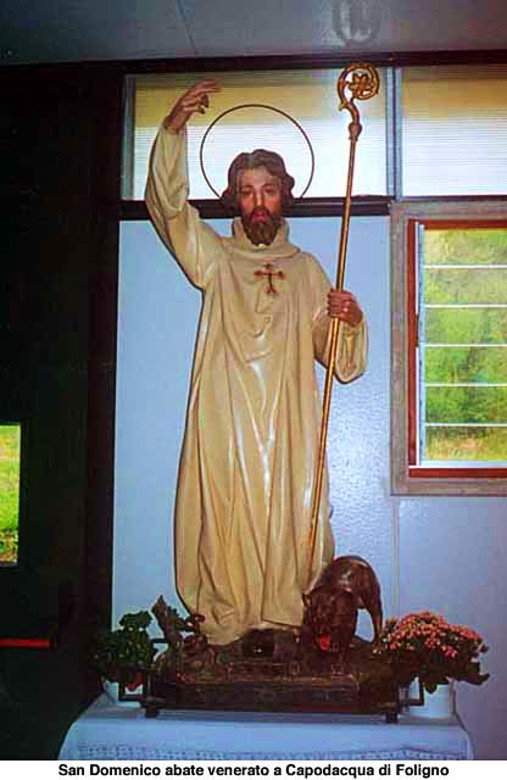
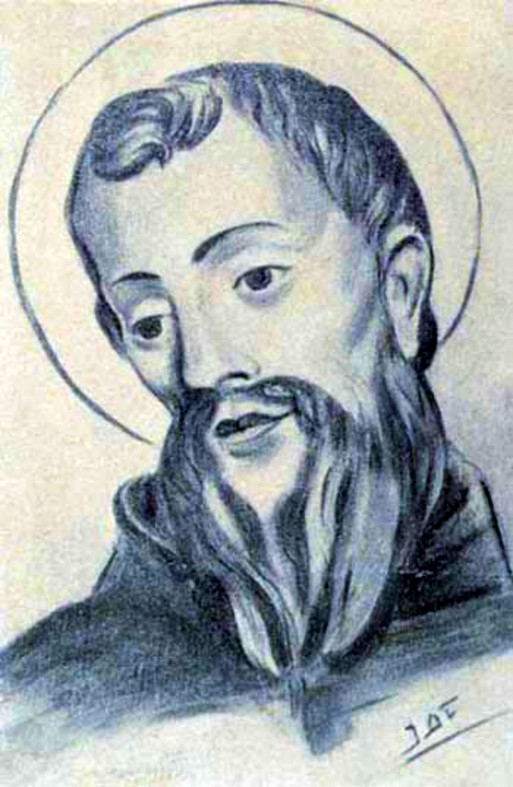
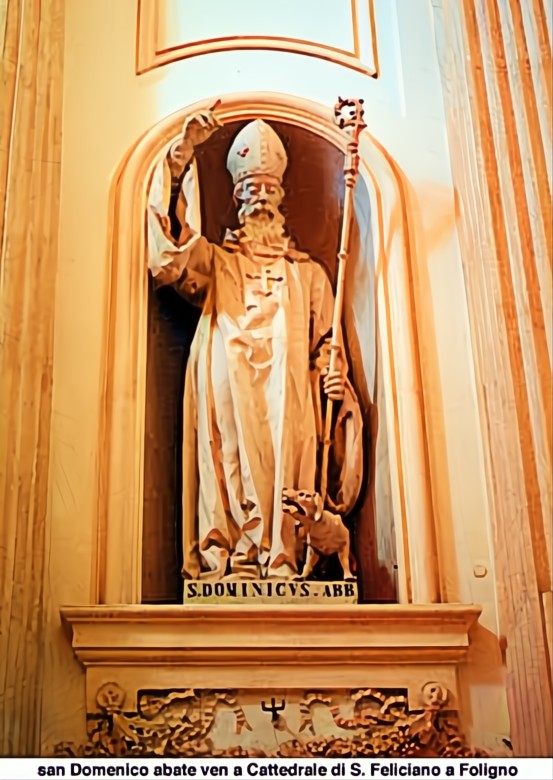
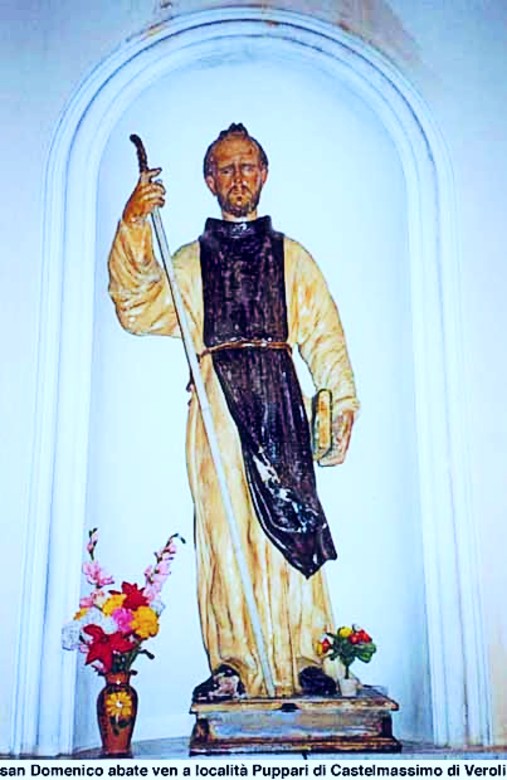
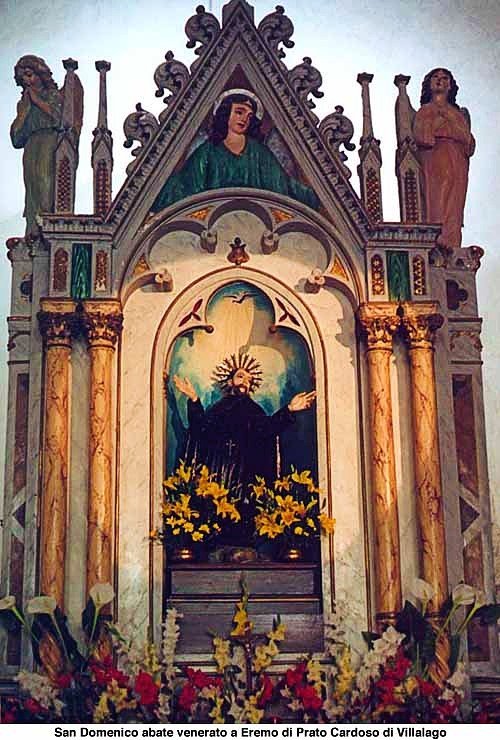
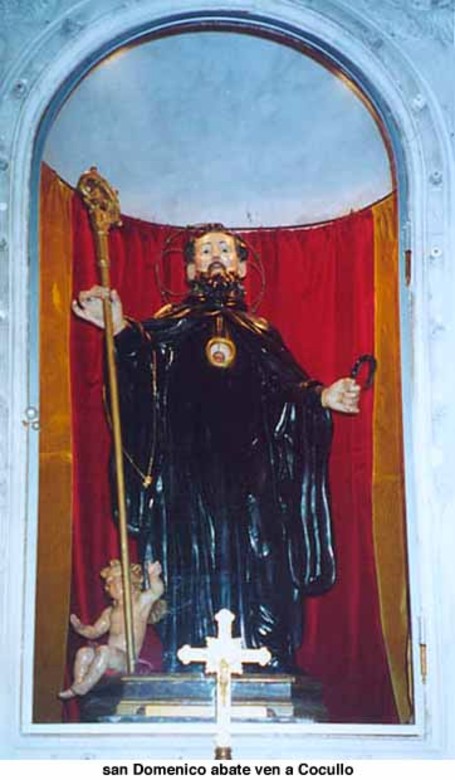


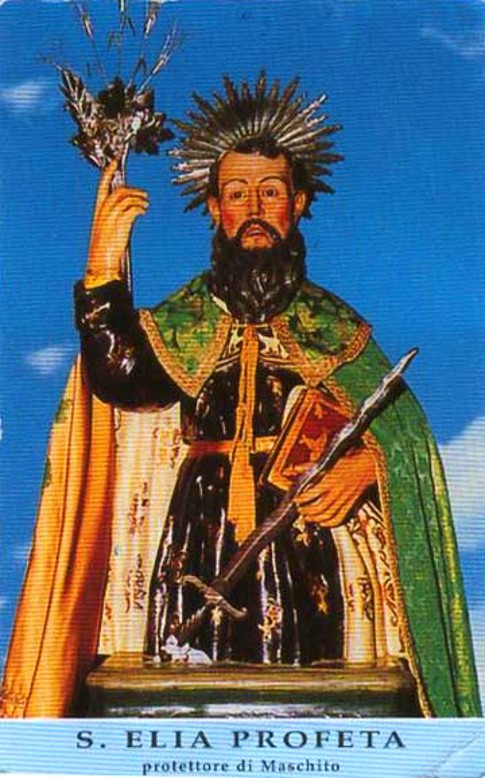
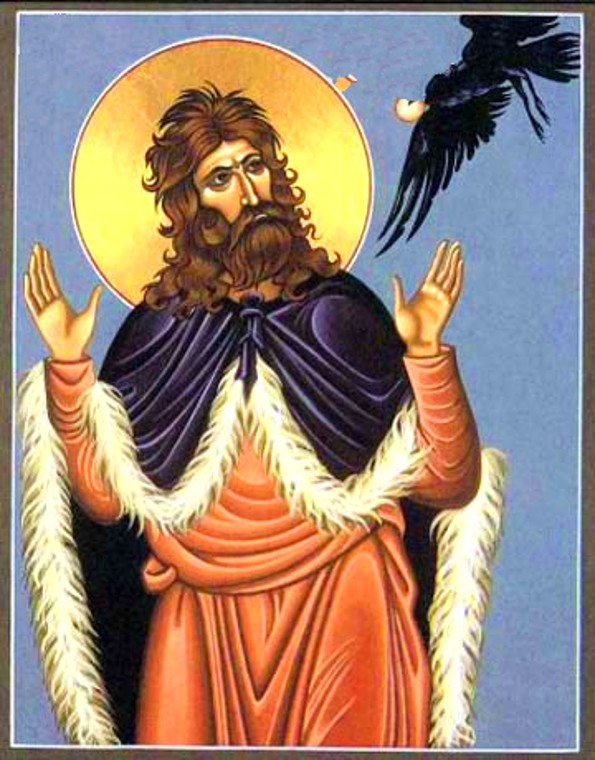
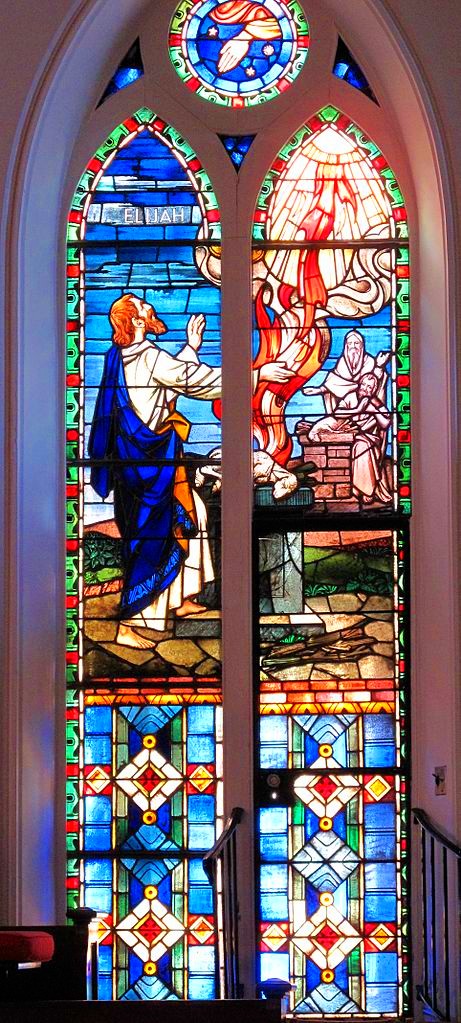
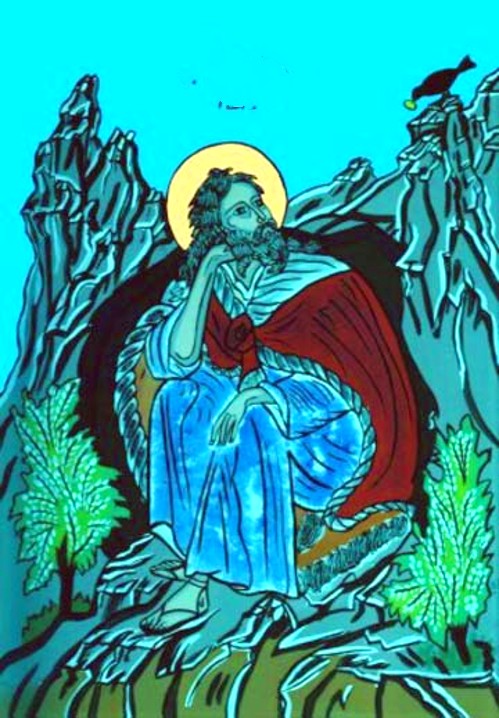
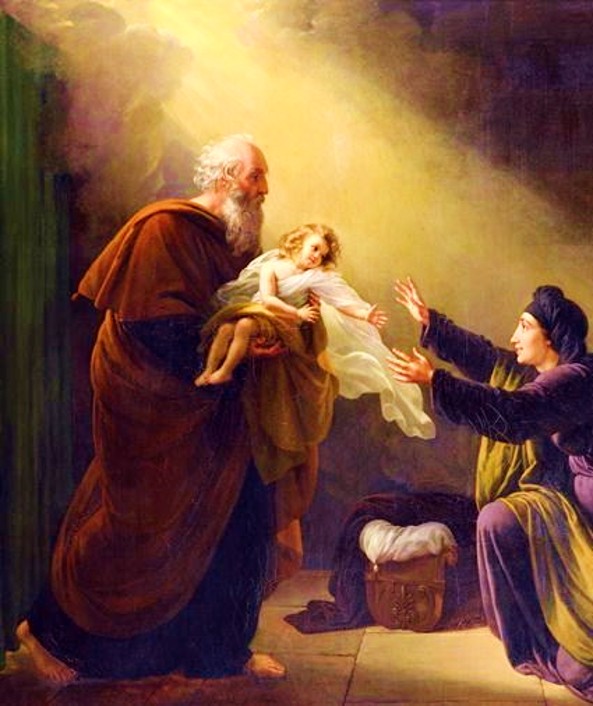
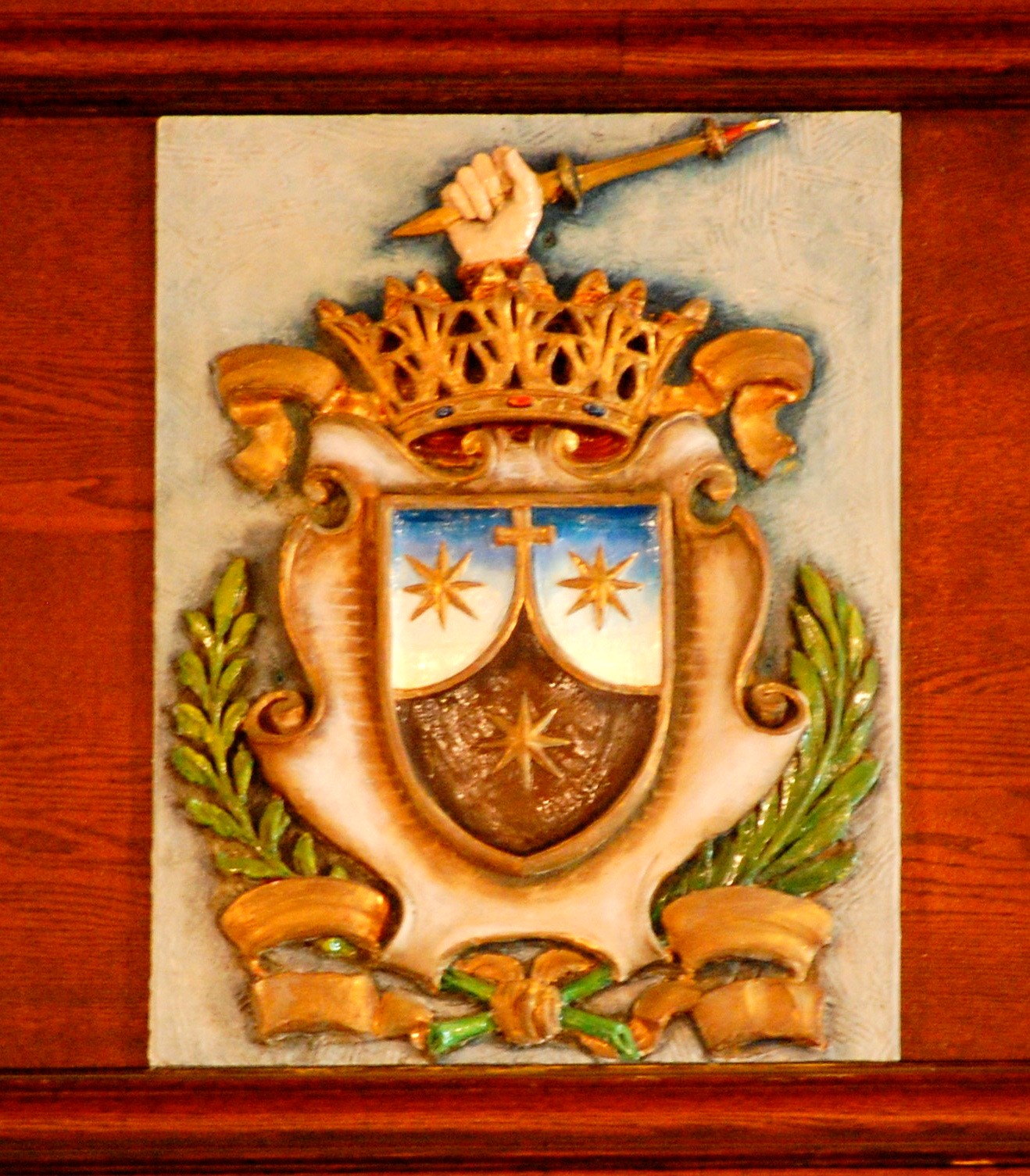
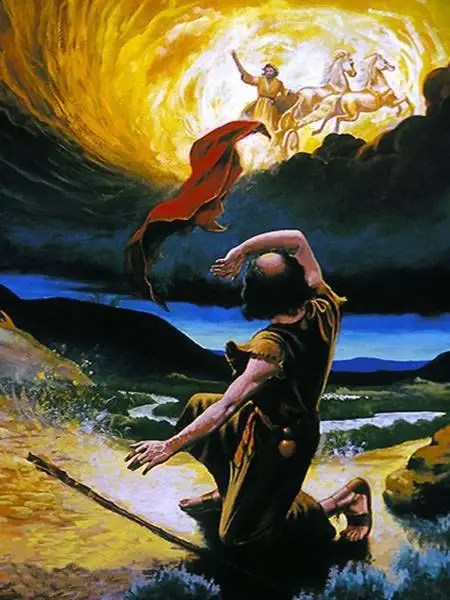
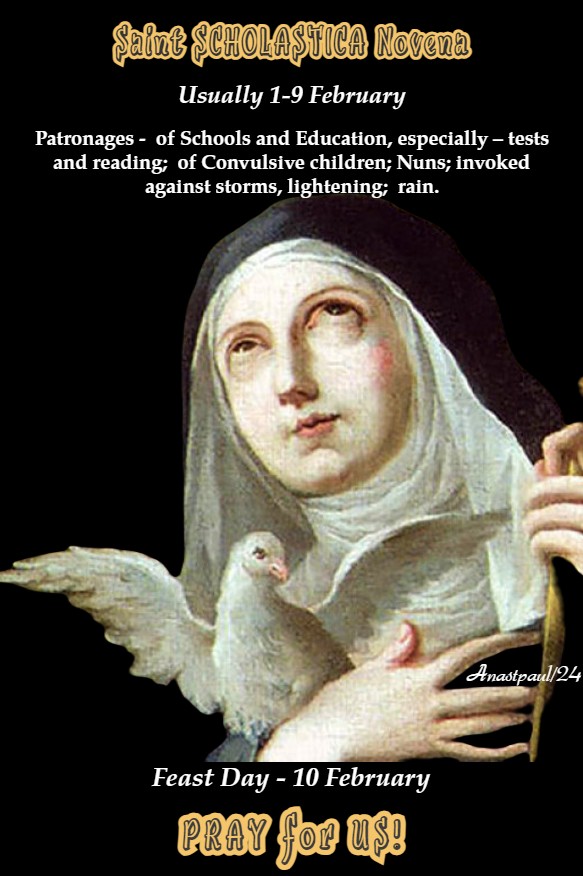

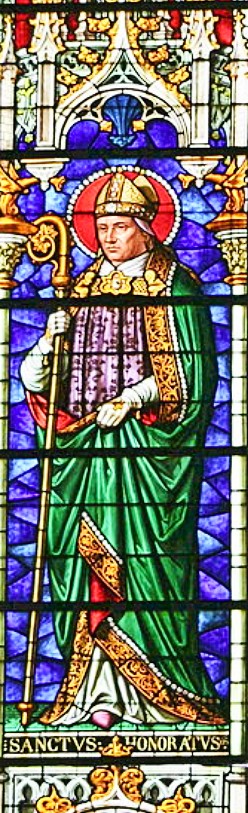


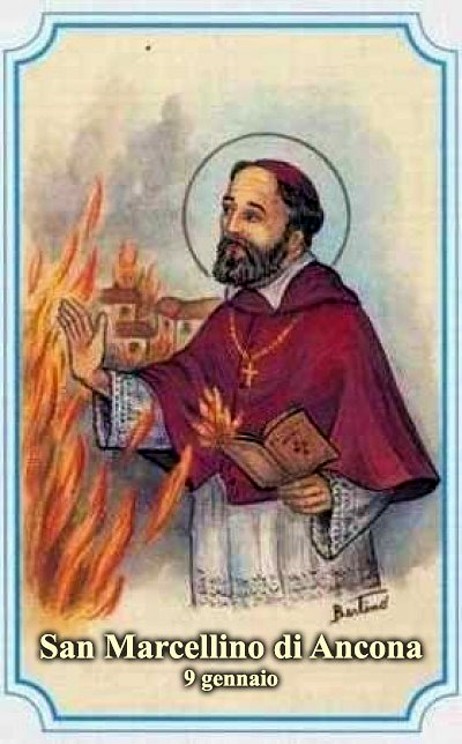
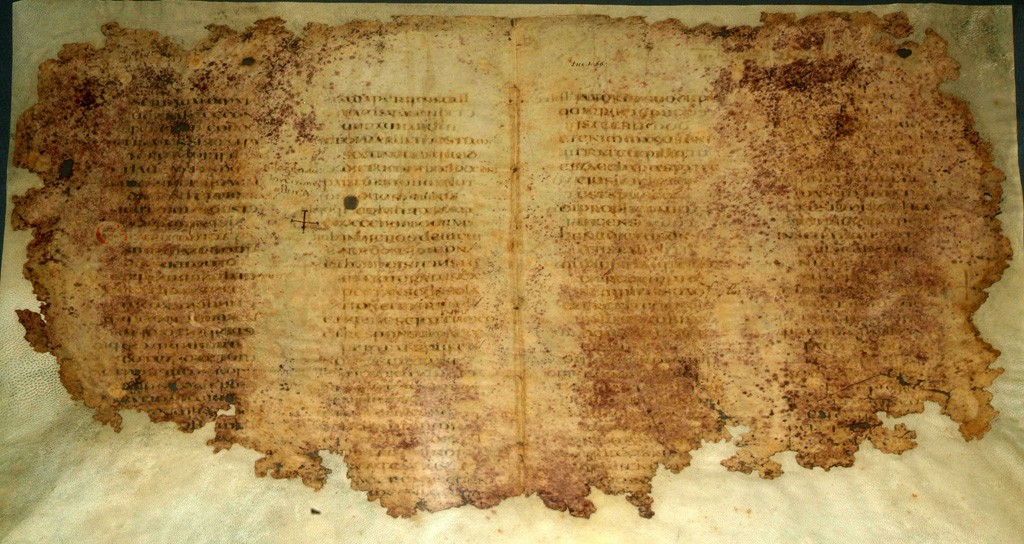
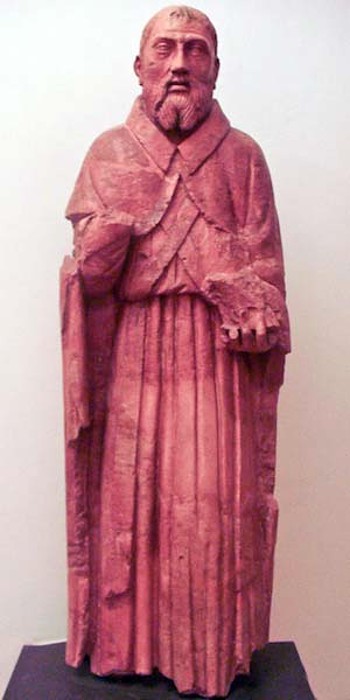


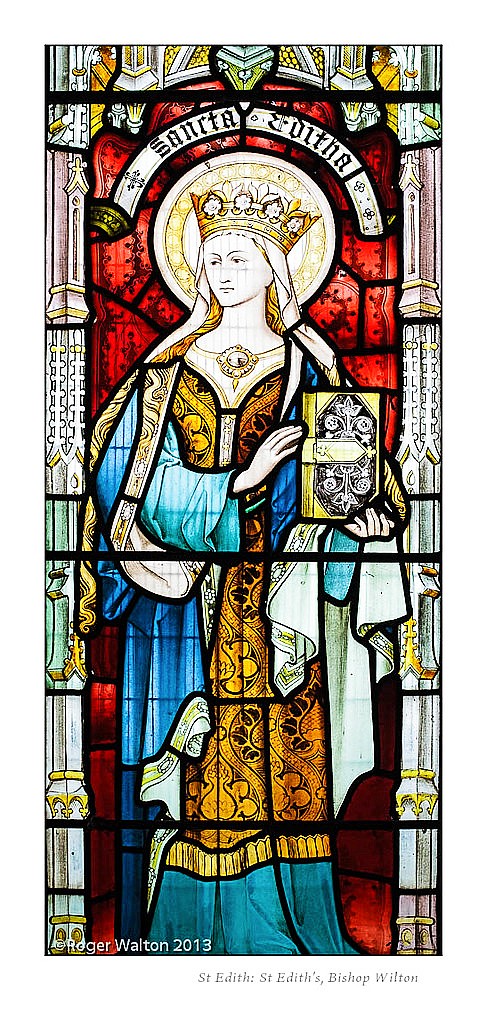
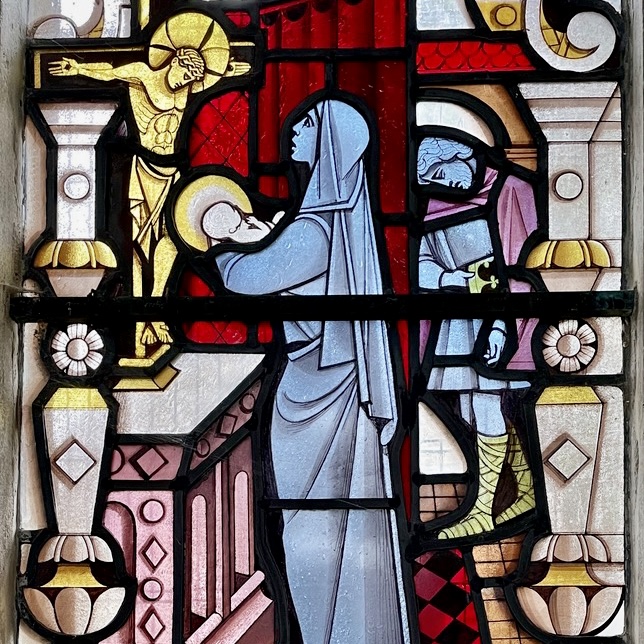
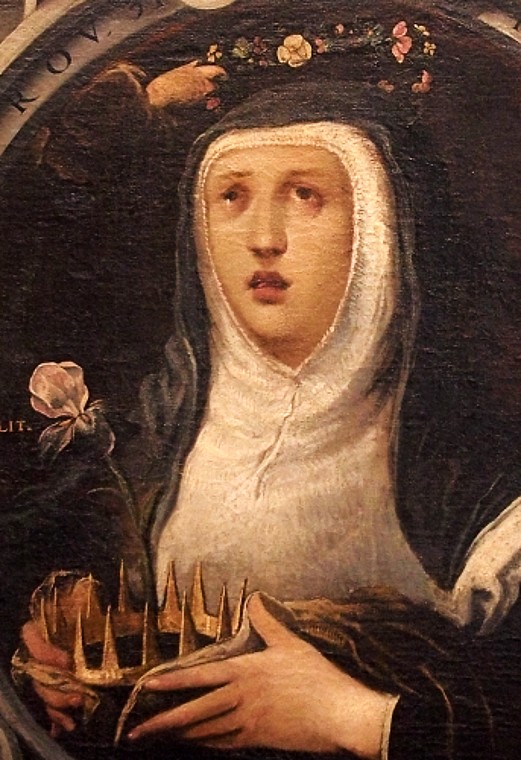
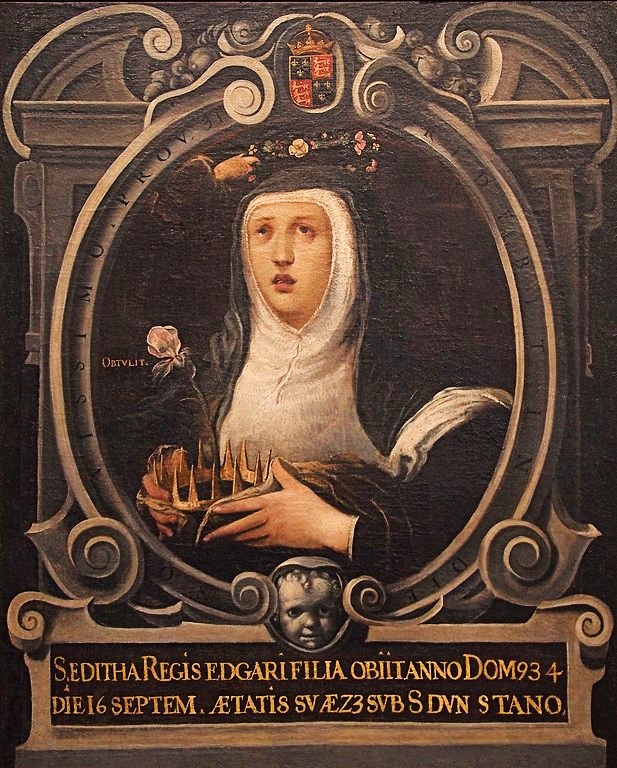

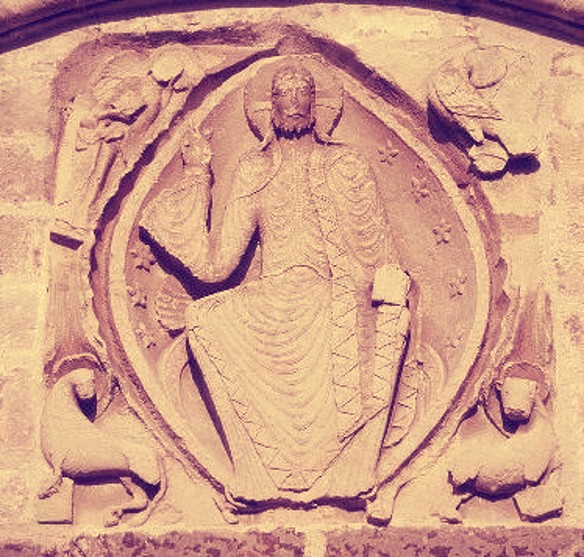
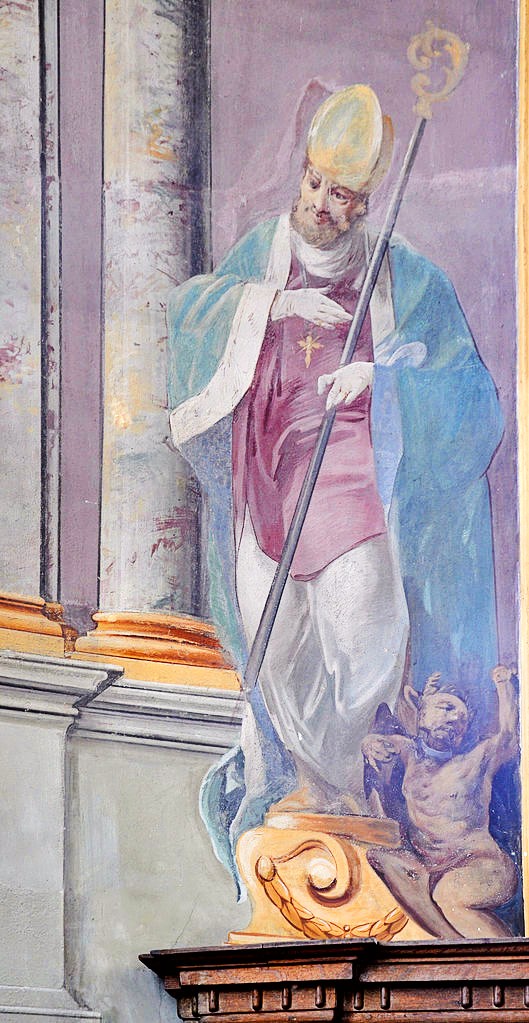
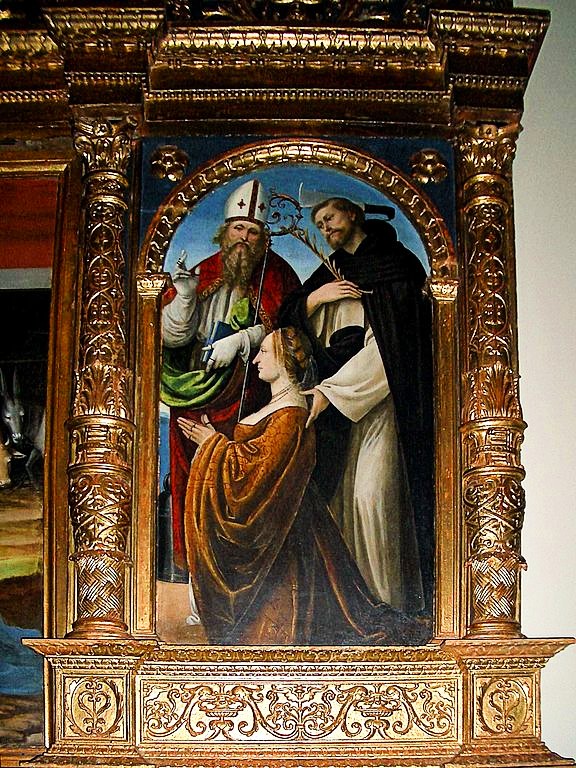
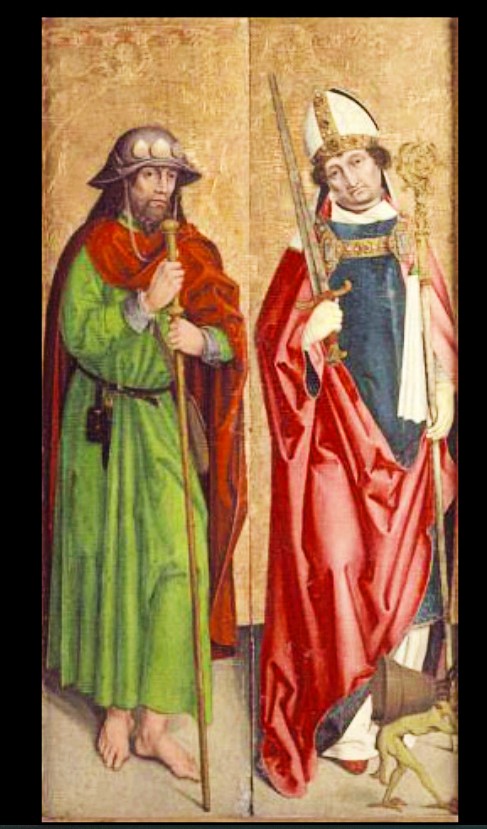
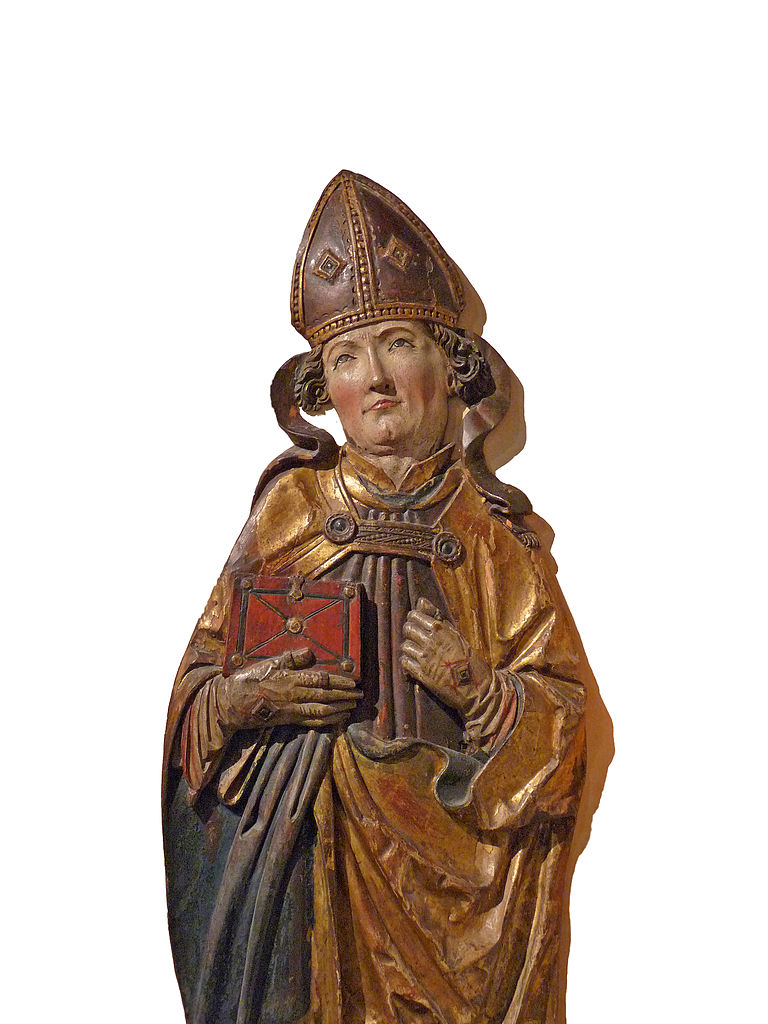


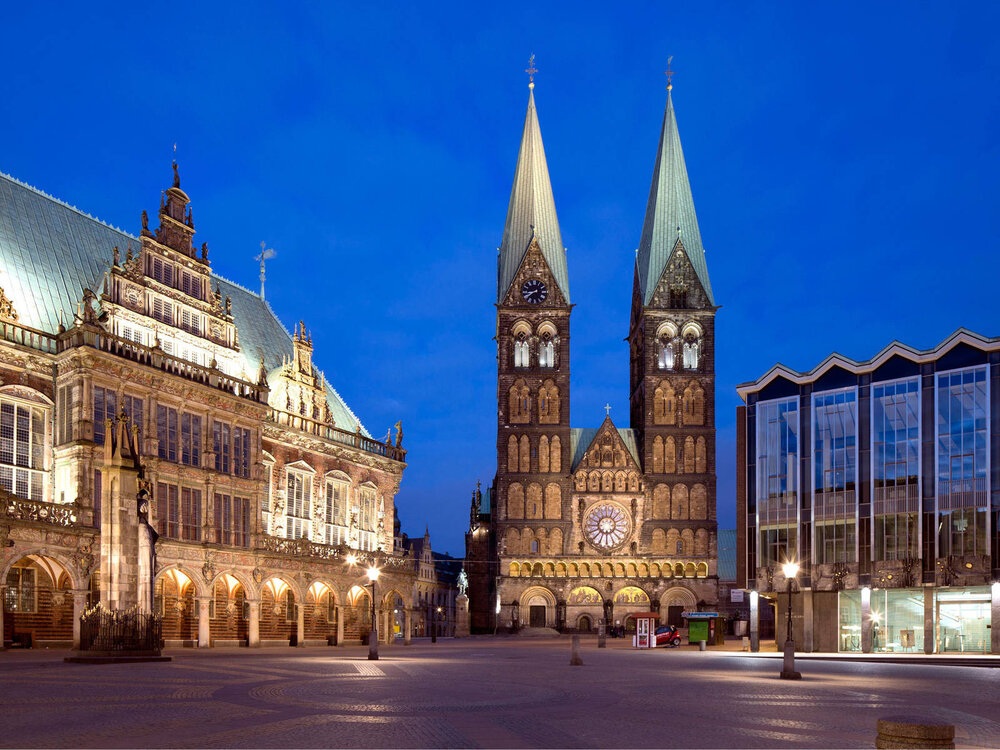


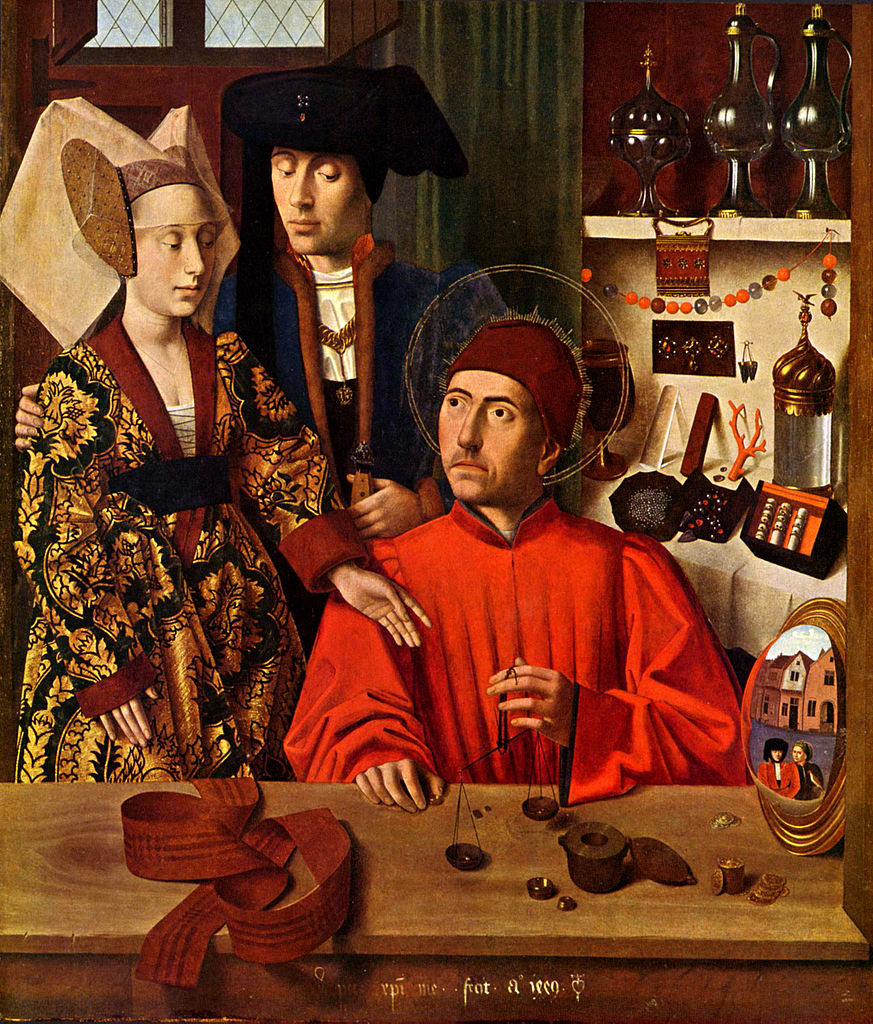
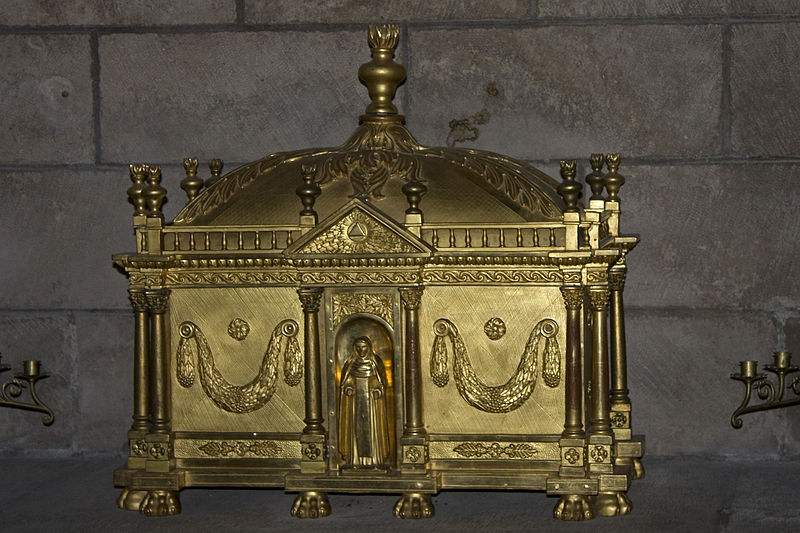
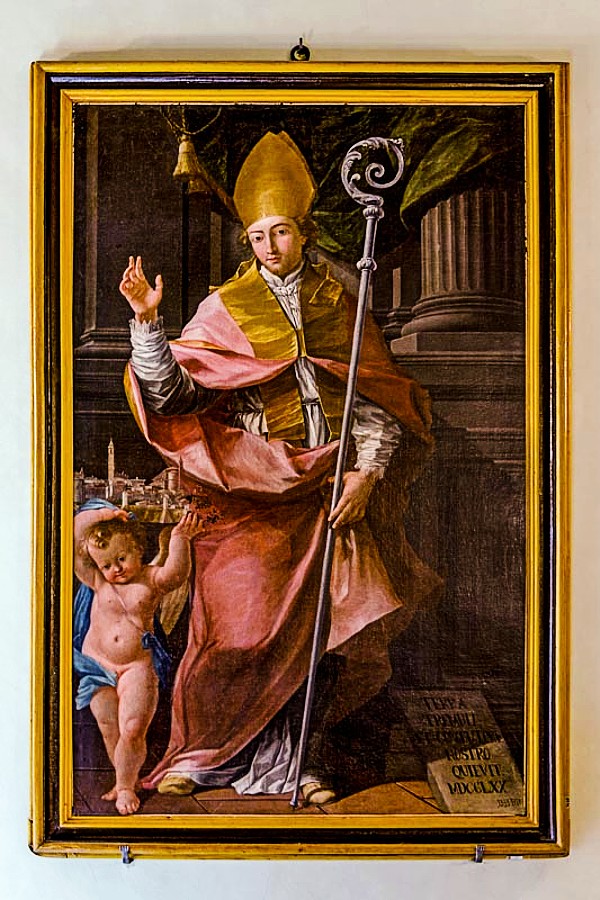
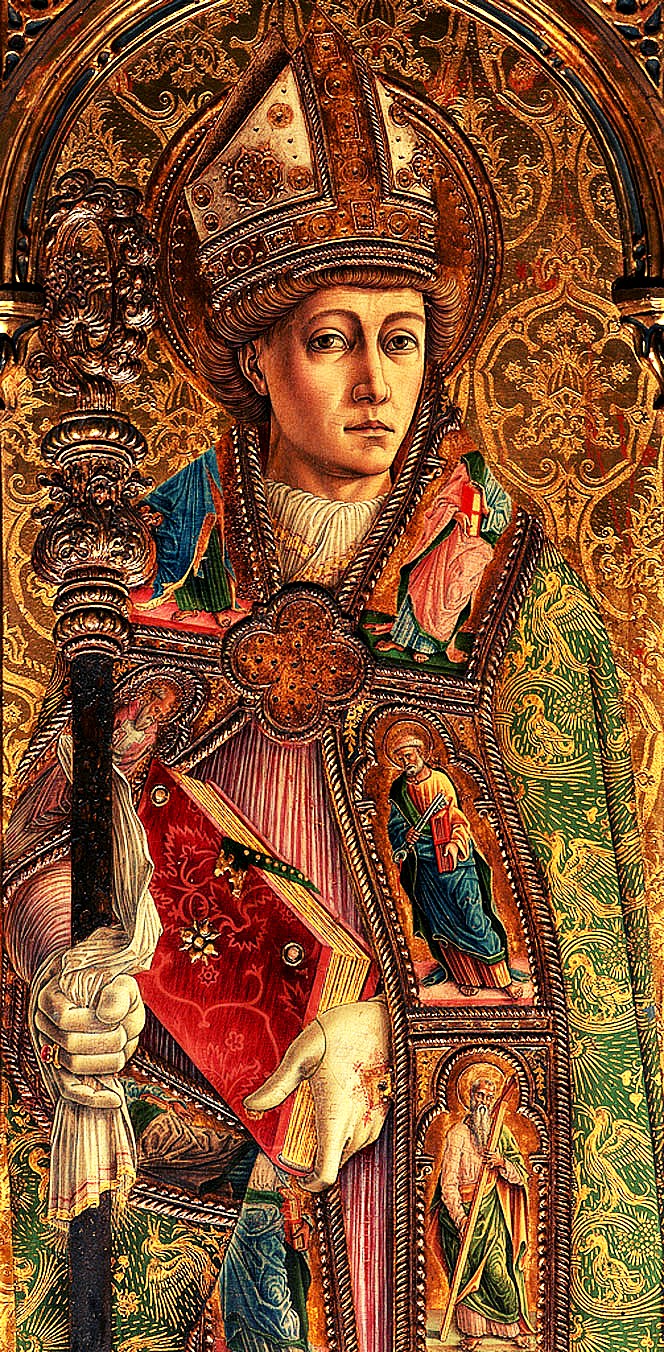
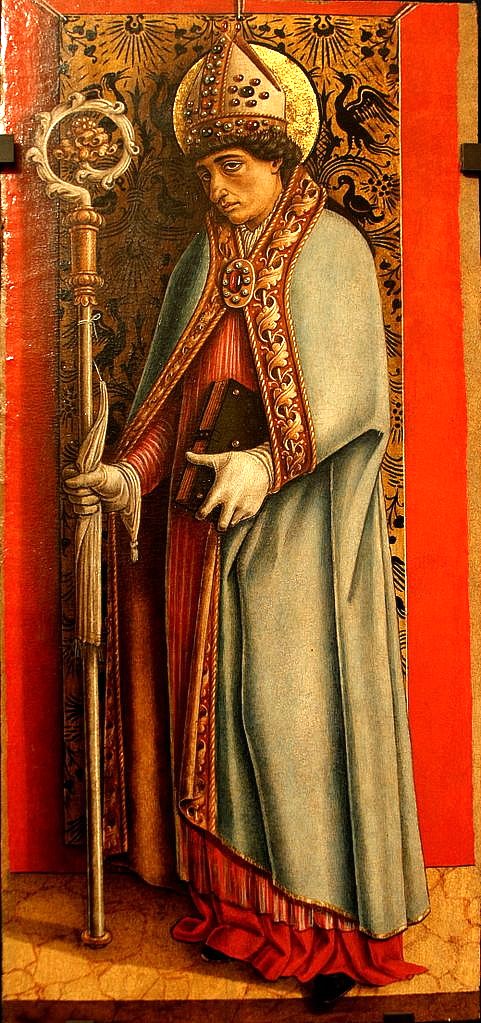
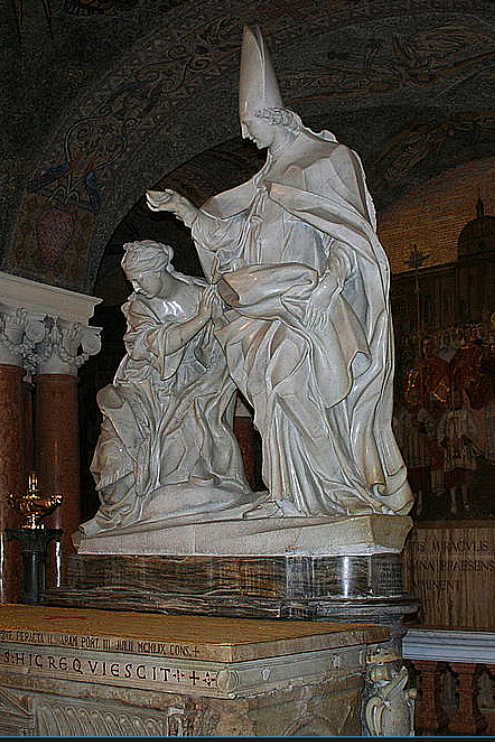
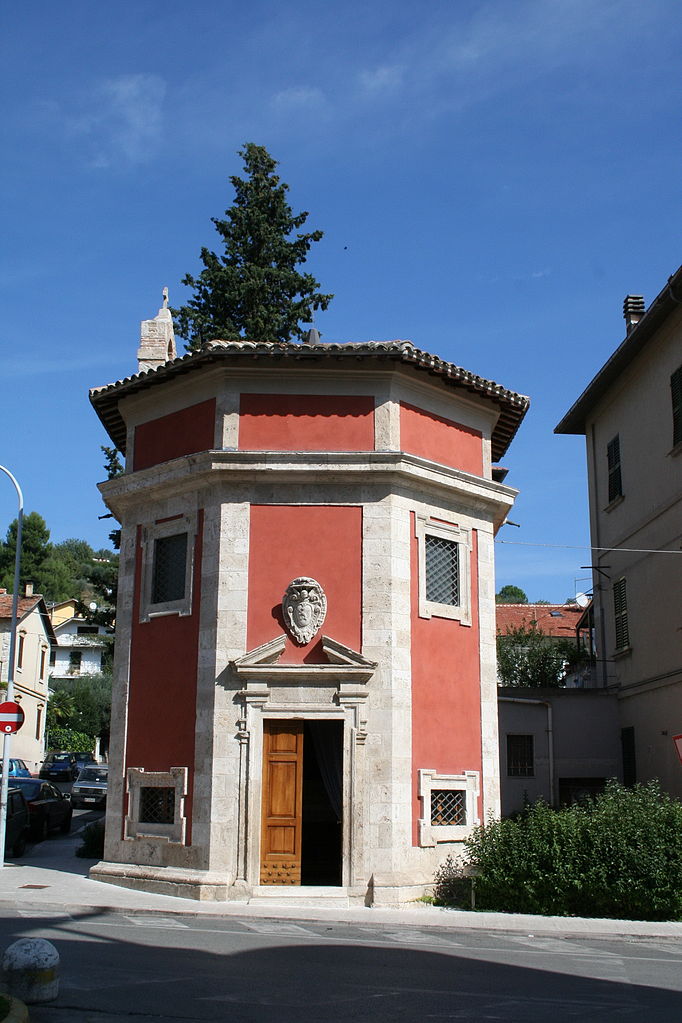
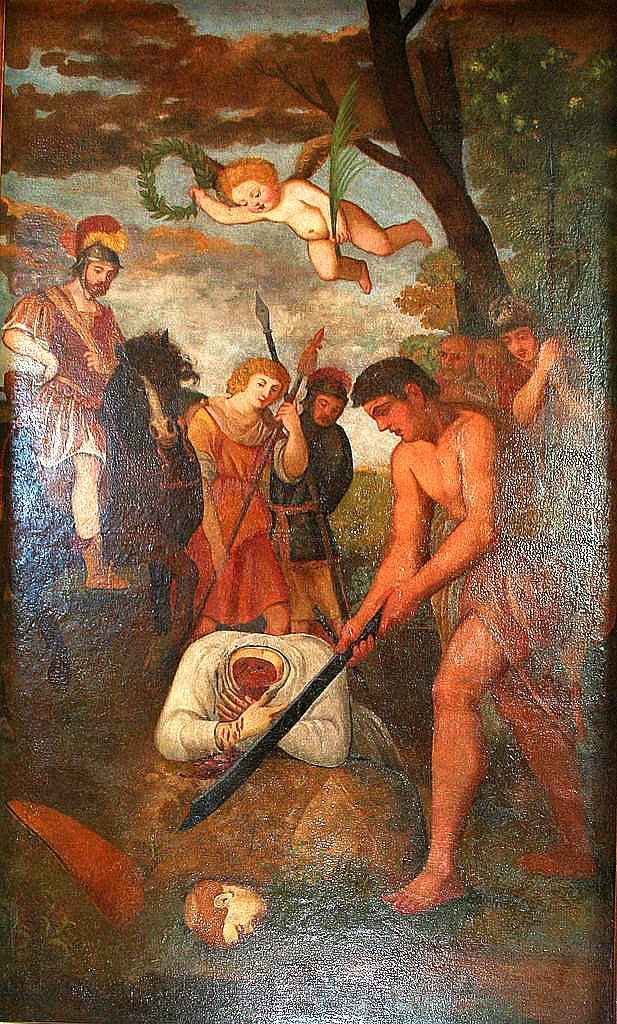
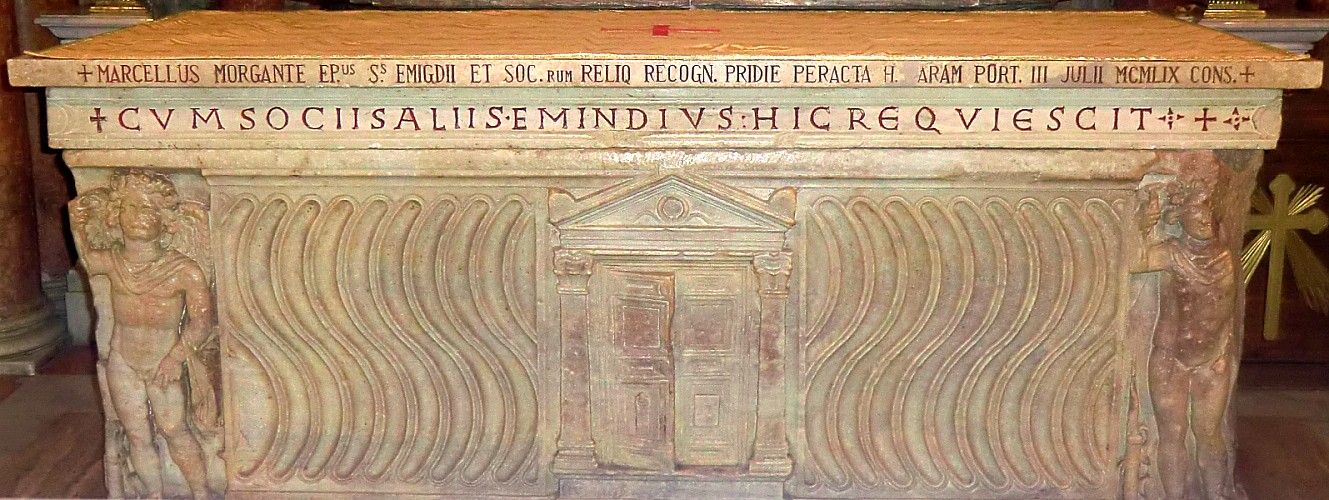
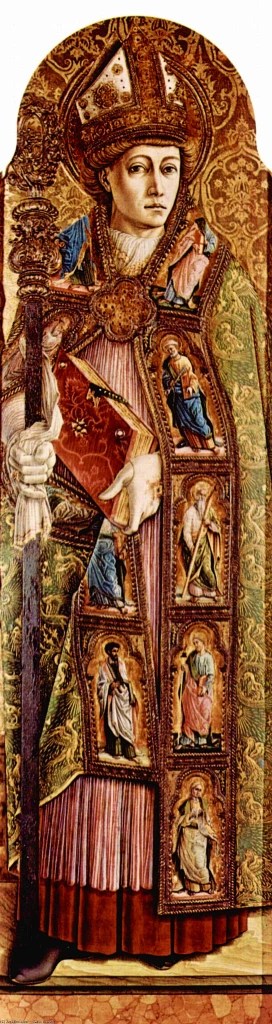
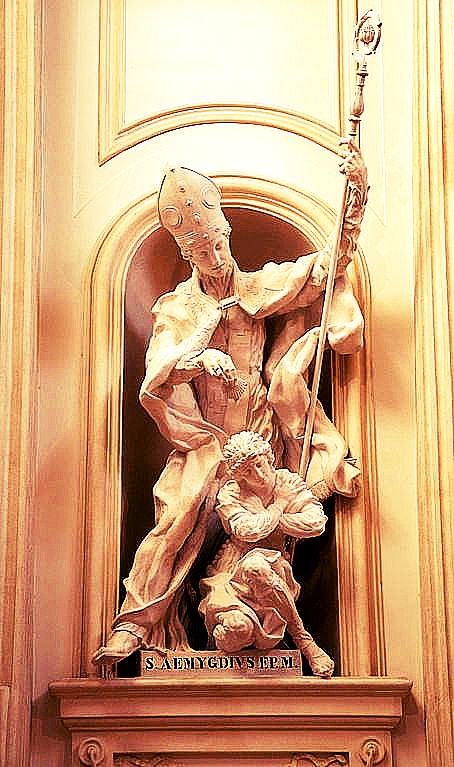


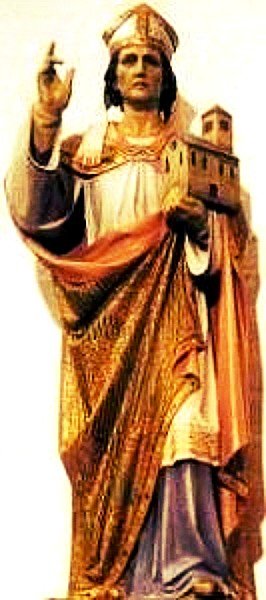
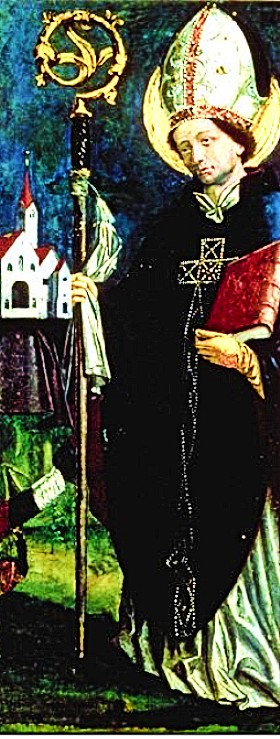
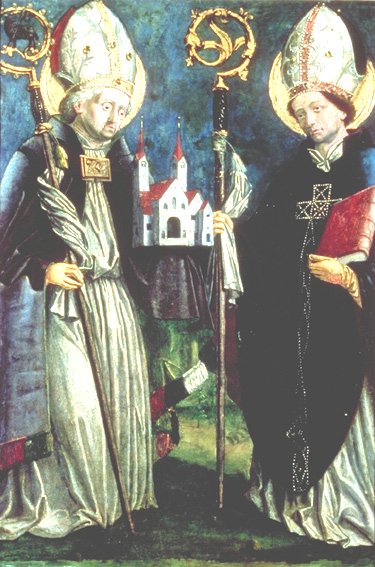

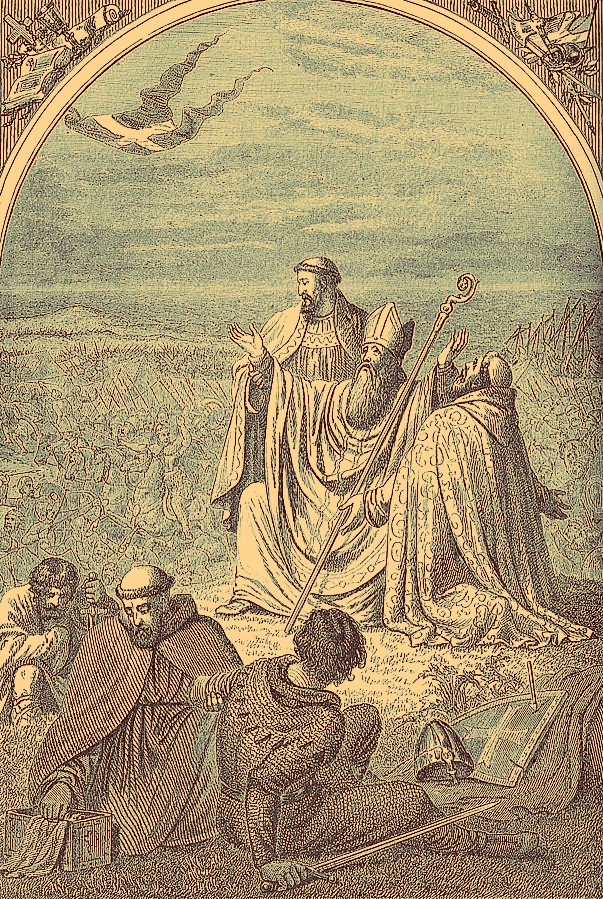
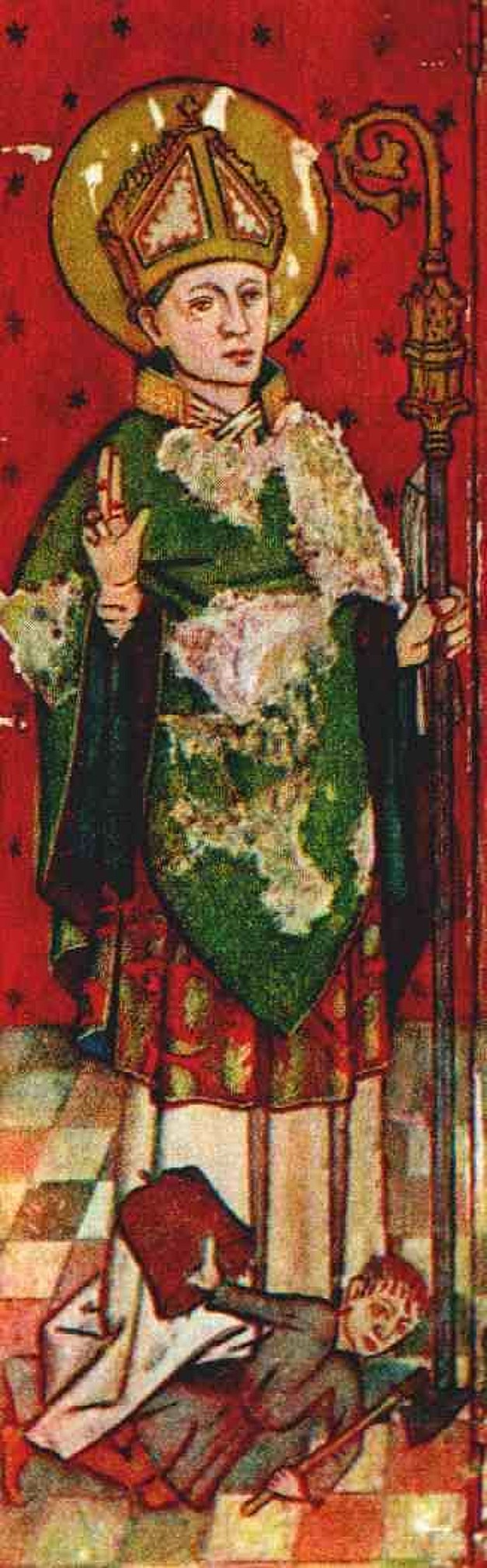
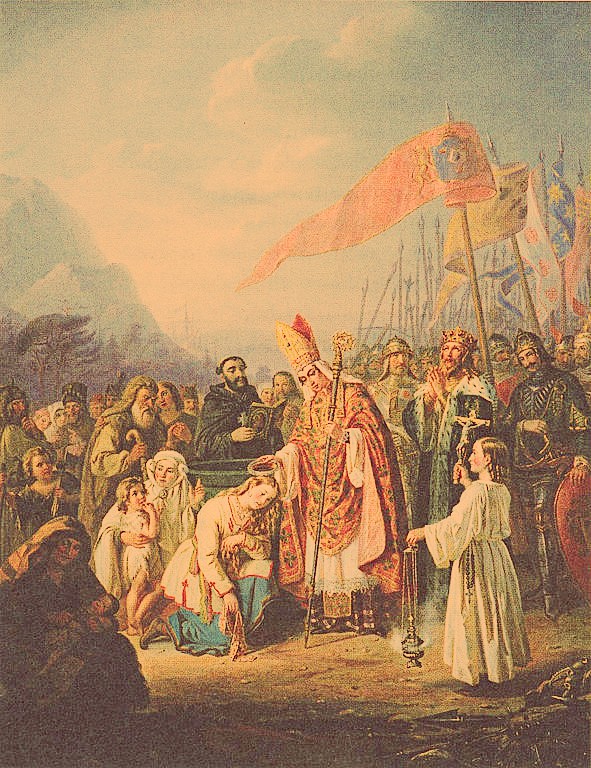
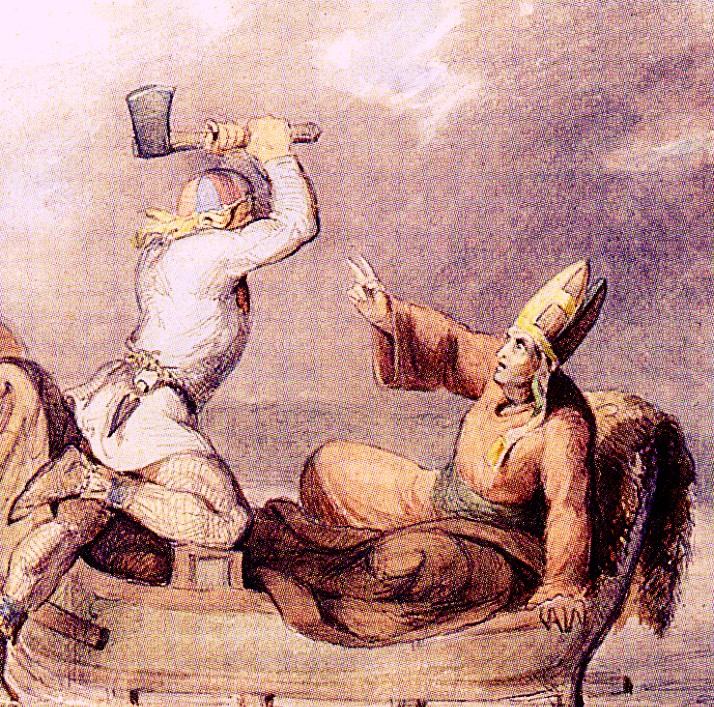
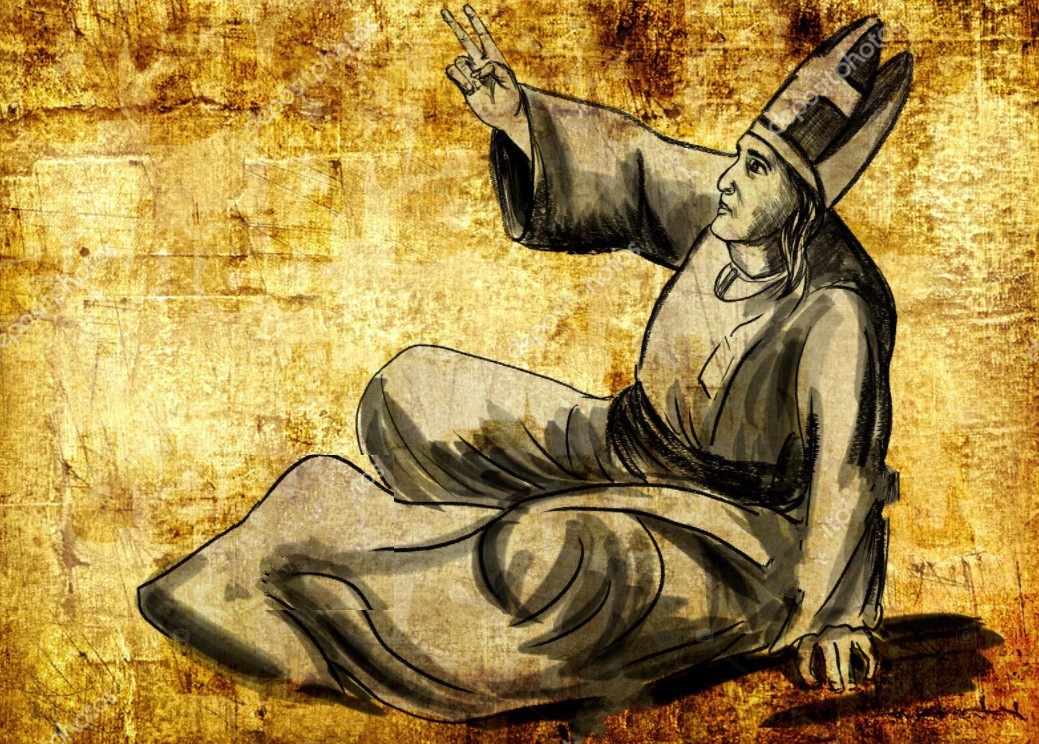


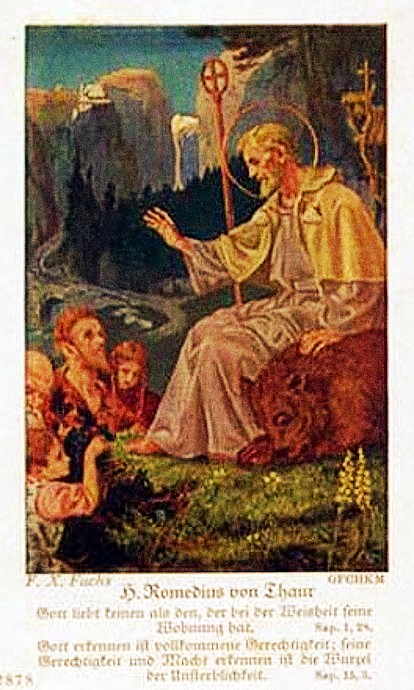

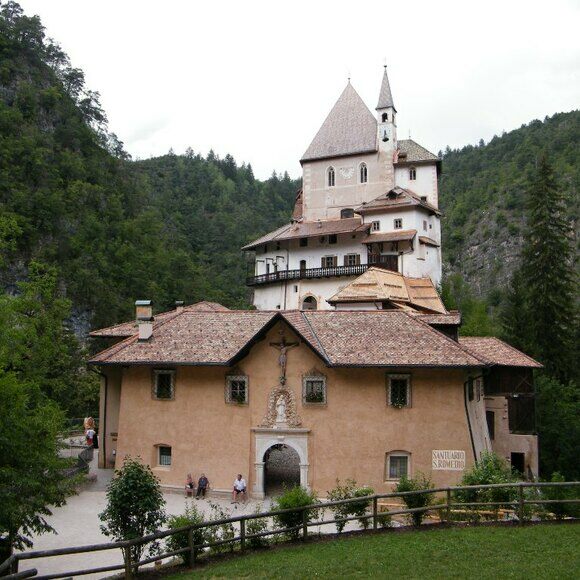
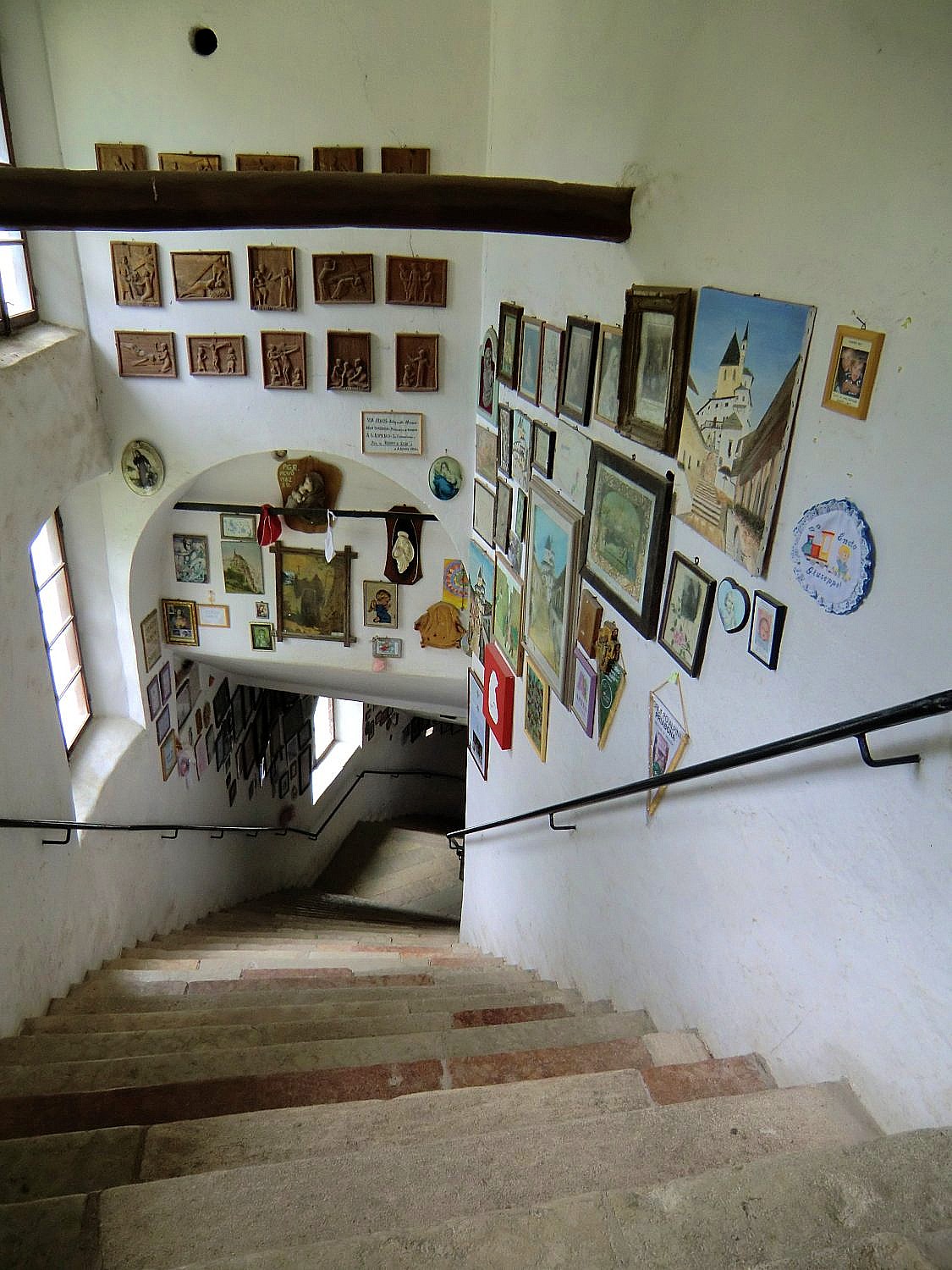
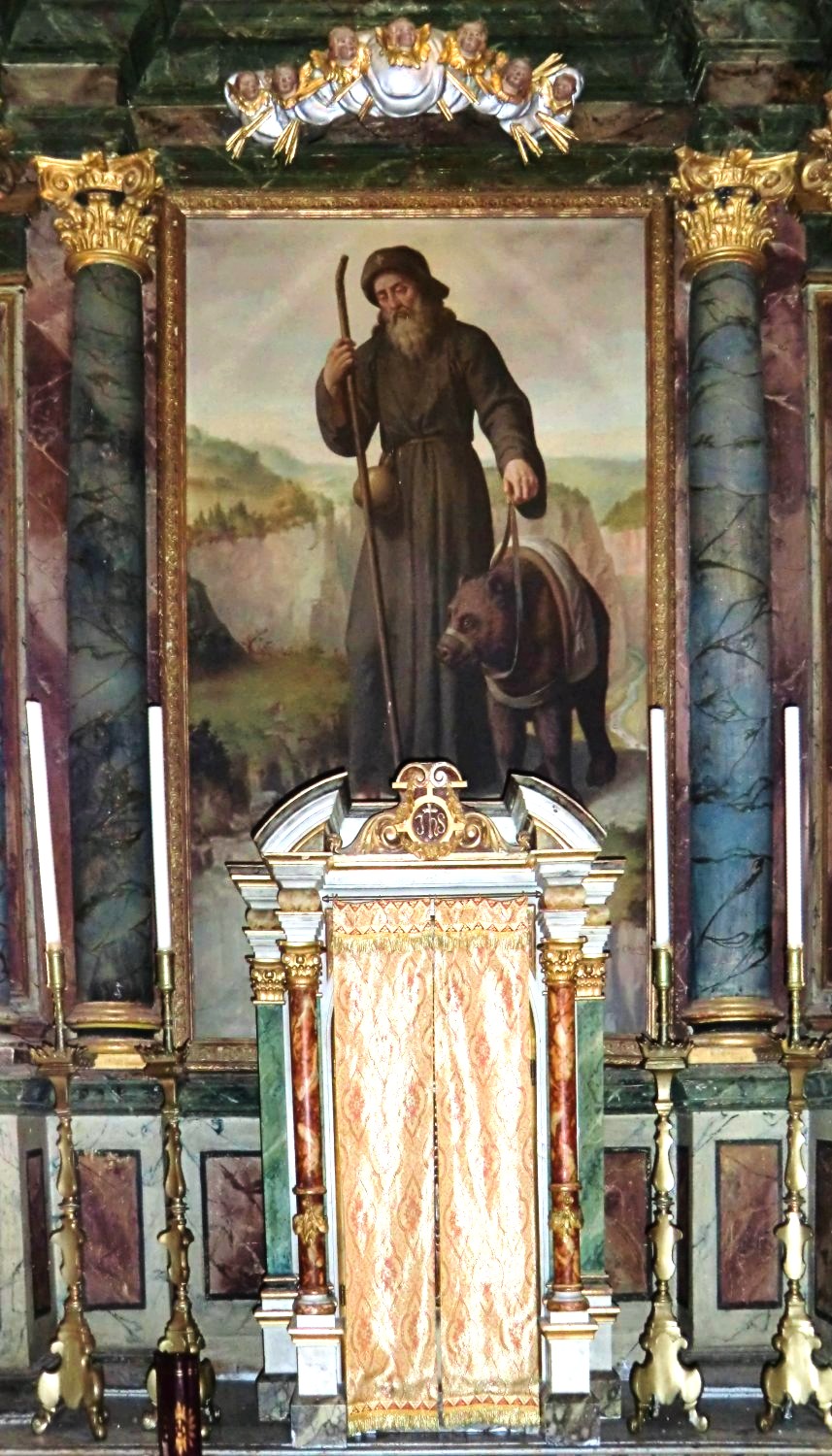
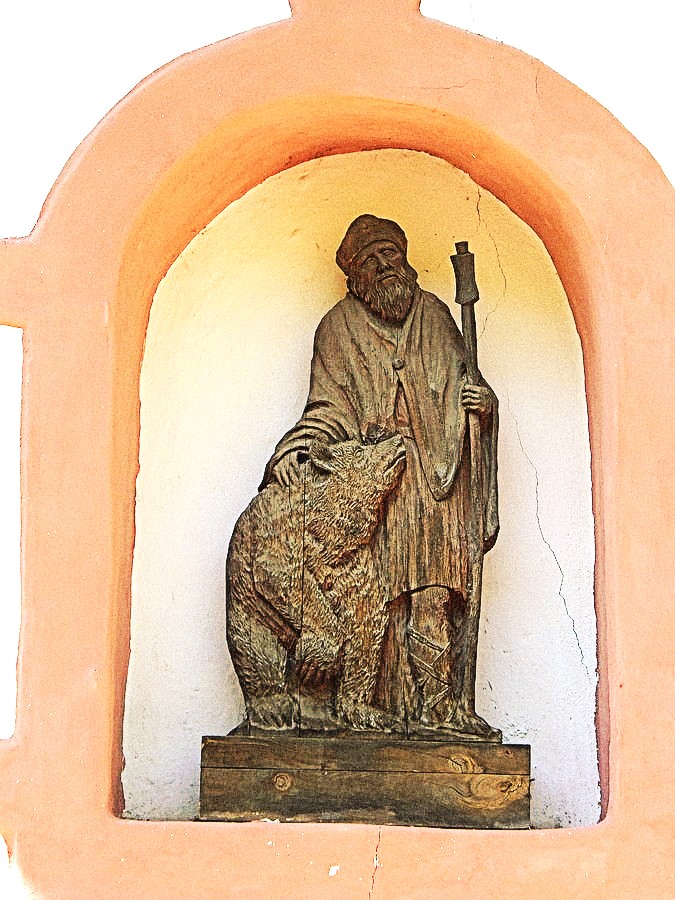



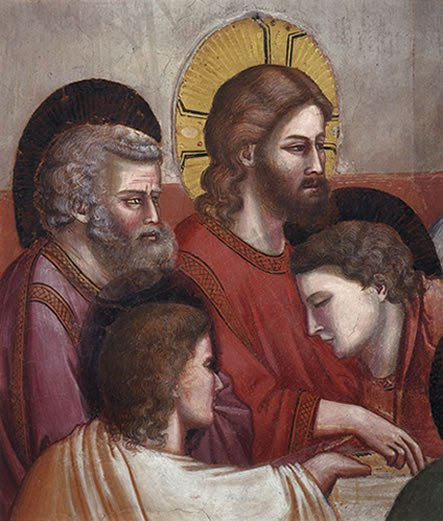
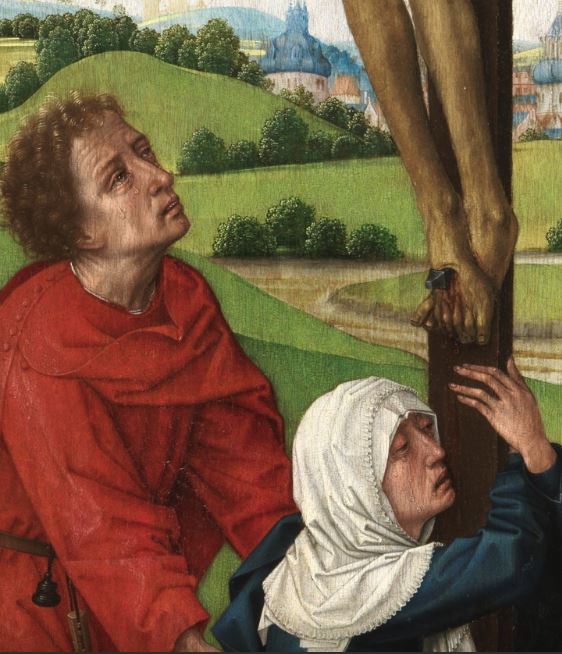
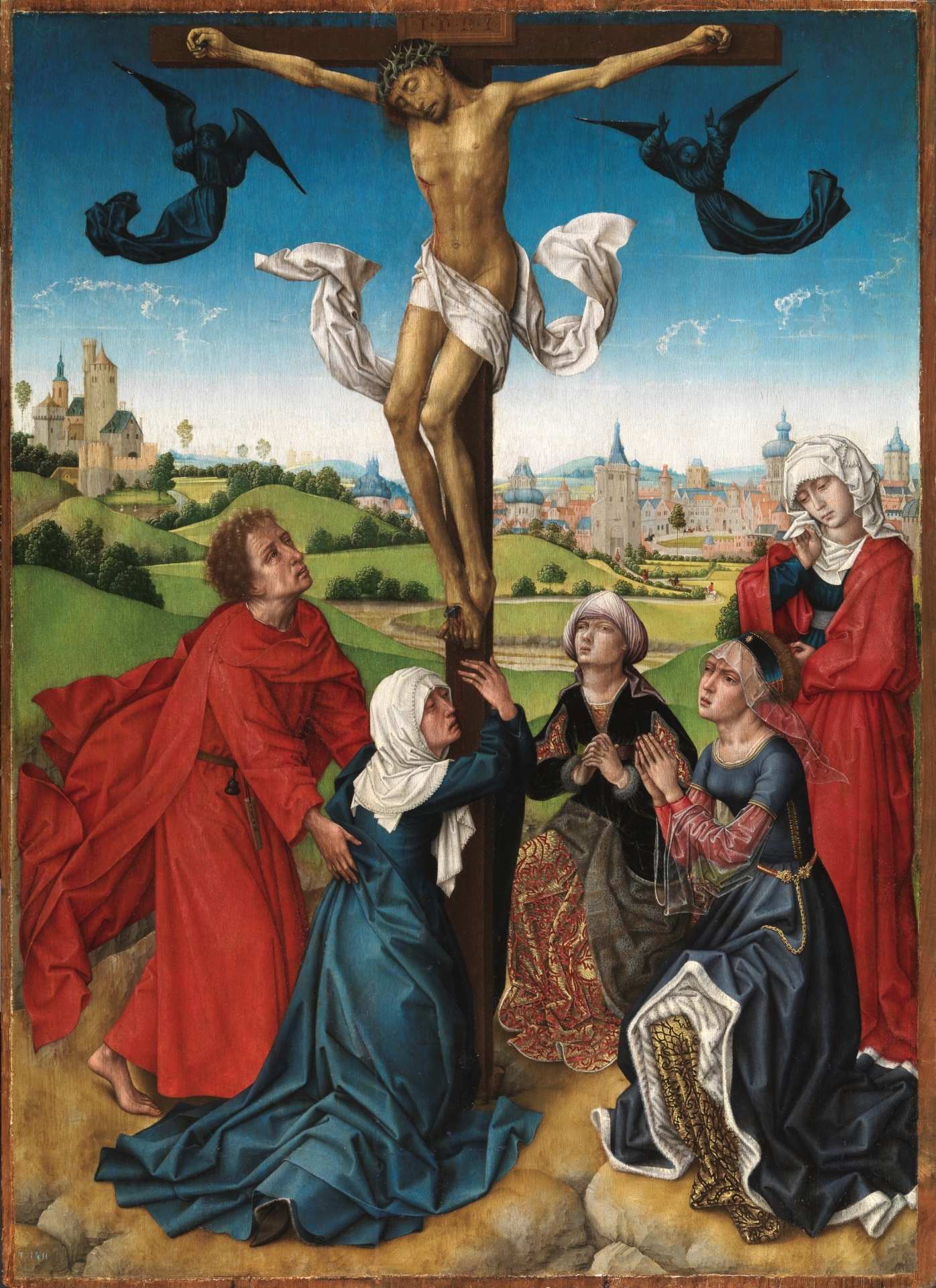


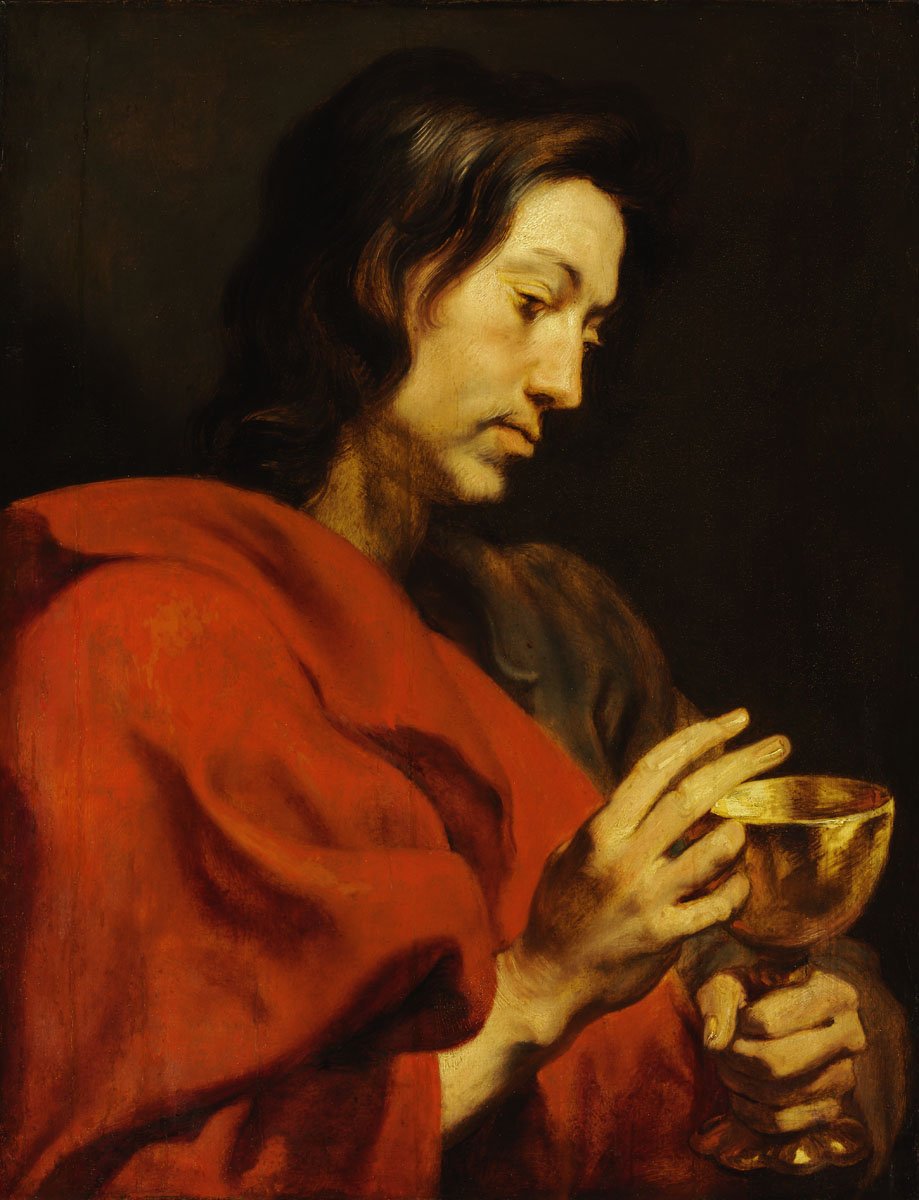
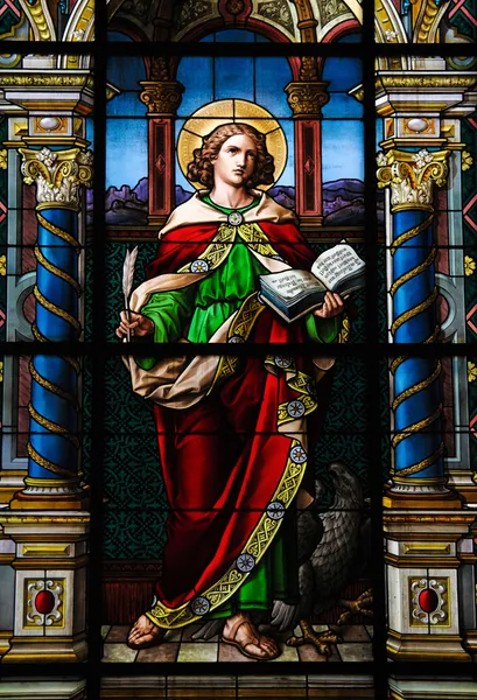


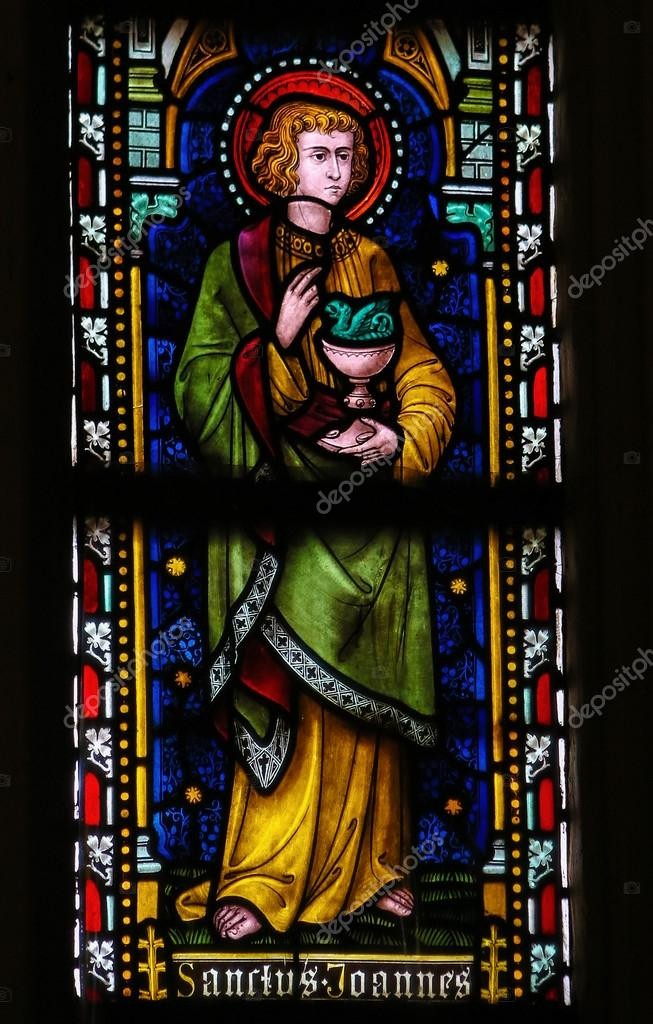

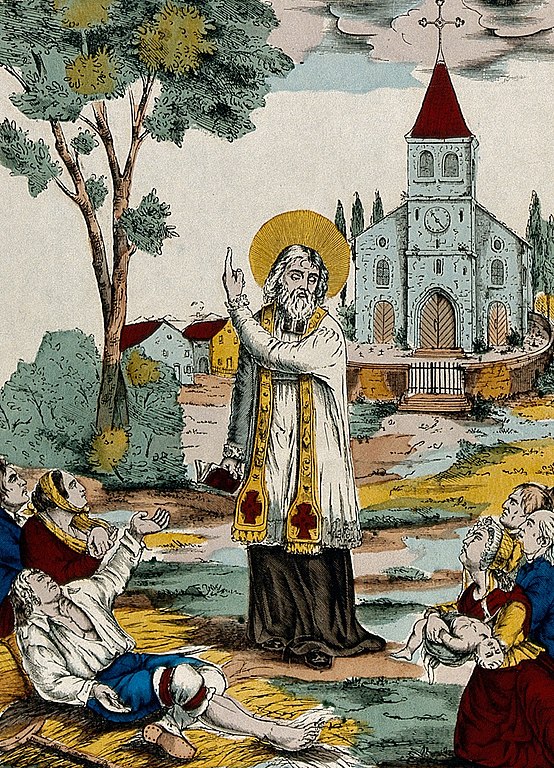
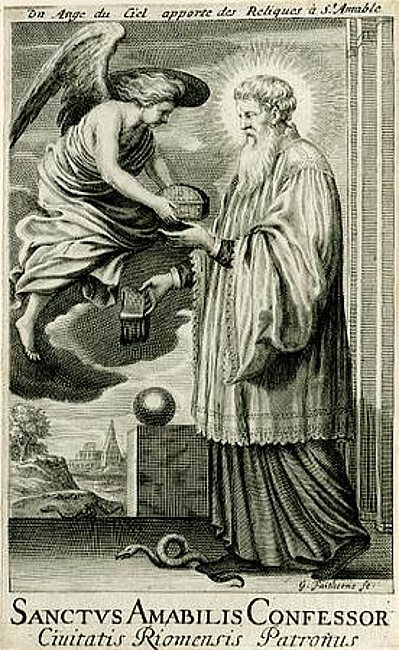
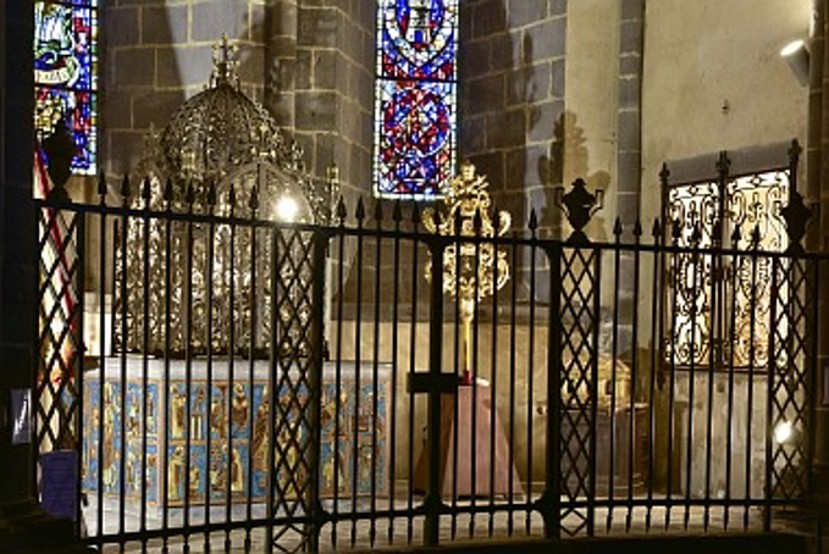
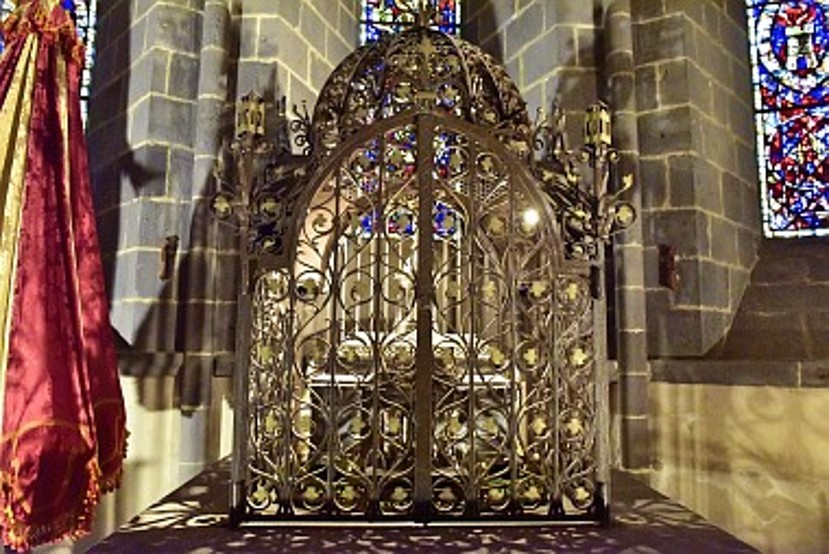
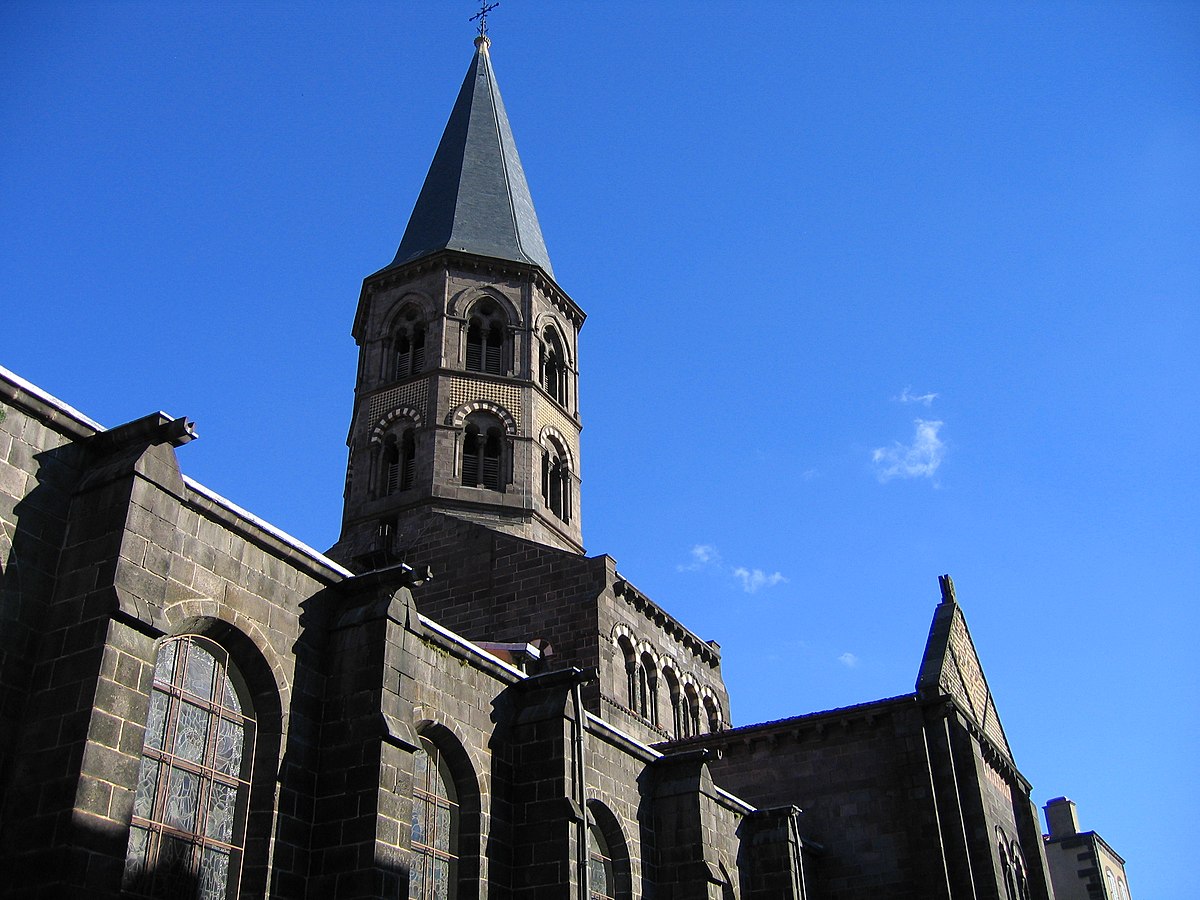
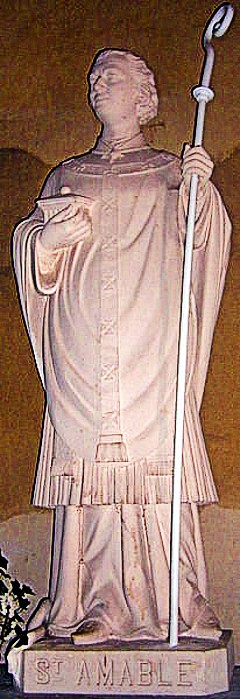



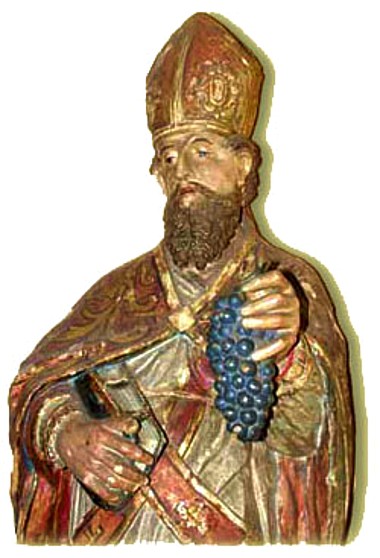
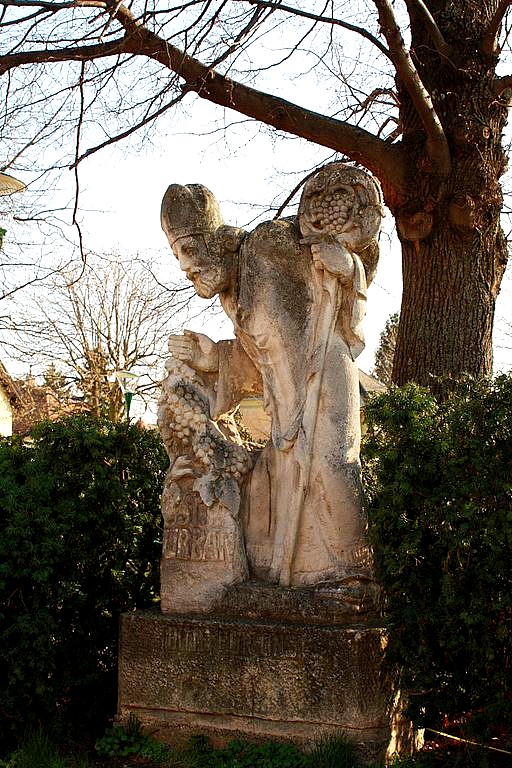
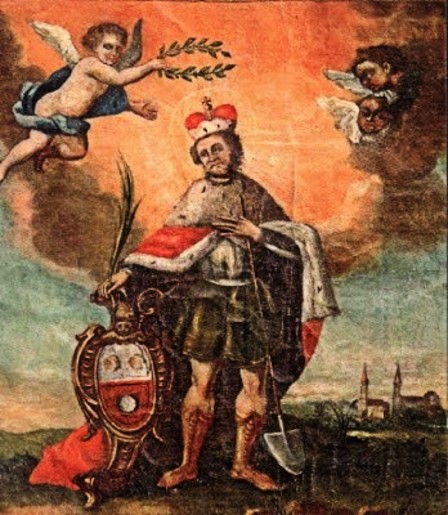

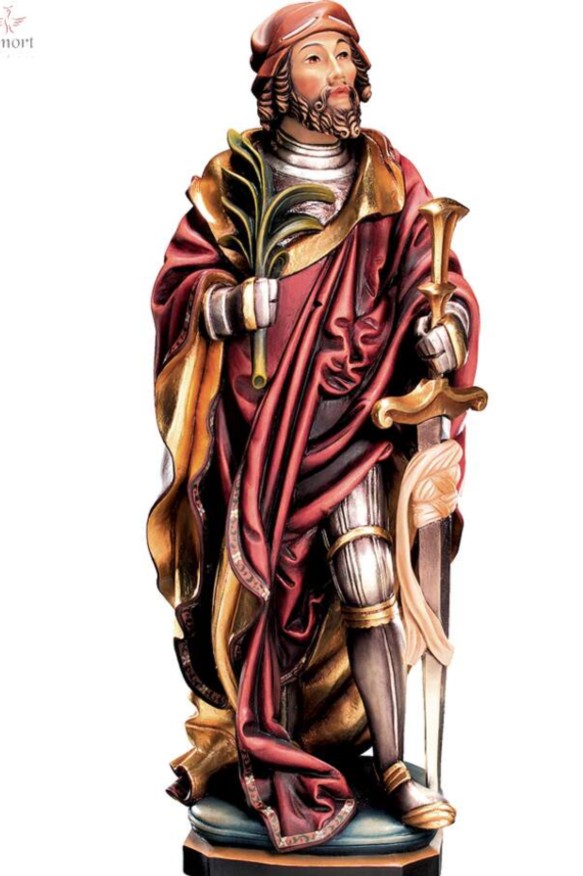
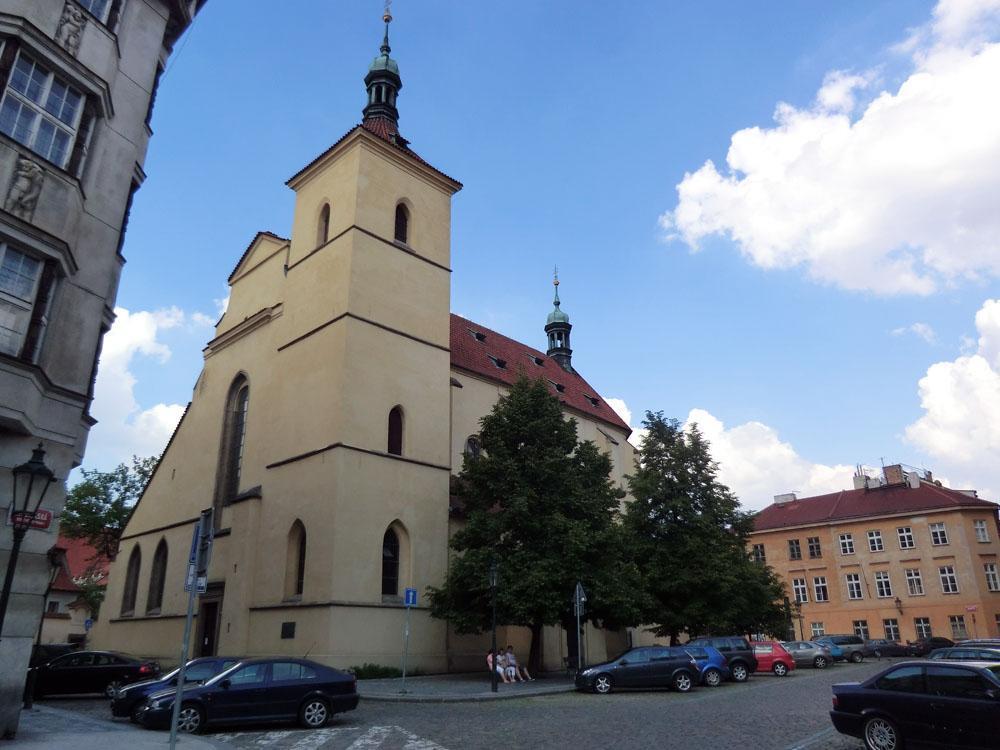
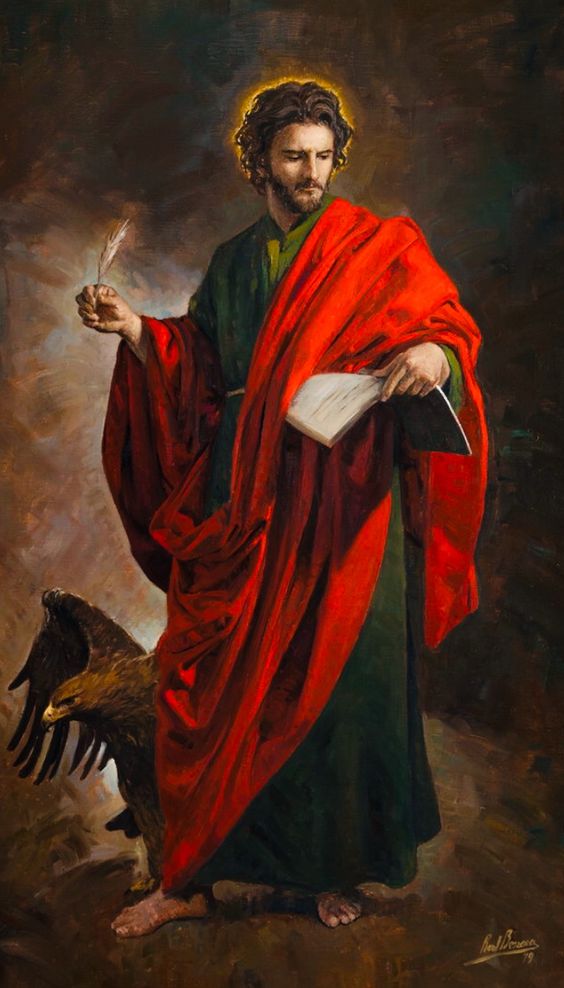

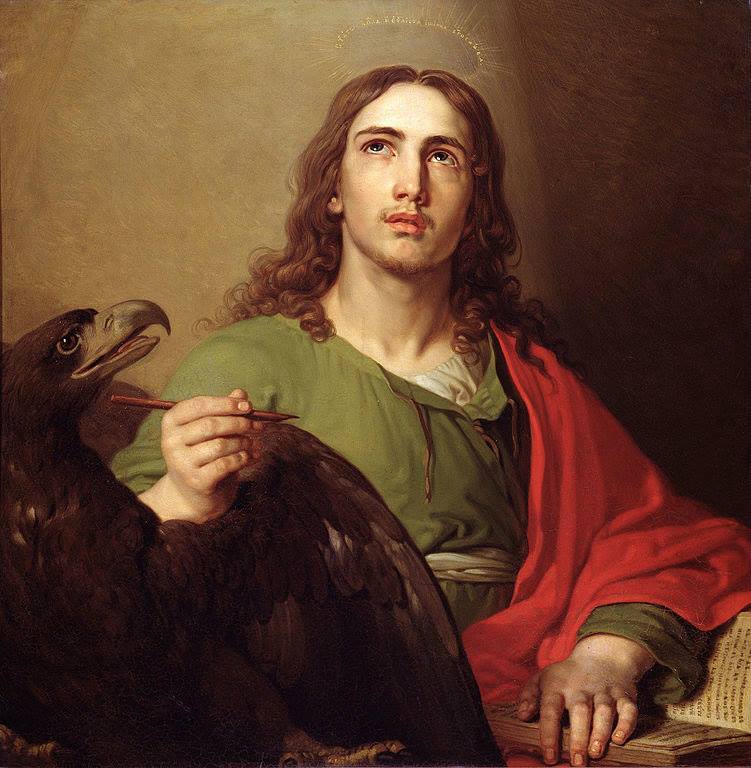
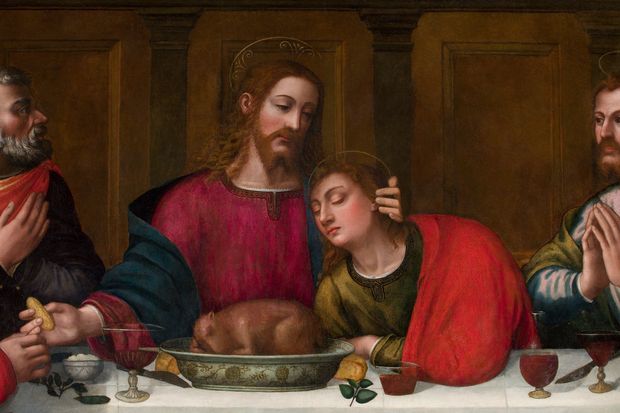
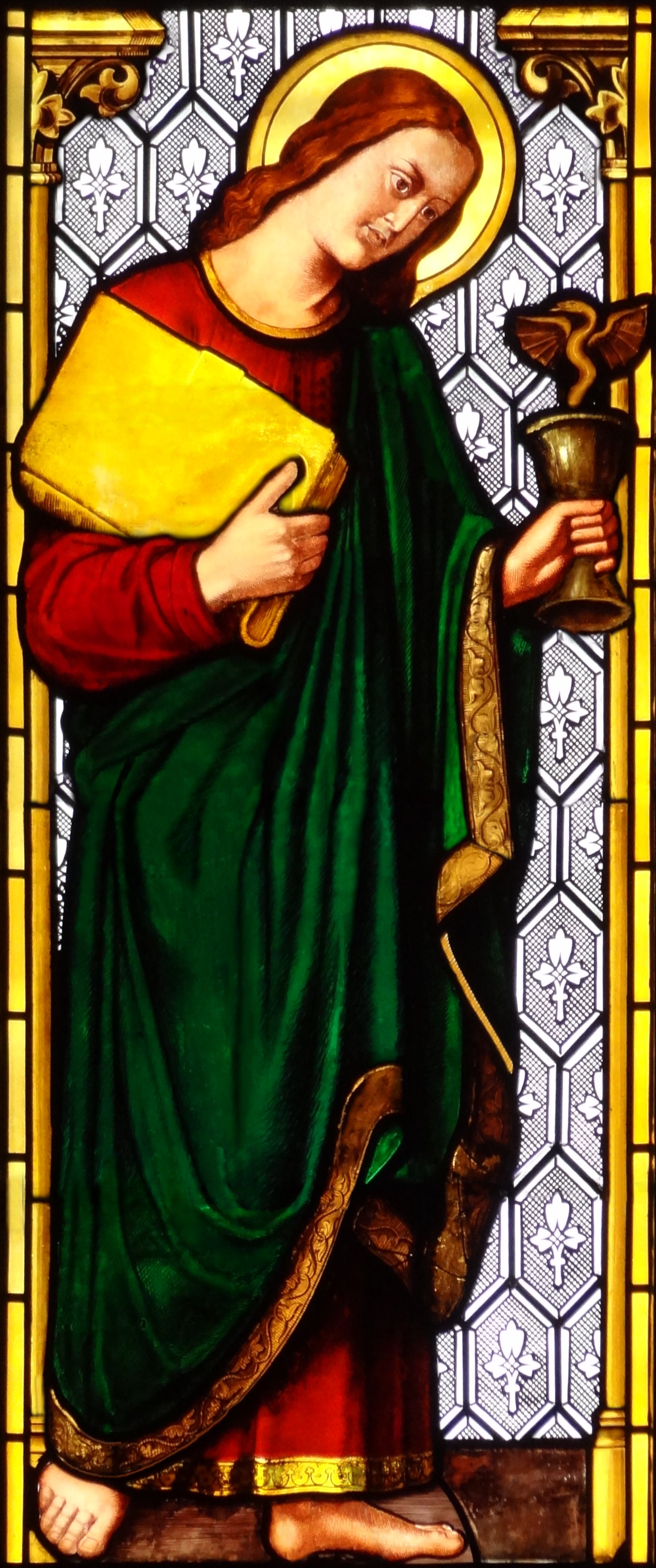
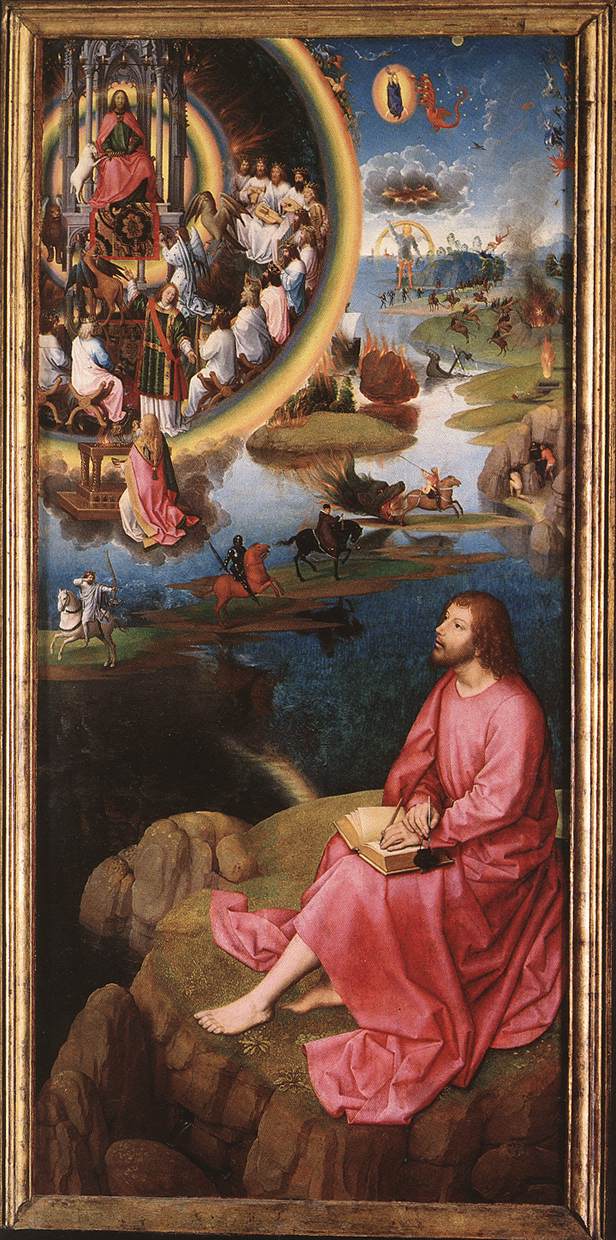
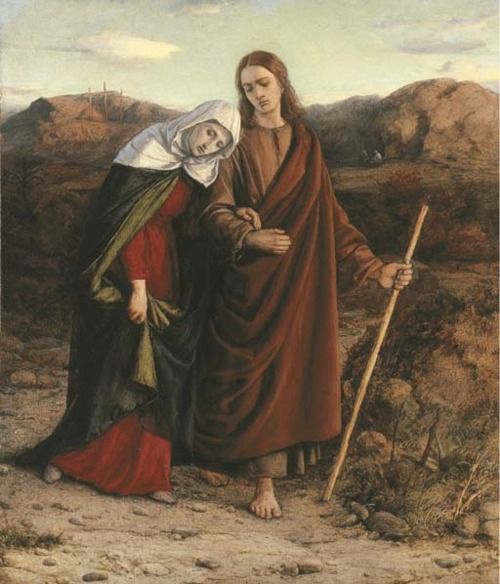

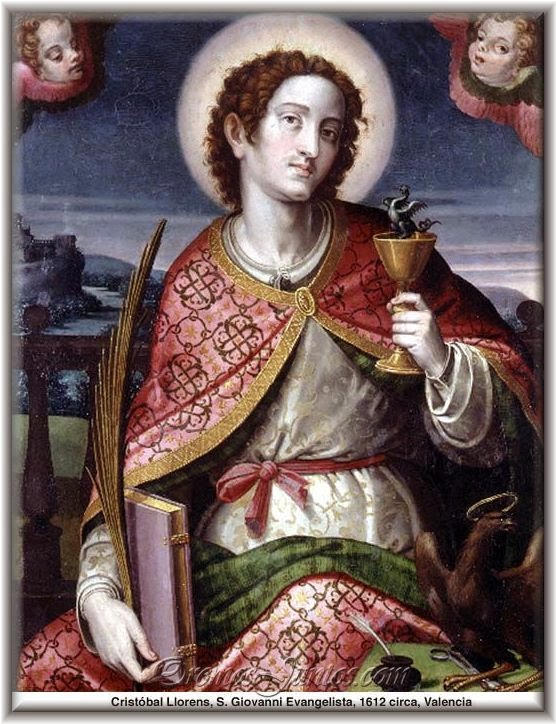

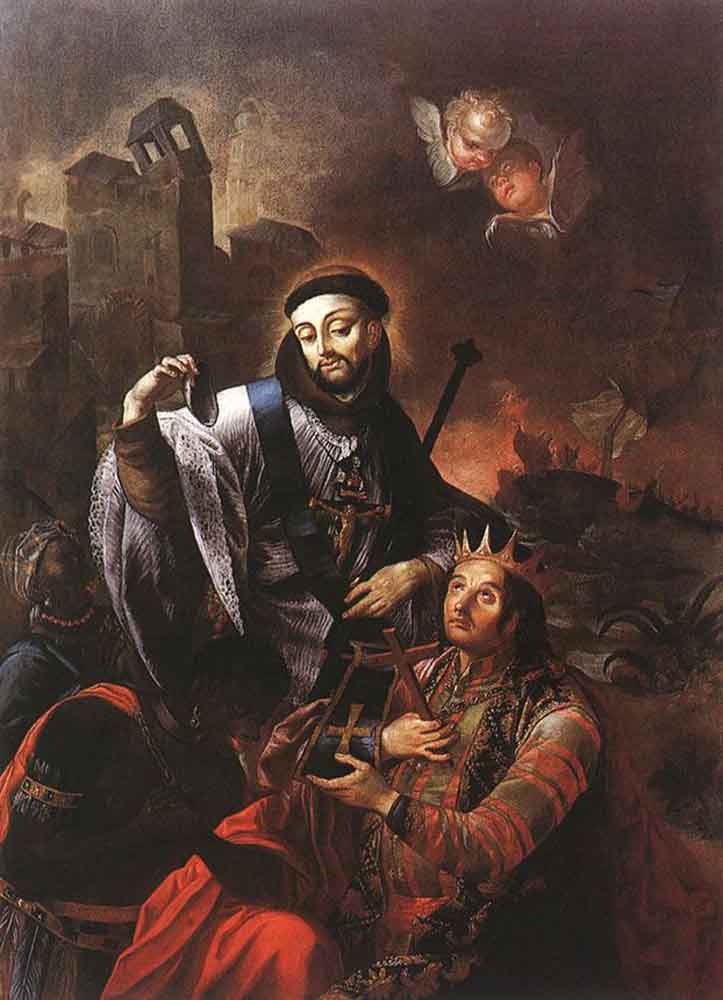
 Shortly after his Ordination he was named Master of Ceremonies for the community. Still a lover of simplicity, Francis made a small cell for himself adjacent to the Chapel of the Friary, made of clay and reeds.
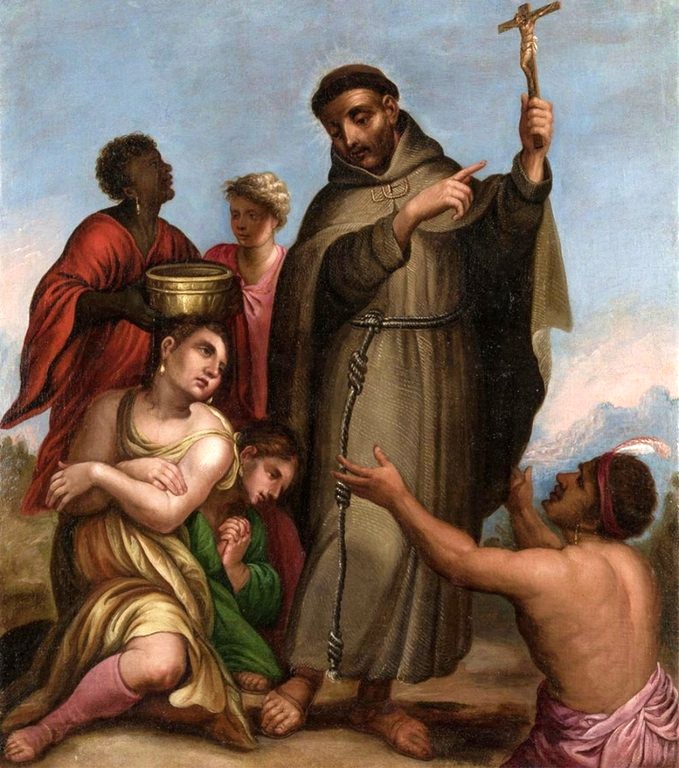
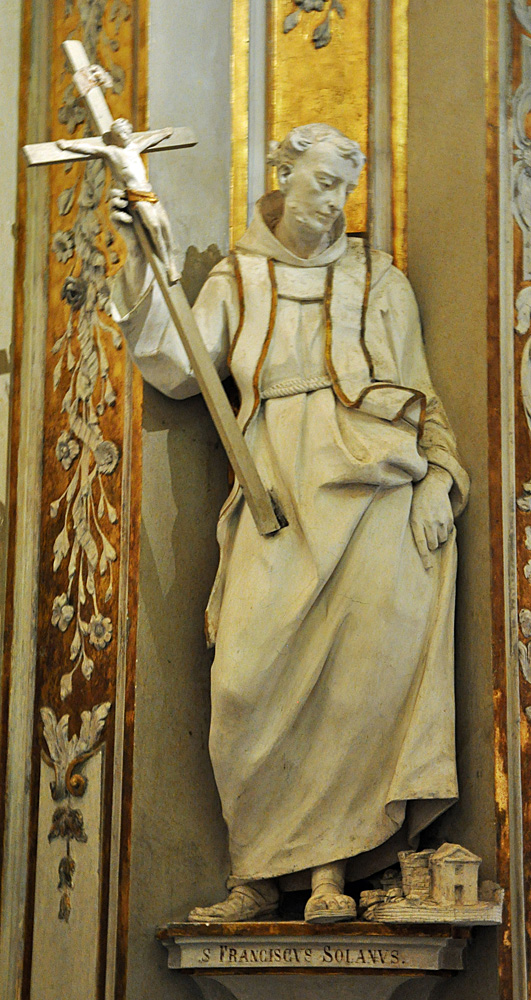
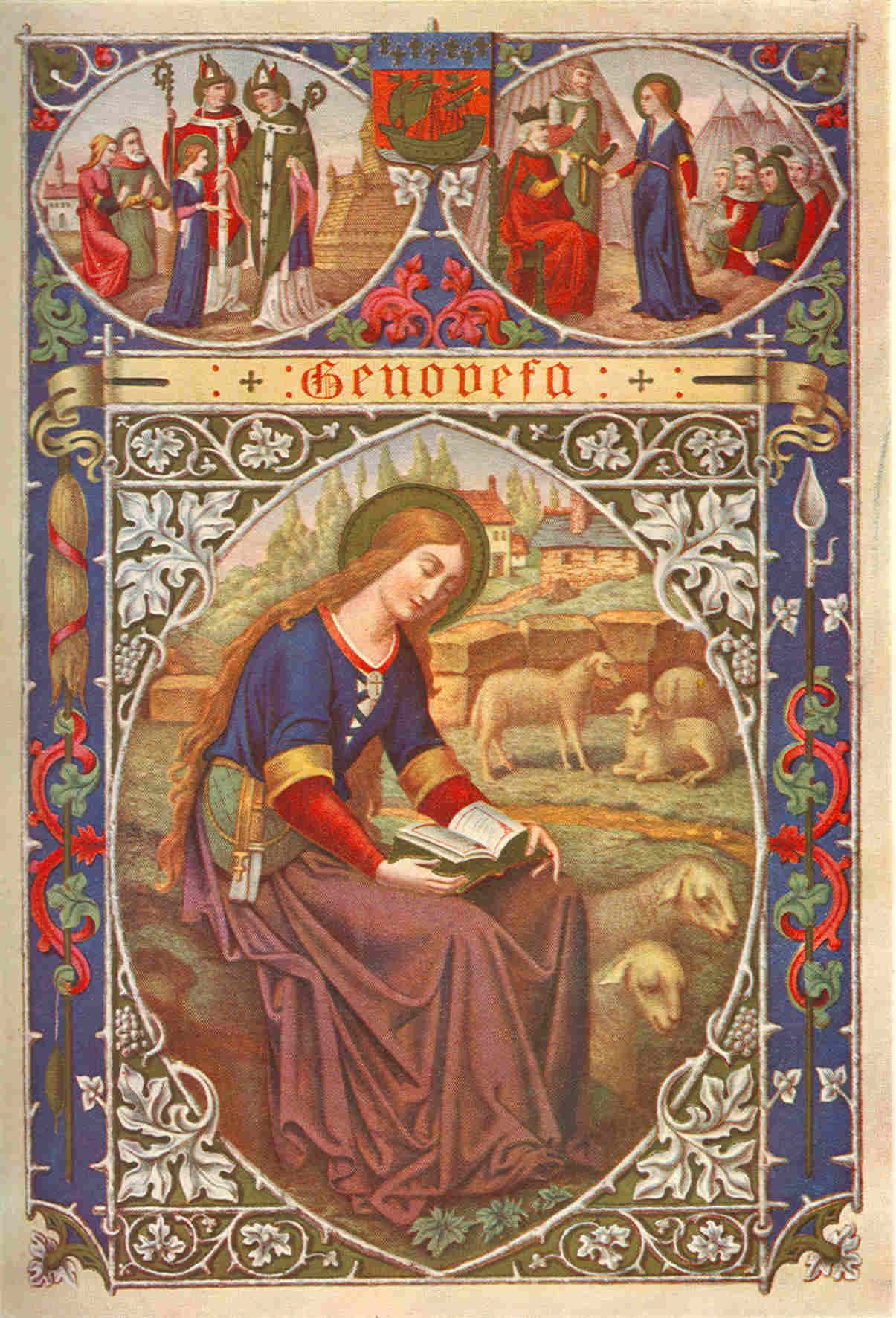
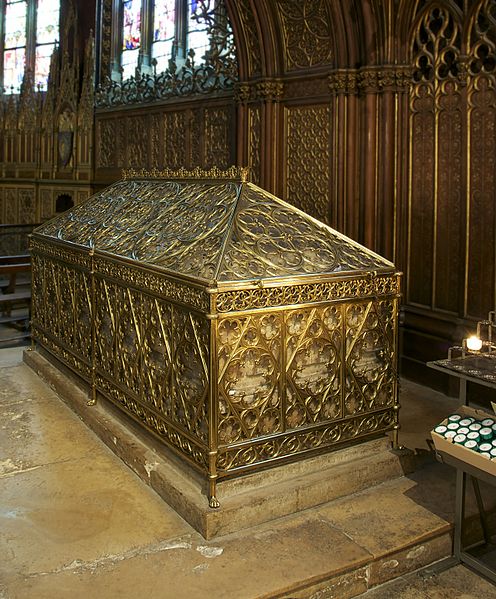
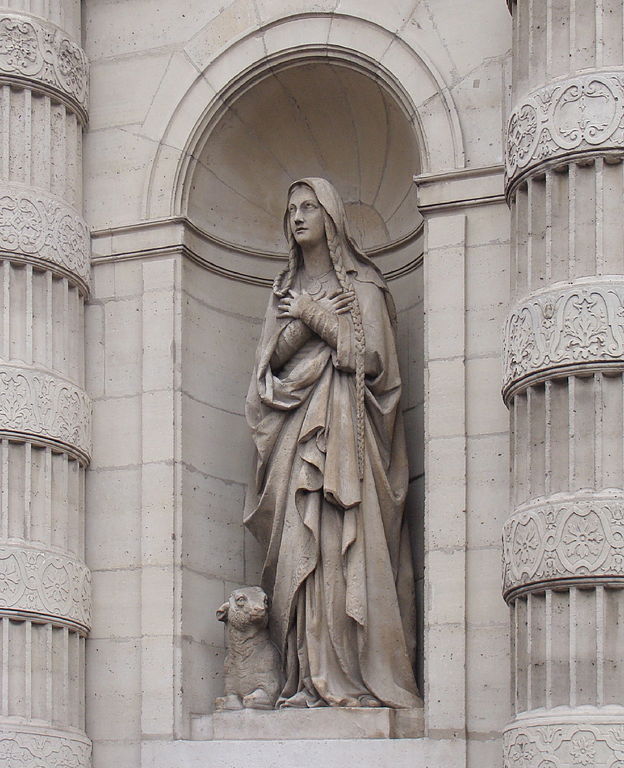
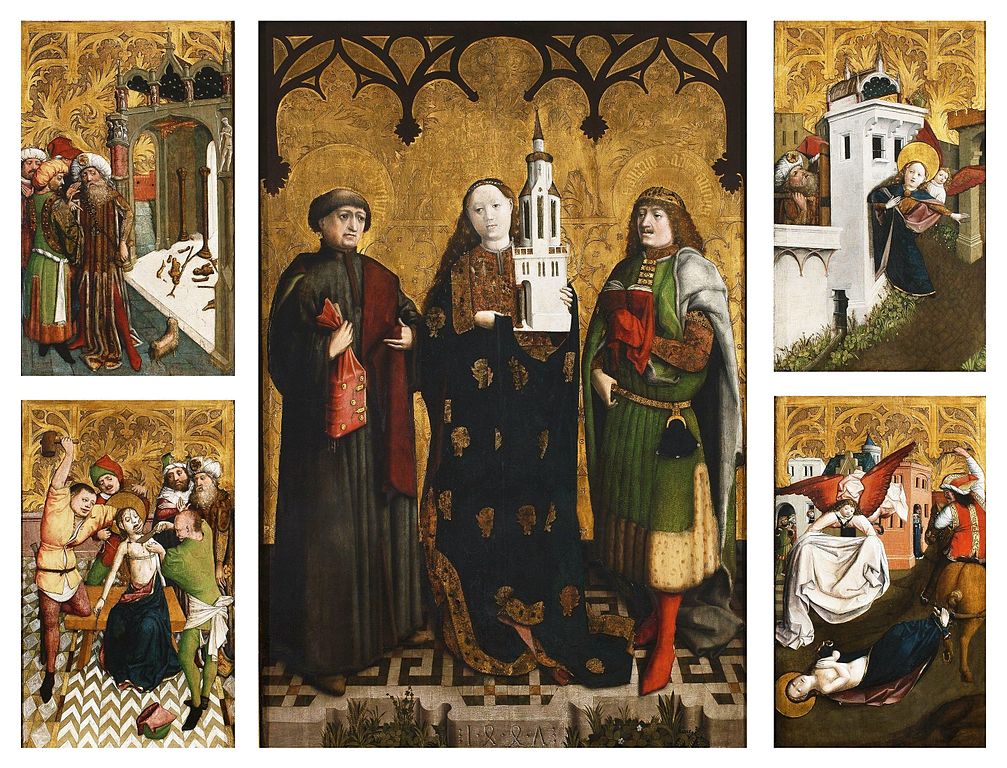
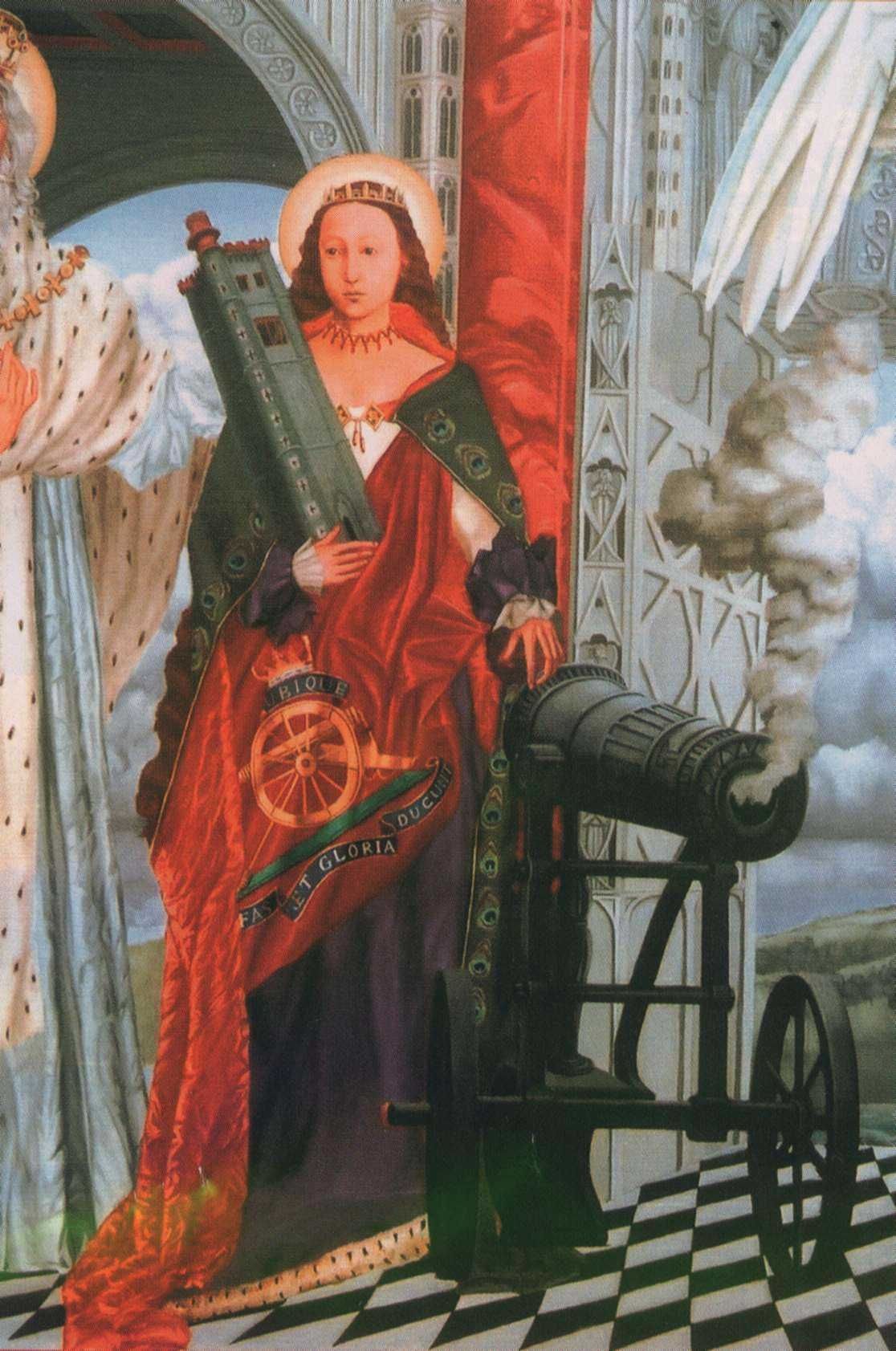
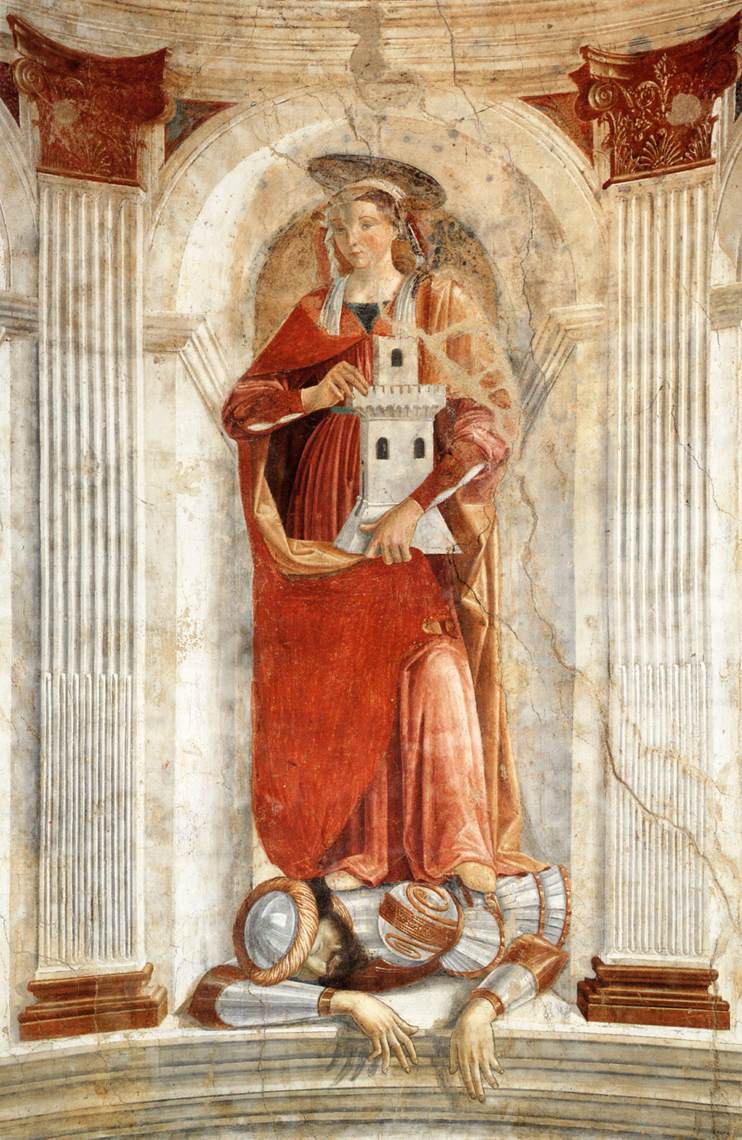
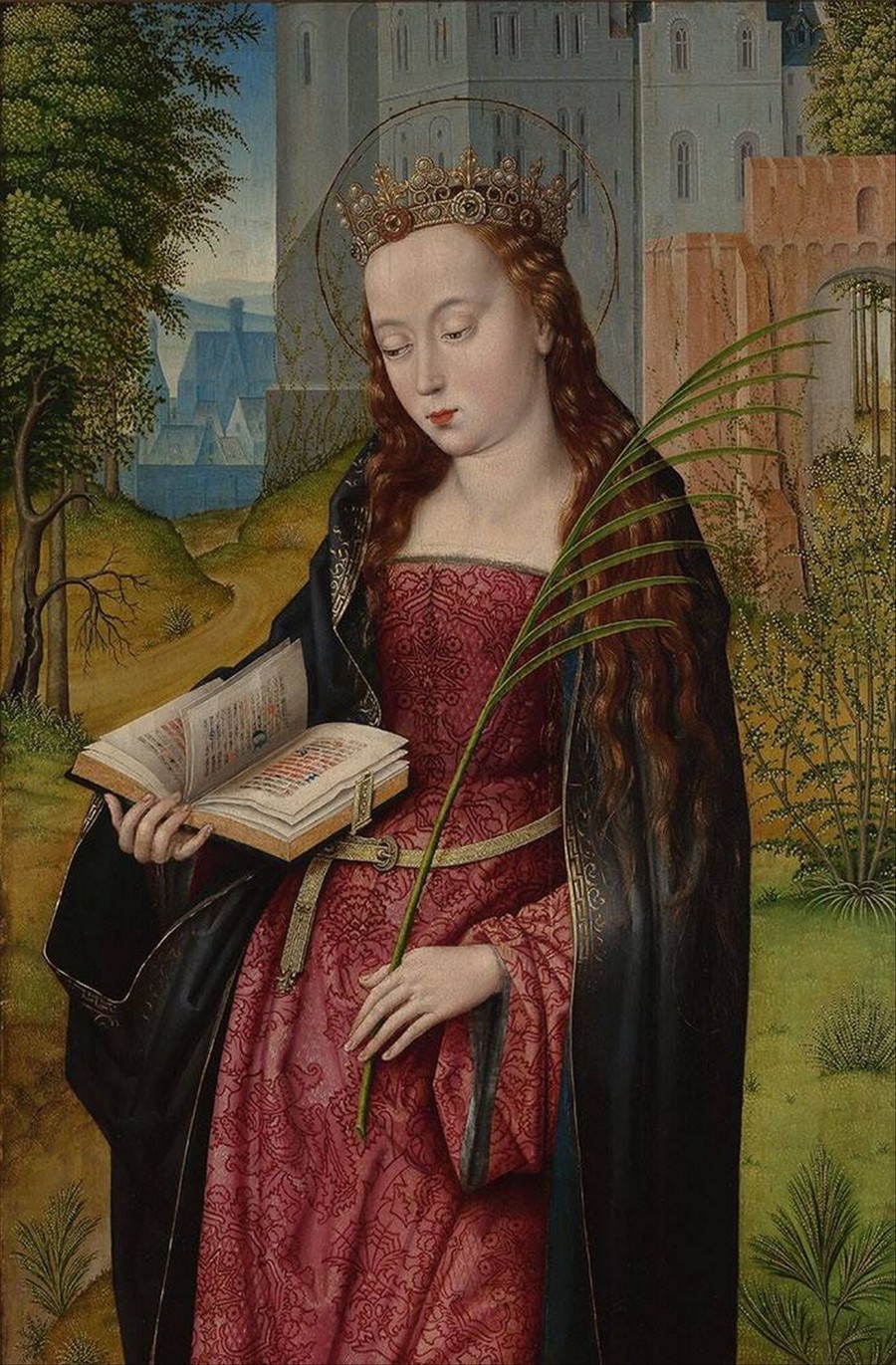
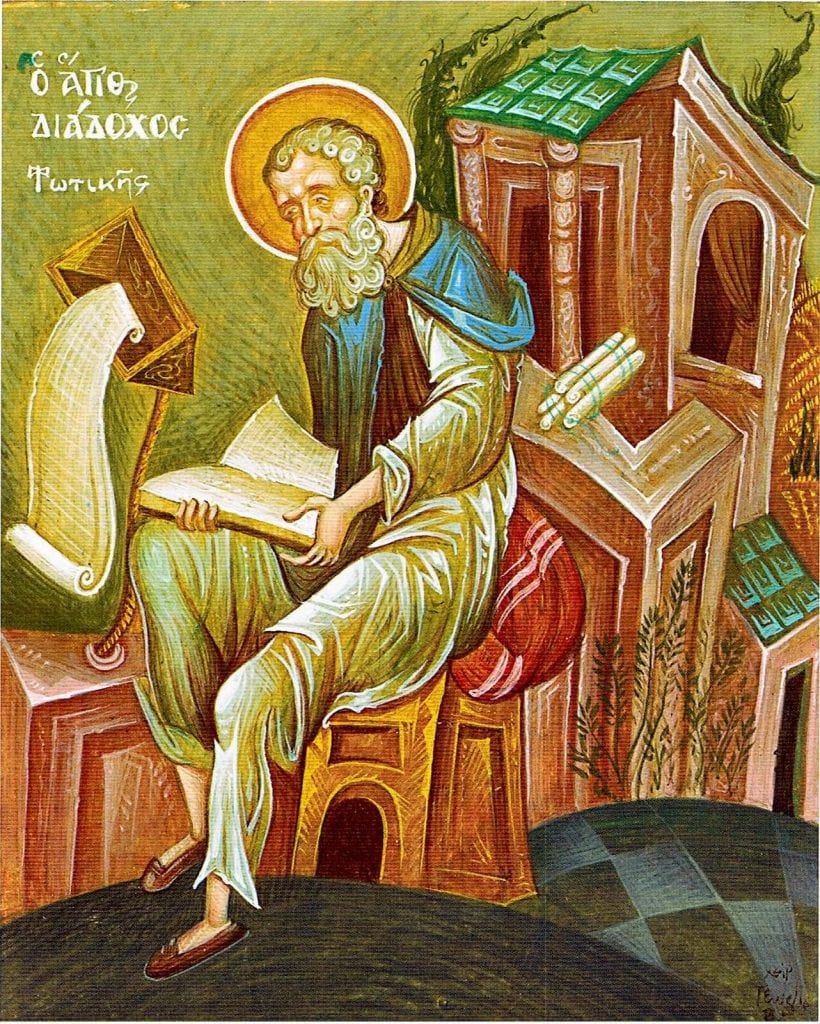
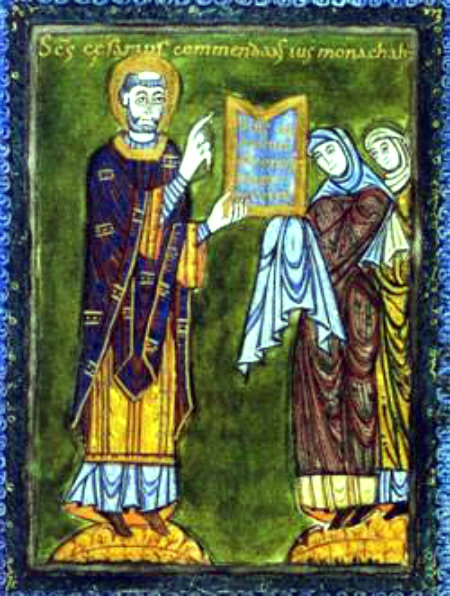
 She married a Roman General, Constantius Chlorus and became the mother of Constantine the Great. She embraced Christianity late in life but her incomparable faith and piety greatly influenced her son Constantine, the first Christian emperor and served to kindle a holy zeal in the hearts of the Roman people. Forgetful of her high dignity, she delighted to assist at the Divine Office amid the poor and by her alms deeds showed herself a mother to the indigent and distressed.
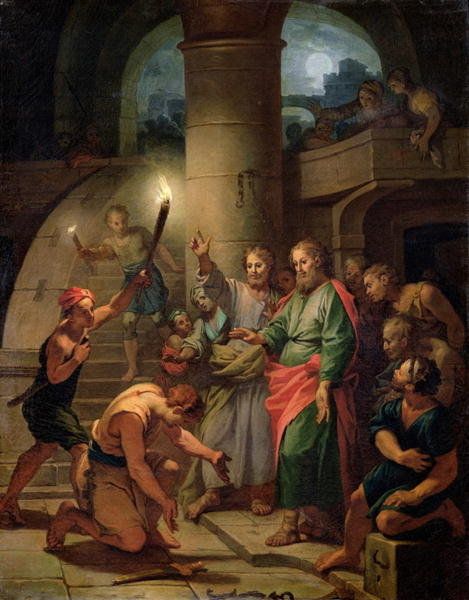
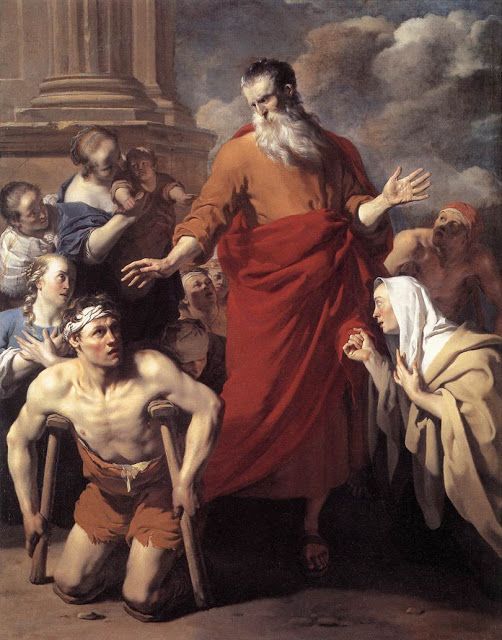
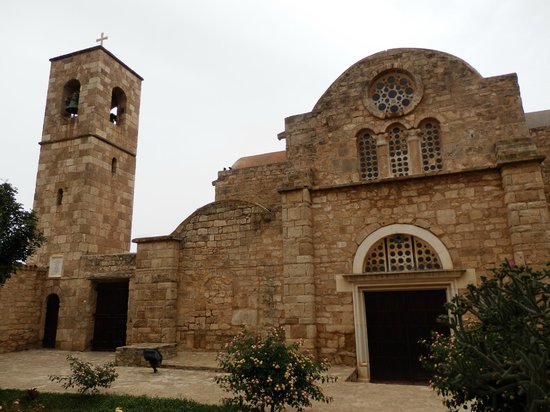


 The Oratory of the Bedroom: this houses the small cubicle where Catherine rested and prayed and the stone where the saint would lay her head. This space is connected with the first phase of Catherine’s life, where she would withdraw from the world in contemplation. Images below.

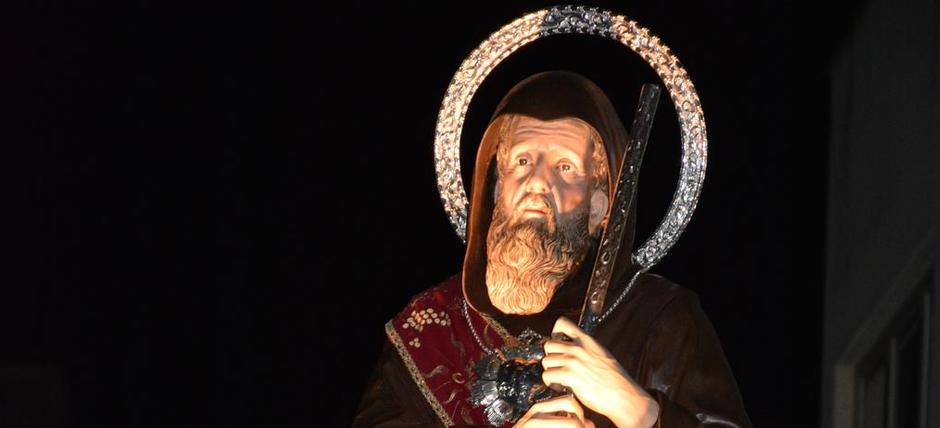
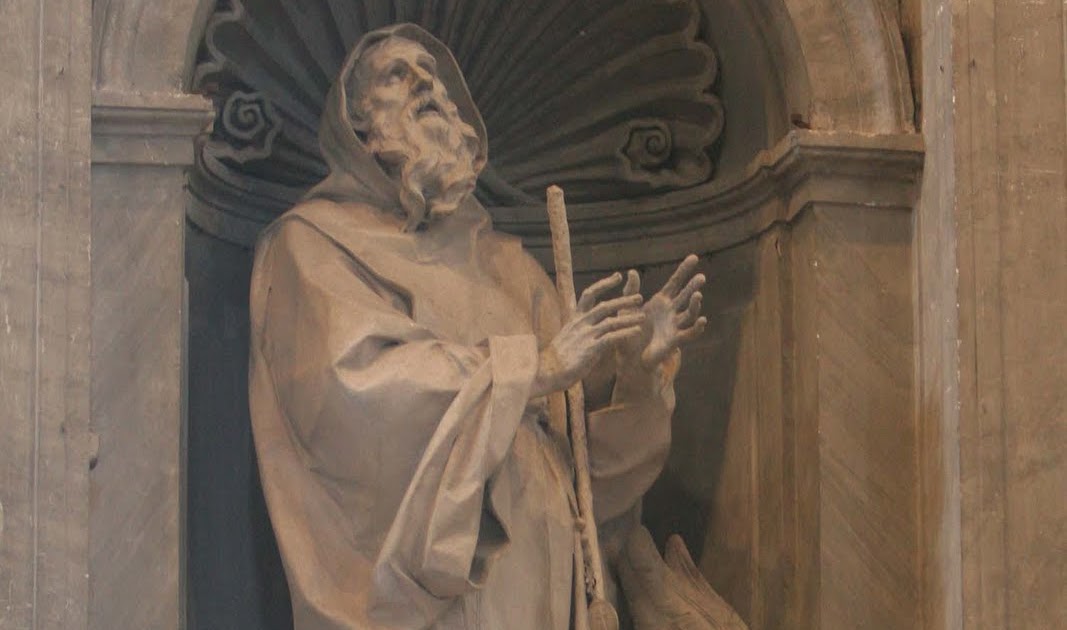


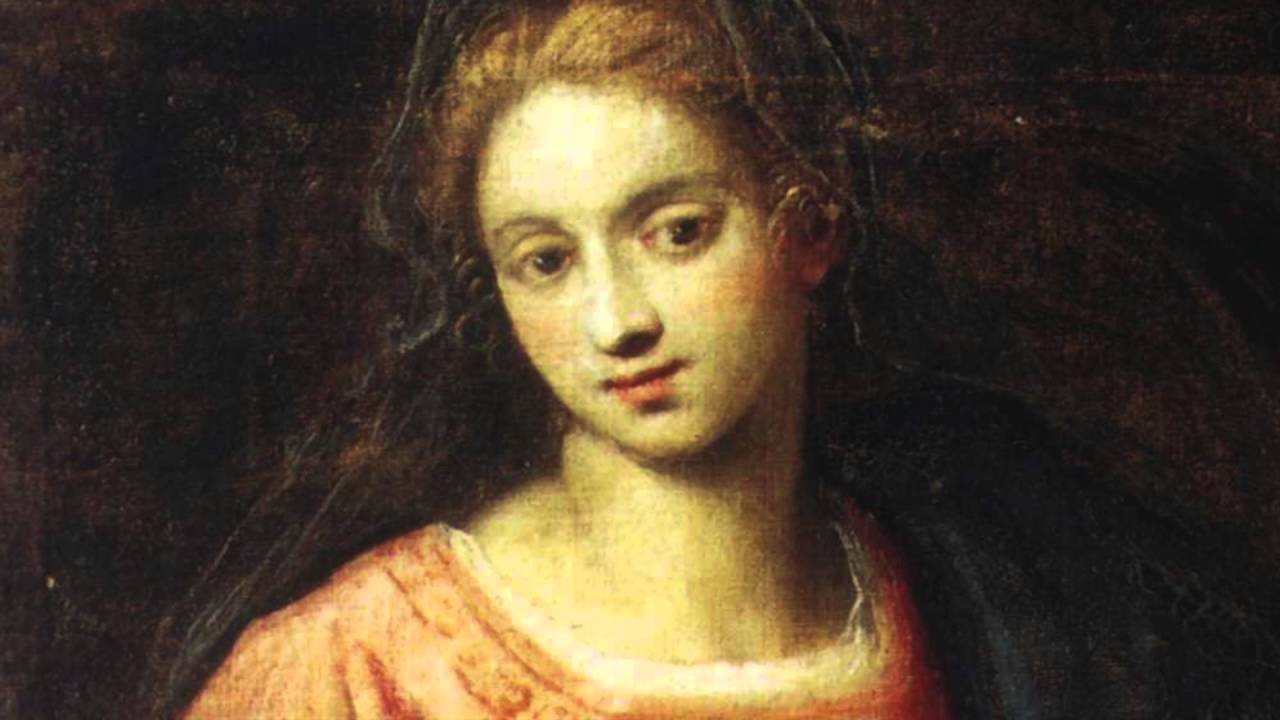


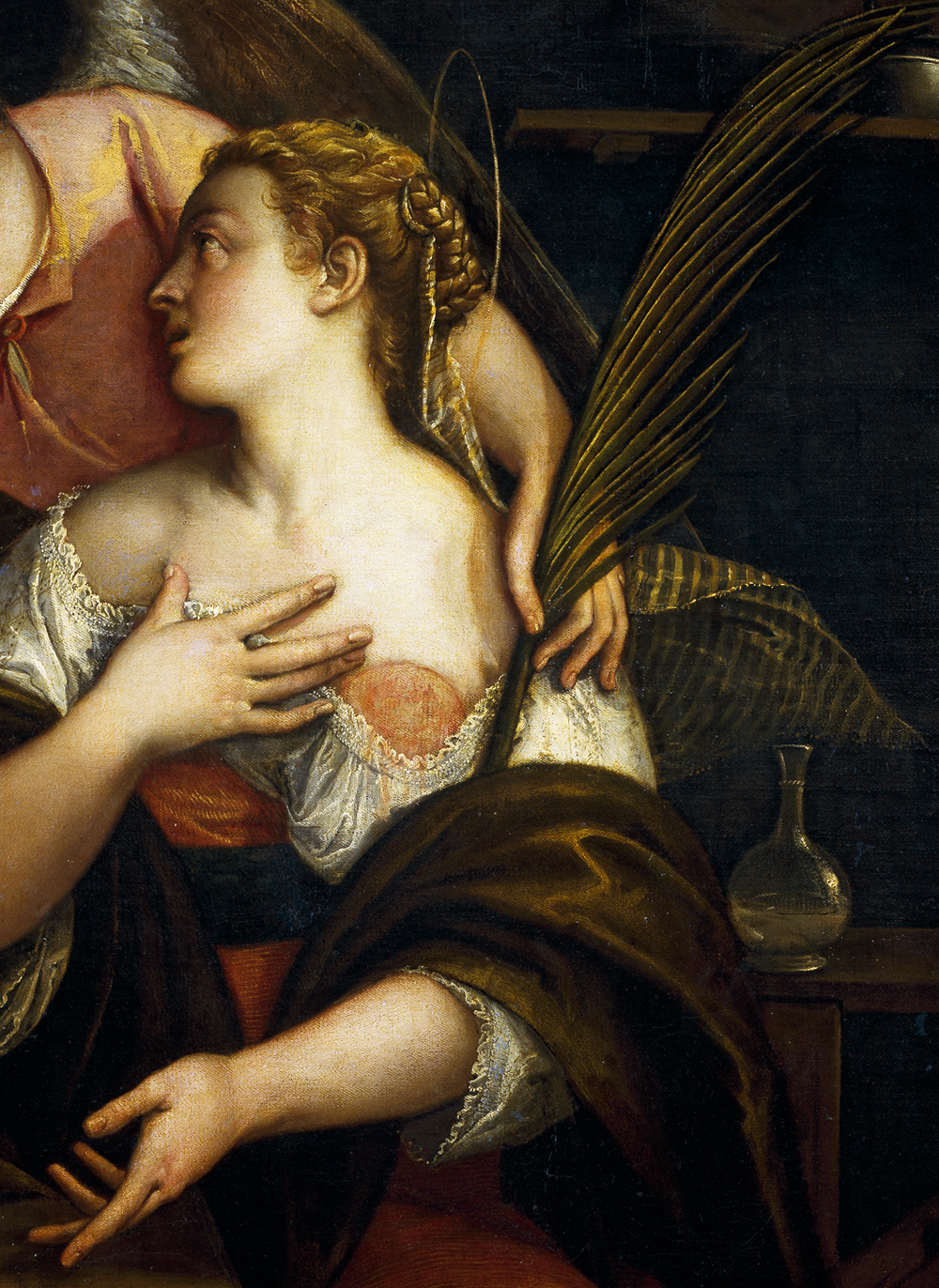
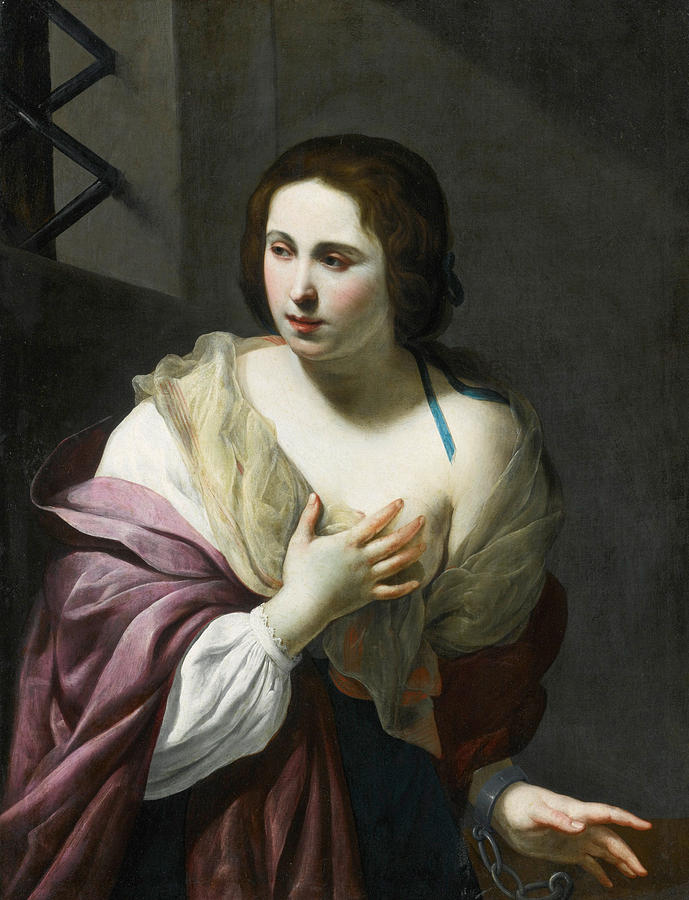


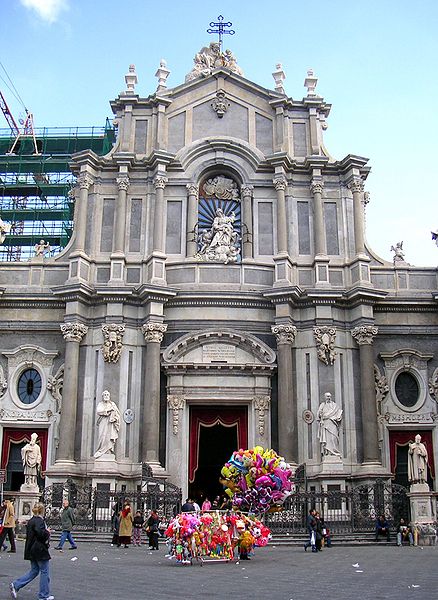
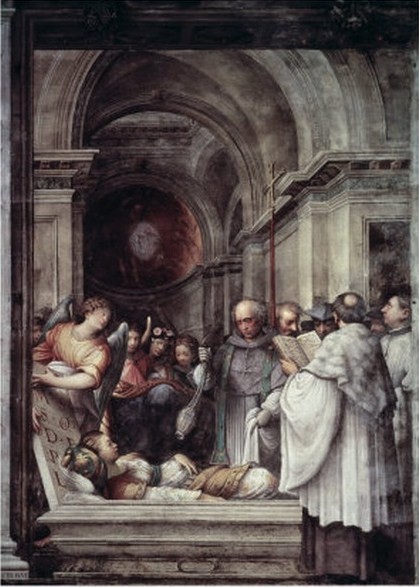
 AnaStpaul
You must be logged in to post a comment.