Our Morning Offering – 4 March – “The Month of Saint Joseph”– On Wednesdays many Catholics make a special devotion to St Joseph by going to Mass on the 1st Wednesdays of 9 consecutive months and offering their Communions in his honour and for the salvation of the dying.
A Parent’s Prayer to St Joseph
O holy Joseph, thou faithful Spouse of the Blessed Mother, thou who didst protect her and her Divine Child with such care and didst devote thy whole life to them; I beseech thee to be also my and my children’s protector and advocate, with Jesus, thy adopted Son. Obtain for me the grace to fulfil my duties to my children, as thou and Mary have done to Jesus.
St Joseph Pray for all our Fathers and for our spiritual Fathers of Holy Mother Church Amen.
Quote/s of the Day – 31 March – Goodbye to “The Month of Saint Joseph”
“The Almighty has concentrated in St Joseph, as in a sun of unrivalled lustre, the combined light and splendour of all the other Saints.”
St Gregory Nanzianzen (330-390) Father & Doctor of the Church
“Both Mary and Joseph had made a vow to remain virgins all the days of their lives and God, wished them to be united in the bonds of marriage, not because they repented of the vow already made but, to be confirmed in it and, to encourage each other to continue in this holy relation.”
St Francis de Sales (1567-1622) Doctorof Charity of the Church
“Since we all must die, we should cherish a special devotion to St. Joseph that he may obtain for us a happy death.”
St Alphonsus Maria de Liguori (1696-1787) Most Zealous Doctor
“Go to Joseph! Have recourse with special confidence to St Joseph, for his protection is most powerful, as he is the Patron of the Universal Church.”
Quote/s of the Day – 7 January – “The Month of the Holy Name of Jesus and the Holy Family”and the Feast of the Holy Family
Indulgenced Holy Family Aspiration
“Jesus, Mary and Joseph, I give Thee my heart and my soul; Jesus, Mary and Joseph, assist me in my last agony; Jesus, Mary and Joseph, may I breathe forth my soul in peace with Thee.”
(Indulgence of 300 days, Each Time. Pope Pius VII, 26 August 1814)
“When husband and wife are united in marriage they no longer seem like something earthly but rather, like the image of God Himself!”
St John Chrysostom (347-407) Father & Doctor of the Church
“The One Who is the Wisdom of the Father, put His arms around her neck, the One Who is the strength, that gives movement to everything, sat in her arms. He Who is the rest of souls, (Mt 11:29) rested on her motherly breast. … Filled with the Holy Spirit, she held Him close to her heart … She never had enough of seeing Him or of hearing Him, ,,, Thus Mary grew evermore in love and her mind was unceasingly attached to Divine contemplation.”
St Amadeus of Lausanne (1108-1159)
“Since God could choose for the Guardian of His Son, the man in the world, the most accomplished in all sorts of perfections, according to the dignity and excellence of his Charge, Who was His most Glorious Son, the universal Prince of Heaven and earth, how could it be that being able, He did not will it and did not do it? There is, then, NO DOUBT that St Joseph was endowed with all the graces and all the gifts that were required for the care which the Eternal Father willed to give him, of the temporal and domestic economy of our Lord and of the guidance of his family … ”
Indulgenced Prayer to Our Lady of Sorrows for a Happy Death (Pope Pius VII granted an Indulgence of 300 days, Every Time)
Oh Mary, Refuge of Sinners, sweet Mother, I entreat thee, by the Sorrows thou didst experience, in beholding thy Diving Son dying on the Cross, help me by thy merciful intercession, when my soul is about to leave this world; drive away all evil spirits, come to meet my soul and present it to the Eternal Judge. O! Queen of Heaven, do not abandon thy child. Next to Jesus, thou wilt be my comfort in that fearful hour. Ask of Him to grant me the grace to die, kissing in spirit, His holy feet, aadoring His sacred wounds and saying, with my last breath, “Jesus and Mary, I give you my heart and my soul.” Amen
Saint of the Day – 10 September – Saint Nicholas of Tolentino OSA (1245-1305) Confessor, “The Patron of Holy Souls” Priest, Augustinian Friar Monk, Mystic, Preacher, Miralce-worker and Apostle of the poor, the sick, the needy. Patronages – animals, babies (reported to have raised more than 100 children from the dead), sailors, dying people, sick animals, the Holy Souls in Purgatory, 4 Cities, 3 Diocese. The Name Nicholas from the Greek means means: “the victor over the people.”
The Roman Martyrology reads today: “At Tolentino, in the March of Ancona, the departure from this life of St Nicholas, Confessor of the Order of Augustinians.”
Nicholas was born in the angelic town of Sant’ Angelo in Pontano, Italy. An angel had advised his previously childless parents, to make a pilgrimage to the Tomb of St Nicholas of Myra and out of gratitude, they gave their son the name of the Saint.
Nicholas was admitted into the Augustinian Hermits’ Order in 1255 , was Ordained a Priest in 1270 and initially, worked as a Preacher and Confessor. In 1275 he was sent to Tolentino , where he experienced miraculous confirmations from Angels whom he saw standing around the Altar.
14th Century, painting now in the Basilica named after St Nicholas in Tolentino
Nicholas became a very popular Preacher and Shepherd of the sick and led a life of strict asceticism and active charity. He worked tirelessly as a pastor of the common people and cared for the poor and sick. It is said that miracles occurred through his intercession during his lifetime; his prayers had a healing effect, he overcame the devil who broke the lamp on the Altar and tried to harm others. Even when he was seriously ill, he refused to eat two roasted birds because of the mortification he had vowed but when he obediently obeyed the Prior’s command to take a bite, the partridges – alive – flew away.
Statue at the site of Nicholas’ birthplace in Sant’ Angelo in Pontano, erected by the Municipality and population, on the 650th Anniversary of his death – 10 September 1955.
Nicholas’ Grave is in the Basilica in Tolentino which was built above it and named after him. He was not buried in the coffin originally intended for him which is in the large Chapel built for his veneration but under the floor, after his arms were taken as Relics. Numerous miracles occurred there and more than 300 were officially confirmed in the twenty years after his death alone. In 1926, his bones were rediscovered during excavations and were placed in a glass shrine and brought to the newly equipped Crypt. His Grave remains an important place of pilgrimage to this day.
Gian Giacomo Barbelli: “Glorification of St Nicholas” 1653, in the Church of Sant’Andrea in Bergamo
From the 16th to the 18th Centuries, Nicholas was one of the most venerated Saints in Europe. In many Countries he is considered a helper in times of need. In Cordoba he became the Patron Saint of the City because his intercession ended a plague epidemic. In Venice the Church of San Nicola da Tolentino was dedicated to him for the same reason and there too, he became the Patron of the City. On his Feast Day, according to old custom, bread is blessed which is said to help against gout or is thrown into the flames of fires to contain them – the background is the story of how Nicholas was cured of a fever after asking an old woman for bread at the behest of the Blessed Virgin Mary.
St Nicholas in a glass coffin in the Basilica di San Nicola in Tolentino
Saint of the Day – 18 July – Saint Arnold of Arnoldsweiler (Died 793) Layman, Musician at the Court of Blessed Charlemagne, Apostle of the poor and needy, Tutor and substitute ruler of King Louis the Pious, Blessed Charlemagne’s son. Born in in Greece (?) or in Graz in Austria (?) and died on 18 July 793 in Arnoldsweiler, today a district of Düren in North Rhine-Westphalia, Germany. The name ‘Arnold’ means: ‘the one who rules like an eagle‘ (Old High German). Patronages – for a holy and gentle death, for the cure of livestock diseases, of musicians, of musical instrument manufacturers, of the Town of Arnoldsweiler, Germany.
Statue, around 1800, in the Arnold Chapel in Arnoldsweiler
Arnold lived at the Court of Charlemagne, as a singer and harp player. In 779, Arnold saw the plight of the poor and took the opportunity, when the King was hunting in the village of Ginnizweiler – today’s Arnoldsweiler – to ask the King to give him as much of the forest as he could ride around during dinner.
The King granted the request and Arnold rode around the Bürgewald(wald meaning forest) northeast of Düren with 20 villages and these poor communities were now allowed – by official decision – to collect firewood from this forest.
Not long thereafter, Charlemagne appointed Arnold as the Count of Agde and Montpellier. In 781, Charlemagne appointed his son Louis – later called the Pious – as the Regent of Aquitaine and appointed Armold as his tutor and official substitute King until the minor came of age.
The Coat of Arms of the Municipality of Arnoldsweiler , 1966
During this time, Arnold maintained good relations with St Benedict of Aniane, the Abbot and monastic Reformer (known as “The Second Benedict”). When Louis came of age and our Saint’s substitution came to an end, Arnold, who was described as an exemplary ruler and deeply religious man with great commitment to the poor, donated all of the wealth he had acquired in Aquitaine to Benedict’s Abbey of Aniane.
In 792 he wanted to make a pilgrimage to the Tomb of James the Elder in Santiago de Compostela but because of a great famine, however, he only got as far as the Bordeaux region, turned back and spent the last years of his life in Ginnizweiler now the Town named after him.
18th Century Statue in Arnoldsweiler
Armold’s donations to the Monastery in Aniane are confirmed in two documents by Emperor Louis the Pious, the second of which dates from 822. A document by the same King names the former Ginnizweiler, as a hamlet named after Arnold and, it is attested tpp, in 1168 as .Wilre Sancti Arnoldi.’ The 20 communities around Arnoldsweiler which Arnold gifted with the right to harvest wood in the forest are recorded in a document by Archbishop Gero of Cologne from 973/976. In return for the right to harvest wood, the communities offered prayers at an annual candlelit procession to Arnold’s grave which, according to tradition, had already been ordered by Arnold at the time of the donation, as a wax offering for the Altar of the Church in Ginnizweiler every Pentecos .
The Church of St Arnold in Arnoldsweiler
Arnold’s bones rest in a raised grave in the old Parish Church in Arnoldsweiler, now known as the Arnold Chapel. Parts of his head are now in the Arnold Church of the Steyler Missionaries in Neuenkirchen-St Arnold; its Founder, Father Arnold Janssen SVD (1837-1909), traced his name to Arnold of Arnoldsweiler. In the 15th Century, a brotherhood named after Arnold was founded in Arnoldsweiler, which still exists today. Arnoldus Week is celebrated in Arnoldsweiler around his memorial day, which concludes on Sunday with a Solemn High Nass and procession.
Arnold was probably Canonised by the Archbishop of Cologne as early as 820. However, the veneration was not officially confirmed until 18 February 1886 by Pope Leo XIII.
Peter Hecker: Duchess Magdalena of Jülich makes a pilgrimage to the grave of Armold in 1618, fresco, 1913, in the Arnold Chapel in Arnoldsweiler
The beloved Foster-Father and Guardian of Jesus and Protector of the Holy Family, is celebrated for this whole month and his Feast Day falls on 19 March .
“Quamquam Pluries” On the Devotion to St Joseph Pope Leo XIII
“On 10 March, [11 MARCH THIS YEAR], we begin the Novena to St Joseph, entrusting so many of our woes and cares to his holy and fatherly care and intercession. His Patronages are numerous, as we know, one of them will fit our needs perfectly and if not, then we should all ask him to intercede on our behalf for our families and for a Happy and Holy Death. On the 19thFEAST we pray the Consecration to St Joseph.”
Indulgenced Prayer to St Joseph O St Joseph! Pray for Us Daily O Joseph! virgin father of Jesus, pure Spouse of the Virgin Mother, pray for us daily to the Son of God, that, armed with the weapons of His grace, we may fight as we ought in life and be crowned by Him in death. Amen (Indulgence of 100 days, twice a day St Pius X 26 November 1906)
Patronages in Alphabetical Order:
of Accountants • Bursars • Cabinetmakers • Carpenters • Catholic Church • Cemetery Workers • Children • Civil Engineers • against Communism • Confectioners • Craftsmen • against Doubt and Hesitation • the Dying • Emigrants • Exiles • Expectant Mothers • Families • Fathers • Furniture Makers • Grave diggers • Happy Death • Holy Death • House Hunters • House Sellers • Immigrants • Joiners • Labourers • all the Legal Profession • Married Couples • Oblates of Saint Joseph • Orphans • Pioneers • Social Justice • Teachers • Travellers • the Unborn • Wheelwrights • Workers • Americas • Austria • Belgium • Bohemia • Canada • China • Croatian people • Korea • Mexico • New France • New World • Peru • Philippines • Vatican City • VietNam • Canadian Armed Forces • Papal States • 46 Diocese • 26 Cities,States and Regions.
Saint of the Day – 5 January –S aint Syncletica (c320-c400) Virgin, Anchorite, Mystic, Spiritual Guide, Abbess in the Sketic Desert? Name means: “the chosen one” (From the Greek). Syncletica was born around 320 in Alexandria in Egypt and died there of natural causes in around 400. Patronages – against bodily ills, against loss of parents, against temptations, of the ill, of single laywomen. Also known as – Sincletica.
The Roman Martyrology reads: “St Syncletica, whose noble deeds have been recorded by St Athanasius.”
According to tradition, Syncletica came from a rich and pious family and is reputed to have been very beautiful. From childhood, however, Syncletica was drawn to a life of holiness and piety. She rejected several marriage proposals for she wished to lead a virtuous life devoted to her heavenly Spouse alone.
After the death of her parents, she distributed her inheritance to the poor and with her younger blind sister, Syncletica abandoned the life of the City withdrawing into a cave as a Recluse. Her holy life soon gained the attention of locals and, gradually, many women joined her to live as her disciples in Christ, teaching them the ascetic way of life.
She was mystically gifted. At the end of their lives, the tempter asked God for permission to test them – just as he had done with Job. Syncletica was tormented by many sufferings but despite her old age, she remained steadfast in her faith and asceticism until she died at the age of 84.
About 40 sayings have been preserved of and about Syncletica. Her life story probably dates to the 5th Century.
We are exposed to many temptations in life. Syncletica advises how we should deal with them:
“The devil’s snares are common. If he cannot dissuade the soul through poverty, then he brings wealth as a lure. If he cannot do anything through disgrace, then he withholds praise and honour from her. If he has to accept defeat through health, he makes the body sick. If he cannot deceive with his desires, then he tries to bring about a change through unwanted efforts. He brings about certain very serious illnesses if he is allowed to, in order to darken the love of God in those who become faint-hearted. Then the body is worn out by the most violent fever and is harassed by unbearable thirst. If you, as a sinner, have to endure this, then remember the coming punishment and the eternal fire and the torments inflicted by the Judge and do not be discouraged because of the present. Rejoice that God has visited you, and have that sweet word on your tongue – God has chastened me but has not delivered me to death (Psalm 117:18). You were like iron but with fire you burnt away the rust but if you, as a righteous person, fall into sickness, you will progress from greatness to greaterness. You are gold but through fire you become even more proven.
An Angel has been appointed to you for the flesh (2 Corinthians 12:7). Be happy! See who you have become like! For you were worthy of the lot of St Paul . … In such exercises let us form our souls. Because we see the enemy before our eyes!” (Compiled by Abbot em. Dr Emmeram Kränkl OSB Benedictine Abbey Schäftlarn – for the Katholische SonntagsZeitung).
Fresco in the Chapel at St Thodosios’ Tomb in the Monastery of Agiou Theodosiou tou Neou near Agia Triada near Argos
Saint of the Day – 5 August – St Nonna of Nazianzen (c305-374) Widow of St Gregory Nazianzen the Elder, (c276-374) the saintly Bishop of Nazianzen and Mother of St Gregory Nazianzen (330-390) Doctor of the Church, his younger brother St Caesarius Nazianzen (c331-368) a Physician and St Gorgonia (Died c375) Married, Mother. Born in Nazianzen in Cappadocia (modern day Turkey) in around 305 and died in c374 in her home town, of natural causes. Patronages – death of children, Information services. Also known as – Nona.
The Roman Martyrology states: “In Nazianzus in Cappadocia, in today’s Turkey, Saint Nonna, who was the wife of the holy Bishop Gregory the Elder and mother of the Saints Gregory, Cesario and Gorgonia.”
Nonna was born and raised as a deeply religious Christian. After she married, she converted her husband Gregory to Christianity. He had been a member of the Hypsistarians, a Jewish-pagan sect which worshipped Hypsistos, the “Most High” God. Both Gregory and Nonna came from wealthy families and Gregory was able to personally finance the construction of a Church in the region. In 328, Gregory was selected as the Bishop of Nazianzen, a position he held until his death. At one point, Gregory subscribed to an Arian understanding of the Blessed Trinity. However, this was for a very brief time and he quickly renounced that position.
Nonna became the mother of three children, each of whom became Saints, the most notable of whom being the Doctor of the Church, St Gregory Nazianzen.
Nonna outlived her husband and two of her children, dying, almost certainly in 374.
Her son Gregory tells of an occasion in 351 when Nonna fell terribly sick with a severe illness and appeared to be at the point of death. On his way to visit a friend, Gregory hurried instead to his mother who, in the meantime, had begun to recover. She had a vision in which Gregory had given her magical cakes marked with the Sign of the Cross and blessed by him.
Gregory championed Nonna as a model of Christian motherhood. He wrote of her:
“My mother was a worthy companion for such a man [as my father] and her qualities were as great as his. She came from a pious family but was even more pious than they, although, in her body she was but a woman, in her spirit she was above all men…
Her mouth knew nothing but the truth but, in her modesty, she was silent about those deeds which brought her glory. She was guided by the fear of God. …”
Quote/s of the Day – 2 August – “The Month of the Immaculate Heart of Mary” and the Feast of St Alphonsus Maria de Liguori (1696-1787) Bishop, Confessor, Most Zealous Doctor of the Church
Evening Prayer By St Alphonsus de Liguori (1696-1787) Most Zealous Doctor (Indulgence of 3 Years, Once a Day)
Jesus Christ my God, I adore Thee and thank Thee for all the graces Thou hast given me this day. I offer Thee my sleep and all the moments of this night and I beseech Thee to keep me without sin. Wherefore ,I put myself, within Thy sacred side and under the mantle of our Lady, my Mother. Let Thy holy Angels stand about me and keep me in peace and let Thy blessing be upon me, O Lord my God. Amen
“How pleasing to Him it will be, if you sometimes forget yourself and speak to Him of His own glory; of the miseries of others, especially those who mourn in sorrow; of the souls in purgatory, His spouses, who long to behold Him in Heaven and, of poor sinners, who live deprived of His grace.”
Come O Holy Spirit! By St Alphonsus de Liguori (1696-1787) Most Zealous Doctor
You made Mary full of grace and inflamed the hearts of the Apostles with a holy zeal, enflame our hearts with Your love. You are the Spirit of goodness, give us the courage to confront evil. You are Fire, set us ablaze with Your Love. You are Light, enlighten our minds, that we may see what is truly igood and true. You are the Dove, give us gentleness. You are a Soothing Breeze, bring calm to the storms which rage within us. You are the Tongue, may our lips ever sing God’s praises You are the Cloud, shelter us under the shadow of Your protection. O Holy Spirit, melt the frozen, warm the chilled and enkindle in us, an earnest desire to please You. We ask this through Christ our Lord. Amen
“The powers of hell will assail the dying Christian but his Angel Guardian will come to console him. His Patrons and St Michael, who has been appointed by God to defend his faithful servants, in their last combat with the devils, will come to his aid.”
“We should not forget, that the devil has his martyrs and that he infuses into them a false constancy. It is not the punishment but the cause, that makes the Martyr; that is – the confession of the True Faith.”
Prayer for a Holy Death By St Alphonsus de Liguori (1696-1787) Most Zealous Doctor Patron of Final Perseverance
My beloved Jesus, I will not refuse the cross, as the Cyrenian did; I accept it, I embrace it. I accept, in particular, the death Thou hast destined for me, with all the pains which may accompany it; I unite it to Thy Death, I offer it to Thee Thou hast died for love of me; I will die for love of Thee and to please Thee. Help me by Thy grace. I love Thee, Jesus, my love; I repent of ever having offended Thee. Never permit me to offend Thee again. Grant that I may love Thee always and then do with me what Thou will. Amen
O Afflicted Virgin! By St Alphonsus de Liguori (1696-1787) Most Zealous Doctor
O afflicted Virgin! O soul, great in virtues and great also in sorrows! for both arise from that great fire of love thou hast for God; thou “whose heart can love nothing but God.” O Mother, have pity on me, for I have not loved God and I have so much offended Him. Thy sorrows give me great confidence to hope for pardon. But this is not enough; I wish to love my Lord and who can better obtain this for me than thou, thou who art the Mother of fair love? O Mary, thou dost console all, comfort me also. Amen
Saint of the Day – 2 August – St Alphonsus Maria de Liguori (1696-1787) Bishop, Confessor, Most Zealous Doctor of the Church, Founder of the Redemptorists, Spiritual Writer, Miracle-worker, Composer, Musician, Artist, Poet, Lawyer, Scholastic Philosopher and Theologian.Patronages – against arthritis, against scrupulosity, of Confessors (given on 26 February 1950 by Pope Pius XII), final perseverance, moral theologians, moralists (1950 by Pope Pius XII), scrupulous people, vocations, Diocese of Acerra, Italy, Diocese of Agrigento, Italy, l Pagani, Italy, Sant’Agata de’ Goti, Italy.
Saint Alphonsus Mary Liguori from the Liturgical Year, 1909
Let us listen to the Church’s account of his life.
“I have not hid Thy justice within my heart, I have declared Thy truth and Thy salvation.” (Gradual of the Mass Ps 39:11)
Alphonsus Maria de Liguori was born of a noble family at Naples and from his early youth, gave clear proofs of sanctity. While he was still a child, his parents once presented him to St Francis Girolamo, of the Society of Jesus. The Saint blessed him and prophesied that he would reach his ninetieth year that he would be raised to the Episcopal dignity and would do much good for the Church.
Even as a boy he shrank from games and both by his words and example, incited noble youth to Christian modesty. When he reached early manhood, he enrolled himself in pious associations and made it his delight to serve the sick in the public hospital, to spend much time in prayer and in the Church and frequently to receive the Sacred Mysteries. He joined study to piety with such success that, when scarcely sixteen years of age, he took the Degree of Doctor in both Canon and Civil Law, in the University of his native City. In obedience to his fathers wishes, he pleaded at the bar but, while winning himself a name in the discharge of this office, he learned by experience, what dangers beset a lawyer’s life and, of his own accord, abandoned the profession. Then he refused a brilliant marriage proposed to him by his father, renounced his right of inheritance as eldest son and, hanging up his sword at the Altar of the Virgin of Mercy, he devoted himself to the Divine Service.
OLYMPUS DIGITAL CAMERA
The Image of Our Lady where St Alphonsus placed his sword
Having been made Priest, he attacked vice with such great zeal that, in the exercise of his Apostolic ministry, he hastened from place to place, working wonderful conversions. He had a special compassion for the poor and particularly, for country people and founded a Congregation for Priests, called “of the Holy Redeemer,” who were to follow the Redeemer through the fields and hamlets and villages, preaching to the poor.
In order that nothing might turn him from his purpose, Alphonsus bound himself by a perpetual vow of never to waste any time. On fire with love of souls, he strove to win them to Christ and to make them lead more perfect lives, both by preaching the Divine Word and by writings full of Sacred learning and piety. Marvellous was the number of hatreds he stilled and of wanderers he brought back to the path of salvation.
He had the greatest devotion to the Mother of God, and published a book on the “Glories of Mary.” More than once, while he was speaking of her with great earnestness during his sermons, a wonderful brightness came upon him from Our Lady’s image and he was seen, by all the people, to be rapt in ecstasy.
The Passion of our Lord and the Holy Eucharist were the objects of his unceasing contemplation and he spread devotion to them in a wonderful degree. When he was praying before the Altar of the Blessed Sacrament, or celebrating Holy Mass, which he never failed to do, through the violence of his love, he shed burning tears, was agitated in an extraordinary manner and at times, was carried out of his senses. He joined a wonderful innocence, which he had never stained by deadly sin, with an equally wonderful spirit of penance and chastised his body, by fasting, iron chains, hair-shirts and scourgings even to blood. At the same time, he was remarkable for the gifts of prophecy, reading of hearts, bilocation and many miracles.
Alphonsus firmly refused the Ecclesiastical dignities which were offered him, but he was compelled, by the authority of Pope Clement XIII. to accept the government of the Church of St Agatha of the Goths. As Bishop, although he changed his outward dress, yet he made no alteration in the severity of his life. He observed the same moderation; his zeal for Christian discipline was most ardent and he displayed the greatest devotedness in rooting out vice, in guarding against false doctrine and in discharging the other duties of the pastoral charge. He was most generous towards the poor, distributing to them, all the revenues of his See and, in a time of scarcity of corn, he sold even the furniture of his house, to feed his starving people. He was all things to all men. He brought religious women to lead a more perfect life and took care to erect a Monastery for Nuns of his Congregation.
Severe and continual sickness forced Alphonsus to resign his Bishopric and he returned to his children, as poor as when he had left them. Although worn out in body by old age, labours, chronic arthritis and other painful maladies, his mind was fresh and clear and he never ceased speaking or writing of heavenly things until at length, on the 1st of August he most peacefully expired, at Nocera-dei-Pagani, amidst his weeping children. It was in the year 1787, the ninetieth of his age. His virtues and miracles made him famous and on this account, in 1816, Pope Pius VII. enrolled him amongst the Blessed. God still glorified him with new signs and wonders and, on the Feast of the Most Blessed Trinity, in the year 1839, Gregory XVI solemnly inscribed his name on the list of the Saints; and finally, Pope Pius IX, after consulting the Congregation of Sacred Rites, declared him a Doctor of the universal Church.
The Little-known Miracles of the Liquefying Blood of St Alphonsus
Like St Januarius, the principal Patron of Naples, the Saint of the very renowned “Liquefying Blood.” However, it remains unknown to most, that there are several prodigies of blood liquefying in the Neapolitan City, so many that the French writer Jean Jacques Bouchard (1606-1641) called Naples, “Urbs sanguinum – The City of Blood.”
“Among these is that of St Alphonsus Maria de Liguori: the Doctor of the Church, the Saint of the Age of Enlightenment, the Founder of the Congregation of the Most Holy Redeemer, which today has more than 700 houses in 80 countries around the world. A prodigious fact of which there is no longer any memory, not even among his spiritual children.
And yet, until a few decades ago, hundreds of the faithful went to the Santa Maria della Mercede (Holy Mary of Mercy) and St Alphonsus Church in Naples, also known by the name of the Redemption of the Captives, in Via San Sebastiano, a few steps from the Conservatorio di San Pietro a Majella, the same place where the young and noble Alfonso de Liguori laid his sword at the foot of the Statue of the Virgin to witness, on the Anniversary of the Saint’s death, the liquefying of his blood preserved in an ampoule set in a marvellous Reliquary.
Saint of the Day – 3 June – St Clotilde of France (c475-545) Widow, Mother, Queen, Apostle of the poor and the sick. Born in c475 at Lyons, France and died on 3 June 545 at Tours, France of natural causes. Patronages – against death of children, adopted children, brides, exiles, parenthood, parents of large families, people in exile, queens, widows. Also known as – Chlodechildis, Chrodechildis, Clothilde, Clotichilda, Clotild, Clotilda, Clotildus, Croctild, Crotildes, Hlodihild, Hlotild, Hroþihildi, Rotilde.
The Roman Martyrology reads today: “At Paris, St Clotilde, Queen, by whose prayers her husband, King Clovis, was converted to the Faith of Christ.”
Clotilde was born in Lyon around 475, almost coinciding with the disappearance of the Roman Empire in the West (476). Even Roman Gaul had been disintegrating through the establishment of various independent Kingdoms by barbarian peoples, not infrequently rivals. With her birth she was already a Princess, as the daughter of King Childeric I, leader of the Burgundians, an eastern Germanic group which had arrived first on the left of the Rhine and then on the middle Rhone. However, in her life there would be the adverse fate of a painful series of tragedies and royal assassinations, among which she found salvation with a great faith in Christ Jesus.
In 481 her father was killed and then she, with her mother and older sister Croma, retired to Geneva. Together they gave themselves to a life of prayer and then of assistance to the needy. According to some stories, the young woman was also subjected to persecution and to the loss of her mother to assassination, until, through the Ambassadors, she received a proposal of marriage by Clovis, the young King of the Franks, another Germanic people who had settled in territories north of the Seine .
Clovis, who would become the progenitor of the Merovingians, was a pagan man, rather rude and irreligious. However, he gave his wife permission to Baptise each of his five children.. With the help and protection of the Bishop of Rheims, the future St Remigius, Clotilde was also beginning the slow but profound work of the moral conversion of her husband.
A true prodigy occurred in 496, when Clovis found himself forced to engage in battle against his enemies near Cologne. Fearing the worst, he called upon his wife’s God and emerged victorious. He then promised conversion to the Catholic Faith and on Christmas night of that year, he was Baptised in Rheims by the Bishop himself. Most of his subjects followed suit. This act was a success of Queen Clotilde, so important as to make France the “eldest daughter of the Church. ”
The Baptims of King Clovis I by St Remigius of Rheims
After his conversion, Clovis made friends with many Bishops, extending his power over a large part of France, which shortly after would have Paris as its Capital.
We also owe Clotilde the replacement of the three toads with three lilies in the shield of the French Monarchy, after she received one with the lilies as a gift from a mysterious hermit of the forest of Saint-Germain-en-Laye.
Widowed after twenty years of marriage, the Queen of France underwent many other poignant dynastic trials, until she retired to Tours, near the tomb of St Martinto whom she was particularly devoted. In that region she founded Churches and Monasteries, dedicating herself to penance and works of charity.
Clotilde died in Tours on 3 June 545. In later times, she was brought from that City as a virtuous and courageous Saint to the tomb in Paris, next to the bodies of Clovis and Saint Guinevere Patroness of the Capital . Her mortal remains were then cremated in 1793 to prevent revolutionary desecration. Now they rest in a Basilica dedicated to her and built between 1846 and 1856, where on 3 June of each year, the Saint is solemnly commemorated.
O glorious Saint Joseph, faithful follower of Jesus Christ, to you we raise our hearts and hands, to implore your powerful intercession, to obtain from the gentle heart of Jesus all the help and graces necessary for our spiritual and temporal welfare, particularly the grace of a holy death and the special grace I now implore: …………….. (Mention your request) O guardian of the Word Incarnate we feel animated with confidence, that your prayers on our behalf, will be graciously heard, before the throne of God. St Joseph, Patron of the Dying, Pray for us! Amen
Saint of the Day – 9 March – St Frances of Rome Obl.S.B. (1384-1440) Widow, Founder, Wife, Mother, Mystic, Organiser of charitable services and a Benedictine Oblate who founded a religious community of Oblates, who share a common life without religious vows. Patronages – against plague/epidemics, of automobile drivers (given in 1951), aviators, taxi drivers, death of children, the laity, motorcyclists, motorists, people ridiculed for their piety, Roman housewives, widows, women, Rome, Italy.
Saint Frances of Rome, Widow From the Liturgical Year, 1870
Frances, a noble lady of Rome, led a most virtuous life, even in her earliest years. She despised all childish amusements and worldly pleasures, her only delight being solitude and prayer. When eleven years old, she resolved on consecrating her virginity to God and seeking admission into a Monastery. But she humbly yielded to the wishes of her parents and married a young and rich nobleman, by name Lorenzo Ponziani.
As far as it was possible, she observed, in the married state, the austerities of the more perfect life to which she had aspired. She carefully shunned theatrical entertainments, banquets and other such amusements. Her dress was of serge and extremely plain. Whatever time remained after she had fulfilled her domestic duties, was spent in prayer and works of charity. But her zeal was mainly exercised in endeavouring to persuade the ladies of Rome, to shun the world and vanity in dress. It was with a view to this, that she founded, during her husband’s life, the House of Oblates of the Congregation of Monte-Oliveto, under the Rule of St Benedict.
She bore her husband’s banishment, the loss of all her goods and the trouble which befel her whole family, not only with heroic patience but was frequently heard to give thanks, saying with holy Job: “The Lord hath given and the Lord hath taken away; blessed be the Name of the Lord!”
At the death of her husband, she fled to the aforesaid House of Oblates and there, barefooted, with a rope tied around her neck and prostrate on the ground, she humbly and with many tears, begged admission. Her petition being granted, she, though mother of the whole community, gloried in calling herself everyone’s servant and a worthless woman and a vessel of dishonour. She evinced the contempt she had for herself by her conduct, as well as by her expressions. Thus, when returning from a vineyard in the suburbs, she would go through the city, sometimes carrying faggots on her head, sometimes driving an ass laden with them.
She looked after, and bestowed abundant alms upon the poor. She visited the sick in the hospitals and consoled them, not only with corporal food but with spiritual advice. She was untiring in her endeavours to bring her body into subjection, by watchings, fasting, wearing a hair-shirt and an iron girdle and by frequent disciplines. Her food, which she took but once in the day, consisted of herbs and pulse and her only drink was water. But she would somewhat relent in these corporal austerities, as often as she was requested to do so by her Confessor, whom she obeyed with the utmost exactitude.
Her contemplation of the Divine Mysteries and especially of the Passion, was made with such intense fervour and abundance of tears that she seemed as though she would die with grief. Frequently, too, when she was praying and above all, after Holy Communion, she would remain motionless, with her soul fixed on God and rapt in heavenly contemplation.
The enemy of mankind seeing this, endeavoured to frighten her out of so holy a life, by insults and blows but she feared him not, invariably baffled his attempts and, by the assistance of her Angel Guardian, whose visible presence was granted to her, she gained a glorious victory.
God favoured her with the gift of healing the sick, as also with that of prophecy, whereby she foretold future events and could read the secrets of hearts. More than once, when she was intent on prayer, either in the bed of a torrent, or during a storm of rain, she was not touched by the water. On one occasion, when all the bread they had was scarcely enough to provide a meal for three of the Sisters, she besought our Lord and he multiplied the bread so that after fifteen persons had eaten as much as they needed, there was sufficient left to fill a basket.
At another time, when the Sisters were gathering wood outside the City walls, in the month of January, she amply quenched their thirst by offering them bunches of fresh grapes, which she plucked from a vine and which she had miraculously obtained.
Her virtues and miracles procured for her the greatest veneration from all. Our Lord called her to Himself in the fifty-sixth year of her age and she was Canonised in 1384 by Pope Paul the Fifth.
The beloved Foster-Father and Guardian of Jesus and Protector of the Holy Family, is celebrated for this whole month and his Feast Day falls in the middle of it – 19 March – this year moved to the 20th as the 19th is Laetare Sunday, the Fourth Sunday of Lent.
“Quamquam Pluries” On the Devotion to St Joseph Pope Leo XIII
“On 10 March, [11 MARCH THIS YEAR], we begin the Novena to St Joseph, entrusting so many of our woes and cares to his holy and fatherly care and intercession. His Patronages are numerous, as we know, one of them will fit our needs perfectly and if not, then we should all ask him to intercede on our behalf for our families and for a Happy and Holy Death. On the 20th [FEAST normally 19th] we pray the Consecration to St Joseph.”
Patronages in Alphabetical Order:
of Accountants • Bursars • Cabinetmakers • Carpenters • Catholic Church • Cemetery Workers • Children • Civil Engineers • against Communism • Confectioners • Craftsmen • against Doubt and Hesitation • the Dying • Emigrants • Exiles • Expectant Mothers • Families • Fathers • Furniture Makers • Grave diggers • Happy Death • Holy Death • House Hunters • House Sellers • Immigrants • Joiners • Labourers • all the Legal Profession • Married Couples • Oblates of Saint Joseph • Orphans • Pioneers • Social Justice • Teachers • Travellers • the Unborn • Wheelwrights • Workers • Americas • Austria • Belgium • Bohemia • Canada • China • Croatian people • Korea • Mexico • New France • New World • Peru • Philippines • Vatican City • VietNam • Canadian Armed Forces • Papal States • 46 Diocese • 26 Cities,States and Regions.
Saint of the Day – 10 November – St Andrew Avellino CR (1521– 1608) Confessor, Theatine Priest, Canon and Civil Lawyer, Reformer, Founder of many new Theatine houses, Preacher, Spiritual Advisor, Miracle-worker.
Saint Andrew Avellino, Confessor By Fr Francis Xavier Weninger SJ (1805-1888)
St Andrew Avellino was born at Castro Nuovo, in the kingdom of Naples. To fear God and to avoid sin, were the maxims which his mother, from early childhood, implanted deep into his heart and which became the rule of his entire life. While he studied at Senise, a lady sought to attract him by several presents which she sent him but the chaste youth, accepted not her gifts,and sent her word, saying that she should trouble him no more and might rest assured that he would rather die than consent to any evil. On another occasion when he was enticed to sin, he fled like the chaste Joseph. To escape similar temptations, he determined to become a Priest and was Ordained after he had finished his studies.
For some time he devoted himself to the practice of Canon Law in the eEclesiastical Courts until one day, in the heat of his argument, a trivial lie escaped him. Soon after, while reading the Holy Scriptures, the words, “The mouth that lieth, killeth the soul,” came under his eyes and his repentance was such that, from that moment, he renounced his profession in order to escape from the danger of offending God and gave himself entirely, to the Sacred ministry. By associating frequently with the religious of the Theatine Order, he conceived the desire of joining their number, which he did in 1556. It was on this occasion that he took the name of Andrew, in honour of the holy Apostle of that name, after whose example he desired to suffer much for the glory of God.
His eminent virtues induced his superiors to make him Master of Novices, although he had been only five years in the Order,and afterwards, to charge him with the administration of several houses. He attended to all his duties to the greatest benefit of those under him. Besides the usual vows, he imposed upon himself two more. The first of these was to work continually against his own inclinations; the second, to make continual progress in perfection. The fervent love he bore to God and men, induced him to employ all his leisure moments in prayer and in labouring for the salvation of souls. Before entering into religion, he had been accustomed to give six hours daily to prayer but as he could not, as a religious, spare so much time during the day, he took a part of the night for this sacred duty.
He benefitted mankind much, by preaching and hearing Confessions. He reformed many a hardened sinner, restrained others from falling again, reconciled embittered minds and led numberless souls to Heaven.
God manifested more than once, by miracles, how agreeable the endeavours of the Saint were to Him. One night as he returned home, with his companion, from the house of a sick man whose Confession he had heard, a violent storm extinguished the light that was carried before them but then, such a brightness emanated from the Saint’s body that the way was made clear through the darkness, whilst, at the same time, neither he, nor his companion, was touched by the rain. Many similar events, as also the frequent visions of Saints, the gifts of prophecy and of reading the hearts of men but above all, the many examples of heroic virtue which he gave to others, won for St Andrew, the highest regard. St Charles Borromeo, the holy Cardinal, esteemed him greatly and made use of his zeal on many occasions.
Notwithstanding this, the holy man had so low an opinion of himself that he regarded as nothing his great and arduous labours to further the honour of God and the salvation of souls; looked upon himself as a great sinner,and frequently evinced great fear in regard to his salvation. “If they,” said he, “must regard themselves as useless servants, who have done all their duty, what must I do, who have done so small a part of what I ought to have done?” Sometimes he would look up to Heaven and sigh: “Will that magnificent mansion of the blessed spirits allow the entrance of one so miserable, despicable and sinful as I am?”
From this fear, however, he was afterwards freed by a comforting vision. St Augustine and St Thomas of Aquin, both of whom he honoured as Patrons, appeared to him, consoled him and promised him their aid, especially in that hour, on which eternity depends. Andrew, taking heart, asked them whether he would enjoy eternal life? The answer was as follows: “The time of thy salvation has not come yet. But as in life, everything is doubtful and uncertain, follow our advice – struggle, with the greatest perseverance, on the battle-field of virtue, as thou hast done till now and thus, thou wilt gather a treasure of merit and God will not close to thee, the gates of Heaven.” With these words, the Saint consoled himself,and not only continued his zeal in the practice of virtue but increased it daily.
During the last 18 years of his life, he allowed himself neither meat, nor eggs, nor fish – his nourishment consisted of beans only, of which he had always enough cooked to last him three days. When advised to change his diet, on account of his advanced age, he said: “Although, at the age of 83 years, I am excused from the law of fasting, I find, when thinking of my sins and my indolence in the service of the Most High that I am obliged to fast and to observe other austerities, in order to appease the wrath of God.” Thus spoke he, who had ever preserved his first innocence. His bed was a sack of straw on two boards. He daily scourged himself to blood. Not content with all this, he daily begged the Almighty to send him something to suffer.
The greatest wrongs he bore with invincible meekness; in persecutions and trials, he evinced heroic patience and he met his enemies with truly Christian gentleness. This was especially experienced by the man who had cruelly murdered the son of the Saint’s brother. The holy man exhorted his brother neither to seek, nor demand vengeance. He knew the murderer but revealed him not and when the wretch was at last discovered and arraigned, before the judges, Andrew implored mercy and pardon for him.
Our Saint’s devotion to the passion and death of our Lord Jesus Christ, was the cause of his earnest desire to suffer more and more. He was often heard to say: “Ah ! what is all that I do and suffer compared with what my Jesus did and suffered for my sake? O, that I might, for His honour, be torn with scourges and pierced with nails and expire on the Cross for Him!”
Not less deep was his devotion to the Blessed Sacrament and at the time of Holy Mass, his whole countenance glowed with divine love. To the very last day of his life, although he was almost entirely exhausted, he insisted on saying Mass but he had hardly begun the Psalm at the foot of the Altar, when he was struck with paralysis. He was then carried to his room, where the last Sacraments were administered to him. Having received them, he blessed all those who were present and peace and happiness shone from his countenance. After this, he turned his eyes upon an image of the Blessed Virgin,whom, during all his life he had greatly loved and honoured and expired in the 88th year of his life. His face beamed after his death with a truly divine radiance and God proclaimed the glory which the Saint enjoyed in Heaven, by many and great miracles. St Andrew Avellino, Pray for us! Amen.
Saint of the Day – 21 October – Saint Ursula and Companions: (Died c 238) Virgin Martyrs. Died on 21 October 238 in Cologne, Germany. Patronages – British Virgin Islands, Catholic education (especially of girls), Cologne, Germany, of a holy death, students, school children, teachers, University of Paris.
St Ursula and Her Companions, Virgin Martyrs By Father Francis Xavier Weninger SJ (1805-1888)
St Ursula by Bernardo Cavalino
To-day we commemorate the festival of St Ursula and her Companions. Although her life and Martyrdom are variously described, by different historians, we cannot, therefor,e conclude, with some heretical writers, that she never existed and that all that has been told of her, are fables; for, although historians differ in some points, yet all unanimously declare that St Ursula and her Companions sacrificed their lives for their faith and, in defence of their Virginity. The short sketch we give of this Saint is partly taken from the works of the celebrated Cardinal Cesare Baronius (1538-1607), the Historian and partly from the Roman Breviary.
The Roman General, Maximus, surnamed Flavius Magnus Clemens, who commanded the Imperial armies in Britain, caused himself, in 383, to be proclaimed Emperor by his soldiers, while the lawful Emperor Gratian was still alive. After this, he crossed the sea, landed on the shores of France, took possession of a large portion of it, drove the inhabitants away and occupied the land with his soldiers, among whom, he divided the conquered towns and villages.
Conanus, a tributary King in Great Britain, who commanded one part of the army of this new Emperor, advised him to bring, from England, Virgins, who might be given in marriage to the new inhabitants of the conquered land, in order to keep them in obedience and fidelity to their master. Maximus, pleased with this advice, sent an embassy to Britain and stating his reasons, demanded a great number of maidens. The Britons hesitated not to consent to the new Emperor’s demand because many of his soldiers were Britons and because, Maximus had given them considerable property. They, therefore, assembled the desired number of Virgins, placed them in several boats and sent them to France. The noblest among them was Ursula, daughter of the King of Wales, who was to become the spouse of Conanus.
By Moretto, 1530
The wisdom of the Almighty, however, had decreed otherwise; for, whilst the ships sailed from England to France, contrary winds arose, which drove them all to the shores of Germany. It is believed that they went up the Rhine and landed in the neighbourhood of Cologne.
Hans Memling, The Martyrdom of Saint Ursula
At that period, the wild Huns happened to be there, whom the Emperor Gratian had called to his aid against Maximus, who resided for some time at Treves. When these heathens beheld this large number of Virgins, they forced them to land and would have sacrificed them to their lust. Ursula, however, the Christian heroine, exhorted all, rather to suffer the most bitter death than consent to evil. All followed her admonition and courageously resisted the savages, who, in their furious rage, killed the defenceless Virgins with swords, arrows and clubs. Only one of the maidens, Cordula, had escaped and concealed herself during the massacre but repenting of her timidity, she revealed herself on the following day and last of all, she received the Crown of Martyrdom.
The Martyrdom of St Ursula by Nat Lamina
The bodies of the holy Virgins were buried, with great solemnities, by the inhabitants of Cologne. Their memory, however,and the veneration with which they were regarded, were not confined within the walls of this town but spread over the whole Christian world.
St Ursula encouraged and exhorted her companions to preserve their purity and to give up lif, rather than lose it. Heed it well, the Saint’s advice and exhort others to preserve purity.
Who, therefore, are those that tempt others to violate it? St Bonaventure says: “The mouth of him who tempts others to impurity, is the mouth of a devil!” Hence, those who tempt to impurity are incarnate devils or the devil speaks through their mouths. How senseless are you, therefore, when you listen to them and follow their advice. St Ursula and her Companions did not listen to the savage Huns and followed them not. Thus must you act and neither listen to them, nor obey them who would tempt you to the least sin against purity. “Shun and abhor,” says St Nilus, “all those who would prevent you from the practice of virtue and who tempt you to violate the laws of God and to sin against purity.” Detest them as you would the Evil One himself; for, in truth, “There is no difference between an evil spirit and a human being tempting you to impurity,” says St Cyril of Alexandria.
Bartholomeo Cavarozzi – St Ursula with Pope Symmachus and St Catherine of Alexandria
Saint of the Day – 21 August – St Jane Frances de Chantal (1572-1641) Widow, Mother, Foundress of the Congregation of the Visitation. Close friend of St Francis de Sales and St Vincent de Paul, both of whom guided and assisted her and her foundation, spiritually Patronages – against in-law problems, against the death of parents, forgotten people, parents separated from children, widows.
St Jane Frances de Chantal, Widow From the Liturgical Year, 1909
Jane Frances Freiniot de Chantal was born at Dijon in Burgundy, France, of noble parents and from her childhood gave clear signs of her future great sanctity. It was said that when only five years of age, she put to silence a Calvinist nobleman by substantial arguments, far beyond her age, and, when he offered her a little present, she immediately threw it into the fire, saying: “This is how heretics will burn in hell because they do not believe Christ when He speaks.”
When she lost her mother, she put herself under the care of the Virgin Mother of God,and dismissed a maid servant who was enticing her to love of the world. There was nothing childish in her manners. she shrank from worldly pleasures, and thirsting for martyrdom, she devoted herself entirely to religion and piety. She was given in marriage by her father to the Baron de Chantal and in this new state of life, she strove to cultivate every virtue and busied herself in instructing in faith and morals, her children, her servants and all under her authority. Her liberality in relieving the necessities of the poor was very great and more than once, God miraculously multiplied her stores of provisions – on this account, she promised never to refuse anyone who begged an alms in Christ’s Name.
Her husband, having been killed while hunting, she determined to embrace a more perfect life and bound herself ,by a vow of chastity. She not only bore her husband’s death with resignation but, overcame herself, so far, as to stand as the Godmother, to the child of the man who had killed him, in order to give a public proof that she pardoned him. She contented herself with a few servants and with plain food and dress, devoting her costly garments, to pious usages. Whatever time remained from her domestic cares, she employed in prayer, pious reading and good works. She could never be induced to accept offers of a second marriage, even though, honourable and advantageous. In order not to be shaken in her resolution of observing chastity, she renewed her vow and imprinted the most Holy Name of Jesus Christ upon her breast with a red-hot iron. Her love grew more ardent day by day. She had the poor, the abandoned, the sick and those, who were afflicted with the most terrible diseases, brought to her and not only sheltered, and comforted but also, nursed them. She washed and mended their filthy garments and did not shrink from putting her lips to their running sores.
Having learnt the will of God from St Francis de Sales, her Director, she founded the Institute of the Visitation of Our Lady. For this purpose, she quitted, with unfaltering courage, her father, her father-in-law and even her son, over whose body she had to step, in order to leave her home, so violently did he oppose her vocation. She observed her Rule with the utmost fidelity and so great was her love of poverty that she rejoiced to be in want, of even the necessaries of life.
She was a perfect model of Christian humility, obedience, and all other virtues. Wishing for still higher ascensions in her heart, she bound herself by a most difficult vow, always to do what she thought most perfect. At length when the Order of the Visitation had spread far and wide, chiefly through her endeavours, after encouraging her sisters to piety and charity, by words and example and also, by writings full of divine wisdom, laden with merits, she passed to the Lord at Moulins, having duly received the Sacraments of the Church. She died on the 13 December, in the year 1641.
St Vincent de Paul, who was, at a great distance, saw her soul being carried to Heaven and St Francis de Sales coming to meet her. Her body was afterwards translated to Annecy. Miracles having made her illustrious, both before and after her death, Pope Benedict XIV. placed her among the Blessed and Pope Clement XIII. among the Saints. Pope Clement XIV. commanded her Feast to be celebrated by the Universal Church.
Saint of the Day – 13 August – St Wigbert of Fritzlar (c 675-c 746) a learned Scholar and Abbot, Missionary, Miracle-worker, gifted with a penetrating understanding of Sacred Scripture as well as the gift of prophecy, companion of St Boniface, the Apostle of Germany. Born in c 518 in Erfurt, Saxony (England) and died on 13 August c 587 in Poitiers, France of natural causes. Wigbert was known as a quiet and gentle man and a great teacher. Both St Alcuin and St Bede knew and mentioned him in their historical writings of the times and of the Church. St Bede admired his contempt of this world and his learning. Patronages – against drowning, against fever/high temperature, against leprosy/skin diseases for example against scabies, against the death of parents, against ulcers, difficult marriages, of potters, weavers, Poitiers, France.
Wigbert was born in England about 675 of noble parents. He was known for the purity of his morals, his zeal for the salvation of souls, his boundless love, his penetrating knowledge and familiarity with the Sacred Scriptures.
Wigbert became a Monk, working with great piety to increase his sanctity in the monastic environment, to live the Rule in its entirety and to help others to do the same. He spent many years in Ireland, there using his great skill in teaching to help others in their search for knowledge and wisdom. St Boniface summoned him from England to Germany and, in about the year 734 Wigbert went to Germany to join the great Missionary. , There he was made Abbot of the Monastery of Hersfeld in Hesse. Among his pupils was St Sturmi, first Abbot of Fulda.
In about 737, Boniface transferred Wigbert to Thuringia as Abbot of Ohrdruf, where he worked with the same success as in Hersfeld. Later, Wigbert obtained Boniface’s permission to return to Hersfeld to spend his remaining days in stillness and to prepare for the hour of death.
Even in old age and in illness, he continued his austere mode of life, until the very end. The Saint reposed at Hersfeld in about 746. He was buried at Fritzlar in an inconspicuous grave but during an incursion of Saxons (774), his remains were taken for safety to Buraburg and from there, in 780, his sacred relics were transferred by Abbot St Lullus to Hersfeld.
In the year 850 a beautiful Church was built and dedicated to St Wigbert but it was razed by fire in 1037. A new Church replaced it and dedicated in 1144 but it burned in 1761 in a great fire. Thereafter, St Wigbert’s sacred relics were never found again by men.
Saint/s of the Day – 8 August – The Fourteen Holy Helpers. A group of Saints invoked with special confidence because they have proven themselves efficacious helpers in adversity and difficulties, are known and venerated under the name Fourteen Holy Helpers.
The Notable Martyrs Saints within the Group are: Acacius, Barbara, Blaise, Christopher, Cyriacus, Catherine of Alexandria, Denis, Erasmus of Formia, Eustace, George, Giles, Margaret of Antioch, Pantaleon and Vitus.
Devotion to these fourteen ,as a group, spread in response to the Black Plague which devastated Europe from 1346 to 1349. Among its symptoms were the tongue turning black, a parched throat, violent headache, fever, and boils on the abdomen. It attacked without warning, robbed its victims of reason and killed within a few hour. Many died without the last Sacraments.
Brigands roamed the streets, people suspected of contagion were attacked, animals died, people starved, whole villages vanished into the grave, social order and family ties broke down and the disease appeared incurable. The pious turned to Heaven, begging the intervention of the Saints, praying to be spared or cured. This group devotion began in Germany–the Diocese of Wurzburg having been renowned for its observance.
Pope Nicholas V attached Indulgences to devotion of the Fourteen Holy Helpers in the 16th century.
Saint Christopher and Saint Giles are nvoked against the plague itself. Saint Denis is prayed to for relief from headache, Saint Blaise for ills of the throat, Saint Elmo for abdominal maladies, Saint Barbara for fever and Saint Vitus against epilepsy. Saint Pantaleon is the Patron of physicians, Saint Cyriacus invoked against temptation on the deathbed and Saints Christopher, Barbara and Catherine, for protection against a sudden and unprovided death. Saint Giles is prayed to for a good Confession and Saint Eustace as healer of family troubles. Domestic animals were also attacked by the plague and so, Saints George, Elmo, Pantaleon and Vitus are invoked for the protection of these animals. Saint Margaret of Antioch is the Patron of safe childbirth.
The legends of the Fourteen Holy Helpers are replete with the most glorious examples of heroic firmness and invincible courage in the profession of the Faith, which ought to incite us to imitate their fidelity in the performance of the Christian and social duties. If they, with the aid of God’s grace, achieved such victories, why should not we, by the same aid, be able to accomplish the very little which is desired of us? God rewarded His victorious champions with eternal bliss – the same crown is prepared for us, if we but render ourselves worthy of it. God placed the seal of miracles on the intrepid confession of His Servants and a mind imbued with the spirit of faith, sees nothing extraordinary therein because our Divine Saviour, Himself said, “Amen, amen I say to you, he that believes in Me, the works that I do, he also shall do and greater than these shall he do” (John 14:12). In all the miraculous events wrought in and by the Saints, there appears only the victorious omnipotent Power of Jesus Christ and the living faith, in which His Servants operated in virtue of this power.
The histories of the Saints are called Legends. This word is derived from the Latin,and signifies something that is to be read, a passage the reading of which is prescribed. Therefore, the Legends of the Saints are the lives of the holy Martyrs and Confessors of the Faith. Some of them occur in the Roman Breviary which the Catholic Clergy is obliged to read everyday. (The corruption of this word has occurred in modern times, giving it a meaning of either “unprovable story or celebrity.”)
Saint of the Day – 20 June – Blessed Michelina of Pesaro TOSF (1300-1356) Widow, Religious of the Third Order of the Friars Minor, Stigmatic, Penitent, Apostle of all in need, Founder of the Confraternity of the Annunciation, to care for the poor, nurse the sick and bury the dead. Born in 1300 at Pesaro, Urbino, Italy and died on 19 June 1356 (aged 55–56) 1356 of natural causes. Patronages – Pesaro, widows, against mental illness, against death of children. Also known as – Michelina Metelli. Beatified on 13 April 1737 by Pope Clement XII.
The Town of Pesaro is situate on the shores of the Adriatic in Italy, not far from the famous Shrine of Loreto. There, in 1300, a daughter was born to the wealthy and noble Metelli family, who received the name Michelina in Baptism. The child was endowed with superior natural gifts and, in accordance with the pious tradition of the family, she was brought up in the holy fear of the Lord.
When she was twelve years old, Michelina was married to a nobleman of the powerful family of Malatesta. Although Michelina was good and pious, it is said that her heart was divided between creatures and the Creator, as is often the case. Her husband and a son, with whom the marriage was blessed, occupied her heart more than was becoming to a Christian woman.
The Lord severed one of these ties, by taking her husband to Himself, when Michelina was only twenty years old. This was a severe trial for the young wife but Michelina did not yet recognise the higher designs of God. Her maternal affections were now still more centred on her little son.
About this time, a pious Tertiary from Syria came to Pesaro and edified the entire Town by her fervour at prayer and the holiness of her life. Michelina also conceived a great veneration for this pious lady and invited her to take up her abode in her palace, promising to provide for all her needs, so that she could serve God alone. The stranger gratefully accepted this hospitality and almighty God rewarded Michelina by permitting her to learn to love God above all things and all other things only in God.
Once on the Feast of Pentecost, she conversed with her Tertiary guest on the need of surrendering one’s heart to God. The latter spoke of it in glowing terms and declared it was necessary. “That may be true” said Michelina, “but I cannot aspire to such perfection. My son, the tenderest object of my affections, occupies my heart too much and my earthly possessions do not leave me free enough to offer my heart completely to God.” “Let us then,” replied the Tertiary, “pray together that God may disengage your heart from those things which are an obstacle to your salvation and perfection.” The grace of the Holy Spirit was not wanting and Michelina answered, “Ah yes, let us. I, too, desire to serve God better than I have until now.”
The next morning both attended Holy Mass and prayed fervently for this intention. At the close of Mass, Blessed Michelina interiorly heard the voice of Our Lord: “I will set you free. I will take your son to Myself and you shall henceforth belong to Me alone.” When they arrived at home they found the child sick and soon God took him from this world, in which he would have been in great danger because of the inordinate tenderness of his mother. The two women saw how the Holy Angels carried his soul to heaven.
The mother was now like one transformed. Her heart was no longer attached to temporal goods. She distributed them lavishly among the poor in spite of the remonstrances of her relatives. After a while, she entered the Third Order of St Francis and adopted the afflicted and the indigent as her new family. She became a mother to the orphans, the support of poor widows, the nurse of the sick, the comfort of the sorrowful. Her house was the refuge of all unfortunate persons. She also practised severe acts of penance in order to atone for her former life.
She proceeded to give away all her belongings and property and founded the Confraternity of the Annunciation, to care for the poor, nurse the sick and bury the dead. Initially her family believed her to be insane and had her locked up. Upon her release from confinement, she made a pilgrimage to the Holy Land as penance for her sins. She received the Stigmata during the course of this journey. It was on Mount Calvary where she suffered so fervently that all present saw her in an ecstasy.
Upon her return to her native country, she redoubled her prayers, practices of penance and works of charity, until Our Lord called her to Himself on 19 June 1356. Her Tomb in the Franciscan Church of Pesaro, was made glorious by numerous miracles. The Apostolic See approved her public veneration in 1737, whereupon the Town of Pesaro chose her as its special Patron.
Saint of the Day – 10 June – St Margaret of Scotland (1045-1093) Queen Consort of Scotland. Born as an English Princess in c 1045 in Hungary and died on 16 November 1093 at Edinburgh Castle, Scotland, four days after her husband and son died in defence of the Castle. Patronages – against the death of children, for students in their studies, parents of large families, queens, widows, of Scotland and of Dunfermline, Scotland. Additional Memorial – 16 June in Scotland. Also known as Margaret of Wessex. Margaret was Canonised in 1251 by Pope Innocent IV.
The Roman Martyrology reads: “In Scotland, St Margaret, Queen, celebrated for her love of the poor and of her own voluntary poverty.”
St Margaret of Scotland By Fr Francis Xavier Weninger SJ (1805-1888)
“St Margaret, Queen of Scotland, was descended by her father’s side from royalty, by her mother’s side, from imperial blood. She was born in Hungary at the time of the holy King St Stephen, at whose Court her father, Edward and her mother, Agatha resided. Her after life proved how piously she had been educated. Edward was the rightful heir to the English crown, but the power of his enemies had deprived him of it. After his death, Agatha resolved to go to England with Prince Edgar and the two Princesses Margaret and Christine, as she had been made to hope that Edgar would be placed upon the throne. A heavy storm arose when they were at sea and drove their ship to Scotland. The reigning King Malcolm, received and entertained them most kindly and making the acquaintance of the beautiful and virtuous Princess Margaret, he asked her hand in marriage. Agatha gladly consented and Margaret was obedient to her mother’s wishes. The wedding was celebrated; and Margaret, in the 24th year of her age, was crowned Queen of Scotland.
She reigned for 30 years and became famed for her wisdom and piety. On the spot where she had been crowned, she had a magnificent Church built in honour of the Holy Trinity, in order that her own and her husband’s souls might not be lost and in case she should have male heirs, she might have grace, to educate them in such a manner, that they would not sacrifice eternal life for temporal goods. She also built or restored several other Churches and Monasteries and provided them with all things necessary, She desired to have every article used in Church, most splendid and was, therefore, constantly occupied with her maids of honour, in working for the Churches.
Her conduct towards the King, her husband, was exemplary and by it, she caused him to lead a Christian life. She changed everything at the Court, in such a way, that her husband was royally served and was honoured by his subjects, with increased respect. She exhorted him particularly to be impartial in the administration of justice; to be kind and liberal to the poor but above all, to be zealous for the true faith and to uproot many abuses which had crept into his kingdom. Following her counsel, the King assembled the Bishops and represented to them, those abuses which he wished them to abolish – which was accordingly done. The Queen herself was a bright light of Christian virtues to all.
In the midst of regal splendour, she led a very austere life and was so assiduous in her prayers, that she gave to them even a part of the night. The reading of devout books was her greatest delight,and she led others to it also. To the word of God she listened with avidity and joy. She observed the prescribed fasts and besides, kept a strict abstinence of forty days before Christmas, even when she was sick. She evinced a more than motherly heart towards the poor and needy. Incredible is the amount of alms which she gave with her own hands to the poor, for whose benefit she founded many charitable institutions. She valued neither her own clothing, nor her magnificent jewels ,where the poor were concerned. Almost daily did she wash the feet of some and provide them with money Nine little orphans were at her Court, to whom she often gave food with her own hands. Three hundred poor were daily fed in the Royal hall, where she and the King frequently served them at table and at times ,kissed their feet.
The Almighty, who seldom fails to reward such deeds of kindness, even, in this life, blessed the pious Queen with many children, whom she most carefully educated. She was not content with merely giving them to the care of such, as were famed for piety and learning but, she also taught them herself, as well in reading and writing,as in virtue and the fear if God. She reproved them for the smallest faults and never allowed one to pass unpunished. One of the best admonitions which she gave them was as follows: “My children, love and fear God; for they who fear God, have not to fear death and they who love God with their whole heart, will not only be happy for the short space of time we live on this earth but, will be eternally blessed in the life to come.” She also taught them to behave most respectfully and reverentially in Church and was in this, as in all other things, a bright example to them. She would not suffer one to address a single unnecessary word to another in Church: ” For,” said she, “the Church is a place to pray and weep over our sins.”
After the pious Queen had, for many years, taken the utmost care of the education of her children and great solicitude for the welfare of the land, God revealed to her the day of her death. For nearly half a year, she suffered from a very painful sickness, which she bore with perfect submission to the divine will, manifesting an invincible patience. Having cleansed her conscience by a general confession, she told her Confessor, that she would not live much longer but that he would survive her some years. She then requested him, first, that he would remember her in saying Mass as long as he lived and secondly, that he would take all possible pains in the further instruction of her children. Four days before her death, the King was murdered, at the siege of the castle of Allwick. One of the royal Princes arrived to inform his mother of the sad news. She asked him, before he had time to speak, how her husband was but he, seeing how ill she was, would have concealed the fact from her, fearing rightly, that agitation and grief would shorten her days. She, however, said: “My son, I know the worst but request you, by the love you owe me as your mother, to acquaint me with the whole occurrence.“
These words obliged the Prince to speak. Having given her an account of the melancholy event, the Christian heroine raised her heart and eyes to Heaven and exclaimed: “I praise Thee and give thanks to Thee, O great God, that it has pleased Thee to send me this great cross before my end, in order that by patiently bearing it, I may pay the debt I still owe Thee on account of my sins.” Soon after, she repeated the most fervent exercises of virtue and said at last: “Jesus Christ! Thou Who hast given life to the world by Thy death, release me from the bonds of the flesh and take my soul into everlasting joy.”
Having pronounced these words, she ended her holy life. Her face, which from austere fasting and long sickness, was emaciated and pale, shone, soon after her death, with a wonderful beauty. The many and great miracles which God wrought in favour of those who invoked the holy Queen, prove how powerful, is her intercession at the Throne of the Almighty.”
St Margaret’s Memorial Church is the home of a precious first-class Relic of St Margaret of Scotland. This Relic (a shoulder bone of the Saint) was returned to Dunfermline on the Feast Day of St Margaret in 2008 after appropriate negotiation with Church authorities by Father David Barr, Parish Priest at the time. The relic had been in the care of the Ursuline Sisters (based in Edinburgh) for some 145 years prior to this but was now returned home. The transfer of a reliquary holding the relic was made during the solemn celebration of Mass in St Margaret’s by Cardinal Keith O’Brien together with Father Barr.
Saint of the Day – 1 June – Saint Angelica de Merici TOSF (1474-1540) Virgin, Founder the Company of St Ursula, later called the Ursulines, Third Order Franciscan, Mystic, Apostle of the poor, sick and needy, Teacher, Penitent and Ascetic. Patronages – sickness, handicapped people, loss of parents, courage,
Angela de Merici was born of virtuous parents at Decenzano, a town in the Diocese of Verona, near lake Benago, in the Venetian territory. From her earliest years, she kept the strictest guard over the lily of her virginity, which she had resolved should never be taken from her. She had a thorough contempt for those outward deckings, on which so many women set their hearts. She purposely disfigured the beauty of her features and hair, that she might find no favour, save with the Spouse of our souls.
Whilst yet in the bloom of youth, she lost her parents, whereupon, she sought to retire into a desert, that she might lead a life of penance. Being prevented by an uncle, she fulfilled, at home, what she was not permitted to do in a wilderness. She frequently wore a hairshirt and took the discipline. She never ate flesh-meat, except in case of sickness, she never tasted wine, except on the Feasts of our Lord’s Nativity and Resurrection and, at times, would pass whole days without taking any food at all.
She spent much time in prayer and exceedingly little in sleep and that little, on the ground. The devil having once appeared to her in the form of an angel of light, she at once detected his craft, and put him to flight. At length, having resigned her right to the fortune left her by her parents, she embraced the Rule of the Third Order of St. Francis, received the habit and united evangelical poverty, to the merit of virginity.
She showed her neighbour every kind office in her power and gave to the poor a portion of her own food, which she procured by begging. She gladly served the sick. She gained the reputation of great sanctity in several places, which she visited, either that she might comfort the afflicted, or obtain pardon for criminals, or reconcile them that were at variance, or reclaim sinners from the sink of crime.
She had a singular hungering after the Bread of Angels, which she frequently received and such was the vehemence of her love of God, that she was often in a state of ecstacy. She visited the Holy Places of Palestine with extraordinary devotion. During her pilgrimage, she lost her sight on landing on the isle of Candia but recovered it when leaving. She also miraculously escaped shipwreck and falling into the hands of barbarians. She went to Rome, during the Pontificate of Pope Clement the Seventh, in order to venerate the firm Rock of the Church and to gain the great Jubilee Indulgence. The Pope having had an interview with her, he at once discovered her sanctity and spoke of her to others in terms of highest praise, nor would he have allowed her to leave the City, had he not been convinced that heaven called her elsewhere.
Having returned to Brescia, she took a house near the Church of Saint Afra. There, by God’s command, which was made known to her by a voice from heaven and by a vision, she instituted a new society of Virgins under a special discipline and holy rules, which she herself drew up. She put her Institute under the title and patronage of Saint Ursula, the brave leader of the army of virgins.
She also foretold,, shortly before her death, that this Institute would last to the end of the world. At length, being close upon seventy years of age, laden with merit, she took her flight to Heaven and in the year 1540, on 27 January 27. Her corpse was kept for thirty days before being put in the grave and preserved the flexibility and appearance of a living body. It was laid in the Church of Saint Afra, amidst the many other Relics wherewith that Church is enriched.
Many miracles were wrought at her tomb. The rumour of these miracles spread not only through Brescia and Decenzano but also in other places. The name of Blessed was soon given to Angela and her image used, to be put on the Altars of St Charles Borromeo. A few years after Angela’s death, it was affirmed, that she was worthy of Canonisation. Clement the Thirteenth ratified and confirmed the devotion thus paid her by the Faithful, which had already received the approbation of several Bishops and the encouragement of several Indults of Sovereign Pontiffs. Finally, after several new miracles had been juridically proved, Pius the Seventh enroled Angela in the list of holy Virgins, in the solemn Canonisation celebrated in the Vatican Basilica, on the 24th of May, in the year 1807.
“Angela realised the whole meaning of her beautiful name. In a mortal body, she possessed the purity of the blessed Spirits and imitated their celestial energy by the vigorous practice of every virtue. This heroine of grace, trampled beneath her feet, everything that could impede her heavenward march.” – Abbot Dom Prosper Guéranger OSB (1805-1875)
Saint of the Day – 10 September – Saint Pulcheria (399-453) Virgin Empress, Widow, (remaining chaste during her marriage), Defender of the Faith against heresy, Apostle of the poor. Born on 19 January 399 and died in July 453 of natural causes. Patronages – against in-law problems, against the death of parents, empresses, orphans, people in exile, victims of betrayal. Also known as – Pulqueria.
The Roman Martyrology states: “At Constantinople, Pucheria, Virgin and Empress, distiniguished by her piety and zeal for the True Faith.“
The daughter of Arcadius and Aelia Eudoxia, the Emperor and Empress of the Eastern Roman Empire, Pulcheria was an exceptional woman. Her mother lived the life one would expect of Royalty — not immoral in our sense but luxurious and gaudy. She (Eudoxia) ran afoul of Saint John Chrysostom, Bishop of Constantinople, who declared that a silver statue of the Empress (and the unveiling celebration for it) dishonoured the Church. John had already been exiled and recalled once for criticising Eudoxia — his comparison of her to Herodias and himself to John the Baptist earned him exile to the Caucasus. When he was writing letters, critical of the Imperials, they further relocated him to Georgia, but he died on the way.
Eudoxia, died not long after, soon followed by her husband. Pulcheria, who was still a minor and her younger brother, who became Emperor were governed by regents who were appointed to administer the kingdom. These were veteran Palace administrators, loyal and wise but Pulcheria, even at fifteen, was a woman who knew her on mind.
One of the regents offered to arrange a marriage for her, perhaps to his grandson. But Pulcheria was determined to consecrate her virginity to God. Having come of age, she thanked the regent for his good service and appointed herself regent for her younger brother and set about training him in all ways to be emperor, instituting a monastic way of life in the Palace. Pulcheria insisted on chanting and praying and fasting for herself, her sisters and all the servants of the Palace. They gave up the jewelry and finery, preferred instead to provide food and clothing for the poor. This and the restoration of honours for St John Chrysostom, after his death, led to her being much admired by the Church.
Pulcheria arranged a marriage for her brother when he was twenty but the young wife was always jealous of her sister-in-law’s influence over Theodosius and the two quarreled. When Theodosius died on 26 July 450, Pulcheria married Marcian, allowing her to continue to rule in place of her brother, while simultaneously not violating her vow of virginity. She died three years later, in July 453.
Pulcheria influenced the Church and its theological development by being involved in the Council of Ephesus and guiding the Council of Chalcedon, in which the Church ruled on Christological issues.
Pulcheria also engaged in a fierce battle with the Nestor, the Archbishop of Constantinople, who accused her of adultery. Eventually, in the arguments over the human nature of Christ, Nestor was vanquished and exiled. There is no doubt that Pulcheria was in the thick of fight against his heresy.
Saint of the Day – 25 March – Saint Dismas “The Good Thief” the first Saint – crucified alongside Jesus Christ in 33. Patronages – condemned prisoners, all prisoners, dying people, funeral directors, penitents, penitent criminals, prison chaplains, prisoners, prisons, reformed thieves, undertakers, Przemysl, Poland, Archdiocese of, Merizo, Guam. Also known as The Penitent Thief, The Good Thief on the Cross, Demas, Desmas, Dimas, Dysmas, Rach, Titus, Zoatham.
The Roman Martyrology, on the 25th of March, makes mention of the Good Thief, who, according to tradition, is called Dismas, in the following words:
“At Jerusalem, on this day, is the Feast of the Good Thief, who acknowledged Christ on the Cross and from Him, deserved to hear the words: ‘This day shalt thou be with Me in Paradise.“
The sudden change and conversion, for Dismas from a sinner, became a penitent and Saint, has been rightly attributed to the prayers of our Blessed Lady. Mary, say the holy Fathers, who had obtained the soul of the malefactor, as a recompense of her sorrows and the price of her compassion.
Saint Peter Damien assures us, that Mary prayed for the thief who was on the right side of the Cross, on which side she also stood and exhorted him, to hope in Jesus and to do penance.
Saint Anselm, in a treatise on the youth of Jesus, relates the following incident about the early years of Saint Dismas, which he says is a pious legend:
“Dismas was living in a forest on the confines of Egypt, when Mary went thither with the Child Jesus, to escape the rage of Herod. He was a highwayman and the son of the chief of a band of robbers. One day, as he lay in ambush, he saw a man, a young woman and a little Child approaching, from whom he rightly expected no opposition. Therefore, he went towards them, with his comrades, with the intention to ill-treat them. But he was at once so charmed with the supernatural beauty and grace which shone on the countenance of Jesus, that instead of doing them harm, he gave them hospitality in the cave which he inhabited and made ready for them, everything of which they stood in need. Mary was grateful for the tenderness and care, which the robber bestowed on her Beloved Son and warmly thanking him, she assured him that he would be rewarded before his death. This promise was fulfilled later, when Dismas was crucified with the Saviour of the World and obtained the grace of repentance in his last hour, openly confessing Jesus Christ’s Divinity. When the Apostles had fled, he had the happiness of receiving the first fruits of the Redeemer’s Sacrifice and soon after, entered the Heavenly Kingdom with his Saviour.”
Dismas is considered the Patron of penitents and is especially invoked for the conversion of hardened and obstinate criminals and sinners.
The Church has indeed sanctioned the veneration given to this Saint, with a most beautiful Office, in his honour.
Saint of the Day – 19 March – Blessed Sibyllina Biscossi (1287-1367) OP Blind Dominican Virgin and Recluse, Penitent, Miracle-worker – also known as Sibyllina of Pavia, Sybil – Additional Memorials – 20 March (Pavia, Italy) and 23 March (Order of Preachers). Patronages – Children whose parents are not married, illegitimacy, loss of parents, housemaids. Her body is incorrupt.
The Roman Martyrology says of her – In Pavia, in Lombardy, Blessed Sibyllina Biscossi, Virgin, who became blind at the age of twelve, spent sixty-five years imprisoned alongside the Church of the Order of Preachers, shining with its interior light many who flocked to it.
“All things work for the good of those who love the Lord and are called according to His purpose” (Romans 8:28). How many of us would have the faith to trust in God’s providence as did this holy woman? As Mother Angelica has witnessed, true faith is knowing that when the Lord asks you to walk into the void, He will place a rock beneath your feet. True faith is to be able to praise God in all things, to say with Job, “The Lord gives and the Lord takes away. Blessed be the name of the Lord” (Job 1:21).
Sybillina’s parents died when she was tiny and as soon as she was old enough to be of use to anyone, the neighbours, who had taken her in at the time she was orphaned, put her out to work. She must have been very young when she started to work, because at the age of 12, when she became blind and could not work any more, she already had several years of work behind her.
The cause of her blindness is unknown but the child was left doubly destitute with the loss of her sight. The local chapter of the Dominican tertiary sisters took compassion on the child and brought her home to live with them. After a little while of experiencing their kind help, she wanted to join them. They accepted her, young though she was, more out of pity than in any hope of her being able to carry on their busy and varied apostolate.
They were soon agreeably surprised to find out how much she could do. She learned to chant the Office quickly and sweetly and to absorb their teaching about mental prayer as though she had been born for it. She imposed great obligations of prayer on herself, since she could not help them in other ways. Her greatest devotion was to Saint Dominic and it was to him she addressed herself when she finally became convinced that she simply must have her sight back so that she could help the sisters with their work.
Praying earnestly for this intention, Sybillina waited for his feast day. Then, she was certain, he would cure her. Matins came and went with no miracle, little hours, Vespers– and she was still blind. With a sinking heart, Sybillina knelt before Saint Dominic’s statue and begged him to help her. Kneeling there, she was rapt in ecstasy and she saw him come out of the darkness and take her by the hand.
He took her to a dark tunnel entrance and she went into the blackness at his word. Terrified but still clinging to his hand, she advanced past invisible horrors, still guided and protected by his presence. Dawn came gradually and then light, then a blaze of glory. “In eternity, dear child,” he said. “Here, you must suffer darkness so that you may one day behold eternal light.”
Sybillina, the eager child, was replaced by a mature and thoughtful Sybillina who knew that there would be no cure for her, that she must work her way to heaven through the darkness. She decided to become a anchorite and obtained the necessary permission. In 1302, at the age of 15, she was sealed into a tiny cell next to the Dominican church at Pavia. At first she had a companion but her fellow recluse soon gave up the life. Sybillina remained, now alone, as well as blind.
The first seven years were the worst, she later admitted. The cold was intense and she never permitted herself a fire. The church, of course, was not heated and she wore the same clothes winter and summer. In the winter there was only one way to keep from freezing–keep moving–so she genuflected and gave herself the discipline. She slept on a board and ate practically nothing. To the tiny window, that was her only communication with the outside world, came the troubled and the sinful and the sick, all begging for her help. She prayed for all of them and worked many miracles in the lives of the people of Pavia.
One of the more amusing requests came from a woman who was terrified of the dark. Sybillina was praying for her when she saw her in a vision and observed that the woman–who thought she was hearing things–put on a fur hood to shut out the noise. The next day the woman came to see her and Sybillina laughed gaily. “You were really scared last night, weren’t you?” she asked. “I laughed when I saw you pull that hood over your ears.” The legend reports that the woman was never frightened again.
Sybillina had a lively sense of the Real Presence and a deep devotion to the Blessed Sacrament. One day a priest was going past her window with Viaticum for the sick, she knew that the host was not consecrated and told him so. He investigated and found he had indeed taken a host from the wrong container.
Sybillina lived as a recluse for 65 years. She followed all the Masses and Offices in the church, spending what few spare minutes she had working with her hands to earn a few alms for the poor.
She is buried in the Dominican church in Pavia
Her cultus was confirmed in 1853 by Pope Pius IX and she was Beatified by him on 17 August 1854.
From the General Calendar of the Order of Preachers on her Feast Day:
Let us Pray: O God, who wast pleased to enlighten the soul of Blessed Sibyllina, Thy Virgin , with admirable splendour, though she was deprived of bodily sight, grant, through her intercession, that, enlightened with light from above, we may despise earthly things and earnestly strive after those that are eternal. Through Christ our Lord. Amen.
O Lord, enkindle our hearts with the fire of the Spirit, who wonderfully renewed Blessed Sibyllina. Filled with that heavenly light may we come to know Jesus Christ crucified and always grow in Your love. We ask this through our Lord Jesus Christ, Your Son, who lives and reigns with You and the Holy Ghost, one God, forever and ever.
Saint of the Day – 4 December – Saint Barbara (3rd Century) Martyr – died by being beheaded by her father c 235 at Nicomedia during the persecution of Maximinus of Thrace. Patronages – against death by artillery, against explosions, against fire, against impenitence, against lightning, against storms ,against vermin, ammunition workers, architects, armourers, artillerymen, boatmen, bomb technicians. brass workers, brewers, builders, carpenters, construction workers, dying people, fire prevention, firefighters, fireworks manufacturers, fortifications, foundry workers, geologists, gravediggers, gunners, hatmakers, mariners, martyrs, masons, mathematicians, miners, ordnance workers, prisoners, saltpetre workers, smelters, stonecutters, Syria, tilers, warehouses, 8 Cities. Saint Barbara is one of the Fourteen Holy Helpers. Her association with the lightning, which killed her father has caused her to be invoked against lightning and fire. By association with explosions, she is also the patron of artillery and mining.
St Barbara with her attributes – three-windowed tower, central panel of St Barbara Altarpiece (1447), National Museum in Warsaw
Because of doubts about the historicity of her legend, she was removed from the General Roman Calendar in the 1969 revision, though not from the Catholic Church’s list of saints.
Saint Barbara is often portrayed with miniature chains and a tower. As one of the Fourteen Holy Helpers, Barbara continues to be a popular saint in modern times. A 15th-century French version of her story credits her with thirteen miracles, many rest upon the security she offered, that her devotees would not die before getting to make confession and receiving extreme unction.
According to the hagiographies, Barbara, the daughter of a rich pagan named Dioscorus, was carefully guarded by her father who kept her locked up in a tower in order to preserve her from the outside world. Having secretly become a Christian, she rejected an offer of marriage that she received through her father.
Before going on a journey, her father commanded that a private bath-house be erected for her use near her dwelling and during his absence, Barbara had three windows put in it, as a symbol of the Holy Trinity, instead of the two originally intended. When her father returned, she acknowledged herself to be a Christian, whereupon he drew his sword to kill her but her prayers created an opening in the tower wall and she was miraculously transported to a mountain gorge, where two shepherds watched their flocks. Dioscorus, in pursuit of his daughter, was rebuffed by the first shepherd but the second betrayed her. For doing this, he was turned to stone and his flock was changed to locusts.
Dragged before the prefect of the province, Martinianus, who had her cruelly tortured, Barbara remained faithful to her Christian faith. During the night, the dark prison was bathed in light and new miracles occurred. Every morning, her wounds were healed. Torches that would be used to burn her, were extinquished as they approached her. Finally, she was condemned to death by beheading. Her father himself carried out the death-sentence. However, as punishment, he was struck by lightning on the way home and his body was consumed by flame. Barbara was buried by a Christian, Valentinus and her tomb became the site of miracles. This summary omits picturesque details, supplemented from Old French accounts.
According to the Golden Legend, her martyrdom took place on 4 December “in the reign of emperor Maximianus and Prefect Marcien” (r. 286–305); the year was given as 267 in the French version.
Saint of the Day – 25 July – Saint Christopher (Died c 251) Martyr and “Christ-Bearer” – Born at Canaan as Offero and Martyred in the reign of the 3rd-century Roman Emperor Decius (reigned 249–251) – Additional Memorials – 9 March (Greek calendar), 9 May (some Eastern calendars), 16 November (Cuba), 10 July (some areas of Spain). Also known as Christobal, Christoval, Cristobal, Kester, Kitt, Kitts, Offero. Patronages – against bad dreams, epileptics; against epilepsy, against floods, against hailstorms, against lightning, against pestilence, against storms, against sudden death, against toothache, Air Forces, archers, motorists, bachelors,bookbinders, bus drivers, taxi drivers, civil aeronautics, fruit dealers, fullers, gardener, of a holy death, truck drivers, mariners, sailors, market carriers, mountain climbers, porters, relief from pestilence, transportation, transportation workers, travellers, travellers in the mountains, Saint Christopher’s Island, Saint Kitts, 13 cities.
He was a man of many names, Offero being one of them. Born in the third century in Asia Minor, son of a king, he would grow to be a restless young man of considerable size. The early years of his life were spent in search of riches, of purpose, of a cause worthy of his allegiance.
As the story goes, a young Offero, looking for the strongest and boldest ruler to follow, briefly courted Satan. When his new master cowered in fear at a holy cross on the side of a road, Offero abandoned Satan, choosing light over darkness. During this period of transition, a holy hermit awakened the restless wanderer to Christianity, schooling and baptising him. From then on, Offero pledged his life to Christ and vowed to serve God’s people along the banks of an untamed river. So he built a hut and set up camp with a new purpose—to be a boatman to the world.
His popularity was solidified when a small child once approached him, wanting safe passage across the water. He hoisted the boy on his shoulders and, with his trusty staff, began the journey. As the river deepened, the child began to grow heavier. Waters quickly rising, the precious cargo continued to weigh the giant down. As he reached the banks of the river, Offero said, “Child, thou hast put me in great peril, thou weighest almost as if I had all the world upon me – I might bear no greater burden.”
“Christopher,”the little boy responded, “thou hast not only borne all the world upon thee but thou hast borne Him that created and made all the world, upon thy shoulders.”
The child instructed Christopher (meaning “Christbearer”) to cross the river again and plant his staff in the ground, telling the ferryman that life would spring forth. To Christopher’s astonishment, by morning his staff had taken root—bright flowers and fruit grew from it.
The rest of Christopher’s life is even sketchier in detail. One legend states that many in the immediate area converted to Christianity based on his encounter, which drew unwanted attention. In Lycia—present-day Turkey—under Emperor Decius, he was imprisoned, shot with arrows, burned and then beheaded around 251.
St Christopher and St Peter
Though the life of this mighty martyr was later questioned by historians, Saint Christopher’s story and his worldwide appeal have proven invulnerable. Amen and alleluia, glory be to God!
Saint of the Day – 6 March – St Colette PCC (1381-1447 -aged 66) Abbess and Foundress of the Colettine Poor Clares, a reform branch of the Order of Saint Clare.
Renewing religious institutions is not easy. We would expect a person chosen to reform convents and monasteries to be formidable. Maybe even physically tall, overbearing, and somewhat threatening. God, however, doesn’t seem to agree. For example, in the fifteenth century he selected St Colette, a young woman the opposite of these characteristics, to call Franciscans to strict observance of the rules of St Clare and St Francis.
Not that Colette was unimpressive. She was a beautiful woman whose radiant inner strength attracted people. However, her spirituality, her commitment to God and her heart for souls, not her physical qualities, suited her for her reforming mission.
At seventeen, upon her parents’ death, Colette joined the Franciscan Third Order. She lived for eight years as a hermit at Corbie Abbey in Picardy. Toward the end of this time, St Francis appeared to her in a vision and charged her to restore the Poor Clares to their original austerity. When Friar Henry de Beaume came in 1406 to conform her mission, Colette had the door of her hut torn down, a sign that her solitude was over and her work begun. And she then prayed for her commitment:
“I dedicate myself in health, in illness, in my life, in my death, in all my desires, in all my deeds, so that I may never work henceforth, except for your glory, for the salvation of souls and towards the reform for which you have chosen me.
From this moment on, dearest Lord, there is nothing which I am not prepared to undertake for love of You.”
Colette’s first reports to reform convents met vigorous opposition. Then she sought the approval of the Avignon pope, Benedict XIII, who professed her as a Poor Clare and put her in charge of all convents she would reform. He also appointed Henry de Beaume to assist her. Thus equipped, she launched her reform in 1410 with the Poor Clares at Besancon. Before her death in 1447, the saint had founded or renewed seventeen convents and several friaries throughout France, Savoy, Burgundy and Spain.
Like Francis and Clare, Colette devoted herself to Christ crucified, spending every Friday meditating on the passion. She is said to have miraculously received a piece of the cross, which she gave to St Vincent Ferrer O.P. (1350-1419) when he came to visit her.
St Joan of Arc (c 1412–1431) once passed by Colette’s convent in Moulins but there is no evidence that the two met. Like Joan, Colette was a visionary. Once, for instance, she saw souls falling from grace in great numbers, like flakes in a snowstorm. Afterward, she prayed daily for the conversion of sinners. She personally brought many strays back to Christ and helped them unravel their sinful patterns. At age sixty-six, Colette foretold her death, received the sacrament of the sick and died at her convent in Ghent, Flanders.
Saint of the Day – 27 January – St Angela Merici (1474-1540) Virgin, Founder. She founded the Company of St. Ursula in 1535 in Brescia, in which women dedicated their lives to the service of the Church through the education of girls. From this organisation later sprang the monastic Order of Ursulines, whose Nuns established places of prayer and learning throughout Europe and, later, worldwide, most notably in North America. Born on 21 March 1474 in Desenzano del Garda, Province of Brescia, Venice, Italy and died oh 27 January 1540 (aged 65) at Brescia of natural causes. Patronages – sickness, handicapped people, loss of parents, courage, She was Beatified on 30 April 1768 by Pope Clement XIII and Canonised on 24 May 1807 by Pope Pius VII.
Women like St Teresa of Ávila and St Catherine of Genoa contributed significantly to the Catholic Reformation. But in the 16th century church perhaps, no woman responded more creatively to the need for reform than St Angela Merici. She built communities that trained single women in Christian living and provided them a secure place of honour in their local societies.
A single lay woman herself, Angela established groups of unmarried women of all classes in Brescia and other northern Italian cities. She wanted the women to be in the world but not of it. So they consecrated themselves to God and promised to remain celibate. But they lived at home with their families and looked for ways to serve their neighbours. In 1535, Angela organised the groups into the Company of St Ursula, later called the Ursulines. Unique for its time, her avant-garde association anticipated modern secular institutes and covenant communities.
Angela gave the Ursulines a military structure, dividing towns into districts governed hierarchically by mature Christian women. This design allowed the community to support members in daily Christian living and protect them from spiritually unhealthy influences.
The rule that Angela wrote for the company required members to remain faithful to the Christian basics. In the following excerpt, she explains the importance of daily vocal and mental prayer:
Each one of the sisters should be solicitous about prayer, mental as well as vocal, that is a companion to fasting. For Scripture says prayer is good with fasting. As by fasting we mortify the carnal appetites and the senses, so by prayer we beg God for the true grace of spiritual life. Thus, from the great need we have of divine aid, we must pray always with mind and heart, as it is written, “Pray constantly” (1 Thessalonians 5:17 NJB). To all we counsel frequent vocal prayer that prepares the mind by exercising the bodily senses. So each one of you, every day will say with devotion and attention at least the Office of the Blessed Virgin and the seven penitential psalms (Psalm 6, 32, 38, 51, 102, 130, and 143) because in saying the office we are speaking with God.
To afford matter and some method in mental prayer, we exhort each one to raise her mind to God and to exercise herself in it every day. And so in the secret of her heart, let her say:
“My Saviour, illumine the darkness of my heart and grant me grace rather to die than to offend your Divine Majesty anymore. Guard, O Lord, my affections and my senses, that they may not stray, nor lead me away from the light of your face, the satisfaction of every afflicted heart.
I ask you, Lord, to receive all my self-will, that by the infection of sin, is unable to distinguish good from evil. Receive, O Lord, all my thoughts, words and deeds, interior and exterior, that I lay at the feet of your Divine Majesty. Although I am utterly unworthy, I beseech you to accept all my being.”
At Angela Merici’s death in 1540 she had started 24 groups. Over the years the Ursulines have flourished as the oldest and one of the most respected of the church’s teaching orders.
To the long list of authorities Ursulines were to obey—Ten Commandments, Church, parents, civil laws—St Angela added “divine inspirations that you may recognise as coming from the Holy Spirit.” A refreshing and liberating rule. Also a dangerous one, for when it’s obeyed, the Holy Spirit may act in unexpected ways.

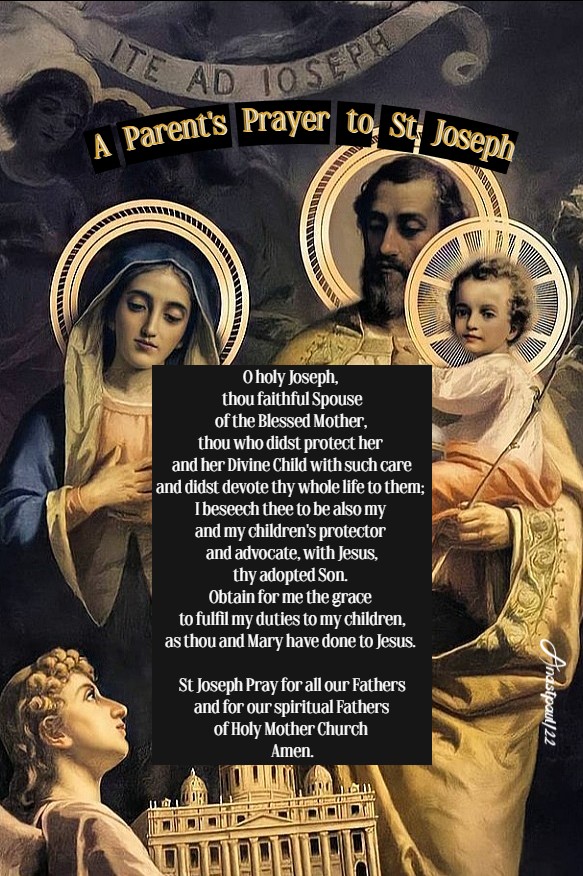
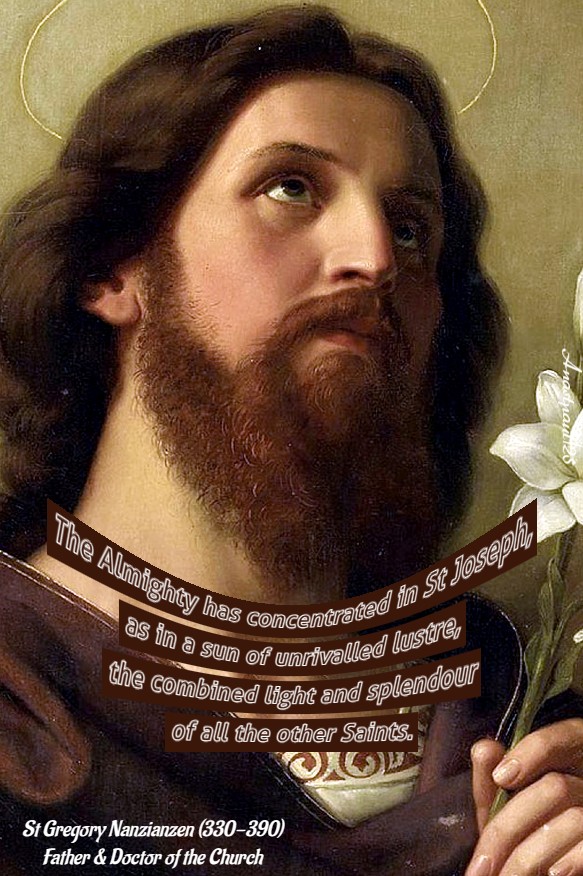
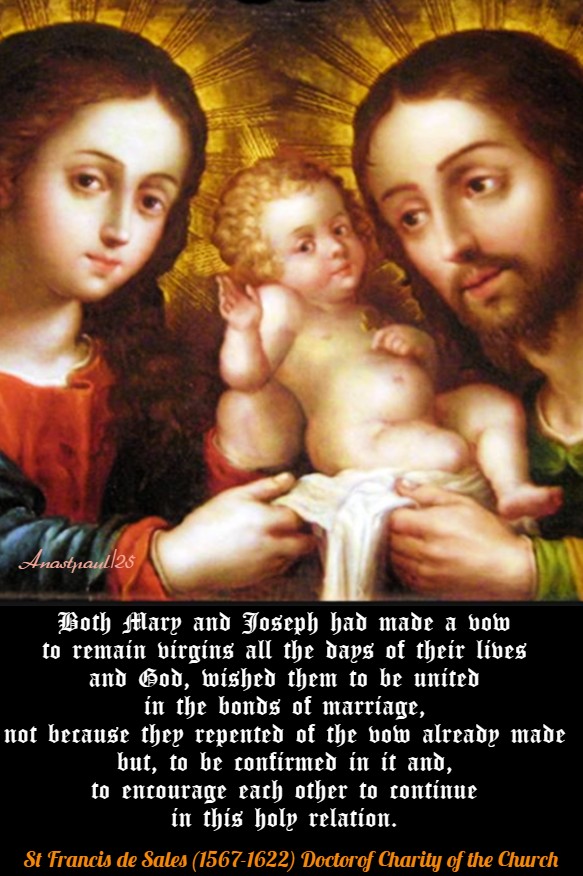
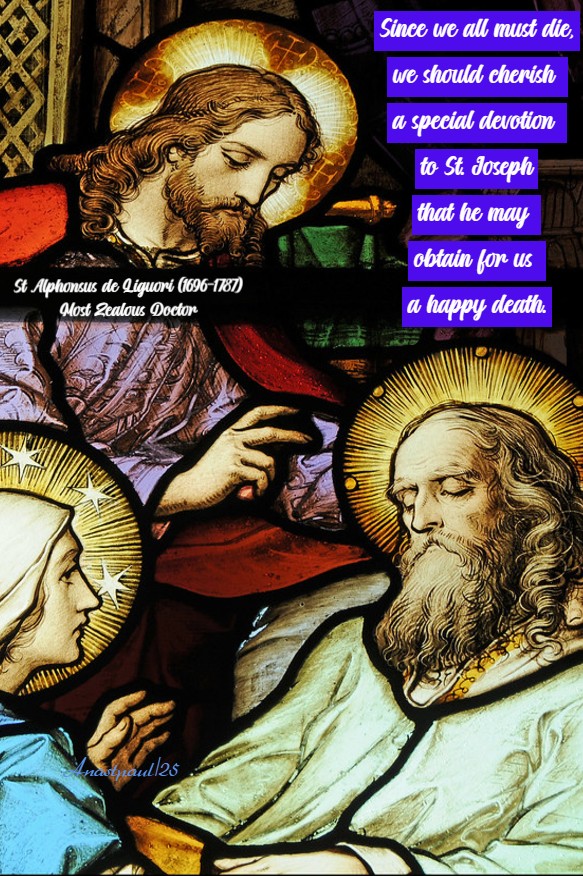
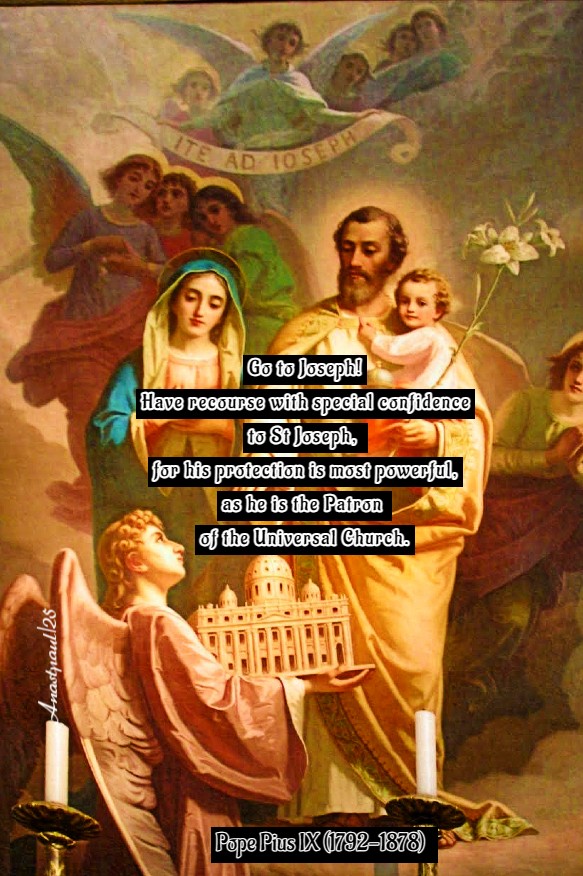

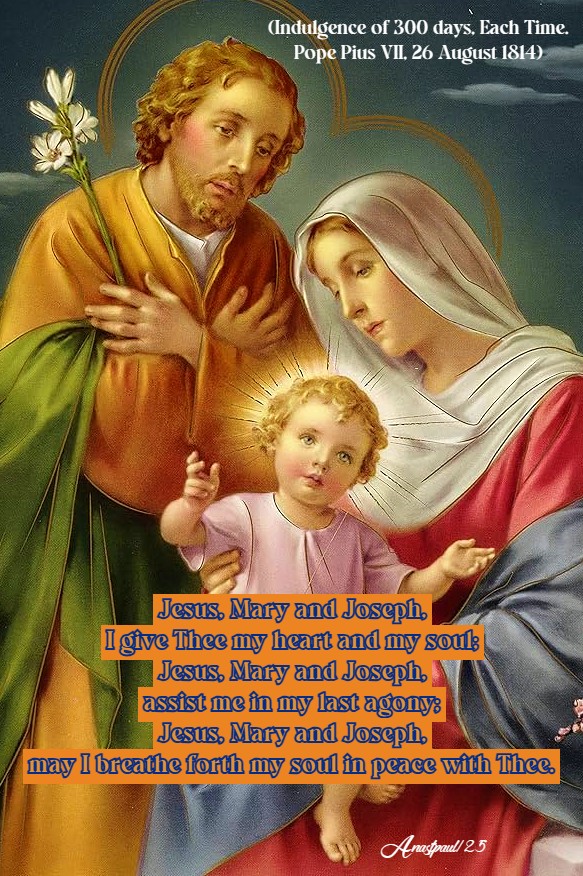
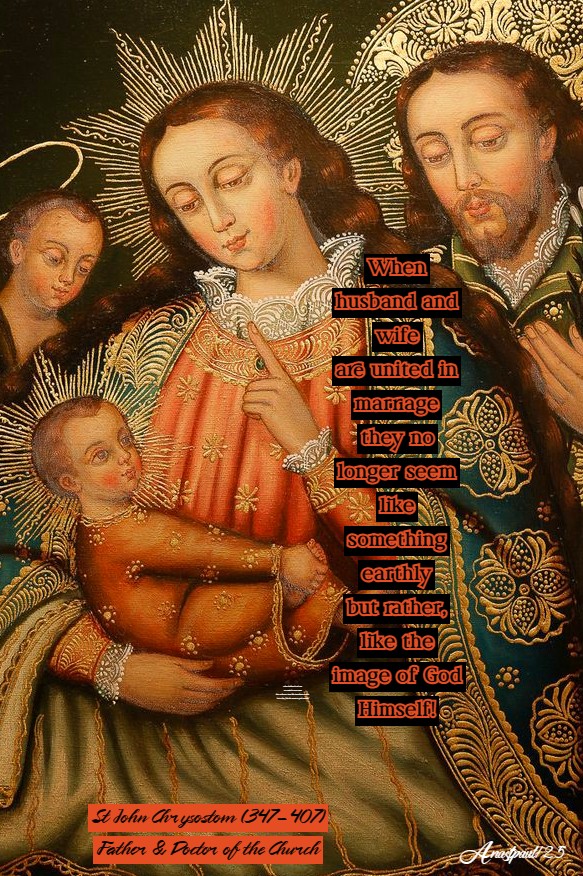


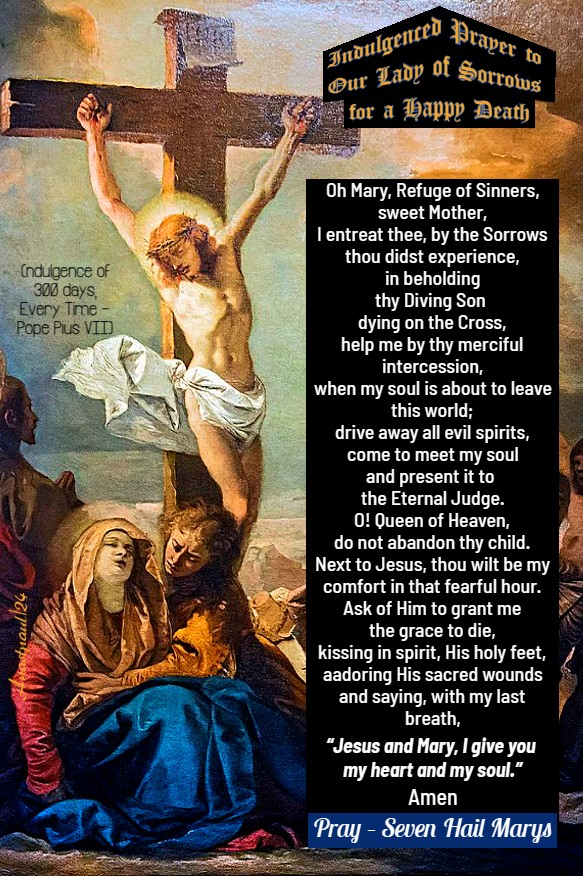

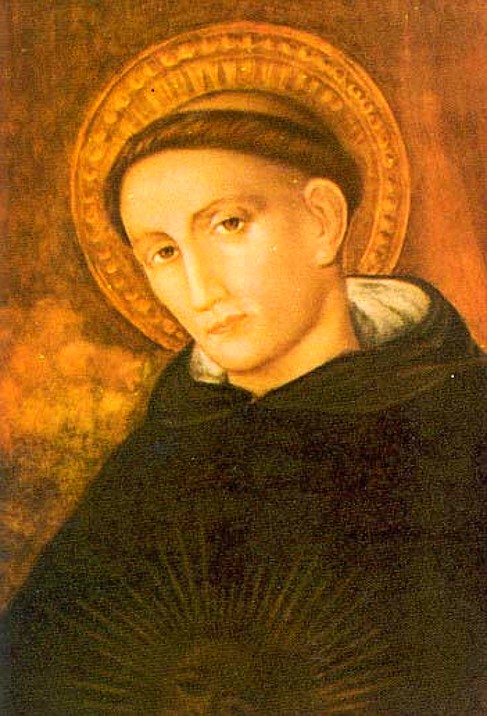
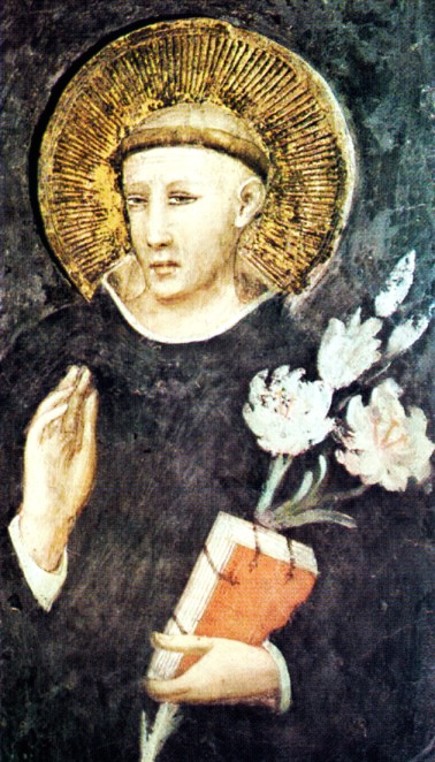
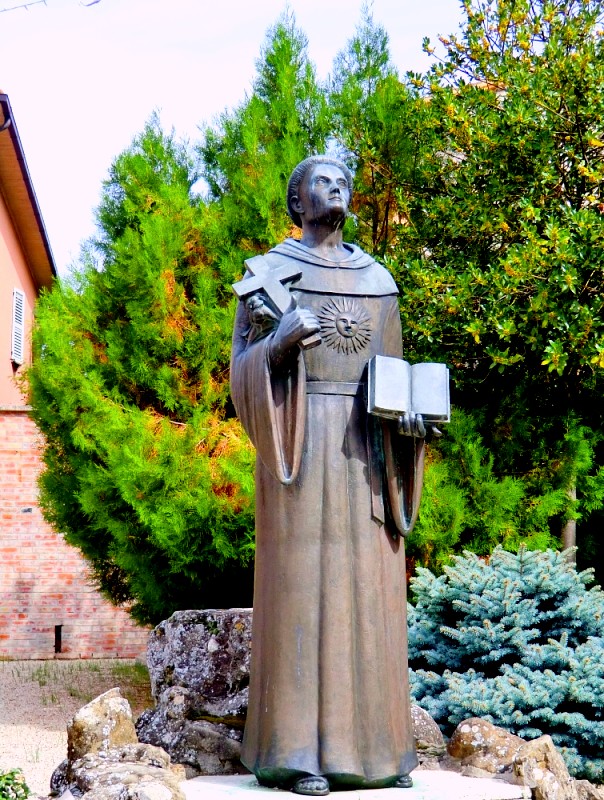
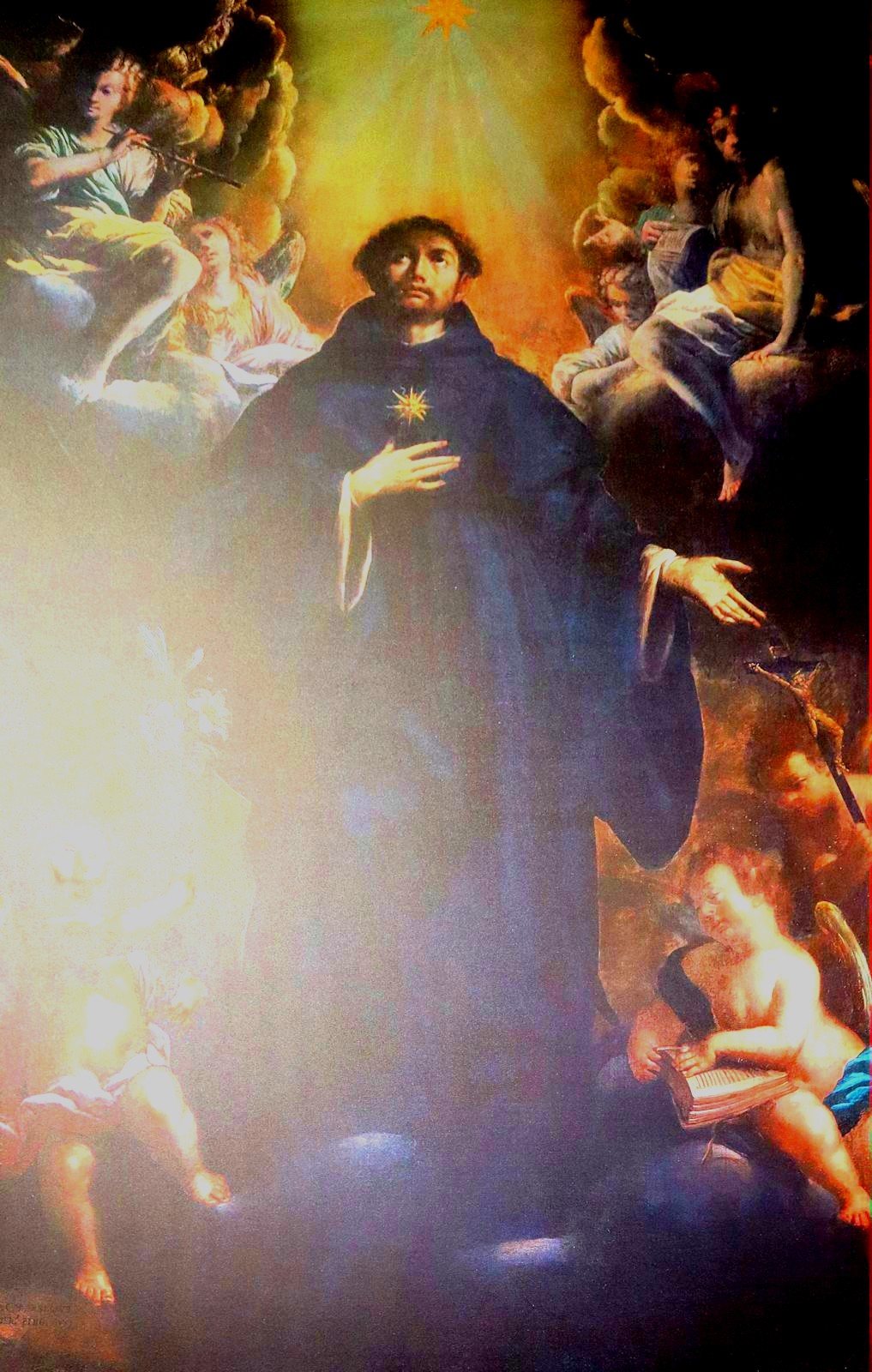
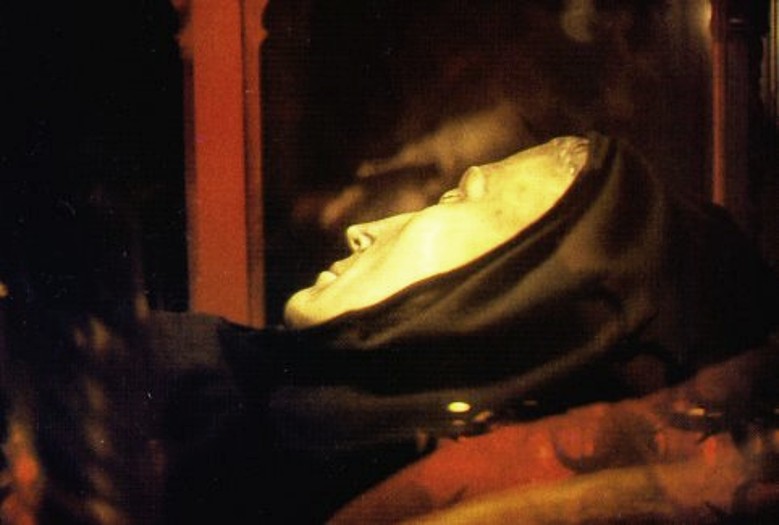

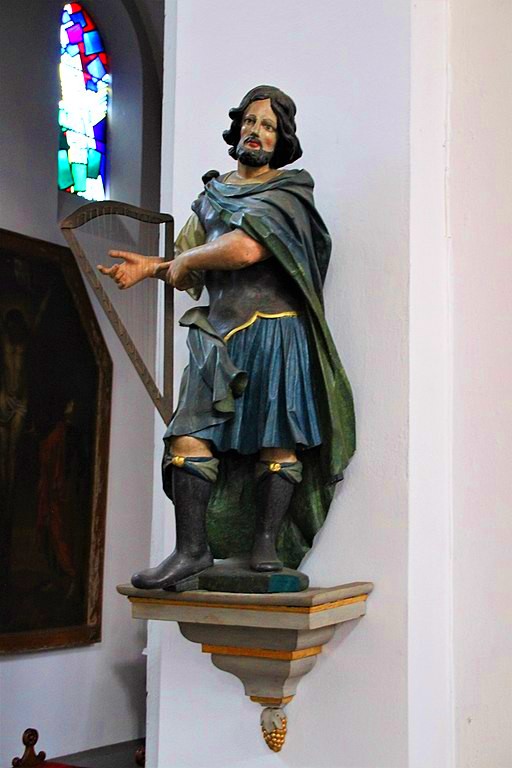
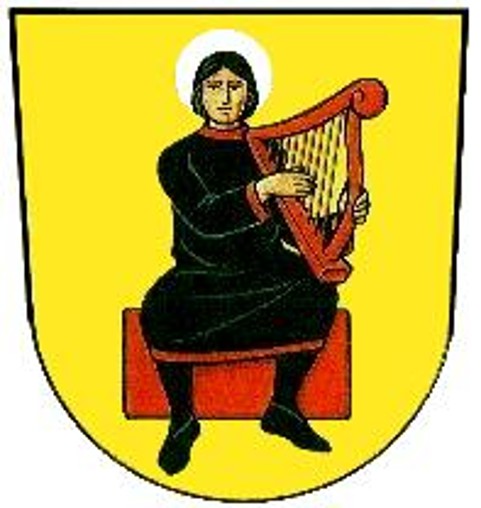
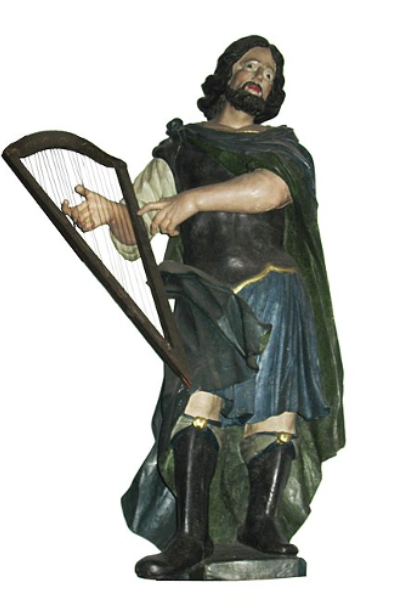
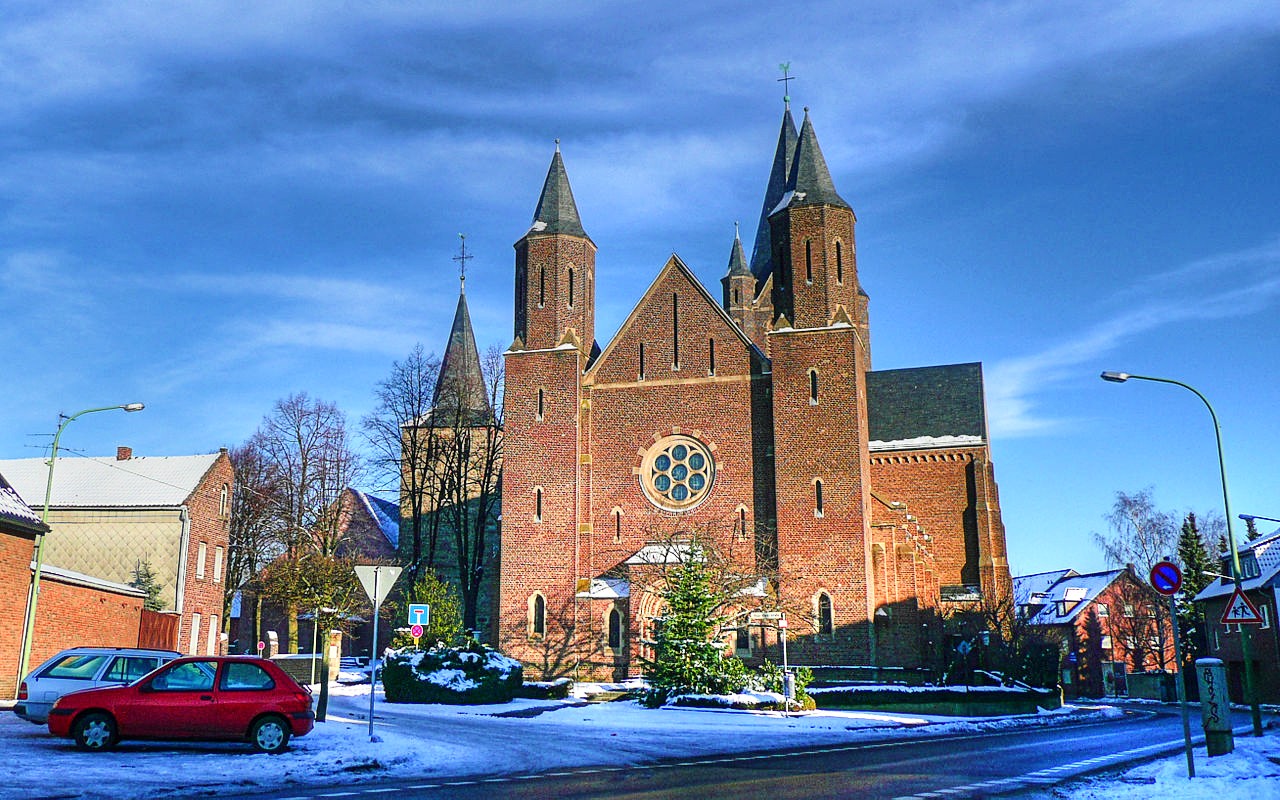
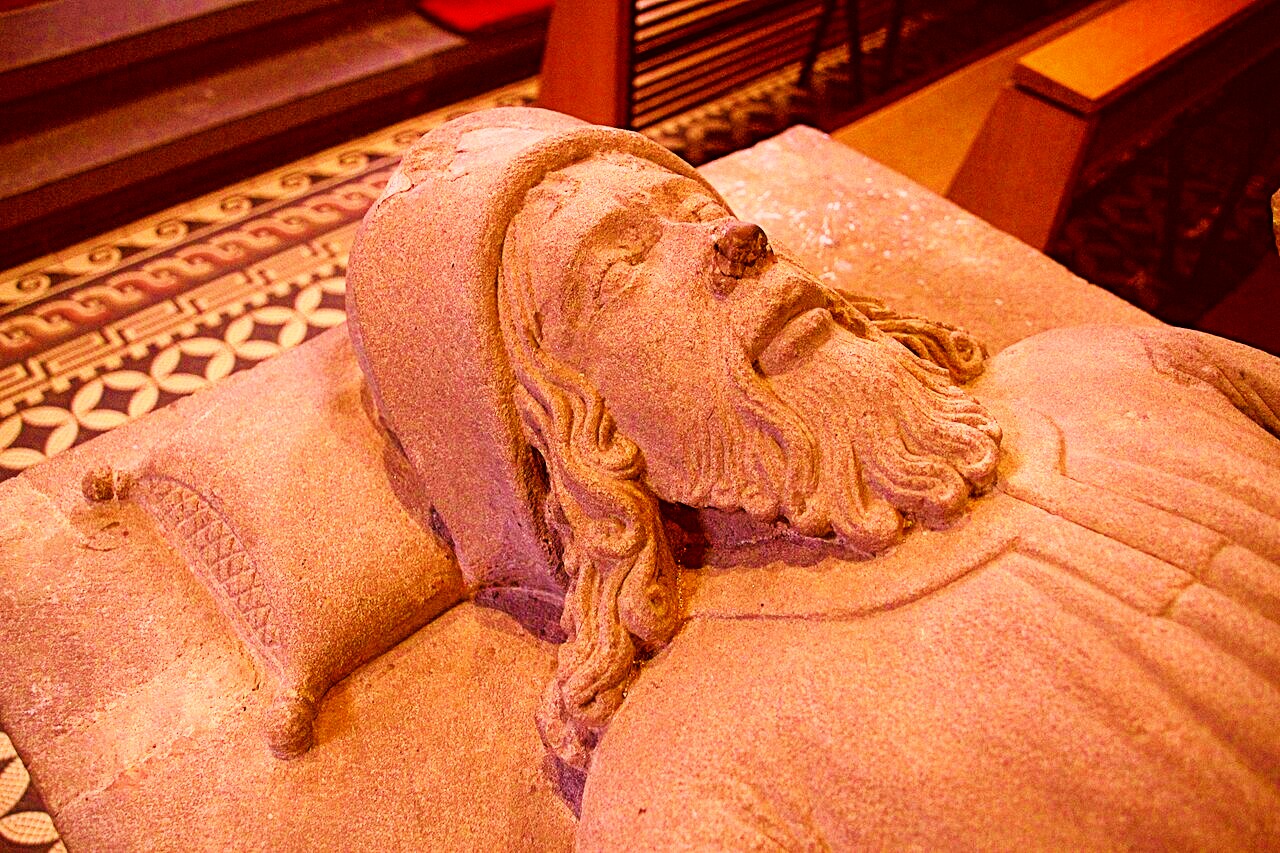
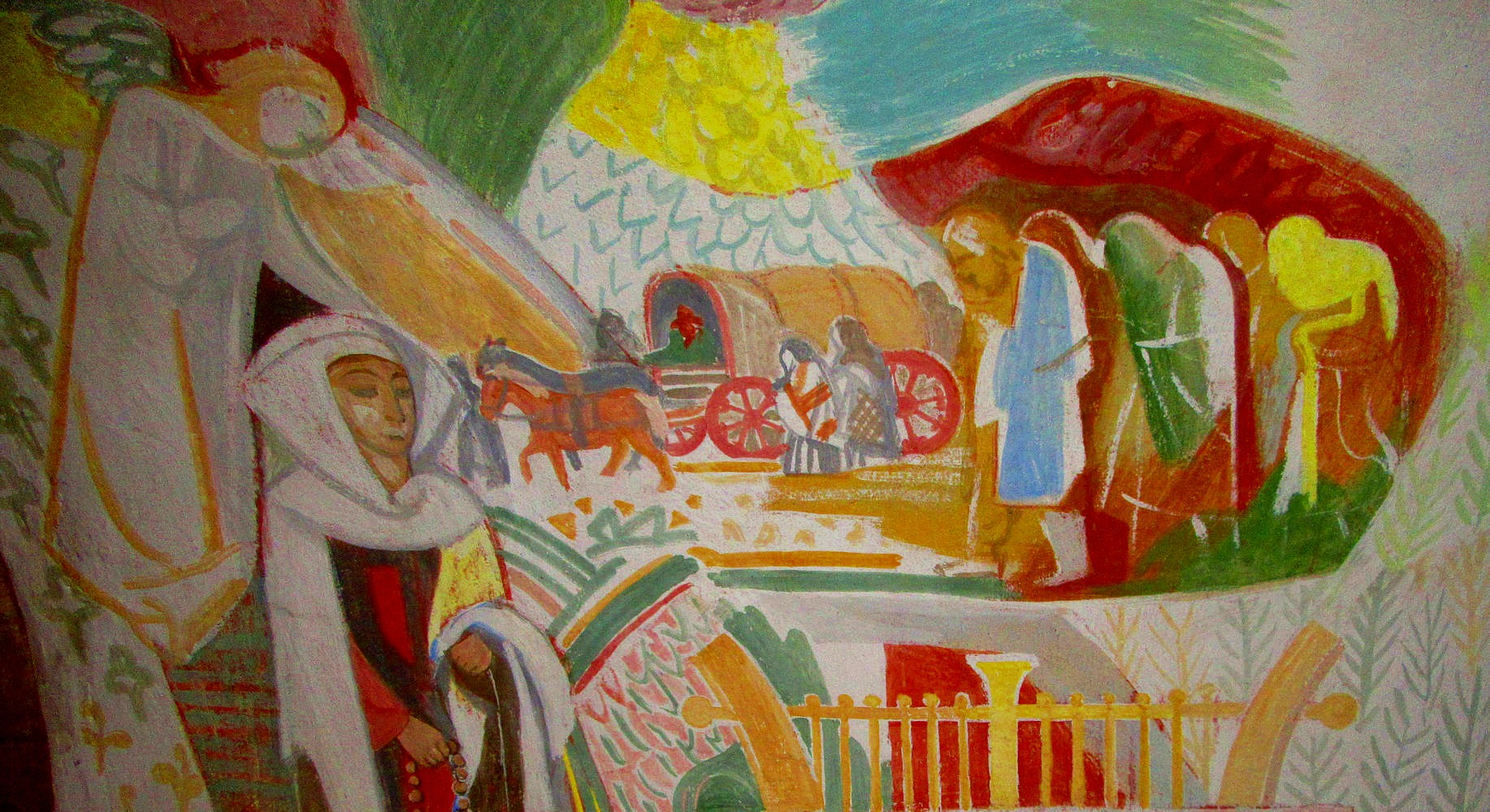

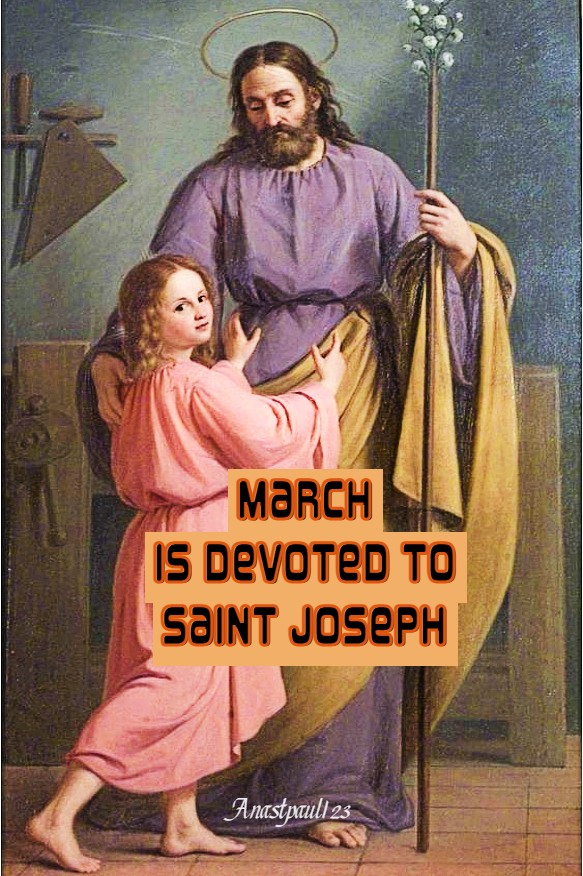

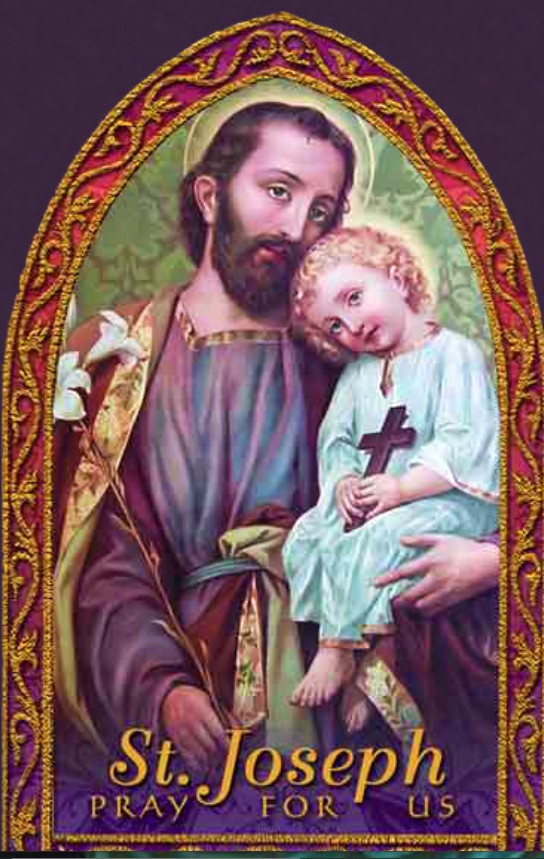



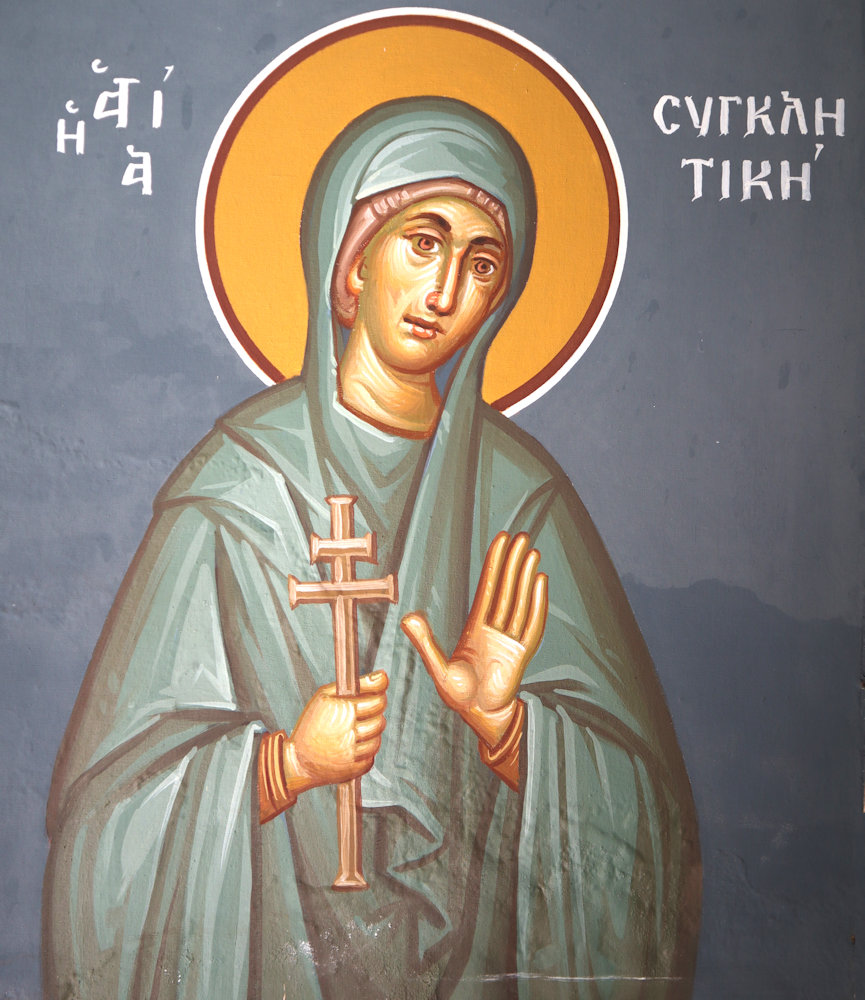

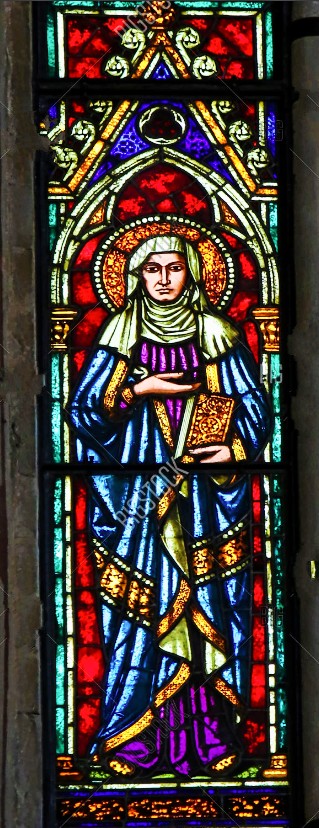

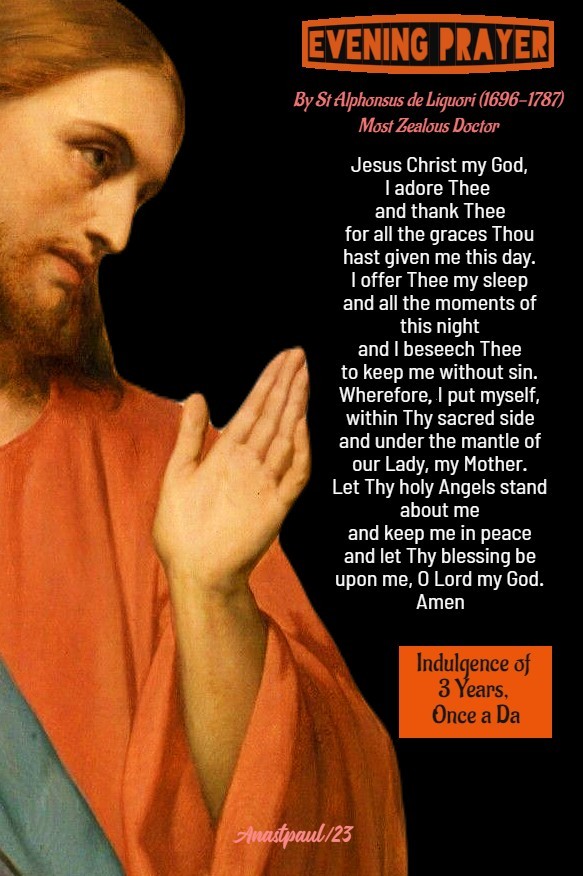
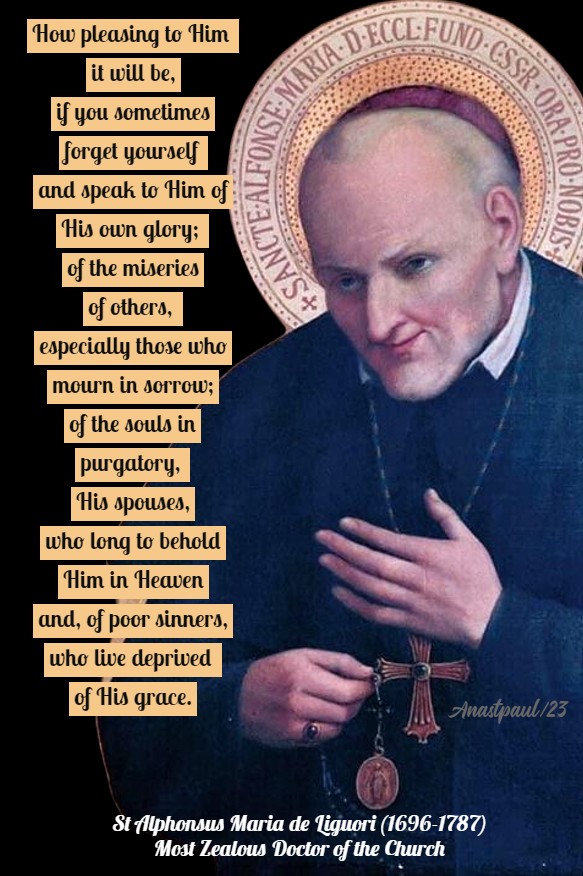


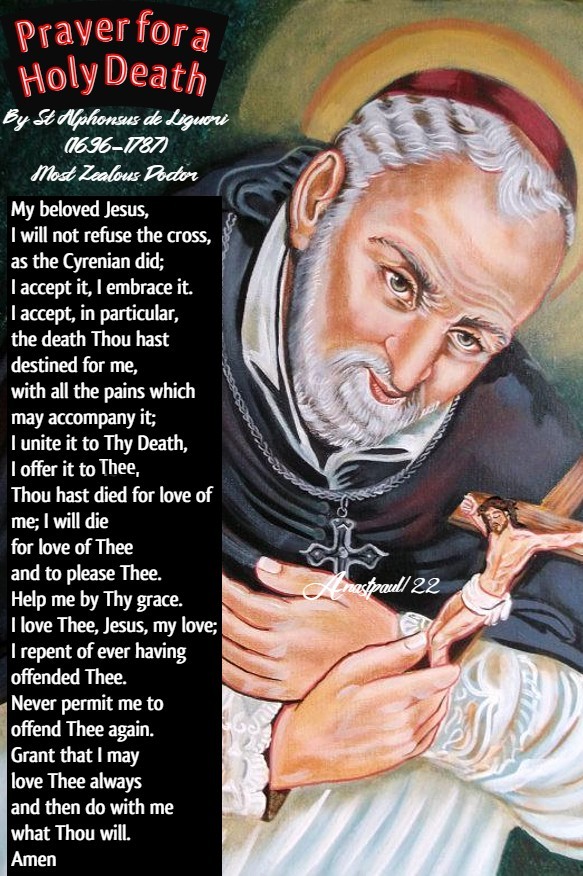

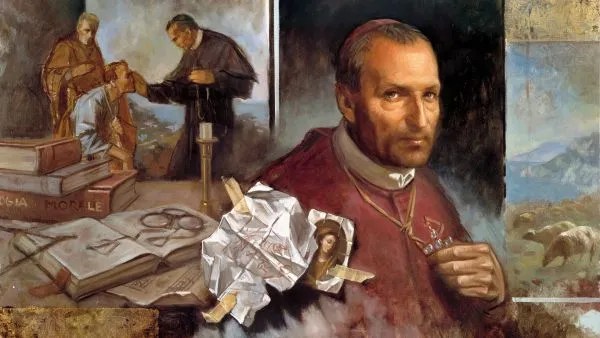
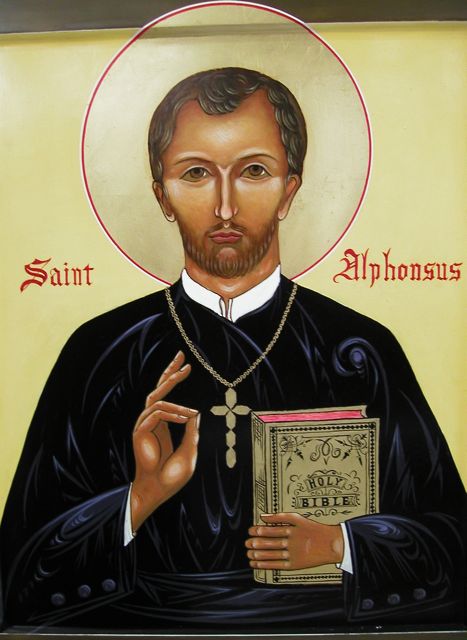
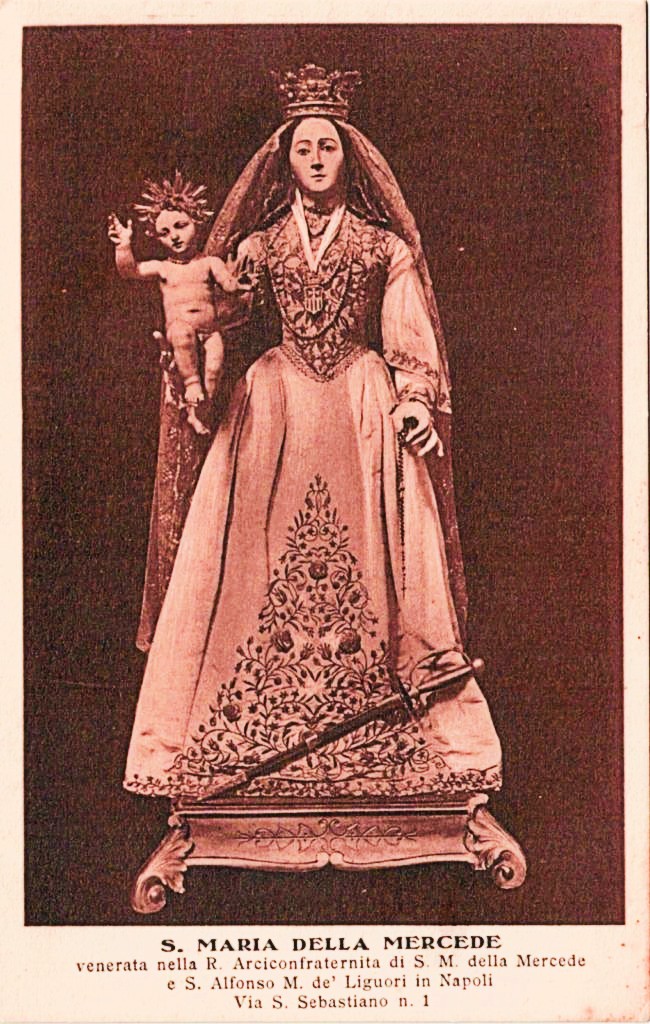
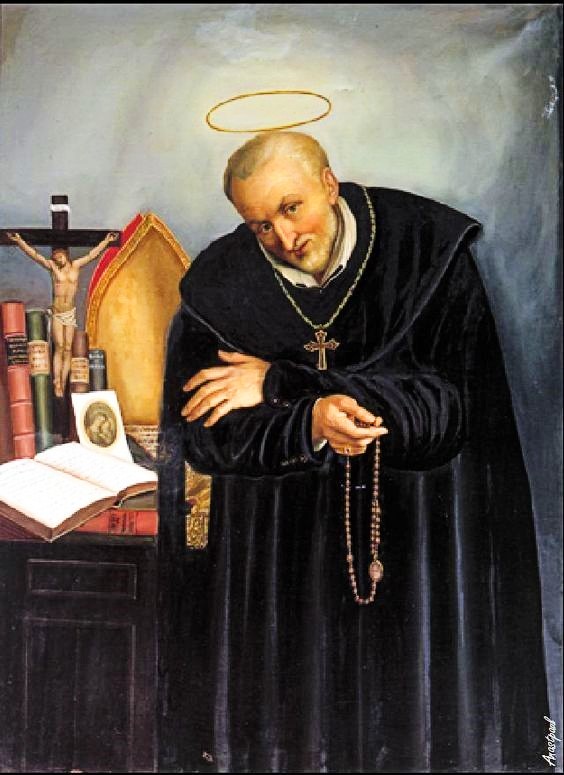
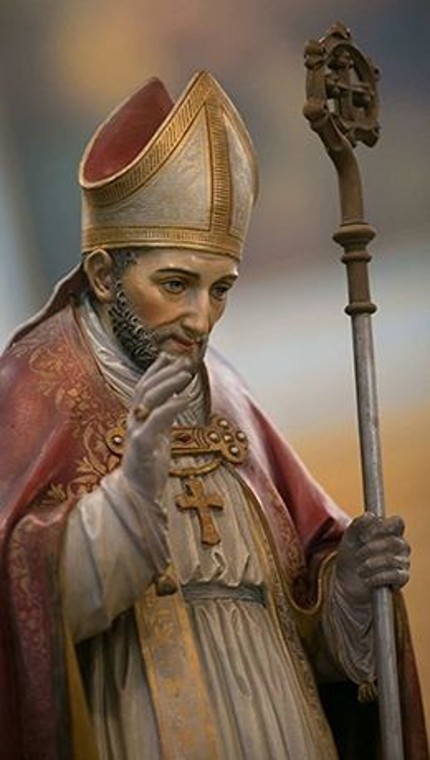
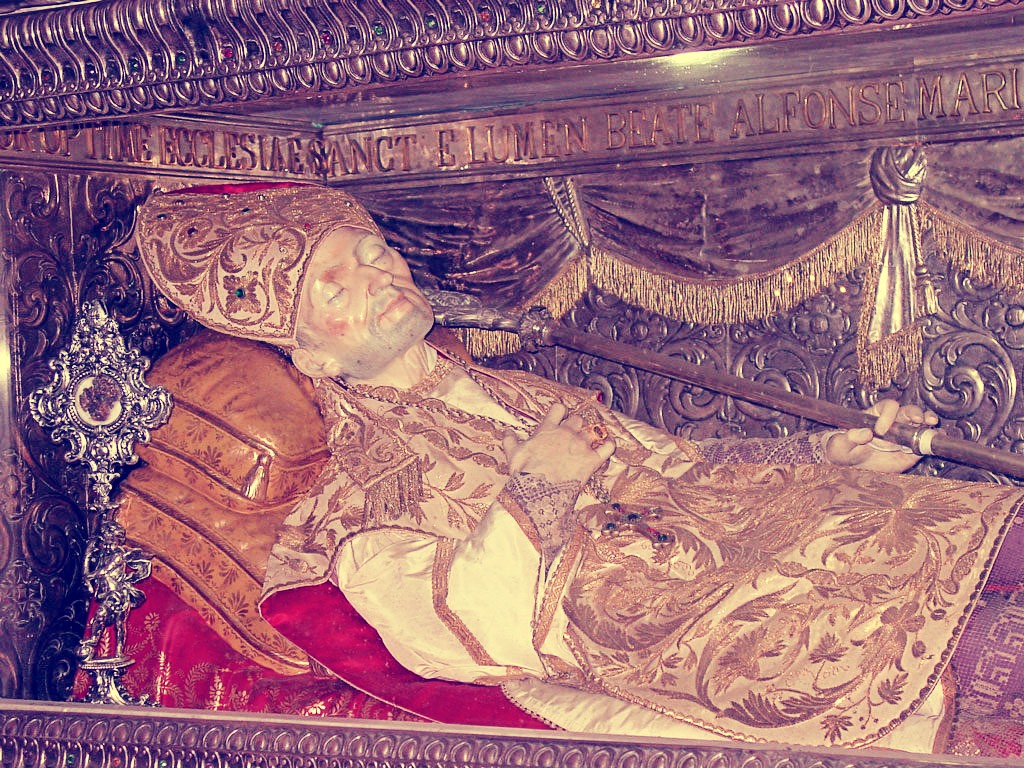
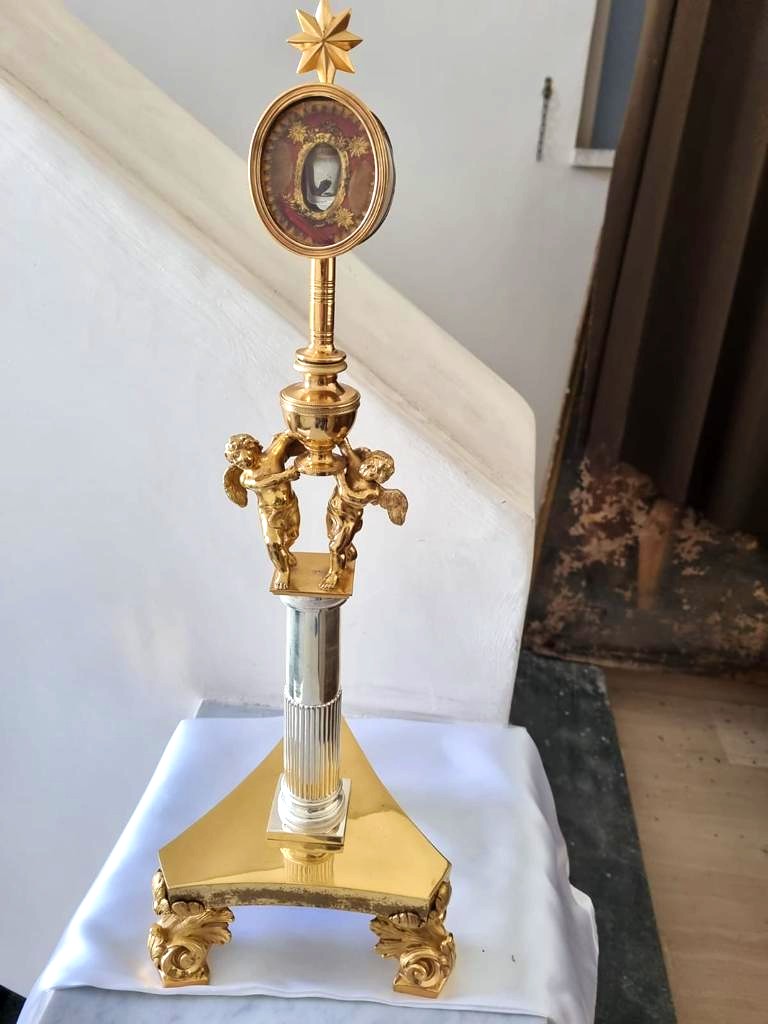
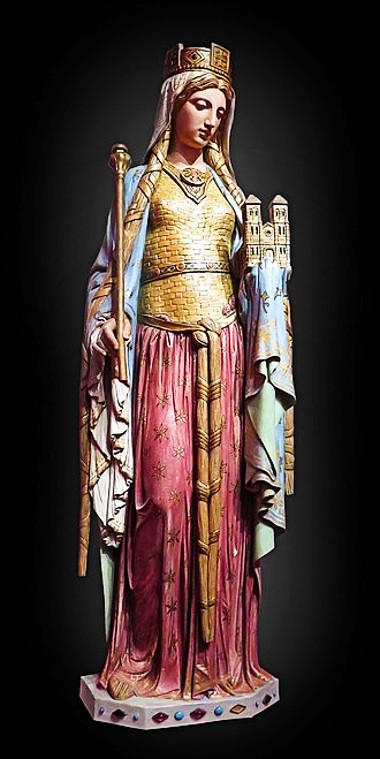
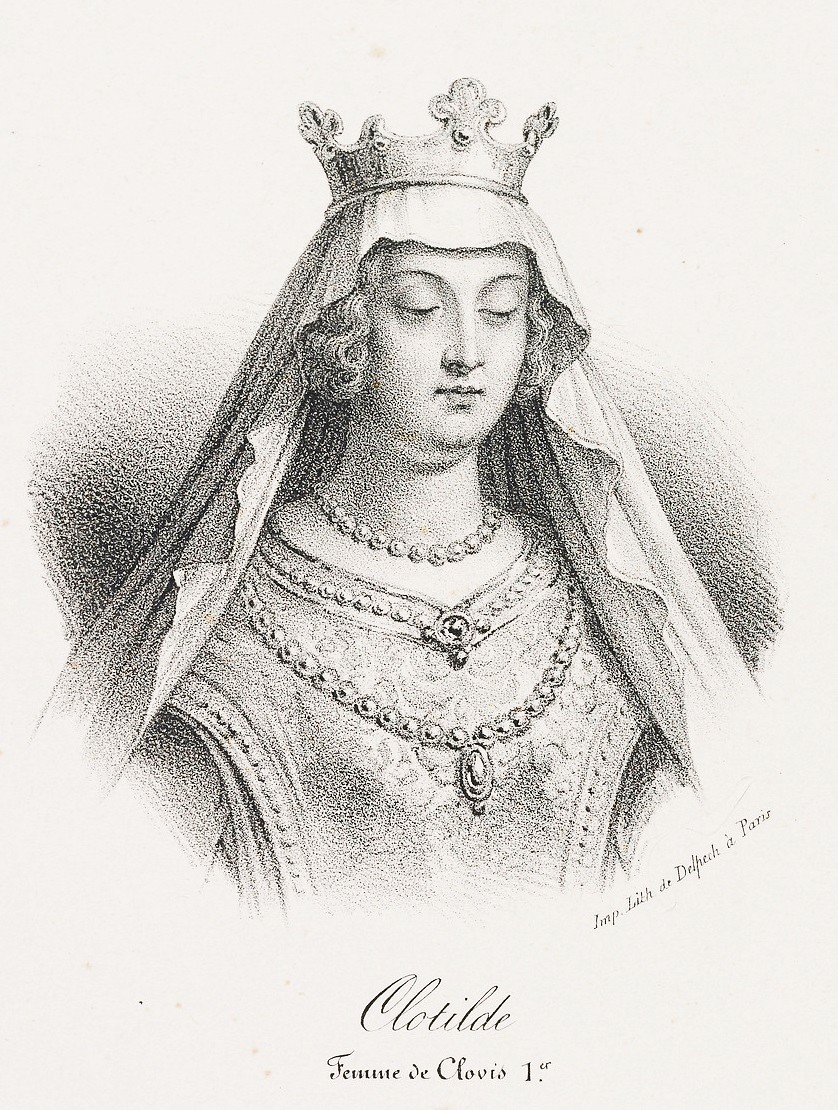
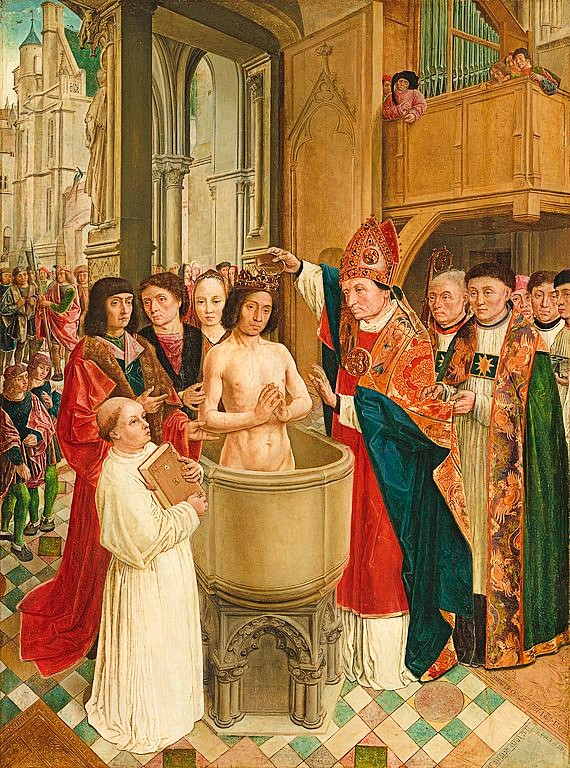
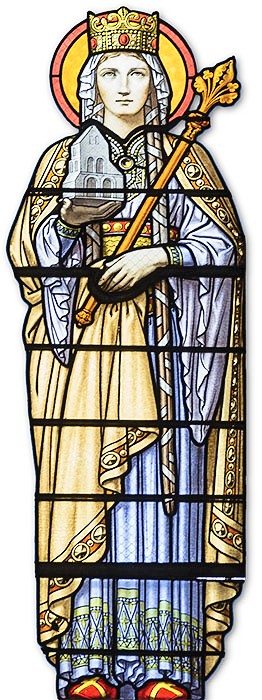
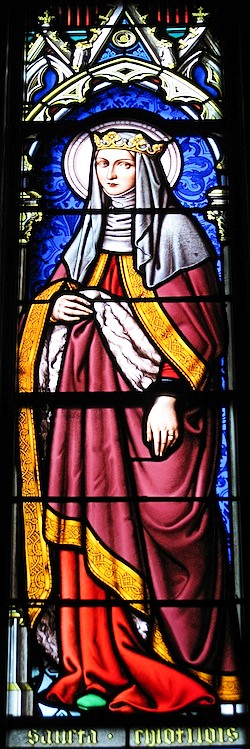
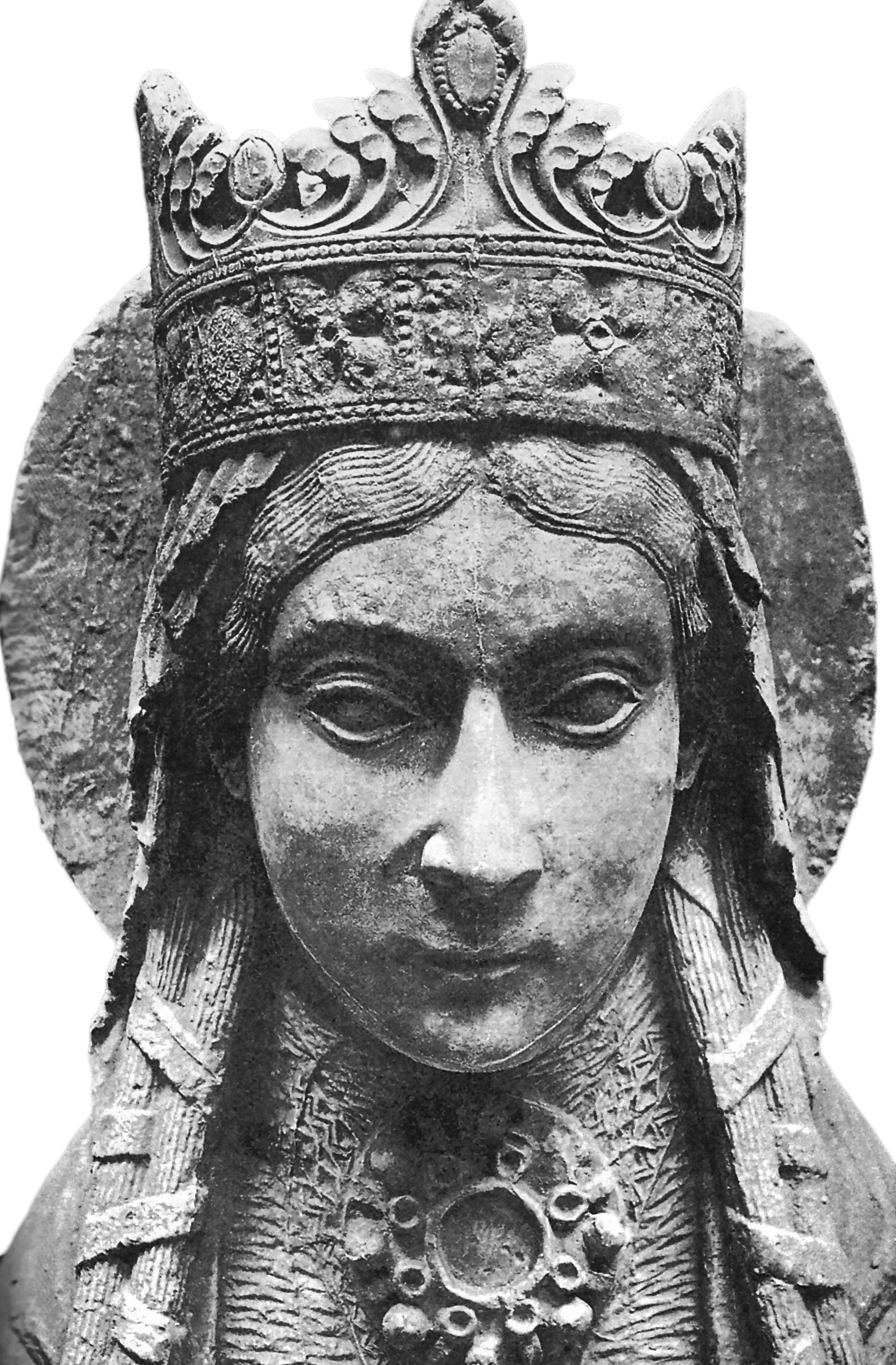
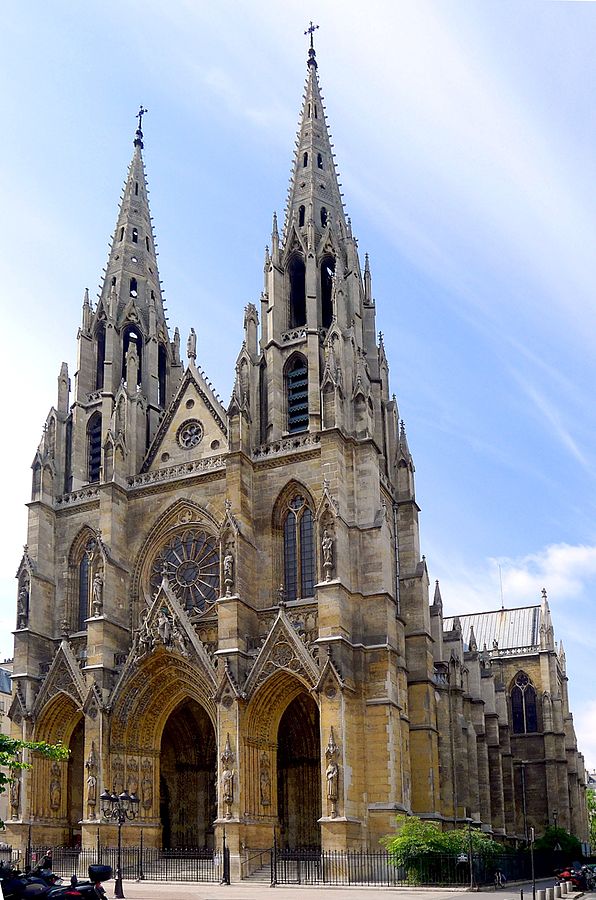


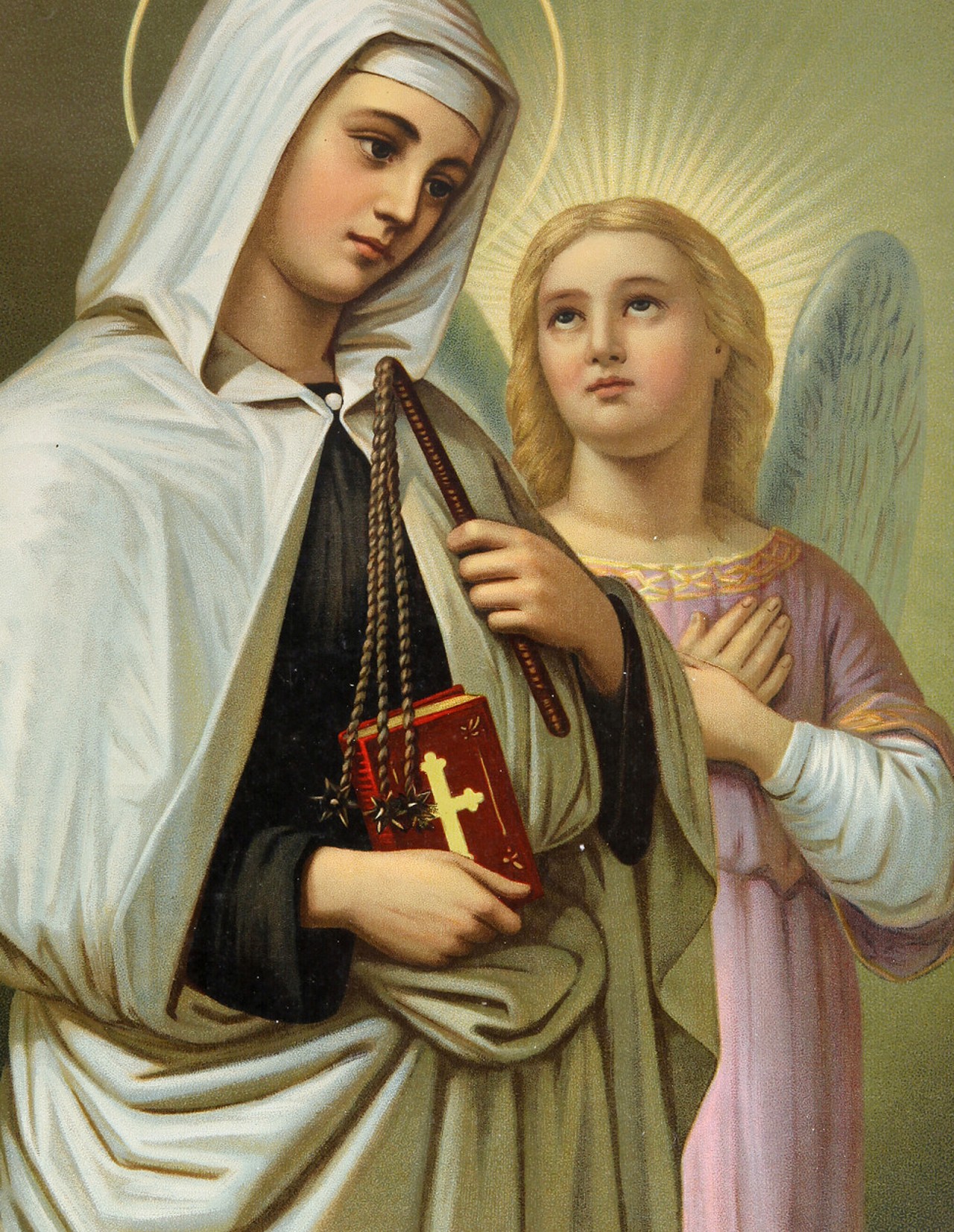
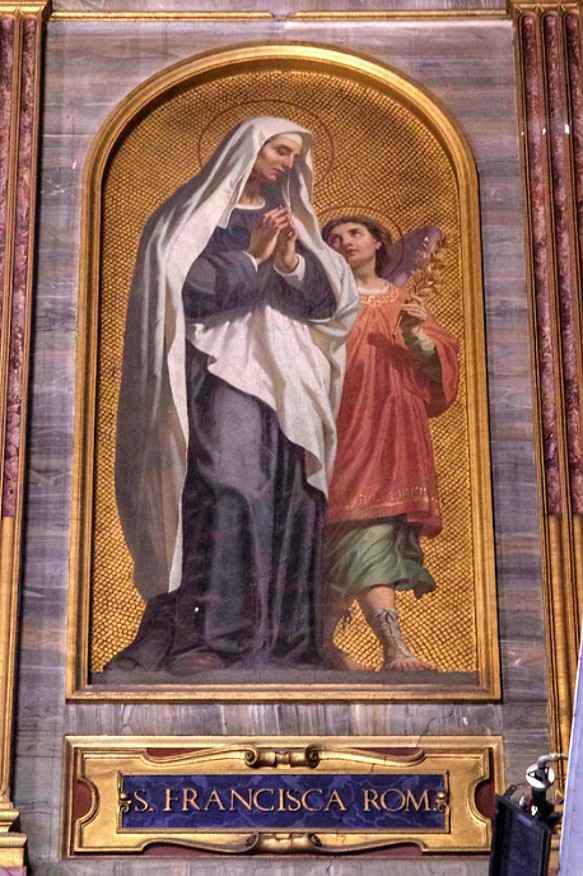
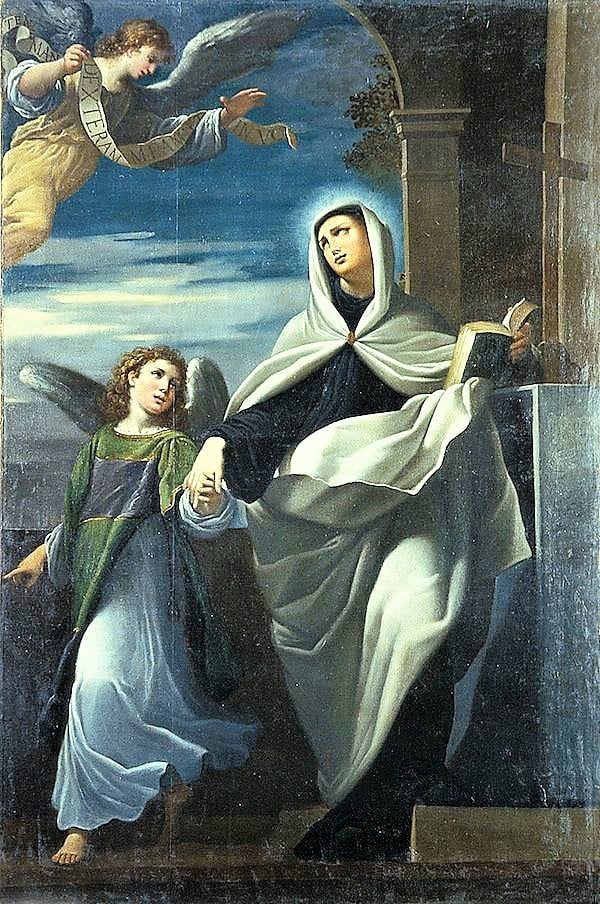
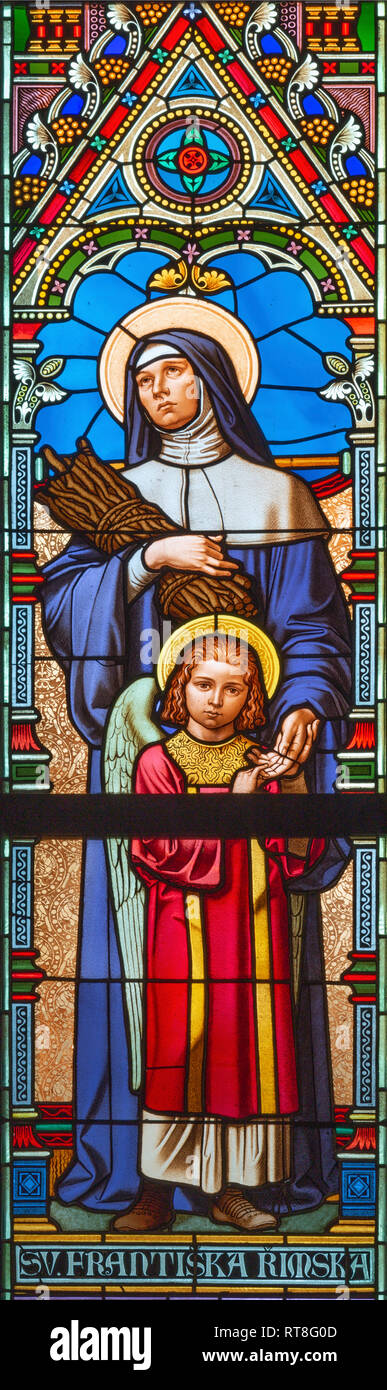
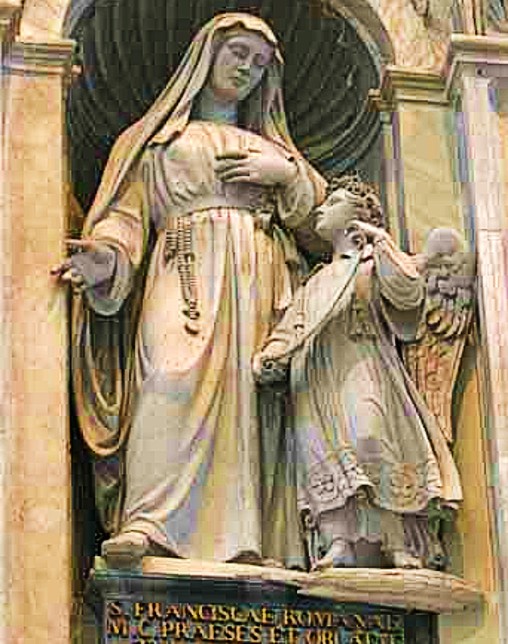


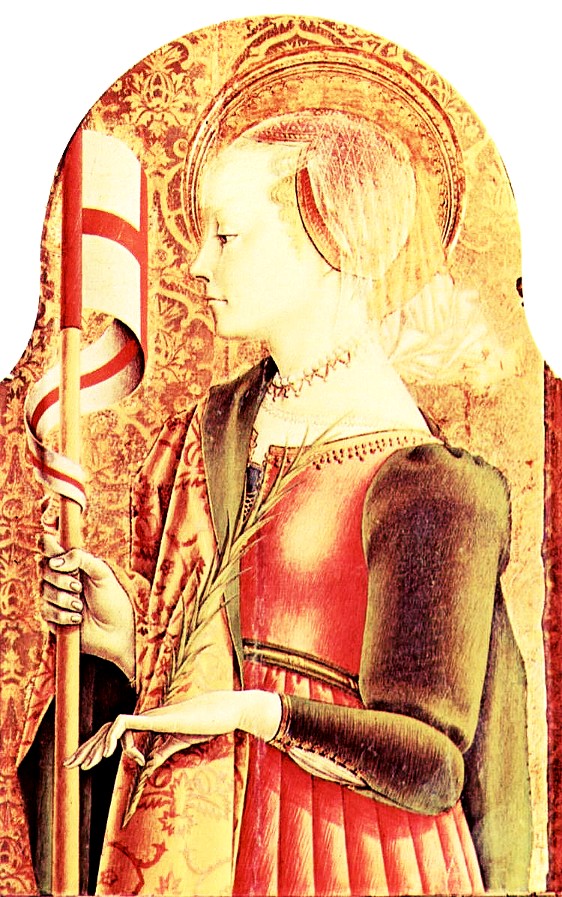
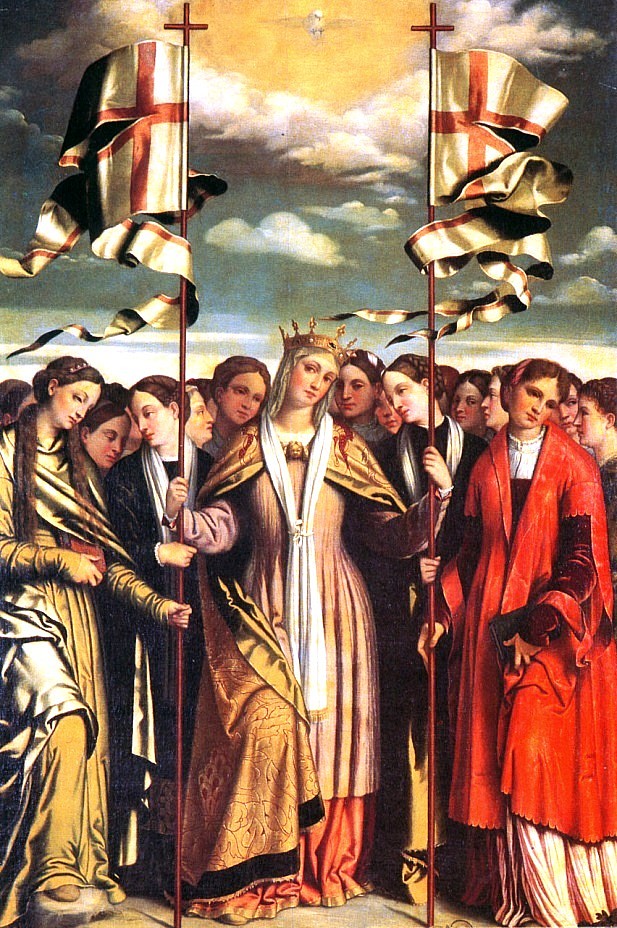
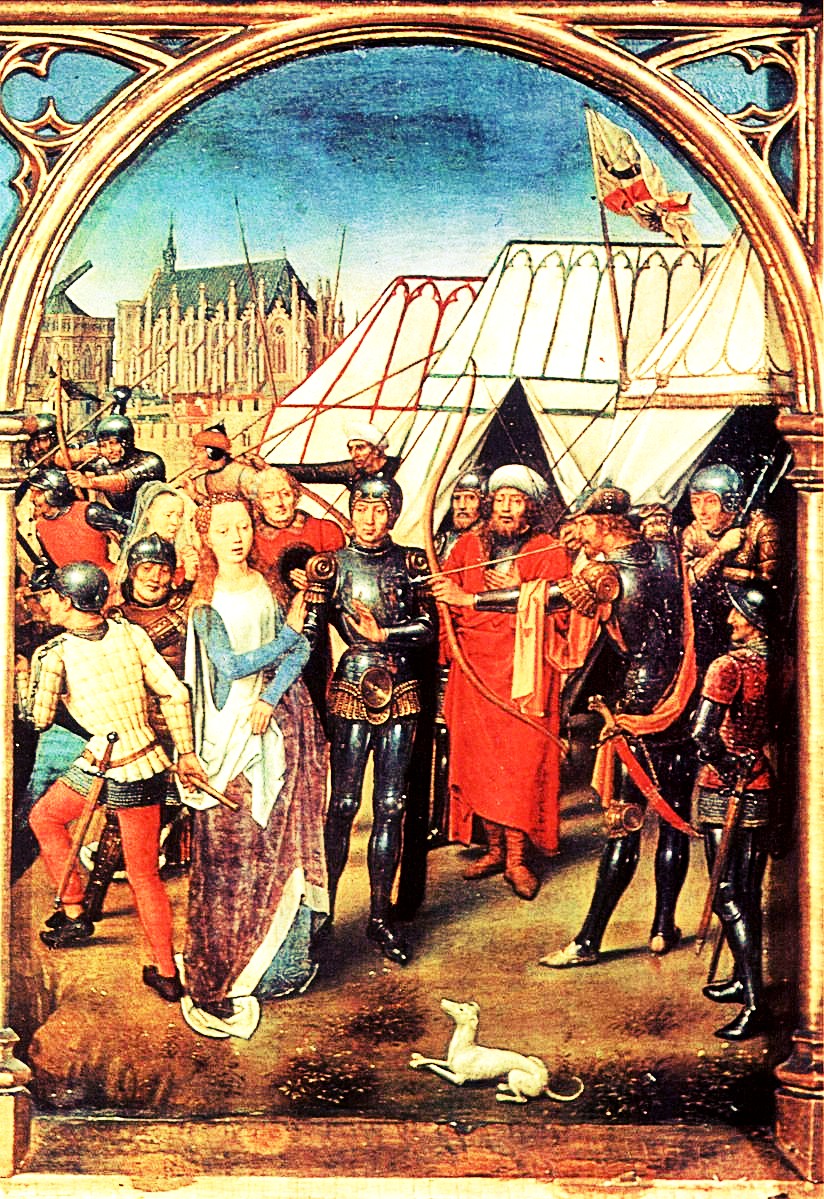
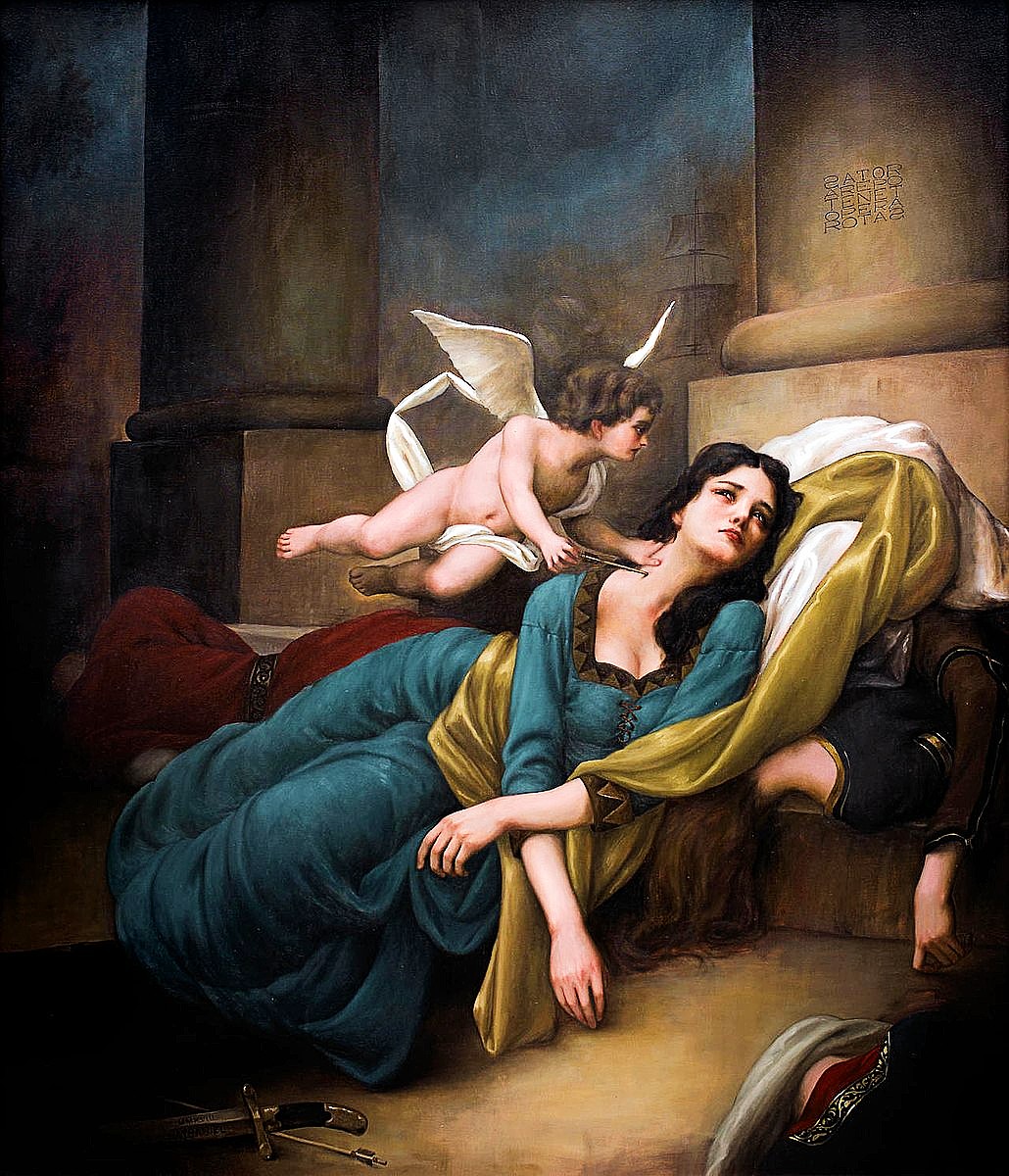
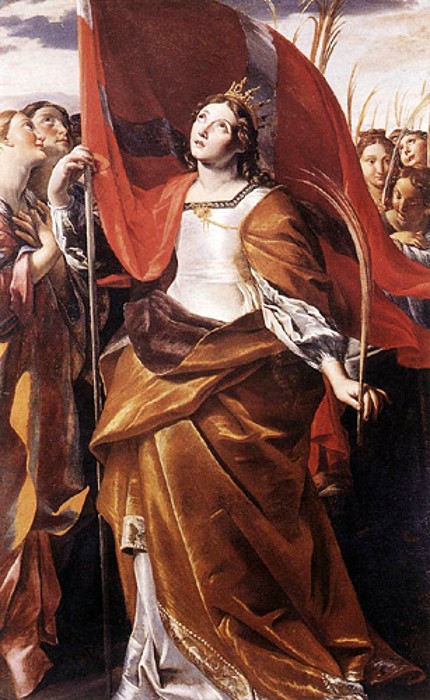
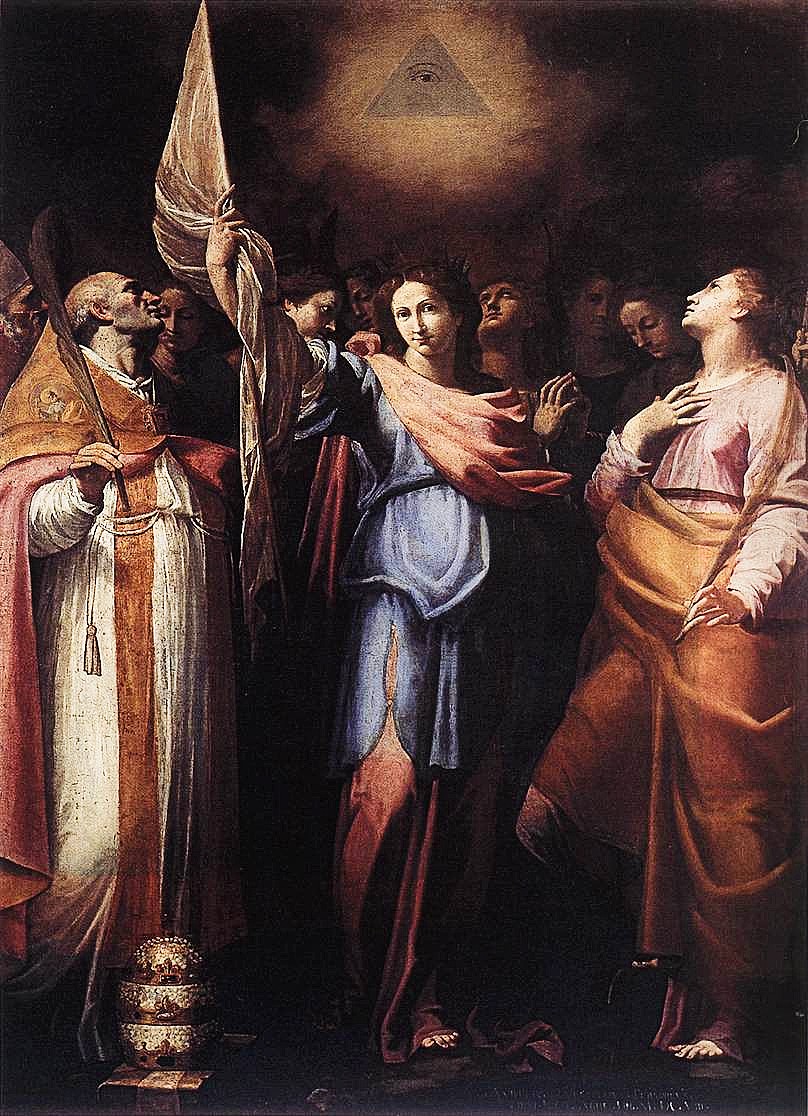


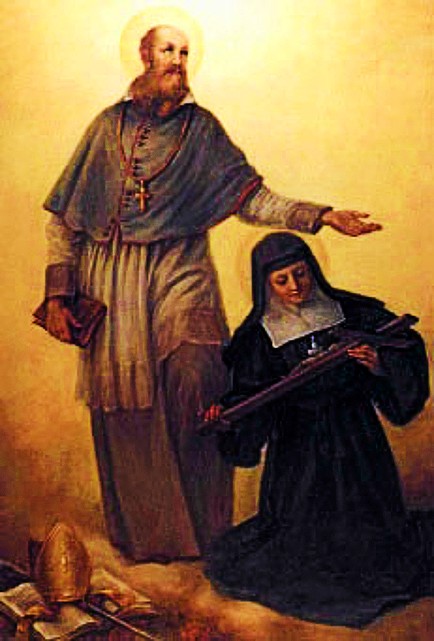
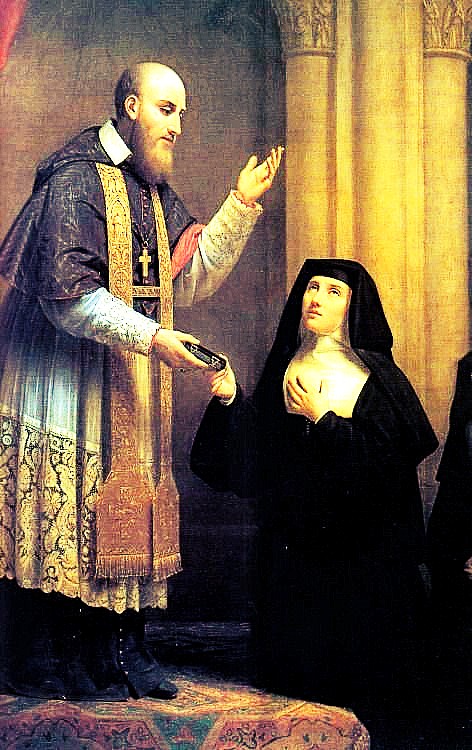
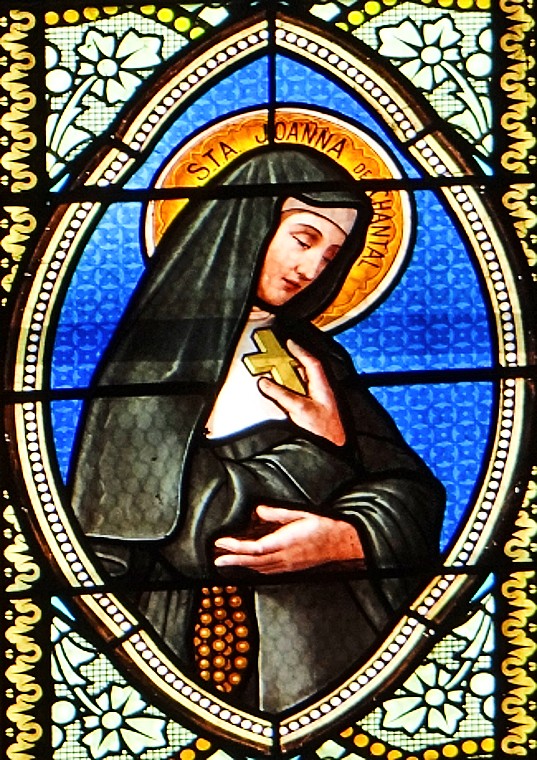


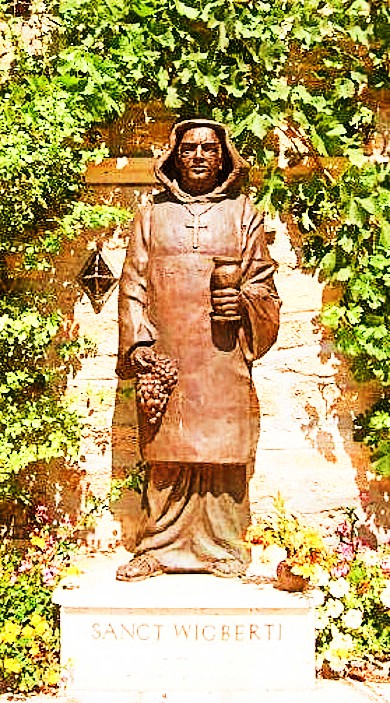

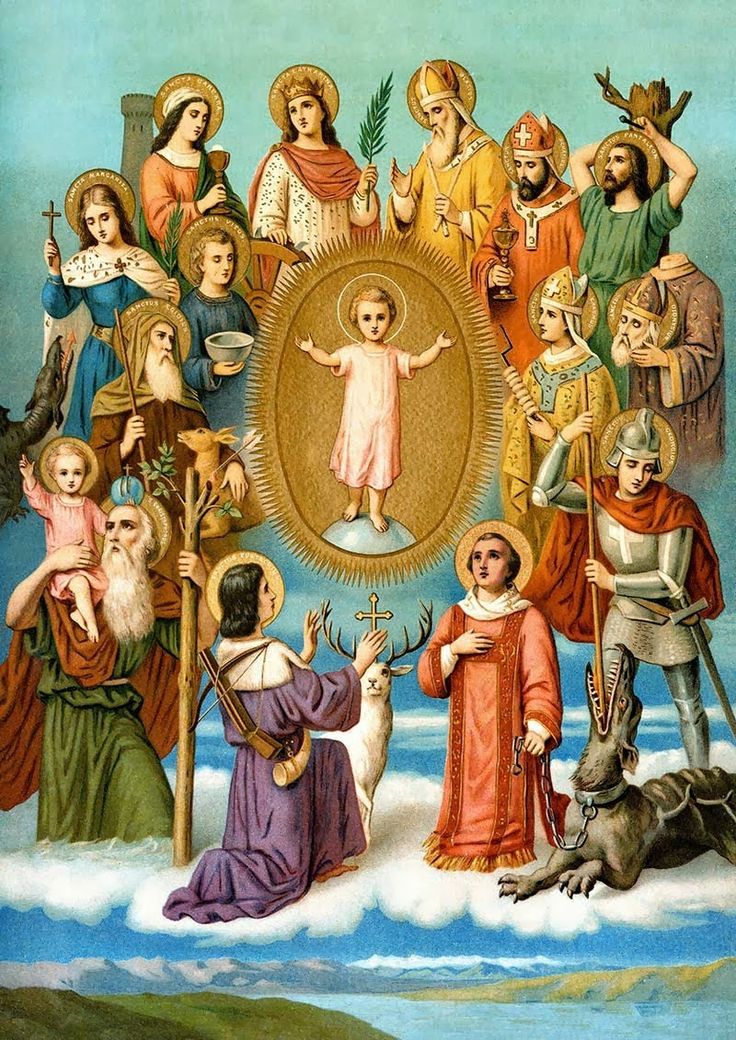
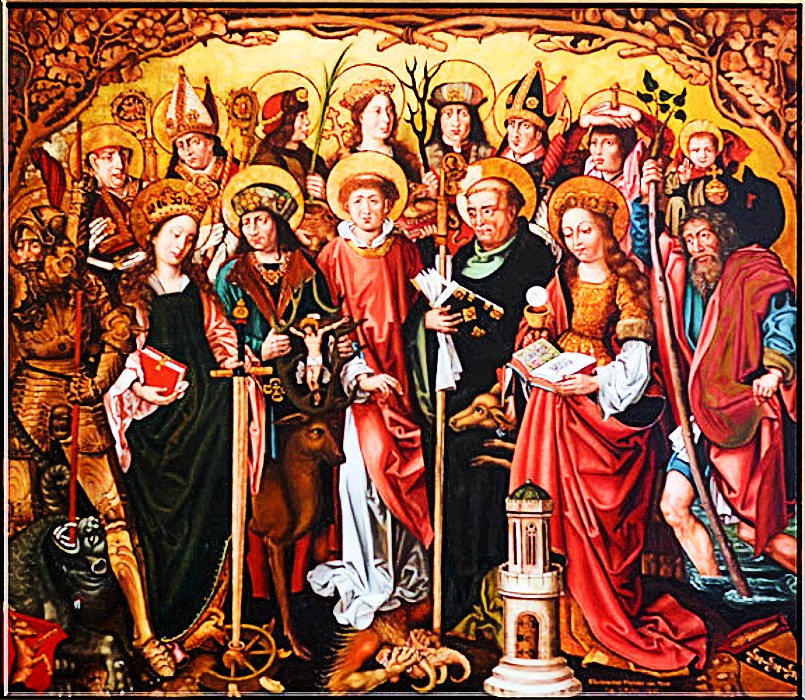

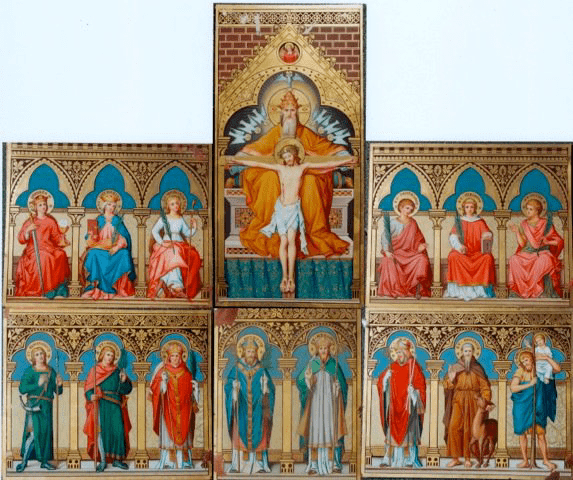
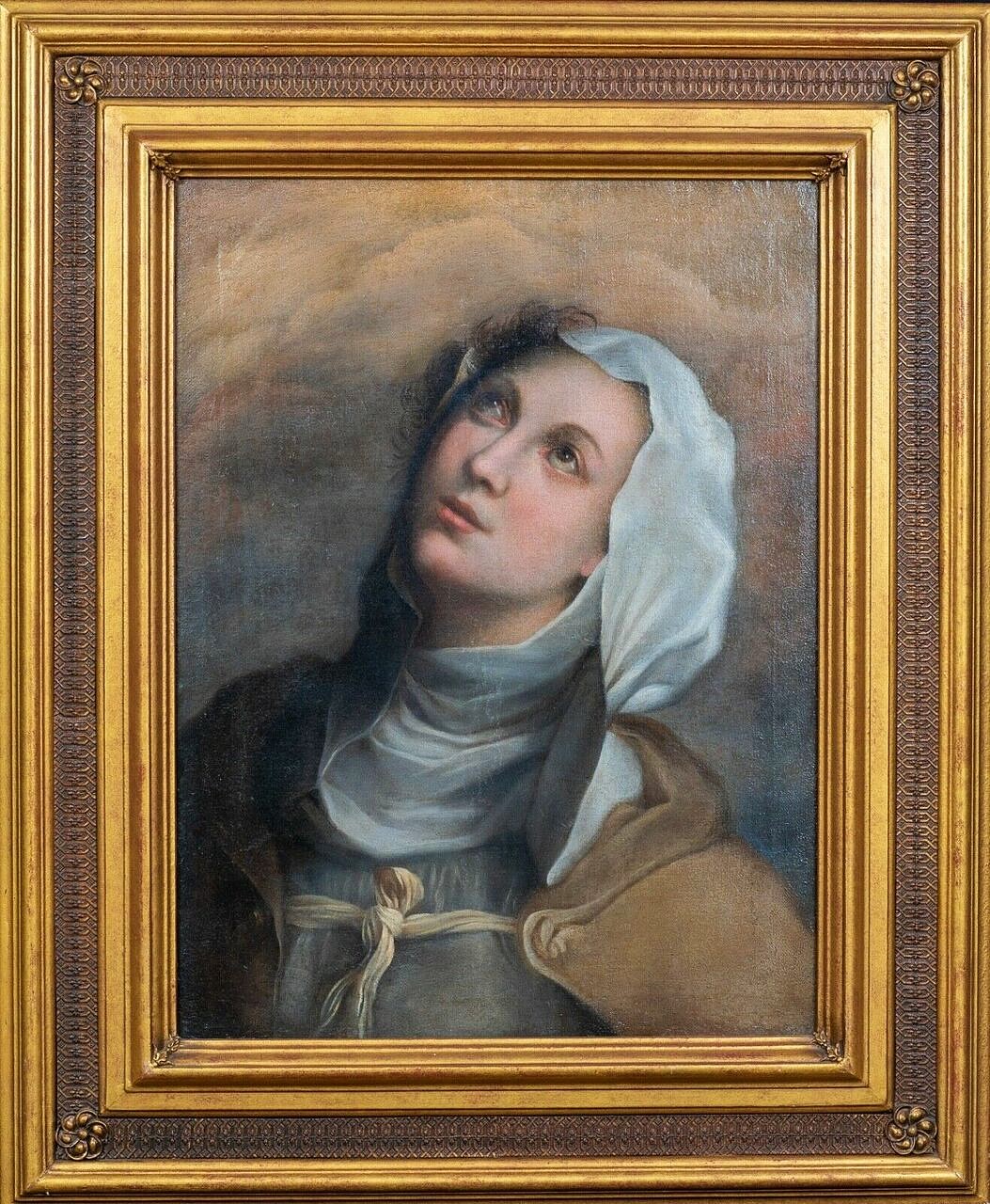
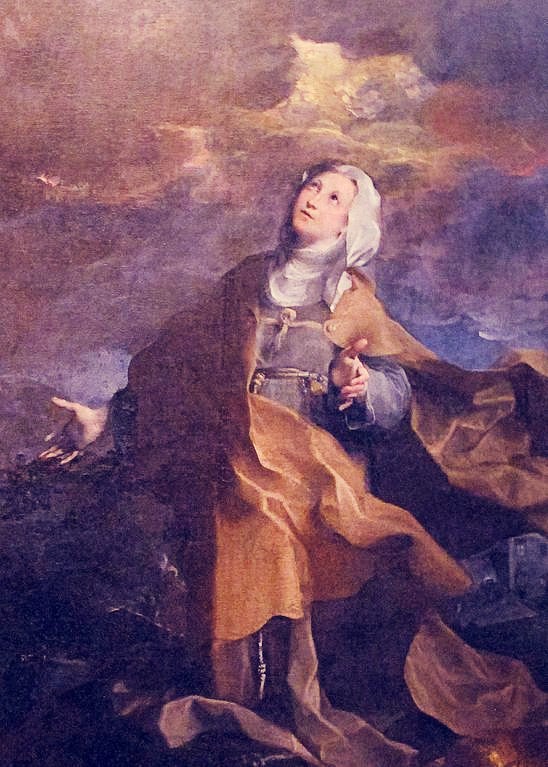
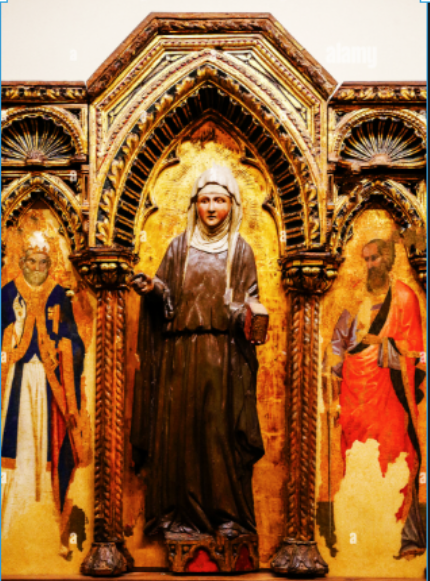
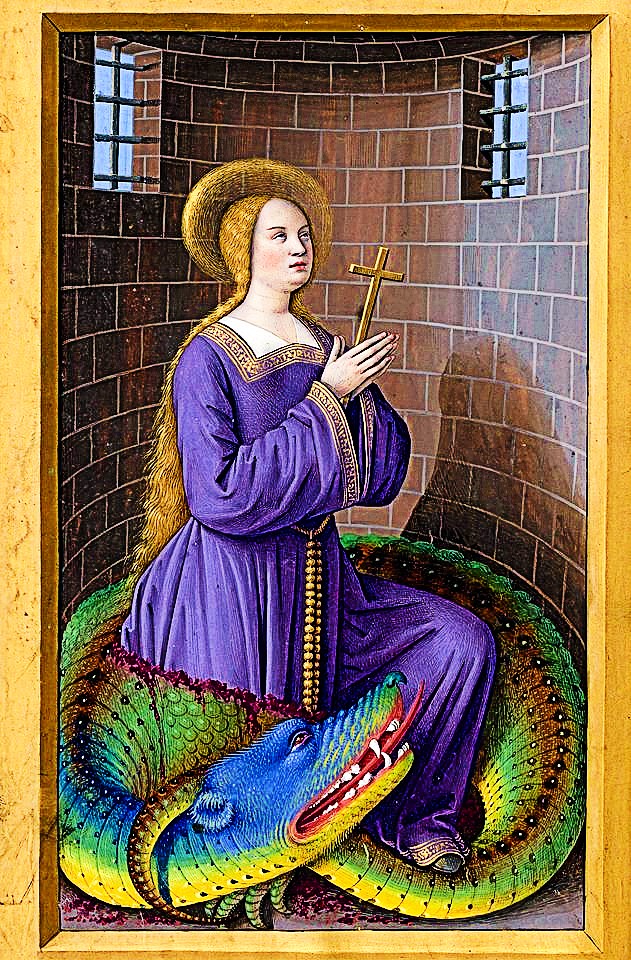
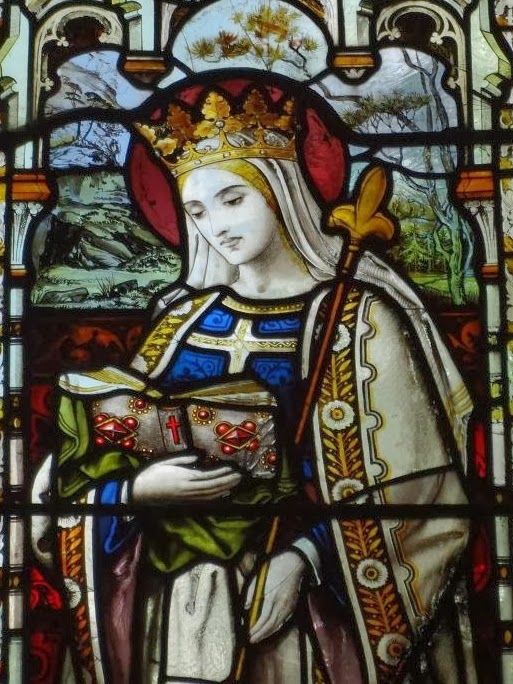
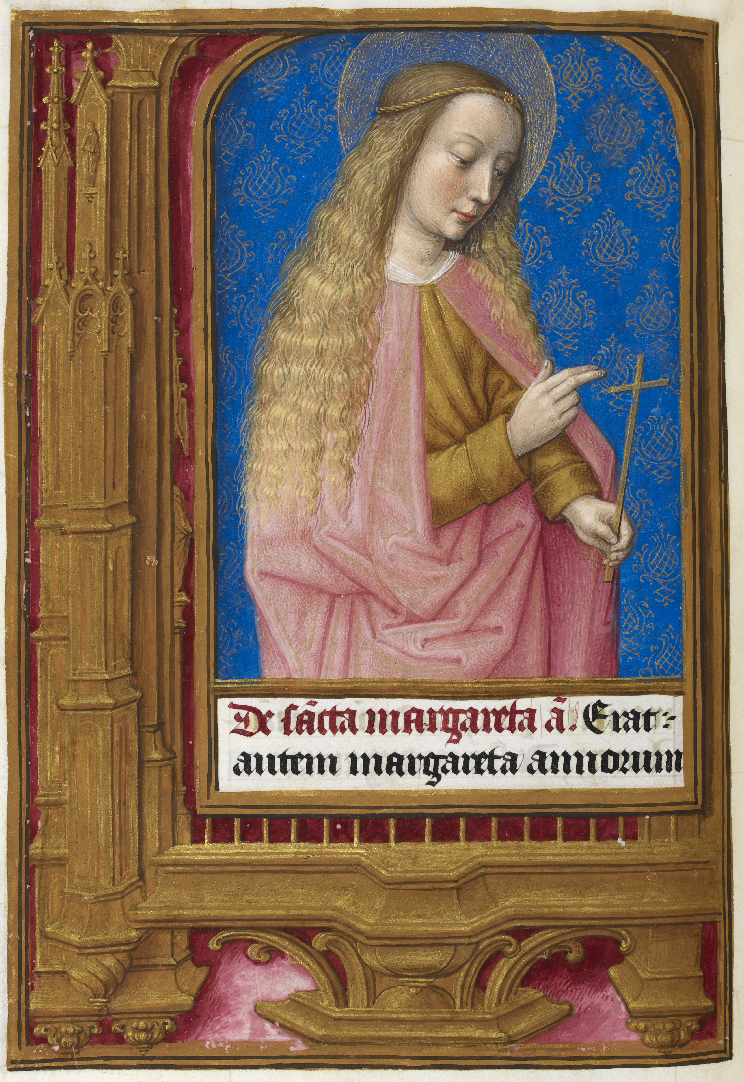
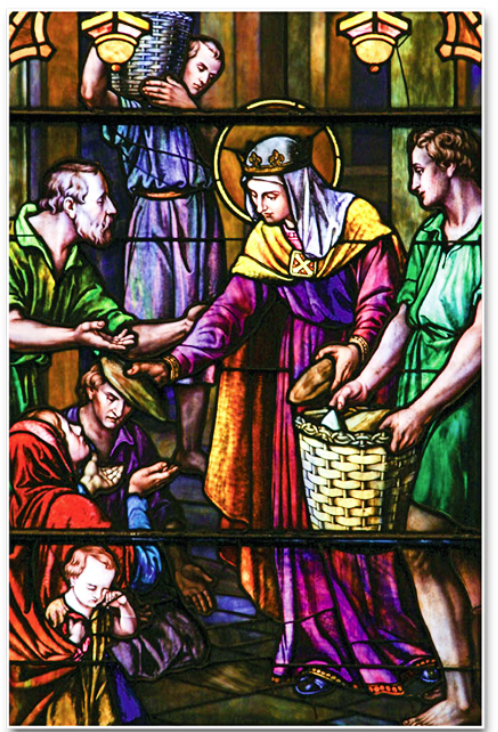
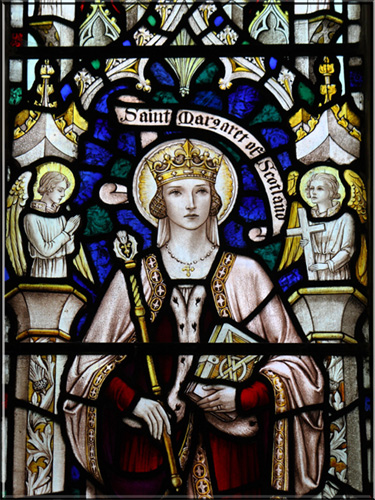
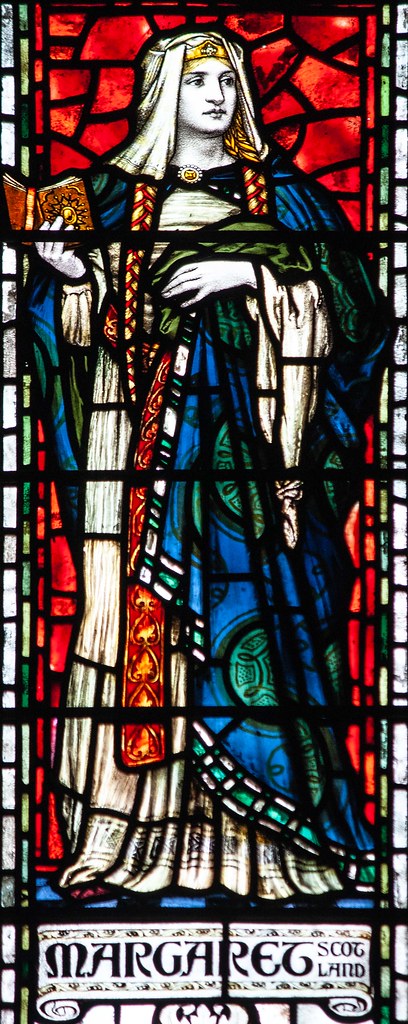
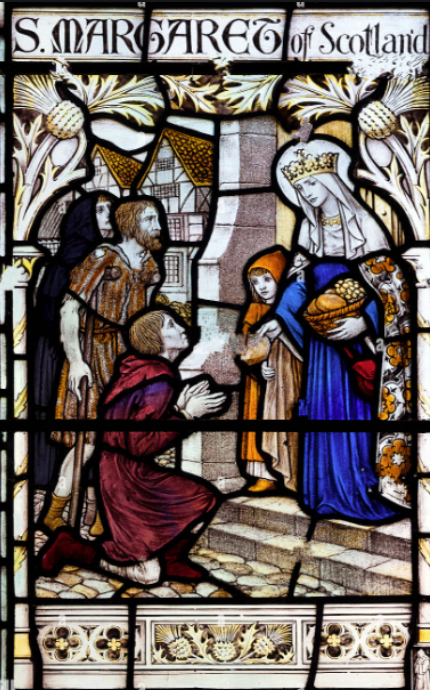
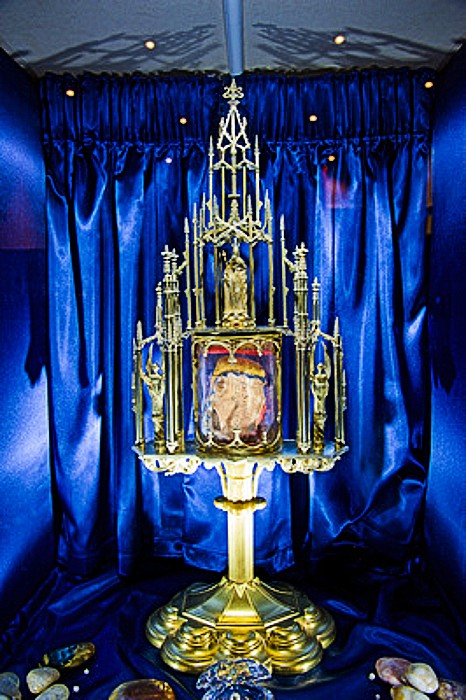

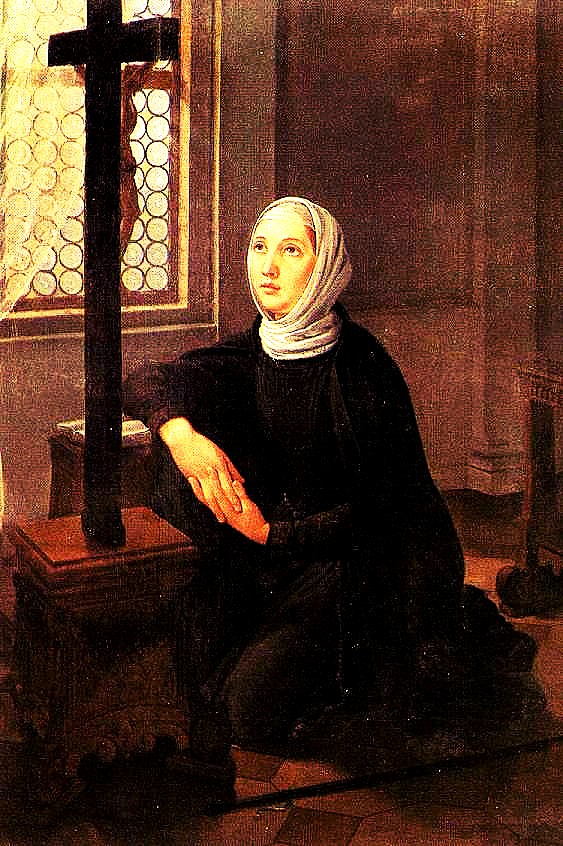
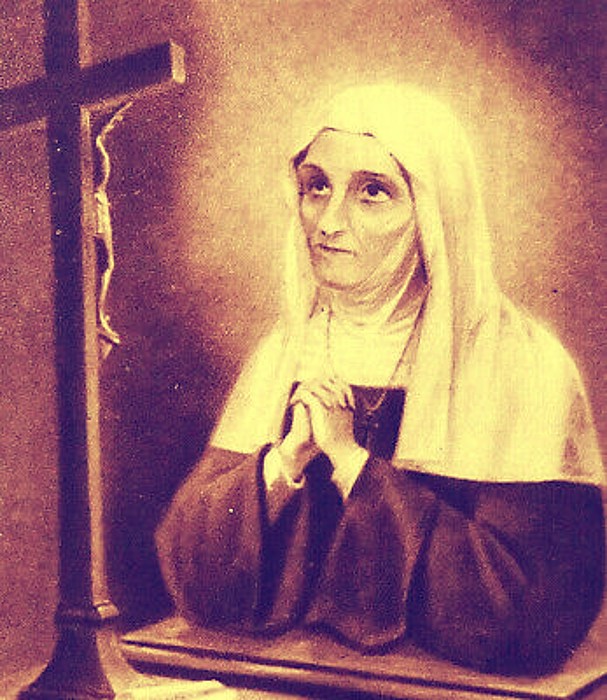
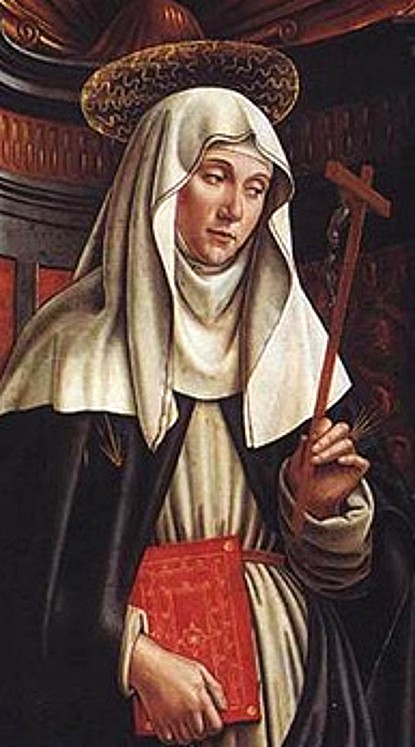
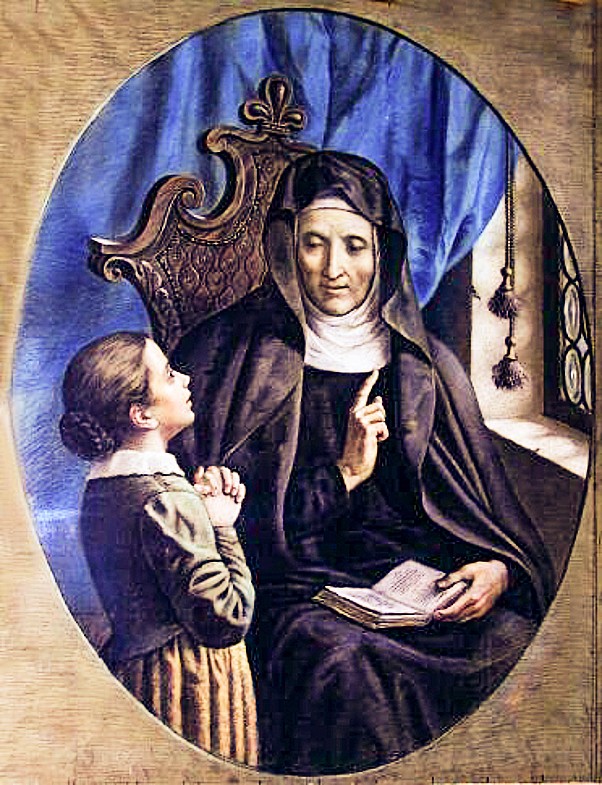
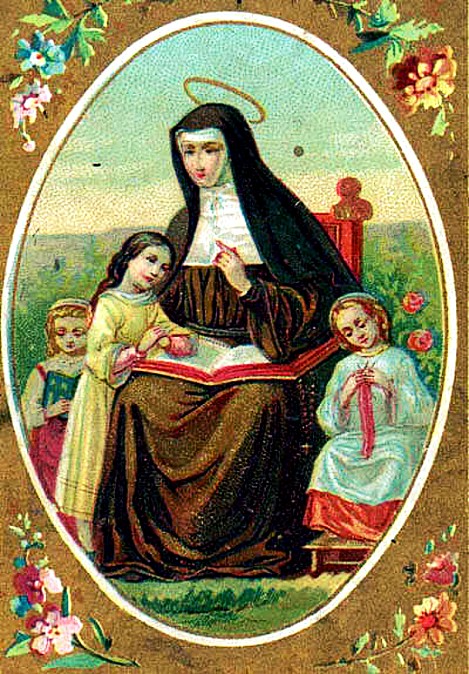
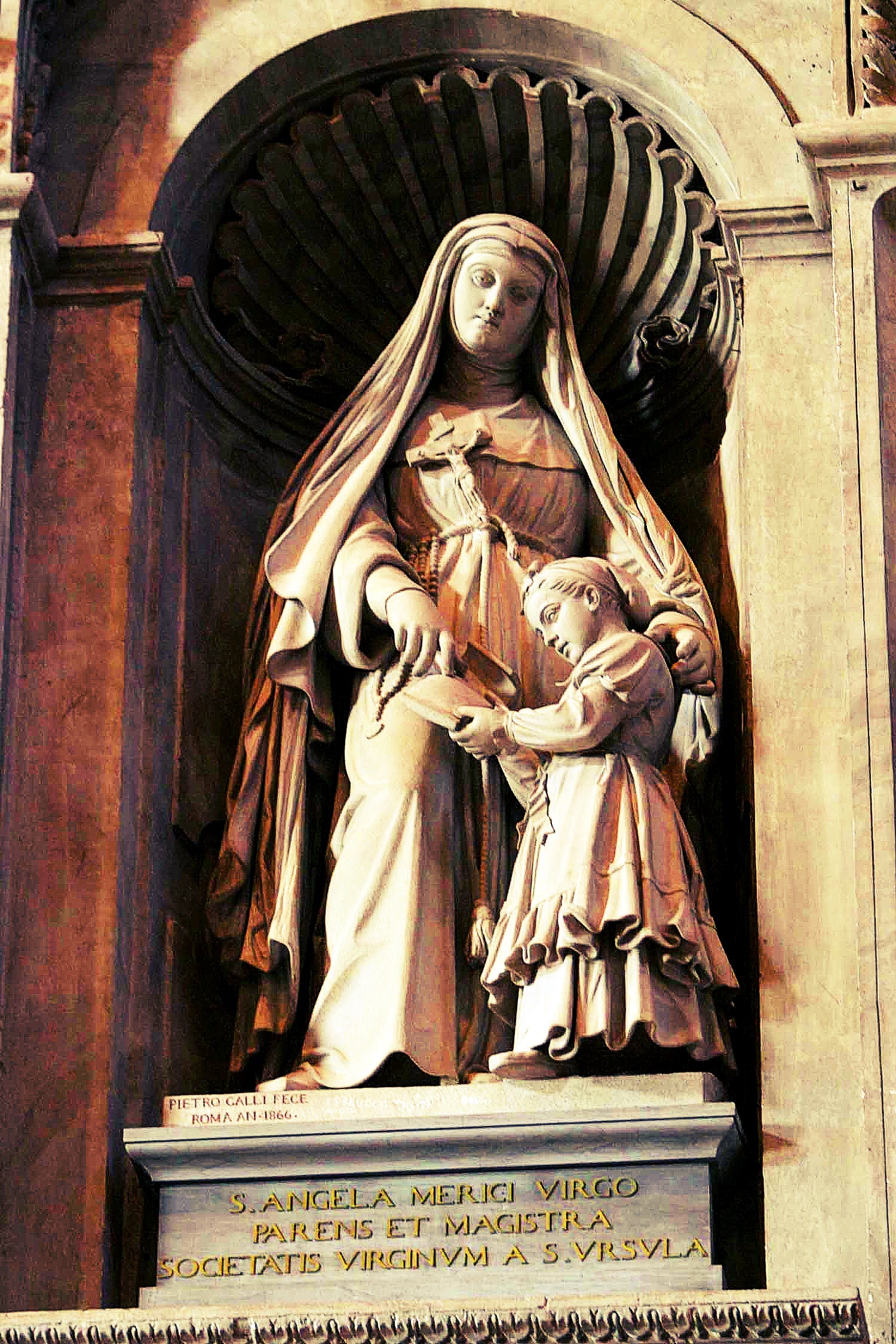
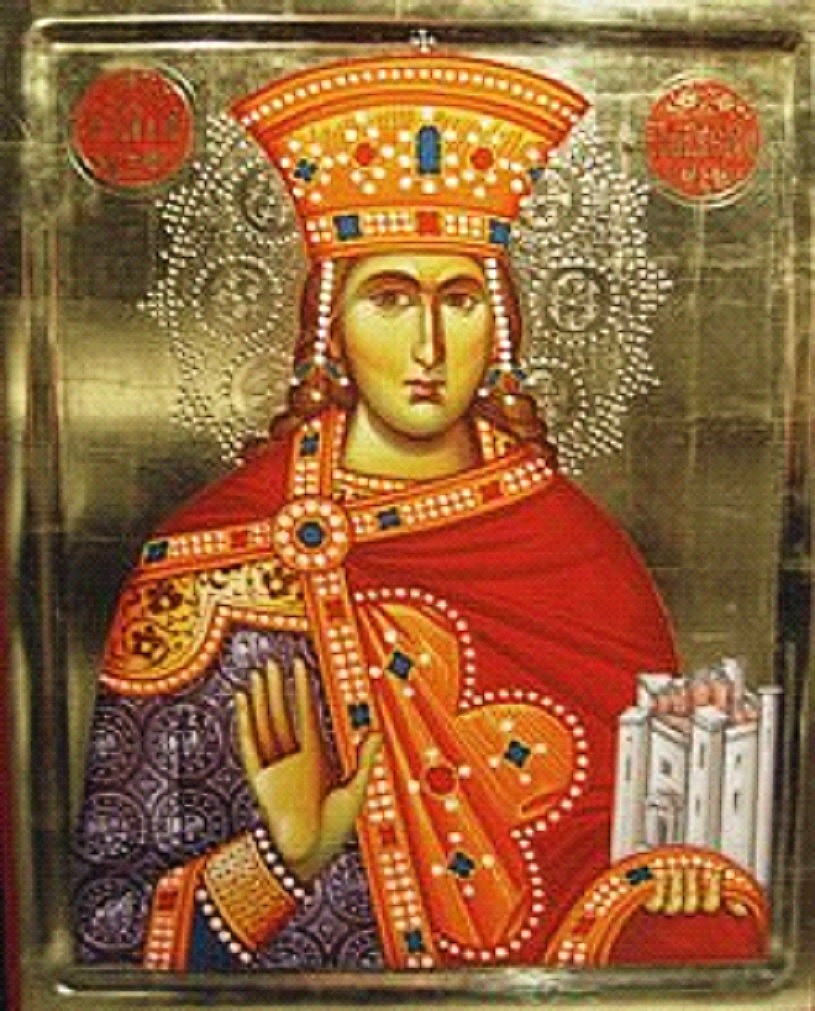
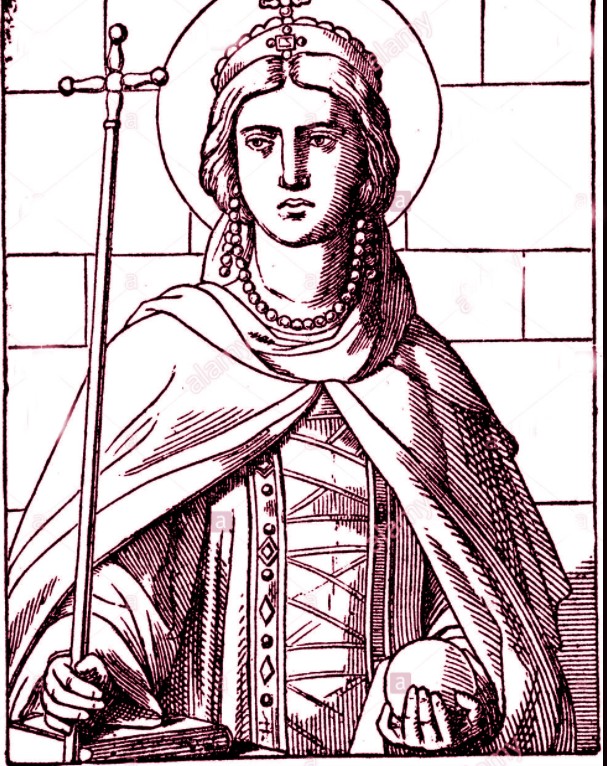
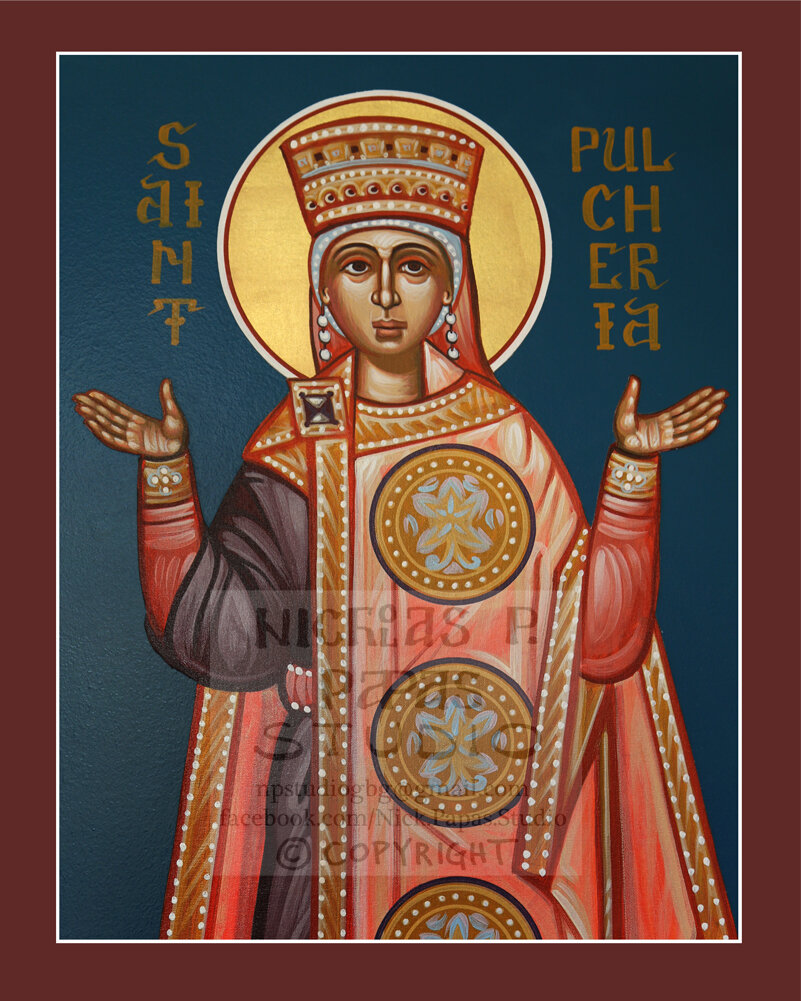

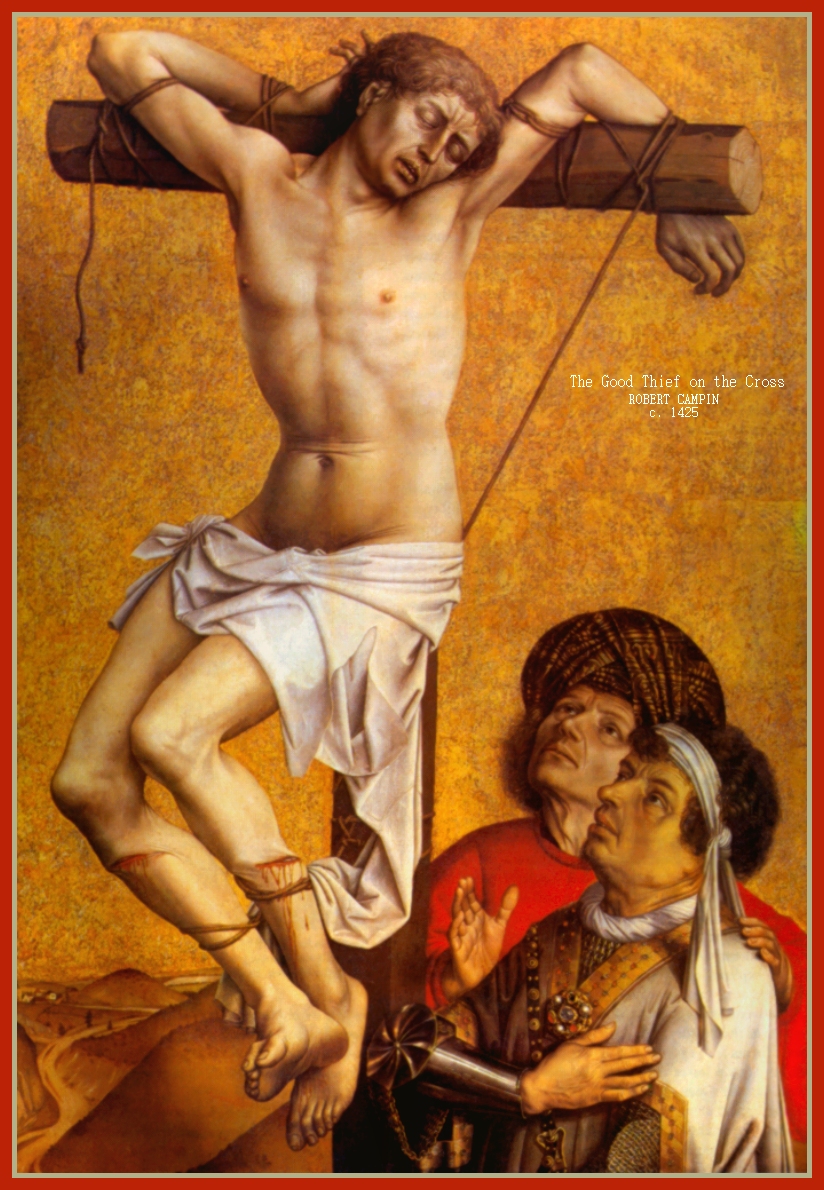
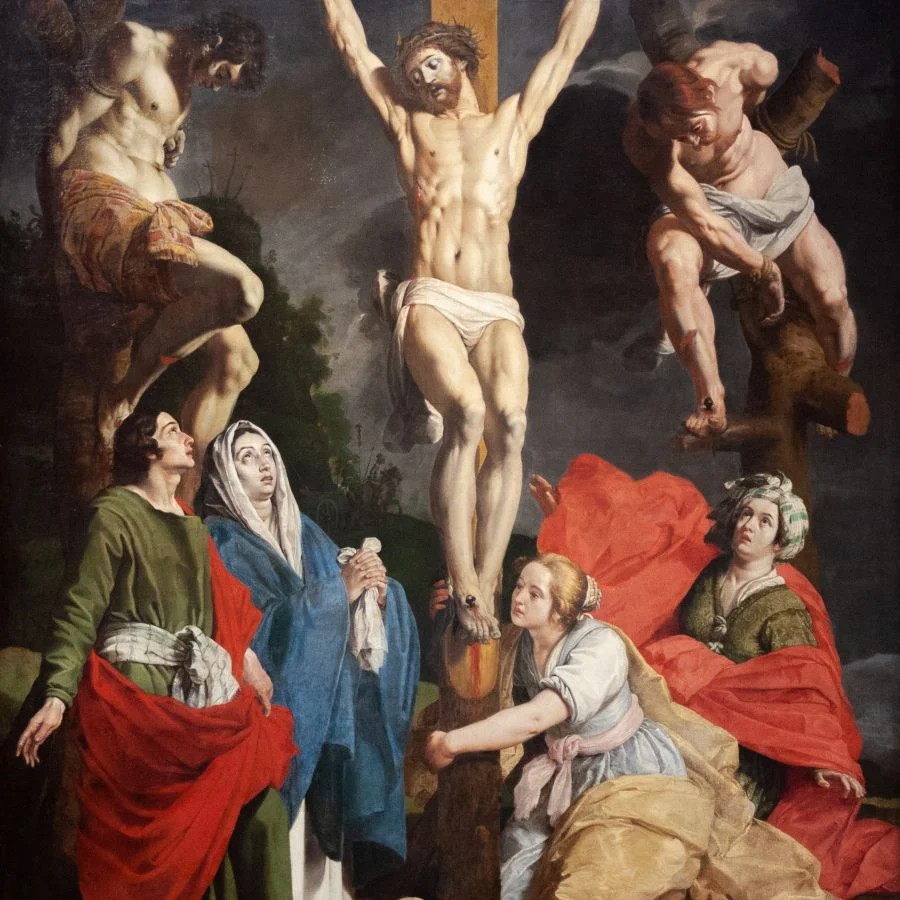
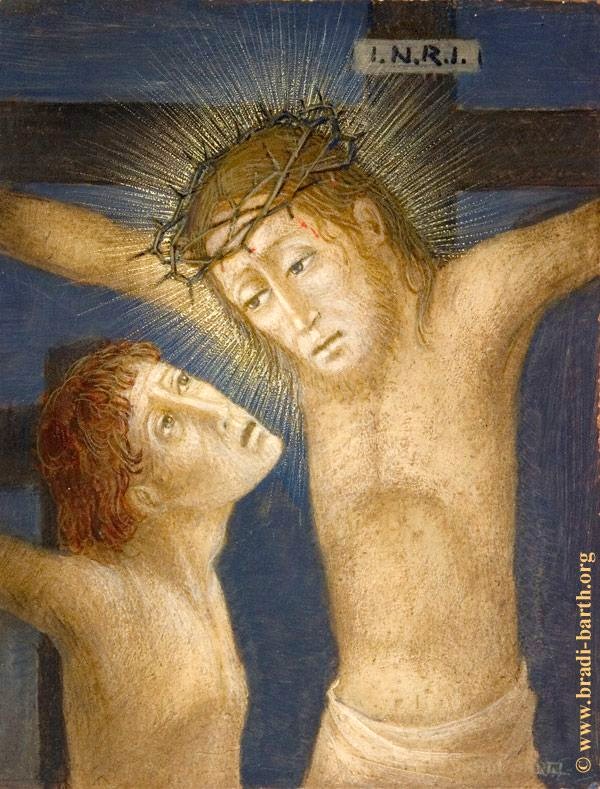

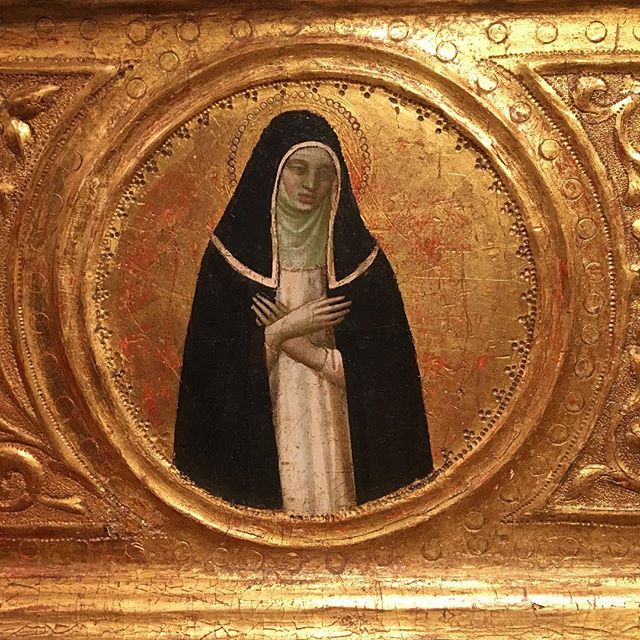
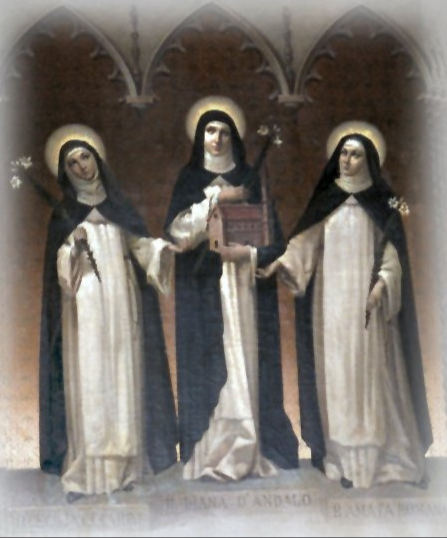
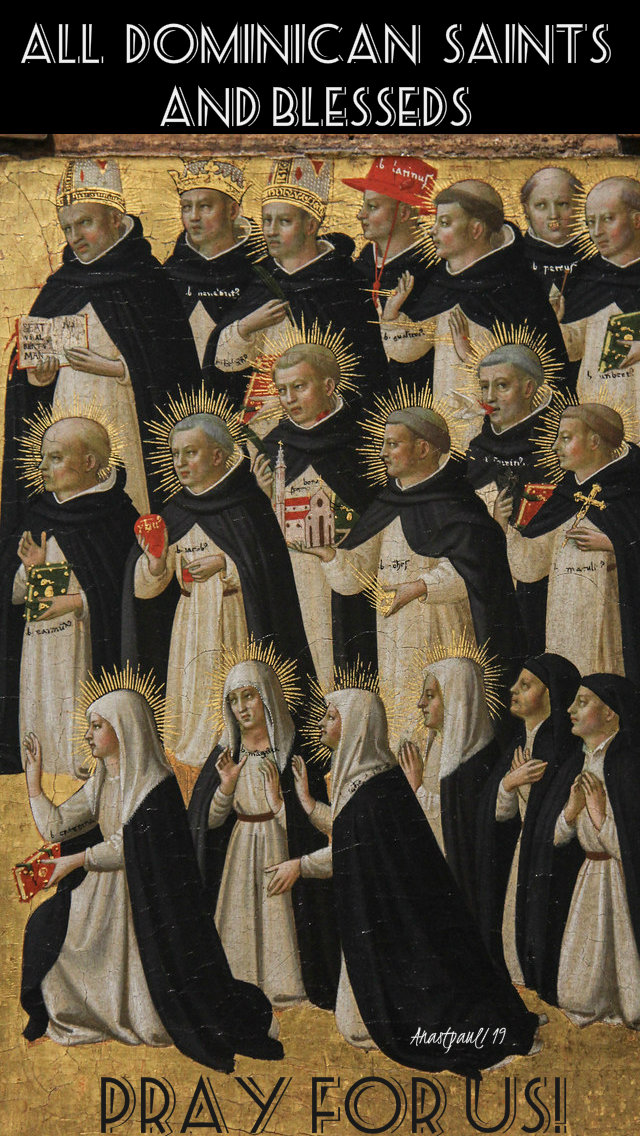
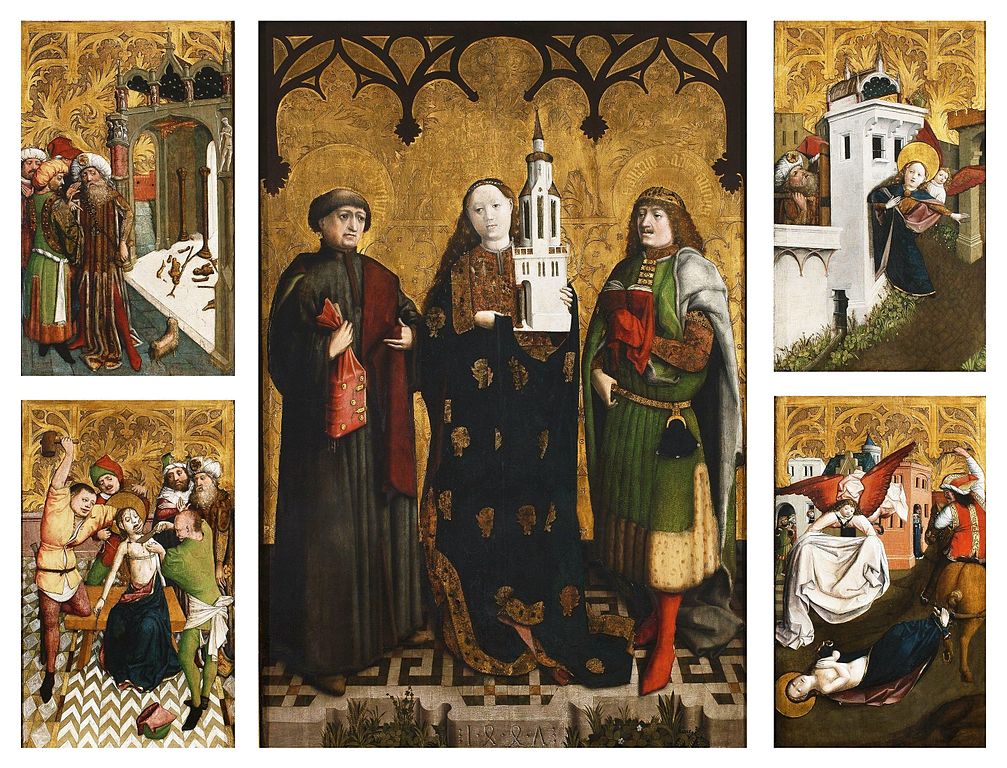
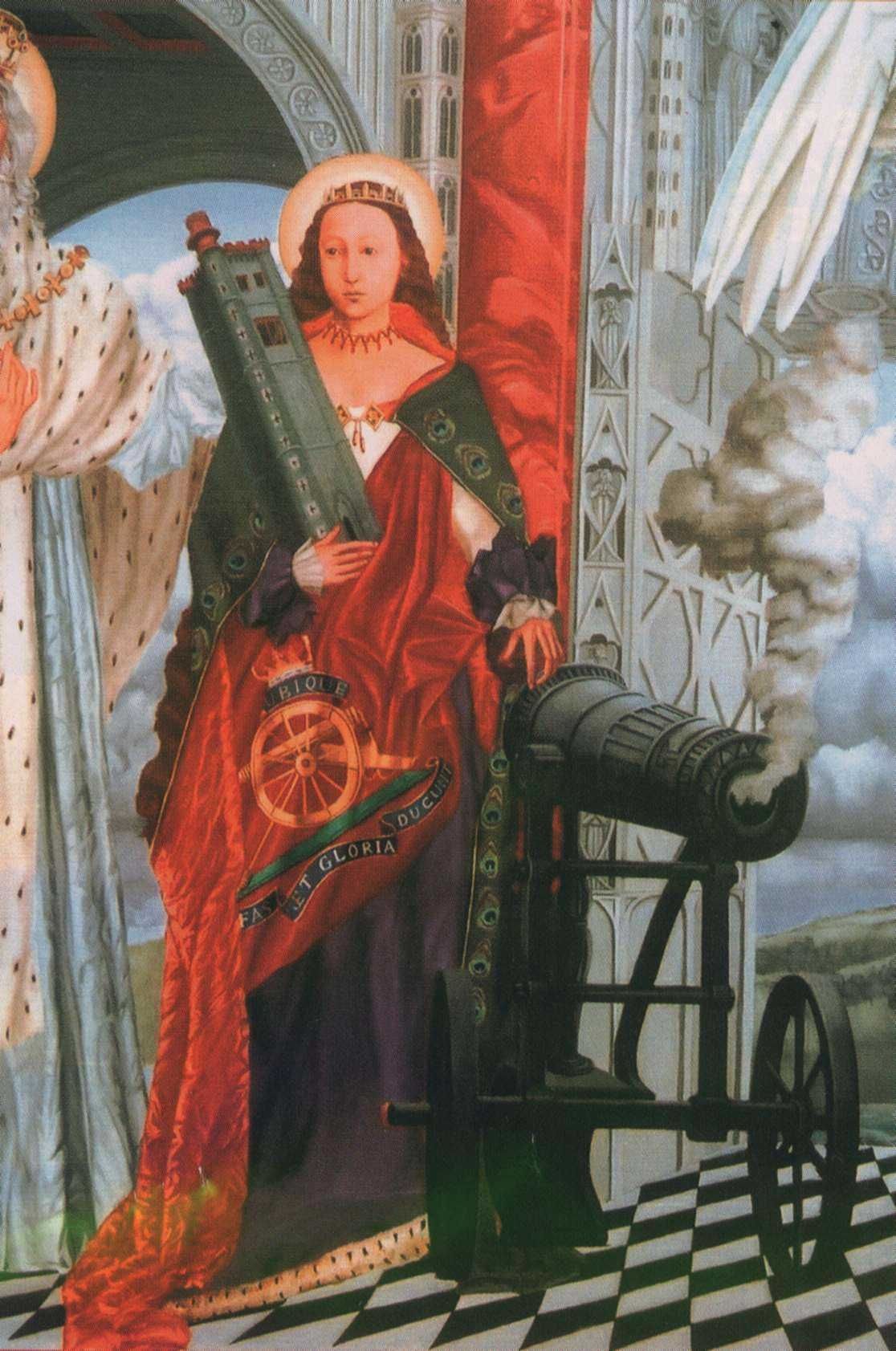
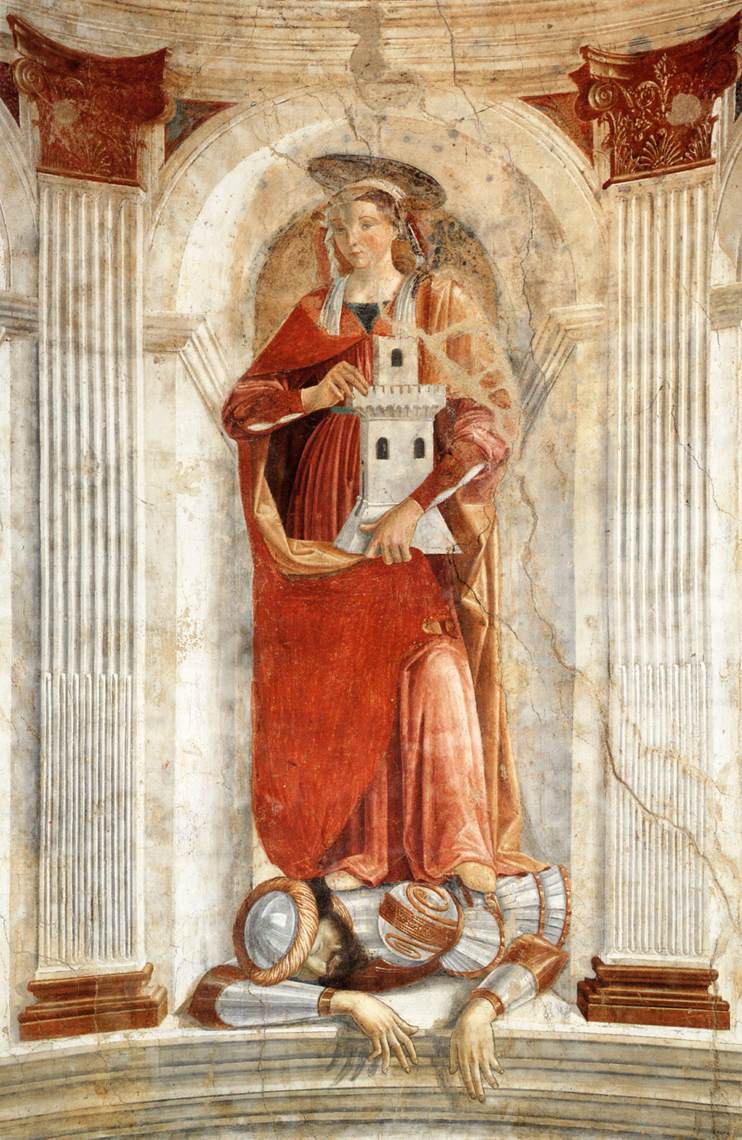
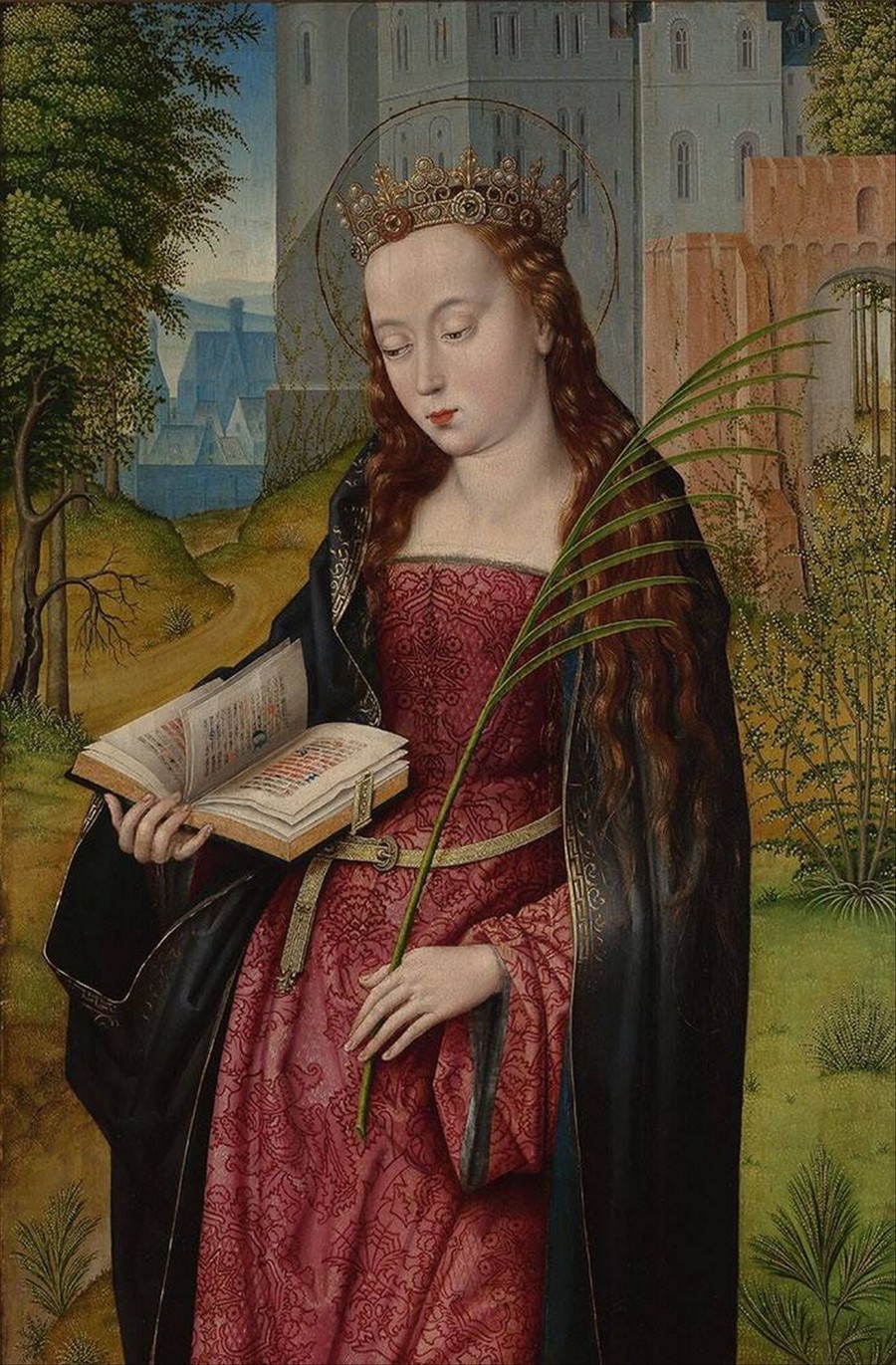
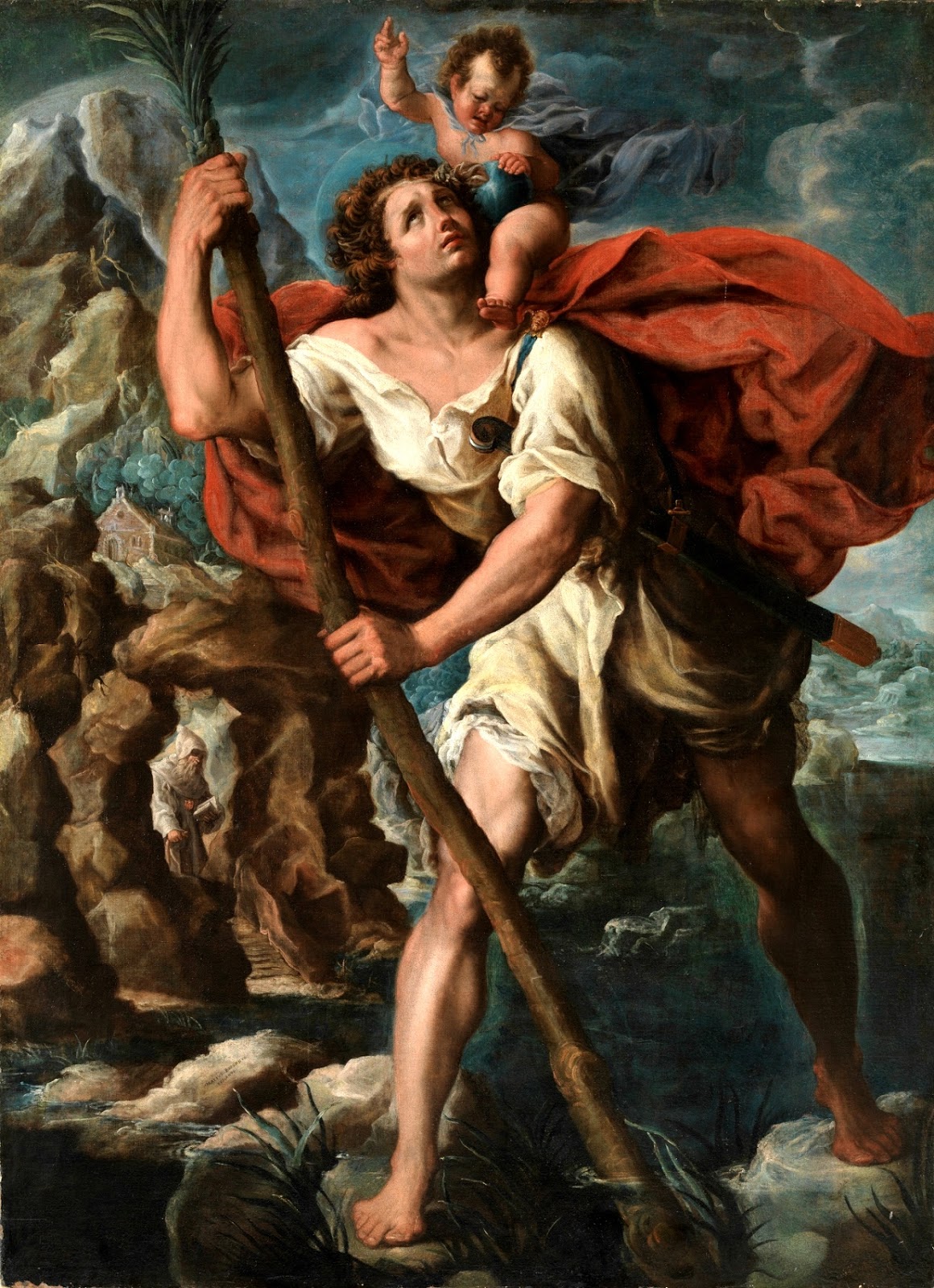
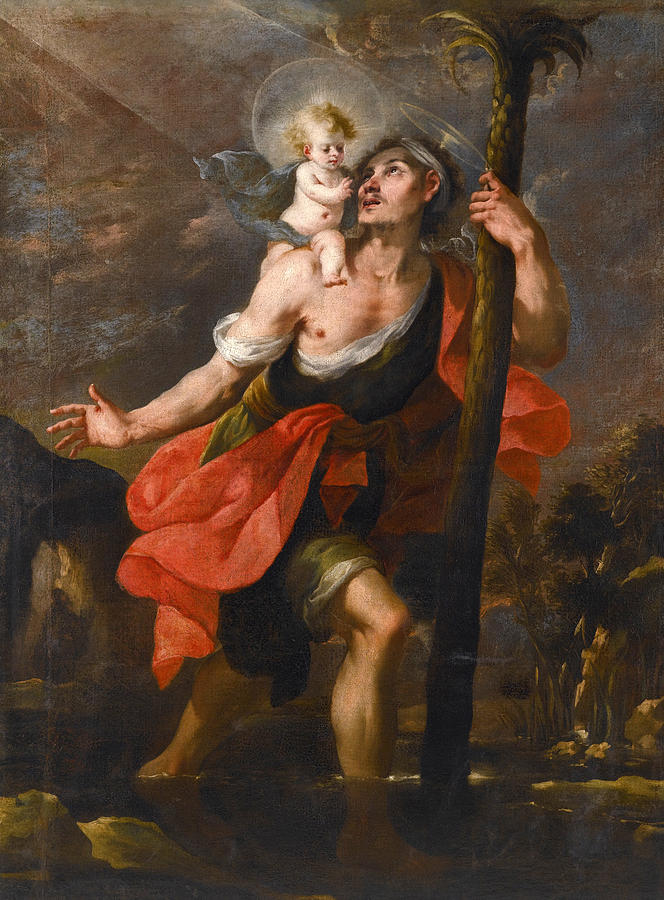
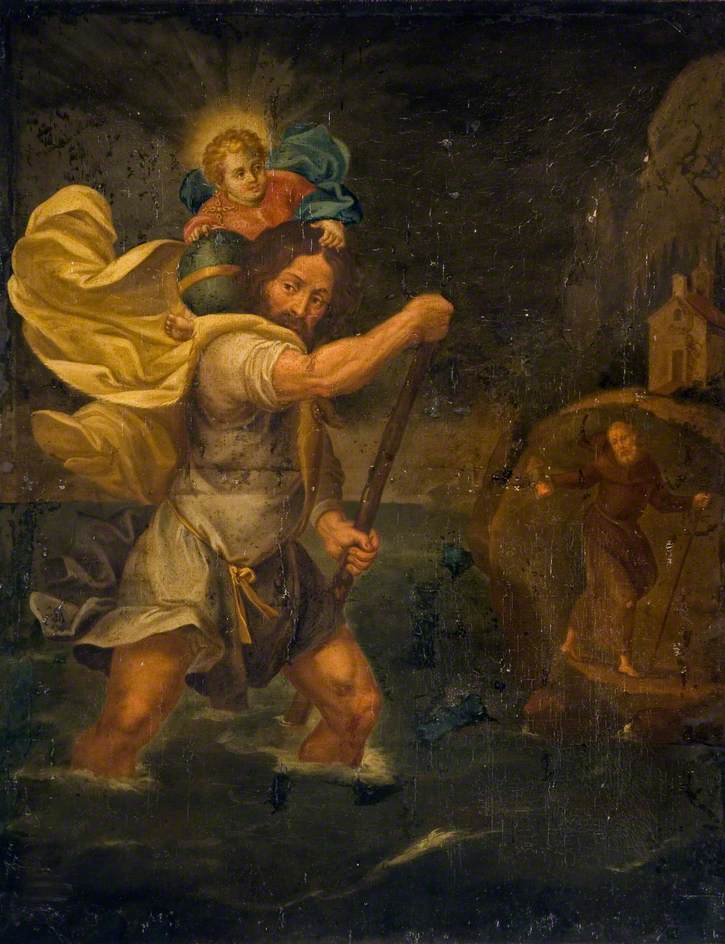
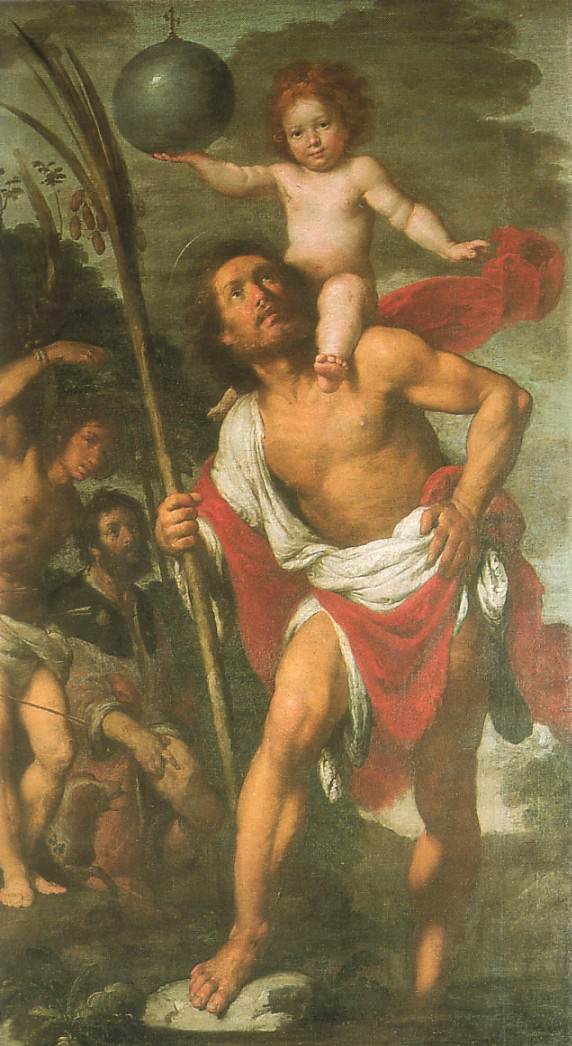
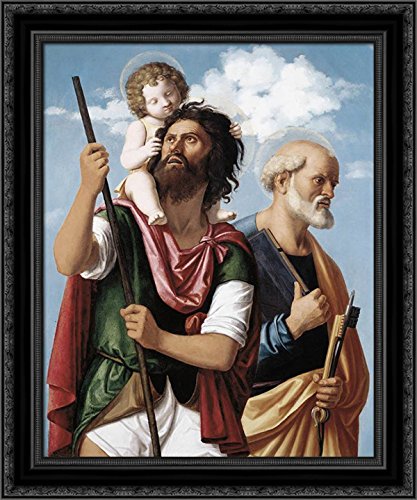
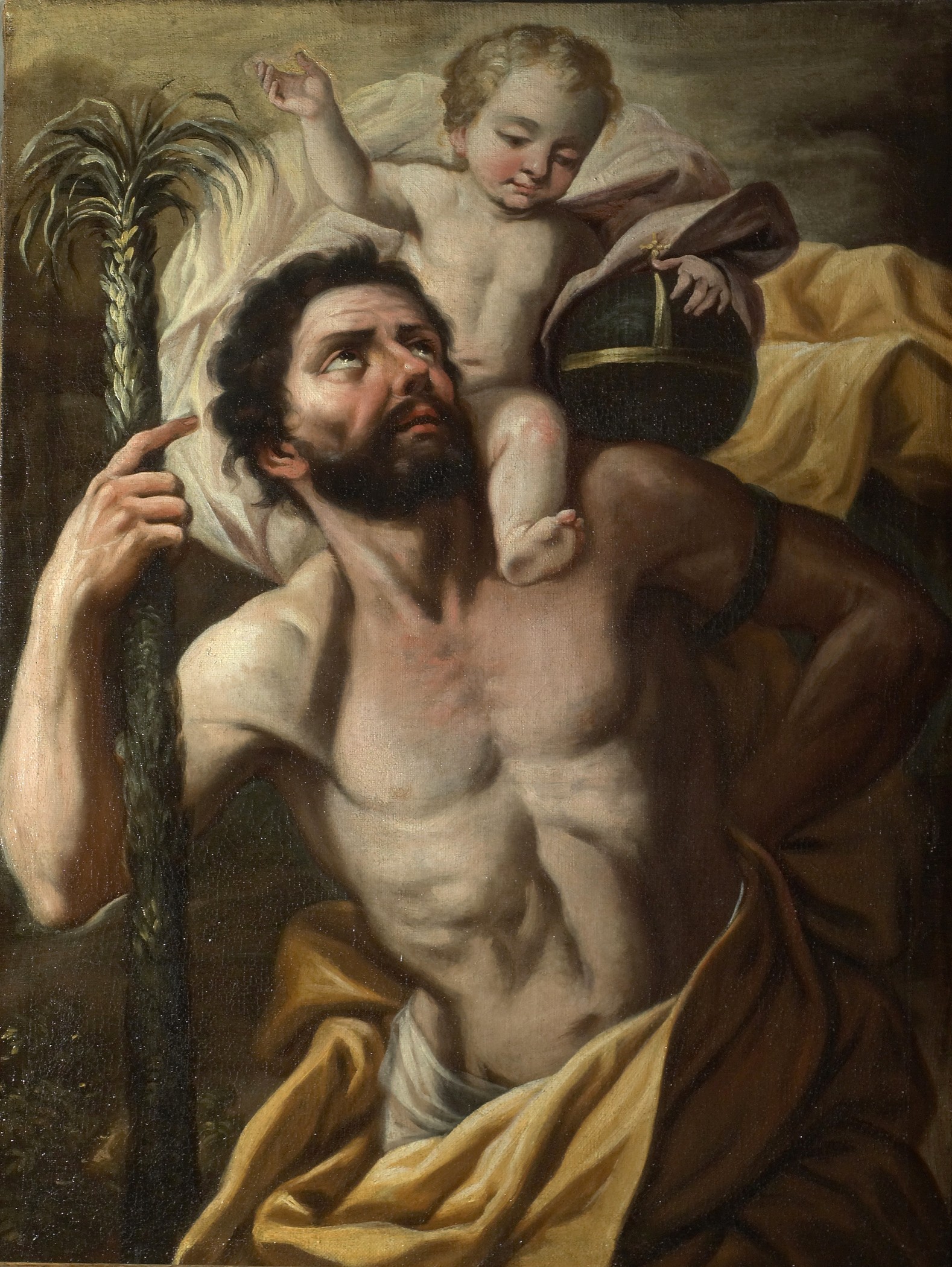
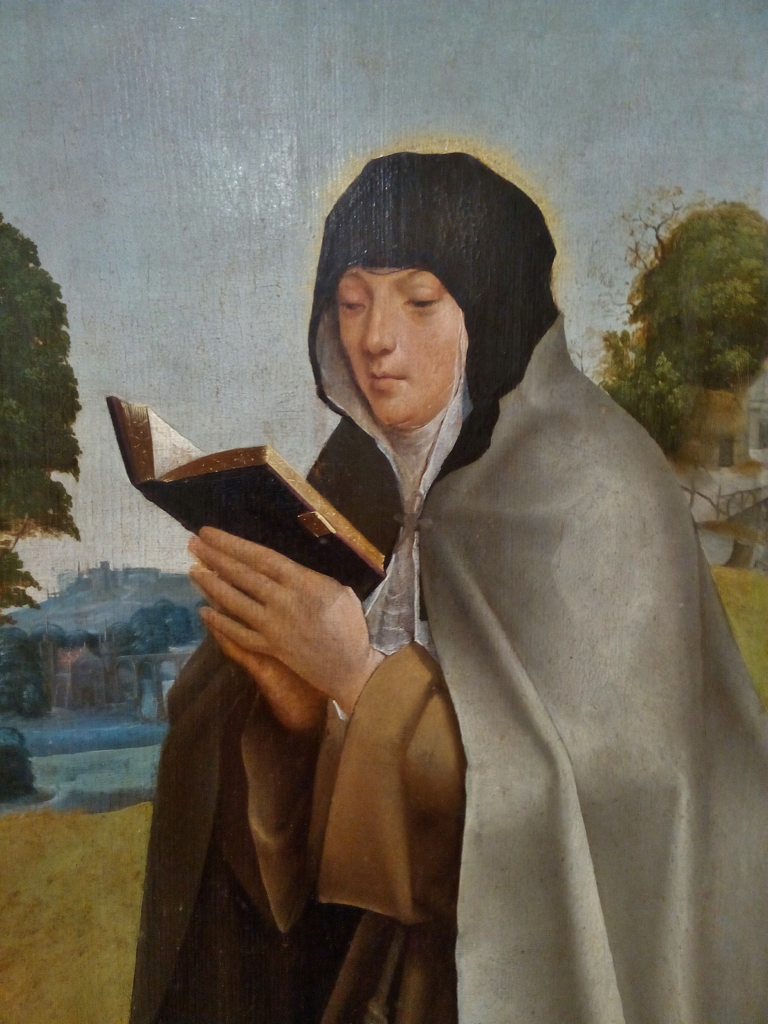
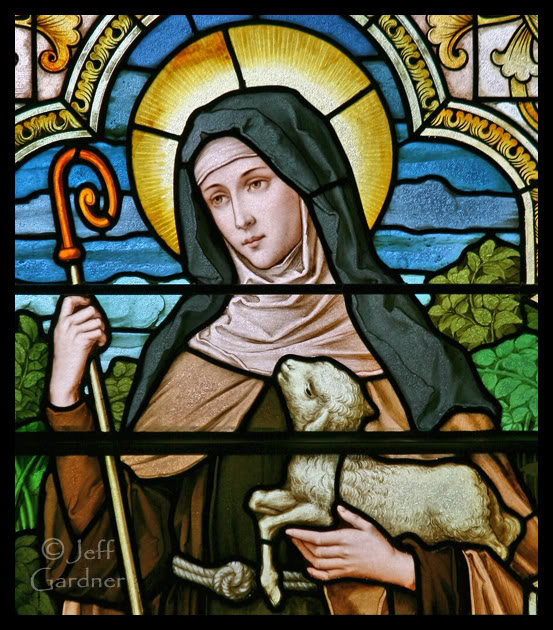
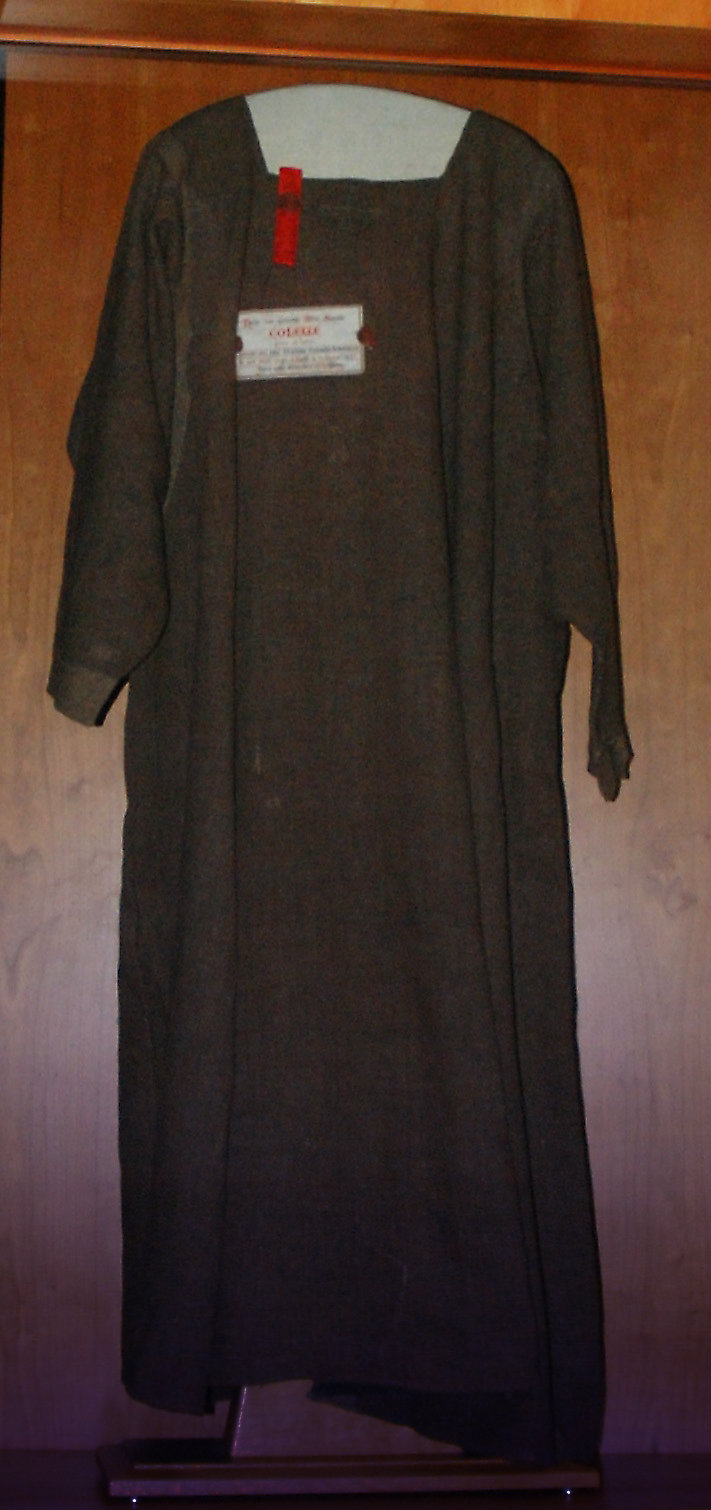
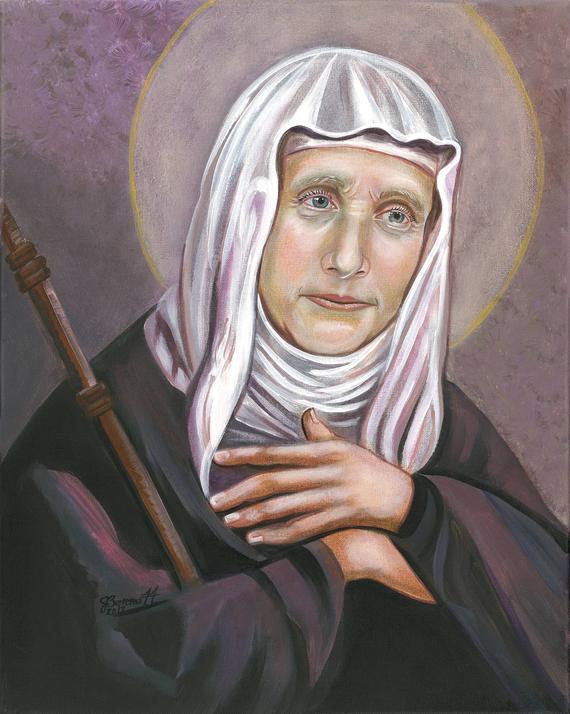
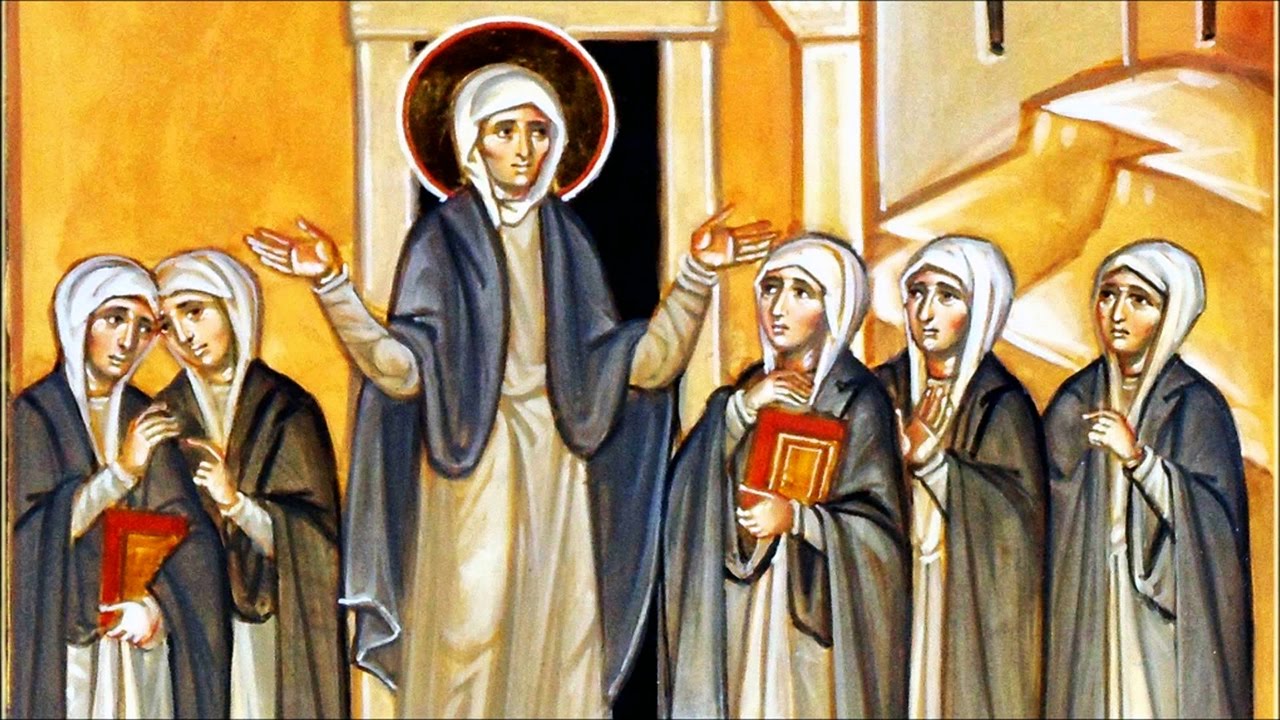
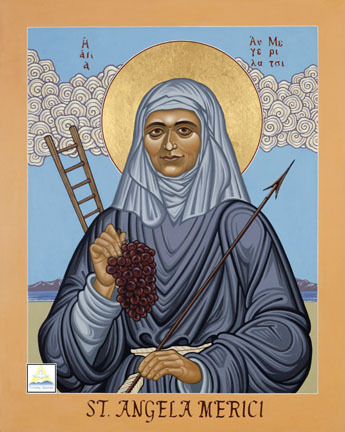
 AnaStpaul
You must be logged in to post a comment.