
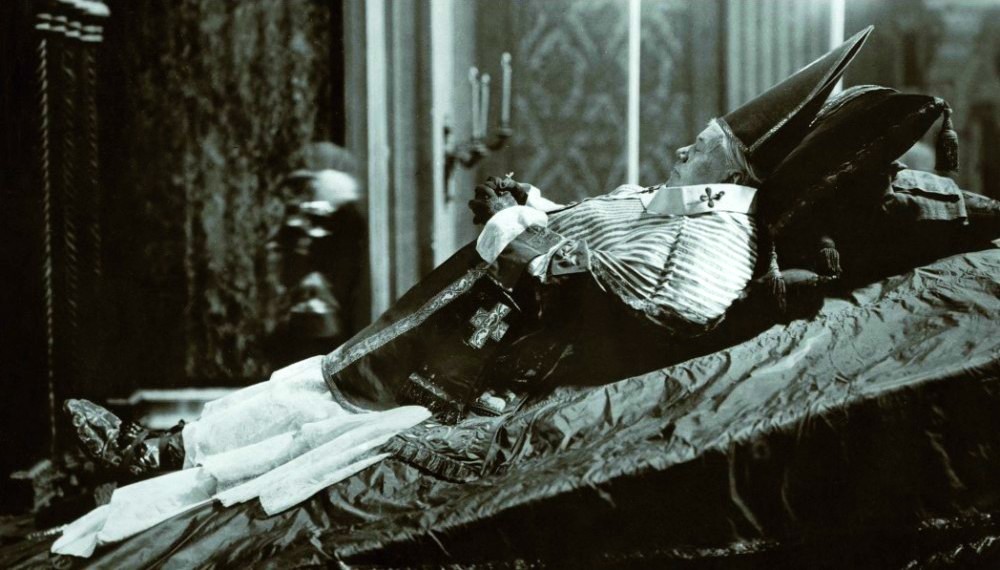
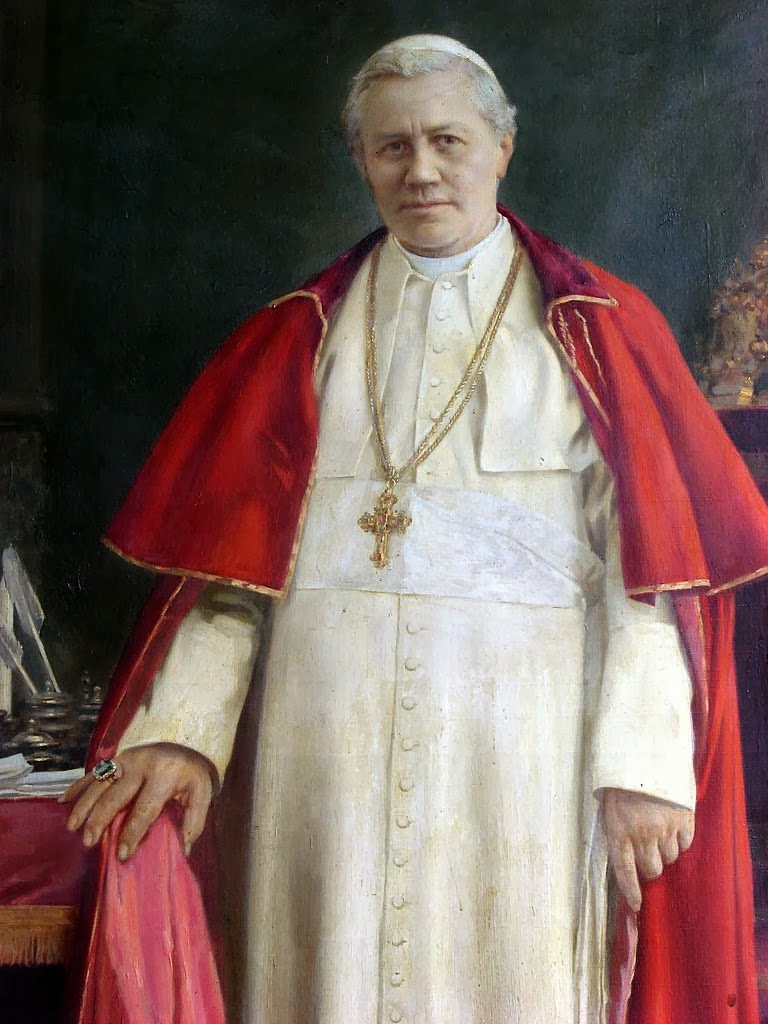
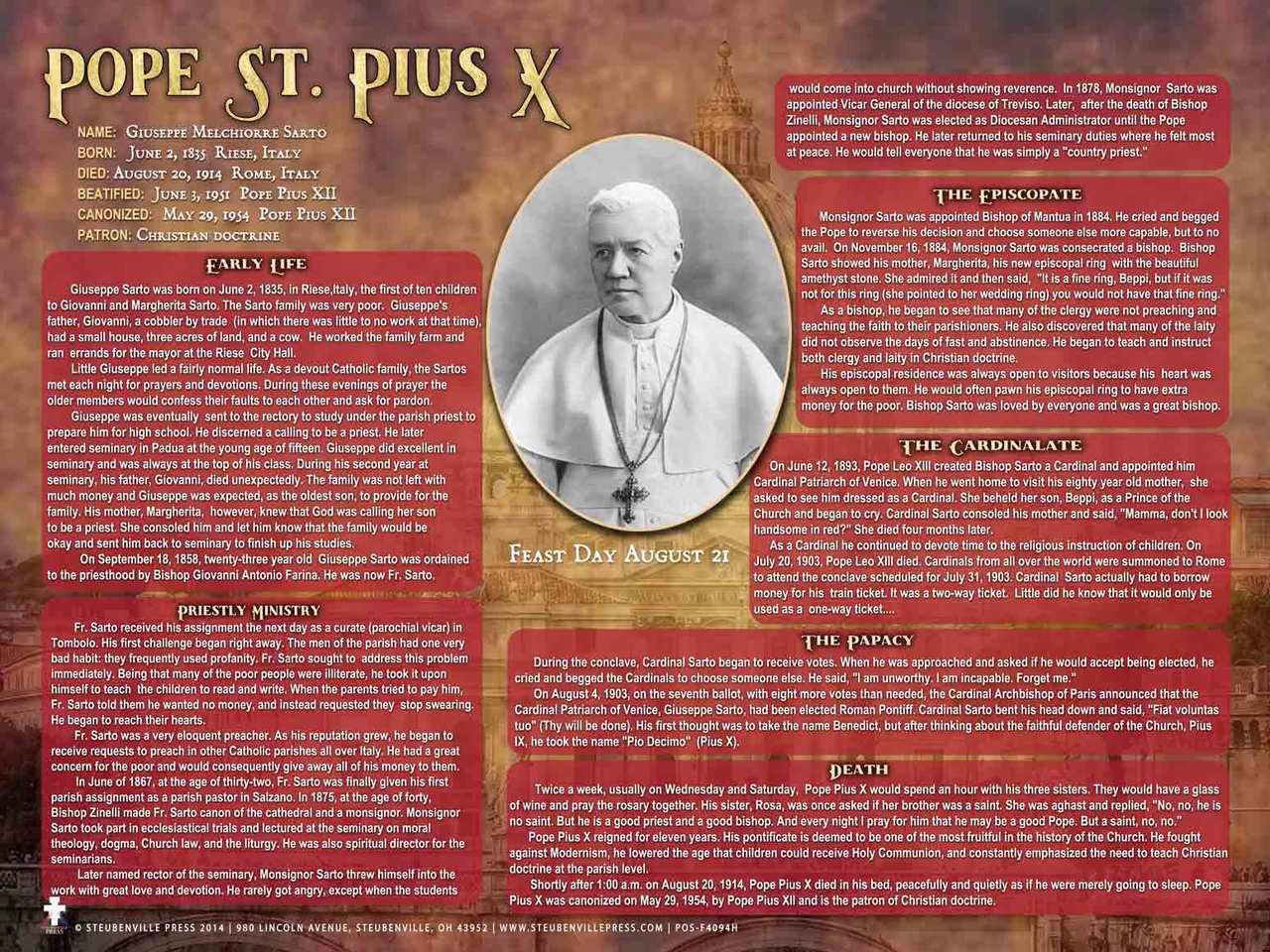
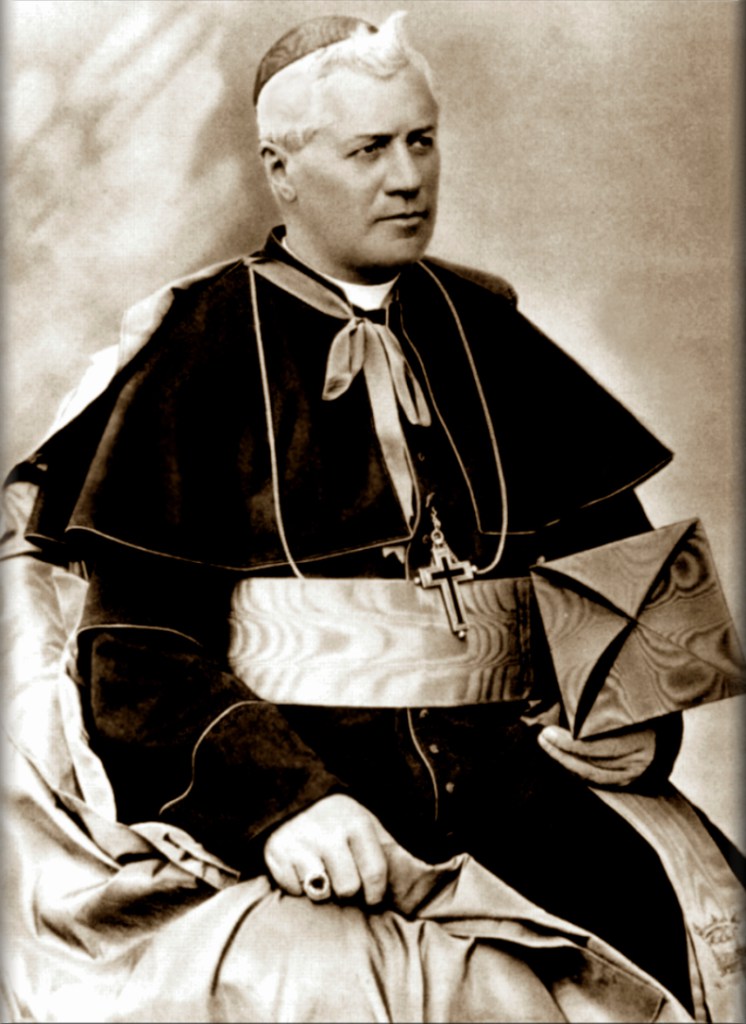
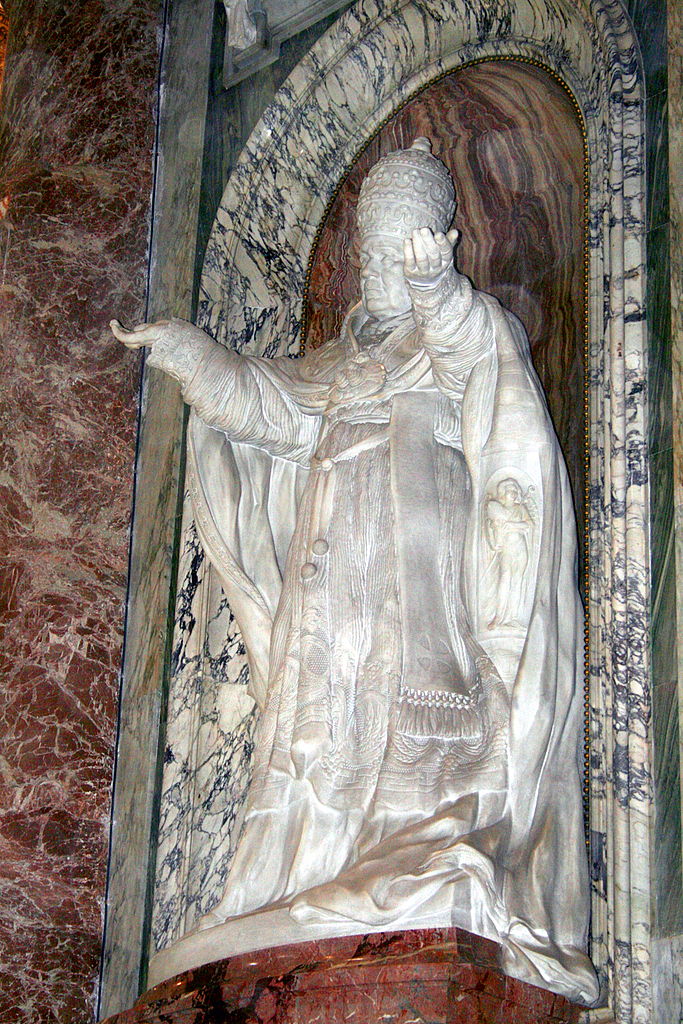
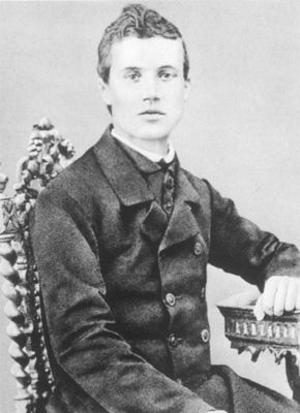
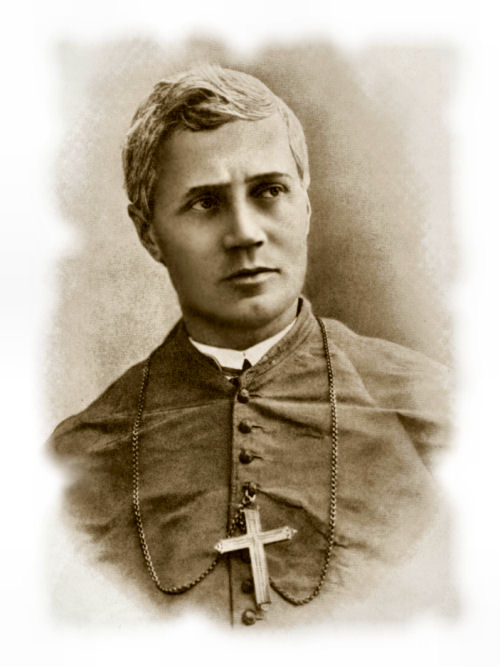
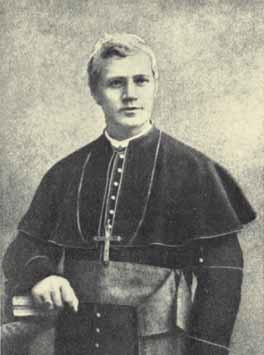
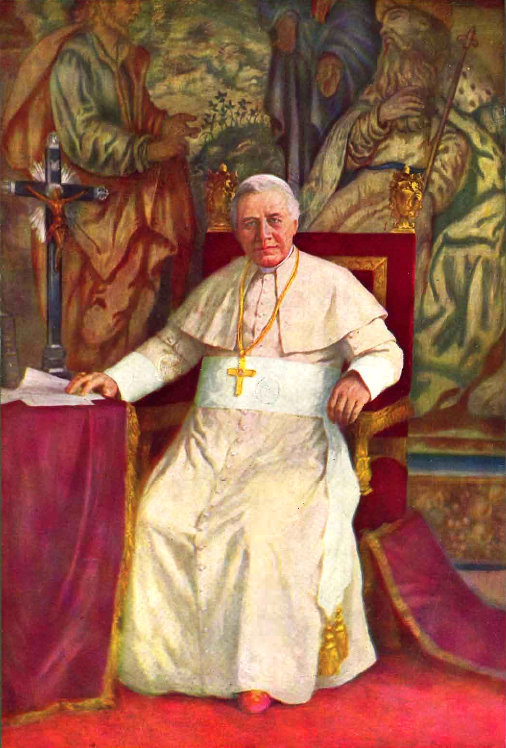
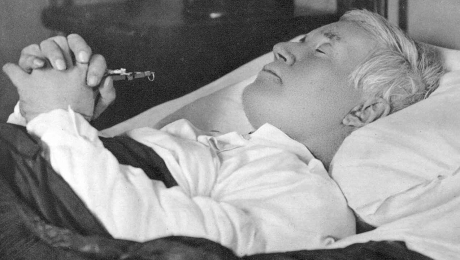
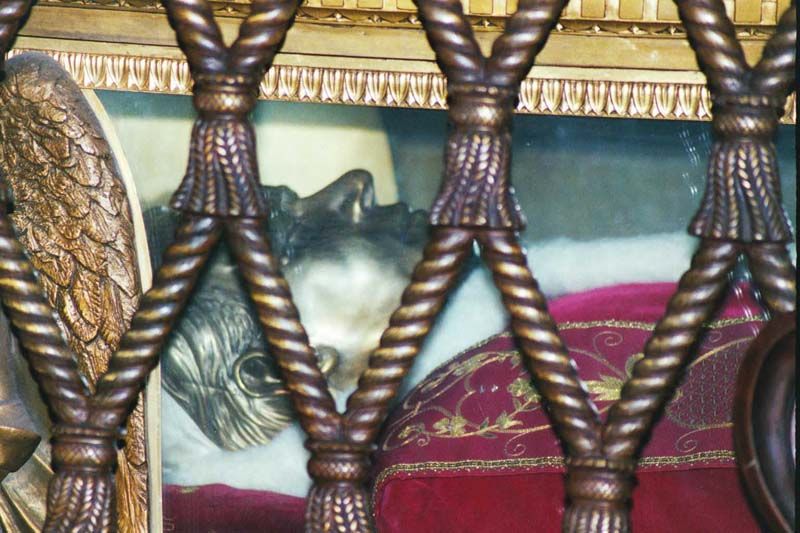
Saint of the Day – 3 September – Saint Pope Pius X (1835-1914) “Pope of the Blessed Sacrament” – born on 2 June 1835 at Riese, Diocese of Treviso, Venice, Austria (now Italy) as Giuseppe Melchiorre Sarto (familiarly known as Joseph Sarto) and died on 20 August 1914 at Vatican City. He reigned from 4 August 1903 until his death in August 1914. Patronages – First Communicants, Catechists, Pilgrims, 7 Diocese, Patriarchy of Venice. His Incorrupt body lies at St Peter’s Basilica. He was Beatified on 3 June 1951 by Pope Pius XII and Canonised on 29 May 1954 by the same Pope.
Pope St Pius X
From the Roman Breviary
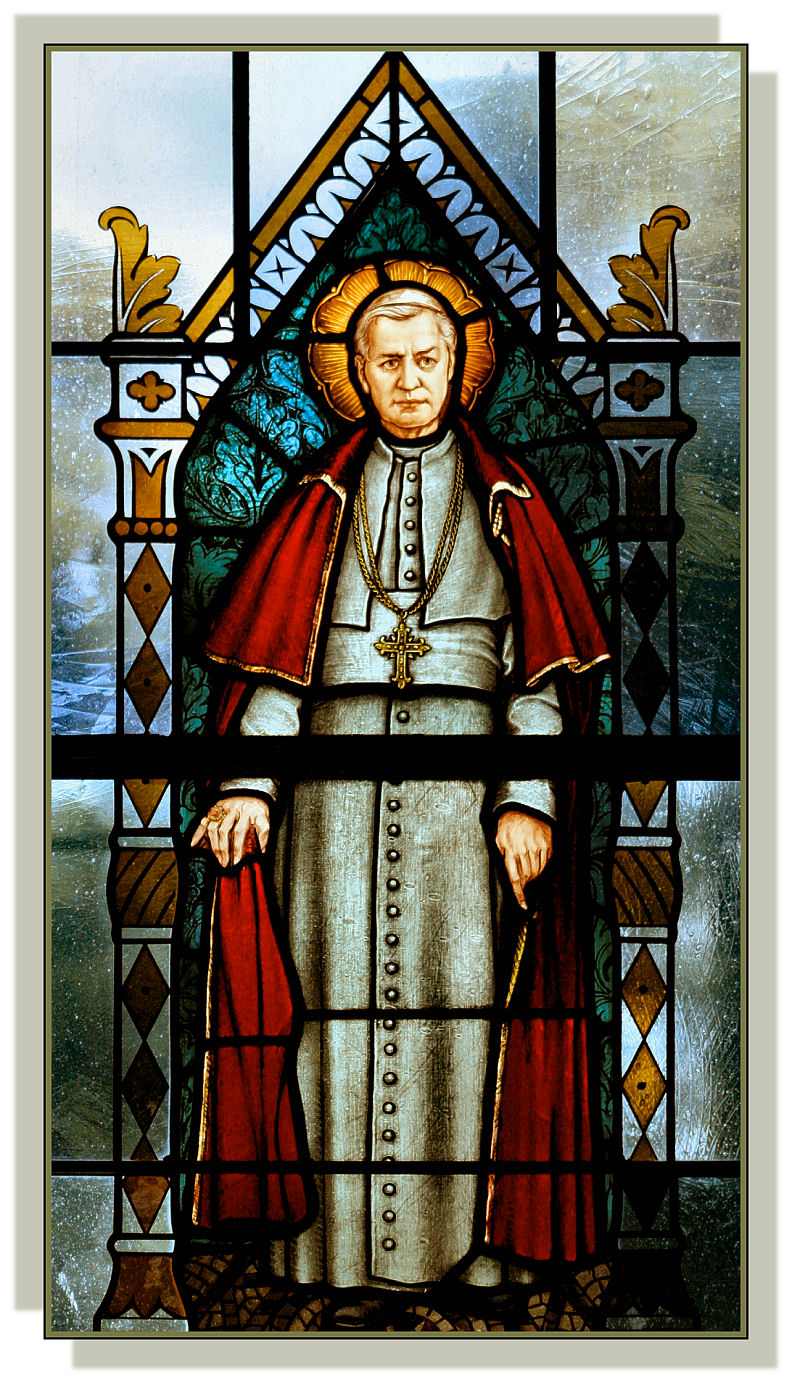
Pope Pius X, whose name previously was Joseph Sarto, was born in the Village of Riese in the Venetian Province, to humble parents remarkable for their Godliness and piety. He enrolled among the students in the Seminary of Padua, where he exhibited such piety and learning that he was, both an example to his fellow students and, the admiration of his teachers. Upon his Ordination to the Priesthood, he laboured for several years, first as Curate in the Town of Tombolo, then as Parish Priest at Salzano.
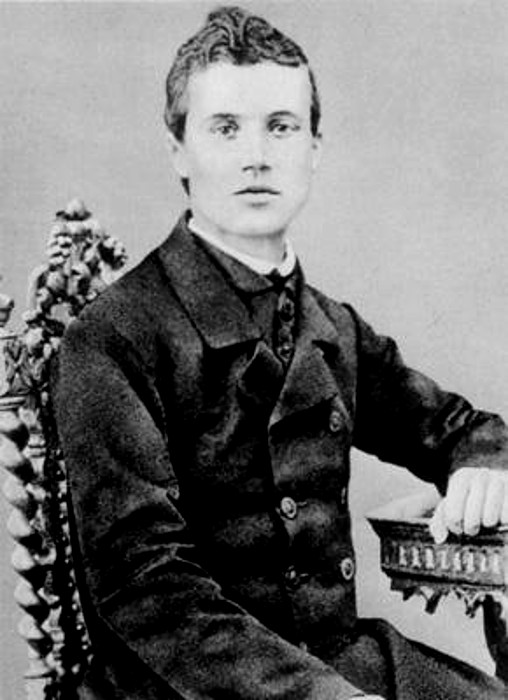
He applied himself to his duties with such a constant flow of charity and, such Priestly zeal and, was so distinguished by the holiness of his life, that the Bishop of Treviso appointed him as a Canon of the Cathedral Church and made him the Chancellor of the Bishop’s Curia, as well as Spiritual Director of the Diocesan Seminary. His performance in these duties was so outstanding and so highly impressed Pope Leo XIII that he appointed him as the Bishop of the Church of Mantua.
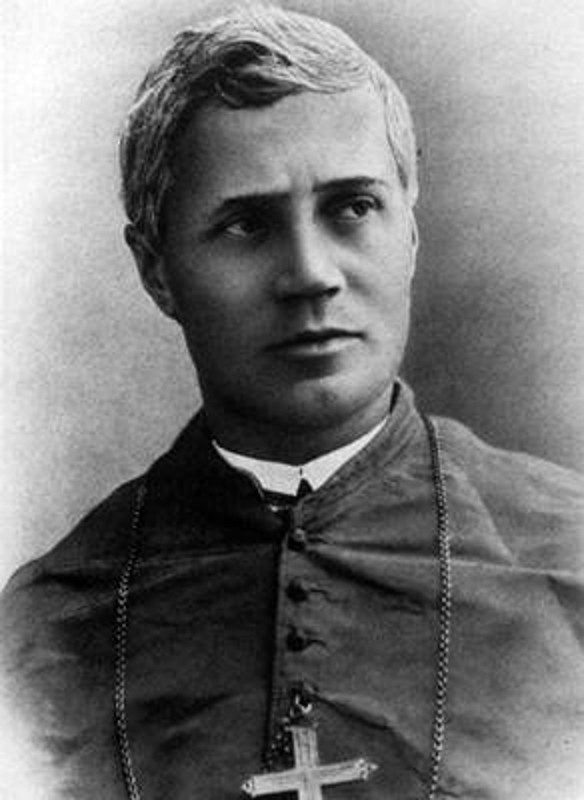
Lacking in nothing which maketh a good shepherd, he laboured particularly, to teach young men called to the Priesthood, as well as fostering the growth of devout associations and the beauty and dignity of Divine worship. He would ever affirm and promote, the laws upon which Christian civilisation depend and, while leading himself a life of poverty, never missed the opportunity to alleviate the burden of poverty in others.
Because of his great merits, he was made a Cardinal and created Patriarch of Venice. After the death of Pope Leo XIII, when the votes of the College of Cardinals began to increase in his favour, he tried in vain with supplications and tears, to be relieved of so heavy a burden. Finally he ceded to their persuasions, saying I accept the cross. Thus he accepted the Crown of the Supreme Pontificate as a cross, offering himself to God, with a resigned but stedfast spirit.
Placed upon the Chair of Peter, he gave up nothing of his former way of life. He shone, especially in humility, simplicity and poverty, so that he was able to write in his Last Testament: I was born in poverty, I lived in poverty and I wish to die in poverty. His humility, however, nourished his soul with strength, when it concerned the glory of God, the liberty of Holy Church and the salvation of souls.
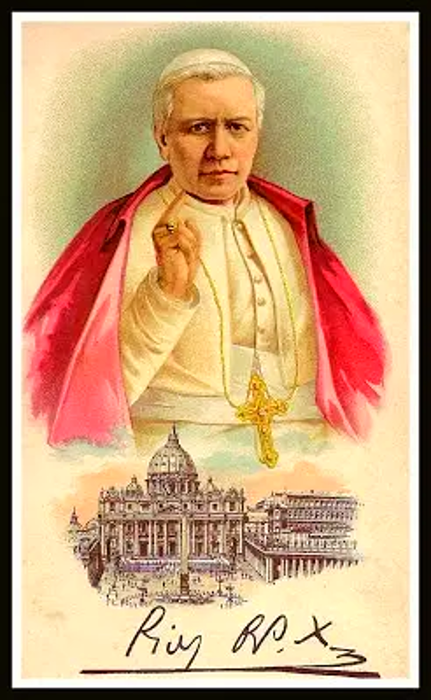
A man of passionate temperament and of firm purpose, he ruled the Church firmly as it entered into the 20th Century and adorned it with brilliant teachings. He restored the Sacred music to its pristine glory and dignity; he established Rome as the principal centre for the study of the Holy Scripture; he ordered the reform of the Roman Curia with great wisdom; he restored the laws concerning the faithful for the instruction of the Catechism; he introduced the custom of more frequent and even daily reception of the Holy Eucharist, as well as permitting its reception by children as soon as they reach the age of reason; he zealously promoted the growth of Catholic Action; he provided for the sound education of Clerics and increased the number of Seminaries in their divers regions; he encouraged every Priest in the practice of the interior life; he brought the laws of the Church together into one body; he condemned and suppressed those most pernicious errors known collectively as Modernism; he suppressed the custom of civil veto at the Election of a Supreme Pontiff.
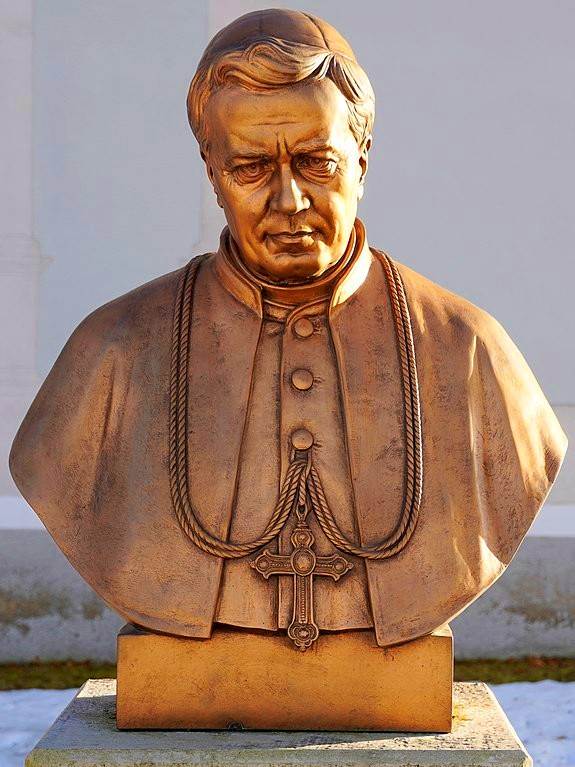
Finally, worn out with his labours and overcome with grief at the European War which had just begun, he went to his heavenly reward on the 20th day of August in the year 1914. Renowned throughout all the world for the fame of his holiness and miracles, Pope Pius XII, with the approbation of the whole world, numbered him among the Saints.
On 19 May 1944, the body of Pius X was exhumed for inspection as part of the Beatification process, during which the remains were found to be miraculously Incorrupt. On 29 May 1954, less than three years after his Beatification, Pius X was Canonised, following the recognition of two further miracles.


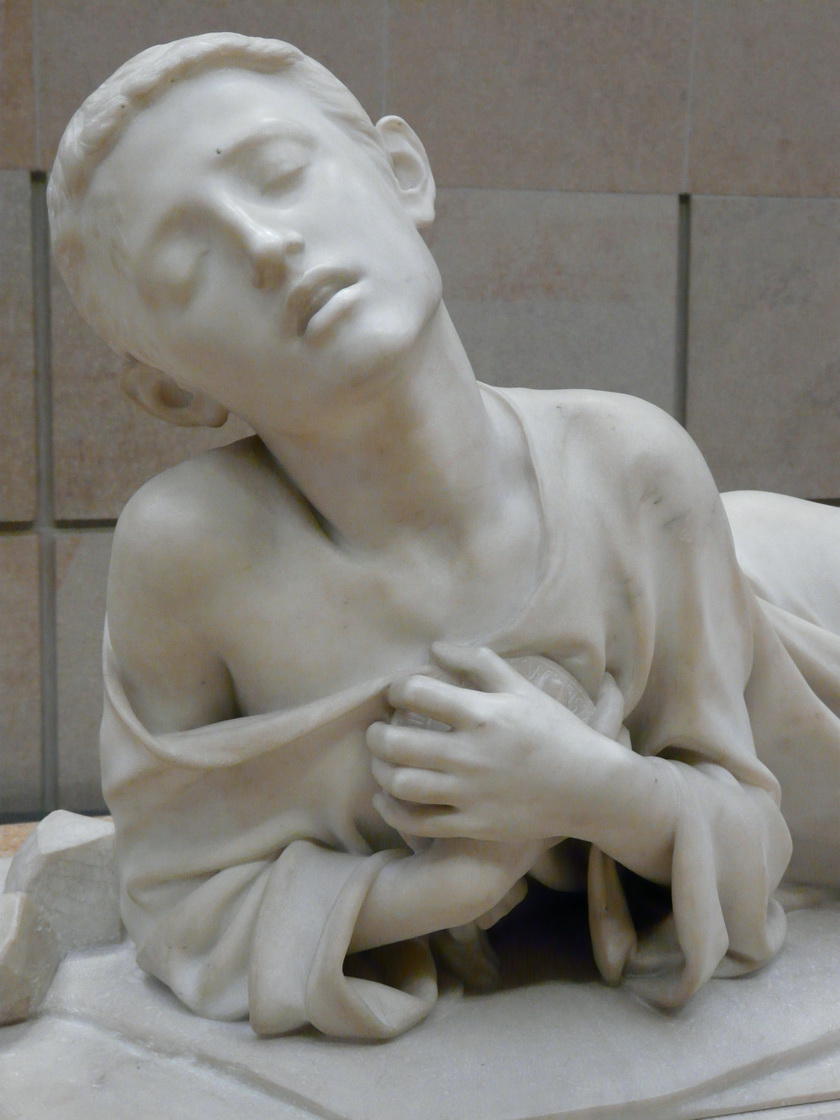
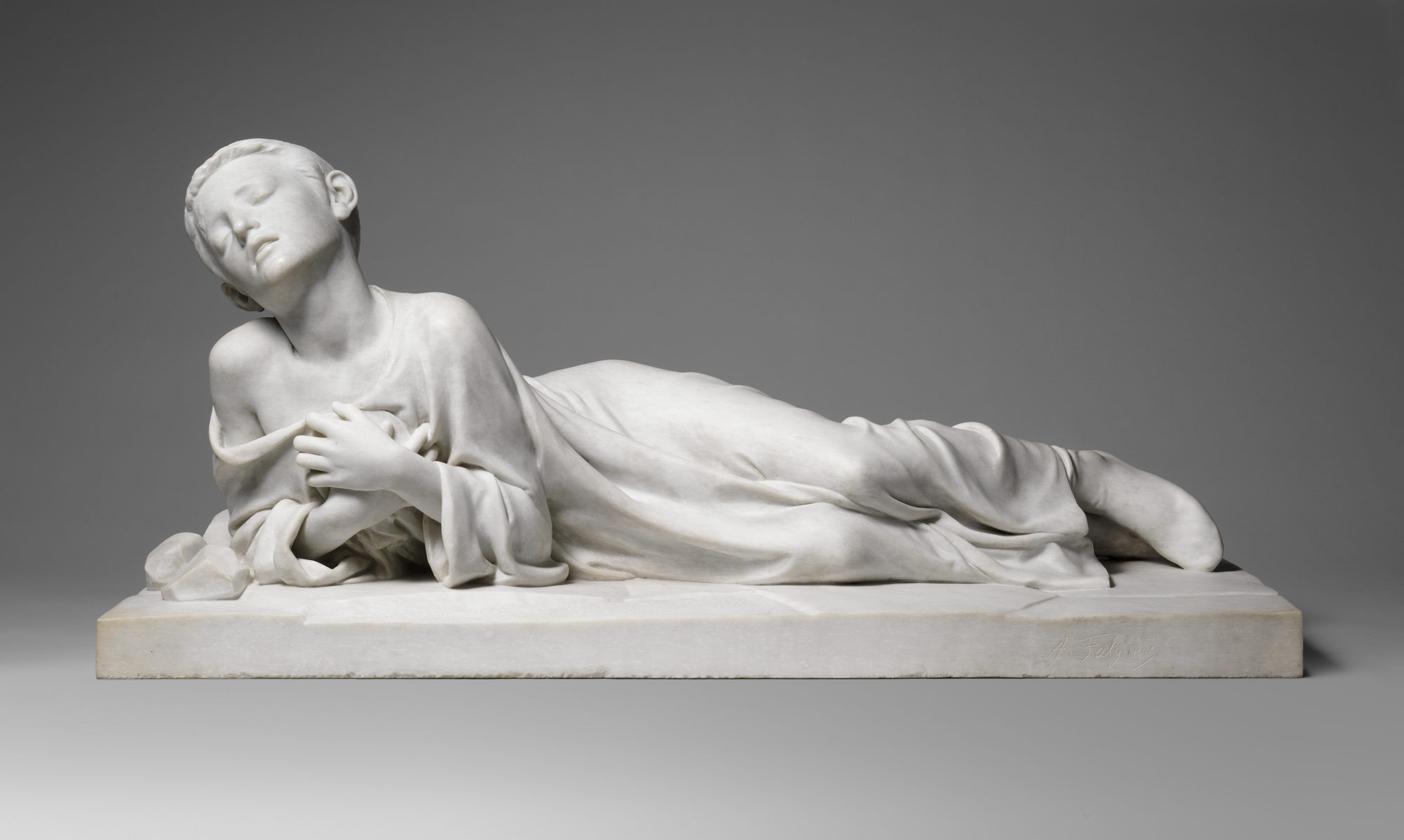
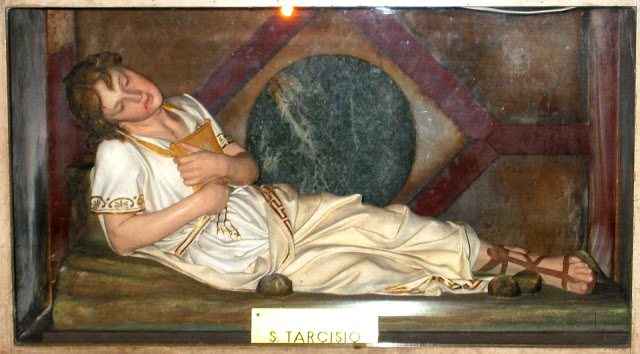
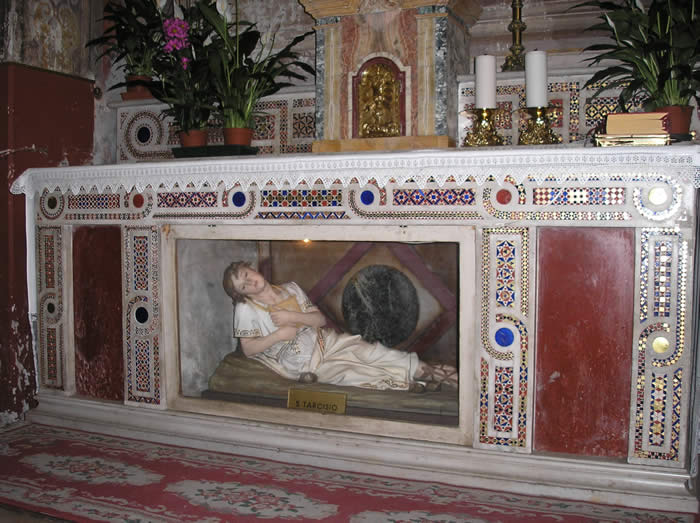
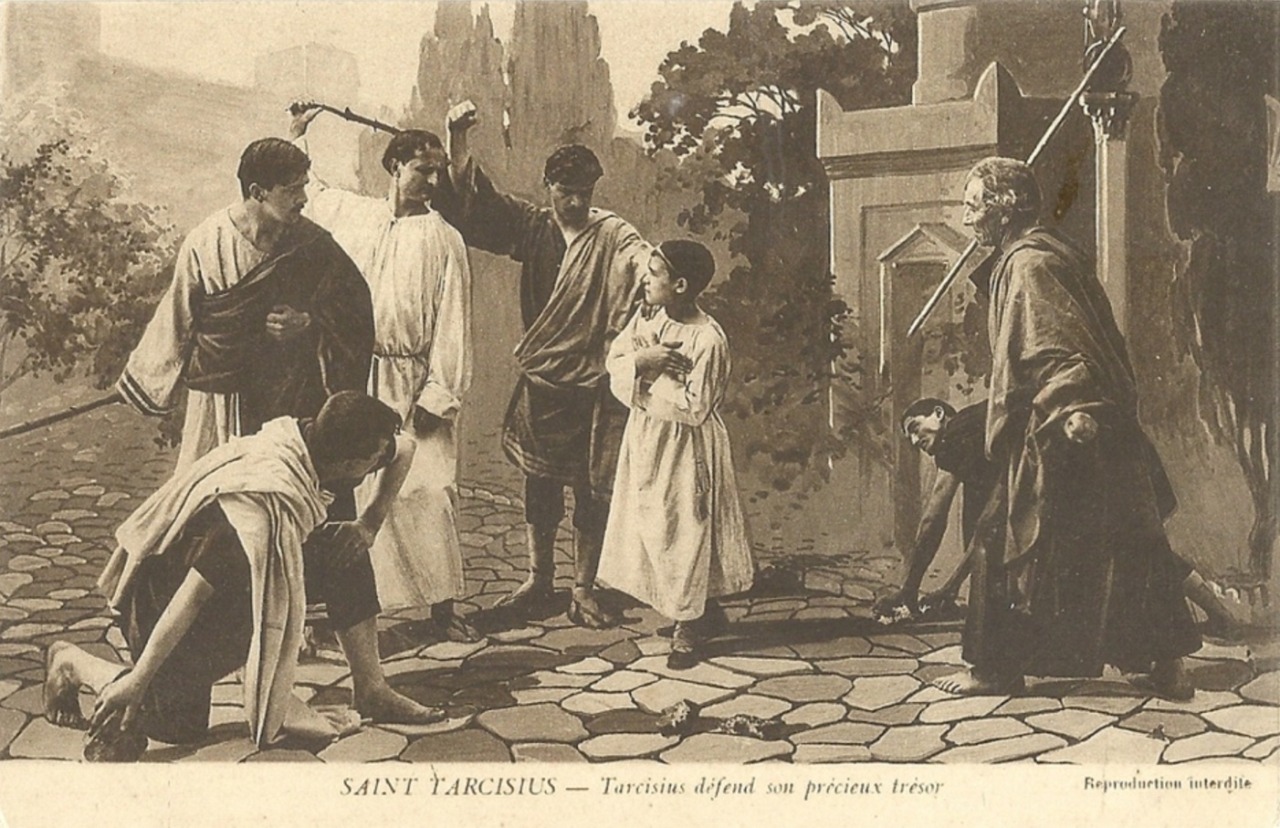
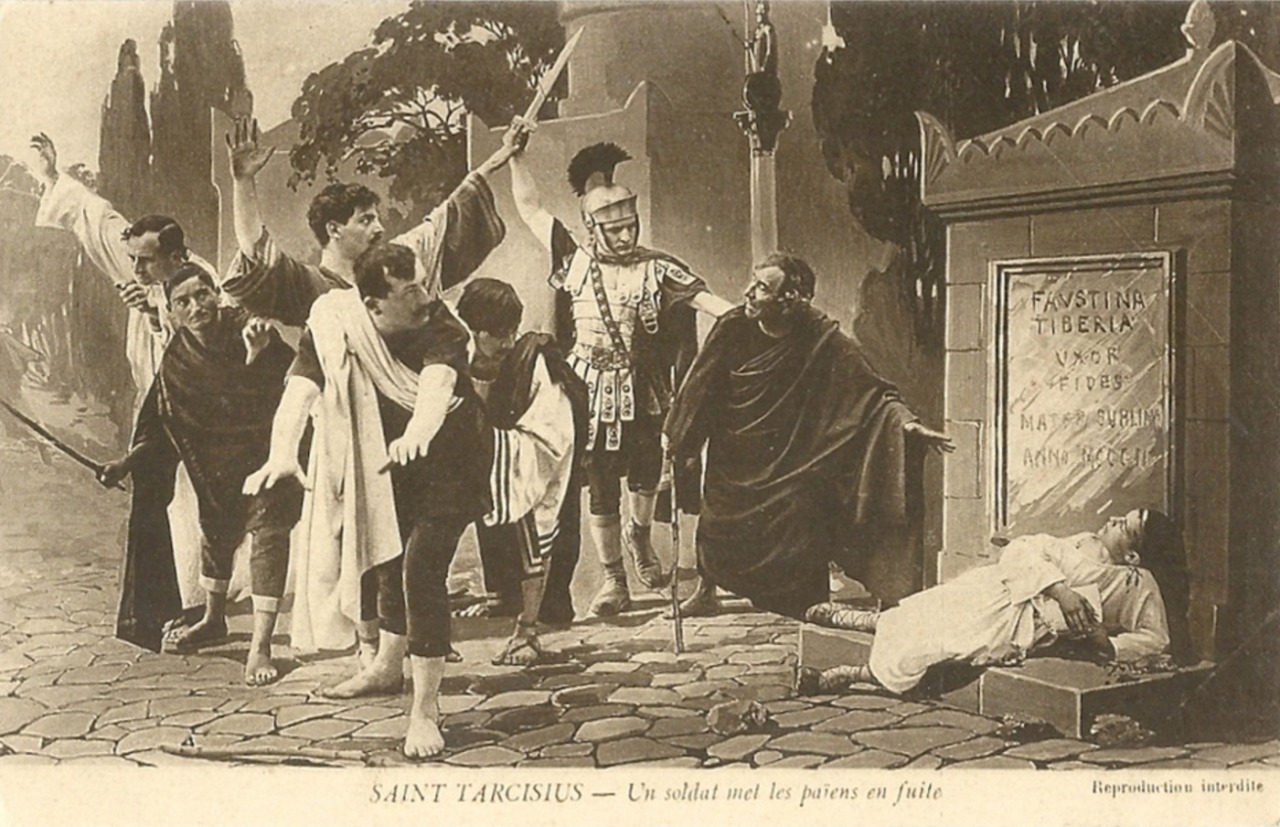
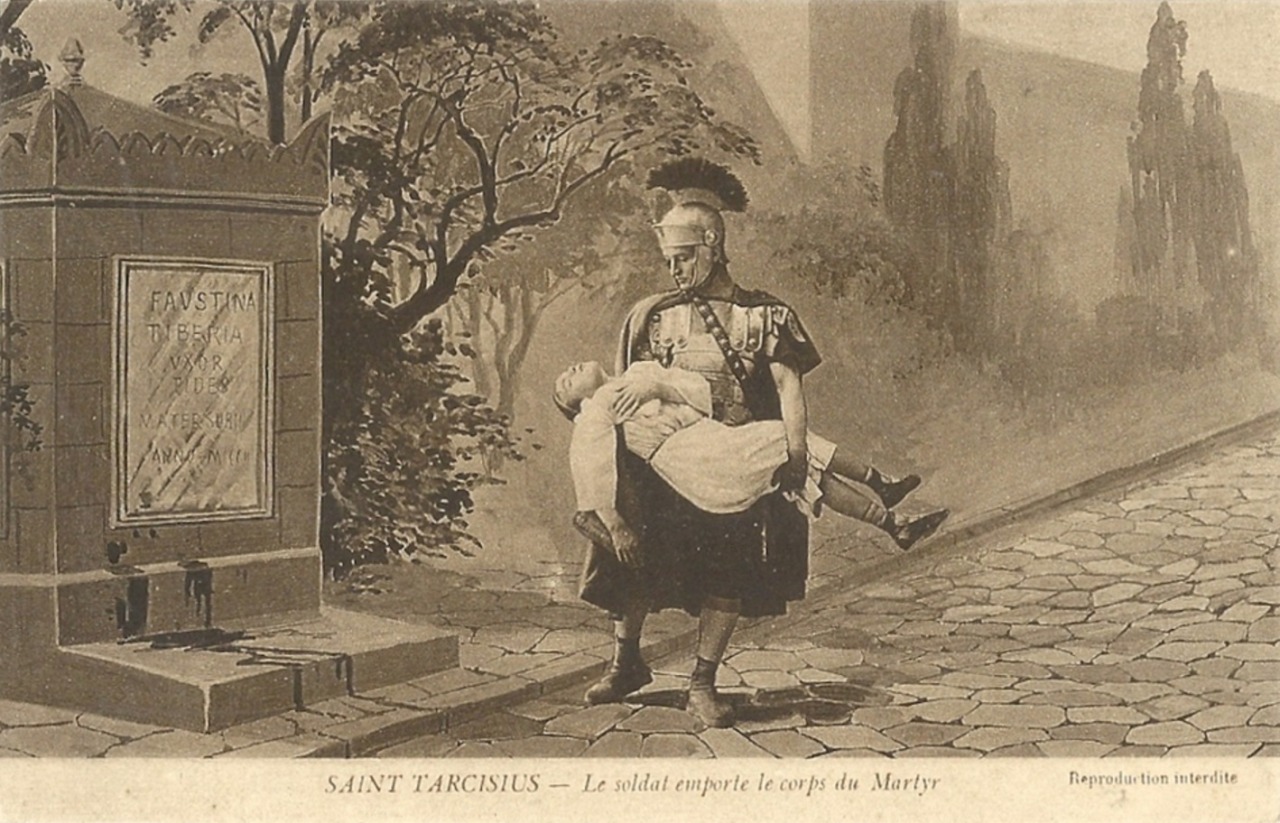
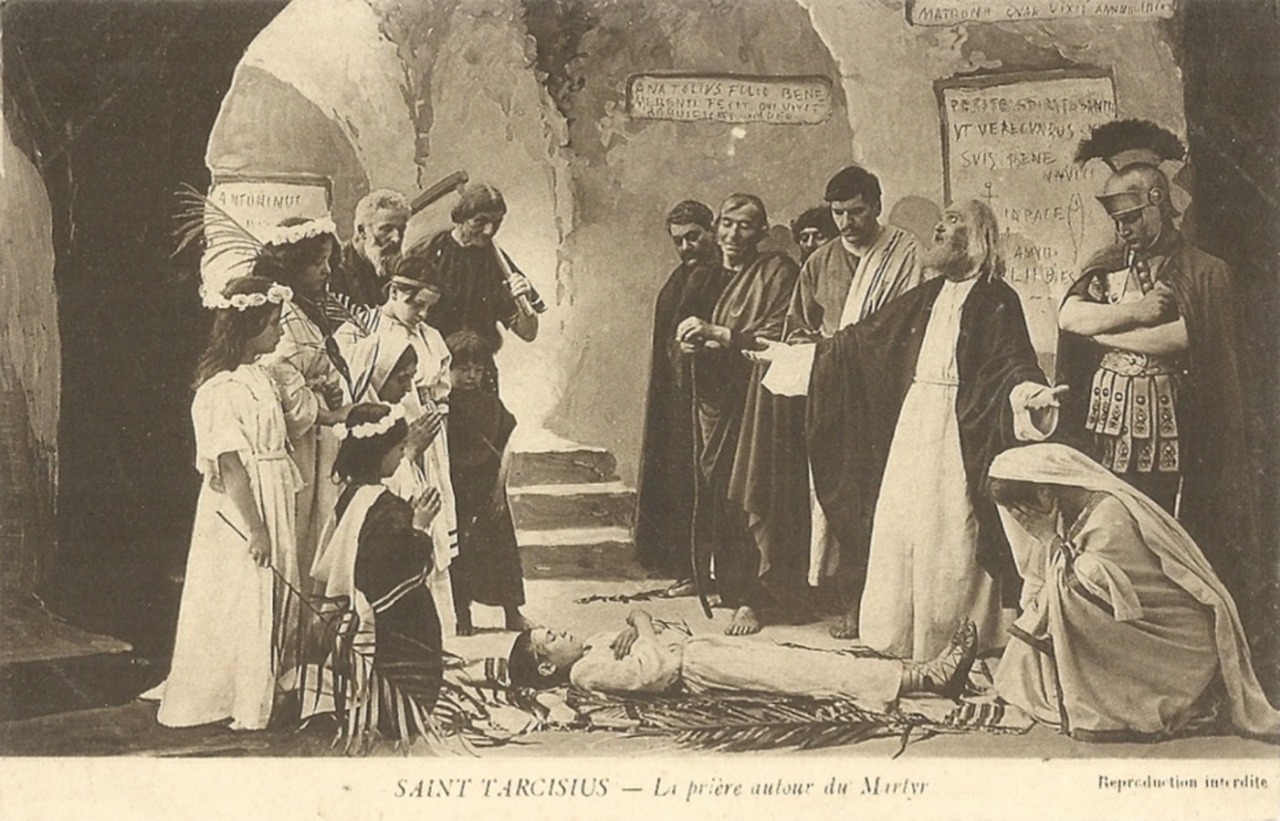
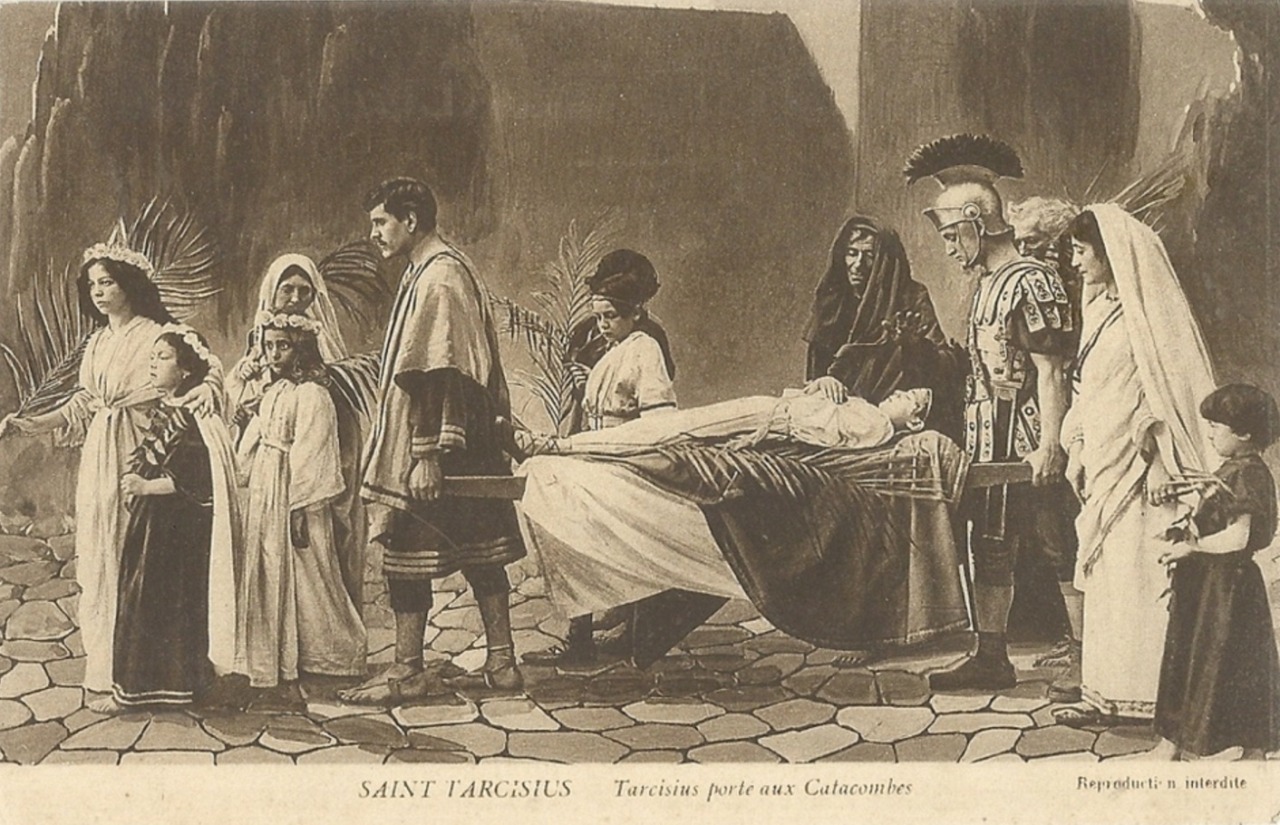
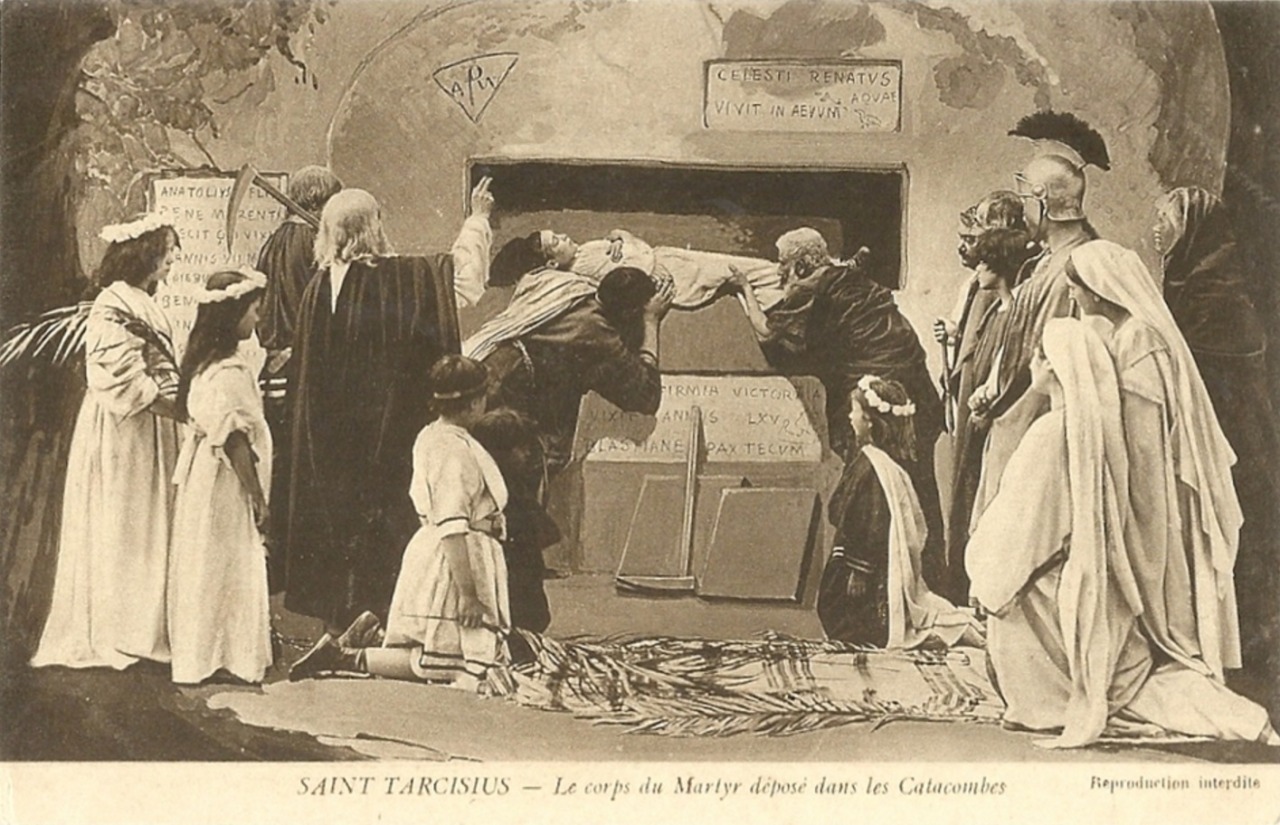
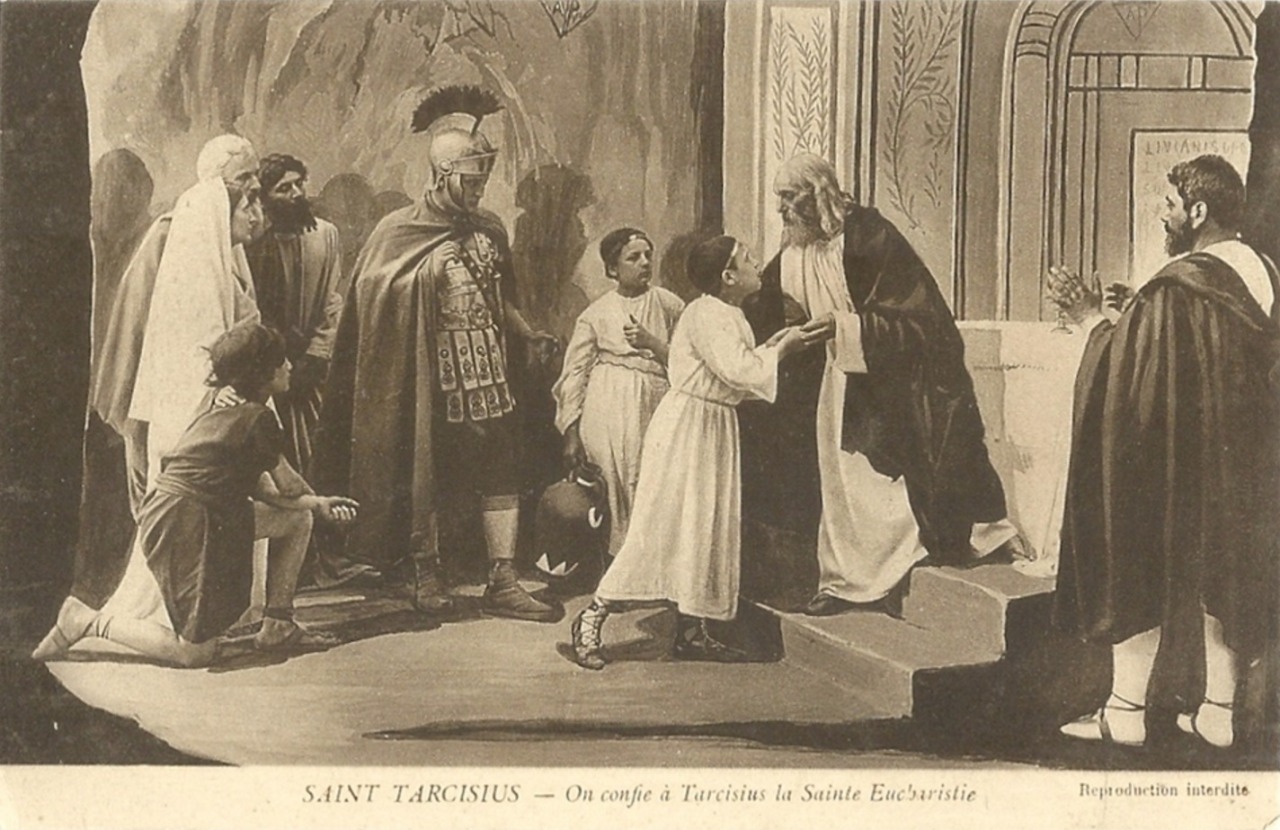 Convinced, the priest entrusted to him the precious Bread, saying: “Tarcisius, remember that a heavenly treasure has been entrusted to your weak hands. Avoid crowded streets and do not forget that holy things must never be thrown to dogs nor pearls to pigs. Will you guard the Sacred Mysteries faithfully and safely?”. “I would die”, Tarcisio answered with determination, “rather than let go of them”.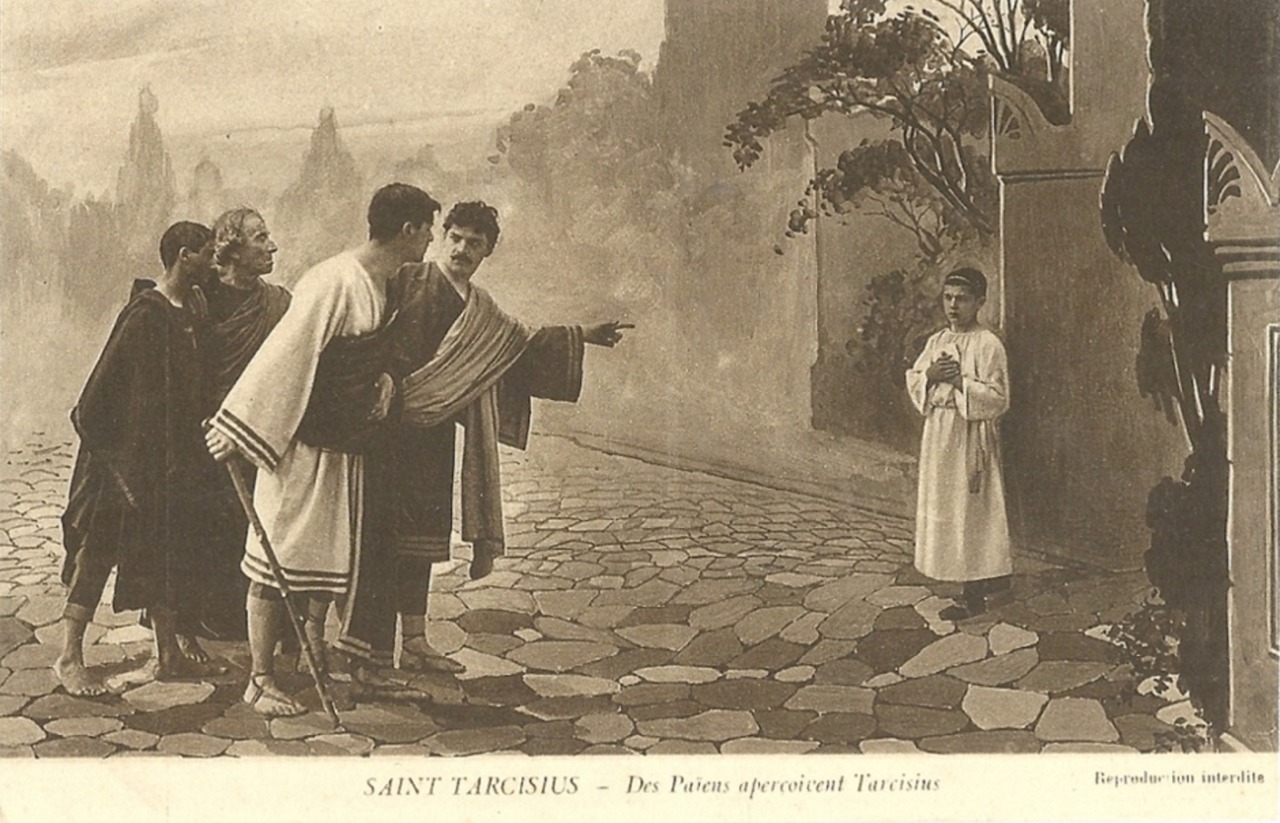


 AnaStpaul
You must be logged in to post a comment.