Posted in INCORRUPTIBLES, Of Catechists, Of First COMMUNICANTS, Of PILGRIMS, SAINT of the DAY

Saint of the Day – 3 September – Saint Pope Pius X (1835-1914)

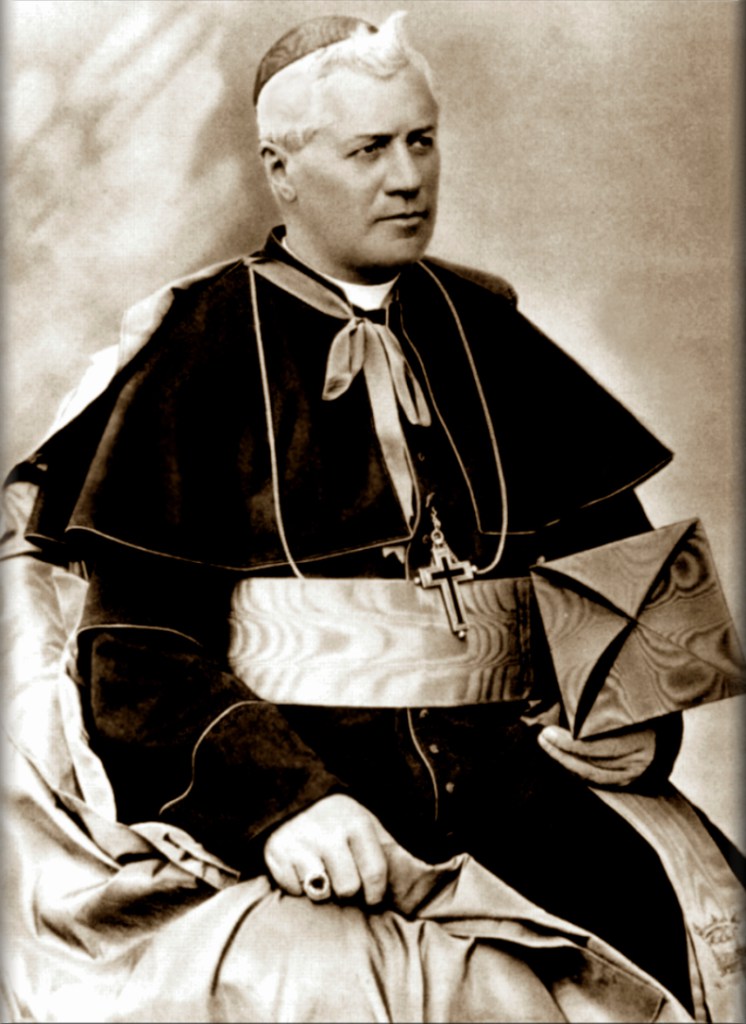
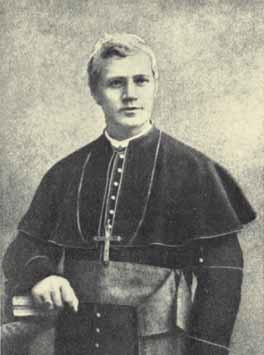
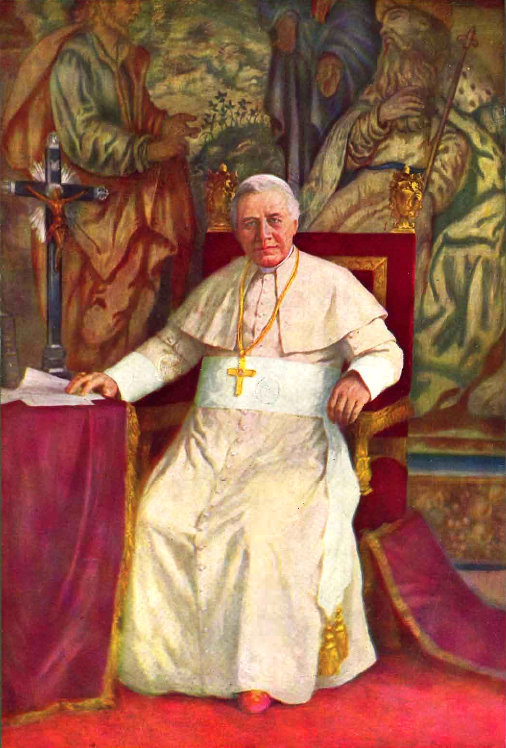
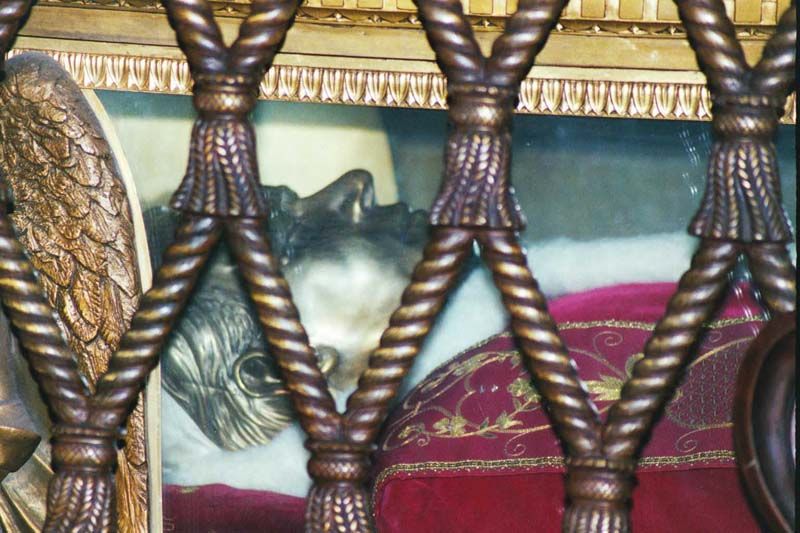
Saint of the Day – 3 September – Saint Pope Pius X (1835-1914) “Pope of the Blessed Sacrament” – born on 2 June 1835 at Riese, Diocese of Treviso, Venice, Austria (now Italy) as Giuseppe Melchiorre Sarto (familiarly known as Joseph Sarto) and died on 20 August 1914 at Vatican City. He reigned from 4 August 1903 until his death in August 1914. Patronages – First Communicants, Catechists, Pilgrims, 7 Diocese, Patriarchy of Venice. His Incorrupt body lies at St Peter’s Basilica. He was Beatified on 3 June 1951 by Pope Pius XII and Canonised on 29 May 1954 by the same Pope.

Pope St Pius X
From the Roman Breviary
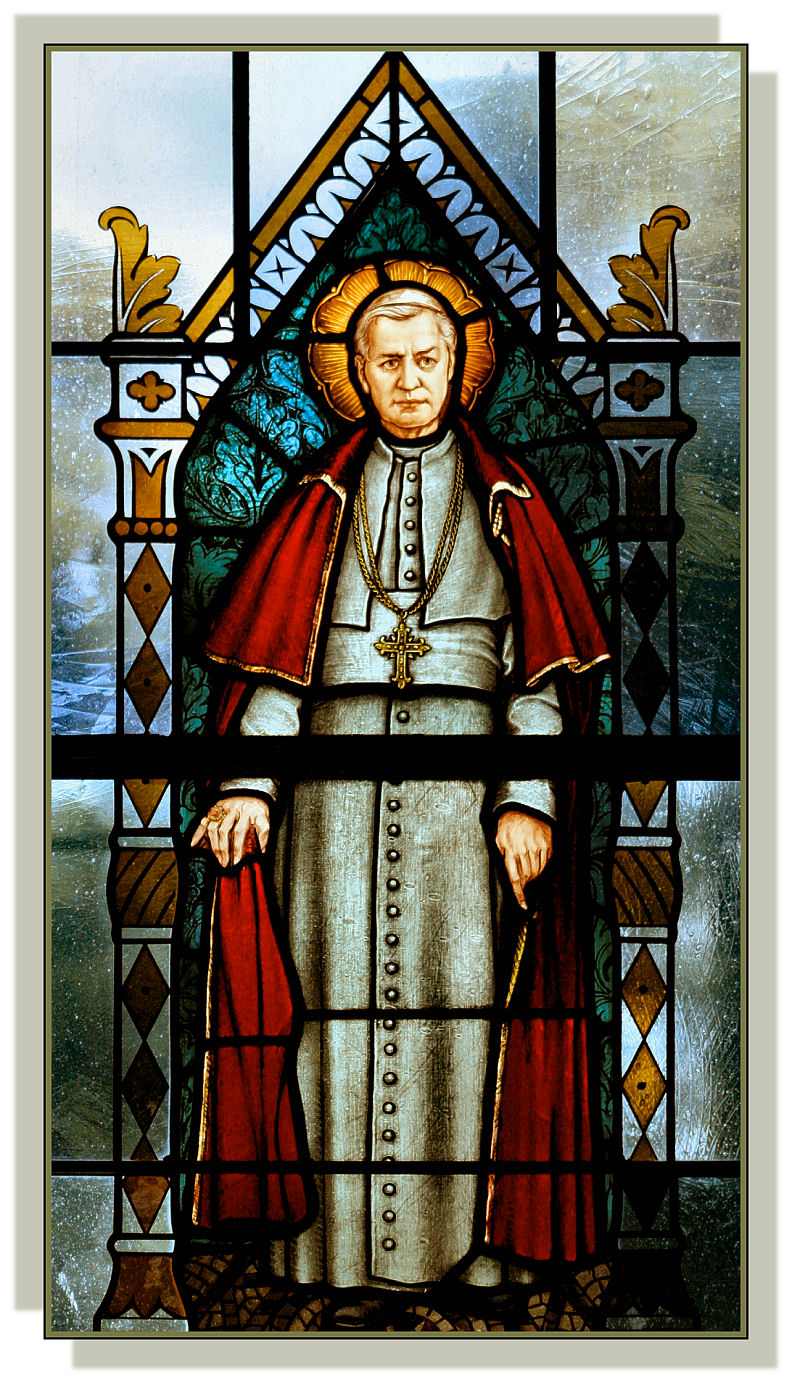
Pope Pius X, whose name previously was Joseph Sarto, was born in the Village of Riese in the Venetian Province, to humble parents remarkable for their Godliness and piety. He enrolled among the students in the Seminary of Padua, where he exhibited such piety and learning that he was, both an example to his fellow students and, the admiration of his teachers. Upon his Ordination to the Priesthood, he laboured for several years, first as Curate in the Town of Tombolo, then as Parish Priest at Salzano.
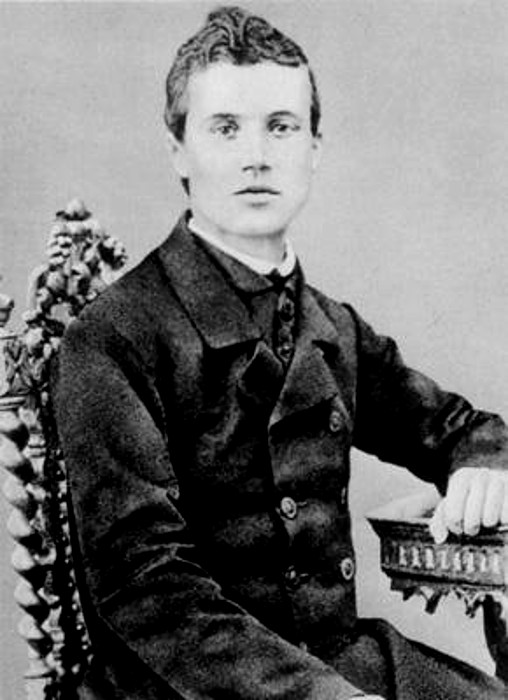
He applied himself to his duties with such a constant flow of charity and, such Priestly zeal and, was so distinguished by the holiness of his life, that the Bishop of Treviso appointed him as a Canon of the Cathedral Church and made him the Chancellor of the Bishop’s Curia, as well as Spiritual Director of the Diocesan Seminary. His performance in these duties was so outstanding and so highly impressed Pope Leo XIII that he appointed him as the Bishop of the Church of Mantua.
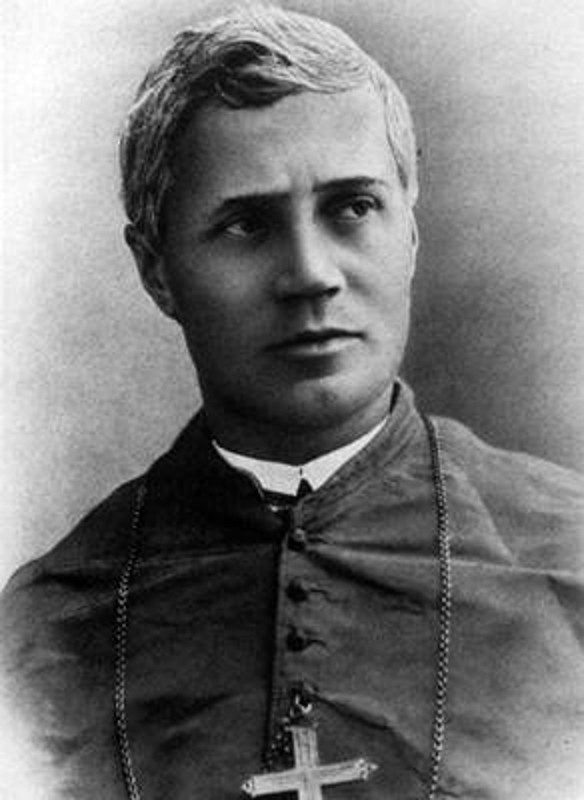
Lacking in nothing which maketh a good shepherd, he laboured particularly, to teach young men called to the Priesthood, as well as fostering the growth of devout associations and the beauty and dignity of Divine worship. He would ever affirm and promote, the laws upon which Christian civilisation depend and, while leading himself a life of poverty, never missed the opportunity to alleviate the burden of poverty in others.

Because of his great merits, he was made a Cardinal and created Patriarch of Venice. After the death of Pope Leo XIII, when the votes of the College of Cardinals began to increase in his favour, he tried in vain with supplications and tears, to be relieved of so heavy a burden. Finally he ceded to their persuasions, saying I accept the cross. Thus he accepted the Crown of the Supreme Pontificate as a cross, offering himself to God, with a resigned but stedfast spirit.

Placed upon the Chair of Peter, he gave up nothing of his former way of life. He shone, especially in humility, simplicity and poverty, so that he was able to write in his Last Testament: I was born in poverty, I lived in poverty and I wish to die in poverty. His humility, however, nourished his soul with strength, when it concerned the glory of God, the liberty of Holy Church and the salvation of souls.
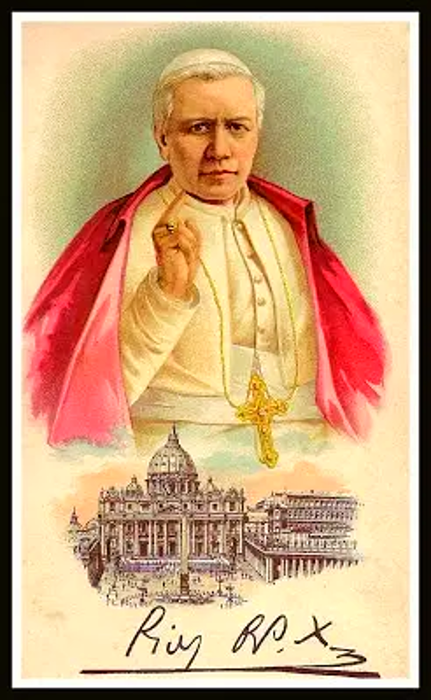
A man of passionate temperament and of firm purpose, he ruled the Church firmly as it entered into the 20th Century and adorned it with brilliant teachings. He restored the Sacred music to its pristine glory and dignity; he established Rome as the principal centre for the study of the Holy Scripture; he ordered the reform of the Roman Curia with great wisdom; he restored the laws concerning the faithful for the instruction of the Catechism; he introduced the custom of more frequent and even daily reception of the Holy Eucharist, as well as permitting its reception by children as soon as they reach the age of reason; he zealously promoted the growth of Catholic Action; he provided for the sound education of Clerics and increased the number of Seminaries in their divers regions; he encouraged every Priest in the practice of the interior life; he brought the laws of the Church together into one body; he condemned and suppressed those most pernicious errors known collectively as Modernism; he suppressed the custom of civil veto at the Election of a Supreme Pontiff.
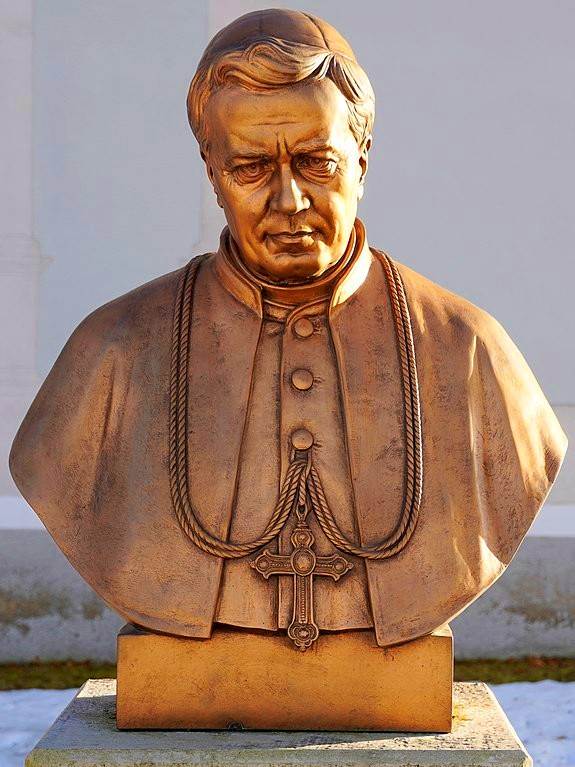

Finally, worn out with his labours and overcome with grief at the European War which had just begun, he went to his heavenly reward on the 20th day of August in the year 1914. Renowned throughout all the world for the fame of his holiness and miracles, Pope Pius XII, with the approbation of the whole world, numbered him among the Saints.

On 19 May 1944, the body of Pius X was exhumed for inspection as part of the Beatification process, during which the remains were found to be miraculously Incorrupt. On 29 May 1954, less than three years after his Beatification, Pius X was Canonised, following the recognition of two further miracles.
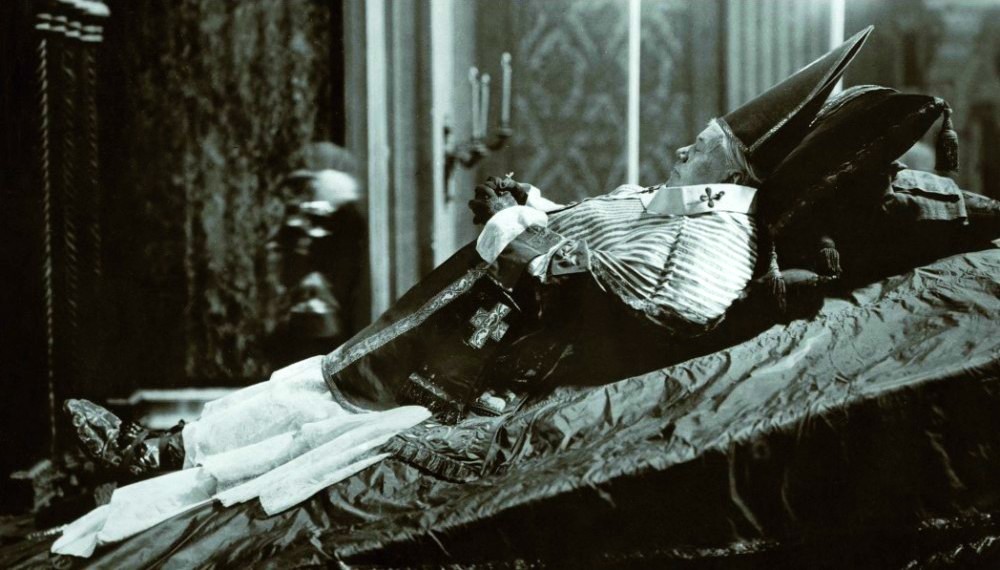
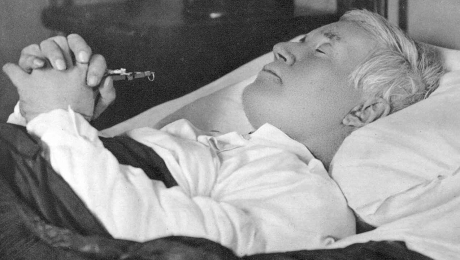
St Pius X Lying in State
Posted in ASPIRATIONS and EJACULATIONS, DOCTORS of the Church, GOD ALONE!, Of PILGRIMS, QUOTES on LOVE of GOD, St Francis de Sales, The HOLY FACE

Quote/s of the Day – 13 July – “He who most loves,will be most loved.”

Quote/s of the Day – 13 July – “The Month of the Most Precious Blood of Jesus” – 1 Petet 5:1-4; 5:10-11, Matthew 16:13-19 – Scripture search here: https://www.drbo.org/

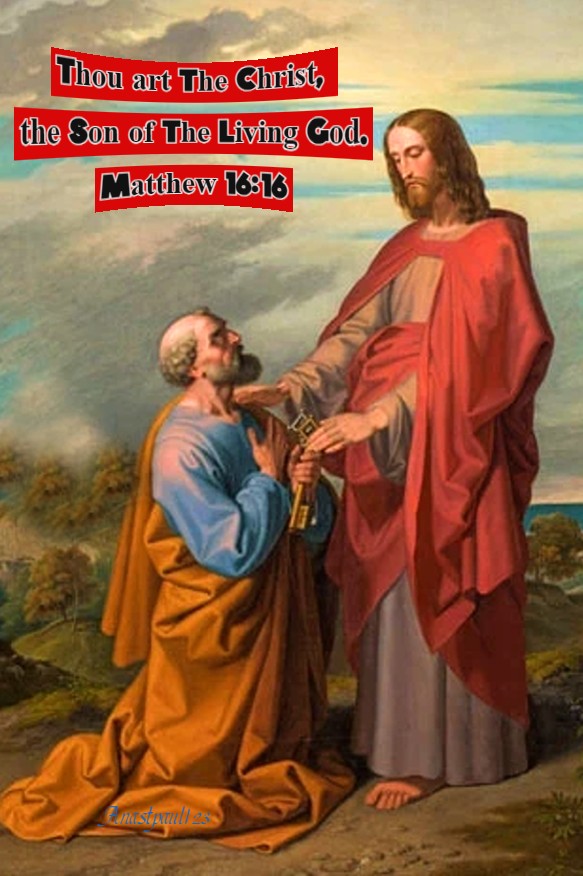
Thou art the Christ,
the Son of the living God.

Matthew 16:16

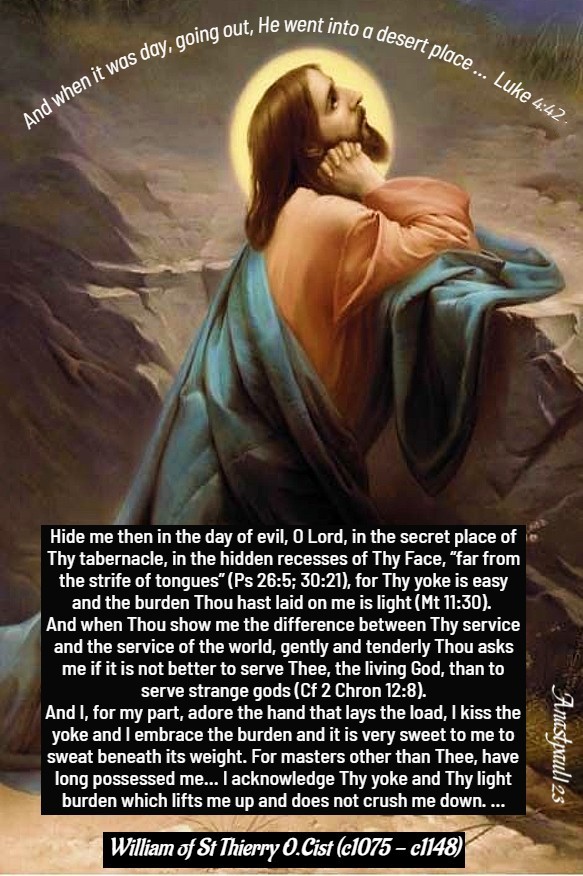
Hide me then in the day of evil, O Lord,
in the secret place of Thy tabernacle,
in the hidden recesses of Thy Face,
“far from the strife of tongues” (Ps 26:5; 30:21),
for Thy yoke is easy and the burden
Thou hast laid on me is light (Mt 11:30).
And when Thou show me the difference
between Thy service and the service of the world,
gently and tenderly Thou asks me
if it is not better to serve Thee,
the living God, than to serve strange gods
(Cf 2 Chron 12:8). And I, for my part,
adore the hand that lays the load,
I kiss the yoke and I embrace the burden
and it is very sweet to me to sweat beneath its weight.
For masters other than Thee, have long possessed me…
I acknowledge Thy yoke and Thy light burden
which lifts me up and does not crush me down. …

William of St Thierry O.Cist (c1075 – c1148)

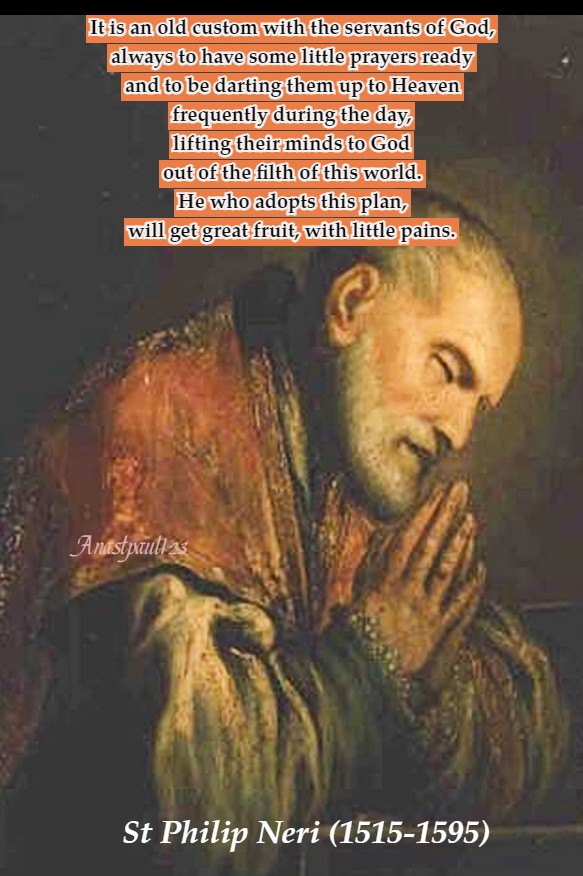
It is an old custom with the servants of God,
always to have some little prayers ready
and to be darting them up to Heaven
frequently during the day,
lifting their minds to God
out of the filth of this world.
He who adopts this plan,
will get great fruit, with little pains.

St Philip Neri (1515-1595)

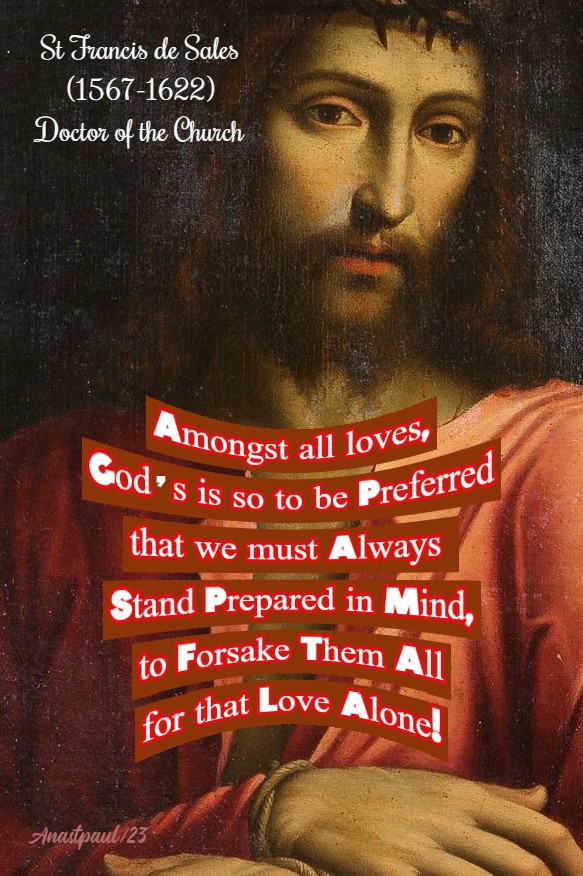
Amongst all loves,
God’s is so to be preferred
that we must always stand prepared in mind,
to forsake them all for that alone!

(Treatise on the Love of God, Book 10, Chapter 7)

Let us always belong to God,
unreservedly and without interruption.
May He ever live and reign in our hearts.”

(Letter to Madame de Chantal)

He who most loves,
will be most loved.

St Francis de Sales (1567-1622)
Doctor of the Church

Posted in DOCTORS of the Church, FATHERS of the Church, GOD ALONE!, I BELIEVE!, LOVE of NEIGHBOUR, Of PILGRIMS, QUOTES on CHARITY, QUOTES on CREATION, QUOTES on FAITH, QUOTES on FORGIVENESS, QUOTES on LOVE, QUOTES on LOVE of GOD, QUOTES on SANCTITY, St Francis de Sales, The HEART, The WORD

Quote/s of the Day – 20 April – ‘… Man believes with his heart …’

Quote/s of the Day – 20 April – “The Month of the Resurrection” – Feria Day, Thursday in the Second Week of Easter – 1 John 5:4-10, John 20:19-31 – Scripture search here: https://www.drbo.org/

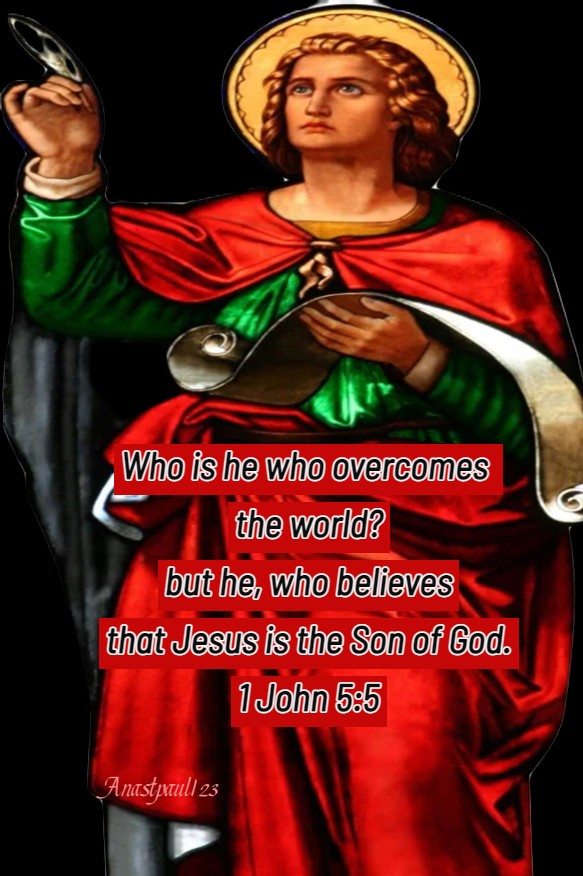
Who is he who overcomes the world?
but he who believes
that Jesus is the Son of God.

1 John 5:5

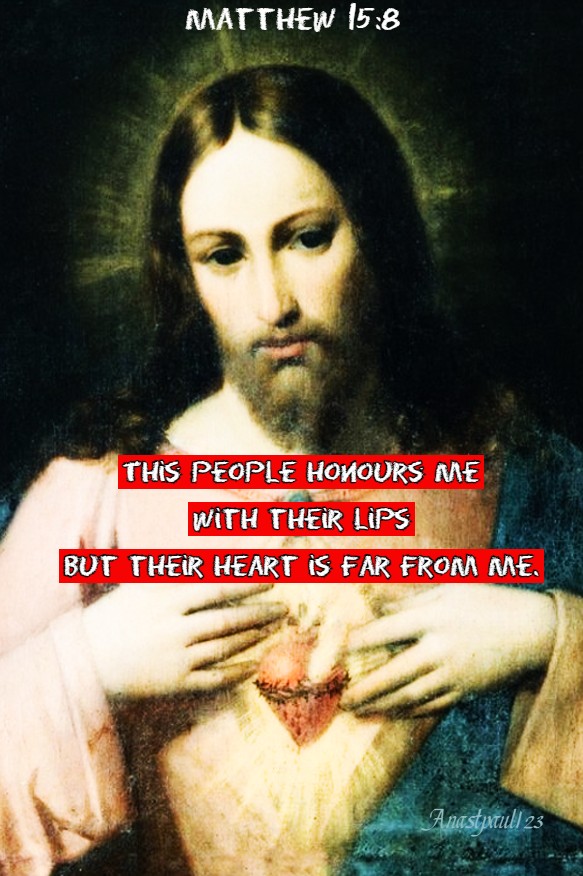
This people honours Me with their lips
but their heart is far from Me.

Matthew 15:8

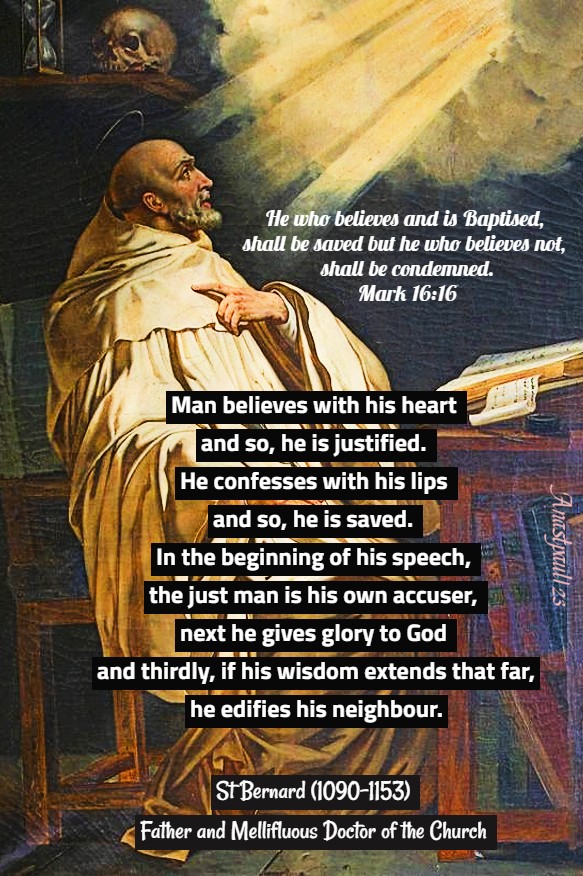
He who believes and is Baptised,
shall be saved but he who believes not,
shall be condemned.

Mark 16:16

Man believes with his heart
and so, he is justified.
He confesses with his lips
and so, he is saved.
In the beginning of his speech,
the just man is his own accuser,
next he gives glory to God
and thirdly, if his wisdom extends that far,
he edifies his neighbour.

St Bernard (1090-1153)
The “Last Father”
and Mellifluous Doctor of the Church

Get up tomorrow early in the morning
and earlier than you did today
and do the best that you can!

St Joan of Arc (1412-1431)

The very prince of the universe, is man;
the crowning point of man, is his heart;
of the heart, is love
and the perfection of love, is charity.
That is why the love of God is the goal,
the crowning point,
the be-all and end-all of the universe.

(Treatise on the Love of God, Book 10, Chapter 1)

But as a general thing,
what is the state of your heart
with regard to your neighbour?
Do you love him from your heart
and for the love of God?
In order to prove this,
you must call to mind
certain disagreeable, troublesome individuals,
for with such, it is that we practice
the love of God towards our neighbour
and still more, towards those who do us any injury,
either in word or deed.
Consider whether your heart is clear
with regard to such and whether
you have to force it to love them?
Are you slow to speak evil of your neighbour,
especially of those whom you do not like?”
Do you never injure him, either directly or indirectly
?”

(Introduction to the Devout Life).

HOW IS YOUR HEART TOWARDS GOD HIMSELF?
Do you take delight in thinking about Him? …
Imitate little children who, with one hand hold fast to their father,
while with the other, they gather strawberries
or blackberries from the hedges.
So too if you gather and handle
the goods of this world with one hand,
you must always hold fast with the other
to your Heavenly Father’s Hand
and turn toward Him, from time to time,
to see if your actions or occupations,
are pleasing to Him.

(Introduction to the Devout Life, Part 3, Chapter 10)

St Francis de Sales (1567-1622)
Doctor of Charity

Posted in Of PILGRIMS, PATRONAGE - PENITENTS, PATRONAGE - PRISONERS, SAINT of the DAY

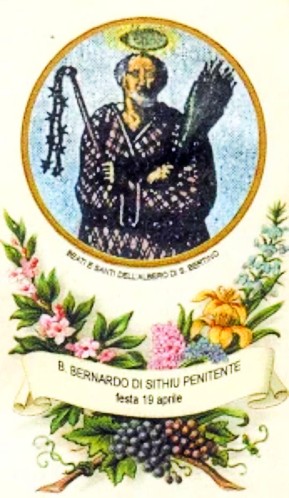
Saint of the Day – 19 April – Blessed Bernard of Sithiu (Died 1182) Layman Penitent

Saint of the Day – 19 April – Blessed Bernard of Sithiu (Died 1182) Layman Penitent, Pilgrim, Hermit Died on 19 April 1182 in the Monastery of Saint-Bertin, Thérouanne region, France of natural causes. Patronages – of sinners, convicts, prisoners, penitents, pilgrims. Also known as – Bernard of Maguellone, Bernard the Penitent, Bernard the Pilgrim.

The Roman Martyrology: “At the Monastery of Saint-Bertin in the territory of France in Thérouanne, lies the tomb of Blessed Bernard, penitent, who, eager to atone for the sins of his youth with an austere penitence, voluntarily chose exile and, barefooted, wearing rough garments, was a tireless pilgrim to the holy places.

Like St Nicholas of Trani, St Benedict Joseph Labre, St Rocco and several others this Saint lived as an itinerant pilgrim to the Shrines of Europe.

The few reports received about the life of Blessed Bernard of Sithiu are those handed down in the writings of John of Sithiu, Abbot in 1187, a source of extraordinary interest. There is also the Office composed in his honour and in 1465, an inventory of his remains are cited, “relics of St Bernard, Penitent. “

From such documents and testimonies, we discover that Bernard, following a murder, was ordered to make a pilgrimage of atonement.

After wandering far and wide for a long time, he finally settled near the former town of Sithiu, where, for four years he lived in poverty and deprivation. He prayed and fasted incessantly and endured the elements, as well as many other trials and sufferings. He became a very saintly man in love with God and self-renunciation. Finally dying on 19 April 1182.

The fame for holiness which was gained in life, was later confirmed after death, by many miracles occurring at his tomb.

Posted in CATECHESIS, CATHOLIC Quotes, DOCTORS of the Church, FATHERS of the Church, I BELIEVE!, LENT 2023, LENTEN THOUGHTS, Of PILGRIMS, PRACTISING CATHOLIC, QUOTES on CHARITY, QUOTES on FAITH, QUOTES on GOOD WORKS, QUOTES on Lukewarmness, QUOTES on MYSTERIES of our FAITH, QUOTES on SLOTH, QUOTES on TRUTH, QUOTES on VIRTUE, QUOTES on WATCHING, SOLDIERS/ARMOUR of CHRIST, St Francis de Sales, The FOUR CARDINAL VIRTUES: JUSTICE, PRUDENCE, TEMPERANCE, FORTITUDE

Our Lenten Journey with St Francis de Sales – 4 March –

Our Lenten Journey with St Francis de Sales – 4 March – The Memorial of St Casimir (1458-1484) Confessor, Prince – Saturday of Ember Week in Lent – Ecclesiasticus Sirach 31:8-11,Luke 12:35-40 – Scripture search here: https://www.drbo.org/

The just shall flourish like the palm tree,
he shall grow up, like the cedar of Lebanon
.

Psalm 91:13

Stay dressed for action
and keep your lamps burning …

Luke 12:35-36

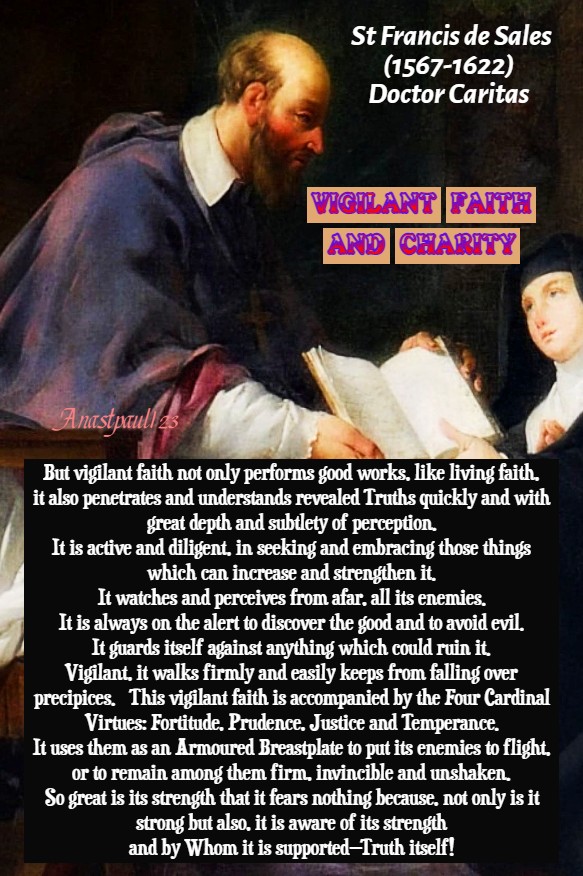
VIGILANT FAITH AND CHARITY
St Francis de Sales (1567-1622)
Doctor Caritas

IT WORKS THE SAME WAY with faith as with charity.
We know by the works which charity performs, whether faith is dead or dying. When it produces no good works, we conclude that it is dead and when they are few and sluggish, that, it is dying.
But just as there is a dead faith, there must also be a living one which is its opposite.
It is excellent. Joined and United with charity and vivified by it, it is strong, firm and Constant. It performs many great and good works which deserve the praise: “Oh, how great is your faith! Let all that you desire be done.” …

It is great because of the good works it performs and also because of the many virtues which accompany it and which it governs. … So charity united to faith is not only followed by all the virtues but, as a queen, she commands them and all obey and fight for her and, according to her will. From this, results the multitude of good works, of a living faith.

There is a vigilant faith which, again, depends on its union with charity.
But there is also one which is sluggish, dull and apathetic and, it is the opposite of vigilant faith. It is lax in applying itself to the consideration of the Mysteries of our Religion.
It is completely torpid and, for this reason, it does not penetrate revealed Truths at all. It sees them, to be sure and knows them, because its eyes are not altogether closed.
It is not asleep but it is drowsy or dozing. It resembles weary people who, although their eyes are open, see almost nothing and although they hear talking, they neither know nor understand what is said. Why? Because they are quite overcome with sleepiness. …

But vigilant faith not only performs good works, like living faith, it also penetrates and understands revealed Truths quickly and with great depth and subtlety of perception.
It is active and diligent, in seeking and embracing those things which can increase and strengthen it.
It watches and perceives from afar, all its enemies.
It is always on the alert to discover the good and to avoid evil.
It guards itself against anything which could ruin it.
Vigilant, it walks firmly and easily keeps from falling over precipices.

This vigilant faith is accompanied by the Four Cardinal Virtues: Fortitude, Prudence, Justice and Temperance.
It uses them as an Armoured Breastplate to put its enemies to flight, or to remain among them firm, invincible and unshaken.
So great is its strength that it fears nothing because, not only is it strong but also, it is aware of its strength and by Whom it is supported—Truth itself!
” (Sermon for Thursday after the First Sunday of Lent, 17 February 1622).

Posted in AUGUSTINIANS OSA, BLESSED TRINITY PRAYERS, CHRIST the LIGHT, CHRIST the WORD and WISDOM, CHRIST, the WAY,TRUTH,LIFE, DOCTORS of the Church, FATHERS of the Church, GOD the FATHER, I BELIEVE!, Of PILGRIMS, PRAYERS of the SAINTS, QUOTES on ETERNAL LIFE, QUOTES on FAITH, QUOTES on HEAVEN, QUOTES on the CROSS of CHRIST, QUOTES on THE WORLD, The HOLY CROSS, The WORD

Quote/s of the Day – 2 March – O woman, great is thy faith! Matthew 15:28

Quote/s of the Day – 2 March – Thursday of the First Week in Lent – Ezechiel 18:1-9, Matthew 15:21-28 – Scripture search here: https://www.drbo.org/

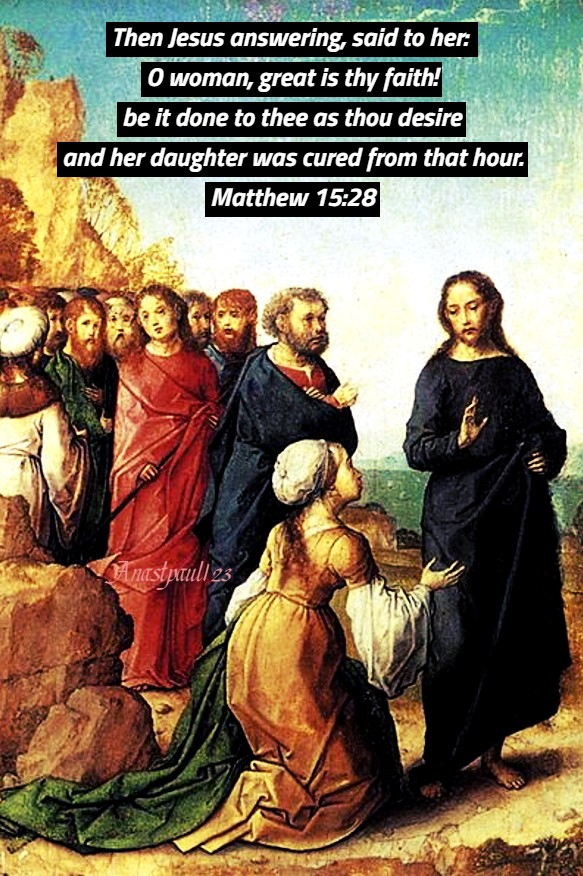
Then Jesus answering, said to her:
O woman, great is thy faith!
be it done to thee as thou desire
and her daughter was cured from that hour
.”

Matthew 15:28

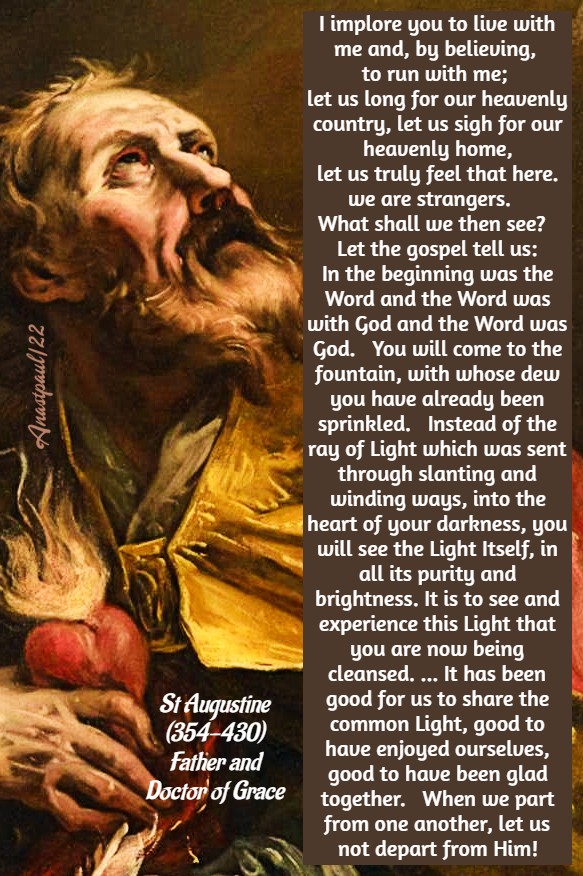
I implore you to live with me and,
by believing, to run with me;
let us long for our Heavenly Country,
let us sigh for our Heavenly Home,
let us truly feel that here, we are strangers.
What shall we then see?
Let the gospel tell us:
In the beginning was the Word
and the Word was with God
and the Word was God.
You will come to the fountain,
with whose dew you have already been sprinkled.
Instead of the ray of Light
which was sent through slanting
and winding ways, into the heart of your darkness,
you will see the Light Itself,
in all its purity and brightness.
It is to see and experience this Light
that you are now being cleansed. …
It has been good for us to share
the common Light,
good to have enjoyed ourselves,
good to have been glad together.
When we part from one another,
let us not depart from Him!

St Augustine (354-430)
Father and Doctor of Grace

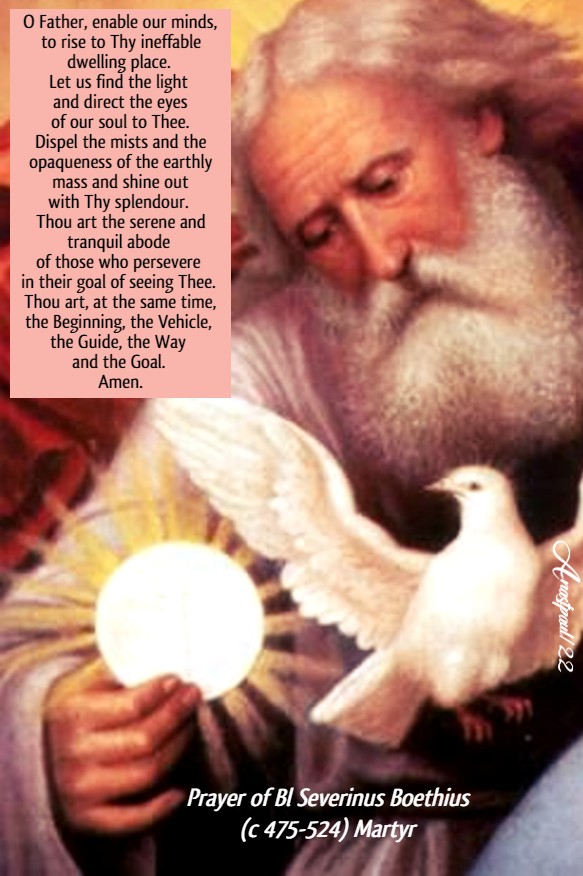
Prayer of Blessed Severinus Boethius
(c 475-524) Martyr

O Father, enable our minds,
to rise to Thy ineffable dwelling place.
Let us find the Light
and direct the eyes of our soul to Thee.
Dispel the mists and the opaqueness
of the earthly mass
and shine out with Thy splendour.
Thou art the serene and tranquil abode
of those who persevere
in their goal of seeing Thee.
Thou art, at the same time,
the Beginning, the Vehicle,
the Guide, the Way and the Goal.
Amen
”.

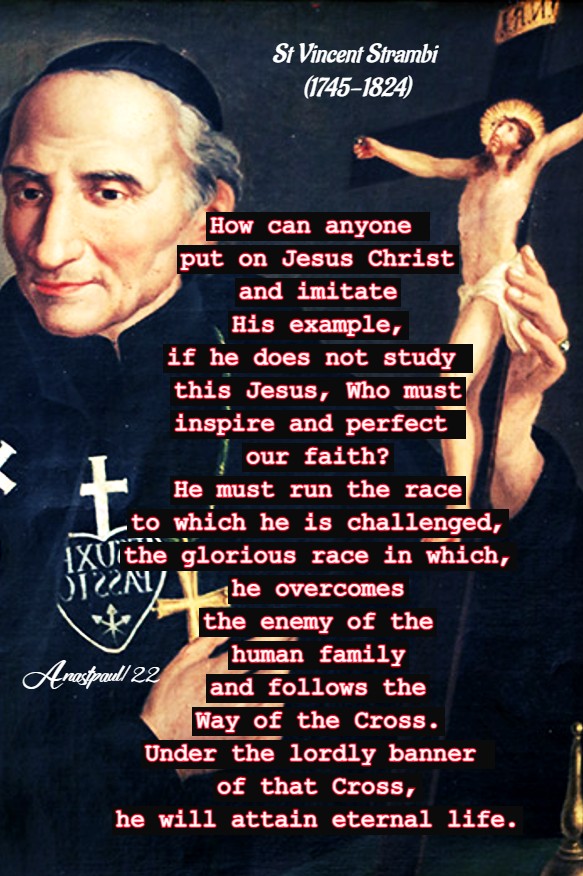
“… How can anyone put on Jesus Christ
and imitate His example,
if he does not study this Jesus,
who must inspire and perfect our faith?
He must run the race to which he is challenged,
the glorious race in which,
he overcomes the enemy of the human family
and follows the Way of the Cross.
Under the lordly banner of that Cross,
he will attain eternal life.

St Vincent Strambi CP (1745-1824)

Posted in DOCTORS of the Church, LENT, LENT 2023, Of PILGRIMS, QUOTES on CONSOLATION, QUOTES on ETERNAL LIFE, QUOTES on FAITH, QUOTES on FEAR, QUOTES on GREED, WEALTH, QUOTES on SLOTH, QUOTES on SUFFERING, QUOTES on TEMPTATION, QUOTES on the DEVIL/EVIL, QUOTES on TRUTH, SOLDIERS/ARMOUR of CHRIST

Our Lenten Journey with St Francis de Sales – 27 February – THESE FORTY DAYS …

Our Lenten Journey with St Francis de Sales – 27 February – Monday of the First Week in Lent – Scripture search here: https://www.drbo.org/

My son, when you come to serve God,
prepare your sould for temptation
.”
Ecclus. Sirach 2:1

Then the devil left Him
and behold, Angels came
and ministered to Him
.”
Matthew 4:11

THESE FORTY DAYS …
St Francis de Sales (1567-1622)
Doctor Caritas

I DOUBT NOT that many prefer the end of today’s Gospel (Mt 4:1-11) to its beginning.
It is said there that after Our Lord had overcome His enemy and rejected his temptations, Angels came and brought Him heavenly food.
What joy to find oneself with the Saviour at this delicious feast!
My dear friends, we shall never be capable of keeping company with Him in His consolations, nor be invited to His Heavenly banquet, if we are not sharers of His labours and sufferings (2 Cor 1:7).
He fasted for forty days but the Angels brought Him something to eat only at the end of that time.

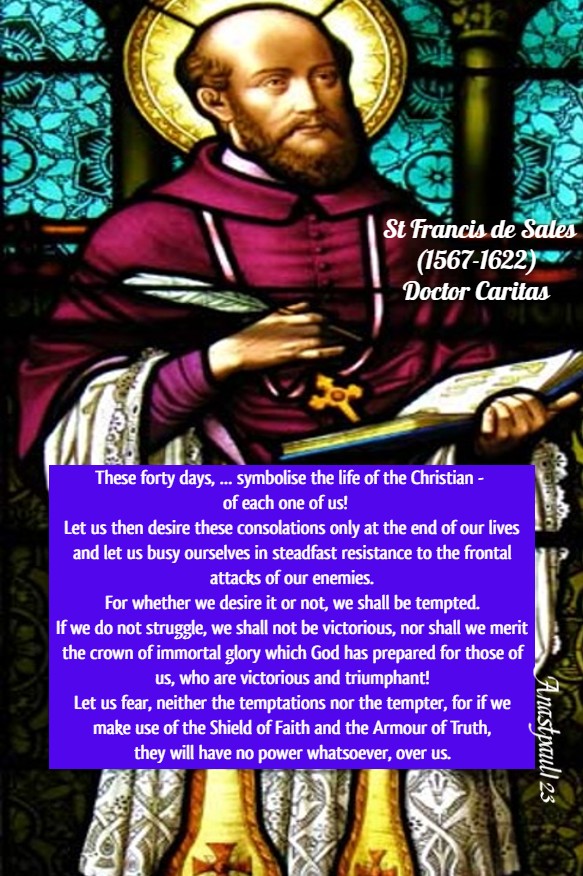
These forty days, … symbolise the life of the Christian – of each one of us!
Let us then desire these consolations only at the end of our lives and let us busy ourselves in steadfast resistance to the frontal attacks of our enemies.
For whether we desire it or not, we shall be tempted.
If we do not struggle, we shall not be victorious, nor shall we merit the crown of immortal glory which God has prepared for those of us, who are victorious and triumphant!

Let us fear, neither the temptations nor the tempter, for if we make use of the Shield of Faith and the Armour of Truth, they will have no power whatsoever, over us.

… Let us also shun both spiritual avarice and the ambition which occasions so much disorder in our hearts and so greatly impedes our perfection.
The noonday devil will be powerless in causing us to fail in our firm and steadfast resolution, to serve God generously and as perfectly as possible, in this life, so that after this life, we shall go to enjoy Him forever. May He be blessed ! Amen.” – (Extract-Sermon 1st Sunday of Lent – 13 February 1622).

Posted in "Follow Me", CHRIST the LIGHT, CHRIST the SUN of JUSTICE, CHRIST the WORD and WISDOM, CHRIST, the WAY,TRUTH,LIFE, DOCTORS of the Church, FATHERS of the Church, Of PILGRIMS, PRACTISING CATHOLIC, QUOTES on ETERNAL LIFE, QUOTES on GOOD WORKS, QUOTES on GRACE, QUOTES on KINDNESS, QUOTES on MERCY, QUOTES on PURITY, QUOTES on PURITY of INTENTION, The BEATITUDES, The WORD

Quote/s of the Day – 4 February – Trading with our talents

Quote/s of the Day – 4 February – St Andrew Corsini O.Carm (1302-1373) Bishop, Confessor – Sirach 44:16-27; 45:3-20, Matthew 25:14-23 – Scripture search here: https://www.drbo.org/

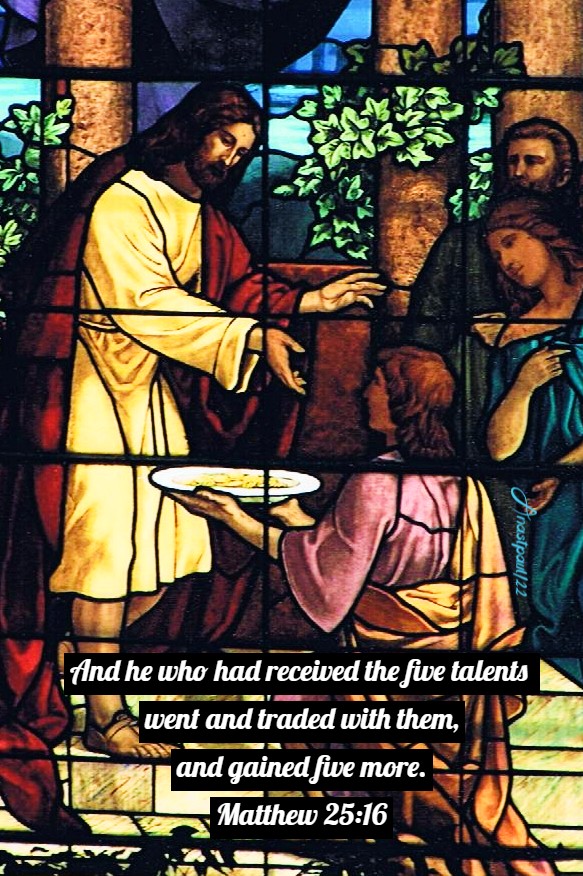
And he who had received the five talents
went and traded with them,
and gained five more.

Matthew 25:16

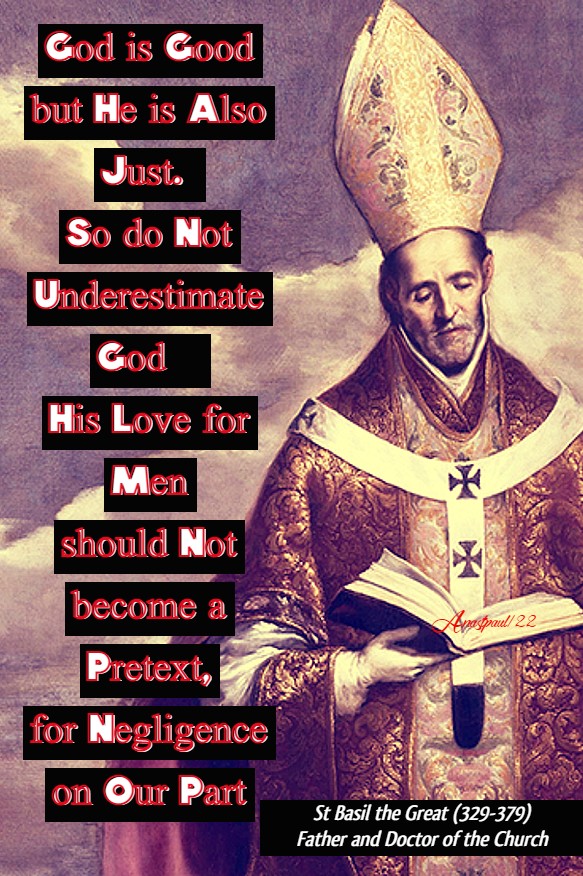
God is Good but He is also Just…
So do not underestimate God –
His love for men
should not become a pretext,
for negligence on our part.

St Basil the Great (329-379)
Father and Doctor of the Church

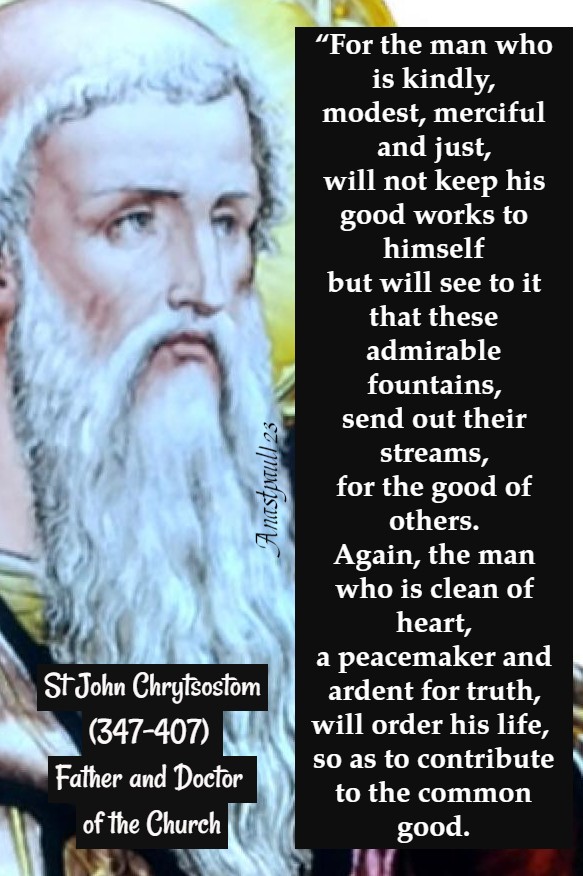
For the man who is kindly,
modest, merciful and just,
will not keep his good works to himself
but will see to it
that these admirable fountains,
send out their streams,
for the good of others.
Again, the man who is clean of heart,
a peacemaker and ardent for truth,
will order his life, so as to contribute
to the common good
.”

St John Chrysostom (347-407)
Father and Doctor of the Church

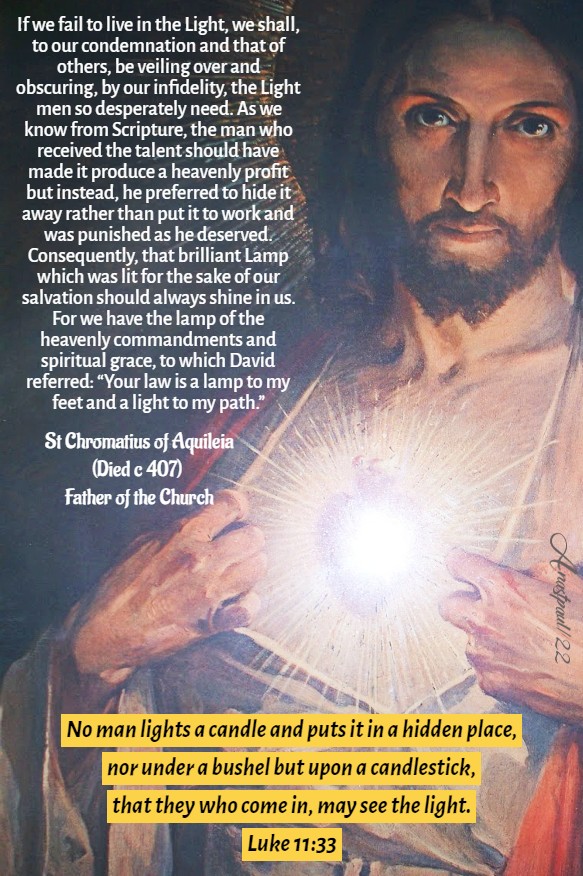
If we fail to live in the Light,
we shall, to our condemnation
and that of others,
be veiling over and obscuring,
by our infidelity,
the Light men so desperately need.
As we know from Scripture,
the man who received the talent
should have made it produce a heavenly profit
but instead, he preferred to hide it away
rather than put it to work
and was punished as he deserved.
Consequently, that brilliant Lamp
which was lit for the sake of our salvation
should always shine in us.
For we have the lamp
of the heavenly commandments
and spiritual grace,
to which David referred:
Your law is a lamp to my feet
and a light to my path.

St Chromatius of Aquileia (Died c 407)
Bishop of Aquileia,

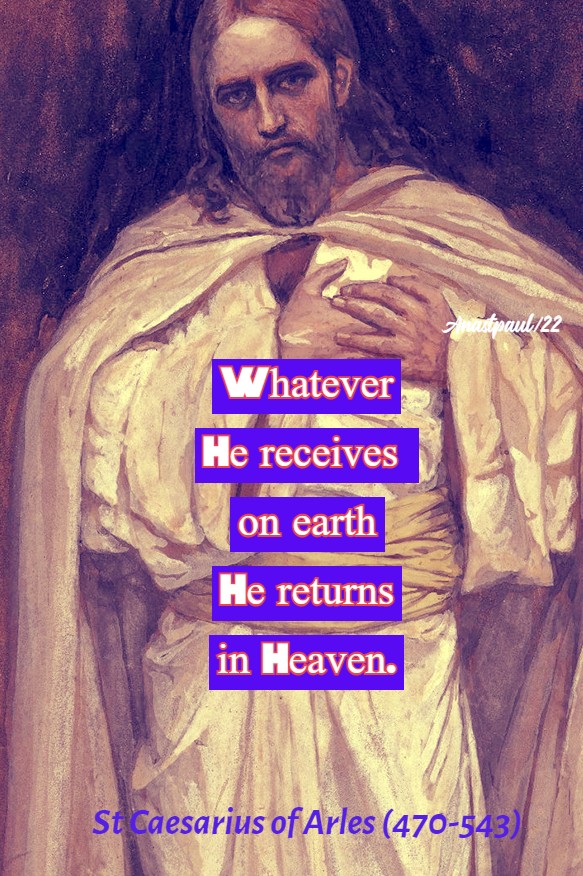
Whatever He receives on earth,
He returns in Heaven
.”

St Caesarius of Arles (470-543)

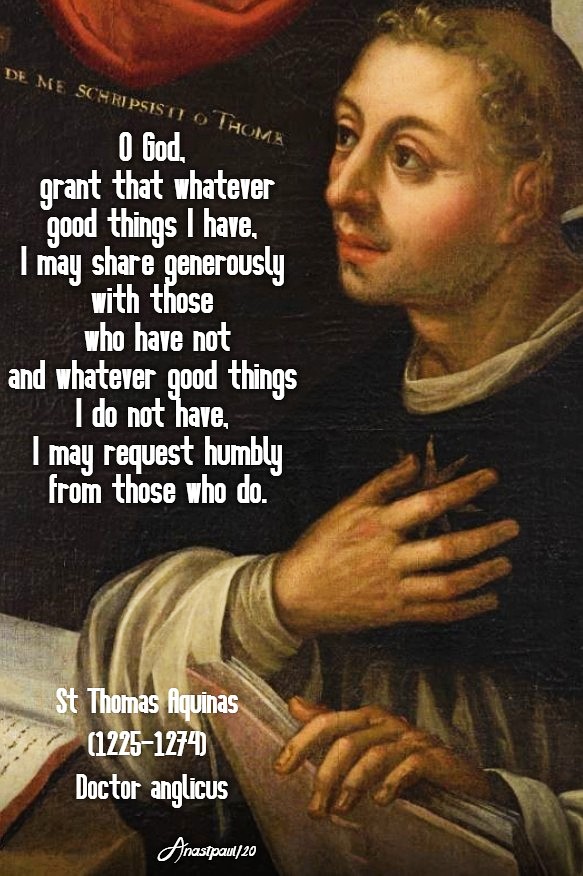
O God, grant that whatever good things I have,
I may share generously with those who have not
and whatever good things, I do not have,
I may request humbly, from those who do.

St Thomas Aquinas (1225-1274)
Doctor Angelicus

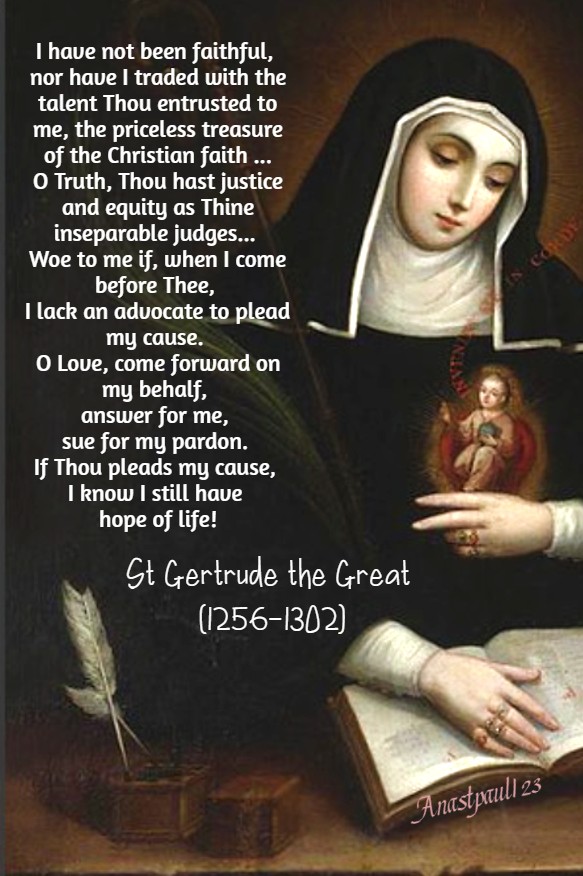
I have not been faithful,
nor have I traded with the talent
Thou entrusted to me,
the priceless treasure of the Christian faith …
O Truth, Thou hast justice and equity
as Thine inseparable judges…
Woe to me if, when I come before Thee,
I lack an advocate to plead my cause.
O Love, come forward on my behalf,
answer for me, sue for my pardon.
If Thou pleads my cause,
I know I still have hope of life
!”

St Gertrude the Great (1256-1302)

Posted in DOCTORS of the Church, FATHERS of the Church, Of PILGRIMS, Our MORNING Offering, PRACTISING CATHOLIC, PRAYERS for VARIOUS NEEDS, PRAYERS of the SAINTS

Our Morning Offering – 30 January – Steer the Ship of My Life, Lord

Our Morning Offering – 30 January – Memorial of St Martha (1st Century) Virgin Martyr

Steer the Ship of My Life, Lord
By St Basil the Great (329-379)
Father & Doctor of the Church

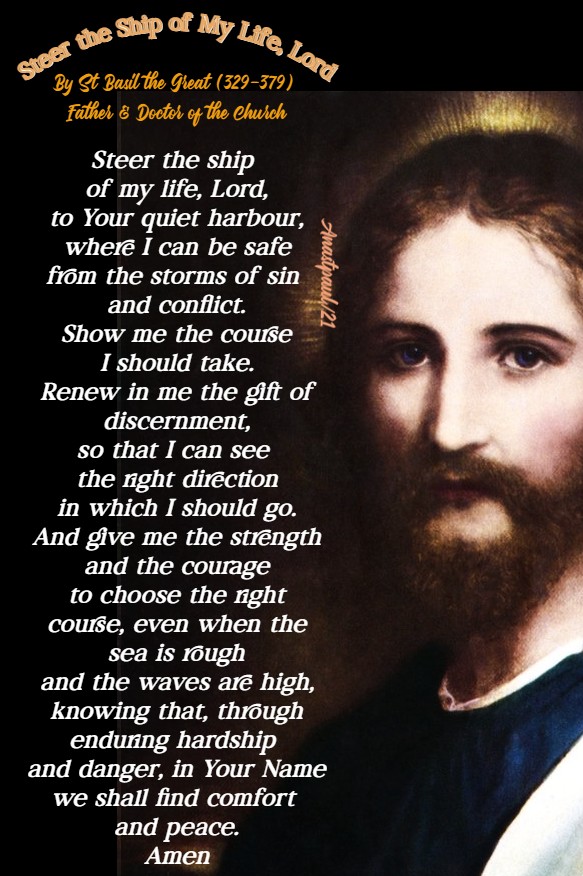
Steer the ship of my life, Lord,
to Your quiet harbour,
where I can be safe from
the storms of sin and conflict.
Show me the course I should take.
Renew in me the gift of discernment,
so that I can see the right direction
in which I should go.
And give me the strength
and the courage
to choose the right course,
even when the sea is rough
and the waves are high,
knowing that through enduring
hardship and danger in Your name
we shall find comfort and peace.
Amen

Posted in GOD ALONE!, HYMNS, Of PILGRIMS, Our MORNING Offering, PRACTISING CATHOLIC, PRAYERS for VARIOUS NEEDS, QUOTES on LOVE of GOD

Our Morning Offering – 23 January – Lord, for Tomorrow and its Needs

Our Morning Offering – 23 January

Lord, for Tomorrow and its Needs
By Sister Mary Xavier (1877)

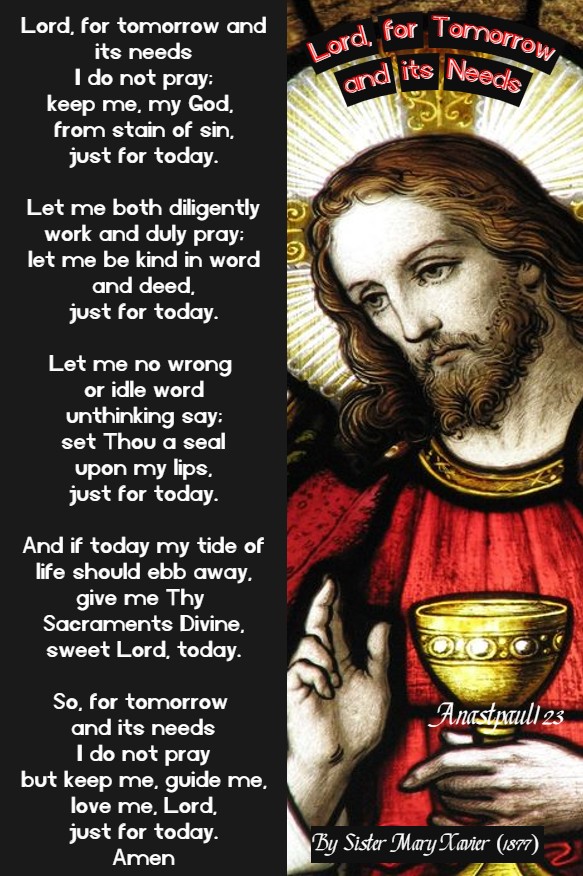
Lord, for tomorrow and its needs
I do not pray;
keep me, my God, from stain of sin,
just for today.

Let me both diligently work
and duly pray;
let me be kind in word and deed,
just for today.

Let me no wrong or idle word
unthinking say;
set Thou a seal upon my lips,
just for today.

And if today my tide of life
should ebb away,
give me Thy Sacraments Divine,
sweet Lord, today.

So, for tomorrow and its needs
I do not pray
but keep me, guide me, love me, Lord,
just for today.
Amen

Posted in Against APOPLEXY or STROKES, Against DEMONIC POSSESSION, Against EPIDEMICS, ART DEI, EPILEPSY, GOUT, KNEE PROBLEMS, ARTHRITIS, etc, Of BEGGARS, the POOR, against POVERTY, Of PILGRIMS, SAINT of the DAY, STOMACH DISEASES and PAIN, INTESTINAL DISORDERS

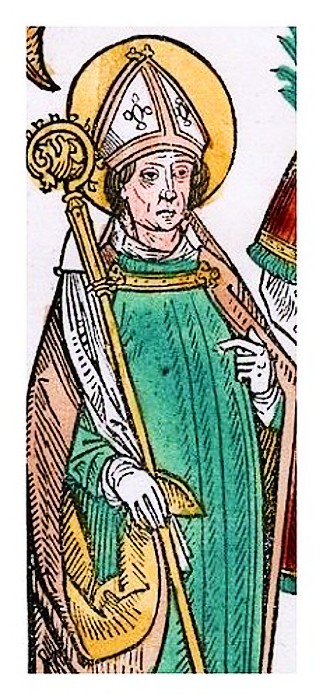
Saint of the Day – 7January – St Valentine of Passau (Died 475) Bishop

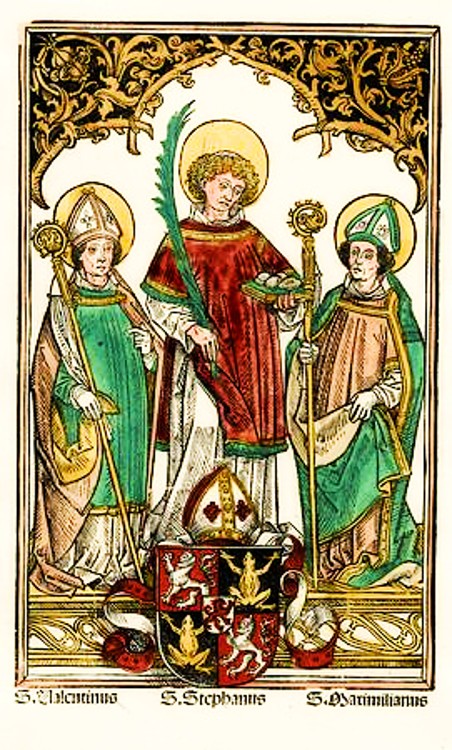
Saint of the Day – 7January – St Valentine of Passau (Died 475) Bishop in Passau in the Rhaetia region, Switzerland, an area in the border region of modern Italy, Austria and Switzerland, Monk, Abbot, Missionary, Hermit, Miracle-worker. Died on 7 January 475 at Mais, Tyrol, Austria of natural causes. Patronages – against convulsions, against cramps/stomach pain, against epilepsy, against gout, against plague/epidemics, against demonic possession, of cattle diseases, of pilgrims, poor people, City and Diocese of Passau. Also known as • Valentine of Mais • Valentine of Raetia • Valentine of Ratien • Valentine of Retie • Valentine of Rezia • Valentine of Rhaetia • Valentine of Rhétie • Valentin, Valentinus. Additional Memorial – 4 August (translation of relics), 29 October a combined Feast with the other Patrons of Passau, St Stephen, the Protomartyr and St Maximillian Martyr Bishop of Passau for 20 years, who died in c 284 (Feast day 12 October)..

The 3 Patrons of Passau, St Valentine left, st Stephen centre and St Maximillian right

According to tradition, Valentine came to Passau around 430; there the construction of the first Church on the site of today’s Cathedral is attributed to him.

Valentine had been sent by the Pope to preach the Gospel in the Passau. He found that his work was without fruit and returned to Rome to implore the Holy Father to send him elsewhere. But the Pope Consecrated him Bishop and sent him back to Passau, to preach in season and out of season, whether it produced fruit or not.

The Bishop renewed his efforts but the pagans and Arians combined to drive him out of the City. Thereupon, he went into the Rhætian Alps and his teaching produced abundant fruit in the region. His Vita states, St Valentine was “teaching the word of God and doing great good, such that he was able to expel demons from the obsessed and cure those who were sick of all sorts of diseases.” 

At length he resolved to serve God and purify his own soul, in a life of retirement. He, therefore, built a little Chapel and Monastery at Mais, in Tyrol and there he died. His Relics are enshrined at Passau.

A Monk who died in 482 wrote a Vita of the Bishop of Raetia. St Venantius Fortunatus knew of a Church dedicated to Saint Valentine in the Upper Inn Valley and another, probably on the Brenner Pass in the Alps.

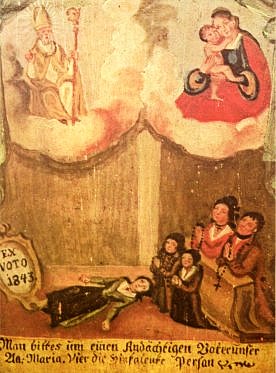
otive image, 1843 from the Mariahill pilgrimage Church in Passau. Next to Bishop Valentin appears the Mother of God with the Jesus Child in her arms in a wreath of clouds.
The text asks for a devotional Lord’s Prayer to Maria for the sinful person.

Around 1200, on the occasion of the discovery of his grave in the forecourt of Passau Cathedral, a life story was written by an Cathedral Chaplain – who said that Valentin worked in the area around Passau but was unsuccessful because of the wildness of the residents and finally retreated to the Alps after abuse and expulsion.

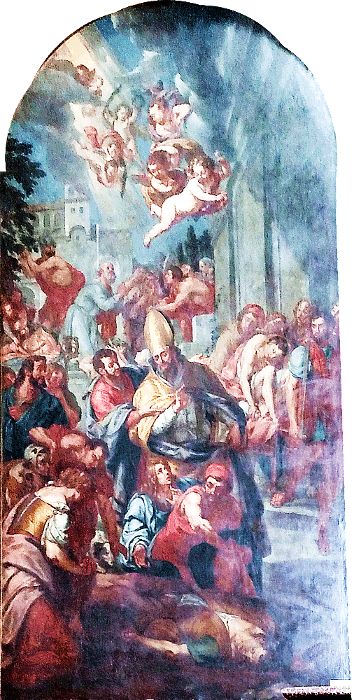
Below is a Painting by Franz de Neve “The Cures Wrought by Saint Valentine and the Beheading of St Maximilian” (after 1689) which resides in the Cathedral of St Stephen, Passau.
In the foreground, St Valentine cures the sick. The beheading of St Maximilian is barely visible in the left edge of the background.

Posted in Of PILGRIMS, Of the SICK, the INFIRM, All ILLNESS, SAINT of the DAY

Saint of the Day – 11 November – Saint Mennas (Died c 300) Martyr

Saint of the Day – 11 November – Saint Mennas (Died c 300) Martyr, Layman, Miracle-worker, Soldier, he may have been a camel driver and merchant, Hermit. Born in Egypt and died by beheading in c 300 at Cotyaes, Phrygia, under Emperor Diocletian. He was one of the most popular Saints in the early Eastern Church. Patronages – falsely accused people, general physical ailments, peddlers, pilgrims, travelling salesmen. Also known as – • Aba Mina• Menas of Egypt• Menas of Constantinople• Menas of Cotyaes• Menas of Cotyaeum• Menas of Kotyaeum• Menas of Mareotis• Menas the Martyr• Menas the Miracle Maker• Menas the Miracle Worker• Menas the Soldier• Menas the Wonder Worker• Mena, Mennas, Mina, Minas.

The Roman Martyrology reads: “At Cotyaeus, in Phrygia, during the persecution of Diocletian, the celebrated Martyrdome of St Mennas, Egyptian soldier, who cast off the military belt and obtained the grace of serving the King of Heaven, secretly, at first, in the desert. Afterwards, coming out publicly and freely declaring himself a Christian he was first subjected to dire torments and finally, kneeling in prayer and giving thanks to Our Lord Jesus Christ, he was struck with the sword. After his death, he was renowned for many miracles.”

St Mennas by Paolo Veronese

Mennas, a Christian and an Egyptian by birth, served in the Roman army under the tribune Firmilian. When the army came to Cotyaeus in Phrygia, Menas hearing of the impious edicts issued against the Christians by the Emperors Diocletian and Maximian, left the army in order to practise his faith in safety and retired to a solitude in the mountains and served God by fasting vigils and prayer.

During the celebration of a great pagan festival Mennas appeared in the midst of the populace in the circus and fearlessly professed his faith. He was led before the Prefect Pyrrhus, cruelly scourged, put to torture and finally beheaded.

The Martyrdom of St Mennas by Paolo Veronese

His body was brought to Egypt and the Martyr was soon invoked in many needs and afflictions. The fame of the miracles wrought, spread far and wide and thousands of pilgrims came to the grave in the desert of Mareotis, between Alexandria and the valley of Natron.

For centuries Bumma was a national sanctuary and grew into a large city with costly temples a holy well and baths. A beautiful Basilica was erected by the Emperor Arcadius. The cult was spread into other countries, perhaps by travelling merchants who honoured him as their Patron.

As a result of various vicissitudes, the doctrinal disputes and the conquest of Egypt by the Arabians under Omar in 641 the sanctuary was neglected and ultimately forgotten.

During 1905 Msgr C M Kaufmann of Frankfort, led an expedition into Egypt which made excavations at Bumma. He found in a vast field of ruins, the grave, the well and thermae (public baths), the Basilica, the Monastery, numerous inscriptions on the walls, imploring aid through the intercession of the Saint and, thousands of little water pitchers and oil lamps. The rich findings are partly in the Museums of Alexandria and Cairo and partly in Frankfort and Berlin. The Monsignor published an official report of his expedition in 1908, (La découverte des Sanctuaires de Menas dans le désert de Mareotis).

Terracotta pilgrim’s water flask impressed with Saint Mennas between two camels, 1000s of which were found by Msgr C M Kaufmann

St Mennas Feast is celebrated today, 11 November.

Posted in Against STORMS, EARTHQUAKES, THUNDER & LIGHTENING, FIRES, DROUGHT / NATURAL DISASTERS, All THEOLOGIANS, Moral Theologians, Of PILGRIMS, Of the SICK, the INFIRM, All ILLNESS, Of TRAVELLERS / MOTORISTS, PATRONAGE - HEADACHES, PATRONAGE - PRISONERS, PATRONAGE - TOOTHACHE and Diseases of the TEETH,, of DENTISTS, SAINT of the DAY

Saint of the Day – 15 January – Saint Romedius of Nonsberg (Died 4th Century or 11th Century)

Saint of the Day – 15 January – Saint Romedius of Nonsberg/theologians Hermit, Penitent., Pilgrim. Born in Thaur, Tyrol, Austria and died in the 4th Century in Salzburg, Austria of natural causes. Also known as – Romedio of Hohenwart, Romedio of Salzburg, Romedio of Sanzeno, Romedio of Thaur. Romedio. Additional Memorial – 1st Sunday in October (translation of relics). Patronages – against accidents, against bone diseases, against danger at sea, against fever, against fire, against floods, against hail, against headaches, against toothaches, of prisoners, theology students/theologians, travellers/pilgrims. Canonised on 24 July 1907 by Pope Pius X (cultus confirmation).

The Roman Martyrology states: “In the Val di Non in Trentino, St Romedius, an anchorite, who, having given his possessions to the Church, led a life of penance in the hermitage that still bears his name today.”

Romedius was the son and heir of the wealthy Count of Thaur, the lord of a castle near Innsbruck and owner of salt pans in the valley of the River Inn. After a pilgrimage to Rome, Romedius gave all his possessions to the Church, withdrawing into a hermitage in grottoes in the Val di Non. he was accompanied by two companions, Abraham and David.

A later date emerges from the history of his works and extensive research. It is most likely that Romedius came from the family of the Counts of Andechs , lived in the 11th century, gave up his fortune in Thaur and joined the then spreading mendicant movement.  After a visit to the Bishop of Trento , he visited the Martyrs’ graves of Alexander , Martyrius and Sisinnius in Sanzeno. It is believed that he died at the age of 74.

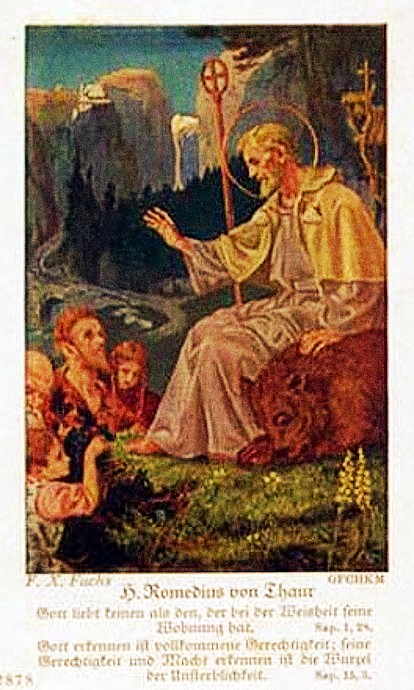
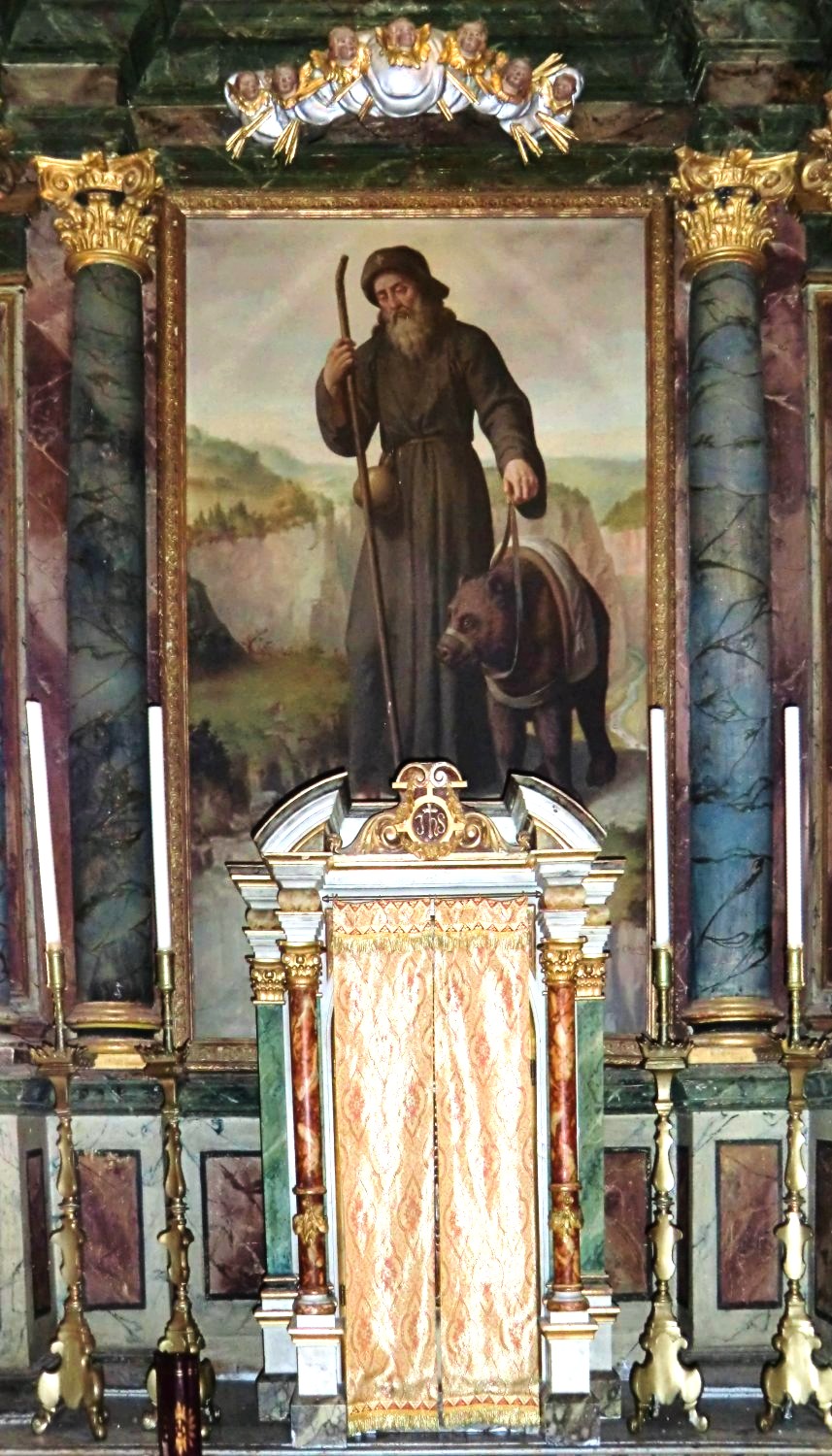
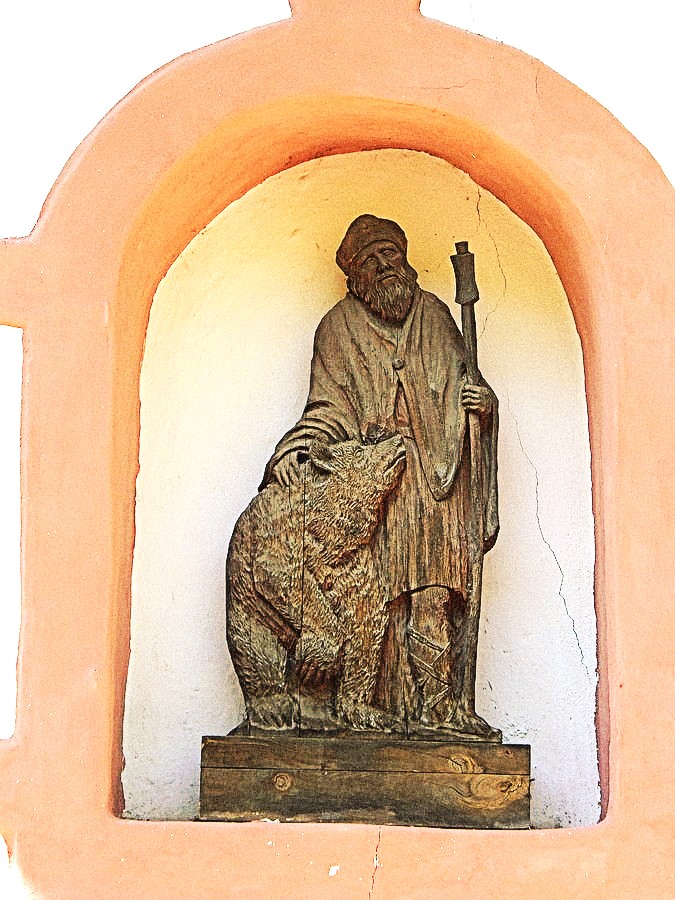
Romedius is often depicted alongside or astride a bear. According to his hagiography he wanted to visit the friend of his youth, St Vigilius, Bishop of Trento (who died in 405) but his horse was torn to pieces by a wild bear. Romedius, however, had the bear bridled by his disciple David. The bear became docile and carried Romedius on its back to Trento.

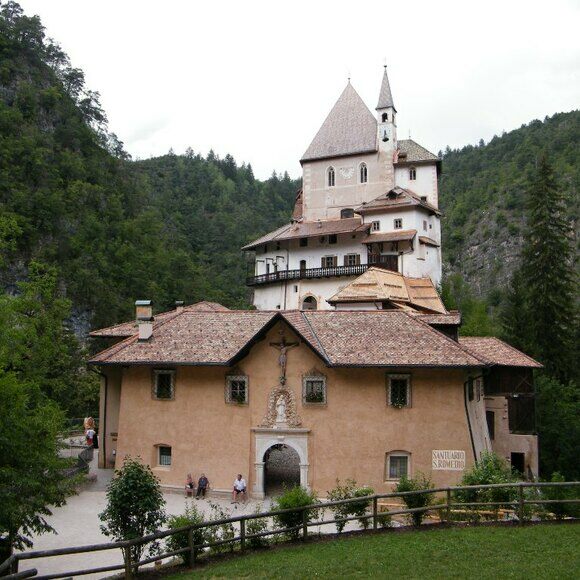
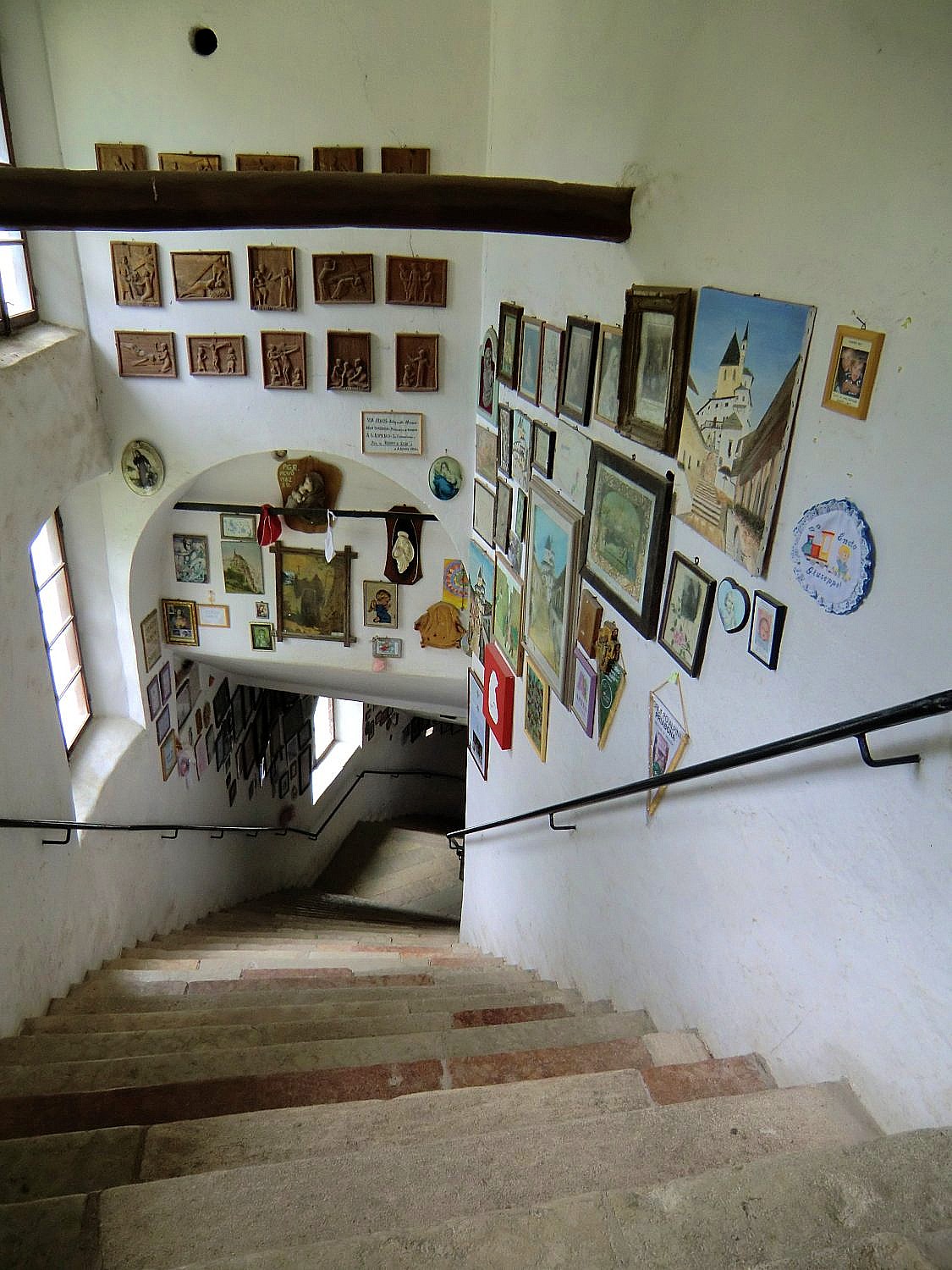
Upon Romedius’ death, his body was laid to rest in a small tomb above his cave in the mountains, a site that was soon visited by pilgrims. The Sanctuary of San Romedio grew from the little Church that was built to venerate him, to a popular pilgrimage site. The Santuario di San Romedio is across the lake from Cles at the head of the Val di Non, above the village of Sanzeno. The Sanctuary where Romedius lived with his bear companion, is now a complex of several Churches, from the Romanesque period to the 20th century beyond a gateway on the forested slopes. Votive offerings of crutches line the walls of the narrow stone stairwell up to the highest chapel, said to mark the site of the Saint’s retreat.

Staircase with votive offerings in the 
Hermitage at Tavon, 1706

His local cult, which consolidated itself in the course of the 11th century, was officially recognised in the twelfth by the Bishop of Trento. In 1795, permission was given for special offices in his name in the Diocese of Brixen, which at that time, included the Northern Tyrol. His cult remains popular in Trentino, Bavaria, and the Tyrol.

Romedius’ Bear
In remembrance of this legend, in 1958 Italian Senator G. G. Gallarati Scotti, honorary member of the committee for the foundation of the World Wildlife Fund in Italy, purchased Charlie, a bear intended to be killed and donated it to the Sanctuary of San Romedius, in the Valle di Non.

Today, the Province of Trentino protects the last brown bears of the Alps in the Adamello-Brenta National Park and, near the Sanctuary, takes care of young bears born in captivity in Trentino.

Relief at the pilgrimage church near Thaur

In the work known as Illustrissimi, a collection of letters written by Pope John Paul I when he was Patriarch of Venice, Romedius’ bear is one of the “recipients” of the letters.

Posted in Of BEGGARS, the POOR, against POVERTY, Of PILGRIMS, SAINT of the DAY

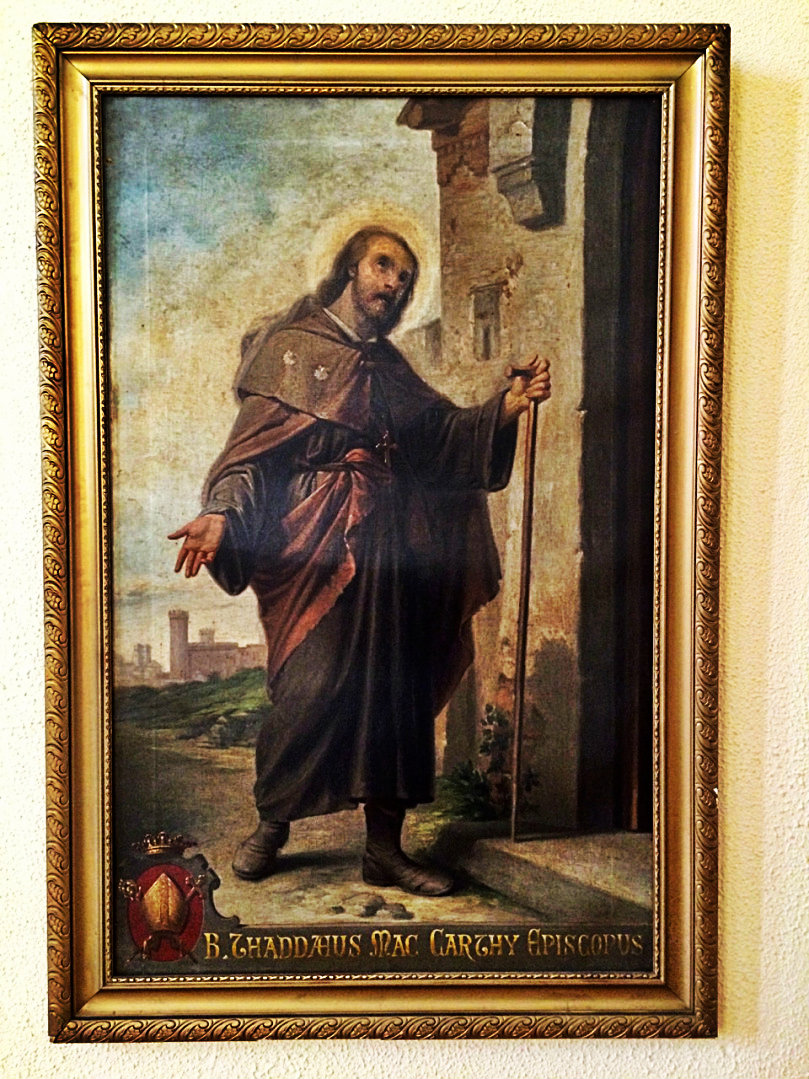
Saint of the Day – 25 October – Blessed Thaddeus McCarthy (c 1455–1492) the “White Martyr of Munster”

Saint of the Day – 25 October – Blessed Thaddeus McCarthy (c 1455–1492) the “White Martyr of Munster” – Bishop – born Tadhg Mac Cárthaigh in c1455 in County Cork, Ireland and died on 25 October 1492 in a pilgrim’s hostel at Lvrea, Italy of natural causes. He was a Bishop who never ruled his See/s, even though he was appointed to two of them – Bishop of Ross, Ireland in 1482 and Bishop of Cork and Cloyne in 1490.   Patronages – exiles, the homeless, those suffering calumny, rejection and persecution, pilgrims.thaddeus-painting-north-cathedral-cork.jpg

Bishop Thaddeus McCarthy, the young Irish Prelate whose immemorial cult was confirmed by Pope Leo XIII in 1896, was born in the middle of the fifteenth century.   He studied theology first under his uncle, one Canon Thady McCarthy and then in Paris and in Rome.  At the age of 27 he was named bishop of Ross by Pope Sixtus IV and consecrated in Rome.   Returning to Ireland, he discovered that his see was already in the possession of one Hugh O’Driscoll, also appointed to it by the same Pope Sixtus IV.   It would seem that news had reached Rome of the death of Hugh O’Driscoll, either by simple misinformation or by political intrigue.   Bishop O’Driscoll assumed that Thaddeus was an imposter and in 1488 obtained his excommunication by Pope Innocent VIII.   Thaddeus appealed the excommunication, a Roman commission judged in his favour  and in 1490 he was named Bishop of Cork and Cloyne.

A Wandering Bishop
Bishop Thaddeus attempted to take possession of his new see but was prevented from entering his cathedral by supporters of Gerald Fitzgerald who, with the support of local chieftains, had usurped his jurisdiction over the diocese of Cork and Cloyne.   Armed men took possession of the cathedral preventing Thaddeus from entering.   Everywhere he turned, he suffered the pain of rejection.   For two years, he travelled from town to village armed with the papal documents announcing his rightful appointment and absolution from any criminal charge.   This persecution as such was the outcome of political pressure.   By now, he was alone, having strenuously opposed any form of retaliation by his own McCarthy clan.   They, in response, abandoned him.   Now, without family support, status and security but with unwavering faith and trust in God, he once again set off for Rome to plead his case to the Pope.Thaddeus+McCarthy+Richard+King+-1974-e1382781941902.jpg

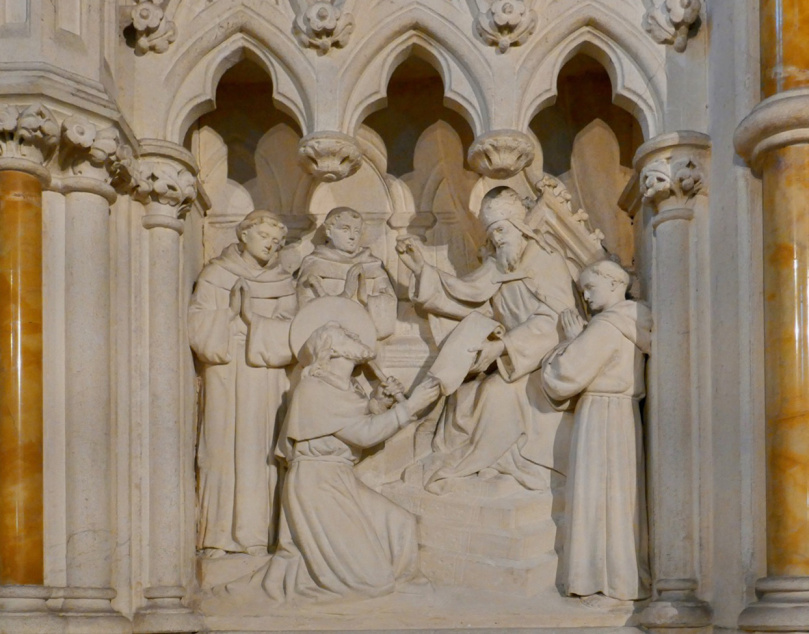
The Pontiff gave him a new document dated 18 July 1492 and ordered the powerful Gerald Earl of Kildare to protect Thaddeus, to support him and to restore him to his rightful place as Bishop of Cork and Cloyne.

thaddeus-altar-cobh-appointed-bishop.jpg
Blessed Thaddeus appeals to the Pontiff (detail of the Thaddeus altar, Cobh)

The Pilgrim
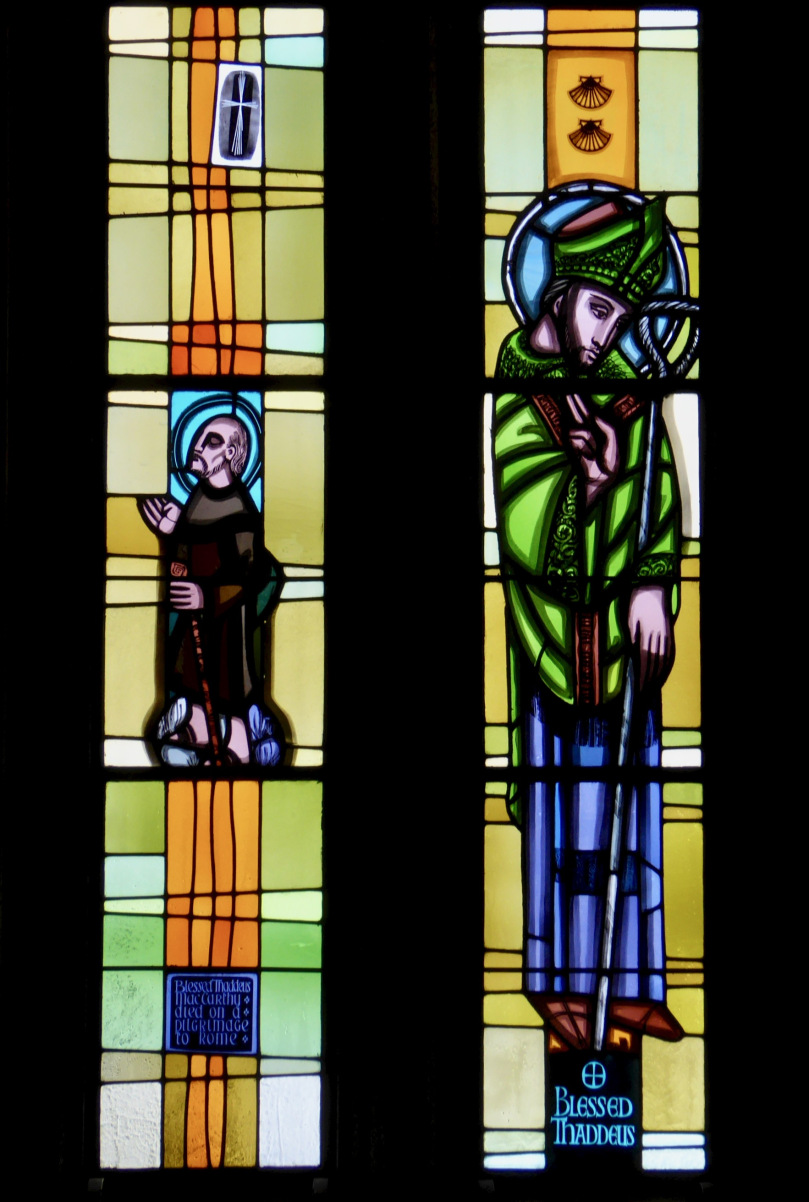
Fearing that an attempt would be made on his life, Thaddeus disguised himself as a humble pilgrim and set out on foot from Rome.   On the evening of 24 October 1492, an exhausted Thaddeus arrived at a hostel for pilgrims in Ivrea, Italy.   He was wearing the hooded habit of a pilgrim with its distinctive sign of the oyster shell.   The innkeeper received the poor pilgrim warmly and provided him with a room for the night.   At dawn, a strange and wonderful light was seen shining from the room.   Upon entering it, the innkeeper found the lifeless body of 37 year old Thaddeus McCarthy, radiant with a heavenly beauty.

thaddeus-window-top-cobh.jpg
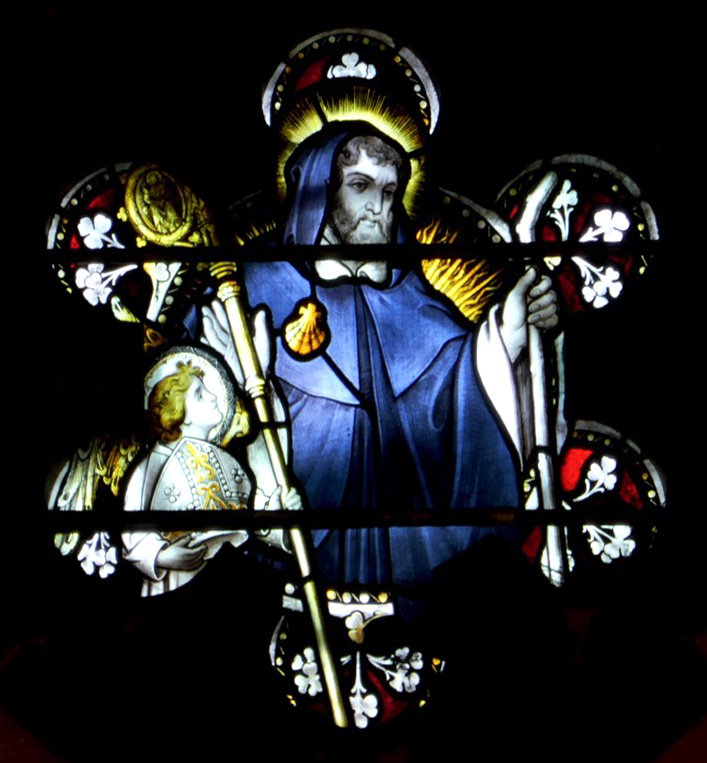
Blessed Thaddeus is often depicted wearing the scallop shell – symbol of a pilgrim

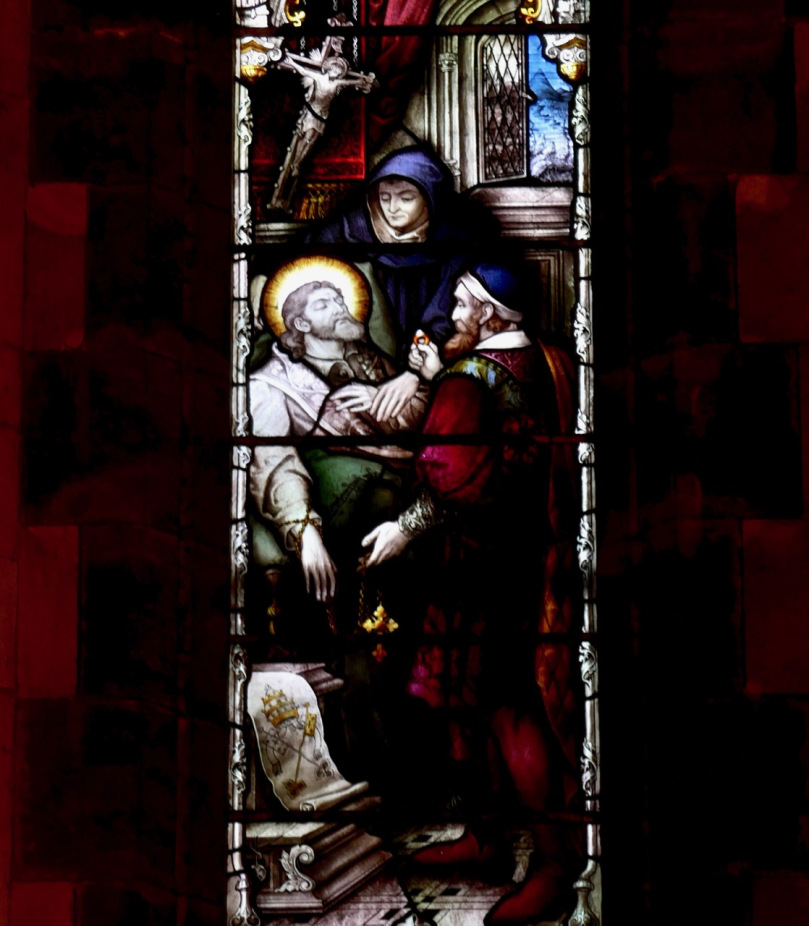
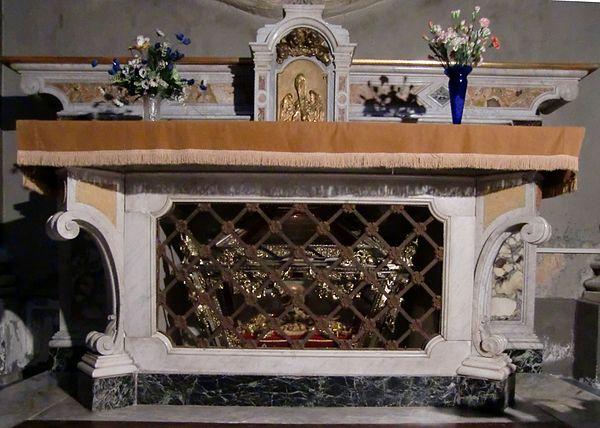
The local bishop was apprised of the phenomenon, he had, in fact, dreamed that very night of an unknown bishop ascending into the glory of heaven.   He recognised Thaddeus as the bishop of his dream.   Further investigation revealed that Thaddeus’ wallet contained the papal documents recognising him as bishop of Cork and Cloyne, and an episcopal ring.   Clothed in episcopal robes, Thaddeus’ body attracted crowds of the local faithful to the cathedral where he lay in state.   He was buried in the cathedral of Ivrea, where his tomb became a place of extraordinary graces and miracles.
Thaddeus altar Cobh death stained glass
The death of Thaddeus, St Colmán’s Cathedral, Cobh

A Pontiff Between Ireland and Italy
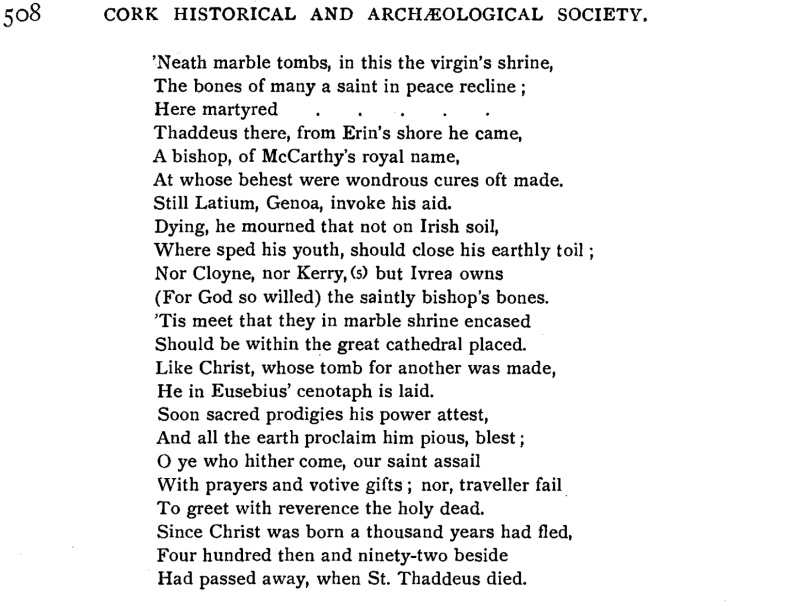
In 1742, 350 years later, when the tomb of Thaddeus McCarthy was opened, his body was found to be incorrupt.   Devotion to the Irish bishop developed and in 1847 the clergy and faithful of Ivrea donated a large amount of money for victims of the Great Hunger in Ireland.   The contact between Ireland and Ivrea resulted in a movement for the beatification of Bishop Thaddeus.   In 1896, Pope Leo XIII confirmed his immemorial cult. Major relics of the Blessed were sent from Ivrea to the church at Cork, Ross and Cloyne.  Below are the relic of Thaddeus’s leg bone and a prayer for his Canonisation, both part of the shrine on the North Cathedral, Cork.

Blessed Thaddeus McCarthy is known as The White Martyr of Munster because the mental and physical sufferings that he endured with heroic patience.   He is a patron of people in every sort of affliction, especially of those suffering rejection, homelessness, calumny and exile.   Here is the liturgical collect for his feast:

O God, who didst adorn Blessed Thaddeus, Thy Confessor and Thy Bishop
with invincible fortitude in bearing adversity, grant, we beseech Thee, that following his example as we make our pilgrim way upon earth, we may prevail mightily over the things that come against us.

One will recognise in the Collect, the allusion to Romans 8:35–39:

Who then shall separate us from the love of Christ?   Shall tribulation? or distress? or famine? or nakedness? or danger? or persecution? or the sword?   (As it is written: For thy sake we are put to death all the day long.   We are accounted as sheep for the slaughter.)   But in all these things we overcome, because of him that hath loved us.   For I am sure that neither death, nor life, nor angels, nor principalities, nor powers, nor things present, nor things to come, nor might, nor height, nor depth, nor any other creature, shall be able to separate us from the love of God, which is in Christ Jesus our Lord.

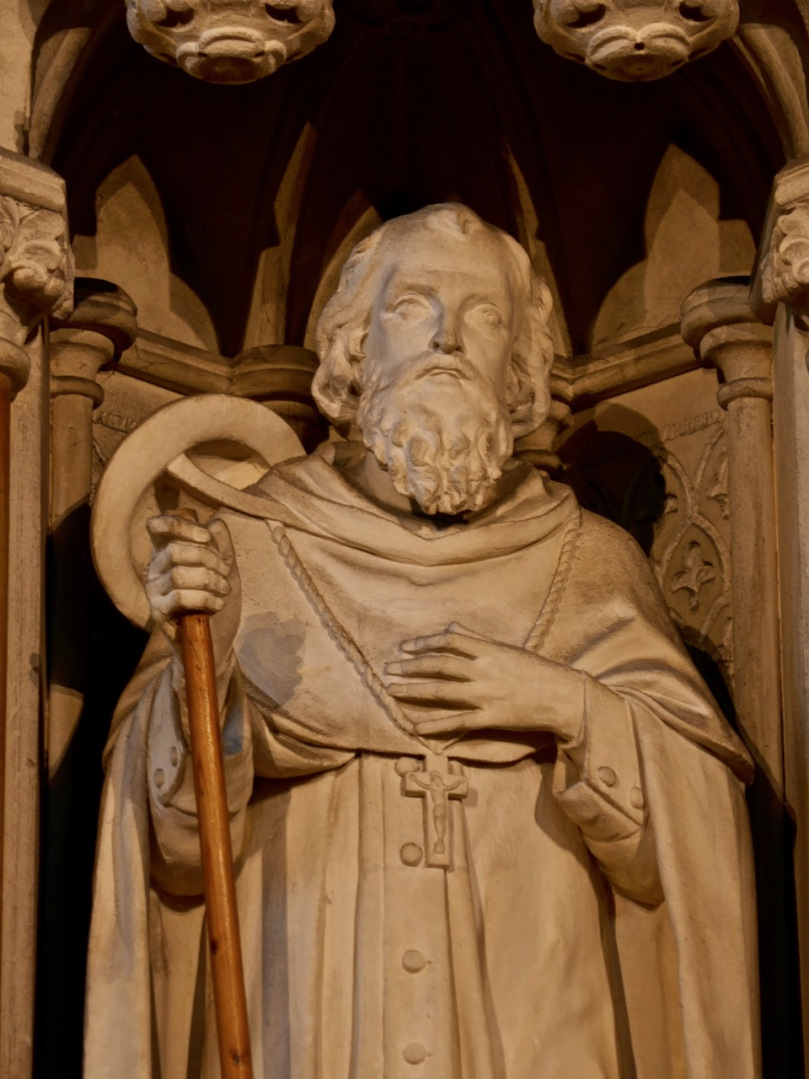
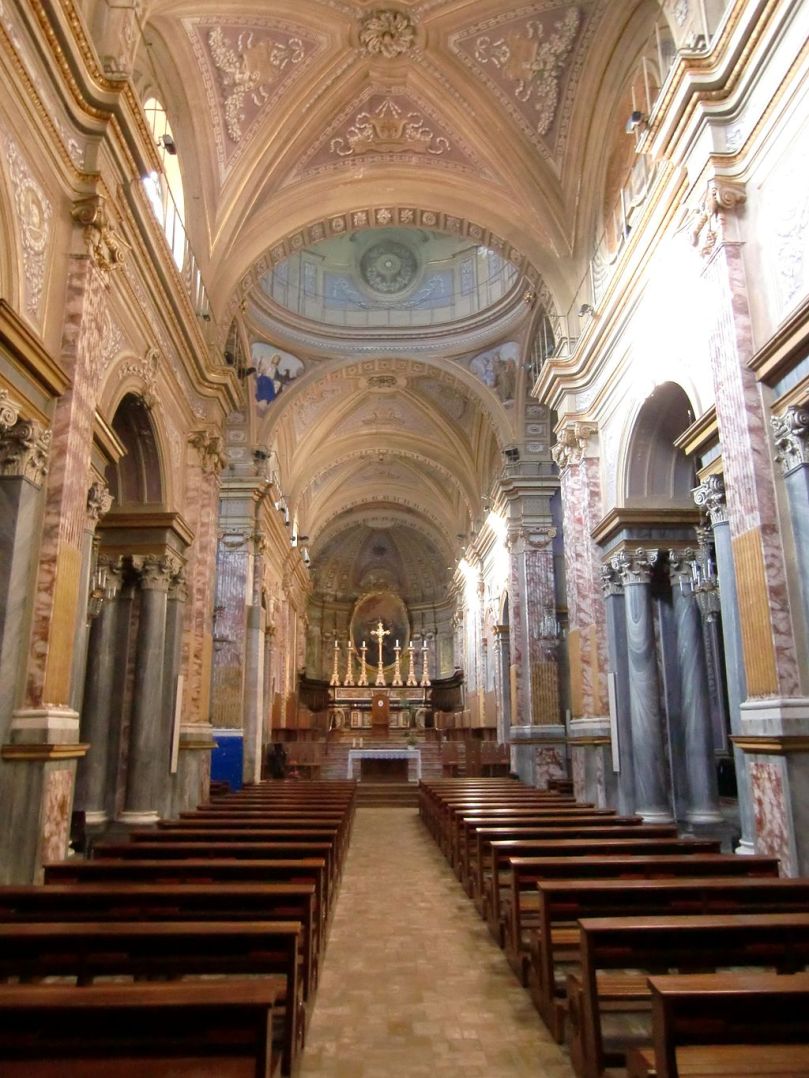
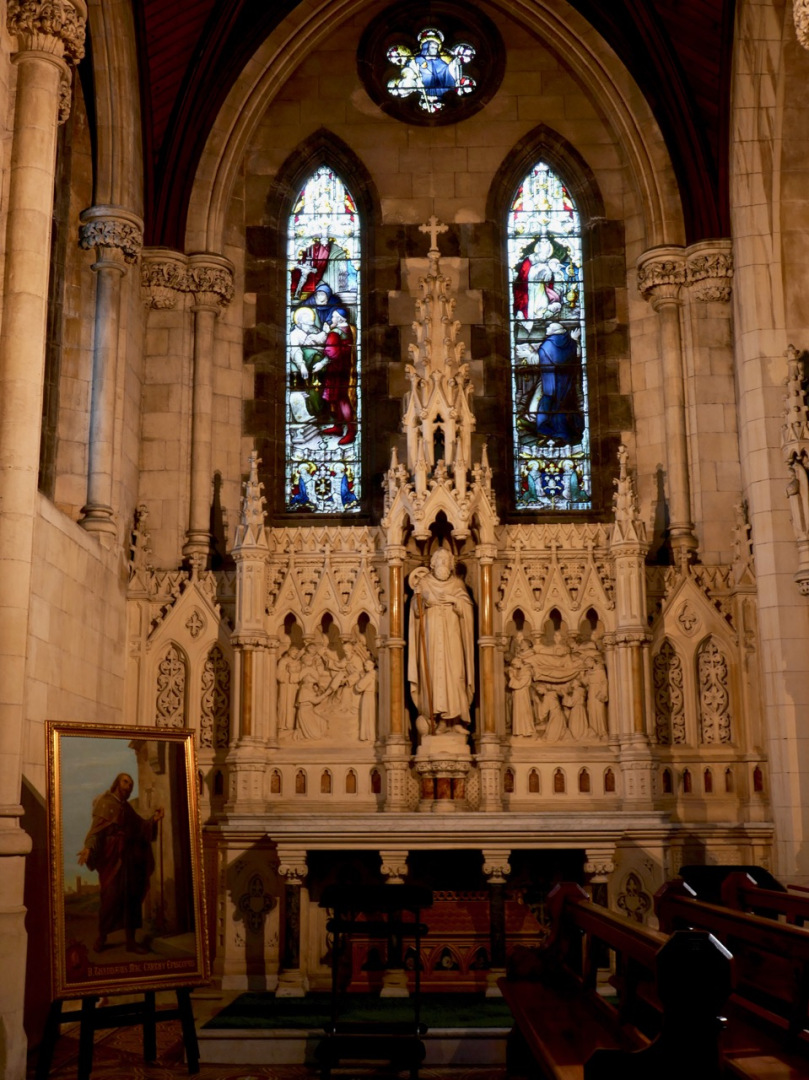
Blessed Thaddeus McCarthy never accomplished what he was consecrated to accomplish. in this life but now he has two Diocese after all.   He is beloved in Ivrea and in Cobh!   He never governed his diocese, ordained new priests, or even confirmed anybody, as best we can tell.   But he fulfilled his purpose – he gave his life for God, earning the title “White Martyr of Munster.”    Below, the magnificent shrine and relics in the beautiful Cathedral in Ivrea, Italy, where Thaddeus lies and at the bottom, the equally magnificent side-chapel dedicated to his memory in St Colmán’s Cathedral, Cobh, Ireland.   And, all over Ireland Shrines and side-chapels are dedicated to the Blessed and beloved Thaddeus.

blessed-thaddeus-1.jpg
A window dedicated to Blessed Thaddeus in the Church in Caheragh, near Skibbereen

On 25 October his feast day, let’s ask his intercession for those who are discouraged by lack of results, that they would seek not to be successful but to be faithful.   Blessed Thaddeus McCarthy, pray for us!600px-ivrea_duomo_urna_taddeo_mccartyThaddeus Altar Cobhivrea_duomo_interno_02Thaddeus Chapel, Cobh

thaddeus-poem.jpeg

Posted in INCORRUPTIBLES, Of First COMMUNICANTS, Of PILGRIMS

Saint of the Day – 21 August – St Pope Pius X (1835-1914) “Pope of the Blessed Sacrament”

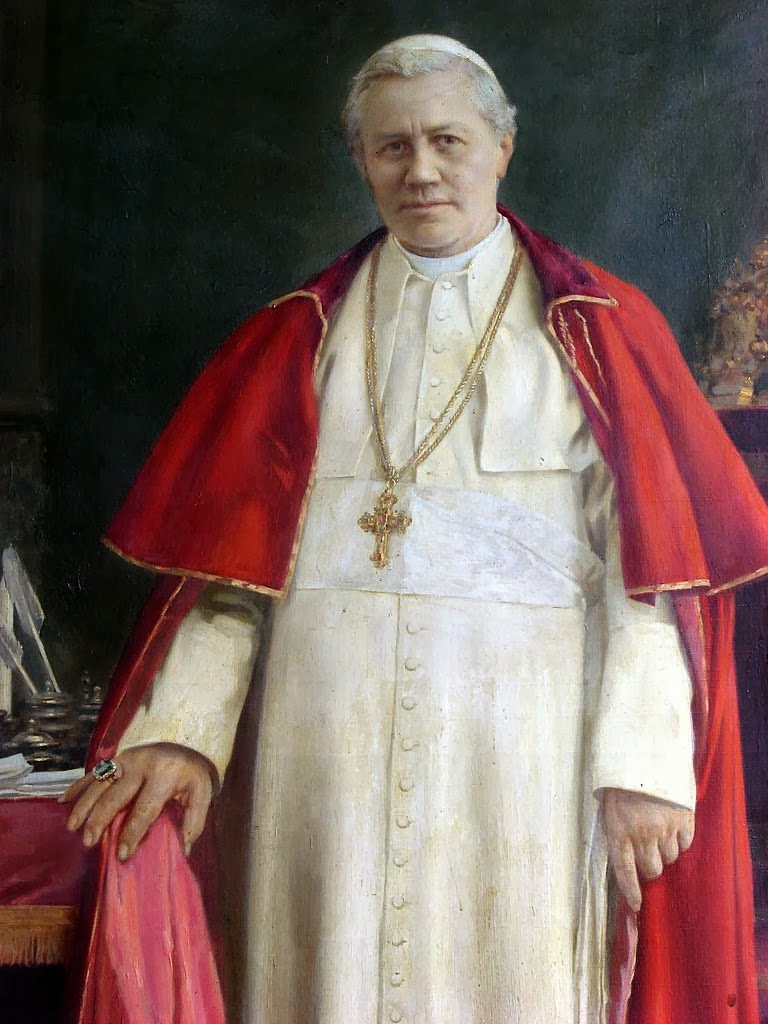
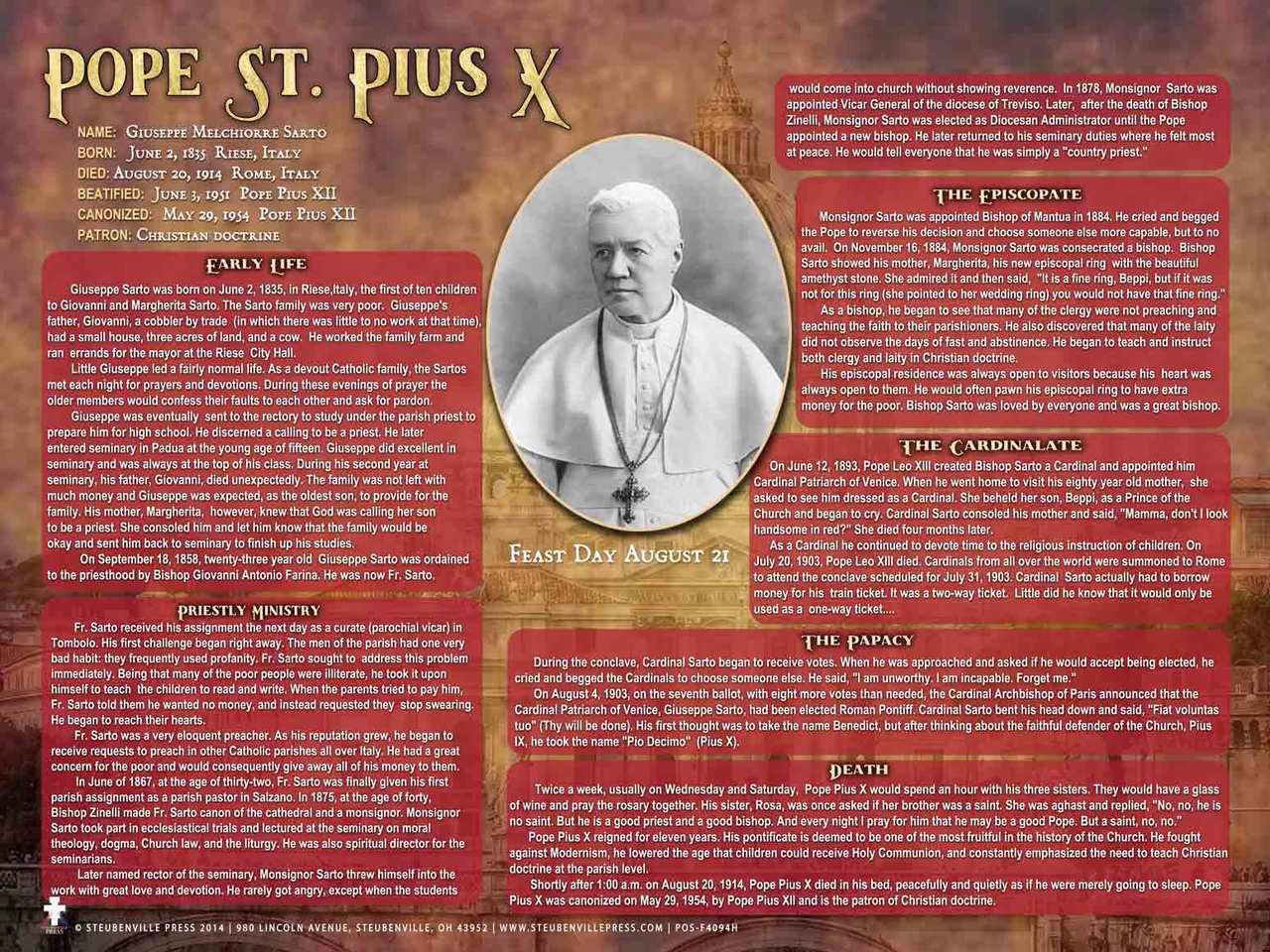
Saint of the Day – 21 August – St Pope Pius X (1835-1914) “Pope of the Blessed Sacrament” – born on 2 June 1835 at Riese, Diocese of Treviso, Venice, Austria (now Italy) as Giuseppe Melchiorre Sarto (familiarly known as Joseph Sartoand died on 21 August 1914 at Vatican City from natural causes aggravated by worries over the beginning of World War I.    Patronages – First Communicants, Catechists, Pilgrims, 7 Diocese, Patriarchy of Venice.   His body is incorrupt.Papa San Pio X Giuseppe Sarto

St Pius was head of the Catholic Church from August 1903 to his death in 1914.   Pius X is known for vigorously opposing modernist interpretations of Catholic doctrine, promoting traditional devotional practices and orthodox theology.   He directed the production of the 1917 Code of Canon Law, the first comprehensive and systemic work of its kind.AA - POS-F4094_POPESTPIUSX__69693.1526312214

He was devoted to the Marian title of Our Lady of Confidence, while his papal encyclical Ad diem illum laetissimum is an encyclical of Pope Pius X, on the Immaculate Conception dated 2 February 1904, in the first year of his Pontificate.   It was issued in commemoration of the fiftieth anniversary of the dogma of the Immaculate Conception. The first reason for Pius to write the encyclical was his desire to restore of all things in Christ, which he had defined as his motto in his first encyclical letter.   It explains the Mariology of Pius X.

He was the only Pontiff to favour the use of the vernacular language in teaching catechesis and encouraged frequent reception of holy communion which became a lasting innovation of his papacy.   In addition, he strongly defended the Catholic religion against indifferentism and relativism.   Like his predecessors, he promoted Thomism as the principal philosophical method to be taught in Catholic institutions.   As Pontiff, he vehemently opposed modernism and various nineteenth-century philosophies, which he viewed as an import of secular errors incompatible with Catholic dogma.Pope_Saint_Pius_X_as_Cardinal_Patriarch

Pius X was known for his overall rigid demeanour and sense of personal poverty.   He frequently gave homily sermons in the pulpit every week, a rare practice at the time.[b] After the 1908 Messina earthquake he filled the Apostolic Palace with refugees, long before the Italian government acted.   He rejected any kind of favours for his family, to which his close relatives chose to remain in poverty living near Rome.   During his Pontificate, many famed Marian images were granted a canonical coronation, namely the Our Lady of Aparecida, Our Lady of the Pillar, Our Lady of the Cape, Our Lady of Chiquinquira of Colombia, Our Lady of the Lake of Mexico, Our Lady of La Naval de Manila, Virgin of Help of Venezuela, Our Lady of Carmel of New York and the Immaculate Conception within the Chapel of the Choir inside Saint Peter’s Basilica were granted its prestigious honours.

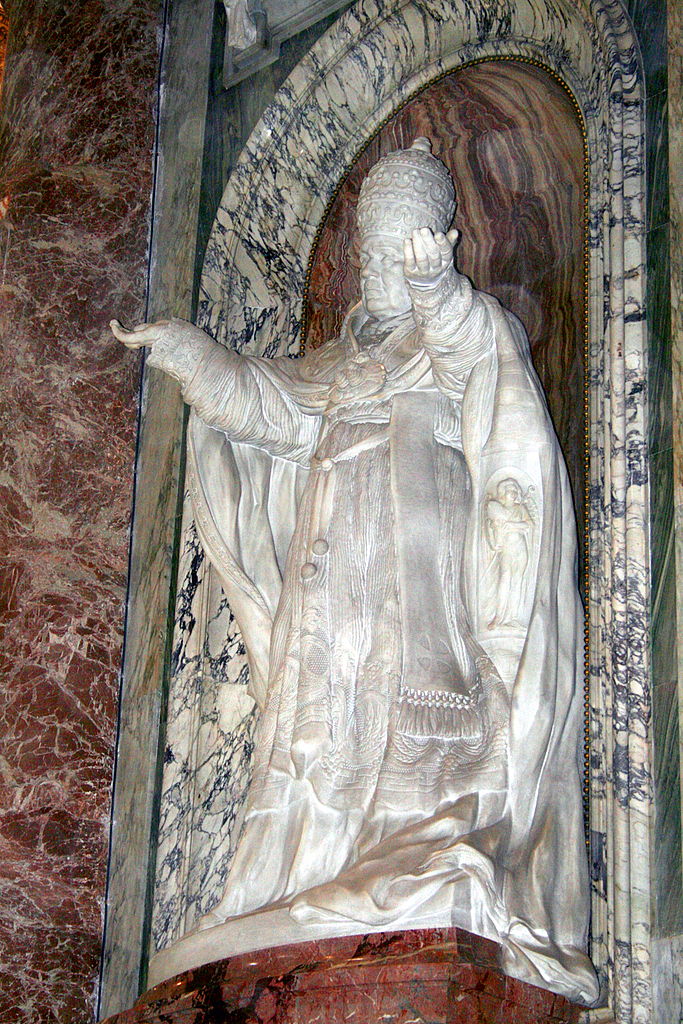
After his death, a strong cult of devotion followed his reputation of piety and holiness.  He was beatified in 1951 and Canonised on 29 May 1954.   A grand statue bearing his name stands within Saint Peter’s Basilica and his birthtown was renamed Riese Pio X after his death.0_Statue_de_Pie_X_-_Basilique_St-Pierre_-_Vatican

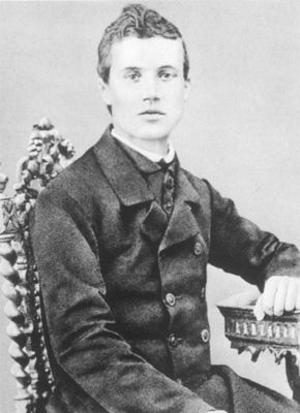
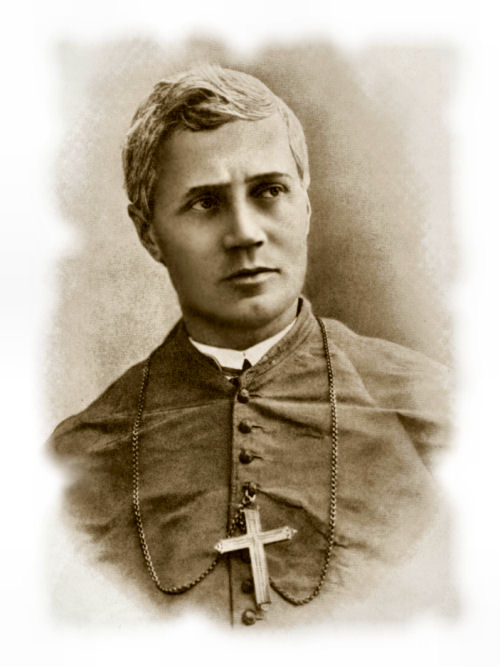
The second of 10 children in a poor Italian family, Joseph Sarto became Pius X at age 68. He was one of the 20th century’s greatest popes.
pio_x2-thumbYOUNG - piusx-bdr2imageVescovo_di_Mantova_Giuseppe_Sarto_futuro_San_Pio_X

Ever mindful of his humble origin, Pope Pius stated, “I was born poor, I lived poor, I will die poor.”   He was embarrassed by some of the pomp of the papal court. “Look how they have dressed me up,” he said in tears to an old friend.   To another, “It is a penance to be forced to accept all these practice.   They lead me around surrounded by soldiers like Jesus when he was seized in Gethsemani.”

Interested in politics, Pope Pius encouraged Italian Catholics to become more politically involved.   One of his first papal acts was to end the supposed right of governments to interfere by veto in papal elections—a practice that reduced the freedom of the 1903 conclave which had elected him.

In 1905, when France renounced its agreement with the Holy See and threatened confiscation of Church property if governmental control of Church affairs were not granted, Pius X courageously rejected the demand.

While he did not author a famous social encyclical as his predecessor had done, he denounced the ill treatment of indigenous peoples on the plantations of Peru, sent a relief commission to Messina after an earthquake and sheltered refugees at his own expense.

St Pius will always be known as the Pope of the Blessed Sacrament.   For he was determined that the faithful should imitate the example of the earliest Christians.   In consequence, he urged the reception of frequent and even daily Holy Communion for all in the state of sanctifying grace and of right intention.  He insisted that children be allowed to the Spiritual Banquet prepared by Jesus at an earliest age and declared that they were bound to fulfil the precept of the Easter Communion as soon as they reach the age of discretion.
On the 11th anniversary of his election as pope, Europe was plunged into World War I. Pius had foreseen it but it killed him.   “This is the last affliction the Lord will visit on me.   I would gladly give my life to save my poor children from this ghastly scourge.”   He died a few weeks after the war began.PopeSaintPiusXst_pius_x_deathbed1914-460pius coffin

Posted in DOMESTIC ANIMALS, Of BEGGARS, the POOR, against POVERTY, Of GARDENERS, Horticulturists, Farmers, Of HOSPITALS, NURSES, NURSING ASSOCIATIONS, Of PILGRIMS, Of the SICK, the INFIRM, All ILLNESS, Of TRAVELLERS / MOTORISTS, PATRONAGE - MENTAL ILLNESS, PATRONAGE - PRISONERS, SAINT of the DAY

Saint of the Day – 17 March – St Gertrude of Nivelles O.S.B. (626-659)

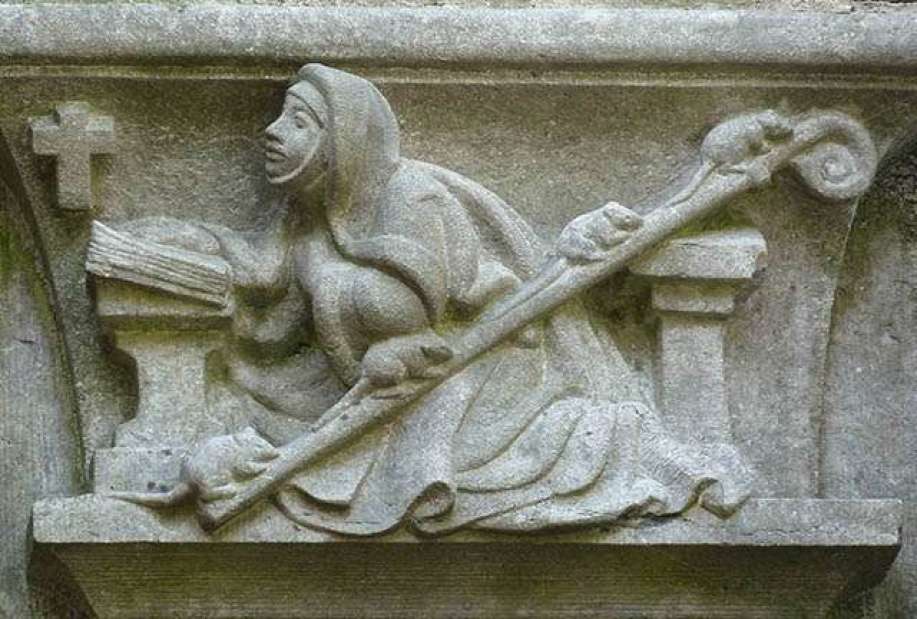
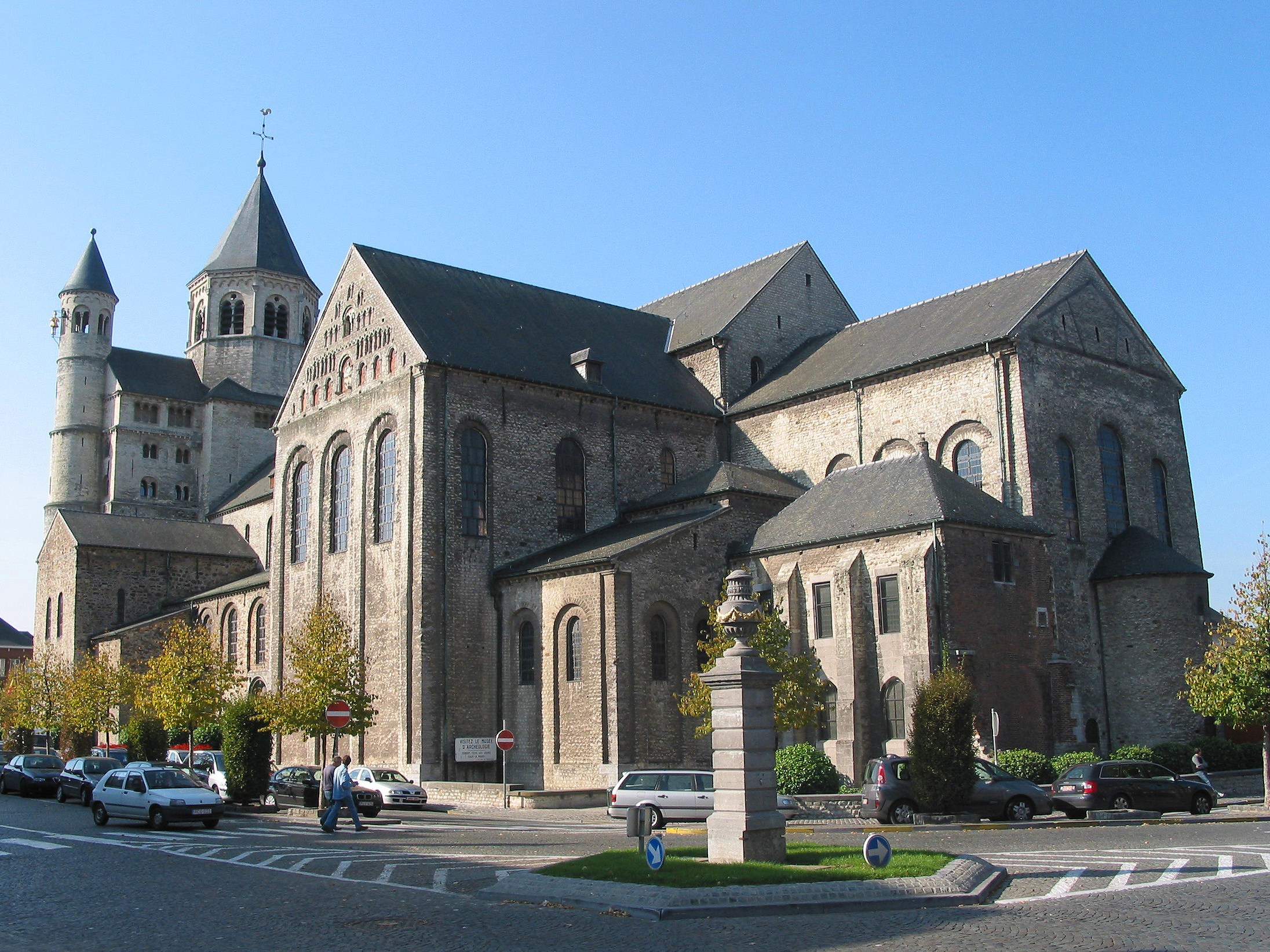
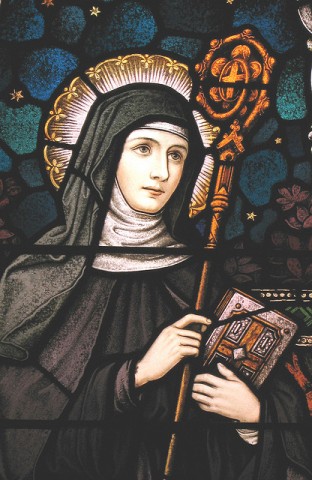
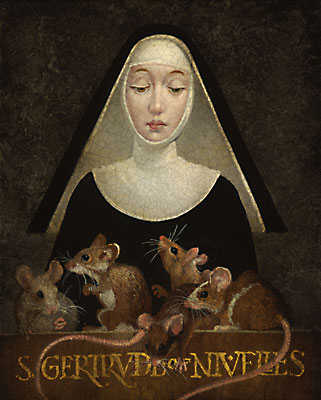
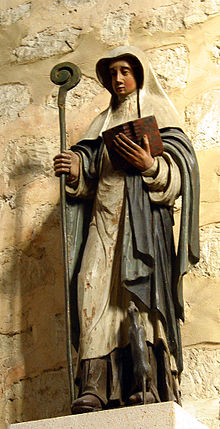
Saint of the Day – 17 March – St Gertrude of Nivelles O.S.B. (626-659) was a 7th-century Religious Abbess who, with her mother Itta, founded the Abbey of Nivelles located in present-day Belgium.   She was born in 626 at Landen, Belgium and died on 17 March 659 at Nivelles, Belgium of natural causes.   Patronages – against fear of mice and rates, against suriphobia, fever, mental disorders, insanity, of cats, of gardeners, innkeepers, hospitals, the mentally ill, pilgrims, travellers, suriphobics, sick, poor, prisoners, Landen, Belgium, Nivelles, Belgium, Wattenscheid, Germany.   Attributes – a nun with a crosier, with cats, with mice, a woman spinning.st gertrude of nivelles - patron of cats.2Nivelles_JPG00_(1)

Our Saint was born at Landen, Belgium in 626 and died at Nivelles, 659;  she was just thirty-three, the same age as Our Lord.   Both her parents, Pepin of Landen and Itta were held to be holy by those who knew them;  her sister Begga is numbered among the Saints.   On her husband’s death in 640, Itta founded a Benedictine monastery at Nivelles, which is near Brussels and appointed Gertrude its abbess when she reached twenty, tending to her responsibilities well, with her mother’s assistance and following her in giving encouragement and help to monks, particularly Irish ones, to do missionary work in the locale.nivelles

Saint Gertrude’s piety was evident even when she was as young as ten, when she turned down the offer of a noble marriage, declaring that she would not marry him or any other suitor:  Christ alone would be her bridegroom.

She was known for her hospitality to pilgrims and her aid to missionary monks.   She gave land to one monk so that he could build a monastery at Fosse.   By her early thirties Gertrude had become so weakened by the austerity of abstaining from food and sleep that she had to resign her office and spent the rest of her days studying Scripture and doing penance.   It is said that on the day before her death she sent a messenger to Fosse, asking the superior if he knew when she would die.st-gertrude-of-nivelles6xgertrude nivelles

His reply indicated that death would come the next day during holy Mass-the prophecy was fulfilled.   Her feast day is observed by gardeners, who regard fine weather on that day as a sign to begin spring planting.

Devotion to St. Gertrude became widely spread in the Lowlands and neighbouring countries.

Commonly seen running up her pastoral staff or cloak are hopeful-looking mice representing Souls in Purgatory, to which she had an intense devotion, just as with St Gertrude the Great.   Even as recently as 1822, offerings of mice made of gold and silver were left at her shrine.   Another patronage is to travellers on the high seas.   It is held that one sailor, suffering misfortune while under sail, prayed to the Saint and was delivered safely.

Just before her death in 659, Gertrude instructed the nuns at Nivelles to bury her in an old veil left behind by a travelling pilgrimess and Gertrude’s own hair shirt.   Gertrude’s choice of burial clothing is a pattern in medieval hagiography as an expression of humility and piety.   Her death and the image of her weak and humble figure is in fact a critical point in her biographer’s narrative.   Her monastery also benefited from this portrayal because the hair cloth and veil in which Gertrude was interred became relics.  At Nivelles, her relics were only publicly displayed for feast days, Easterand other holy days.

s.220px-0_Gertrude_de_Nivelles_-_JPG (1)

220px-Gertude_nivelle_shrine02
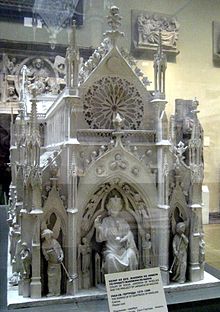
Shrine of St Gertrude of Nivelles, originally made in 1272-1298; this reproduction, in the Pushkin Museum, was cast from the original.   In 1940, a German bomb smashed the original reliquary into 337 fragments.   It was subsequently rebuilt.

Posted in EUCHARISTIC Adoration, Of BACHELORS, Of BEGGARS, the POOR, against POVERTY, Of PILGRIMS, PATRONAGE - MENTAL ILLNESS, SAINT of the DAY

Saint of the Day – 16 April – St Benedict Joseph Labre TOSF (1748-1783)

Saint of the Day – 16 April – St Benedict Joseph Labre TOSF (1748-1783) “Beggar of Perpetual Adoration” – Patronages – against insanity and mental illness,bachelors, beggars, homeless people, mentally ill people, people rejected by religious orders, pilgrims – Attributes – beggar in a tri-cornered hat sharing his alms.

St Benedict Joseph Labre was born in 1748 in the village of Amettes, near Arras, in the former Province of Artois in the north of France.    He was the eldest of fifteen children of a prosperous shopkeeper, Jean Baptist Labre and his wife, Anne Grandsire.

Labre had an uncle, a parish priest, living some distance from his family home;   this uncle gladly received him and undertook his early education for the priesthood.    At the age of sixteen, he approached his uncle about becoming a Trappist monk but his parents told him he would have to wait until he grew older.    When Benedict was about eighteen, an epidemic fell upon the city, and uncle and nephew busied themselves in the service of the sick.    While the uncle took care of the souls and bodies of the people, Benedict went to and fro caring for the cattle.    He cleaned their stalls and fed them;   exchanging the life of a farm labourer for that of a student under his uncle’s roof.    Among the last victims of the epidemic was the uncle himself.

Labre set off for La Trappe Abbey to apply to the Order but did not come up to their requirements.   He was under age, he was too delicate, he had no special recommendations.    He later attempted to join the Carthusians and Cistercians but each order rejected him as unsuitable for communal life.    He was, for about six weeks, a postulant with the Carthusians at Neuville.    In November 1769 he obtained admission to the Cistercian Abbey of Sept-Fonts.    After a short stay at Sept-Fonts his health gave way and it was decided that his vocation lay elsewhere.

Labre, according to Catholic tradition, experienced a desire, which he considered was given to him by God and inspired by the example of Saint Alexius of Rome and that of the holy Franciscan tertiary pilgrim, Saint Roch, to “abandon his country, his parents, and whatever is flattering in the world to lead a new sort of life, a life most painful, most penitential, not in a wilderness nor in a cloister but in the midst of the world, devoutly visiting as a pilgrim the famous places of Christian devotion”.

Labre joined the Third Order of Saint Francis and settled on a life of poverty and pilgrimage.    He first traveled to Rome on foot, subsisting on what he could get by begging.    He then travelled to most of the major shrines of Europe, often several times each.    He visited the various shrines in Loreto, Assisi, Naples, and Bari in Italy, Einsiedeln in Switzerland, Paray-le-Monial in France and Santiago de Compostela in Spain.    During these trips he would always travel on foot, sleeping in the open or in a corner of a room, with his clothes muddy and ragged.    On one occasion he stopped at the farmhouse of Matthieu and Marie Vianney, who would later become the parents of the future saint, the Curé d’Ars.    He lived on what little he was given and often shared the little he did receive with others.    He is reported to have talked rarely, prayed often and accepted quietly the abuse he received.

Bjmaster
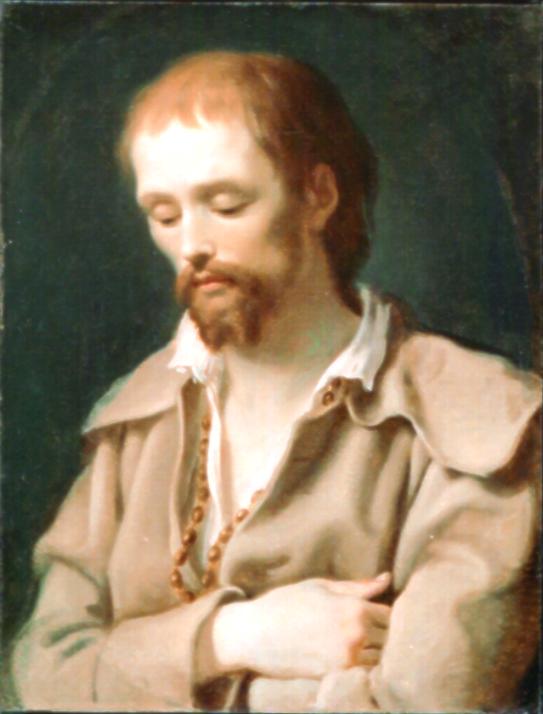
Benedict Joseph Labre depicted by Antonio Cavallucci (1752–1795)

In so doing, Labre was following in the role of the mendicant, the “Fool-for-Christ” . He would often swoon when contemplating the crown of thorns, in particular, and, during these states, it is said he would levitate or bilocate.    He was also said to have cured some of the other homeless he met and to have multiplied bread for them.    In the last years of his life (his thirties), he lived in Rome, for a time living in the ruins of the Colosseum and would leave only to make a yearly pilgrimage to the shrine of Our Lady of Loreto.   He was a familiar figure in the city and known as the “saint of the Forty Hours” (or Quarant’ Ore) for his dedication to Eucharistic adoration.

The day before he died, Labre collapsed in the church of Santa Maria ai Monti, blocks from the Colosseum and despite his protestations was charitably taken to a house behind the church at Via dei Serpenti 2.    He died there of malnutrition on 16 April, during Holy Week, in 1783 and was buried in the Church of Santa Maria ai Monti.

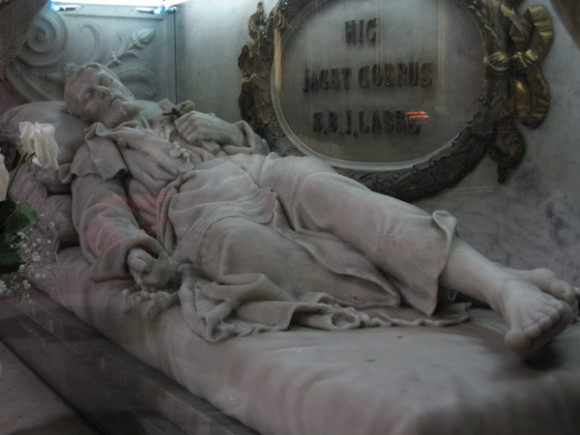
S.Maria ai Monti: Tomb of St Benedict Joseph Labrerome2007_img_1029-1

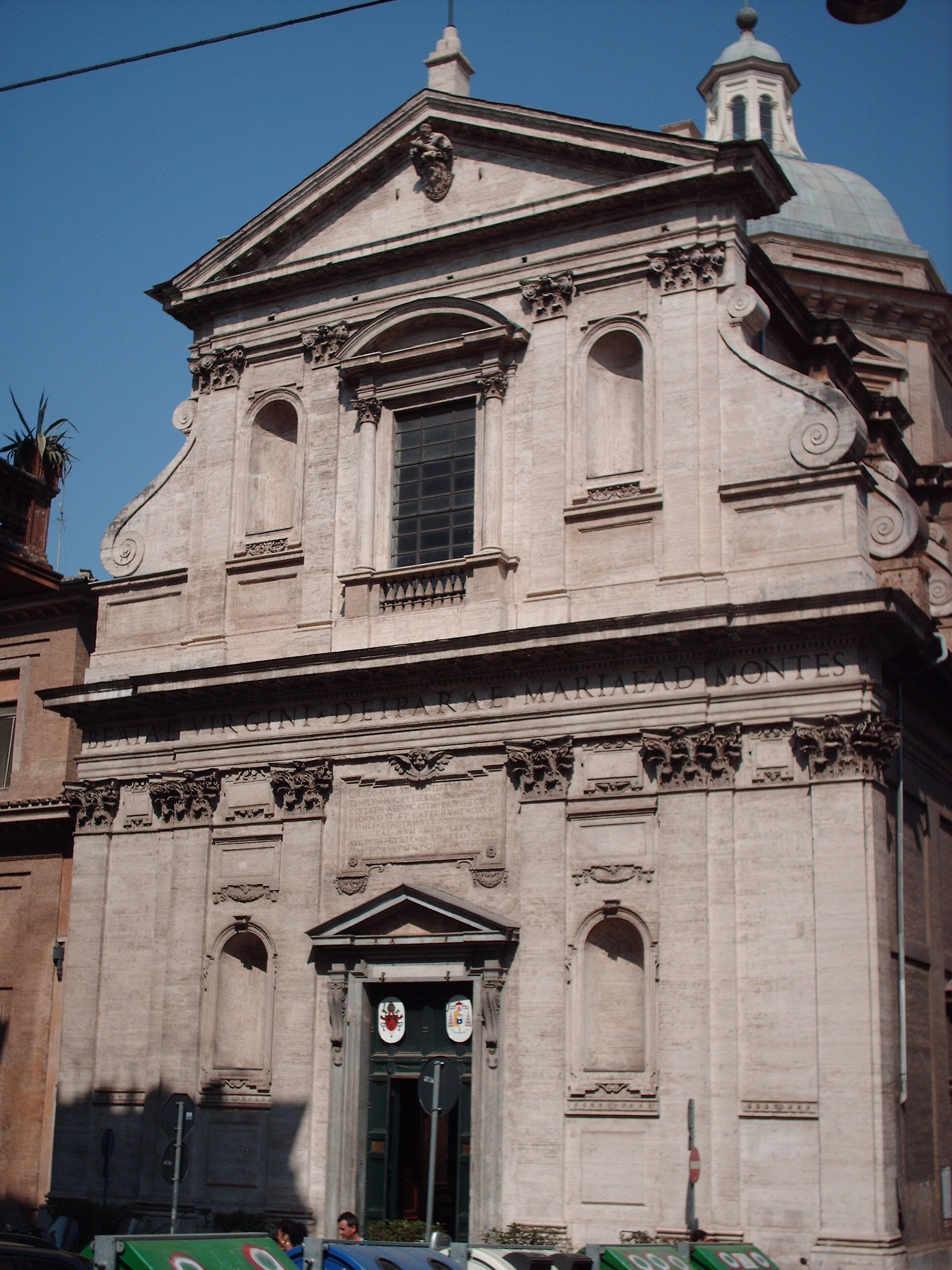
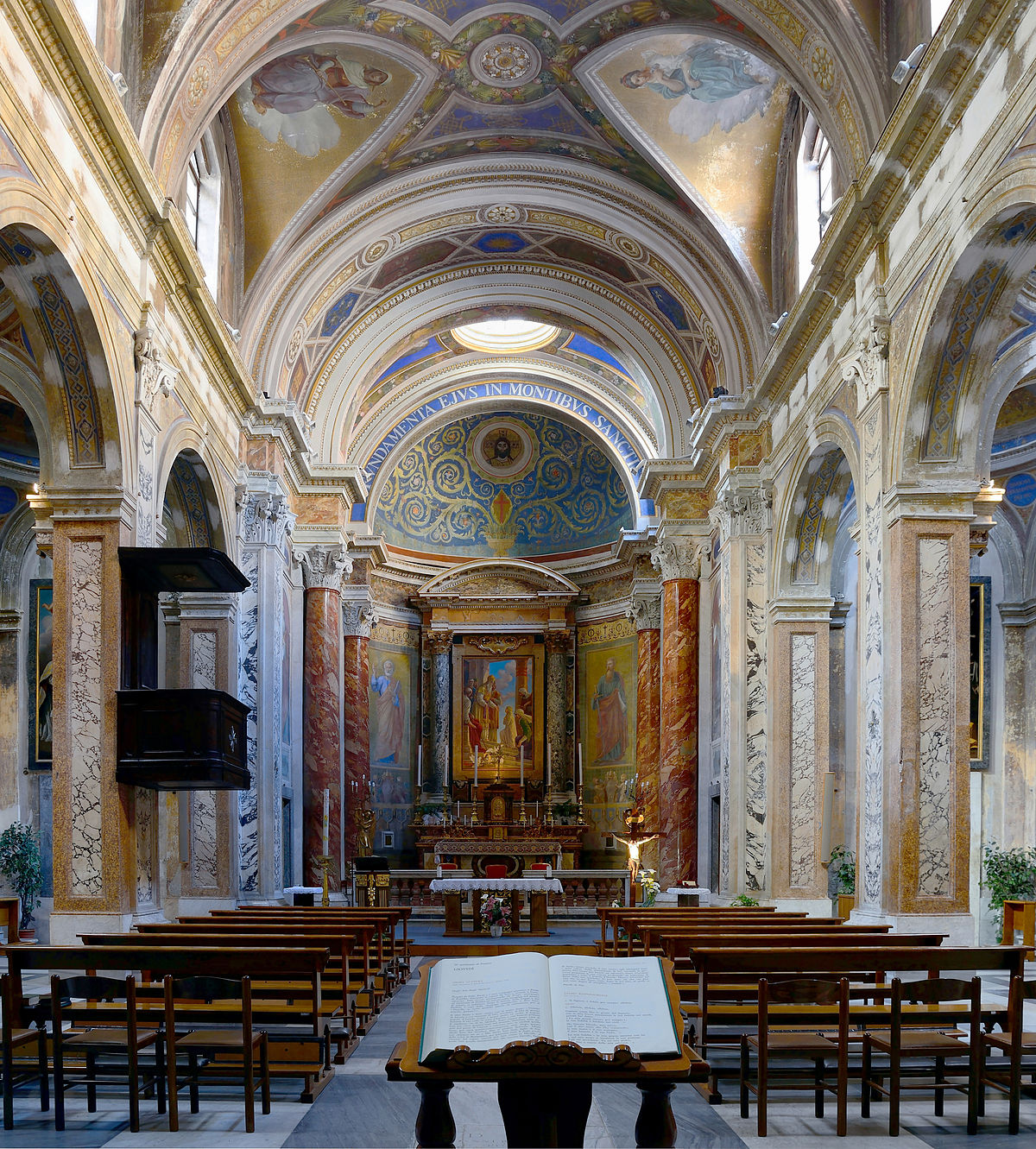
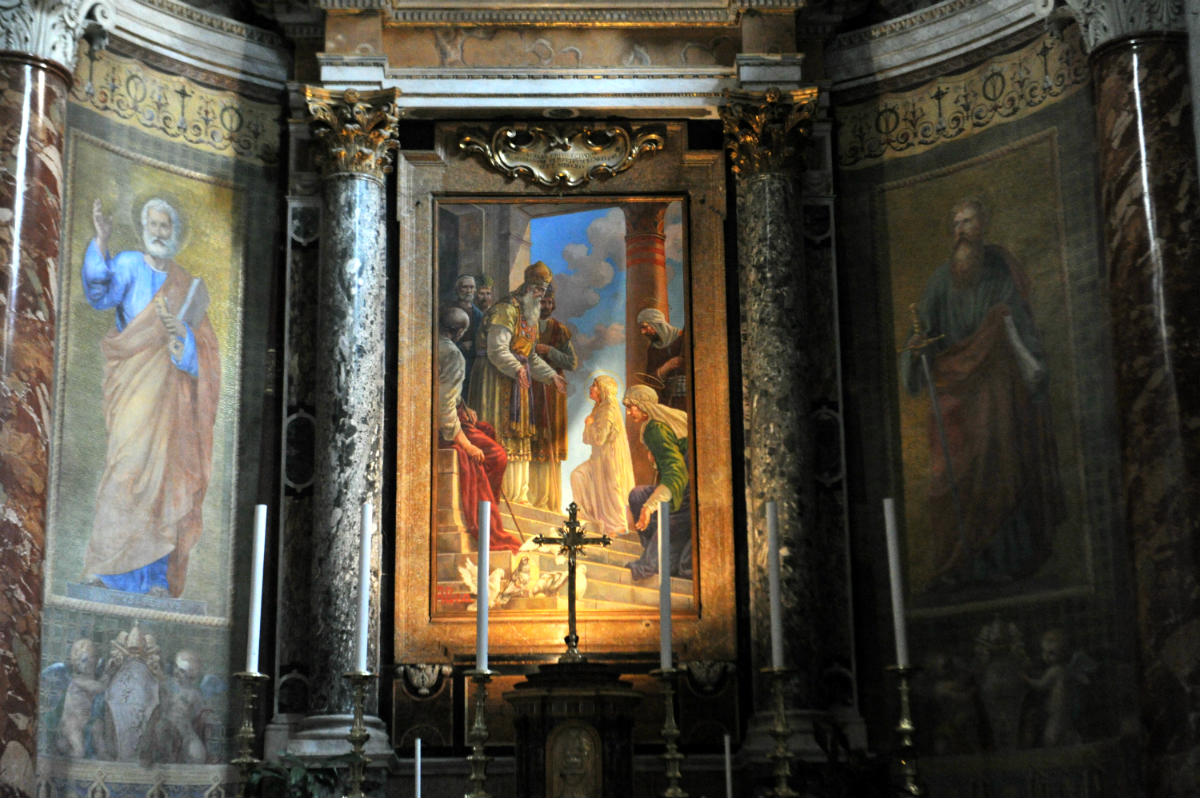
Church_of_Santa_Maria_ai_Monti_in_RomeSanta_Maria_in_Monticelli_(Rome)_-_interiorSanta_Maria_in_Monticelli_interno_d0