Saint of the Day – 5 November – Saint Laetus (Died 534) Priest and Confessor of Orleans, France, Monk, Monk, Hermit, Miracle-worker. Whilst still a Monk, Laetus was a spiritual guide to St Leonard of Noblac, who was a fellow Monk. Born in the region of Berry, France and died in 534 in the forest of Orléan. Patronage – of the sick. Also known as – Lie, Lié, Lyé, Leto, Lieto. Additional Feast – 2 January in Mohon, in the Ardennes.
The Roman Martyrology reads today: “At Orleans, in France, St Laetus, Priest, Confessor.”
Statue of St Laetus at Ville-Dommange
Born of a family in Berry, France sometime during the reign of Chlothar I, his name suggests a Gallo-Roman background. Small of stature,, he was a peasant herdsman, who embraced the monastic life at the age of 12. He spent some time at the Monastery of Micy-Saint Mesmin, near Orléans, where he was welcomed by the Abbot Treïcius, who Ordained him a Deacon and then a Priest. While at Micy, Lié provided direction to fellow Monk and Saint Leonard of Noblac (c496-559).
After a few years, Laetus left the Monastery in search of greater solitude. He headed north and stopped on the edge of the Loges Forest (Forest of Orleans), not far from a clearing where poor woodcutters were felling oaks. There, having found a dense thicket where no sound entered, he built himself a hut and there, spent his days in prayer, living only on wild fruits.
Laetus only left this solitude to visit the sick, to comfort them with a few holy words and to soften the bitterness of the last passage. The blind, the lame, the crippled came to meet him and more than once obtained cures through his intercessary prayer. He was greatly loved by all, especially the sick and hopeless. Laetus was viewed an example to all for his humility. .He lived there until the year 534, which he predicted would be the year of his entry into eternal beatitude. He was buried in the place where he had lived and, on his Tomb, a Chapel was erected.
His body was later brought by Ermentheus, the Bishop of Orleans, to the Church of Pithiviers. They burnt by the Huguenots in 1580. However, there were stille fragments of his legs preserved by Christians of Pithiviers. In 1664, they were returned to the Village of Saint-Lyé after many adventures. They now rest in a Reliquary placed at the foot of the Altar dedicated to him. On Pentecost Monday, many pilgrims would come to venerate St Laetus and ask for the cure of their infirmities.
In 1523 a Brotherhood dedicated to venerating Saint Laetus was founded at Mohon, in the Ardennes. The Brotherhood in 1611, having obtained an Indulgence from Pope Paul V, the dedication of the local Church was changed from that of Saint Gilles to Saint Laetus. Some of his Relics were transported to the Église Saint-Lié de Mohon, probably around 1683. There he is celebrated on 2 January.
Saint Laetus is depicted on a pillar of the south porch of Chartres Cathedral. There are numerous Churches, places, Villages names for our Saint in many regions of France.
Saint of the Day – 25 January – St Dwynwen (Died c460) Virgin, Princess, Nun. Patronages – lovers (especially in Wales where her Feast today is celebrated in a similar as that of St Valentine’s Feast on 14 February), of the sick and of animals in danger. Also known as – Donwen, Donwenna, Dunwen, Dwyn – this last is the ‘pet’ name of our Saint and the most often used.
Dwynwen lived in the 5th Century, the daughter of Saint Brychan of Brecknock (6 April), a prolific Welsh King who fathered 24 sons and daughters, all venerated as Saints and very famous especially in the Celtic world. Dwynwen, another daughter of the august parent King was then naturally a Princess. She was a beautiful and virtuous girl and fell madly in love with a Welsh Prince, Maelon Dafodrill,but the idea of marriage faded naturally from her heart.
Several legends have attempted to find an explanation for this loss of the romantic fervour – one of them could be that King Brychan had already promised his daughter to another Prince. The Saint, however, understood that her calling was to dedicate her existence to God by undertaking a religious life. She then tried to separate from Maelon but he reacted by drastically changing towards her and becoming unbearable.
Dwynwen took refuge in the woods, raising fervent prayers to God to help her and put an end to her miseries. She fell asleep and when she awoke she had been given a sweet drink which immediately deprived her of Maelon’s attentions and the sadness of her heart. The same drink was given to Maelon but in him, it had the effect of transforming him into an ice statue. Dwynwen then prayed again for three of her requests to be granted – that Maelon be freed from the ice, that she might never wqish to marry again and finally, that all lovers, with the help of God, find happiness through the fulfillment of their love or be healed of their passions.
God granted all her prayers and she did not hesitate to devote her entire existence to Him. She then founded a Convent on the Island of Llanddwyn, just opposite the Island of Anglesey (Yns Mon). She died there around the year 460.
St Dwynwen’s Church, Llanddwyn c1778
Here a fountain of fresh water called Ffynnon Dwynwen was considered a holy spring and soon became a place of pilgrimage. Over time the Saint was also invoked for the healing of the sick and animals in danger, a tradition which has survived to the present day.
The ruins of Llanddwyn Chapel, a 16th Century Tudor Church built on the site of an ancient priory, can still be seen today. St Dwynwen’s name is also invoked in the Town of Porthddwyn and a Church remains dedicated to her in the British peninsula of Cornwall.
St Dwynwen is celebrated especially throughout Wales and by lovers, on 25 January. One of the Dwynwen’s favourite maxims was: “Nothing wins hearts like joy.”
Saint of the Day – 25 March – Blessed Placido Riccardi OSB (1844-1915). Priest and Friar of the Order of St Benedict. He founded a branch thereof known as the Cassinese Congregation, a reform of the standard way of life of the Monasteries. Born on 24 June 1844 as Tommaso Riccardi in Trevi, Umbria, Italy and died aged 70 in Rome, on 25 March 1915. PATRONAGES – against Malaria, against all bodily illnesses. Also known as – Tommaso Riccardi, Thomas Riccardi. He was Beatified on 5 Dercember 1954 by Pope Pius XII.
Tommaso Riccardi was born in Trevi on 24 June 1844 to Francesco and Maria Stella Paoletti, the third of ten children. He was Baptised in the nearby Church of St Emilian and, as soon as he was reborn with Baptism, he was placed on the Altar of Our Lady of Sorrows, in an act of consecration.
In 1853 he entered the Lucarini College where he distinguished himself as attested by numerous mentions and medals, awarded to him. In 1862, when the Lucarini College was closed for political reasons, he placed himself under the spiritual direction of Don Ludovico Pieri, a holy Priest from Trevia, spiritual father and inspiration of Blessed Pietro Bonilli. In 1865, in the the act of resigning from Pieri to continue his studies in Rome, the latter prophesied his future vocation but Tommaso made a gesture of rebellion and, throwing the hat he was holding in his hand, to the ground and stepping on it, exclaimed: “If this vocation comes to me, I drown!”
Just a year later, 1866, after a pilgrimage to Loreto and a course of spiritual exercises, he knocked on the door of the Abbey of St Paul. Admitted to the Novitiate on 5 January 1867 with the name of Placido, he was Ordained Subdeacon on 2 April 1870 and Deacon on 224 September 1870.
Called up for Military Service, he took a few days to finish his exams but was immediately declared a deserter because of this delay! Having arrived in Spoleto to plead his case, since in the meantime, the Piedmontese government which also dominated Rome, had decreed an amnesty, it was discovered that his case did not fall within it and, therefore, he was arrested at the Fonti del Clitunno, while returning to Trevi. Transferred to Florence, he was tried and sentenced to one year’s imprisonment, then pardoned and sent to the Regiment in Pisa but, after medical tests, declared unfit, he was discharged on 27 January 1871. On 7 February he returned to St Paul’s where, on 10 March he made his Solemn Profession and on 25 March he was Ordained a Priest.
At The Beatification in St Peter’s Square
He held various positions: Deputy Master of Students, Master of Novices, Abbey Vicar of the Benedictines of St Magno in Amelia in two different periods. In 1994, while he was leaving the Amelia Monastery to return to Rome due to his poor health, a Nun wrote about him as follows: “Don Placido left leaving everyone in the deepest pain. Austere with himself but all charity for us, especially the sick. His charity also extended to the poor in Amelia. His virtues have aroused the admiration of the whole City!”
But the apotheosis of the humiliation and triumph of Don Placido’s sanctity occurred in Farfa, where he was sent to try to save what could be saved. The glorious Abbey, already powerful in the time of the Lombards, was reduced to miserable conditions. Overwhelmed by the latest political events and its assets passed to private individuals, the Abbot’s residence itself was absolutely uninhabitable! Don Placido turned his attention to the people, generally poor shepherds who came to him after Sunday Mass. In their extreme need, they were helped spiritually and materially. In his prodigality Don Placido regretted that he no longer even had his own personal effects to donate to the poor, since those he possessed were rejected several times because they were too poor. It is said that he also provided suggestions and medicinal remedies described in the ancient codes.
Farfa Abbey
In 1912, after almost twenty years of staying in Farfa, his body, which had always been in poor health, further weakened by a life of penance and deprivation, was so weakened he contracted Malaria and the holy man had to be brought back to Rome. He lived for another two and a half years, assisted by his disciple and friend Don Idelfonso Schuster, later Cardina, Bishop of Milan and his Biographer.
He passed away on the evening of 25 March 1915 and the following day, when his body was transported to the Basilica, the bells rang out without assistance.
In 1925 the body was moved to Farfa Monastery and in 1928 the process of Canonisation began band in the 1950s Pope Pius XII proclaimed him Blessed. .
On 5 December 2008, a day of study was dedicated to the Blessed. In Trevi the road which goes from Piazza del Comune up towards the Church of St Emilian, where our Saint was Baptised and which was since named after him, passing in front of his house, where a plaque was placed. The large square behind the Basilica of St Paul in Rome also bears his name and in Milan, a central street, parallel to Via Palmanova.
THIS IS THE HOUSE WHERE HE WAS BORN, ON 24 JUNE 1844 AND HE LIVED, FOR MANY YEARS, TOMMASO RICCARDI. WITH THE NAME OF PLACIDO ETERNATED IN THE LIGHT OF THE ALTARS FOR HIS VIRTUES – GLORIFYING SELF AND HOMELAND
FELLOW CITIZENS IN THE YEAR 1955 CELEBRATING HIS BEATIFICATION
Saint of the Day – 22 February – Saint Isabella of France (1225-1270) Virgin, Apostle of the poor, the sick and needy, Founder Nun of a Convent based on the Poor Clares Order, known as the Sisters Minor and forming part of the Franciscan family. Sister of Saint Louis IX, Aunt of Saint Louis of Toulouse, Princess. Born in March 1225 in Paris and died on 23 February 1270 (aged 45) at the Convent in Longchamp, Pays de France. Patronages – of the ill and infirm, of the Royal Abbey of Longchamp. Also known as – Isabel, Isabelle. Additional Memorial 8 June (Franciscans), 8 November – as one of the Saints of the Diocese of Evry, 23, 24 and 26 February – on some calendars.
St Isabella with St Louis IX – laying the cornerstone ofthe Longchamps Convent
In Pays de France, just outside the City of Paris, along the Seine, lived King Louis VIII and Blanche of Castile, the Queen of France. The Royal couple were a holy example of Christian love and they had alreadybeen blessed with several children when their daughter, Isabella, came into the world in March 1225.
When Isabella was less than two years old, King Louis VIII died, leaving her older brother to reign as King. King St Louis IX was installed in 1226 and he reigned until 1270. His mother supervised the education of the young children, ensuring that Isabella not only learned the feminine arts butm also learned Latinm in order to study the Fathers of the Church.
Isabella demonstrated great piety from a very early age and, it must be noted, she received much support in practising her faith from her mother, her brother the King and other members of the Royal Court. Isabella dedicated her sewing skills to providing clothing for the poor and preparing Vestments for liturgical celebrations. On one occasion, as she was embroidering a new hat, King Louis IX asked her to give the hat to him. She refused, explaining, “No, this is the first of its kind and I must make it for my Saviour Jesus Christ.” When she finished it, she gave it to a poor and sick person. Then, she made another cap of similar design for her Royal brother.
Arranged marriages, common at the time, were a part of Isabella’s life from the age of two. The Treaty of Vendome, created in March 1227 and signed in June 1230, betrothed Isabella to Hugh, the eldest son and heir of Hugh X of Lusignan which was an area on the western coast of France. However, Isabella refused to celebrate this marriage. Some years later, she also refused to marry another Royal personage, Conrad, the son of the Holy Roman Emperor Frederick II. Her mother and brother both urged her to marry Conrad. Even Pope Innocent IV tried to persuade her to marry the son of the Emperor but, again she refused. When she learned of the Pope’s hope that she would marry Conrad, Isabella wrote to him explaining that she had consecrated her virginity to Christ and would never marry. The Pope, witnessing her steadfast faithfulness to Christ, admired her for her perseverance and agreed with her position. Her brother finally acquiesced and no longer tried to persuade her to marry Conrad or anyone else. Not long after this episode, their mother died.
In 1255, Isabella requested her brother’s permission to leave the Court and to establish a home for a group of devout women. . Thus, King St Louis IX undertook the purchase of some land in the Forest of Rouvray, just west of Paris, for this purpose. The cornerstone was placed on 10 June 1256 and four years later, the building was completed. On 2 February 1259, Pope Alexander IV gave his approval to the new Rule prepared by Princess Isabella. This Rule had been compiled by Fr Mansuetus, a Franciscan, who based it on the Rule of the Order of St Clare, also referred to as the Poor Clares. The Rule was approved by St Bonaventure, who was then the Minister General of the Franciscan Order. The new Monastery was called the Monastery of the Humility of the Blessed Virgin. The Nuns of this Monastery were called Sisters Minor.
The Rules were unique and specific to this group of women, being somewhat simpler than the Rules of the Poor Clares, in that the fasting was not as rigid and the community was allowed to hold property. But like the Poor Clares, these women also helped Tthe poor and needy of the neighbourhood. . The first Nuns to join this new Monastery were from the Convent of the Poor Clares at Rheims, nearly 100 miles east of Paris. Although Isabella never resided at the Monastery herself, she observed the Rules in the privacy of her home.
After a few years, Isabella adjusted the Rule and King St Louis submitted and obtained confirmation of the revised Rule. Pope Urban IV approved the new Rule on 27 July 1263, giving the Nuns of Longchamp, the official title of Sisters Minor. This title emphasised the close relationship with the Order of Friars Minor.
Isabella had refused to become the Abbess but continued to observe the Rule, as well as additional mortifications. She practiSed nearly total silence, fasted three days a week and lived a life of heroic virtue.
In 1270 Isabella died at the new house in Longchamp. The Nuns declared that when she died, the singing of Angels could be heard. She was buried in the Convent Church. After only nine days, her body was exhumed and it was still supple, suffering no decay. Not surprisingly, many miracles occurred at her gravesite. In 1521 Pope Leo X Beatified Isabella, permitting the Abbey of Longchamp to celebrate her Feast with a special office. On 4 June 1637 Isabella’s body was exhumed again and it was still incorrupt. 50 years later, on 25 January 1688, the Nuns received permission to celebrate Isabella’s Feast with an Octave observance. In 1696, on her Canonisation, Pope Innocent XII extended the permission to the entire Franciscan Order.
Saint of the Day – 14 January – St Hilary (315-368) Confessor, Bishop, Father and Doctor of the Church, Writer, Philosopher, Theologian, Preacher, Defender of the Faith, Doctor of the Divinity of Christ, Miracle-worker. The “Hammer of the Arians” and “Athanasius of the West.” Patronages – against rheumatism, against snakes and snakebites, children with learning impediments, children learning to walk, lawyers, mothers, of the sick, of La Rochelle and Poitiers in France,4 Cities in Italy. Also known as – Ilario di Poitiers, Malleus Arianorum.
The Roman Martyrology reads yesterday, 13 January the day of his death: “At Poitiers, in France, the birthday of St Hilary, Bishop and Confessor of the Catholic Faith which he courageously defended and for which he was banished for four years to Phrygia, where, among other miracles, he raised a man from the dead. Pope Pius IX declared him a Doctor of the Church. His festival is celebrated on the 14th day of this Month.”
This staunch defender of the Divinity of Christ was a gentle and courteous man, devoted to writing some of the greatest theology and was like his Master in being labeled a “disturber of the peace.” In a very troubled period in the Church, his holiness was lived in both scholarship and controversy.
Raised a pagan, he was converted to Christianity when he met his God of nature in the study of Sacred Scriptures. His wife was still living when he was chosen, against his will, to be the Bishop of Poitiers in France. He was soon involved in the immense fight against what became the scourge of the 4th Century, -Arianism which denied the Divinity of Christ.
The heresy spread rapidly. St Jerome said “The world groaned and marvelled to find that it was Arian.” When Emperor Constantius ordered all the Bishops of the West to sign a condemnation of Athanasius, the great Defender of the Faith in the East, Hilary refused and was banished from France to far off Phrygia. Eventually he was called the “Athanasius of the West.”
While in Phrygia, however, he continued to govern his Diocese, as well as writing two of the most important of his contributions to theology. While there, he was invited by some semi-Arians (hoping for reconciliation) to a Council the Emperor called to counteract the Council of Nicea. But Hilary predictably defended theTruth of the Church and when he sought public debate with the heretical bishop who had exiled him, the Arians, dreading the meeting and its outcome, pleaded with the Emperor to send this troublemaker back home to the small Town of Poitiers, where his enemies hoped he would fade into obscurity. Hilary was welcomed by his people but he continued the fight against the heretics without ceasing.
While Hilary closely followed the great St Athanasius, in exegesis and Christology respectively, his work shows many traces of vigorous independent thought. St Jerome and others consider our St Hilary as the first Catholic Hymnist. Hilary is the pre-eminent Latin writer of the 4th Century (before Sts Ambrose and Augustine) and his works continue to be highly influential. Remember this Hymn we prayed yesterday for the Octave of the Epiphany and the Baptism of the Lord:
Jesus Refulsit Omnium Jesus, Light of All the Nations By St Hilary (315-368) Father & Doctor of the Church Doctor of the Divinity of Christ
Jesus, the merciful Redeemer of all nations, shone forth on this day; let the faithful of every race celebrate Him in their songs of praise.
A Star, shining in the heavens, announces His Birth; it leads the way and guides them to His Crib.
Prostrating, they adore the Infant wrapped in swaddling clothes; they confess Him to be the true God, offering Him their mystic gifts.
Thirty years of His life had passed and He, the infinitely pure God, seeks the laver of baptism.
John, the favoured Baptist trembles as he bends the head of Jesus beneath the waters–that Jesus whose Blood was to purify the whole earth from its sins.
The Divine Voice of the Father is heard from Heaven, bearing testimony to His Son and the Holy Ghost, too, is present, the Giver of holy grace.
We beseech Thee in humble supplication, O Jesus! protect Thy people; we ask it of Thee by the power Thou didst show when Thou didst command the water to be changed into wine.
May praise, honour and all power be to the Trinity forever and forever. Amen
(Verses 4-6 omitted on the image). I could not find the name of the Translator of this version of this Hymn, often referred to as “the oldest” Christmas Hymn.
Saint of the Day – 4 February – Saint Aventinus of Troyes (Died c538) Priest, Almoner and Administrator of the funds for the See of Troyes, Hermit, Miracle-worker, gifted with a great affinity with animals, who came to him for help when ill or hurt. Born in Bourges, France and died in c538 of natural causes. Patronages – headaches, nervous disorders, of ill animals, of Saint Aventin sous Verrières and the Town of Creney, France. Also known as – Aventin, Aventine.
In the heart of ancient Gaul (today’s France), in the second half of the fifth century, Saint Aventinus was born, probably in Bourges. From the few documents which have come down to us, we know that his parents belonged to the middle class and were very religious. According to tradition, Christianity in those lands already spread in the third century. The sound moral and Christian principles of the parents would form the basis of his holiness – from an early age, Aventinus was held up as a model.
As a teenager, he began to wonder about the purpose of his life. He wanted to visit the most famous holy manof that region, the Bishop St Lupus of Troyes who, in the year 451 had saved the city from the invasion of Attila the Hun, by offering himself as a hostage. The elderly prelate was not slow to see sincere Christian virtues in the young man and desiring to see them brought to fruition for the glory of the Lord and the Church and so, St Lupo kept him with him as a disciple and assistant. It was the happy meeting of two true men of God.
Aventinus distinguished himself by the humility and zeal with which he carried out the work; constant in the practices of piety, he was growing internally. He had as an example a Saint who continually turned his attentions to him. The virtue that shone most in him was charity towards others. Slavery of foreign prisoners of war was widespread in those days – St Lupus and Aventinus did not remain indifferent to the children of God who were treated like beasts. They ransomed as many as they could, collecting alms for this purpose. Given their freedom, they worried about their spiritual health, often helping them to approach the Sacraments. St Luuso died in 479 and was succeeded by St Camelianus, who, knowing well the virtues of Aventinus, made him Steward, with ample power to manage alms.
God only knows how widespread poverty was and Aventinus’ attention to the poor was never limited to material aid. He aroused amazement at the miraculous way the Bishop’s finances could cope with so many expenses, there was something supernatural at work. Aventinus fame went on spreading but he, keeping faith with his humility and with the deep regret of the Bishop, decided to retire.
He was welcomed into a hermitage with the will to sanctify himself by living in solitude. Although he was not inclined to lead, he was soon elected Superior of the community. Precious was his example and the retreat became a school of perfection. That place was later named after him.
While living withdrawn from the world, he could not help but think about the redemption of slaves. Among others, news reached him of a certain Fidolus, of rare virtues, perhaps already a cleric, originally from Auvergne, who had lost his freedom at the hands of Theodoric I, King of Austrasia. It was about the year 530. Aventinus ransomed him for twelve gold pieces. Fidolus’ happiness and gratitude was immense and he decided to join the holy community, which seemed a most natural development.
Meanwhile, Aventinus’ fame was spreading again among the people who often visited him. The tranquility of the brothers was compromised and Aventinus decided to leave. It was Fidolus himself who took over the position of Superior (he died with fame as a Saint on 16 May 540).
Aventinus withdrew to a solitary place along the Seine, about seven miles distant from Troyes. He had only brought with him some bread, legumes, a hoe and some seeds. He did not want to be a burden to anyone. Finally he had achieved the desired tranquility, dividing his time between prayer, work and penance. He slept little, wore a poor and rough dress, ate only three days a week.
A few years passed but even here he could not escape the admiration of the people, while not even the Bishop St Camelianus had forgotten about him. The latter, who also knew well of his knowledge of the Psalms and Sacred Scripture, conferred upon him Sacred Orders. The maturity of the years was crowned by the Priesthood. He lived peacefully the last period of his life celebrating Mass near his hut, for the benefit of the locals. Demanding with himself, he looked to the needs of his neighbour with his big heart, also curing those who were sick. His charity became legendary and it is said that even a bear knocked on his door one night. He lay down on the ground and held out a paw in which a thorn was stuck. The hermit assisted him by releasing the thorn and bandaging his wound.
He fell asleep in the peace of the Lord on 4 February of the year 538. Acclaimed Saint and Patron of those places he had lived, a few years later Bishop Vincent had a Church built in his honour, where he placed his precious Relics and in which he then wanted to be buried. Chapels and Churches were erected in his honour, even outside France. From time immemorial he has been particularly invoked against headaches and nervous diseases. Today, near Troyes, a Town has his name (Saint Aventin sous Verrières) and Creney venerates him as Patron.
St Aventinus, Hermit and Priest, is not to be confused with the Aventinus, the Saint Bishop of Chartres, who died in 520, also venerated on today, 4 February.
PRAYER
Among the many graces which the Lord grants through your intercession, glorious Saint Aventinus, frequent are the cures from headaches and other nervous diseases, of which you have been a singular protector since time immemorial. With all humility and trust I resort to your patronage and I ask you to obtain from the Supreme Giver of all good, health of mind and body so that I may serve God with greater fervour and attend to the duties of my state. I ask you, not only for freedom from headaches but also for the grace to live as a studious emulator of your examples, that I may one day attain eternal happiness, where faith guides me and hope invites me. Amen
Quote of the Day – 3 February – St Blaise (Died c316) Martyr Bishop, Physician, Miracle-worker
The Blessing of the Throats is a Sacramental of the Church, ordinarily celebrated today, the Feast day of Saint Blaise.
THE BLESSING of ST BLAISE Through the intercession of Saint Blaise, Bishop and Martyr, may God deliver you from ailments of the throat and from every other evil. In the name of the Father and of the Son and of the Holy Spirit. Amen
Saint of the Day – 3 January – St Fintan of Doon (Died 6th Century) Abbot, Founder of a Monastery, Miracle-worker. Born in Ireland and died in the 6th Century in Ireland of natural causes. Also known as – Fiontan, Fintanus. Patronage – eye diseases, against blindness, all ailments.
Fintan was a brother to St Finlug, son to Diman who was descended from Mured Manderig, King of Ulster. Alinna, of a noble Limerick family, was his mother.
St Comgall, Abbot of Bangor had founded a school at Bangor in the middle of the 6th Century and it was here that Fintan studied. At this time pirates raided these Monasteries frequently. Fintan, once, asked Finian of Maghbile to lend him a Gospel for his studies but was refused. The next night Fintan and his companions were on guard at the port, fearing an invasion. The pirates, however, firstly raided Magh Bile – the Monastery of St Finian and among the treasures they stole was the Gospel. Later they approached Bangor where Fintan was on guard. When they were about to attack the City, a storm suddenly arose and all the ships were sunk except that which carried the Gospel. The Gospel, along with other artefacts were recovered.
One Spring, a leper came to Fintan and requested some bread, made from newly ripened corn. Fintan instructed the leper to plant a seed in the newly ploughed field. The seed immediately grew and ripened and thus the leper was satisfied.
At this time a pagon king lived in a district called Calathmagh. On hearing of Fintan’s approach, the king instructed his servants to prevent the further progress of Fintan. On reaching a field where the king’s workers were, the Saint and his followers were obstructed from continuing. On requesting permission, they were insulted. Presently a storm arose and the crops were set on fire from which the smoke almost blinded the kings servants. With some Holy Water, Fintan restored their vision and they were deeply grateful to him and many converted.
After these occurrences, Fintan settled at Doon, whose name is derived from the earthen dun and from Blesc who was a vassal to the king at that time. The presence of Fintan’s well and the fact that this is the only place in the area with a name of origin “Dun” verifies that Doon is the place where Fintan settled.
Fintan’s settlement at Doon had been prophesised by St Comgall in the Leabhar Breac which has been translated thus:
“My little foster son shall obtain the fortress, Fintan, by whom the dun will be obtained His city of sacred protection shall be That which is called Doon (Dun Bleisce).”
At Doon, Fintan was welcomed with much hospitality from Columbanus, son to Kynchadhe. A feast, which consisted of a cow and calf and milk had been prepared for Fintan and his seven followers.
St Fintan’s well is situated in a grove of trees in the east corner of lower Kilmoylan townl. The well’s water is reputed to have great healing powers and previously many pilgrims journeyed there to be cured of diverse ailments but most especially of blindness and eye diseases..
“They have left their cot for the holy well Near the Cross in the valley flowing, its bright blude hide haith a spell Light and joy to the blind bestowing.”
St Fintan is believed to have lived to a very old age. The exact site of St Fintan’s Monastery in Doon is uncertain but we presume it is near the ancient graves of St Fintan’s cemetery in Doon. From St Engus’ comments and other sources, it has been learned that St Fintan’s death fell on the 3rd of January. His Feast-day is celebrated in the Parish. There is no information, however, regarding the year or place of his death.
Saint of the Day – 23 November – St Clement I (c 88–c 101) Pope Martyr, Miracle-worker. St Clement is considered to be the first Apostolic Father of the Church, one of the three chief ones together with St Polycarp and St Ignatius of Antioch. Papal Ascensi,on c 88. Born in Rome, Italy and died by drowning at Chersonesus, Taurica, Bosporan Kingdom (modern Greece). Patronages – boatmen, sailors, marble workers, against blindness, sick children, stonecutters, Diocese of Aarhus, Denmark, Dundee, Scotland. Steenwijk, Netherlands, Velletri, Italy. Also known as – Clement of Rome, Clemens Romanus.
The Roman Martyrology reads: “The birthday of Pope Clement, who held the sovereign Pontificate, the third after the blessed Apostle St Peter. In the persecution of Trajan, he was banisbed to Chersonesus, where being percipitated into the sea with an anchor tied to his neck, he was crowned with Martyrdom. His body was taken to Rome during the Pontificate of Nicholas I and placecd, with due honour in the Church which had been previously built under his invocation.”
c 1000 portrayal at Saint Sophia’s Cathedral, Kyiv
Saint Clement I., Pope and Martyr By Father Francis Xavier Weninger SJ (1805-1888)
Whilst the holy Apostles, Peter and Paul, were preaching the Gospel at Rome, there came to them Clement, a son of Faustinus, who was related to the Emperor Domitian. After several discourses with St Peter, he saw the error of Paganism, in which he had been born and educated and became a convert to the Christian faith. He progressed so rapidly in virtue and holiness that he was of great help to Paul in converting the heathens, as the holy Apostle testifies in his Epistle to the Philippians. The unwearied zeal he manifested in such holy endeavours, his purity and other bright virtues, raised him, after the death of Sts Linus and Cletus, to the government of the entire Church of Christ.
In this elevated but burdensome dignity, his holy life was an example to his flock. He gave several excellent laws to the Church, by one of which he divided the City into seven districts and placed in each, a notary to record the deeds, virtues and Martyrdom, of those who were persecuted for Christ’s sake that posterity, admiring their heroism, might be animated to follow their example. His sermons were so full of deep thought and so powerful, that he daily converted several heathens. Among these was Flavia Domitilla, a niece of the Emperor Domitian, who not only became a zealous Christian but, refusing several advantageous offers of marriage, vowed her virginity to God.
He converted Sisinius, one of the most influential men in the City, by a miracle. While yet a heathen, Sisinius went unseen into the secret Chapel where the Christians assembled, in order to ascertain what they were doing and to see whether his wife was among them. God, however, punished him immediately with blindness in both eyes. He revealed himself by calling for, someone to lead him home and St. Clement, who was present, went to him and, restoring his sight after a short prayer, he improved the occasion, to explain to him, the truths of Christianity. Sisinius, being soon convinced, received holy Baptism and many heathens followed his example. The Emperor Trajan, being informed of this, commanded St Clement to be banished to the Chersonesus, unless he consented to sacrifice to the gods. Nearly two thousand Christians had already been banished to that region, where they were forced to work in mines and quarries. The holy Vicar of Christ rejoiced to be thought worthy to suffer for his Divine Master and indignantly, refused to comply with the Emperor’s command to worship the Pagan idols. He was accordingly transported, and condemned to labour like the others.
This fate at first seemed very hard to him but. the thought that he suffered it for Christ’s sake, strengthened him. With the same thought. he endeavoured also to inspire his unhappy companions, when he saw that they became discouraged and lost their patience. He also frequently represented to them, the reward which was awaiting them in Heaven. A miracle which God performed through him, raised him to great consideration, even with the heathens.
There was a great scarcity of water and the Christians suffered much from the thirst occasioned by their hard work. St Clement, pitying them most deeply, prayed to God to help them. Rising from his knees, he saw, on a high rock, a lamb, which seemed, with his raised right foot, to point to the place where water could be found. The holy man, trusting in the Almighty, seized an axe and, lightly striking the rock, procured a rich stream of clear water, which refreshed all the inhabitants of the country, especially the poor persecuted Christians. So many heathens were converted on account of this miracle, that, in the course of a year, almost all the idolatrous temples were torn down and Christian c=Churches erected in their stead.
St Clement by Tiepolo
Some of the idolatrous priests complained of this to the Emperor, who immediately sent Aufidian, a cruel tyrant, to force the Christians to forsake their faith and to put St Clement to death. The tyrant endeavoured to induce the holy man to forsake Christ but finding that all words were useless, he commanded the executioners to tie an anchor to the neck of St Clement, take him out into the sea and cast him into the deep, in order that nothing of him should remain to comfort the Christians. The last words of the holy Pope were: “Eternal Father! receive my spirit!”
Martyrdom of St Clement by Fungai
The Christians, who had been encouraged by him to remain constant in their faith, stood on the sea-shore, until the tyrant and his followers had departed, after the death of the Saint. They then knelt in prayer, to beg of the Almighty that He would restore to them the body of their beloved shepherd and, whilst they prayed, the sea began slowly to retreat from the shore. The Christians, following the retreating water, came to the place where the Saint had been cast into the sea and found, to their inexpressible astonishment and joy, a small marble Chapel and in it, a tomb of stone, in which the body of the holy Pope was reposing. At his side, lay the anchor which had been tied around his neck. The joy and comfort which filled the hearts of the faithful at this sight, can more easily be imagined than described. They wished to take the holy body away but God made known to them that, for the present, it should not be disturbed and that, every year, the sea would retreat, during seven days, so as to permit all to visit the shrine of the Saint! This took place for several years, until, at last, by divine revelation, the Relics were transported to Rome.
Saint of the Day – 16 November – St Othmar of Saint Gall (c 689-c 759) Priest, the Founder and first Abbot of the Abbey of St Gall in Switzerland, founder of a hospital and a school as well as the famous Library of St Gall (see below), which is the oldest working Library in the world, Apostle of the poor and sick, defender of his people and Abbey against secular usurpers. Born as Alemanne Othmar in c 689 probably near St Gallen and died on 16 November 759 on the Island of Werd-on-the-Rhine, near Echnez, Switzerland. Patronages – of winegrowers, vintners, against childhood diseases and diseases in general, of the Diocese of St. Gallen and the Monatery of St Gall (with St Gall).Also known as -“Poor”Father Audomar, Otmar.
Othmar was born of the Alemannic dialectic group of Germans spoken in certain parts of South Germany, in Alsace (France), Vorarlberg (Austria), Switzerland and Liechtenstein. He received his education in Rhaetia, Switzerland and was Ordained to the Priesthood there. For a time he presided over a Church of St. Florinus in the same location.
Parish church Saint Othmar in Kirchberg. High altar: Statue of Saint Othmar (1710)
In 720, he was appointed as the Superior of the Monks of St Gall (Died 646- Feast 16 October) and Custodian over the Saint’s Relics, who at the time, lived separately but followed a single rule of life. Othmar built a Monastery to accommodate them and united the Monks who lived about the cell of St Gall, according to the Rule of St Columban and became their first Abbot. He added a hospital and a school to the foundation. During his Abbacy the Rule of St Columban was replaced by that of St Benedict.
The Abbey was soon endowed with goods from Alemannic landowners who cared for their salvation but also wanted to keep their goods out of the hands of the Frankish Empire.
Othmar gave away Monastery assets to the poor, built the first house for lepers in Switzerland near the Monastery and took in the sick, blind and poor in another building, where he also looked after them at night. The close connection between the Monastery Monks and the common people, was the reason for his missionary successes and earned him the name “Poor Father.” Fearing the growing wealth of his Monastery, he dressed himself simply, only riding a donkey instead of a horse.
When King Karlmann renounced his throne in 747, he visited Othmar at St Gall and gave him a letter to his brother, King Pepin, recommending Othmar and his Monastery to the King’s generosity and protection. Othmar personally brought the letter to Pepin and was kindly received.
The flourishing Monastery of St Gallen then got caught up in the turmoil of politics in the Frankish Kingdom. When the Counts Warin and Ruodhart unjustly tried to gain possession of some property belonging to St Gall Abbey, Othmar fearlessly resisted their demands. Hereupon they captured him while he was on a journey to Constance and held him prisoner, First he was in the dungeon of the Royal Palace, then led to a show trial, at which he was accused of desecrating a woman and sentenced to death by starvation, later commuted to life imprisonment. He finally found asylum with Count Gozbert on the Rhine Island of Werd near Stein am Rhein but did not survive the abuse he had endured for long and died there.
Othmar’s biographer Gozbert reports that ten years later, in 769, Monks from St Gallen wanted to bring back the body of the Monastery Founder and found it intact. The brothers took a wine barrel with them as provisions for the journey and it always stayed full on the way there and back, no matter how much they drank from it. A storm that was devastating the whole area was miraculously kept away from the ship on the journey across Lake Constance and from the tomb, so that not even the candles at Othmar’s feet and head, went out.
In 867 he was solemnly entombed in the new Church of St Othmar at St Gall. His cult began to spread soon after his death and now he is, next to St Maurice and St Gall, the most popular Saints in Switzerland. His cult was officially recognised in 864 by Bishop Solomon I (Bishop of Constance).
St Gallrn Cathedral dedicated to St Gall and Sr Othmar
His Feast is celebrated on 16 November. He is represented in art as a Benedictine Abbot, generally holding a little barrel in his hand, an allusion to the miracle, that a barrel of St Othmar never became empty, no matter how much he took from it to give to the poor.
The famous and oldest working library in the world established by St Othmar’ at the Monastery of St Gall
St Gallen Cathedral is dedicated to Saints Gall and Othmar. St Othmar Chapel on Werd island was erected in his memory.
Statue of Saint Othmar on the Wall of the Abbey of St Gall
Saint of the Day – 14 November – Saint Siard OPraem (Died 1230) Abbot. Siard of Friesland in the Netherlands, was a holy Abbot of the Norbertine Abbey in Mariëngaard by Hallum in Friesland. He was a powerful and hardworking Administrator, abiding strictly by the Rule of the Order, Apostle of the poor and needy, a holy Abbot of deep and mystical piety and prayer, on occasion he was seen in ecstasy, Peace-maker. Patronage – against blindness, bodily ailments.
He was born to a noble Frisian family in the shadow of the Abbey of Mariëngaard and there received the white habit at the hands of St Frederick (c 780-838). During his first twenty years in the Abbey, Siard practised great penances and mortification and proved a model of edification for the brethren, to such an extent that Abbot John appointed Siard his successor on his death-bed.
Young St Siard kneeling before the Madonna and Child with St Frederick on the right standing
As Abbot his life was particularly marked by its austerity and benevolence.Nothing in his daily life distinguished him from his confreres. He wore the same habit, ate at the same table and slept in the same dormitory. On account of his exceptional humility, he resolutely refused everything that was not strictly necessary. He was a good administrator who governed his Monastery well, both in spiritual and material matters. He laboured zealously with his Monks, particularly in the fields harvesting wheat. He would lead the confreres in the singing of Psalms during harvest time. He was extremely open to those who sought his advice and ensured that the Abbey became known as a place of refuge throughout the region.
As a model of perfection, Siard had also given Blessed Dodo of Haskerland his Norbertine education. He showed a true conciliatory spirit, settling disputes quickly and with the utmost gentleness and understanding. Furthermore, the Saint extended the lands of the Abbey and guided the constructios of various additions to the buildings. The apostolic spirit of the Order thrived at Mariëngaarde under his leadership. Whenever Siard went on a journey, he took along a large basket full of bread and other foods that he could distribute among the poor. Because of this he is usually depicted with a basket at his feet.
Once on a journey, the holy Abbot came across a noisy celebration of music and dance. He stopped and turned to his brothers saying, “Just imagine what songs of joy the angel choirs must sing when they celebrate the conversion of a single sinner.” He urged three things upon the confreres who had to leave the Monastery on a journey – a joyous departure, a peaceful sojourn and a happy return. Known also for his miraculous cures of the sick and ailing, the Monastery began to attract many in search of the alleviation of their physical illnesses, after Siard cured a man of blindness.
Siard had a special devotion to Martha and Mary. He looked to Martha, as an example for his care of the confreres and to Mary, as a reminder of the necessity of listening to Christ, in prayer and meditation. On occasion, he would fall into ecstasy during prayer and hear the heavenly music of the angels.
Naturally the austhere life which Siard had implemented, was not popular with all of the Canons and,, in 1290, one of their number attempted to murder the Abbot. His loud cries brought the aid of the confreres and he escaped with only minor injuries.
He had been Abbot for thirty six years when he died on 14 November 1230. Numerous faithful were granted special favours by God, at his grave. After the destruction of Mariëngaarde by the Calvinists in 1578, his earthly remains were rescued by a Frieslanden nobleman, Siard of Helsema, who brought them to Hildesheim. In 1608 his Relics were divided and placed in two separate Reliquaries. In 1617, one of these was brought to the Abbey of St Feuillin du Roeulz. After the suppression of this Abbey during the French Revolution, the Relics were taken to the Church at Strépy. In 1938 Prelate Bauwens brought them to the Norbertine Abbey of Leffe. The other Reliquary was brought to Tongerlo in 1617, where ever since the people have held St Siard in great honour and celebrated his Feast each year, with great solemnity. A part of the Relic of Siard’s head found a home in the Generalate House in Rome, until 2000 when it was transferred to the Abbey of Windberg.
The cult of St Siard was confirmed by Pope Benedict XIII on 22 January and 8 March in 1728.
O God, Who made Thy Saints to obey the Gospel as an example for many, grant, we beseech Thee, that we may imitate the cheerful goodness and devout piety of the blessed Abbot Siard. We ask this through our Lord Jesus Christ, Thy Son, Who lives and reigns with Thee in the unity of the Holy Ghost, One God forever and ever. Amen.
Saint of the Day – 11 November – Saint Mennas (Died c 300) Martyr, Layman, Miracle-worker, Soldier, he may have been a camel driver and merchant, Hermit. Born in Egypt and died by beheading in c 300 at Cotyaes, Phrygia, under Emperor Diocletian. He was one of the most popular Saints in the early Eastern Church. Patronages – falsely accused people, general physical ailments, peddlers, pilgrims, travelling salesmen. Also known as – • Aba Mina• Menas of Egypt• Menas of Constantinople• Menas of Cotyaes• Menas of Cotyaeum• Menas of Kotyaeum• Menas of Mareotis• Menas the Martyr• Menas the Miracle Maker• Menas the Miracle Worker• Menas the Soldier• Menas the Wonder Worker• Mena, Mennas, Mina, Minas.
The Roman Martyrology reads: “At Cotyaeus, in Phrygia, during the persecution of Diocletian, the celebrated Martyrdome of St Mennas, Egyptian soldier, who cast off the military belt and obtained the grace of serving the King of Heaven, secretly, at first, in the desert. Afterwards, coming out publicly and freely declaring himself a Christian he was first subjected to dire torments and finally, kneeling in prayer and giving thanks to Our Lord Jesus Christ, he was struck with the sword. After his death, he was renowned for many miracles.”
St Mennas by Paolo Veronese
Mennas, a Christian and an Egyptian by birth, served in the Roman army under the tribune Firmilian. When the army came to Cotyaeus in Phrygia, Menas hearing of the impious edicts issued against the Christians by the Emperors Diocletian and Maximian, left the army in order to practise his faith in safety and retired to a solitude in the mountains and served God by fasting vigils and prayer.
During the celebration of a great pagan festival Mennas appeared in the midst of the populace in the circus and fearlessly professed his faith. He was led before the Prefect Pyrrhus, cruelly scourged, put to torture and finally beheaded.
The Martyrdom of St Mennas by Paolo Veronese
His body was brought to Egypt and the Martyr was soon invoked in many needs and afflictions. The fame of the miracles wrought, spread far and wide and thousands of pilgrims came to the grave in the desert of Mareotis, between Alexandria and the valley of Natron.
For centuries Bumma was a national sanctuary and grew into a large city with costly temples a holy well and baths. A beautiful Basilica was erected by the Emperor Arcadius. The cult was spread into other countries, perhaps by travelling merchants who honoured him as their Patron.
As a result of various vicissitudes, the doctrinal disputes and the conquest of Egypt by the Arabians under Omar in 641 the sanctuary was neglected and ultimately forgotten.
During 1905 Msgr C M Kaufmann of Frankfort, led an expedition into Egypt which made excavations at Bumma. He found in a vast field of ruins, the grave, the well and thermae (public baths), the Basilica, the Monastery, numerous inscriptions on the walls, imploring aid through the intercession of the Saint and, thousands of little water pitchers and oil lamps. The rich findings are partly in the Museums of Alexandria and Cairo and partly in Frankfort and Berlin. The Monsignor published an official report of his expedition in 1908, (La découverte des Sanctuaires de Menas dans le désert de Mareotis).
Terracotta pilgrim’s water flask impressed with Saint Mennas between two camels, 1000s of which were found by Msgr C M Kaufmann
Saint of the Day – 15 October – St Teresa of Jesus of Avila OCD (1515-1582) Virgin and Doctor of the Church
Practical Considerations On the Life of Saint Teresa By Fr Francis Xavier Weninger SJ (1805-1888)
I. Teresa began in early youth, after the teachings of her pious parents, to read devout books. From this, she first drew the spirit of piety. No sooner, however, had she become interested in reading worldly books, than she grew, from day-to-day, more indolent in the service of God and she returned, not to her first fervour, until she had cast aside those works and again resumed her pious reading – a proof of the great benefit we may derive from devout books and of the harm which worldly writings may do us. Oh! that those, who desire to, live piously, may understand this and conform their lives to it. Oh! that all Christians would guide their children, from their early youth, to the reading of devout books!
II. Teresa, after the death of her mother, chose the Blessed Virgin to be another mother to her, and sought and found, in her, comfort and assistance in all her needs. Thrugh her intercession and that of St Joseph, she received the grace of being constant in her reform. Love Mary as your mother – seek, with filial trust, consolation and assistance from her. St Joseph should be one of your principal Patrons, as his intercession is very powerful with the Almighty and, especially, as he has now been solemnly declared the Patron Saint of the Universal Church.
III. The sight of the wounded Jesus, filled the heart of St Teresa with great contrition for her former indifferent life. It inflamed her with true love of God and kept her, until her end, in these sentiments. Consider frequently how your Saviour suffered for your sake and repent of your sins sincerely, as they were the cause of Christ’s bitter Passion. Love your Redeemer with all the strength of your heart and make the resolution to serve Him in future most fervently.
IV. Teresa saw the place in hell which would have been hers, if she had not discontinued her idle discourses and her indifference in the worship of the Most High. Hence, she often gave humble thanks to God that He had not condemned her and she learned, by it, how hurtful even a menial sin can become, since it may lead us gradually to the path of everlasting perdition. You have still more reason to give thanks to God that He did not call you away, from this mortal life, in your sin. How long would you already have been in hell? If idle, empty conversation would have led Teresa gradually into hell, what may you not have to fear, if you do not abstain from so much sinful talking, in which you indulge? Learn also that you should not esteem a venial sin, however small it appears to you, as trifling, for, it may slowly lead you to damnation!
V. Many other lessons, which the life of St Teresa contains, I leave to yourself to consider. One thing only I request of you. Call to mind frequently the words which the Saint uttered in her ecstasy: “Only one God! Only one death! Only one soul! Love this only God and do not offend Him. Take earnest care of your only, your precious, your immortal soul. ‘Keep thyself, therefore and thy soul, carefully.’ (Deut., iv.)”
Saint of the Day – 3 October – Sant Thérèse of the Child Jesus and the Holy Face or The Little Flower (1873 – 1897) Virgin.
Marie Francoise Thérèse Martin, known as the Little Flower of Jesus, was born 2 January 1873 at Alencon in Normandy, France, of very Christian parents. The Martins, who lost four of their little ones in early infancy or childhood, regarded their children as Gifts from Heaven and offered them to God before their birth. Thérèse was the last flower of this blessed stem, which gave four Sisters to the Carmel of Lisieux, still another to the Visitation of Caen.
The five sisters were left without their mother, a victim of cancer, when Thérèse was only four years old but her two oldest sisters were of an age to take excellent care of the household and continue the Christian character formation, of the younger ones, which their mother had initiated. Their saintly father was soon to see his little flock separated, however, when one after the other they left to enter religious life. He blessed each one and gave them all back to God, with humble gratitude to God for having chosen his daughters.
From childhood,Thérèse had manifested a tender piety which her naturally lively temperament could not alter. Her mother’s death affected her profoundly, however and, at the age of nine, she was visited with a severe trial in the form of an illness the doctors could not diagnose and which seemed incurable. She was instantly restored to her ordnary good health by the Virgin Mary, in answer to her desolate sisters’ prayers – Thérèse saw Her statue become animated, to smile at her with an ineffable tenderness as she lay on her bed of suffering.
Before the age of fifteen, Thérèse already desired to enter the Carmel of Lisieux, where her two eldest sisters were already nuns; a trip to Rome and a petition at the knees of the Holy Father, Leo XIII, gave her the inalterable answer – that her Superiors would regulate the matter. Many prayers finally obtained an affirmative reply to her ardent request and four months after her fifteenth birthday, she entered Carmel with a great joy. She could say then, “I no longer have any desire but to love Jesus even to folly.“
She adopted flowers as the symbol of her love for her Divine Spouse and offered all her little daily sacrifices and works, as rose petals at the feet of Jesus. Divine Providence gave to the world, the autobiography of this true Saint, whose little way of spiritual childhood was described in her own words, in her Story of a Soul. She could not offer God the macerations of the great soldiers of God, only her desires to love Him ,as they had loved Him and to serve Him, in every way possible. She chose “all” in spirit, for her beloved Lord.
Later, she would be named Patroness of missions. Her spirituality does not imply only sweetness and light, however, for this loving child of God, passed by a tunnel of desolate spiritual darkness, yet never ceased to smile at Him, wanting to serve Him, if it were possible, without His even knowing it.
When nine years had passed in the Carmel, the little flower was ready to be plucked for heaven and, in a slow agony of Consumption, Thérèse made her final offering to God. She suffered so severely that she said she would never have believed it possible and could only explain it by her desire to save souls for God. She died in 1897, was Beatified in 1923 and Canonised in 1925.
And now, as she foretold, she is spending her heaven in doing good upon earth. Countless miracles have been attributed to her intercession. Little Flower of Jesus please pray for Holy Mother Church and for all Her faithful children.
Saint of the Day – 25 August – St Louis IX (1214-1270) King of France Confessor, King, Reformer, Apostle of Charity.
This remarkable man was born on 25 April 1214, near Paris, France. When his grandfather, King Philip II of France, passed away, his son, Prince Louis the Lion, became King Louis VIII. His wife became Queen Blanche. Their son, now Prince Louis, was only nine-years-old.
Three years later Louis’ father died and the boy was crowned King Louis IX. Because of his young age the Queen Mother, Blanche, took over the reins of government. A great woman in her own right, she made sure her son would be prepared for his life as King. Queen Blanche, also known as Blanche of Castille, took her Catholic faith very seriously. She was rigid and determined in teaching her son the faith and managed to instill genuine piety and a deep sense of devotion in him. She was quoted as having told her son, “I love you, my dear son, as much as a mother can love her child but I would rather see you dead at my feet, than that you should commit a mortal sin.”
At the age of 21, Louis took charge of the government. His mother’s influence in his life was apparent because there was a force within Louis that made him strive to rule justly and to attain sanctity. King Louis had a pronounced affinity for the sick and poor of his kingdom. He treated the downtrodden with compassion, understanding and with a humility that was unheard of in a king.
Everyday King Louis IX would have three special guests called in from among the poor to have dinner with him…Since there were always crowds of poor and hungry outside the palace, he would try to have as many of them fed as was possible. During Lent and Advent anyone who presented themselves before him was given a meal and often, the King served them himself. He even had lists compiled of needy people in every Province under his rule.
Louis married his true love, Margaret of Provence on 27 May 1234. Queen Margaret was filled with religious fervour as was her husband and they truly made a beautiful couple while setting a fine example for all married couples. They both enjoyed each other’s company and liked riding together, listening to music and reading. King Louis and Queen Margaret had eleven children.
Louis was a strong-willed and strong-minded man with a powerful faith. His word was trusted throughout the Kingdom, and his courage, in taking action against wrongs was remarkable. Amazingly, this King had true respect for anyone with whom he had dealing, especially the poor and downtrodden. King Louis built Churches, libraries, hospitals and orphanages. He treated both Princes and commoners equally.
King Louis had taken his army on the 7th Crusade in 1248. This proved to be a disaster and the king was captured by the Muslims. After an absence of six years, he was successfully ransomed and returned home. In 1270 he sought redemption for his first failure and embarked on another crusade. It was summer in northern Africa and dysentery and typhoid swept through the dirty camps. King Louis IX, died while lying on a bed of ashes saying the name of the City he had not relieved; “Jerusalem, Jerusalem.”
Pope Boniface VIII, proclaimed Louis a Saint in 1297. He is the only King of France named a Saint by the Church. This man was a true gentleman as he tried to treat everyone with courtesy, love and respect, whilst remaining strong and just at the same time. He is most beloved both in France and across the Catholic world.
Saint of the Day – 13 August – St Wigbert of Fritzlar (c 675-c 746) a learned Scholar and Abbot, Missionary, Miracle-worker, gifted with a penetrating understanding of Sacred Scripture as well as the gift of prophecy, companion of St Boniface, the Apostle of Germany. Born in c 518 in Erfurt, Saxony (England) and died on 13 August c 587 in Poitiers, France of natural causes. Wigbert was known as a quiet and gentle man and a great teacher. Both St Alcuin and St Bede knew and mentioned him in their historical writings of the times and of the Church. St Bede admired his contempt of this world and his learning. Patronages – against drowning, against fever/high temperature, against leprosy/skin diseases for example against scabies, against the death of parents, against ulcers, difficult marriages, of potters, weavers, Poitiers, France.
Wigbert was born in England about 675 of noble parents. He was known for the purity of his morals, his zeal for the salvation of souls, his boundless love, his penetrating knowledge and familiarity with the Sacred Scriptures.
Wigbert became a Monk, working with great piety to increase his sanctity in the monastic environment, to live the Rule in its entirety and to help others to do the same. He spent many years in Ireland, there using his great skill in teaching to help others in their search for knowledge and wisdom. St Boniface summoned him from England to Germany and, in about the year 734 Wigbert went to Germany to join the great Missionary. , There he was made Abbot of the Monastery of Hersfeld in Hesse. Among his pupils was St Sturmi, first Abbot of Fulda.
In about 737, Boniface transferred Wigbert to Thuringia as Abbot of Ohrdruf, where he worked with the same success as in Hersfeld. Later, Wigbert obtained Boniface’s permission to return to Hersfeld to spend his remaining days in stillness and to prepare for the hour of death.
Even in old age and in illness, he continued his austere mode of life, until the very end. The Saint reposed at Hersfeld in about 746. He was buried at Fritzlar in an inconspicuous grave but during an incursion of Saxons (774), his remains were taken for safety to Buraburg and from there, in 780, his sacred relics were transferred by Abbot St Lullus to Hersfeld.
In the year 850 a beautiful Church was built and dedicated to St Wigbert but it was razed by fire in 1037. A new Church replaced it and dedicated in 1144 but it burned in 1761 in a great fire. Thereafter, St Wigbert’s sacred relics were never found again by men.
Saint/s of the Day – 8 August – The Fourteen Holy Helpers. A group of Saints invoked with special confidence because they have proven themselves efficacious helpers in adversity and difficulties, are known and venerated under the name Fourteen Holy Helpers.
The Notable Martyrs Saints within the Group are: Acacius, Barbara, Blaise, Christopher, Cyriacus, Catherine of Alexandria, Denis, Erasmus of Formia, Eustace, George, Giles, Margaret of Antioch, Pantaleon and Vitus.
Devotion to these fourteen ,as a group, spread in response to the Black Plague which devastated Europe from 1346 to 1349. Among its symptoms were the tongue turning black, a parched throat, violent headache, fever, and boils on the abdomen. It attacked without warning, robbed its victims of reason and killed within a few hour. Many died without the last Sacraments.
Brigands roamed the streets, people suspected of contagion were attacked, animals died, people starved, whole villages vanished into the grave, social order and family ties broke down and the disease appeared incurable. The pious turned to Heaven, begging the intervention of the Saints, praying to be spared or cured. This group devotion began in Germany–the Diocese of Wurzburg having been renowned for its observance.
Pope Nicholas V attached Indulgences to devotion of the Fourteen Holy Helpers in the 16th century.
Saint Christopher and Saint Giles are nvoked against the plague itself. Saint Denis is prayed to for relief from headache, Saint Blaise for ills of the throat, Saint Elmo for abdominal maladies, Saint Barbara for fever and Saint Vitus against epilepsy. Saint Pantaleon is the Patron of physicians, Saint Cyriacus invoked against temptation on the deathbed and Saints Christopher, Barbara and Catherine, for protection against a sudden and unprovided death. Saint Giles is prayed to for a good Confession and Saint Eustace as healer of family troubles. Domestic animals were also attacked by the plague and so, Saints George, Elmo, Pantaleon and Vitus are invoked for the protection of these animals. Saint Margaret of Antioch is the Patron of safe childbirth.
The legends of the Fourteen Holy Helpers are replete with the most glorious examples of heroic firmness and invincible courage in the profession of the Faith, which ought to incite us to imitate their fidelity in the performance of the Christian and social duties. If they, with the aid of God’s grace, achieved such victories, why should not we, by the same aid, be able to accomplish the very little which is desired of us? God rewarded His victorious champions with eternal bliss – the same crown is prepared for us, if we but render ourselves worthy of it. God placed the seal of miracles on the intrepid confession of His Servants and a mind imbued with the spirit of faith, sees nothing extraordinary therein because our Divine Saviour, Himself said, “Amen, amen I say to you, he that believes in Me, the works that I do, he also shall do and greater than these shall he do” (John 14:12). In all the miraculous events wrought in and by the Saints, there appears only the victorious omnipotent Power of Jesus Christ and the living faith, in which His Servants operated in virtue of this power.
The histories of the Saints are called Legends. This word is derived from the Latin,and signifies something that is to be read, a passage the reading of which is prescribed. Therefore, the Legends of the Saints are the lives of the holy Martyrs and Confessors of the Faith. Some of them occur in the Roman Breviary which the Catholic Clergy is obliged to read everyday. (The corruption of this word has occurred in modern times, giving it a meaning of either “unprovable story or celebrity.”)
Saint of the Day – 1 June – Saint Angelica de Merici TOSF (1474-1540) Virgin, Founder the Company of St Ursula, later called the Ursulines, Third Order Franciscan, Mystic, Apostle of the poor, sick and needy, Teacher, Penitent and Ascetic. Patronages – sickness, handicapped people, loss of parents, courage,
Angela de Merici was born of virtuous parents at Decenzano, a town in the Diocese of Verona, near lake Benago, in the Venetian territory. From her earliest years, she kept the strictest guard over the lily of her virginity, which she had resolved should never be taken from her. She had a thorough contempt for those outward deckings, on which so many women set their hearts. She purposely disfigured the beauty of her features and hair, that she might find no favour, save with the Spouse of our souls.
Whilst yet in the bloom of youth, she lost her parents, whereupon, she sought to retire into a desert, that she might lead a life of penance. Being prevented by an uncle, she fulfilled, at home, what she was not permitted to do in a wilderness. She frequently wore a hairshirt and took the discipline. She never ate flesh-meat, except in case of sickness, she never tasted wine, except on the Feasts of our Lord’s Nativity and Resurrection and, at times, would pass whole days without taking any food at all.
She spent much time in prayer and exceedingly little in sleep and that little, on the ground. The devil having once appeared to her in the form of an angel of light, she at once detected his craft, and put him to flight. At length, having resigned her right to the fortune left her by her parents, she embraced the Rule of the Third Order of St. Francis, received the habit and united evangelical poverty, to the merit of virginity.
She showed her neighbour every kind office in her power and gave to the poor a portion of her own food, which she procured by begging. She gladly served the sick. She gained the reputation of great sanctity in several places, which she visited, either that she might comfort the afflicted, or obtain pardon for criminals, or reconcile them that were at variance, or reclaim sinners from the sink of crime.
She had a singular hungering after the Bread of Angels, which she frequently received and such was the vehemence of her love of God, that she was often in a state of ecstacy. She visited the Holy Places of Palestine with extraordinary devotion. During her pilgrimage, she lost her sight on landing on the isle of Candia but recovered it when leaving. She also miraculously escaped shipwreck and falling into the hands of barbarians. She went to Rome, during the Pontificate of Pope Clement the Seventh, in order to venerate the firm Rock of the Church and to gain the great Jubilee Indulgence. The Pope having had an interview with her, he at once discovered her sanctity and spoke of her to others in terms of highest praise, nor would he have allowed her to leave the City, had he not been convinced that heaven called her elsewhere.
Having returned to Brescia, she took a house near the Church of Saint Afra. There, by God’s command, which was made known to her by a voice from heaven and by a vision, she instituted a new society of Virgins under a special discipline and holy rules, which she herself drew up. She put her Institute under the title and patronage of Saint Ursula, the brave leader of the army of virgins.
She also foretold,, shortly before her death, that this Institute would last to the end of the world. At length, being close upon seventy years of age, laden with merit, she took her flight to Heaven and in the year 1540, on 27 January 27. Her corpse was kept for thirty days before being put in the grave and preserved the flexibility and appearance of a living body. It was laid in the Church of Saint Afra, amidst the many other Relics wherewith that Church is enriched.
Many miracles were wrought at her tomb. The rumour of these miracles spread not only through Brescia and Decenzano but also in other places. The name of Blessed was soon given to Angela and her image used, to be put on the Altars of St Charles Borromeo. A few years after Angela’s death, it was affirmed, that she was worthy of Canonisation. Clement the Thirteenth ratified and confirmed the devotion thus paid her by the Faithful, which had already received the approbation of several Bishops and the encouragement of several Indults of Sovereign Pontiffs. Finally, after several new miracles had been juridically proved, Pius the Seventh enroled Angela in the list of holy Virgins, in the solemn Canonisation celebrated in the Vatican Basilica, on the 24th of May, in the year 1807.
“Angela realised the whole meaning of her beautiful name. In a mortal body, she possessed the purity of the blessed Spirits and imitated their celestial energy by the vigorous practice of every virtue. This heroine of grace, trampled beneath her feet, everything that could impede her heavenward march.” – Abbot Dom Prosper Guéranger OSB (1805-1875)
Saint of the Day – 31 May – Blessed James Salomoni OP (1231-1314) Priest of the Order of Preachers, “Father of the Poor,” “Apostle of the Afflicted,” Miracle-worker graced with the ability to cure sickness. Born as Giacomo Salomoni in 1231 at Venice, Italy and died on 31 March 1314 of cancer at Forli, Italy. Patronages – cancer patients, of the sick. Also known as James the Venetian, Giacomo Salomonio, surname spelled variously as Salomone, Salomonelli, Salomonius,
James was born in Venice, in 1231, the only child of noble parents. His father died when he was very young and his mother became a Cistercian nun, leaving him to the care of his grandmother. She did well by her orphaned grandson and James became a good and studious boy, who responded eagerly to any spiritual suggestions.
Under the direction of a Cistercian Monk, he learned to meditate and on the Monk’s counsel, James became a Dominican at the Convent of Sts John and Paul, in Venice, as soon as he was old enough. He gave most of his money to the poor and arrived at the Convent with just enough left, to buy a few books. Seeing that one of the Lay Brothers there was in need of clothing, he gave his final small sum to the him and entered empty-handed.
James wore the Dominican habit with dignity and piety, if not with any worldly distinction, for sixty-six years. He was humble and good and obedient and there was nothing spectacular about his spirituality. He was well-known for his direction of souls but he fled, even from the distinction this work brought him.
Even his retiring habits did not protect him, for the people of Venice beat a path to his door. In self -defence, he transferred to another house, that of Forli. This was a house of strict observance and very poor. Nothing could suit him better. For the remainder of his life he worked and prayed in Forli, going out to visit the sick in the hospitals and spending long hours in the Confessional. His charity to the poor and the sick gave the name ” Father of the Poor.”
God granted James the grace of miracles during his lifetime. Once, while he was hearing the confession of a pious woman, she saw the Holy Spirit, in the form of a white dove, sitting on his shoulder and whispering into his ear. Another time, a young girl was cured through his prayer for her, of a terrible cancer on her leg.
James was himself afflicted with cancer, during the last four years of his life. At his death, the cancerous wound on his chest disappeared, leaving only a faint scar and from it arose a fragrant aroma.
He died on 31 May 1314, in his eighty-third year. His relics now lie in the Basilica of Sts John and Paul in Venice.
Devotion to Blessed James has been approved and encouraged by several Popes. In 1526 he was officiallt Beatified by Pope Clement VII
Prayer
O BLESSED JAMES, during your life you received, with utmost tenderness, those who came to you with their afflictions of body and soul, consoling them even to the point of working miracles on their behalf. Now that you are in Heaven, listen to my poor prayers and out of your goodness, help me in my needs with your unfailing intercession.
(Here state your intentions)
Obtain for me, I beg you, the grace to imitate your virtues, especially your generous love of God and neighbour, your profound humility, your tender devotion to our Lord in the Blessed Sacrament and to the Blessed Virgin Mary. Obtain for me too, patience in adversity, fortitude in suffering and preserve me from those dreadful ills against which you are invoked as a special protector.
May your assistance help me to live a holy life on earth, so that I may deserve to be with you some day in the glory of Heaven. AMEN
Saint of the Day – 8 March – Saint Senan of Scattery (c 488-541) Monk, Abbot, Founder of many Monasteries and Churches. miracle-worker, one of the Twelve Apostles of Ireland. Born in c 488 at Corca Bhaisin, County Clare, Ireland, tradition says that Saint Patrick foretold his birth and saintliness and died on 8 March 544 at Inish Cathaig, Ireland of natural causes. Patronages – sailors and bodily afflictions. Also known as – Senan of Inis Cathaigh, Senames… Additional Memorial – 6 January as one of the Twelve Apostles of Ireland.
Senan was born in Corca Bhaisin, County Clare about 488. It seems that Senan’s family had two farms, one at Moylough and the other at a place called Tracht Termainn.
He placed himself under the Abbot Cassidan and took the monastic Habit. Cassidan was originally from South-west Cork. Senan then went to the Monastery of Kilmanagh (Ossory) to continue his preparations for the religious life. There he was credited with the performance of many miracles. He is next heard of having established a Church at Enniscorthy. The Book of Lismore states that Senan went to Rome and from there to Tours, which was at that time, the great monastic establishment in West Europe. Returning to Ireland,Senan established a Church and Monastery at Inniscarra, in Cork. Returning to his native district, he began his work on the islands of the Fergus . He crossed to Mutton Island, then to Bishop’s Island, south of Kilkee. Finally, about 534, he established himself at Scattery, the low green island about a mile off the coast off Kilrush.
Before Senan arrived on Scattery, also called Inis Cathaig, a legendary monster called “The Cathach” inhabited the island and terrorised the people who were afraid to approach the island. Sometimes referred to as the “peist” or sea-serpent, the Cathach was depicted on a carving in the old chapel of Kilrush as the “Cata.” On his arrival in the island, the Angel Raphael led Senan to the highest hill from which he was able to locate the Cathach. He then faced the monster and ordered it, in the name of the Trinity, to depart from the island. The Cathach obeyed immediately and “neither stopped nor stayed” until he reached the dark waters of Doolough Lake at the foot of Mount Callan.
Little is known of the Saint’s life in Scattery beyond the miracles recorded and the fact that the rule of his monastery was austere in the extreme. Apparently, no woman was allowed to live in or even land on the island. St Cainir, a relation of enans, had a convent to the West of Ballylongford. She crossed the river and hoped to end her days on Scattery Island but Senan forbade her to come ashore. She requested the last sacraments and a grave on the island. Senan agreed to this and she was buried at high water mark.
Senan died on 8 March 544. The river Shannon is believed to be named after him. His patron day on 8 March is an important day of pilgrimage to Inis Cathaig. He is buried on Scattery Island. The grave is supposed to be the site of miraculous cures as well as the miraculous holy well. Stones from St Senan’s Bed (his grave) were regarded as relics and a protection against diseases and especially drowning. In the folklore of West Clare the cult of Senan still survives.
In 1864 it is reported, that the Saint appeared in a vision to a paralysed woman who had visited Senan’s grave on the island. He came to her in a dream and asked her why she had come. She told the bearded man she wanted to be cured of her disease and trusted in the intercession of St Senan whom she had invoked. The next morning she awoke and found herself completely healed!
The above statue of St Senan came all the way from Australia and now rests in the parish of Doonbeg in West Clare.
Saint of the Day – 15 January – Saint Romedius of Nonsberg/theologians Hermit, Penitent., Pilgrim. Born in Thaur, Tyrol, Austria and died in the 4th Century in Salzburg, Austria of natural causes. Also known as – Romedio of Hohenwart, Romedio of Salzburg, Romedio of Sanzeno, Romedio of Thaur. Romedio. Additional Memorial – 1st Sunday in October (translation of relics). Patronages – against accidents, against bone diseases, against danger at sea, against fever, against fire, against floods, against hail, against headaches, against toothaches, of prisoners, theology students/theologians, travellers/pilgrims. Canonised on 24 July 1907 by Pope Pius X (cultus confirmation).
The Roman Martyrology states: “In the Val di Non in Trentino, St Romedius, an anchorite, who, having given his possessions to the Church, led a life of penance in the hermitage that still bears his name today.”
Romedius was the son and heir of the wealthy Count of Thaur, the lord of a castle near Innsbruck and owner of salt pans in the valley of the River Inn. After a pilgrimage to Rome, Romedius gave all his possessions to the Church, withdrawing into a hermitage in grottoes in the Val di Non. he was accompanied by two companions, Abraham and David.
A later date emerges from the history of his works and extensive research. It is most likely that Romedius came from the family of the Counts of Andechs , lived in the 11th century, gave up his fortune in Thaur and joined the then spreading mendicant movement. After a visit to the Bishop of Trento , he visited the Martyrs’ graves of Alexander , Martyrius and Sisinniusin Sanzeno. It is believed that he died at the age of 74.
Romedius is often depicted alongside or astride a bear. According to his hagiography he wanted to visit the friend of his youth, St Vigilius, Bishop of Trento (who died in 405) but his horse was torn to pieces by a wild bear. Romedius, however, had the bear bridled by his disciple David. The bear became docile and carried Romedius on its back to Trento.
Upon Romedius’ death, his body was laid to rest in a small tomb above his cave in the mountains, a site that was soon visited by pilgrims. The Sanctuary of San Romedio grew from the little Church that was built to venerate him, to a popular pilgrimage site. The Santuario di San Romedio is across the lake from Cles at the head of the Val di Non, above the village of Sanzeno. The Sanctuary where Romedius lived with his bear companion, is now a complex of several Churches, from the Romanesque period to the 20th century beyond a gateway on the forested slopes. Votive offerings of crutches line the walls of the narrow stone stairwell up to the highest chapel, said to mark the site of the Saint’s retreat.
Staircase with votive offerings in the Hermitage at Tavon, 1706
His local cult, which consolidated itself in the course of the 11th century, was officially recognised in the twelfth by the Bishop of Trento. In 1795, permission was given for special offices in his name in the Diocese of Brixen, which at that time, included the Northern Tyrol. His cult remains popular in Trentino, Bavaria, and the Tyrol.
Romedius’ Bear In remembrance of this legend, in 1958 Italian Senator G. G. Gallarati Scotti, honorary member of the committee for the foundation of the World Wildlife Fund in Italy, purchased Charlie, a bear intended to be killed and donated it to the Sanctuary of San Romedius, in the Valle di Non.
Today, the Province of Trentino protects the last brown bears of the Alps in the Adamello-Brenta National Park and, near the Sanctuary, takes care of young bears born in captivity in Trentino.
Relief at the pilgrimage church near Thaur
In the work known as Illustrissimi, a collection of letters written by Pope John Paul I when he was Patriarch of Venice, Romedius’ bear is one of the “recipients” of the letters.
Saint of the Day – 9 January – Blessed Julia of CertaldoOSA (1319-1367) Laywoman, Third Order Augustinian, Recluse, Ascetic, Mystic living a life of prayer and penance. Born in 1319 at Certaldo, Italy as Giulia and died on 9 January 1367 of natural causes. Patronages – of the City and Diocese of Certaldo, Augustinian tertiaries, Against the plague/epidemics. all sickness, ailments. Also known as – Giulia della Rena da Certaldo, Julia della Rena.
The Roman Martyrology states of her today: “In Certaldo in Tuscany, Blessed Giulia della Rena, of the Third Order of Saint Augustine, who lived alone for God in a narrow cell next to the Church.“
Julia was born in Tuscany, near Certaldo, in 1319, of a family of noble origin. After being orphaned at a young age, she entered the service of the Tinolfi family in nearby Florence, There, having come into contact with the Augustinians and their spirituality, she took on the habit of the secular Third Order Augustinians when she was not yet twenty. She was professed in 1388 at the Church of the Holy Spirit.
But the tumult in Florence caused her to return home to Certaldo where she rescued a child from a burning building. This act of charity and heroism brought her unwanted fame and attention. Julia, feeling drawn to a more radical and austere vocation, decided to take refuge in a small room attached to the Augustinian Church of Sts Michael and James. She had little in her small cell save for a two little windows and a Crucifix. The windows opened, one into the Church to attend the sacred mysteries, the other towards the outside, to receive the food that popular piety would send her.
Julia would never leave her little “hermitage.” She lived there, segregated from the world for thirty years, following the long path of asceticism and mysticism to the end. Penance and prayer filled her day, as she sought daily to unite herself to Christ and to do penance and mortification, for all the sins of the world.
The people of Certaldo and the surrounding area, were devoted to this holy woman and took it upon themselves to assist her material existence with victuals and whatever she needed. The popular tradition tells, that even the children ran to her aid in large numbers, bringing her something to eat and that Julia, grateful and smiling, reciprocated with beautiful fresh flowers in any season of the year, even when the ground was covered with snow!
Nothing more is known about Julia, except that she was greatly revered by her fellow citizens for the life of piety she lived . It was as if she “belonged” to them as family.
Julia died around the year 1367. Her cult developed immediately after her passing, since the dedication of an Altar in the same Church where she had lived and where her body had been interred dates to 1372. Since 1506, the Certaldese Municipality contributed to the feast in honour of the Blessed, whose intercessory protection was attributed, several times, for the liberation from contagions diseases and the plague.
His mortal remains are venerated in Certaldo in the Church of Sts James and Philip, which once belonged to the Augustinians and where her Feast is celebrated with great honour each year, as the Patron of the region.
Her cult from time immemorial, was confirmed by Pope Pius VII on 18 May 1819 raising her to the Altars as Blessed Julia of Certaldo and inserting her name in the Roman Martyrology.
To celebrate the Bicentennial of the death of Blessed Julia, on 9 January 2019, the Bishop, Monsignor Andrea Migliavacca, launched a year of devotion to the protector of Certaldo, with a solemn Procession and Holy Mass to pay homage to Blessed Julia, Supported by the Municipality of Certaldo, a full year of exhibitionsm devotions and events began.
During the celebration, the new silver Reliquary, made for the occasion thanks to the gift of silver by the people of Certaldo and the new banner of the Opera Beata Giulia Apostolate was inaugurated and blessed. In addition, a votive lamp was lit, which burnt next to the Altar of the Blessed Julia, for the whole of 2019.
Saint of the Day – 17 November – Saint Hugh of Lincoln O.Cart. (1135-1200) Carthusian Monk, Bishop of Lincoln, England, Confessor, Exorcist, Diplomat, Social Reformer and Protector of the poor and unjustly treated. Born in c 1135 at Avalon Castle, Burgundy, France and died on 16 November 1200 at London, England of natural causes. Patronages – sick children, sick people, swans, shoemakers. Also known as – Hugh of Avalon, Hugh of Burgundy. St Hugh was the first Carthusian Monk to be Canonised.
The Roman Martyrology states of him today: “In England, St Hugh, Bishop, who was called from a Carthusian Monastery to the government of the Church of Lincoln. He ended his holy life in peace, renowned for many miracles.“
Hugh was born at the Château of Avalon of a noble family, the son of Guillaume, Duke of Avalon. His mother died when he was eight, years old and because his father was a soldier, he was sent away for his education. When his father returned from military excursions, he retired from the world to the Augustinian Monastery of Villard-Benoît, near Grenoble and took his son Hugh, with him.
In 1140 Hugh joined the Carthusian Order at the age of 20 at Grande Chartreuse. He was highly regarded for his intellectual ability, his integrity and kind and caring nature. In 1175, at the request of Henry II, he was sent to England to found the first English Charterhouse at Witham in Somerset, which he did in the face of obstacles of all kinds. It flourished so well under his care, that in 1181 the King chose him to be Bishop of Lincoln. Hugh was reluctant to leave the monastic life but agreed and moved to Lincoln in 1186. He set about rebuilding the part of the Cathedral which had been damaged in an earthquake the previous year.
The Diocese was vast and Hugh travelled ceaselessly on horseback, ministering to the needs of the people. He stayed at small diocesan manors, as he travelled through the countryside. The most central of these was what has become Buckden Towers which he built, halfway between Lincoln and London. As a Bishop, he was exemplary, constantly in residence or travelling within his Diocese, generous with his charity, scrupulous in the appointments he made. He raised the quality of education at the Cathedral school and began the restoration of the Cathedral, which had been damaged by fire.
Hugh was known for his love of justice and his kindness to the oppressed, children and animals. Throughout his ministry he tended to lepers and in 1190 he risked his life to protect a group of Jews from violence. He also upheld the rights of the peasants against the King’s harsh and unjust forestry laws. Although he was highly principled and outspoken, his conciliatory nature and sense of humour helped him to win over his opponents.
St Hugh exorcises a man possessed by the devil
As one of the premier Bishops of the Kingdom of England Hugh more than once accepted the role of diplomat to France for Richard and then for King John in 1199, the latter trip took great toll on his health. He Consecrated St Giles’ Church, Oxford, in 1200. There is a Cross consisting of interlaced circles cut into the western column of the tower that is believed to commemorate this. Also in commemoration of the Consecration, St Giles’ Fair was established and continues to this day each September. While attending a national Council in London, a few months later, he was stricken with an unnamed ailment and died two months later on 16 November 1200
Hugh was held in great affection by everyone from peasants to monarchs and on his death at the age of 60, he was greatly mourned. At his magnificent funeral the Kings of England and Scotland helped to carry the bier. He was buried in Lincoln Cathedral and Canonised on 18 February 1220 by Pope Honorius III.
St Hugh is usually depicted as a Bishop, sometimes as a Carthusian. In either case he is accompanied by a swan, the swan of Stow, Lincolnshire (site of a palace of the bishops of Lincoln) which had a deep and lasting friendship with the Saint, even guarding him while he slept. The swan would follow him about, and was his constant companion while he was at Lincoln.as it was reported that a fierce swan at his manor at Stow became very tame and attached to him, eating from his hand and yet, the swan would attack anyone else who came near Hugh!
At Avalon, a round tower in the Romantic Gothic style, was built by the Carthusians in 1895 in Hugh’s honour on the site of the castle where he was born.
Saint of the Day – 29 April – St Hugh of Cluny (1024-1109) St Hugh the Great, Priest, Abbot of Cluny from 1049 until his death., Founder-builder of numerous Monasteries, Convents , Hospitals and the biggest Church in Europe (the Abbey Church at C luny) prior to the building of St Peter’s, Apostle of the poor, the sick, the marginalised by the feudal system, Ecclesiastical Reformer, holy father to his Monks and servant to all who needed him,. He was one of the most influential leaders of the monastic orders from the Middle Ages. Born on 13 May 1024 at Semur-en-Brionnais, Brionnais (now Saône-et-Loire), in the Diocese of Autun, France as Hugues de Semur and died on 28 April 1109 at Cluny Monastery, Brionnais (now Saône-et-Loire), France. Patronage – aganst fever, bodily ills. Also known as Hugh of Semur.
Saint Hugh was a Prince related to the Sovereign House of the Dukes of Burgundy and received his education under the tutelage of his pious mother and by the solicitude of Hugh, Bishop of Auxerre, his great-uncle. From his infancy he was given to prayer and meditation and his life was remarkably innocent and holy.
One day, hearing an account of the wonderful sanctity of the Monks of Cluny under Saint Odilo, he was so moved, that he set out at that moment and going there, he humbly begged the monastic habit. After a rigid novitiate, he made his profession in 1039, at the age of sixteen years. His extraordinary virtue, especially his admirable humility, obedience, charity, sweetness, prudence and zeal, gained him the respect of the entire community.
At the death of Saint Odilo in 1049, though Saint Hugh was only twenty-five years old, he succeeded to the government of that great Abbey, which he continued for sixty-two years. During those years, the role of Cluny was immense. From it came four very illustrious Popes, including Pope Urban II and Pope Pascal II, both disciples of Saint Hugh.
The King of Castille, Alphonsus VI, owed his deliverance from an imprisonment to the prayers and intervention of Saint Hugh. A Count of Macon entered the Monastery with thirty knights and a great many servants, while the Countess, his wife, retired to a convent founded by Saint Hugh. Donations of large terrains were made to this Abbey, permitting innumerable foundations. Abbot Hugh built the third Abbey Church at Cluny, the largest structure in Europe for many centuries.
Pope Urban II gave Saint Hugh the right to wear pontifical ornaments for the solemn feast days.
For the Monks under his care, Hugh was a model of fatherly forethought, of devotion to discipline and prayer and of unhesitating obedience to the Holy See. In furtherance of the great objects of his order, the service of God and personal sanctification, he strove to impart the utmost possible splendour and solemnity to the liturgical services at Cluny. Some of his liturgical ordinances, such as the singing of the Veni Creator at Tierce on Pentecost Sunday (subsequently also within the octave), have since been extended to the entire Roman Church. He began the magnificent church at Cluny — now unfortunately entirely disappeared — which was, until the erection of St Peter’s at Rome, the largest Church in Christendom, and was esteemed the finest example of the Romancsque style in France.
Hugh gave the first impulse to the introduction of the strict cloister into the Convents of nuns, prescribing it first for that of Marcigny, of which his sister became first prioress in 106 and where his mother also took the veil. Renowned for his charity towards the suffering poor, he built a hospital for lepers, where he himself performed the most menial duties. It is impossible to trace here the effect which his granting of personal and civic freedom to the bondsmen and colonists feudatory to Cluny and the fostering of tradesmen’s guilds — the nuclei from which most of the modern Cities of Europe sprang — have had on civilisation.
In the case of comparatively few of our Saints has the decision of their own and subsequent ages, been so unanimous, as in that of St.Hugh. Living in an age of misrepresentation and abuse, when the Church had to contend with far greater domestic and external inimical forces ,than those marshalled by the so-called Reformation, not a single voice was raised against his character — for we disregard the criticism of the French Bishop, who in the heat of a quarrel, pronounced hasty words, afterwards to be recalled and who, was subsequently one of Hugh’s panegyrists.
In one of his letters Pope Gregory declares that he confidently expects the success of ecclesiastical reform in France through God’s mercy and the instrumentality of Hugh, “whom no imprecation, no applause or favours, no personal motives can divert from the path of rectitude” (Gregorii VII Registr., IV, 22). In the “Life of Bishop Arnulf of Soissons,” Arnulf says of Hugh: “Most pure in thought and deed, he is the promoter and perfect guardian of monastic discipline and the regular life, the unfailing support of the true religious and of men of probity, the vigorous champion and defender of the Holy Church” (Mabillon, op. cit. infra, saec. VI, pars II, P. 532). And of his closing years Bishop Bruno of Segni writes: “Now aged and burdened with years, reverenced by all and loved by all, he still governs that venerable Monastery with the same consummate wisdom — a man in all things most laudable, difficult of comparison,and of wonderful sanctity” (Muratori, “Rerum Ital. script.”, III, pt. ii, 347).
Emperors and Kings vied with the sovereign Pontiffs in bestowing on Hugh marks of their veneration and esteem. Henry the Black, in a letter which has come down to us, addresses Hugh as his “very dear father, worthy of every respect,”,declares that he owes his own return to health and the happy birth of his child to the Abbot’s prayers and urges him to come to the Court at Cologne the following Easter to stand sponsor for this son (the future Henry IV).
Hugh was chosen by the Kings and Princes of the various Christian Kingdoms of Spain as arbiter to decide the question of succession. When Robert II of Burgundy refused to attend the Council of Autun (1065), at which his presence was necessary, Hugh was sent to summon the Duke and remonstrated with him, so eloquently, in the interests of peace that Robert accompanied the Abbot unresistingly to the Council, became reconciled with those who had put his son to death and promised to respect ,thenceforth, the property of the Church.
William the Conqueror of England, shortly after the Battle of Hastings (1066), made rich presents to Cluny and begged to be admitted a confrater of the Abbey like the Spanish Kings. St Anselm of Canterbury, was one of the many Bishops, who consulted Hugh in their difficulties and trials and, on three occasions — once during his exile from England — visited the Abbot at Cluny.
Cluny Abbey
In the spring of 1109, Hugh, worn out with years and labours and feeling his end approaching, asked for the Last Sacraments, summoned around him his spiritual children and, having given each the kiss of peace, dismissed them with the greeting: Benedicite. Then, asking to be conveyed to the Chapel of our Blessed Lady, he laid himself in sackcloth and ashes before her Altar and thus breathed forth his soul to his Creator on the evening of Easter Monday (28 April).
His tomb in the Abbey Church was soon the scene of miracles,and to it Pope Gelasius I made a pilgrimage in 1119, dying at Cluny on 20 January. Elected at the Monastery on 2 February, Callistus II began immediately the process of Canonisation, and, on 6 January, 1120, declared Hugh a saint, appointing 29 April his feast-day.
In honour of St.Hugh ,the Abbot of Cluny was ,henceforth, accorded the title and dignity of a cardinal. At the instance of Honorius III the translation of the Saint’s remains took place on 23 May 1220 but, during the uprising of the Huguenots (1575), the remains and the costly Shrine disappeared with the exception of a few relics.
St Hugh of Cluny in the Refectory of the Carthusians, 1633 St Hugh on the right
Saint of the Day – 18 April – Blessed Idesbald of Our Lady of the Dunes O.Cist (c 1095-1167) Cistercian Priest and Abbot of Ten Duinen Abbey, Our Lady of the Dunes from 1155 until his death, Widower. Born in c 1095 in Flanders, Belgium and died in 1167 of natural causes. Patronages – against fever, against rheumatism, against gout, sailors, shrimp fishers, polder farmers, Flemnish nobility, Sint-Idesbald, Belgium.
The Roman Martyrology states: “In Bruges in Flanders, in today’s Belgium, Blessed Idesbaldo, Abbot, who, soon became a widower and exercised for another thirty years, duties in the palace of the Counts, entered the Monastery of Dune at a mature age, which he held holy, as the third Abbot for twelve years.”
As a youth Idesbald was a Courtier and Page to the Count of Flanders. It is believed that he proceeded from the noble family of Van der Gracht, lords of Moorsel.
He had married but was widowed shortly thereafter. In 1135 he was Ordained a Priest and Canon at Veurne, Belgium. In 1150, after 15 years of pastoral service, Idesbald became a Cistercian Monk at the Abbey of Our Lady of the Dunes serving as Abbot with a great reputation for holinessm from 1155 to his death in 1167.
The veneration of the Incorrupt Body of Bl Idesbald
Idesbald was buried in the Abbey in a lead coffin. In 1577, a confederacy of Dutch protestants, plundered the Abbey, and the Monks transported Idesbald’s relics to an outlying Monastic property at Bogaerde.On 13 November 1623, his coffin was opened in the presence of several witnesses so that the relics could be inspected and authenticated – Idesbald’s body was found to be incorrupt. For many days, his body was exposed for the veneration of the faithful, who came en masse, including well known Spanish ecclesiatics as well as the Papal Nuncio many miracles took place on that occasion and his cult was extended more and more.
Again, in 1796, Idesbald’s body was transported to safety from Bruges where he was, to save him from the French Revolutionary troops and finally, in 1830 he was placed in the Chapel associated with the Abbey of Our Lady of the Potteries at the Abbey, where he still is today.
His cult was approved in 1894 by decree of the Diocese of Bruges. On 23 June 1894, Pope Leo XIII confirmed his cultus by an official Beatification.
Saint of the Day – 30 January – Saint Bathilde (c 626–680) Queen, Regent, Widow and Mother, Religious, Apostle of the poor and of slaves, Social Reformer, pioneer in the abolition of Slavery, founder of Monasteries. Born in c 630 in England and died on 30 January 680 of natural causes. Other forms of her name are Bathilidis, Bathild, Batilda, Bathchilde and Bauteur.Patronage – children, the sick, all bodily illness, widows
An Anglo-Saxon by birth, Bathilde was captured in 641 by Danish raiders and sold to Erchinoald, the Chief Officer of the Palace of Clovis II, King of the Franks. She quickly gained favour, for she had charm, beauty and a graceful and gentle nature. She also won the affection of her fellow-servants, for she would do them many kindnesses such as cleaning their shoes and mending their clothes and her bright and attractive disposition endeared her to them all.
The Officer, impressed by her fine qualities, wished to make her his wife but Bathilde, alarmed at the prospect, both by reason of her modesty and of her humble status, disguised herself in old and ragged clothes and hid herself away among the lower servants of the palace and he, not finding her in her usual place and thinking she had fled, married another woman.
Her next suitor, however, was none other than the King himself, for when she had discarded her old clothes and appeared again in her place, he noticed her grace and beauty and declared his love for her. Thus in 649, the 19-year-old slave girl Bathilde became Queen of France, amidst the applause of the Court and the Kingdom. She bore Clovis three sons – Clotaire III, Childeric II and Theodoric III–all of whom became Kings. On the death of Clovis (c 655-657), she was appointed Regent in the name of her eldest son, who was only five and ruled capably for eight years with Saint Eligius (feast day 1 December) as her Advisor.
St Eligius blessing St Bathilde
She made a wonderful Queen and ruled wisely. Unlike many who rise suddenly to high place and fortune, she never forgot that she had been a slave and did all within her power to relieve those in captivity. We are told that “Queen Bathilde was the holiest and most devout of women; her pious munificence knew no bounds; remembering her own bondage, she set apart vast sums for the redemption of captives.” She helped promote Christianity by supporting the zeal of Saint Owen (feast day, 24 August), Saint Leodegar (feast day 2 October 2) and many other Bishops.
St Bathilde at the deathbed of St Eligius
At that time, the poorer inhabitants of France, were often obliged to sell their children as slaves, to meet the crushing taxes imposed upon them. Bathilde reduced this taxation, forbade the purchase of Christian slaves and the sale of French subjects and declared, that any slave who set foot in France, would from that moment be free. Thus, this enlightened women earned the love of her people and was a pioneer in the abolition of slavery.
She also founded many Abbeys, such as Corbie, Saint-Denis and Chelles, which became civilised settlements in wild and remote areas, inhabited only by prowling wolves and other wild beasts. Under her guidance forests and waste land were reclaimed, cornland and pasture took their place and agriculture flourished. She built hospitals and sold her jewellery to supply the needy.
After her children were well established in their respective territories, Childeric IV in Austrasia and Thierry in Burgundy, she returned to her wish for a secluded life and retired to her own Royal Abbey of Chelles, near Paris, where she served the other nuns with humility and obeyed the Abbess like the least of the sisters. On entering the Abbey she laid down the insignia of royalty and desired to be the lowest in rank among the sisters. It was her pleasure to take her position after the novices and to serve the poor and infirm with her own hands. Prayer and manual toil occupied her time, nor did she wish any allusion made to the grandeur of her past position. In this manner she passed fifteen years of retirement. At the beginning of the year 680 she had a presentiment of the approach of death and made religious preparation for it.
She died at the Abbey of Chelles, near Paris, before she had reached her 50th birthday. Death touched her with a gentle hand; as she died, she said she saw a ladder reaching from the Altar to heaven and up this she climbed, in the company of angels.
Bathilde was buried in the Abbey of Chelles and was Canonised by Pope Nicholas I (820-867) Papacy 858-867.
Saint of the Day – 2 January – Saint Adelard of Corbie (c 751 – 827) Monk, Abbot, Apostle of the poor and needy, Court administrator, Counsellor to Charlemagne – born in c 751 and died on 2 January 827 at Corbie Abbey, Picardy, France following a brief illness. Also known as Adalard, Adalhard, Adelhard, Adalardus, Adelardus, Alard, Alardus, Adalardo. Patronages – against fever/illness, against typhoid/epidemics, of gardeners, of many Churches and Towns in France and along the lower Rhine.
Adelard (752-827) was the grandson of Charles Martel, nephew of King Pepin and first cousin to Charlemagne. Adalard received a good education in the Palatine School at the Court of Charlemagne in Aachen and while still very young was made Count of the Palace. He became a Monk, at the age of 20, at Corbie in Picardy in 773. He attempted to embrace a more eremitical life at Monte Cassino but was ordered back to Corbie by Charlemagne. Eventually, he was chosen Abbot and became Charlemagne’s counsellor.
He was forced by the King to leave the Monastery and work for him as chief minister for his son Pepin. At his death in Milan in 810, King Pepin appointed Adelard tutor to his son Bernard of Italy, then but twelve years of age.
He was accused of supporting a rival power (Bernard) against Emperor Louis the Debonair and was banished to a Monastery on the island of Heri. Five years later he was recalled to the King’s court (821). Several hospitals were erected by him. In 822 Adalard and his brother Wala founded Corvey Abbey (“New Corbie”) in Westphalia, Germany.
He later retired to the Abbey at Corbie and died on 2 January after an illness, thought today to have been typhoid.
Miracles were reported after his death. When Adelard first became Monk at Corby in Picardy (in 773), his first assignment was gardener of the Monastery. He did his job humbly and piously, praying throughout the day. His great virtues eventually helped him become Abbot but also, forced him into secular posts at the order of the King.
Saint Adelard was Canonised by Pope John XIX in 1026.
With the above description in mind, it will not be much of a surprise that Adelard became the patron saint of gardeners. In addition, he became known as the patron of sufferers of fevers and typhoid.
Saint of the Day – 11 August – St Géry of Cambrai (c 550 – 626) Bishop of Cambrai, Founder of Monateries, Churches and of St Géry Island off Belgium, Géry devoted himself to the fight against paganism, Miracle-worker – born at Trier, Germany and died in 626 of natural cause in Cambrai, Belgium. Also known as Gaugericus, Gaugerico, Gorik, Djèri, Gau. Additional Memorials – 18 November for the exhumation of his relics and 24 September for the translation of his relics. Patronages – prisoners, the healing of lepers and skin diseases, against diseases of cattle, consumption and deformities of the legs, Cambrai and the Archdiocese – in France, Brussels, Braine-le-Comte – in Belgium. From his gift of delivering captives, there is attached, his power to deliver the victims of the demon and the influences of ill-intentioned people. He is also the Patron Saint of many Churches in the regions of Cambrai, Bierne, Valenciennes and Arras, as well as in Belgium.
Géry was born to Roman parents, Gaudentius and Austadiola, at Eposium (present Carignan).
Tradition states that Bishop Magnerich, successor of Saint Nicetas as Bishop of Trie, was so impressed with the piety of the young man that he Ordained him as a Deacon but not before Géry had memorised the entire psalter. Magnerich entrusted Géry with the pastoral care of the city of Cambrai. Géry founded Churches and Abbeys, including a Monastery dedicated to St Medard, to host relics, which contributed powerfully to giving Cambrai both the appearance and functions of a city.
Around the year 580, Géry built a Chapel on the largest island in the Senne near Brussels. Saint-Géry Island is named after him.
When the see of Cambrai-Arras fell vacant around 585, Géry was elected Bishop with the consent of Childebert II. He was consecrated by Egidius, Bishop of Reims. Bishop Géry devoted himself to fighting paganism, ransoming captives and visiting rural districts and villages. He paid his respects to King Chlothar II, the new lord of Cambrai after the death of Childebert. Bishop Géry made a pilgrimage to the tomb of Saint Martin in Tours and assisted at the Council of Paris in 614.
Géry also built a Church dedicated to Saint Martin, where he had relics of this Saint deposited. The steeple of this church was to become, much later, the belfry of the city. Having obtained pieces of the Holy Cross, Géry had a Church built to house them. Finally, he had an Episcopal palace built near his Cathedral. He transferred, between 584 and 590, the Episcopal see from Arras to Cambrai. Géry erected a Chapel (in Saint Michel , later Saints-Michel-et-Gudule Cathedral), which soon became a Church and gave birth to the city of Brussels.
After serving as Bishop for thirty-nine years, he died on 11 August 626 and was buried in the Church of Saint Médard, which he had founded at Cambrai. Veneration commenced immediately after his death. His reliquary is still on display in the south transept of the Saint Géry church in Cambrai.
St Géry is credited with many miracles, the healing of a leper, of a blind man and, during his travels through his Diocese, he freed many prisoners, criminals, children taken into slavery. It is said that he delivered his Diocese from a dragon.
When the Church of Saint Medard was demolished by the Emperor Charles V for the building of the citadel, the canons were removed and took with them, the relics of the Saint, to the old church of Saint Vedast, which from that time, has borne the name of Saint Gery. The Church of Saint Géry is one of the oldest in Cambrai and a listed historical monument since 1919.
You can see this Statue of St Géry on the front facade of the Church in his honour, above.
His feast day is mentioned in the Martyrology of Blessed Rabanus Maurus for today, 11 August.
Saint of the Day – 25 May – Saint Maria Magdalena de’ Pazzi O.Carm (1566-1607) Carmelite Nun and Mystic, Ecstatic, she bi-located and was the intercessor of many miracles, Stigmatist – born as Caterina de’ Pazzi (but in the family was called Lucrezia) in 1566 at Florence, Italy and died on 25 May 1607 of natural causes. Patronages – against bodily ills, against sexual temptation, against sickness, sick people, Naples (co-patron).
The second of four children, Caterina was born in Florence on 2 April 1566, to Camilo de’ Pazzi and Maria Buondelmonti. In the comfortable setting of a noble family, that began to call her Lucrezia, after her paternal grandmother, the young girl grew up peacefully and with a certain sensitivity to the aesthetic side of her social condition. Her heart was open to God and to the promptings of the Holy Spirit, in great simplicity, which is something we can see in the way she might share her lunch pack with a needy person, out of compassion, or the way she would help the children of the poor by gently offering them the first truths of faith. Her mother’s deep piety and the visits to her home by the Jesuit Fathers, that her parents invited regularly, helped to stamp on Caterina’s soul that sense of Church, “sensus ecclesiae,” that in later life would appeal so much to her conscience.
St Maria Magdalena de’ Pazzi at age 16 by Santi di Tito (1583)
At eight years of age, she was sent as a pupil to the nuns at San Giovannino. The nuns, who noticed the contemplative nature of the child, prepared her for First Holy Communion and not many weeks later, Caterina was sufficiently mature to offer her virginity to God. She was ten years old and now she didn’t need anymore to get the scent of Jesus, by standing near her mother when she had received Holy Communion, now, she began to meditate on the humanity of Jesus. As she was learning to read, she came across the Athanasian Creed and she was very inspired by it. In the same way, she grew to be totally enamoured by the meditations of St Augustine and the Lord’s Passion by Loarte, which she read on the advice of Fr Andrea Rossi, who was her Spiritual Director. The artworks below are of St Augustine writing on her heart.
She had not yet reached the age of seventeen, when she showed her desire to be consecrated to God in religious life. Having overcome the initial opposition of her family, she entered the monastery in Borgo San Frediano, to join the Carmelite community of Santa Maria degli Angeli who were very happy to have her. They allowed her to begin as a Postulant on 8 December 1582. This community, that was well known to and highly regarded by the Bishop of Florence, was attractive to the young girl, principally because of the possibility of receiving Holy Communon everyday.
Two months after entering, on 30 January 1853, Caterina received the Carmelite habit, and with it, the name, Sr Maria Magdalena. At the end of the novitiate year, it was decided, that she would put her profession back until there were other Novices ready to join her. Maria Magdalena , however, got very sick in the following months, to the point of almost dying. With little hope of recovery – even the best doctors in the city had failed to diagnose what today we would call pneuomonia – the Prioress decided to have her make her profession in danger of death, in articulo mortis.
About one hour after her profession, something happened to Magdalena. It was an experience of rapture in God. The sisters tell us that when they went to visit her in the infirmary, they came upon the young eighteen year old patient, transfigured and looking very beautiful. From that day onwards, it was 27 May 1584, the feast of the Most Holy Trinity, the Lord visited her every morning, for forty days and revealed the depth of his love to her. These frequent episodes gave rise to many misgivings in the young girl whose only desire was to live in the hiddenness of her life in Carmel but, it was obvious, that this kind of grace had to be recognised and preserved. For that reason, the sisters began very soon to take notes, writing down what Magdalena. would say while in ecstasy and what she would say, out of obedience, to the Prioress and Mistress.
Towards the end of that same year, a new period of divine favour began for her. This time, Jesus, the divine Word, held her in intense conversation (reported in I Colloqui) that revealed increasingly, the bridal relationship that Christ had formed with her. It was in one of those ecstasies that Christ brought her into His passion and death. It was Holy Week in 1585 – her experiences included the Stigmata impresssed on her soul, the Crown of Thorns, the Crucifixion and every scene from the Gospel was displayed, as if it was happening live in that slender tormented body. Then, on the Sunday after Easter, she received from her divine Bridegroom the ring of her mystical marriage.
The manuscript titled, Revelazioni e Intelligenze, gives a faithful account of the communication of God’s grace, that in the days between the vigil of Pentecost and the Sunday of the Blessed Trinity, gave Magdalena, an entry into the revelation, of the inner dimensions of her Trinitarian life. What was communicated to her, was what goes on between the divine person, and how the human person can fulfil a supernatural vocation, by allowing this mystery dwelling within, to do its work.
The central element in this understanding, is the saving mission of the Word, Love, made flesh in the most pure womb of the Virgin Mary and the intuition of “dead love” as the highest expression of the ultimate gift of self.
On the last day of this intense octave of Pentecost, Magdalena began to see, with some clarity, that the moment had arrived when God, as He had made known to her already on a few occasions, was about to take away from her, the enjoyment of His presence. That was the beginning of five very difficulty years of torment and temptation, to the point where she felt as if she had been thrown into the “lions’ den” and reduced to “nothing.” In these interior trials, described in the Probazione, Jesus continued to support her but without lessening the radical purification that striped her bare, made her more simple and extremely receptive to His visits. In the heart of the crucible, however, Magdalena also received understanding from God concerning the condition of the Church of her time – so slow to implement the renewal sought by the Council of Trent – and she felt that she was being drawn by the Truth, to be involved in a practical way, in calling to order prelates, cardinals and even the Pope, Sixtus V. The twelve letters that she dictated in ecstasy, in the Summer of 1586 are collected in the volume titled, Rinnovamento della Chiesa. The five years of trial restored to us a Magdalena. transformed . The Lord had brought her through a divinising process, through which, today, she could well be considered a master and guide.
After Pentecost 1590, she returned to the normality of ordinary life, something she had always wanted. Apart from just a few and important, moments of ecstasy (reported in the second part of the Probazione) her days passed quietly as she went about the jobs she had to do (on account of her spiritual maturity she was put in charge of the young sisters in formation) and all the other forms of humble service that she tended to seek. Then the experience of “naked suffering” took hold of her and this would unite her once and for all to the Crucified Bridegroom.
Sr Magdalena could read the thoughts of others and predict future events. For instance, during one ecstatic event she predicted the future elevation to the Papacy of Cardinal Alessandro de’ Medici (as Pope Leo XI). During her lifetime, she appeared to several persons in distant places and cured many sick people.
The symptoms of tuberculosis began to appear in 1603. As her strength declined, she suffered the added pain of not being able to feel anything of the Lord’s presence. Just her presence in the community, in the eyes of the sisters, had become a vision of God’s work of art about to be completed. On 25 May 1607, at 3 p.m. in the afternoon, Sr Maria Magdalena, at the age of forty-one gave up her spirit.
She was buried in the choir of the Monastery chapel. She was Beatified in 1626 by Pope Urban VIII. At her Canonisation in 1668, her body was declared miraculously incorrupt. Her body is located in the Monastery of Maria Maddalena de’ Pazzi in Careggi.
Saint of the Day – 3 January – Saint Genevieve (c 419-c 502) Virgin, apostle of prayer and of the poor and sick – Patronages – against plague, against natural disasters, against fever, French security forces (chosen in 1962), Paris, France, Women’s Army Corps. In 451 she led a “prayer novena” that was said to have saved Paris by diverting Attila’s Huns away from the city. When the Germanic king Childeric I besieged the city in 464, she acted as an intermediary between the city and its besiegers, collecting food and convincing Childeric to release his prisoners. Her following and her status as patron saint of Paris were promoted by Clotilde – Princess and Saint (c 474-545), who may have commissioned the writing of her vita.
On his way to combat heresy in Britain, St Germanus of Auxerre (c 378-c 448) made an overnight stop at Nanterre, France. In the crowd that gathered to hear him speak, Germanus spotted Genevieve, a beautiful 7-year-old girl and he foresaw her future holiness. When he asked little St Genevieve if she wanted to dedicate her life to God, she enthusiastically said yes. So he laid hands on her with a blessing, thus launching the spiritual career of one of France’s most admired saints.
Saint Genevieve, seventeenth-century painting, Musée Carnavalet, Paris
St Genevieve was born around the year 420 in the small French village of Nanterre. After both of her parents died, she went to live with her godmother in Paris. She was admired for her piety and works of charity and she practised corporal austerities which included abstaining completely from meat and breaking her fast only twice in the week. Many of her neighbours, filled with jealousy and envy, accused Genevieve of being an impostor and a hypocrite.
At 15, Genevieve formally consecrated herself as a virgin but continued to live as a laywoman. Because of her generous giving to the poor, she became widely known in the vicinity around Paris. At first, however, Genevieve met great hostility. But St Germanus defused it by authorising her with public signs of his support.
Once when the Franks were besieging Paris, Genevieve rescued the city from starvation by leading a convoy of ships up the Seine to Troyes to obtain food. In this selection from her biography, we learn that she had to work a miracle to bring it home safely:
During the return voyage, however, the ships were so buffeted by the wind . . . that the high holds fore and aft in which they had stored the grain tipped over on their sides. And the ships filled with water. Quickly Genovefa, her hands stretched toward heaven, begged Christ for assistance. Immediately the ships were righted. Thu,s through her, our God . . . saved eleven grain-laden ships. . . .
When she returned to Paris, her sole concern was to distribute the grain to all according to their needs . She made it her first priority to provide a whole loaf to those whose strength had been sapped by hunger. Thus, when her servant girls went to the ovens they would often find only part of the bread they had baked. . . . But it was soon clear who had taken the bread from the ovens for they noticed the needy carrying loaves throughout the city and heard them magnifying and blessing the name of Genevieve. For she put her hopes not in what is seen but in what is not seen. For she knew the Prophet spoke truly who said: “Whoever is kind to the poor is lending to God” (Proverbs 19:17). For through a revelation of the Holy Spirit she had once been shown that land, where those who lend their treasure to the poor expect to find it again. And for this reason, she was accustomed to weep and pray incessantly, for she knew that as long as she was in the flesh she was exiled from the Lord.
From that time Genevieve enjoyed a heroine’s status and used her influence and wonders on the city’s behalf. For example, she persuaded Childeric, who had conquered Paris, to release many captives. And in 451, when Attila the Hun was advancing on the city, she got the populace to pray and fast for their safety. The invader changed his course and Paris was spared. She also became a trusted adviser to Clovis, the king of the Franks.
St Genevieve had a particular devotion to St Denis (died 3rd century) and wished to erect a chapel in his honour to house his relics. Around the year 475 Genevieve purchased some land at the site of the saint’s burial where a shrine was built. This small chapel became a famous place of pilgrimage during the fifth and sixth centuries.
When Genevieve died around 500, she was buried in the church of Sts Peter and Paul at Paris. So many miracles occurred through her intercession there that it became a pilgrimage spot and came to be called St Genevieve.
St Genevieve’s Tomb
The King, Clovis, founded an abbey for St Genevieve, where she was later re-interred. Under the care of the Benedictines, who established a monastery there, the church witnessed numerous miracles wrought at her tomb. In the year 1129, the city was saved from an epidemic, the relics of St Genevieve were carried in a public procession.
About 1619 Louis XIII named Cardinal François de La Rochefoucauld abbot of Saint Genevieve’s. The canons had been lax and the cardinal selected Charles Faure to reform them. This holy man was born in 1594 and entered the canons regular at Senlis. He was remarkable for his piety and, when ordained, succeeded after a hard struggle in reforming the abbey. Many of the houses of the canons regular adopted his reform. In 1634, he and a dozen companions took charge of Saint-Geneviève-du-Mont of Paris. This became the mother-house of a new congregation, the Canons Regular of St Genevieve, which spread widely over France.

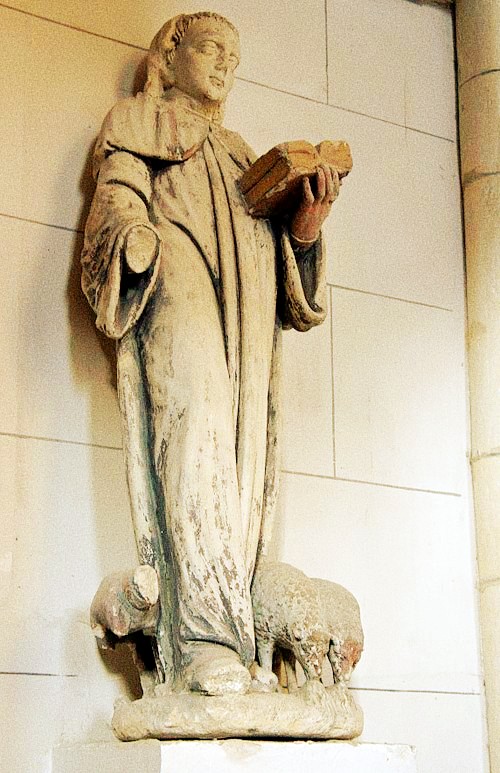

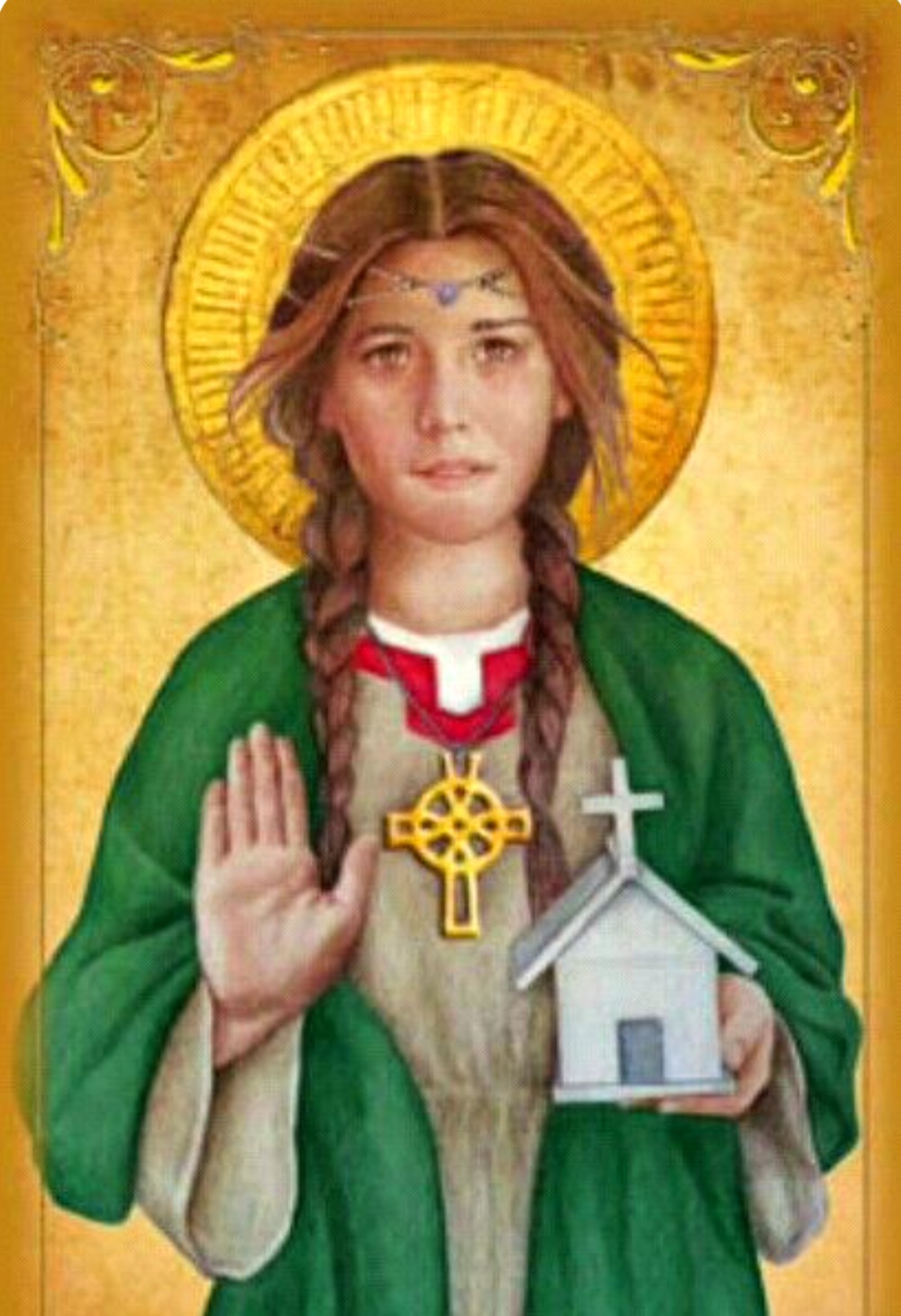
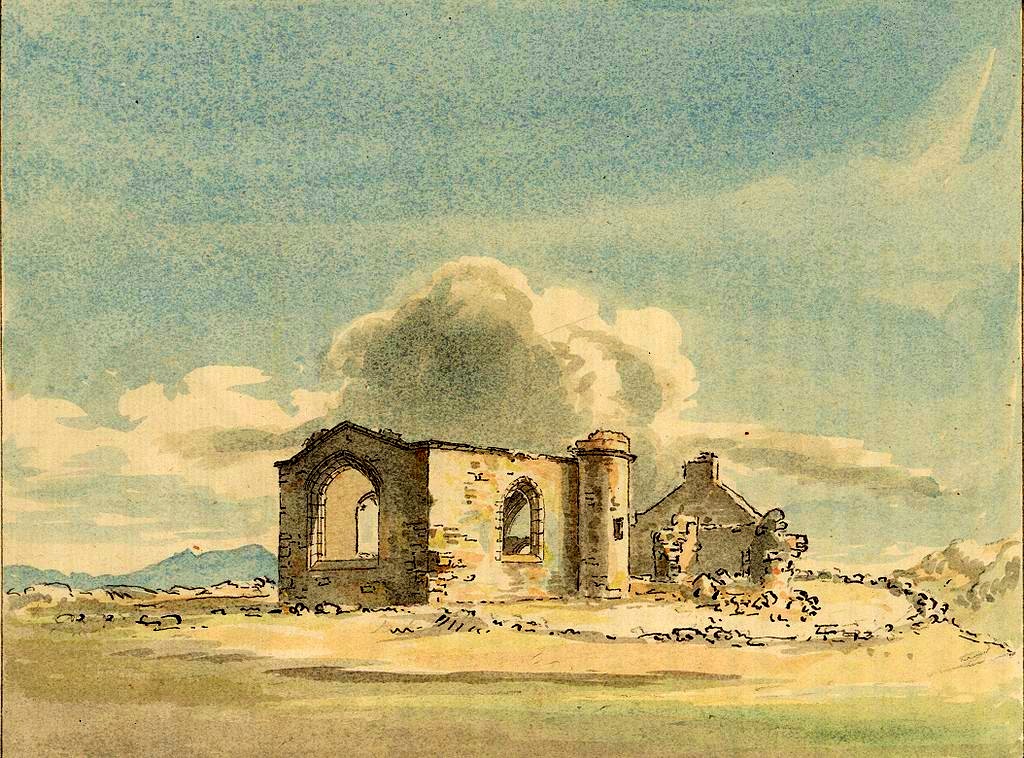
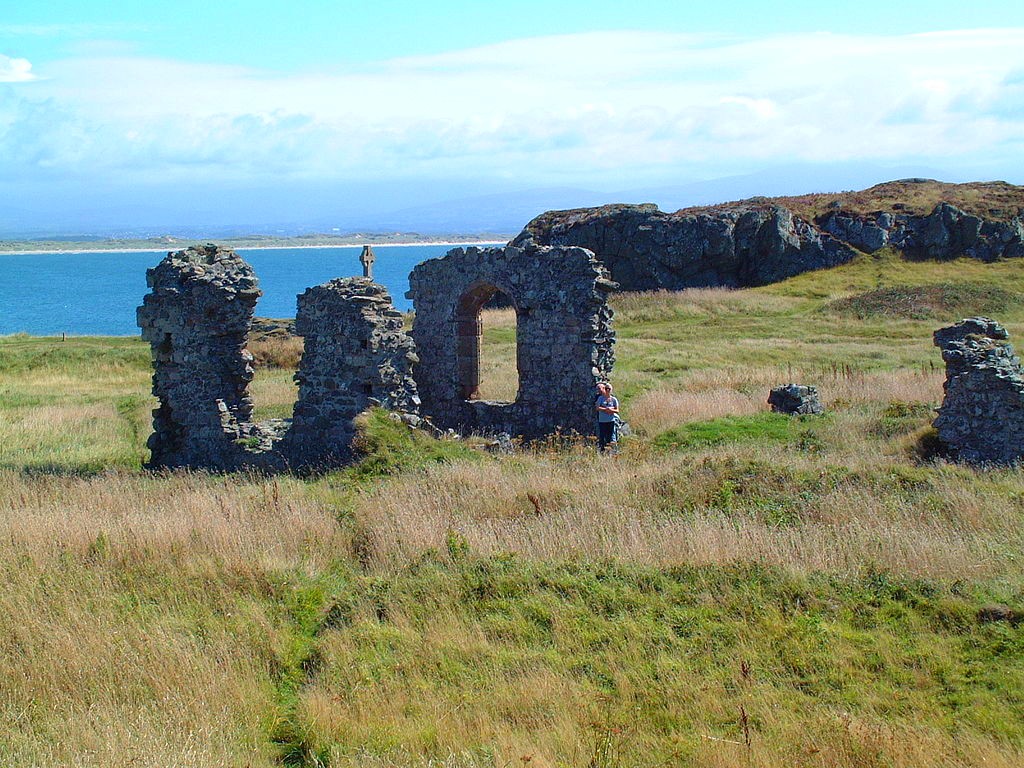

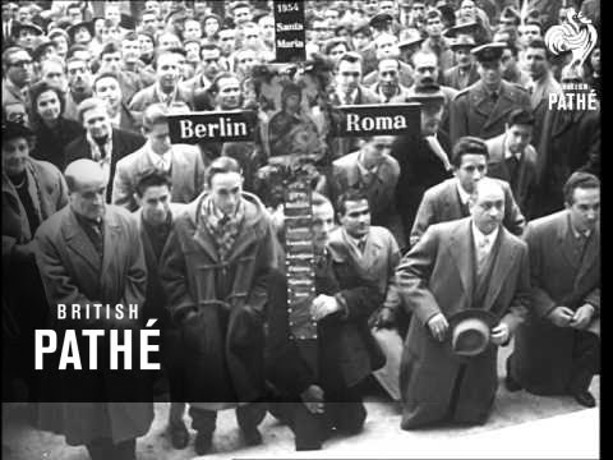
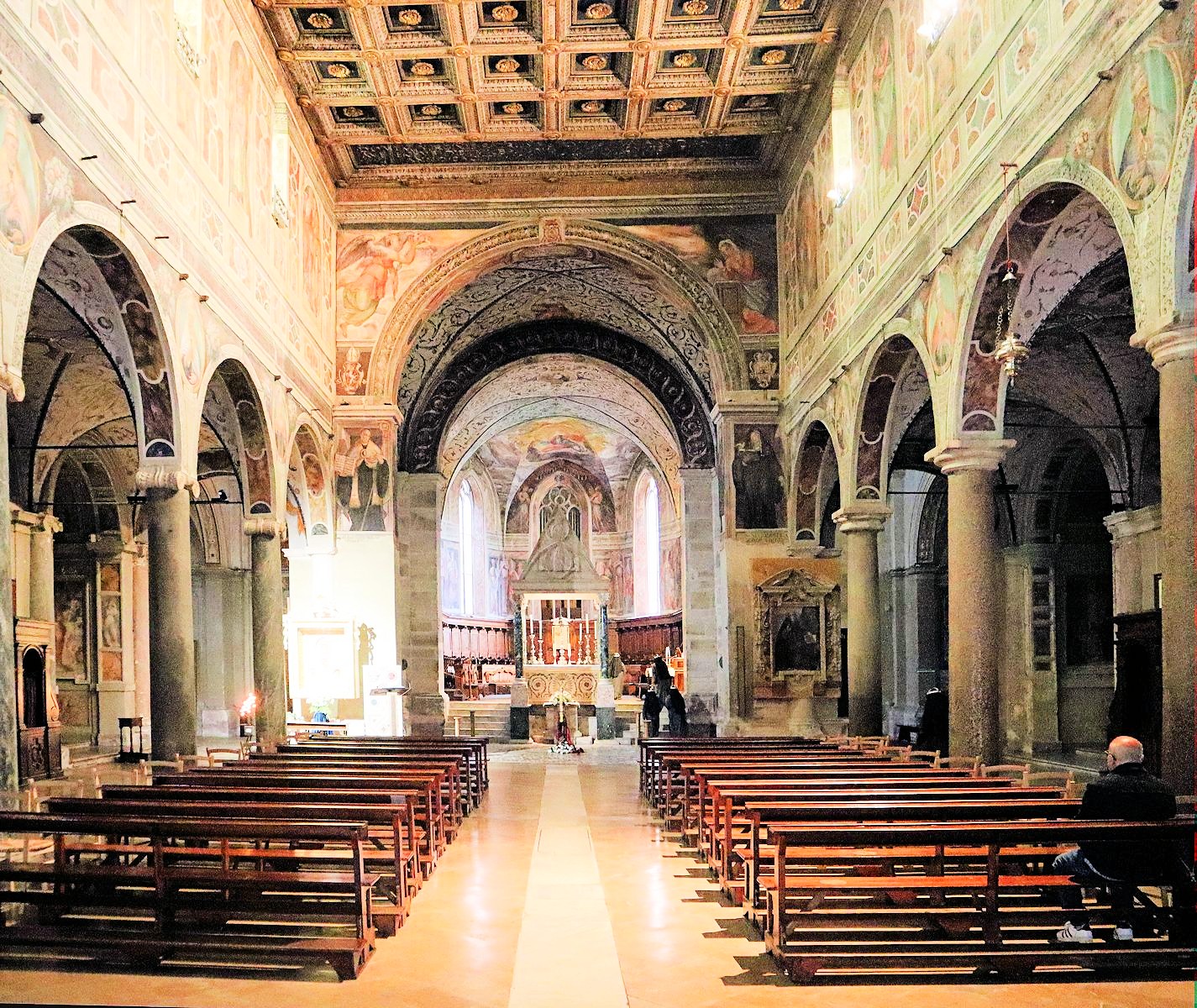
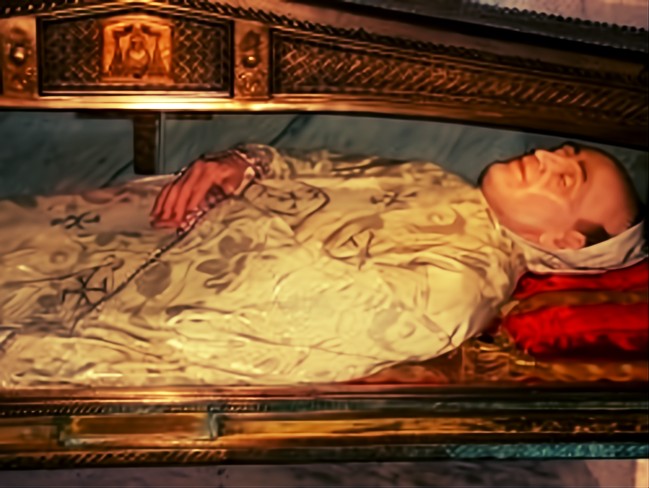
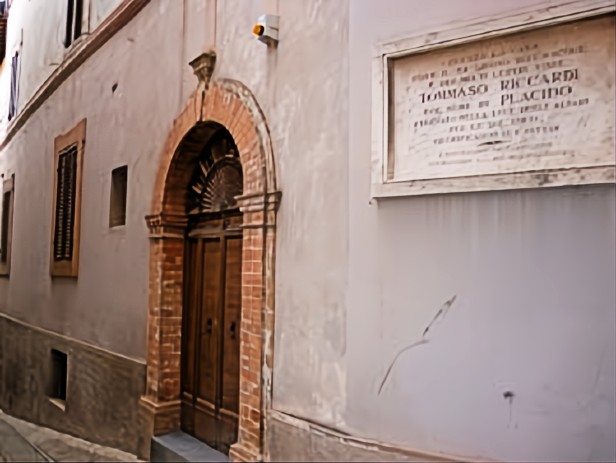
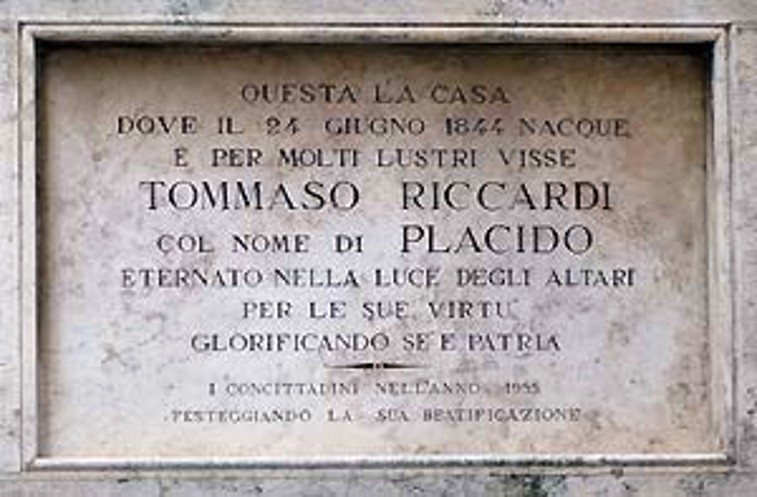
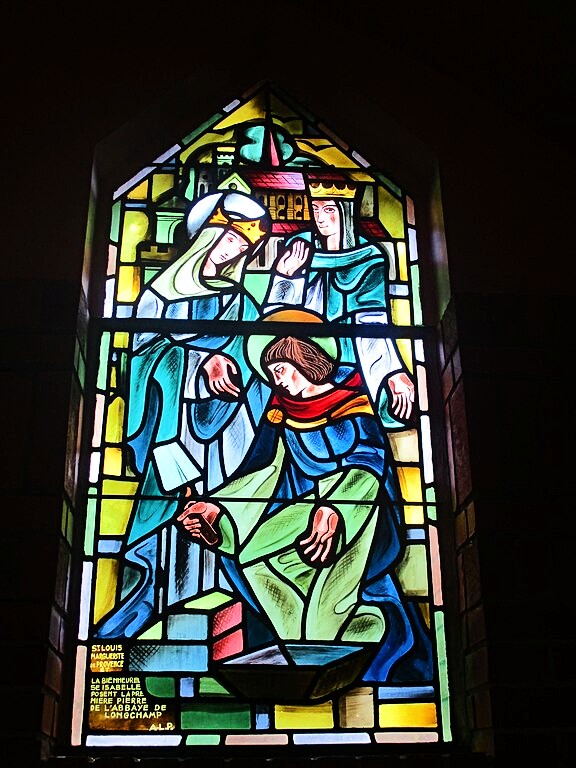
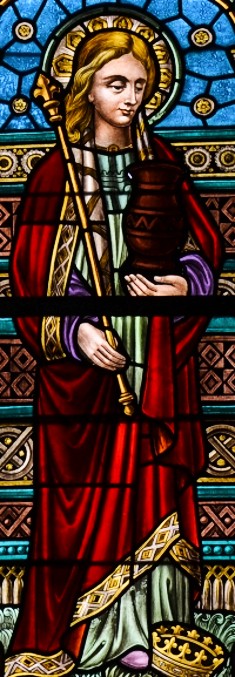
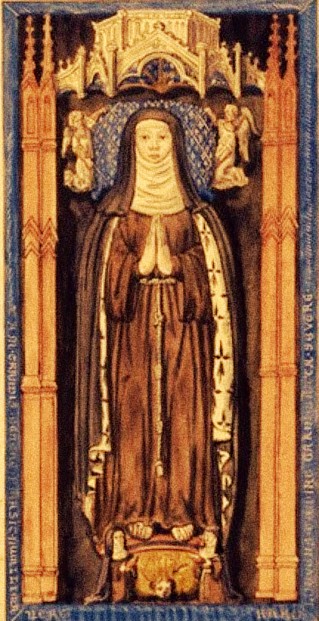
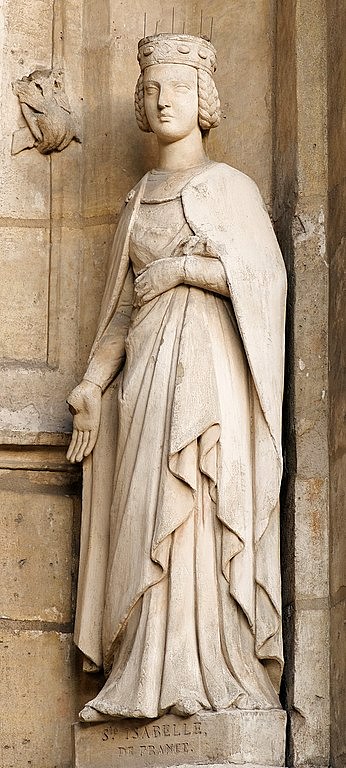
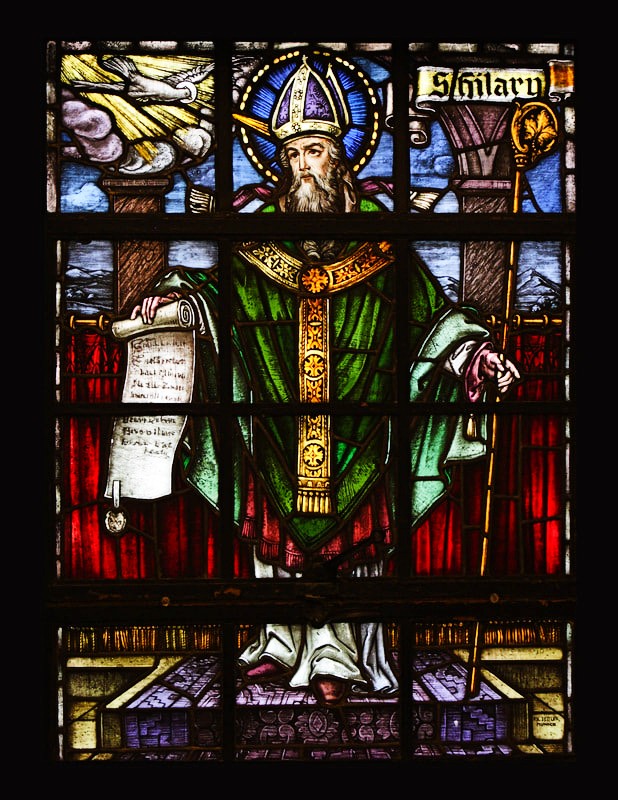
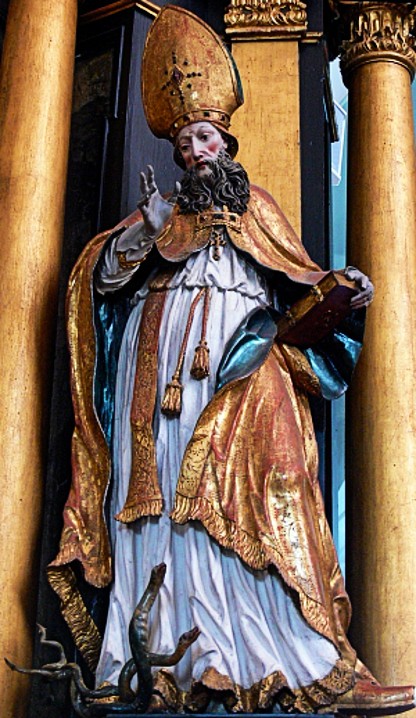
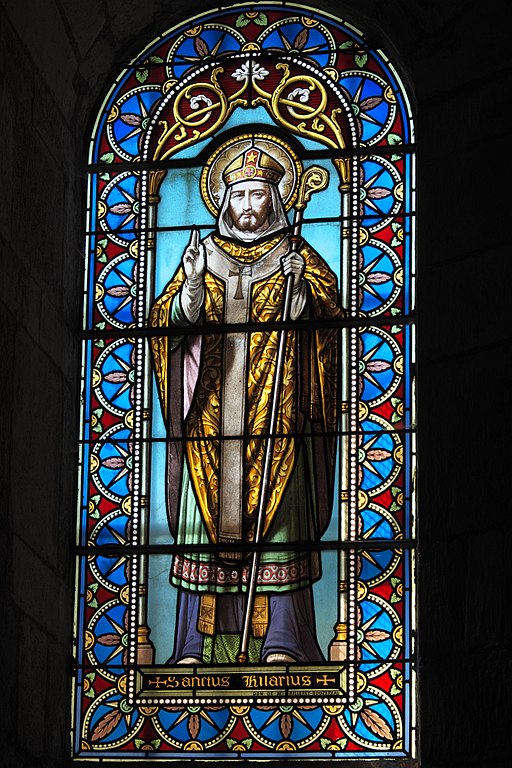
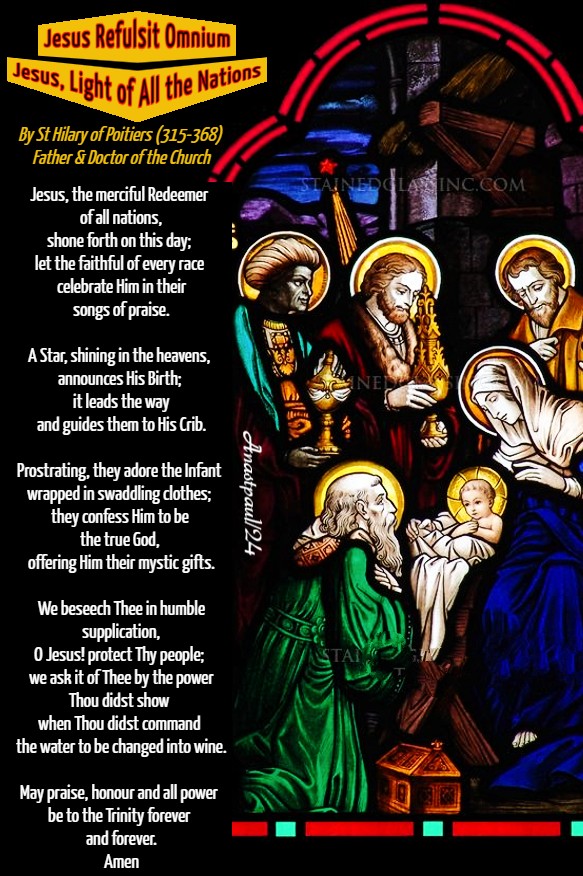


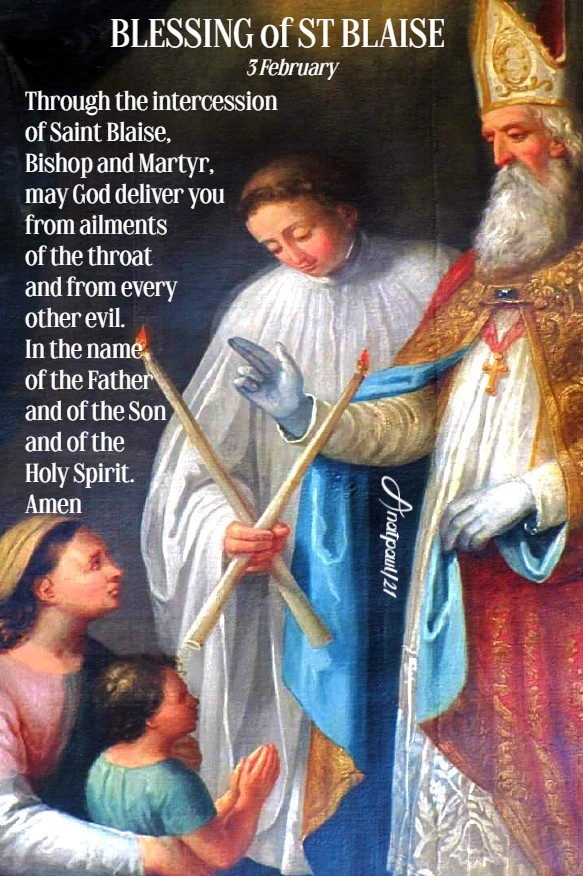

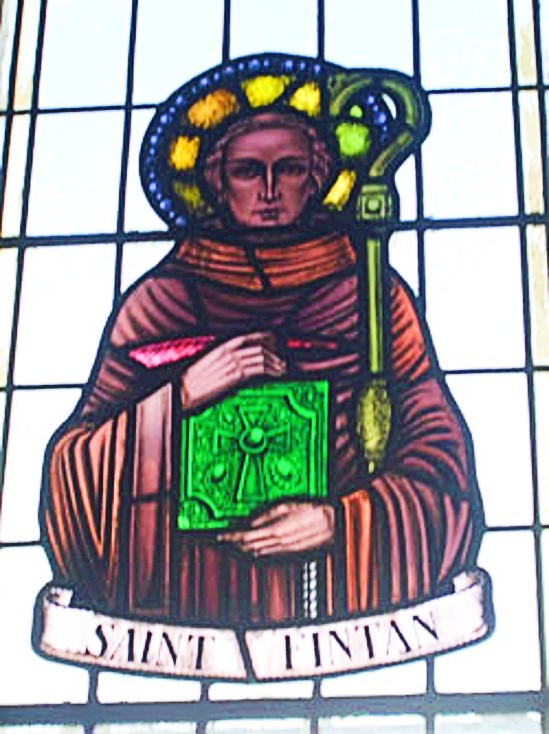
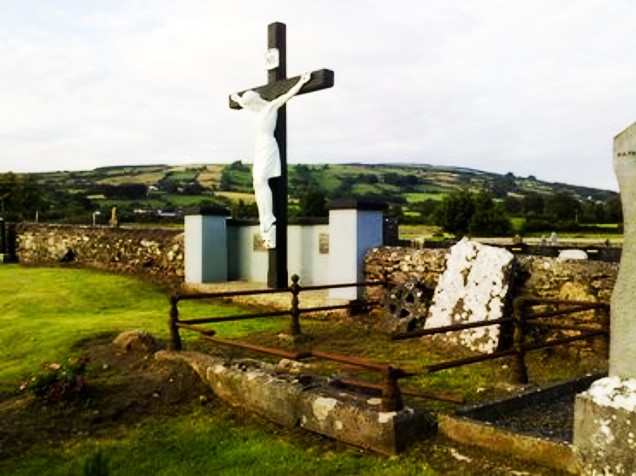
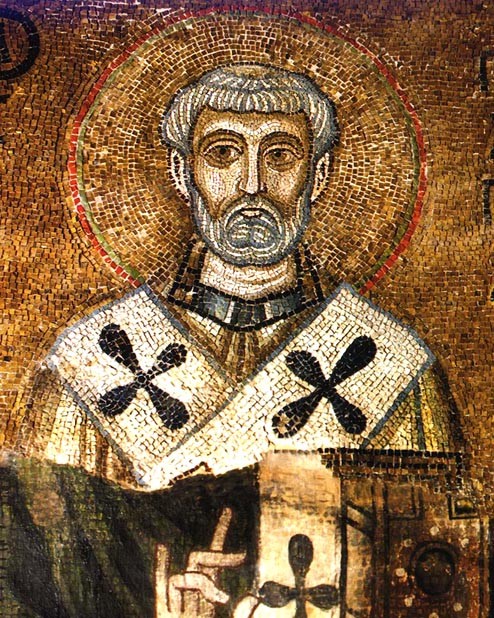
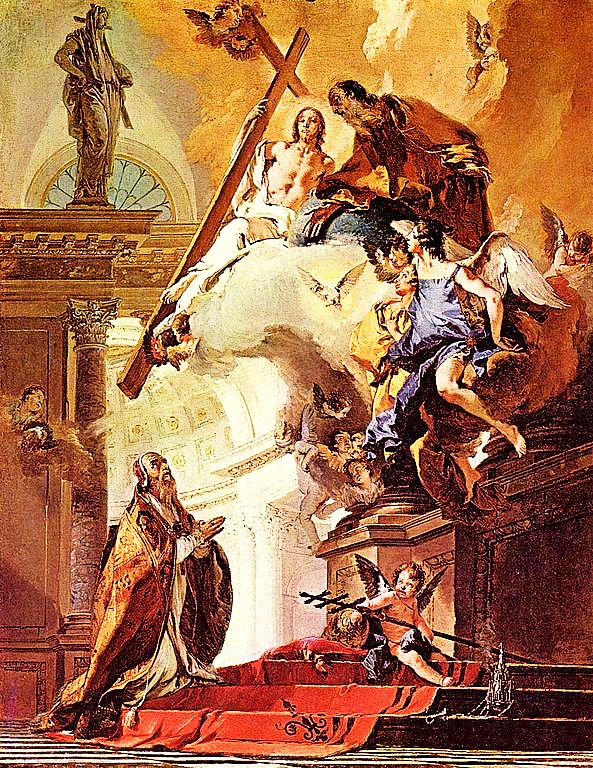
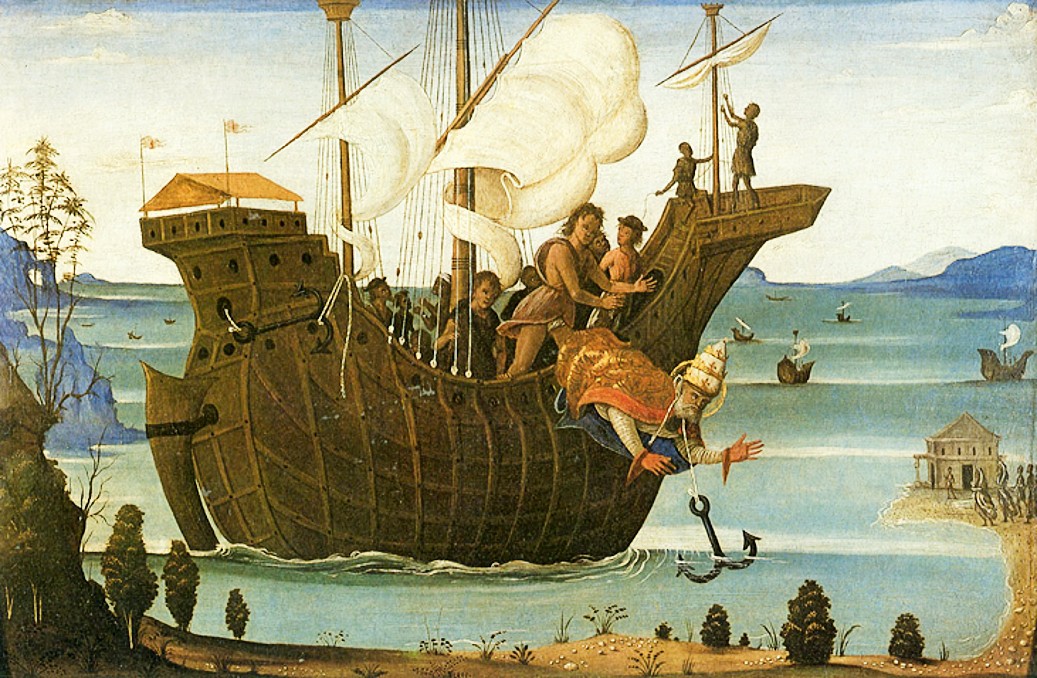

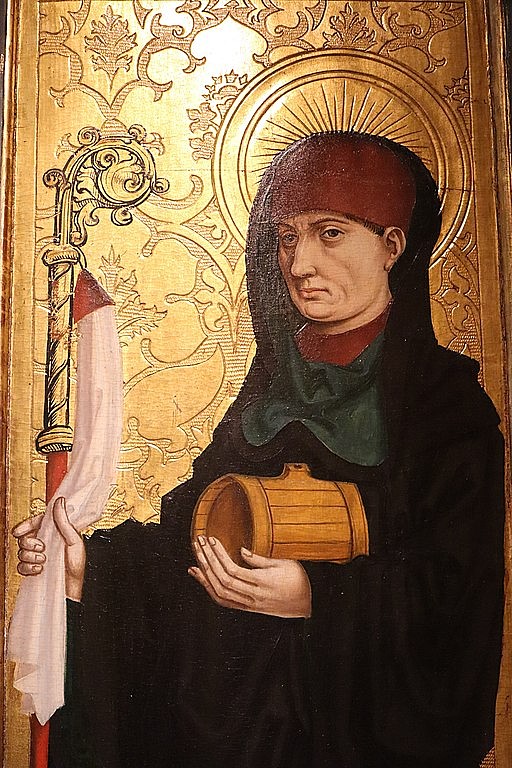
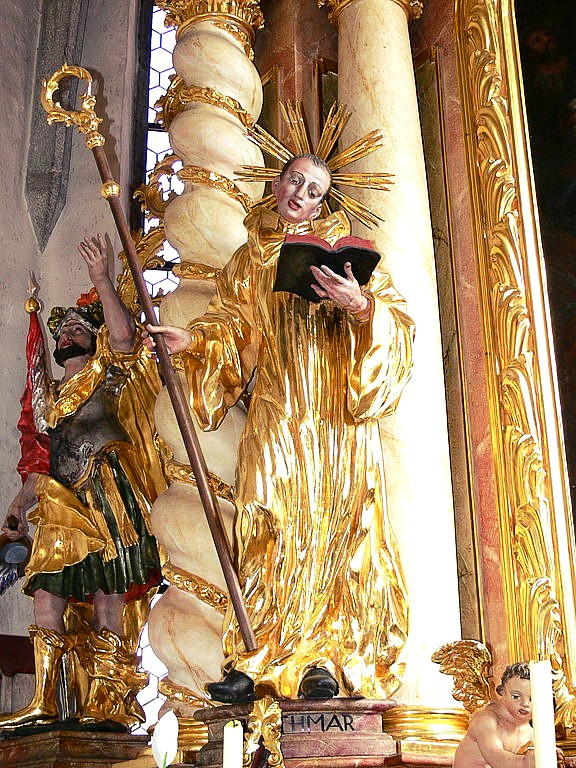
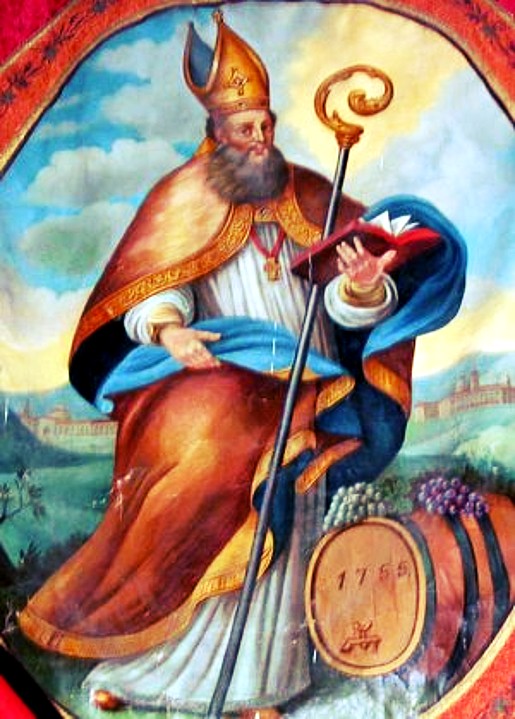
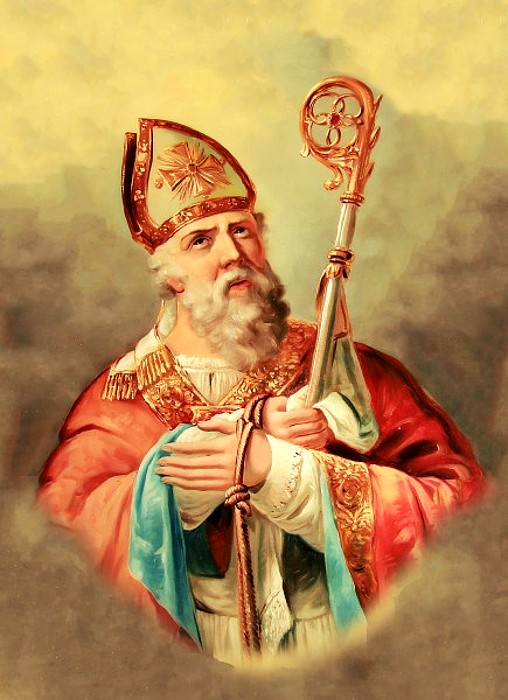
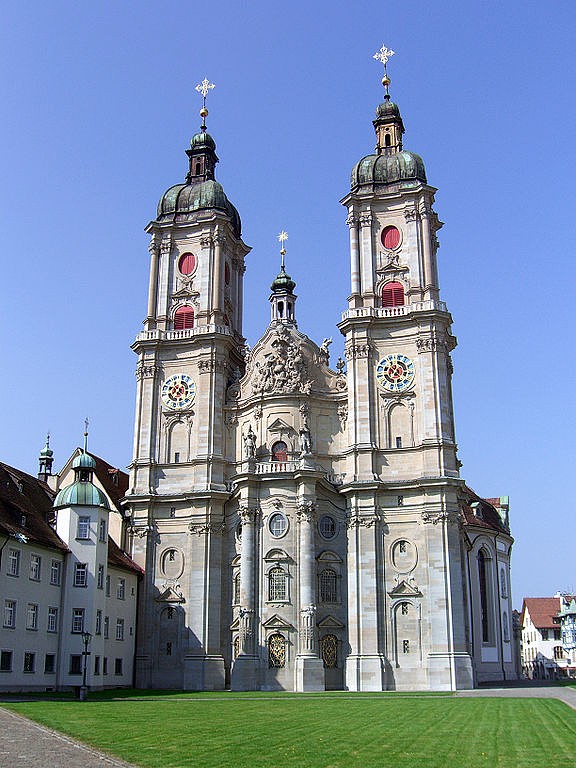
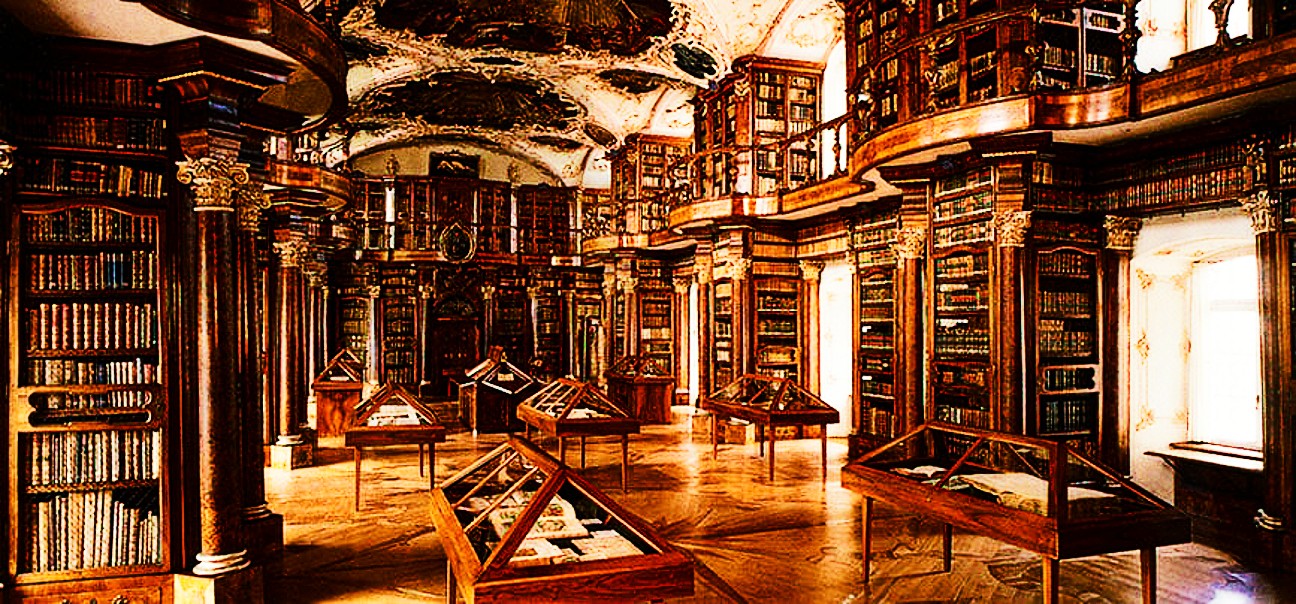
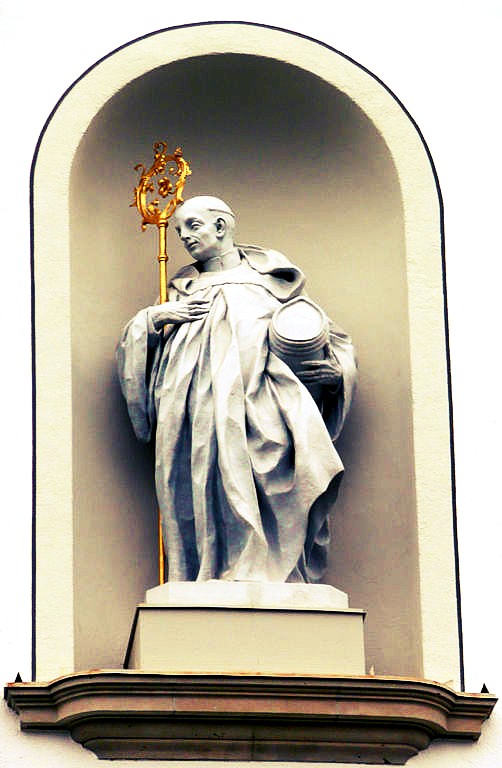





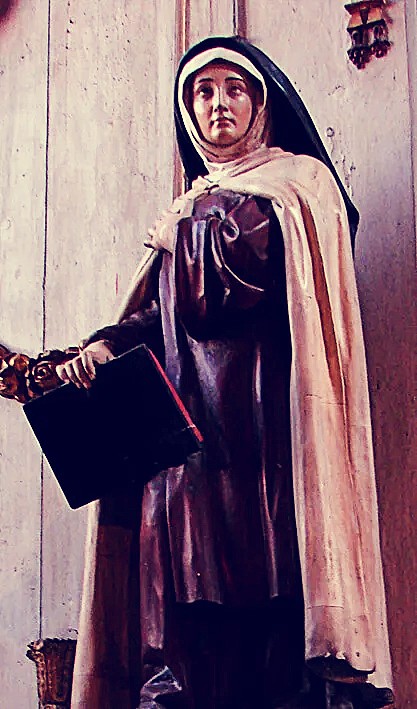
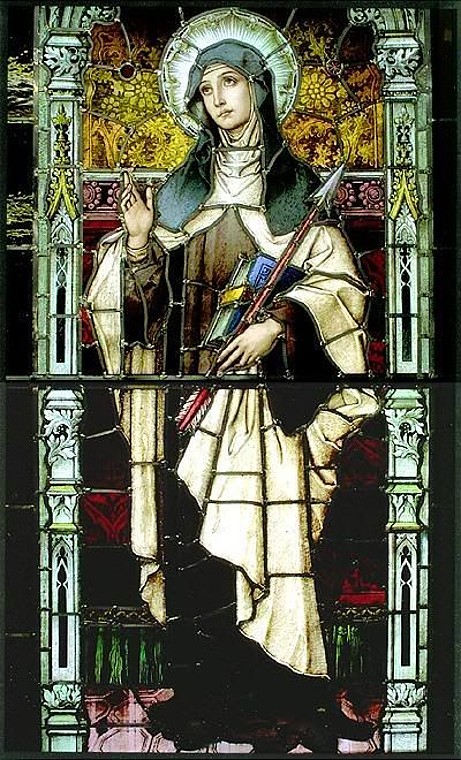

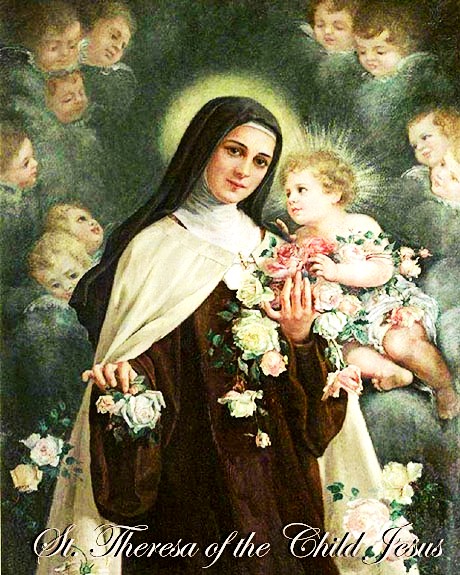
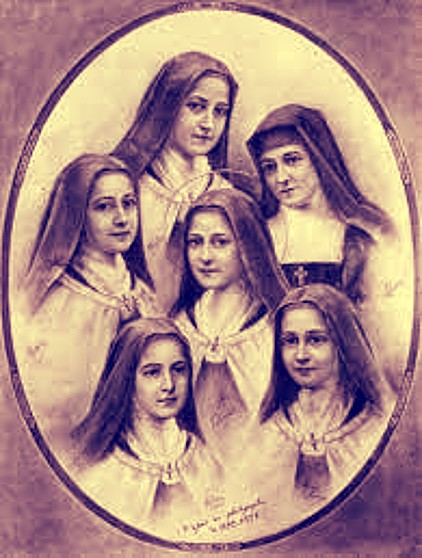


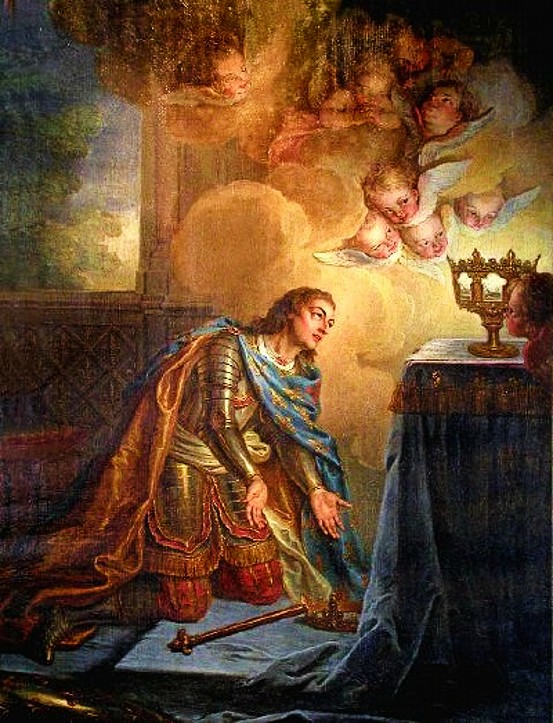
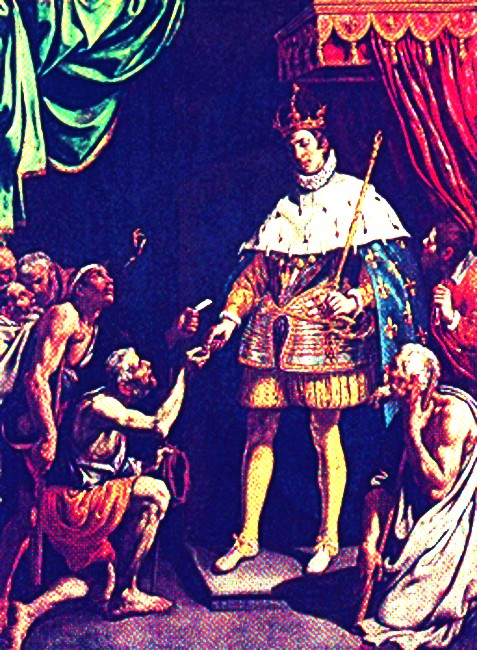
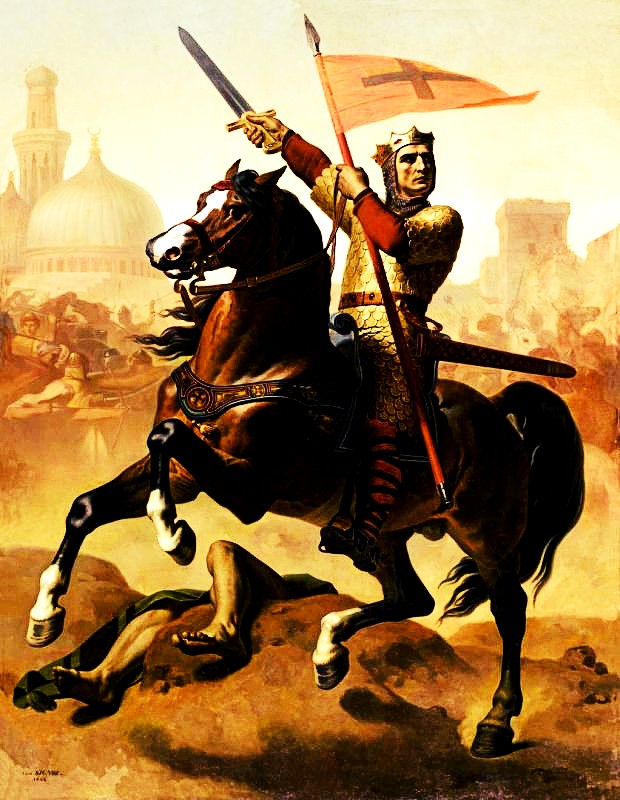
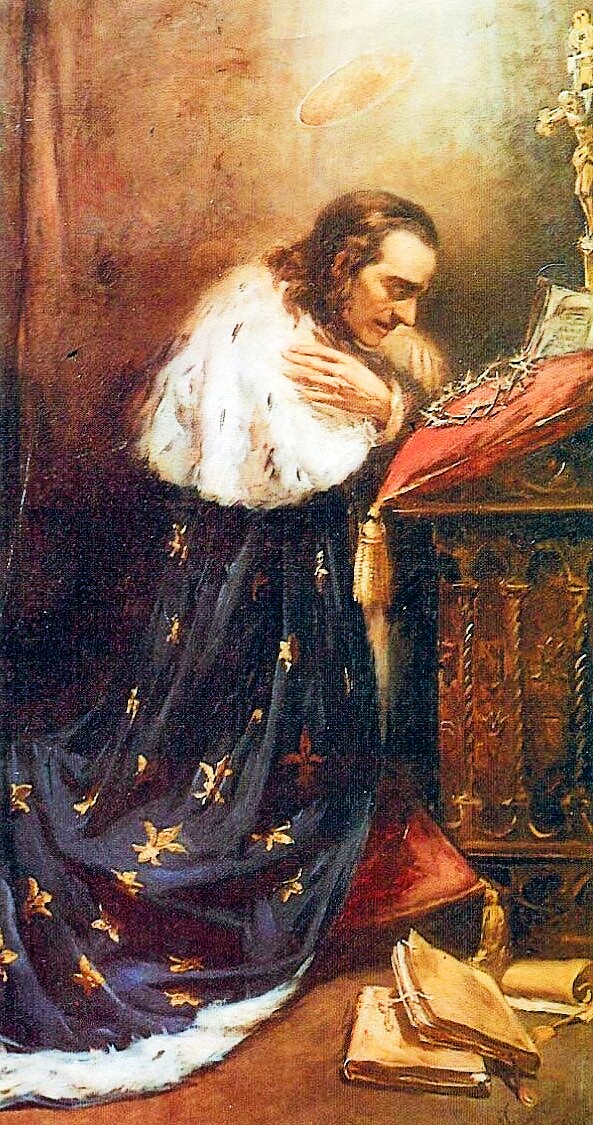
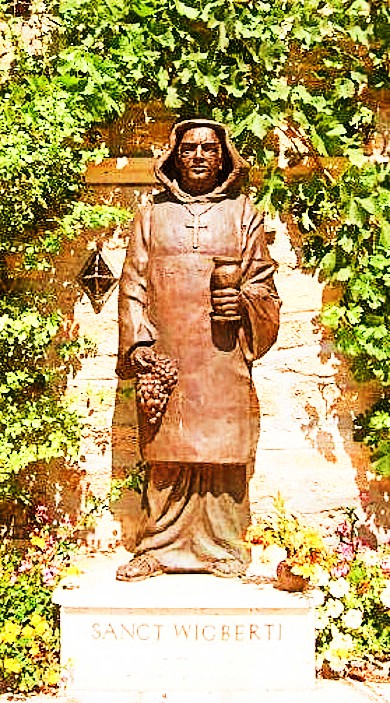

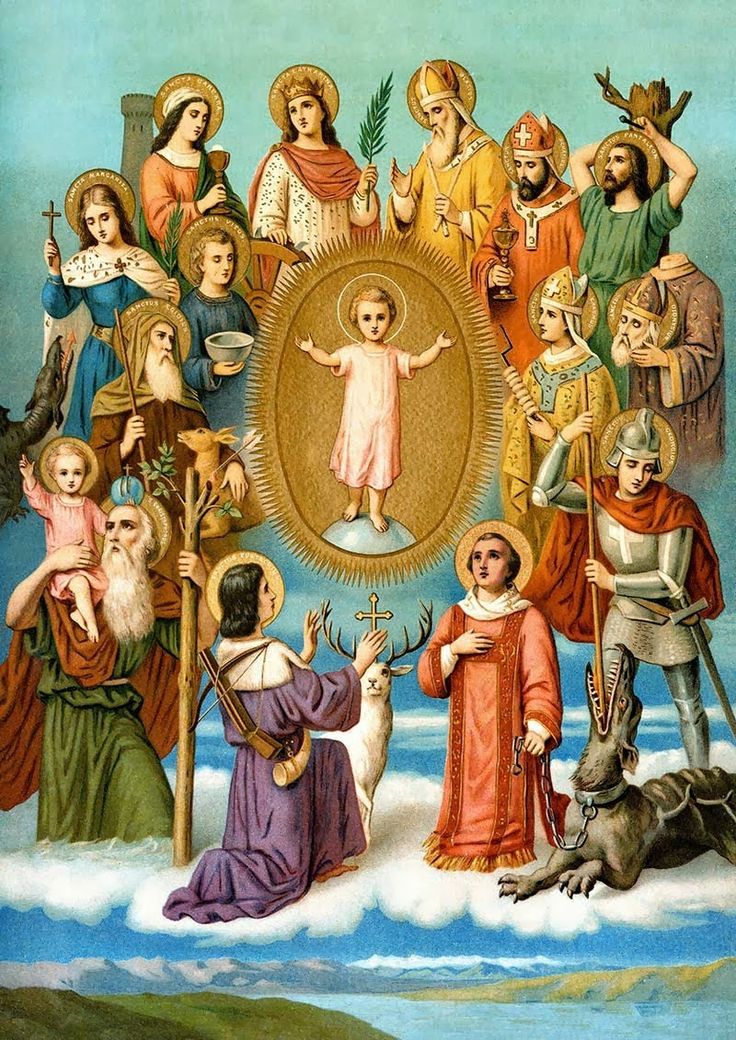
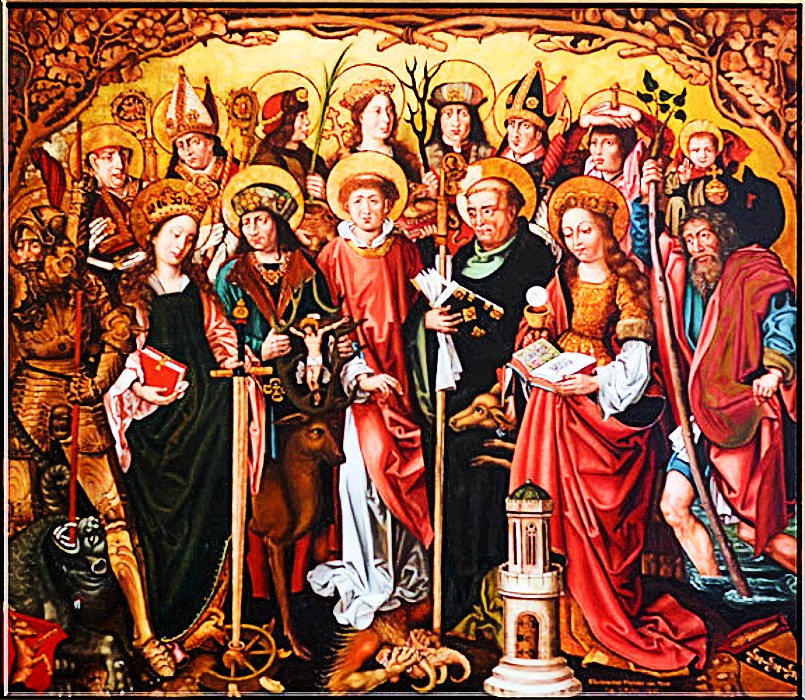

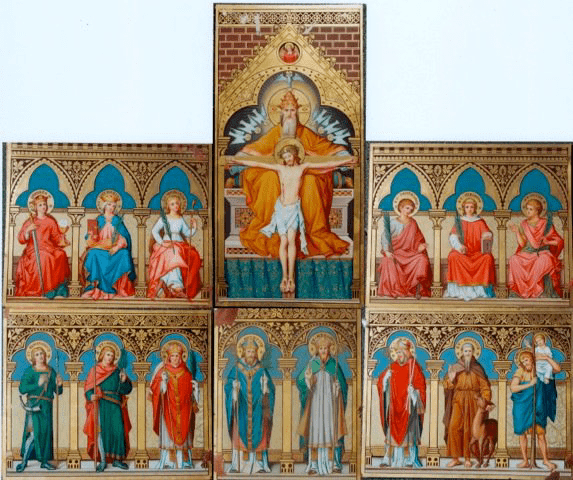

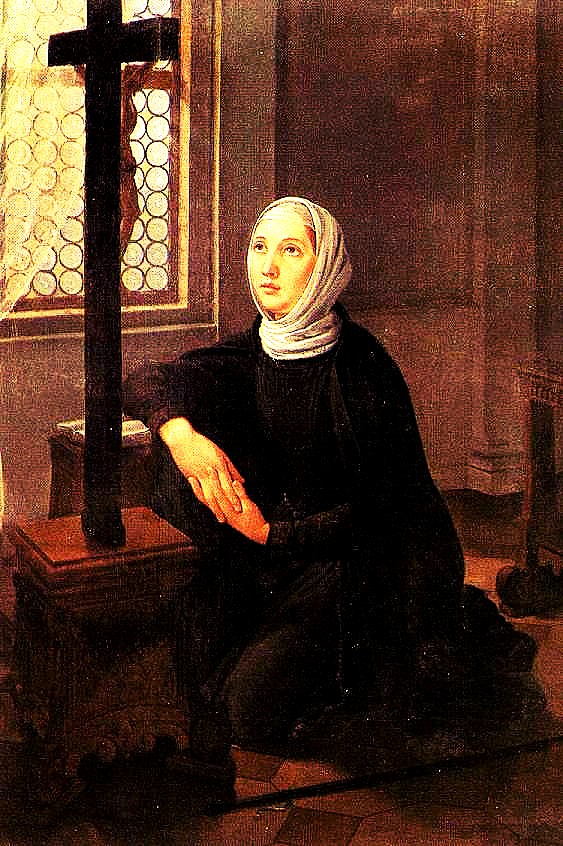
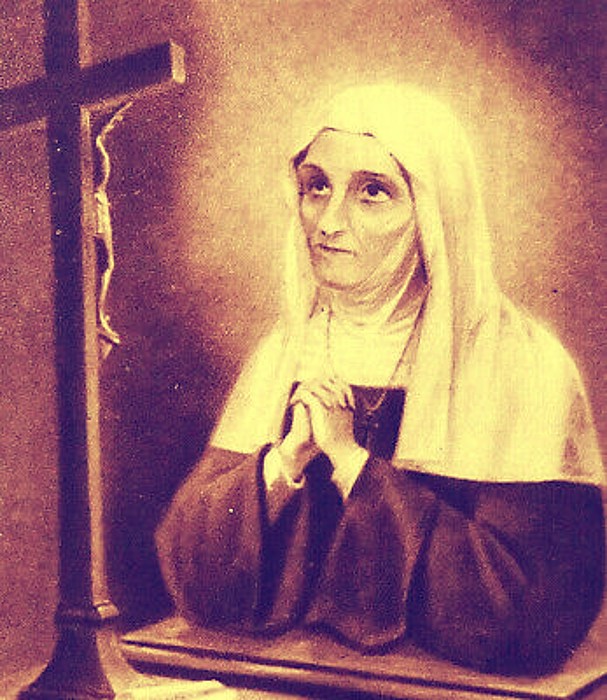
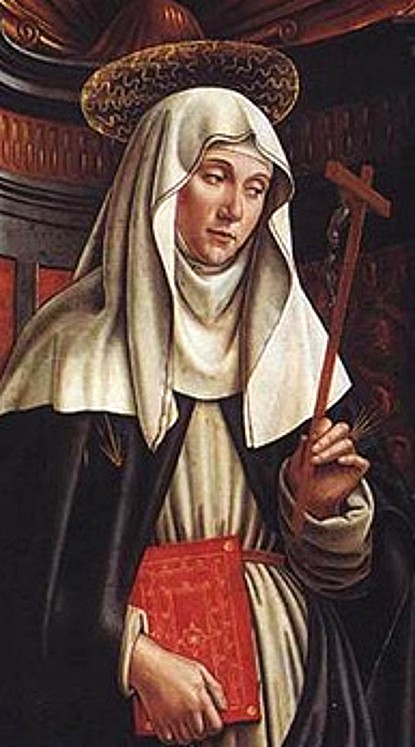
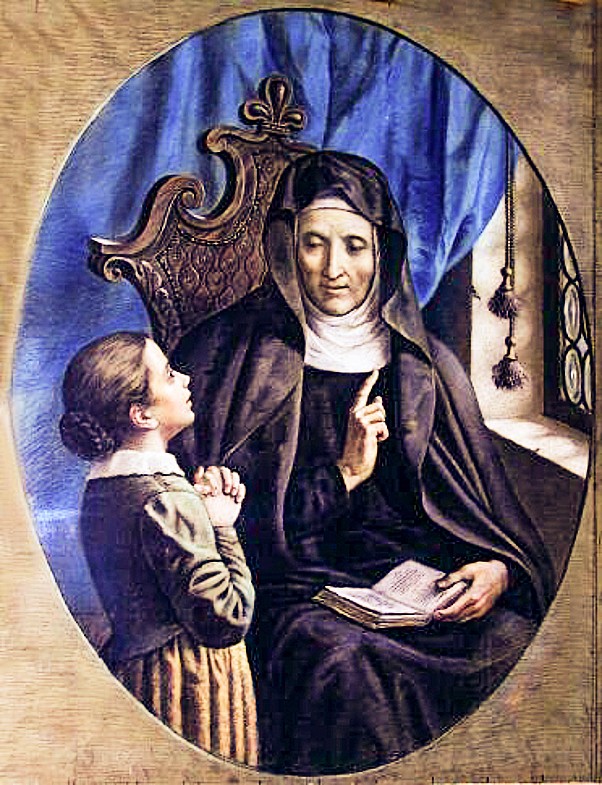
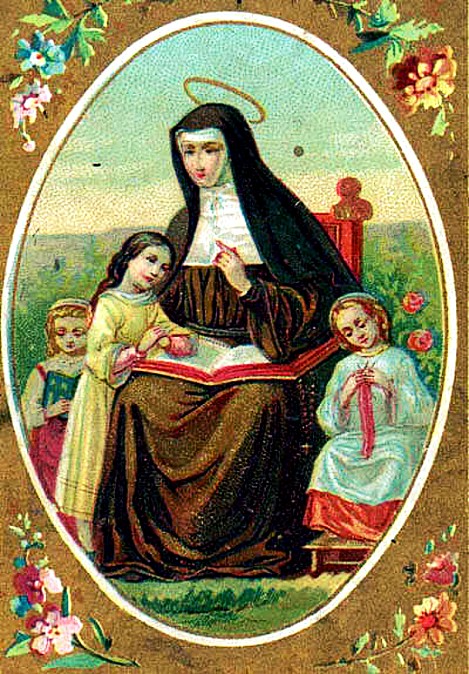
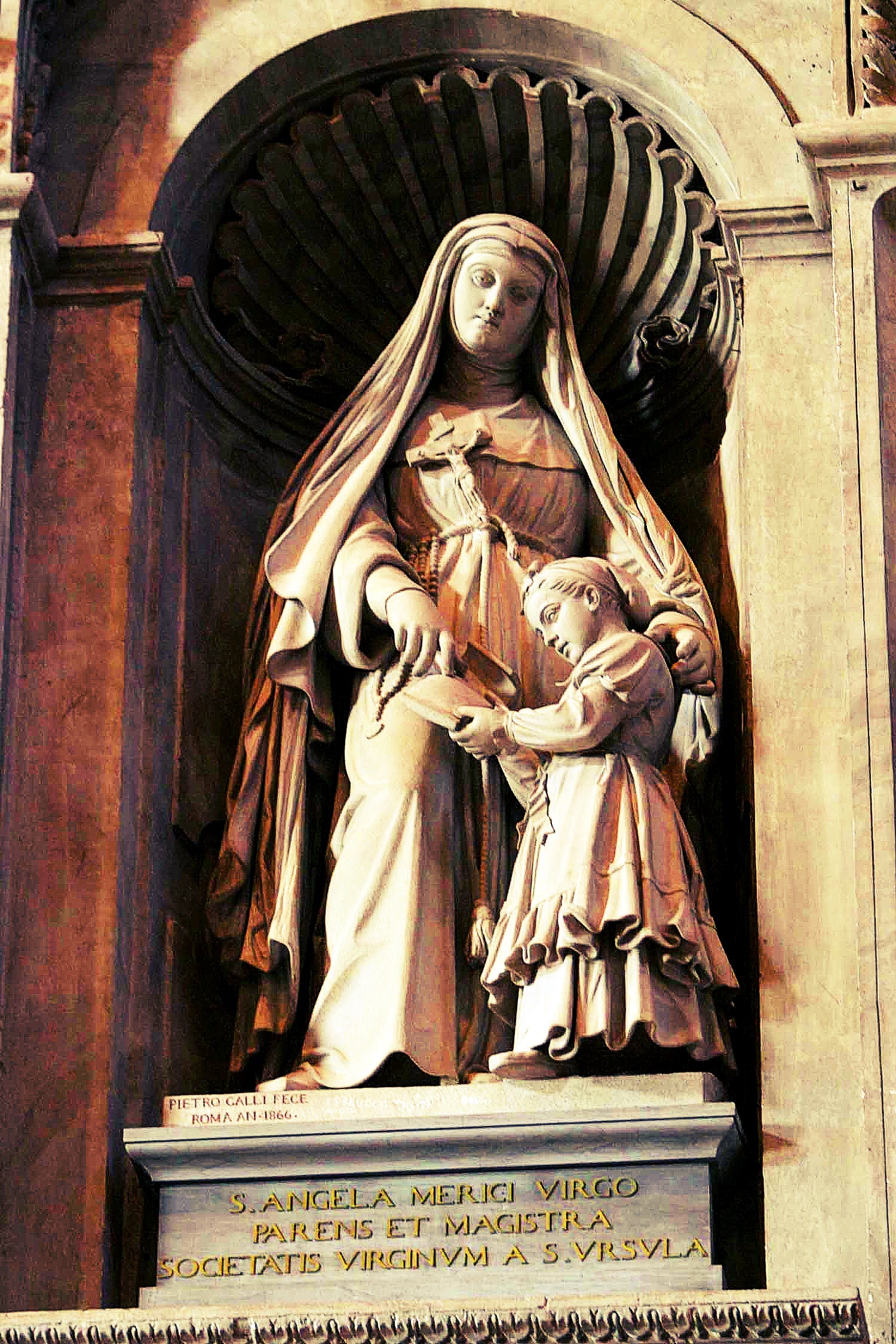
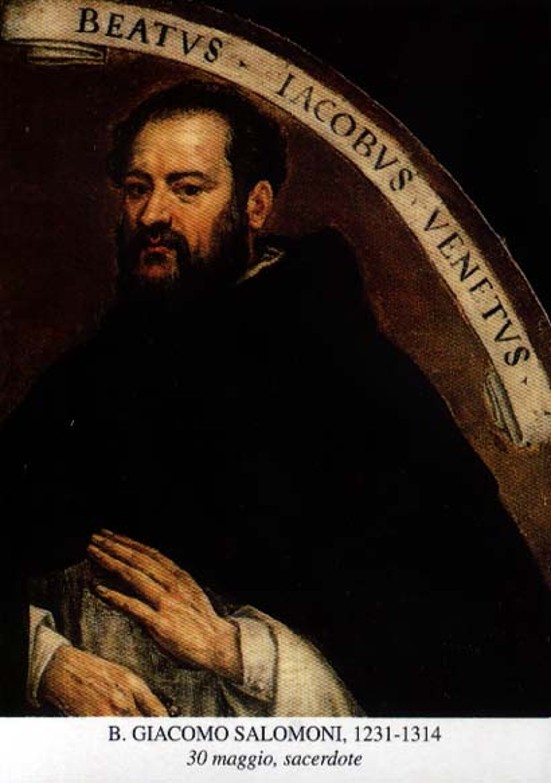


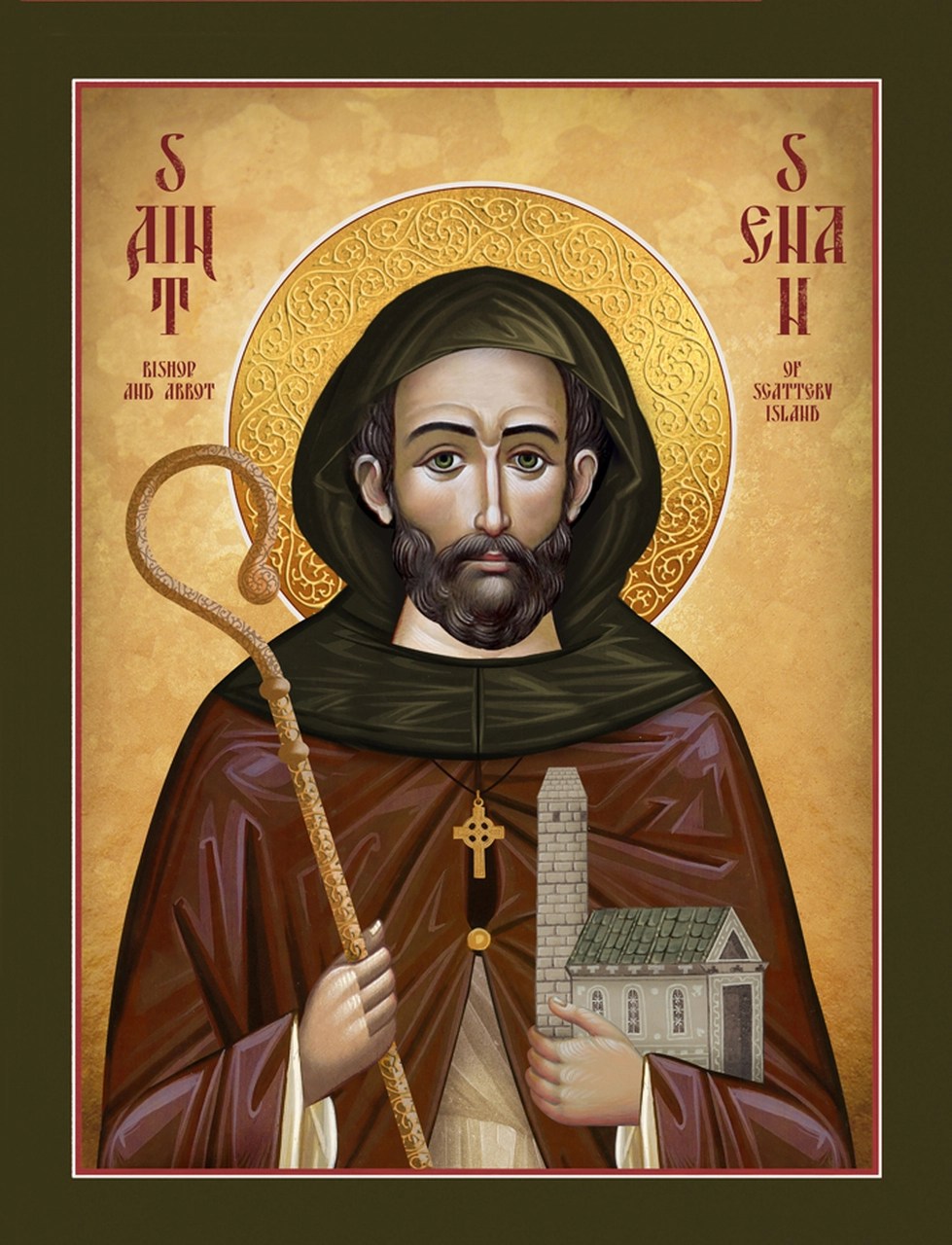

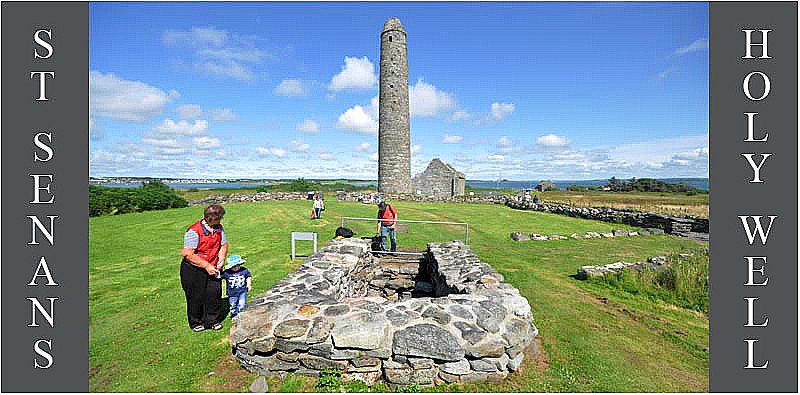
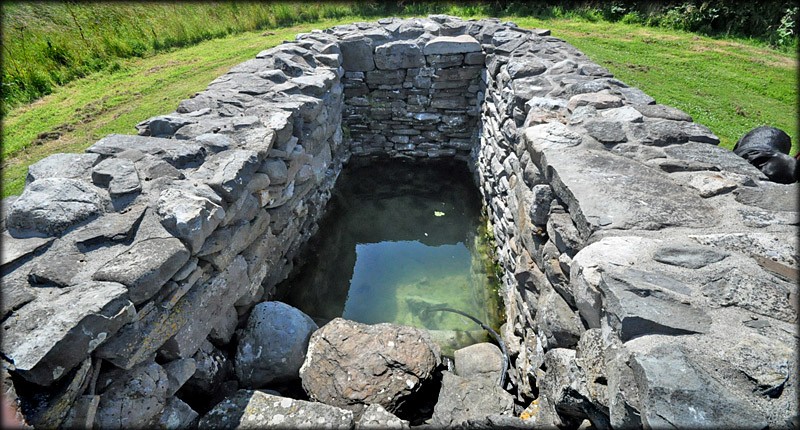


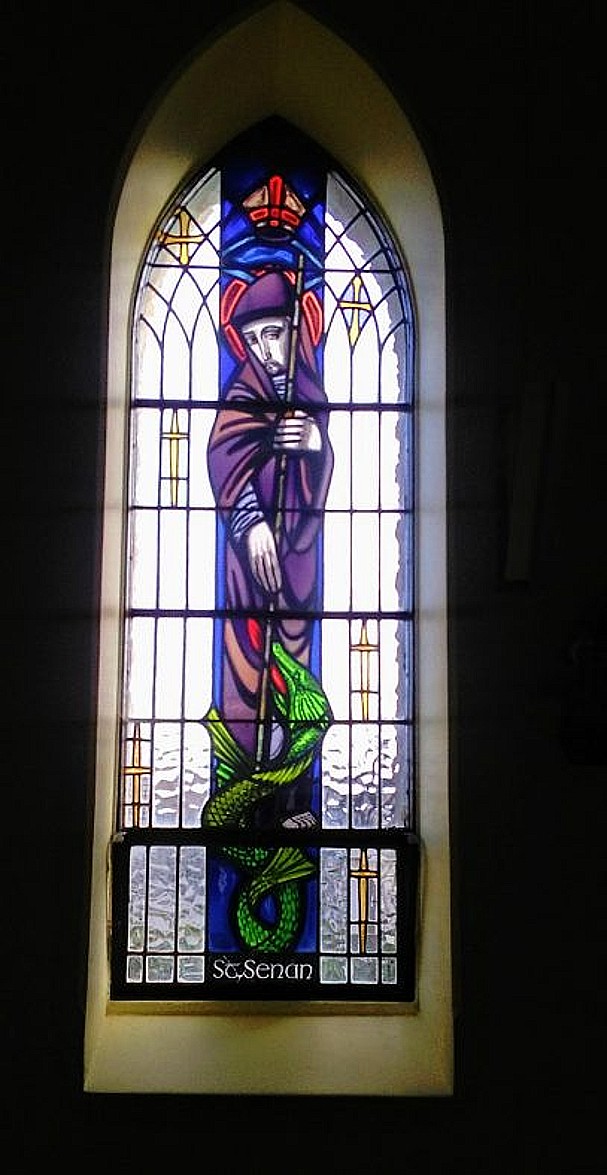


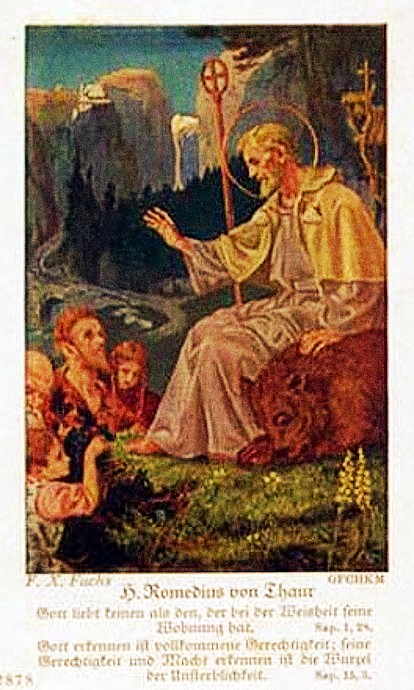

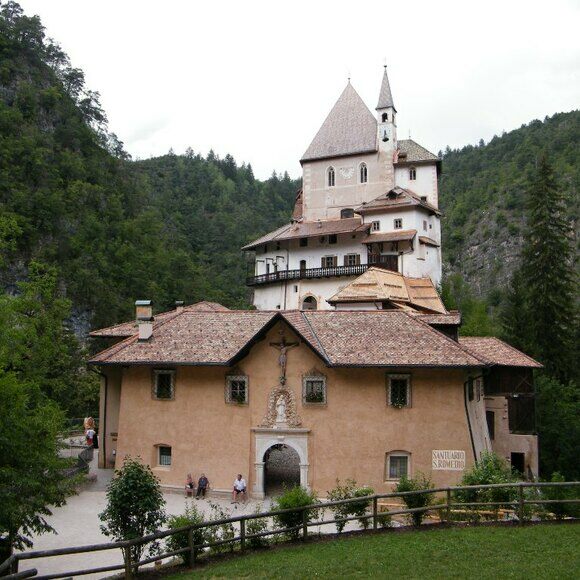
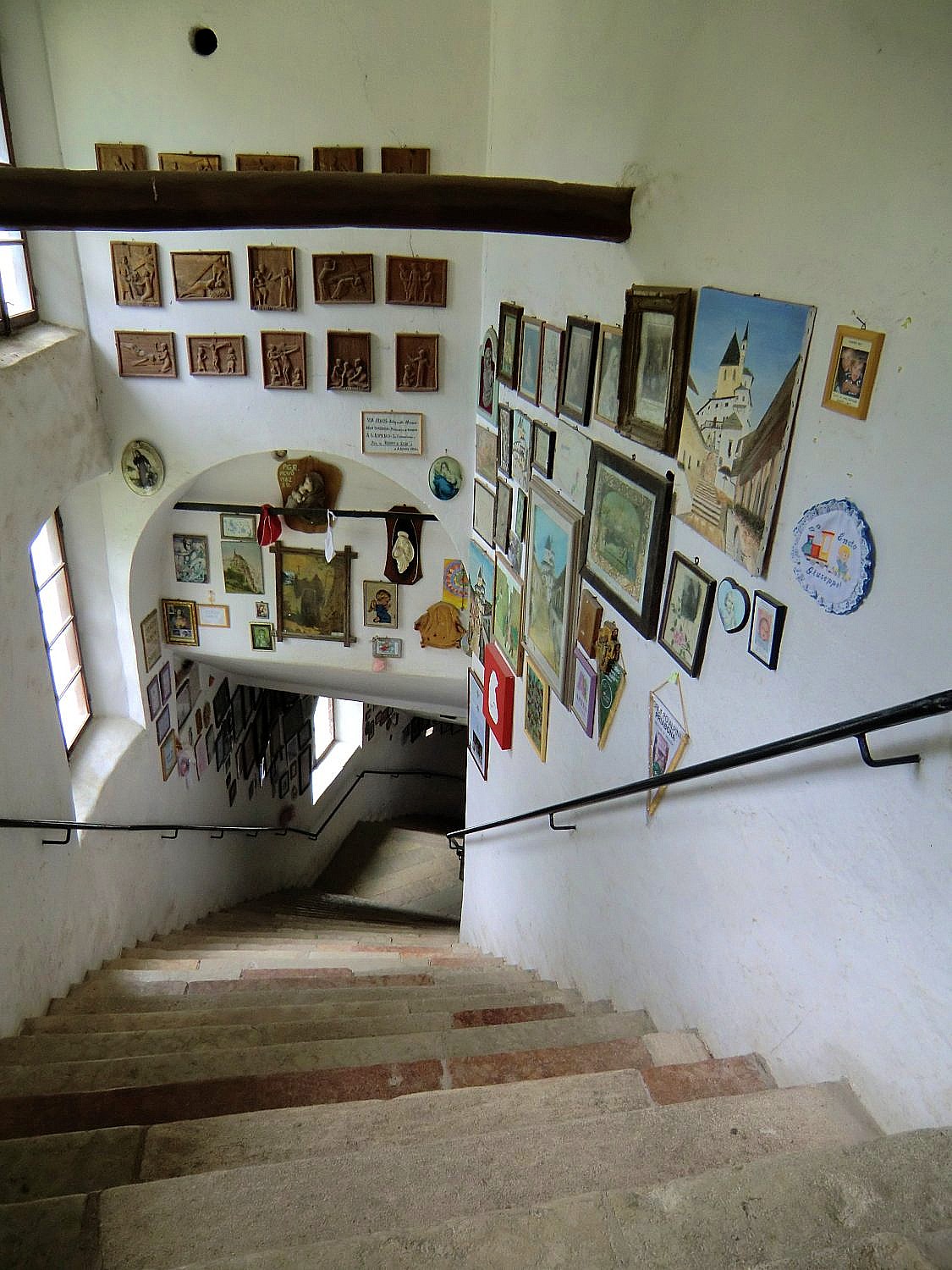
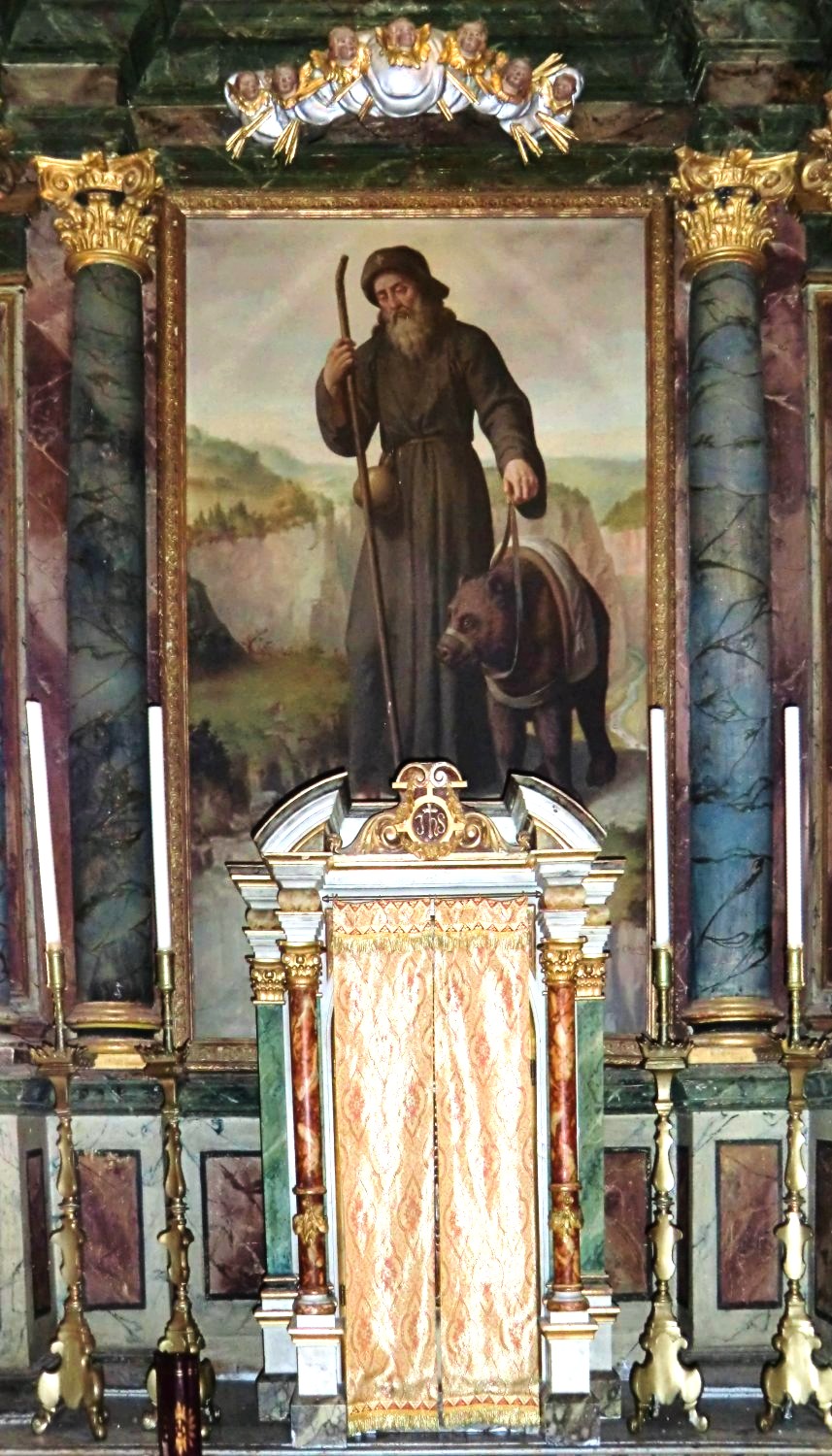
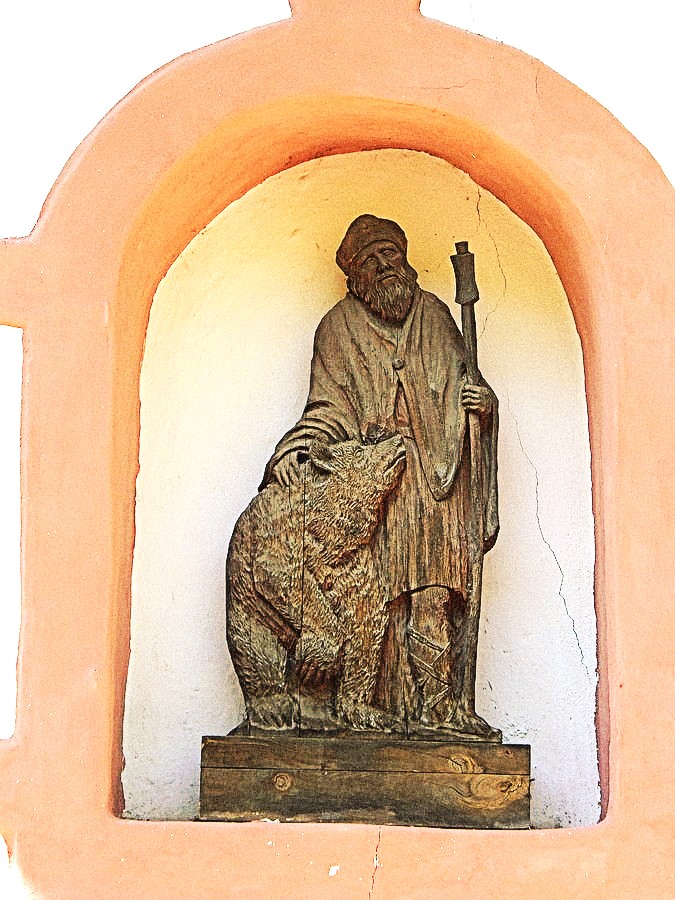


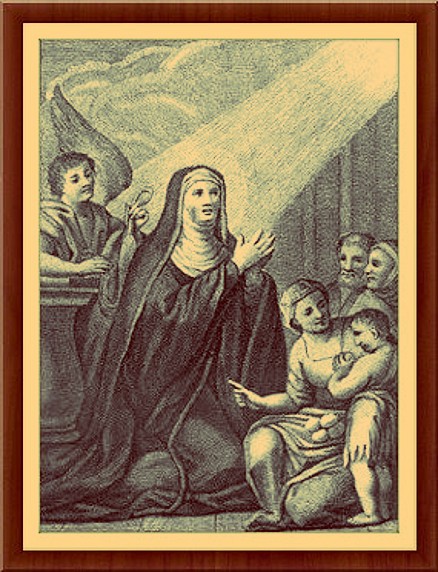
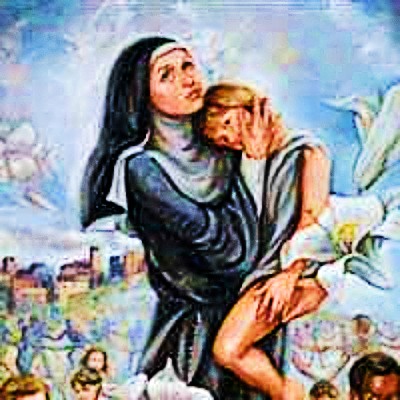
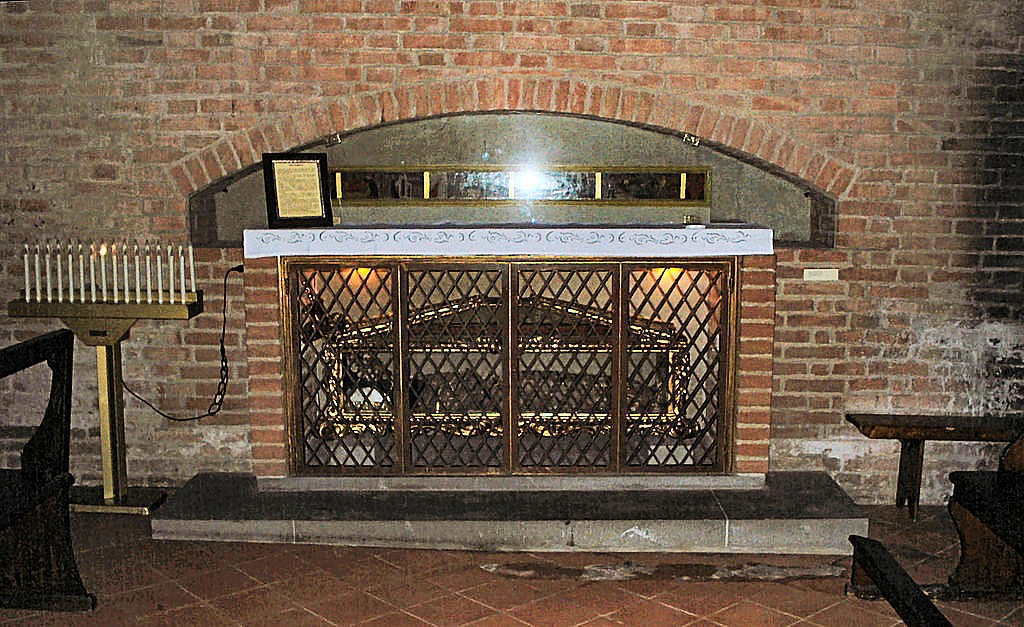
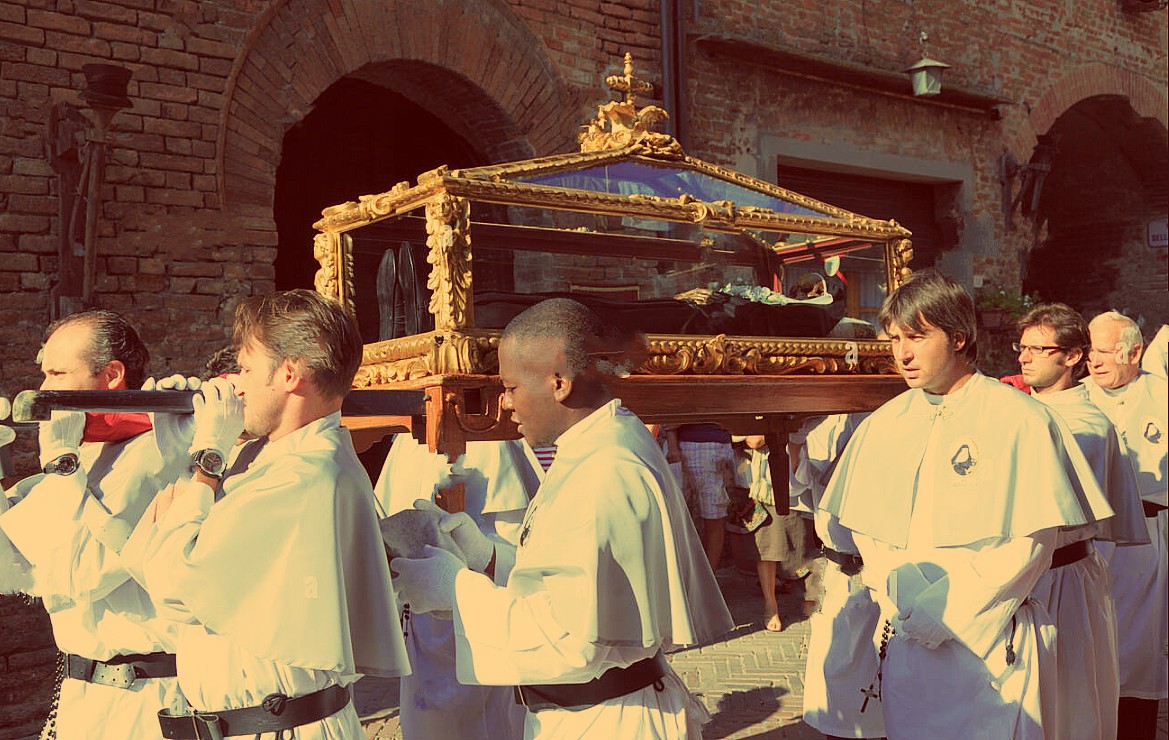
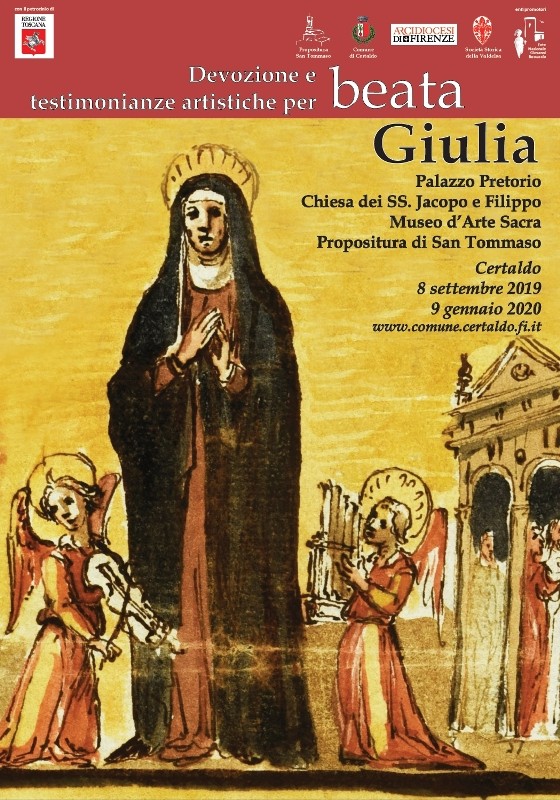
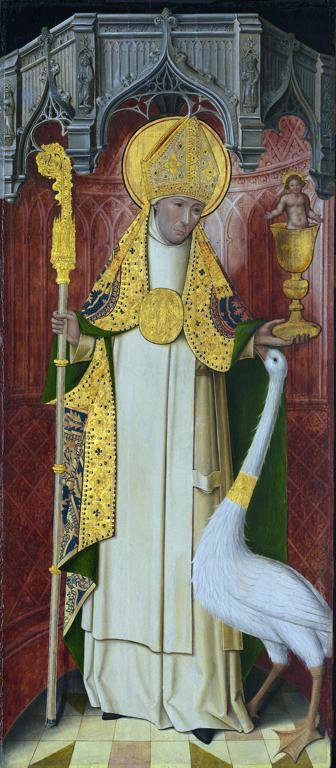


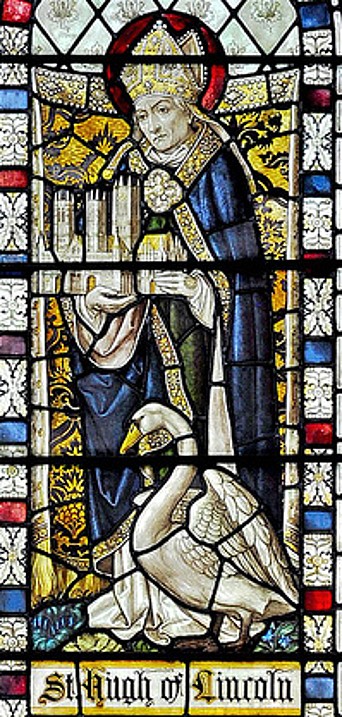
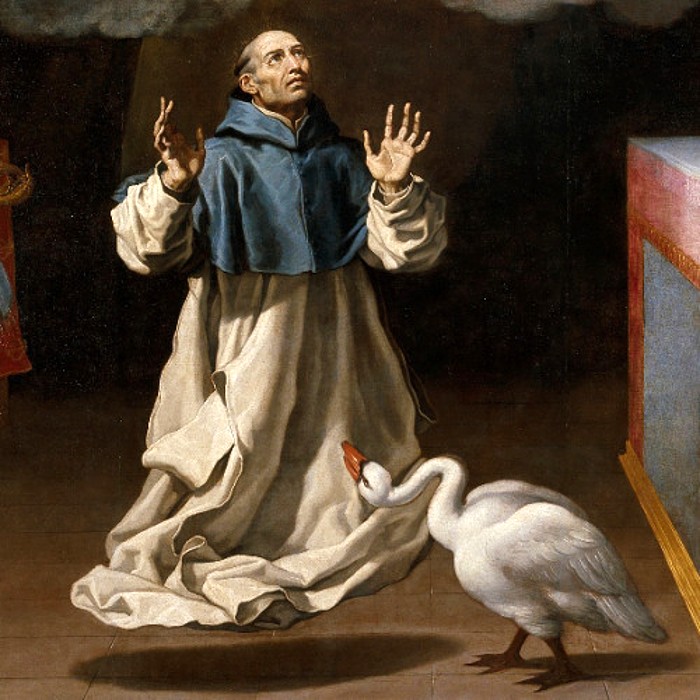
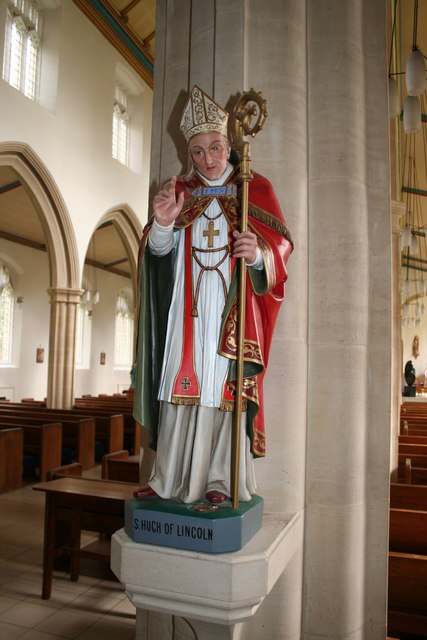

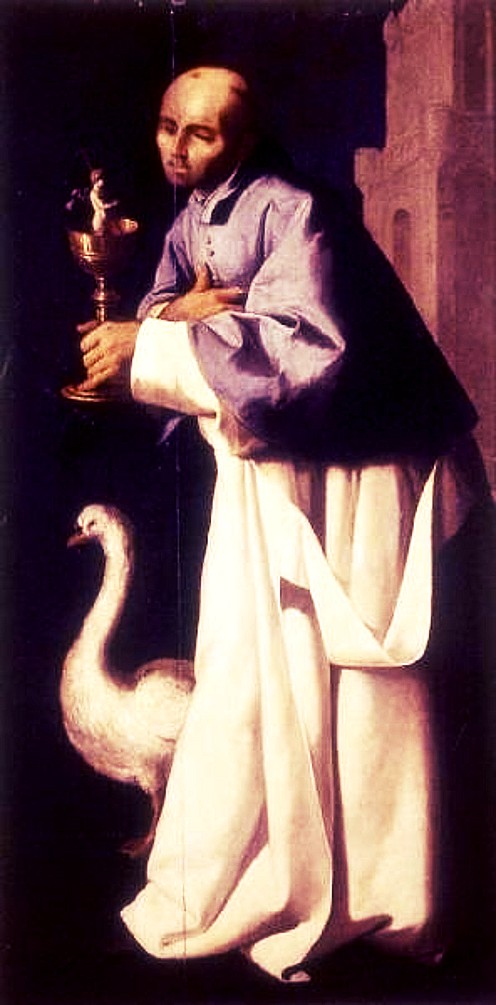
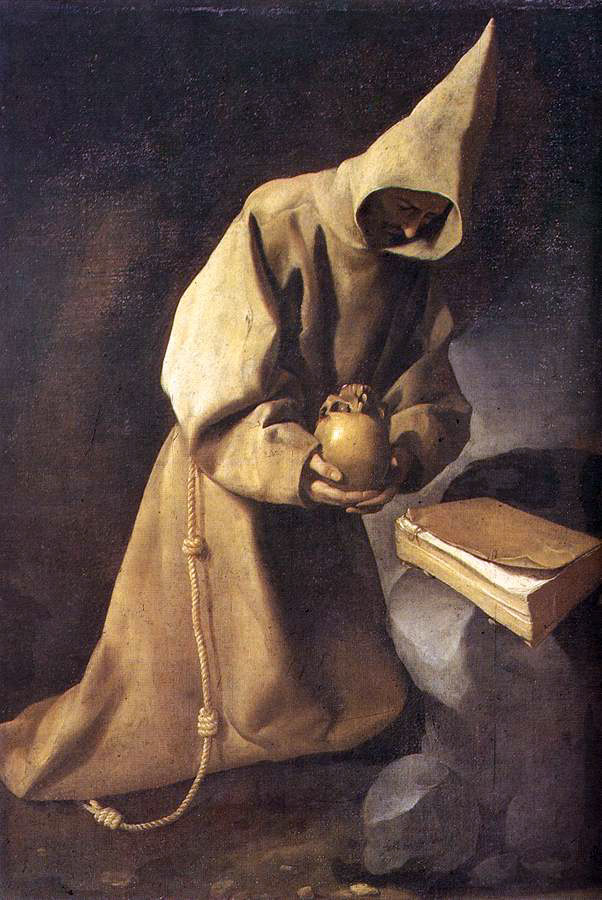
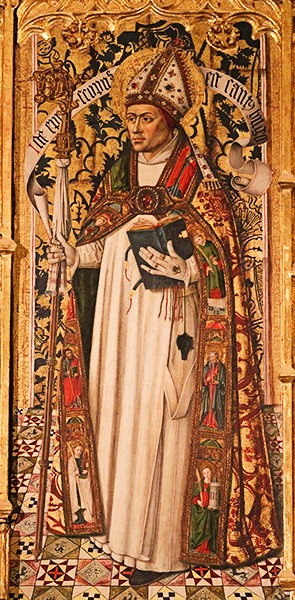
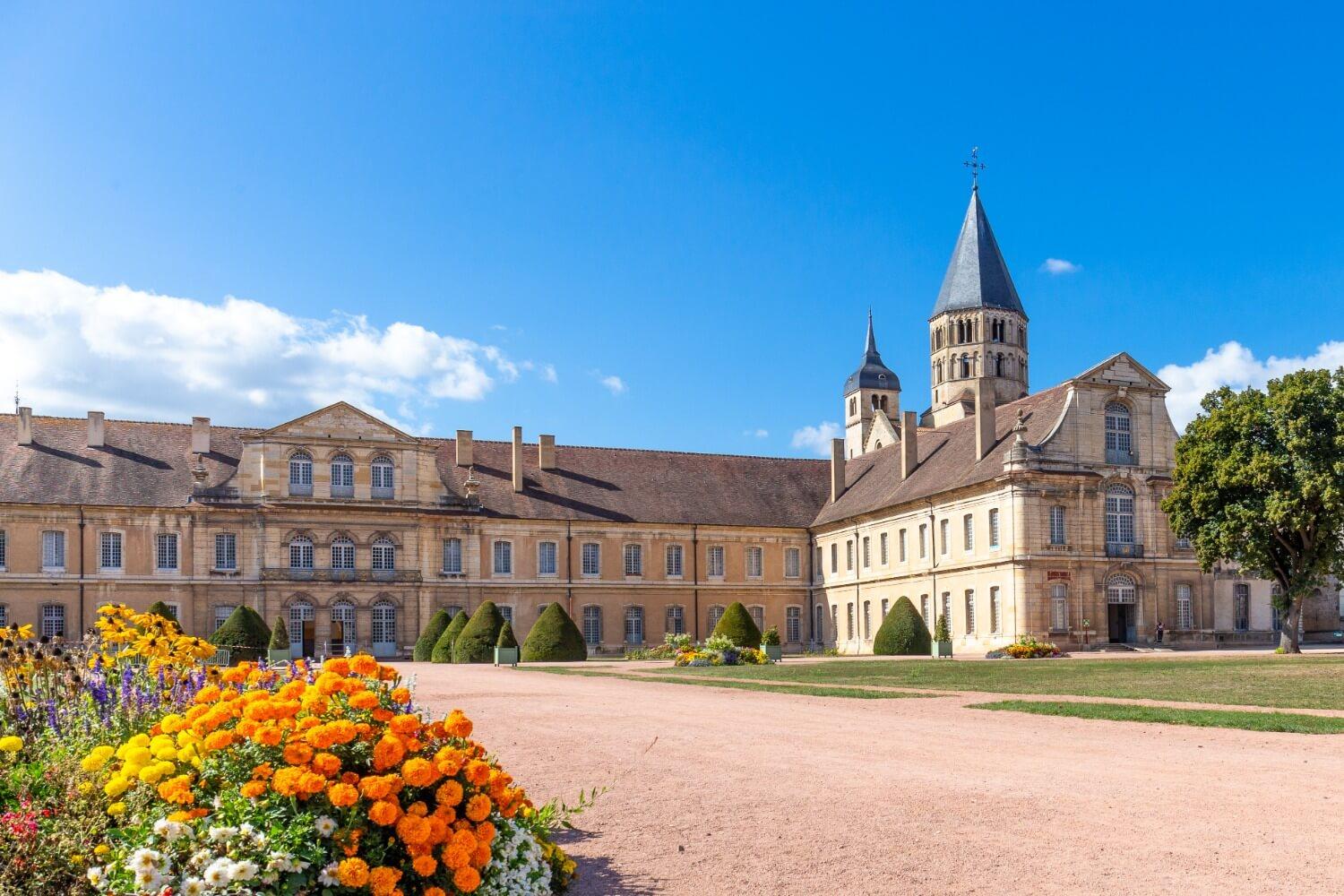
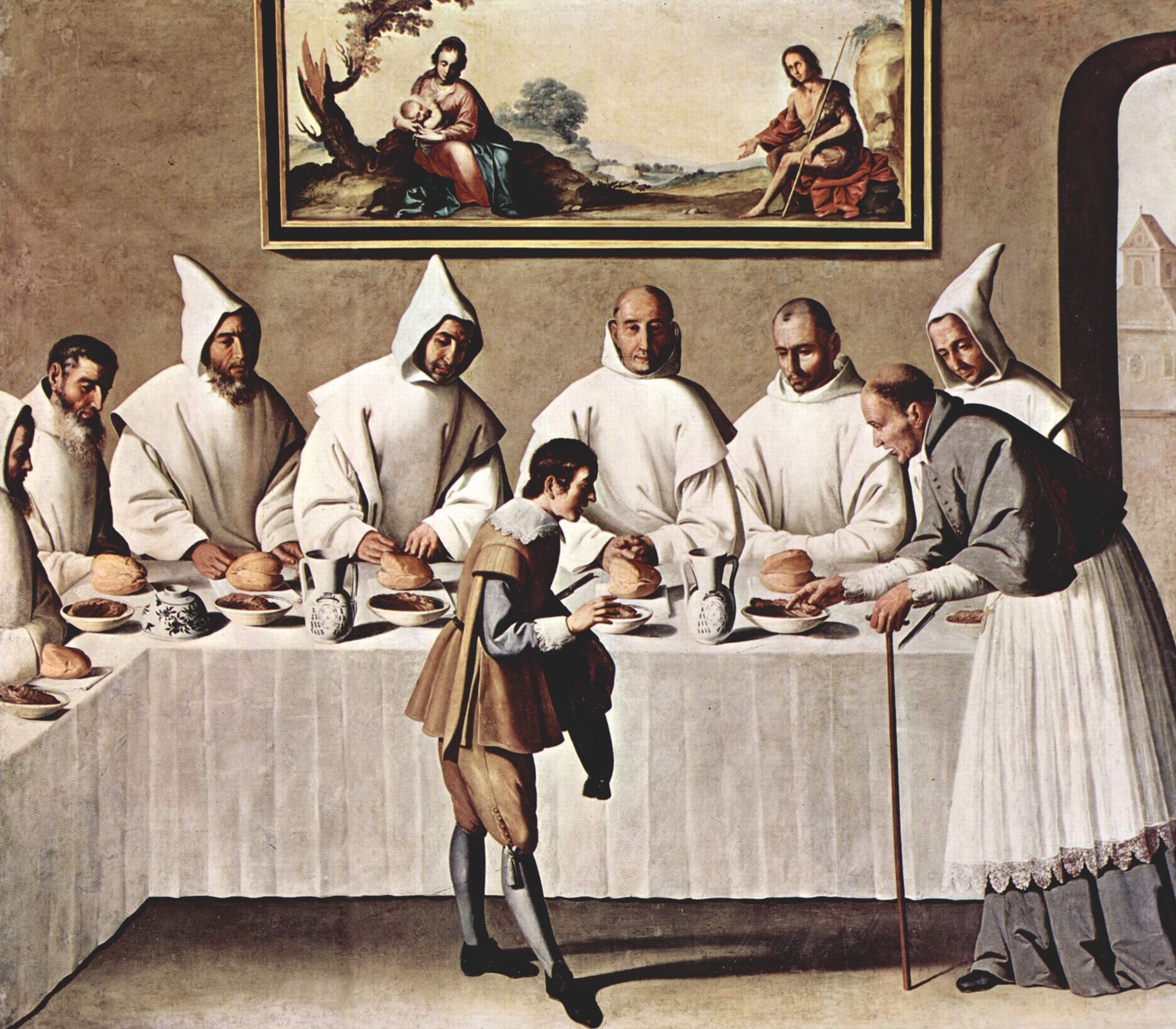
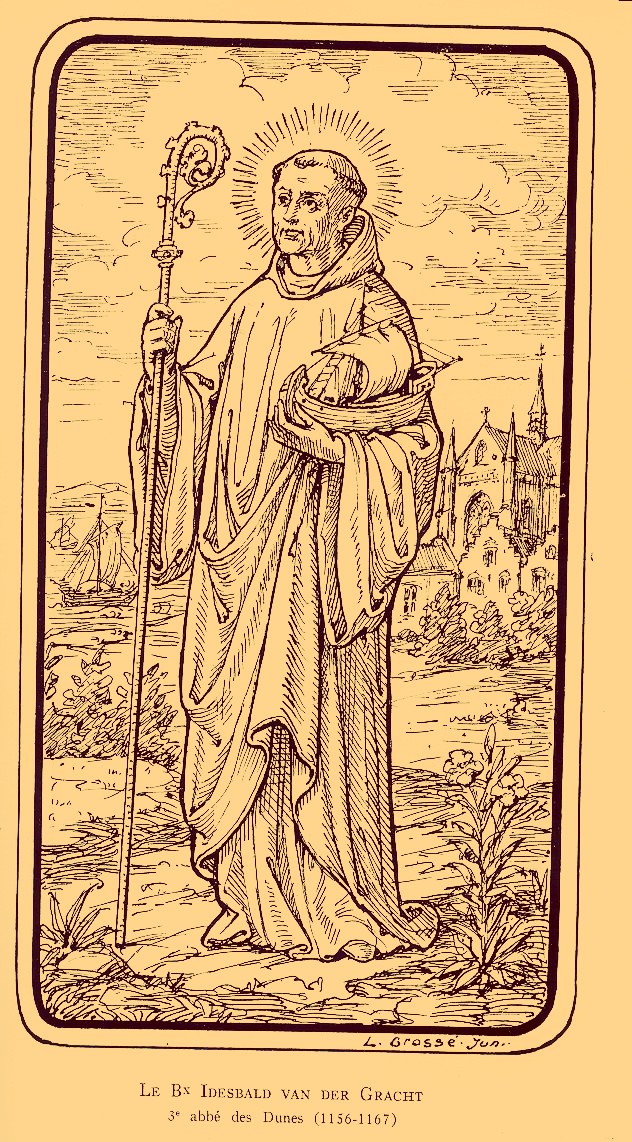
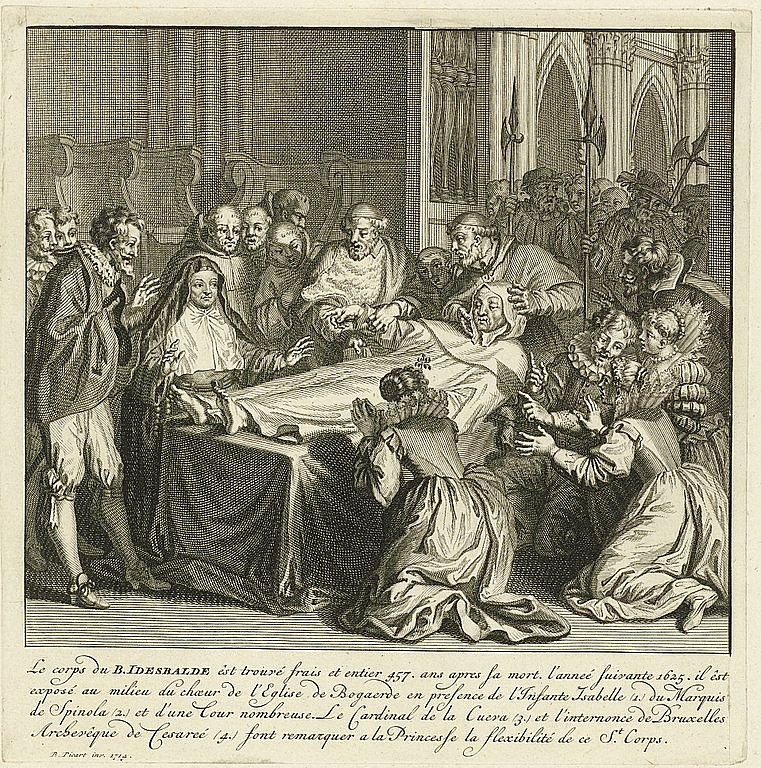
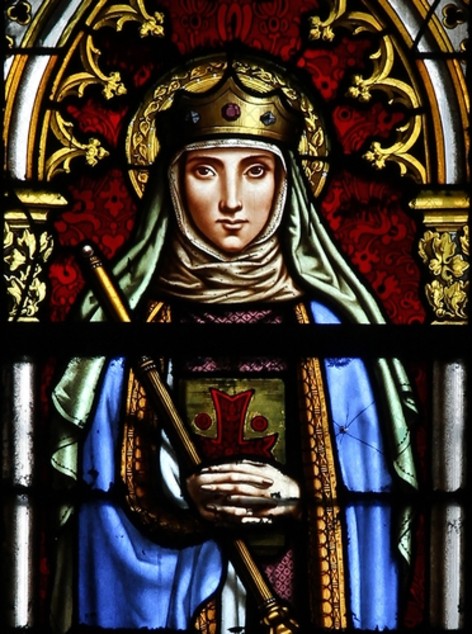
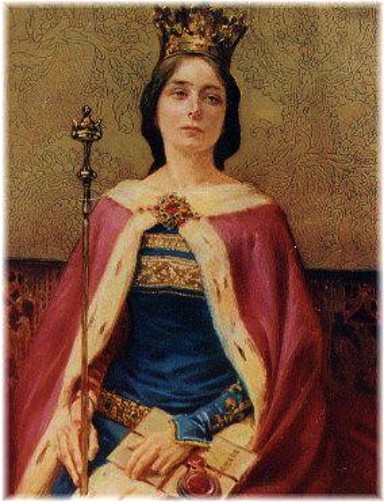
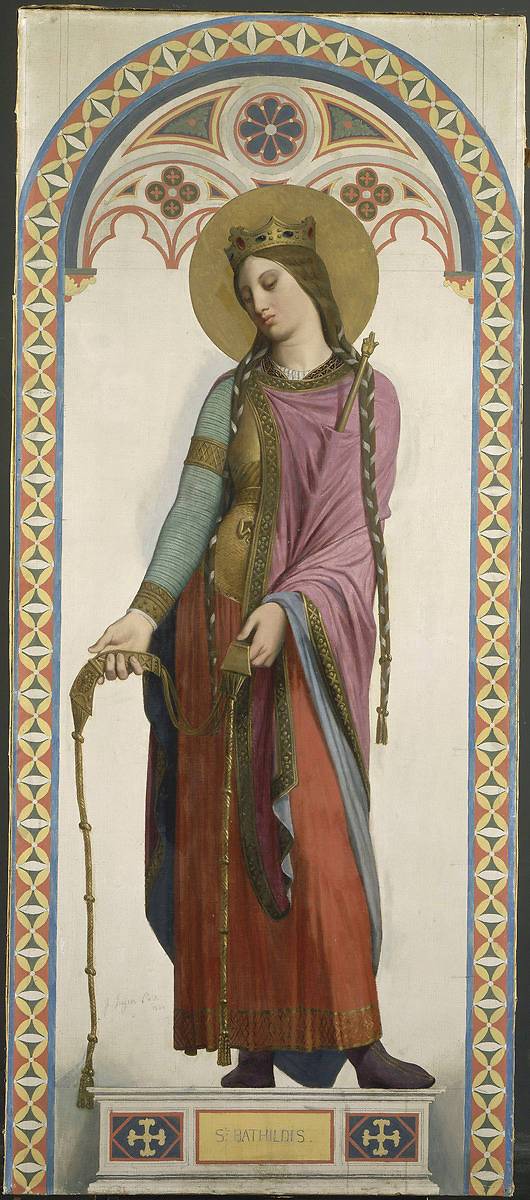
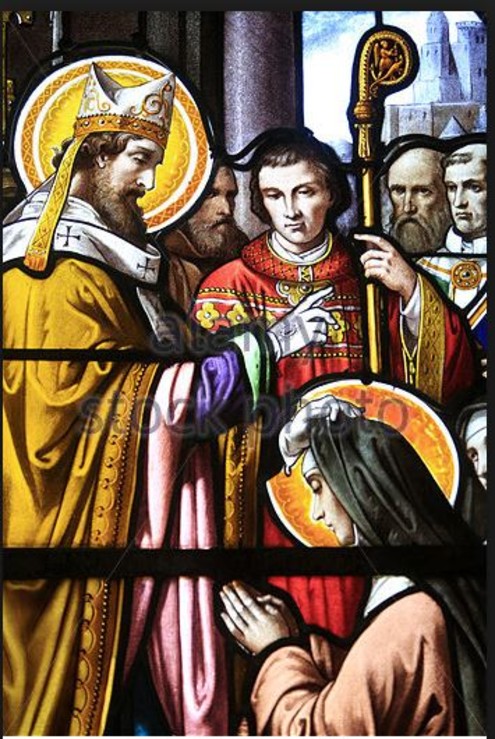
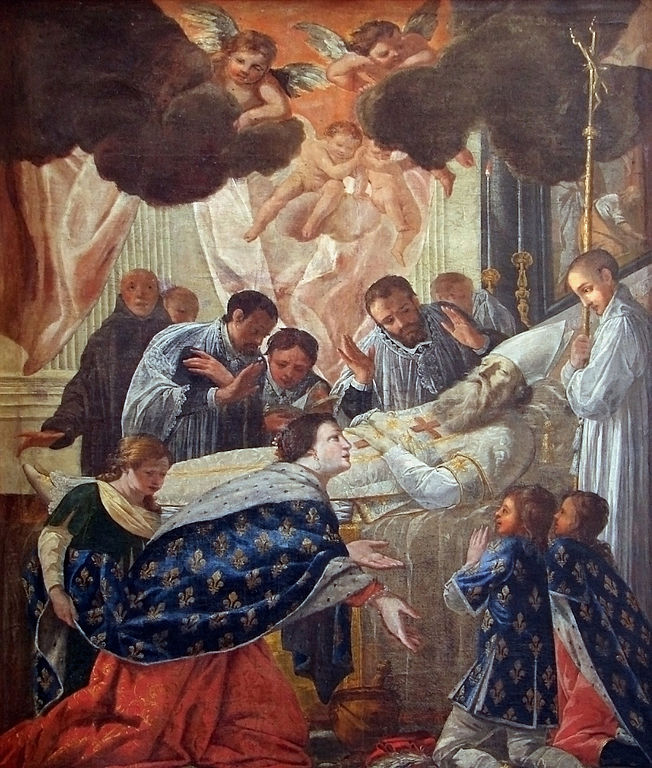
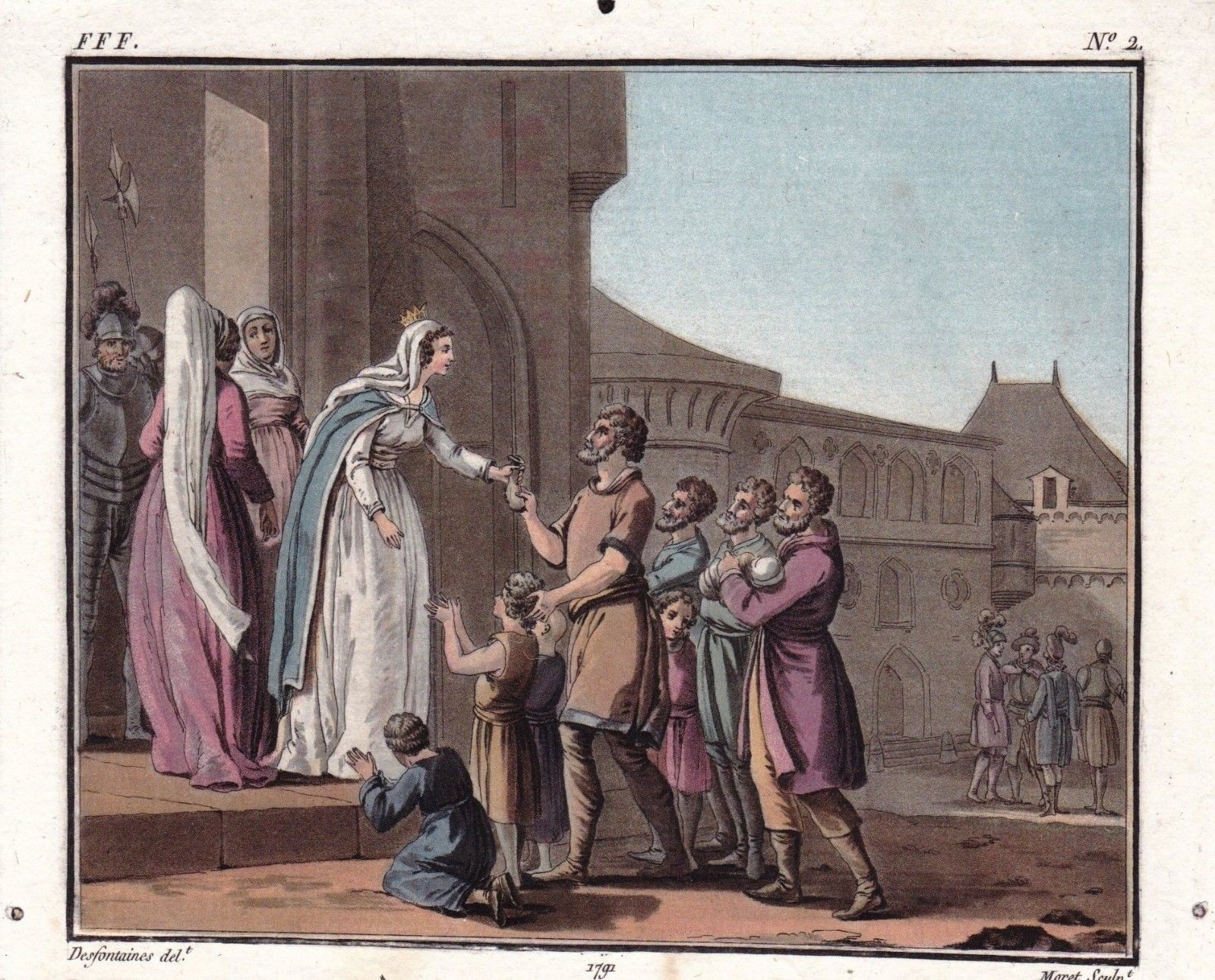
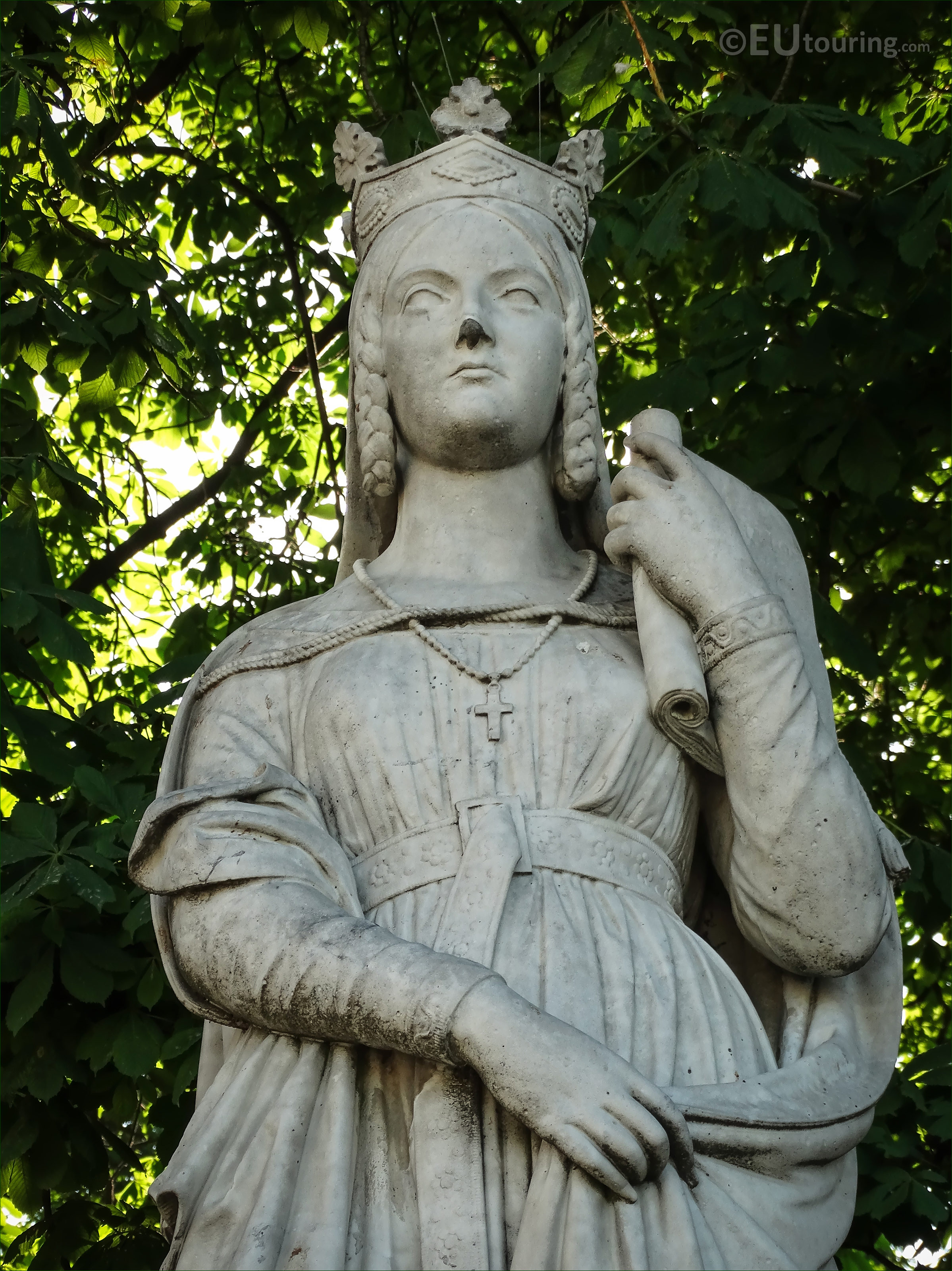
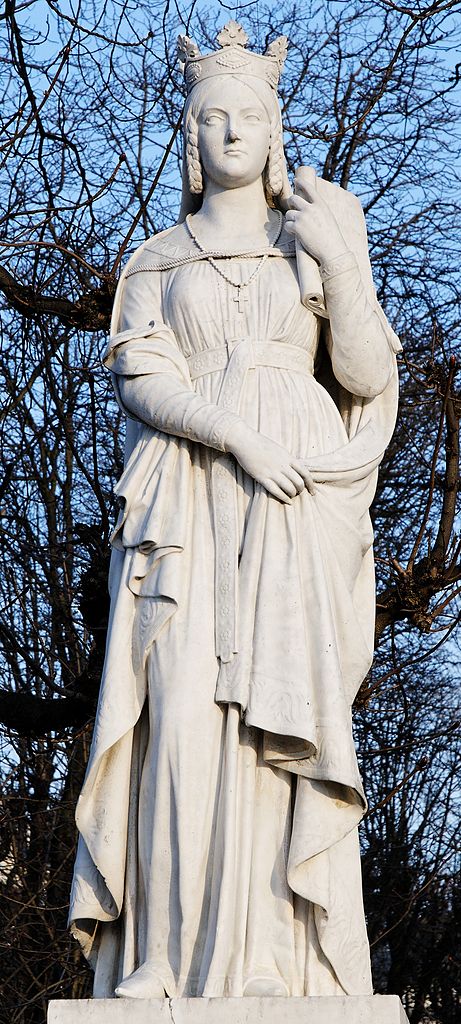
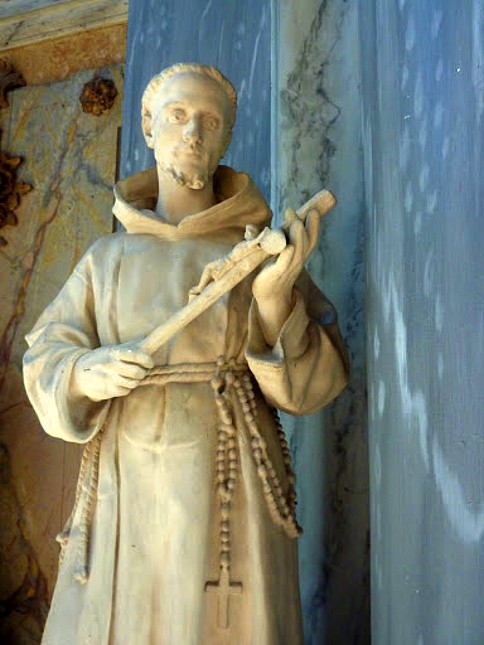
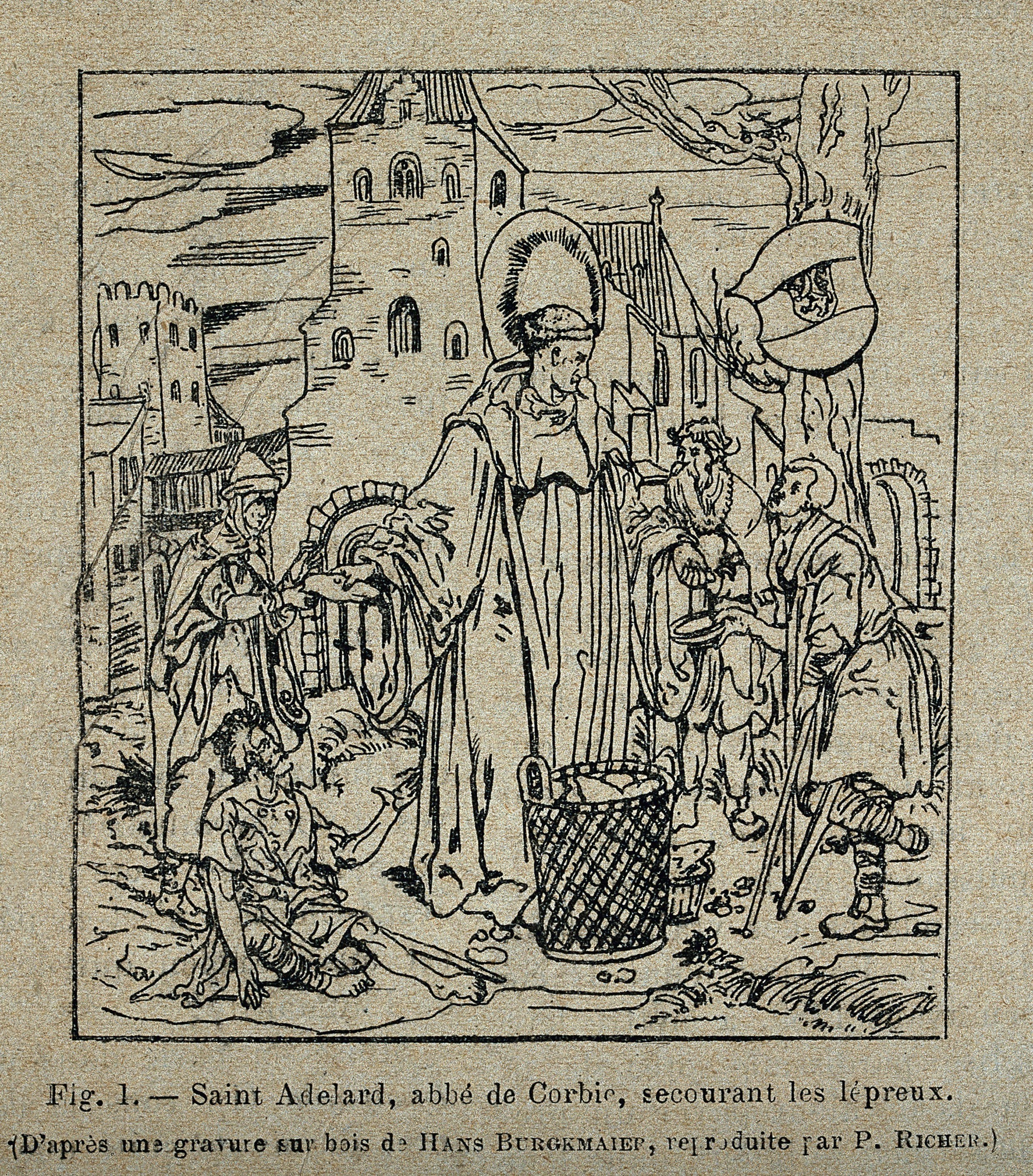
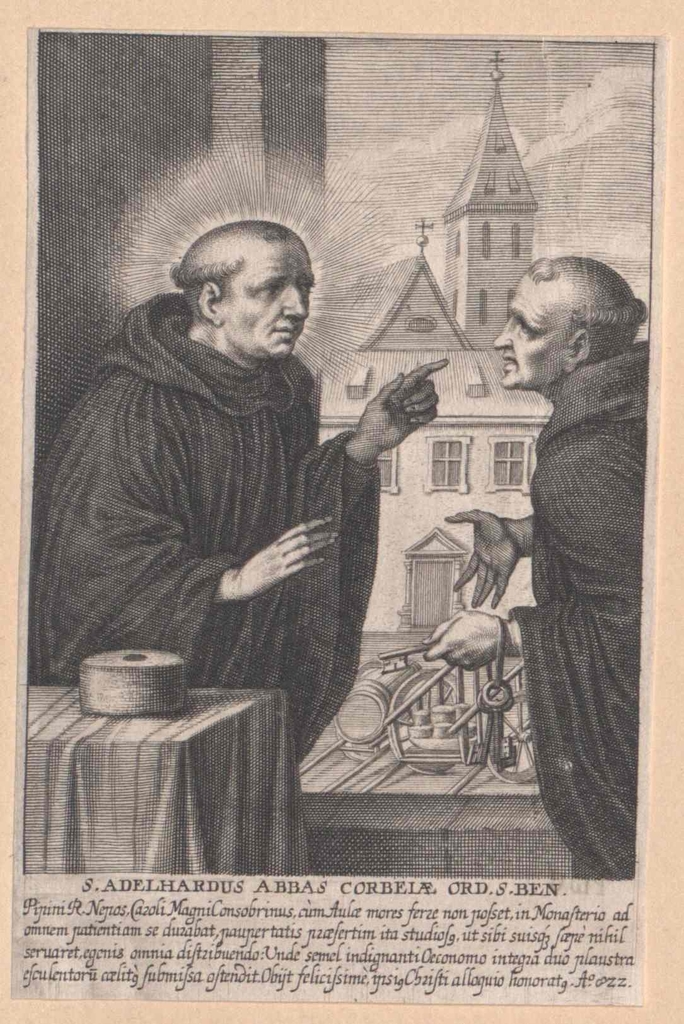
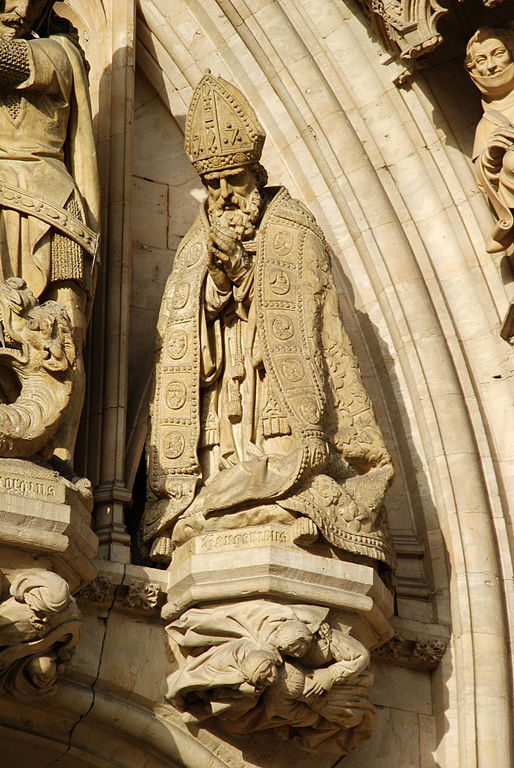
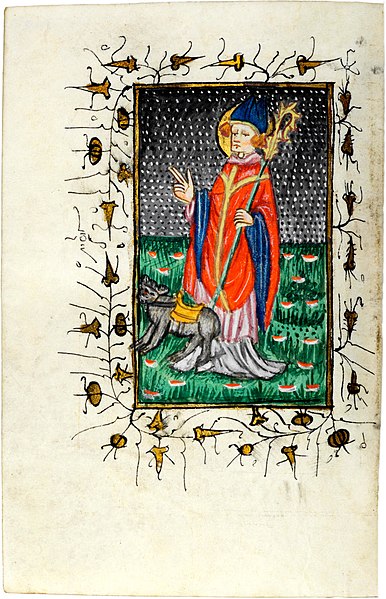
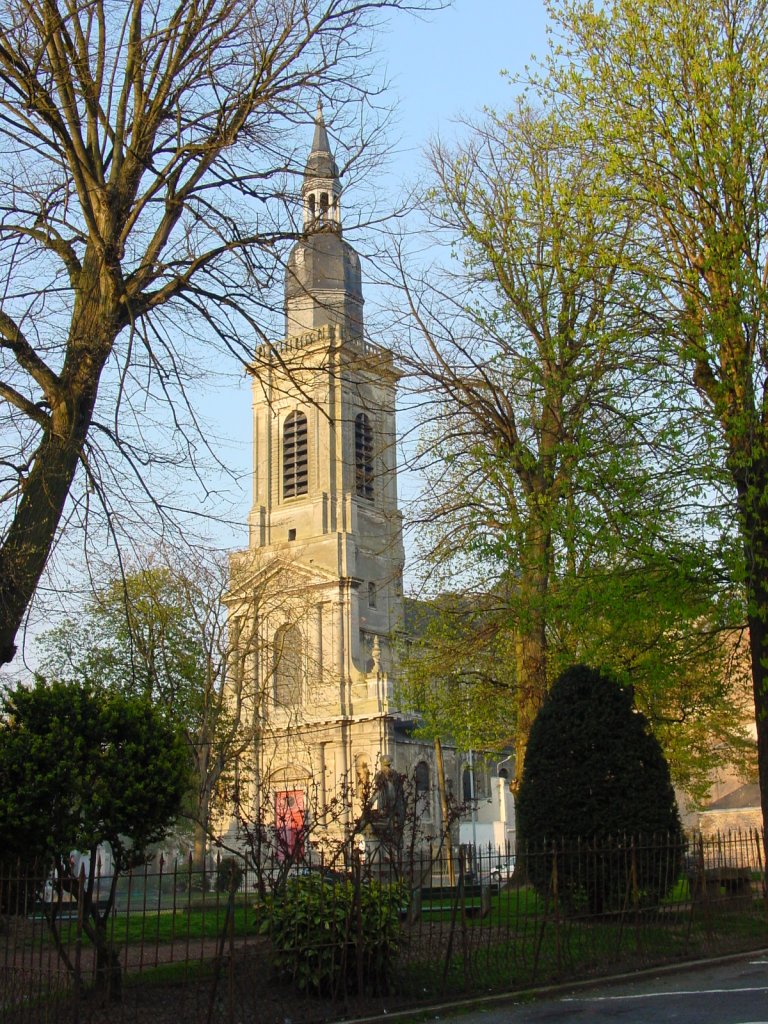
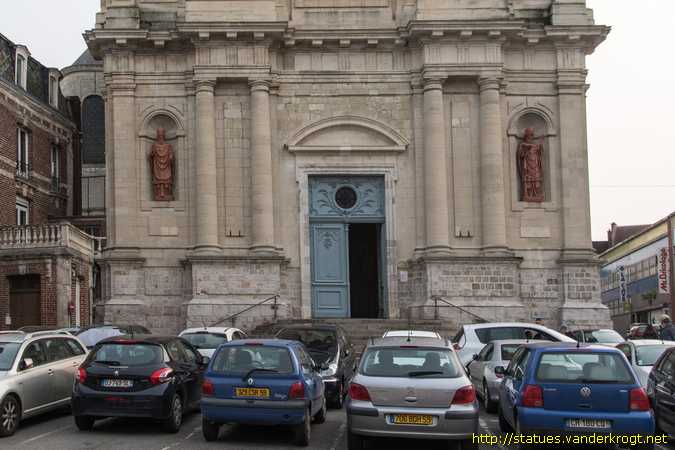
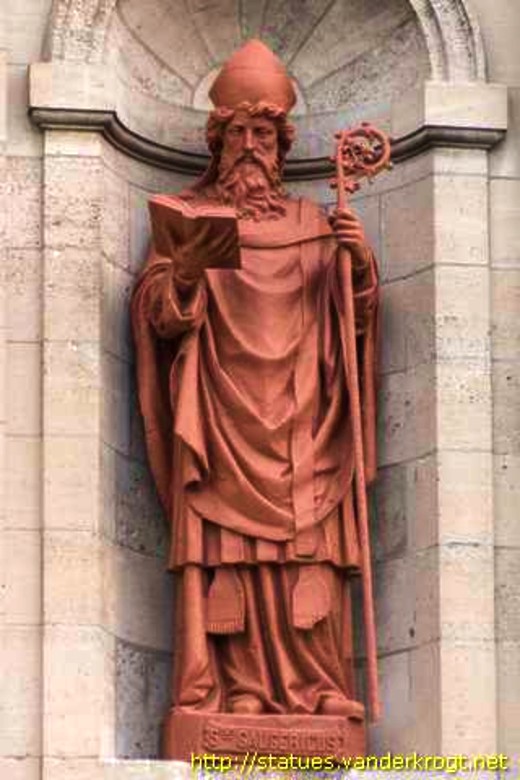
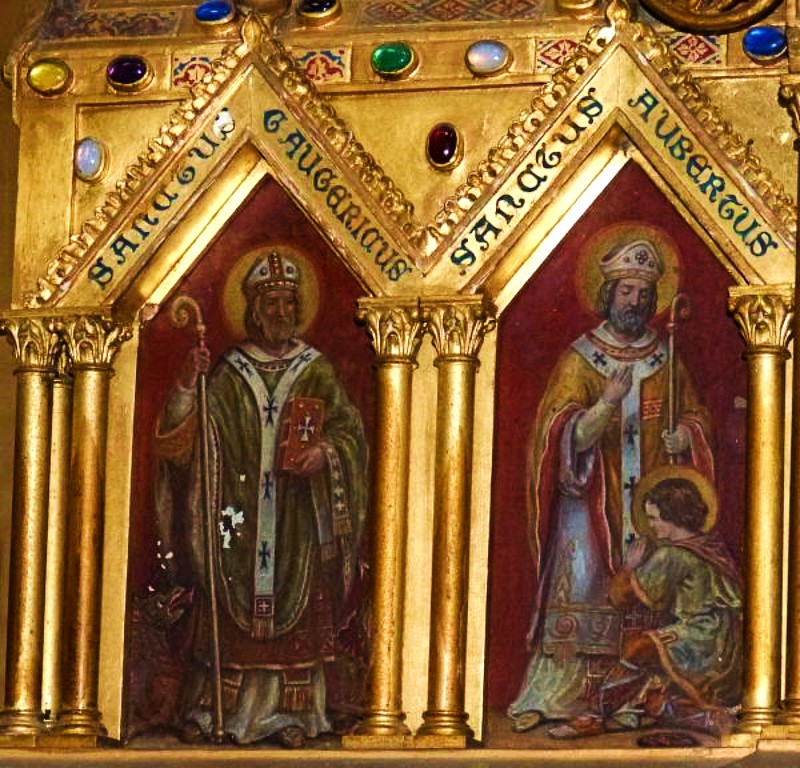
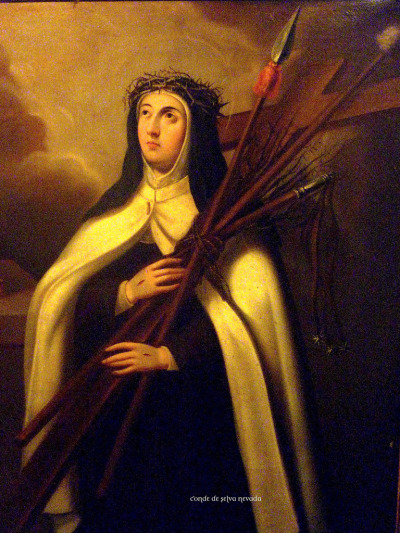
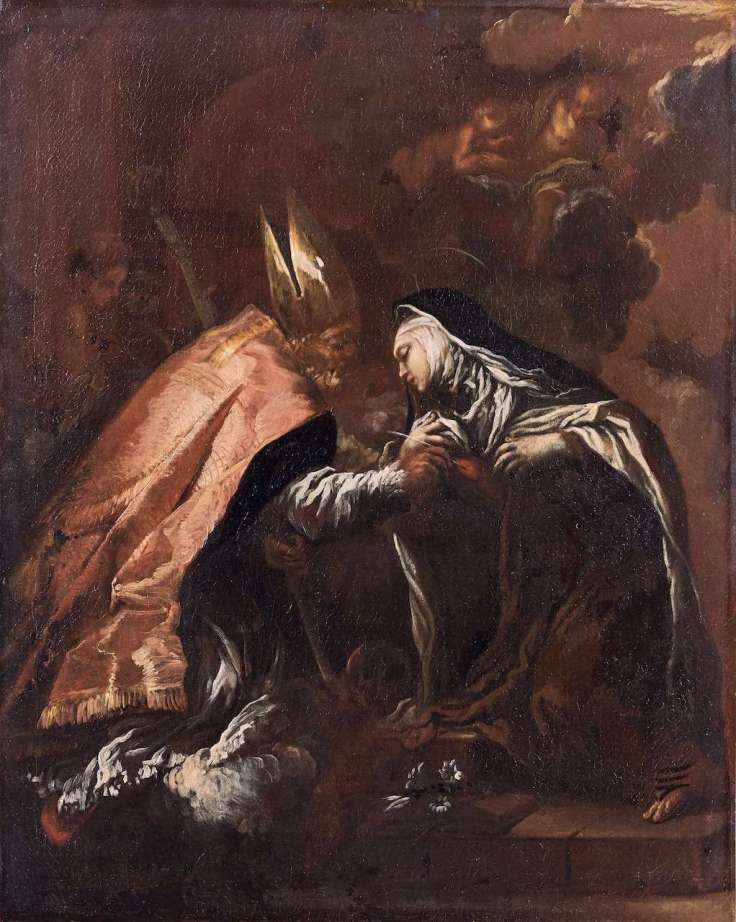
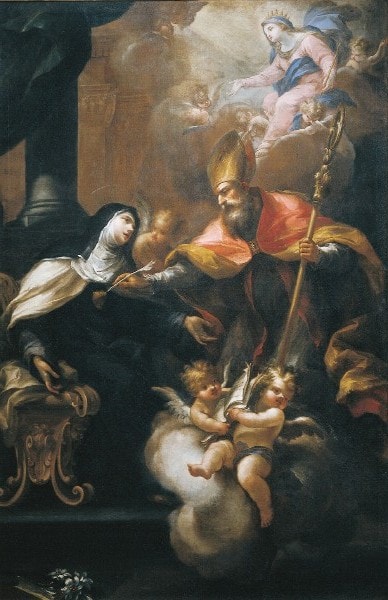
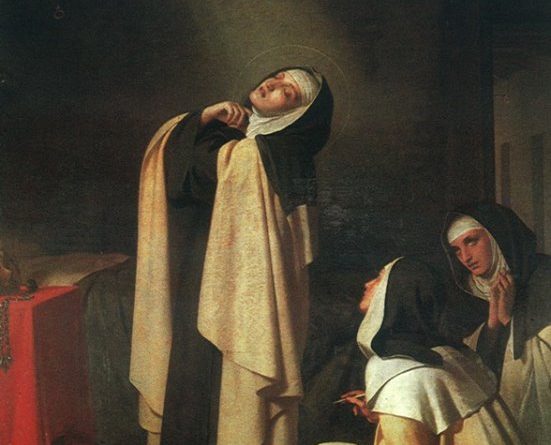
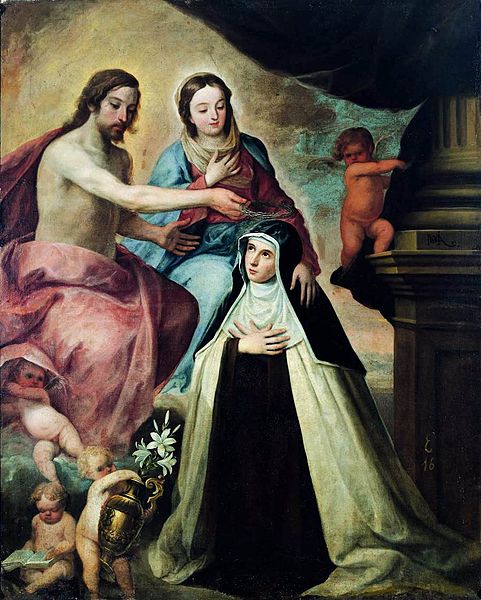
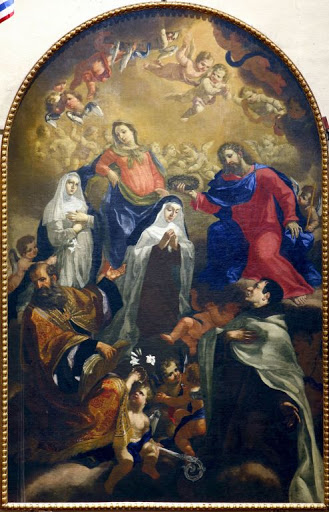
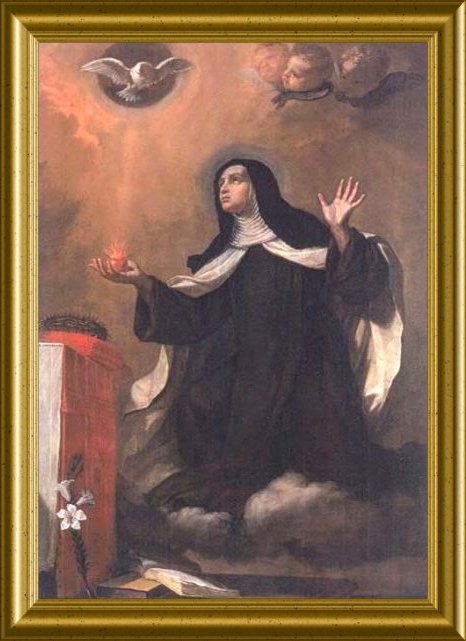
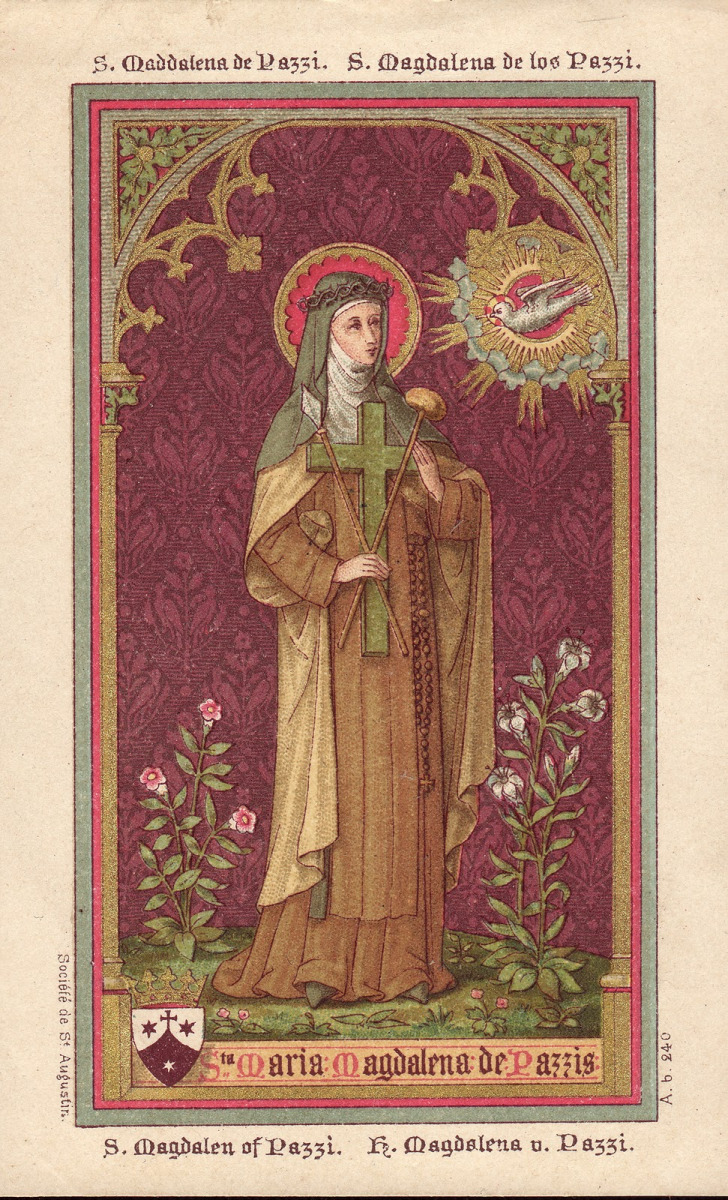
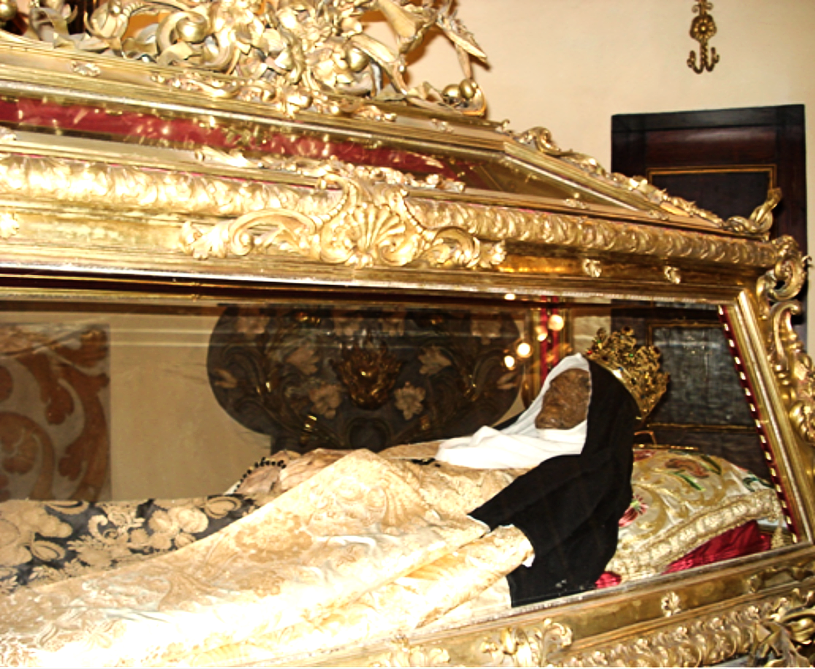
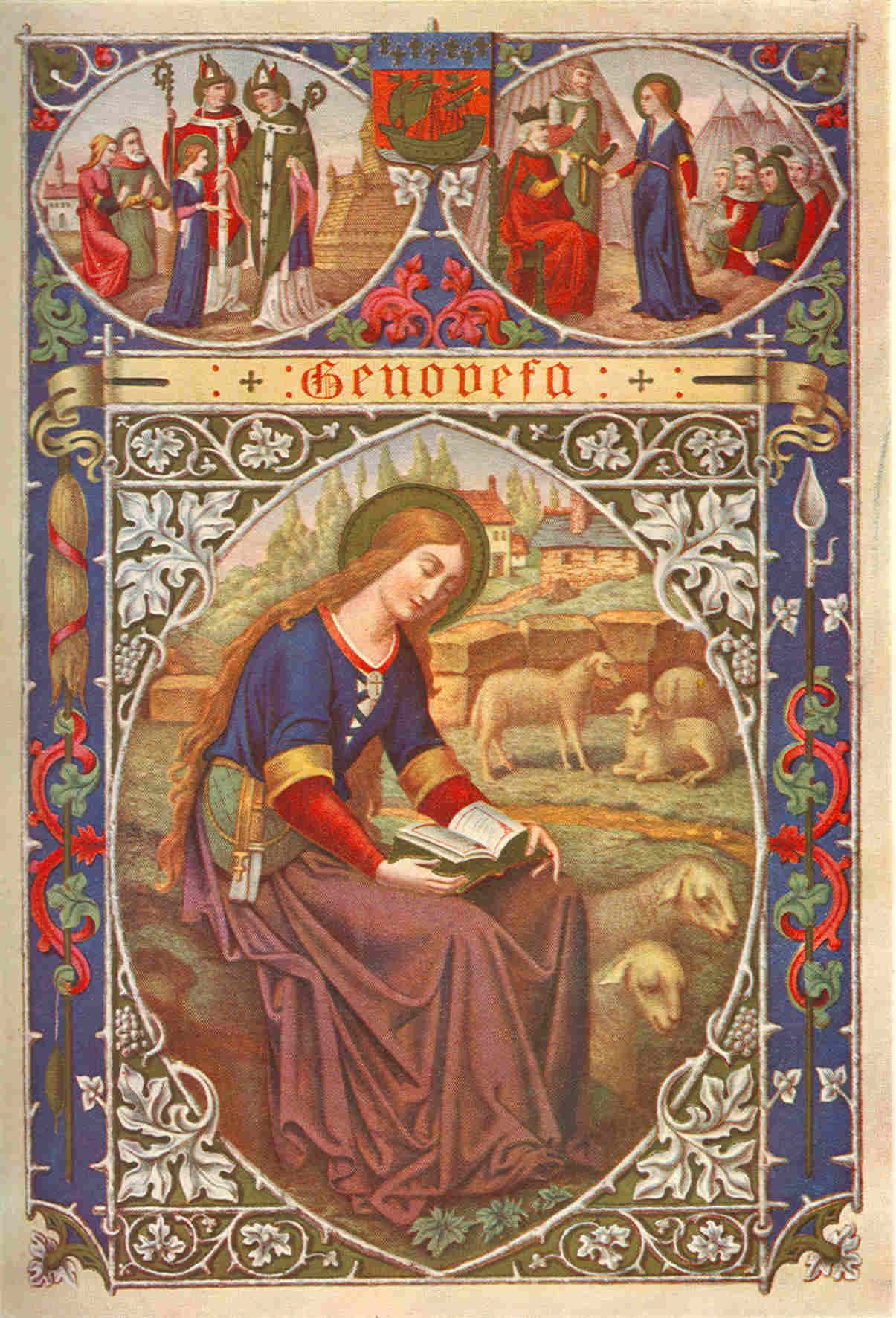
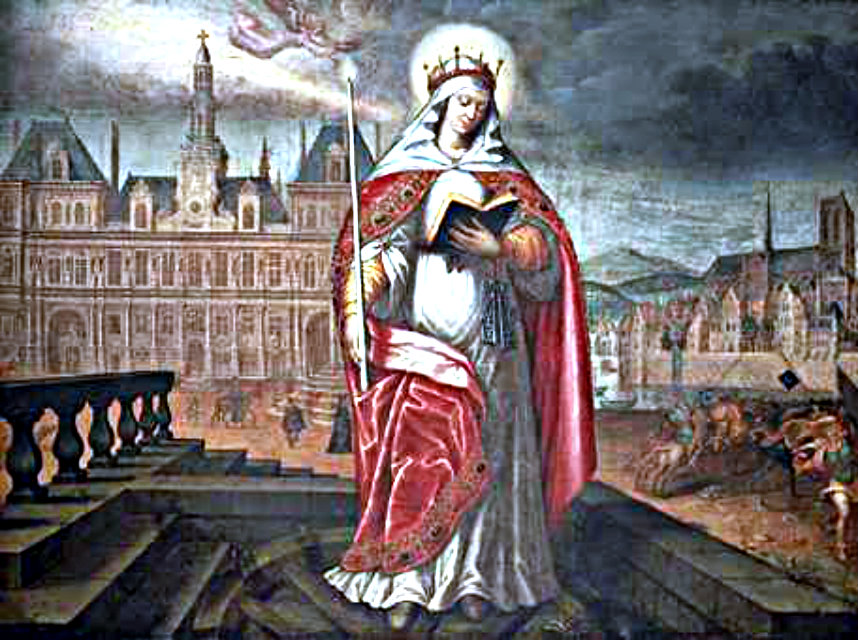
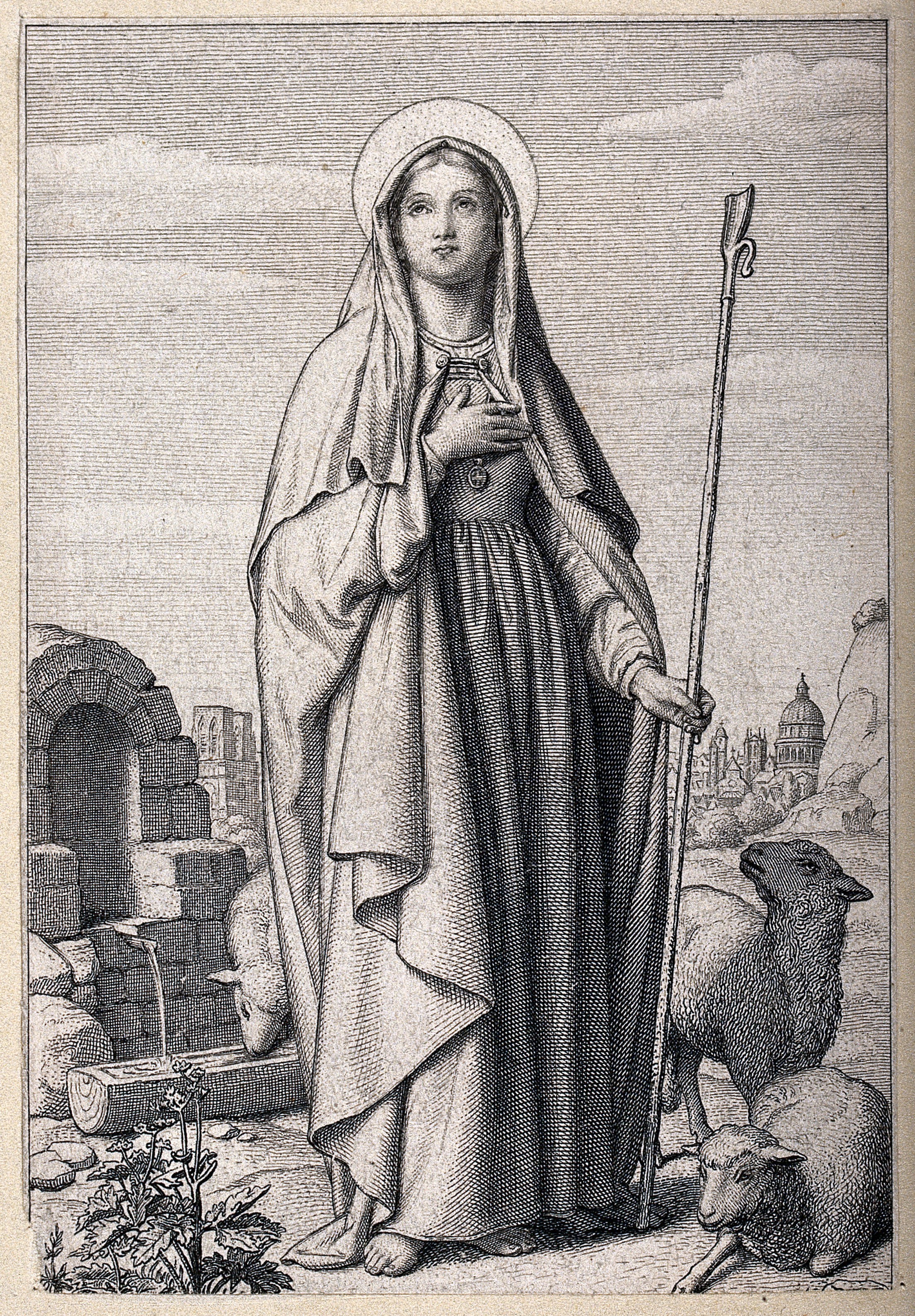
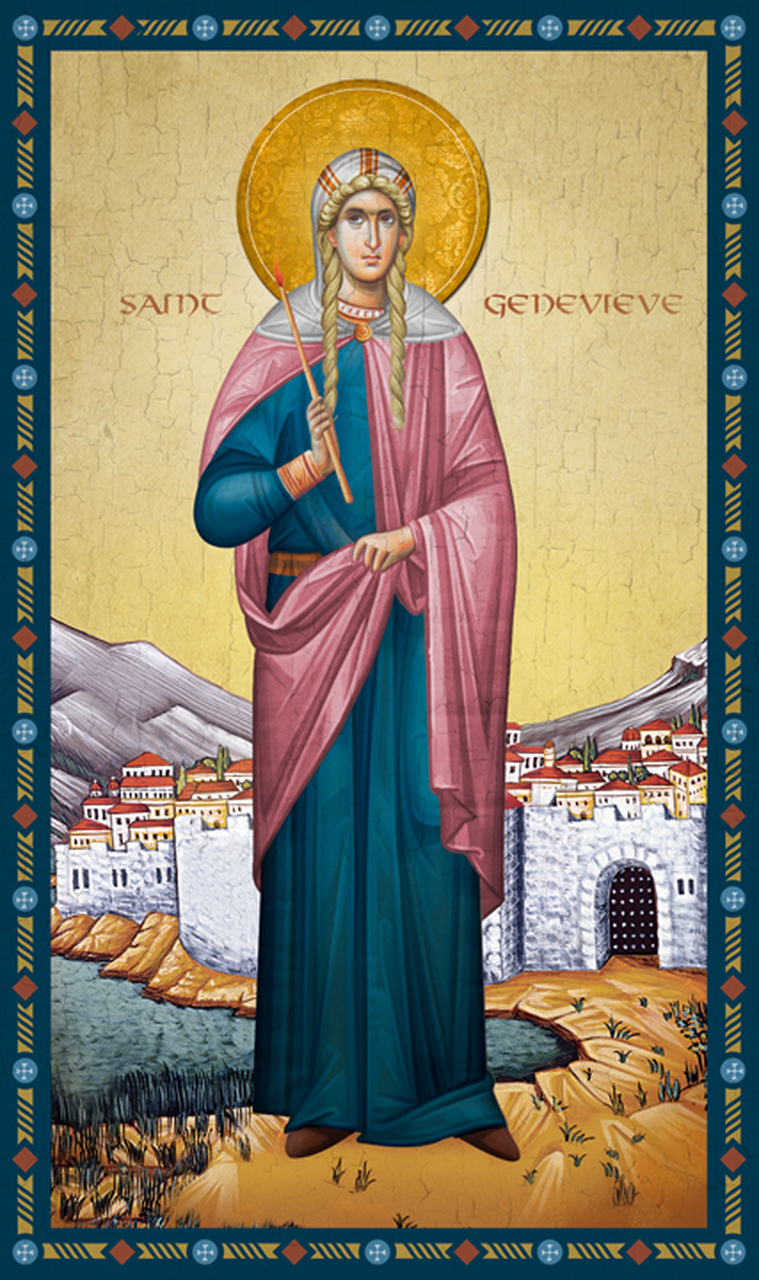
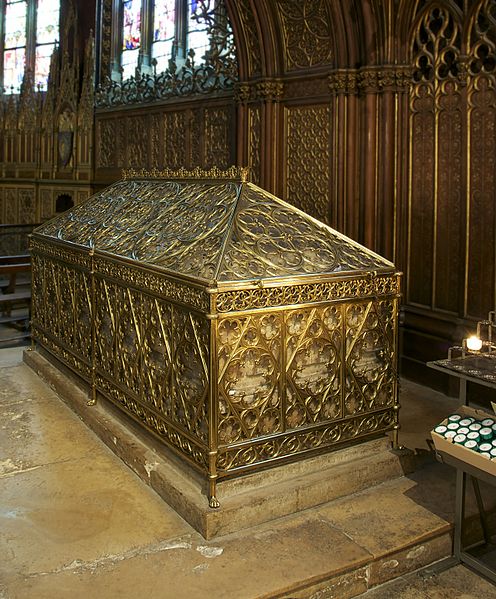
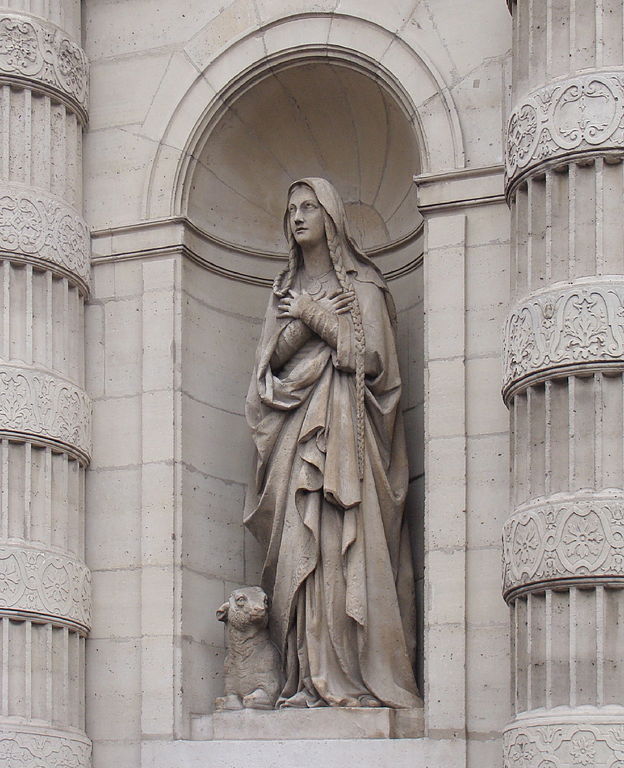
 AnaStpaul
You must be logged in to post a comment.