Feast of St Andrew, Apostle of Christ, Martyr – 30 November
Saint Andrew was the brother of the Apostle Peter and like his brother was born in Bethsaida of Galilee (where the Apostle Philip was also born). While his brother would eventually overshadow him as the first among the apostles, it was Saint Andrew, a fisherman like Peter, who (according to the Gospel of John) introduced Saint Peter to Christ.
St Andrew was a fisherman who lived in Galilee during the time of Jesus. He followed John the Baptist and listened to his teachings. One day, John saw Jesus walking along the road. John said to his followers, “Behold the Lamb of God.” He told his followers to go and talk to Jesus. He wanted them to know that Jesus was the One for whom they had been waiting. Andrew and another disciple followed Jesus and spent an afternoon with him. Early the next day Andrew found Simon Peter, his brother and told him, “We have found the Messiah.”
Both men gave up their work as fishermen to become apostles of Jesus. Andrew was one of the first to be called. He seemed to take delight in bringing others to Jesus.
Andrew was the one who told Jesus about the little boy who had the loaves of bread and the fish, the beginning of a meal that fed more than five thousand people.
It was Andrew and Philip whom the Greeks approached when they wanted to see Jesus. These events indicate that Andrew was a man who was easy to approach, a man you could trust.
Like the other apostles, Andrew became a missionary. He preached about Jesus in the area around the Black Sea. Tradition tells us he preached in northern Greece, Turkey and Scythia (now the southern part of Russia).
Tradition places Saint Andrew’s martyrdom on 30 November of the year 60 (during the persecution of Nero) in the Greek city of Patras. A medieval traditional also holds that, like his brother Peter, he did not regard himself as worthy of being crucified in the same manner as Christ and so he was placed on an X-shaped cross, now known (especially in heraldry and flags) as a Saint Andrew’s Cross. The Roman governor ordered him bound to the cross rather than nailed, to make the crucifixion and thus Andrew’s agony, last longer.
Because of his patronage of Constantinople, Saint Andrew’s relics were transferred there around the year 357. Tradition holds that some relics of Saint Andrew were taken to Scotland in the eighth century, to the place where the town of S. Andrews stands today. In the wake of the Sack of Constantinople during the Fourth Crusade, the remaining relics were brought to the Cathedral of Saint Andrew in Amalfi, Italy. In 1964, in an attempt to strengthen relations with the Ecumenical Patriarch in Constantinople, Pope Paul VI returned all relics of Saint Andrew that were then in Rome to the Greek Orthodox Church.
Every year since then, the Pope has sent delegates to Constantinople for the feast of Saint Andrew (and, in November 2007, Pope Benedict himself went), just as the Ecumenical Patriarch sends representatives to Rome for the 29 June feast of Saints Peter and Paul (and, in 2008, went himself). Thus, like his brother Saint Peter, Saint Andrew is in a way a symbol of the striving for Christian unity.
St Andrew’s Feast takes pride of place in the Liturgical Calendar, for in the Roman Catholic calendar, the liturgical year begins with Advent and the First Sunday of Advent is always the Sunday closest to the Feast of Saint Andrew. Though Advent can begin as late as 3 December, Saint Andrew’s feast, today is traditionally listed as the first Saint’s day of the liturgical year, even when the First Sunday of Advent falls after it—an honour commensurate with Saint Andrew’s place among the apostles The tradition of praying the Saint Andrew Christmas Novena 15 times each day from the Feast of Saint Andrew until Christmas flows from this arrangement of the calendar.
This slideshow requires JavaScript.
The name “Andrew” is a Greek name meaning “courageous” or “manly.” St Andrew lived up to his name.
St Andrew, pray that we live up to the name “Christian”!
Saint of the Day – 15 October – Saint Teresa of Avila OCD (1515-1582) Doctor of the Church “Doctor of Prayer” Seraphic Virgin, Reverend Mother, Prioress.
Probably one of the most famous artworks of St Teresa – by French painter François Gérard (1827)
St Teresa of Jesus, honoured by the Church as the “seraphic virgin,” virgo seraphica and reformer of the Carmelite Order, ranks first among women for wisdom and learning. She is called doctrix mystica, doctor of mystical theology; in a report to Pope Paul V the Roman Rota declared: “Teresa has been given to the Church by God as a teacher of the spiritual life. The mysteries of the inner mystical life which the holy Fathers propounded unsystematically and without orderly sequence, she has presented with unparalleled clarity.” Her writings are still the classic works on mysticism and from her, all later teachers have drawn, e.g., Francis de Sales, Alphonsus Liguori. Characteristic of her mysticism is the subjective-individualistic approach; there is little integration with the liturgy and social piety and thus, she reflects the spirit of the sixteenth and following centuries.
And this is a drawing by French painter François Gérard
Teresa was born at Avila, Spain, in the year 1515. At the age of seven she set out for Africa to die for Christ but was brought back by her uncle. When she lost her mother at twelve, she implored Mary for her maternal protection. In 1533 she entered the Carmelite Order; for eighteen years she suffered physical pain and spiritual dryness. Under divine inspiration and with the approval of Pope Pius IV, she began the work of reforming the Carmelite Order. In spite of heavy opposition and constant difficulties, she founded thirty-two reformed convents.
Truly wonderful were the exterior and interior manifestations of her mystical union with God, especially during the last decade of her life. These graces reached a climax when her heart was transfixed (transverberatio cordis), an event that is commemorated in the Carmelite Order by a special feast on 27 August.
The Ecstasy of Saint Teresa by Bernini, Basilica of Santa Maria della Vittoria, Rome
Indeed, Teresa was said to have been observed levitating during Mass on more than one occasion.
Teresa is regarded as one of the foremost writers on mental prayer, and her position among writers on mystical theology as unique. Her writings on this theme, stem from her personal experiences, thereby manifesting considerable insight and analytical gifts. Her definitions have been used in the Catechism of the Catholic Church. Teresa states: “Contemplative prayer, in my opinion is nothing other than a close sharing between friends. It means frequently taking time to be alone with Him whom we know loves us.” Throughout her writings, Teresa returns to the image of watering one’s garden as a metaphor for mystical prayer.
She practised great devotion to the foster-father of Jesus, whose cult was greatly furthered throughout the Church through her efforts. When dying, she often repeated the words: “Lord, I am a daughter of the Church!” Her holy body rests upon the high altar of the Carmelite church in Ala, Spain, her heart with its mysterious wound is reserved in a precious reliquary on the Epistle side of the altar.
Below are the statues of St Teresa at the Vatican, the first on the Colonnade and the second inside St Peter’s.
Saint of the Day – 14 April – Saint Lydwina of Schiedam (1380-1433) aged 53 – Mystic, Ascetic, apostle of the Holy Eucharist and of penance and prayer, also known as Liduina, Lidwid, Lidwina, Lijdwine, Ludivine, Lydwid, Lydwine – born on 18 April 1380 (Palm Sunday) at Schiedam, Netherlands and died on 14 April (Easter Sunday) 1433 at Schiedam, Netherlands of natural causes. Patronages – against all illness, ice skating, prolonged suffering. skaters, Schiedam, Netherlands.
The story of Lydwina, the patron saint of ice skating, is a sad and fascinating one indeed. She was a Dutch girl born on a Palm Sunday and raised alongside eight brothers to a father and mother, Peter and Petronella who were a “poor noble” and ‘poor commoner”.
By all accounts, she was “a lovely and charming girl”. At age fifteen, in a severe winter Lydwina was skating with girlfriends when she fell and broke a rib and was put in bed in her family home. After her injury, gangrene set in and Lydwina became partially paralysed.
She never fully recovered and became progressively more disabled and ill throughout her life. It is believed that she became paralysed with the exception of her left hand and that parts of her body… “fell off”. Blood is reported to have spontaneously poured from her mouth, ears and nose. Some historians have hypothesised that accounts of her affliction may have actually been describing one of the first known cases of Multiple Sclerosis, which of course would not have been known at that time.
Much of Lydwina’s time was spent in prayer, meditation and in offering her pain to God. Devoutly spiritual, she developed a devotion to The Eucharist, was visited by saints and had visions in which she was shown a “Heaven and Purgatory”. Miracles reportedly occurred at her beside.
After Lydwina’s fall while skating, she fasted constantly and became reputed as a healer and holy woman, although many viewed her as being ‘under the influence of an evil spirit’ due to her deteriorating health.
Her hometown of Schiedam created a document that attests to her fasting. She ate only a little piece of apple, then part of a date, watered down wine and then river water that was contaminated with salt from the tides. This document created by Schiedam town officials (which still exists) also claims that she shed skin, bones and part of her intestines, which her parents kept in a vase until Lydwina had her mother bury them after they drew much attention.
She lost her sight seven years before her death but continued to fast and report visions, in one of which her Guardian Angel assisted her, until her death at age fifty three.
Posthumously, Lydwina’s grave became a place of pilgrimage. Thomas à Kempis’s (1380-1471) publication, Vita Lidewigis, A Life of St Lydwina, caused an increase in veneration. In 1615 her relics were taken to Brussels but in 1871 they were returned to Schiedam. In 1434, a chapel was built over it. Her relics were taken to Brussels, Belgium in 1615 but returned to Schiedam in 1871.
In 1890, Pope Leo XIII Canonised her. She is known as the patron saint of ice skaters and the chronically ill and her “feast day” is observed on 18 March, 14 April (universal memorial) or 14 June depending on the region and area’s tradition.
The Church of Our Lady of the Visatation, which was opened in 1859 in Schiedam closed in 1969 and her statue and relics were removed and moved to the chapel dedicated to her Basilica of Lydwina in West-Frankeland. In Schiedam, her name is attached to numerous institutions and the Intorno Ensemble foundation presents a bi-annual musical theatrical production about Lydwina, the town saint, in one of Schiedam’s churches.
Of her suffering at the end of her life, Lidwina allegedly said, “If I live to be healthy by Ave Maria again I would not want to.” Her final vision was of Christ administering last rites to her.
This powerful and heartwarming history makes it so fitting that Lydwina was named the patron saint of ice skating.
Surely, one of the parables of the story of St Lydwina, is that if you fall down, you never give up and you too may become a Saint. Your search for holiness, may, after all, only begin after the fall!
Saint of the Day – 8 March – St John of God OH (1495-1550)
“All things pass, only good works last”
Miracles of St John of God
During his lifetime, St John of God accomplished miracles both small and large. Daily he went out into the streets of Granada, providing help for the poor, the sick and the mentally disturbed. He would often give the cloak off his back to someone who had no cloak. The home he rented was a place of refuge for many.
According to Merriam-Webster’s dictionary a miracle is defined as, “an extraordinary event manifesting divine intervention in human affairs,” and “an extremely outstanding or unusual event, thing or accomplishment.”
St John’s daily activities of providing a place for unwanted people to feel loved and safe can be described as daily, small miracles for the people who needed help. In the book Saints for Sinners by Alban Goodier, he writes about St John. “He could wash his patients and dress their sores; he could kiss their feet and let them feel that somebody cared; he could put them to bed and give them a sense of home.”
Keep in the mind, that the Granada of St John’s time was not the modern city it is today. Roads were unpaved and people walked everywhere. Their feet were most likely the dirtiest parts of their bodies. By kissing them, St John imitated Jesus’s actions toward His disciples and showed complete humility and compassion for these individuals.
St John lived out the commands of our Saviour to love one another and to love your neighbour as yourself. Jesus says in Matthew 26:40, “I tell you the truth, whatever you did for one of the least of these brothers of mine, you did for me.”
Despite his earnest desire to serve Christ, St John faced oppression and had enemies who did not believe he was sincere in his service. He would often care for his patients during the day and beg for alms at night. Even though he faced hardships, his needs were always met and God always provided for his cause (another miracle).
Perhaps the grandest and best known of St John of God’s miracles was his rescuing of the patients from a fire in the hospital of Granada and yet escaping from the flames unscathed. For this reason, he is the patron saint of firefighters.
Considered an impulsive man, one night, St John heard that the Royal Hospital of Granada was on fire. When he rushed to the scene, he saw that people were just standing there watching the fire burn . All the patients were inside the burning building. This non-action was unthinkable to St John and he rushed inside, leading all the patients to safety.
Once he knew that all the patients were safe, St John ran back into the building and started throwing items such as blankets and mattresses out the windows of the hospital. In his mission, St. John knew the importance of these goods for caring for the sick. He wanted to salvage as much as possible.
By this point, the city had brought a canon to try to destroy and separate the burning part of the hospital from the non-burning portion, in its best efforts to contain the fire. However, St John could not accept this. He ran up to the roof and started separating the two parts of the hospital with his axe.
Although he was successful, he fell through the burning roof. Bystanders thought he had perished in the fire, until he appeared out of the smoke and ashes unharmed.
In an essay titled “St John of God, Founder of the Order of Charity,” written by Fr Francis Xavier Weninger in 1877, Weninger wrote, “The flame of Divine love which burned in his heart surpassed the intensity of the material fire.”
In addition to performing great miracles, St John of God was also the recipient of divine intervention and spiritual favours. Throughout his lifetime, he received assistance from heavenly beings including the Holy Mother and the Archangel Raphael. His name of St John of God comes from a vision he had of the infant Jesus, who bestowed the name upon him.
Another time, St John experienced a heavenly vision when he found a dying beggar on the streets of Granada. St John carried the man to the hospital and began washing the beggar’s feet. While doing so, the man became transfigured with a shining light and brightness enveloped both himself and St John. Later as St John was walking through the hospital alone, patients saw such a bright light surrounding him that they thought he was on fire. He had a difficult time convincing the patients that all was well.
St John of God of was Canonised by Pope Alexander VIII on 16 October 1690, over 140 years after his death. Today he remains the patron saint of hospitals, the sick, nurses, firefighters, alcoholics and booksellers. His legacy and miracles live on through the Hospitaller Brothers and all of the good works they are accomplishing in our world today. His Order looks after the Holy Father and the Vatican Household too.
Saint of the Day – 6 March – St Colette PCC (1381-1447 -aged 66) Abbess and Foundress of the Colettine Poor Clares, a reform branch of the Order of Saint Clare.
Renewing religious institutions is not easy. We would expect a person chosen to reform convents and monasteries to be formidable. Maybe even physically tall, overbearing, and somewhat threatening. God, however, doesn’t seem to agree. For example, in the fifteenth century he selected St Colette, a young woman the opposite of these characteristics, to call Franciscans to strict observance of the rules of St Clare and St Francis.
Not that Colette was unimpressive. She was a beautiful woman whose radiant inner strength attracted people. However, her spirituality, her commitment to God and her heart for souls, not her physical qualities, suited her for her reforming mission.
At seventeen, upon her parents’ death, Colette joined the Franciscan Third Order. She lived for eight years as a hermit at Corbie Abbey in Picardy. Toward the end of this time, St Francis appeared to her in a vision and charged her to restore the Poor Clares to their original austerity. When Friar Henry de Beaume came in 1406 to conform her mission, Colette had the door of her hut torn down, a sign that her solitude was over and her work begun. And she then prayed for her commitment:
“I dedicate myself in health, in illness, in my life, in my death, in all my desires, in all my deeds, so that I may never work henceforth, except for your glory, for the salvation of souls and towards the reform for which you have chosen me.
From this moment on, dearest Lord, there is nothing which I am not prepared to undertake for love of You.”
Colette’s first reports to reform convents met vigorous opposition. Then she sought the approval of the Avignon pope, Benedict XIII, who professed her as a Poor Clare and put her in charge of all convents she would reform. He also appointed Henry de Beaume to assist her. Thus equipped, she launched her reform in 1410 with the Poor Clares at Besancon. Before her death in 1447, the saint had founded or renewed seventeen convents and several friaries throughout France, Savoy, Burgundy and Spain.
Like Francis and Clare, Colette devoted herself to Christ crucified, spending every Friday meditating on the passion. She is said to have miraculously received a piece of the cross, which she gave to St Vincent Ferrer O.P. (1350-1419) when he came to visit her.
St Joan of Arc (c 1412–1431) once passed by Colette’s convent in Moulins but there is no evidence that the two met. Like Joan, Colette was a visionary. Once, for instance, she saw souls falling from grace in great numbers, like flakes in a snowstorm. Afterward, she prayed daily for the conversion of sinners. She personally brought many strays back to Christ and helped them unravel their sinful patterns. At age sixty-six, Colette foretold her death, received the sacrament of the sick and died at her convent in Ghent, Flanders.
Saint of the Day – 27 January – St Angela Merici (1474-1540) Virgin, Founder. She founded the Company of St. Ursula in 1535 in Brescia, in which women dedicated their lives to the service of the Church through the education of girls. From this organisation later sprang the monastic Order of Ursulines, whose Nuns established places of prayer and learning throughout Europe and, later, worldwide, most notably in North America. Born on 21 March 1474 in Desenzano del Garda, Province of Brescia, Venice, Italy and died oh 27 January 1540 (aged 65) at Brescia of natural causes. Patronages – sickness, handicapped people, loss of parents, courage, She was Beatified on 30 April 1768 by Pope Clement XIII and Canonised on 24 May 1807 by Pope Pius VII.
Women like St Teresa of Ávila and St Catherine of Genoa contributed significantly to the Catholic Reformation. But in the 16th century church perhaps, no woman responded more creatively to the need for reform than St Angela Merici. She built communities that trained single women in Christian living and provided them a secure place of honour in their local societies.
A single lay woman herself, Angela established groups of unmarried women of all classes in Brescia and other northern Italian cities. She wanted the women to be in the world but not of it. So they consecrated themselves to God and promised to remain celibate. But they lived at home with their families and looked for ways to serve their neighbours. In 1535, Angela organised the groups into the Company of St Ursula, later called the Ursulines. Unique for its time, her avant-garde association anticipated modern secular institutes and covenant communities.
Angela gave the Ursulines a military structure, dividing towns into districts governed hierarchically by mature Christian women. This design allowed the community to support members in daily Christian living and protect them from spiritually unhealthy influences.
The rule that Angela wrote for the company required members to remain faithful to the Christian basics. In the following excerpt, she explains the importance of daily vocal and mental prayer:
Each one of the sisters should be solicitous about prayer, mental as well as vocal, that is a companion to fasting. For Scripture says prayer is good with fasting. As by fasting we mortify the carnal appetites and the senses, so by prayer we beg God for the true grace of spiritual life. Thus, from the great need we have of divine aid, we must pray always with mind and heart, as it is written, “Pray constantly” (1 Thessalonians 5:17 NJB). To all we counsel frequent vocal prayer that prepares the mind by exercising the bodily senses. So each one of you, every day will say with devotion and attention at least the Office of the Blessed Virgin and the seven penitential psalms (Psalm 6, 32, 38, 51, 102, 130, and 143) because in saying the office we are speaking with God.
To afford matter and some method in mental prayer, we exhort each one to raise her mind to God and to exercise herself in it every day. And so in the secret of her heart, let her say:
“My Saviour, illumine the darkness of my heart and grant me grace rather to die than to offend your Divine Majesty anymore. Guard, O Lord, my affections and my senses, that they may not stray, nor lead me away from the light of your face, the satisfaction of every afflicted heart.
I ask you, Lord, to receive all my self-will, that by the infection of sin, is unable to distinguish good from evil. Receive, O Lord, all my thoughts, words and deeds, interior and exterior, that I lay at the feet of your Divine Majesty. Although I am utterly unworthy, I beseech you to accept all my being.”
At Angela Merici’s death in 1540 she had started 24 groups. Over the years the Ursulines have flourished as the oldest and one of the most respected of the church’s teaching orders.
To the long list of authorities Ursulines were to obey—Ten Commandments, Church, parents, civil laws—St Angela added “divine inspirations that you may recognise as coming from the Holy Spirit.” A refreshing and liberating rule. Also a dangerous one, for when it’s obeyed, the Holy Spirit may act in unexpected ways.
Saint of the Day – 30 November – St Andrew, Apostle of Christ, Martyr – Called the “First Called” – born at Bethsaida, Galilee and was Martyred by crucifixion on a saltire (x-shaped) cross in Patras Greece (around the year 62) – Patronages: fishermen, fishmongers and rope-makers, textile workers, singers, miners, pregnant women, butchers, farm workers, protection against sore throats, protection against convulsions, protection against fever, protection against whooping cough, Scotland, Barbados, Georgia, Ukraine, Russia, Sicily, Greece, Cyprus, Romania, Patras, Burgundy, San Andrés (Tenerife), Diocese of Parañaque, Telhado, Amalfi, Luqa (Malta) and Prussia; Diocese of Victoria.
The first striking characteristic of Andrew is his name – it is not Hebrew, as might have been expected but Greek, indicative of a certain cultural openness in his family that cannot be ignored. We are in Galilee, where the Greek language and culture are quite present. Andrew comes second in the list of the Twelve, as in Matthew (10: 1-4) and in Luke (6: 13-16); or fourth, as in Mark (3: 13-18) and in the Acts (1: 13-14). In any case, he certainly enjoyed great prestige within the early Christian communities. The kinship between Peter and Andrew, as well as the joint call that Jesus addressed to them, are explicitly mentioned in the Gospels. We read: “As he walked by the Sea of Galilee, he saw two brothers, Simon who is called Peter and Andrew his brother, casting a net into the sea; for they were fishermen. And he said to them, “Follow me and I will make you fishers of men'” (Mt 4: 18-19; Mk 1: 16-17).
From the Fourth Gospel we know another important detail: Andrew had previously been a disciple of John the Baptist and this shows us that he was a man who was searching, who shared in Israel’s hope, who wanted to know better the word of the Lord, the presence of the Lord. He was truly a man of faith and hope and one day he heard John the Baptist proclaiming Jesus as, “the Lamb of God” (Jn 1: 36), so he was stirred and with another unnamed disciple followed Jesus, the one whom John had called “the Lamb of God”. The Evangelist says that “they saw where he was staying and they stayed with him that day…” (Jn 1: 37-39). Thus, Andrew enjoyed precious moments of intimacy with Jesus. The account continues with one important annotation: “One of the two who heard John speak and followed him, was Andrew, Simon Peter’s brother. He first found his brother Simon and said to him, “We have found the Messiah’ (which means Christ). He brought him to Jesus” (Jn 1: 40-43), straightaway showing an unusual apostolic spirit.
Andrew, then, was the first of the Apostles to be called to follow Jesus. Exactly for this reason the liturgy of the Byzantine Church honours him with the nickname: “Protokletos”, [protoclete] which means, precisely, “the first called”.
The Gospel traditions mention Andrew’s name in particular on another three occasions that tell us something more about this man. The first is that of the multiplication of the loaves in Galilee. On that occasion, it was Andrew who pointed out to Jesus the presence of a young boy who had with him five barley loaves and two fish, not much, he remarked, for the multitudes who had gathered in that place (cf. Jn 6: 8-9). In this case, it is worth highlighting Andrew’s realism. He noticed the boy, that is, he had already asked the question: “but what good is that for so many?” (ibid) and recognised the insufficiency of his minimal resources. Jesus, however, knew how to make them sufficient for the multitude of people who had come to hear Him.
The second occasion was at Jerusalem. As He left the city, a disciple drew Jesus’ attention to the sight of the massive walls that supported the Temple. The Teacher’s response was surprising: He said that of those walls not one stone would be left upon another. Then Andrew, together with Peter, James and John, questionedHhim: “Tell us, when will this be, and what will be the sign when these things are all to be accomplished?” (Mk 13: 1-4). In answer to this question Jesus gave an important discourse on the destruction of Jerusalem and on the end of the world, in which He asked His disciples to be wise in interpreting the signs of the times and to be constantly on their guard. From this event we can deduce that we should not be afraid to ask Jesus questions but at the same time that we must be ready to accept even the surprising and difficult teachings that He offers us.
Lastly, a third initiative of Andrew is recorded in the Gospels: the scene is still Jerusalem, shortly before the Passion. For the Feast of the Passover, John recounts, some Greeks had come to the city, probably proselytes or God-fearing men who had come up to worship the God of Israel at the Passover Feast. Andrew and Philip, the two Apostles with Greek names, served as interpreters and mediators of this small group of Greeks with Jesus. The Lord’s answer to their question – as so often in John’s Gospel – appears enigmatic but precisely in this way proves full of meaning. Jesus said to the two disciples and, through them, to the Greek world: “The hour has come for the Son of man to be glorified. I solemnly assure you, unless a grain of wheat falls to the earth and dies, it remains just a grain of wheat but if it dies, it produces much fruit” (12: 23-24). Jesus wants to say: Yes, my meeting with the Greeks will take place but not as a simple, brief conversation between myself and a few others, motivated above all by curiosity. The hour of my glorification will come with my death, which can be compared with the falling into the earth of a grain of wheat. My death on the Cross will bring forth great fruitfulness, in the Resurrection the “dead grain of wheat” – a symbol of myself crucified – will become the bread of life for the world, it will be a light for the peoples and cultures. Yes, the encounter with the Greek soul, with the Greek world, will be achieved in that profundity to which the grain of wheat refers, which attracts to itself the forces of heaven and earth and becomes bread. In other words, Jesus was prophesying about the Church of the Greeks, the Church of the pagans, the Church of the world, as a fruit of His Pasch.
Some very ancient traditions not only see Andrew, who communicated these words to the Greeks, as the interpreter of some Greeks at the meeting with Jesus recalled here but consider him the Apostle to the Greeks in the years subsequent to Pentecost. They enable us to know that for the rest of his life he was the preacher and interpreter of Jesus for the Greek world.
Peter, his brother, travelled from Jerusalem through Antioch and reached Rome to exercise his universal mission, Andrew, instead, was the Apostle of the Greek world. So it is that in life and in death they appear as true brothers – a brotherhood that is symbolically expressed in the special reciprocal relations of the See of Rome and of Constantinople, which are truly Sister Churches.
A later tradition, as has been mentioned, tells of Andrew’s death at Patras, where he too suffered the torture of crucifixion. At that supreme moment, however, like his brother Peter, he asked to be nailed to a cross different from the Cross of Jesus. In his case it was a diagonal or X-shaped cross, which has thus come to be known as “St Andrew’s cross”….Pope Benedict XVI – 14 June 2006
Andrew is the patron saint of several countries and cities and is the patron saint of Prussia and of the Order of the Golden Fleece. He is considered the founder and the first bishop of the Church of Byzantium and is consequently the patron saint of the Ecumenical Patriarchate of Constantinople. The flag of Scotland (and consequently the Union Flag and those of some of the former colonies of the British Empire) feature Saint Andrew’s saltire cross. The saltire is also the flag of Tenerife, the former flag of Galicia and the Russian Navy Ensign.
The feast of Andrew is observed on 30 November in both the Eastern and Western churches and is the national day of Scotland. In the traditional liturgical books of the Catholic Church, the feast of Saint Andrew is the first feast day in the Proper of Saints.
Saint of the Day – 28 November – St Catherine Labouré DC (1806-1876) Virgin, Religious Sister of the Daughters of Charity of Saint Vincent de Paul and is a Marian visionary. St Catherine was born on 2 May 1806 at Fain-les-Moûtiers, Côte d’Or, Burgundy, France as Zoe Labouré and died on 31 December 1876 at Enghien-Reuilly, France. Her body is incorrupt and is entombed in glass beneath the side altar in the Chapel of Our Lady of the Miraculous Medal at 140 Rue du Bac, Paris. Patronages – Miraculous Medal, infirm people, the elderly.
Catherine Zoé Labouré was born in a small village of France in 1806, the daughter of a well-to-do farmer who had at one time wanted to become a priest and his very Christian wife. Catherine, the ninth of the eleven living children, lost her mother when she was only nine years old and had to abandon school to go to live with an aunt, accompanied by her younger sister. Two years later she was recalled to take charge of the household, because the older children had all left, one to become a Sister of Saint Vincent de Paul, the others to marry or seek a living elsewhere.
She made a vow of virginity when still very young, desiring to imitate the Holy Virgin, to whom she had confided herself when her mother died. She longed to see Her and she prayed, in her simplicity, for that grace. She spent as many hours as possible in the Chapel of the Virgin in the village church, without, however, neglecting the work of the household. She talked to Our Lady as to a veritable mother and indeed the Mother of Christ and ours, would prove Herself to be such. Catherine wished to become a nun, without having opted for any particular community but one day she saw a venerable priest in a dream, saying Mass in her little village church. He turned to her afterwards and made a sign for her to come forward but in her dream she retreated, walking backwards, unable to take her gaze from his face. He said to her – ‘Now you flee me,but later you will be happy to come to me, God has plans for you.’ The dream was realised and, as a postulant in the Community of Saint Vincent de Paul, she assisted at the translation of his relics to a nearby church of Paris. She had indeed recognised his picture one day in one of the convents of the Sisters of Charity and obtained her father’s consent to enter that Congregation when her younger sister was old enough to replace her at home.
Catherine’s interior life was filled with the visions she frequently had of Jesus in the Blessed Sacrament, where once she saw Him as Christ the King. And the designs of God for this humble novice began to be fulfilled, after Our Lady appeared to her in July of 1830 and confided to her the mission of having a Medal struck according to the living picture she saw one night, when a little Angel led her to the convent Chapel, and there she knelt at the Virgin’s feet to hear the words which would be the motivating force of her forty-six years of religious life. The Blessed Mother displayed herself inside an oval frame, standing upon a globe, rays of light came out of her hands in the direction of a globe. Around the margin of the frame appeared the words “O Mary, conceived without sin, pray for us who have recourse to thee.” As Catherine watched, the frame seemed to rotate, showing a circle of twelve stars, a large letter M surmounted by a cross, and the stylized Sacred Heart of Jesus and Immaculate Heart of Mary underneath. Asked why some of the rays of light did not reach the Earth, Mary reportedly replied “Those are the graces for which people forget to ask.” Catherine then heard Mary ask her to take these images to her father confessor, telling him that they should be put on medallions. “All who wear them will receive great graces.”
Once more, she would see the Blessed Mother, on 27 November of the same year, when one afternoon while at prayer with her Sisters, she beheld Her to one side of the chapel, Her feet poised on a globe, on which was prostrate a greenish serpent; the hands of the Virgin were holding a golden globe at the level of the heart, as though offering it to God, said Catherine later, in an attitude of supplication, Her eyes sometimes raised to heaven, sometimes looking down at the earth and Her lips murmuring a prayer for the entire world. The face of the Virgin was of incomparable, indescribable beauty, with a pleading expression which plunged the Sister into ravishment, while she listened to Her prayers. The Immaculate Virgin, after having offered to God Her Compassion with the suffering Christ, prayed for all men and for each one in particular; she prayed for this poor world, that God might take pity on its ignorance, its weakness and faults and that by pardoning He would hold back the arm of Divine Justice, raised to strike. She prayed the Lord to give peace to the universe.
For many years Catherine kept her secrets from all save her confessor, Father Jean-Marie Aladel (1800-1865), priest of the Mission of Saint Vincent, who, wanting to be able to continue with his penitent, saw to it that she was not sent far from Paris, after he had fulfilled the first mission of having the Medal struck. He died, however, before having the statue made according to this second vision, as Our Lady desired. Catherine suffered much from her inability to accomplish the second part of her mission. When she finally confided this second desire of Our Lady to her Sister Superior, a statue of Our Lady, Queen of the World and Mediatrix of all Graces, was made for two Chapels of the nuns.
Fr Jean-Marie Aladel
Saint Catherine died in 1876, after spending the next 40 years of her life in the domestic and agricultural duties associated with the kitchen and garden and in general caring for the elderly of the Hospice of Enghien at Reuilly, only about three miles southeast of Paris. Among her writings recounting the apparitions, we read: “Oh, how beautiful it will be to hear it said, Mary is Queen of the universe. That will be a time of peace, joy and happiness which will be long… She will be borne like a banner and will make a tour of the world. The Virgin foretold that this time would come only after the entire world will be in sadness… Afterwards, peace.”
She was Beatified on 28 May 1933 by Pope Pius XI and Canonised on 27 July 1947 by Pope Pius XII.
Saint of the Day – 1 October – St Thérèse of Lisieux OCD (1873 – 1897) – also known as St Thérèse of the Child Jesus and the Holy Face/The Little Flower/Sacred Keeper of the Gardens – Virgin, Religious Nun, Mystic, Writer – born Marie Françoise-Thérèse Martin on 2 January 1873 at Alcon, Normandy, France – died on 30 September 1897 at Lisieux, France of tuberculosis. Patronages – Universal Patron of the Missions, African missions, sick people; against bodily ills, illness or sickness, AIDS patients, air crews or pilots; aviators, Australia, black missions, florists and flower growers, foreign missions (proclaimed on 14 December 1927 by Pope Pius XI), loss of parents, missionaries, parish missions, restoration of religious freedom in Russia, tuberculosis, World Youth Day 2013, France (1944 by Pope Pius XII), Russia, Anchorage, Alaska, archdiocese of, Cheyenne, Wyoming, diocese of, Churchill – Baie d’Hudson, Manitoba, diocese of, Fairbanks, Alaska, diocese of, Fresno, California, diocese of, Hamilton, Bermuda, diocese of, Juneau, Alaska, diocese of, Kisumu, Kenya, diocese of, Corner Brook and Labrador, Newfoundland, diocese of, Pueblo, Colorado, diocese of, Witbank, South Africa, diocese of, Apostleship of Prayer.
THÉRÈSE MARTIN was born at Alençon, France on 2 January 1873. Two days later, she was baptised Marie Françoise Thérèse at Notre Dame Church. Her parents were Louis Martin and Zélie Guérin (now Saints, Canonised on 18 October 2015, Memorial 12 July). After the death of her mother on 28 August 1877, Thérèse and her family moved to Lisieux.
Towards the end of 1879, she went to confession for the first time. On the Feast of Pentecost 1883, she received the singular grace of being healed from a serious illness through the intercession of Our Lady of Victories. Taught by the Benedictine Nuns of Lisieux and after an intense immediate preparation culminating in a vivid experience of intimate union with Christ, she received First Holy Communion on 8 May 1884. Some weeks later, on 14 June of the same year, she received the Sacrament of Confirmation, fully aware of accepting the gift of the Holy Spirit as a personal participation in the grace of Pentecost.
She wished to embrace the contemplative life, as her sisters Pauline and Marie had done in the Carmel of Lisieux but was prevented from doing so by her young age. On a visit to Italy, after having visited the House of Loreto and the holy places of the Eternal City, during an audience granted by Pope Leo XIII to the pilgrims from Lisieux on 20 November 1887, she asked the Holy Father with childlike audacity to be able to enter the Carmel at the age of fifteen. On 9 April 1888 she entered the Carmel of Lisieux. She received the habit on 10 January of the following year and made her religious profession on 8 September 1890 on the Feast of the Birth of the Blessed Virgin Mary.
In Carmel. she embraced the way of perfection outlined by the Foundress, Saint Teresa of Jesus, fulfilling with genuine fervour and fidelity the various community responsibilities entrusted to her. Her faith was tested by the sickness of her beloved father, Louis Martin, who died on 29 July 1894. Thérèse nevertheless grew in sanctity, enlightened by the Word of God and inspired by the Gospel to place love at the centre of everything. In her autobiographical manuscripts she left us, not only her recollections of childhood and adolescence but also a portrait of her soul, the description of her most intimate experiences. She discovered the little way of spiritual childhood and taught it to the novices entrusted to her care. She considered it a special gift to receive the charge of accompanying two “missionary brothers” with prayer and sacrifice. Seized by the love of Christ, her only Spouse, she penetrated ever more deeply into the mystery of the Church and became increasingly aware of her apostolic and missionary vocation to draw everyone in her path.
On 9 June 1895, on the Solemnity of the Most Holy Trinity, she offered herself as a sacrificial victim to the merciful Love of God. At this time, she wrote her first autobiographical manuscript, which she presented to Mother Agnes for her birthday on 21 January 1896.
Several months later, on 3 April, in the night between Holy Thursday and Good Friday, she suffered a haemoptysis, the first sign of the illness which would lead to her death – she welcomed this event as a mysterious visitation of the Divine Spouse. From this point forward, she entered a trial of faith which would last until her death; she gives overwhelming testimony to this in her writings. In September, she completed Manuscript B; this text gives striking evidence of the spiritual maturity which she had attained, particularly the discovery of her vocation in the heart of the Church.
While her health declined and the time of trial continued, she began work in the month of June on Manuscript C, dedicated to Mother Marie de Gonzague. New graces led her to higher perfection and she discovered fresh insights for the diffusion of her message in the Church, for the benefit of souls who would follow her way. She was transferred to the infirmary on 8 July. Her sisters and other religious women collected her sayings. Meanwhile her sufferings and trials intensified. She accepted them with patience up to the moment of her death in the afternoon of 30 September 1897. “I am not dying, I am entering life”, she wrote to her missionary spiritual brother, Father M Bellier. Her final words, “My God…, I love you!”, seal a life which was extinguished on earth at the age of twenty-four; thus began, as was her desire, a new phase of apostolic presence on behalf of souls in the Communion of Saints, in order to shower a rain of roses upon the world.
She was Canonised by Pope Pius XI on 17 May 1925. The same Pope proclaimed her Universal Patron of the Missions, alongside Saint Francis Xavier, on 14 December 1927.
Her teaching and example of holiness has been received with great enthusiasm by all sectors of the faithful during this century, as well as by people outside the Catholic Church and outside Christianity.
On the occasion of the centenary of her death, many Episcopal Conferences have asked the Pope to declare her a Doctor of the Church, in view of the soundness of her spiritual wisdom inspired by the Gospel, the originality of her theological intuitions filled with sublime teaching and the universal acceptance of her spiritual message, which has been welcomed throughout the world and spread by the translation of her works into over fifty languages.
Mindful of these requests, His Holiness St Pope John Paul II asked the Congregation for the Causes of Saints, which has competence in this area, in consultation with the Congregation for the Doctrine of the Faith with regard to her exalted teaching, to study the suitability of proclaiming her a Doctor of the Church.
On 24 August, at the close of the Eucharistic Celebration at the Twelfth World Youth Day in Paris, in the presence of hundreds of bishops and before an immense crowd of young people from the whole world, St Pope John Paul II announced his intention to proclaim Thérèse of the Child Jesus and of the Holy Face a Doctor of the Universal Church on World Mission Sunday, 19 October 1997…Vatican.va
Saint of the Day – 11 August – St Philomena (c 291 – 304) “The Wonder Worker” Virgin, Martyr. Patronages – against barrenness, infertility, sterility, against bodily ills, against mental illness, against sickness, sick people, babies, infants, newborns, toddlers , children, young people, youth, Children of Mary, desperate, forgotten, lost or impossible causes, Living Rosary, orphans, poor people, Priests, prisoners, students, test takers.
The tomb of this virgin and martyr, unknown until the first years of the 19th century, was providentially discovered in 1802 in the catacombs of Priscilla on the Via Salaria, Rome, Italy. It was covered by stones, the symbols on which indicated that the body was a martyr named Saint Philomena. The bones were exhumed, catalogued and effectively forgotten since there was so little known about the person.
In 1805 Canon Francis de Lucia of Mugnano, Italy was in the Treasury of the Rare Collection of Christian Antiquity (Treasury of Relics) in the Vatican. When he reached the relics of Saint Philomena he was suddenly struck with a spiritual joy and requested that he be allowed to enshrine them in a chapel in Mugnano. After some disagreements, settled by the cure of Canon Francis following prayers to Philomena, he was allowed to translate the relics to Mugnano. Miracles began to be reported at the shrine including cures of cancer, healing of wounds and the Miracle of Mugnano in which Venerable Pauline Jaricot was cured a severe heart ailment overnight. Philomena became the only person recognised as a Saint solely on the basis of miraculous intercession as nothing historical was known of her except her name and the evidence of her martyrdom.
God, by many miracles, made the discovery of Saint Philomena’s body famous and the cult of the young Saint spread everywhere with an extraordinary rapidity. She received such exceptional homage, that she deserves to be placed in the first ranks of the virgin martyrs, whom the Church venerates. The Holy Curé of Ars called her his dear little Saint and performed wonders himself by his prayers to her.
Certain revelations having the character of authenticity say that Saint Philomena was the daughter of a Greek prince, who accompanied her parents to Rome on a journey and that her glorious martyrdom occurred there under Diocletian in the third century. The two arrows engraved on her tombstone in opposite directions referred to the efforts of the persecutor to slay her with a volley of arrows, after Angels preserved her from death by drowning; the arrows turned against the archers. Finally she was beheaded, like so many other miraculously protected heroes and heroines of Christ. This opinion, which certain circumstances attending the translation of her relics in 1805 to the city of Mugnano appeared to verify, has prevailed. In that city, devotion to her has been extraordinary and remains so to this day, miracles have multiplied both there and elsewhere for those who invoke her.
Other very serious studies, maintain that she was a child of the Roman people, immolated in the first century for Jesus Christ, at the age of twelve or thirteen years. An examination of her bones permitted her age to be estimated and the vial of dried blood in her tomb clearly indicated her martyrdom. The instruments of torture painted on the terra cotta plaque which enclosed her tomb — an arrow, an anchor, a torch — show us what sort of tortures she bore, all of which are known to us through other martyrdoms of the same early centuries. The inscription: Peace be with you, Philomena, reveals her name.
What is beyond doubt is that this Saint responds unfailingly to the faith of those who invoke her. Invoked everywhere with wonderful success, she was entitled the wonder-worker of the 19th century. She has shown herself to be the protectress, in particular, of small children. A mother whose young son died despite her prayers, placed a picture of the Saint on his corpse, begging that he be returned to her. And the child rose as though from sleep, stood up beside his bed and had no more symptoms of any sickness whatsoever. A little girl who had put out her eye playing with a pair of scissors, which injury was declared irreparable by physicians, had her eye restored when she washed her face in oil taken from the Saint’s lamp and this eye seemed to everyone more vivid and bright than the other.
Many doubts remain about this little Saint, however, although she is no longer anywhere on the Church’s calendar, devotion to her has never floundered or diminished. Personal devotion to any saint and we know ourselves, that there are many unknown saints around us and when they leave this earth, we ask them for their prayers of intercession and therefore, the faithful continue without doubt to venerate St Philomena.
Popes loved her and they were joined in fervour by some of the era’s greatest saints . John Vianney, the Cure of Ars, called Philomena the True Light of the Church Militant. He built a basilica in her honour, where he installed the relic he had been given by the Venerable Pauline Jaricot, foundress of the Society for the Propagation of the Faith. (Innumerable “pagan babies” were given the name Philomena in honour of the foundress’s favourite saint, as I recall.) Father Damien dedicated the first leper chapel on Molokai in her honour. The American missionary saints John Neumann and Frances Cabrini spread devotion to Philomena throughout the Catholic United States. St Peter Julian Eymard was a great devotee as was St Anthony Mary Claret. Padre Pio, himself no mean wonder-worker, once silenced critics of her cult by snarling, “For the love of God! It might well be that her name is not Philomena but this Saint has performed many miracles and it is not the name that did them.”
Saint of the Day – 30 July – St Peter Chrysologus (c 400-450) “Golden Words” Father & Doctor of the Church – Bishop of Ravenna, Italy. Patronages – against fever, against mad dogs, of Imola, Italy.
Today we celebrate the Memorial of Saint Peter Chrysologus, a fifth-century Italian bishop known for testifying courageously to Christ’s full humanity and divinity during a period of the heresy called Monophysite.
The saint’s title, Chrysologus, signifies “golden speech” in Greek. Named as a Doctor of the Church in 1729, he is distinguished as the “Doctor of Homilies” for the concise but theologically rich reflections he delivered during his time as the Bishop of Ravenna.
His surviving works (176 of sermons), offer eloquent testimony to the Church’s traditional beliefs about Mary’s perpetual virginity, the penitential value of Lent, Christ’s Eucharistic presence, and the primacy of St Peter and his successors in the Church.
Few details of St Peter Chrysologus’ early life are known. He was born in the Italian Town of Imola in either the late fourth or early fifth century but sources differ as to whether this occurred around 380 or as late as 406.
Following his study of theology, Peter was Ordained to the Diaconate by Imola’s local Bishop Cornelius, whom he greatly admired and regarded as his spiritual father. Cornelius not only Ordained Peter but taught him the value of humility and self-denial. The lessons of his mentor inspired Peter to live as a Monk for many years, embracing a lifestyle of asceticism, simplicity and prayer. His simple monastic life came to an end, however, after the death of Archbishop John of Ravenna in 430. After John’s death, the clergy and people of Ravenna chose a successor and asked Cornelius, still the Bishop of Imola, to journey to Rome and obtain Papal approval for the candidate. Cornelius brought Peter, then still a Deacon, along with him on the visit to Pope Sixtus III.
Tradition relates that the Pope had experienced a vision from God on the night before the meeting, commanding him to overrule Ravenna’s choice of a new Archbishop. The Pope declared that Peter, instead, was to be Ordained as John’s successor.
In Ravenna, Peter was received warmly by the Western Roman Emperor Valentinian III and his mother Galla Placidia. She is said to have given him the title of “Chrysologus” because of his preaching skills. Throughout the Archdiocese, however, he encountered the surviving remnants of paganism, along with various abuses and distortions of the Catholic faith. Peter exercised zeal and pastoral care in curbing abuses and evangelising non-Christians, during his leadership of the Church in Ravenna.
One of the major heresies of his age, Monophysitism, held that Christ did not possess a distinct human nature in union with His eternal divine nature. Peter laboured to prevent the westward spread of this error, promoted from Constantinople by the monk Eutyches.
The Archbishop of Ravenna also made improvements to the City’s Cathedral and built several new Churches. Near the end of his life he addressed a significant letter to Eutyches, stressing the Pope’s authority in the Monophysite controversy.
Having returned to Imola in anticipation of his death, St Peter Chrysologus died in 450, one year before the Church’s official condemnation of Monophysitism. 176 of his sermons have survived; it is the strength of these beautiful explanations of the Incarnation, the Creed, the place of Mary and John the Baptist in the great plan of salvation, etc., that led to his being proclaimed a Doctor of the Church in 1729 by Pope Benedict XIII.
Saint of the Day – 29 April – St Catherine of Siena (1347-1380) Doctor of the Church, Virgin, Stigmatist, Mystic, Scholastic Philosopher and Theologian, Writer, Reformer, Adviser, Mediator, Dominican Tertiary. St Catherine was born Caterina Benincasa on 25 March 1347 at Siena, Tuscany, Italy and died on 29 April 1380 in Rome, Italy of a mysterious and painful illness which manifested itself suddenly and was never diagnosed. Her body was buried in the Dominican church of Santa Maria sopra Minerva in Rome. The first funerary monument was erected in 1380 by Blessed Raymond of Capua, her Relics were re-enshrined in 1430 and again in 1466, at the High Altar of the Church. She was Canonised in July 1461 by Pope Pius II.
Patronages – against bodily ills, against fire, against miscarriages, against sexual temptation, against sickness, firefighters, nurses, nursing services, people ridiculed for their piety, joint patron of Europe with St Benedict of Nursia, St Gertrude of Sweden, Sts Cyril & Methodius and St Edith Stein,3 Diocese, Siena, Joint Patron of Italy, with St Francis of Assisi, of Varazze, Italy.
Caterina Benincasa was born in Siena on 25 March 1347, the last of 25 children of the wealthy wool-dyer Jacopo Benincasa and Lapa di Puccio dé Piacenti.
At the age of six, Catherine received her first vision, near the Church of San Domenico. From this moment onwards the child began to follow a path of devotion, taking the oath of chastity only a year later. After initial resistance from her family, eventually her father gave in and left Catherine to follow her inclinations. In 1363, at just 15 years of age, Catherine donned the black cloak of the Dominican Tertiary sisters. In 1367 she began working tirelessly to help the sick at the hospital of Santa Maria della Scala.As her fame spread throughout Christendom, during a visit to the city of Pisa, Catherine received the stigmata from a wooden cross hanging in the Church of Santa Cristina. Her many travels abroad to act as mediator for the Papacy included a trip to Avignon, where she urged Pope Gregory to bring the Papal Court back to Rome from its exile in France.
On returning to Siena, Catherine founded the Monastery of Santa Maria degli Angeli in the castle of Belcaro. With the death of Pope Gregory XI in 1378, his successor Urban VI had to face strong opposition from a number of cardinals who had elected a second Pope with the name of Clement VII, thereby provoking what would later come to be termed the Great Schism of the West. Pope Urban VI called on Catherine to act as mediator with princes, politicians and members of the Church, with a view to legitimising his election.
In 1380, at just 33, Catherine died and was buried in the Rome church of Santa Maria Sopra Minerva. In 1461 Pope Pius II proclaimed her saint and in 1866 Pius IX included her as one of the patron saints of Rome. In 1939, along with St Francis of Assisi, St Catherine of Siena was proclaimed patron saint of Italy by Pope Pius XII.
In 1970 Paul VI conferred the title of Doctor of the Universal Church on Catherine and in 1999 she was proclaimed co-patron saint of Europe by Pope John Paul II.
Catherine of Siena is one of the outstanding figures of medieval Catholicism, by the strong influence she has had in the history of the papacy. She is behind the return of the Pope from Avignon to Rome and then carried out many missions entrusted by the pope, something quite rare for a simple nun in the Middle Ages.
Her writings—and especially The Dialogue, her major work which includes a set of treatises she would have dictated during ecstasies—mark theological thought. She is one of the most influential writers in Catholicism, to the point that she is one of only four women to be declared a doctor of the Church. This recognition by the Church consecrates the importance of her writings.
St Catherine’s home now known as The Sanctuary of St Catherine is a major Pilgrimage Site in Siena. The architecture of this sanctuary dedicated to Saint Catherine isn’t entirely original but the atmosphere definitely is. As are many of the objects that belonged to the saint. The rooms have been altered a lot since 1461, when the house was bought by the city of Siena and transformed into a museum. The idea wasn’t faithful architectural conservation but rather preserving her honour and memory, hence the eclectic art collection celebrating her life and work. It’s a sensitive place, full of religious passion and historical references and well reflects the extraordinary life of this woman.
The Oratory of the Bedroom: this houses the small cubicle where Catherine rested and prayed and the stone where the saint would lay her head. This space is connected with the first phase of Catherine’s life, where she would withdraw from the world in contemplation. Images below.
Church of the Crucifix: The church is home to the wooden crucifix from which Saint Catherine received the stigmata, an event which took place in Pisa, where Catherine had gone in 1375 to persuade the Lords of the city to shun the anti-papal league. The stigmata remained visible only to the Saint for the rest of her life, miraculously appearing at the moment of her death.
Saint of the Day – 16 April – Saint Bernadette Soubirous (1844-1879) Marian Visionary of Lourdes, Virgin, Consecrated Religious. Born on 7 January 1844 at Lourdes, Hautes-Pyrénées, France and died on 16 April 1879, Nevers, Nièvre, France of natural causes, aged 35. Patronages – Bodily illness, Lourdes, France, shepherds, against poverty, people ridiculed for their faith. She was Canonised on 8 December 1933 by Pope Pius XI. Her Body is incorrupt and is on display in Nevers, France.
The eldest of nine children, only four of whom survived childhood, Marie-Bernarde Soubirous was born at Lourdes, in the foothills of the Pyrenees. After her father, a miller, lost his job in 1854, the family was exposed to the direst extremes of poverty.
By the time she was 14, Bernadette had been sick so often that she hadn’t grown properly. She was the size of a much younger girl. She, her parents and her younger brothers and sisters all lived in a tiny room at the back of someone else’s house, a building that had actually been a prison many years before. They slept on three beds: one for the parents, one for the boys and one for the girls. Every night they battled mice and rats. Every morning, they woke up, put their feet on cold stone floors and dressed in clothes that had been mended more times than anyone could count. Each day they hoped the work they could find would bring them enough bread to live on that day.
“Bernadette” grew up uneducated, undernourished and asthmatic, obliged to work as a waitress and a farmhand. The little girl spoke in a Basque dialect and could scarcely read or write. She did, however, imbibe from her parents a deep Catholic devotion.
By 1856 the Soubirous were living in an abandoned prison cell which stank of sewage. On 11 February 1858 Bernadette, with her sister Toinette and a friend, went to gather firewood. In a grotto beside the River Gave, at a place used as a watering hole for pigs, she saw a vision of a “Lady” wearing a white dress, a blue girdle and a yellow rose on each foot. Bernadette’s companions saw nothing and she herself wondered whether her experience had been an illusion. Three days later, though, she returned to the grotto, and again saw the apparition. On 18 February her third visit, the vision spoke for the first time, asking for her presence over the next fortnight. Next day, the Lady instructed Bernadette to tell the priests to build a chapel at the grotto.
Crowds began to gather to witness the regular phenomenon of the small girl in ecstasy. The police, concerned, interrogated Bernadette, who related her experiences with clarity and conviction. Local interest quickened after the Lady told Bernadette to drink from a muddy trickle in the grotto. By the morrow the trickle had turned into an active spring.
On 4 March at the end of the prescribed fortnight, a crowd of 10,000 gathered to watch Bernadette. In fact, she would experience three more apparitions, bringing the total to 18. Chivied by the parish priest, she insisted that the Lady should give her name. “I am the Immaculate Conception,” came the reply, in perfect Basque dialect. Bernadette had no idea what this meant. She repeated it to herself over and over on her way back to the village so she wouldn’t forget the strange, long words. When she told her parish priest what the lady had said, he was quite surprised. The priest knew that what the mysterious lady had said meant that she was Mary, Jesus’ mother. The mysterious lady of the grotto had told Bernadette who she was. But it was not very common for people—especially poor little girls who couldn’t read—to think of Mary as the “immaculate conception,” a phrase that reminds us of how God saved Mary from sin even before she was born. The Blessed Virgin also told her: “I do not promise to make you happy in this world but in the next,” the apparition had told her.
ibernad001p1
Disliking the attention she was attracting, Bernadette went to the hospice school run by the Sisters of Charity of Nevers where she had learned to read and write. Although she considered joining the Carmelites, her health precluded her entering any of the strict contemplative orders. On 29 July 1866, with 42 other candidates, she took the religious habit of a postulant and joined the Sisters of Charity at their motherhouse at Nevers. Her Mistress of Novices was Sister Marie Therese Vauzou. The Mother Superior at the time gave her the name Marie-Bernarde in honour of her godmother who was named “Bernarde”.
Bernadette spent the rest of her brief life there, working as an assistant in the infirmary and later as a sacristan, creating beautiful embroidery for altar cloths and vestments. Her contemporaries admired her humility and spirit of sacrifice. One day, asked about the apparitions, she replied:
“The Virgin used me as a broom to remove the dust. When the work is done, the broom is put behind the door again.” and “They think I’m a saint,” she observed. “When I’m dead they’ll come and touch holy pictures and rosaries to me, and all the while I’ll be getting boiled on a grill in purgatory.”
She later contracted tuberculosis of the bone in her right knee. She had followed the development of Lourdes as a pilgrimage shrine while she still lived at Lourdes but was not present for the consecration of the Basilica of the Immaculate Conception there in 1876.
For several months prior to her death, she was unable to take an active part in convent life. She eventually died of her long-term illness at the age of 35 on 16 April 1879 (Easter Wednesday) while praying the holy rosary. On her deathbed, as she suffered from severe pain and in keeping with the Virgin Mary’s admonition of “Penance, Penance, Penance,” Bernadette proclaimed that “all this is good for Heaven!” Her final words were, “Blessed Mary, Mother of God, pray for me! A poor sinner, a poor sinner”.
In the 1858 Lourdes apparitions, the Blessed Virgin Mary declared herself as the Immaculate Conception to the innocent little shepherd girl named Bernadette: … The Immaculate Conception (CCC, 490-3)
Saint of the Day – 9 April – St Liborius of Le Mans (early 4th Century – 397) Bishop, Confessor, Reformer, Evangeliser and Shepherd of souls, Builder of Churches and Monasteries. Patronages – abdominal pains, against urinary tract diseases, kidney stones or gall stones, against colic, against fever/general illness, of a Holy death, Archdiocese of Paderborn, Germany, City of Paderborn, Germany, Paderborn Cathedral.
St Liborius was born of an illustrious family of Gaul (a region in the Roman Empire which extended to the area on the west bank of the Rhine river of the present day Germany) and became Bishop of Le Mans, France. He was a trusty companion and great friend to St Marinus (Martin of Tours). They were both bishops, neighbours in office. St Liborius was bishop for about 49 years and ordained 217 priests, 186 deacons and 93 sub deacons and other churchmen.
Much of the ministerial life of Bishop Liborius covered the second half of the 4th century. By this time, the Roman Empire ended its persecution of Christianity with Emperor Constantine the Great’s Edict of Milan in the year 313. Freed from persecution, the Christian faith was now free to grow. However, during this time, foreign tribes roamed the land. There was chaos and misery. Bishop Liborius’ Episcopal area had been Christian for some time but heathen Druids were still active and through their mysterious pagan rites were able to influence the people. So, Bishop Liborius built many churches and celebrated the Eucharist with piety and dignity. The well-trained priests in his diocese finally triumphed over the Druids. Nowadays, we would call the works of Bishop Liborius and his clergy at the time as primary evangelisation.
In the year, 836 A.D., (9th century), the relics of Saint Liborius were brought from Le Mans, France, to Paderborn, Germany. At this time, relics of the saints were well guarded and venerated in churches and dioceses which had them. The willingness of the diocese of Le Mans to handover the relics of St Liborius to the diocese of Paderborn was a true act of charity. The event forged a long lasting friendship between the sister cities of Le Mans and Paderborn; it has existed for over 1,000 years to this day.
Since St Liborius died in the arms of his friend St Martin of Tours, he is looked to as a patron of a good death. Since the century he is prayed to for assistance against that gallstones that are caused by the water of the limestone area; the first account of a healing of this kind concerns the cure of Archbishop Werner von Eppstein, who came on pilgrimage to the saint’s shrine in 1267. This is the origin of the saint’s attribute of three stones placed on a copy of the Bible. In the same period he became the patron of the cathedral and the archdiocese, rather than the Blessed Virgin Mary and Saint Kilian, who were previously in first place. And he is often cited as a patron of peace and understanding among peoples. He is invoked against colic, fever, and gallstones.
As well as being shown as a bishop carrying small stones on a book, Saint Liborious is also shown with the attribute of a peacock because of a legend that, when his body was brought to Paderborn, a peacock guided the bearers.
The popularity of the saint in Paderborn is shown in the week-long yearly festival known as “Libori”, that begins on the Saturday after his local 23 July feast day but his universal memorial is today, 9 April. Today, many parishes across the world are named after this great man and Saint, as their patron.
Saint of the Day – 17 March – St Gertrude of Nivelles O.S.B. (626-659) was a 7th-century Religious Abbess who, with her mother Itta, founded the Abbey of Nivelles located in present-day Belgium. She was born in 626 at Landen, Belgium and died on 17 March 659 at Nivelles, Belgium of natural causes. Patronages – against fear of mice and rates, against suriphobia, fever, mental disorders, insanity, of cats, of gardeners, innkeepers, hospitals, the mentally ill, pilgrims, travellers, suriphobics, sick, poor, prisoners, Landen, Belgium, Nivelles, Belgium, Wattenscheid, Germany. Attributes – a nun with a crosier, with cats, with mice, a woman spinning.
Our Saint was born at Landen, Belgium in 626 and died at Nivelles, 659; she was just thirty-three, the same age as Our Lord. Both her parents, Pepin of Landen and Itta were held to be holy by those who knew them; her sister Begga is numbered among the Saints. On her husband’s death in 640, Itta founded a Benedictine monastery at Nivelles, which is near Brussels and appointed Gertrude its abbess when she reached twenty, tending to her responsibilities well, with her mother’s assistance and following her in giving encouragement and help to monks, particularly Irish ones, to do missionary work in the locale.
Saint Gertrude’s piety was evident even when she was as young as ten, when she turned down the offer of a noble marriage, declaring that she would not marry him or any other suitor: Christ alone would be her bridegroom.
She was known for her hospitality to pilgrims and her aid to missionary monks. She gave land to one monk so that he could build a monastery at Fosse. By her early thirties Gertrude had become so weakened by the austerity of abstaining from food and sleep that she had to resign her office and spent the rest of her days studying Scripture and doing penance. It is said that on the day before her death she sent a messenger to Fosse, asking the superior if he knew when she would die.
His reply indicated that death would come the next day during holy Mass-the prophecy was fulfilled. Her feast day is observed by gardeners, who regard fine weather on that day as a sign to begin spring planting.
Devotion to St. Gertrude became widely spread in the Lowlands and neighbouring countries.
Commonly seen running up her pastoral staff or cloak are hopeful-looking mice representing Souls in Purgatory, to which she had an intense devotion, just as with St Gertrude the Great. Even as recently as 1822, offerings of mice made of gold and silver were left at her shrine. Another patronage is to travellers on the high seas. It is held that one sailor, suffering misfortune while under sail, prayed to the Saint and was delivered safely.
Just before her death in 659, Gertrude instructed the nuns at Nivelles to bury her in an old veil left behind by a travelling pilgrimess and Gertrude’s own hair shirt. Gertrude’s choice of burial clothing is a pattern in medieval hagiography as an expression of humility and piety. Her death and the image of her weak and humble figure is in fact a critical point in her biographer’s narrative. Her monastery also benefited from this portrayal because the hair cloth and veil in which Gertrude was interred became relics. At Nivelles, her relics were only publicly displayed for feast days, Easterand other holy days.
s.
Shrine of St Gertrude of Nivelles, originally made in 1272-1298; this reproduction, in the Pushkin Museum, was cast from the original. In 1940, a German bomb smashed the original reliquary into 337 fragments. It was subsequently rebuilt.
Saint of the Day – 3 February – St Blaise (Died c 316) – Martyr, Bishop of Sebaste, Armenia, Physician, Miracle-worker. Died in c 316 by his flesh being torn off his body by iron wool-combs, then beheaded. Patronages – against angina • against bladder diseases • against blisters • against coughs • against dermatitis • against dropsy • against eczema • against edema • against fever • against goitres • against headaches • against impetigo • against respiratory diseases • against skin diseases • against snake bites • against sore throats • against stomach pain • against storms • against teething pain • against throat diseases • against toothaches • against ulcers • against whooping cough • against wild beasts • angina sufferers of ; of children, animals, builders, drapers, against choking, veterinarians, infants, of 21 Cities, of stonecutters, carvers, wool workers. St Blaise is one of the Fourteen Holy Helpers – https://anastpaul.com/2018/07/25/thought-for-the-day-25-july-the-memorial-of-st-christopher-died-c-251-one-of-the-fourteen-holy-helpers/
Today the Church remembers the life and witness of Saint Blaise, a 3rd century Armenian bishop who endured terrifying torments and surrendered his life rather than repudiate his profession of Faith.
Much of the life of Saint Blaise is history that has passed into legend but even these legendary accounts offer spiritual insight.
Blaise was renowned as a wonderworker, effecting miraculous cures. T his would have been enough to attract attention but he was also not averse to calling out the Roman officials who ruled the region in which he lived, Cappadocia, for their tyranny and intolerance of Christian faith and practice. The combination of a reputation for supernatural power and the courage of his convictions was not welcomed by Rome and the governor ordered Bishop Blaise to be arrested. Blaise was able to elude capture and took refuge in the wilderness. It was there in the caves of Cappadocia that his ministry and his mission continued.
There is an account of Saint Blaise that identifies not only his pastoral care for the Christian faithful but also for the animals of the wilderness.
A woman had witnessed her piglet carried off by a wolf and spoke of her plight to the bishop. Saint Blaise called for the wolf, demanded her return the piglet to its rightful owner and reminded the wolf of the grave penalty that awaited a thief. The wolf complied and returned the piglet to its owner- a credit to the bishop’s power of persuasion. The woman would later return the favour to Saint Blaise when he was finally captured and imprisoned. She brought to him candles to illuminate his dank and dreary cell.
This legend hints at how the saints represent, in their holiness, the restoration of a paradise lost and regained in Christ. The ease and familiarity with which the Biblical character of Adam is believed to have communed with nature before the fall is recapitulated in Saint Blaise- he is a sign that anticipates the restoration of all things in Christ where the lion will rest with the lamb and in this case, the wolf will return stolen property to its rightful owner.
Saint Blaise has been invoked for centuries as a specialist in diseases of the throat. The origin of this practice might be in the story of a child brought to the saint who was either choking or suffering from some other malady of the throat. Saint Blaise blessed the boy and he was restored to health.
The practice of blessing throats on the Feast of Saint Blaise is a commemoration of this miracle, that crossed candles are often used to impart this blessing might also be a recollection of the kindness of the woman who gave candles to the saint as he languished in prison.
Saint Blaise was an extraordinarily popular saint during the Middle Ages in Europe. Presentations of his miraculous and mighty deeds were commonly represented in art and sculpture, and he was included in a listing of saints called the Fourteen Holy Helpers (or Auxiliary Saints), holy men and women who could be counted on as intercessors for all manner of maladies from madness to travelers in distress. During times in which a sore throat could be a signal of an impending epidemic or an early death, the faithful were all too happy to accept the help of a heavenly specialist in such matters like Saint Blaise.
The legends regarding Saint Blaise report that his sojourn in the wilderness did not protect him for very long. He was eventually arrested and brought to trial. The judge advised him that only a pinch of incense offered to the image of Caesar and the gods of Rome could win him his freedom. Blaise refused. He was cruelly tortured and beheaded.
The Church does not mourn Saint Blaise, for we know that in Christ this world is not all that there is. While tyrants like Caesar and his successors can threaten us with death, Christ promises us a life that like his own, is transformed through suffering and death, into resurrection.
The scriptures proclaim, “though they slay me I will trust in you.”
Saint Blaise did precisely this. He trusted that Christ would not abandon him to the power of death nor allow his suffering to be meaningless. Our lives might never be raised to the legendary status of Saint Blaise but we can trust in Christ as he did and live in hope that one day we will join him in communion with all the saints who have gone before us in faith and who, from their place in heaven, guide and protect us still. (Fr Steve Grunow)
Saint of the Day – 13 January – St Hilary of Poitiers (315-368) Father & Doctor of the Church, Bishop, Confessor, Writer, Philosopher, Theologian, Preacher, Defender of the Faith. He was sometimes referred to as the “Hammer of the Arians” and the “Athanasius of the West.” His name comes from the Latin word for happy or cheerful. St Hilary was born in 315 at Poitiers, France and he died in 368 of natural causes. Patronages – against rheumatism, against snakes, against snake bites, backward children, children learning to walk, mothers, the sick/the infirm, 4 Cities.
Hilary was born to pagan parents of Poitiers, France, in 315. After training in the classics and philosophy, Hilary married. He and his wife had one daughter, Afra. All who knew Hilary said he was a friendly, charitable, gentle man. Hilary’s studies led him to read Scripture. He became convinced that there was only one God, whose Son became man and died and rose to save all people. This led him to be baptised along with his wife and daughter.
This gentle and courteous man, became a staunch defender of the divinity of Christ. He was devoted to writing some of the greatest theology on the Trinity and was, like his Master, in being labeled a “disturber of the peace.” In a very troubled period in the Church, his holiness was lived out in both scholarship and controversy.
The people of Poitiers chose Hilary to be their bishop in 353. As Bishop, he was soon taken up with battling what became the scourge of the fourth century, Arianism, which denied the divinity of Christ.
The heresy spread rapidly. Saint Jerome said “The world groaned and marvelled to find that it was Arian.” When Emperor Constantius ordered all the bishops of the West to sign a condemnation of Athanasius, the great defender of the faith in the East, Hilary refused and was banished from France to far off Phrygia. There, too, his pastoral solicitude led him to work tirelessly for the re-establishment of the Church’s unity, based on the correct faith, as formulated by the Council of Nicea. To this end, he began writing his most important and most famous dogmatic work: “De Trinitatae” (On the Trinity). Eventually he was called the “Athanasius of the West” and the “Hammer of the Arians.”
Fearing Hilary’s arguments, Arian’s followers begged the emperor to send Hilary home. The emperor, believing Hilary was also undermining his authority, recalled him. Hilary’s writings show that he could be fierce in defending the faith but in dealing with the bishops who had given in to the Arian heresy, he was charitable. He showed them their errors and helped them to defend their faith. Though the emperor called Hilary “disturber of the peace,” Saints Jerome and Augustine praised him as “teacher of the churches.”
During the last years of his life, he wrote “Treatises on the Psalms,” a commentary on 58 psalms, interpreted according to the principle highlighted in the introduction to the work: “There is no doubt that all the things said in the Psalms must be understood according to the Gospel proclamation, so that, independently of the voice with which the prophetic spirit has spoken, everything refers to the knowledge of the coming of our Lord Jesus Christ, incarnation, passion and kingdom and the glory and power of our resurrection”(“Instructio Psalmorum” 5).
In all of the Psalms, he sees this transparency of Christ’s mystery and of His body, which is the Church. On various occasions, Hilary met with St Martin, the future bishop of Tours who founded a monastery near Poitiers, which still exists today.
St Hilary confers minor Orders on St Martin of Tours
Hilary died in 367. His feast day is celebrated today throughout the universal Church. In 1851, Blessed Pius IX proclaimed him a doctor of the Church.
Saint of the Day – 15 October – St Teresa of Jesus/of Avila (1515-1582) Virgin, Mystic, Ecstatic, Reformer, Apostle of Prayer, Writer, Doctor of the Church. Born as Teresa Sanchez Cepeda Davila y Ahumada at Avila, Old Castile, on 28 March 1515 – died at Alba de Tormes, 4 October 1582 of natural causes in the arms of her secretary and close friend Blessed Anne of Saint Bartholomew. Her relics are preserved at Alba – her heart shows signs of Transverberation (piercing of the heart), and is displayed, too. Her Body is incorrupt. Patronages: • sick people; against bodily ills or sickness • against headaches • against the death of parents • lace makers or lace workers • people in need of grace • people in religious orders • people ridiculed for their piety • World Youth Day 2011 • Amos, Canada, diocese of • Avellaneda-Lanús, Argentina, diocese of • Berzano di Tortona, Italy • Pozega, Croatia • Spain. Attributes – Habit of the Discalced Carmelites, Book and Quill, arrow-pierced heart. St Teresa was Beatified on 24 April 1614 by Pope Paul V and Canonised on 12 March 1622, only forty years after her death, by Pope Gregory XV. Tradition associate Saint Teresa with the Infant Jesus of Prague with claims of former ownership and devotion. On 27 September 1970 St Teresa, was named a Doctor of the Church by Pope Paul VI. Her books, which include her autobiography (The Life of Teresa of Jesus) and her seminal work El Castillo Interior (trans.: The Interior Castle), are an integral part of Spanish Renaissance literature as well as Christian mysticism and Christian meditation practices. She also wrote Camino de Perfección (trans.: The Way of Perfection).
Original Portrait by Frei Jual de la Miseria in 1576
The third child of Don Alonso Sanchez de Cepeda by his second wife, Doña Beatriz Davila y Ahumada, who died when the Teresa was in her fourteenth year, Teresa was brought up by her saintly father, a lover of serious books and a tender and pious mother. After her death and the marriage of her eldest sister, Teresa was sent for her to the Augustinian nuns at Avila but owing to illness she left at the end of eighteen months and for some years remained with her father and occasionally with other relatives, notably an uncle who made her acquainted with the Letters of St Jerome, which determined her to adopt the religious life, not so much through any attraction towards it, as through a desire of choosing the safest course. Unable to obtain her father’s consent she left his house unknown to him to enter the Carmelite Convent of the Incarnation at Avila, which then counted 140 nuns. The wrench from her family caused her a pain which she ever afterwards compared to that of death. However, her father at once yielded and Teresa took the habit.
Teresa lived in an age of exploration as well as political, social and religious upheaval. It was the 16th century, a time of turmoil and reform. She was born before the Protestant Reformation and died almost 20 years after the closing of the Council of Trent.
The gift of God to Teresa in and through which she became holy and left her mark on the Church and the world is threefold: she was a woman; she was a contemplative; she was an active reformer.
As a woman, Teresa stood on her own two feet, even in the man’s world of her time. She was “her own woman,” entering the Carmelites despite strong opposition from her father. She is a person wrapped not so much in silence as in mystery. Beautiful, talented, outgoing, adaptable, affectionate, courageous, enthusiastic, she was totally human. Like Jesus, she was a mystery of paradoxes: wise, yet practical; intelligent, yet much in tune with her experience; a mystic, yet an energetic reformer; a holy woman, a womanly woman.
On St Peter’s Day in 1559, Teresa became firmly convinced that Jesus Christ presented Himself to her in bodily form, though invisible. These visions lasted almost uninterrupted for more than two years. In another vision, a seraph drove the fiery point of a golden lance repeatedly through her heart, causing an ineffable spiritual-bodily pain.
I saw in his hand a long spear of gold and at the point there seemed to be a little fire. He appeared to me to be thrusting it at times into my heart and to pierce my very entrails; when he drew it out, he seemed to draw them out also and to leave me all on fire with a great love of God. The pain was so great, that it made me moan; and yet so surpassing was the sweetness of this excessive pain, that I could not wish to be rid of it…
This vision was the inspiration for one of Bernini’s most famous works, the Ecstasy of Saint Teresa at Santa Maria della Vittoria in Rome.
The memory of this episode served as an inspiration throughout the rest of her life and motivated her lifelong imitation of the life and suffering of Jesus, epitomised in the motto usually associated with her: Lord, either let me suffer or let me die.
Teresa was a woman “for God,” a woman of prayer, discipline and compassion. Her heart belonged to God. Her ongoing conversion was an arduous lifelong struggle, involving ongoing purification and suffering. She was misunderstood, misjudged and opposed in her efforts at reform. Yet she struggled on, courageous and faithful; she struggled with her own mediocrity, her illness, her opposition. And in the midst of all this she clung to God in life and in prayer. Her writings on prayer and contemplation are drawn from her experience: powerful, practical and graceful. She was a woman of prayer; a woman for God.
Teresa was a woman “for others.” Though a contemplative, she spent much of her time and energy seeking to reform herself and the Carmelites, to lead them back to the full observance of the primitive Rule. She founded over a half-dozen new monasteries. She traveled, wrote, fought—always to renew, to reform. In her self, in her prayer, in her life, in her efforts to reform, in all the people she touched, she was a woman for others, a woman who inspired and gave life.
Her final illness overtook her on one of her journeys from Burgos to Alba de Tormes. She died in 1582, just as Catholic nations were making the switch from the Julian to the Gregorian calendar, which required the removal of 5–14 October from the calendar. She died either before midnight of 4 October or early in the morning of 15 October which is celebrated as her feast day. Her last words were: “My Lord, it is time to move on. Well then, may your will be done. O my Lord and my Spouse, the hour that I have longed for has come. It is time to meet one another.”
Her writings, especially the Way of Perfection and The Interior Castle, have helped generations of believers. She and St Catherine of Siena were the first women so honoured as Doctors of the Church.
Interesting fact – her Spiritual Director was St Francis Borgia whose Feast Day we celebrated on 10 October.
Saint of the Day – 25 August – St Louis IX, King of France (1214-1270) Confessor, King, Reformer, Apostle of Charity, a Third Order Franciscan. Born on 25 April 1214 at Poissy, France and died on 25 August 1270 at Tunis (in modern Tunisia) of natural causes). His relics in the Basilica of Saint Denis, Paris, France but they were destroyed in 1793 during the French Revolution. He was Canonised in 1297 by Pope Boniface VIII. Attributes: crown, crown of thorns, king holding a cross, king holding a crown of thorns, nails, cross and Crucifix. Patronages – against the death of children, barbers, bridegrooms, builders, button makers, construction workers, Crusaders, difficult marriages, distillers, embroiderers, French monarchs, grooms, haberdashers, hairdressers, hair stylists, kings, masons, needle workers, parenthood, parents of large families, passementiers, prisoners, sculptors, sick people, soldiers, stone masons, stonecutters, trimming makers, Québec, Québec, archdiocese of, Saint Louis, Missouri, Archdiocese of, Versailles, France, Diocese of, many cities in France and other parts of the world, Franciscan Tertiaries and the Congregation of the Sisters of Saint Louis.
Louis IX was a reformer and developed French royal justice, in which the king is the supreme judge to whom anyone is able to appeal to seek the amendment of a judgment. He banned trials by ordeal, tried to prevent the private wars that were plaguing the country and introduced the presumption of innocence in criminal procedure. To enforce the correct application of this new legal system, Louis IX created provosts and bailiffs.
According to his vow made after a serious illness, and confirmed after a miraculous cure, Louis IX took an active part in the Seventh and Eighth Crusade in which he died from dysentery. He was succeeded by his son Philip III.
Louis’s actions were inspired by Christian values and Catholic devotion. He decided to punish blasphemy, gambling, interest-bearing loans and prostitution and bought presumed relics of Christ for which he built the Sainte-Chapelle. He also expanded the scope of the Inquisition and ordered the burning of Talmuds. He is the only canonised king of France and there are consequently many places named after him.
Louis was born on 25 April 1214 at Poissy, near Paris, the son of Prince Louis the Lion and Princess Blanche, and baptised in La Collégiale Notre-Dame church. His grandfather on his father’s side was Philip II, king of France; while his grandfather on his mother’s side was Alfonso VIII, king of Castile. Tutors of Blanche’s choosing taught him most of what a king must know—Latin, public speaking, writing, military arts and government. He was 9 years old when his grandfather Philip II died and his father ascended as Louis VIII. A member of the House of Capet, Louis was twelve years old when his father died on 8 November 1226. He was crowned king within the month at Reims cathedral. Because of Louis’s youth, his mother ruled France as regent during his minority. The night before he was crowned, he fasted and prayed. He asked God to make him a good servant, to make him a good and holy king for his people.
Louis’ mother trained him to be a great leader and a good Christian. She used to say:
I love you, my dear son, as much as a mother can love her child; but I would rather see you dead at my feet than that you should ever commit a mortal sin.
No date is given for the beginning of Louis’s personal rule. His contemporaries viewed his reign as co-rule between the king and his mother, though historians generally view the year 1234 as the year in which Louis began ruling personally, with his mother assuming a more advisory role. She continued to have a strong influence on the king until her death in 1252. On 27 May 1234, Louis married Margaret of Provence (1221 – 21 December 1295), whose sister Eleanor later became the wife of Henry III of England. The new queen’s religious devotion made her a well suited partner for the king. He enjoyed her company and was pleased to show her the many public works he was making in Paris, both for its defense and for its health. They enjoyed riding together, reading, and listening to music. This attention raised a certain amount of jealousy in his mother, who tried to keep them apart as much as she could.
After the morning Mass, King Louis IX would ride his horse out into the country to see how he could work to make life better for his people. He would often stop in villages to listen to what the people had to say. He checked that wealthy, powerful nobles were not abusing people. When he heard that the nobles unjustly took from people who had less, he forced the nobles to give back what they had taken. He listened to people’s ideas for how to improve their country and he passed laws to protect those who were vulnerable. Louis was devoted to his people, founding hospitals, visiting the sick and like his patron Saint Francis, caring even for people with leprosy. He is one of the patrons of the Secular Franciscan Order. Louis united France—lords and townsfolk, peasants and priests and knights—by the force of his personality and holiness. For many years the nation was at peace. Every day, Louis had 13 special guests from among the poor to eat with him and a large number of poor were served meals near his palace. During Advent and Lent, all who presented themselves were given a meal and Louis often served them in person. He kept lists of needy people, whom he regularly relieved, in every province of his dominion.
The king ordered churches and hospitals built throughout France. In his travels, the king himself would often visit and care for those who were sick. He listened to the needs of others. As a man given the power to guide his country, he could do great good for his people. He worked for peace in the world and when he did fight, he was merciful to those he captured.
In 1244, King Louis led a Crusade into the Holy Land. As king, Louis could have taken special privileges and comforts. Instead, he chose to share the hardships of his soldiers. Once, the king was captured. While in prison, he prayed the Liturgy of the Hours every day. Disturbed by new Muslim advances in Syria, he led another crusade in 1267, at the age of 41. His crusade was diverted to Tunis for his brother’s sake. The army was decimated by disease within a month and Louis himself died on foreign soil at the age of 44. He was canonised 27 years later.
Louis’ patronage of the arts drove much innovation in Gothic art and architecture and the style of his court radiated throughout Europe by both the purchase of art objects from Parisian masters for export and by the marriage of the king’s daughters and female relatives to foreign husbands and their subsequent introduction of Parisian models elsewhere. Louis’ personal chapel, the Sainte-Chapelle in Paris, was copied more than once by his descendants elsewhere. Louis ordered the production of the Morgan Bible, a masterpiece of medieval painting. In his private chapel, Saint Louis would genuflect during the Nicene Creed to show reverence to the incarnation of Christ at the words, and was incarnate by the Holy Spirit from the Virgin Mary; and was made man. During the crusades, the king’s practice became widespread and eventually was established as part of the rubrics of Holy Mass. The painting of St Louis and St John the Baptist below, is from the Flemish school and was a detail for an altar of the Parliament of Paris. In the background is the Louvre palace from the 13th century.
During the so-called “golden century of Saint Louis”, the kingdom of France was at its height in Europe, both politically and economically. Saint Louis was regarded as “primus inter pares”, first among equals, among the kings and rulers of the continent. He commanded the largest army and ruled the largest and wealthiest kingdom, the European centre of arts and intellectual thought at the time. The foundations for the famous college of theology later known as the Sorbonne were laid in Paris about the year 1257. The prestige and respect felt in Europe for King Louis IX were due more to the attraction that his benevolent personality created rather than to military domination. For his contemporaries, he was the quintessential example of the Christian prince and embodied the whole of Christendom in his person. His reputation for saintliness and fairness was already well established while he was alive and on many occasions he was chosen as an arbiter in quarrels among the rulers of Europe.
When Louis was dying, he prayed “Lord, I will enter into your house. I will worship in your holy temple and will give glory to your name.” Through his prayer, his support of the Church and his Christlike service to all, Louis made his whole life an act of worship.
St Louis on his Deathbed instructing his son
St Louis receives the Last Rites and Holy Communion
Saint of the Day – 16 August- St Roch (1295-1327) Confessor, Pilgrim, Hermit, Apostle of the Sick, Miracle Worker. Born in 1295 at Montpelier, France and died in 1327 at Montpelier or Angleria, France of natural causes). His relics are in Venice, Italy in the Church of San Rocco,some reside in Rome and others in Arles, France. Patronages – against cholera, against diseased cattle, against epidemics, against knee problems, against the plague, against skin diseases and rashes, bachelors, of dogs, falsely accused people, invalids, relief from pestilence, OF surgeons, tile makers, The Diocese of Tagbilaran, Philippines,Constantinople, 24 other assorted Cities around the world. Attributes – angel, bread, dog, pilgrim with staff, often displaying a plague wound on his leg, pilgrim with a dog, pilgrim with a dog licking the wound, pilgrim with a dog carrying a loaf of bread in its mouth.
According to his Acta and his vita in the Golden Legend, he was born at Montpellier, at that time “upon the border of France“, as the Golden Legend has it, the son of the noble governor of that city. Even his birth was accounted a miracle, for his noble mother had been barren until she prayed to the Virgin Mary. Miraculously marked from birth with a red cross on his breast which grew as he did, he began to manifest strict asceticism and great devotion and piety from a very early age. On days when his “devout mother fasted twice in the week and the blessed child Rocke abstained twice also, he would drink from his mother but once that day.”
On the death of his parents in his twentieth year he distributed all his worldly goods among the poor like Francis of Assisi—although his father, on his deathbed, had ordained him governor of Montpellier—and set out as a mendicant pilgrim for Rome. Coming into Italy during an epidemic of plague, he was very diligent in tending the sick in the public hospitals at Acquapendente, Cesena, Rimini, Novara and Rome, and is said to have effected many miraculous cures by prayer and the sign of the cross and the touch of his hand. In In Rome, according to the Golden Legend he preserved the “Cardinal of Angleria in Lombardy” by making the Sign of the Cross on his forehead, which miraculously remained there, visi nbble to all! Ministering at Piacenza he himself finally fell ill. He was expelled from the Town and withdrew into the forest, where he fashioned a shelter of boughs and leaves which was miraculously supplied with water, by a spring wic arose in the place;. He would have perished, had not a dog belonging to a nobleman named Gothard Palastrelli, supplied him with bread and licked his wounds, healing them. Count Gothard, following his hunting dog carrying the bread, discovered Saint Roch and became his acolyte.
On his incognito return to Montpellier he was arrested as a spy (by orders of his own uncle) and thrown into prison, where he languished five years and died on 16 August 1327, without revealing his name, to avoid worldly glory. After his death, according to the Golden Legend;
“anon, an Angel brought a table into the prison, from Heaven, divinely written with letters of gold, which he laid under the head of St Roch. And on that table was written, God had granted to him his prayer, that is, to wit, that who that calleth meekly to St Roch shall not be hurt with any hurt of pestilence.”
The townspeople recognised him as well by his birthmark; he was soon Canonised in the popular mind and a great Church erected in veneration.
The story that, in 1414, when the Council of Constance was threatened with plague, public processions and prayers for the intercession of Roch were ordered and the outbreak ceased, is provided by Francesco Diedo, the Venetian governor of Brescia, in his Vita Sancti Rochi, 1478. The cult of Roch gained momentum during the bubonic plague that passed through northern Italy in 1477–79.
His popularity, originally in central and northern Italy and at Montpellier, spread through Spain, France, Lebanon the Low Countries, Brazil and Germany, where he was often interpolated into the roster of the Fourteen Holy Helpers, whose veneration spread in the wake of the Black Death. The magnificent 16th-century Scuola Grande di San Rocco and the adjacent church of San Rocco were dedicated to him by a confraternity at Venice, where his body was said to have been surreptitiously translated and was triumphantly inaugurated in 1485; the Scuola Grande is famous for its sequence of paintings by Tintoretto, who painted St Roch visited by an angel, in a ceiling canvas (1564).
DIGITAL CAMERA
Tomb of St Roch in San Rocco in Venice
We know for certain that, in 1465, the body of St Roch was carried from Voghera, instead of Montpellier as previously thought, to Venice. Pope Alexander VI (1492–1503) built a Church and a hospital in his honour. Pope Paul III (1534–1549) instituted a confraternity of St Roch. This was raised to an Arch-confraternity in 1556 by Pope Paul IV; it still thrives today.
Saint Roch had not been officially recognised as a Saint as yet, however. In 1590 the Venetian Ambassador to Rome reported to the Serenissima that he had been repeatedly urged to present the witnesses and documentation of the life and miracles of St Rocco, already deeply entrenched in the Venetian life because Pope Sixtus V “is strong in his opinion either to Canonise him or else to remove him from the ranks of the Saints.” The Ambassador had warned a Cardinal of the general scandal that would result, if the widely venerated St Rocco, were impugned as an impostor. Sixtus did not pursue the matter but left it to later Popes to proceed with the Canonisation process. His successor, Pope Gregory XIV (1590–1591), added Roch of Montpellier, who had already been memorialised in the Holy Sacrifice of the Mass for two centuries, to the Roman Martyrology, thereby fixing 16 August as his universal Feast Day.
Numerous brotherhoods have been instituted in his honour. He is usually represented in the garb of a pilgrim, often lifting his tunic to demonstrate the plague sore in his thigh and accompanied by a dog carrying a loaf in its mouth. The Third Order of Saint Francis, by tradition, claims him as a member and includes his Feast on its own calendar, observing his Feast on 17 August.
Saint of the Day – 14 July – St Camillus de Lellis MI (1550-1614) Confessor, Priest and Founder, Apostle of the Sick, ((25 May 1550 at Bocchiavico, Abruzzi, Naples, Italy – 14 July 1614 at Genoa, Italy of natural causes). He was Canonised on 29 June 1746 by Pope Benedict XIV. Patronages – against illness, sickness or bodily ills; sick people (proclaimed on 22 June 22 1886 by Pope Leo XIII), hospitals, hospital workers, nurses, Abruzzi, Italy.
Founder of the Order of Clerks Regular, Ministers of the Infirm (abbreviated as M.I.), better known as the Camillians.
His experience in wars led him to establish a group of health care workers who would assist soldiers on the battlefield. The large, red cross on their cassock remains a symbol of the Congregation today. Camillians continue to identify themselves with this emblem on their habits, a symbol universally recognized today as the sign of charity and service. This was the original Red Cross, hundreds of years before the International Red Cross and Red Crescent Movement was formed.
During the Battle of Canizza in 1601, while Camillians were helping with the wounded, the tent in which they were tending to the sick and in which they had all of their equipment and supplies was completely destroyed and burned to the ground. Everything in the tent was destroyed except the red cross of a religious habit belonging to one of the Camillians who was ministering to the wounded on the battlefield. This event was taken by the Camillans to manifest divine approval of the Red Cross of St Camillus.
Members of the Order also devoted themselves to victims of Bubonic plague. It was due to the efforts of the brothers and supernatural healings by de Lellis that the people of Rome credited de Lellis with ridding the city of a great plague and the subsequent famine. For a time, he became known as the “Saint of Rome”.
De Lellis’ concern for the proper treatment of the sick extended to the end of their lives. He had come to be aware of the many cases of people being buried alive, due to haste and ordered that the Brothers of his Order wait fifteen minutes past the moment when the patient seemed to have drawn his last breath, in order to avoid this. St Camillus Church and Museum in Italy http://himetop.wikidot.com/camillus-de-lellis-church-and-museum
Camillus de Lellis was born on May 25, 1550, at Bucchianico (now in Abruzzo, then part of the Kingdom of Naples). His mother, Camilla Compelli de Laureto, was nearly fifty when she gave birth to him. His father was an officer in both the Neapolitan and French royal armies and was seldom home. De Lellis had his father’s temper and, due to her age and retiring nature, his mother felt unable to control him as he grew up. She died in 1562. As a consequence he grew up neglected by the family members who took him in after her death. Tall for his age, at 16 De Lellis joined his father in the Venetian army and fought in a war against the Turks.
After a number of years of military service, his regiment was disbanded in 1575. De Lellis was then forced to work as a labourer at the Capuchin friary at Manfredonia; he was constantly plagued, however, by a leg wound he received while in the army, which would not heal. Despite his aggressive nature and excessive gambling, the guardian of the friary saw a better side to his nature and continually tried to bring that out in him. Eventually the friar’s exhortations penetrated his heart and he had a religious conversion in 1575. He then entered the novitiate of the Capuchin friars. His leg wound, however, had continued to plague him and was declared incurable by the physicians, thus he was denied admission to that Order.
He then moved to Rome where he entered the Hospital of St. James (possibly founded by the Hospitaller Knights of St. James), which cared for incurable cases. He himself became a caregiver at the hospital and later its Director. In the meantime, he continued to follow a strict ascetic life, performing many penances, such as constant wearing of a hairshirt. He took as his spiritual director and confessor, the popular local priest, Philip Neri, who was himself to found a religious congregation and be declared a saint.
De Lellis began to observe the poor attention the sick received from the staff of the hospital. He was led to invite a group of pious men to express their faith through the care of the patients at the hospital. Eventually he felt called to establish a religious community for this purpose and that he should seek Holy Orders for this task. Neri, his confessor, gave him approval for this endeavour and a wealthy donor provided him with the income necessary to undertake his seminary studies.
He was ordained on Pentecost of 1584 by Lord Thomas Goldwell, Bishop of St Asaph, Wales and the last surviving Catholic bishop of Great Britain. Camillus then retired from his service at the hospital and he and his companions moved to the Hospital of the Holy Ghost, where they assumed responsibility for the care of the patients there.
In 1586 Pope Sixtus V gave the group formal recognition as a congregation and assigned them the Church of St. Mary Magdalene in Rome, which they still maintain. In 1588 they expanded to Naples and in 1594 St Camillus led his Religious to Milan where they attended to the sick of the Ca’ Granda, the main hospital of the city. A memorial tablet in the main courtyard of the Ca’ Granda commemorates his presence there.
Pope Gregory XV raised the Congregation to the status of an Order, equivalent with the mendicant orders, in 1591. At that time they established a fourth religious vow unique to their Order: “to serve the sick, even with danger to one’s own life.”
Throughout his life De Lellis’ ailments caused him suffering but he allowed no one to wait on him and would crawl to visit the sick when unable to stand and walk. It is said that Camillus possessed the gifts of healing and prophecy. He resigned as Superior General of the Order in 1607 but continued to serve as Vicar General of the Order. By that time, communities of the Order had spread all throughout Italy, even as far as Hungary. He assisted in a General Chapter of the Order in 1613, after which he accompanied the new Superior General on an inspection tour of all the hospitals of the Order in Italy. In the course of that tour, he fell ill. He died in Rome in 1614 and was entombed at the Church of St. Mary Magdalene.
Saint of the Day – 22 May – St Rita of Cascia – (born Margherita Lotti) IN 1386 at Roccaparena, Umbria, Italy and died on 22 May 1457 at the Augustinian Convent at Cascia, Italy of tuberculosis)- Mother, Widow, Stigmatist, Consecrated Religious, Mystic, – Patron of Lost and impossible causes, sickness, wounds, marital problems, abuse, mothers, against infertility or sterility, infertile people, against loneliness, against sickness or bodily ill, sick people, wounds, wounded people, desperate people, forgotten people, difficult marriages, parenthood, Cascia, Italy, Dalayap, Philippines, Igbaras, Iloilo, Philippines. Attributes – nun holding a crown of thorns, holding roses, holding roses and figs, with a wound on her forehead. Her Body is Incorrupt and lies in the Basilica of Cascia. Pope Leo XIII canonised Rita on 24 May 1900.
Blessed by God, you were a light in darkness through your steadfast courage when you had to suffer such agony upon your cross. You turned aside from this vale of tears to seek wholeness for your hidden wounds in the great passion of Christ. . . . You were not content with less than perfect healing, and so endured the thorn for fifteen years before you entered into the joy of your Lord.
This poem was engraved on the casket of St Rita of Cascia and is one of the few contemporary sources that tell us about her. St Rita received her “hidden wounds” in an unfortunate marriage. She was born in 1381 in the city of Roccaporena (near Spoleto, Umbria, Italy) where various sites connected with her are the focus of pilgrimages. Her parents, Antonio and Amata Ferri Lotti, were known to be noble, charitable persons, who gained the epithet Conciliatore di Cristo “Peacemakers of Christ.” She was married at age twelve to a nobleman named Paolo Mancini. Her parents arranged her marriage, a common practice at the time, despite her repeated requests to be allowed to enter a convent of religious sisters. Her husband, Paolo Mancini, was known to be a rich, quick-tempered, immoral man, who had many enemies in the region of Cascia. Rita had her first child at the age of twelve. For eighteen years she endured the abuses and infidelities of a violent husband. She also suffered the unruly behaviour of two sons who were strongly influenced by their father. She was delivered from these miserable circumstances in a horrific way – one day her husband was brought home dead, brutally slashed by his enemies. Her rambunctious sons planned to get revenge but died before they could obtain it.
Rita was then free to pursue her lifelong dream of becoming a nun. She applied to enter the Augustinian convent at Cascia of Italy, in 1407. But her suffering was not over. Even though orders customarily received widows, the Augustinians three times refused Rita because she had been married. Only after six years did they acquiesce and install her as a nun.
The poem said Rita “sought wholeness” in the passion of Christ. In her meditations she preoccupied her imagination with his agony. On Good Friday, 1441, she prostrated herself before a Crucifix and begged Christ for some small share of his suffering. As though punctured by a crown of thorns, a single wound opened on Rita’s forehead. For fifteen years it caused her daily pain and embarrassed her, as its putrid odour frequently offended her sisters. In 1450, when she was preparing to visit Rome for the jubilee year, the wound temporarily healed. But it reappeared when she returned to Cascia and remained until her death.
Rita died of tuberculosis on 22 May 1457. Three days later, Domenico Angeli, a notary of Cascia, recorded eleven miracles that occurred upon the saint’s death. He left us this brief profile of her religious life:
“A very honourable nun, Lady Rita, having spent forty years as a nun in the cloister of the Church of Saint Mary Magdalene of Cascia by living with charity in the service of God, followed the destiny of every human being. God, in whose service she persevered for the aforementioned time—desiring to show all the faithful a model of life, so that as she had lived serving God with love by fasting and prayer, they too, all faithful Christians, would live also—worked many wonderful miracles and through the merits of Saint Rita, especially on 25 May 1457.”
The Miracle of the Rose
It is said that near the end of her life Rita was bedridden at the convent. While visiting her, a cousin asked if she desired anything from her old home. Rita responded by asking for a rose from the garden. It was January and her cousin did not expect to find one due to the season. However, when her relative went to the house, a single blooming rose was found in the garden and her cousin brought it back to Rita at the convent. St Rita is often depicted holding roses or with roses nearby. On her feast day churches and shrines of St Rita provide roses to the congregation that are blessed by the priest during Mass.
The Miracle of the Bees
In the Parish Church of Laarne, near Ghent, Belgium, there is a statue of St Rita in which several bees are featured. This depiction originates from the story of her Baptism as an infant. On the day after her Baptism, her family noticed a swarm of white bees flying around her as she slept in her crib. However, the bees peacefully entered and exited her mouth without causing her any harm or injury. Instead of being alarmed for her safety, her family was mystified by this sight. According to Butler, this was taken to indicate that the career of the child was to be marked by industry, virtue and devotion.
Legacy
A large sanctuary of St Rita was built in the early 20th century in Cascia. The sanctuary and the house where she was born are among the most active pilgrimage sites of Umbria.
French singer Mireille Mathieu adopted St Rita as her patron saint on the advice of her paternal grandmother. In her autobiography, Mathieu describes buying a candle for St Rita using her last franc. Though Mathieu claims that her prayers did not always come true, she testifies that they inspired her to become a strong and determined woman.
Saint of the Day – 6 March – St Colette PCC. (1381-1447) -aged 66, Abbess and Foundress of the Colettine Poor Clares, a reform branch of the Order of Saint Clare, better known as the Poor Clares. Patronages – against eye disorders, against fever, against headaches, against infertility, against the death of parents, of women seeking to conceive, expectant mothers and sick children, craftsmen, Poor Clares, servants, Corbie, France, Ghent, Belgium.
She was born Nicole Boellet (or Boylet) in the village of Corbie, in the Picardy region of France, on 13 January 1381, to Robert Boellet, a poor carpenter at the noted Benedictine Abbey of Corbie and to his wife, Marguerite Moyon. Her contemporary biographers say that her parents had grown old without having children, before praying to Saint Nicholas for help in having a child. Their prayers were answered when, at the age of 60, Marguerite gave birth to a daughter. Out of gratitude, they named the baby after the saint to whom they credited the miracle of her birth. She was affectionately called Nicolette by her parents, which soon came to be shorted to Colette, by which name she is known.
After her parents died in 1399, Colette joined the Beguines, she was seventeen but found their manner of life unchallenging. She received the habit of the Third Order of St. Francis in 1402 and became a hermit under the direction of the Abbot of Corbie, living near the abbey church.
Renewing religious institutions is not easy. We would expect a person chosen to reform convents and monasteries to be formidable. Maybe even physically tall, overbearing, and somewhat threatening. God, however, doesn’t seem to agree. For example, in the fifteenth century he selected St. Colette, a young woman the opposite of these characteristics, to call Franciscans to strict observance of the rules of St. Clare and St. Francis.
Not that Colette was unimpressive. She was a beautiful woman whose radiant inner strength attracted people. However, her spirituality, her commitment to God, and her heart for souls, not her physical qualities, suited her for her reforming mission.
St. Francis appeared to her in a vision and charged her to restore the Poor Clares to their original austerity. When Friar Henry de Beaume came in 1406 to conform her mission, Colette had the door of her hut torn down, a sign that her solitude was over and her work begun. And she then prayed her commitment:
“I dedicate myself in health, in illness, in my life, in my death, in all my desires, in all my deeds so that I may never work henceforth except for your glory, for the salvation of souls, and towards the reform for which you have chosen me. From this moment on, dearest Lord, there is nothing which I am not prepared to undertake for love of you.”
St Colette
Colette’s first reports to reform convents met vigorous opposition. Then she sought the approval of the Avignon pope, Benedict XIII, who professed her as a Poor Clare and put her in charge of all convents she would reform. He also appointed Henry de Beaume to assist her. Thus equipped, she launched her reform in 1410 with the Poor Clares at Besancon. Before her death in 1447, the saint had founded or renewed seventeen convents and several friaries throughout France, Savoy, Burgundy, and Spain.
Like Francis and Clare, Colette devoted herself to Christ crucified, spending every Friday meditating on the passion. She is said to have miraculously received a piece of the cross, which she gave to St.Vincent Ferrer when he came to visit her.
St. Joan of Arc once passed by Colette’s convent in Moulins but there is no evidence that the two met. Like Joan, Colette was a visionary. Once, for instance, she saw souls falling from grace in great numbers, like flakes in a snowstorm. Afterward she prayed daily for the conversion of sinners. She personally brought many strays back to Christ and helped them unravel their sinful patterns. At age sixty-six, Colette foretold her death, received the sacrament of the sick and died at her convent in Ghent, Flanders.
St Vincent FerrerSt Joan of ArcSt ColetteSt Colette
Miracles Helping a mother in childbirth While traveling to Nice to meet Pope Benedict, Colette stayed at the home of a friend. His wife was in labour at that time with their third child and was having major difficulties in he childbirth, leaving her in danger of death. Colette immediately went to the local church to pray for her. The mother gave birth successfully and survived the ordeal. She credited Colette’s prayers for this. The child born, a girl named Pierinne, later entered a monastery founded by Colette. She would become Colette’s secretary and biographer.
Saving a sick child After the pope had authorised Colette to establish a regimen of strict poverty in the Poor Clare monasteries of France, she started with that of Besançon. The local populace was suspicious of her reform, with its total reliance on them for the sustenance of the monastery. One incident helped turn this around. According to legend, a local peasant woman gave birth to a stillborn child. In desperation, out of fear for the child’s soul, the father took the baby to the local parish priest for baptism. Seeing that the child was already dead, the priest refused to baptise the body. When the man became insistent, out of frustration, the priest told him to go to the nuns, which he did immediately. When he arrived at the monastery, Mother Colette was made aware of his situation by the portress. Her response was to take off the veil given to her by the Pope, when he gave her the habit of the Second Order and told the portress to have the father wrap the child’s body in it and for him to return to the priest. By the time he arrived at the parish church with his small bundle, the child was conscious and crying. The priest immediately baptised the baby.
Colette was beatified 23 January 1740, by Pope Clement XII and was canonized 24 May 1807 by Pope Pius VII.
Stained glass window in a Franciscan chapel Paris, FranceStained glass window in Our Lady of the Rosary Church Saint-Ouen, France
Saint of the Day – 26 February – Bl Isabella of France (1224-1270) – Virgin/Princess and Lay Religious, Founder and Apostle of Mercy – Patron of the sick. Additional Memorials – 31 August (Franciscans), 8 November as one of the Saints of the Diocese of Evry, 22 February – the day of her death.
Isabella was the sister of King Saint Loius IX of France. Her mother, the saintly Queen Blance, bore this child special affection because, after the death of her husband, Isabella was the only daughter still living. Her cousin was King Saint Fernando III of Castile and Leon. Isabella was endowed with remarkable gifts, and special attention was paid to educate her in the requirements of her high position. She knew Latin perfectly and could read the writings of the Gathers of the Church in that language. She was, however, no less capable in accomplishments that are peculiarly feminine. With consummate artistry she embroidered vestments for divine services, and took great pleasure in working for the poor and the sick.
The princess loved and honored her saintly brother Louis, who was her senior by ten years and had then been king for many a year. But her love for God was still greater. One day she was knitting a new-fashioned nightcap. The king asked her to give it to him when finished.
“No,” she said, “this is the first of its kind and I must make it for my Savior Jesus Christ.”
Accordingly, she gave it to a poor sick person, and then made another for the king.
Her life in the royal palace was as retired as that of a nun in her convent. Hardly ever did she speak at mealtime. The choicest food she sent to the sick, and she ate so little even of the ordinary food that it was remarkable how she could live. Blessed Isabella of France fasted three days every week. All the court considered the princess a saint. One of the court ladies, who wrote her life, says,
“We beheld in her a mirror of innocence, and at the same time an admirable model of penance, a lily of purity, a fragrant rose of patience and self-renunciation, and endless fountain of goodness and mercy.”
Isabella’s only desire was to belong entirely to God, and so she took the vow of perpetual virginity. However, Emperor Frederick II sought her consent for marriage with his eldest son Conrad. Her mother, her brother, the king, and even Pope Innocent IV would have liked to see the marriage take place for the good of the State and the Church. But Isabella wrote the Holy Father a letter in which she expressed such high regard for consecrated virginity and so strong a desire to persevere in it, that the pope praised her highly and encouraged Blessed Isabella of France in her noble sentiments.
When her mother died, Isabella wished to withdraw from the court in order to consecrate herself entirely to God in a convent. With the king’s assistance she built a convent for the Poor Clares at Longchamps near Paris, and then with several ladies of the court she obtained admission. At the request of the Holy Father, the strict rule of St Clare was mitigated for this community by St Bonaventure, who was minister general of the Franciscan Order at that time, and the modified rule was confirmed anew by Pope Urban IV.
At Isabella’s request, the convent was named for the Humility of Our Blessed Lady. Blessed Isabella of France lived there nine years and desired nothing more than to be a humble subject although she surpassed everyone in sanctity. At her death in 1270 angels were heard singing. Several miracles occurred also after her death, and so Pope Leo X beatified her.

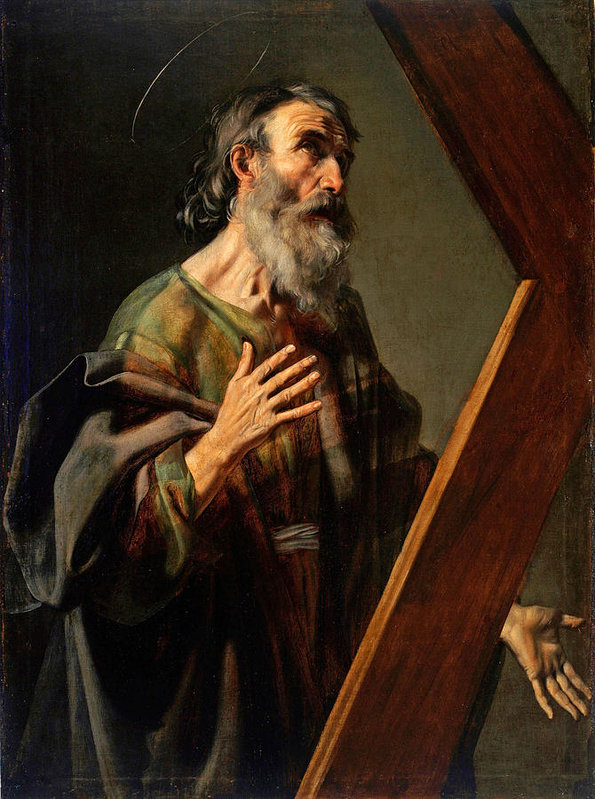
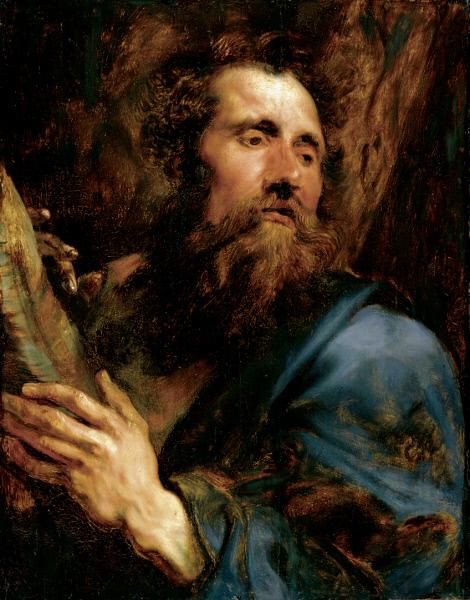
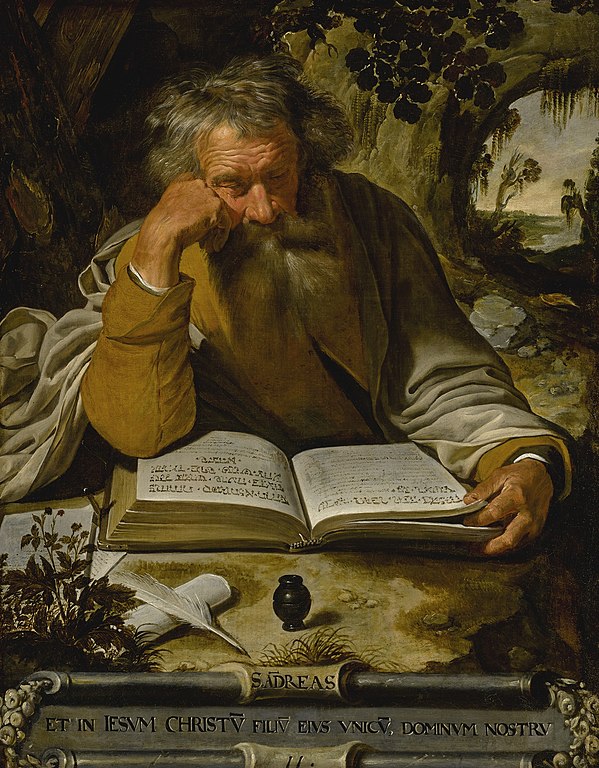
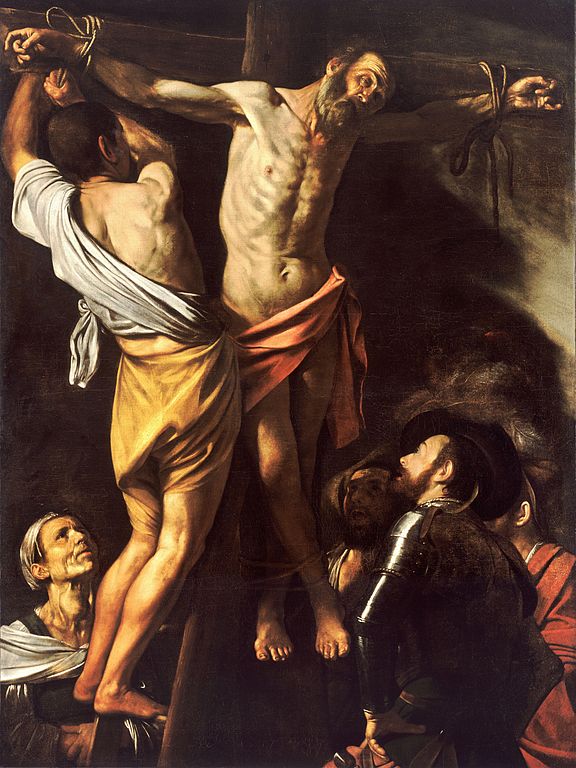
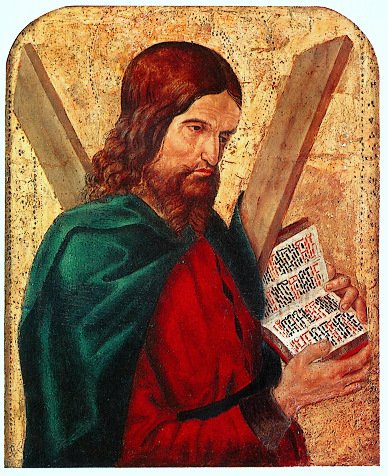
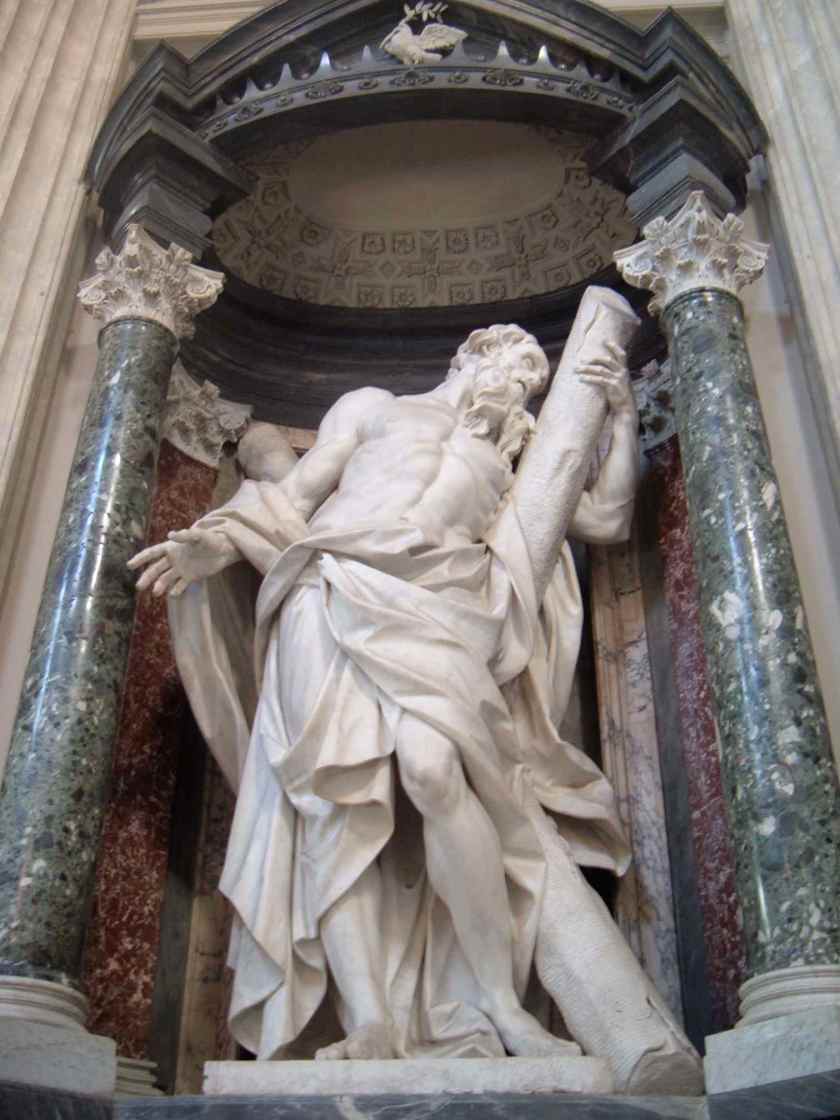
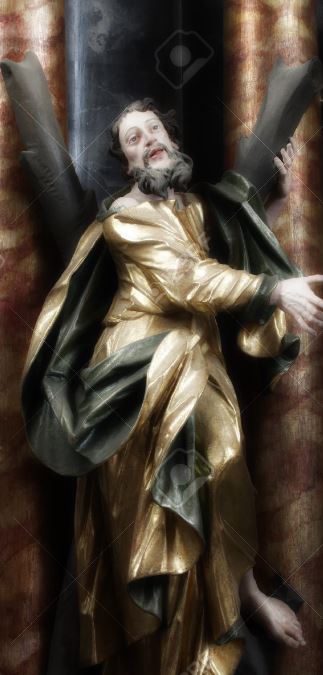
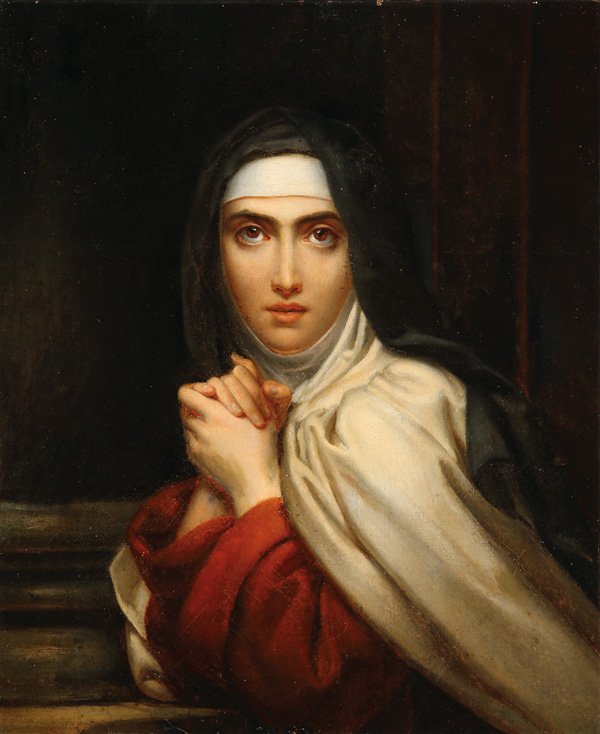


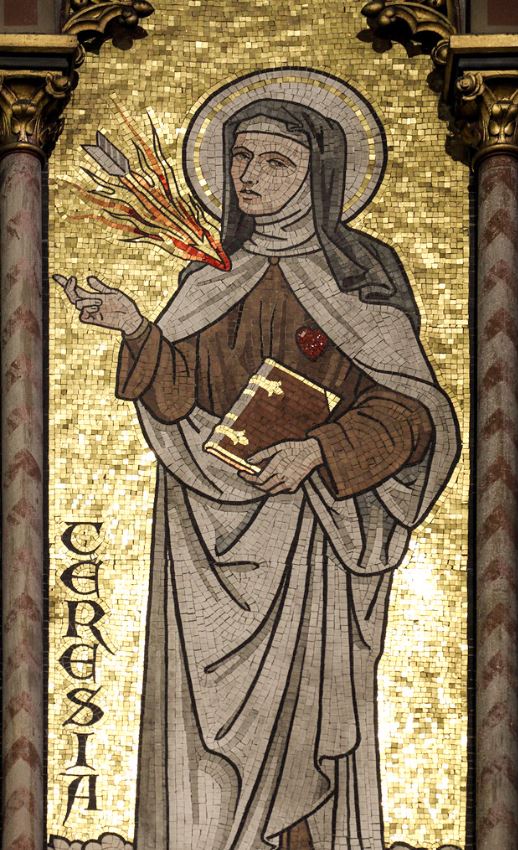
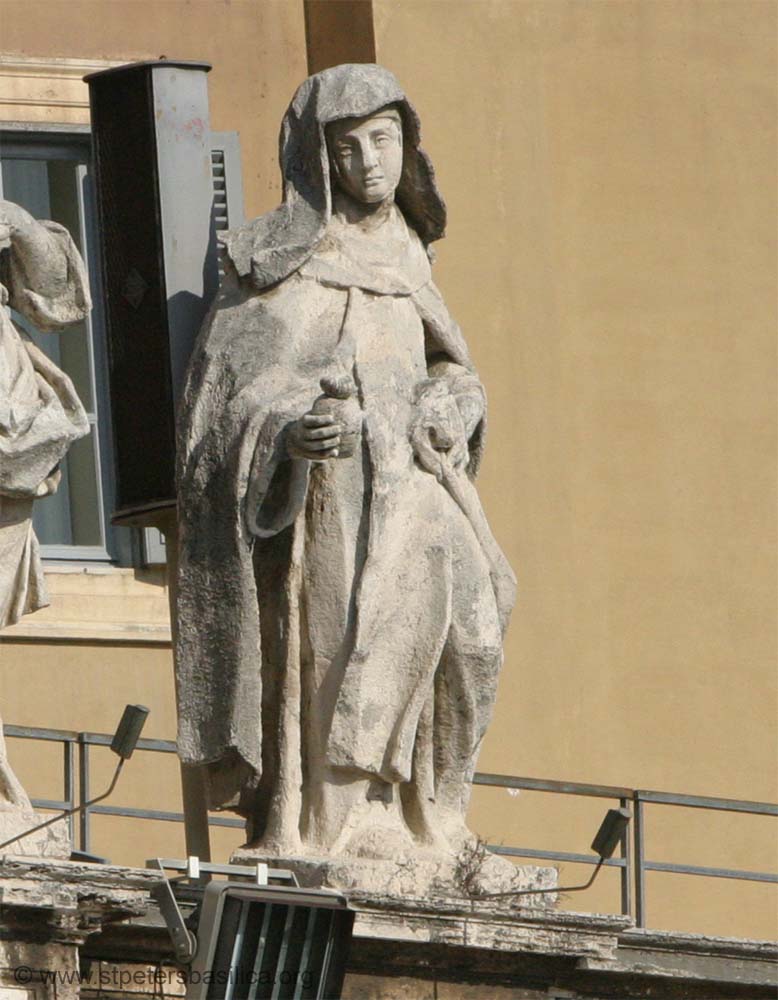
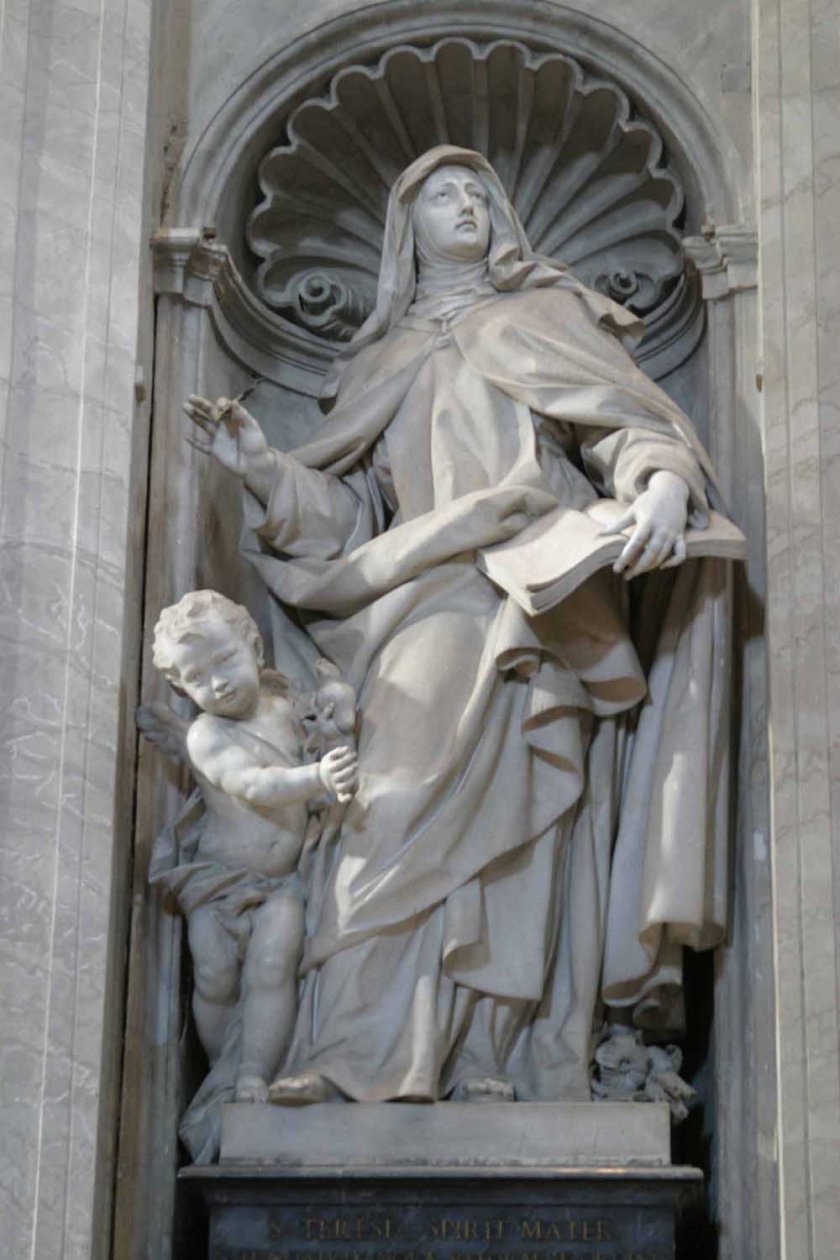


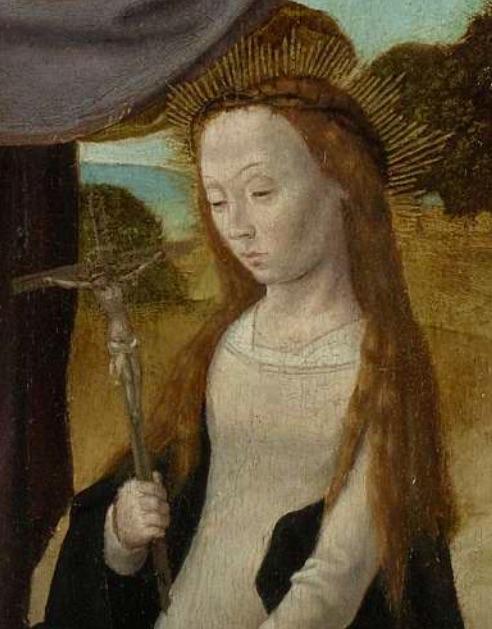
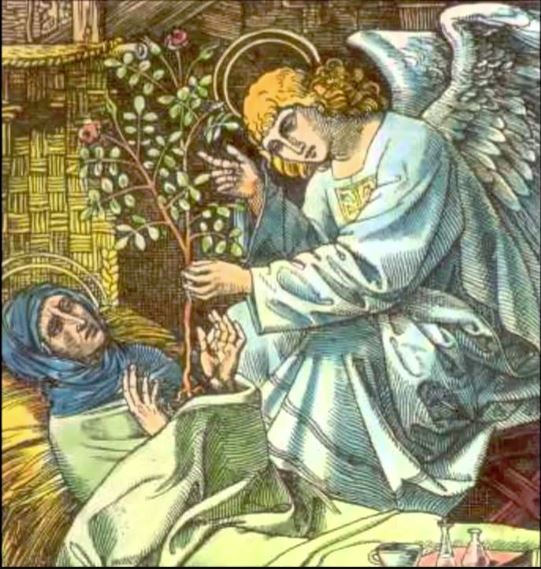
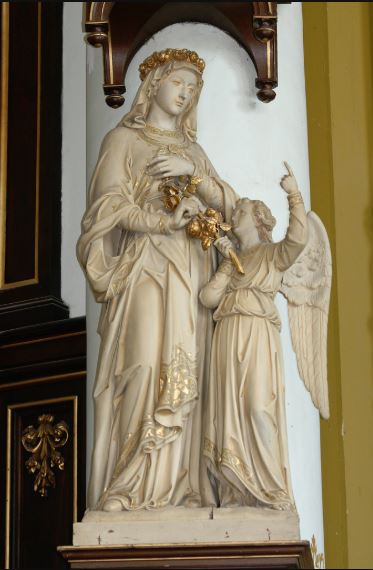
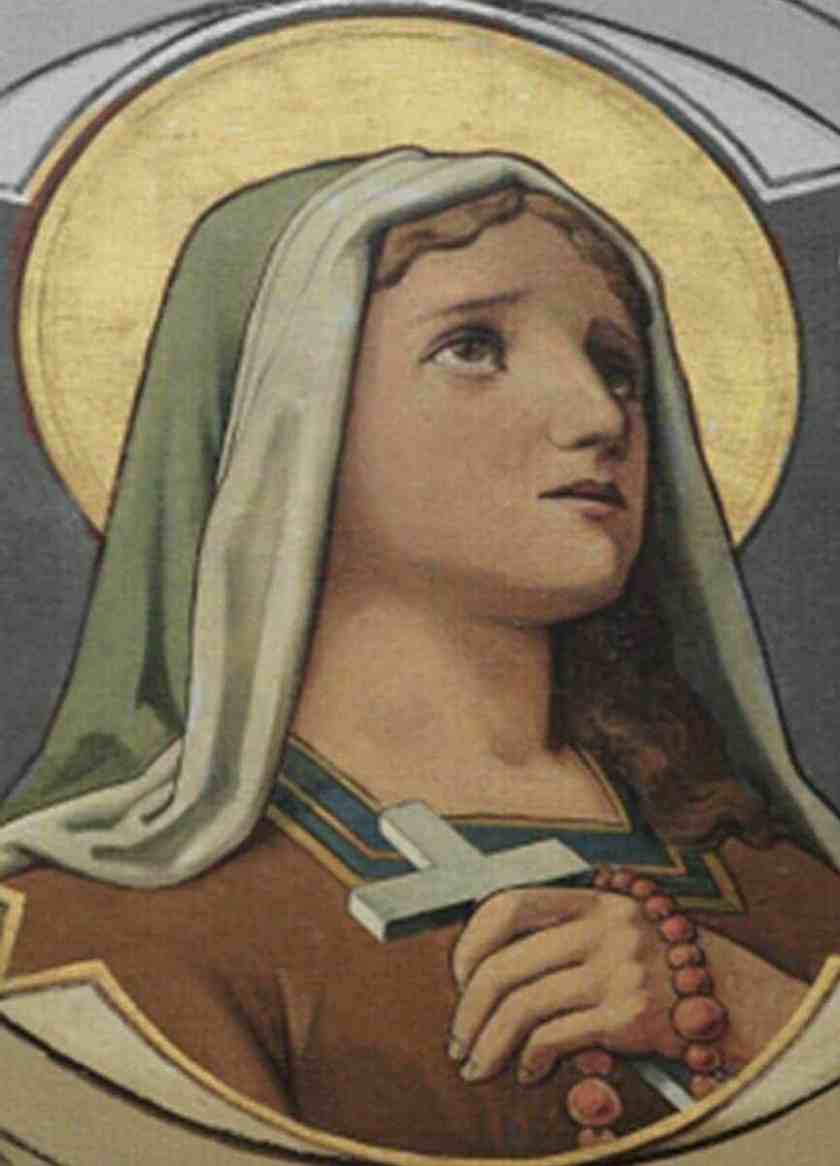
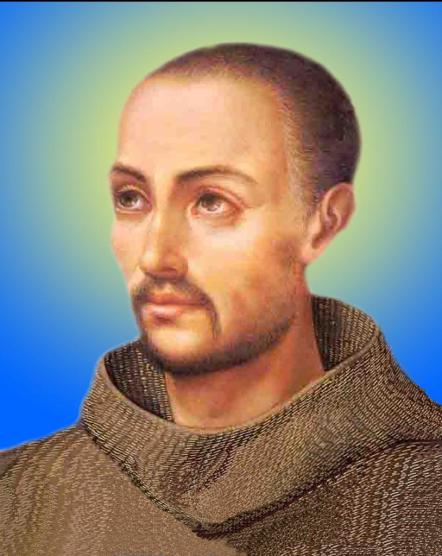
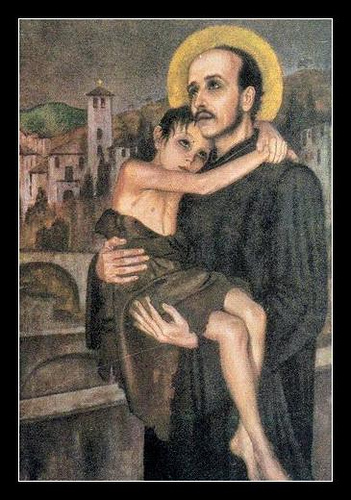
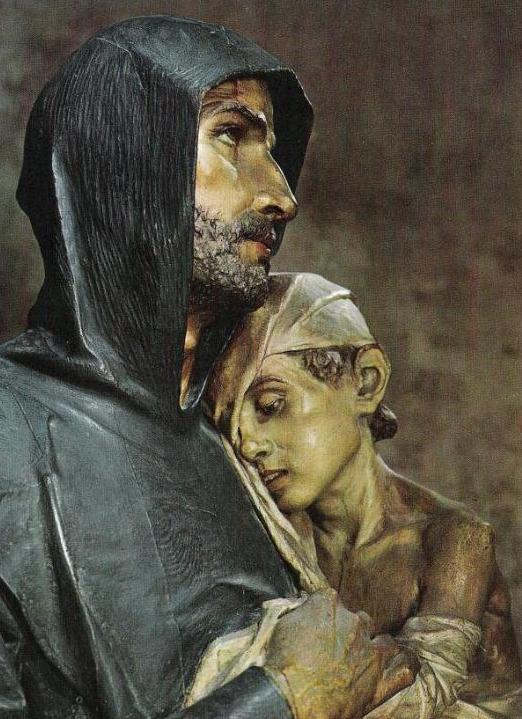
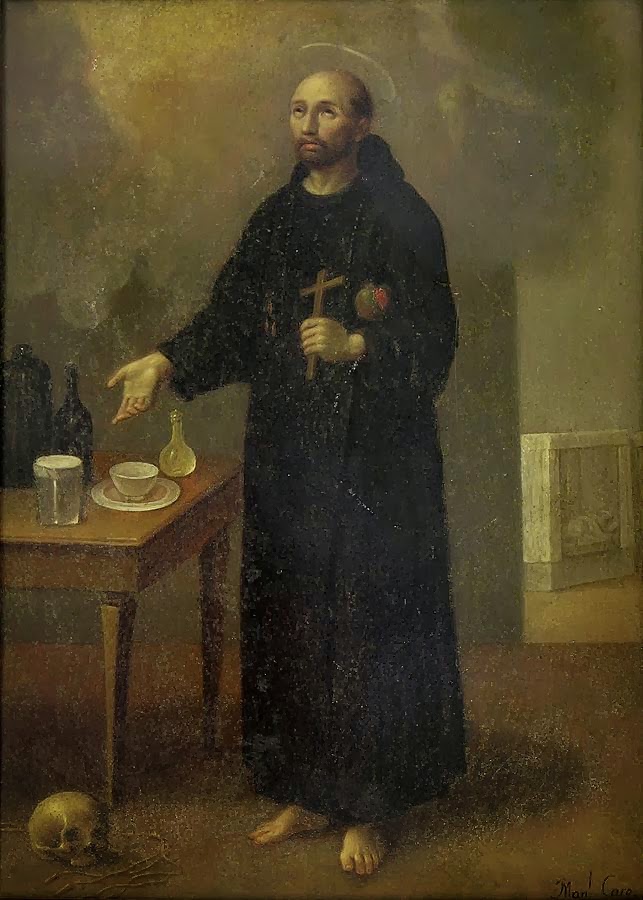

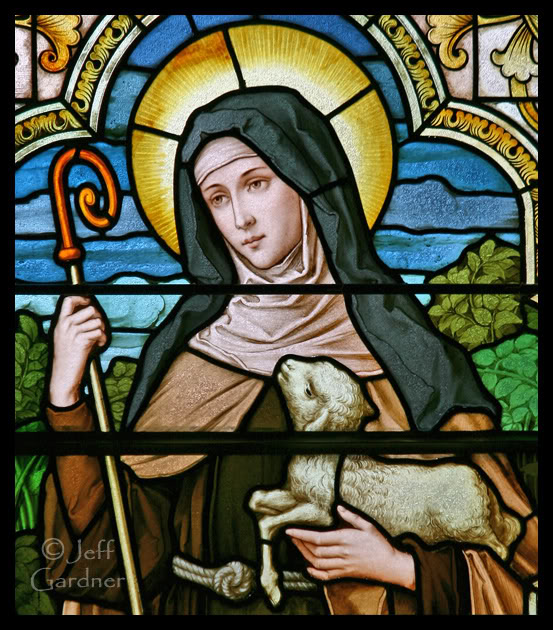
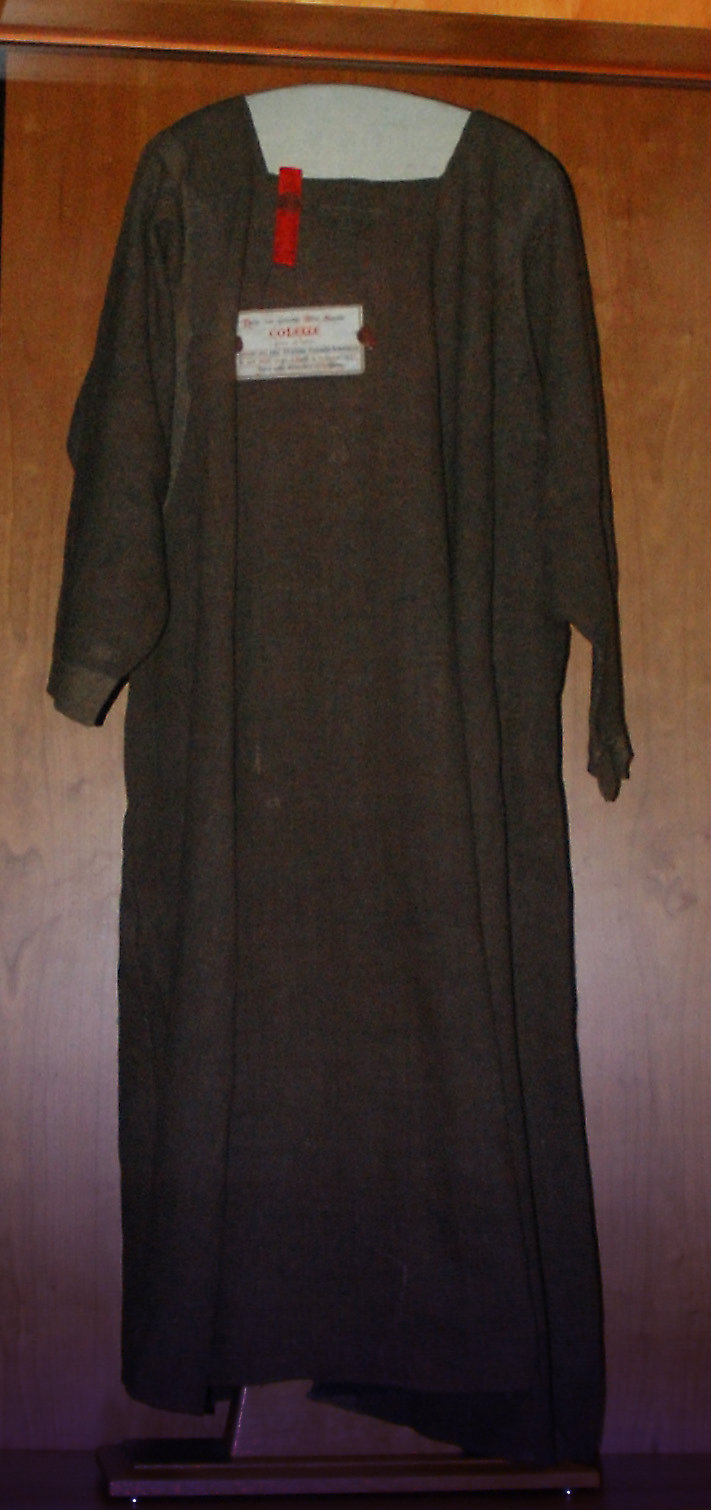
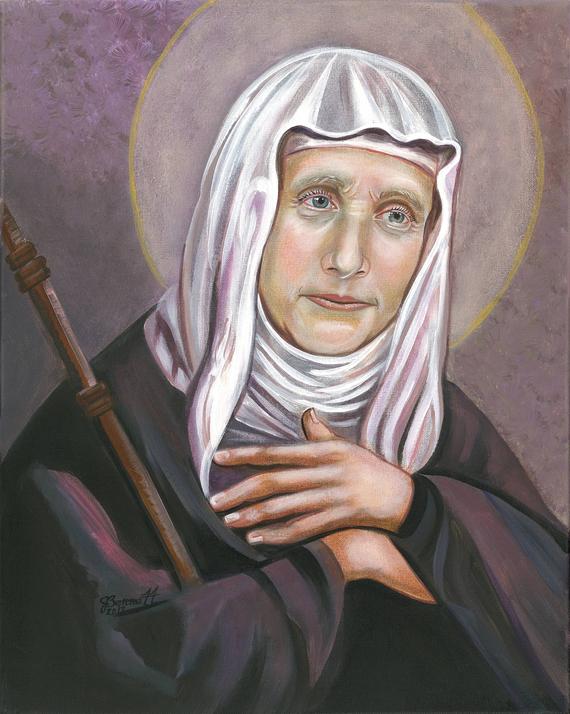
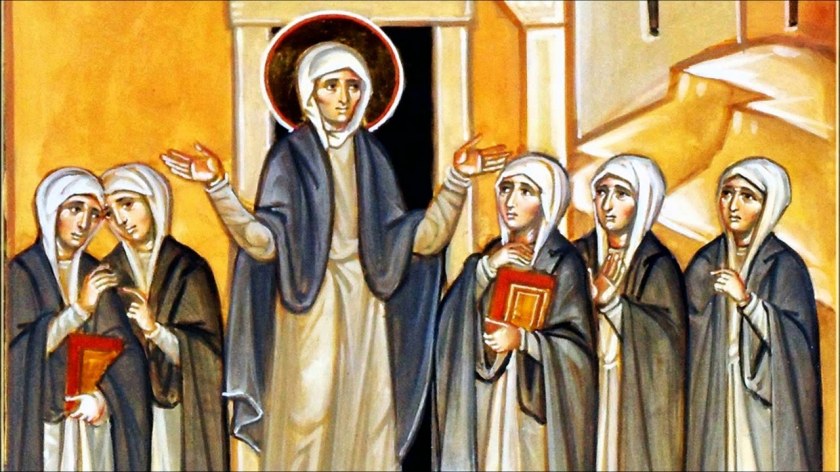
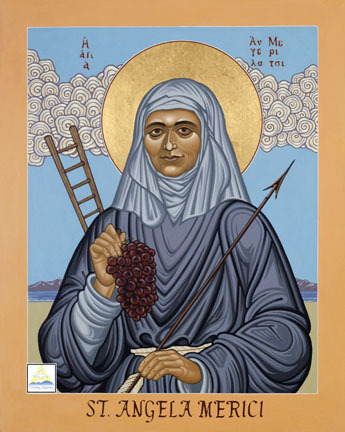
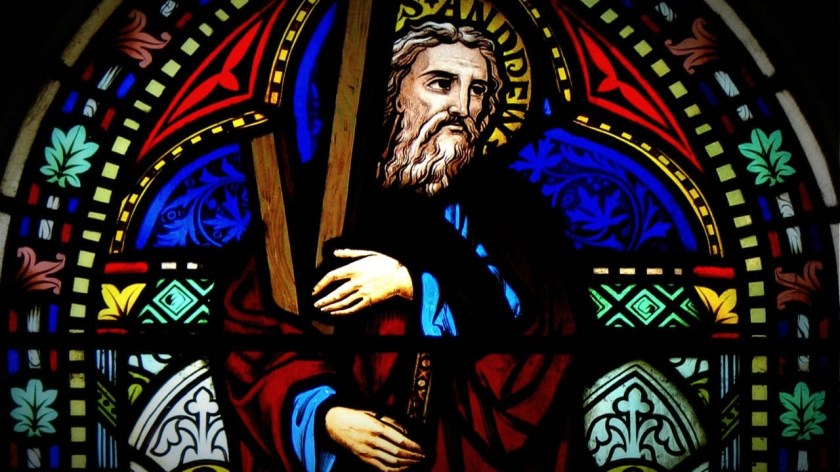
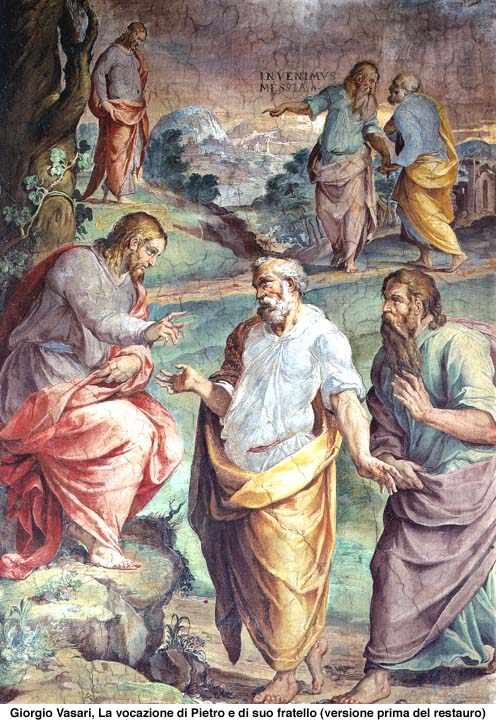
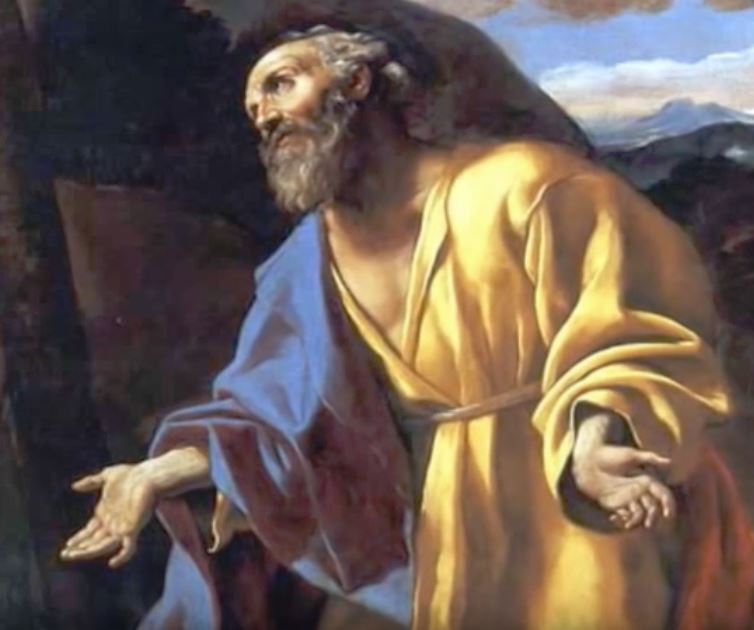
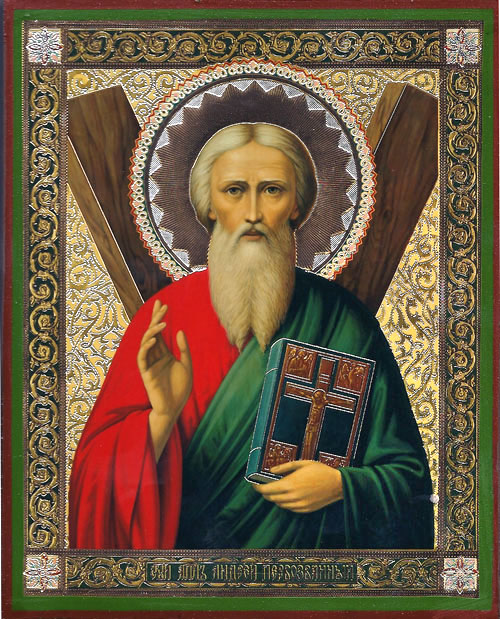
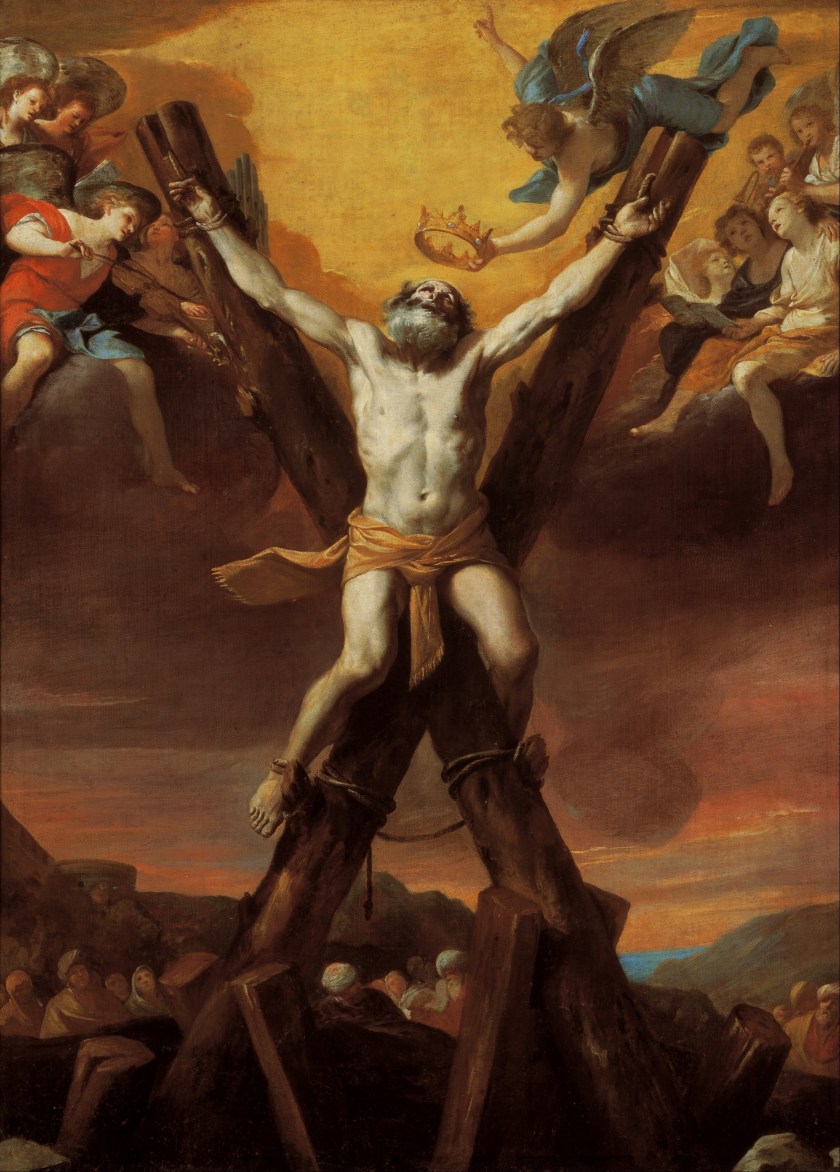


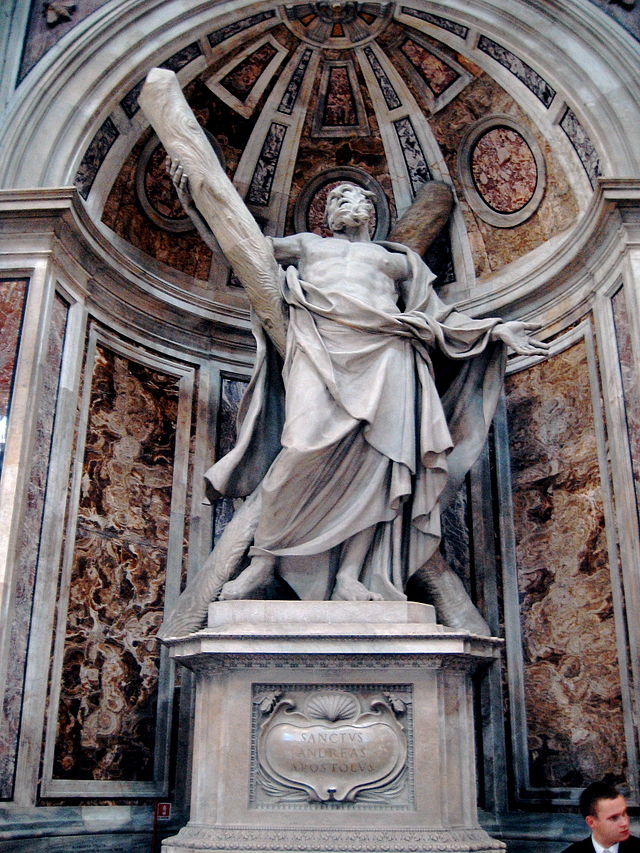


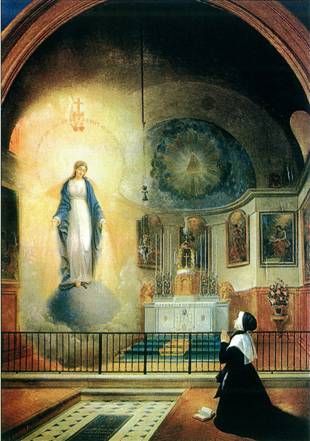
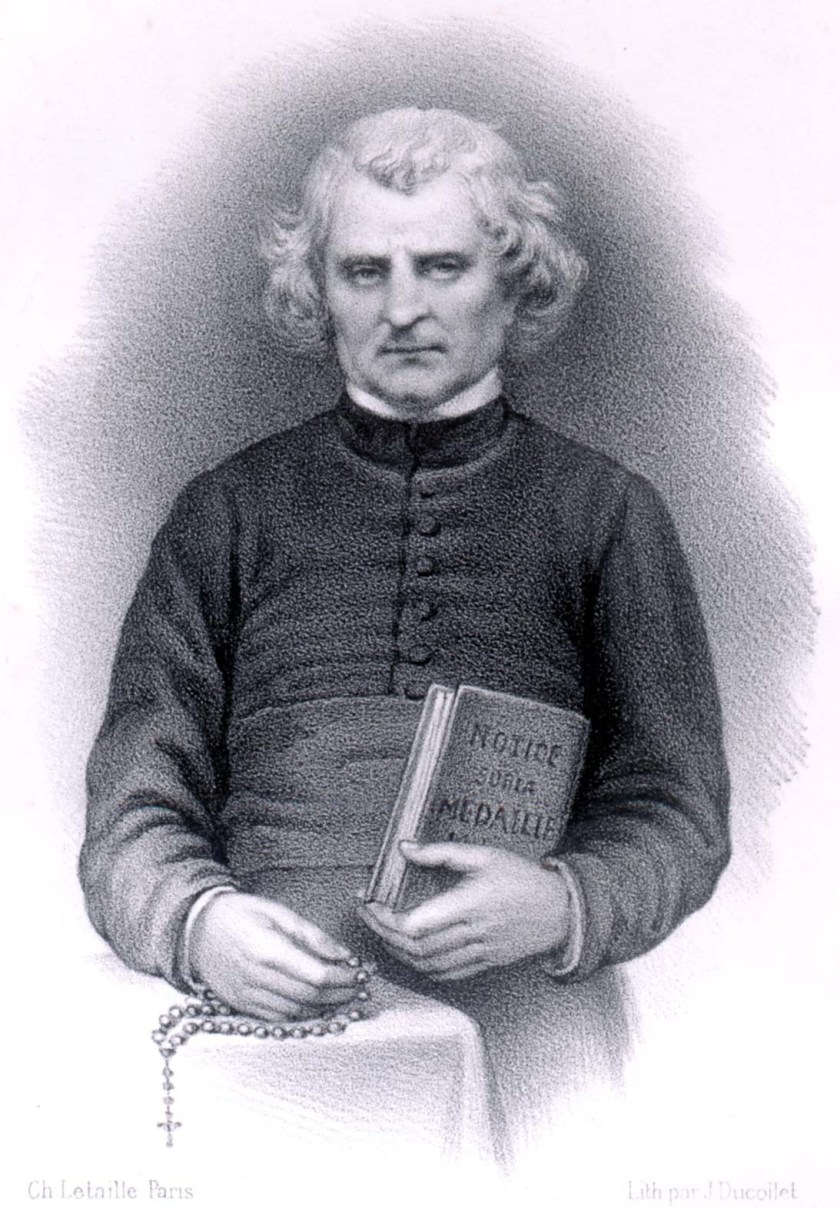
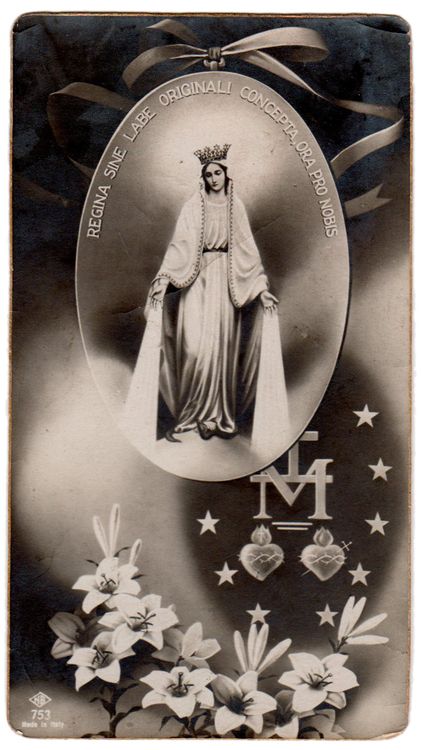
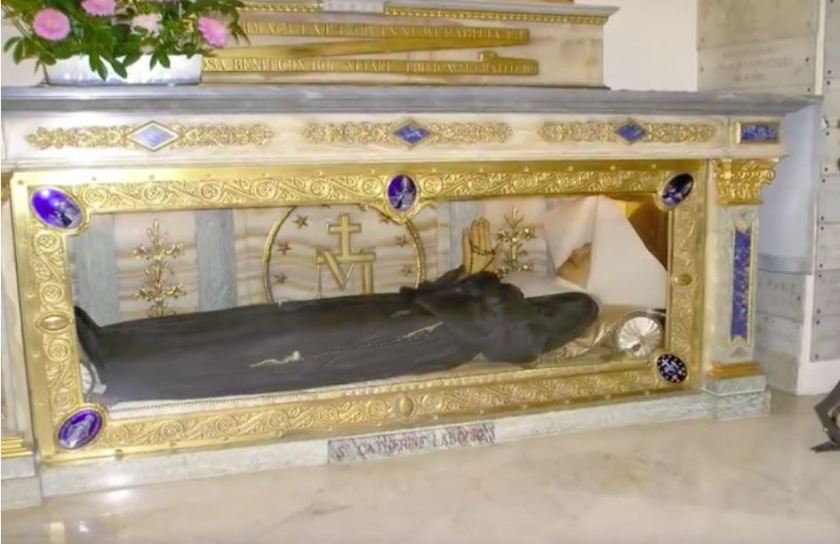
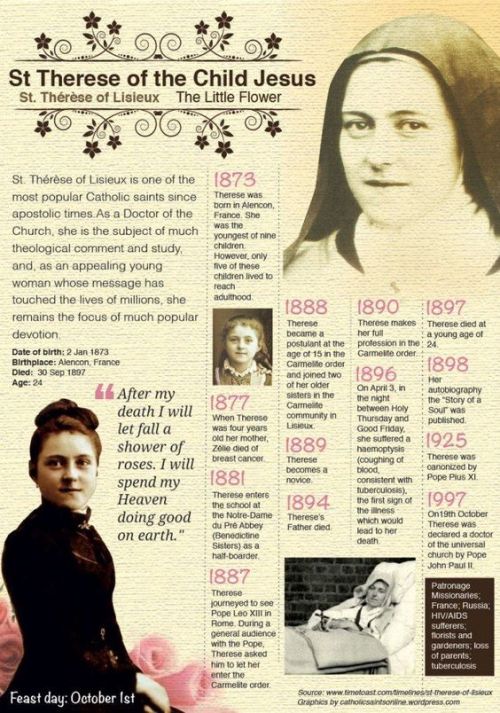

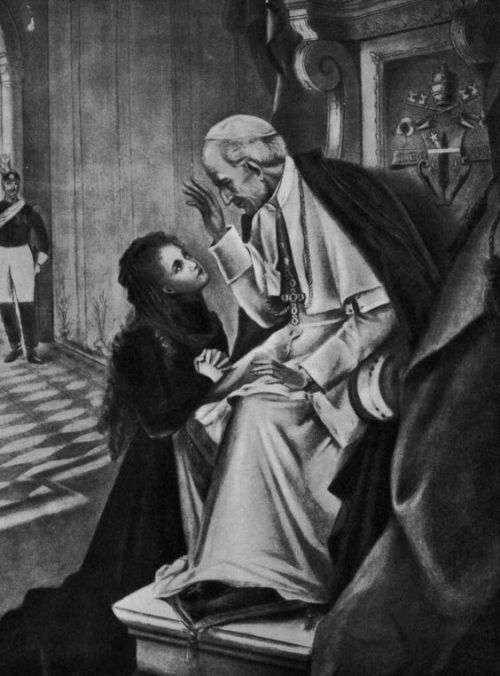
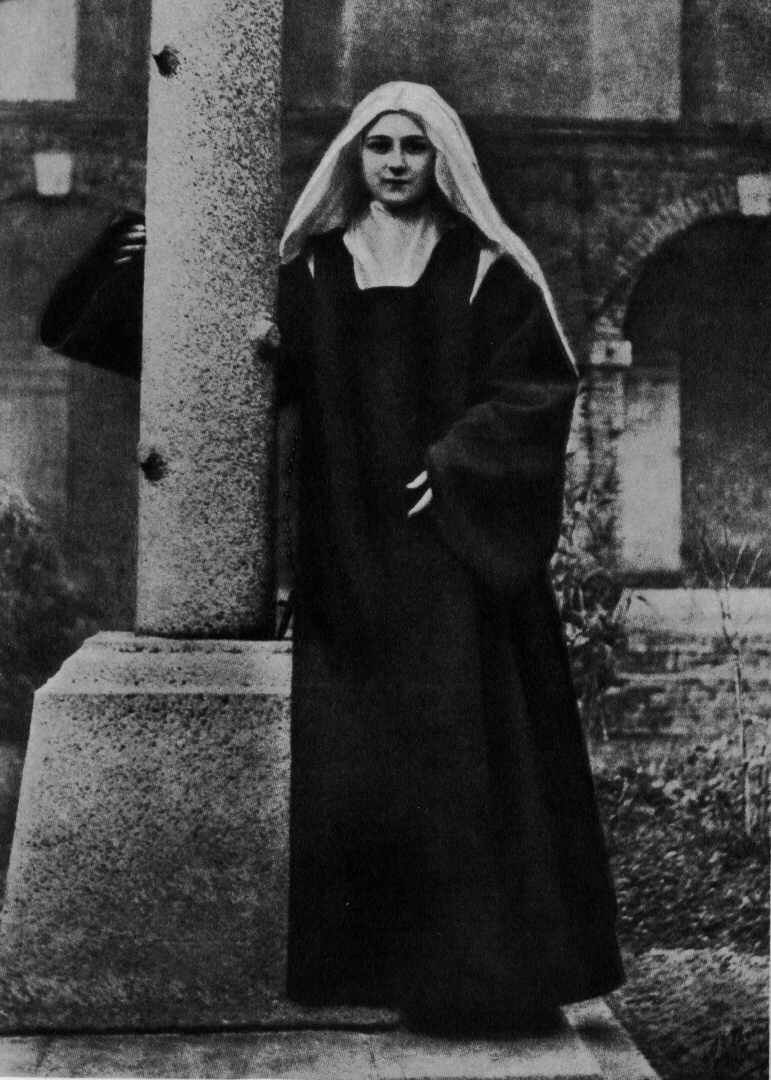
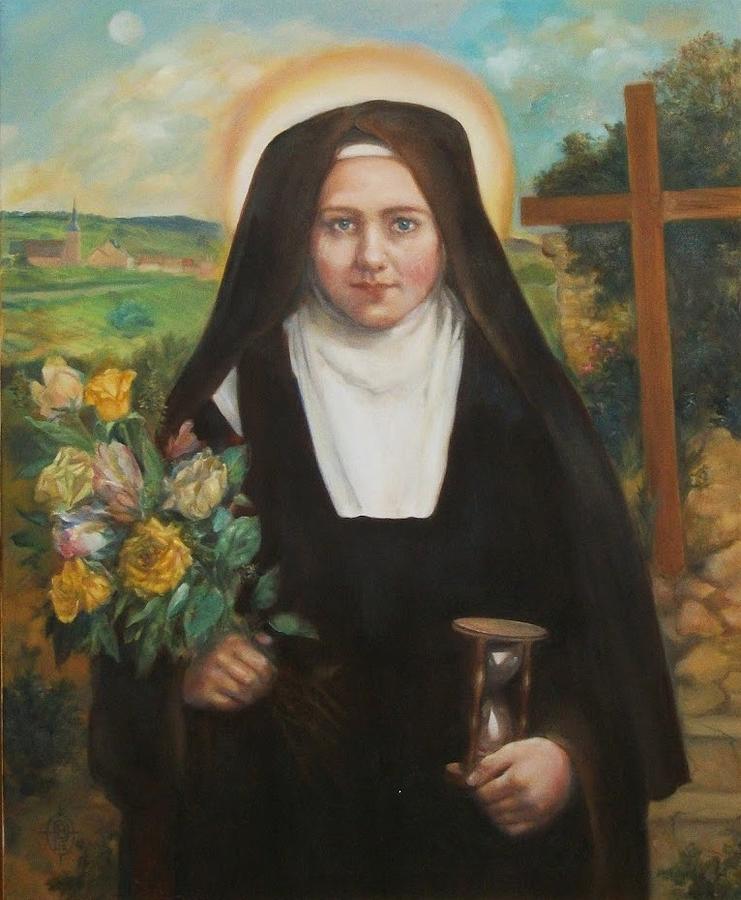
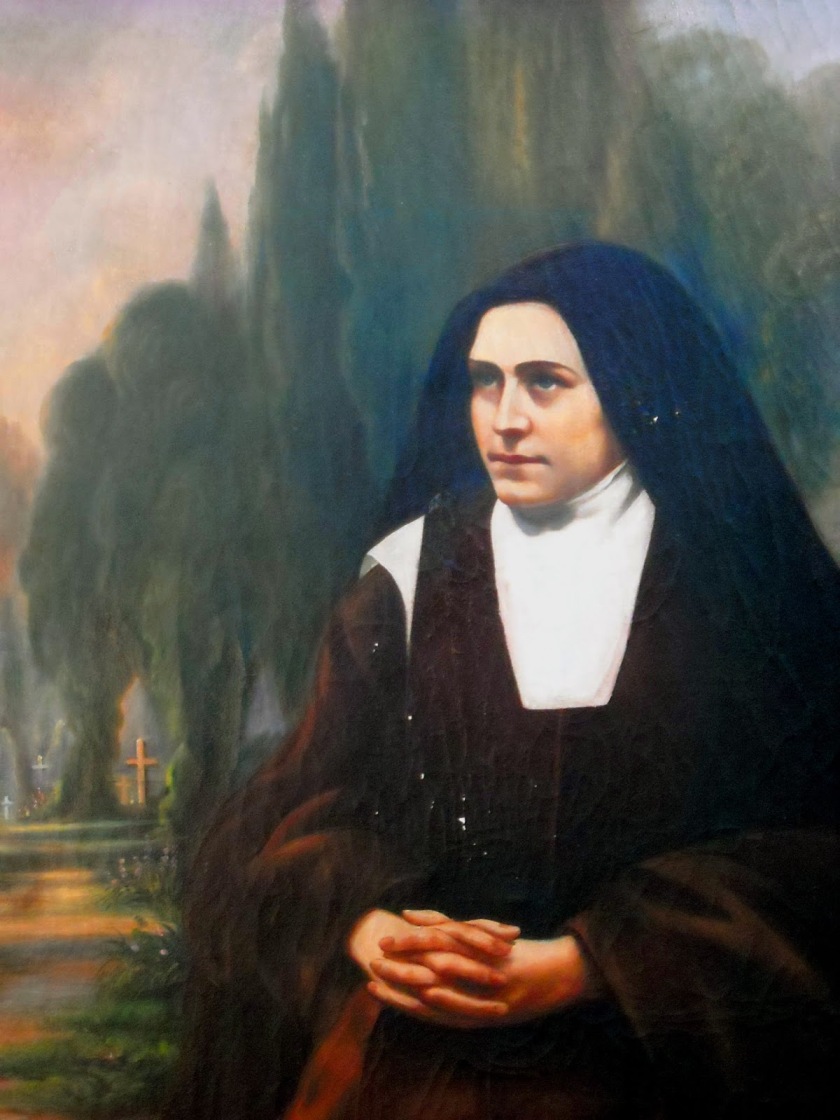
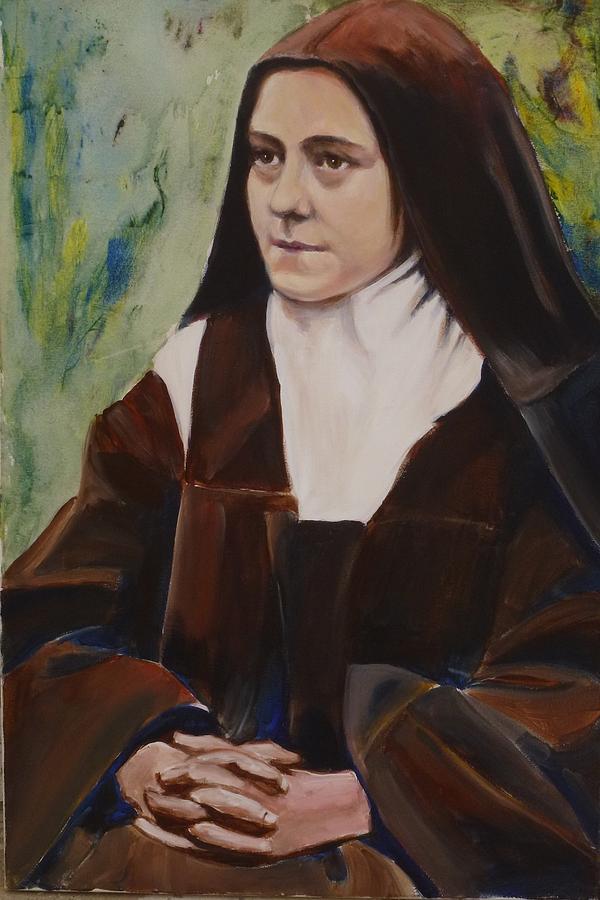


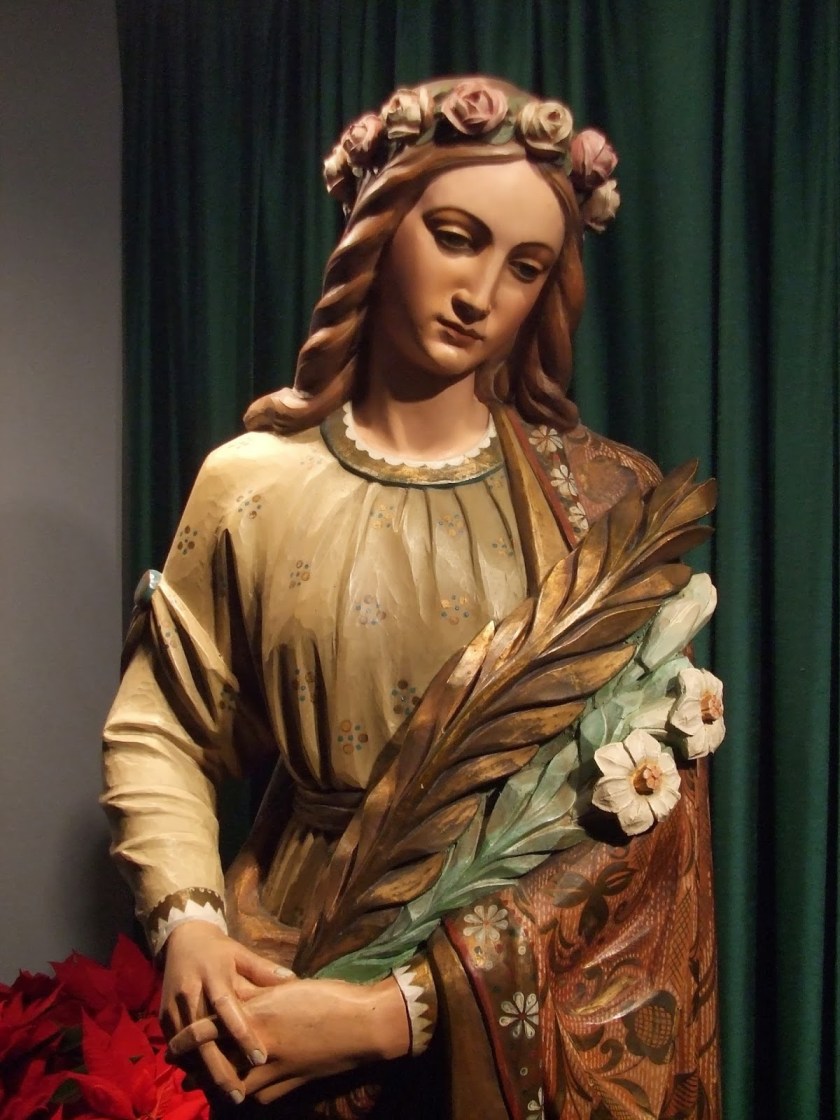
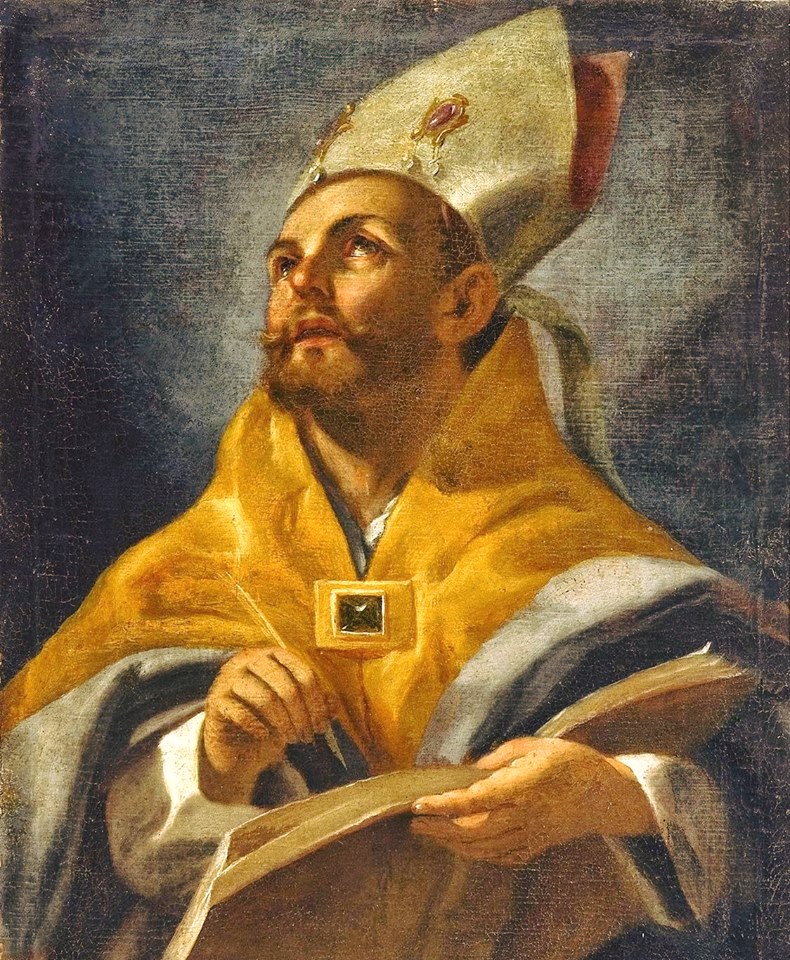


 The Oratory of the Bedroom: this houses the small cubicle where Catherine rested and prayed and the stone where the saint would lay her head. This space is connected with the first phase of Catherine’s life, where she would withdraw from the world in contemplation. Images below.


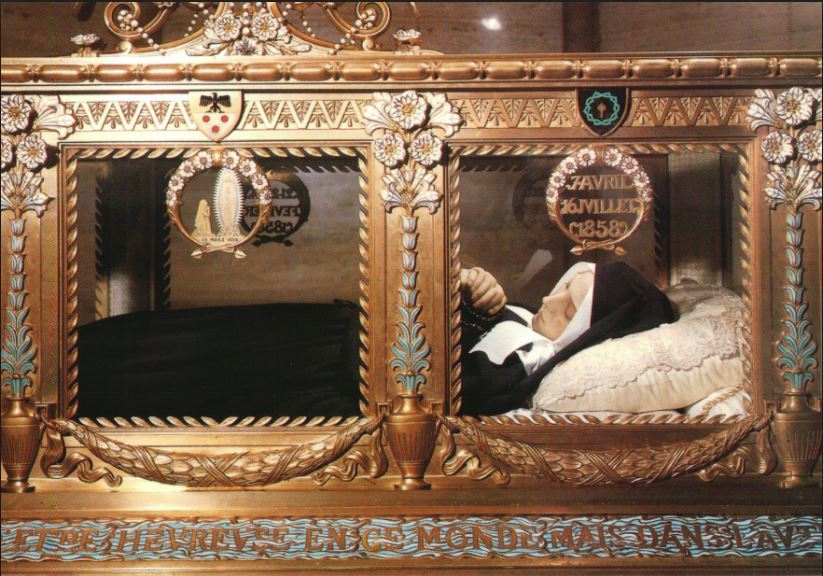
![Bernardette Soubirous_web[1]](https://i0.wp.com/anastpaul.com/wp-content/uploads/2018/04/bernardette-soubirous_web1.jpg?w=386&h=557&ssl=1 "Bernardette Soubirous_web[1]")




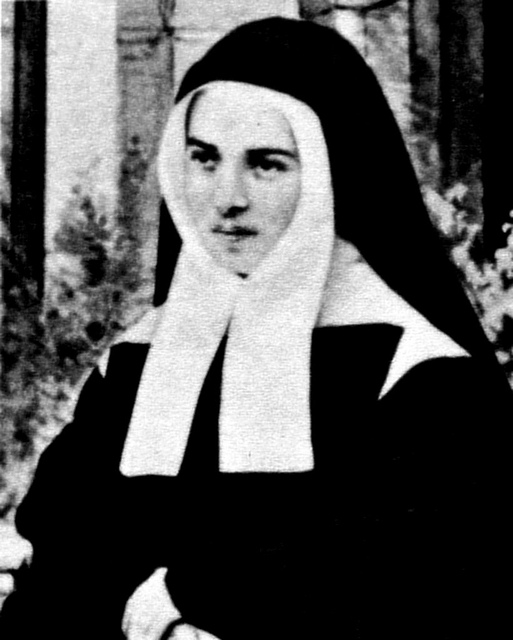
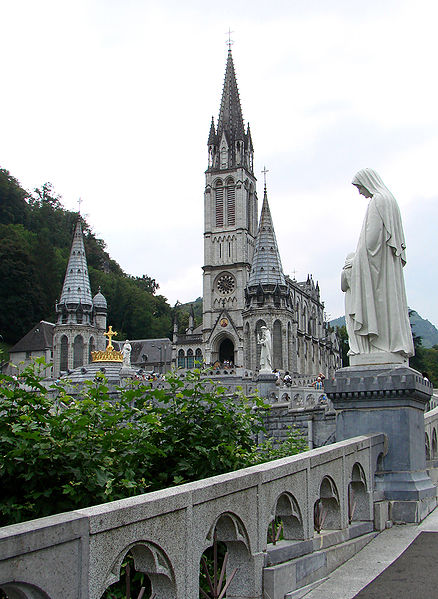


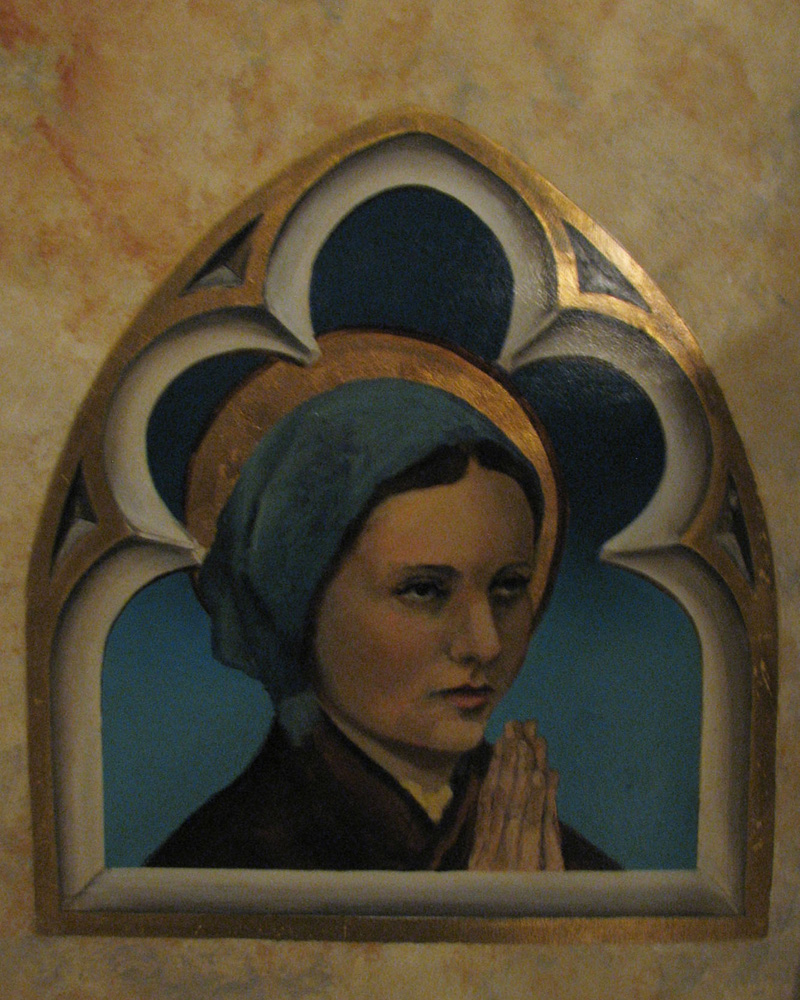
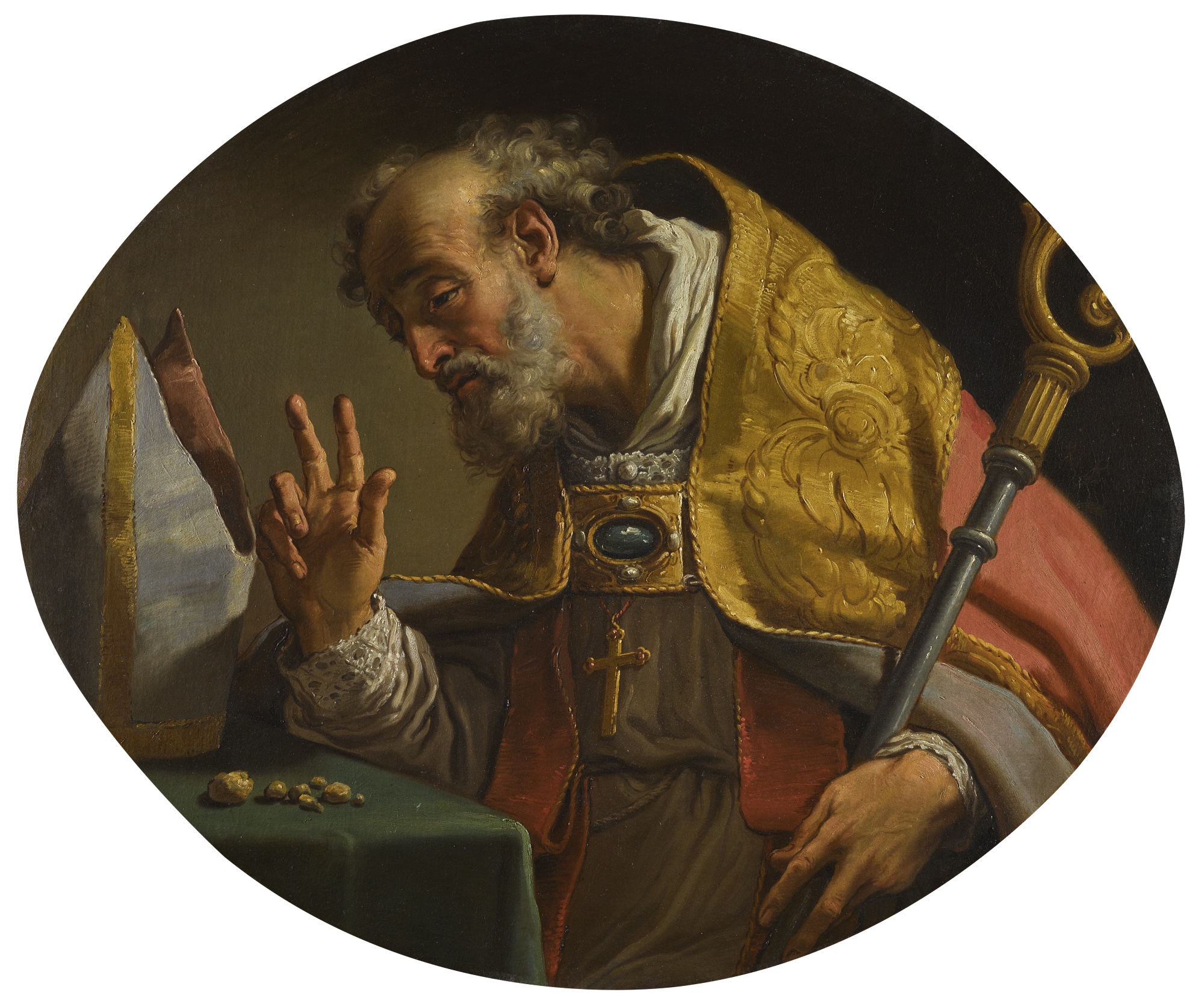
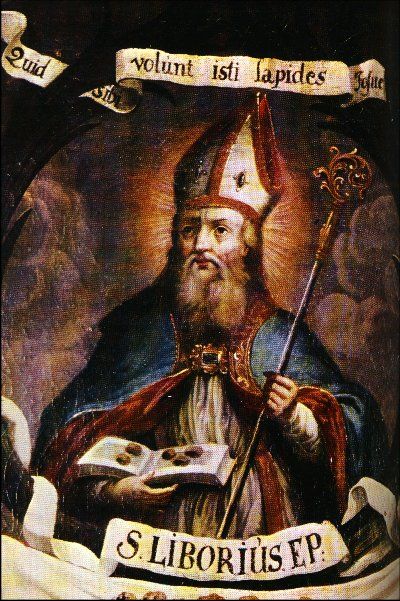
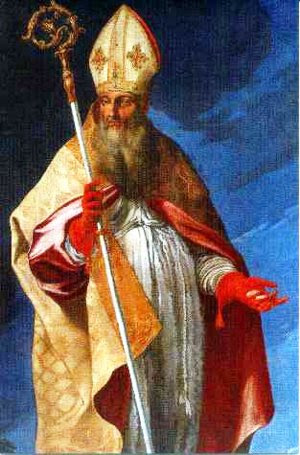


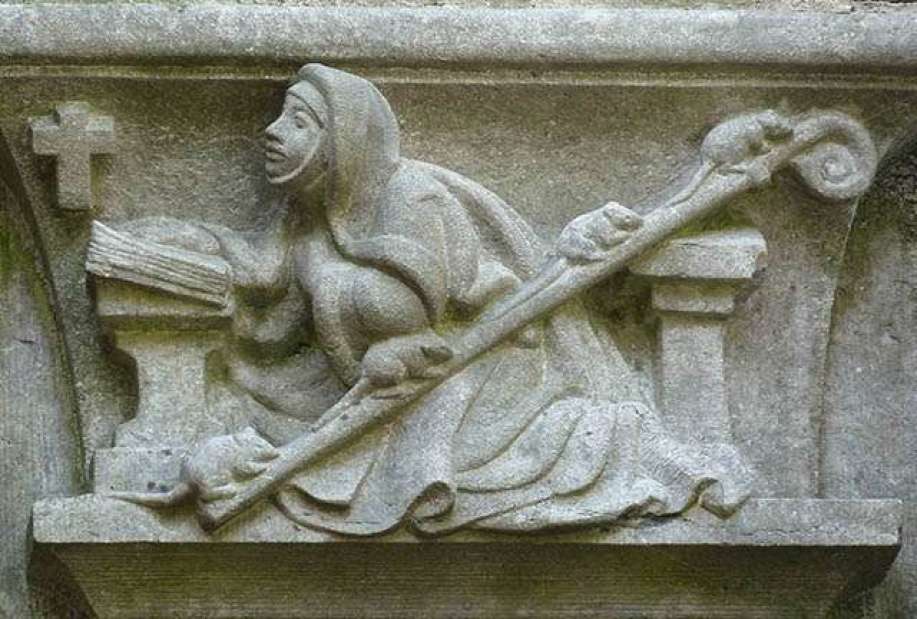
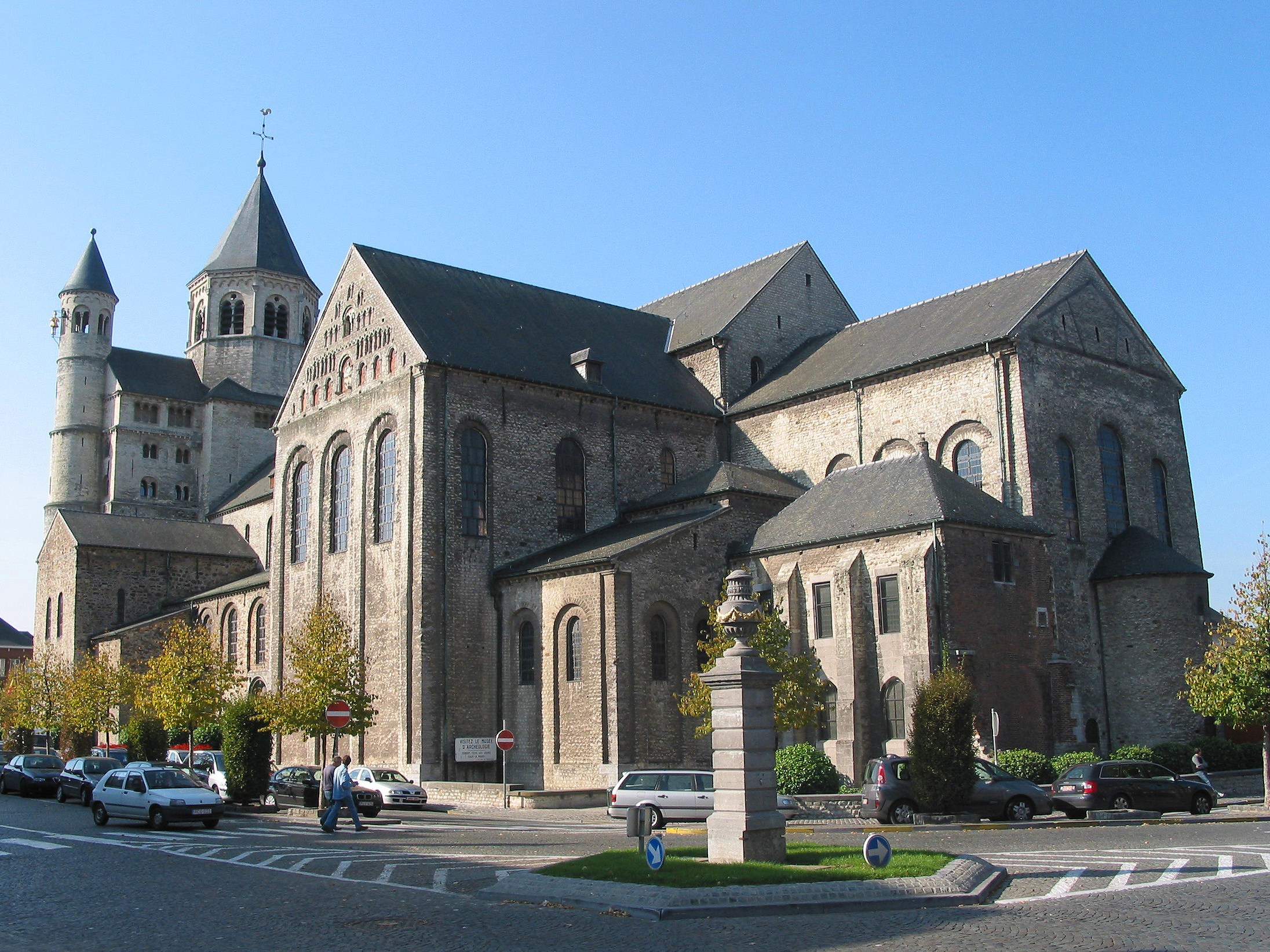

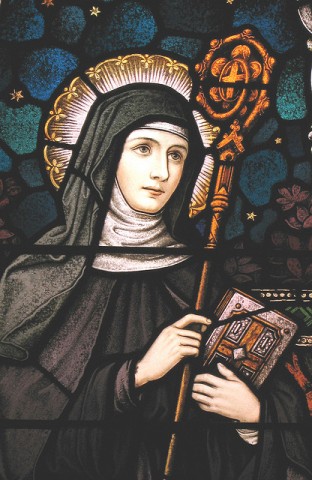
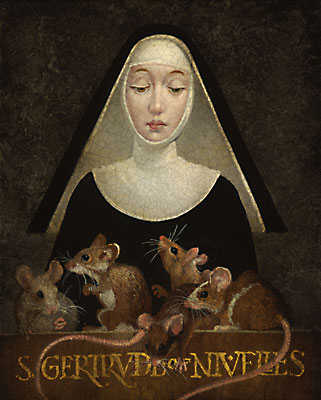


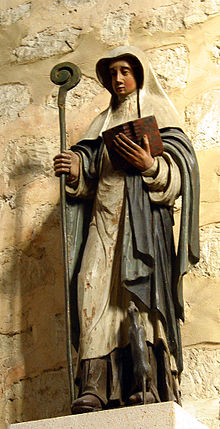
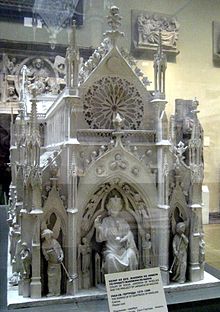
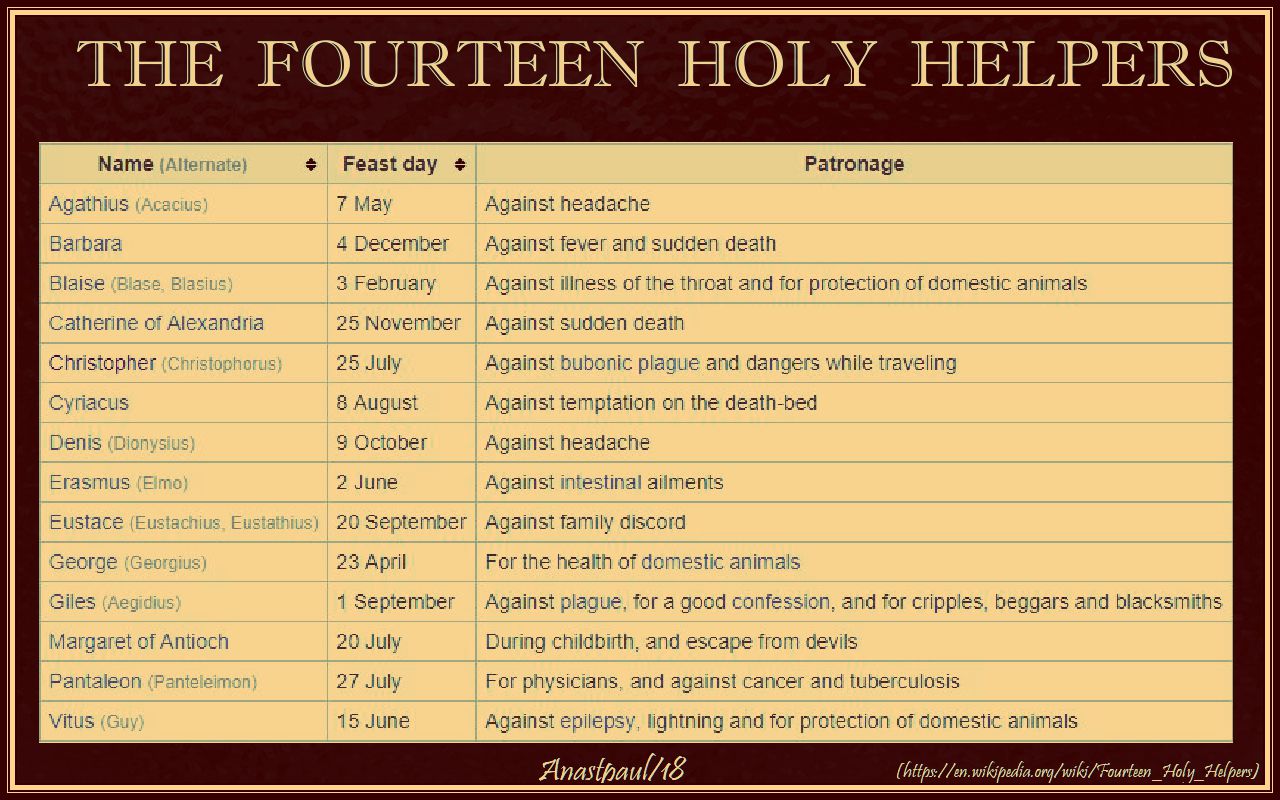
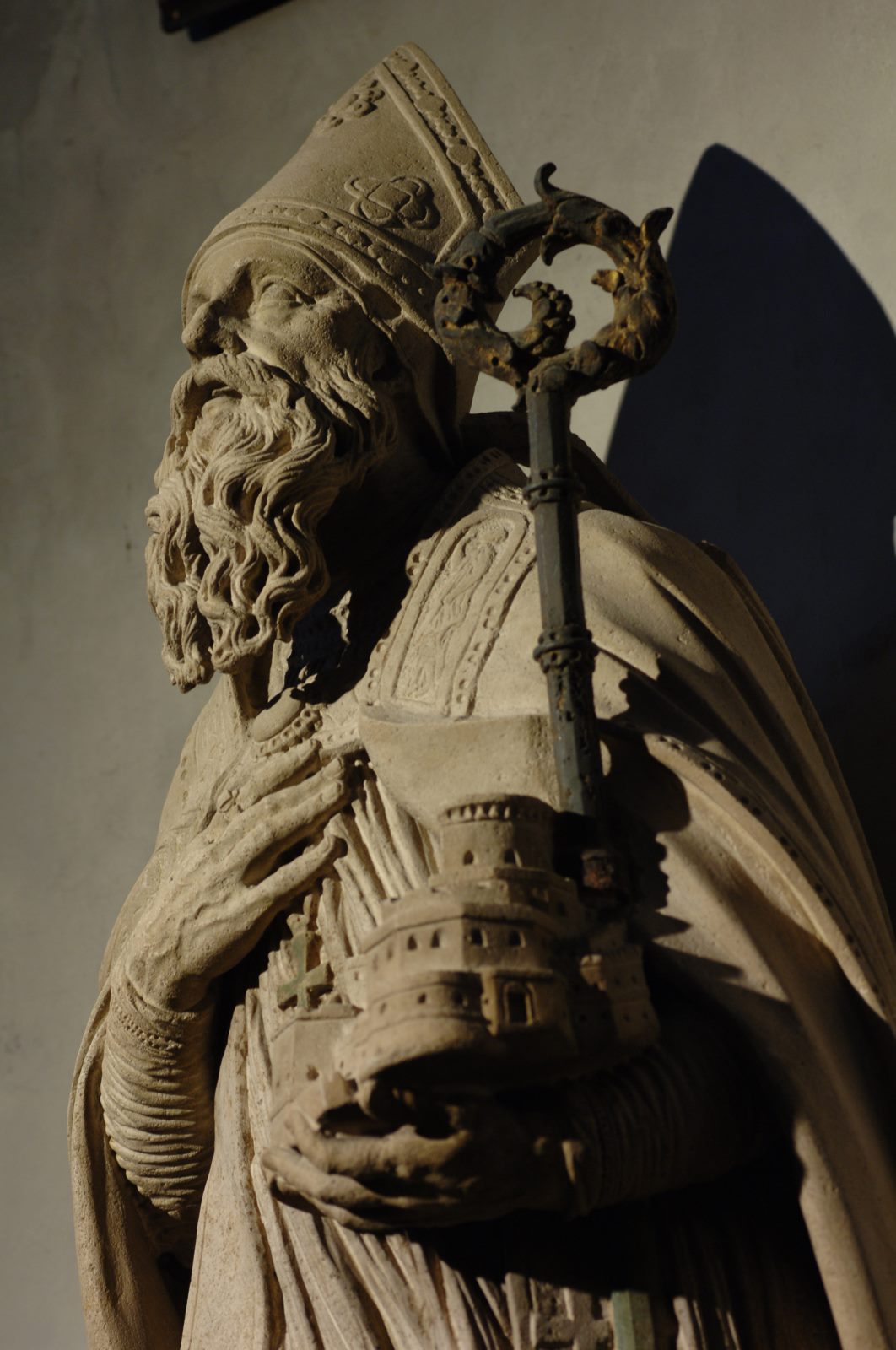
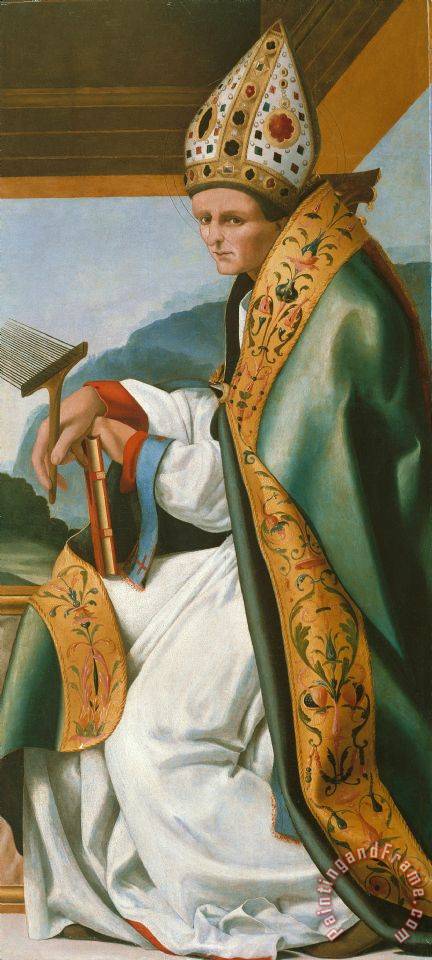
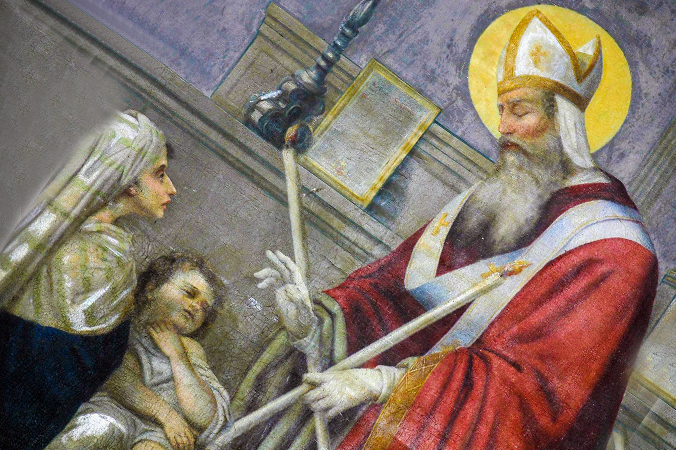
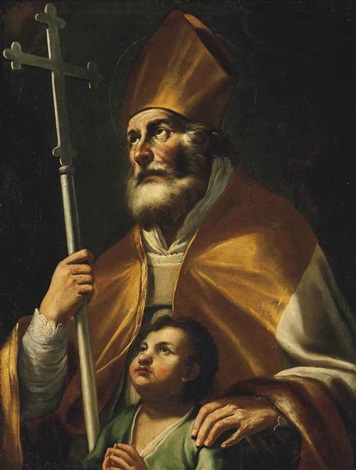
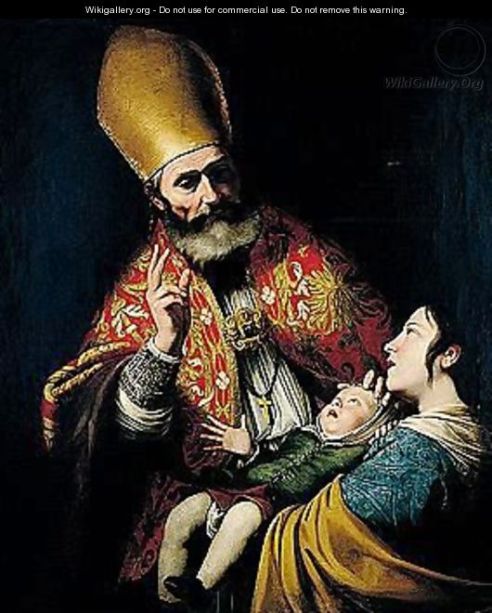
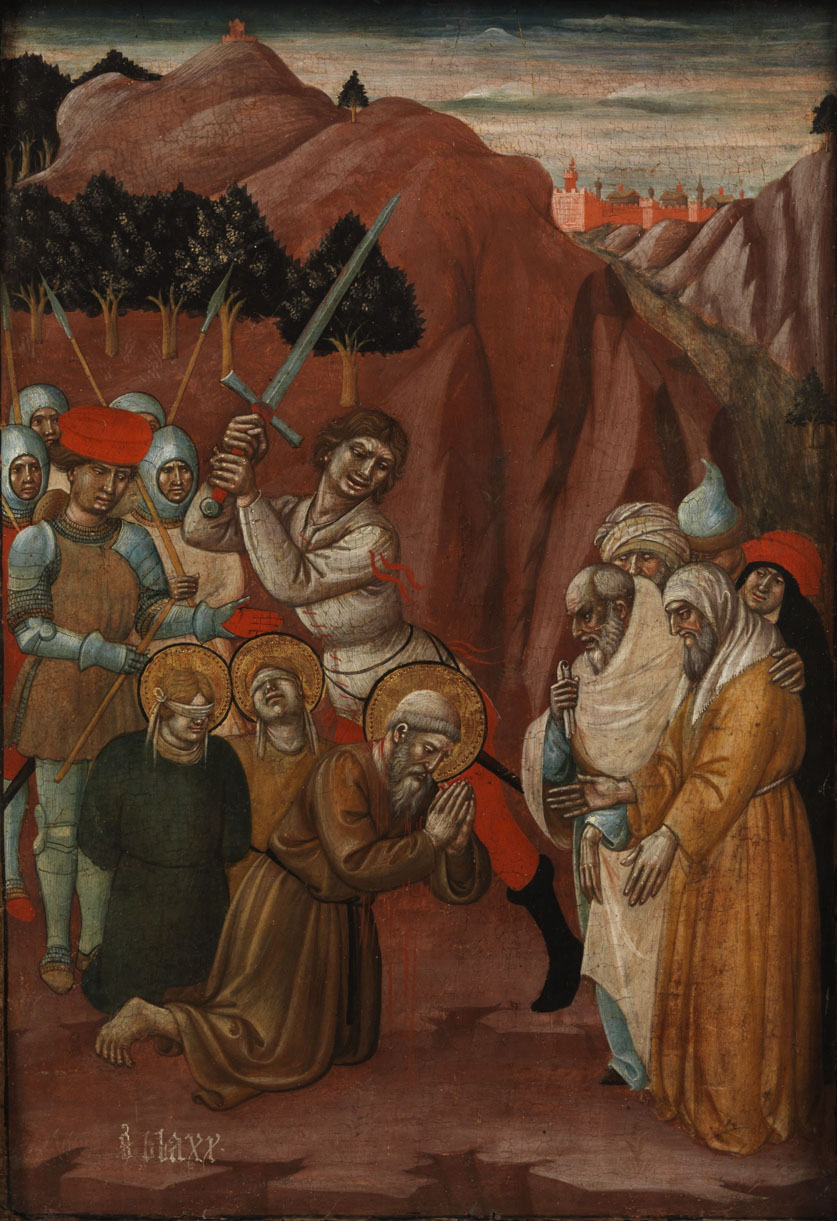
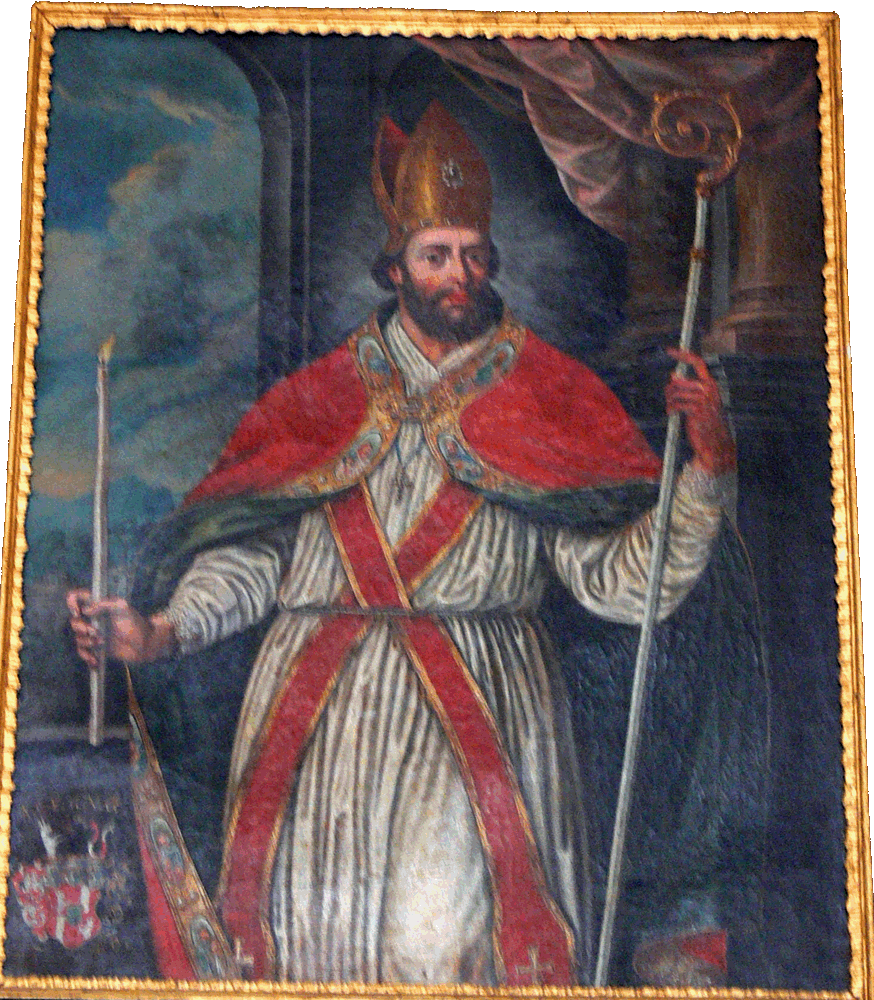
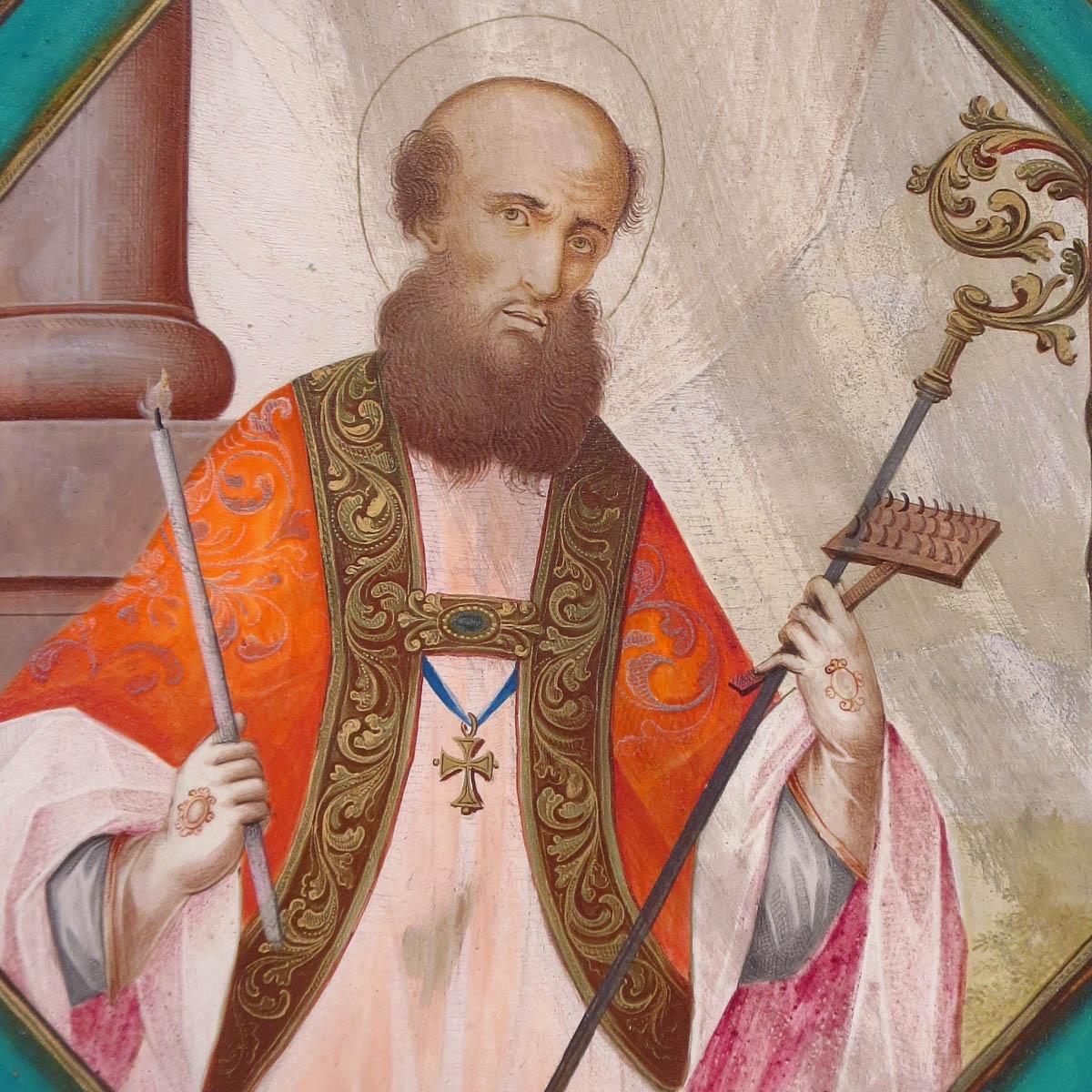


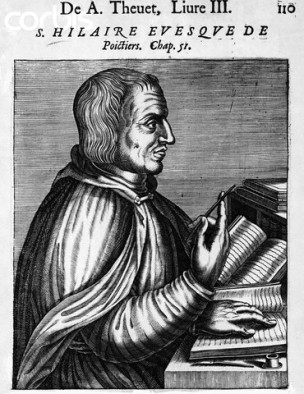


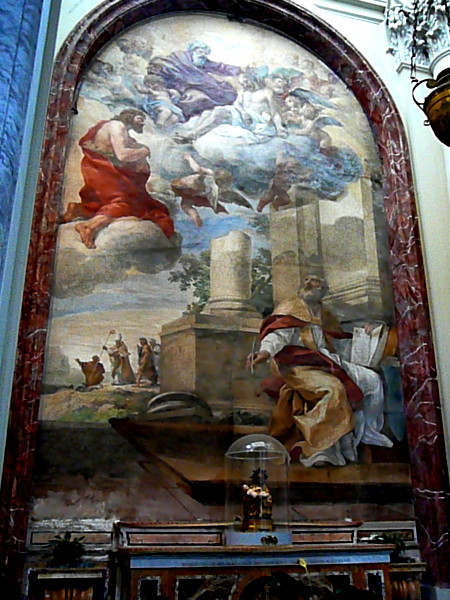
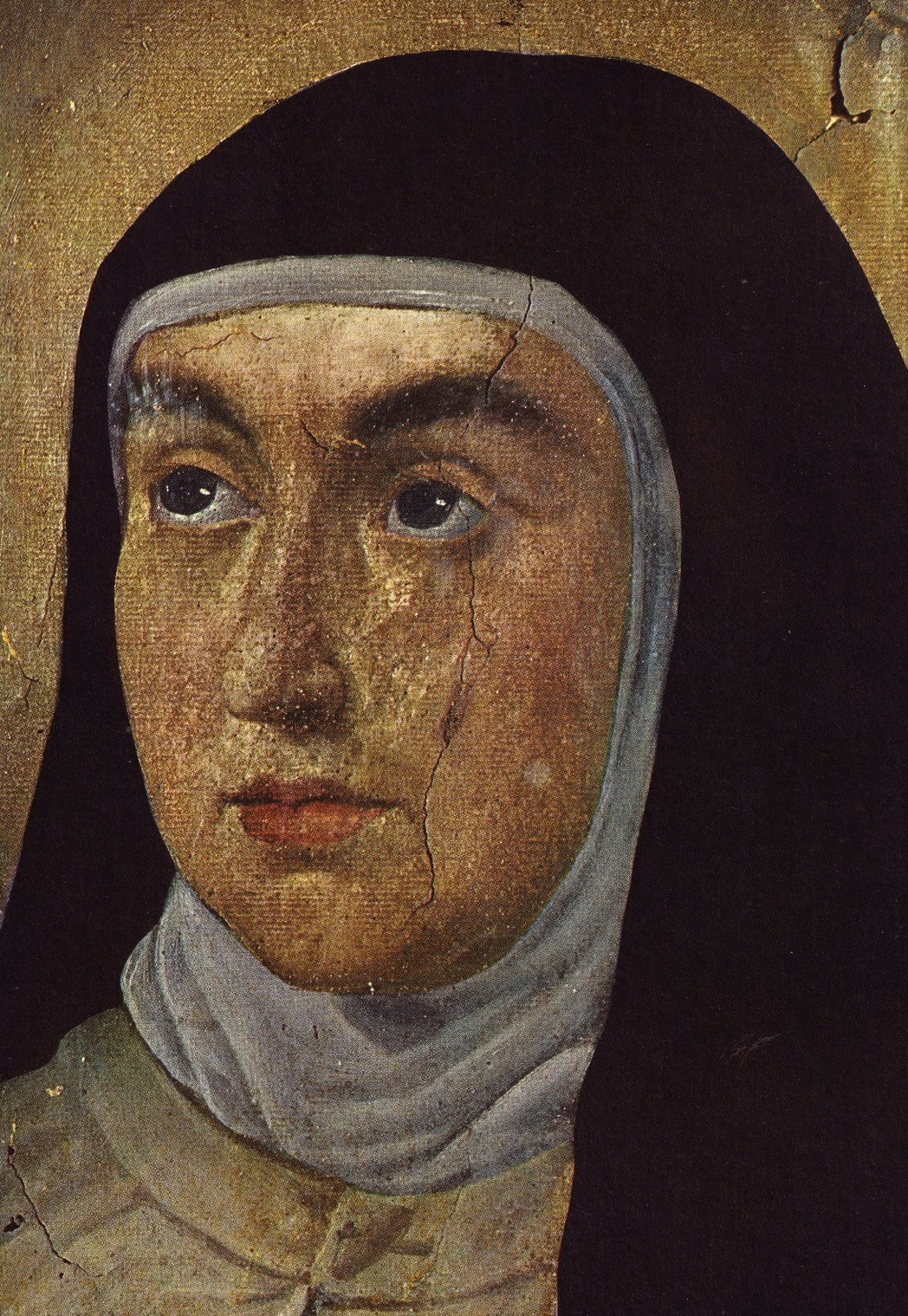
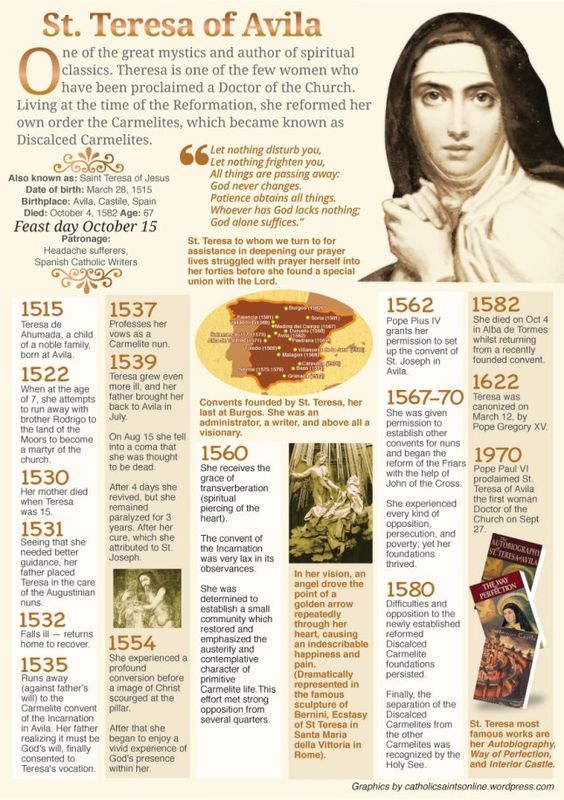
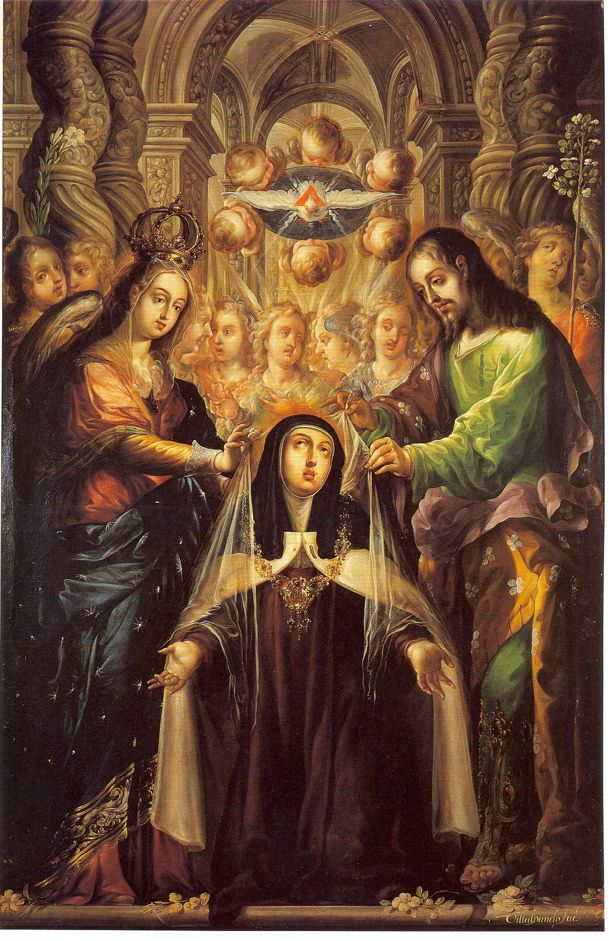
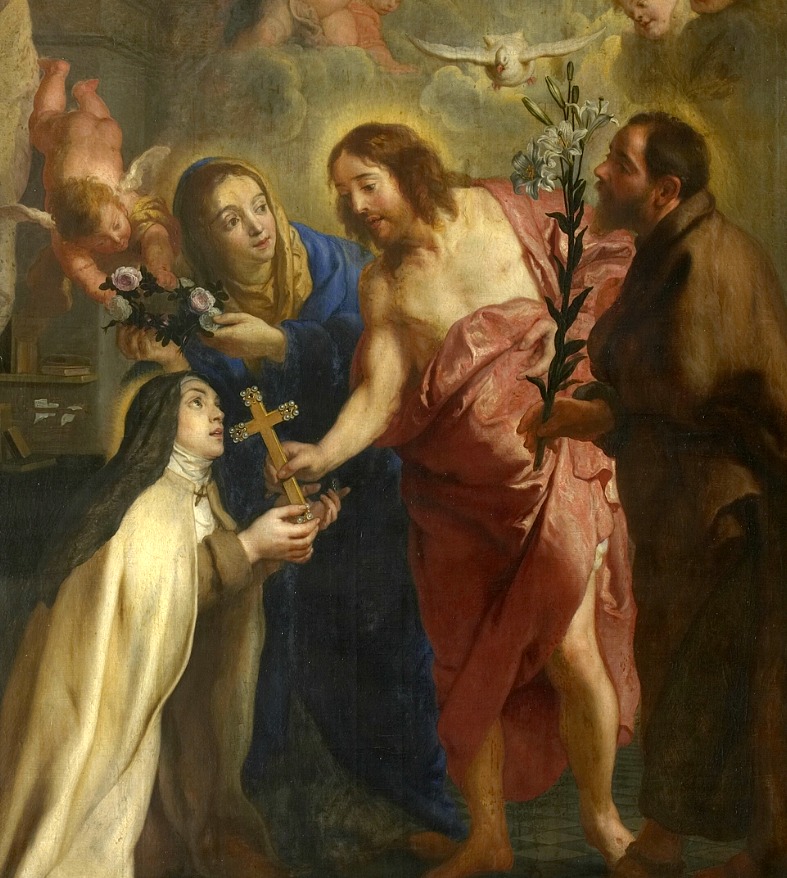
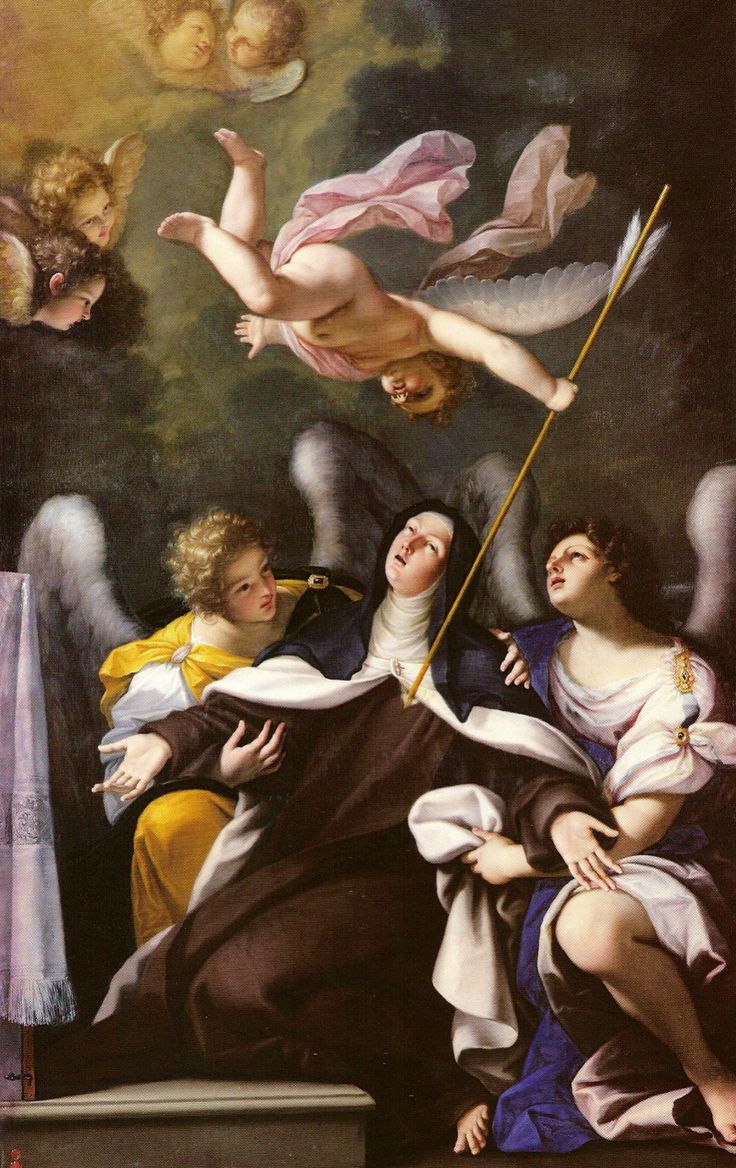
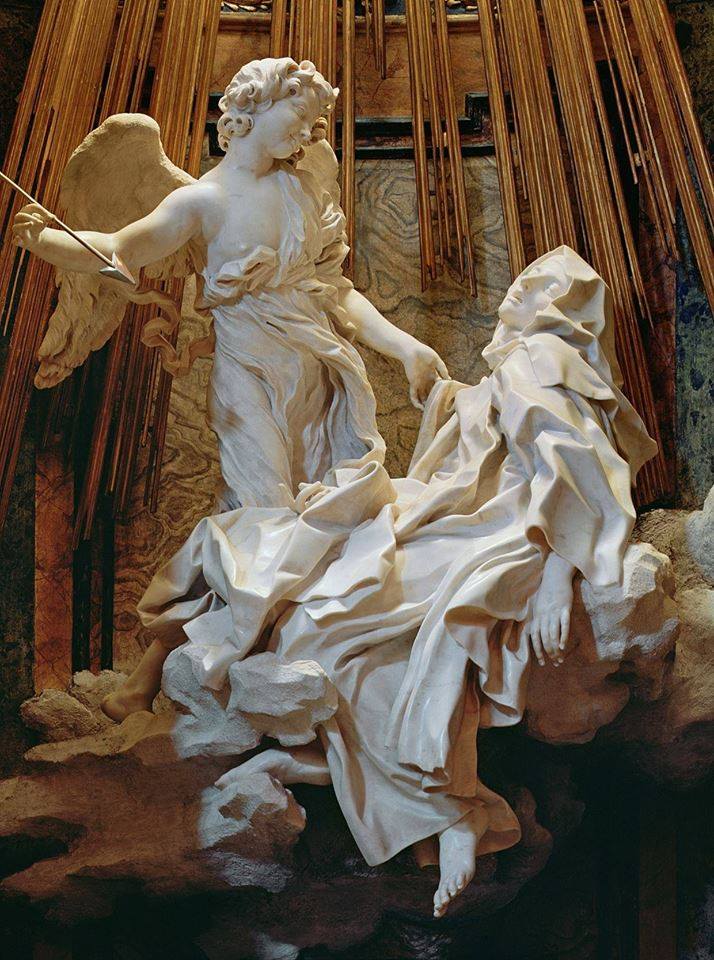
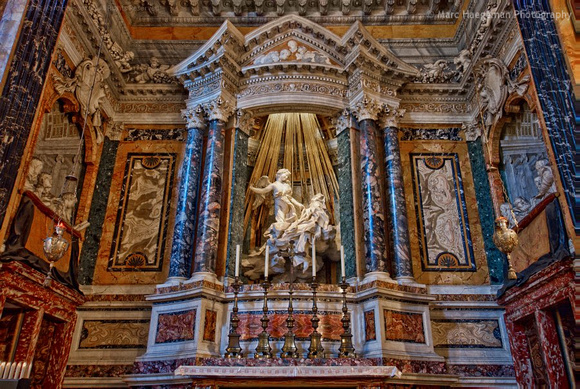
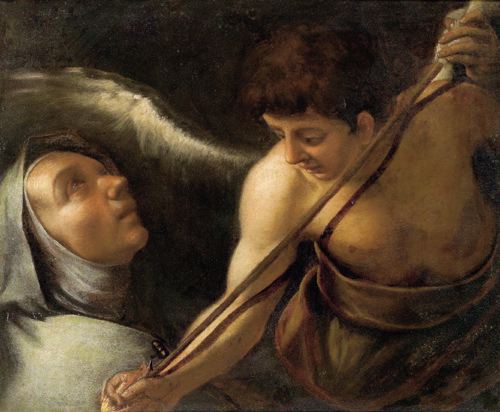
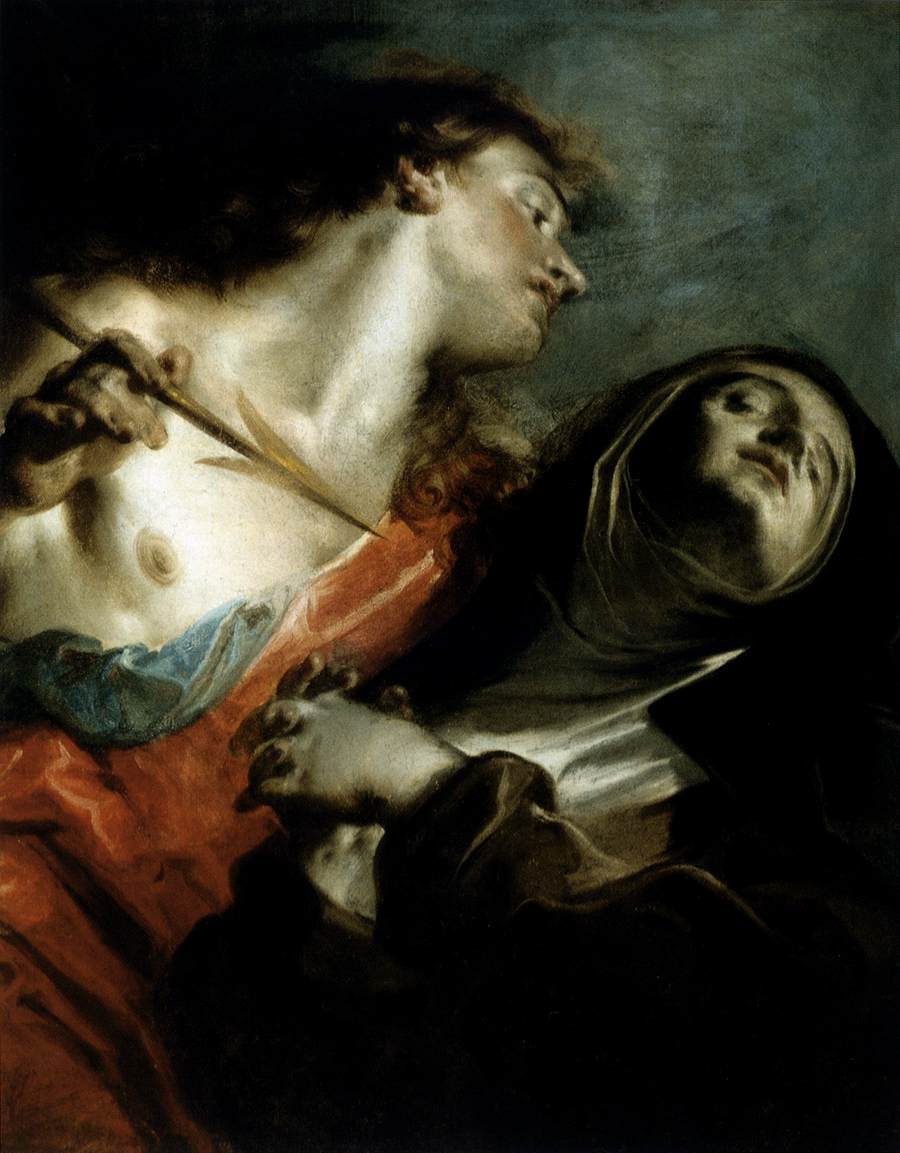


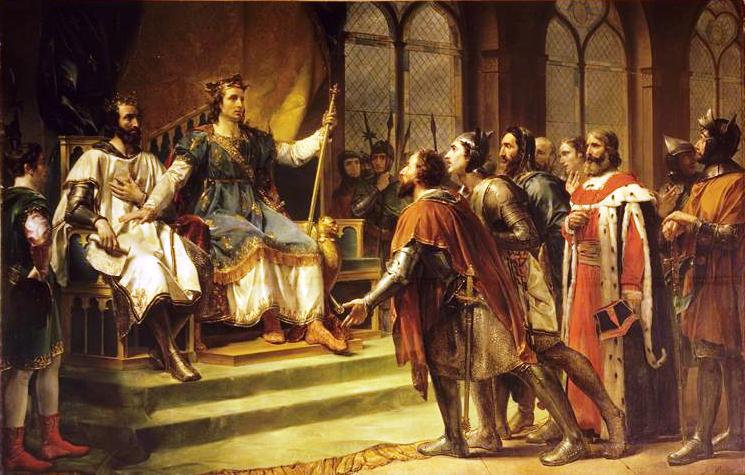
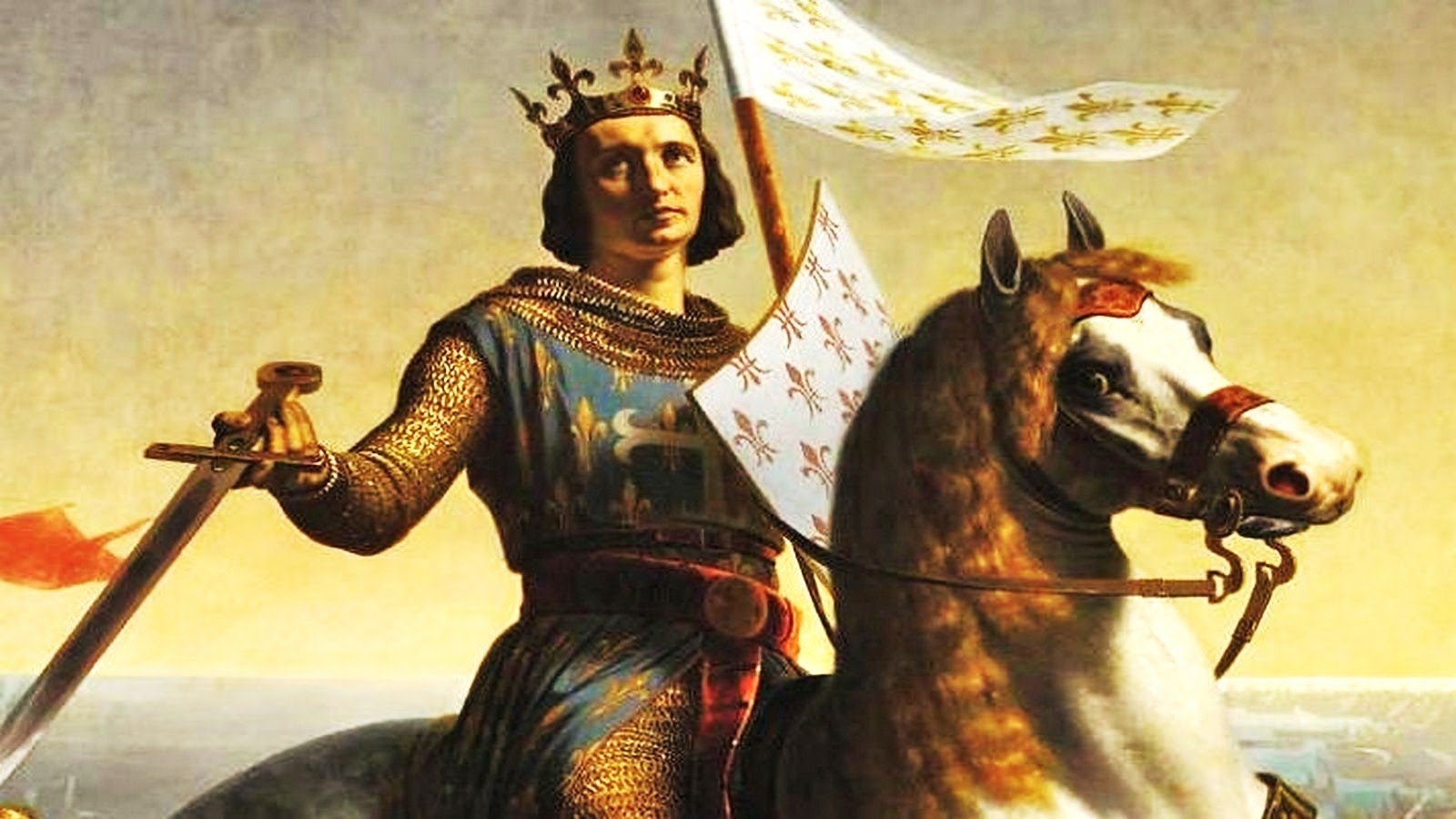


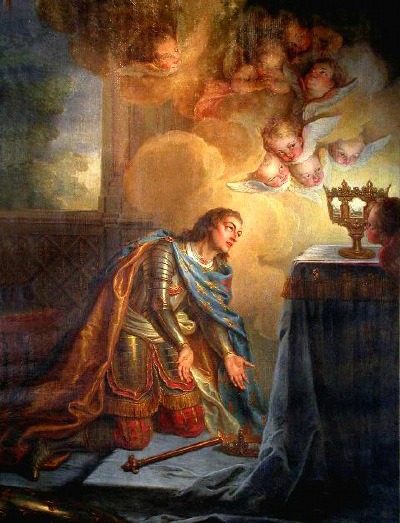
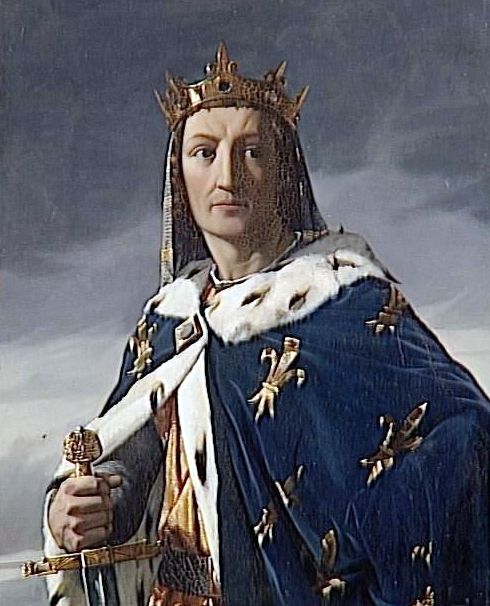
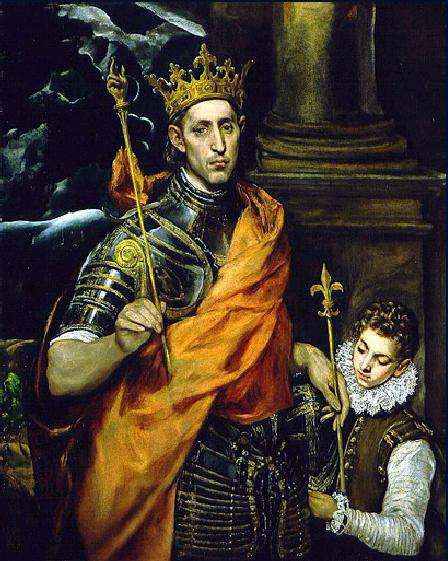


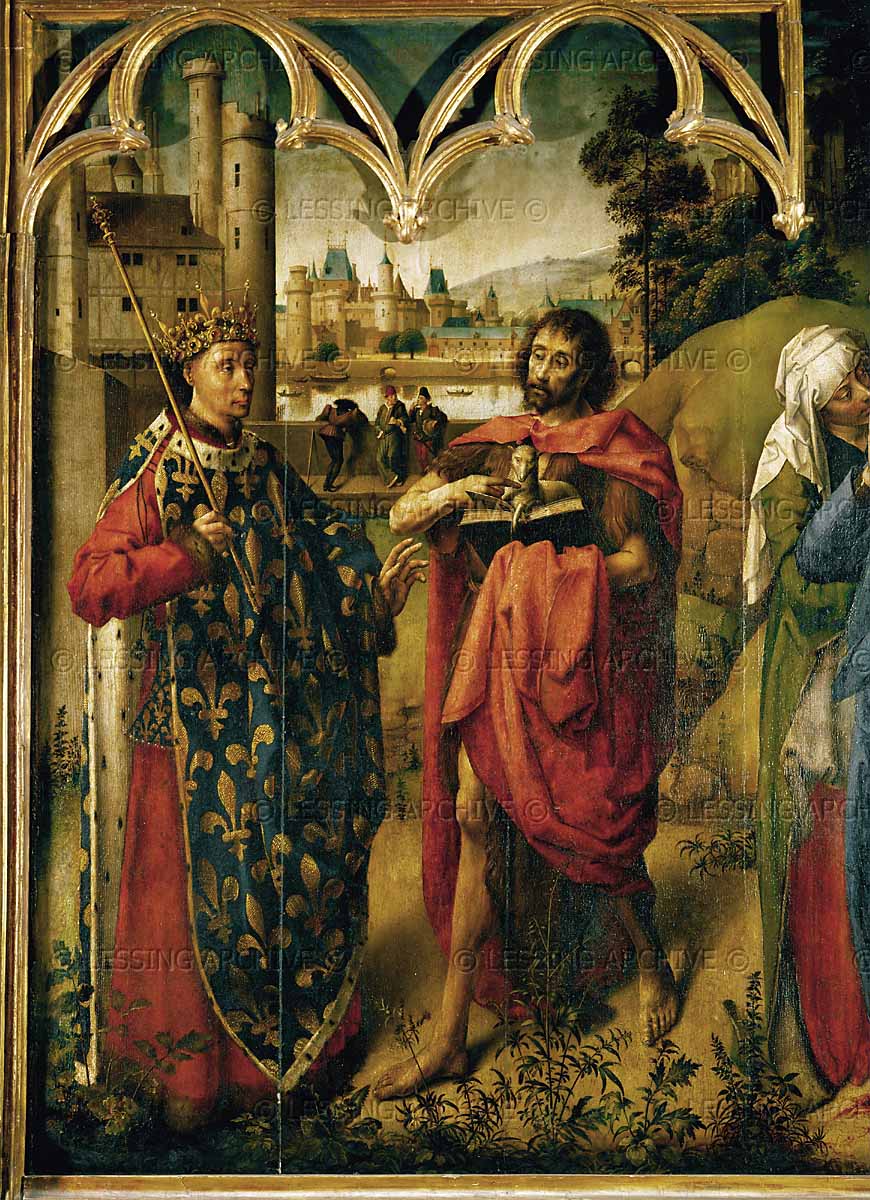
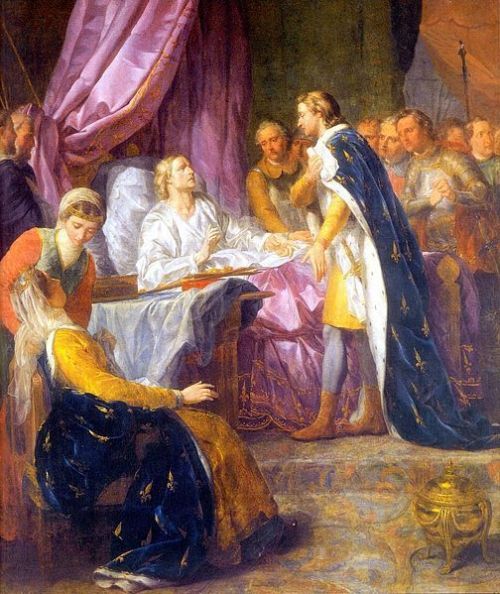
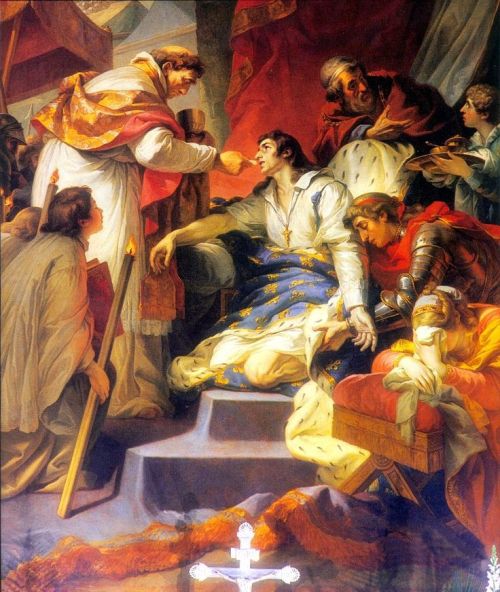


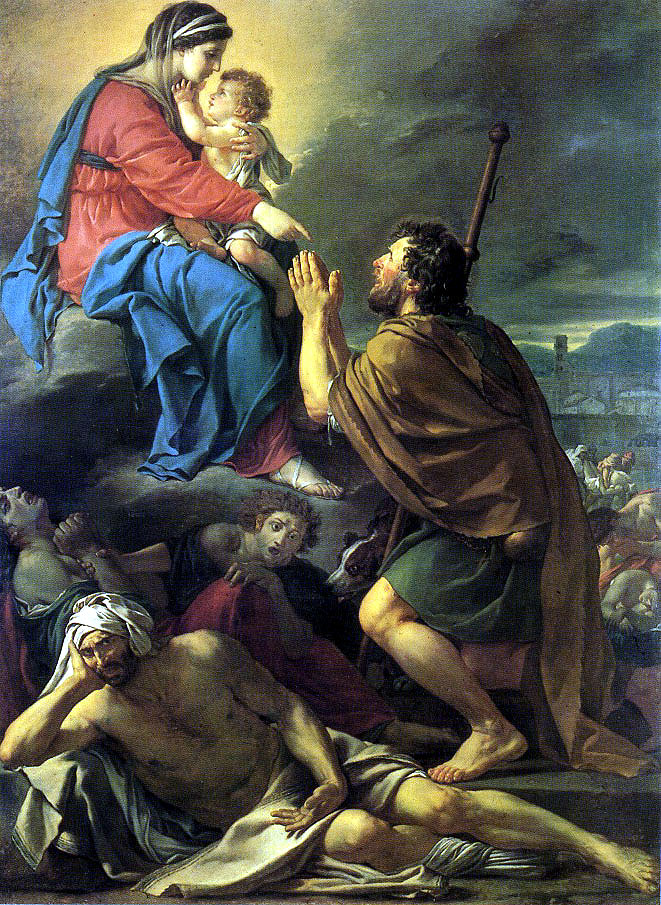 In In Rome, according to the Golden Legend he preserved the “Cardinal of Angleria in Lombardy” by making the Sign of the Cross on his forehead, which miraculously remained there, visi nbble to all! Ministering at Piacenza he himself finally fell ill. He was expelled from the Town and withdrew into the forest, where he fashioned a shelter of boughs and leaves which was miraculously supplied with water, by a spring wic arose in the place;. He would have perished, had not a dog belonging to a nobleman named Gothard Palastrelli, supplied him with bread and licked his wounds, healing them. Count Gothard, following his hunting dog carrying the bread, discovered Saint Roch and became his acolyte.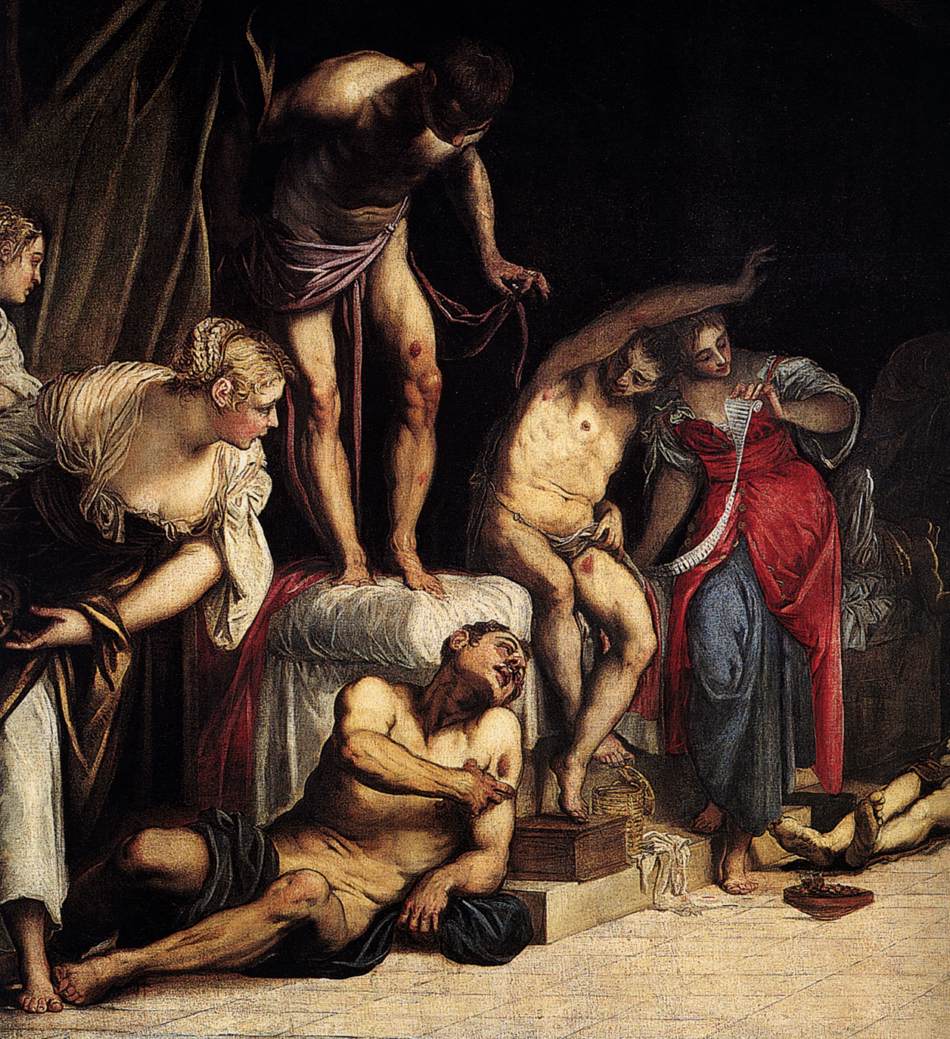
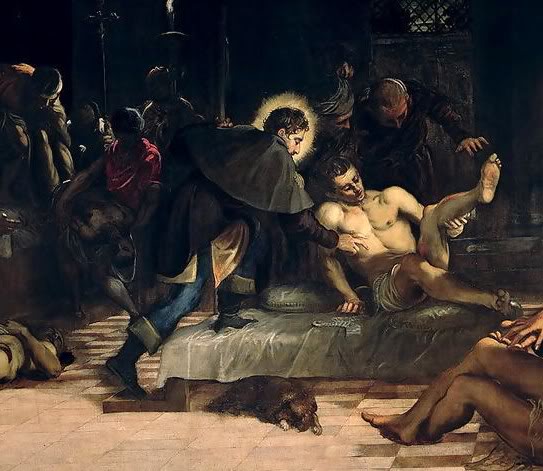
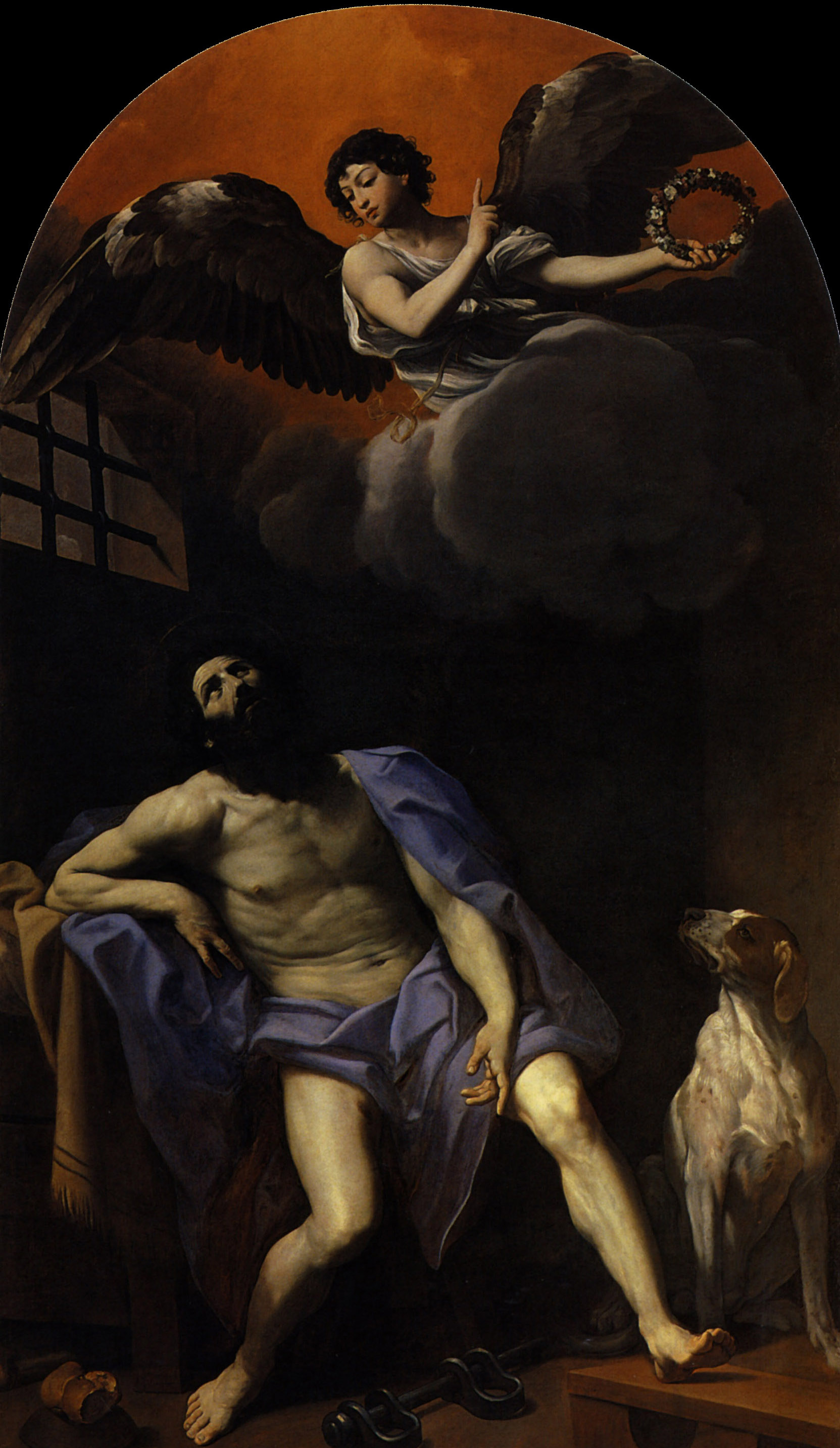
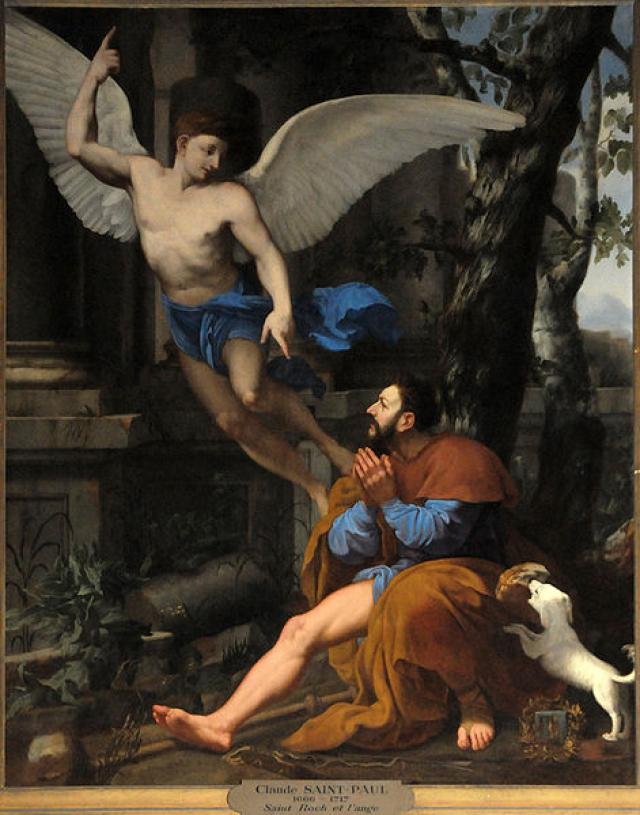
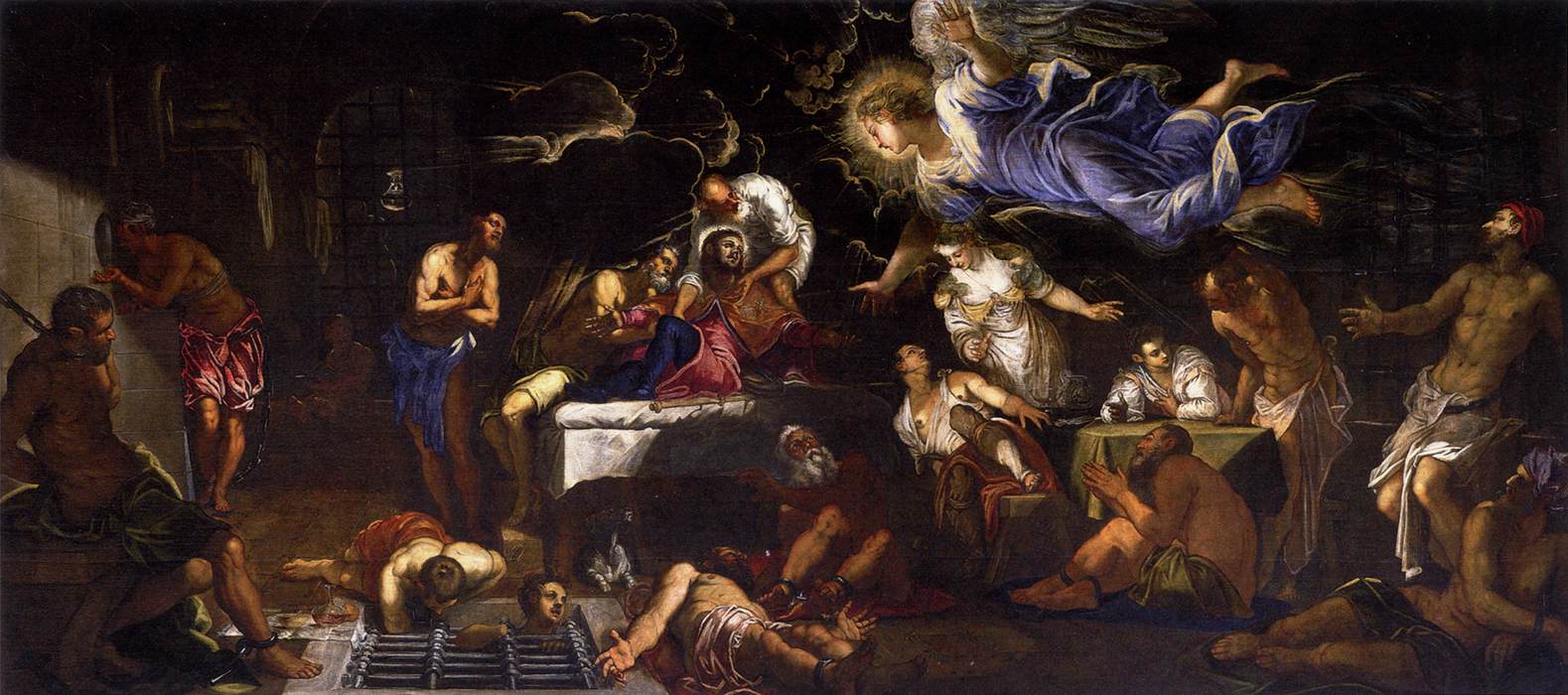


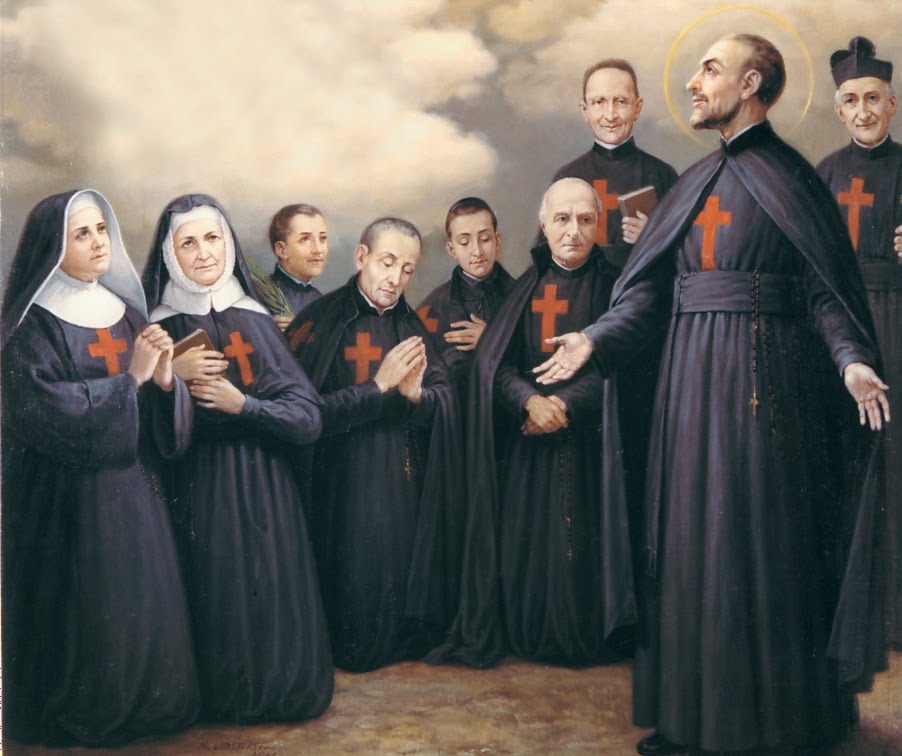


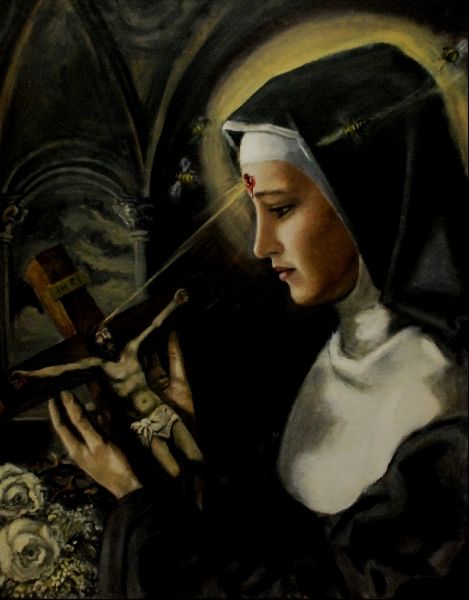
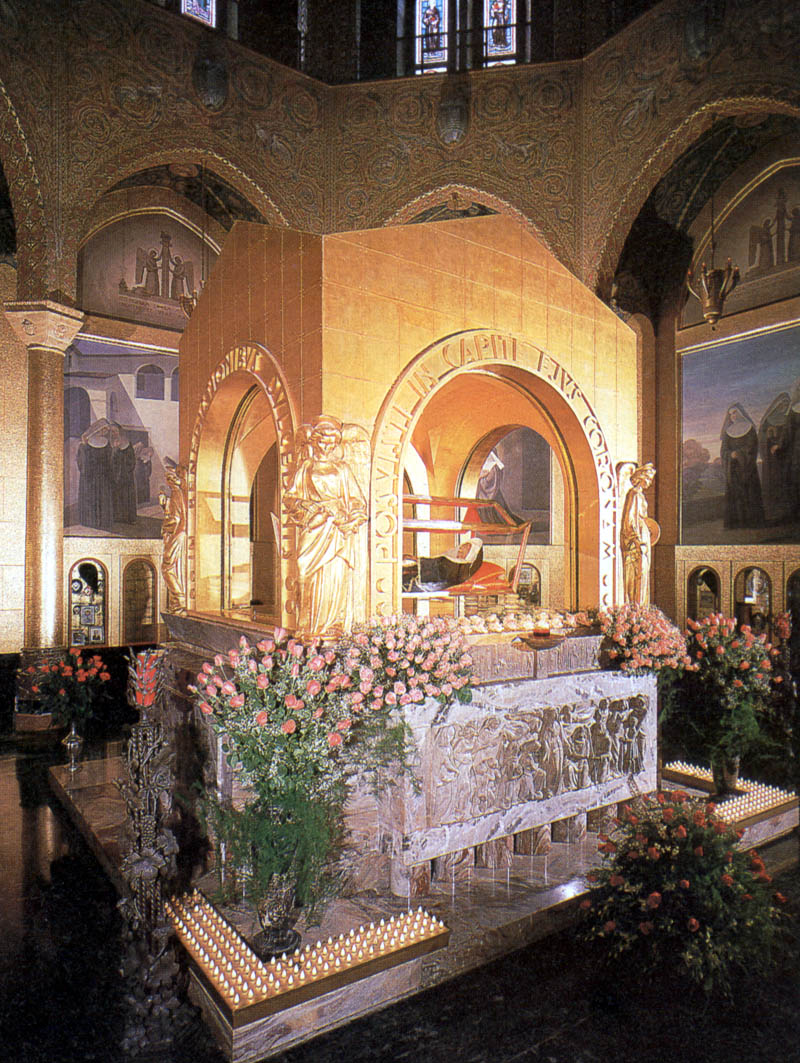
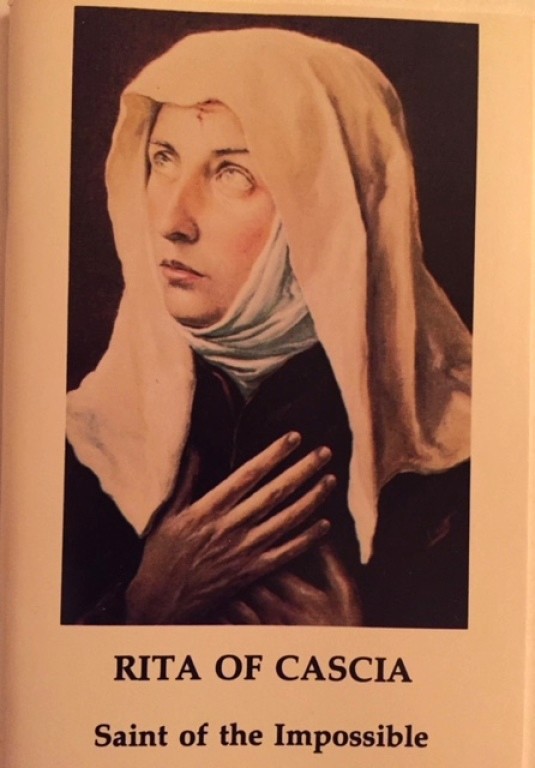
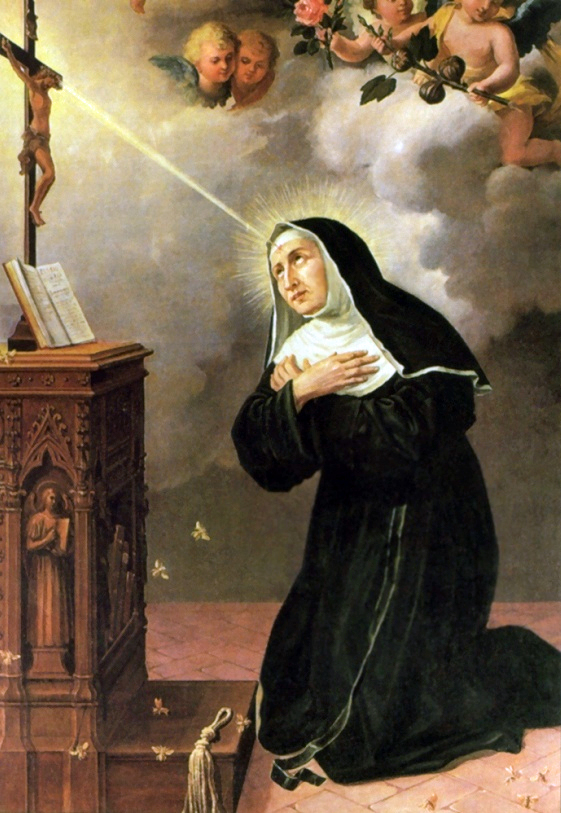
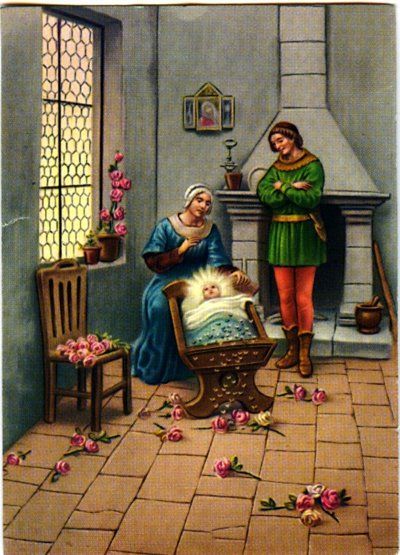
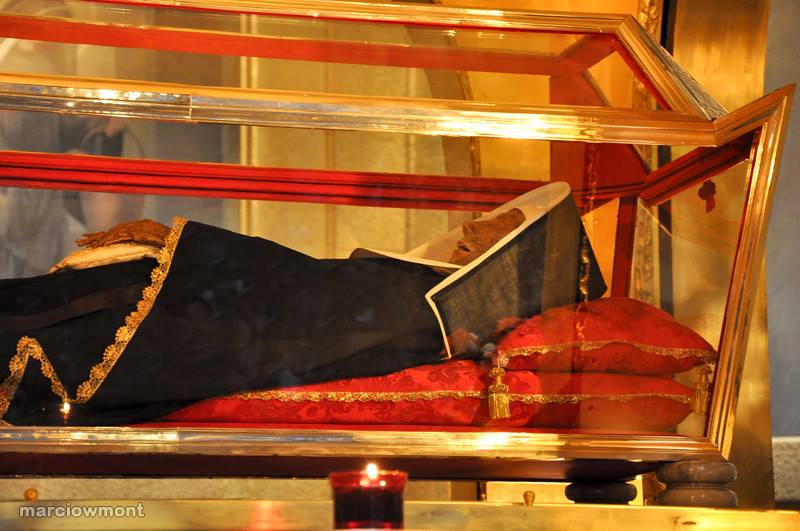
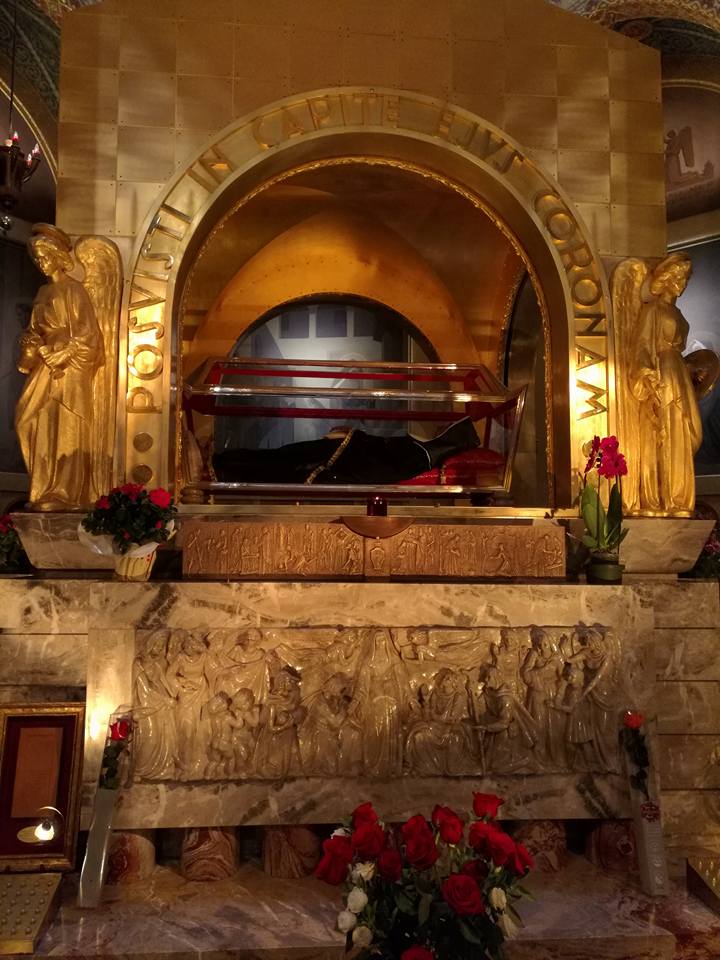


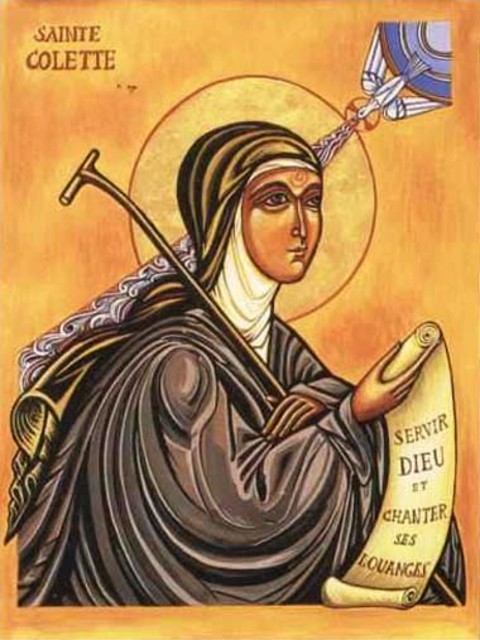
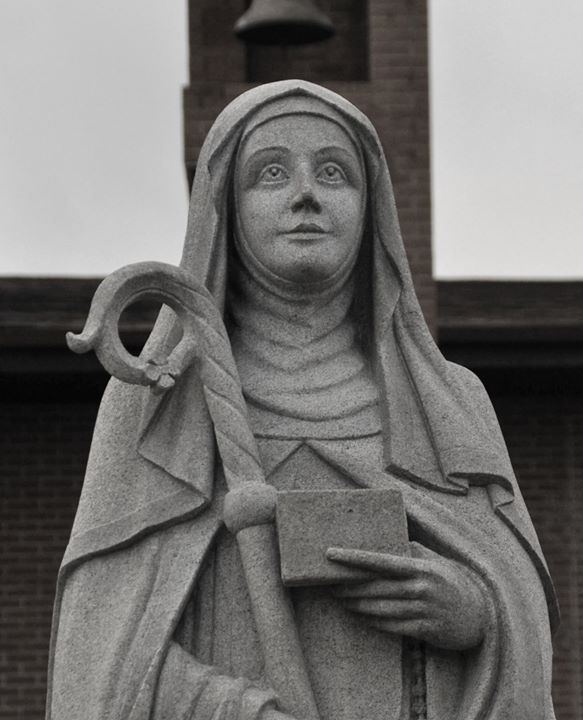
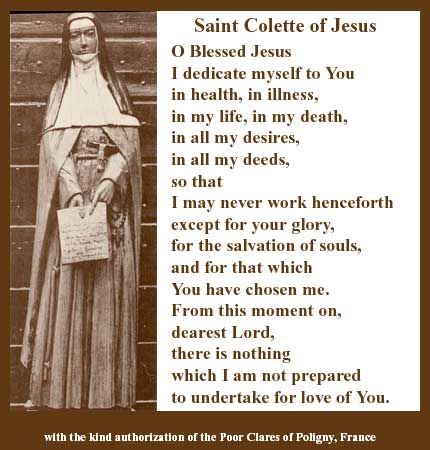
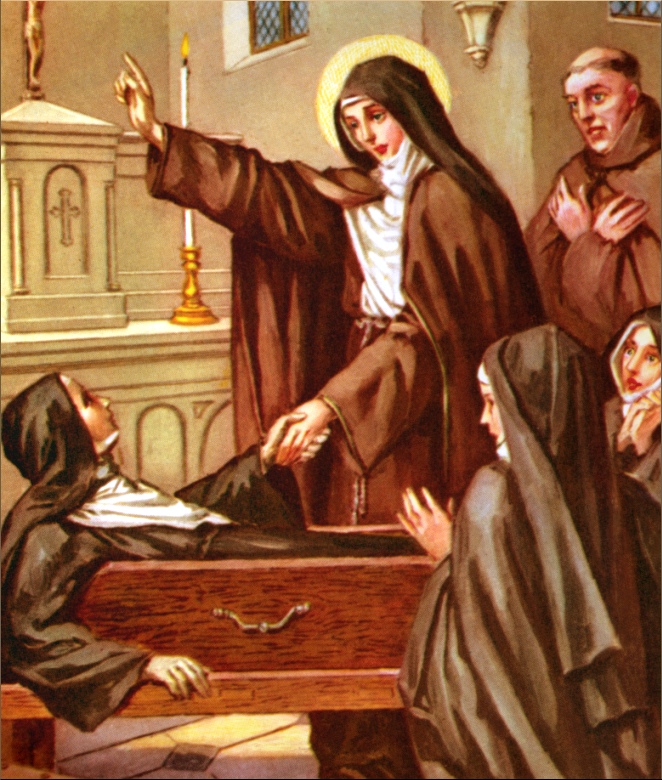
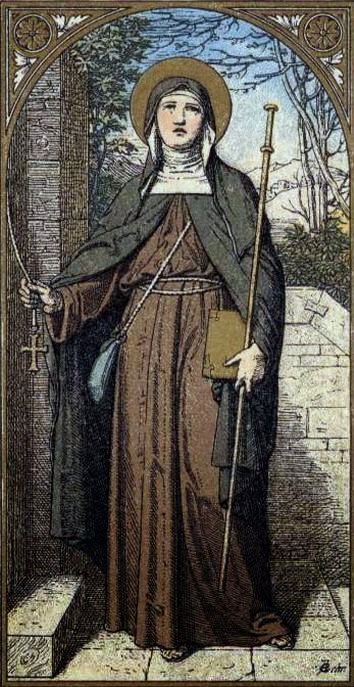
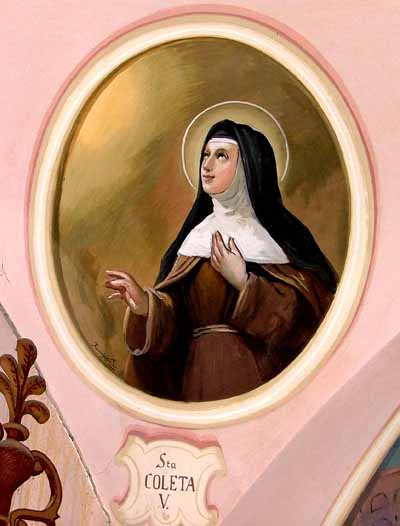
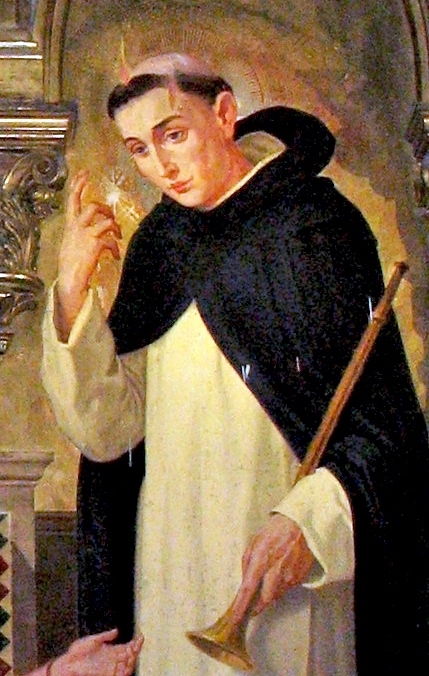
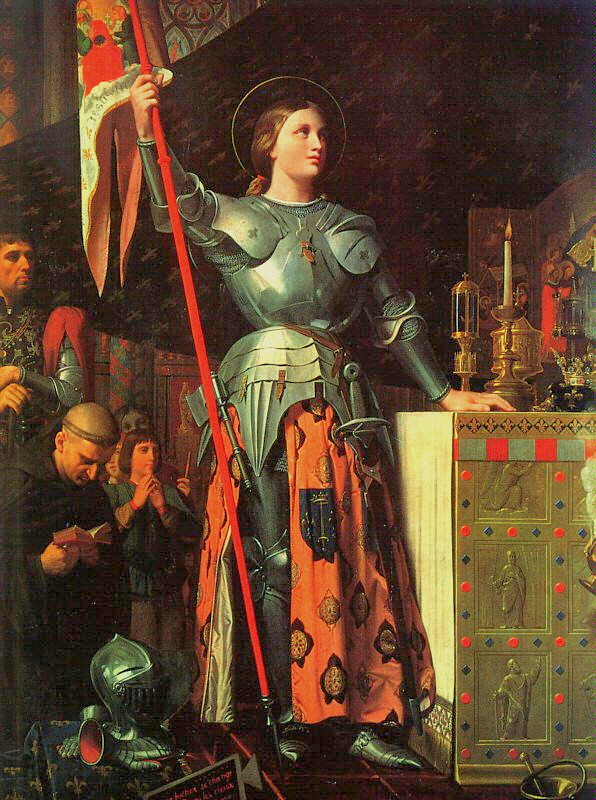
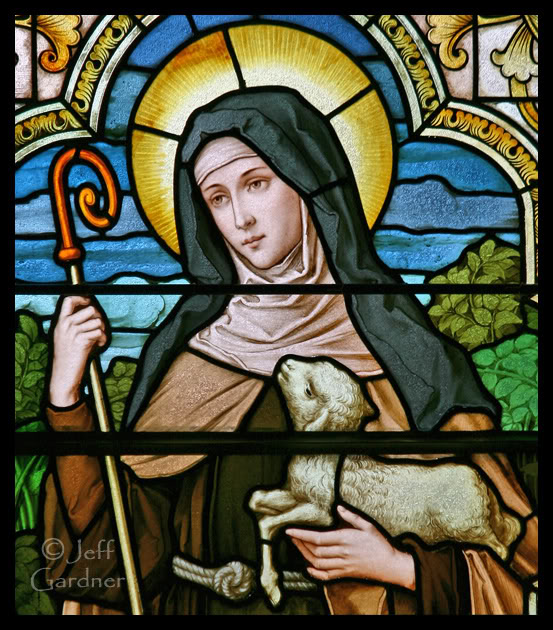
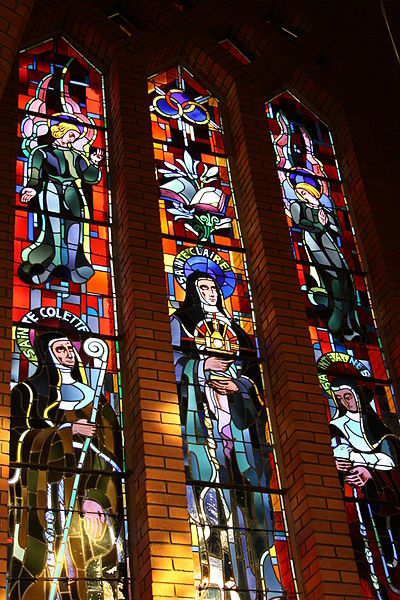
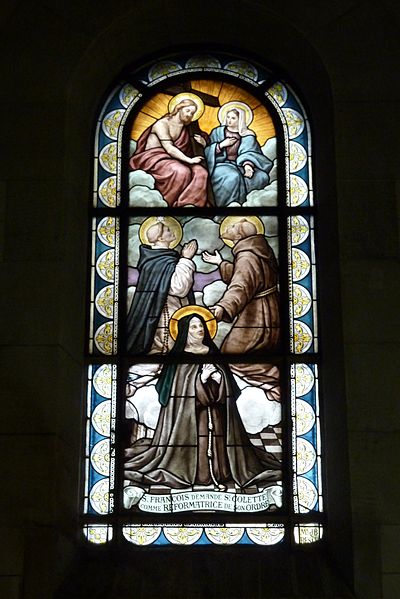
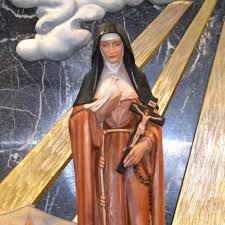
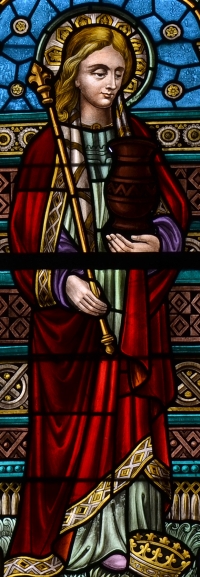
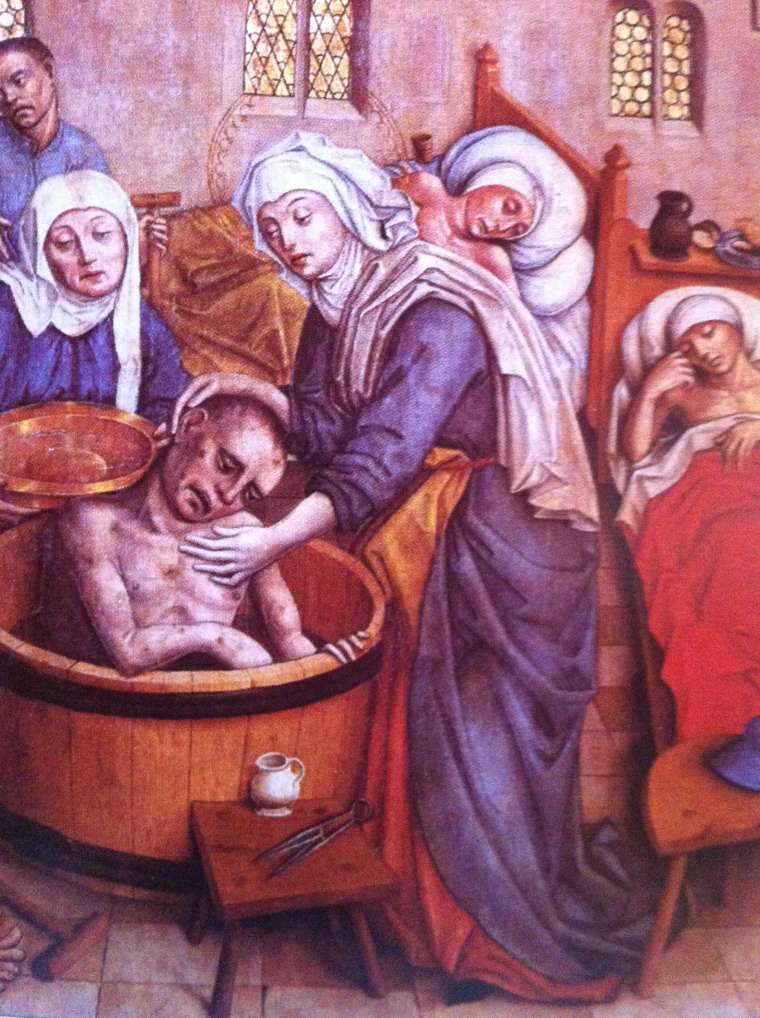
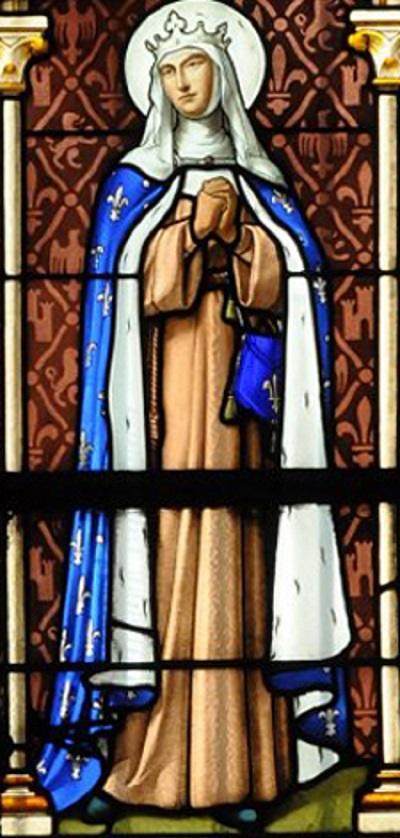
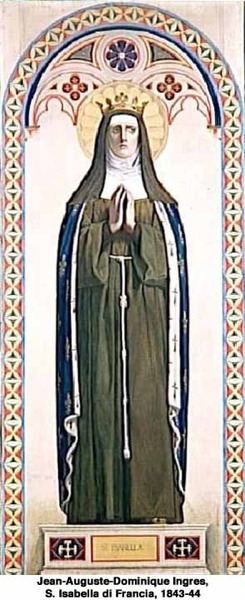
 AnaStpaul
You must be logged in to post a comment.