
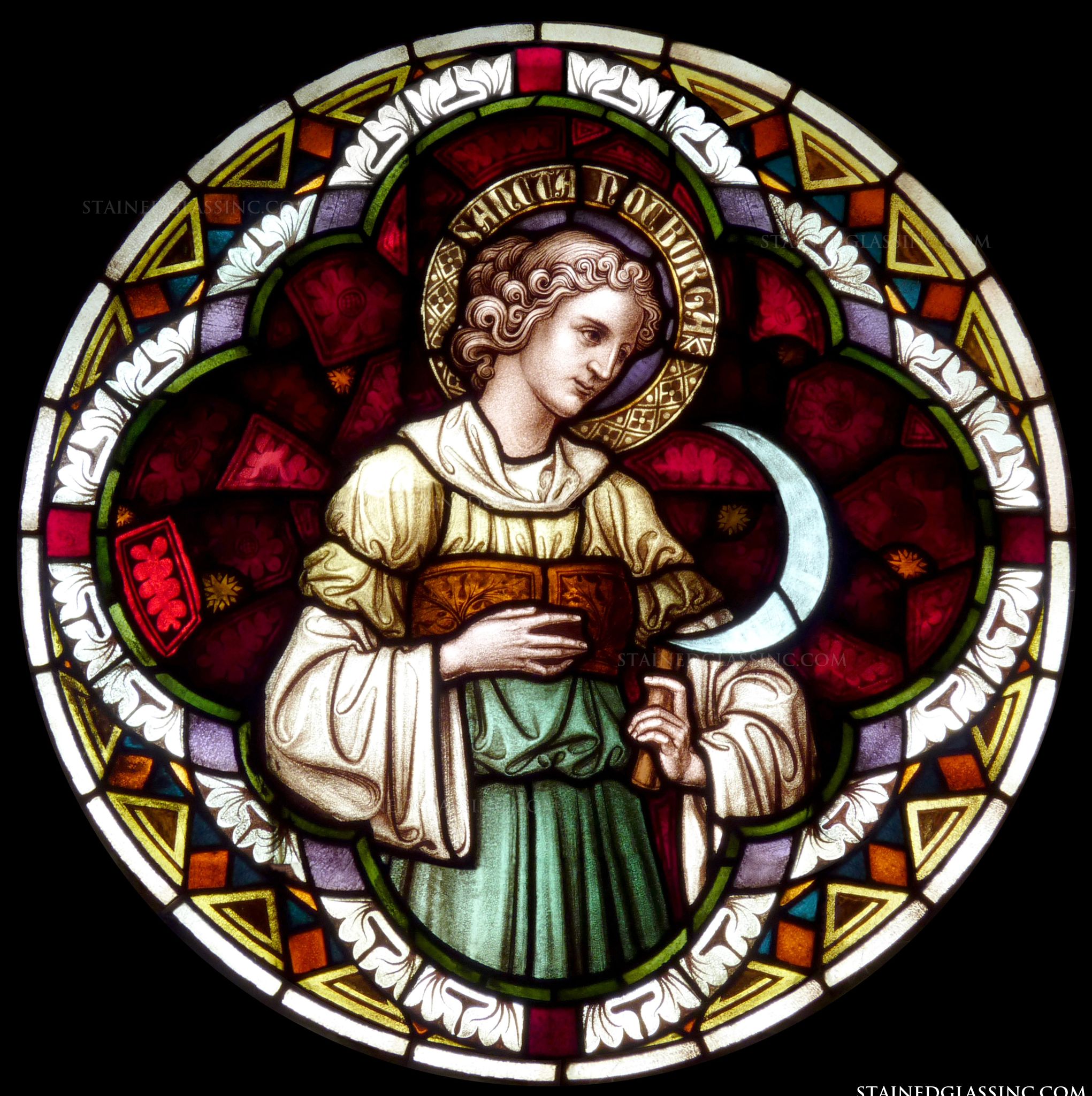
Saint of the Day – 1 September – St Verena (c260-c320) Virgin, Recluse, Ascetic, Apostle of the sick, gifted with the charism of curing illness and by her prayers, healing the sick, Miracle-worker. Born in Egypt in c260 and died in Tenedo, today (Bad) Zurzach, in Switzerland. Also known as – Verena of Zurzach, Verena of Thebes. Patronage – against eye ailments, children, fishermen, for male offspring, housewives, especially those serving in a presbitory, mariners, sailors, millers, nurses, poor people, ship captains, – in Switzerland: Basel, Diocese of Zurich.
The Roman Martyrology reads today: “In Baden, in the Diocese of Constance, St Verena, virgin.”
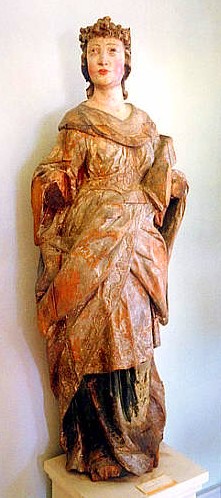
Verena was born to wealthy parents and Baptised in her hometown by Bishop Chaeremon of Nilopolis. She fell in love with a young Christian who was a member of the Theban Legion of St Maurice who was her cousin. When the Legion was ordered to Gaul by Emperor Maximilian around 300, Verena joined the entourage which travelled with the soldiers as far as Milan . There she lived in the house of the holy man St Maximus and fed and buried fellow Christian. When she heard of the beheading of St Maurice and his followers in Agaunum, she went there to bury them.
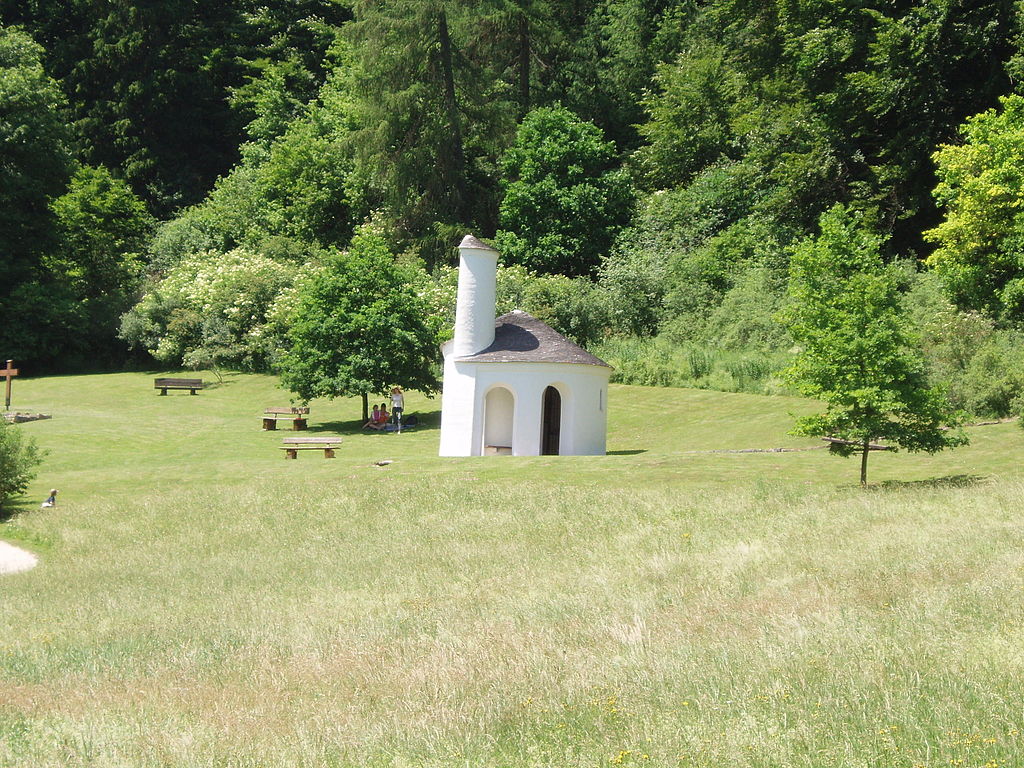
Then she travelled on to Solothurn, where Victor – according to some versions of the legend, her fiancé – and Ursus had also been Martyred. She settled there in a hermitage, a cave in the Verena Gorge near Solothurn which was later named after her and lived there as an ascetic.
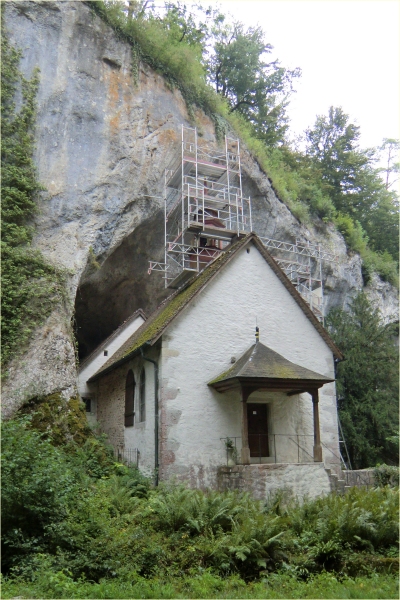
in the St Verena Gorge near Solothurn
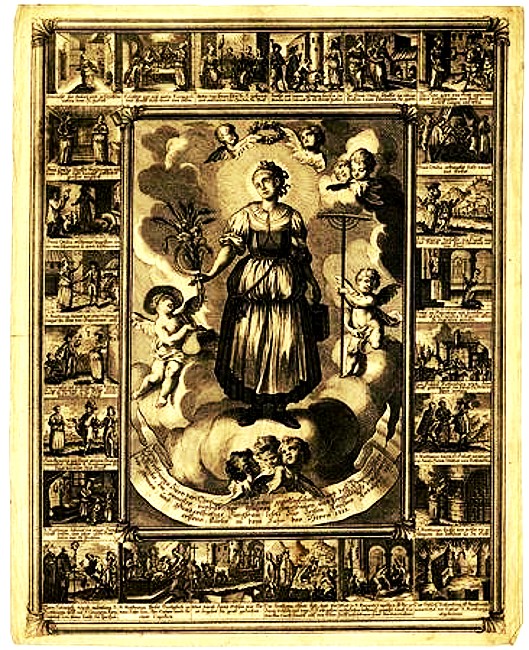
Verena often sought out lepers outside the gates of the City of Solothurn to wash them. Because of her healing powers, Verena was considered a Saint by the people; the sick sought her assistance and prayers in her hermitage through her miracles. Soon many young women joined her and formed a community. Verena supported herself and the these young women by selling handicrafts and converted many Alemanni to the Faith in Christ but was eventually imprisoned by the anti-Christian City Commander, Hirtacus. In prison, St Maurice appeared to her , radiant with heavenly light and strengthened her faith. When Hirtacus fell ill and was healed by Verena, he released her but expelled her from the City.
Verena is said to have then floated down the Aare River on a flat stone—or a millstone. In Koblenz, then a small Roman settlement, she made a long stop on an island in the Rhine, freed it of snakes and once again devoted herself to nursing the ill.
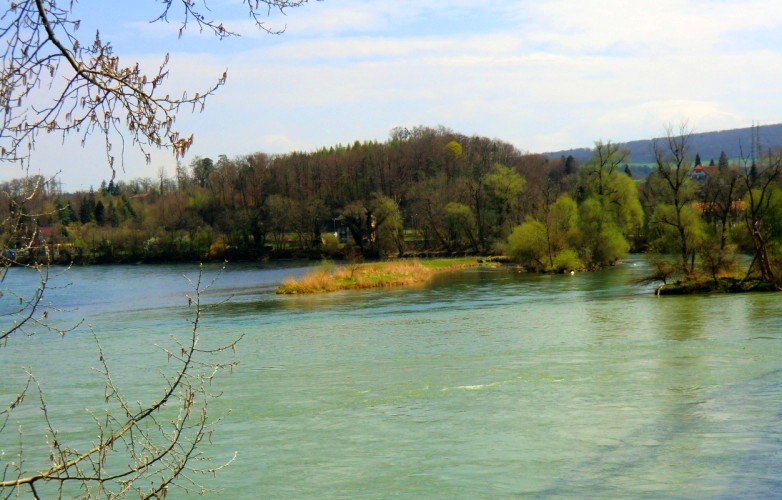
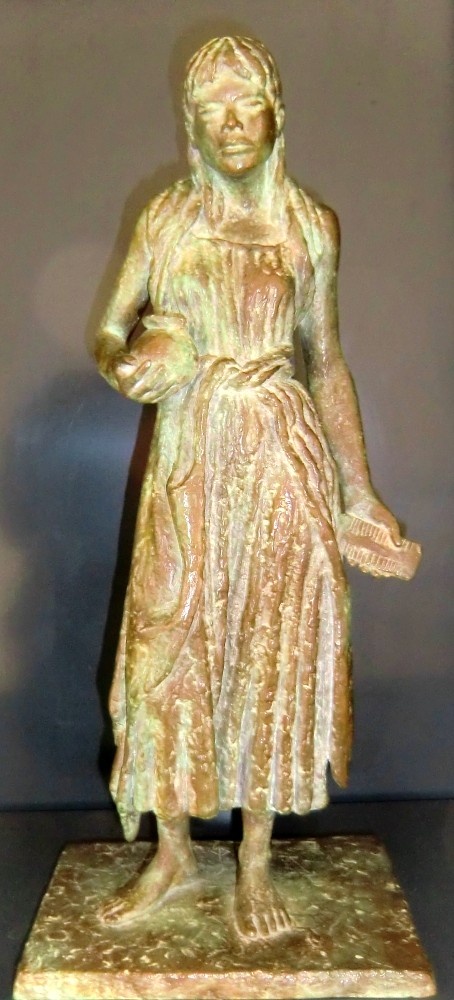
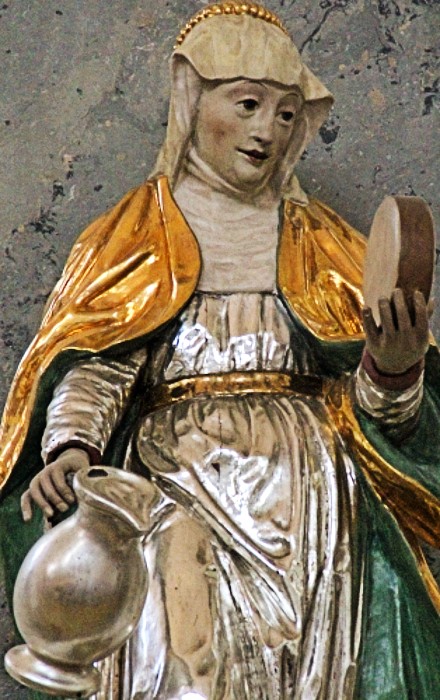
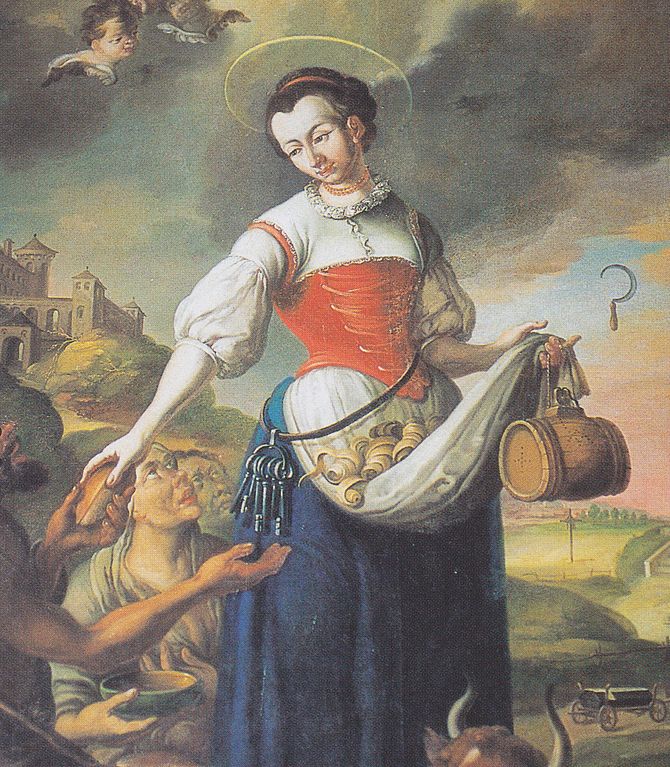
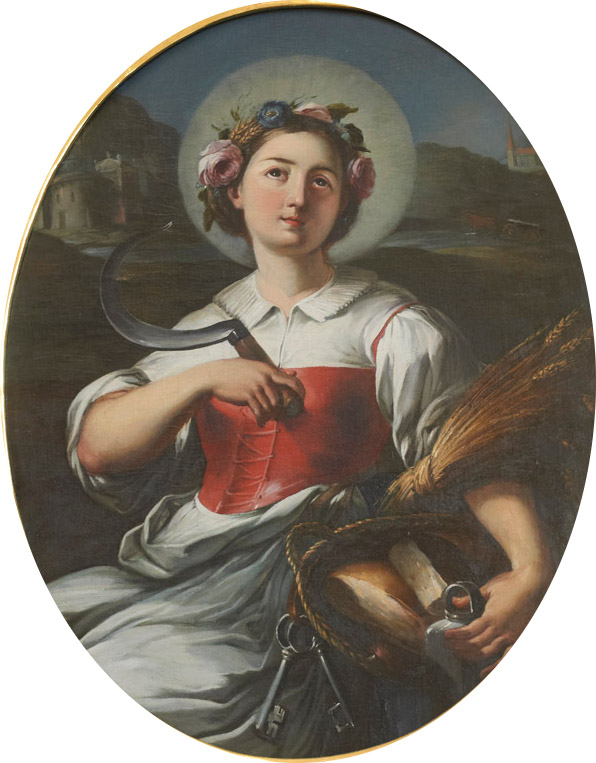
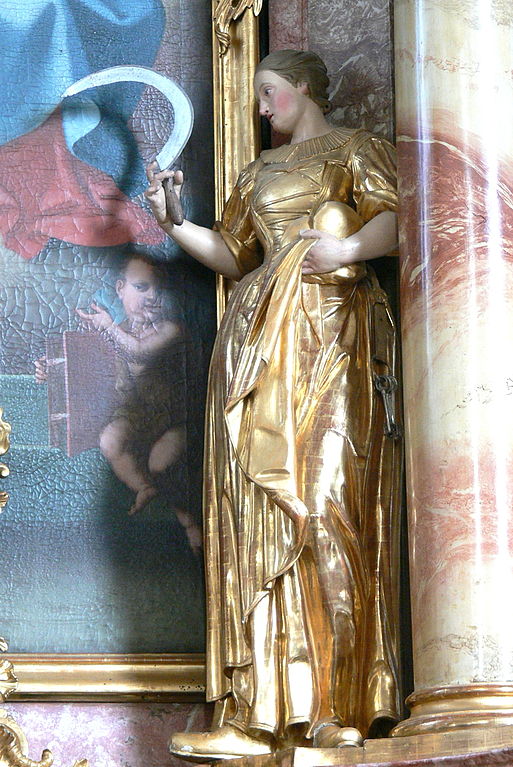
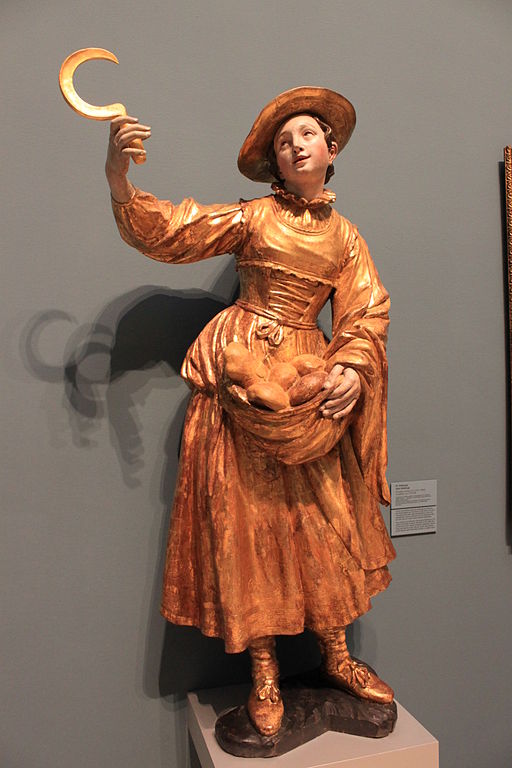
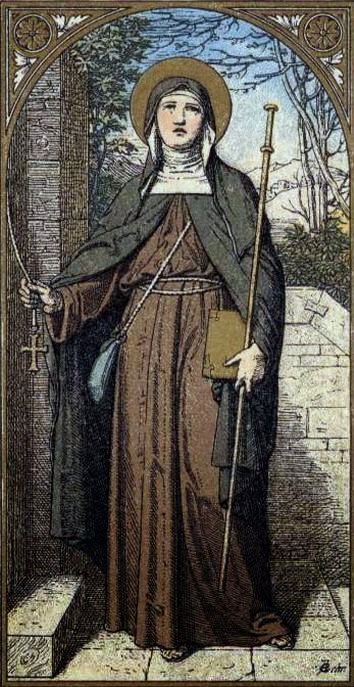
Then she came to the nearby Roman Fort of Tenedo – present-day Zurzach (Bad) – where she became the Priest’s domestic servant. Everyday, carrying a jug and comb, she went outside the City walls to wash the lepers. When she was accused of unlawfully carrying wine and bread to the poor, the wine turned into water. The Priest’s ring, which he refused to wear during Lent, was given to her for safekeeping. A servant, fearing discovery, stole it and threw it into the Rhine. A fisherman brought a large fish as a gift, and Verena cut it up and found the ring.
The Priest then had a cell built for her in Zurzach where, until her death, she washed the heads of the sick with the healing waters of a spring, combed their hair, healed them and anointed them. In her hour of death, Our Lady Mary appeared to Verena with many holy women who guided her to Heaven.
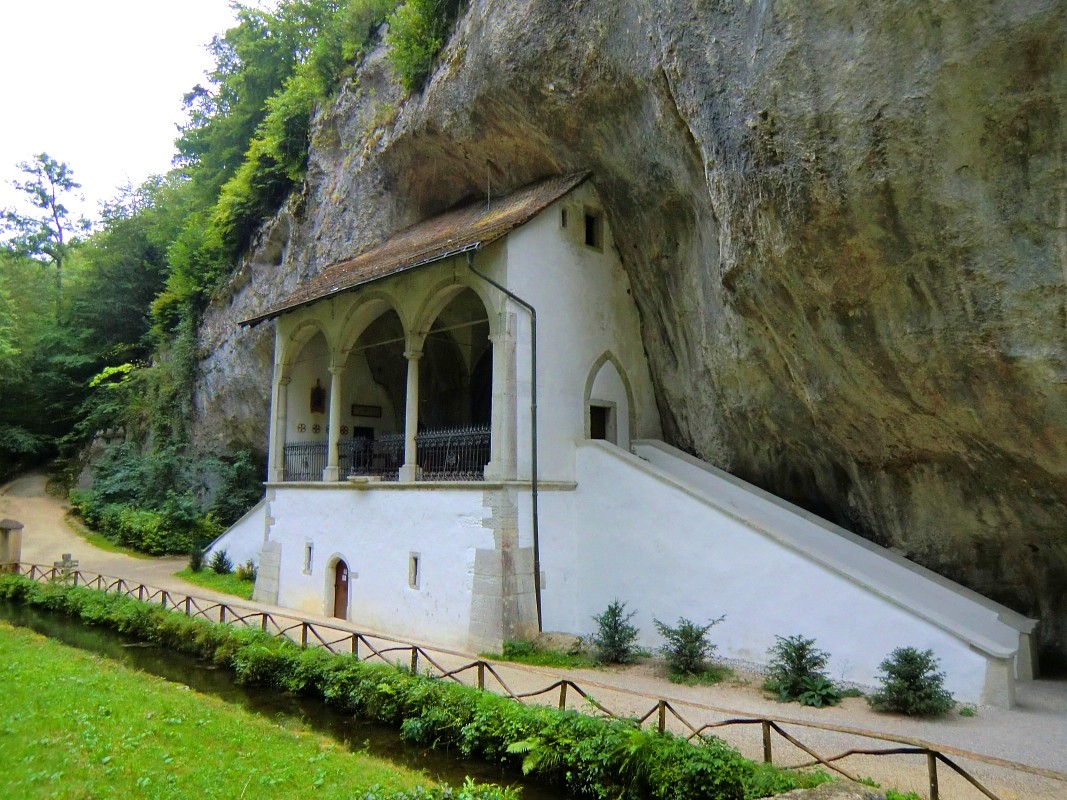
Probably in the 5th Century – proven by archaeological finds – a Church was built over Verena’s grave which lay in a burial ground near an old Roman Fort on the Roman road – on the site of the Cathedral in Bad Zurzach which is now named after St Verena In around 745, a Benedictine Monastery was opened there. This Monastery was converted into a Canonry in the 13th Century and dissolved in 1876.
The first biography was written in 888 in Reichenau Monastery by the Benedictine Abbot Hatto, later Archbishop of Mainz; a further Vita with additions about her work in Koblenz and Zurzach was probably written in the Zurzach Monastery in the 10th Century and a collection of her miracles followed around 1000. Although heavily interspersed with legendary elements, they probably contain a historical core. The gravestone of her Sarcophagus was erected in 1613.
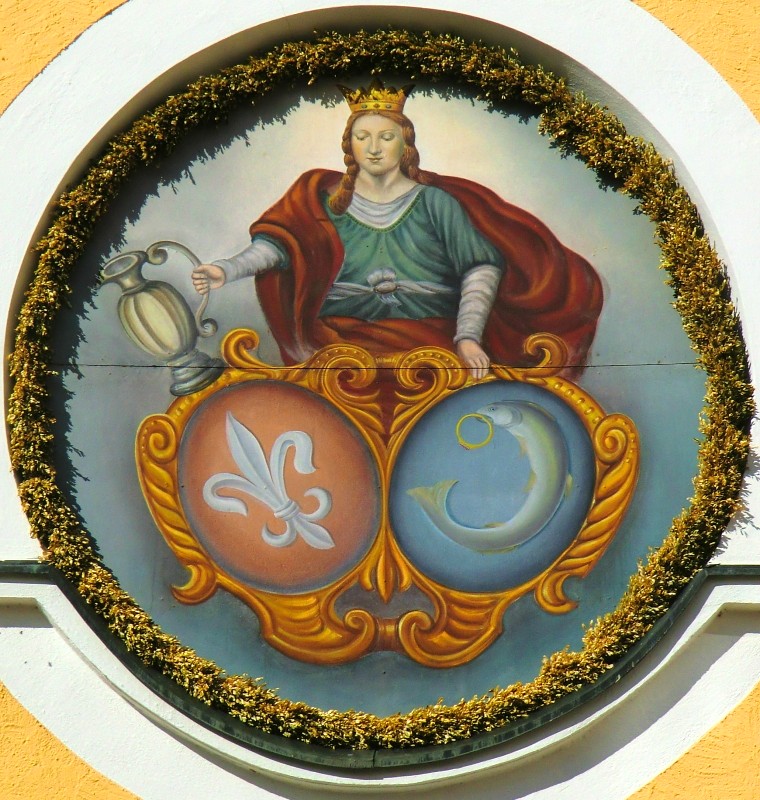
The St Verena Minster in Bad Zurzach houses the arm Relic a valuable piece of gold from the 14th Century. Relics are also kept in the Minster in Radolfzell . The Church of the Monastery in Rot an der Rot, is dedicated to her. The small Church of St Verena in Rotholz near Lengstein/Longostagno – a district of Ritten near Bolzano – first mentioned in documents in 1256, is also named after her.






 AnaStpaul
You must be logged in to post a comment.