Saint of the Day – 18 April – Blessed James Oldo OFS (1364-1404) – Priest, widower, Apostle of Charity, Preacher, painter, musician – born in 1364 in Lodi, near Milan, Italy and died on 18 April 1404 of an unknown natural cause, though it is believed it was the plague. He is also known as James of Oldo, James D’Oldo, James of Lodi, Jakob, Jacopo, Giacomo. His body is incorrupt.
Blessed James came from a wealthy family. He was a painter, a singer, a musician and – it was said at the time – the best dancer in town. James fell in love with Catherine in their home town and they found each other equally in love with the amusements that made up so much of their lives. All was directed towards the finer goods of this world.
The plague broke out in Lodi, however and the, by now, parents of three young daughters, found themselves in danger. So they left their city dwelling for Catherine’s father’s place in the country. Despite those precautions, two of his daughters died from the plague. James determined to use whatever time he had left to build up treasures in heaven and to build God’s realm on earth. From then on he avoided the luscious pleasures of this life. At that point he realised what a fool he had been in chasing down all these passing things. He still painted but now it was only religious art designed to point the soul to Christ Jesus . He spent the rest of this time in prayer, study, penance and in serving the poor and the sick, in doing all he could to make up for lost time.
His wife too turned to God in her sorrow. She and her husband James, took vows of continence and became Secular Franciscans. They converted their home into a chapel where small groups of people, many of them fellow Secular Franciscans, came for prayer and support. They tore up all their fine clothing making vestments. They dismantled their jewellery in order to decorate the sacred vessels.
There home became a place of succour for all who needed care, one was a sick priest, who taught him Latin. Upon the death of his wife, James himself became a priest. He worked diligently until his dying day for the ill, the lonely, the imprisoned. Indeed, he contracted the illness that killed him because he was so careless in embracing those who were suffering from unknown deseases.
Blessed James was beatified on 26 March 1934 by Pope Pius XI (cultus confirmed). When his relics were moved seven years after his death, his body was found incorrupt and was then re-interred in the nearby Church of Sant’Egidio in 1580 and again it was re-interred in the Cathedral of Lodi in 1789, where his shrine now resides.
Saint of the Day – 11 April – St Guthlac (674–715) Monk, Hermit, Ascetic. St Guthlac was from Lincolnshire in England. He is particularly venerated in the Fens of eastern England where many Churches are dedicated to him. His sister is venerated as Saint Pega, an anchoress. His body was incorrupt until its destruction in the 16th century by the dissolution of the Monasteries by Henry VIII.
St Guthlac was a saint from the Anglo-Saxon kingdom of Mercia. He was a warrior in the Mercian border lands who, after nine years of fighting, had a religious conversion and became a hermit in Crowland, in Lincolnshire, where he lived in solitude on an island in the middle of a marsh.
Felix, his biographer, tells us that Guthlac was born roughly one year later than Bede, around 674 and died in 715. He came from a tribe named the Guthlacingas. Having given up his life as a soldier, he became a monk at the abbey of Repton at the age of 24, under the Abbess. (Repton was a double monastery.) Feeling that he needed isolation in order to better contemplate God, Guthlac retreated to the Fens and took up residence in an ancient burial mound which had been partially excavated by treasure hunters.
Guthlac built a small oratory and cells in the side of a plundered barrow on the island, and he lived there until his death on 11 April in 715. Felix, writing within living memory of Guthlac, described his hermit’s life:
“Now there was in the said island a mound built of clods of earth which greedy comers to the waste had dug open, in the hope of finding treasure there, in the side of this there seemed to be a sort of cistern and in this Guthlac, the man of blessed memory, began to dwell, after building a hut over it. From the time when he first inhabited this hermitage this was his unalterable rule of life, namely, to wear neither wool nor linen garments nor any other sort of soft material but he spent the whole of his solitary life wearing garments made of skins. So great indeed was the abstinence of his daily life, that from the time when he began to inhabit the desert, he ate no food of any kind except that after sunset he took a scrap of barley bread and a small cup of muddy water. For when the sun reached its western limits, then he thankfully tasted some little provision, for the needs of this mortal life.”
His pious and holy ascetic life became the talk of the land and many people visited Guthlac, to seek spiritual guidance from him. He gave sanctuary to Æthelbald, future king of Mercia, who was fleeing from his cousin Ceolred. Guthlac predicted that Æthelbald would become king and Æthelbald promised to build him an abbey if his prophecy became true. Æthelbald did become king and, even though Guthlac had died two years previously, kept his word and started construction of Crowland Abbey on St Bartholomew’s Day 716.
Crowland AbbeyQuatrefoil in the Crowland Abbey depicting scenes of St. Guthlac’s life
Felix’s text was written in around 740 and vividly describes the horrible attacks St Guthlac suffered by demons, who violently tormented him. is full of exciting battles with demons which are vividly described.
This statue of St Guthlac is in a Church in Paris dedicated to him.
He also records Guthlac’s foreknowledge of his own death, conversing with angels in his last days. At the moment of death a sweet nectar-like odour emanated from his mouth, as his soul departed from his body in a beam of light while the angels sang. Guthlac had requested a lead coffin and linen winding sheet from Ecgburh, Abbess of Repton Abbey, so that his funeral rites could be performed by his sister St Pega. Arriving the day after his death, she found the island of Crowland filled with the scent of ambrosia. She buried the body on the mound after three days of prayer. A year later Pega had a divine calling to move the tomb and relics to a nearby chapel – Guthlac’s body was discovered incorrupt, his shroud shining with light. Subsequently Guthlac appeared in a miraculous vision to Æthelbald.
The cult of Guthlac continued amongst a monastic community at Crowland, with the eventual foundation of Crowland Abbey as a Benedictine Order in 971. Because of a series of fires at the abbey, few records survive. It is known that in 1136 the remains of Guthlac were moved once more and that finally in 1196 his shrine was placed above the main altar.
Saint of the Day – 7 April – Blessed Maria Assunta Pallotta (1878-1905) aged 27, born Assunta Maria Pallotta, was an Italian professed Religious who served as a member of the Franciscan Missionaries of Mary, Missionary to China. Patronages – Missionaries, against typhus. Her body is incorrupt.
Assunta Maria Pallotta was born on 20 August 1878 in a little village called Force, Italy. Of a gentle and peaceful nature, Assunta was the ray of sunshine in the family home where she was the eldest of four boys and two girls. Although Assunta’s childhood was relatively happy, her family lived in great poverty. She attended school just for the time necessary to learn to read and write. In spite of her young age, very soon she had to devote herself fully to the life of the family. She was a skilful little housekeeper, full of good sense and very active and she helped her mother in everything.
In order to help her family, she courageously faced the humblest and hardest work. At a certain time, she worked as a diligent little labourer, carrying in a willow basket the materials necessary for the construction work.
When still very young, her attraction for prayer could already be seen. She had a filial tenderness for the Blessed Virgin and she could be seen setting up little altars or decorating with flowers the pictures of the beloved Madonna in the countryside. Assunta’s piety very naturally radiated around her by means of a discreet apostolate. She liked to gather the children of her own age together in the church or under the porch, to speak to them about the goodness of God with all the fervour of her heart.
On Sundays and in her rare moments of leisure, she would be seen very often in the Church, kneeling for hours before the altar, conversing with the Friend of the humble and the lesser people. Apprenticed to the old tailor in the village, she liked to place in front of her a holy picture which she looked at from time to time, while her lips murmured the Hail Marys of the Rosary.
At the age of twelve Assunta received Jesus in the Eucharist for the first time. It was an inexpressible moment of happiness for her, the memory of which would remain as one of the most beautiful of her life.
As a teenager, everyone who knew her was struck by her serenity in look and manner. She was a girl of calm common sense. Her spirituality was really quite simple. To God she offered her heart in frequent prayer. Then, as a continued prayer, she dedicated her exterior actions.
Drawn to give her life entirely to God, Assunta confided in her parish priest, her director, who encouraged her vocation. When she was nineteen, Assunta decided to enter the convent but encountered many obstacles not least among them her mother’s objections and her lack of dowry. But prayer prevailed and at last a letter from Rome, from the Foundress of the Franciscan Missionaries of Mary, arrived, “Let the little one come as she is. The doors of the convent of the Franciscan Missionaries of the Mary at 12 Via Giusti are open to receive her.”
Assunta began her postulancy at St Helen’s Convent in Rome. During her time as a postulant, Assunta was employed in the kitchen. Humble and silent, she fulfilled her charge so perfectly that for a long time she was cited as a model to those who came after her.
On 9 October 1898, Assunta was received as a novice and sent to the convent at Grottaferrata. Here, Sr Maria Assunta was employed in work in the fields. In this modest field of work, sparing herself neither time nor trouble, Sister Maria Assunta was as happy as in the most attractive work. To serve God and her neighbour in the humblest and most mortified ways was her motto. It enabled her to feel true Franciscan joy.
There at the end of November, 1898, Assunta met Mother Mary of the Passion. Upon learning that Assunta came from an area called “The Marches” Mother Mary of the Passion said, “That is the land of saints. You must become a saint too”. Assunta had her watchword. In the depth of her heart, Assunta was stowing away these simple words as her precious heritage.
In January 1902, Sr. Assunta left her beloved Grottaferrata to join a new convent in Florence. For two years she was to be the joy of this house. Without having any fixed employment, she helped in all the charges. When there was extra work or when a harder job presented itself, one was sure to find her ready . She accepted the request for a service with a lovely smile, nothing changed her good humour. This angelic patience, the gentleness of her character, caused her to be sent as a helper to the infirmary where the sick benefited from the charitable devotedness of their improvised nurse.
On 19 March 1904, together with nine other Franciscan Missionaries of Mary, Assunta set sail for China. Ardently Sister Maria Assunta began to study the Chinese language in order to be able to speak of the goodness of God to those around her. In the convent where the Franciscan nuns cared for four hundred orphans Maria Assunta joyfully worked in the kitchen. She did her work there with as much diligence and care as she would have taught catechism. To accomplish her daily duties as perfectly as possible seemed to her the best way of working as a true missionary. Ever intimately united with God, she lived day by day the ordinary community life for His honour and glory.
A serious epidemic of typhus broke out in the community and she fell victim to it. She bore the suffering with great patience and fortified by the rites of Holy Church, she died at sunset on 7 April 1905, being then only twenty-seven years old. Non-believers as well as Christians flocked to the place where she lay as a mysterious perfume filled the entire house for three days after her death.
Eight years after Sister Assunta’s death when the community was moving to Tai-Yuan-Foo, the Bishop asked for the body of Sister Assunta to be transferred. The disinterment revealed the fact that the body was incorrupt. After being exhumed, the body remained exposed to the air in the chapel of the cemetery for a month without being affected. Once again, God showed His favour for the little missionary Sister who lived for Him alone.
On 7 November 1954, Sister Assunta was beatified by Pope Pius XII. The Church officially recognised the little Italian girl whose life had been a song of simplicity, purity and love and who is indeed the beloved of Christ whom she had served so devotedly.
Saint of the Day -31 January – St John Bosco “Don Bosco” SDB (1815-1888) Founder of the Society of St Francis de Sales now known as the Salesians, the Daughters of Mary Help of Christians and the Association of Salesian Co-operators. His body is incorrupt.
John Bosco’s theory of education could well be used in today’s schools. It was a preventive system, rejecting corporal punishment and placing students in surroundings removed from the likelihood of committing sin. He advocated frequent reception of the sacraments of Penance and Holy Communion. He combined catechetical training and fatherly guidance, seeking to unite the spiritual life with one’s work, study and play.
Encouraged during his youth in Sardinia to become a priest so he could work with young boys, John was ordained in 1841. His service to young people started when he met a poor orphan in Turin and instructed him in preparation for receiving Holy Communion. He then gathered young apprentices and taught them catechism.
After serving as chaplain in a hospice for working girls, Don Bosco opened the Oratory of St Francis de Sales for boys. Several wealthy and powerful patrons contributed money, enabling him to provide two workshops for the boys, shoe-making and tailoring.
By 1856, the institution had grown to 150 boys and had added a printing press for publication of religious and catechetical pamphlets. John’s interest in vocational education and publishing justify him as patron of young apprentices and Catholic publishers.
John’s preaching fame spread and by 1850 he had trained his own helpers because of difficulties in re-training young priests. In 1854, he and his followers informally banded together, inspired by Saint Francis de Sales.
With Pope Pius IX’s encouragement, John gathered 17 men and founded the Salesians in 1859. Their activity concentrated on education and mission work. Later, he organised a group of Salesian Sisters to assist girls.
Salesian Coat of Arms
Salesian Logo
John Bosco knew God wanted him to work with boys because of a dream he had when he was young. In this dream, boys who had been playing roughly suddenly began playing together as happily as lambs. John heard a voice saying, “Teach them right from wrong. Teach them the beauty of goodness and the ugliness of sin.” When John told his mother about his dream, she said it might mean God wanted him to be a priest and care for some of the sheep in his flock.
John Bosco spent so much time working that people who knew him well became worried about his health. They said he should take more time for rest and sleep. John replied that he’d have enough time to rest in heaven. “Right now,” he said, “how can I rest? The devil doesn’t rest from his work.”
Saint of the Day – 23 January – Blessed Henry Suso OP (1295-1366) Henry (also called Amandus, a name adopted in his writings and Heinrich Seuse in German), was a German Dominican Priest and Friar and the most popular vernacular writer of the fourteenth century. Suso is thought to have been born on 21 March 1295. An important author in both Latin and Middle High German, he is also notable for defending Meister Eckhart’s legacy after Eckhart was posthumously condemned for heresy in 1329. He died in Ulm on 25 January 1366 and was Beatified 1831, by Pope Gregory XVI. Blessed Henry was a Priest, Preacher, Writer, Poet, Mystic. His body is incorrupt.
Henry was born in Switzerland—hence the epithet “Suso,” or “Swiss”—in 1290. The gentle Henry was a great disappointment to his military family. Gifted with a deep awareness of God’s presence within him and drawn to a life of prayer, at the age of thirteen, he entered the Dominican convent at Lake Constance near the Alps on the Swiss-German border. His Dominican formation developed and matured his natural contemplative gifts, giving his prayer an outlet in a joyful zeal to share its fruits with others. Once ordained, he travelled constantly and widely, preaching and hearing confessions.
Bl Henry Suso is known in the Order for his gentleness and slight eccentricity. For example, he once erected a Maypole and danced around it in a joyful display of uninhibited love for the Lord. He used to call his beloved crucified Lord “God’s Eternal Wisdom”, which indeed Christ is. Although in his lifetime Blessed Henry suffered much and was not renowned for being a great theologian or preacher, the manuscripts surviving of his writings suggest he was the most widely read spiritual author in the later Middle Ages until the publication of the Imitatio Christi. Henry wrote the spiritual classic The Little Book of Eternal Wisdom, or The Exemplar. He had a very strong devotion to Christ’s passion and crucifixion and speaks of it in very human terms. This makes him and especially his Little Book of Eternal Wisdom, ideal reading and material for meditation during Lent. In many images you will see him writing the name of Jesus under his heart – it is believed that he really did ‘tattoo’ himself in this way.
From his teens, Henry had imposed severe penances on himself. However, his greatest sufferings were not of his own making. In his innocence, he was constantly misunderstood and taken advantage of. On one preaching tour, Henry was victim of the deceit of his lay companion, who lied about Henry’s poisoning a well in the town. The story was believed and Henry was almost clubbed to death. In another situation, which found him in the middle of disputes between feuding families, he was falsely accused by a woman from one of them as being the father of her child.
Henry was a contemporary of John Tauler OP and Master Eckhart, Dominican theological writers of the Rhineland Mystics of Germany in the fourteenth century. Henry complemented their theology with his beautiful devotional poetry.
He died in Ulm, near Bavaria, in 1365. His body was later found incorrupt and emitting a fragrance reminiscent of that of his Holy Father Dominic 150 years before.
Suso was esteemed as a preacher and was heard in the cities and towns of Swabia, Switzerland, Alsace and the Netherlands. His apostolate, however, was not with the masses but rather with individuals of all classes who were drawn to him by his singularly attractive personality and to whom he became a personal director in the spiritual life.
The words of the Christmas Hymn “In dulci jubilo” are attributed to Suso. In his biography (or perhaps autobiography), it was written: Now this same angel came up to the Servant (Suso) brightly and said that God had sent him down to him, to bring him heavenly joys amid his sufferings, adding that he must cast off all his sorrows from his mind and bear them company and that he must also dance with them in heavenly fashion. Then they drew the Servant by the hand into the dance and the youth began a joyous song about the infant Jesus ..:
In sweet rejoicing,
now sing and be glad!
Our hearts’ joy
lies in the manger;
And it shines like the sun
in the mother’s lap.
You are the alpha and omega!
Saint of the Day – 16 December – Blessed Sebastian Maggi OP (1414–1496) Religious Priest of the Order of Preachers, Confessor – born in 1414 at Brescia, Italy and died in 1496 at Genoa, Italy of natural causes. Blessed Sebastian also served as the confessor to both Girolamo Savonarola (1452–1498) and Saint Catherine of Genoa (1447–1510). His body is incorrupt.
Sebastian Maggi was born in Brescia to nobles in 1414. He is related to Bishop Berardo Maggi who was also the Duke and Count of Brescia.
Maggi began his work in 1429 when he joined the Order of Preachers. His intelligence was noticed and he later received a master’s degree in theological studies. He rose through the ranks and became the superior of several religious Dominican houses. He practised corporal mortification and was strict in discipline. He would often tell his subordinates: “When you have committed a fault, come to me, not as prior but as your father. If you will not have me as a father, you will find me a severe judge.”
He appointed the monk Girolamo Savonarola to the position of novice master and set that famous Florentine friar on his own path to fame. In his time he was regarded as one of the greatest preachers in the Italian state.
Pope Alexander VI chose Father Maggi to investigate revelations that Savonarola claimed were given to him directly from God. Savonarola appealed the choice and believed that Sebastian – as Vicar-General of the Lombard Congregation – would be biased and try to take over his recently-emancipated “San Marco” facility in Florence. Alexander VI, however, had already decided to give the facility back to the Congregation, making Sebastian, Savonarola’s canonical superior.
Perhaps, if Sebastian Maggi had lived, he might have saved Savonarola from the political entanglements that sent him to his death. Sebastian was his confessor for a long time and always testified in his favour when anyone attacked the reformer’s personal life. It is hard to say just where he stood politically in the long and complex series of events concerning the separation of Lombard province from the province of Italy. But all that has been written of him, conveys the same impression, he was a kind and just superior, who kept the rule with rigid care but was prudent in exacting it of others.
Girolamo Savonarola
Several times Sebastian Maggi was sent on missions of reform and he died on one of these. On his way to a convent for visitation, he became ill at Genoa and died there in 1496. He is buried at the Dominican “Santa Maria di Castello” complex in Genoa (see below).
History has written of Blessed Sebastian that his greatest virtues were seen in his governing. As the prior of several convents, Blessed Sebastian often loved to wait on his Dominican sisters and brothers with his own hands and to minister to them when they were ill. It was commonly said, that when Blessed Sebastian visited the sick, he did so with as much joy as attending a wedding.
Saint of the Day – 3 December – St Francis Xavier SJ (1506-1552 – aged 46) – Priest, Missionary, co-Founder with St Ignatius Loyola (1491-1556) and St Peter Faber (1506-1546) of the Society of Jesus (the Jesuits) – he was born Francisco de Jasso y Azpilicueta on 7 April 1506 at Javier, Spanish Navarre, Basque region and died on 3 December 1552 at Sancian, China of a fever contracted on a mission journey. Patronages: African missions, black missions, foreign missions (proclaimed on 25 March 1904 by St Pope Pius X), missionaries, sailors, navigators, parish missions, plague epidemics, World Youth Day 2011, Australia, Borneo, Brunei, China, East Indies, India, Japan, Kenya, New Zealand, South Africa, Apostleship of Prayer, Congregation for the Propagation of the Faith, Fathers of the Precious Blood, Missioners of the Precious Blood, University of Saint Francis Xavier, 6 cities, 16 dioceses. His body is incorrupt.
St Francis was a companion of Saint Ignatius of Loyola and one of the first seven Jesuits who took vows of poverty and chastity at Montmartre, Paris, in 1534. He led an extensive mission into Asia, mainly in the Portuguese Empire of the time and was influential in evangelisation work, most notably in India. He also was the first Christian missionary to venture into Japan, Borneo, the Maluku Islands and other areas. In those areas, struggling to learn the local languages and in the face of opposition, he had less success than he had enjoyed in India. Xavier was about to extend his missionary preaching to China when he died on Shangchuan Island.
He was Beatified by Pope Paul V on 25 October 1619 and Canonised by Pope Gregory XV on 12 March 1622. In 1624 he was made co-patron of Navarre. Known as the “Apostle of the Indies” and “Apostle of Japan”, he is considered to be one of the greatest missionaries since Saint Paul. In 1927, Pope Pius XI published the decree “Apostolicorum in Missionibus” naming Saint Francis Xavier, along with Saint Thérèse of Lisieux, co-patron of all foreign missions. He is now co-patron saint of Navarre with San Fermin. The Day of Navarre (Día de Navarra) in Spain marks the anniversary of Saint Francis Xavier’s death, on 3 December 1552.
A young Spanish gentleman, in the dangerous days of the Reformation, was making a name for himself as a professor of philosophy at the University of Paris. He was aspiring, apparently, to a high dignity, until Saint Ignatius of Loyola decided to undertake the spiritual conquest of this ardent soul. What does it profit a man to gain the entire world, if he suffers the loss of his soul? Ignatius often repeated to the brilliant teacher. The words of Christ, joined to the example of Ignatius and his disciples, prevailed. It was not long before his gifted friend decided to labour for the glory of God, by adopting the evangelical life of an apostle, to which he was indeed called. He was among the first members of the Society of Jesus, those who with Ignatius made their religious vows in the church of Montmartre in Paris, on the feast of the Assumption in 1534.
St Ignatius, St Peter & St FrancisSt Francis, St Ignatius, St Peter
On his way to Rome with the others, handicapped by severe penances he had imposed on himself, he remained in Venice and exercised a brief apostolate by caring for the sick in the city hospital. The others waited for him to regain his ability to walk. These first fervent Jesuits were intending to embark for the Holy Land but were prevented by a war. In Rome, Francis again went to a hospital to serve the sick and visited the prisons to encourage and console the poor inmates, while preparing for ordination with the others, according to the desire of the Pope.
Saint Ignatius having remained in Venice, the other five returned there afterwards. Francis was sent by Saint Ignatius to the Orient in 1534, where for twelve years he laboured unceasingly to win souls, sleeping only three hours a night, eating very little, and bearing the Gospel to Hindustan, to Malacca and as far as Japan. At all times thwarted by jealousy, covetousness and the carelessness of those who should have helped and encouraged him, he did not slacken in his apostolic endeavours despite opposition and the difficulties of every sort which he encountered.
Miracles accompanied him everywhere, he resurrected several who had died. His inexhaustible kindness was not the least of his assets in winning thousands of pagans to the Faith. He baptised so many that his arm became virtually disabled, ten thousand in a single month in the kingdom of Trevancor, where in the same space of time he saw to the building of forty-five churches. At Meliapour, site of the martyrdom of Saint Thomas, he found the marble on which the Apostle was sacrificed and which exuded blood the first time Mass was said upon it. Passing through various islands, cities and provinces of India, he strengthened his first conquests by additional preaching. He planted crosses in the public squares and overcame all obstacles.
Saint Francis is called Apostle of Japan as well as of India. There the pagan priests opposed and calumniated him and tried without success to outwit him in debates. Humiliated, they used subtle means to instil dislike for him in the minds of the court authorities. But he won the love as well as the respect of those he evangelised, blessing them with such miracles as filling the hitherto sterile sea of Cangoxima with inexhaustible reserves of fish. The vast kingdom of China appealed to his charity and he was resolved to risk his life to force an entry, when God took him to Himself. It was on 2 December 1552, that the Apostle of the Indies died on Sancian, an island facing the city of Canton in China, like Moses, in sight of the land of promise.
St Francis on the South Colonnade at St Peter’s RomeSt Francis on the Charles Bridge, Prague
St Francis was first buried on a beach at Shangchuan Island, Taishan, Guangdong. His incorrupt body was taken from the island in February 1553 and was temporarily buried in St Paul’s church in Portuguese Malacca on 22 March 1553. An open grave in the church now marks the place of Xavier’s burial. Pereira came back from Goa, removed the corpse shortly after 15 April 1553 and moved it to his house. On 11 December 1553, Xavier’s body was shipped to Goa. The body is now in the Basilica of Bom Jesus in Goa, where it was placed in a glass container encased in a silver casket on 2 December 1637. This casket, constructed by Goan silversmiths between 1636 and 1637, was an exemplary blend of Italian and Indian aesthetic sensibilities. There are 32 silver plates on all the four sides of the casket depicting different episodes from the life of the Saint. The right forearm, which Xavier used to bless and baptise his converts, was detached by Superior General Claudio Acquaviva in 1614. It has been displayed since in a silver reliquary at the main Jesuit church in Rome, Il Gesù.
Casket of Saint Francis Xavier in the Basilica of Bom Jesus in Goa, IndiaSt Francis’ Incorrupt arm at the Jesuit Church of the Gesu, Rome
Saint of the Day – 28 November – St Catherine Labouré DC (1806-1876) Virgin, Religious Sister of the Daughters of Charity of Saint Vincent de Paul and is a Marian visionary. St Catherine was born on 2 May 1806 at Fain-les-Moûtiers, Côte d’Or, Burgundy, France as Zoe Labouré and died on 31 December 1876 at Enghien-Reuilly, France. Her body is incorrupt and is entombed in glass beneath the side altar in the Chapel of Our Lady of the Miraculous Medal at 140 Rue du Bac, Paris. Patronages – Miraculous Medal, infirm people, the elderly.
Catherine Zoé Labouré was born in a small village of France in 1806, the daughter of a well-to-do farmer who had at one time wanted to become a priest and his very Christian wife. Catherine, the ninth of the eleven living children, lost her mother when she was only nine years old and had to abandon school to go to live with an aunt, accompanied by her younger sister. Two years later she was recalled to take charge of the household, because the older children had all left, one to become a Sister of Saint Vincent de Paul, the others to marry or seek a living elsewhere.
She made a vow of virginity when still very young, desiring to imitate the Holy Virgin, to whom she had confided herself when her mother died. She longed to see Her and she prayed, in her simplicity, for that grace. She spent as many hours as possible in the Chapel of the Virgin in the village church, without, however, neglecting the work of the household. She talked to Our Lady as to a veritable mother and indeed the Mother of Christ and ours, would prove Herself to be such. Catherine wished to become a nun, without having opted for any particular community but one day she saw a venerable priest in a dream, saying Mass in her little village church. He turned to her afterwards and made a sign for her to come forward but in her dream she retreated, walking backwards, unable to take her gaze from his face. He said to her – ‘Now you flee me,but later you will be happy to come to me, God has plans for you.’ The dream was realised and, as a postulant in the Community of Saint Vincent de Paul, she assisted at the translation of his relics to a nearby church of Paris. She had indeed recognised his picture one day in one of the convents of the Sisters of Charity and obtained her father’s consent to enter that Congregation when her younger sister was old enough to replace her at home.
Catherine’s interior life was filled with the visions she frequently had of Jesus in the Blessed Sacrament, where once she saw Him as Christ the King. And the designs of God for this humble novice began to be fulfilled, after Our Lady appeared to her in July of 1830 and confided to her the mission of having a Medal struck according to the living picture she saw one night, when a little Angel led her to the convent Chapel, and there she knelt at the Virgin’s feet to hear the words which would be the motivating force of her forty-six years of religious life. The Blessed Mother displayed herself inside an oval frame, standing upon a globe, rays of light came out of her hands in the direction of a globe. Around the margin of the frame appeared the words “O Mary, conceived without sin, pray for us who have recourse to thee.” As Catherine watched, the frame seemed to rotate, showing a circle of twelve stars, a large letter M surmounted by a cross, and the stylized Sacred Heart of Jesus and Immaculate Heart of Mary underneath. Asked why some of the rays of light did not reach the Earth, Mary reportedly replied “Those are the graces for which people forget to ask.” Catherine then heard Mary ask her to take these images to her father confessor, telling him that they should be put on medallions. “All who wear them will receive great graces.”
Once more, she would see the Blessed Mother, on 27 November of the same year, when one afternoon while at prayer with her Sisters, she beheld Her to one side of the chapel, Her feet poised on a globe, on which was prostrate a greenish serpent; the hands of the Virgin were holding a golden globe at the level of the heart, as though offering it to God, said Catherine later, in an attitude of supplication, Her eyes sometimes raised to heaven, sometimes looking down at the earth and Her lips murmuring a prayer for the entire world. The face of the Virgin was of incomparable, indescribable beauty, with a pleading expression which plunged the Sister into ravishment, while she listened to Her prayers. The Immaculate Virgin, after having offered to God Her Compassion with the suffering Christ, prayed for all men and for each one in particular; she prayed for this poor world, that God might take pity on its ignorance, its weakness and faults and that by pardoning He would hold back the arm of Divine Justice, raised to strike. She prayed the Lord to give peace to the universe.
For many years Catherine kept her secrets from all save her confessor, Father Jean-Marie Aladel (1800-1865), priest of the Mission of Saint Vincent, who, wanting to be able to continue with his penitent, saw to it that she was not sent far from Paris, after he had fulfilled the first mission of having the Medal struck. He died, however, before having the statue made according to this second vision, as Our Lady desired. Catherine suffered much from her inability to accomplish the second part of her mission. When she finally confided this second desire of Our Lady to her Sister Superior, a statue of Our Lady, Queen of the World and Mediatrix of all Graces, was made for two Chapels of the nuns.
Fr Jean-Marie Aladel
Saint Catherine died in 1876, after spending the next 40 years of her life in the domestic and agricultural duties associated with the kitchen and garden and in general caring for the elderly of the Hospice of Enghien at Reuilly, only about three miles southeast of Paris. Among her writings recounting the apparitions, we read: “Oh, how beautiful it will be to hear it said, Mary is Queen of the universe. That will be a time of peace, joy and happiness which will be long… She will be borne like a banner and will make a tour of the world. The Virgin foretold that this time would come only after the entire world will be in sadness… Afterwards, peace.”
She was Beatified on 28 May 1933 by Pope Pius XI and Canonised on 27 July 1947 by Pope Pius XII.
Saint of the Day – 30 October – Blessed Angelo of Acri OFM Cap – Priest of the Franciscan Capuchins, Confessor, Preacher, Missionary, Evangeliser, Miracle-Worker, Apostle of Charity and Mercy to the sick, Mystic with the gifts of prophecy, bi-location, visions and the ability to see into men’s souls in Confession. St Angelo was born on 19 October 1669 at Acri, Cosenza, Italy and died on 30 October 1739 at the Friary of Acri, Consenza, Italy.
Luca Antonio Falcone was born in Acri, then a small town at the foot of the Sila mountainous plateau, in the heart of the of the old Casalicchio neighborhood, to a family of humble means. Of this, he was always proud and in later years would recall in his conversations with the nobility, that he was the son of a baker and a goatherd. ,,He was baptised in the church of St Nicholas the day after he was born.
Having learned to read and write from a neighbour who had opened a sort of elementary school, he was also taught the fundamentals of Christian doctrine by frequenting the parish of St Nicholas and the friary church of the Capuchins, St Mary of the Angels. As he grew up, an uncle who was a priest, his mother’s brother Fr Domenico Errico, put him to study in the hope of making of him a learned and cultivated person, able to be of assistance to his mother, who had been widowed at a young age.
As he turned twenty, after a brief experience of the eremitical life, Luca Antonio turned to consecrate himself among the Capuchins, casting aside all doubts in 1689 after hearing the charismatic preaching of the Capuchin Antonio of Olivadi. But the young man soon faced a sort of obstacle course; twice he put aside the religious habit and left the novitiate, discouraged by the austerity of Capuchin life and giving into how much he missed his mother, whom he had left in tears. But on the third time, on 12 November 1690, Luca Antonio began the novitiate in the friary of Belvedere Marittimo with the name Angelo of Acri.
This time too, the second thoughts and temptations were not lacking but during the reading of the heroic deeds of Br Bernard of Corleone († 1667), whose cause for beatification was taking place at the time, Br Angelo lifted up a deep prayer to the Lord, asking for help in his struggle. It is said that the young novice was encouraged by the Lord, who showed him that he should follow in the footsteps of Br Bernard, behaving just as he did. It was the awaited sign.
Making profession of vows on 12 November 1691, Br Angelo set himself on the way of evangelical perfection, preparing himself also for priestly ordination, which he received in the cathedral of Cassano all’Ionio at Easter, 10 April 1700. He was then called by obedience to prepare himself to be a preacher. From 1702 until his death in 1739, he travelled tirelessly through all of Calabria and much of central Italy preaching Lenten sermons, retreats and popular missions.
The beginning of his preaching ministry was not very glorious – his debut in the pulpit of San Giorgio Albanese, near Corigliano Calabro, was a real failure. For three consecutive evenings he was unable to remember the text which he had studiously committed to memory and, finding himself unable to continue to preach in some other way, could only go away in disappointment.
In tears before the crucifix in his cell, Br Angelo took stock of his failure and reached an irrevocable decision: from then on he would preach, “Christ crucified and naked, far from esoteric rhetoric and also from the uneasiness of the Tuscan language but only in his native dialect,” repeating “step by step” what the Holy Spirit would suggest to him, as his heart was thus inflamed with zeal and spiritual unction. And in this he was a success!
Aware, however, that the preacher who does not also hear confessions is like a sower who does not think of the harvest, Angelo of Acri spent many hours in the confessional, never tiring of listening and of treating sinners with mercy. He was convinced that the most difficult situations could be resolved with charity and that mercy was the easiest way to lead back to God the sinners that divine love had drawn to kneel at his confessional. But he didn’t just wait for them; many times the love of God pushed him to seek out sinners in need of reconciliation, just as he was also solicitous for the sick who asked for his spiritual assistance.
Angelo’s love for the poor and those who suffered injustice moved him many times to call the Sanseverino family, for centuries the great nobles of Acri, to listen to the justified claims of the people such that their basic rights would be respected. He had at heart the salvation of the whole person, of both the spiritually and materially poor, of those denied their dignity and those who distanced themselves from God.
He never left the place where he had preached the mercy of God and reconciled sinners without leaving some concrete signs: an image of Calvary and a statue of Our Lady of Sorrows as tangible reminders of the Love of God that suffers and offers itself that humanity might have Life.
Angelo also had roles of authority in the Order and as Provincial Minister he did not fail to recall the friars to an authentic Capuchin life, offering them five precious gems: austerity, simplicity, the exact observance of the Constitutions and the Rule, innocence of life and boundless charity.
At the age of seventy, Angelo died in the friary of Acri, offering his life that God would lavish on the city and on all of Calabria, the greatest of gifts, those of peace and well-being for all.
He was Beatified on 18 December 1825 by Pope Leo XII. His body is incorrupt and is enshrined in in the Basilica dedicated to him in Acri. His face is covered by a wax mask.
Saint of the Day – 4 September – St Rose of Viterbo (c1233 – 1251) TOSF – Virgin, Preacher – Member of the Franciscan Third Order, Recluse, Miracle-Worker.
Today the Franciscan family celebrates the memory of St Rose of Viterbo (c. 1233-1251), an audacious young Secular Franciscan woman who challenged her contemporaries as a public preacher.
Born in the City of Viterbo to a working-class family, Rose was captivated by the Franciscan Friars who had established a Church there. She began dressing in their habit and devoted herself to prayer and ascetical practices in her home. She also experienced visions and gained a reputation of being able to foretell the future.
To the consternation of her parents, people flocked to their home to hear Rose speak. In time, they allowed her to join the Brothers and Sisters of Penance (the Franciscan “Third Order”). Although still in early adolescence, Rose began preaching publicly, dressed in a Franciscan cord, leading her followers through the streets, urging people to do penance and turn their lives to God.
The leaders of Viterbo were loyal to the Emperor Frederick II at a time when he was locked in conflict with Pope Innocent IV. Rose preached loyalty to the Church and so she and her family were exiled from the City. As the political tide turned, they were allowed to return.
In her late teens, she sought admission to the local Poor Clare Monastery but the Nuns refused because of her controversial reputation and the fact that her family could not provide a dowry. She continued her life of penance in her family home, where she died on 6 March 1251. Her body remains an object of great veneration in Viterbo today. Recent examination of her remains indicate that she died of a rare enlarged heart condition. Rose was quickly acclaimed a Saint by the people of Viterbo who brought her incorrupt body to the Poor Clare Monastery which had refused her entry in life. Pope Innocent IV immediately began the process for her Canonisation but for various reasons her cause did not proceed until 1457 when she was Canonised .
Be careful folks, today is also the Memorial of St Rosalia (1130–1166). There is great confusion with the 2 biographies and artworks but I think I have sorted out whose who here.
St Rosalia was daughter of a noble family descended from Charlemagne. She was born at Palermo in Sicily and despising in her youth worldly vanities, made herself an abode in a cave on Mount Pelegrino, three miles from Palermo, where she completed the sacrifice of her heart to God by austere penance and manual labour, sanctified by assiduous prayer and the constant union of her soul with God.
She died in 1160. Her body was found buried in a cave under the mountain, in the year of the jubilee, 1625, under Pope Urban VIII and was translated into the metropolitan church of Palermo, of which she was chosen a patroness. To her patronage that island ascribes the ceasing of a grievous pestilence at the same time.
Saint of the Day – 21 August – St Pope Pius X (1835-1914) “Pope of the Blessed Sacrament” – born on 2 June 1835 at Riese, Diocese of Treviso, Venice, Austria (now Italy) as Giuseppe Melchiorre Sarto (familiarly known as Joseph Sarto) and died on 21 August 1914 at Vatican City from natural causes aggravated by worries over the beginning of World War I. Patronages – First Communicants, Catechists, Pilgrims, 7 Diocese, Patriarchy of Venice. His body is incorrupt.
St Pius was head of the Catholic Church from August 1903 to his death in 1914. Pius X is known for vigorously opposing modernist interpretations of Catholic doctrine, promoting traditional devotional practices and orthodox theology. He directed the production of the 1917 Code of Canon Law, the first comprehensive and systemic work of its kind.
He was devoted to the Marian title of Our Lady of Confidence, while his papal encyclical Ad diem illumlaetissimum is an encyclical of Pope Pius X, on the Immaculate Conception dated 2 February 1904, in the first year of his Pontificate. It was issued in commemoration of the fiftieth anniversary of the dogma of the Immaculate Conception. The first reason for Pius to write the encyclical was his desire to restore of all things in Christ, which he had defined as his motto in his first encyclical letter. It explains the Mariology of Pius X.
He was the only Pontiff to favour the use of the vernacular language in teaching catechesis and encouraged frequent reception of holy communion which became a lasting innovation of his papacy. In addition, he strongly defended the Catholic religion against indifferentism and relativism. Like his predecessors, he promoted Thomism as the principal philosophical method to be taught in Catholic institutions. As Pontiff, he vehemently opposed modernism and various nineteenth-century philosophies, which he viewed as an import of secular errors incompatible with Catholic dogma.
Pius X was known for his overall rigid demeanour and sense of personal poverty. He frequently gave homily sermons in the pulpit every week, a rare practice at the time.[b] After the 1908 Messina earthquake he filled the Apostolic Palace with refugees, long before the Italian government acted. He rejected any kind of favours for his family, to which his close relatives chose to remain in poverty living near Rome. During his Pontificate, many famed Marian images were granted a canonical coronation, namely the Our Lady of Aparecida, Our Lady of the Pillar, Our Lady of the Cape, Our Lady of Chiquinquira of Colombia, Our Lady of the Lake of Mexico, Our Lady of La Naval de Manila, Virgin of Help of Venezuela, Our Lady of Carmel of New York and the Immaculate Conception within the Chapel of the Choir inside Saint Peter’s Basilica were granted its prestigious honours.
After his death, a strong cult of devotion followed his reputation of piety and holiness. He was beatified in 1951 and Canonised on 29 May 1954. A grand statue bearing his name stands within Saint Peter’s Basilica and his birthtown was renamed Riese Pio X after his death.
The second of 10 children in a poor Italian family, Joseph Sarto became Pius X at age 68. He was one of the 20th century’s greatest popes.
Ever mindful of his humble origin, Pope Pius stated, “I was born poor, I lived poor, I will die poor.”He was embarrassed by some of the pomp of the papal court. “Look how they have dressed me up,” he said in tears to an old friend. To another, “It is a penance to be forced to accept all these practice. They lead me around surrounded by soldiers like Jesus when he was seized in Gethsemani.”
Interested in politics, Pope Pius encouraged Italian Catholics to become more politically involved. One of his first papal acts was to end the supposed right of governments to interfere by veto in papal elections—a practice that reduced the freedom of the 1903 conclave which had elected him.
In 1905, when France renounced its agreement with the Holy See and threatened confiscation of Church property if governmental control of Church affairs were not granted, Pius X courageously rejected the demand.
While he did not author a famous social encyclical as his predecessor had done, he denounced the ill treatment of indigenous peoples on the plantations of Peru, sent a relief commission to Messina after an earthquake and sheltered refugees at his own expense.
St Pius will always be known as the Pope of the Blessed Sacrament. For he was determined that the faithful should imitate the example of the earliest Christians. In consequence, he urged the reception of frequent and even daily Holy Communion for all in the state of sanctifying grace and of right intention. He insisted that children be allowed to the Spiritual Banquet prepared by Jesus at an earliest age and declared that they were bound to fulfil the precept of the Easter Communion as soon as they reach the age of discretion.
On the 11th anniversary of his election as pope, Europe was plunged into World War I. Pius had foreseen it but it killed him. “This is the last affliction the Lord will visit on me. I would gladly give my life to save my poor children from this ghastly scourge.” He died a few weeks after the war began.
St John Baptist Mary Vianney was born near Lyon, France, on 8th May 1786. Overcoming many difficulties prior to his ordination on 13th Aug 1815, he was thereafter entrusted with the remote parish of Ars, a village of 230 souls. His Bishop had warned him that he would find religious practice there in a sorry state: “There is little love of God in that parish; you will have to be the one to put it there”. As a result, he was deeply aware that he needed to embody Christ’s presence and bear witness to God’s saving mercy: “Lord, grant me the conversion of my parish. I am willing to suffer whatever you wish, for my entire life!” With that prayer he entered upon his mission.
His first biographer tells us that “upon his arrival, he chose the church as his home. He entered the church daily before dawn and did not leave it until after the evening Angelus. There he was to be sought whenever needed”.
Inside the Old Church where St John Mary Vianney preached and heard confessions
The Curé d’Ars taught his parishioners primarily by the witness of his life. It was from his example that they learned to pray, to visit Jesus frequently in the Tabernacle. “One need not say much to pray well”, he explained to them, “we know that Jesus is there in the Tabernacle. Let us open our hearts to Him, let us rejoice in His sacred presence. That is the best prayer”. And He would urge them: “Come to communion, my brothers and sisters, come to Jesus. Come to live from Him in order to live with Him… Of course you are not worthy of Him but you need Him!”
He regularly visited the sick and families and organised missions and feast day celebrations. He also enlisted lay persons to collaborate in the collection and management of funds for his charitable works, providing also for the education of children. He personally cared for the orphans and teachers of the “Providence”, an institute he founded.
The Curé of Ars was known for his humility, while as a priest he was conscious of being an immense gift to his people. “A good shepherd, a pastor after God’s heart, is the greatest treasure which the good Lord can grant to a parish and one of the most precious gifts of divine mercy”.
Explaining to his parishioners the importance of the Sacraments, he would say: “Without the Sacrament of Holy Orders, we would not have the Lord. Who put him there in that tabernacle? The priest. Who welcomed your soul at the beginning of your life? The priest. Who feeds your soul and gives it strength for its journey? The priest. Who will prepare it to appear before God, bathing it one last time in the blood of Jesus Christ? The priest, always the priest. And if this soul should die as a result of mortal sin, who will raise it up, who will restore its calm and peace? Again, the priest… Only in heaven will he fully realise what he is.”
Those who attended the Masses he celebrated have said that “it was not possible to find a finer example of worship… He gazed upon the Host with immense love”. He was convinced that the fervour of a priest’s life depended entirely upon the Mass, “All good works, taken together, do not equal the sacrifice of the Mass since they are human works, while the Holy Mass is the work of God… The reason why a priest is lax is that he does not pay attention to the Mass! My God, how we ought to pity a priest who celebrates as if he were engaged in something routine!”
“The priest is not a priest for himself, he is a priest for you”
His profound sense of responsibility as a priest was palpable. “Were we to fully realise what a priest is on earth, we would die: not of fright but of love… Without the priest, the passion and death of our Lord would be of no avail. It is the priest who continues the work of redemption on earth… What use would be a house filled with gold, were there no one to open its door? The priest holds the key to the treasures of heaven: it is he who opens the door: he is the steward of the good Lord; the administrator of his goods… Leave a parish for 20 years without a priest and they will end by worshipping the beasts there… The priest is not a priest for himself, he is a priest for you”.
By spending long hours in church before the Tabernacle, he inspired the faithful to imitate him by coming to visit Jesus, knowing that their parish priest would be there, ready to listen and offer forgiveness. Later, the growing numbers of penitents from all over France would keep him in the confessional for up to 16 hours a day. It was said that Ars had become “a great hospital of souls”.
He once explained to a fellow priest his self-imposed mortifications and expiations for those souls whose confessions he heard, “I will tell you my recipe: I give sinners a small penance and the rest I do in their place.” He was moved knowing that souls have been won at the price of Jesus’ own blood and a priest cannot devote himself to their salvation if he refuses to share personally in the precious cost of Christ’s redemption.
A century after his death, the Shrine of Our Lady of Mercy was built in Ars-sur-Formans, where the relic of the heart of the Saint is venerated in the Chapel of the Heart. His incorrupt body lies at the main altar of the Shrine in a glass reliquary. The Curé’s humble cottage is presently a museum.
St John Vianney’s Bedroom in his house which is now the Museum
Current estimates indicate that over 400,000 pilgrims visit the shrine every year.
Saint of the Day – 5 July – St Anthony Mary Zaccaria CRSP. (1502-1539) – Confessor, Priest, Founder, Philosopher, Doctor of Medicine/Physician, Renewal of the Forty Hours’ Adoration Devotion, Preacher, Administrator, one of the early leader of the Counter Reformation. Founder of the The Clerics Regular of St Paul (the Barnabites) and the Angelic Sisters of St Paul., both of whom he is the Patron and of Doctors/Physicians. His body is incorrupt.
Today we celebrate the life of Saint Anthony Mary Zaccaria. A renowned preacher and promoter of Eucharistic Adoration, he founded the order of priests now known as the Barnabites.
In 2001, the future Pope Benedict XVI, Cardinal Joseph Ratzinger, wrote the preface for a book on St Anthony Mary Zaccaria, praising the saint as “one of the great figures of Catholic reform in the 1500s,” who was involved “in the renewal of Christian life in an era of profound crisis.” “St Anthony”, Cardinal Ratzinger wrote, “deserves to be rediscovered” as “an authentic man of God and of the Church, a man burning with zeal, a demanding forger of consciences, a true leader able to convert and lead others to good.”
Anthony Mary Zaccaria was born into an Italian family of nobility in Cremona during 1502. His father Lazzaro died shortly after Anthony’s birth and his mother Antonietta – though only 18 years old – chose not to marry again, preferring to devote herself to charitable works and her son’s education. Antonietta’s son took after her in devotion to God and generosity toward the poor. He studied Latin and Greek with tutors in his youth and was afterward sent to Pavia to study philosophy. He went on to study medicine at the University of Padua, earning his degree at age 22 and returning to Cremona.
Despite his noble background and secular profession, the young doctor had no intention of either marrying or accumulating wealth. While caring for the physical conditions of his patients, he also encouraged them to find spiritual healing through repentance and the sacraments. He also taught catechism to children, and went on to participate in the religious formation of young adults. He eventually decided to withdraw from the practice of medicine and with the encouragement of his spiritual director, he began to study for the priesthood.
Ordained a priest at age 26, Anthony is experienced a miraculous occurrence during his first Mass, being surrounded by a supernatural light and a multitude of angels during the consecration of the Eucharist. Contemporary witnesses marvelled at the event and testified to it after his death.
Church life in Cremona had suffered decline in the late 15th and early 16th centuries. The new priest encountered widespread ignorance and religious indifference among laypersons, while many of the clergy were either weak or corrupt. In these dire circumstances, Anthony Mary Zaccaria devoted his life to proclaiming the truths of the Gospel both clearly and charitably. Within two years, his eloquent preaching and tireless pastoral care is said to have changed the moral character of the city dramatically.
In 1530, Anthony moved to Milan, where a similar spirit of corruption and religious neglect prevailed. There, he decided to form a priestly society, the Clerics Regular of St. Paul. Inspired by the apostle’s life and writings, the order was founded on a vision of humility, asceticism, poverty, and preaching. After the founder’s death, they were entrusted with a prominent church named for St Barnabas and became commonly known as the “Barnabites.”
St Anthony also founded a women’s religious order, the Angelic Sisters of St Paul and an apostolate, the Laity of St Paul, geared toward the sanctification of those outside the priesthood and religious life. He pioneered the “40 Hours” devotion, involving continuous prayer before the Blessed Sacrament.
In 1539, Anthony became seriously ill and returned to his mother’s house in Cremona. The founder of the Clerics Regular of St Paul died on 5 July during the liturgical octave of the Feast of Sts Peter and Paul, at the age of only 36.
Nearly three decades after his death, St Anthony Mary Zaccaria’s body was found to be incorrupt. He was beatified by Blessed Pope Pius IX in 1849 and declared a saint by Pope Leo XIII in 1897. His body is now enshrined at the Church of St Barnabas in Milan, Italy. More about St Anthony and all about the 40 hour devotion, here: https://anastpaul.wordpress.com/2017/07/05/saint-of-the-day-5-july-st-anthony-mary-zaccaria-b-or-c-r-s-p/
Saint of the Day – 19 June – St Romuald (c 951-1027) – Monk, Abbot, Ascetic, Founder of the Camaldolese order and a major figure in the eleventh-century “Renaissance of eremitical asceticism”. St Romuald was born in c 951 at Ravenna, Italy and died on 19 June 1027 at Val-di-Castro, Italy of natural causes. Patronages – the Camaldolese order and Suwalki, Poland. St Romuald’s body is incorrupt.
According to the vita (life) by St Peter Damian O.S.B. (1007-1072), himself a Benedictine and Doctor of the Church , written about fifteen years after Romuald’s death, Romuald was born in Ravenna, in northeastern Italy, to the aristocratic Onesti family. As a youth, according to early accounts, Romuald indulged in the pleasures and sins of the world common to a tenth-century nobleman. At the age of twenty he served as second to his father, who killed a relative in a duel over property. Romuald was devastated and went to the Basilica of Sant’Apollinare in Classe to do 40 days of penance. After some indecision, Romuald became a monk there. San Apollinare had recently been reformed by St Maieul of Cluny Abbey (906-994) but still was not strict enough in its observance to satisfy Romuald. His injudicious correction of the less zealous aroused such enmity against him that he applied for and was readily granted, permission to retire to Venice, where he placed himself under the direction of a hermit named Marinus and lived a life of extraordinary severity.
About 978, Pietro Orseolo I, Doge of Venice, who had obtained his office by acquiescence in the murder of his predecessor, began to suffer remorse for his crime. On the advice of Guarinus, Abbot of San Miguel-de-Cuxa, in Catalonia and of Marinus and Romuald, he abandoned his office and relations and fled to Cuxa, where he took the habit of St Benedict, while Romuald and Marinus erected a hermitage close to the monastery. Romuald lived there for about ten years, taking advantage of the library of Cuxa to refine his ideas regarding monasticism.
Pietro Orseolo I, Doge of Venice before St Romuald
After that he spent the next 30 years going about Italy, founding and reforming monasteries and hermitages. His reputation being known to advisers of the Holy Roman Emperor Otto III, Romuald was persuaded by him to take the vacant office of abbot at Sant’Apollinare to help bring about a more dedicated way of life there. The monks, however, resisted his reforms and after a year, Romuald resigned, hurling his abbot’s staff at Otto’s feet in total frustration. He then again withdrew to the hermetical life.
In 1012 he arrived at the Diocese of Arezzo. Here, according to the legend, a certain Maldolus, who had seen a vision of monks in white garments ascending into Heaven, gave him some land, afterwards known as the Campus Maldoli, or Camaldoli. St Romuald built on this land five cells for hermits, which, with the monastery at Fontebuono, built two years later, became the famous motherhouse of the Camaldolese Order. Romuald’s daunting charisma awed Rainier of Tuscany, who was neither able to face Romuald nor to send him away. Romuald founded several other monasteries, including the monastery of Val di Castro, where he died in 1027.
The church in Eremo di Camaldoli, the famous motherhouse of the Camaldolese
St Romuald’s feast day was added to the Liturgical Calendar in 1594, today, the day of his death and entry into life.
St Romuald’s Rule:
Romuald was able to integrate these different traditions in establishing his own monastic order. The admonition in his rule Empty yourself completely and sit waiting places him in relation to the long Christian history of intellectual stillness and interior passivity in meditation also reflected in the nearly contemporary Byzantine ascetic practice known as Hesychasm.
Sit in your cell as in paradise. Put the whole world behind you and forget it. Watch your thoughts like a good fisherman watching for fish. The path you must follow is in the Psalms — never leave it.
If you have just come to the monastery and in spite of your good will, you cannot accomplish what you want, take every opportunity you can to sing the Psalms in your heart and to understand them with your mind. And if your mind wanders as you read, do not give up; hurry back and apply your mind to the words once more.
Archbishop Cosmo Francesco Ruppi noted that, “Interiorisation of the spiritual dimension, the primacy of solitude and contemplation, slow penetration of the Word of God and calm meditation on the Psalms are the pillars of Camaldolese spirituality, which St Romuald gives as the essential core of his Rule.”
Romuald’s reforms provided a structural context to accommodate both the eremitic and cenobitic aspects of monastic life.
St Romuald, from the San Marco altarpiece by Fra Angelico
Saint of the Day – 18 June – St Gregory Barbarigo (1625-1697) Cardinal who served as the Bishop of Bergamo and later as the Bishop of Padua, Canon and Civil lawyer, Vatican prelate, Apostle of Charity and the Sick, Reformer, Teacher – born on 16 September 1625 at Venice, Italy as Gregorio Giovanni Gasparo Barbarigo and died on 18 June 1697 at Padua, Italy of natural causes. Patronages – Diocese of Bergamo, Diocese of Padua. His body is incorrupt.
He was a front-runner in both the 1689 and 1691 papal conclaves for his diplomatic and scholastic nature whereby he distinguished himself. He was a noted scholar and was an able pastor who displayed careful attention to pastoral initiatives and frequent parish visitations.
St Gregory was born on 16 September 1625 in Venice as the eldest of four children to the nobles Giovanni Francesco Barbarigo (a senator) and Lucrezia Leoni. His father instructed him in philosophical studies and in mathematics while tutors taught him Latin and Greek; he also received the rudiments of music.
In 1643 he accompanied the Venetian ambassador Aloise Contarini to Münster for the negotiations to prepare for the Peace of Westphalia which was signed on 24 October 1648. There he became acquainted with Archbishop Fabio Chigi (the future Pope Alexander VII) – the nuncio to Cologne and a participant in the negotiations. In July 1648 he returned to Venice and continued his studies in Padua. In the winter in 1653, he went to Rome to ask the advice of Cardinal Chigi who recommended that he not retire as a hermit but follow the ecclesiastical career and begin obtaining a doctorate in law and theology. He obtained doctorates in both canon law and civil law, as well as theology, on 25 September 1655 and received his ordination to the priesthood on 21 December 1655.
He left for Rome at in late February 1656 for Chigi – now Pope Alexander VII – initiated him into the papal service. In 1655 he was given a Canonicate in the cathedral chapter of Padua without the requirement of residence and in 1656 – at the request of the pope – he organised the assistance to the Romans in the Trastevere area who had been stricken with the plague. He oversaw the care of the mothers and their children and the funerals of the deceased in this work.
On 9 July 1657 the pope appointed him as the newest Bishop of Bergamo (* see note below) and he received his episcopal consecration as such on 29 July 1657. When he arrived in Bergamo, he proceeded to visit each of the 390 parishes of the diocese.
He was a successful bishop and his fame spread through the ranks so much to the point that his old friend Alexander VII elevated him into the cardinalate on 5 April 1660. In 1664 he was made the newest Bishop of Padua and upon entrance into his new diocese he strove to model himself upon the example of Saint Charles Borromeo (1538-1584).
He was a strong supporter of the work of the Council of Trent. He made the seminaries of Padua and of Bergamo larger and added an archive and printing press in Padua. He celebrated a diocesan synod from 1–3 September 1683 and wrote the “Regulae Studiorum” in 1690 for ecclesial studies . He also visited all 320 parishes in his diocese.
Cardinal Barbarigo fostered catechetical instruction and he travelled across to each village in his diocese in order to teach and to preach to the people. His compassion to the poor was well known for he gave his household goods and his clothes to the poor. He even sold his bed to help them.
Barbarigo died after a brief illness on 18 June 1697 in Padua where he was interred in the diocesan cathedral. His remains were exhumed on 25 May 1725 and found to be incorrupt.
Barbarigo’s Beatification was celebrated under Pope Clement XIII while Pope John XXIII Canonised him in 1960; the latter Pope held Barbarigo as a great role model and fostered a great devotion to him.
*Note: An unusual feature of diocesan life in Bergamo is that for historical reasons, a number of the parishes in the diocese, even if a minority, celebrate the liturgy not according to the Roman Rite but according to the Ambrosian Rite. The Ambrosian Rite, also called the Milanese Rite, is a Catholic liturgical Western rite. The rite is named after Saint Ambrose, a bishop of Milan in the fourth century. The Ambrosian Rite, which differs from the Roman Rite, is used by some five million Catholics in the greater part of the Archdiocese of Milan, Italy, in some parishes of the Diocese of Como, Bergamo, Novara, Lodi and in about fifty parishes of the Diocese of Lugano, in the Canton Ticino, Switzerland.
Although at various points in its history the distinctive Ambrosian Rite has risked suppression, it survived and was reformed after the Second Vatican Council partly because Blessed Pope Paul VI belonged to the Ambrosian Rite, having previously been Archbishop of Milan. In the 20th century, it also gained prominence and prestige from the attentions of two other scholarly Archbishops of Milan: Achille Ratti, later Pope Pius XI and the Blessed Ildefonso Schuster O.S.B. (1880-1954), both of whom had been involved in studies and publications on the rite before their respective appointments.
Differences from the Roman Rite Some features of the Ambrosian Rite distinguish it from the Roman Rite liturgy.
Mass – the main differences in the Mass are:
The principal celebrant blesses all the readers, not only the deacon.
The Gospel is followed by a short antiphon.
The General Intercessions or “Prayers of the Faithful” immediately follow the homily
The Rite of Peace comes at the beginning of the Liturgy of the Eucharist, before the Offertory (Presentation of the Gifts)
The Creed follows the Offertory, before the Prayer over the Gifts
There are some differences between the First Eucharistic Prayer of the Ambrosian Missal and the Roman Canon, the first in the Roman Missal; but its Eucharistic Prayers II, III, and IV are the same as in the Roman Rite. In addition, the Ambrosian Rite has two proper Eucharistic Prayers, used mainly on Easter and Holy Thursday.
The priest breaks the Host and places a piece in the main chalice before the Lord’s Prayer, while an antiphon (the Confractorium) is sung or recited.
The Agnus Dei is not said.
Before the final blessing, the people say three times Kyrie, eleison (Lord have mercy).
The Ambrosian Rite has its own cycle of readings at Mass.
Many of the prayers said by the priest during Mass are peculiar to the Ambrosian Rite, which has a particularly rich variety of prefaces.
Liturgical year – The main differences in the liturgical year are:
Advent has six weeks, not four.
Lent starts four days later than in the Roman Rite, so that Ash Wednesday is postponed to a week later than in the Roman Rite, and Carnival continues until “sabato grasso” (“Fat Saturday” in Italian), corresponding to Shrove Tuesday (called “mardi gras”, i.e. “Fat Tuesday”, in French) in areas where the Roman Rite is used.
On Fridays in Lent, Mass is not celebrated and, with a few exceptions, Communion is not distributed.
Red, not the Roman-Rite green, is the standard colour of vestments from Pentecost to the third Sunday of October and there are other differences in liturgical colours throughout the year.
Other differences are:
The Liturgy of the Hours (Divine Office or Breviary) is different in structure and in various features.
The liturgical rites of the Holy Week are quite different.
The rite of funerals is different.
Baptism of infants is done by triple immersion of the head.
The thurible has no top cover, and is swung clockwise before the censing of a person or object.
Ambrosian deacons wear the stole over the dalmatic and not under it.
The Ambrosian cassock, buttoned with only five buttons below the neck, is held with a fascia at the waist, and is worn with a round white collar.
Ambrosian chant is distinct from Gregorian chant.
Saint of the Day – 21 May – St Eugene de Mazenod O.M.I. (1782-1861) Priest, Bishop, Founder of the Oblates of Mary Immaculate, Evangeliser, Missionary Preacher, Apostle of the poor and marginalised – born Charles-Joseph-Eugène de Mazenod on 1 August 1782 at Aix-en-Provence, southern France and died on 21 May 1861 at Marseille, France of cancer. When his body was exhumed in 1936 it was found to be incorrupt. Patronages – refugees, missionaries, families.
Eugene de Mazenod was born into an aristocratic family, on 1 August 1782 and baptised the following day in the Église de la Madeleine in Aix-en-Provence. His father, Charles Antoine de Mazenod, was one of the Presidents of the Court of Finances and his mother was Marie Rose Joannis. Eugene began his schooling at the College Bourbon but this was interrupted by the events of the French Revolution. With the approach of the French revolutionary forces, the family was forced to flee to Italy.
St Eugene aged 5
He became a boarder at the College of Nobles in Turin but a move to Venice meant the end to formal schooling. With their money running out, Eugene’s father was forced to seek various employments, none of which were successful. His mother and sister returned to France – eventually seeking a divorce so as to be able to regain their property that had been seized. Eugene was fortunate to be welcomed by the Zinelli family in Venice. This is how it happened:
One day when Eugene was playing at the window of his house, Fr Bartolo Zinelli (1766-1803) appeared on the other side of the street and asked him, “Are you not afraid of wasting your time?” “Alas, responded Eugene, it is really awful, but what can I do? I am a foreigner here without any books available to me.” “Well, then”, replied Don Bartolo, “I am right in my library at the moment and here I have many books in Latin, Italian and French.” Having said this, he took up the stick that was used to bar the shutters and put a book on it and passed it over the narrow, approximately one and one half meter street.
After having read the book, Eugene, following the advice of his father, went to Don Bartolo’s house to thank him for this kind gesture. “Well,” said Don Bartolo, “do you see this lovely library? All of these books are available to you as well.” Then, Don Bartolo showed Eugene his study where he and his brother Don Pietro used to study and told him, “You can take the place here of my younger brother who has died.” Eugene could not contain his joy. “Well, then, you can begin tomorrow already.”
Fr Bartolo Zinelli took special care of Eugene and saw to his education in the well-provided family library where the young adolescent spent many hours each day and was a major influence in the human, academic and spiritual development of Eugene.
Once again the French army chased the émigrés from Venice, forcing Eugene and his father and two uncles to seek refuge in Naples for less than a year and, finally, to flee to Palermo in Sicily. Here Eugene was invited to become part of the household of the Duke and Duchess of Cannizaro as a companion to their two sons. Being part of the high society of Sicily became the opportunity for Eugene to rediscover his noble origins and to live a lavish style of life. He took to himself the title of ‘Comte’ (“Count”) de Mazenod, did all the courtly things and dreamed of a bright future.
Spiritual journey of conversion
At the age of twenty, Eugene returned to France and lived with his mother in Aix en Provence. Initially he enjoyed all the pleasures of Aix as a rich young nobleman, intent on the pursuit of pleasure and money – and a rich girl who would bring a good dowry. Gradually he became aware of how empty his life was and began to search for meaning in more regular church involvement, reading and personal study and charitable work among prisoners. His journey came to a climax on Good Friday, 1807 when he was 25 years old. Looking at the sight of the Cross, he had a religious experience. The sight of the oblation of Jesus on the Cross, with his arms outstretched in love, led Eugene to respond in love: “What more glorious occupation than to act in everything and for everything only for God, to love Him above all else, to love Him all the more as one who has loved Him too late.”
Priest
In 1808, he expressed his desire for dedication to Jesus the Saviour by beginning his studies for the priesthood at the Saint-Sulpice Seminary in Paris and was ordained a priest at Amiens (Picardy), on 21 December 1811. Since Napoleon had expelled the Sulpician priest from the seminary, Eugene stayed on as a formator for a semester. As a member of the Seminary, notwithstanding personal risk, Eugene committed himself to serve and assist Pope Pius VII, who at this time was a prisoner of emperor Napoleon I at Fontainebleau. In this way, he experienced at firsthand, the suffering of the post-Revolutionary Church.
On his return to Aix, Father de Mazenod asked not to be assigned to a parish but to dedicate himself fully to evangelising those who were not being touched by the structures of the local church: the poor who spoke only the Provençal language, prisoners, youth, the inhabitants of poor villages who were ignorant of their faith. His constant message was, to invite people to enter into the same experience of Jesus, that he had at his conversion. Looking at everyone and every situation through the eyes of the Saviour, he showed the poor the human and spiritual dignity that was theirs and taught them how to live in relationship with the Saviour. The goal of his priestly preaching and ministry was always to lead others to develop themselves fully as humans, then as Christians and finally to become saints.
Oblates of Mary Immaculate
On 25 January 1816, “impelled by a strong impulse from outside of himself” he invited other priests to join him in his life of total oblation to God and to the most abandoned of Provence. Initially called “Missionaries of Provence,” they dedicated themselves to evangelization through preaching parish missions in the poor villages, youth and prison ministry. In 181, a second community was established, at the Marian shrine of Notre Dame du Laus. This became the occasion for the missionaries to become a religious congregation, united through vows and the evangelical counsels. Changing their name to Missionary Oblates of Mary Immaculate, the group received papal approbation on 17 February 1826.
Foreign Missions
In 1841, Bishop Bourget of Montreal invited the Oblates to Canada. At the same time there was an outreach to the British Isles. This was the beginning of an inspiring history of missionary outreach to the most abandoned peoples in Canada, United States, Mexico, England and Ireland, Algeria, Southern Africa and Ceylon during the Founder’s lifetime. In 200 years this zeal spread and took root in the establishment of the Oblates in nearly 70 countries.
From 1837 to 1861, he was the Bishop of Marseille, in Provence (south-eastern France). During his episcopacy, he commissioned Notre-Dame de la Garde, an ornate Neo-Byzantine basilica on the south side of the old port of Marseille . He inspired local priest Joseph-Marie Timon-David to found the Congregation of the Sacred Heart of Jesus in Marseille in 1852.
Notre-Dame de la Garde, Marseilles
Towards the end of his life, Eugene had become very free. Faced with the prospect of the Cardinalate which had been promised and which slipped away from him because of political considerations, he had this to say: “After all, it is all the same whether one is buried in a red cassock or a purple one; the main thing is that the bishop gets to heaven”.
Shortly before his death on May 21, 1861, in keeping with his temperament, the elderly and seriously ill bishop said to those around him: “Should I happen to doze off, or if I appear to be getting worse, please wake me up! I want to die knowing that I am dying”.
His last words to the Oblates were a testament that summed up his life: “Practice well among yourselves charity, charity, charity and outside, zeal for the salvation of souls”. Saint Eugene died on Pentecost Sunday, to the prayer of the Salve Regina. It was his final salute on earth to the one he considered as the “Mother of the Mission”.
St Eugene was Beatified on 19 October 1975 by Blessed Pope Paul VI and Canonised on 3 December 1995 by Sr Pope John Paul II.
Saint of the Day – 17 April – Blessed Andrés Hibernón Real O.F.M. (1534-1602) Religious Friar, Apostle of the Holy Eucharist, the Blessed Virgin and the Holy Rosary, Apostle of the poor. Patronages – Alcantarilla, Spain (chosen in May 1950), Murcia, Spain. He was born in 1534 in Murcia, Spain. He predicted the date of his death four years before the fact, which was 18 April 1602 in Gandia, Valencia, Spain of natural causes immediately after having prayed a rosary. His body is incorrupt.
Andrés Hibernón Real was born in Murcia in 1534, he came from an old noble house that was reduced to the state of poorness due to a range of adverse circumstance. His uncle in Valencia, assumed charge of his initial education, in order to relieve his parents. He was baptised in the Murcia Cathedral where an uncle of his was a chaplain.
In his late childhood and into his adolescence he endeavoured to earn funds that would support his parents and siblings. He saved a considerable amount on one occasion to provide for his sister’s impending marriage and so left where he was to travel back home to Murcia. En route home a group of thieves attacked him and stripped him of all he had. Hibernón interpreted this as a sign of how much he depended on material goods and so resolved to labour for the remainder of his life for goods not of this world.
In Albacete in 1556 he begged to be admitted into a convent of the Order of Friars Minor and so was admitted into it on 1 November 1557 where he commenced his period of novitiate and received the habit.
He frequented Marian shrines and often spent hours on end kneeling in silent and deep meditation before the tabernacle that housed the Eucharist. He fostered an ardent devotion to the poor and the ill and often accompanied priests to visit ill people. In February 1563 he relocated to the Alcantarine Franciscan reform convent of San José in Elche and in 1564 attended the vesting of the habit of Saint Paschal Baylon (1540-1592). He remained there until 1574 save for a short duration of time in Villena. In 1574 his superiors sent him to undertake the establishment of a convent in Valencia where he made friends with the Archbishop of Valencia, Saint Juan de Ribera (1532-1611).
He died on 18 April 1602 – he had foretold that exact date of his death in 1598. He died as he completed reciting the rosary. His incorrupt remains are now housed in the Murcia Cathedral – though some are in Alcantarilla – after being relocated from Gandia in 1936 due to the Spanish Civil War. He was Beatified on 22 May 1791 by Pope Pius VI at Saint Peter’s Basilica, Rome, Papal States (modern Italy) (cultus confirmation).
Saint of the Day – 16 April – Saint Bernadette Soubirous (1844-1879) Marian Visionary of Lourdes, Virgin, Consecrated Religious. Born on 7 January 1844 at Lourdes, Hautes-Pyrénées, France and died on 16 April 1879, Nevers, Nièvre, France of natural causes, aged 35. Patronages – Bodily illness, Lourdes, France, shepherds, against poverty, people ridiculed for their faith. She was Canonised on 8 December 1933 by Pope Pius XI. Her Body is incorrupt and is on display in Nevers, France.
The eldest of nine children, only four of whom survived childhood, Marie-Bernarde Soubirous was born at Lourdes, in the foothills of the Pyrenees. After her father, a miller, lost his job in 1854, the family was exposed to the direst extremes of poverty.
By the time she was 14, Bernadette had been sick so often that she hadn’t grown properly. She was the size of a much younger girl. She, her parents and her younger brothers and sisters all lived in a tiny room at the back of someone else’s house, a building that had actually been a prison many years before. They slept on three beds: one for the parents, one for the boys and one for the girls. Every night they battled mice and rats. Every morning, they woke up, put their feet on cold stone floors and dressed in clothes that had been mended more times than anyone could count. Each day they hoped the work they could find would bring them enough bread to live on that day.
“Bernadette” grew up uneducated, undernourished and asthmatic, obliged to work as a waitress and a farmhand. The little girl spoke in a Basque dialect and could scarcely read or write. She did, however, imbibe from her parents a deep Catholic devotion.
By 1856 the Soubirous were living in an abandoned prison cell which stank of sewage. On 11 February 1858 Bernadette, with her sister Toinette and a friend, went to gather firewood. In a grotto beside the River Gave, at a place used as a watering hole for pigs, she saw a vision of a “Lady” wearing a white dress, a blue girdle and a yellow rose on each foot. Bernadette’s companions saw nothing and she herself wondered whether her experience had been an illusion. Three days later, though, she returned to the grotto, and again saw the apparition. On 18 February her third visit, the vision spoke for the first time, asking for her presence over the next fortnight. Next day, the Lady instructed Bernadette to tell the priests to build a chapel at the grotto.
Crowds began to gather to witness the regular phenomenon of the small girl in ecstasy. The police, concerned, interrogated Bernadette, who related her experiences with clarity and conviction. Local interest quickened after the Lady told Bernadette to drink from a muddy trickle in the grotto. By the morrow the trickle had turned into an active spring.
On 4 March at the end of the prescribed fortnight, a crowd of 10,000 gathered to watch Bernadette. In fact, she would experience three more apparitions, bringing the total to 18. Chivied by the parish priest, she insisted that the Lady should give her name. “I am the Immaculate Conception,” came the reply, in perfect Basque dialect. Bernadette had no idea what this meant. She repeated it to herself over and over on her way back to the village so she wouldn’t forget the strange, long words. When she told her parish priest what the lady had said, he was quite surprised. The priest knew that what the mysterious lady had said meant that she was Mary, Jesus’ mother. The mysterious lady of the grotto had told Bernadette who she was. But it was not very common for people—especially poor little girls who couldn’t read—to think of Mary as the “immaculate conception,” a phrase that reminds us of how God saved Mary from sin even before she was born. The Blessed Virgin also told her: “I do not promise to make you happy in this world but in the next,” the apparition had told her.
ibernad001p1
Disliking the attention she was attracting, Bernadette went to the hospice school run by the Sisters of Charity of Nevers where she had learned to read and write. Although she considered joining the Carmelites, her health precluded her entering any of the strict contemplative orders. On 29 July 1866, with 42 other candidates, she took the religious habit of a postulant and joined the Sisters of Charity at their motherhouse at Nevers. Her Mistress of Novices was Sister Marie Therese Vauzou. The Mother Superior at the time gave her the name Marie-Bernarde in honour of her godmother who was named “Bernarde”.
Bernadette spent the rest of her brief life there, working as an assistant in the infirmary and later as a sacristan, creating beautiful embroidery for altar cloths and vestments. Her contemporaries admired her humility and spirit of sacrifice. One day, asked about the apparitions, she replied:
“The Virgin used me as a broom to remove the dust. When the work is done, the broom is put behind the door again.” and “They think I’m a saint,” she observed. “When I’m dead they’ll come and touch holy pictures and rosaries to me, and all the while I’ll be getting boiled on a grill in purgatory.”
She later contracted tuberculosis of the bone in her right knee. She had followed the development of Lourdes as a pilgrimage shrine while she still lived at Lourdes but was not present for the consecration of the Basilica of the Immaculate Conception there in 1876.
For several months prior to her death, she was unable to take an active part in convent life. She eventually died of her long-term illness at the age of 35 on 16 April 1879 (Easter Wednesday) while praying the holy rosary. On her deathbed, as she suffered from severe pain and in keeping with the Virgin Mary’s admonition of “Penance, Penance, Penance,” Bernadette proclaimed that “all this is good for Heaven!” Her final words were, “Blessed Mary, Mother of God, pray for me! A poor sinner, a poor sinner”.
In the 1858 Lourdes apparitions, the Blessed Virgin Mary declared herself as the Immaculate Conception to the innocent little shepherd girl named Bernadette: … The Immaculate Conception (CCC, 490-3)
Saint of the Day – 13 April – Blessed Margaret of Castello O.P. (1287-1320) was an Italian professed member from the Third Order of the Order of Preachers of St Dominic. Margaret was disabled and became known for her deep faith and holiness. Patronages – against poverty, disabled people, handicapped people, people rejected by religious orders,Pro-Right Groups. Her body is incorrupt.
Bl Margaret of Castello was born in the fourteenth century in Metola, Italy to noble parents who wanted a son. When the news was brought to the new mother that her newborn daughter was a blind, hunchbacked dwarf, both parents were horrified. Little Margaret was kept in a secluded section of the family castle in the hopes that her existence would be kept secret. However, when she was about six years old, she accidentally made her presence known to a guest. Determined to keep her out of the public eye, her father had a room without a door built onto the side of the parish church and walled Margaret inside this room. Here she lived until she was sixteen, never being allowed to come out. Her food and other necessities were passed in to her through a window. Another window into the church allowed her to hear Mass and receive Holy Communion. The parish priest became a good friend and took upon himself the duty to educate her. He was amazed at her docility and the depth of her spiritual wisdom.
When Margaret was sixteen years old, her parents heard of a shrine in Citta di Castello, Italy, where many sick people were cured. They made a pilgrimage to the shrine so that she could pray for healing. However, Margaret, open to the will of God, was not healed that day, or the next, so her parents callously abandoned her in the streets of the town and left for home, never to see her again. At the mercy of the passersby, Margaret had to beg her food and eventually sought shelter with some Dominican nuns.
W. R. Bonniwell writes, “Her cheerfulness, based on her trust in God’s love and goodness, was extraordinary. She became a Dominican tertiary and devoted herself to tending the sick and the dying” as well as prisoners in the city jail.
Deprived of all human companionship, Margaret learned to embrace her Lord in solitude. Instead of becoming bitter, she forgave her parents for their ill treatment of her and treated others as well as she could. Her cheerfulness stemmed from her conviction that God loves each person infinitely, for He has made each person in His own image and likeness. This same cheerfulness won the hearts of the poor of Castello and they took her into their homes for as long as their purses could afford. She passed from house to house in this way, “a homeless beggar being practically adopted by the poor of a city” (Bonniwell, 1955).
Bl Margaret died on 13 April 1320 at the age of 33. More than 200 miracles have been credited to her intercession since her death. She was beatified on 19 October 1609 by Pope Paul V (concession of indult for Mass and Office). Thus, the daughter that nobody wanted is now one of the glories of the Church.
Saint of the Day – 4 April – St Benedict of Sicily O.F.M. (1526-1589) Religious Friar, Confessor, apostle of charity – also known as Benedict of Palermo, Benedict the Moor – born in 1526 at Messina, Italy on the estate of Chevalier de Lanza a San Fratello – died in 1589 of natural causes. His body was reported incorrupt when exhumed several years later. Patronages – African missions; African Americans; black missions; black people; Palermo; San Fratello; Sicily.
St Benedict was born of Moorish parents who were slaves on an estate near Messina, Sicily. Though of the lowest social rank, they possessed true nobility of heart and mind. As a baby Benedict was freed by his master and as a young boy he showed such a devout and gentle disposition that he was called the “holy Moor.”
While working in the fields one day some neighbours taunted him on account of his race and parentage. His meek demeanour greatly impressed a Franciscan hermit who was passing by and who uttered the prophetic words: “You ridicule a poor Moor now; before long you will hear great things of him.”
Wishing to join these hermits Benedict sold his meagre belongings and gave the proceeds to the poor and then entered the community. After the death of the superior, Benedict was chosen his successor, though greatly against his will. When Pope Pius IV ordered all hermits to disband or join some Order, Benedict became a Friar Minor of the Observance at Palermo and was made a cook. He was happy in this work since it enabled him to perform many little acts of kindness toward the others. His brethren were greatly edified by the saintly cook, especially when they saw angels at times helping him in his work. The Chapter of 1578 made him guardian, or superior, of the friary, though he protested that he was not a priest, in fact could neither read nor write. He was a model superior, however, and won the esteem and obedience as well as the love of his subjects.
As superior he gave free rein to his love for the poor and no matter how openhanded he was, the food never seemed to give out. After serving as superior he was made novice master and to this difficult post he brought gifts that were evidently infused: he was able to instruct with an amazing knowledge of theology and to read the hearts of others. Benedict corrected the friars with humility and charity. Once he corrected a novice and assigned him a penance only to learn that the novice was not the guilty party. Benedict immediately knelt down before the novice and asked his pardon.
In later life, Benedict was not possessive of the few things he used. He never referred to them as “mine,” but always called them “ours.” His gifts for prayer and the guidance of souls earned him throughout Sicily a reputation for holiness. Following the example of St Francis, Benedict kept seven 40-day fasts throughout the year; he also slept only a few hours each night.
At his request he was relieved of his office and again made cook but he was no longer an obscure Brother, for thousands flocked to the friary, seeking cures or alms or counsel and help.
He died after a brief illness, having foretold the hour of his death. After Benedict’s death, King Philip III of Spain paid for a special tomb for this holy friar. His veneration has spread throughout the world, and the African Americans of North America have chosen him their patron. He was Beatified on 15 May 1743 by Pope Benedict XIV and Canonised on 24 May 1807 by Pope Pius VIII.
Saint of the Day – 2 April – St Francis of Paola O.M. (1416-1507) also known as “Saint Francis the Fire Handler” – Monk and Founder, inspired with the Gift of Prophecy and still called the “Miracle-Worker“, Apostle of the poor, Peacemaker – born on 27 March 1416 at Paola, Calabria, Kingdom of Italy (part of modern Italy) and died on 2 April 1507 (Good Friday) at Plessis, France of natural causes. He was an Italian mendicant Friar and the Founder of the Order of Minims. Unlike the majority of founders of men’s religious orders and like his Patron Saint, Francis was never Ordained a Priest In 1562 Huguenots broke open his tomb, found his body incorrupt and burned it. The bones were salvaged by Catholics and distributed as relics to various churches. Patronages – against fire, against plague/epidemics, against sterility, mariners, sailors, naval officers, travellers, 7 Cities.
St Francis founded the Hermits of St Francis which Rule was formally approved by Pope Alexander VI, who, however, changed their title into that of “Minims”. Their name refers to their role as the “least of all the faithful”. Humility was to be the hallmark of the brothers as it had been in Francis’s personal life. bstinence from meat and other animal products became a “fourth vow” of his religious order, along with the traditional vows of poverty, chastity and obedience. Francis instituted the continual, year-round observance of this diet in an effort to revive the tradition of fasting during Lent, which many Roman Catholics had ceased to practice by the 15th century. The rule of life adopted by Francis and his religious was one of extraordinary severity. He felt that heroic mortification was necessary as a means for spiritual growth. They were to seek to live unknown and hidden from the world. After the approbation of the order, Francis founded several new monasteries in Calabria and Sicily. He also established monasteries of nuns and a third order for people living in the world, after the example of St Francis of Assisi.
Francis was born in the town of Paola, which lies in the southern Italian Province of Cosenza, Calabria. In his youth he was educated by the Franciscan friars in Paola. His parents were remarkable for the holiness of their lives, having remained childless for some years after their marriage, they had recourse to prayer and especially commended themselves to the intercession of St Francis of Assisi, after whom they named their first-born son. Two other children were eventually born to them.
When still in the cradle, Francis suffered from a swelling which endangered the sight of one of his eyes. His parents again had recourse to Francis of Assisi and made a vow that their son should pass an entire year wearing the “little habit” of St Francis in one of the friaries of his Order, a not-uncommon practice in the Middle Ages. The child was immediately cured.
From his early years Francis showed signs of extraordinary sanctity and at the age of 13, being admonished by a vision of a Franciscan friar, he entered a friary of the Franciscan Order to fulfil the vow made by his parents. Here he gave great edification by his love of prayer and mortification, his profound humility and his prompt obedience. At the completion of the year he went with his parents on a pilgrimage to Assisi, Rome, and other places of devotion. Returning to Paola, he selected a secluded cave on his father’s estate and there lived in solitude; but later on he found an even-more secluded cave on the sea coast. Here he remained alone for about six years, giving himself to prayer and mortification.
Soon others joined him and they took the name Hermits of Saint Francis of Assisi and followed the practices of the Franciscans, or the Franciscan Minim Friars. The order attracted many candidates within a sort space of time.
Francis later felt God calling him to defend those who were poor and oppressed. He scolded King Ferdinand of Naples and his sons for their wrongdoing. In 1482, when King Louis XI of France was dying, he begged that Francis come to cure him. Francis at first refused but Pope Sixtus IV ordered him to care for the king and prepare him for death. When the king saw Francis, he pleaded for a miracle. Francis rebuked him, saying that the lives of kings are in the hands of God. Francis restored peace between France and Great Britain and between France and Spain.
Famous Miracles:
According to a famous story, in the year 1464, he was refused passage by a boatman while trying to cross the Strait of Messina to Sicily. He reportedly laid his cloak on the water, tied one end to his staff as a sail and sailed across the strait with his companions following in the boat. The second of Franz Liszt’s “Legendes” (for solo piano) describes this story in music.
After his nephew died, the boy’s mother—the saint’s own sister—appealed to Francis for comfort and filled his apartment with lamentations. After the Mass and divine office had been said for the repose of his soul, St Francis ordered the corpse to be carried from the church into his cell, where he continued praying until, to her great astonishment, the boy’s life was restored and Francis presented him to his mother in perfect health. The young man entered his order and is the celebrated Nicholas Alesso who afterwards followed his uncle into France and was famous for sanctity and many great actions.
St Francis also raised his pet lamb, Martinello, from the dead after it had been eaten by workmen. “Being in need of food, the workmen caught and slaughtered Francis’ pet lamb, Martinello, roasting it in their lime kiln. They were eating when the Saint approached them, looking for his lamb. They told him they had eaten it, having no other food. He asked what they had done with the fleece and the bones. They told him they had thrown them into the furnace. Francis walked over to the furnace, looked into the fire and called ‘Martinello, come out!’ The lamb jumped out, completely untouched, bleating happily on seeing his master.”
Pope Leo X canonised him in 1519. He is considered to be a patron saint of boatmen, mariners and naval officers. His liturgical feast day is celebrated by the universal Church today, the day on which he died. In 1963, Pope John XXIII designated him as the patron saint of Calabria. Though his miracles were numerous, he was canonised for his humility and discernment in blending the contemplative life with the active one.
Devotion of the Thirteen Fridays:
Pope Clement XII, in the brief “Coelestium Munerum Dispensatio” of 2 December 1738, promulgated an indulgence to all the faithful who, upon 13 Fridays continuously preceding the Feast of St Francis of Paola (2 April), or at any other time of the year, shall, in honour of this Saint, visit a church of the Minims and pray there for the Church. In this brief, mention is made of a devotion which originated with St Francis himself, who, on each of 13 Fridays, used to recite 13 Pater Nosters (Our Fathers) and as many Ave Marias (Hail Marys) and this devotion he promulgated by word of mouth and by letter to his own devout followers, as an efficacious means of obtaining from God the graces they desired, provided they were for the greater good of their souls
Saint of the Day – 9 February – Blessed Anna Katharina Emmerick/Anne Catherine Emmerich (1774-1824) – Handicapped, Virgin, Religious, Penitent, Marian Visionary, Mystic, Ecstatic, Writer and Stigmatist. Her body is incorrupt.
Anna Katharina Emmerick was born on 8 September 1774 in the farming community of Flamsche near Coesfeld. She grew up amidst a host of nine brothers and sisters. She had to help out in the house and with the farm work at an early age. Her school attendance was brief, which made it all the more remarkable that she was well instructed in religious matters. Her parents and all those who knew Anna Katherina noticed early on that she felt drawn to prayer and to the religious life in a special way.
Anna Katharina laboured for three years on a large farm in the vicinity. Then she learned to sew and stayed in Coesfeld for her further training. She loved to visit the old churches in Coesfeld and to join in the celebration of Mass. She often walked the path of Coesfeld’s long Way of the Cross alone, praying the stations by herself. She wanted to enter the convent but since her wish could not be fulfilled at that time, she returned to her parental home. She worked as a seamstress and, while doing so, visited many homes.
Anna Katherina asked for admission to different convents but she was rejected because she could not bring a significant dowry with her. The Poor Clares in Münster finally agreed to accept her if she would learn to play the organ. She received her parents’ permission to be trained in Coesfeld by the organist Söntgen. But she never got around to learning how to play the organ. The misery and poverty in the Söntgen household prompted her to work in the house and help out in the family. She even sacrificed her small savings for their sake.
Together with her friend Klara Söntgen Anna Katharina was finally able to enter the convent Agnetenberg in Dülmen in 1802. The following year she took her religious vows. She participated enthusiastically in the life of the convent. She was always willing to take on hard work and loathsome tasks. Because of her impoverished background she was at first given little respect in the convent. Some of the sisters took offence at her strict observance of the order’s rule and considered her a hypocrite. Anna Katharina bore this pain in silence and quiet submission.
From 1802 to 1811 Anna Katharina was ill quite often and had to endure great pain.
As a result of secularisation the convent of Agnetenberg was suppressed in 1811 and Anna Katharina had to leave the convent along with the others. She was taken in as a housekeeper at the home of Abbé Lambert, a priest who had fled France and lived in Dülmen. But she soon became ill. She was unable to leave the house and was confined to bed. In agreement with Curate Lambert she had her younger sister Gertrud come to take over the housekeeping under her direction.
During this period Anna Katharina received the stigmata. She had already endured the pain of the stigmata for a long time. The fact that she bore the wounds of Christ could not remain hidden. Dr Franz Wesener, a young doctor, went to see her and he was so impressed by her that he became a faithful, selfless and helping friend during the following eleven years. He kept a diary about his contacts with Anna Katharina Emmerick in which he recorded a wealth of details.
A striking characteristic of the life of Anna Katharina was her love for people. Wherever she saw need she tried to help. Even in her sickbed she sewed clothes for poor children and was pleased when she could help them in this way. Although she could have found her many visitors annoying, she received all of them kindly. She embraced their concerns in her prayers and gave them encouragement and words of comfort.
Many prominent people who were important in the renewal movement of the church at the beginning of the 19th century sought an opportunity to meet Anna Katharina, among them Clemens August Droste zu Vischering, Bernhard Overberg, Friedrich Leopold von Stolberg, Johann Michael Sailer, Christian and Clemens Brentano, Luise Hensel, Melchior and Apollonia Diepenbrock. The encounter with Clemens Brentano was particularly significant. His first visit led him to stay in Dülmen for five years. He visited Anna Katharina daily to record her visions which he later published.
Anna Katharina grew ever weaker during the summer of 1823. As always she joined her suffering to the suffering of Jesus and offered it up for the salvation of all. She died on 9 February 1824. She was buried in the cemetery in Dülmen. A large number of people attended the funeral. Because of a rumour that her corpse had been stolen the grave was reopened twice in the weeks following the burial. The coffin and the corpse were found to be intact.
Clemens Brentano wrote the following about Anna Katharina Emmerick: “She stands like a cross by the wayside”. Anna Katharina Emmerick shows us the centre of our Christian faith, the mystery of the cross.
The life of Anna Katharina Emmerick is marked by her profound closeness to Christ. She loved to pray before the famous Coesfeld Cross and she walked the path of the long Way of the Cross frequently. So great was her personal participation in the sufferings of our Lord that it is not an exaggeration to say that she lived, suffered and died with Christ. An external sign of this, which is at the same time, however, more than just a sign, are the wounds of Christ which she bore.
Anna Katharina Emmerick was a great admirer of Mary. The feast of the Nativity of Mary was also Anna Katharina’s birthday. A verse from a prayer to Mary highlights a further aspect of Anna Katharina’s life for us. The prayer states, “O God, let us serve the work of salvation following the example of the faith and the love of Mary”. To serve the work of salvation – that is what Anna Katharina wanted to do.
In Colossians the apostle Paul speaks of two ways to serve the gospel, to serve salvation. One consists in the active proclamation in word and deed. But what if that is no longer possible? Paul, who obviously finds himself in such a situation, writes: “Now I rejoice in my sufferings for your sake and in my flesh I complete what is lacking in Christ’s afflictions for the sake of his body, that is, the church” (Col 1:24).
Anna Katharina Emmerick served salvation in both ways. Her words, which have reached innumerable people in many languages from her modest room in Dülmen through the writings of Clemens Brentano, are an outstanding proclamation of the gospel in service to salvation right up to the present day. At the same time, however, Anna Katharina Emmerick understood her suffering as a service to salvation. Dr Wesener, her doctor, recounts her petition in his diary: “I have always requested for myself as a special gift from God that I suffer for those who are on the wrong path due to error or weakness, and that, if possible, I make reparation for them.” It has been reported that Anna Katharina Emmerick gave many of her visitors religious assistance and consolation. Her words had this power because she brought her life and suffering into the service of salvation. In serving the work of salvation through faith and love, Anna Katharina Emmerick can be a model for us all.
Dr Wesener passed on this remark of Anna Katharina Emmerick: “I have always considered service to my neighbour to be the greatest virtue. In my earliest childhood I already requested of God that he give me the strength to serve my fellow human beings and to be useful. And now I know that he has granted my request.” How could she who was confined to her sickroom and her bed for years serve her highborn? (vatican.va)
Her Works: • The Dolorous Passion of Our Lord Jesus Christ
• The Life of Jesus Christ and Biblical Revelations
• The Lowly life and Bitter Passion of Our Lord Jesus Christ and His Blessed Mother
Anna was Beatified on 3 October 2004, by St Pope John Paul II. However, the Vatican focused on her own personal piety rather than the religious writings associated to her by Clemens Brentano. Her documents of postulation towards canonisation is handled by the Priestly Fraternity of St Peter. Father Peter Gumpel who was involved in the analysis of the matter at the Vatican told Catholic News Service: “Since it was impossible to distinguish what derives from Sister Emmerich and what is embroidery or additions, we could not take these writings as a criteria. Therefore, they were simply discarded completely from all the work for the cause”.
In 2003 actor Mel Gibson brought Anne Catherine Emmerich’s vision to prominence as he used her book The Dolorous Passion as a key source for his movie The Passion of the Christ. Gibson stated that Scripture and “accepted visions” were the only sources he drew on and a careful reading of Emmerich’s book shows the film’s high level of dependence on it.
In 2007 German director Dominik Graf made the movie The Pledge as a dramatisation of the encounters between Anne Catherine and Clemens Brentano, based on a novel by Kai Meyer.
House of the Virgin Mary
Neither Brentano nor Emmerich had ever been to Ephesus and indeed the city had not yet been excavated; but visions contained in The Life of The Blessed Virgin Mary were used during the discovery of the House of the Virgin Mary, the Blessed Virgin’s supposed home before her Assumption, located on a hill near Ephesus, as described in the book Mary’s House.
In 1881, a French priest, the Abbé Julien Gouyet used Emmerich’s book to search for the house in Ephesus and found it based on the descriptions. He was not taken seriously at first but sister Marie de Mandat-Grancey persisted until two other priests followed the same path and confirmed the finding.
The Holy See has taken no official position on the authenticity of the location yet but in 1896 Pope Leo XIII visited it and in 1951 Pope Pius XII initially declared the house a Holy Place. St Pope John XXIII later made the declaration permanent. Blessed Pope Paul VI in 1967, St Pope John Paul II in 1979 and Pope Benedict XVI in 2006 visited the house and treated it as a shrine.
Saint of the Day 7 February – Blessed Pope Pius IX (1792-1878) Bishop of Rome, Writer. The longest regining Pope. Bl Pius was born as Giovanni Maria Mastai-Ferretti on 13 May 1792 in Senigallia, Italy and he died on 7 February 1878 in Vatican City of natural causes. He reigned from 16 June 1846 to the day of his death. He is the longest-reigning Pope in the history of the Church, serving for over 31 years. During his Pontificate, Pius IX convened the First Vatican Council (1869–70), which decreed Papal Infallibility and promulgated the Dogma of the Immaculate Conception, thus articulating a long-held belief that Mary, the Mother of God, was conceived without original sin. He conferred the title Our Mother of Perpetual Succour on a famous Byzantine icon from Crete entrusted to the Redemptorists. Pope Pius IX named three new Doctors of the Church: Hilary of Poitiers (1851), Alphonsus Liguori (1871), and Francis de Sales (19 July 1877).Patronages – Pius Seminary of Rome, Senigallia, Diocese of Senigallia, First Vatican Council. His body is incorrupt.
Bl Pope Pius IX was born in Senigallia, Italy, on 13 May 1792, the son of Gerolamo of the Counts Mastai Ferretti and Caterina Solazzi, of the local nobility. He was baptised on the day of his birth with the name Giovanni Maria. Of delicate physical constitution but of very lively intelligence, his childhood was marked by little voluntary mortifications and an intense religious life.
In 1809 he moved to Rome for higher studies. A disease not well diagnosed, which some called epilepsy, forced him to interrupt his studies in 1812. He was accepted into the Pontifical Noble Guard in 1815 but because of his illness he was immediately discharged. It was at this time that St Vincent Pallotti predicted that he would become Pope and that the Virgin of Loreto would free him eventually from the disease.
After serving briefly in the Tata Giovanni Educational Institute, he participated as a catechist in 1816 in a memorable mission in Senigallia and, immediately thereafter, decided to enter the ecclesiastical state. He was ordained a priest in 1819. Conscious of his noble rank, he committed himself to avoiding a prelatial career in order to remain only at the service of the Church.
He celebrated his first Mass in the Church of St Anne of the Carpenters at the Tata Giovanni Institute, of which he was named rector, remaining there until 1823. He was immediately recognised as assiduous in prayer, in the ministry of the Word, in the celebration of the liturgy, in the confessional and above all in his daily ministry at the service of the humblest and neediest. He admirably united the active and the contemplative life: ready for pastoral needs but always interiorly recollected, with strong Eucharistic and Marian devotion and fidelity to daily meditation and the examination of conscience.
In 1823 he left the institute to serve the Apostolic Nuncio in Chile, Mons. Giovanni Muzi. There he remained until 1825, when he was elected President of St Michael’s Hospice, a grand but complex institution in need of effective reform. To it Mastai applied himself with more than gratifying results but without ever neglecting his priestly duties. Two years later, at the age of 35, he was consecrated Archbishop of Spoleto. In 1831 the revolution which had begun in Parma and Modena spread to Spoleto. The Archbishop did not want the shedding of blood and repaired, as much as possible, the deleterious effects of the violence. When calm was restored, he obtained a pardon for all, even for those who did not merit it.
Another turbulent see awaited Mastai in Imola, where he was transferred in 1832. He remained an eloquent preacher, prompt in charity toward everyone, zealous for the supernatural as well as the material well-being of his Diocese, devoted to his clergy and seminarians, a promoter of education for the young, sensitive to the needs of the contemplative life, devoted to the Sacred Heart and to Our Lady, benevolent towards all but firm in his principles. In 1840 he received the Cardinal’s hat at the age of 48.
Despite having shunned honours, on the evening of 16 June 1846 Mastai found himself burdened with the greatest of them: he was elected Pope and took the name Pius IX.
He had a difficult pontificate, but precisely because of that he was a great Pope, certainly one of the greatest. Thoroughly aware of being the “Vicar of Christ” and responsible for the rights of God and of the Church, he was clear, simple consistent. He combined firmness and understanding, fidelity and openness.
He began with an act of generosity and Christian sensitivity: amnesty for political crimes. His first Encyclical was a programmatic vision but anticipated the “Syllabus”: in it he condemned secret societies, freemasonry and communism. In 1847 he promulgated a decree granting extensive freedom of the press and instituted a civil guard, the municipal and communal council, the Council of State and the Council of Ministers. From then on his interventions as Father of all nations and temporal Prince continued unabated.
The question of Italian independence, which he sympathised with, did not set the Prince against the Pope, a fact that alienated the most intransigent liberals. The situation came to a head on 15 November when Pellegrino Rossi, the head of government, was killed and Pius IX had to take refuge in Gaeta. After the proclamation of the Roman Republic (9 February 1849), he moved to Portici and later returned to Rome (12 April 1850). He reorganised the Council of State, established the Council for Finances, granted a new amnesty, re-established the Catholic hierarchy in England and in Holland.
In 1853 he condemned Gallican doctrines and founded the well-known “Seminario Pio”. He established the Commission on Christian Archaeology, defined the dogma of the Immaculate Conception on 8 December 1854 and blessed the rebuilt St Paul’s Basilica which had been destroyed by fire in 1823.
In 1856 he approved the plan for railways in the Papal States and on 24 April 1859 inaugurated the first section between Rome and Civitavecchia. In 1857 he visited the Papal States and was welcomed everywhere with rejoicing. He sent missionaries to the North Pole, India, Burma, China and Japan.
Meanwhile dark clouds gathered over him with the Italian “Risorgimento”, the Piedmontese annexations that were dismantling the Papal States and the expropriation of the Legations. Suffering but undaunted, he continued to show his charity and concern for all. In 1862 he established a dicastery to deal with the concerns of Eastern-rite Catholics; in 1864 he published his Syllabus condemning modern errors; in 1867 he celebrated the 18th centenary of the martyrdom of Peter and Paul; in 1869 he received the homage of the entire world for the golden jubilee of his priestly ordination. Later that year he opened the First Vatican Ecumenical Council, the pearl of his pontificate, and closed it on 18 July 1870.
With the fall of Rome (20 September 1870) and of the temporal power, the saddened Pontiff considered himself a prisoner of the Vatican, resisting the “Laws of Guarantees”, but approving the “Work of Congresses”. He consecrated the Church to the Sacred Heart of Jesus, disciplined the participation of Catholics in political life with the Non expedit and restored the Catholic hierarchy of Scotland. Suffering from poor health, he gave his last address to the parish priests of Rome on 2 February 1878. On 7 February the longest pontificate in history ended with his holy death. His body is incorrupt. He was Beatified on 3 September 2000 by St Pope John Paul II. (vatican.va).
Writings
• Amantissimi Redemptoris – On Priests and the Care of Souls, by Pope Pius IX, 3 May 1858 • Apostolicae Nostrae Caritatis – Urging Prayers For Peace, by Pope Pius IX, 1 August 1854 • Beneficia Dei – On The Twenty-Fifth Anniversary of His Pontificate, by Pope Pius IX, 4 June 1871 • Cum Nuper – On Care for Clerics, by Pope Pius IX, 20 January 1858 • Cum Sancta Mater Ecclesia – Pleading for Public Prayer, by Pope Pius IX, 27 April 1859 • Etsi Multa – On the Church in Italy, Germany, and Switzerland, by Pope Pius IX, 21 November 1873 • Exultavit Cor Nostrum – On the Effects of the Jubilee, by Pope Pius IX, 21 November 1851 • Graves ac Diuturnae – On the Church in Switzerland, by Pope Pius IX, 23 March 1875 • Gravibus Ecclesiae – Proclaiming a Jubilee for 1875, by Pope Pius IX, 24 December 1874 • Incredibili – On Persecution in New Granada, by Pope Pius IX, 17 September 1863 • Ineffabilis Deus – The Immaculate Conception, by Pope Pius IX, 8 December 1854 • Levate – On the Afflictions of the Church, by Pope Pius IX, 21 October 1867 • Maximae Quidem – On the Church in Bavaria, by Pope Pius IX, 18 August 1864 • Meridionali Americae – On the Seminary for Native Clergy, by Pope Pius IX, 30 September 1865 • Neminem Vestrum – On The Persecution Of Armenians, by Pope Pius IX, 2 February 1854 • Nemo Certe Ignorat – On Discipline for Clergy, by Pope Pius IX, 25 March 1852 • Nostis et Nobiscum – On The Church In The Pontifical States, by Pope Pius IX, 8 December 1849 • Nullis Certe Verbis – On the Need for Civil Sovereignty, by Pope Pius IX, 19 January 1860 • Omnem Sollicitudinem – On The Greek-Ruthenian Rite, Pope Pius IX, 13 May 1874 • Optime Noscitis – On Episcopal Meetings, by Pope Pius IX, 5 November 1855 • Optime Noscitis – On The Proposed Catholic University Of Ireland, by Pope Pius IX, 20 March 1854 • Praedecessores Nostros – On Aid for Ireland, by Pope Pius IX, 25 March 1847 • Quae in Patriarchatu – On the Church in Chaldae, by Pope Pius IX, 16 November 1872 • Quanta Cura – Condemning Current Errors, by Pope Pius IX, 8 December 1864 • Quanto Conficiamur Moerore – On Promotion of False Doctrines, by Pope Pius IX, 10 August 1863 • Quartus Supra – On the Church in Armenia, by Pope Pius IX, 6 January 1873 • Qui Nuper – On Pontifical States, by Pope Pius IX, 18 June 1859 • Qui Pluribus – On Faith And Religion, by Pope Pius IX, 9 November 1846 • Quod Nunquam – On the Church in Prussia, by Pope Pius IX, 5 February 1875 • Respicientes – Protesting the Taking of the Pontifical States, by Pope Pius IX, 1 November 1870 • Saepe Venerabiles Fratres – On Thanksgiving For Twenty-Five Years Of Pontificate, by Pope Pius IX, 5 August 1871 • Singulari Quidem – On the Church in Austria, by Pope Pius IX, 17 March 1856 • Syllabus of Errors, by Pope Blessed Pius IX, 8 December 1864 • Ubi Nos – On Pontifical States, by Pope Pius IX, 15 May 1871 • Ubi Primum – On Discipline for Religious, by Pope Pius IX, 17 June 1847 • Ubi Primum – On The Immaculate Conception, by Pope Pius IX, 2 February 1849 • Vix Dum a Nobis – On the Church in Austria, by Pope Pius IX, 7 March 1874
Saint of the Day – 31 January – St John Bosco/Don Bosco (1815-1888) Founder of the Salesians, the Daughters of Mary Help of Christians and the Association of Salesian Cooperators. Priest, Confessor, Founder, Teacher, Writer, “Father and Teacher of Youth”. St John Bosco was born Giovanni Melchiorre Bosco on 16 August 1815 and he died on 31 January 1888) at Turin, Italy of natural causes. Patronages – apprentices, boys, editors, Mexican younth, labourers, schoolchildren, students. His body is incorrupt.
While working in Turin, where the population suffered many of the effects of industrialisation and urbanisation, he dedicated his life to the betterment and education of street children, juvenile delinquents and other disadvantaged youth. He developed teaching methods based on love rather than punishment, a method that became known as the Salesian Preventive System.
A follower of the spirituality and philosophy of Saint Francis de Sales, Bosco was an ardent Marian devotee of the Blessed Virgin Mary under the title Mary Help of Christians. He later dedicated his works to De Sales when he founded the Salesians of Don Bosco, based in Turin. Together with Maria Domenica Mazzarello, he founded the Institute of the Daughters of Mary Help of Christians, a religious congregation of nuns dedicated to the care and education of poor girls. He taught St Dominic Savio, of whom he wrote a biography that helped the young boy be canonised.
On 18 April 1869, one year after the construction of the Basilica of Mary Help of Christians in Turin, Don Bosco established the Association of Mary Help of Christians (ADMA) connecting it with commitments easily fulfilled by most common people, to the spirituality and the mission of the Salesian Congregation. The ADMA was founded to promote the veneration of the Most Holy Sacrament and Mary Help of Christians.
In 1876 Bosco founded a movement of laity, the Association of Salesian Cooperators, with the same educational mission to the poor. In 1875, he began to publish the Salesian Bulletin. The Bulletin has remained in continuous publication and is currently published in 50 different editions and 30 languages.
John Bosco was born in August of 1815 into a family of peasant farmers in Castelnuovo d’Asti – a place which would one day be renamed in the saint’s honour as “Castelnuovo Don Bosco.” John’s father died when he was two years old but he drew strength from his mother Margherita’s deep faith in God. Margherita also taught her son the importance of charity, using portions of her own modest means to support those in even greater need. John desired to pass on to his own young friends the example of Christian discipleship that he learned from his mother.
At age nine, he had a prophetic dream in which a number of unruly young boys were uttering words of blasphemy. Jesus Christ and the Virgin Mary appeared to John in the dream, saying he would bring such youths to God through the virtues of humility and charity. Later on, this dream would help John to discern his calling as a priest. But he also sought to follow the advice of Jesus and Mary while still a boy: he would entertain his peers with juggling, acrobatics and magic tricks, before explaining a sermon he had heard, or leading them in praying the Rosary.
John’s older brother Anthony opposed his plan to be a priest and antagonised him so much that he left home to become a farm worker at age 12. After moving back home three years later, John worked in various trades and finished school in order to attend seminary. In 1841, John Bosco was ordained a priest. From that time, John was known as “Don” Bosco, a traditional Italian title of honour for priests, which simply means “Father”. In the city of Turin, he began ministering to boys and young men who lived on the streets, many of whom were without work or education.
The industrial revolution had drawn large numbers of people into the city to look for work that was frequently grueling and sometimes scarce . Don Bosco was shocked to see how many boys ended up in prison before the age of 18, left to starve spiritually and sometimes physically. He was determined to save as many young people as he could from a life of degradation. He established a group known as the Oratory of St Francis de Sales, and became a kindly spiritual father to boys in need. His aging mother helped support the project in its early years.
In 1859, John’s boyhood dream came to pass: he became a spiritual guide and provider along with his fellow Salesian priests and brothers, giving boys religious instruction, lodging, educationand work opportunities. He also helped Saint Mary Dominic Mazzarello form a similar group for girls. This success did not come easily, as the priest struggled to find reliable accommodations and support for his ambitious apostolate. Italy’s nationalist movement made life difficult for religious orders and its anti-clerical attitudes even led to assassination attempts against Don Bosco.
But such hostility did not stop the Salesians from expanding in Europe and beyond. They were helping 130,000 children in 250 houses by the end of Don Bosco’s life. “I have done nothing by myself,” he stated, saying it was “Our Lady who has done everything” through her intercession with God.
John Bosco spent so much time working that people who knew him well became worried about his health. They said he should take more time for rest and sleep. John replied that he’d have enough time to rest in heaven. “Right now,” he said, “how can I rest? The devil doesn’t rest from his work.” St John Bosco died in the early hours of 31 January 1888, after conveying a message: “Tell the boys that I shall be waiting for them all in Paradise.” 40,000 people came to his funeral. Following his beatification in 1929, he was canonised on Easter Sunday of 1934 by Pope Pius XI.
Saint of the Day – 9 January – St Adrian of Canterbury (c635-710). St Adrian was born in c635 in Libya Cyrenaica, North Africa as Hadrian and he died on 9 January 710 of natural causes at Canterbury, England and was buried there. His Tomb became a site of miracles and his body was found Incorrupt in 1091. He was a Monk, Abbot, a brilliant Scholastic and Theologian, Teacher, Administrator and Adviser. A record of the teaching of Theodore and Adrian is preserved in the Leiden Glossary.
St Adrian became a Monk and eventually the Abbot of Nerida, not far from Naples in Italy. In the early years of the See of Canterbury after St Augustine of Canterbury, the Archbishops were chosen from the companions who had come with him from Rome. Two Englishmen then succeeded but as both fell victim to the Plague in 664 and 665, the Pope of the time, Vitalian (657-672) wished to appoint Adrian. He refused with many tears and lamentations, accepted by the Pope only if Adrian himself would find the perfect candidate in his own place. Adrian suggested the nomination of a Greek Monk Theodore of Tarsus. Vitalian accepted this suggestion, provided Adrian accompany Theodore as his adviser and first assistant. Which he did.
On arrival in Canterbury Theodore appointed Adrian as the Abbot of the Monastery of Saints Peter and Paul (later St Augustine’s). An excellent Administrator as well as a Greek and Latin scholar, Adrian insured that the Monastery grew into a centre of Theological learning drawing students from all over England and even Ireland. Adrian helped his Archbishop in the pastoral governance of the English Church. Bede says of this time: “Never had there been such happy times as these, since the English settled in Britain.”
Adrian worked at Canterbury for nearly forty years, far outliving Theodore. He was buried in the Church of the Monastery. His body was still Incorrupt when renovations made the translation of Canterbury Saints necessary. His Tomb became famous for many miracles.
Saint of the Day – 6 January – St Charles of Sezze OFM (1613-1670) Stigmatist, Religious Friar, Mystic, Writer, Advisor. St Charles was born on 19 October 1613 at Sezze, Roman Campagna, Italy as Giancarlo Marchioni – 6 January 1670 at San Francesco a Ripa, Rome, Italy of natural causes. His body is entombed at the Church of Saint Francis in Rome. He became a religious despite the opposition of his parents who wanted him to become a Priest and he led an austere life doing menial tasks such as acting as a porter and gardener; he was also a noted writer. St Charles was held in high esteem across the Lazio region with noble families like the Colonna and Orsini praising him and seeking his counsel as did popes such as Innocent X and Clement IX. His Beatification was celebrated in 1882 while Pope Pius XII approved his Canonisation in 1958 but the pope died before he could canonise the friar so his successor Pope John XXIII did so on 12 April 1959. His body is incorrupt.
Giancarlo Marchioni was born in Sezze on 19 October 1613 to the poor farmers Ruggero Marchioni and Antonia Maccione. His baptism was celebrated on 22 October 1613. His mother – when he was a toddler – liked to dress him in a dark tunic with a cord and hood in honour of friars Saint Francis of Assisi and Saint Anthony of Padua and she kept this ‘habit’ even after he outgrew it.
His maternal grandmother Valenza Pilorci instilled devout practices and other religious values within him in his childhood. He worked on the farm as a shepherd to help his parents with the exhaustive workload and liked to plough in the fields because he liked the oxen. He made a private vow to remain chaste in 1630 and in 1633 fell ill to the point of near death that he pledged to join the Order of Friars Minor if he were to be healed of his ailment. His parents encouraged his call to become a priest but was a poor student and could not read or write much so there was no hope he would excel in advanced studies.
He felt a desire to serve in the missions in India and later became inspired from the lives of Saints Pascal Baylon and Salvador of Horta – who were both professed religious. Marchioni was admitted into the order at the San Francesco convent in 1635 at Nazzano; he received the habit of the order on 18 May 1635. He later recounted that he did so out of a desire to live a poor life and to beg alms “for the love of Christ”. He again set his heart on the missions but poor health halted this dream.
He lived the life of a religious and never requested ordination to the priesthood despite the protests of his parents to do so. He made his solemn profession into the order on 19 May 1636 into the hands of Father Angelo Maria and his religious name was “Cosmas” at first but his mother’s insistence saw it changed to “Carlo”. He worked at a range of jobs in various friaries: he cooked and served as a porter and also worked as both a sacristan and gardener; he also went out into the streets as a beggar. He was not qualified in all of them as he became notorious for setting the kitchen of one house on fire. From 1640 to 1642 he was stationed at the convent of Saint John the Baptist at Piglio and at San Francesco at Castel Gandolfo. In October 1648 he attended Mass at the church of San Giuseppe a Capo le Case and a beam of light emanated from an elevated Host that pierced his side and left a visible open wound at his side.
Though he was not a priest he was instructed to write the account of his life after his confessor requested it of him. The result was “The Grandeurs of the Mercies of God” which was well-read; he went on to write several other books. Though he kept himself under the guidance of a spiritual director he himself – though not a priest – was often sought for spiritual advice and even Pope Innocent X and Alexander VII sought him out for advice. In 1656 he tended to victims of cholera at Carpineto. On 22 August 1664 he was at San Pietro in Montorio when he fell ill with malarial fever and so was taken to San Francesco a Ripa to recuperate; he recovered on 30 August after bed rest was prescribed to him. On 28 July 1665 he had a vision of Pope Saint Victor I and Saint Teresa of Ávila.
Pope Clement IX summoned him to his deathbed for comfort and a blessing not long before the two men died. In the first week of December 1669 the pope summoned him but the friar was ill so was taken to the pope on a chair. He greeted the pope: “Holy Father, how are you?” and the pope responded: “As well as God wants me to be”. Present in the room was Cardinal Giacomo Rospigliosi and the friar asked him to bless the pope with a special relic he carried but the pope wanted the frail friar to bless him and so he did. Clement IX asked when the two would meet again and the friar told him it would be on the feast of the Epiphany to which those present thought the pope would get well and the two would meet in a month. But the pope died on 9 December and people questioned how the friar was wrong though after the friar died on the Epiphany itself it was realised the pope would greet him as a friend in Heaven thus the two met again.
On 31 December 1669 he was forced to his bed due to pleurisy. On 6 January 1670 he died in the convent attached to San Francesco a Ripa in Rome; he was buried in that church.
The confirmation of his life of heroic virtue allowed for Pope Clement XIV to title the late Franciscan friar as Venerable on 14 June 1772 while the ratification of two miracles attributed to his intercession on 1 October 1881 allowed for Pope Leo XIII to preside over the beatification celebration on 22 January 1882 in Saint Peter’s Basilica. Pope Pius XII confirmed two additional miracles on 7 January 1958 but died before he could canonise the friar; Pope John XXIII canonised him on 12 April 1959 as a saint.
Published works
Birth of Holy Mary’s Novena
Christmas Novena
Holy Settenario
Invalid Path of the Soul
Jesus Christ’s Talk about Life
The Grandeurs of the Mercies of God
The Three Ways
Saint of the Day – 5 January – St John Nepomucene Neumann CSsR (1811-1860) Bishop, Religious, Founder, Preacher, Writer, Founder of Schools and builder of Churches. St John was born on 28 March 1811 at Prachititz, Bohemia (Czech Republic) – 5 January 1860 of a stroke at 13th and Vine Streets, Bishop of Philadephia, Pennsylvania, USA. His body is incorrupt. St John Neumann is the first United States Bishop (and to date the only male citizen) to be Canonised. While Bishop of Philadelphia, Neumann founded the first Catholic Diocesan school system in the United States as well as building 50 Churches and starting on a Cathedral, before his death. https://www.youtube.com/watch?v=V9OcOcnZ0CI
John was the third of six children to a German Father and Czech mother. He showed great talent in school and by the time he was 24, he had mastered six languages. It was his desire to become a priest, so in 1831, he entered the diocesan seminary in Budweis, and continued his studies at the Charles Ferdinand University in Prague.
St John Neumann’s home town in the Czech Republic, Prachititz,
He was looking forward to being ordained in 1835 when the bishop decided there would be no more ordinations as there were more than enough priests in Bohemia. John wrote to bishops all over Europe but the story was denied on each request. Nevertheless, John was not discouraged from his vocation and continued to search for a diocese that would take him. He had learned English by working in a factory with English-speaking workers so he wrote to the bishops in America. Finally, he emigrated to the United States, where the bishop of New York ordained him in 1836.
He spent 4 years ministering to German immigrants and Native Americans in the Buffalo-Rochester area. He was one of 36 priests that were attending to more than 200,000 Catholics and his parish in western New York was vast, stretching from Lake Ontario to Pennsylvania. His church was very meagre, not even having a floor and he spent much of his time travelling from town to town through rugged wilderness to visit his flock. His work was very solitary and he felt drawn to a community. He was accepted into the Redemptorist Congregation in 1840 and began his novitiate in Pittsburgh. Two years later, he took his vows. By this time, he spoke eight languages. His religious superiors in Europe were impressed with his holiness and hard work, so the appointed him vicar of all the Redemptorists in America. He was devoted to the education of African-American children and became an American citizen.
John was surprised by his appointment as bishop of Philadelphia in 1852. His new responsibilities were heavy, as the diocese of Philadelphia was geographically very large and there were many languages spoken among the immigrants under his care. One of his major accomplishments was to organise the first diocesan Catholic school system. He worked tirelessly, founding a Congregation of religious sisters to teach in the diocesan schools and during his tenure as bishop, the population of his diocese doubled. He increased the number of Catholic schools in his diocese from two to over 200.
Neumann lived very simply and frugally. On one visit to Germany, he came back to the house he was staying in soaked by rain. His hosts suggested he change his shoes but John replied, “The only way I could change my shoes is by putting the left one on the right foot and the right one on the left foot. This is the only pair I own.” When he was given a new set of vestments as a gift, he would frequently give them to the most recently ordained priest in the diocese.
He was also a humble man, once being picked up by a parish priest from a rural area and riding to town on the back of a manure cart. John jokingly exclaimed, “Have you ever seen such an entourage for a bishop!” He was disheartened by constant conflict with religiously and racially prejudiced people in his diocese. There was a strong anti-Catholic movement which had a strong presence in the area and there were even anti-Catholic riots and arson of religious buildings. Neumann wrote to Rome asking to be replaced as bishop but Pope Pius IX insisted that he continue. In 1854, he travelled to Rome and was present at St. Peter’s Basilica on December 8, along with 53 cardinals, 139 other bishops and thousands of priests and laypersons, when Pope Pius IX solemnly defined, the dogma of the Immaculate Conception of the Blessed Virgin Mary.
His strenuous work load caught up with him and at the age of 48, he collapsed on the street and died on 5 January 1860. He was declared venerable by Pope Benedict XV in 1921 and beatified by Pope Paul VI during the Second Vatican Council on 13 October 1963. Pope Paul VI also canonised him on 19 June 1977. His incorrupt body currently lays in a glass sarcophagus for public veneration in Saint Peter’s Church in Philadelphia.
Saint of the Day – 12 November – St Josaphat Kuncewicz O.S.B.M. (1580-1623) Archbishop and Martyr. Born 1580 at Volodymyr, Lithuania (modern Ukraine) as John Kunsevyc – St Josaphat was struck in the head with a halberd, shot and beaten with staves on 12 November 1623 at Vitebsk, Belarus. His body thrown into the Dvina River but later recovered and buried at Biala, Poland. His body was found incorrupt five years after his death. He was Beatified on 16 May 1643 by Pope Urban VIII and Canonised on 29 June 1867 by Pope Blessed Pius IX. St Josaphat, a contemporary of St Francis de Sales and St Vincent de Paul was the first Eastern saint canonised by Rome. Patronages – Ukraine, Edmonton, Alberta, eparchy of, Toronto, Ontario, eparchy of. Attributes – • chalice,• crown,• winged deacon.
Josaphat Kuncewicz was born of noble Catholic parents at Vladimir in Volhynia. When a child, as he was listening to his mother telling him about the Passion of Christ, a dart issued from the image of Jesus Crucified and wounded him in the heart. Set on fire with the love of God, he began to devote himself with such zeal to prayer and other works of piety, that he was the admiration and the model of his older companions. At the age of twenty he became a monk under the Rule of St. Basil and made wonderful progress in evangelical perfection. He went barefoot even in the severe winter of that country; he never ate meat, drank wine only when obliged by obedience and wore a rough hair-shirt until his death. The flower of his chastity, which he had vowed in early youth to the Virgin Mother of God, he preserved unspotted. He soon became so renowned for virtue and learning, that in spite of his youth he was made superior of the monastery of Byten; soon afterwards he became Archimandrite of Vilna; and lastly, much against his will, but to the great joy of Catholics, he was chosen Archbishop of Polotsk.
Although a Bishop, he relaxed nothing of his former manner of life and had nothing so much at heart as the divine service and the salvation of the sheep entrusted to him. He energetically defended the Catholic Faith and Unity and laboured to bring back schismatics and heretics to communion with the See of Saint Peter. He never ceased to defend the Sovereign Pontiff, both by preaching and by writings full of piety and learning, against the shameless calumnies and errors of the wicked. He vindicated episcopal rights and restored ecclesiastical possessions which had been seized by laymen. Incredible was the number of heretics he won back to the bosom of Holy Mother Church; and the words of the Popes bear witness how greatly he promoted the union of the Greek schismatic with the true Latin Church. His revenues were entirely expended in restoring the beauty of God’s house, in building dwellings for consecrated virgins and in other pious works. So bountiful was he to the poor, that, on one occasion, having nothing wherewith to supply the needs of a certain widow, he ordered his Omophorion, or episcopal pallium, to be pawned.
The great progress made by the Catholic Faith so stirred up the hatred of wicked men against the soldier of Christ, that they determined to put him to death. He knew what was threatening him and foretold it when preaching to the people. As he was making his pastoral visitation at Vitebsk, the murderers broke into his house, striking and wounding all whom they found. St Josaphat meekly went to meet them and accosted them kindly, saying: “My little children, why do you strike my servants? If you have any complaint against me, here I am.” Thereupon they rushed at him, overwhelmed him with blows, pierced him with their spears and at length killed him with an axe and threw his body into the river. This took place on the 12 November 1623, in the 43rd year of his age. His body, surrounded with a miraculous light, was rescued from the waters.
Martyrdom of St Josaphat (c. 1861) by Józef Simmler, National Museum in Warsaw
The martyr’s blood won a blessing first of all for his murderers-for being condemned to death, they nearly all abjured their schism and repented of their crime. As the death of this great Bishop was followed by many miracles, Pope Urban VIII granted him the honour of beatification. On June 29th, 1867, when celebrating the centenary of the Princes of the Apostles, Pope Pius IX, in the Vatican Basilica, in the presence of the College of Cardinals and of about 500 Patriarchs, Metropolitans and Bishops of every Uniate Rite, assembled from all parts of the world, solemnly enrolled among the Saints this great defender of the Church’s Unity, who was the first of the Oriental Rites to be thus honoured. Pope Leo XIII extended his Mass and Office to the universal Church.
St Josaphat will always be the patron and model of future apostles for the conversion of Russia and the whole Greco-Slavonic world. By his birth, education and studies, by the beauty of his piety and all his habits of life, he resembled far more the Russian monks of later times than the Latin prelates of his own time. He always desired the ancient liturgy of his Rite to be preserved entire and even to his last breath he carried it out lovingly, without the least alteration or diminution, just as the first apostles of the Christian Faith had brought it from Constantinople to Kiev. May prejudices born of ignorance be someday obliterated and then, despised though his name now is in Russia, St Josaphat will soon be known and loved and invoked by the Russians themselves. Below is the The Basilica of St. Josaphat in Milwaukee.
(The Bull of Pius IX declaring Josaphat Kuntsevych a Saint: 29/6/1867)
“Pius, Bishop, Servant of the Servants of God . . . For the honoir of the Holy and Undivided Trinity, for the enhancement of the Catholic Faith and for the increase and beauty of the Christian religion, by the power of Our Lord Jesus Christ, the Holy Apostles Peter and Paul and by our own power, after mature deliberation and frequent invocation of God’s help and following the advice of our worthy brothers of the Holy Roman Church, the Cardinals, Patriarchs, Primates, Archbishops and Bishops. We declare the said Blessed Josaphat, Archbishop of Polotsk, of the Eastern Rite of the Order of Saint Basil the Great, a SAINT and place him on the list of the holy martyrs….”
Saint of the Day – 16 October – St Margaret Mary Alacoque (1647-1690) V.H.M. Virgin, Nun, Mystic, Saint and Apostle of the Sacred Heart. Born Marguerite-Marie Alacoque on 22 July 1647 at L’Hautecourt, Burgundy, France – 17 October 1690 of natural causes. Patronages – against polio, against the death of parents, devotees of the Sacred Heart, polio patients. She was Beatified on 18 September 1864 by Pope Blessed Pius IX and Canonised on 13 May 1920 by Pope Benedict XV. When her tomb was canonically opened in July 1830, two instantaneous cures were recorded to have taken place. Her incorrupt body rests above the side altar in the Chapel of the Apparitions, located at the Visitation Monastery in Paray-le-Monial and many striking blessings have been claimed by pilgrims attracted there from all parts of the world.
She was born in 1647 AD at Janots, a small town of Burgundy, the fifth of seven children, of Claude and Philiberte Alacoque. Her father was a prosperous notary; the family owned a country house and farmland and had some aristocratic connections. Margaret’s godmother was a neighbour, the Countess of Corcheval. As a small child Margaret spent a great deal of time with her but these visits were brought to a sudden end by the death of the countess. The father died of pneumonia when Margaret was about eight and this was another severe shock to her. Claude had loved his family dearly but had been short-sighted and extravagant and his death put them in hard straits. However, Margaret was sent to school with the Urbanist Sisters at Charolles. She loved the peace and order of the convent life and the nuns were so impressed by her devotion that she was allowed to make her First Communion at the age of nine (normally around the age of 12 at that time). A rheumatic affliction kept her bedridden for four years. During that time she was brought home, where some of her father’s relatives had moved in and taken over the direction of the farm and household. She and her mother were treated almost as servants. This painful situation grew more acute after Margaret’s recovery, for the relatives tried to regulate all her comings and goings. Not allowed to attend church as often as she pleased, the young girl was sometimes seen weeping and praying in a corner of the garden. It grieved her deeply that she could not ease things for her mother. Her eldest brother’s coming of age saved the day, for the property now reverted to him and the family again had undisputed possession of their home.
Philiberte had expressed a hope that Margaret would marry; the girl considered this but at the age of twenty, inspired by a vision, she put aside all such thoughts and resolved to enter a convent. While awaiting admission, she tried to help and teach certain neglected children of the village. At twenty-two she made her profession at the convent of the Visitation at Paray-le-Monial. The nuns of the Order of the Visitation, founded in the early years of the seventeenth century by St. Francis de Sales, were famed for their humility and selflessness. As a novice Margaret excelled in these virtues. When she made her profession, the name of Mary was added and she was called Margaret Mary. She began a course of mortifications and penances which were to continue, with more or less intensity, as long as she lived. We are told that she was assigned to the infirmary and was not very skillful at her tasks.
Some years passed quietly in the convent and then Margaret Mary began to have experiences which seemed to be of supernatural origin. The first of these occurred on 27 December 1673, when she was kneeling at the grille in the chapel. She felt suffused by the Divine Presence and heard the Lord inviting her to take the place which St John had occupied at the Last Supper. The Lord told her that the love of His heart must spread and manifest itself to men and He would reveal its graces through her. This was the beginning of a series of revelations covering a period of eighteen months. When Margaret Mary went to the Superior, Mother de Saumaise, with an account of these mystical experiences, claiming that she, an humble nun, had been chosen as the transmitter of a new devotion to the Sacred Heart, she was reprimanded for her presumption. Seriously overwrought, Margaret Mary suffered a collapse and became very ill. The Mother Superior reflected that she might have erred in scorning the nun’s story and vowed that if her life were spared, she would take it as a sign that the visions and messages were truly from God. When Margaret Mary recovered, the Superior invited some theologians who happened to be in the town—they included a Jesuit and a Benedictine—to hear the story. These priests listened and judged the young nun to be a victim of delusions. Their examination had been a sheer torture to Margaret Mary. Later a Jesuit, Father Claude de la Columbiere, talked to her and was completely convinced of the genuineness of the revelations. He was to write of the nun and to inaugurate this devotion in England.
For many years, Margaret Mary suffered from despair, from self-inflicted punishments and also from the slights and contempt of those around her. In 1681, Father Claude returned to the convent and died there the following year. Margaret Mary was appointed assistant and novice-mistress by a new Mother Superior who was more sympathetic towards her. In 1683, opposition in the community ended after an account of Margaret Mary’s visions was read aloud in the refectory from the writings left by Father Claude, who had taken it upon himself to make known to the world the nun’s remarkable experiences. Mother Melin was elected Superior and named Margaret Mary her assistant. That she was finally vindicated was to her a matter of indifference. She later became Novice Mistress, saw the convent observe the feast of the Sacred Heart privately beginning in 1686 and two years later, a chapel was built at the Paray-le-Monial to honour the Sacred Heart; soon observation of the feast of the Sacred Heart spread to other Visitation convents. When she was forty-three, while serving a second term as assistant superior, Margaret Mary fell ill. Sinking rapidly, she received the Last Sacraments, saying, “I need nothing but God, and to lose myself in the heart of Jesus.” Margaret Mary died at the Paray-le-Monial on October 17, 1690. Margaret Mary was canonised a saint in 1920. She, St John Eudes, and St Claude La Colombiere are called the “Saints of the Sacred Heart”; the devotion was officially recognised and approved by Pope Clement XIII in 1765, seventy-five years after her death.
In seventeenth-century France, the faith of the people had been badly shaken; there had been rebellion against the Church and neglect of its teachings; the rise of Protestantism and the spread of the heresy of Jansenism both had a part in the weakening of the structure built up through the ages. But as every threat brings its response, so now there rose up fresh, strong forces to counter these trends. Three famous religious, who are today venerated as saints, were particularly effective: Saint John Eudes and StClaude de la Columbiere were French Jesuit priests and writers; Saint Margaret Mary Alacoque was a simple nun of the order of the Visitation. Their special work was to popularise the devotion to the Sacred Heart of Jesus. Although the devotion to the Sacred Heart of Jesus was practiced before this time, it now gained a strong new impetus through the work of Father John Eudes and the writings of Father Claude. “The Sacred Heart is the symbol of that boundless love which moved the Wordto take flesh, to institute the Holy Eucharist, to take our sins upon Himself and, dying on the Cross, to offer Himself as a victim and sacrifice to the eternal Father.”
The devotion to the Sacred Heart first became popular in France, then spread to Poland and other countries. The first petition to the Holy See for the institution of the feast was from Queen Mary, consort of James II of England. The month of June is appointed for this devotion and since 1929 the feast has been one of the highest rank and is celebrated on the Friday after the Solemnity of the Body and Blood of Christ.
Saint of the Day – 27 September – St Vincent de Paul CM (1581-1660) Confessor, known as the “Great Apostle of Trumpets” – Priest, Founder, Apostle of Charity, Doctor of Canon Law, Reformer of Society and Priests, founder of Hospital and Orphanages. Born on 24 April 1581 near Ranquine, Gascony near Dax, southwest France – the Town is now known as Saint-Vincent-de-Paul, Landes, France and died on 27 September 1660 at Paris, France of natural causes. His body was found incorrupt when exhumed in 1712 and the incorrupt heart is displayed in a reliquary in the Chapel of the Motherhouse of the Sisters of Charity in Paris. St Vincent was Beatified on 13 August 1729 by Pope Benedict XIII and Canonised on 16 June 1737 by Pope Clement XII. Patronages – lepers; against leprosy, all charitable societies (given on 12 May 1885 by Pope Leo XIII), charitable workers; volunteers, horses, hospital workers, hospitals, lost articles, prisoners, for spiritual help, Madagascar, Brothers of Charity, Richmond, Virginia, diocese of, Saint Vincent de Paul Societies, Sisters of Charity, Vincentian Service Corps. Attributes – 16th century cleric performing some act of charity, cleric carrying an infant, priest surrounded by the Sisters of Charity, cannon ball and sword (referring to prisoners of war he ransomed).
St Vincent was born of poor parents in the village of Pouy in Gascony, France, about 1580. He enjoyed his first schooling under the Franciscan Fathers at Acqs. Such had been his progress in four years that a gentleman chose him as subpreceptor to his children and he was thus enabled to continue his studies without being a burden to his parents.
In 1596, he went to the University of Toulouse for theological studies, and there he was ordained priest in 1600.
In 1605, on a voyage by sea from Marseilles to Narbonne, he fell into the hands of African pirates and was carried as a slave to Tunis. His captivity lasted about two years, until Divine Providence enabled him to effect his escape.
After a brief visit to Rome he returned to France, where he became preceptor in the family of Emmanuel de Gondy, Count of Goigny, and General of the galleys of France. In 1617, he began to preach missions, and in 1625, he lay the foundations of a congregation which afterward became the Congregation of the Mission or Lazarists, so named on account of the Priory of St. Lazarus, which the Fathers began to occupy in 1633.
The deathbed confession of a dying servant opened Vincent de Paul’s eyes to the crying spiritual needs of the peasantry of France. This seems to have been a crucial moment in the life of the man from a small farm in Gascony, France, who had become a priest with little more ambition than to have a comfortable life.
The Countess de Gondi–whose servant he had helped–persuaded her husband to endow and support a group of able and zealous missionaries who would work among poor tenant farmers and country people in general. Vincent was too humble to accept leadership at first but after working for some time in Paris among imprisoned galley slaves, he returned to be the leader of what is now known as the Congregation of the Mission, or the Vincentians. These priests, with vows of poverty, chastity, obedience, and stability, were to devote themselves entirely to the people in smaller towns and villages.
It would be impossible to enumerate all the works of this servant of God. Charity was his predominant virtue. It extended to all classes of persons, from forsaken childhood to old age. The Sisters of Charity also owe the foundation of their congregation to St. Vincent. In the midst of the most distracting occupations his soul was always intimately united with God. Though honoured by the great ones of the world, he remained deeply rooted in humility. The Apostle of Charity, the immortal Vincent de Paul, breathed his last in Paris at the age of eighty in 1660.
St Vincent De Paul is among the Incorruptibles. The Incorruptibles are Catholic Saints who’s bodies show no decay after their death. The Incorruptibles are a consoling sign of Christ’s victory over death, a confirmation of the dogma of the Resurrection of the Body, a sign that the Saints are still with us in the Mystical Body of Christ, as well as a proof of the truth of the Catholic Faith – for only in the Catholic Church do we find this phenomenon.



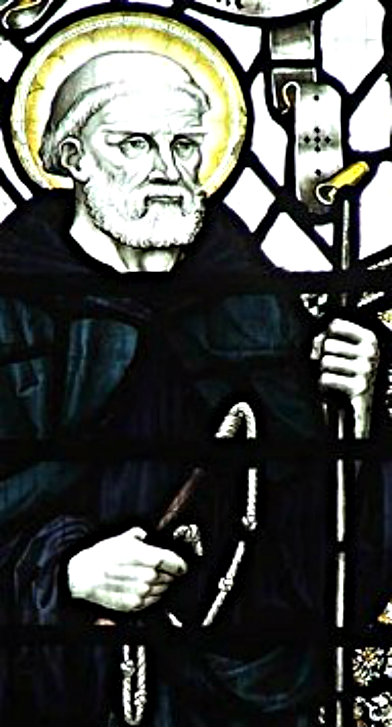
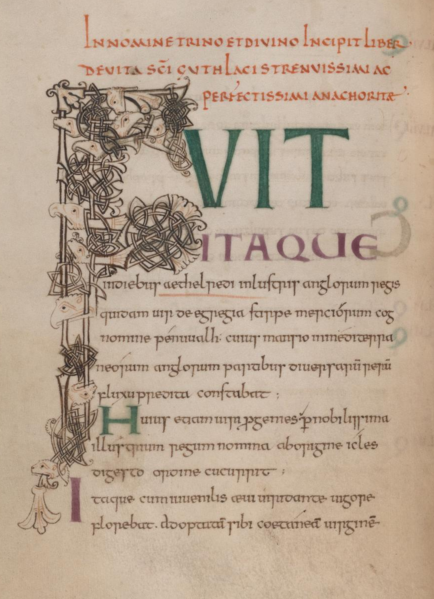
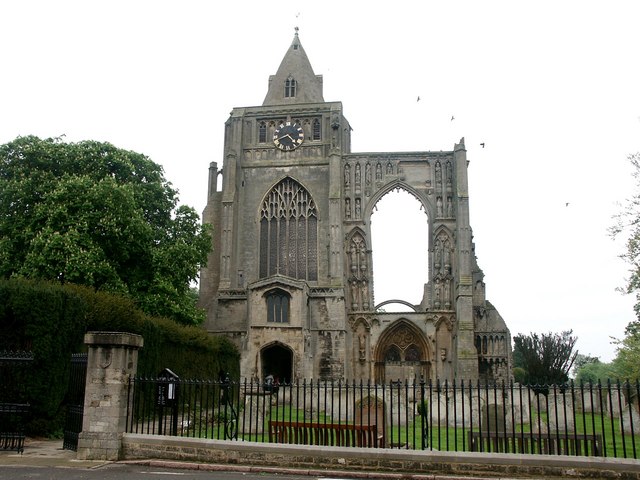
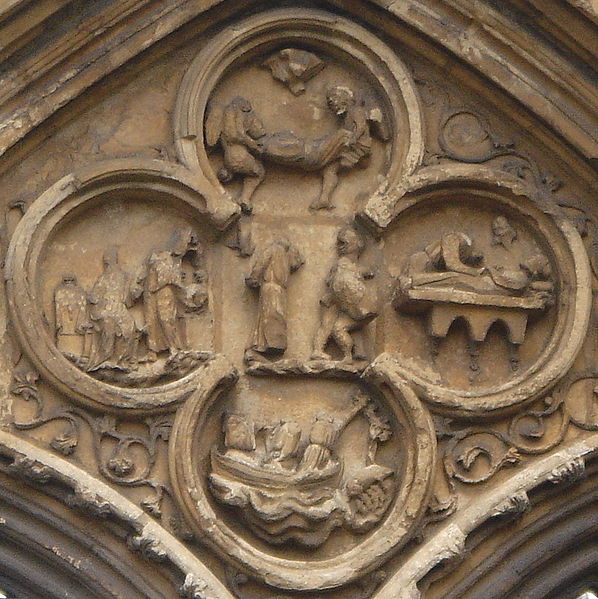
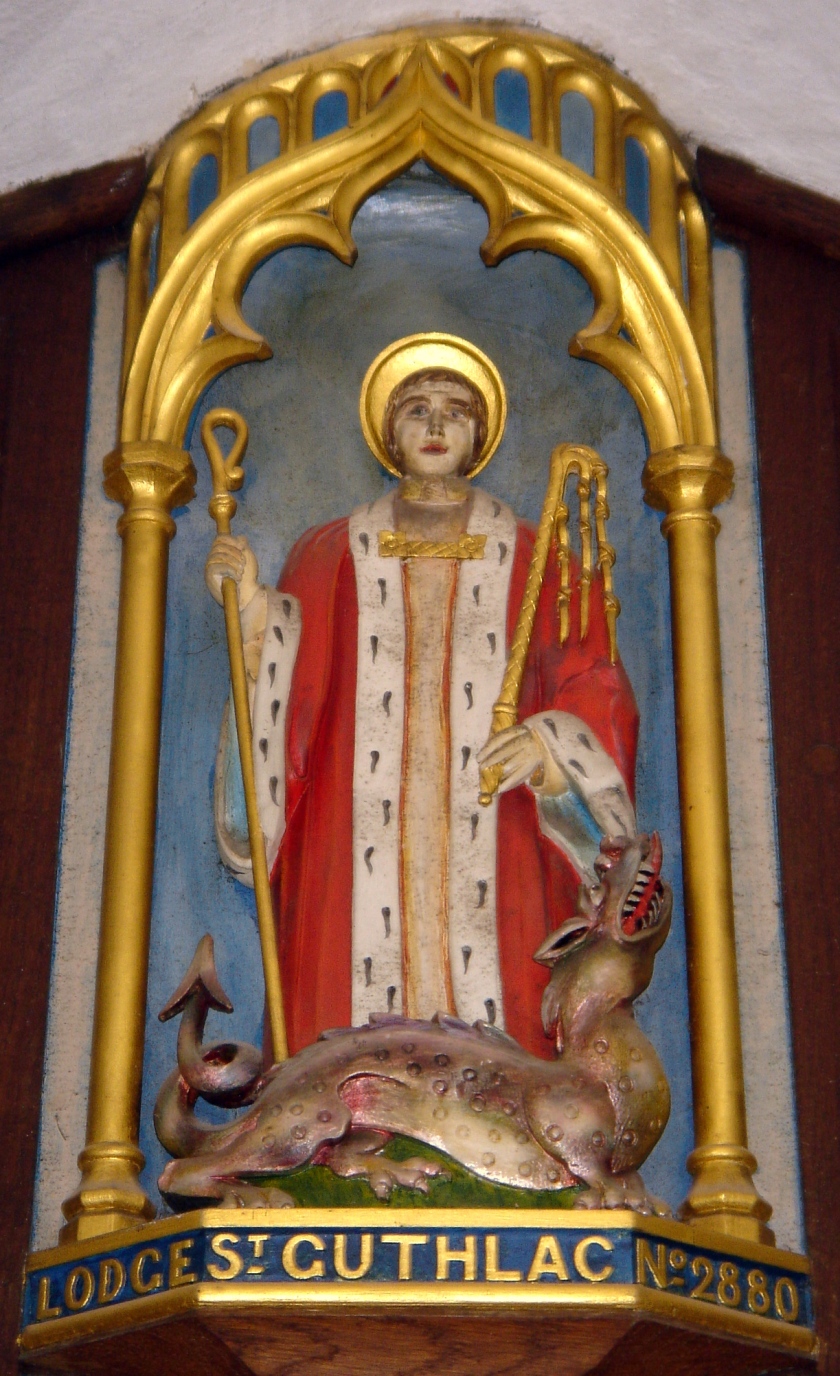
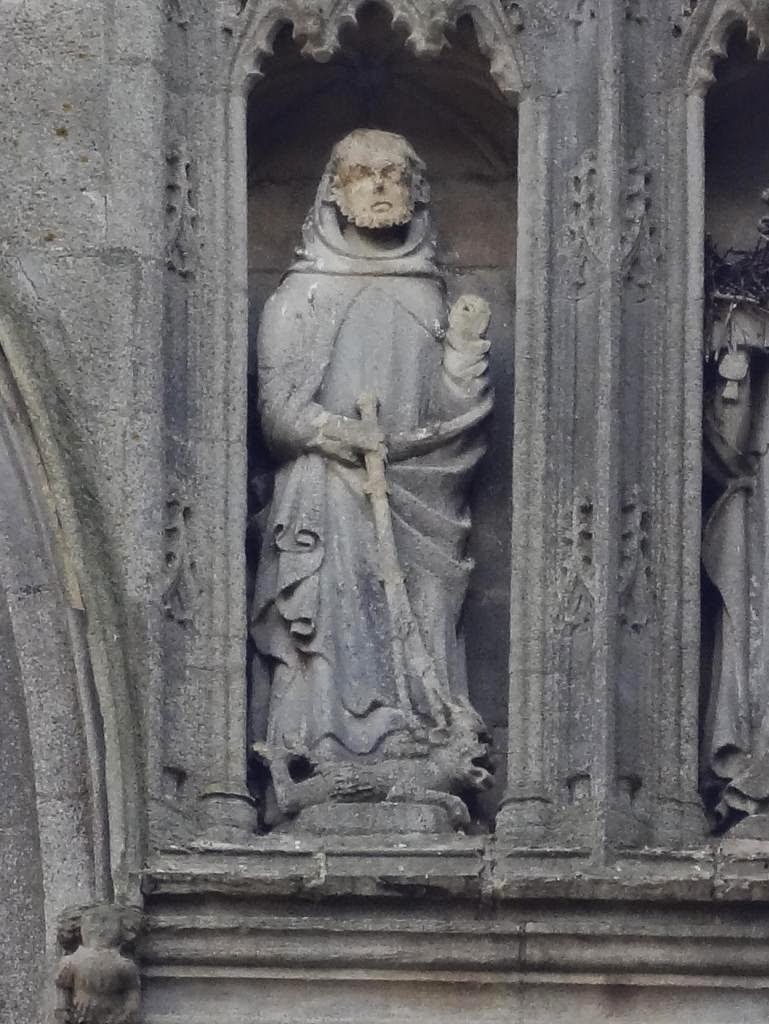
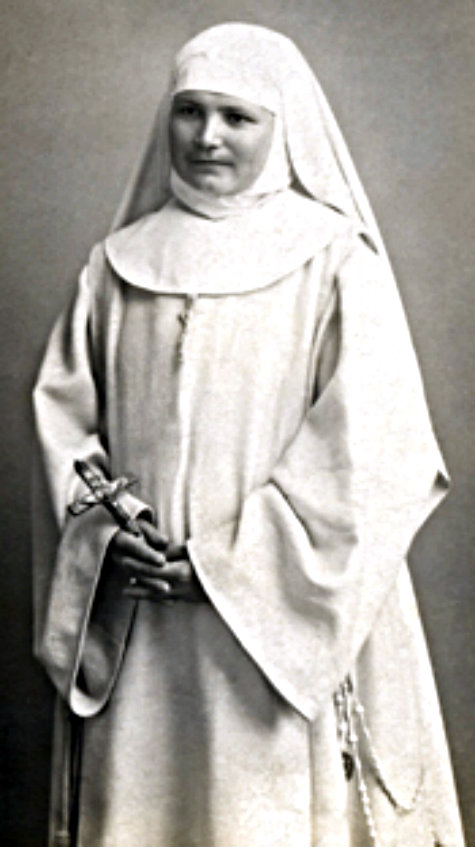
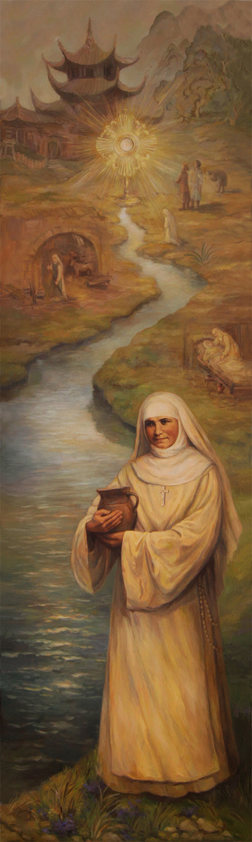 But prayer prevailed and at last a letter from Rome, from the Foundress of the Franciscan Missionaries of Mary, arrived, “Let the little one come as she is. The doors of the convent of the Franciscan Missionaries of the Mary at 12 Via Giusti are open to receive her.”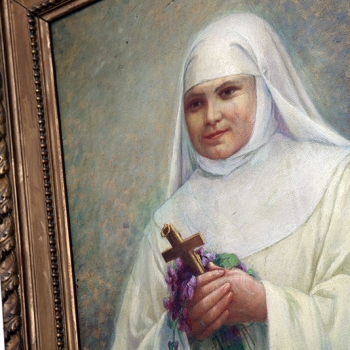
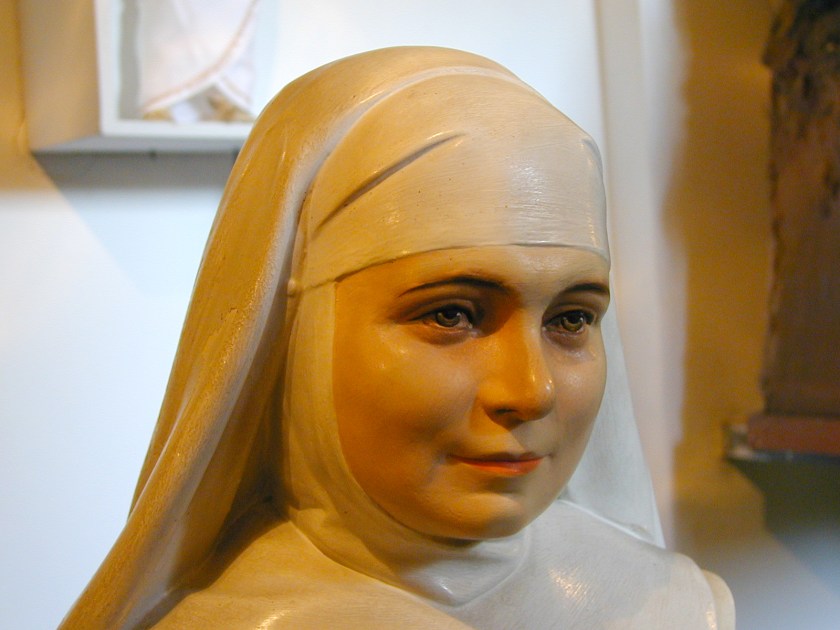
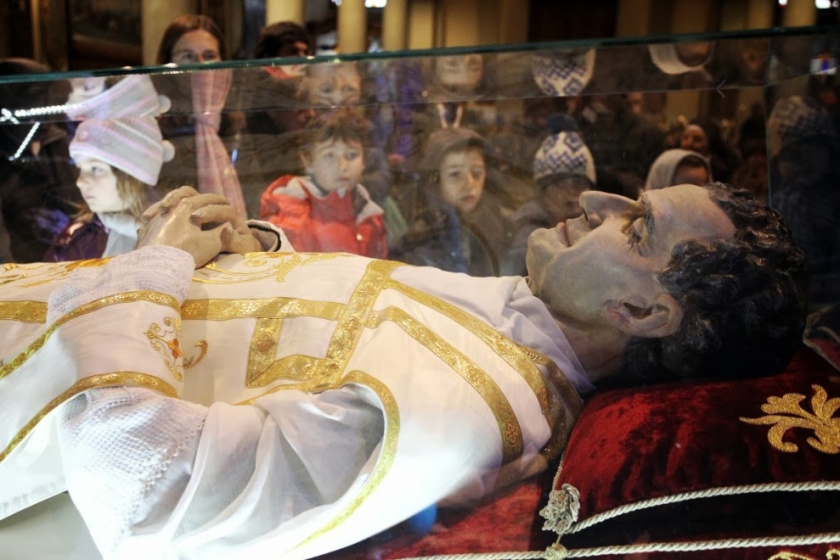


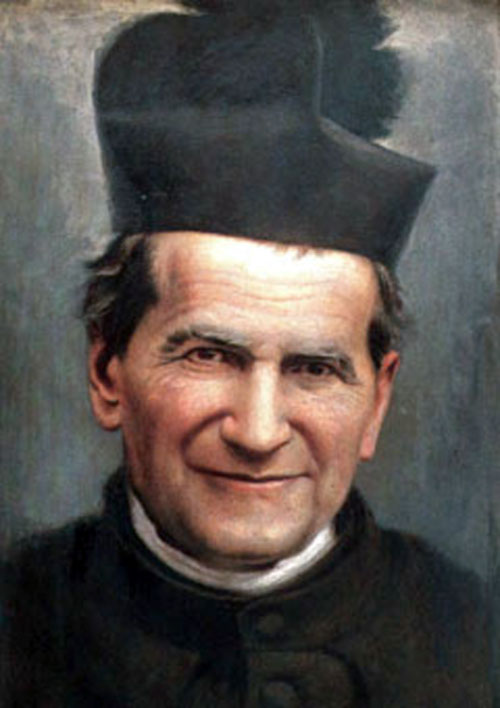
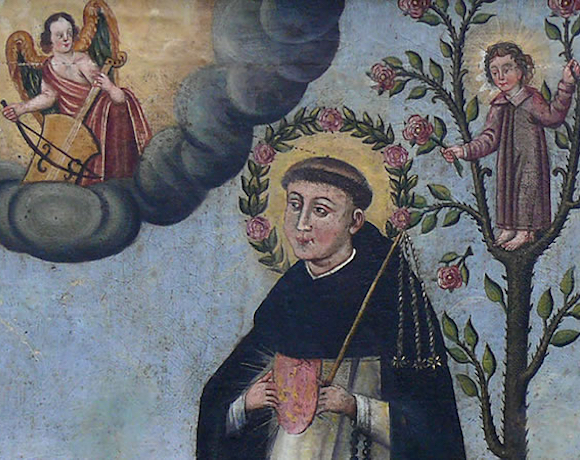
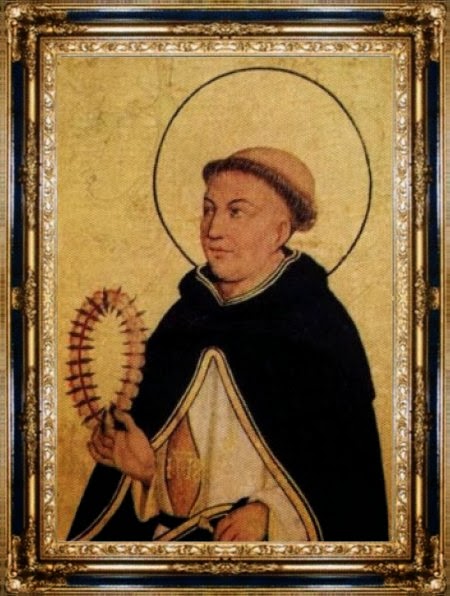
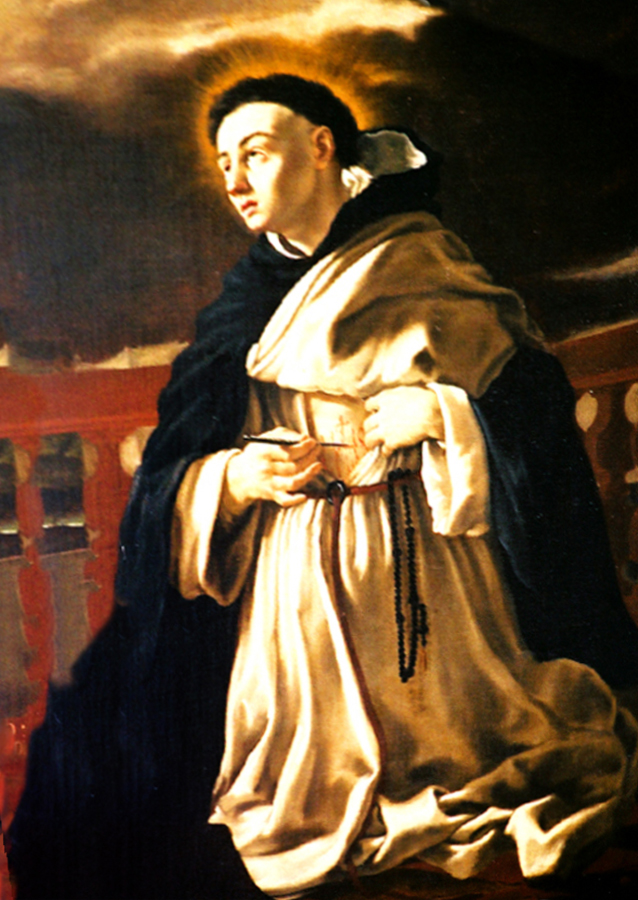

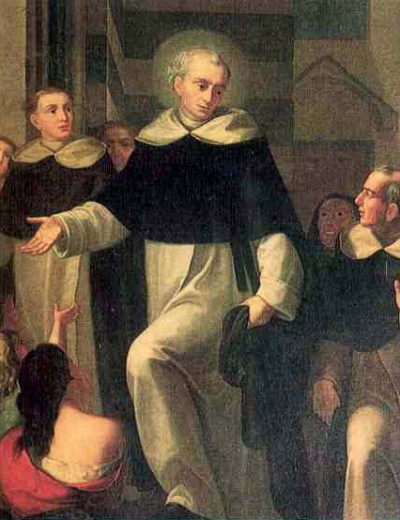
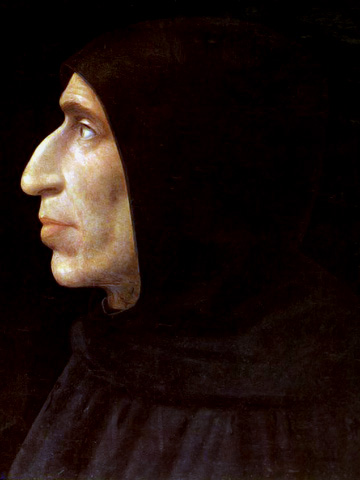
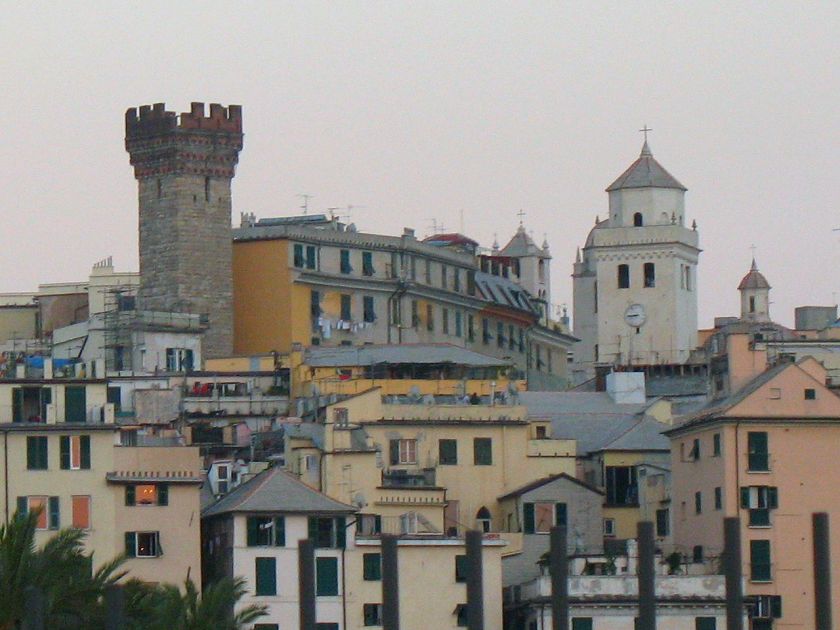
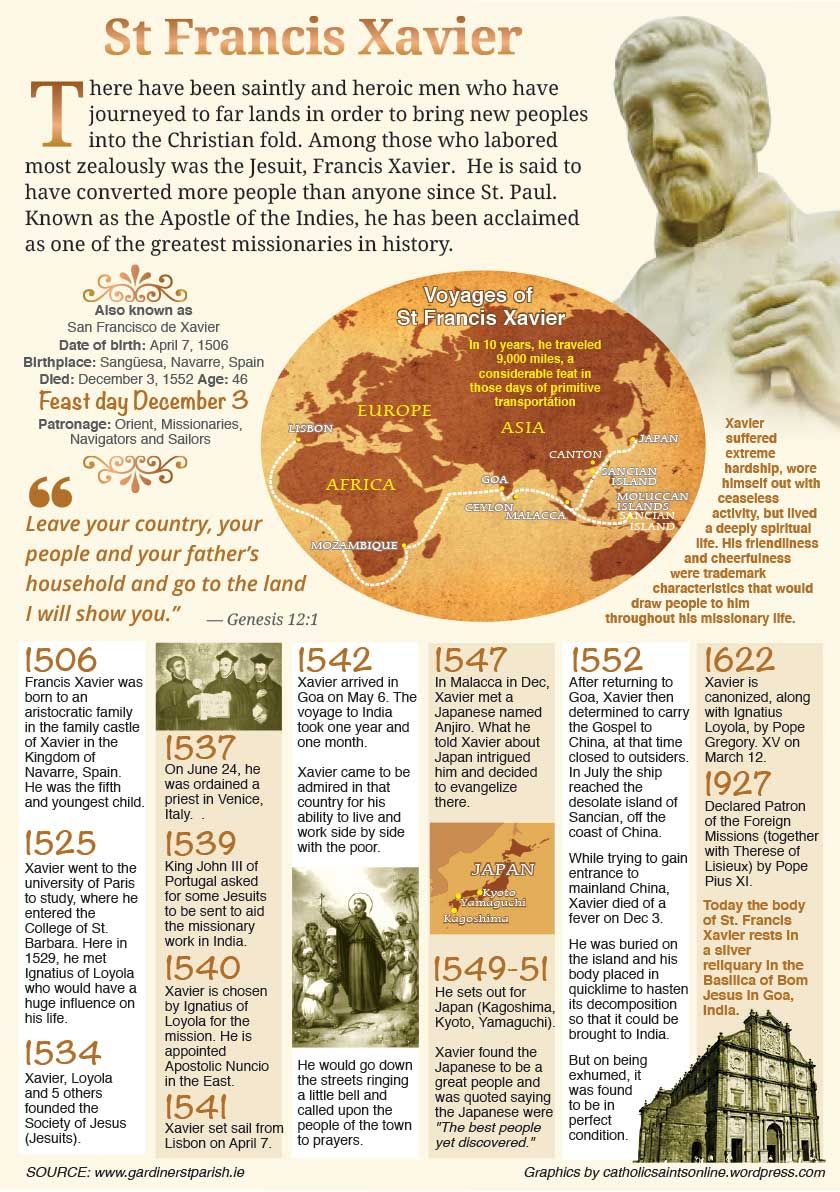

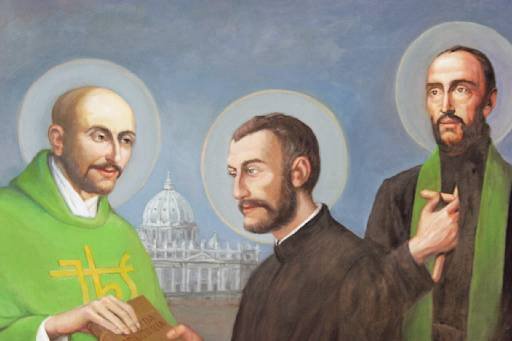
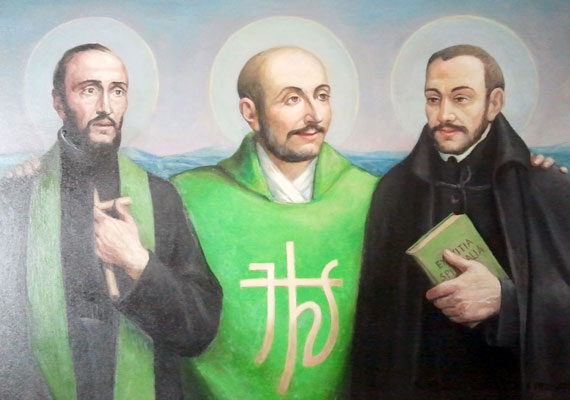
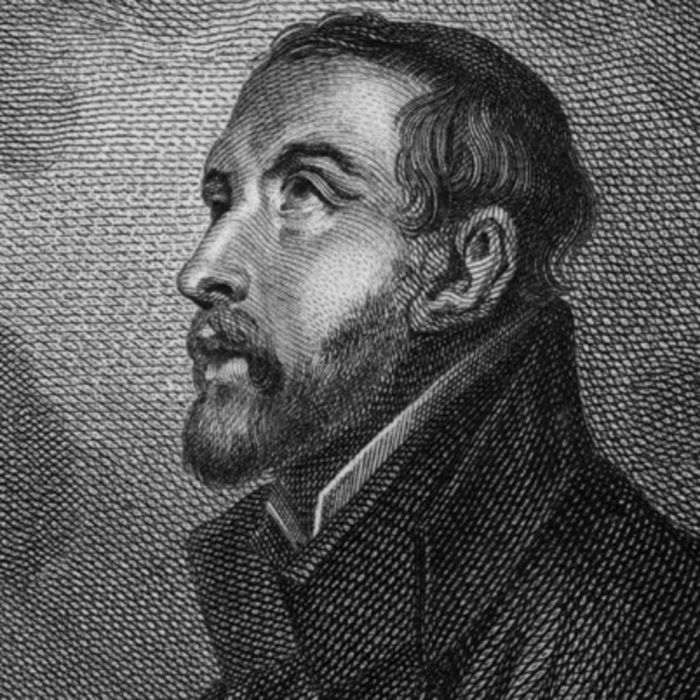
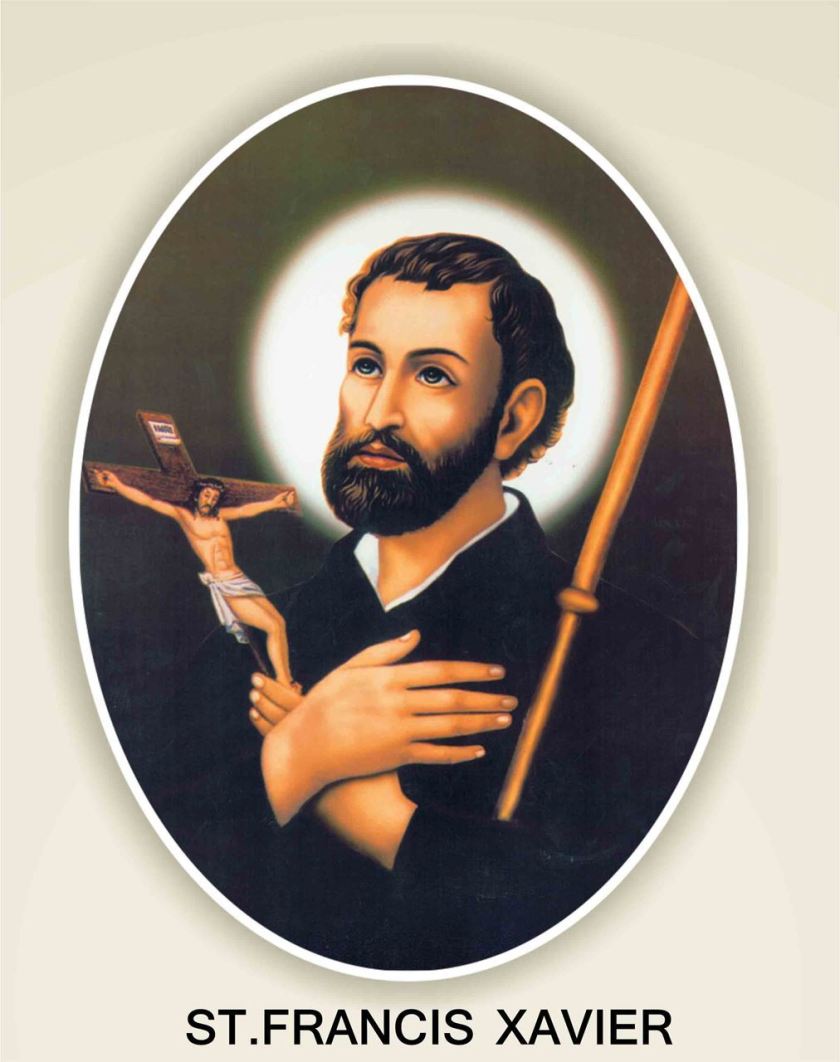
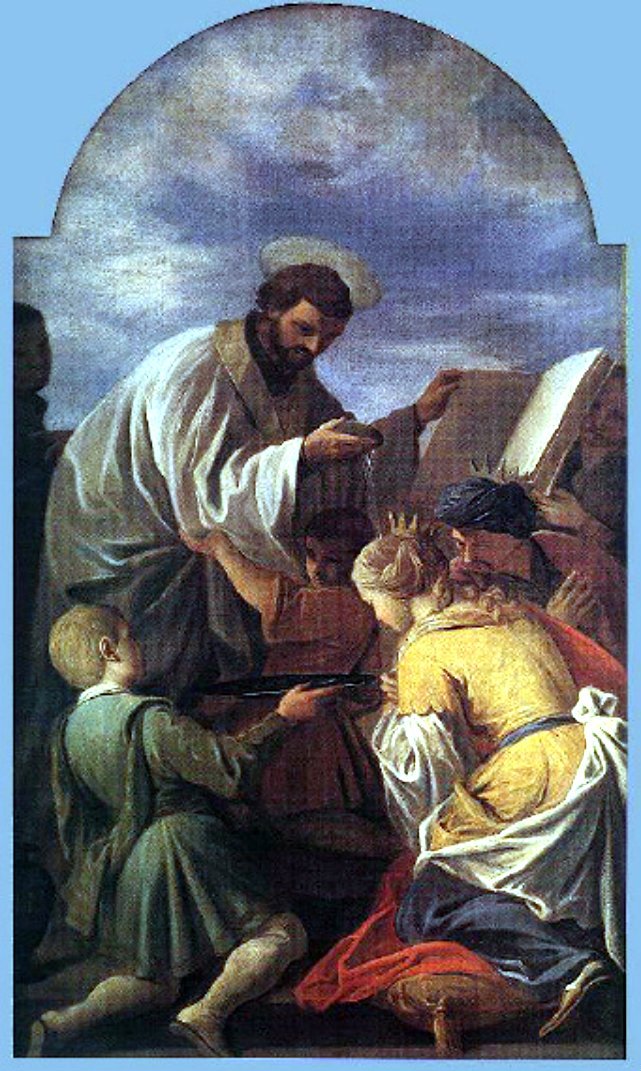
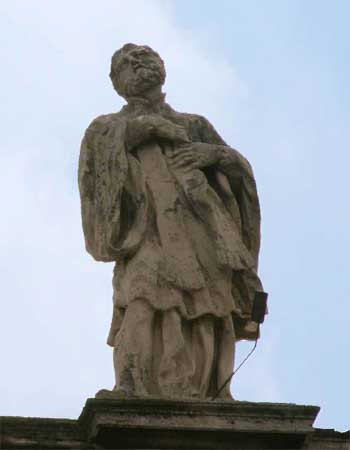
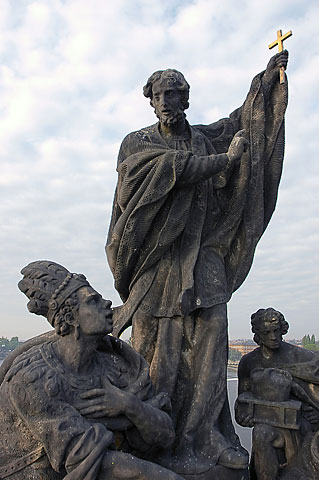
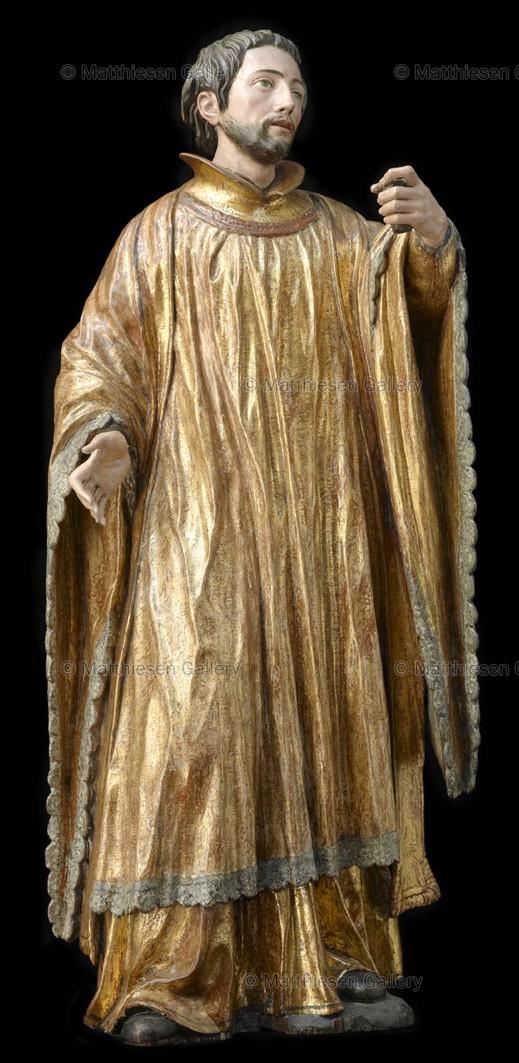
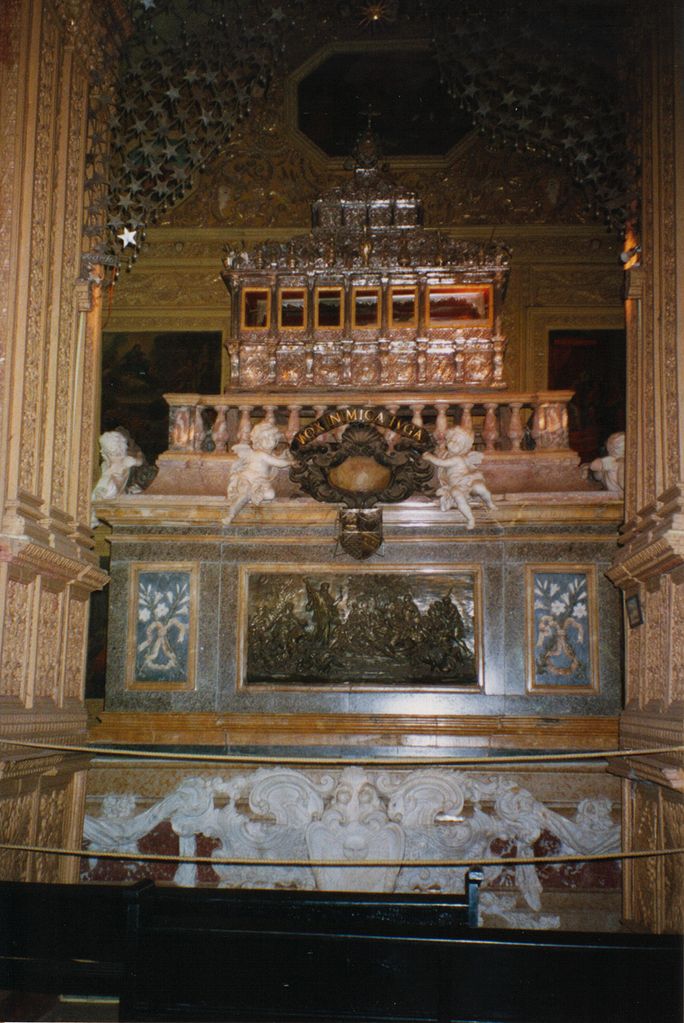
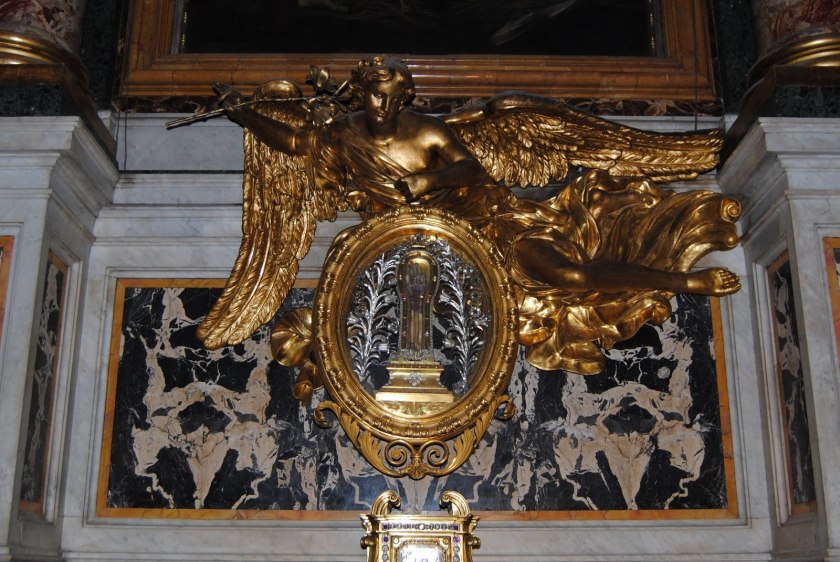


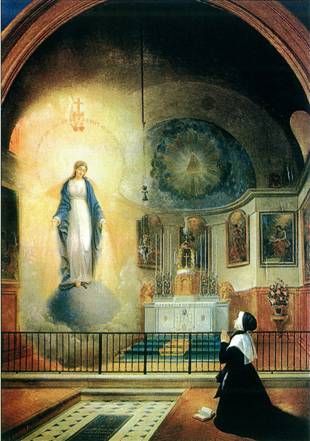
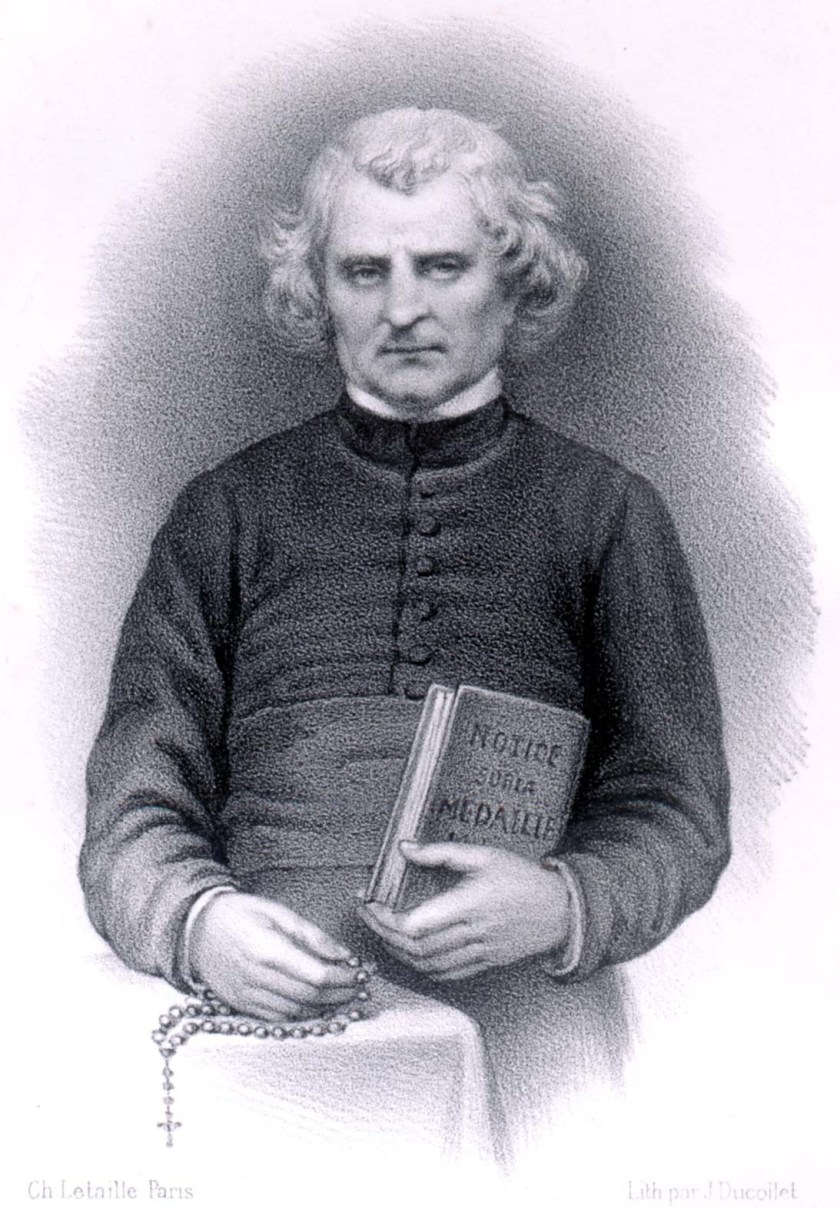
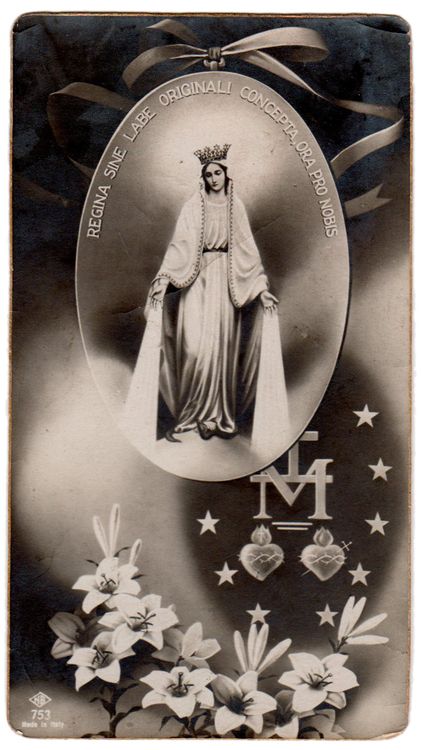
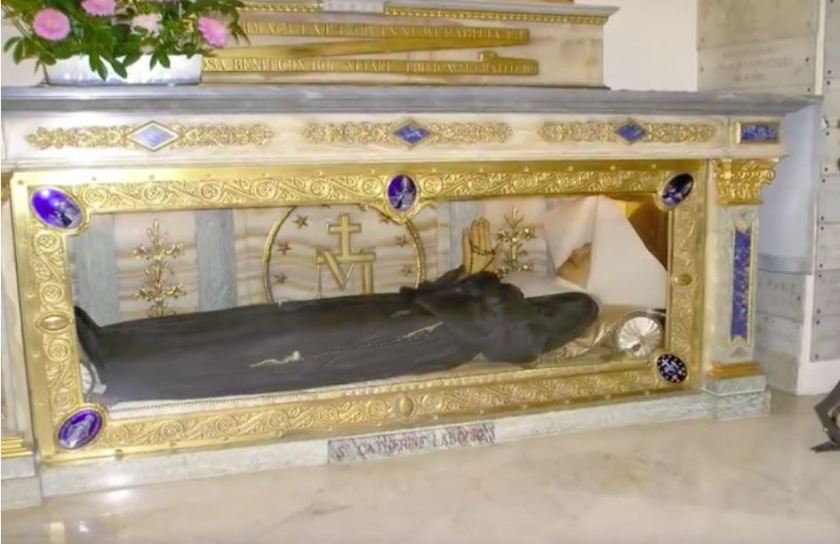
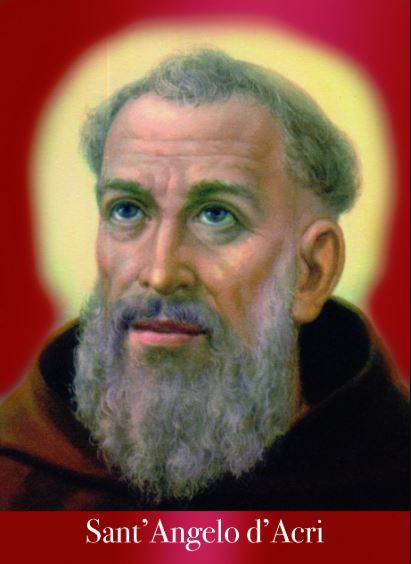
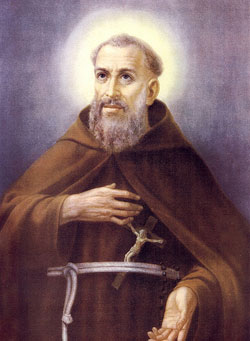

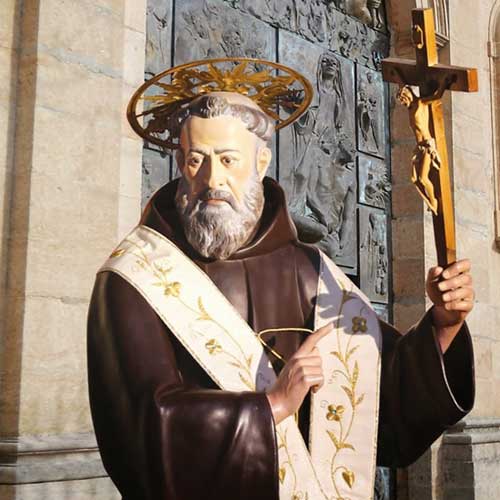


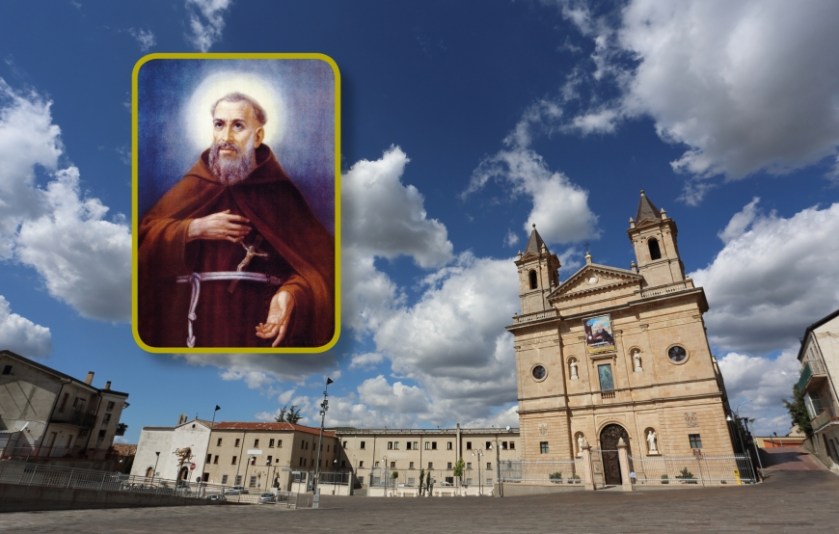

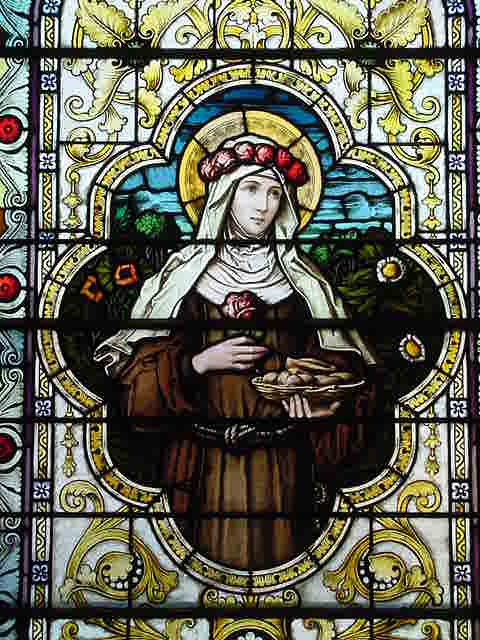
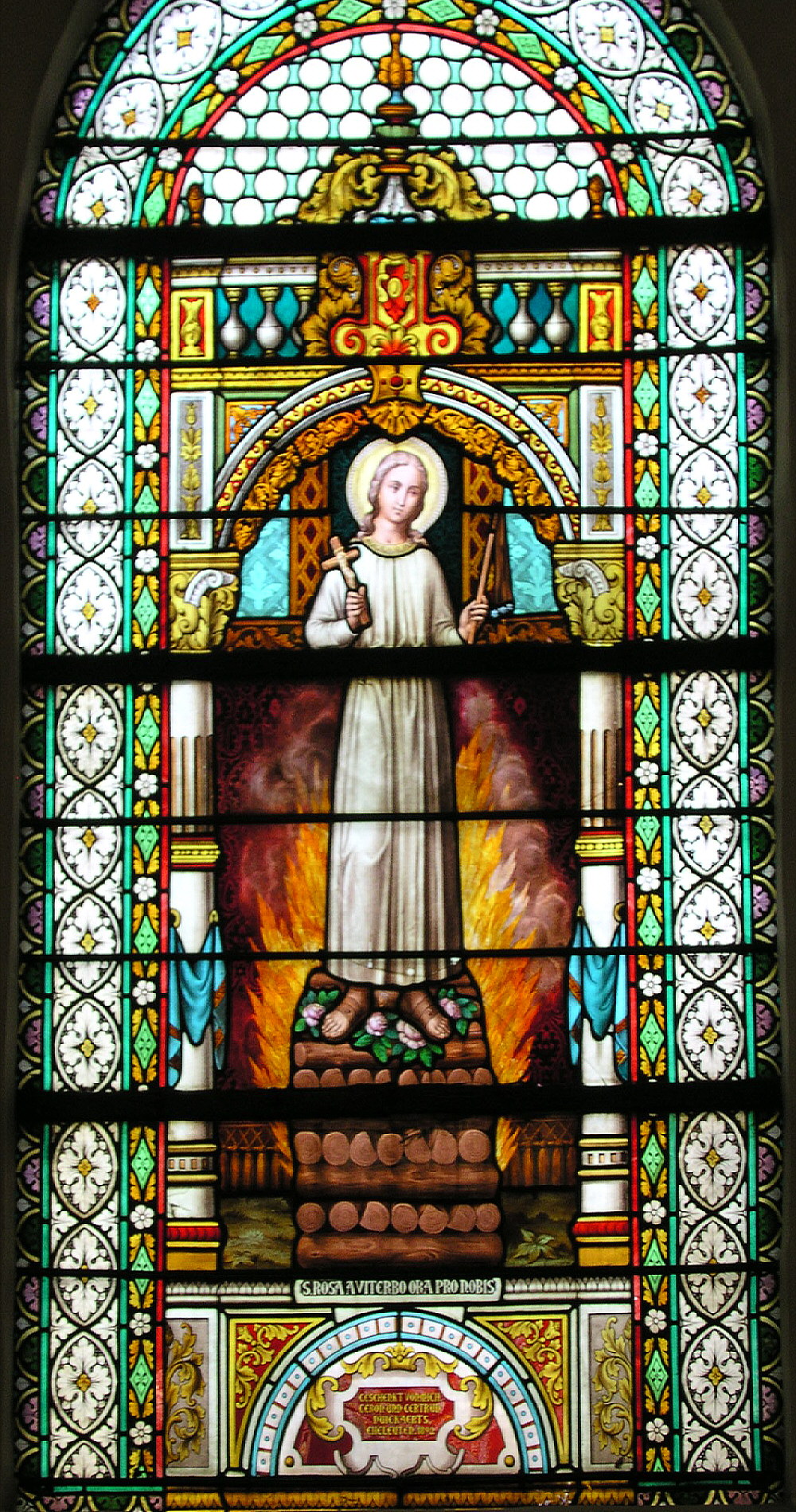
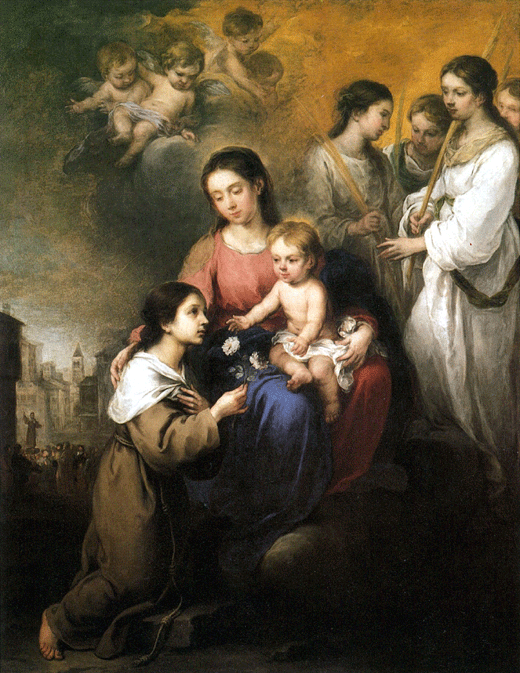
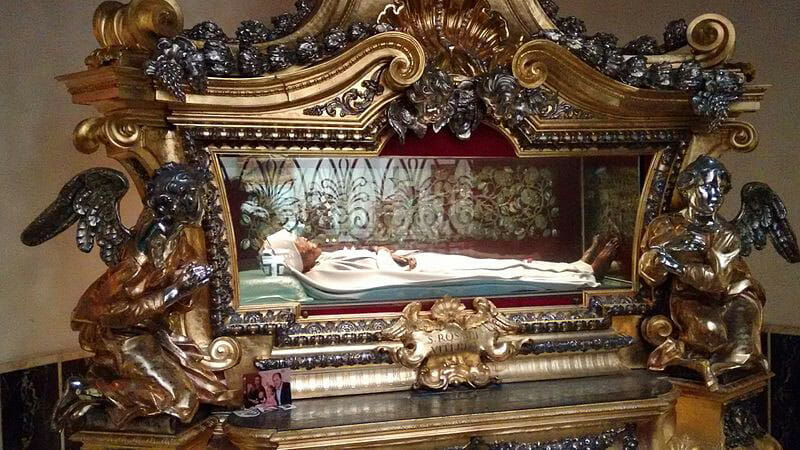
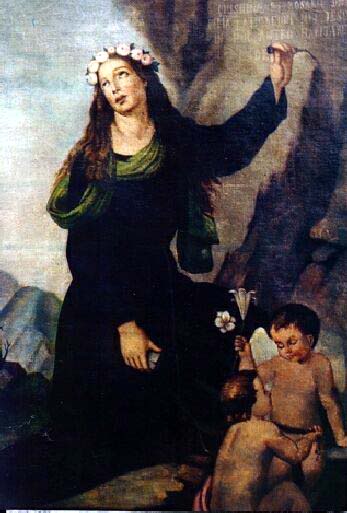

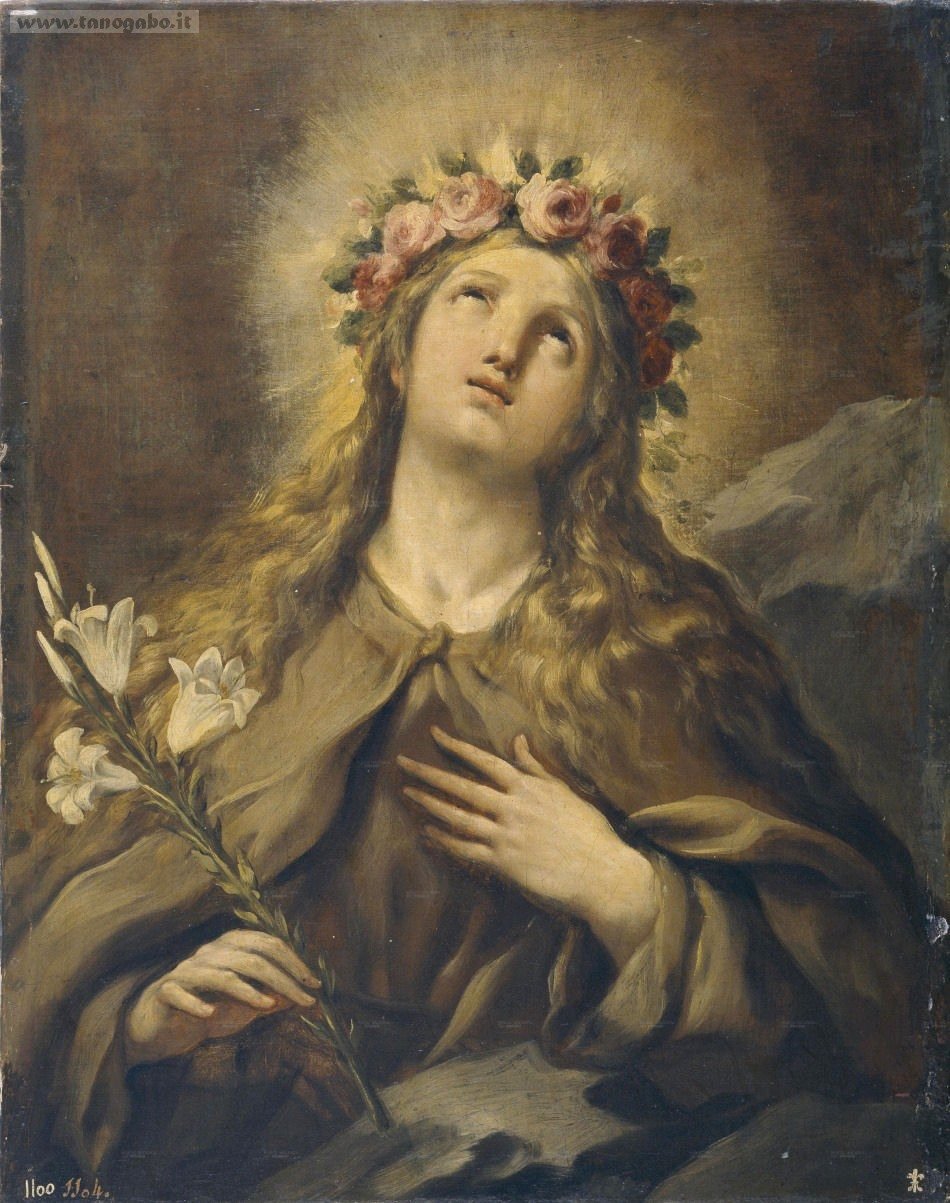
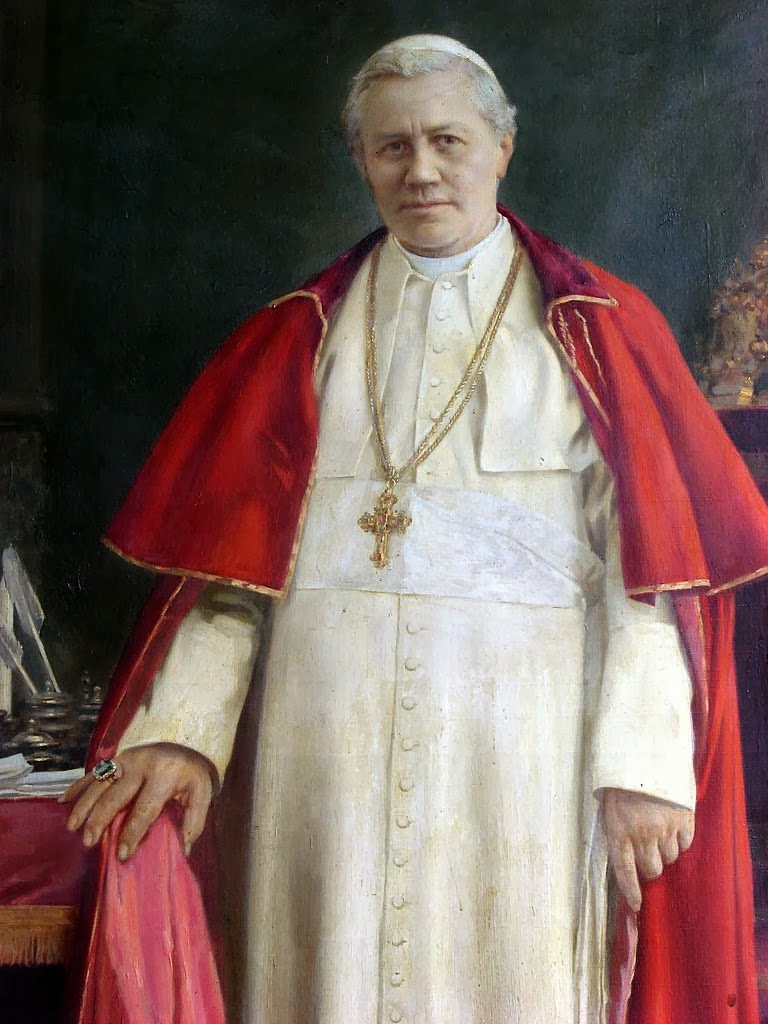
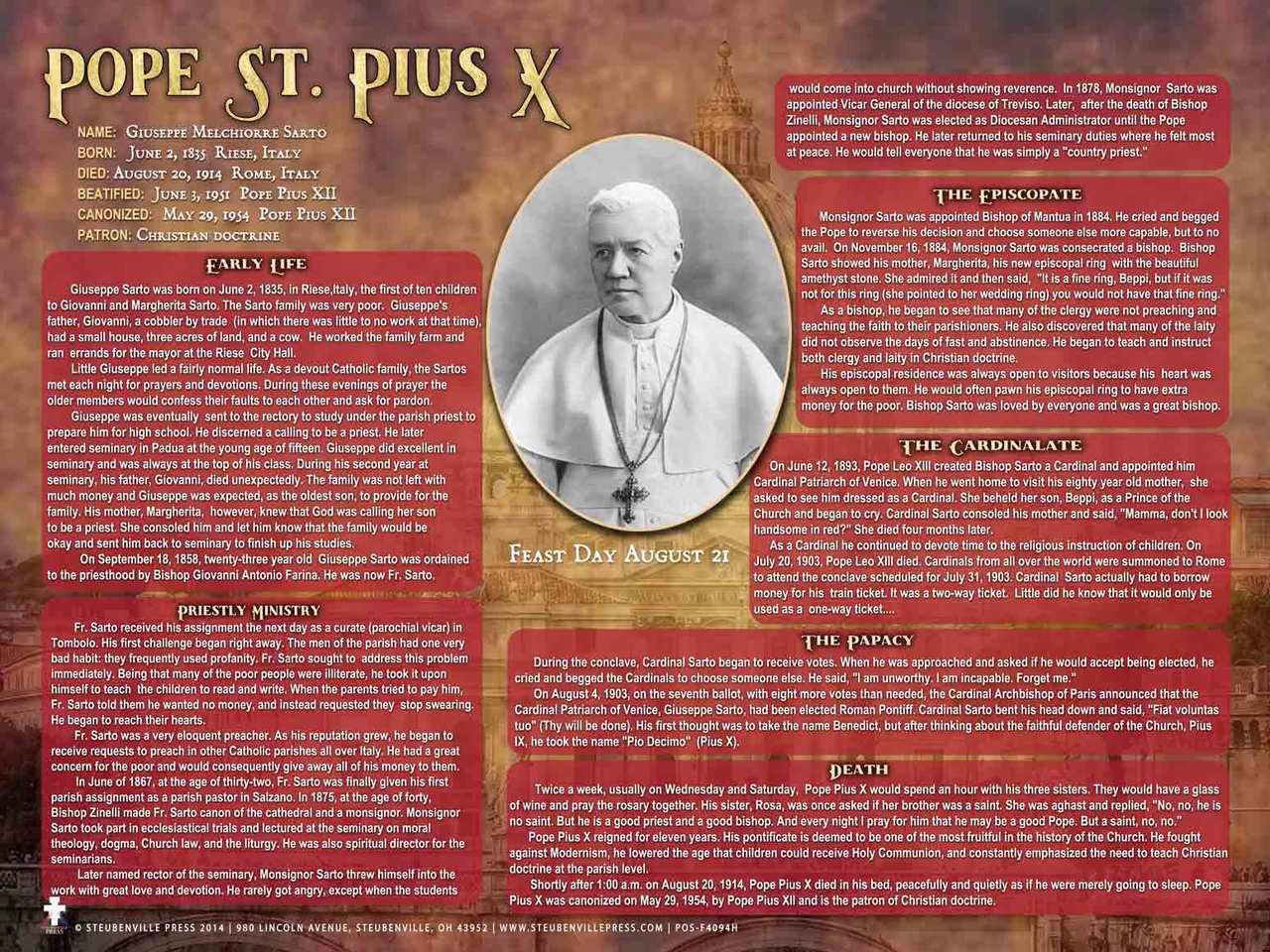

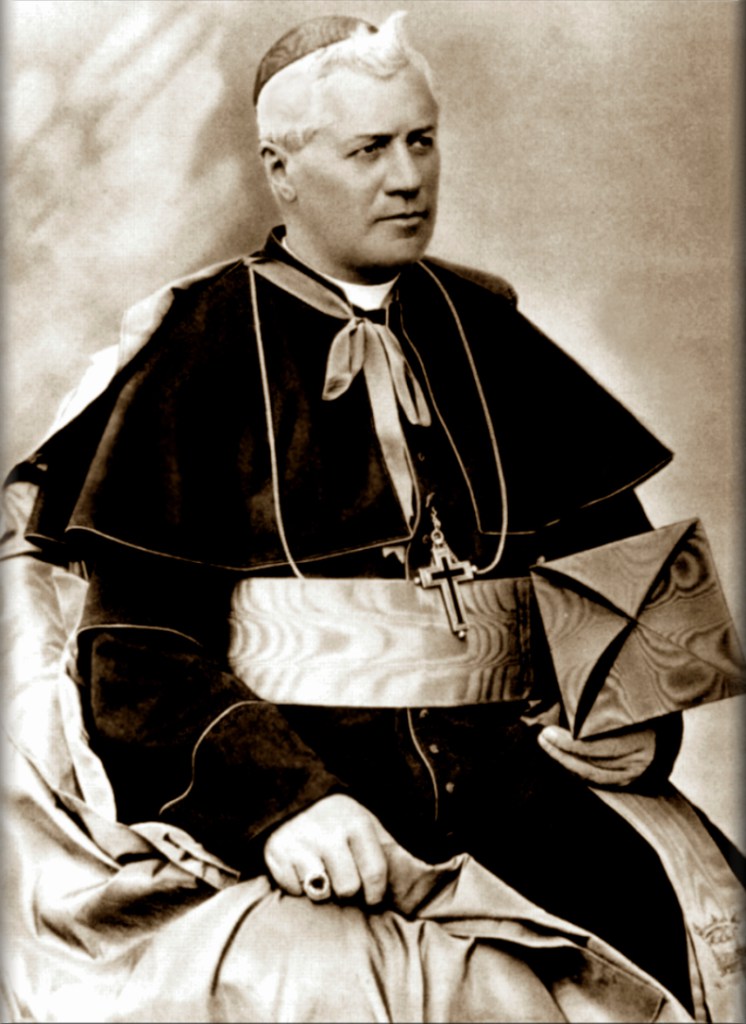
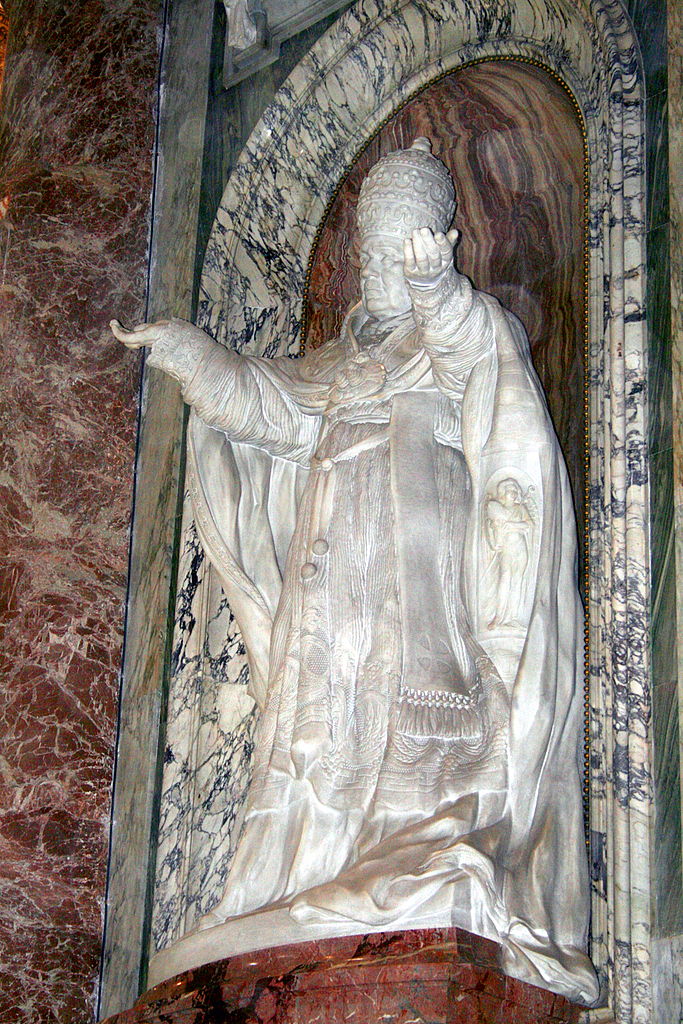
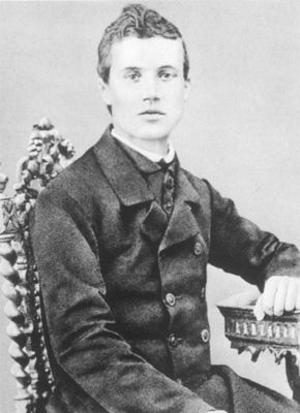
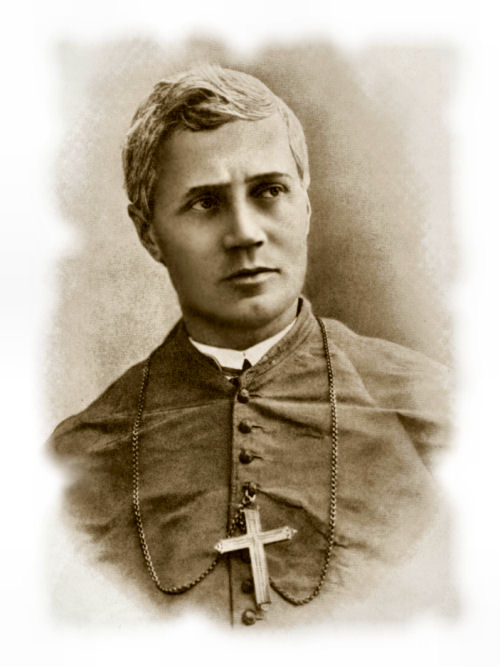
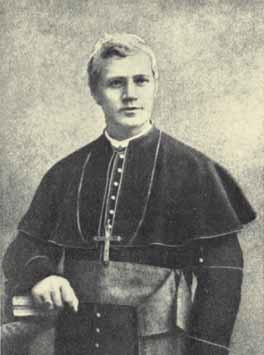
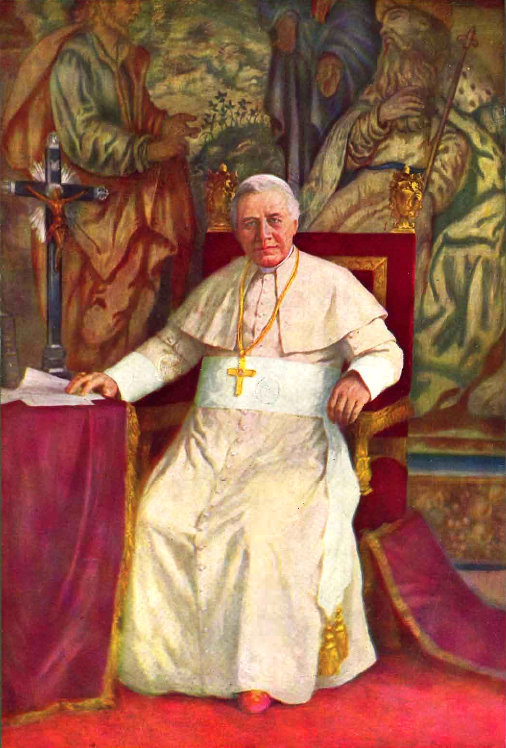
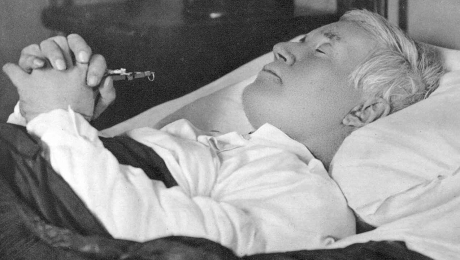
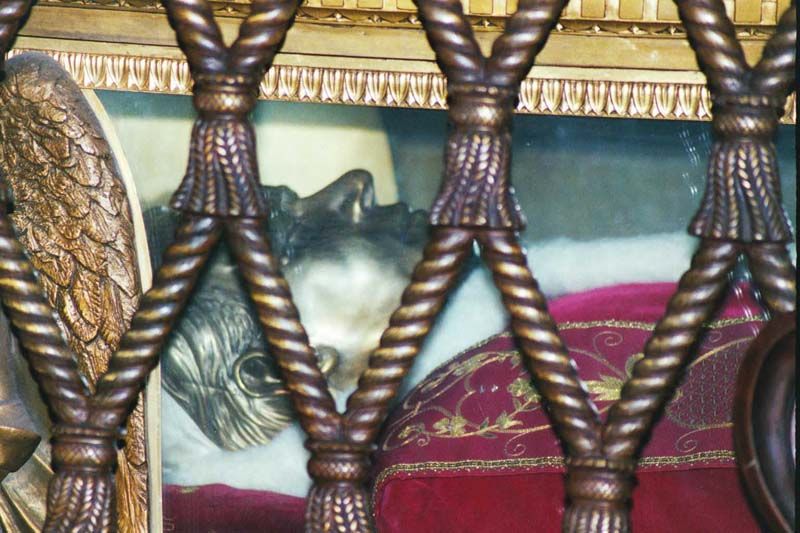
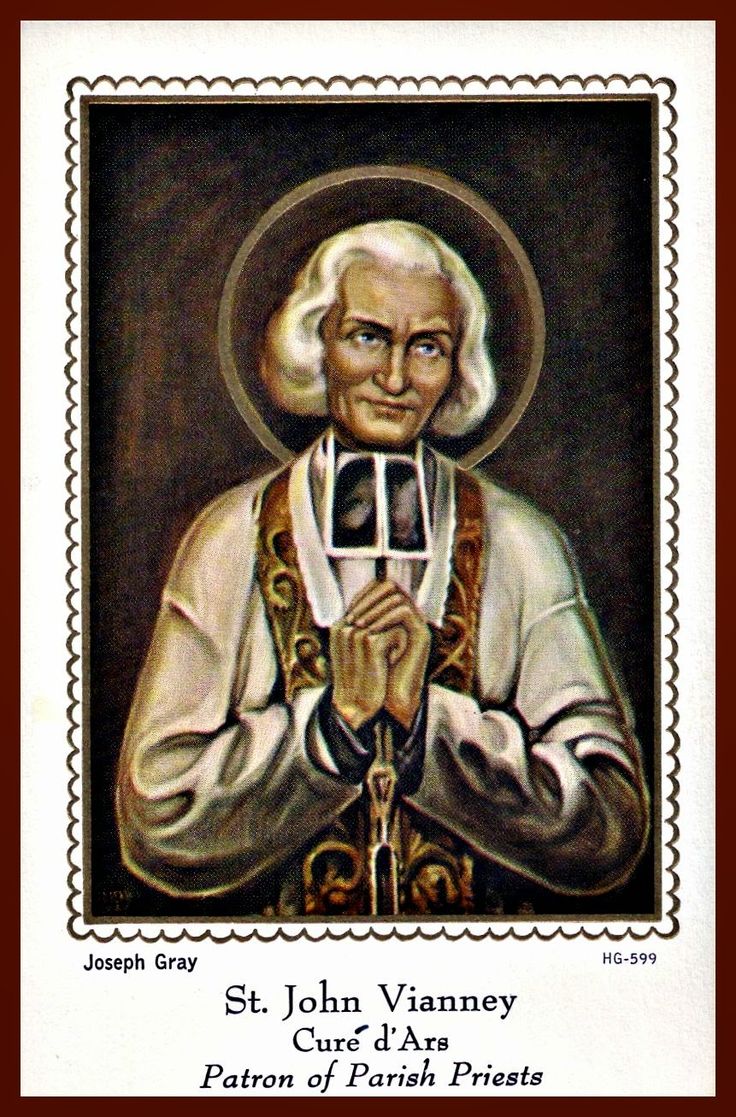
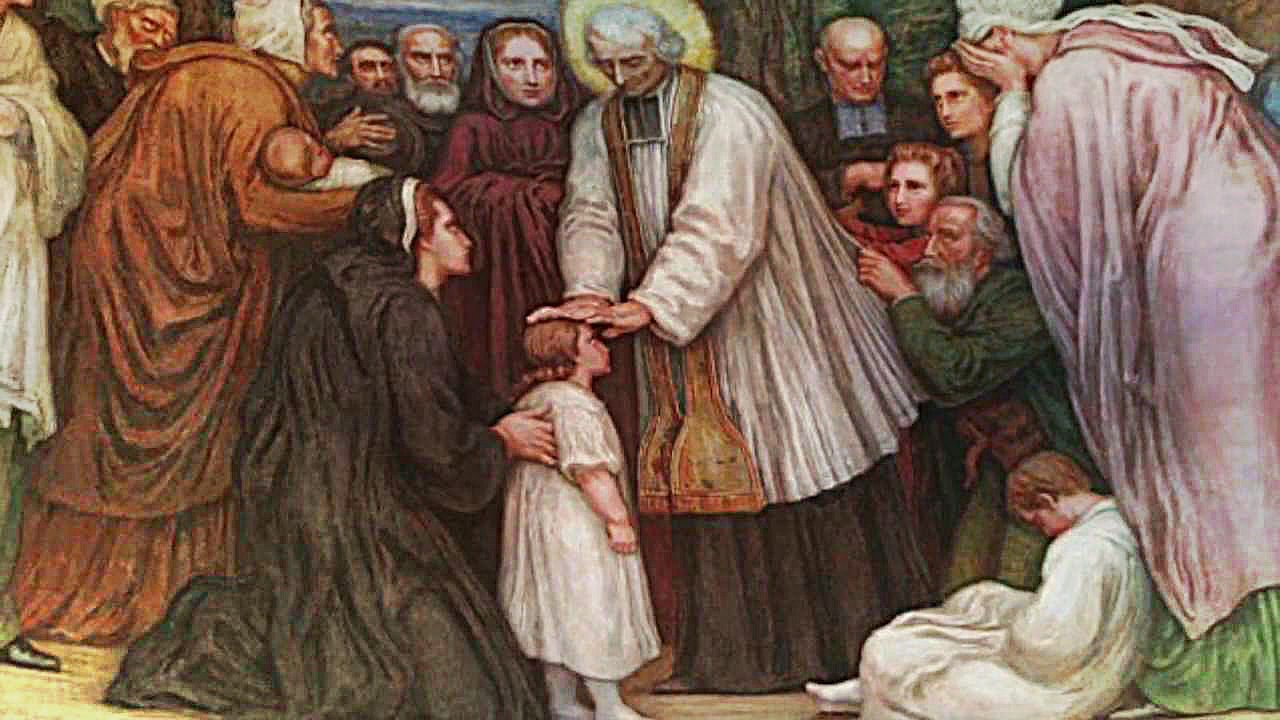
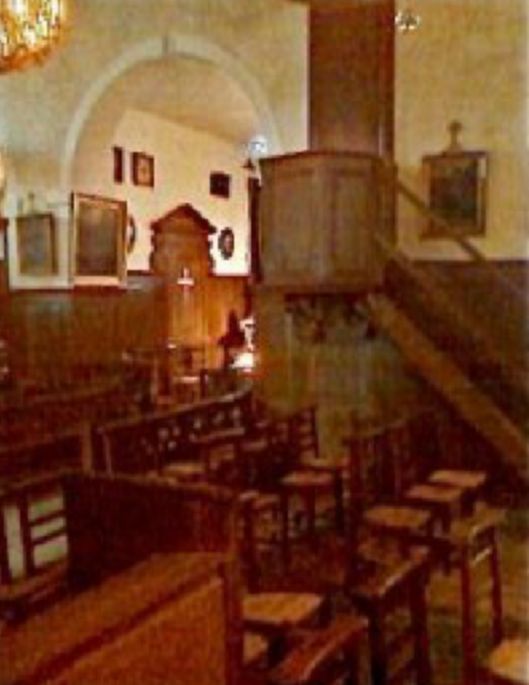
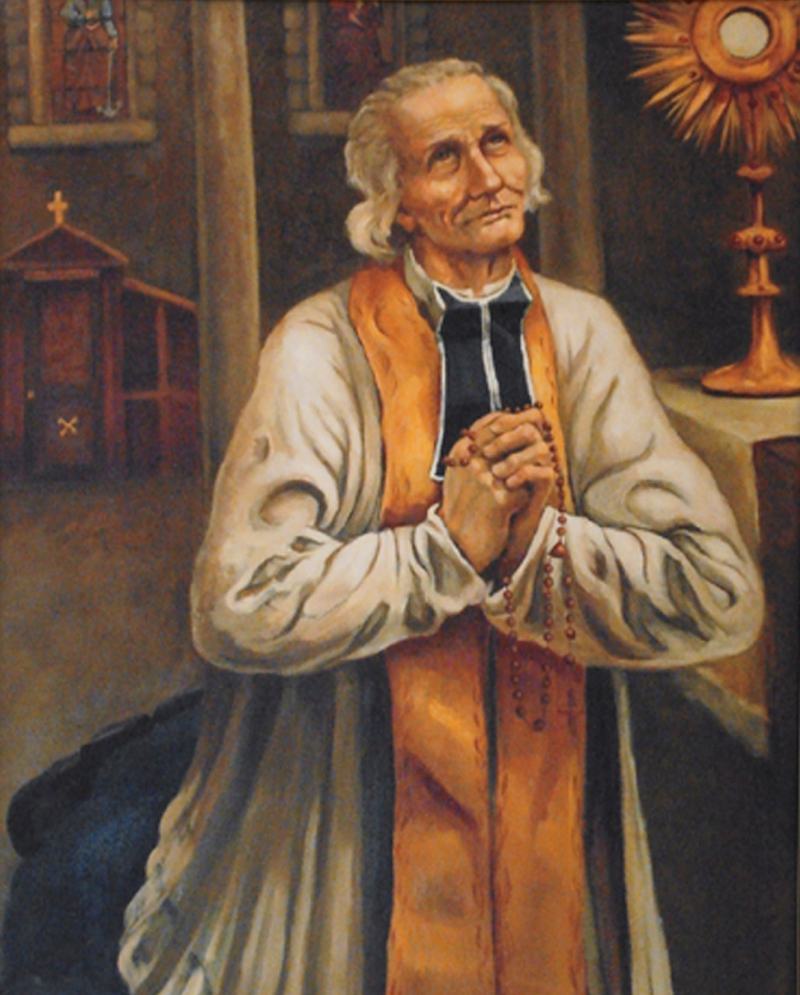
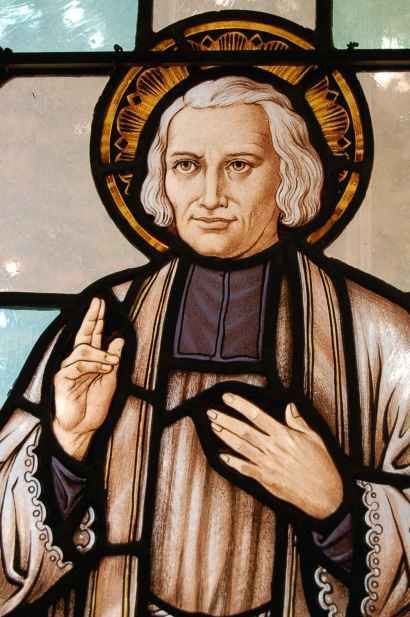
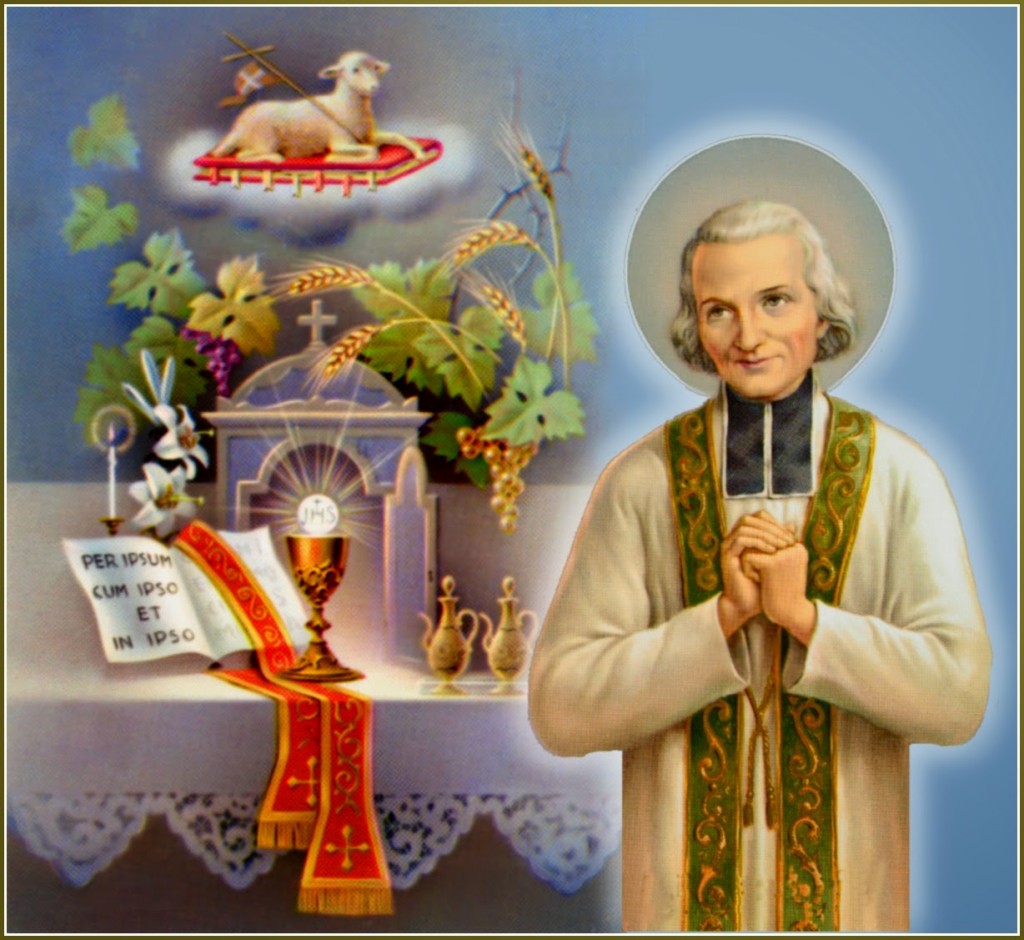
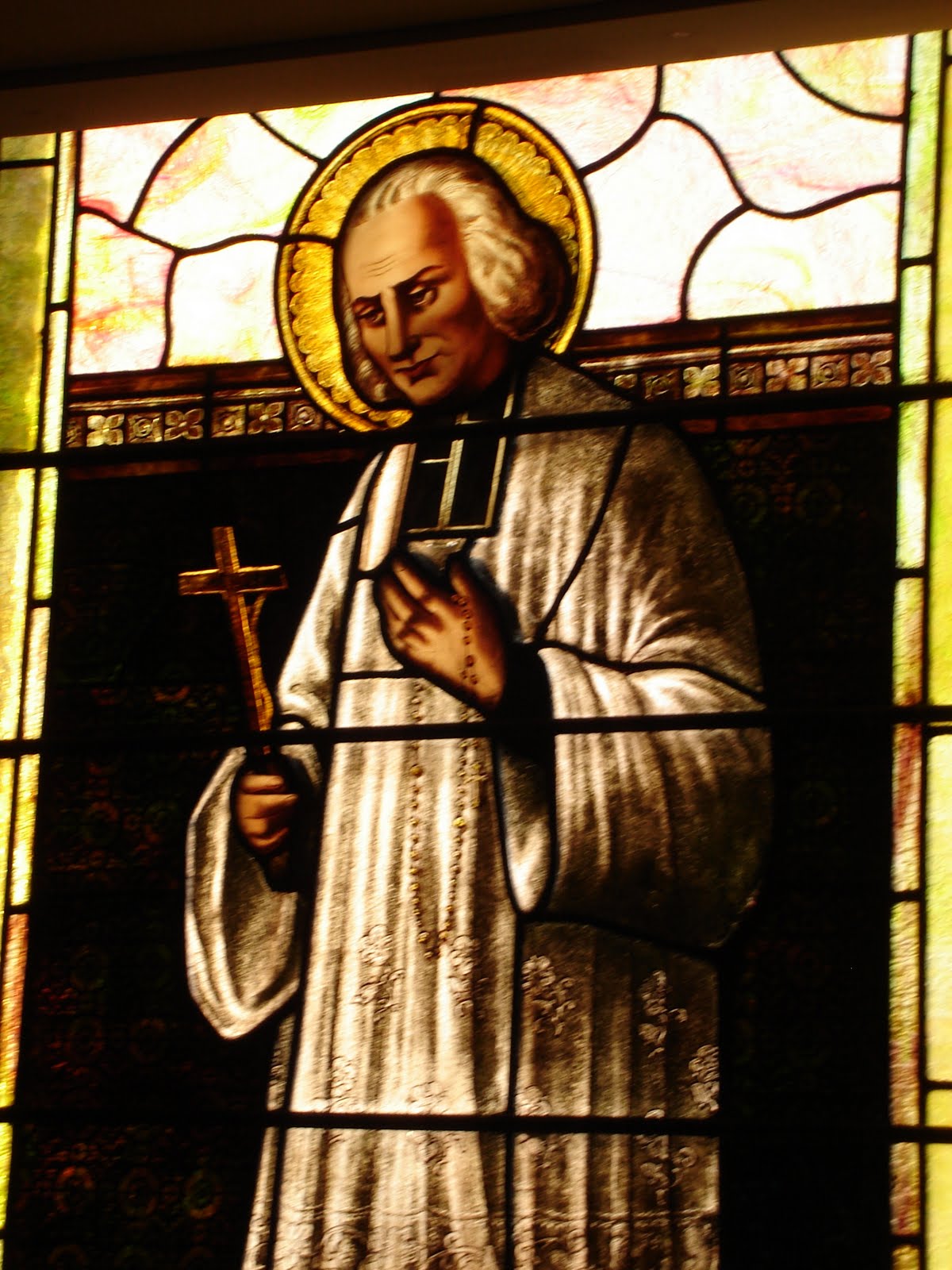
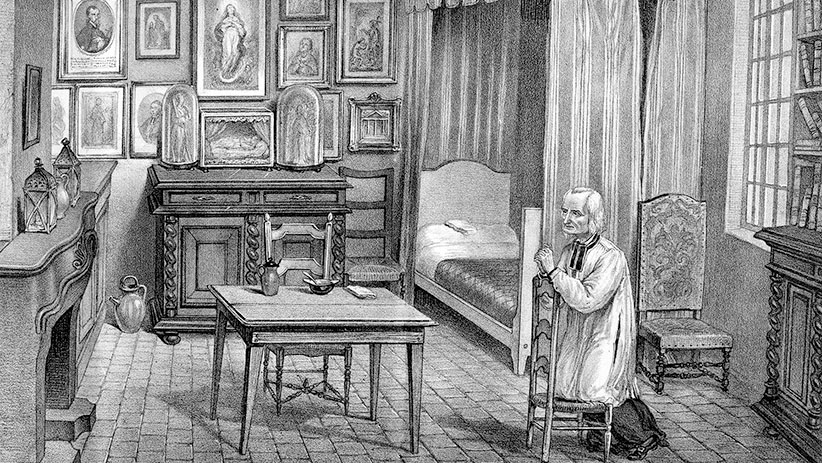
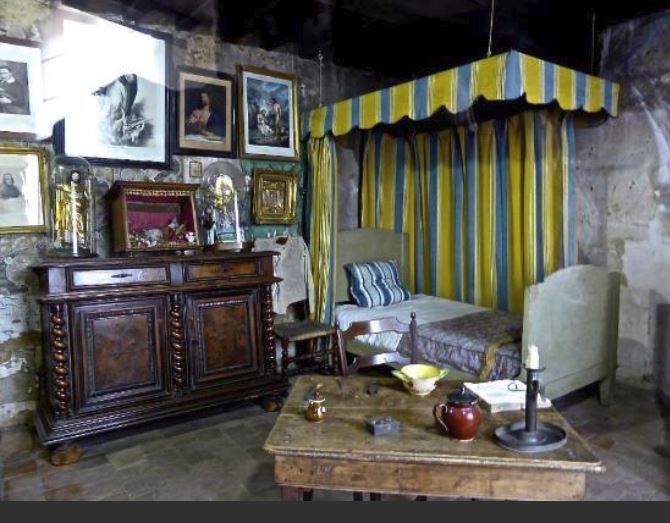
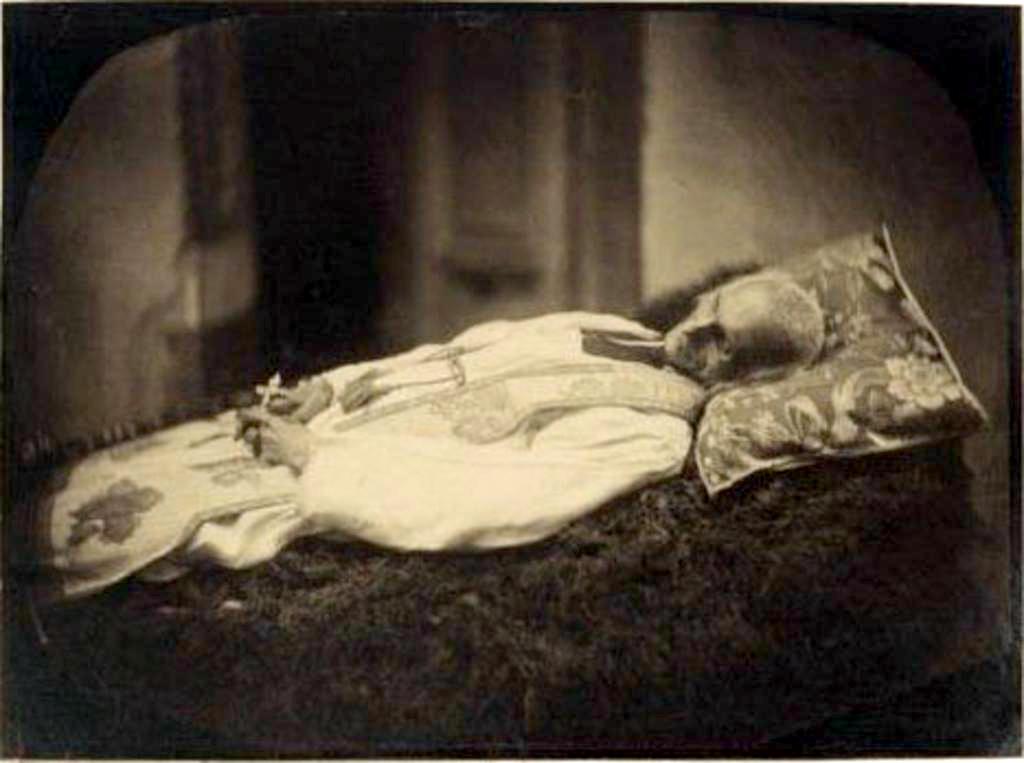
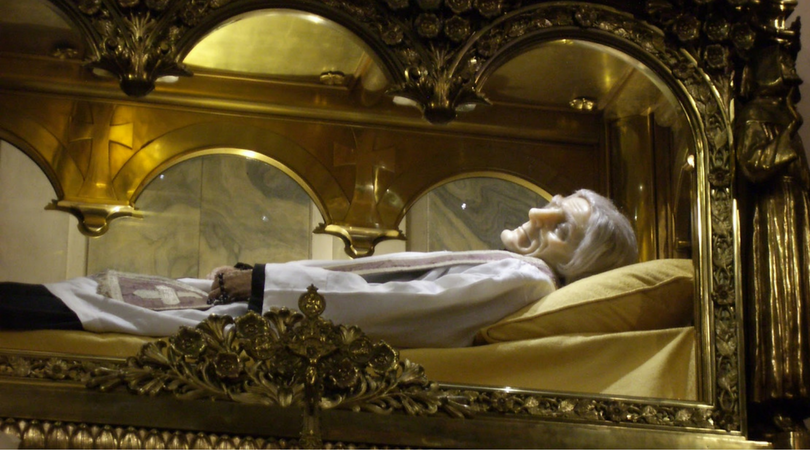
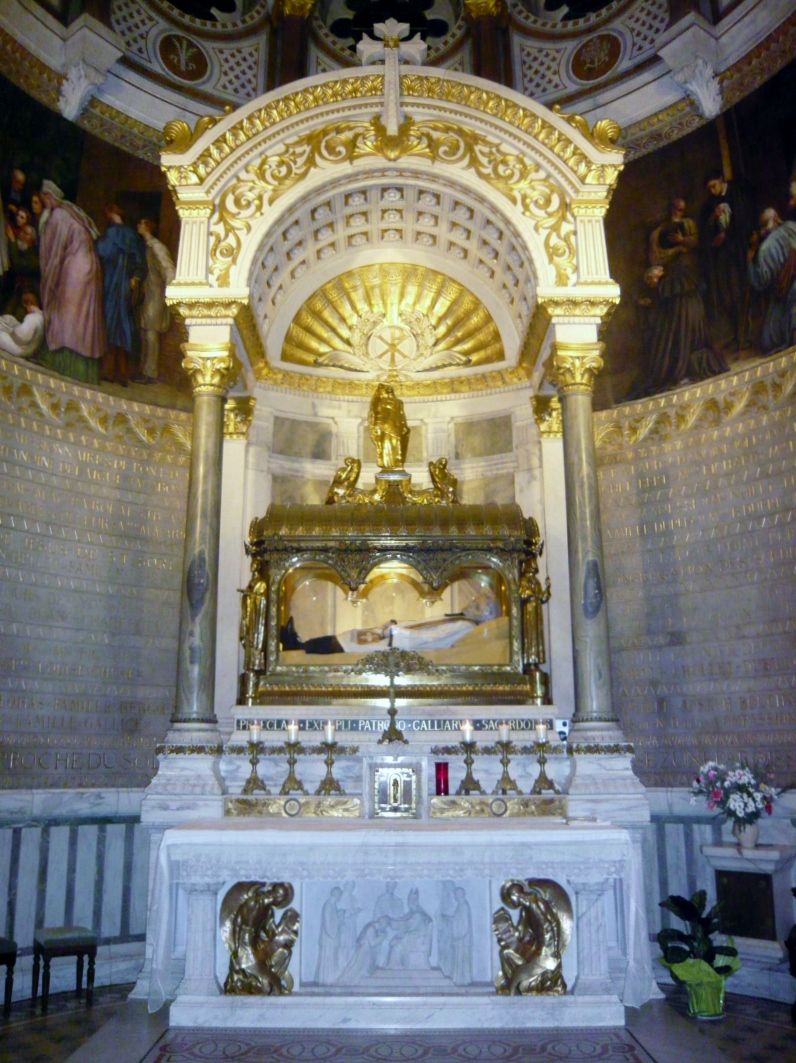
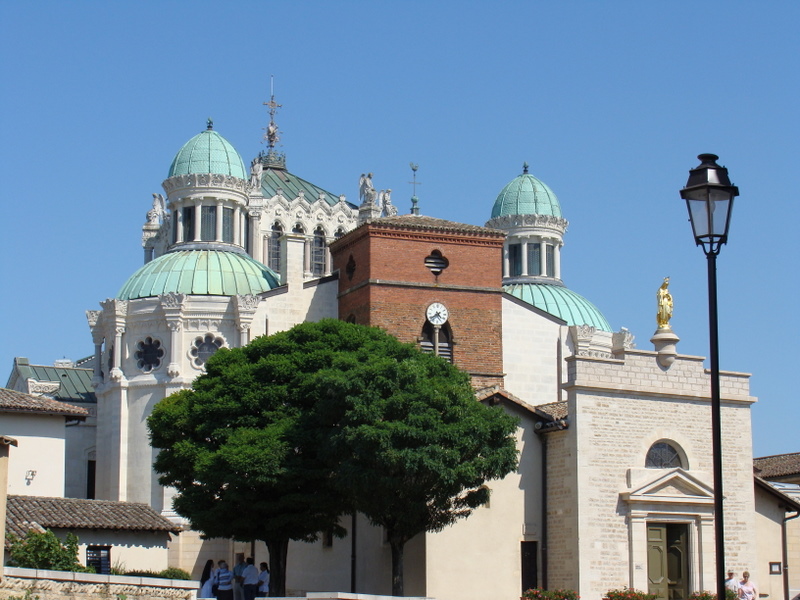
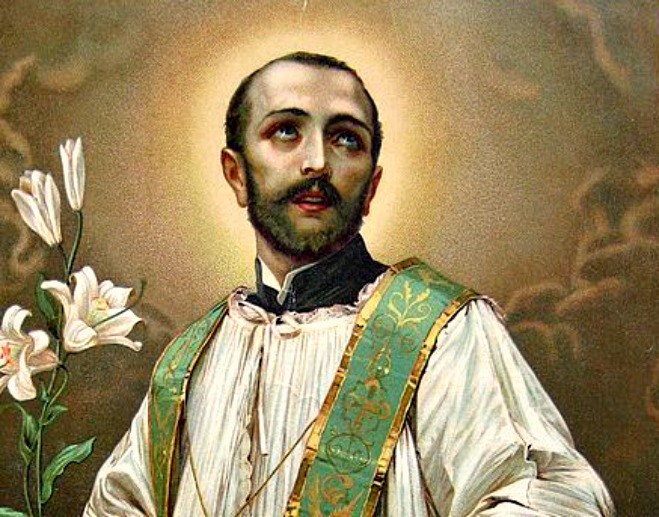


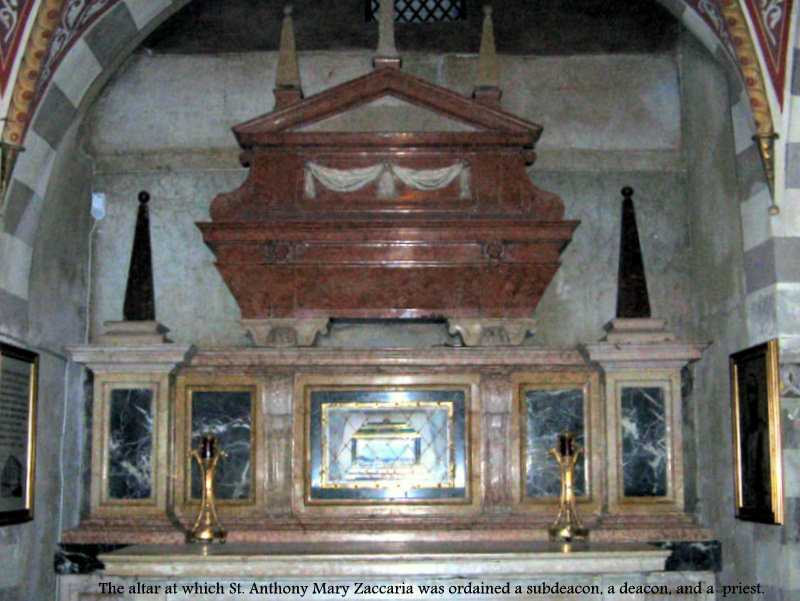
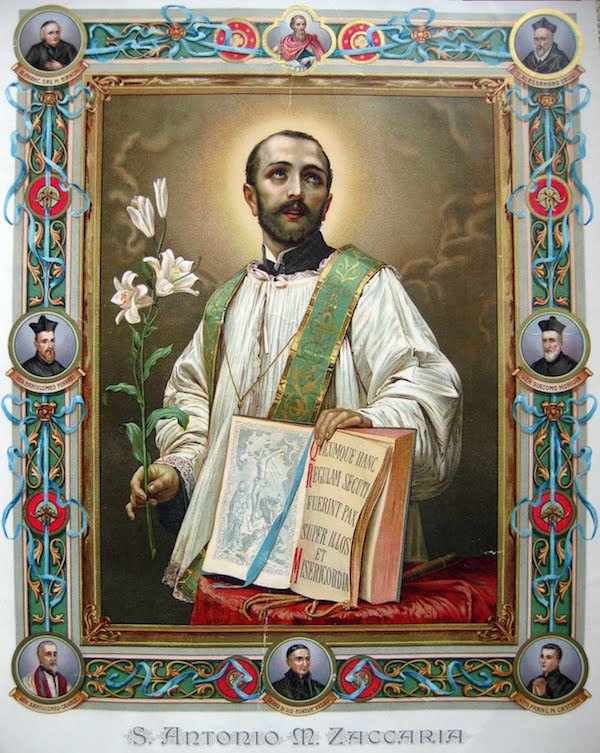
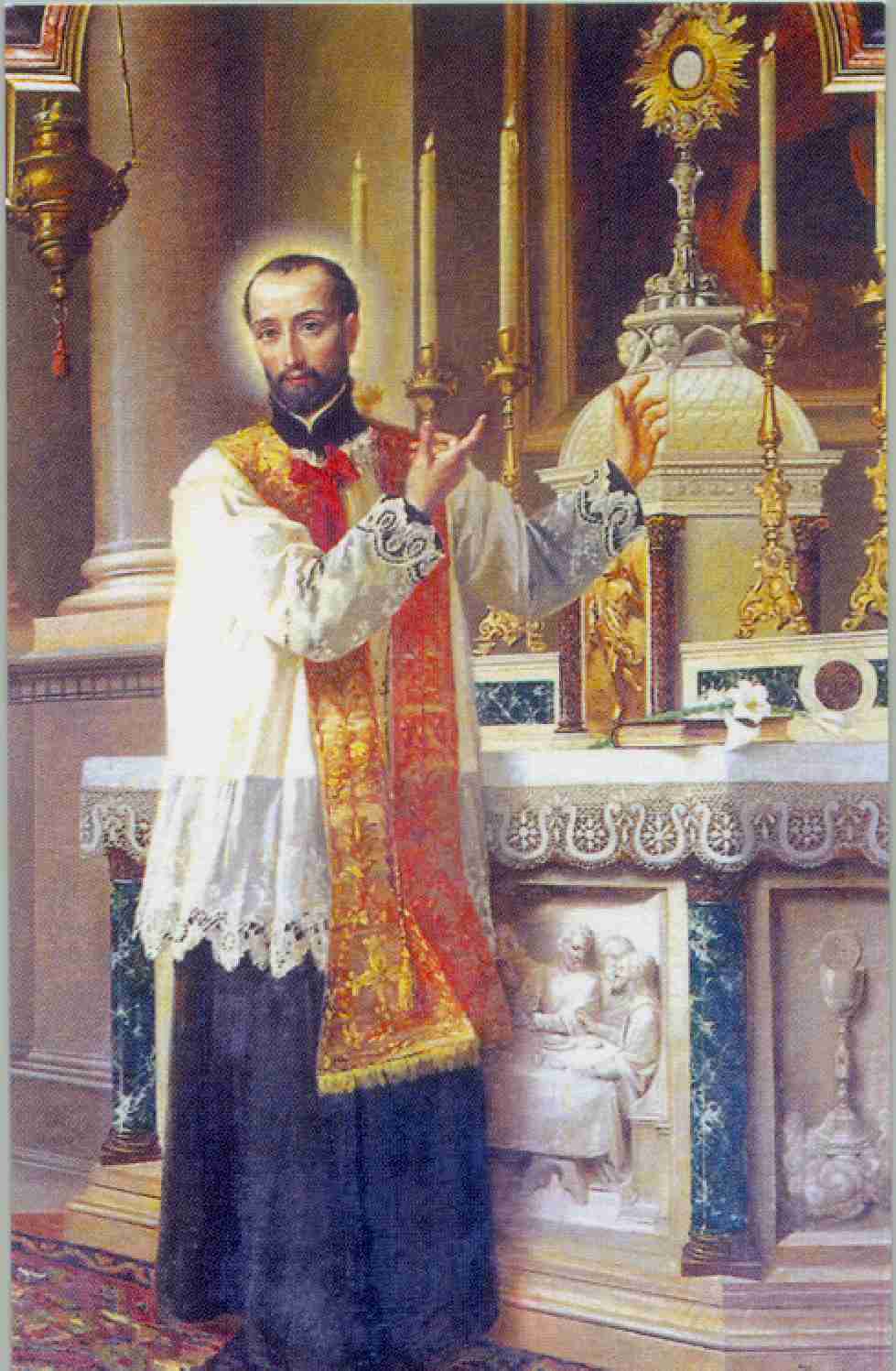
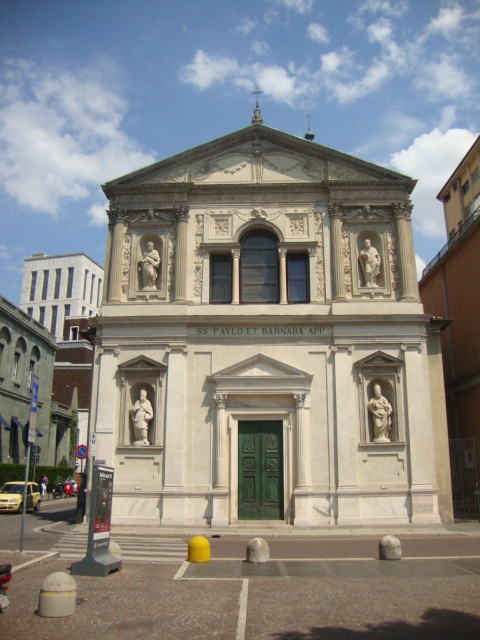
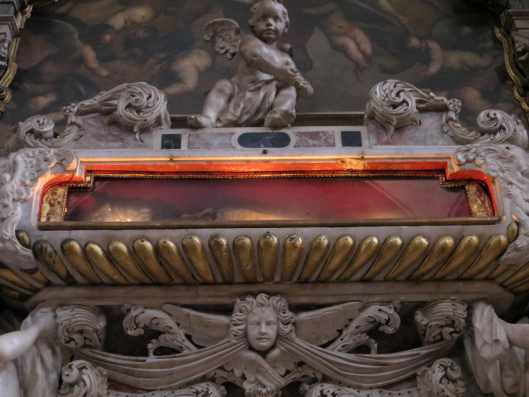
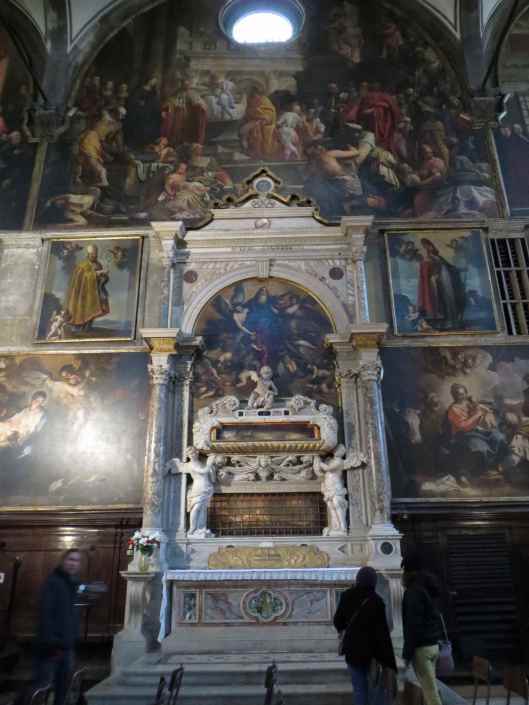
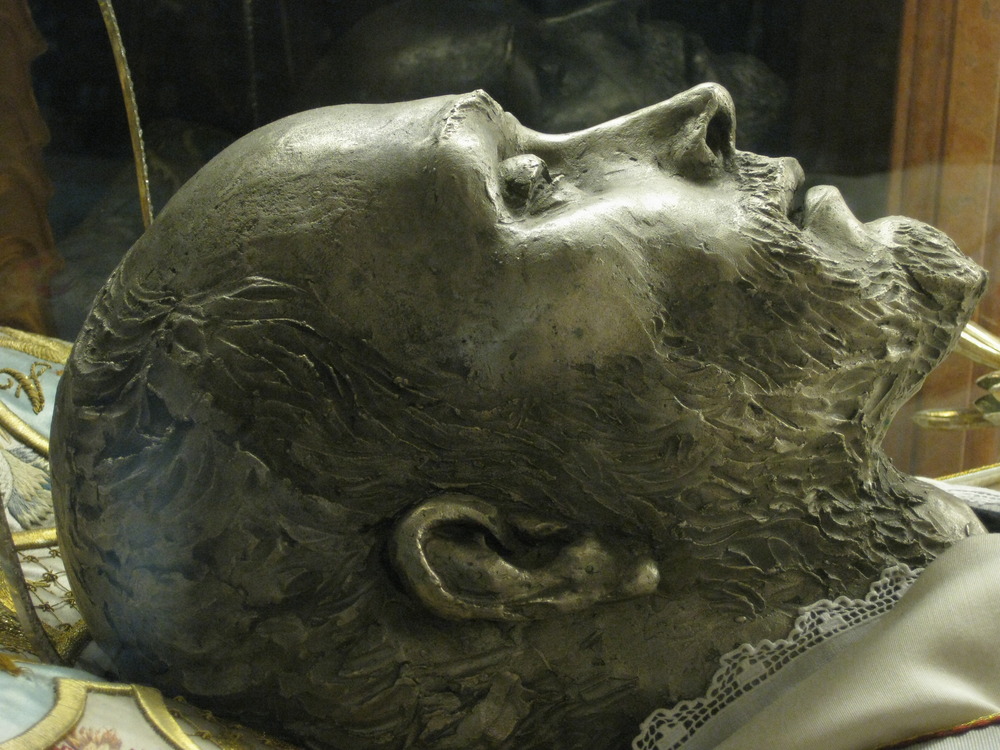
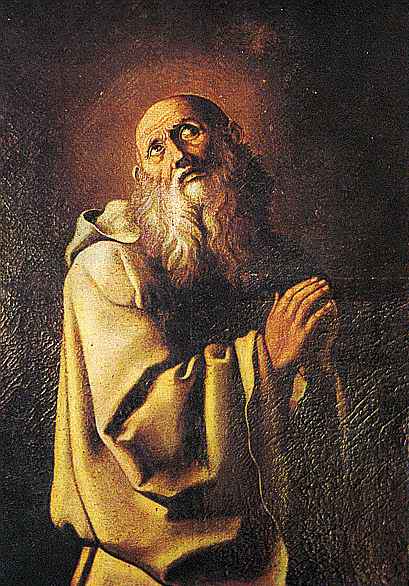
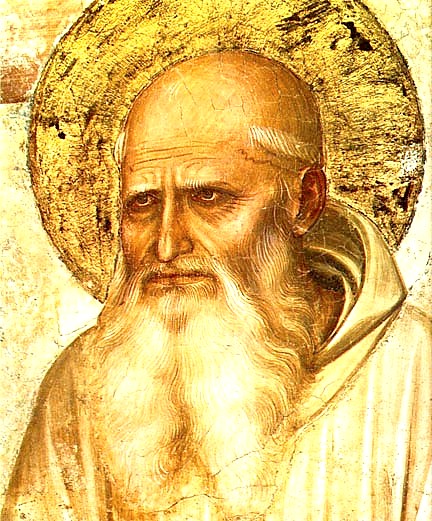

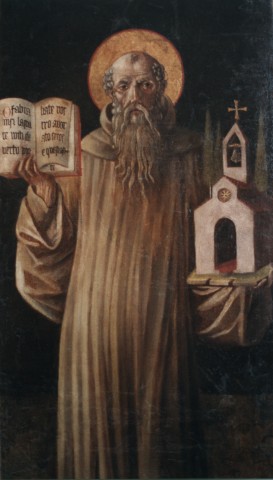


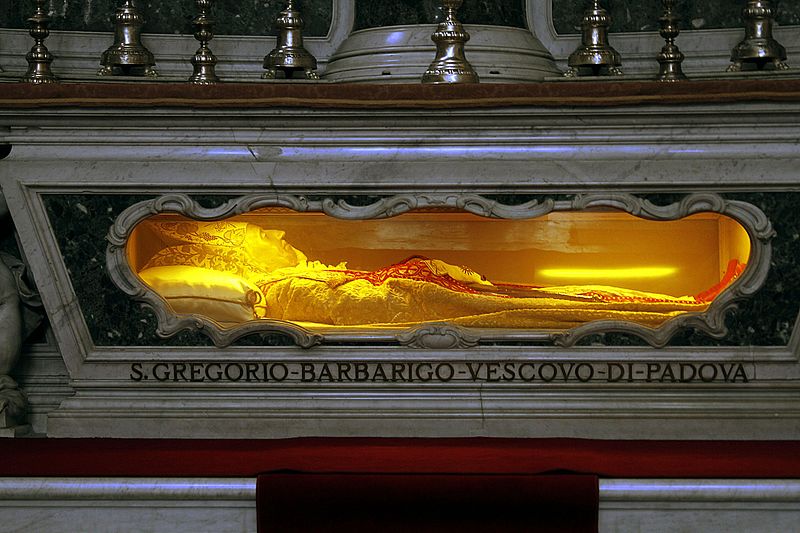

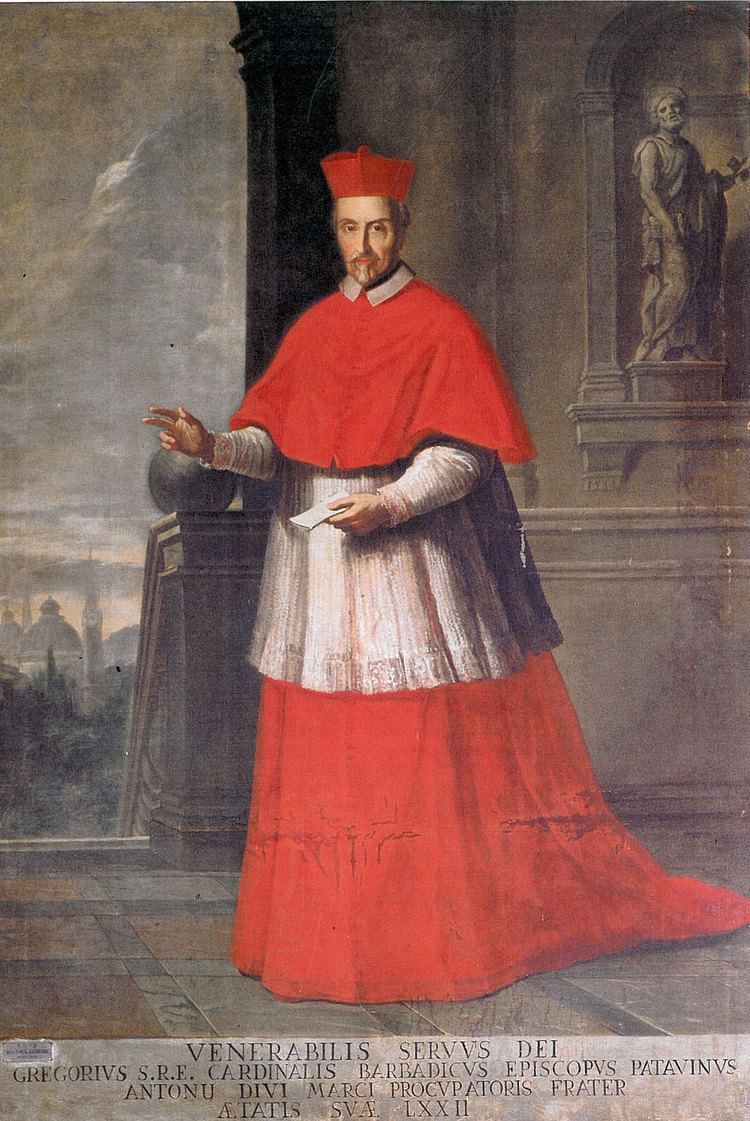


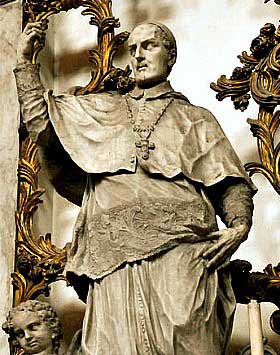
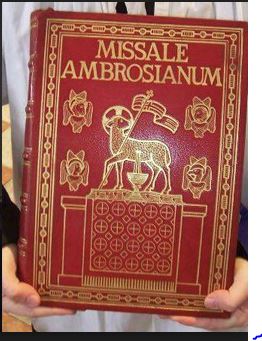

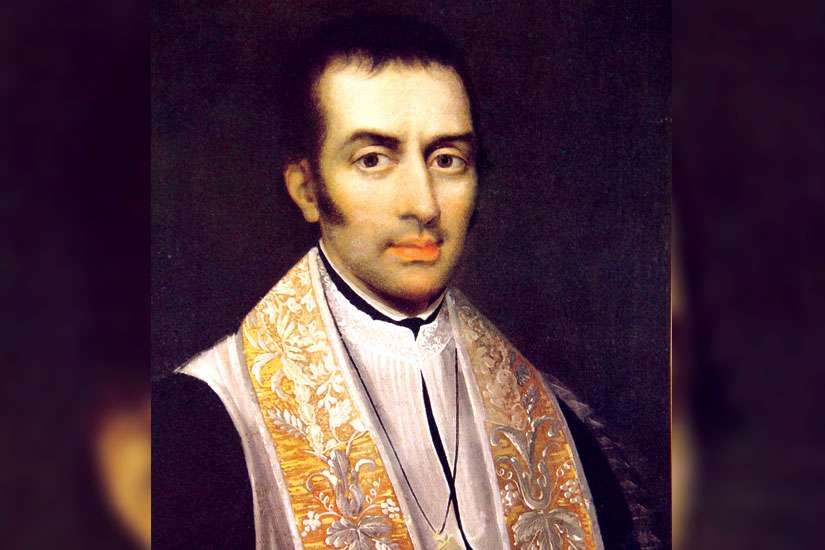
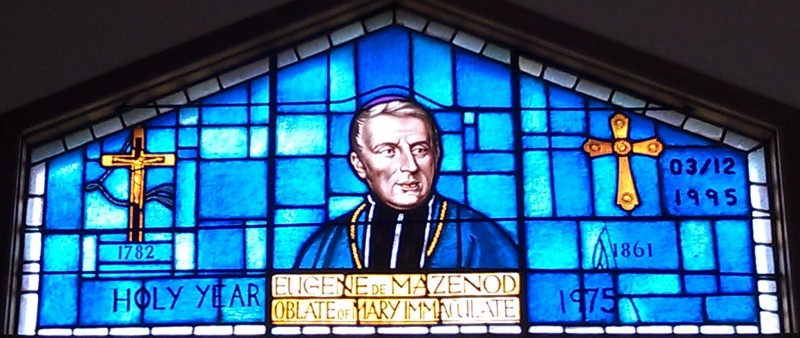
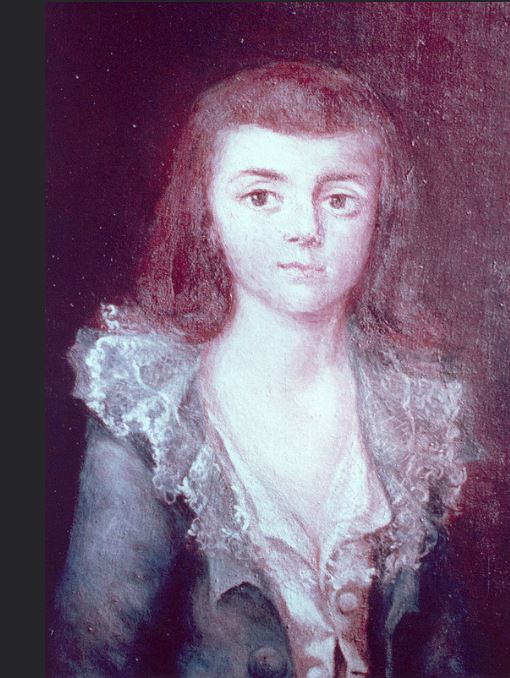
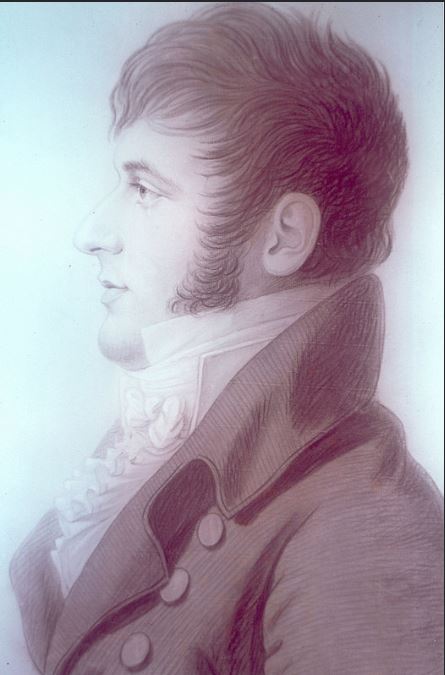
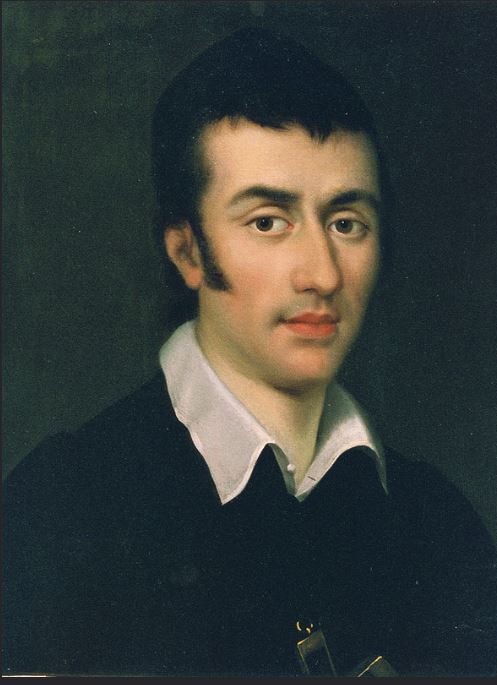


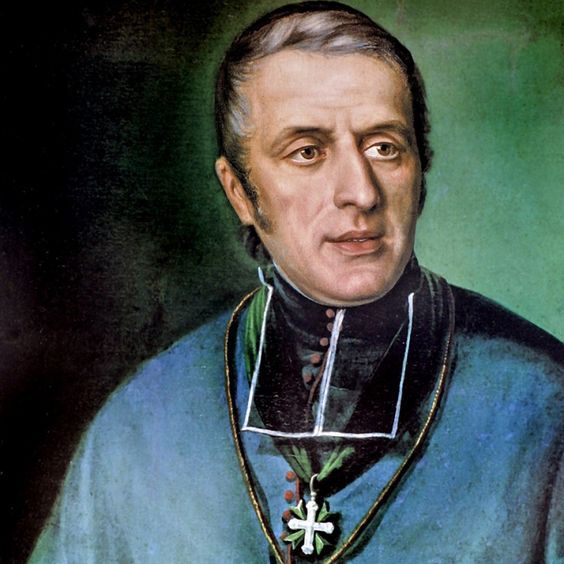
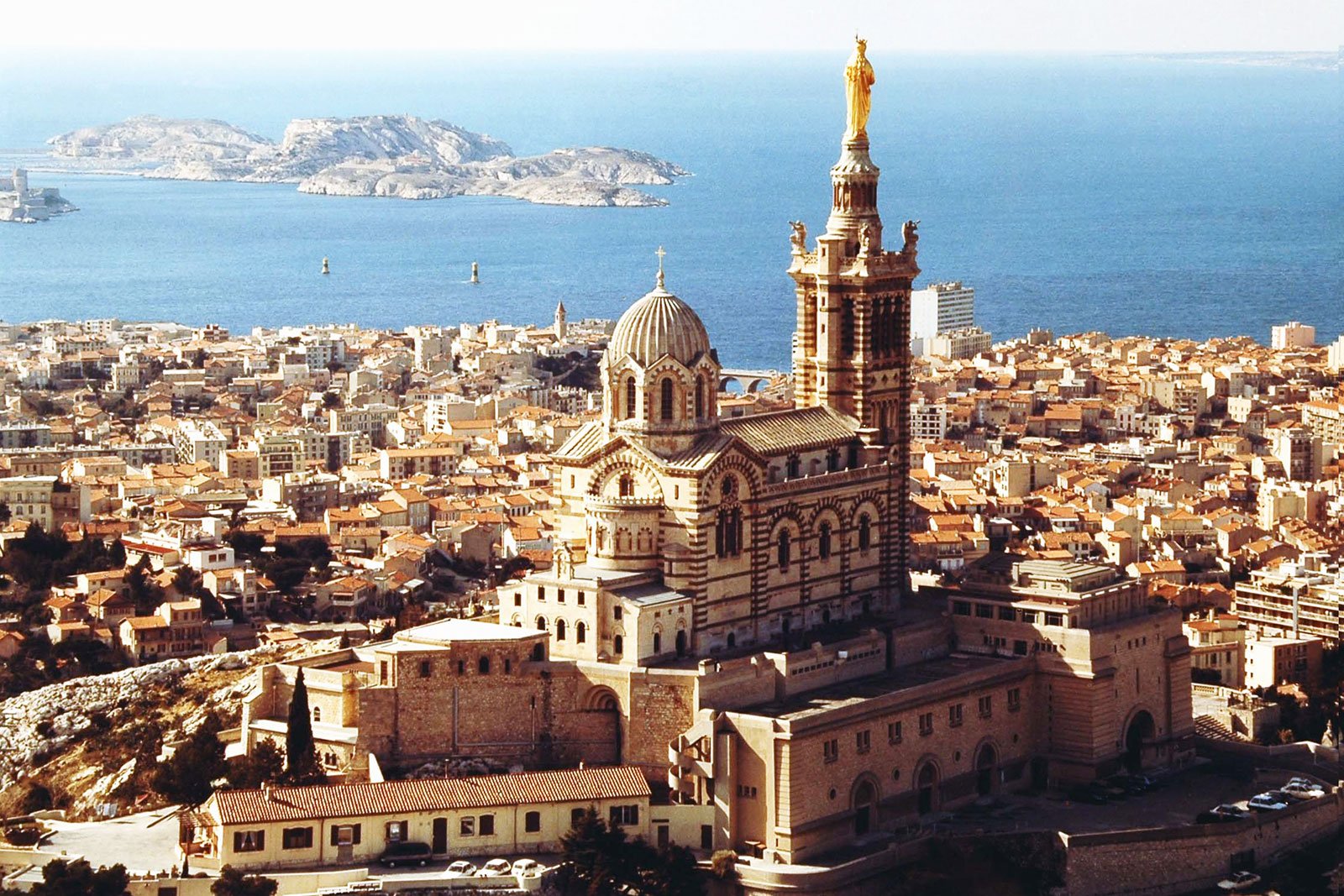
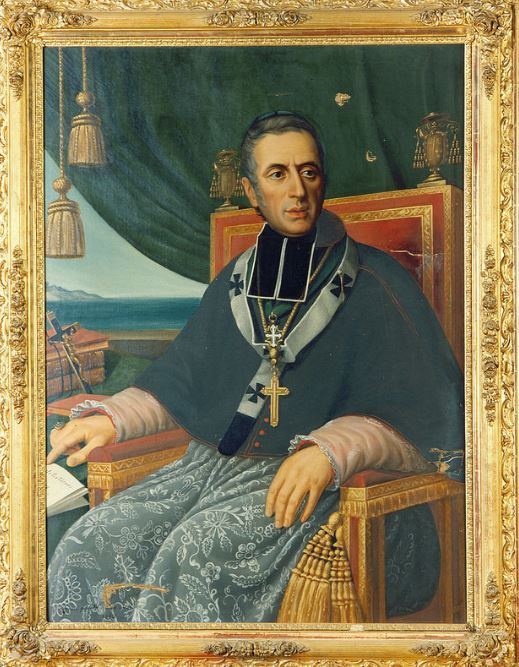


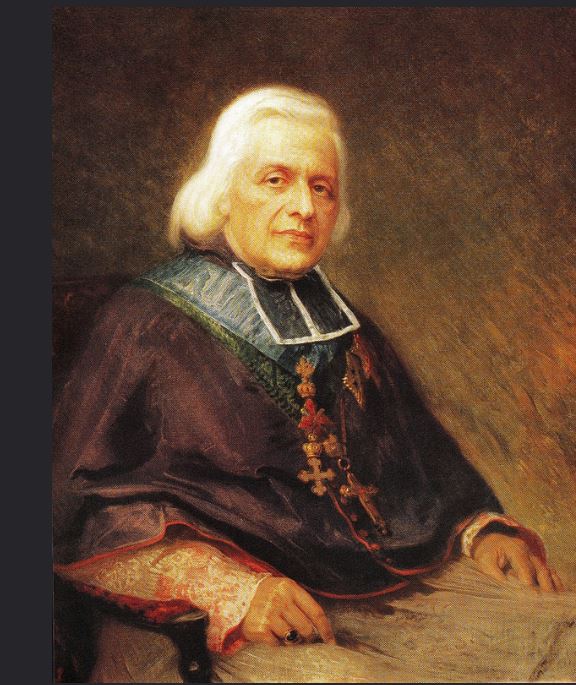
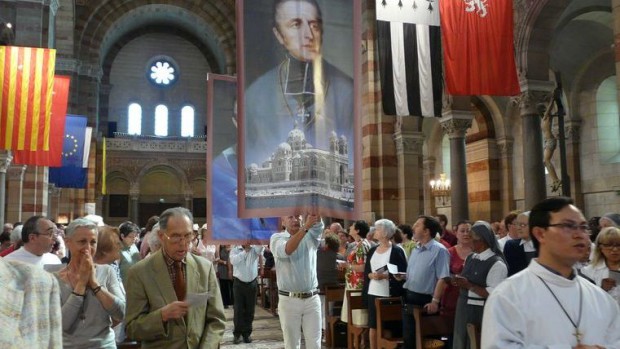
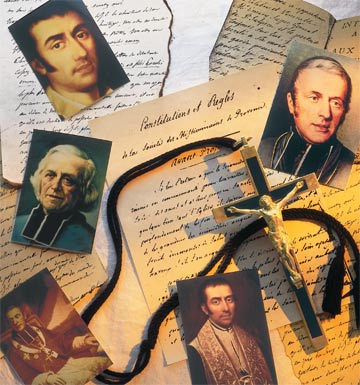
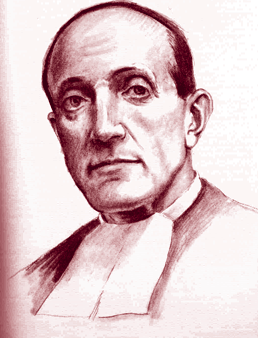


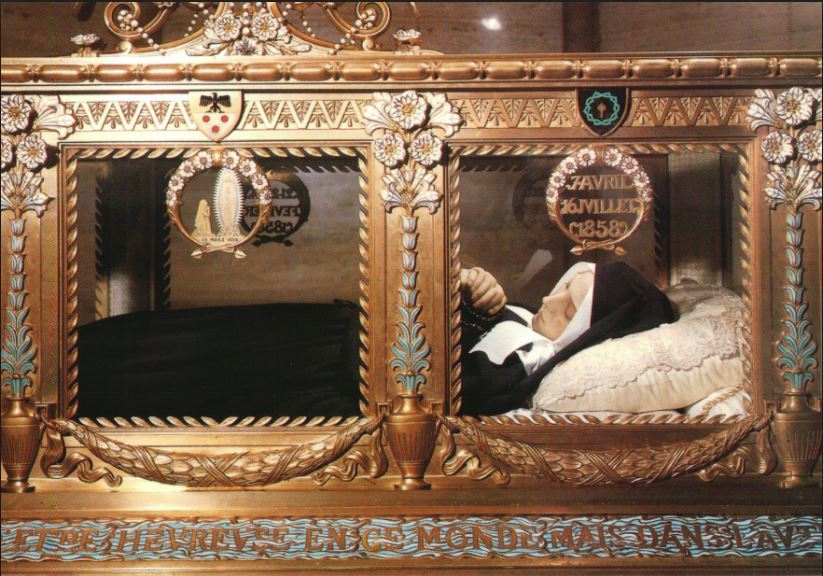
![Bernardette Soubirous_web[1]](https://i0.wp.com/anastpaul.com/wp-content/uploads/2018/04/bernardette-soubirous_web1.jpg?w=386&h=557&ssl=1 "Bernardette Soubirous_web[1]")

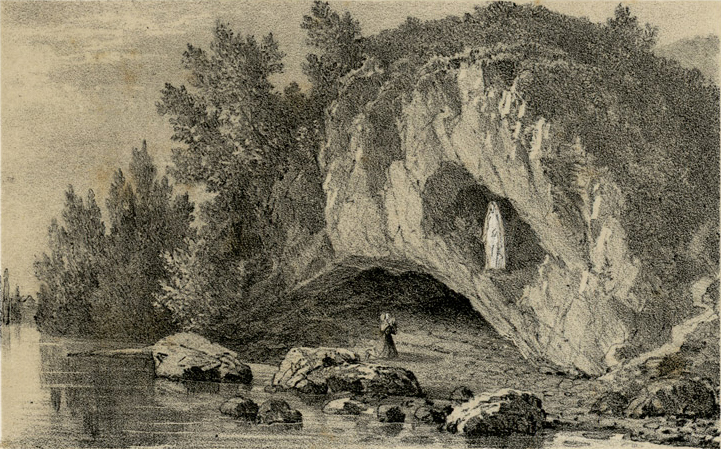


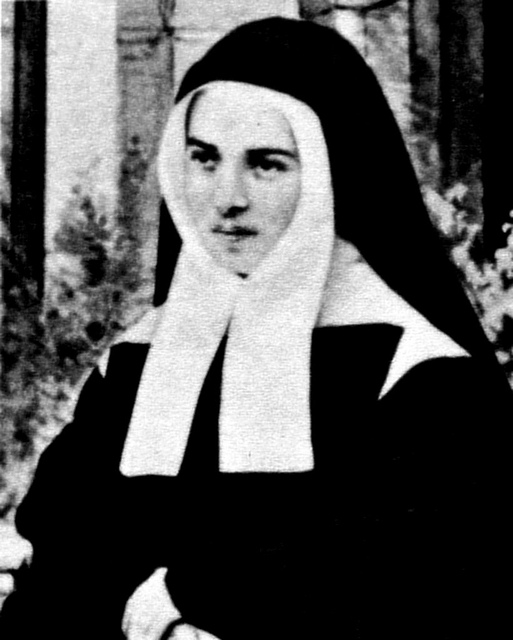
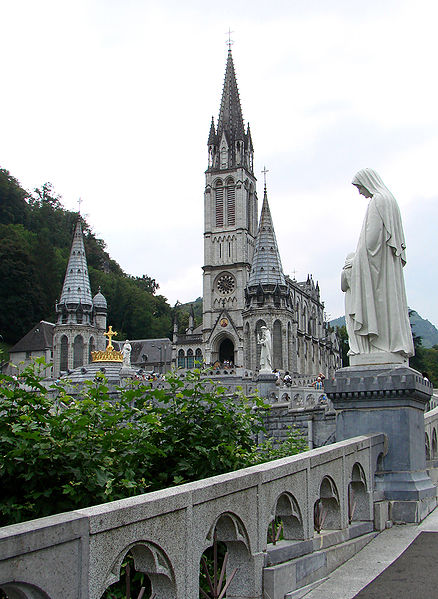


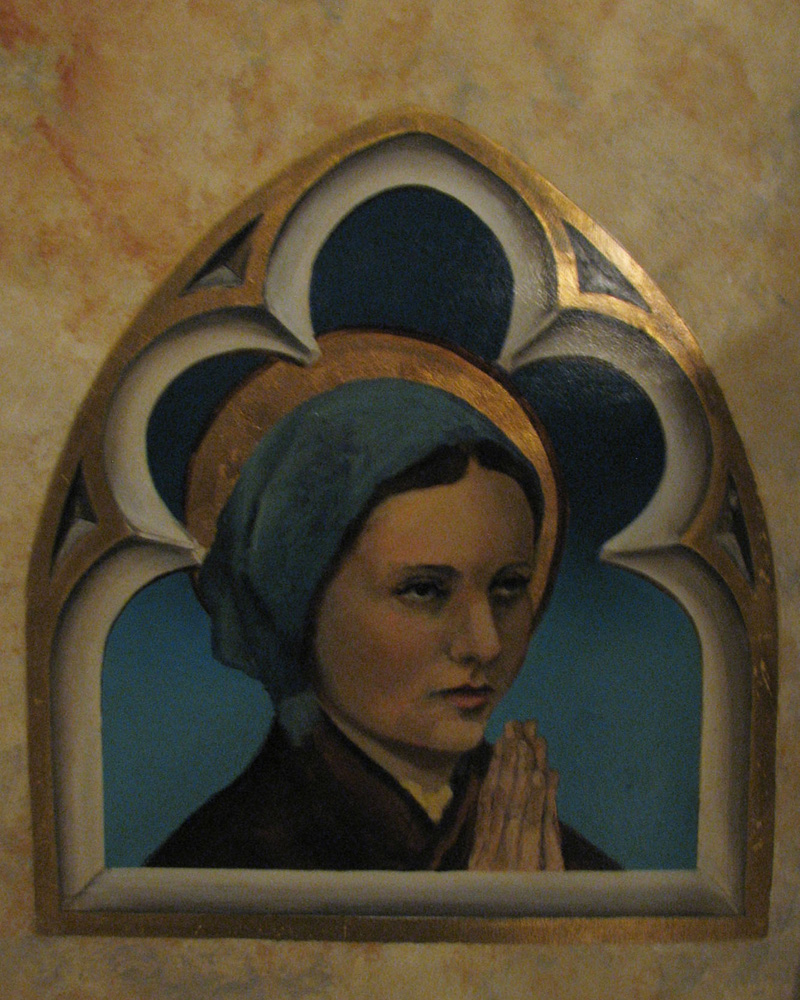
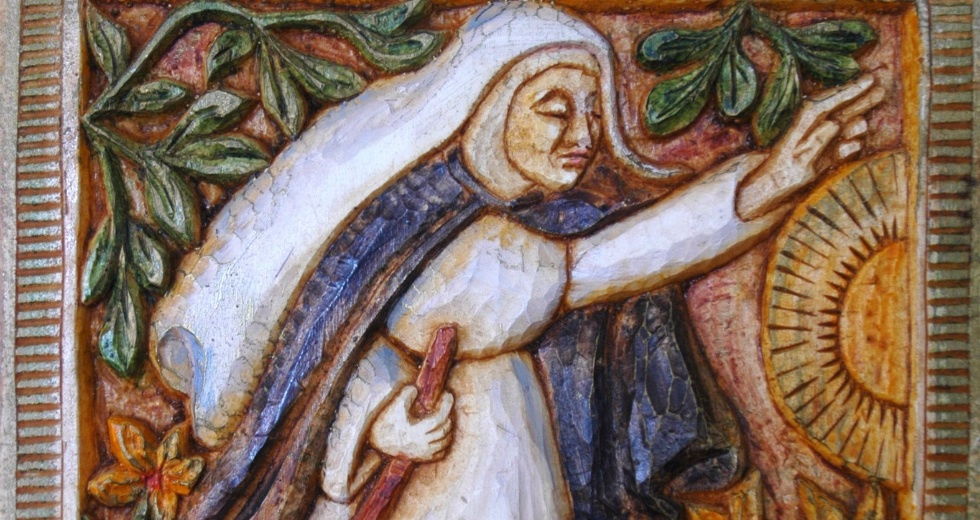
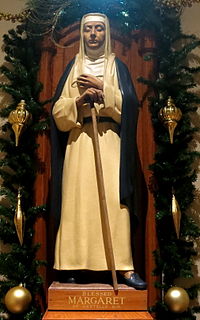
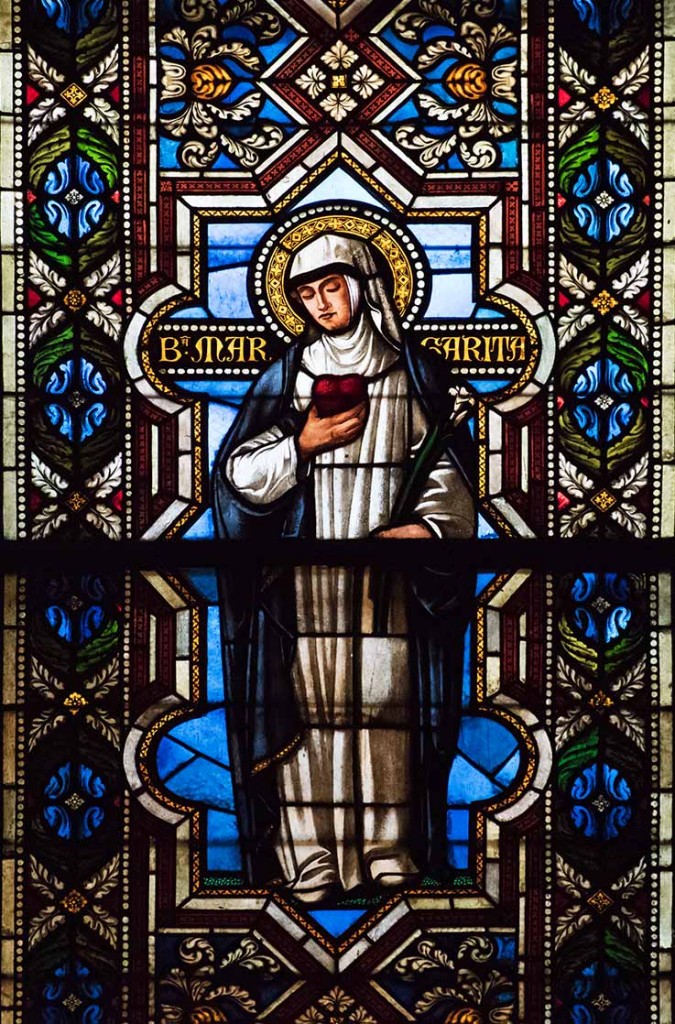


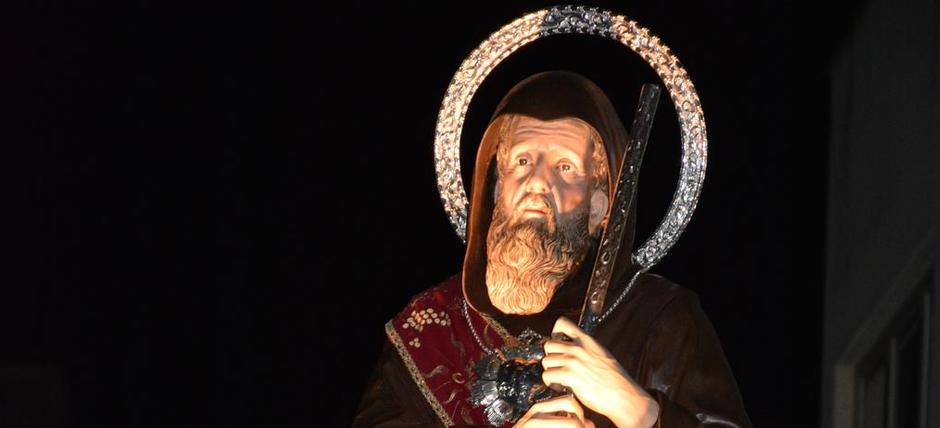
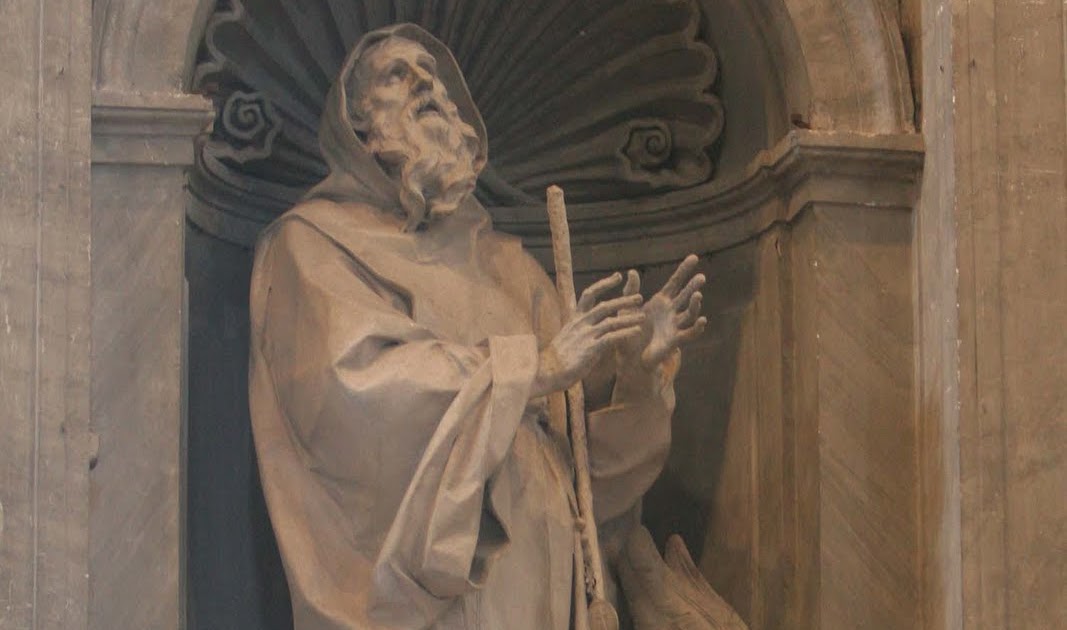


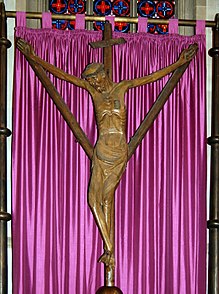
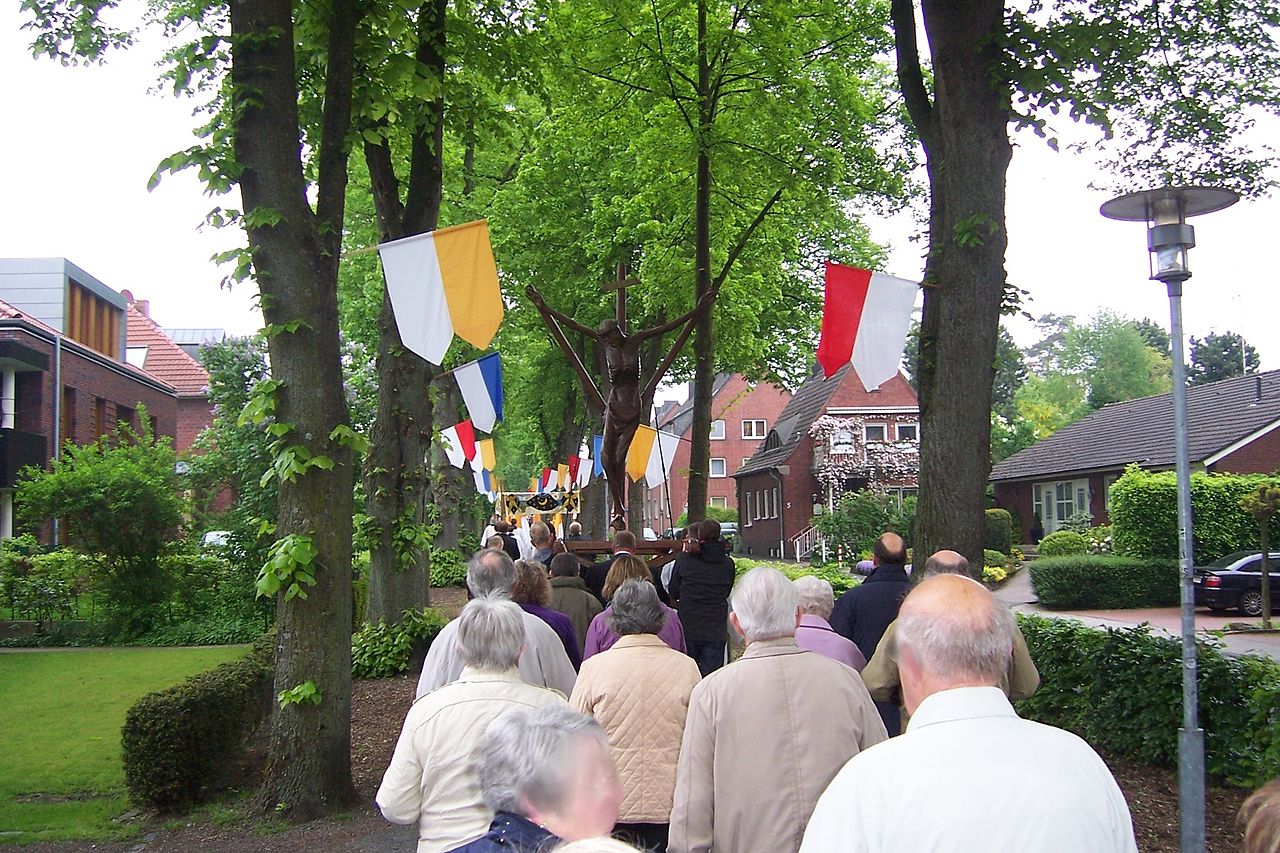


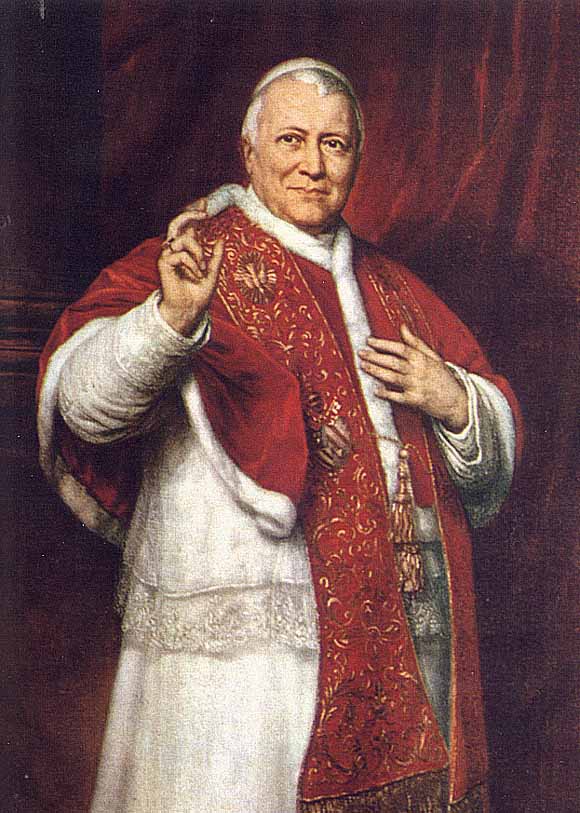
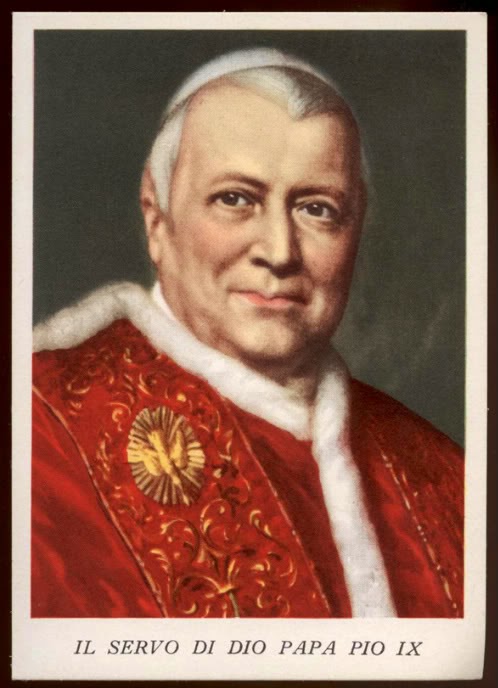
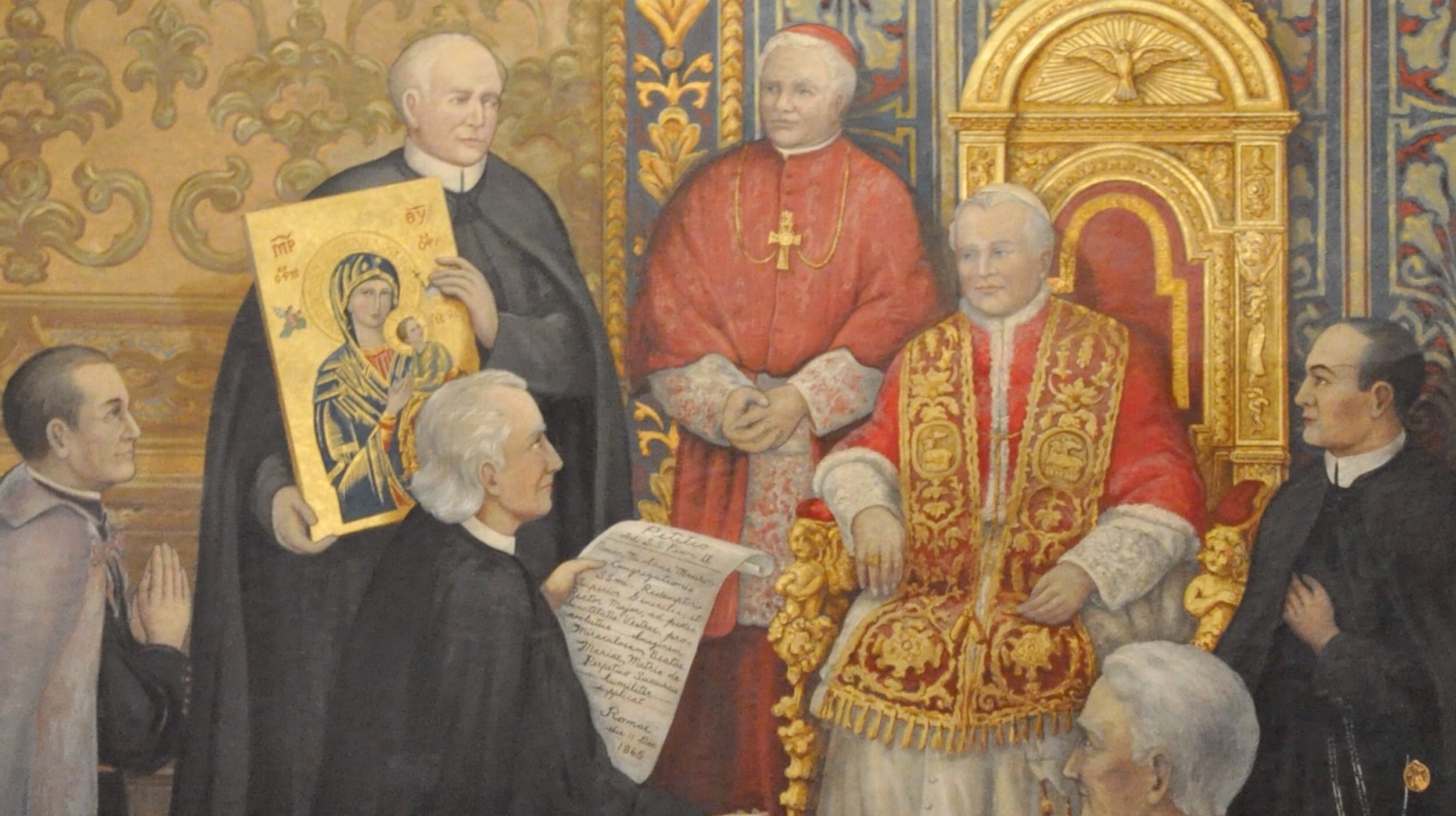
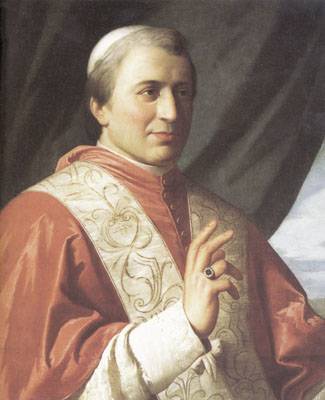


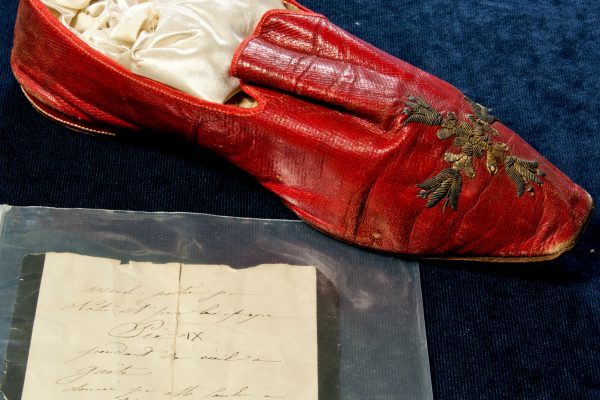
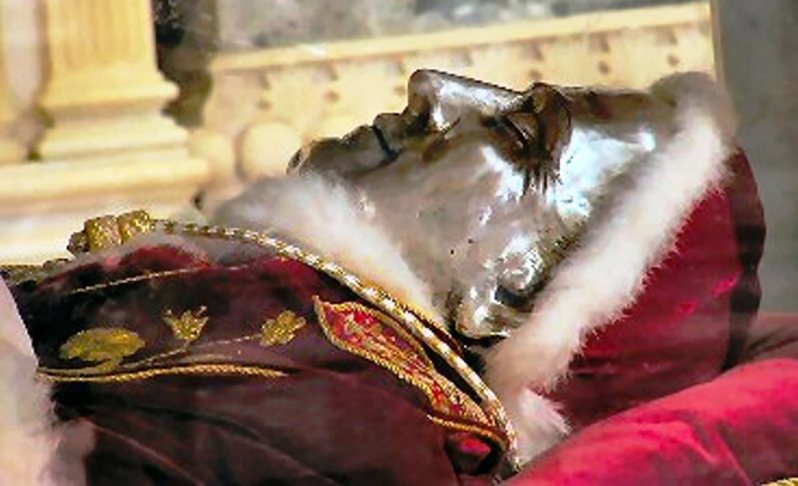
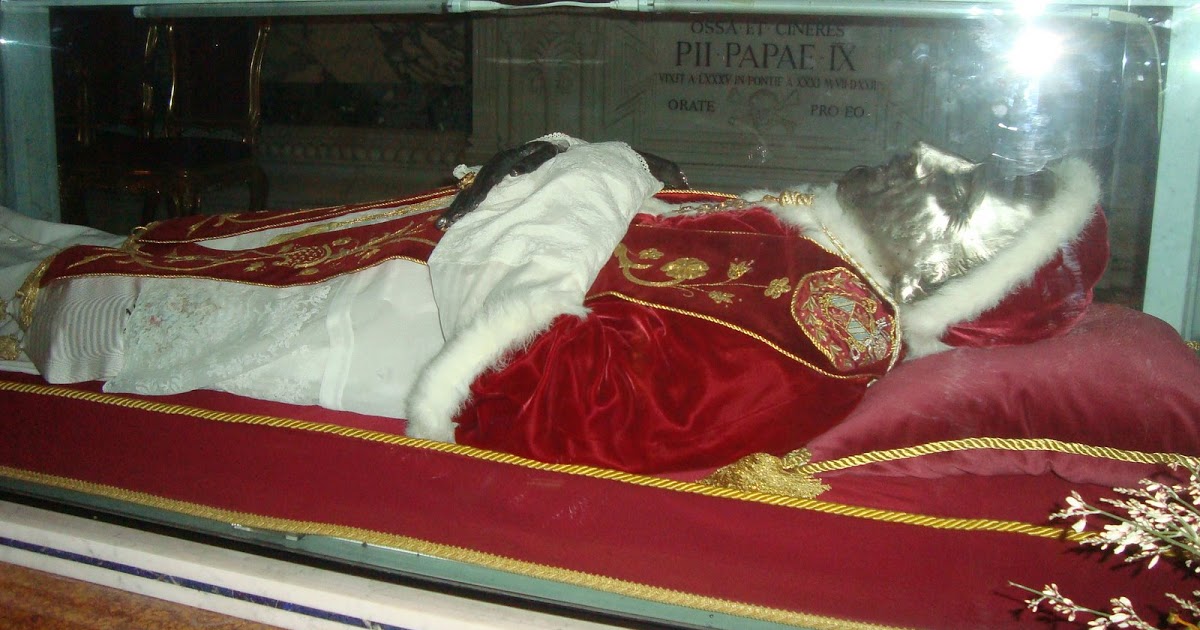
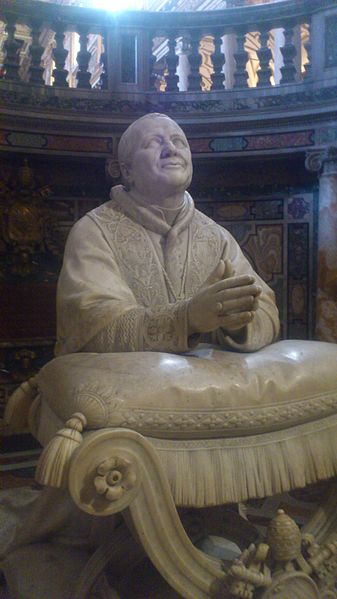


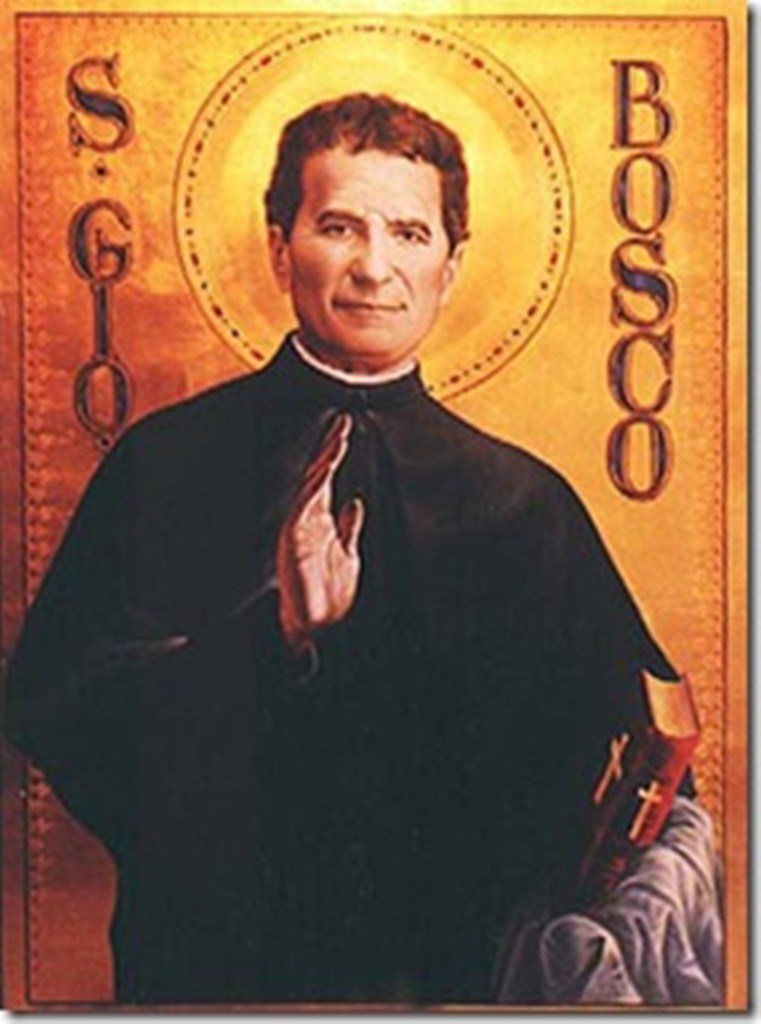
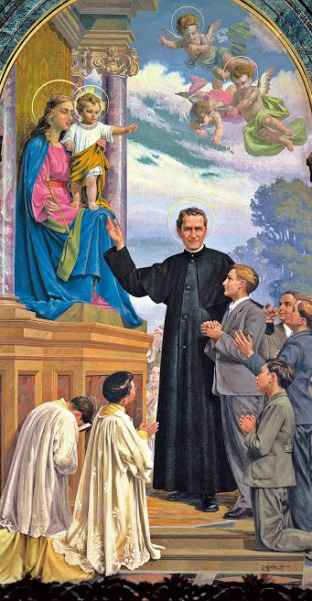
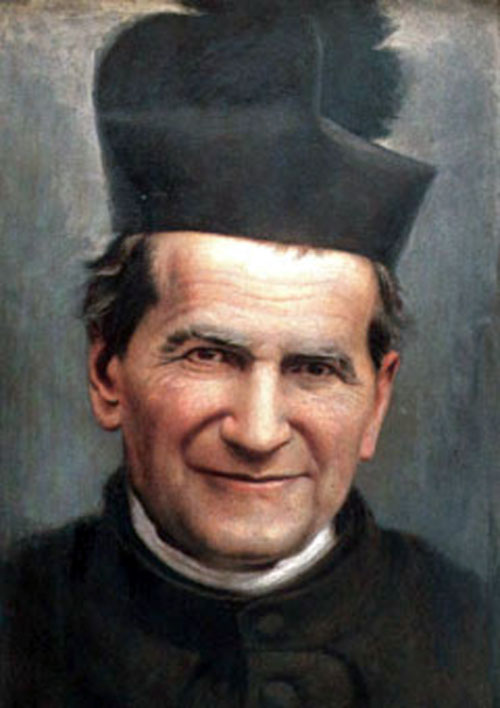
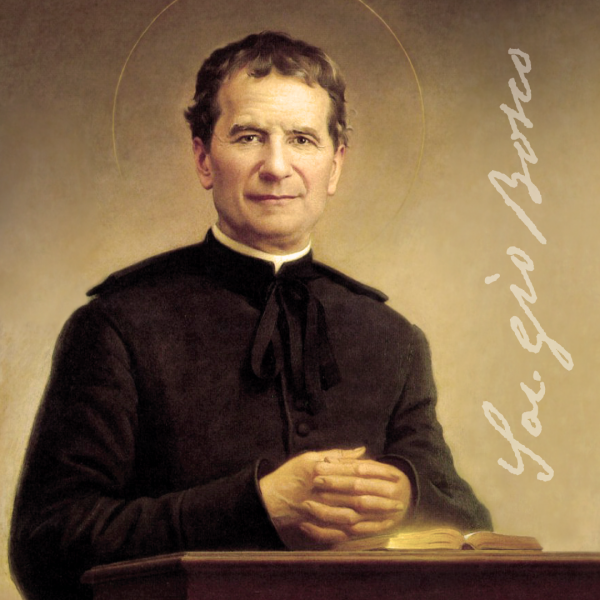
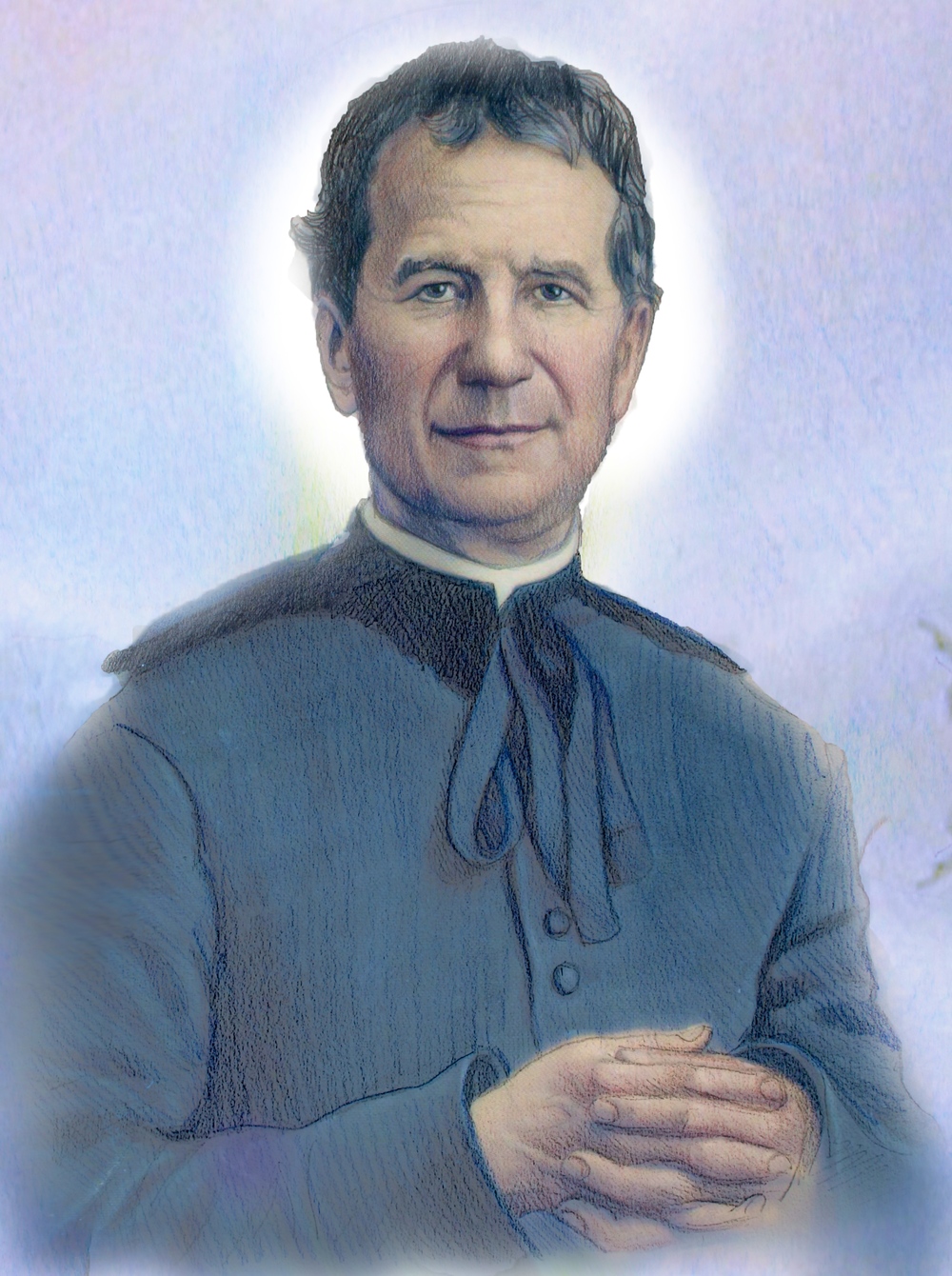


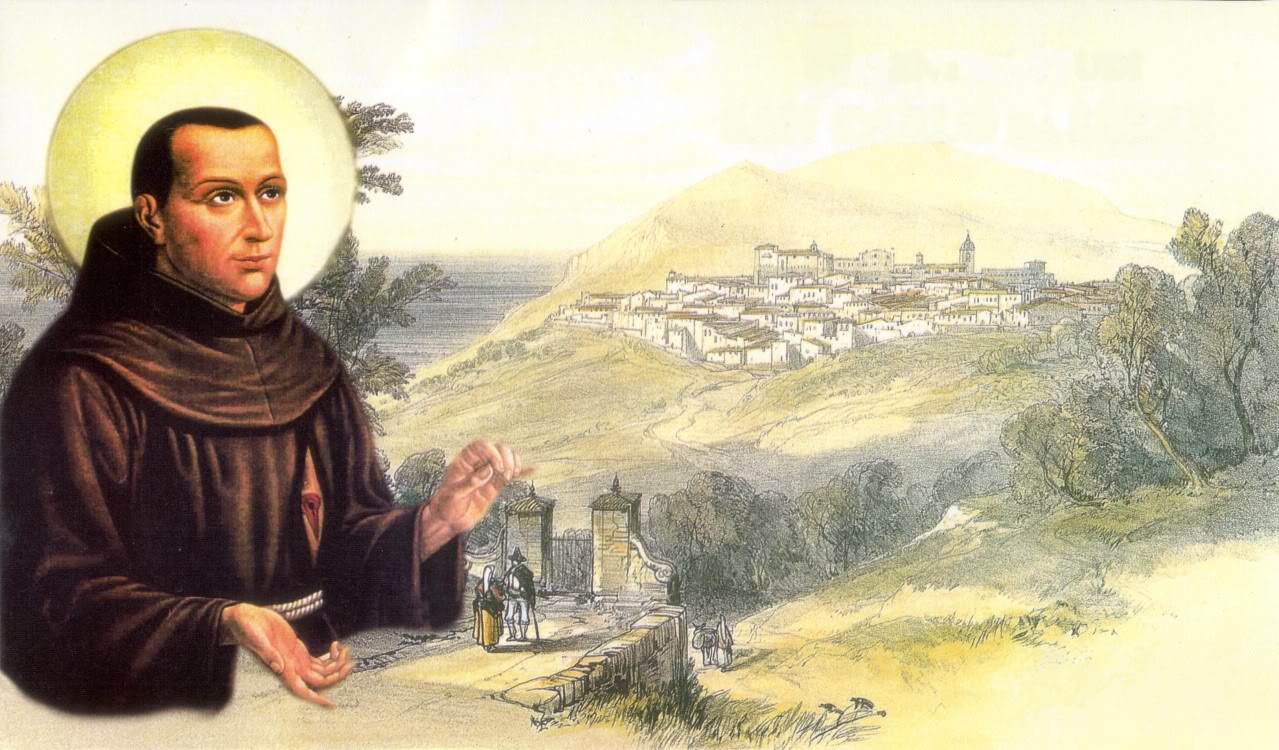



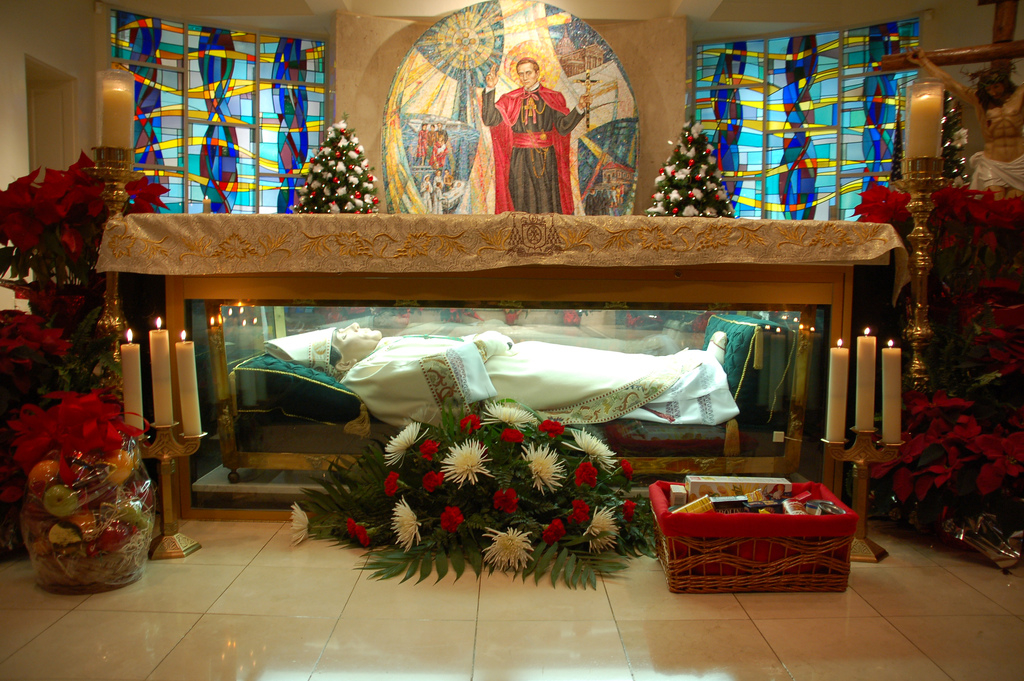
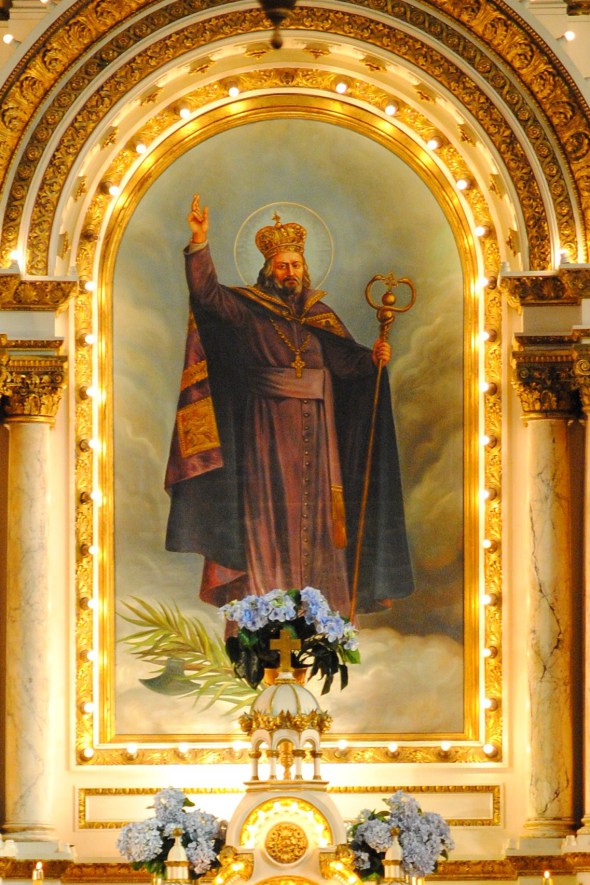


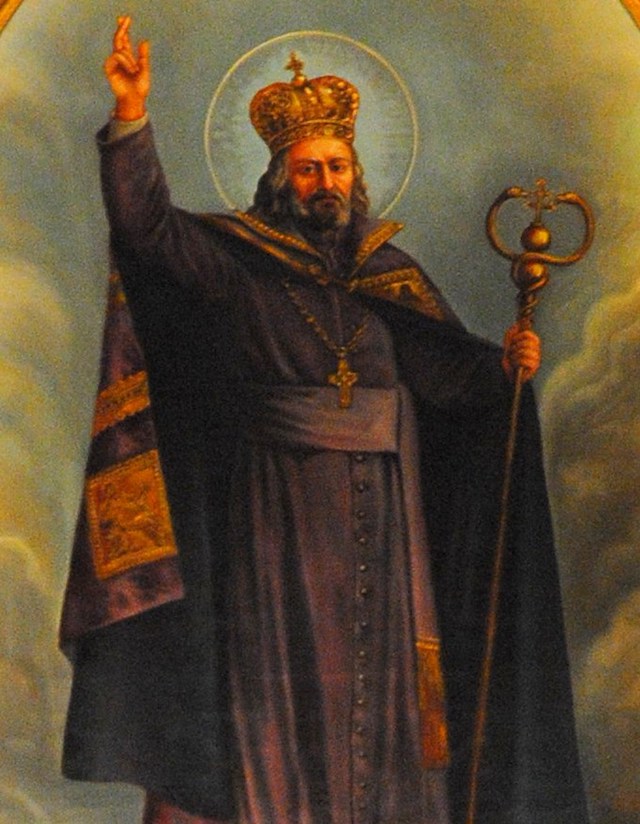
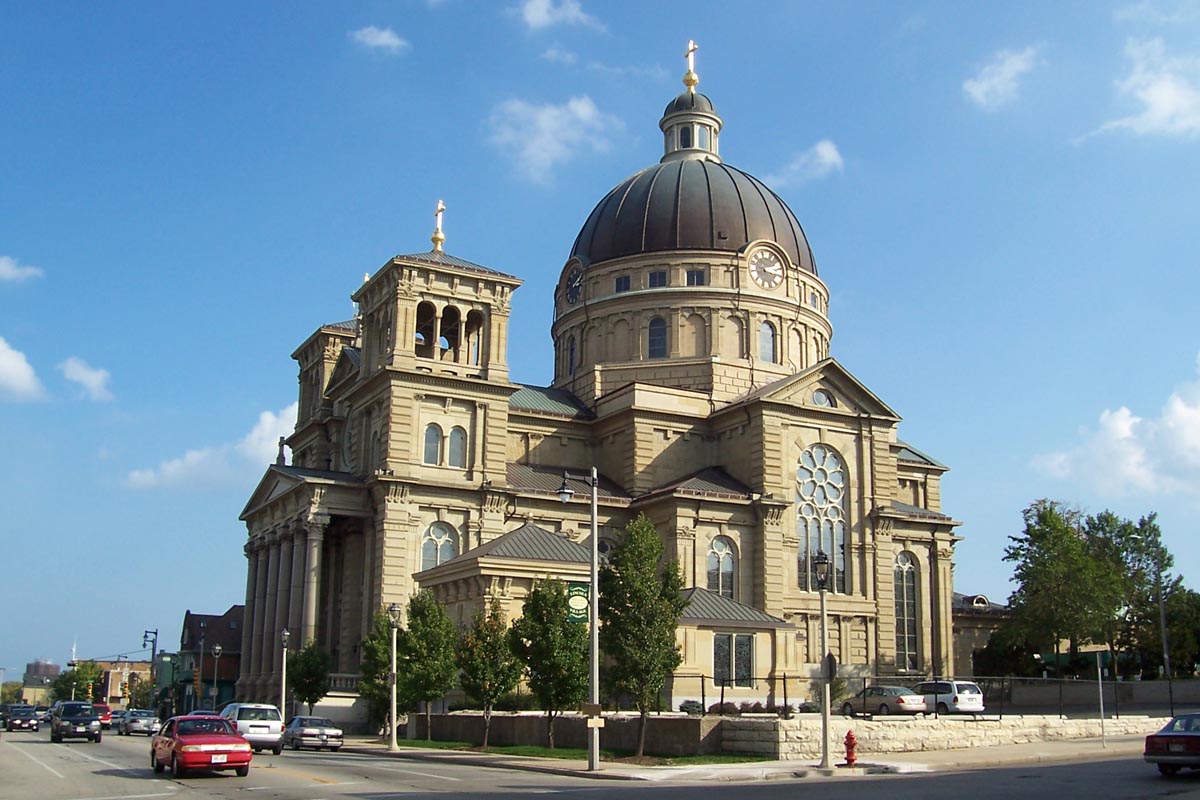
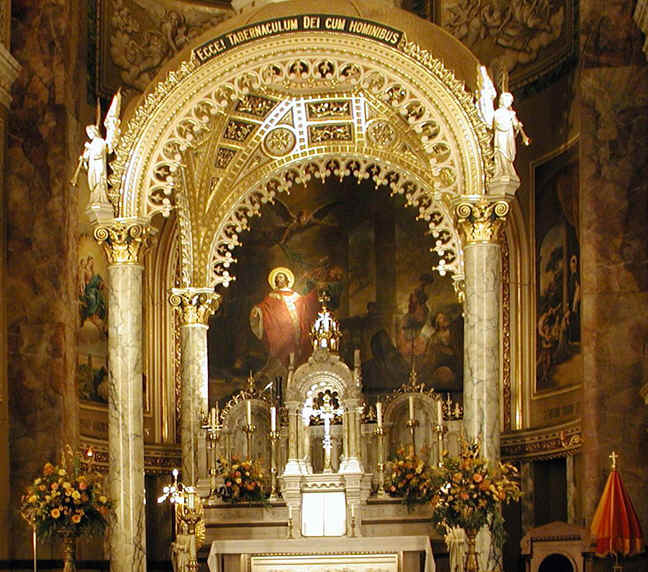
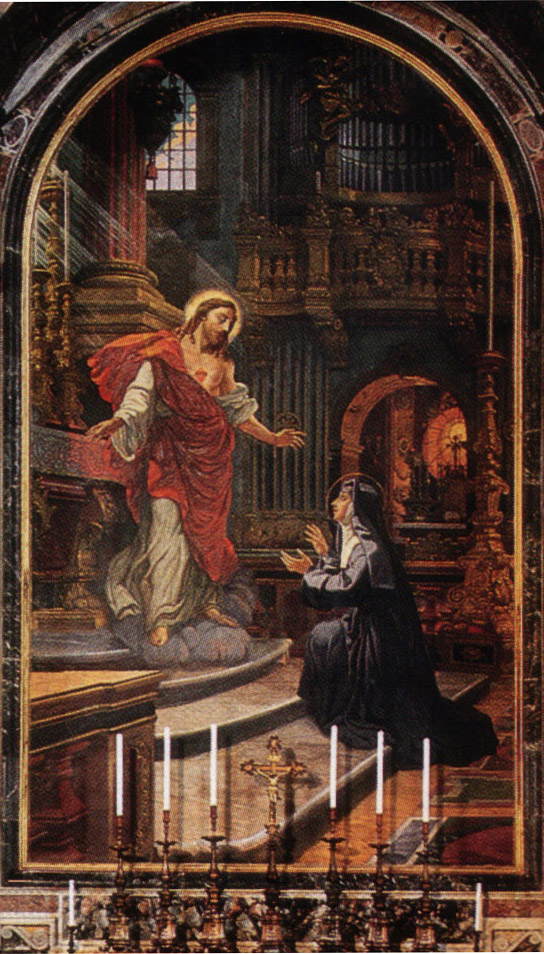

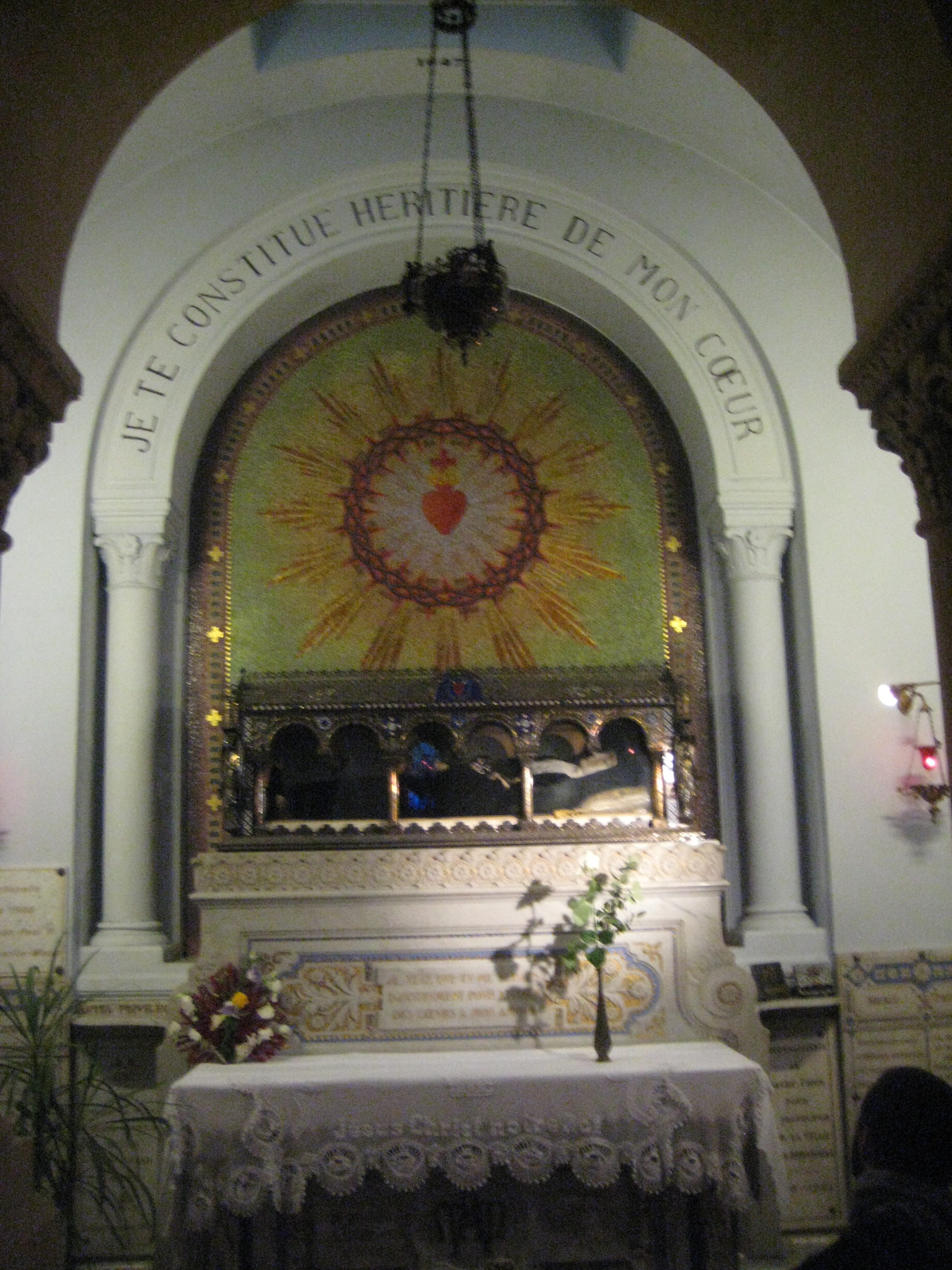


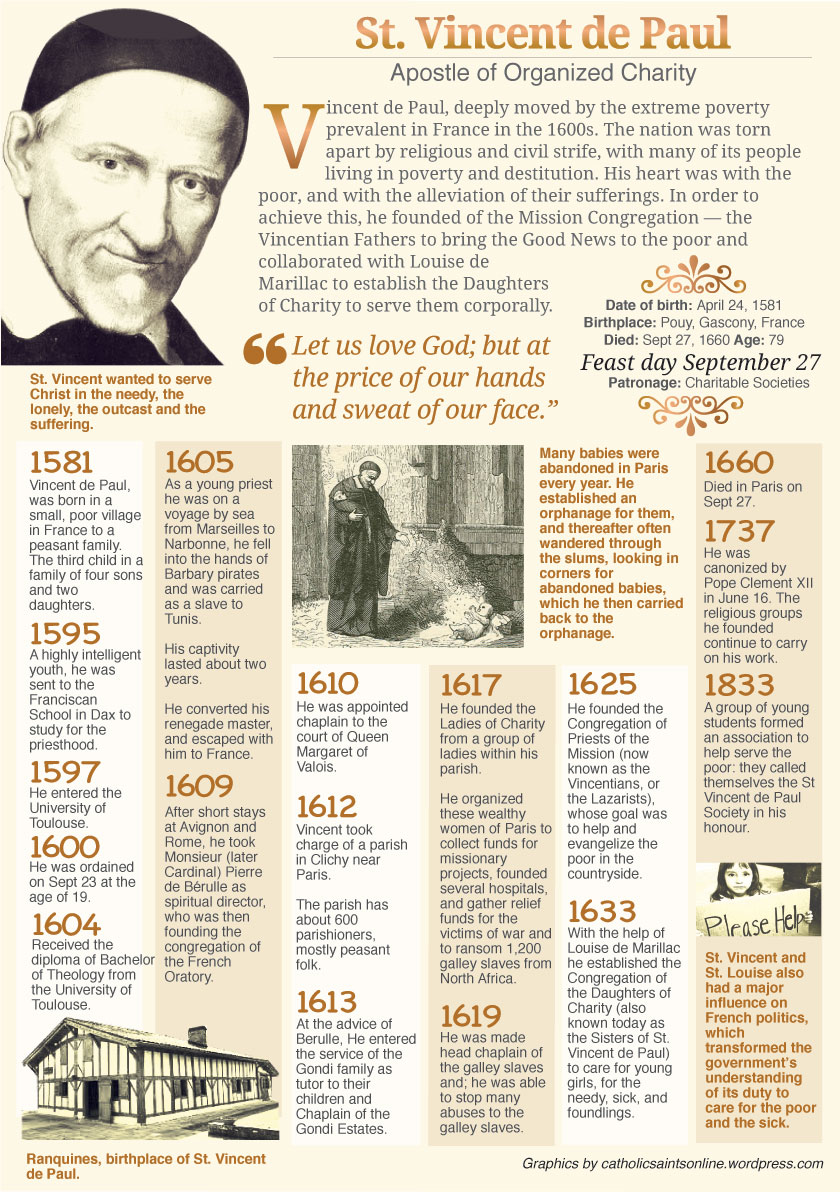
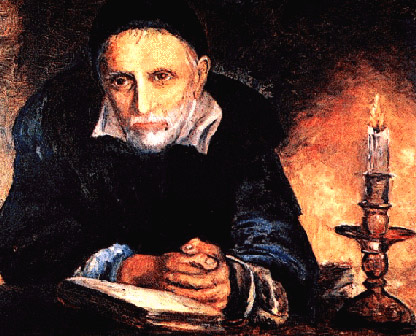
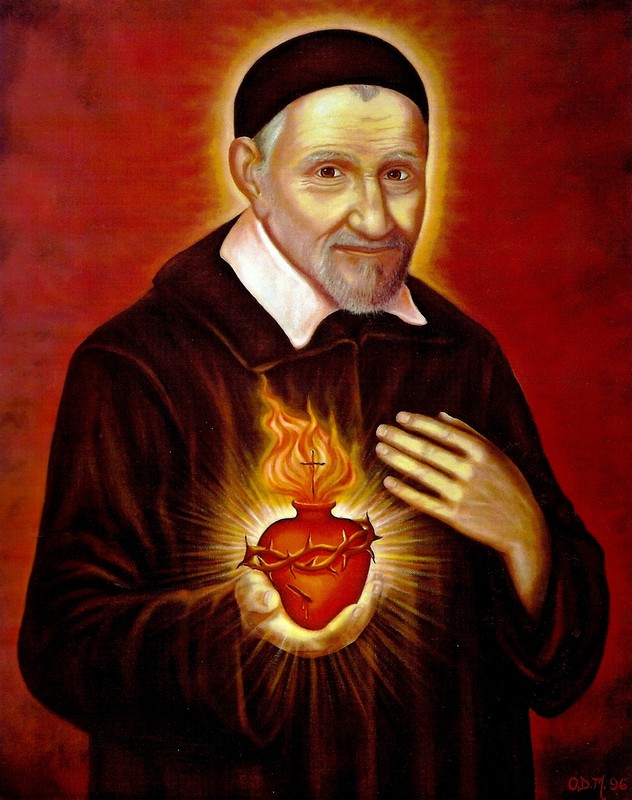


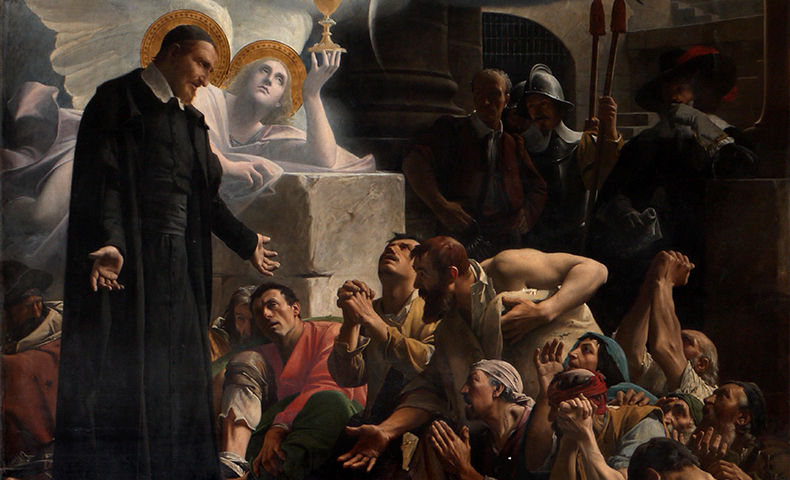
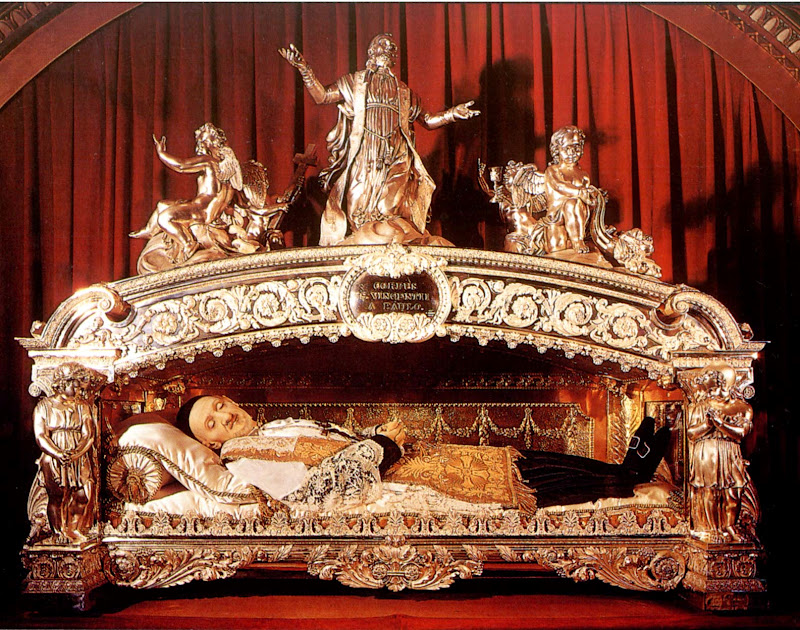
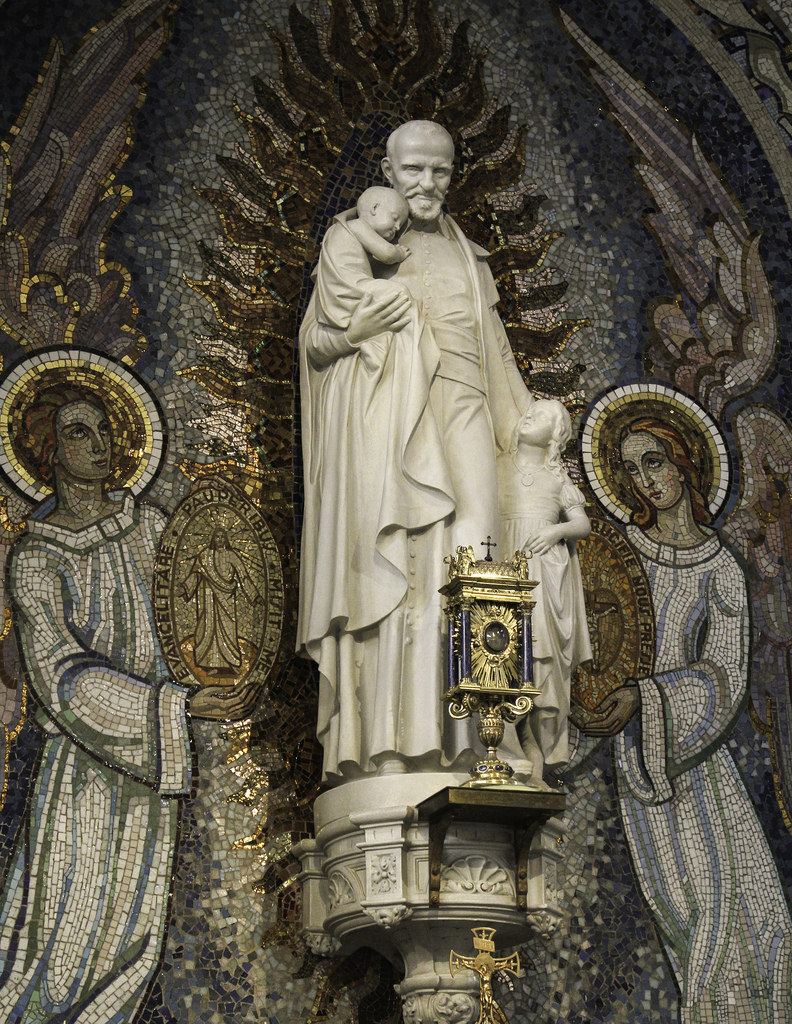
 AnaStpaul
You must be logged in to post a comment.