
St John of God (Optional Memorial)
—
St Apollonius of Antinoë
St Arianus of Alexandria
St Beoadh of Ardcarne
St Duthus of Ross
St Felix of Burgundy
St Humphrey of Prüm
St Jon Helgi Ogmundarson
St Litifredus of Pavia
St Philemon of Antinoë
St Pontius of Carthage
St Provinus of Como
St Quintilis of Nicomedia
St Rhian
St Senan of Scattery
St Stephen of Obazine
St Theophylact of Nicomedia
St Theoticus of Alexandria
St Veremundus of Irache
Bl Vincent Kadlubek of Krakow
—
Martyrs of North Africa – 9 saints – A bishop and some of his flock who were martyred together in North Africa. The only details that have survived are nine of the names – Beata, Cyril, Felicitas, Felix, Herenia, Mamillus, Rogatus, Silvanus, Urban
LENTEN REFLECTION – Tuesday of the First Week of Lent – 7 MARCH
LENTEN REFLECTION – Tuesday of the First Week of Lent – 7 MARCH
The devil’s strategy
by St Ambrose of Milan (337-397 AD) Doctor of the Church
The devil demonstrates simultaneously his weakness and his wickedness.
He is unable to harm anyone who does not harm himself. In fact, anyone who denies heaven and chooses the earth is, as it were, rushing towards a precipice, even though running of his own accord.
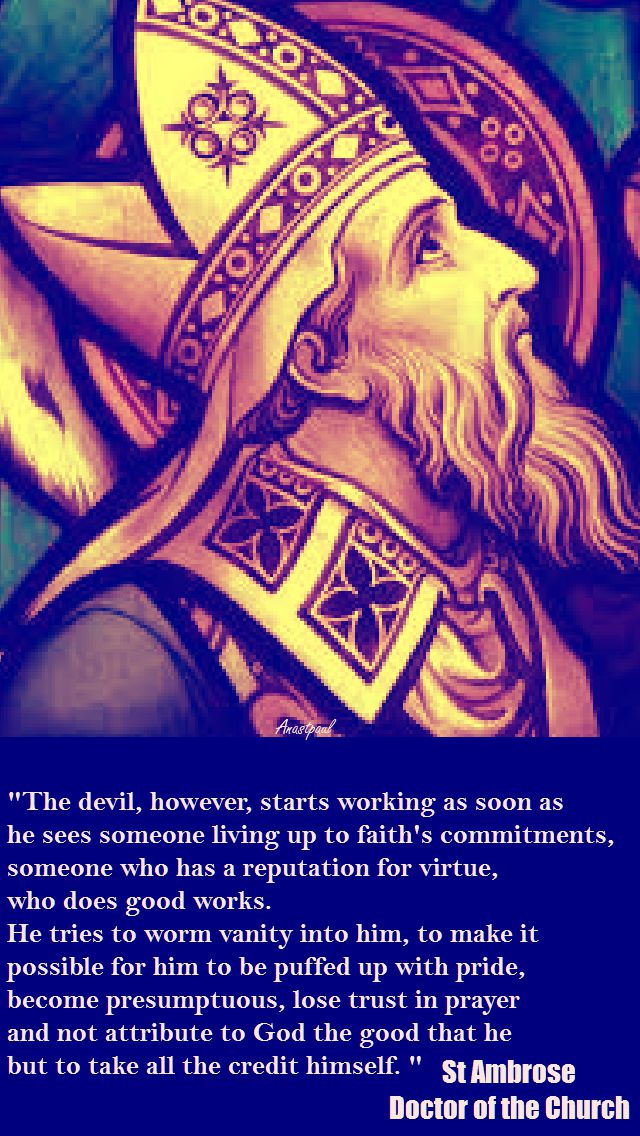
The devil, however, starts working as soon as he sees someone living up to faith’s commitments, someone who has a reputation for virtue, who does good works.
He tries to worm vanity into him, to make it possible for him to be puffed up with pride, become presumptuous, lose trust in prayer and not attribute to God the good that he does but to take all the credit himself.
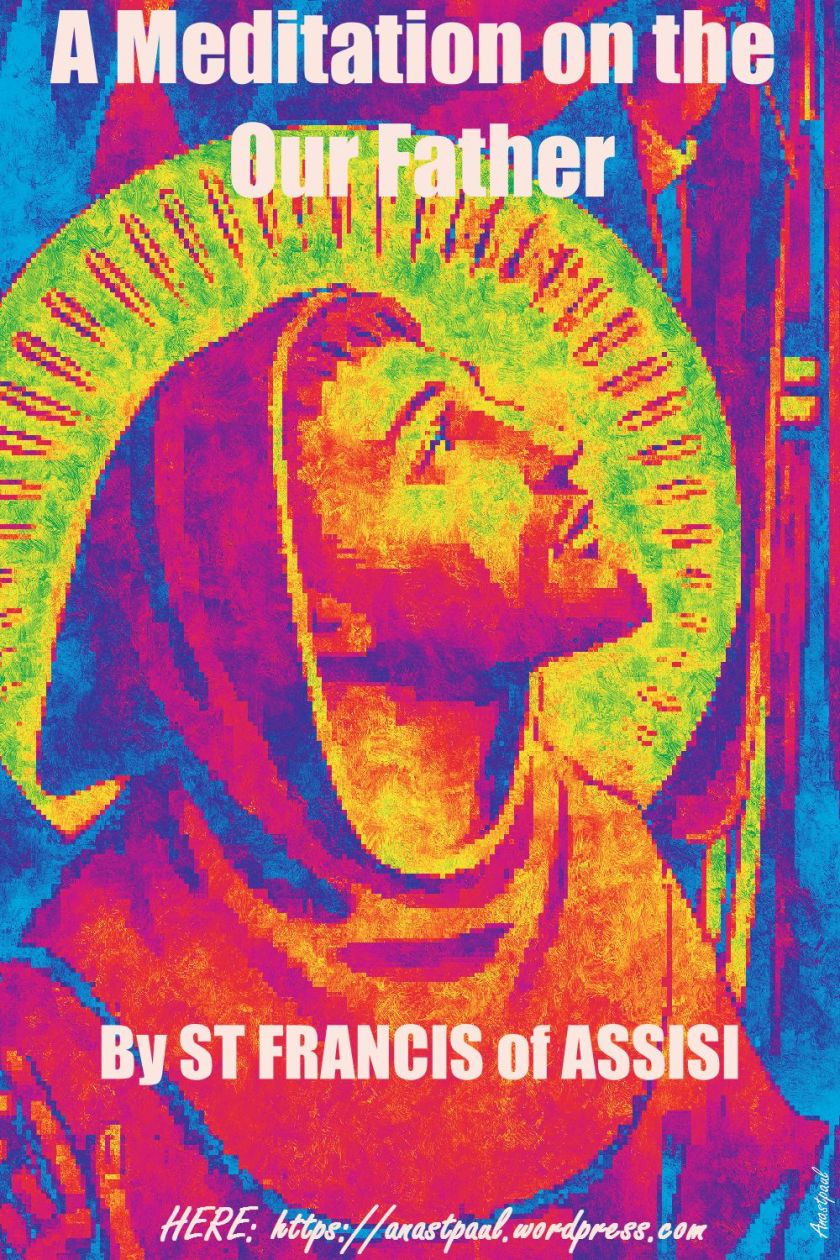
LET US PRAY as Jesus taught us in today’s Gospel and with St Francis, who in his love for God was graced with this meditation:
Our Father: Creator, Redeemer, Saviour and Comforter.
In Heaven: In the angels and the saints. You give them light so that they may have knowledge, because You are light. You inflame them so that they may love, because You are love. You live continually in them so that they may be happy, because You are the supreme good, the eternal good, and it is from You all good comes and without You there is no good.
Hallowed be your name: May our knowledge of You become ever clearer, so that we may realise the breadth of Your blessings, the extent of Your promises, the height of Your majesty and the depth of Your judgments.
Your kingdom come: So that You may reign in us by Your grace and bring us to Your kingdom, where we shall see You clearly, love You perfectly, be happy in Your company and enjoy You for ever.
Your will be done, on Earth as in Heaven: That we may love You with our whole heart by always thinking of You; with our whole mind by directing our whole intention towards You and seeking Your glory in everything; and with all our strength by spending all our energies and affections of soul and body in the service of Your love alone. And may we love our neighbour as ourselves, encouraging them all to love You as best we can, rejoicing at the good fortune of others, just as if it were our own and sympathising with their misfortunes, while giving offence to no one.
Give us today our daily bread: Your own beloved Son, our Lord Jesus Christ, to remind us of the love He showed for us and to help us to understand and appreciate it and everything that He did or said or suffered.
And forgive us our sins: In Your infinite mercy, and by the power of the passion of Your Son, our Lord Jesus Christ, together with the merits and the intercession of the Blessèd Virgin Mary and all the saints.
As we forgive those who sin against us: And if we do not forgive perfectly, make us forgive perfectly, so that we may truly love our enemies for love of You and pray fervently to You for them, returning no one evil for evil, anxious only to serve everybody in you.
Lead us not into temptation: Hidden or obvious, sudden or unforeseen.
But deliver us from evil: Present, past or future. Amen.
Thought for the Day – 7 March
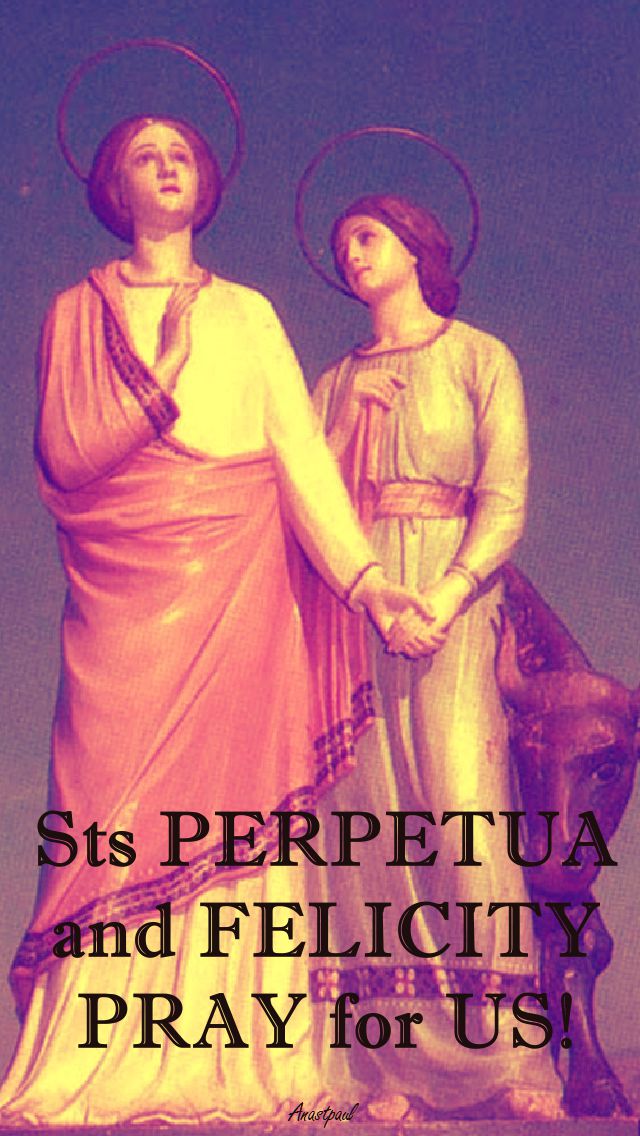
Sts Perpetua and Felicity were ordinary wives and mothers, who were swept up in the madness of persecution, who loved their families and their children and certainly were not eager to die. But heroism is found everywhere and their example has inspired Christians who have had to suffer for their faith, throughout the ages. They could so easily have turned back – they were not even baptised yet! And what of their teacher Saturus, who voluntarily joined the catechumens so that he might die for Christ with them and who (we presume it was he) baptised them whilst in prison – his name, in my opinion should be included with theirs. THIS is bravery, this is our example, are we ready, willing and able to defend, to protect, to stand tall and if necessary to die?
Sts Perpetua, Felicity and Saturus, pray for us!

Quote/s of the Day – 7 March
Quote/s of the Day – 7 March
“Father do you see this water jar,
or whatever it is, standing here?
Could one call it by any other name
than what it is? Well, in the same way
I cannot be called by any other name
than what I am—a Christian.”……..St Perpetua

“Now it is I who suffer what I am suffering;
then, there will be another in me who will
suffer for me, because I will be suffering for Him.”…St Felicity

One Minute Reflection – 7 March
One Minute Reflection – 7 March
Your Father knows what you need before you ask him…………Matthew 6:8
REFLECTION – “…….Remember that He permits every thing for your good and do not lose confidence:” ………. St Alphonso Maria de Liguori
PRAYER – Our Father, who art in heaven, hallowed be thy name, thy Kingdom come, thy will be done, on earth as it is in heaven.
Give us this day our daily bread and forgive us our trespasses, as we forgive those who trespass against us and lead us not into temptation but deliver us from evil. Stay with us Lord God and give us courage as you did Sts Perpetua and Felicity, whose prayers and intercession we request, amen.


Our Morning Offering – 7 March
Our Morning Offering – 7 March
The First Week of Lent
Tuesday
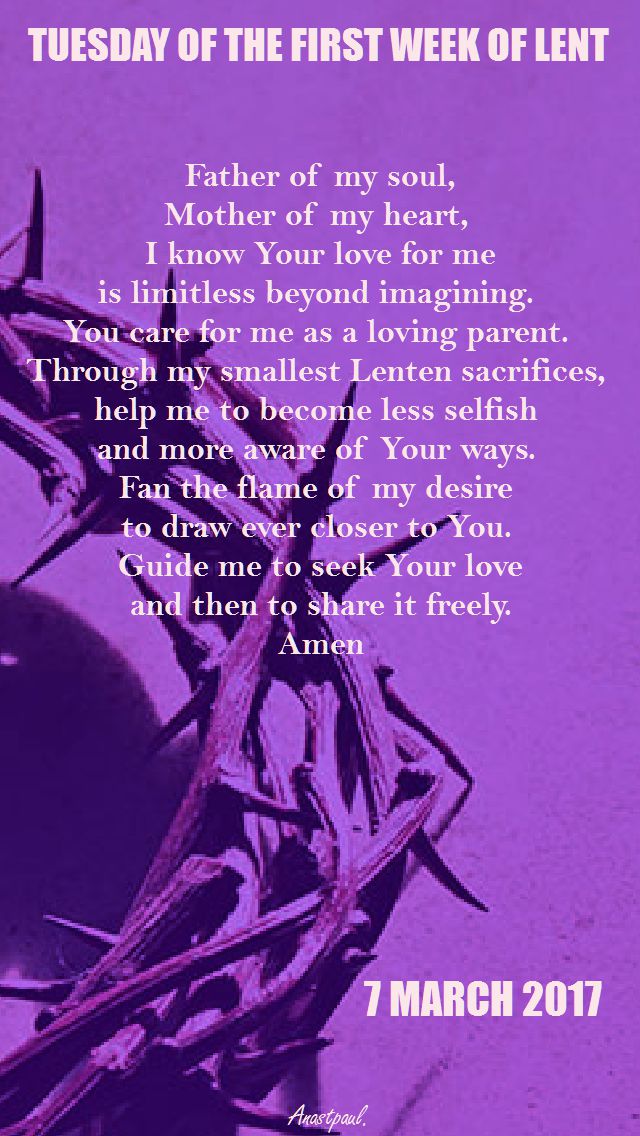
Father of my soul,
Mother of my heart,
I know Your love for me
is limitless beyond imagining.
You care for me as a loving parent.
Through my smallest Lenten sacrifices,
help me to become less selfish
and more aware of Your ways.
Fan the flame of my desire
to draw ever closer to You.
Guide me to seek Your love
and then to share it freely.
Amen
Saint/s of the Day – 7 March – Saints Perpetua and Felicity
Saint/s of the Day – 7 March – Saints Perpetua and Felicity – Martyrs (died c203) in Carthage (Roman province of Africa – modern day Tunisia) – Patrons of Mothers, Expectant Mothers, ranchers, butchers, Carthage, Catalonia.
Vibia Perpetua was a married noblewoman, said to have been 22 years old at the time of her death and mother of an infant she was nursing. Felicity, a slave imprisoned with her and pregnant at the time, was martyred with her. They were put to death along with others at Carthage in the Roman province of Africa. According to the passion, a slave named Revocatus, his fellow slave Felicitas, the two free men Saturninus and Secundulus, and Perpetua, who were catechumens, that is, Christians being instructed in the faith but not yet baptised, were arrested and executed at the military games in celebration of the Emperor Septimus Severus’s birthday. To this group was added a man named Saturus (the Catechist of St Perpetua) who voluntarily went before the magistrate and proclaimed himself a Christian.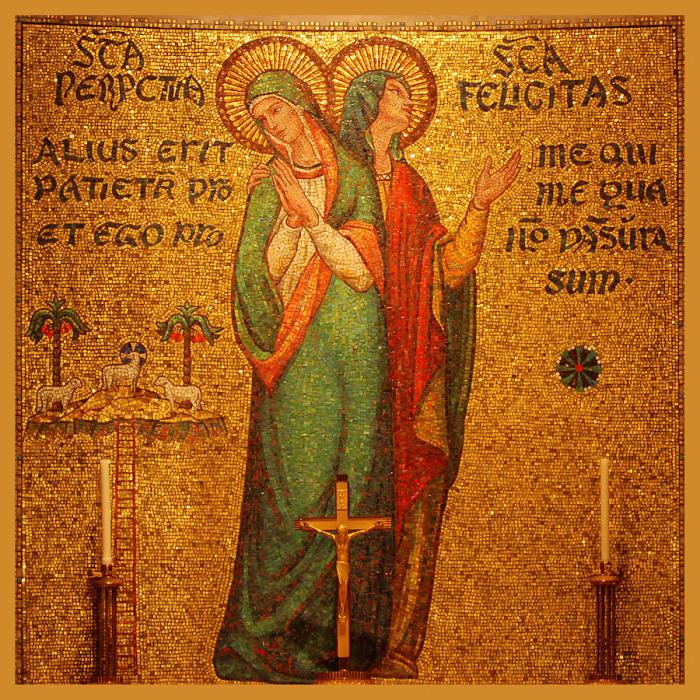
St Perpetua kept a diary during her last days, while she awaited her execution. Her diary, along with an eyewitness’s account of her death, is one of the oldest, most reliable histories of a martyr’s sufferings. This account was passed down to encourage other Christians to witness to the world with their lives—to teach others that greater than life itself is knowing Jesus and being loyal to him.

Perpetua’s account records the events that took place in Carthage, Africa, in the year 202, when the Emperor Severus issued an anti-Christian law forbidding anyone to be baptised and become a Christian. At that time twenty-two-year-old Perpetua was a catechumen, studying to become a Christian. She was also the mother of an infant son. Perpetua was arrested along with four other catechumens, including Felicity, her slave woman, who was about to give birth to a child. All were tried and sentenced to be thrown to the wild beasts in the amphitheatre during a national holiday. Their deaths would be scheduled along with sports events and various games.
During the days before their execution, their teacher Saturus voluntarily joined the catechumens so that he might die for Christ with them. Perpetua’s father, a wealthy pagan, pleaded with her to offer sacrifice to the pagan gods so she could be free, but she refused. She said, “Father do you see this water jar, or whatever it is, standing here? Could one call it by any other name than what it is? Well, in the same way I cannot be called by any other name than what I am—a Christian.”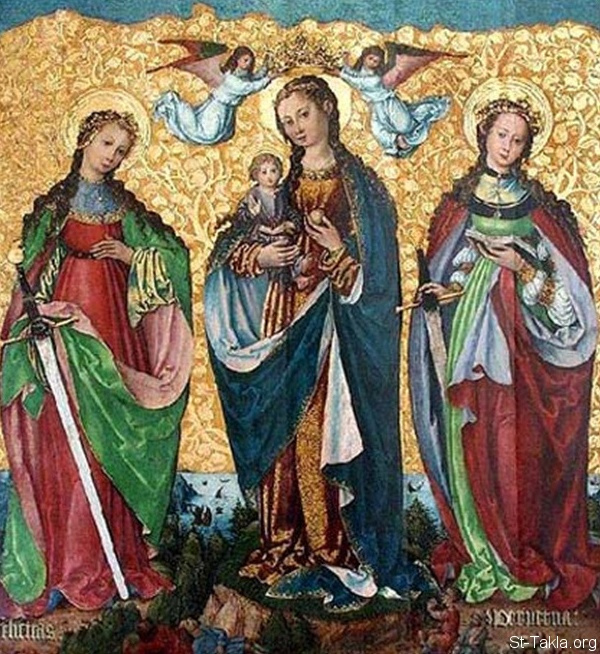
While they were awaiting death, Perpetua and her companions were baptised. Shortly before the scheduled execution, Felicity gave birth to a baby girl. During childbirth, she had cried out in pain. Someone hearing her asked her how she would ever endure the suffering of martyrdom. She replied, “Now it is I who suffer what I am suffering, then, there will be another in me who will suffer for me, because I will be suffering for Him.”
On the day of their execution, the martyrs left their prison “joyfully as though they were on their way to heaven” and entered the arena, where they were killed before the cheering crowd. Perpetua and Felicity were beheaded; the others were killed by wild beasts. Today these women are mentioned in the first Eucharistic Prayer.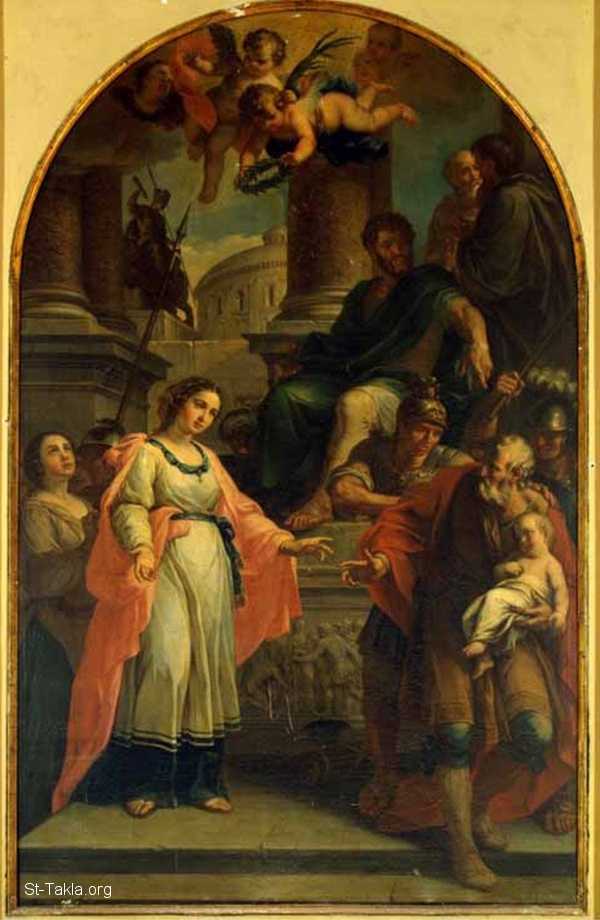
Saints- 7 March
St Felicity of Carthage (Optional Memorial)
St Perpetua of Carthage (Optional Memorial)
—
St Ardo of Aniane
St Deifer of Bodfari
St Drausinus of Soissons
St Enodoch
St Esterwine of Wearmouth
St Eubulus of Caesarea
St Gaudiosus of Brescia
Bl Henry of Austria
Bl Leonid Feodorov
Bl Maria Antonia de Paz y Figueroa
St Paul of Prusa
St Paul the Simple
Bl St Reinhard of Reinhausen
St Teresa Margaret Redi
Bl William of Assisi
—
Martyrs of Carthage – 4 saints: A catechist and three students martyred together for teaching and learning the faith. We know little more than their names – Revocatus, Saturninus, Saturus and Secundulus. Mauled by wild beasts and beheaded 7 March 203 at Carthage, North Africa
Martyrs of Korea
Siméon-François Berneux
Bernard-Louis Beaulieu
Ioannes Baptista Nam Chong-Sam
Pierre-Henri Dorie
Simon-Marie-Just Ranfer de Bretenières
Martyrs of Laos
Bl Luc Sy
Bl Maisam Pho Inpèng
Martyrs of Tyburn
Bl German Gardiner
Bl John Ireland
Bl John Larke
LENTEN REFLECTION – Monday of the First Week of Lent – 6 MARCH
LENTEN REFLECTION – Monday of the First Week of Lent – 6 MARCH
Let us glory in temptation
by St Ambrose (339-397 AD) – Doctor of the Church
The devil does not have only one weapon. He uses many different means to defeat human beings: now with bribery, now with boredom, now with greed he attacks, inflicting mental and physical wounds equally.
The kind of temptation varies with the different kinds of victim. Avarice is the test of the rich, loss of children that of parents and everyone is exposed to pain of mind or body. What a wealth of weapons is at the devil’s disposal!
It was for this reason that the Lord chose to have nothing to lose. He came to us in poverty so that the devil could find nothing to take away from Him. You see the truth of this when you hear the Lord himself saying:
“The prince of this world is come and has found nothing in me” [John 14:30]. The devil could only test him with bodily pain but this too was useless because Christ despised bodily suffering.
Job was tested by his own goods, whereas Christ was tempted, during the experience of the wilderness, by the goods of all. In fact, the devil robbed Job of his riches and offered Christ the kingdom of the whole world. Job was tested by vexations, Christ by prizes. Job the faithful servant replied: “The Lord has given and the Lord has taken away” [Job 1:21] Christ, being conscious of His own divine nature, scorned the devil’s offering of what already belonged to Him.
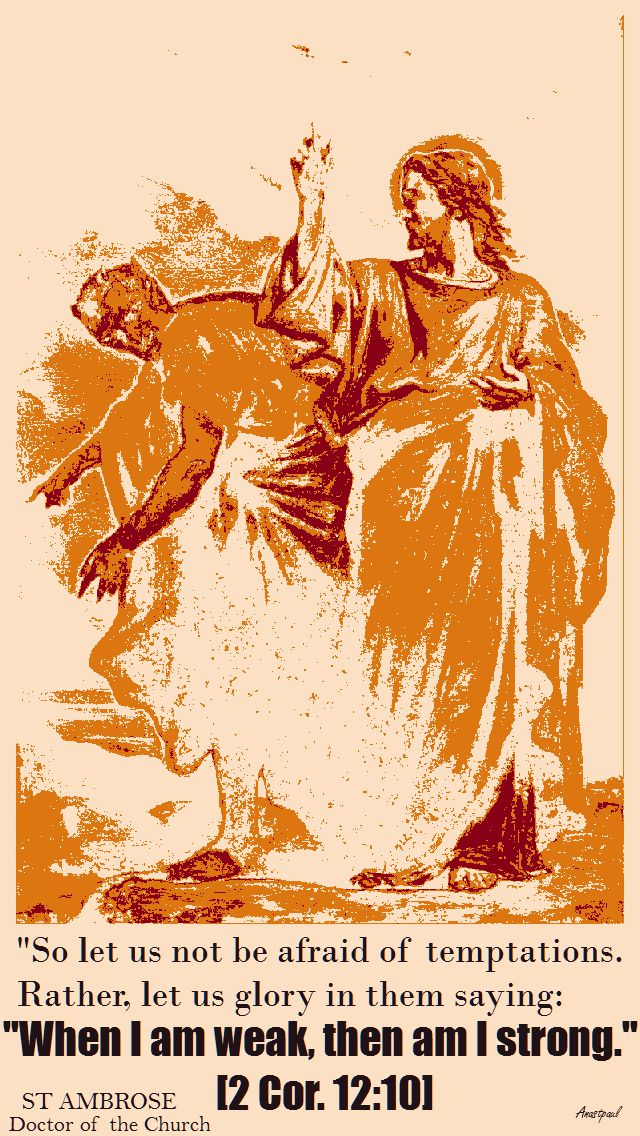
So let us not be afraid of temptations. Rather, let us glory in them saying: “When I am weak, then am I strong.” [2 Cor. 12:10].
Thought for the Day – 6 March
Thought for the Day – 6 March
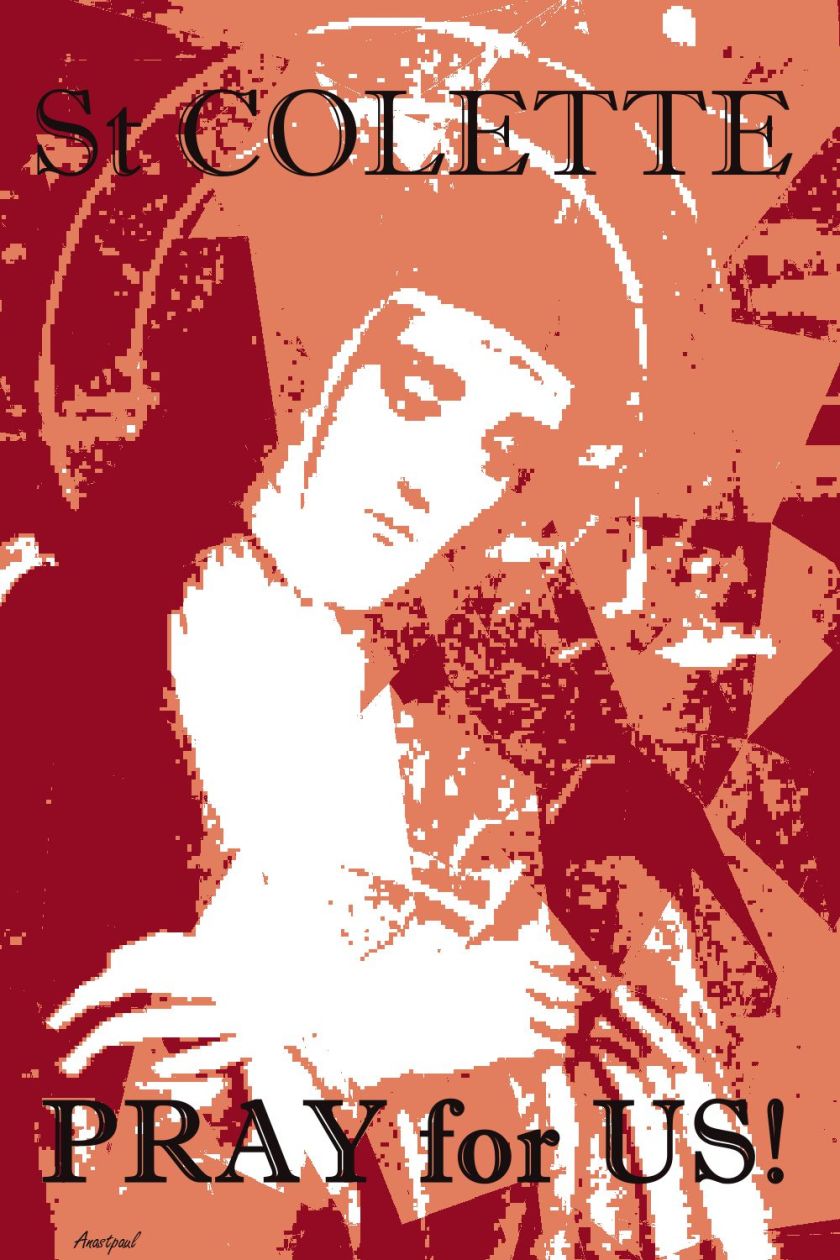
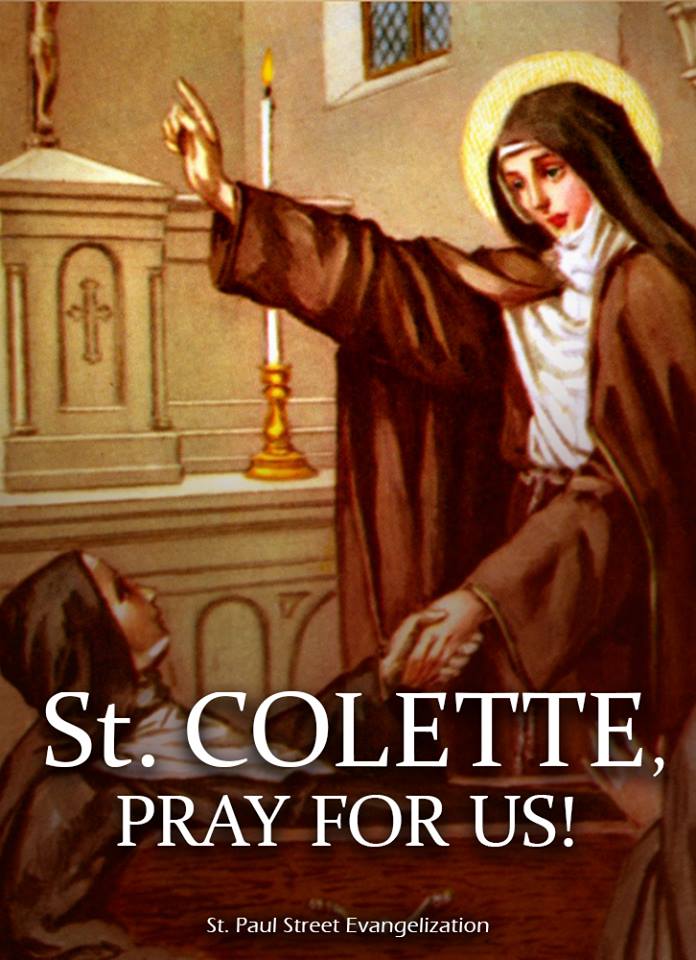
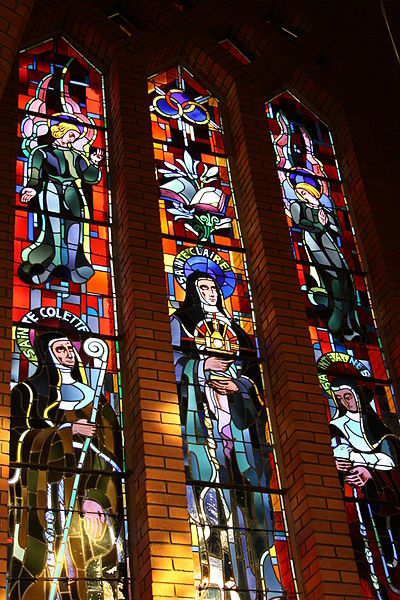
Like St Joan of Arc, St Colette had a mission from the Lord and, when she was sure of that mission, gave her whole life to it. In her day, holiness had declined even among religious and she was determined to recover a life of holiness for the daughters of St Francis and St Clare. No obstacles turned her back, for God was on her side. With God, she believed she could and she did, accomplish all things ……. and THIS is the message to you and me – with God on our side WE CAN!
St Colette, pray for us!
Quote of the Day – 6 March
Quote of the Day – 6 March
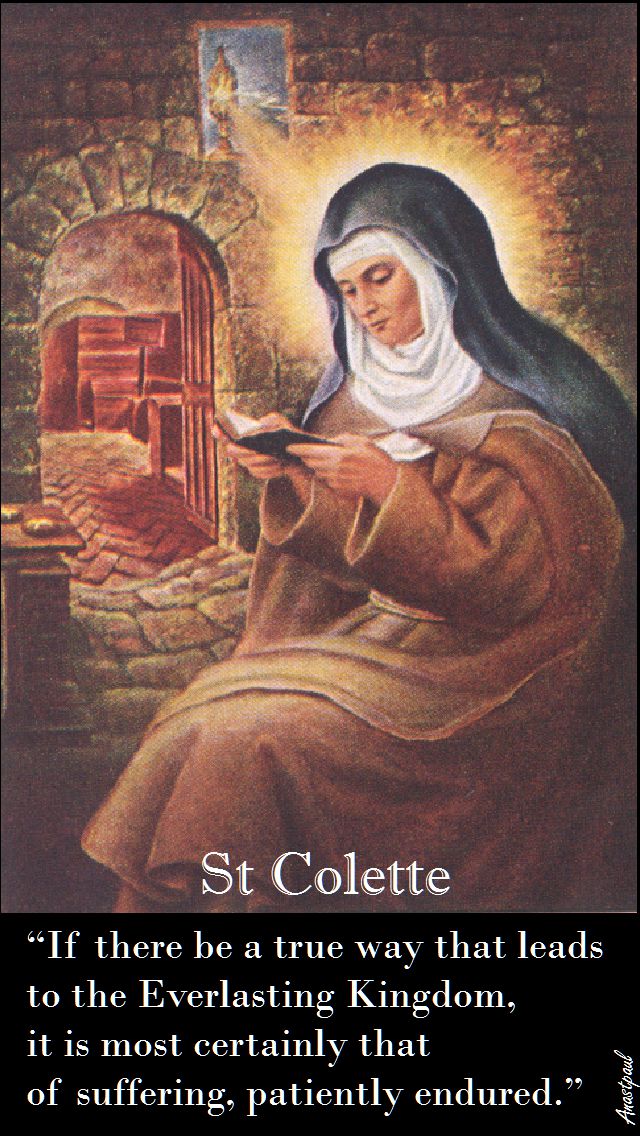
“If there be a true way
that leads to the
Everlasting Kingdom,
it is most certainly that
of suffering, patiently endured.”
St Colette
One Minute Reflection – 6 March
One Minute Reflection – 6 March
Do not grow slack in zeal, be fervent in spirit, serve the Lord. Rejoice in hope, endure in affliction, persevere in prayer…….Romans 12:11-12
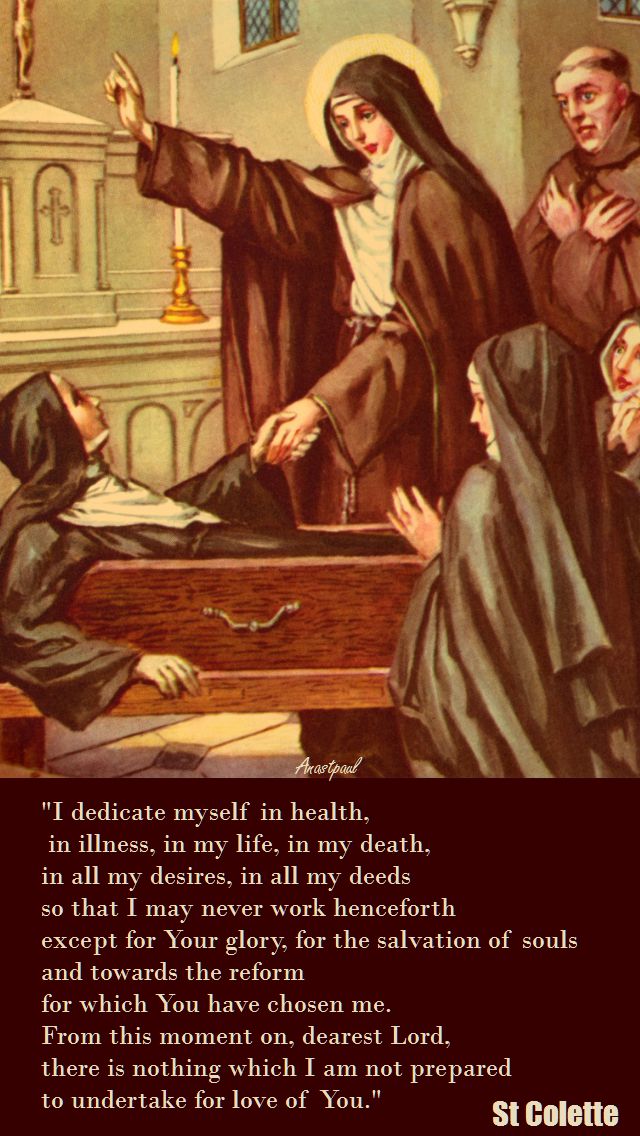
REFLECTION – “I dedicate myself in health, in illness, in my life, in my death, in all my desires, in all my deeds so that I may never work henceforth except for Your glory, for the salvation of souls and towards the reform for which you have chosen me. From this moment on, dearest Lord, there is nothing which I am not prepared to undertake for love of You.”………………..St Colette
PRAYER – “We must faithfully keep what we have promised. If through human weakness we fail, we must always without delay arise again by means of holy penance, and give our attention to leading a good life and to dying a holy death. May the Father of all mercy, the Son by his holy passion and the Holy Spirit, source of peace, sweetness and love, fill us with their consolation. Amen.” (Prayer of St Colette) St Colette Pray for us!
Saint of the Day – 6 March – St Colette Saint of the Day – 6 March – St Colette PCC. (1381-1447
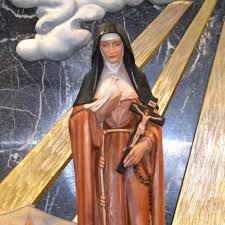
Saint of the Day – 6 March – St Colette PCC. (1381-1447) -aged 66, Abbess and Foundress of the Colettine Poor Clares, a reform branch of the Order of Saint Clare, better known as the Poor Clares. Patronages – against eye disorders, against fever, against headaches, against infertility, against the death of parents, of women seeking to conceive, expectant mothers and sick children, craftsmen, Poor Clares, servants, Corbie, France, Ghent, Belgium.
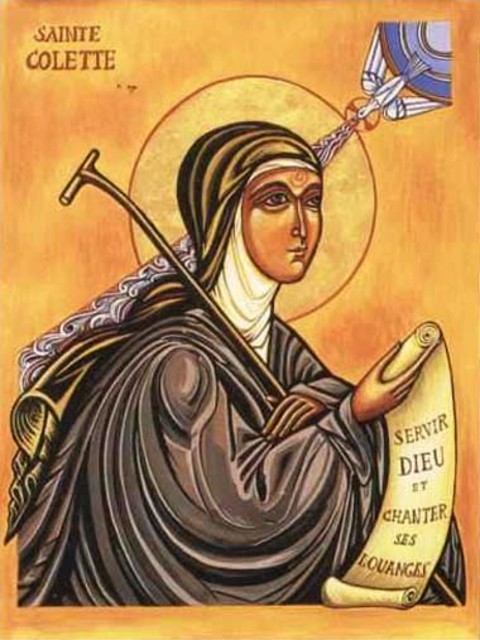
She was born Nicole Boellet (or Boylet) in the village of Corbie, in the Picardy region of France, on 13 January 1381, to Robert Boellet, a poor carpenter at the noted Benedictine Abbey of Corbie and to his wife, Marguerite Moyon. Her contemporary biographers say that her parents had grown old without having children, before praying to Saint Nicholas for help in having a child. Their prayers were answered when, at the age of 60, Marguerite gave birth to a daughter. Out of gratitude, they named the baby after the saint to whom they credited the miracle of her birth. She was affectionately called Nicolette by her parents, which soon came to be shorted to Colette, by which name she is known.
After her parents died in 1399, Colette joined the Beguines, she was seventeen but found their manner of life unchallenging. She received the habit of the Third Order of St. Francis in 1402 and became a hermit under the direction of the Abbot of Corbie, living near the abbey church.
Renewing religious institutions is not easy. We would expect a person chosen to reform convents and monasteries to be formidable. Maybe even physically tall, overbearing, and somewhat threatening. God, however, doesn’t seem to agree. For example, in the fifteenth century he selected St. Colette, a young woman the opposite of these characteristics, to call Franciscans to strict observance of the rules of St. Clare and St. Francis.
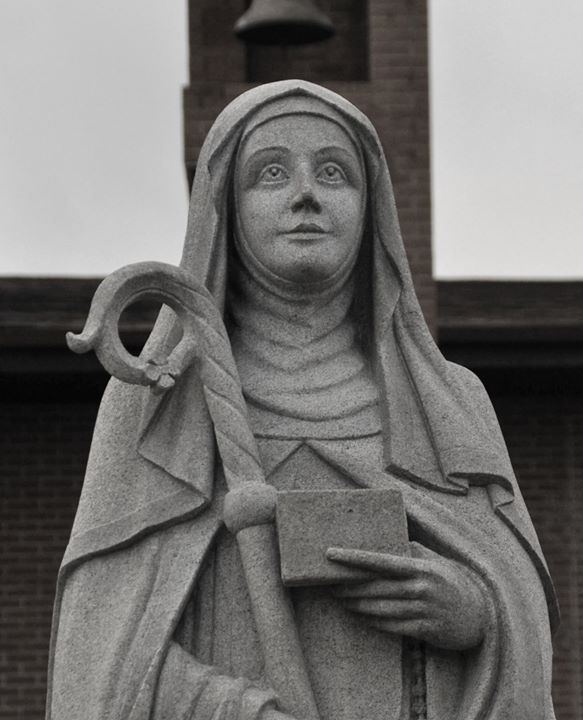
Not that Colette was unimpressive. She was a beautiful woman whose radiant inner strength attracted people. However, her spirituality, her commitment to God, and her heart for souls, not her physical qualities, suited her for her reforming mission.
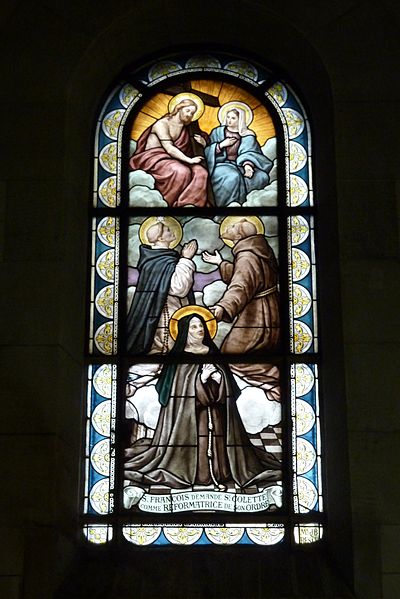
St. Francis appeared to her in a vision and charged her to restore the Poor Clares to their original austerity. When Friar Henry de Beaume came in 1406 to conform her mission, Colette had the door of her hut torn down, a sign that her solitude was over and her work begun. And she then prayed her commitment:
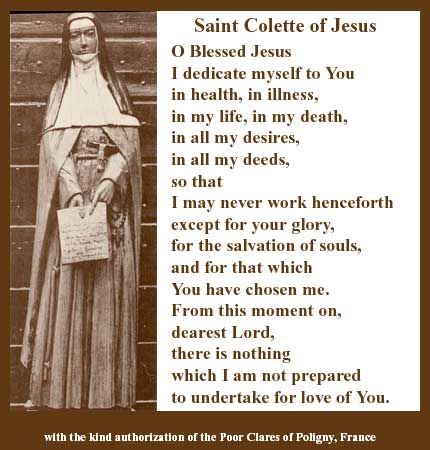
“I dedicate myself in health, in illness, in my life, in my death, in all my desires, in all my deeds so that I may never work henceforth except for your glory, for the salvation of souls, and towards the reform for which you have chosen me. From this moment on, dearest Lord, there is nothing which I am not prepared to undertake for love of you.”
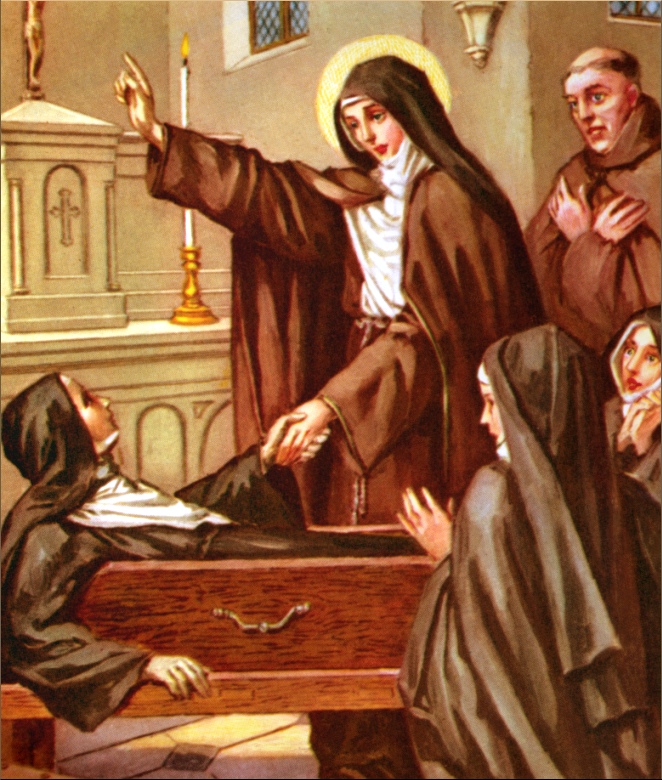
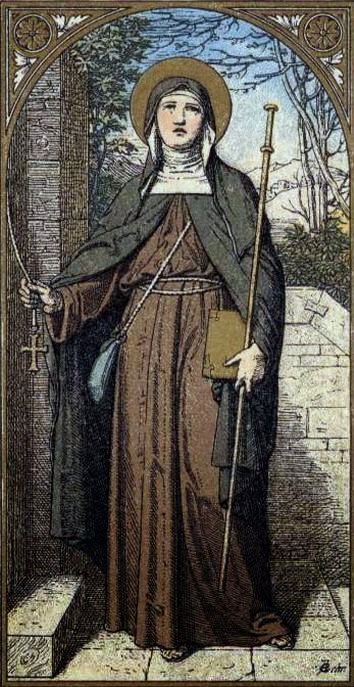
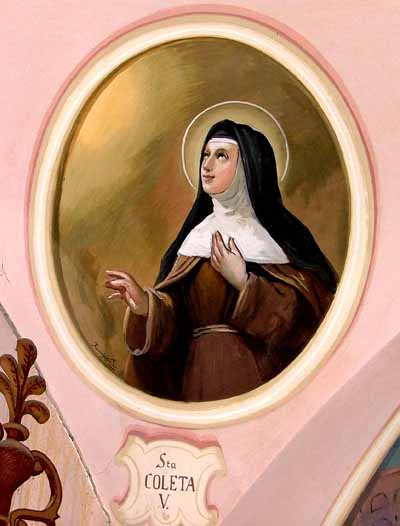
Colette’s first reports to reform convents met vigorous opposition. Then she sought the approval of the Avignon pope, Benedict XIII, who professed her as a Poor Clare and put her in charge of all convents she would reform. He also appointed Henry de Beaume to assist her. Thus equipped, she launched her reform in 1410 with the Poor Clares at Besancon. Before her death in 1447, the saint had founded or renewed seventeen convents and several friaries throughout France, Savoy, Burgundy, and Spain.
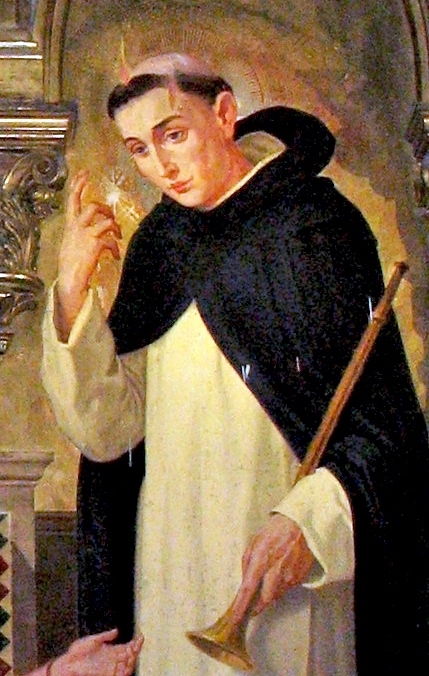
Like Francis and Clare, Colette devoted herself to Christ crucified, spending every Friday meditating on the passion. She is said to have miraculously received a piece of the cross, which she gave to St.Vincent Ferrer when he came to visit her.
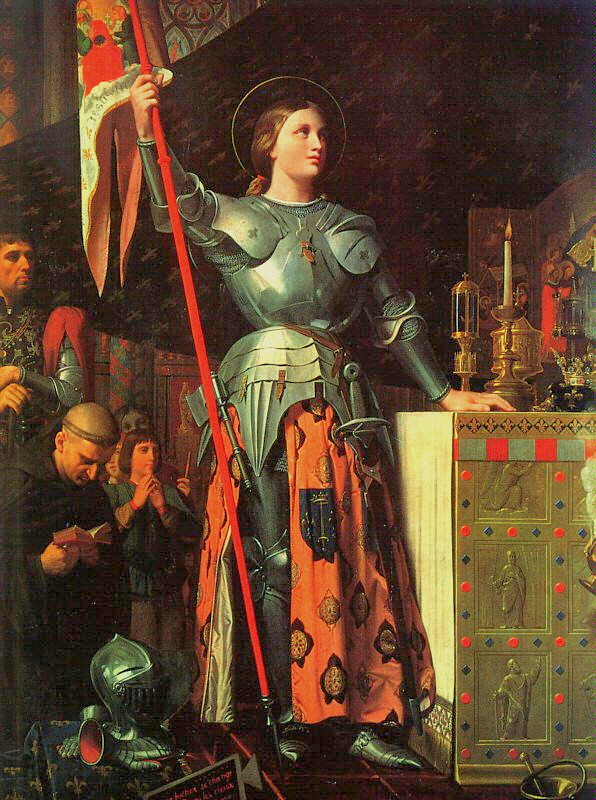
St. Joan of Arc once passed by Colette’s convent in Moulins but there is no evidence that the two met. Like Joan, Colette was a visionary. Once, for instance, she saw souls falling from grace in great numbers, like flakes in a snowstorm. Afterward she prayed daily for the conversion of sinners. She personally brought many strays back to Christ and helped them unravel their sinful patterns. At age sixty-six, Colette foretold her death, received the sacrament of the sick and died at her convent in Ghent, Flanders.
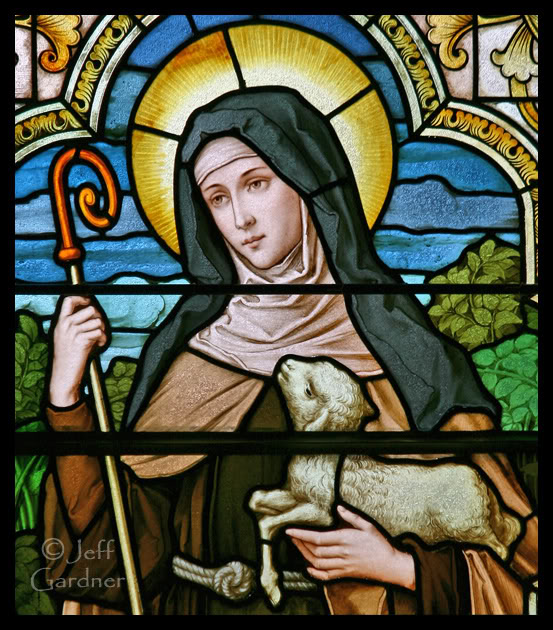
Miracles
Helping a mother in childbirth
While traveling to Nice to meet Pope Benedict, Colette stayed at the home of a friend. His wife was in labour at that time with their third child and was having major difficulties in he childbirth, leaving her in danger of death. Colette immediately went to the local church to pray for her. The mother gave birth successfully and survived the ordeal. She credited Colette’s prayers for this. The child born, a girl named Pierinne, later entered a monastery founded by Colette. She would become Colette’s secretary and biographer.
Saving a sick child
After the pope had authorised Colette to establish a regimen of strict poverty in the Poor Clare monasteries of France, she started with that of Besançon. The local populace was suspicious of her reform, with its total reliance on them for the sustenance of the monastery. One incident helped turn this around. According to legend, a local peasant woman gave birth to a stillborn child. In desperation, out of fear for the child’s soul, the father took the baby to the local parish priest for baptism. Seeing that the child was already dead, the priest refused to baptise the body. When the man became insistent, out of frustration, the priest told him to go to the nuns, which he did immediately. When he arrived at the monastery, Mother Colette was made aware of his situation by the portress. Her response was to take off the veil given to her by the Pope, when he gave her the habit of the Second Order and told the portress to have the father wrap the child’s body in it and for him to return to the priest. By the time he arrived at the parish church with his small bundle, the child was conscious and crying. The priest immediately baptised the baby.
Colette was beatified 23 January 1740, by Pope Clement XII and was canonized 24 May 1807 by Pope Pius VII.
Our Morning Offering – 6 March
Our Morning Offering – 6 March
The First Week of Lent
Monday
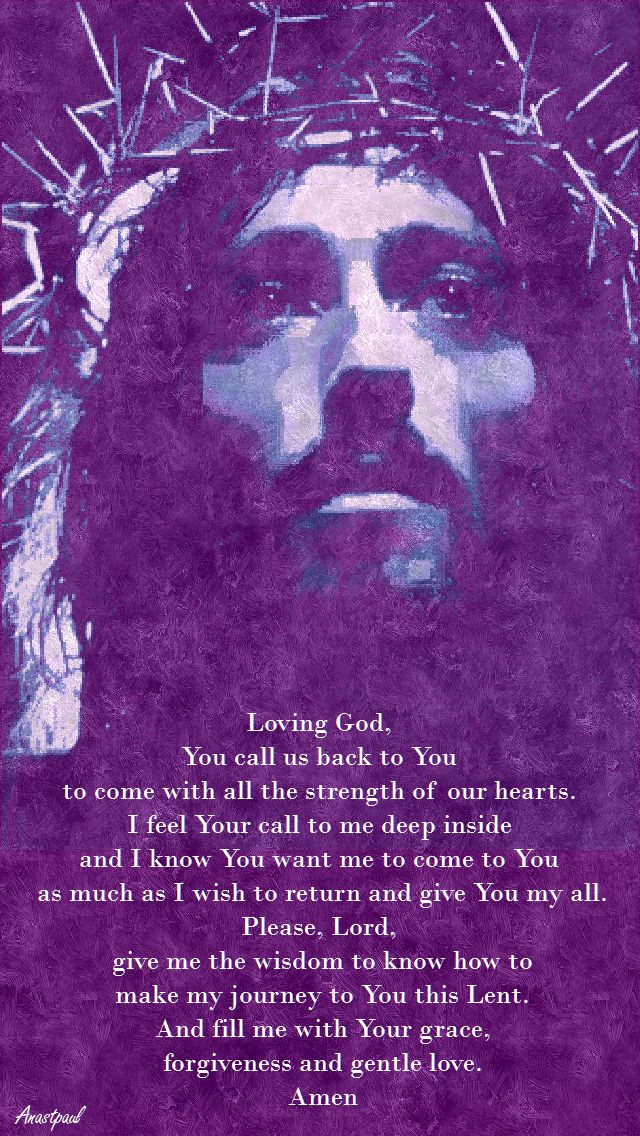
Loving God,
You call us back to You
to come with all the strength of our hearts.
I feel Your call to me deep inside
and I know You want me to come to You
as much as I wish to return and give You my all.
Please, Lord,
give me the wisdom to know how to
make my journey to You this Lent.
And fill me with Your grace,
forgiveness and gentle love.
Amen
Saints-6 March
St Aetius
St Bairfhion
St Baldred of Strathclyde
St Baldred the Hermit
St Balther of Lindisfarne
St Basil of Bologna
St Cadroë
St Chrodegang of Metz
St Colette
St Cyriacus of Trier
St Cyril of Constantinople
St Evagrius of Constantinople
Fridolin Vandreren of Säckingen
Bl Guillermo Giraldi
St Heliodorus the Martyr
Bl Jordan of Pisa
St Julian of Toledo
St Kyneburga of Castor
St Kyneswide of Castor
St Marcian of Tortona
Bl Ollegarius of Tarragona
St Patrick of Malaga
St Rose of Viterbo
St Sananus
Bl Sylvester of Assisi
St Tibba of Castor
St Venustus of Milan
—
Martyrs of Amorium – 42 saints – Also known as Martyrs of Syria and Martyrs of Samarra
A group of 42 Christian senior officials in the Byzantine empire who were captured by forces of the Abbasid Caliphate when the Muslim forces overran the city of Amorium, Phrygia in 838 and massacred or enslaved its population. The men were imprisoned in Samarra, the seat of the Caliphate, for seven years. Initially thought to be held for ransom due to their high position in the empire, all attempts to buy their freedom were declined. The Caliph repeatedly ordered them to convert to Islam and sent Islamic scholars to the prison to convince them; they refused until the Muslims finally gave up and killed them. Martyrs. We know the names and a little about seven of them:
• Aetios
• Bassoes
• Constantine
• Constantine Baboutzikos
• Kallistos
• Theodore Krateros
• Theophilos
but details about the rest have disappeared over time. However, a lack of information did not stop several legendary and increasingly over-blown “Acts” to be written for years afterward. One of the first biographers, a monk name Euodios, presented the entire affair as a judgement by God on the empire for its official policy of Iconoclasm.
Deaths:
• beheaded on 6 March 845 in Samarra (in modern Iraq) on the banks of the Euphrates river by Ethiopian slaves
• the bodies were thrown into the river, but later recovered by local Christians and given proper burial
Martyrs of Nicomedia
Bassa
Claudian
Victor
Victorinus
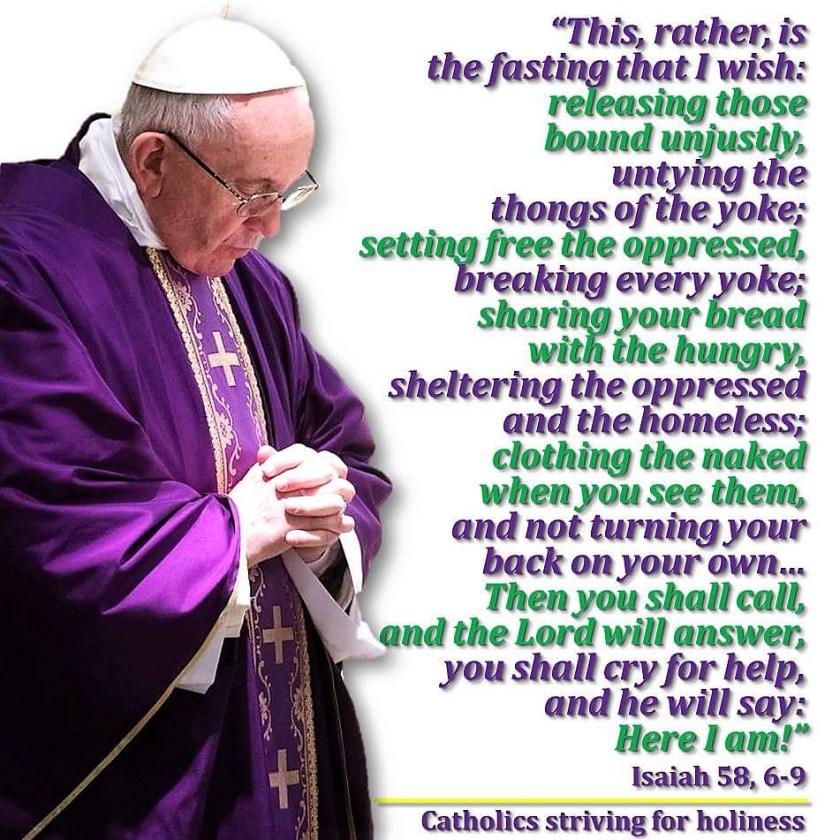
POPE FRANCIS ON TRUE FASTING.
LENTEN REFLECTION – The First Sunday of Lent – 5 MARCH
HE BORE OUR PRIDE IN HIS BODY ON THE CROSS
by Fr Raniero Cantalamessa
The cross is the tomb which absorbs all human pride:”Come thus far; I said and no farther: here your proud waves shall break” (Job 38:11). The waves of human pride break against the rock of Calvary and they can go no further. The wall God erected against them is too high and the abyss he dug before them too deep. ‘We must realize that our former selves have been crucified with him to destroy this sinful body’ (Romans 6:6). The body of pride — for this is the sin par excellence, the sin that gives rise to all other sins. ‘He was bearing our faults in his own body on the cross’ (1 Peter 2:24). He bore our pride in his body.
But what concerns us in all this? Where is the ‘gospel’, the good and joyful news? It is that Jesus humbled himself also for me, in my place. ‘If one man has died for all, then all have died’ (2 Corinthians 5:14); one has humbled himself for all, therefore all have humbled themselves. Jesus on the cross is the new Adam obeying for all. He is the head, the beginning of a new mankind. He acts in the name of all and for the benefit of all. As ‘by one man’s obedience many will be made righteous’ (Romans 5:19), by one man’s humility, many will be made humble.
Pride, like disobedience, is no longer part of us. It is part of the Old Adam. It has become old-fashioned. The new thing now is humility, which is full of hope because it opens up a new existence based on giving, love and solidarity and no longer on competitiveness, social climbing and taking advantage of one another. ‘The old creation has gone and now the new one is here’ (2 Corinthians 5:17). Humility is one of these marvelous new things.
What, therefore, does it mean to celebrate the mystery of the cross ‘in spirit and in truth’? When applied to what we are celebrating, what is the significance of the ancient maxim: ‘Acknowledge what you are doing, imitate what you are celebrating’? It signifies that you should implement within yourself what you represent externally; put into practice what you are commemorating in the liturgy.
…I must give Christ ‘the sinful body of my pride’, so that he can destroy it de facto just as he destroyed it by right once and for all on the cross. When I was a boy, the people of my region used to light a bonfire in the country at nightfall on the eve of certain feasts which could be seen over the hills. ach family would bring some wood and vine branches to keep the fire going while, around it, the rosary would be recited. Something similar must take place here this evening in preparation for the great feast of Easter. Each one of us should throw, in spirit, his load of pride, vanity, self-sufficiency, presumption, haughtiness into the great furnace of Christ’s passion.
We must imitate the saints in heaven as they adore the Lamb, for this is the model for our adoration here on earth. Revelation tells us the saints approach the throne in procession and fall down before him who is seated and they ‘threw down their crowns in front of the throne’ (Revelation 4:10). They cast the real crowns of their martyrdom and we cast the false crown with which we have crowned ourselves. We must ‘nail all feelings of pride to the cross’ (St Augustine, On Christian Doctrine 2,7,9).
On the cross Jesus did not just reveal or practice humility; he created it too. True Christian humility consists in participating in Christ’s inner state on the cross. St Paul says, ‘In your minds you must be the same as Jesus Christ’ (Phil. 2:5); the same mind and not a similar one. Apart from this, many other things can be taken for humility which are really either natural inclination or timidness, or a liking for understatement, or simply common sense and intelligence, when they are not a refined form of pride.
Once we have put on Christ’s humility, it will be easier, among other things, to work for Christian unity, for unity and peace naturally follow humility. This is also true in families. Marriage starts with an act of humility. A young man who falls in love and who on his knees, as was once the custom, asks a girl to marry him, makes the most radical act of humility in his life. He begs and it is as if he were saying, ‘Give me yourself. Alone, I am not sufficient to myself, I need you!’ We could say that God created humankind male and female to help them to be humble, not to be haughty and self-sufficient and to discover the blessing of depending on someone who loves you. He inscribed humility in our very flesh. But, unfortunately, pride too often takes over again and the person we love has to pay for the initial need we had of him or her. Then a dreadful wall of pride rises between the two partners and their incommunicability extinguishes all joy. This evening, Christian spouses are also invited to place all resentment at the foot of the cross, to be reconciled to one another, embracing each other for the sake of Christ who, on this day on the cross, ‘killed the hostility’ (Ephesians 2:16).
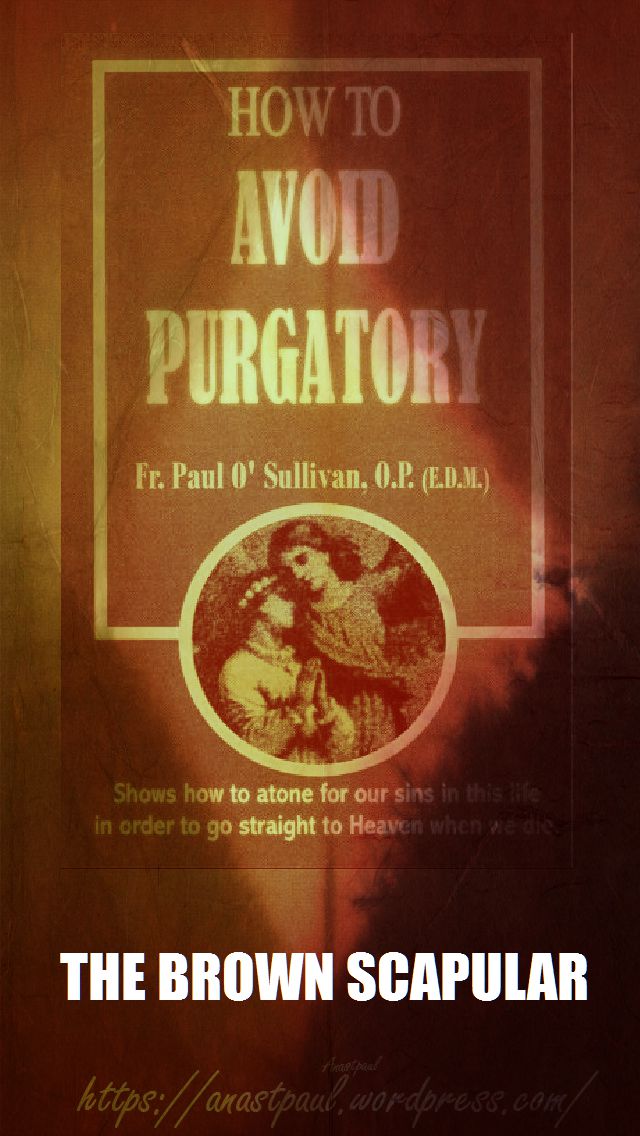
(Fr Raniero Cantalamessa, O.F.M. Cap. is an Italian Catholic priest in the Order of Friars Minor Capuchin and theologian and writer. He has served as the Preacher to the Papal Household since 1980, under Pope John Paul II, Pope Benedict XVI and Pope Francis.)
HOW TO AVOID PURGATORY By Fr. Paul O’Sullivan O.P.
HOW TO AVOID PURGATORY By Fr. Paul O’Sullivan O.P.
For those who have not read this little book and to refresh myself, I will be posting the entire book in daily doses. (To read later find in the Purgatory Category).
Appendix
THE BROWN SCAPULAR
(The following official information was obtained from the National Scapular
center, Darien, Illinois, May 9, 1986.)
Two wonderful promises of Our Lady of Mount Carmel are available to those
who have been enrolled in the Brown Scapular.
The great promise of the Blessed Virgin Mary, given to St. Simon Stock on
July 16, 1251, is as follows: “Whoever dies wearing this scapular shall not
suffer eternal fire.”
Our Lady’s second Scapular Promise, known as the Sabbatine Privilege (the
word “Sabbatine” meaning “Saturday”), was given by the Blessed Virgin Mary
to Pope John XXII in the year 1322 and is as follows: “I, the Mother of
Grace, shall descend on the Saturday after their death and whomsoever I
shall find in Purgatory, I shall free.”
There are three conditions for obtaining this privilege: 1) the wearing of
the Brown Scapular; 2) the practice of chastity according to one’s state of
life; 3) the daily recitation of the Little Office of the Blessed Virgin
Mary.
Those who cannot read can abstain from meat on Wednesdays and Saturdays
instead of reciting the Little Office. Also, any priest who has diocesan
faculties (this includes most priests) has the additional faculty to
commute (change) the third requirement into another pious work–for
example, the daily Rosary.
Because of the greatness of the Sabbatine privilege, the Carmelite Order
suggests that the third requirement not be commuted into anything less than
the daily recitation of seven Our Fathers, seven Hail Marys and seven
Glory Bes.
THE END
Thought for the Day – 5 March
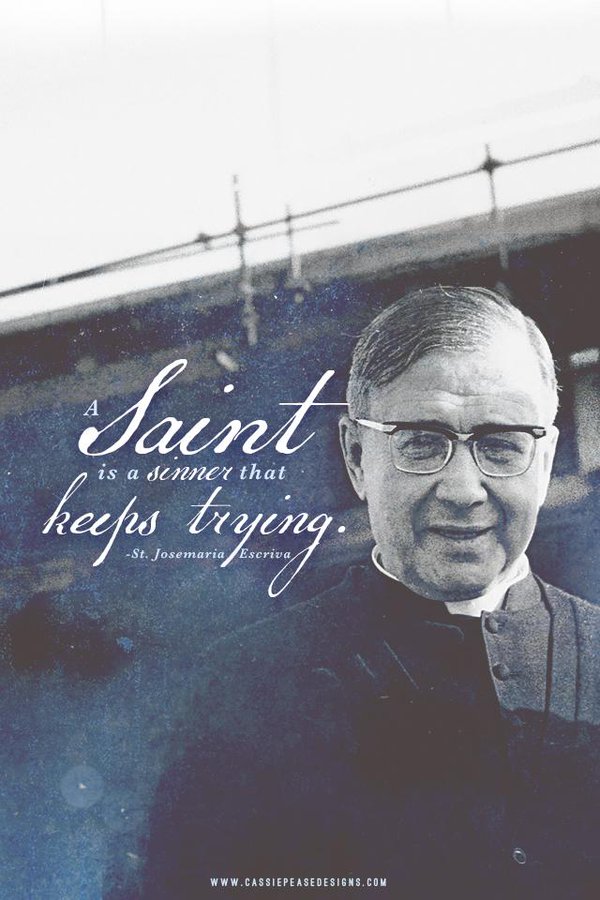
When St Eisebius of Cremona (memorial today) went to Rome to collect funds on behalf of St Jerome, he noticed that Rufinus, an old friend of Jerome’s – though not on good terms with him, was translating the works of Origen, against whose writing St Jerome was arguing. Eusebius secretly removed the works and sent them to Jerome, thus in fact stealing and causing a final rift between the two. So even saints sometimes do disgraceful things and St Eusebius’ theft of Rufinus’ manuscript was a thoughtless act of an overzealous friend embroiled in the controversies of the day. It is good to know that even saints have faults and that such faults detract nothing from their holiness. For – a saint is a sinner who keeps on trying! NEVER FORGET IT!
Quote of the Day – 5 March
Quote of the Day – 5 March
“A sacrifice to be real must cost, must hurt and must empty ourselves. Give yourself fully to God. He will use you to accomplish great things on the condition that you believe much more in His love than in your weakness.”
St Mother Teresa

One Minute Reflection – 5 March
One Minute Reflection – 5 March
The Lord is far from the wicked but the prayer of the just he hears….Prv 15:29
REFLECTION – “Let us unceasingly prepare ourselves for prayer by carrying out our dutes with great fidelity. Then let us come before our divine Saviour with all the simplicity of our souls.”,,,,,,,,St Mary Euphrase
PRAYER – Almighty God, move me to prepare myself for prayer by a good life. Grant that I may pray to You by my works as well as by my words. Teach me to truly live the words I pray. Amen
Our Morning Offering – 5 March 2017 The First Week of Lent Sunday
Our Morning Offering – 5 March
The First Week of Lent
Sunday
Lord God,
You who breathed
the spirit of life within me.
Draw out of me
the light and life You created.
Help me to find my way back to You.
Help me to use my life
to reflect Your glory
and to serve others
as Your son Jesus did.
Amen
Saint of the Day – 5 March – St Eusebius of Cremona
Saint of the Day – 5 March – St Eusebius of Cremona (died 423) Abbot
Born in Cremona, Italy; died c. 423. Eusebius first met Saint Jerome in Rome
when Jerome was acting as secretary to Pope Saint Damasus and preaching a
strict asceticism to all who would listen. Eusebius was so much attracted to
the stern Biblical scholar that when Jerome decided to leave for the Holy
Land, he begged to accompany him. At Antioch they were joined by Jerome’s
other two great friends, the widow Saint Paula and her daughter Saint
Eustochium. The four of them made a pilgrimage to all the places connected
with the earthly life of Jesus, before deciding to make Bethlehem their
home.
Jerome was much touched by the hundreds of pilgrims to Bethlehem, many of
whom were extremely poor. Resolving to build a hostel for them, he sent
Eusebius to Dalmatia and Italy to raise money for the project. Saint Paula
sold her Roman estate through him for this purpose and Eusebius also sold
his own property at Cremona and gave the proceeds for the building of the
hostel.
Eusebius succeeded the holy Doctor of the Church as abbot of Bethlehem and
was involved, like his friend, in bitter disputes with the followers of
Origen. As a loyal friend of Jerome’s Eusebius became involved in Jerome’s disputes over Origen and he seems to have been responsible for Pope Anastasius’ condemnation of Origen’s writings. There is an unsubstantiated tradition that Eusebius founded the
abbey of Guadalupe in Spain.
In 400 AD, Eusebius returned to his native Cremona, where some sources
indicate that he stayed until his death. Others suggest that he returned to
Bethlehem to become spiritual director of one of the religious communities
there. He may well be buried alongside Jerome in Bethlehem, where-in the
crypt of the church of the Nativity-an altar is dedicated in his name
(Benedictines, Bentley).
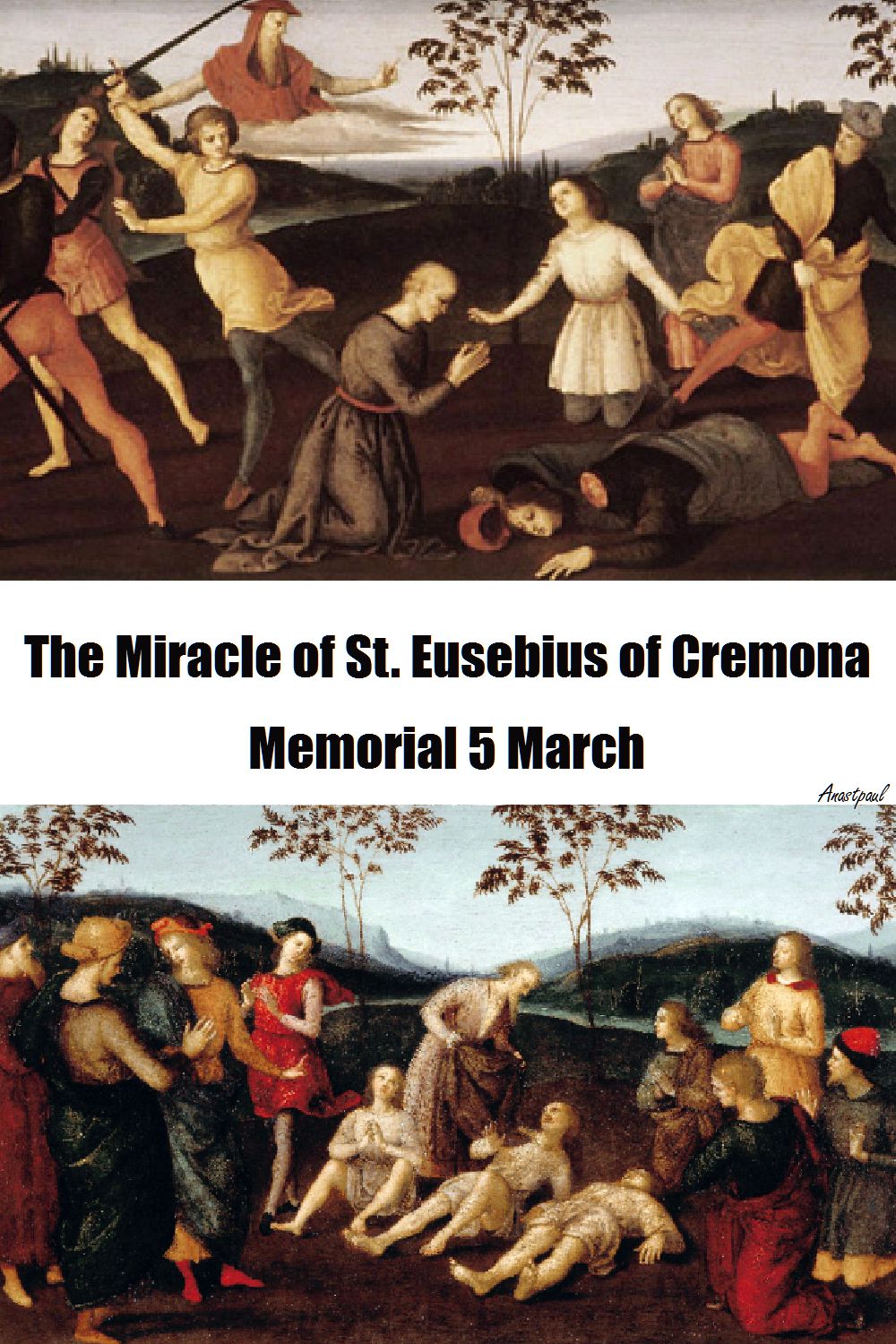
Painted for the chapel founded by Domenico Gavari in the Church of Santo Domenico, in Città di Castello (Umbria, Italy), this work illustrates a miracle of St. Eusebius, the bringing back to life of three young men, in keeping with a literary source that became very popular in Italy in the 15th century. Two other paintings from the same altarpiece have also survived and are housed at the National Gallery (London) and the North Carolina Museum of Art (USA).
The narrative subtlety of the three resuscitated figures, depicting different moments in their return to life – ranging from the still prostrate body on the right to the young man on the left who is already seen in prayer – reveals Raphael’s remarkable capacity for invention.
Saints and Holy Days – 5 March
1st Sunday in Lent (2017)
—
St Adrian of Caesarea
St Caron
St Carthach the Elder
Bl Christopher Macassoli of Vigevano
St Clement of Santa Lucia
St Colman of Armagh
St Conon of Pamphylia
Bl Conrad Scheuber
St Eusebius of Cremona
St Eusebius the Martyr
St Gerasimus
Bl Giovanna Irrizaldi
Bl Ion Costist
St John Joseph of the Cross
St Kieran
Bl Lazër Shantoja
St Lucius I, Pope
St Mark the Ascetic
St Oliva of Brescia
St Phocas of Antioch
St Piran
Bl Roger
Bl Romeo of Limoges
St Theophilus of Caesarea
St Virgilius of Arles
LENTEN REFLECTION – The First Week of Lent – 4 MARCH
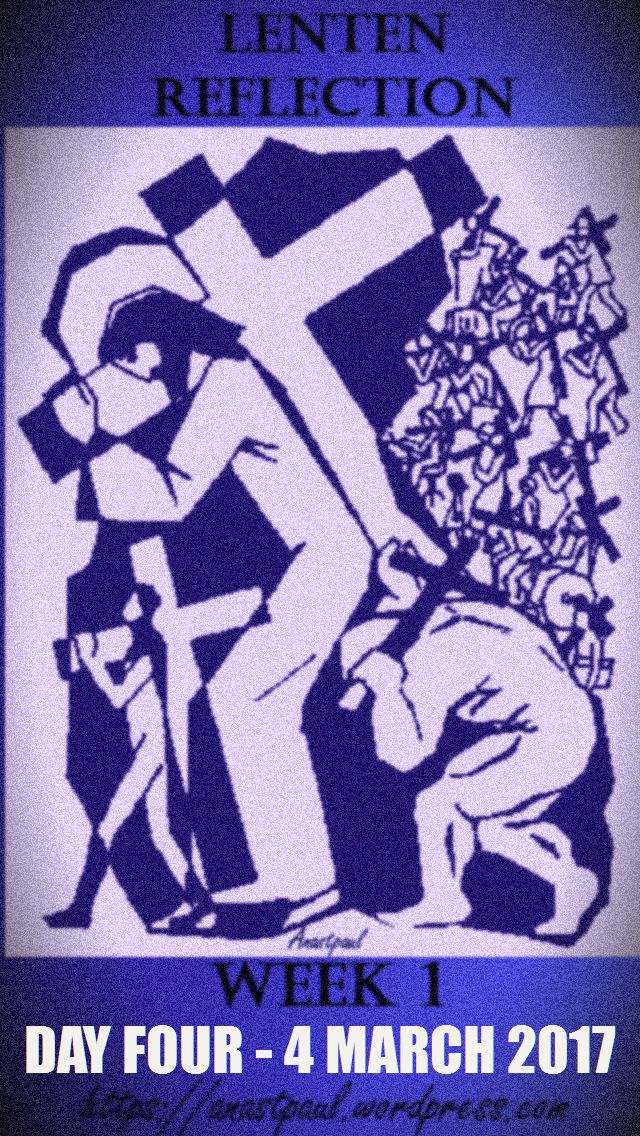
LENTEN REFLECTION – 4 MARCH
Redeemed by His Blood
by Bernard of Clairvaux
To redeem a servant, the Father spares not His own Son, and the Son delivers Himself up most willingly. Both send the Holy Spirit and the Spirit Himself interceded for us with unspeakable groaning (Romans 8:26).
O hard, and hardened, and hard-hearted children of Adam! How can you remain unmoved by such great kindness, such blazing fire, so prodigious a flame of love and so ardent a lover, who paid such an extravagant price for a worthless piece of goods!
“Not with perishable things like gold and silver” did Jesus redeem us, but with his own “precious blood” (1 Peter 1:18-19) which flowed out liberally from the five parts of Jesus’ body.
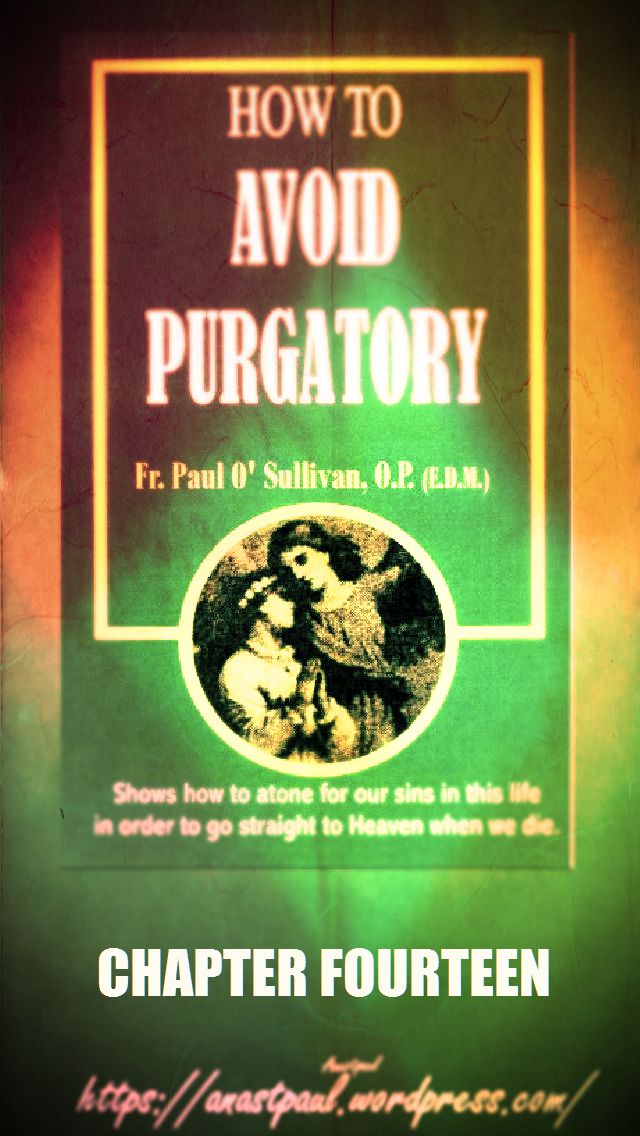
What more should He have done that He did not do? He enlightened the blind, brought back the stragglers, reconciled the guilty and justified the ungodly.
Thirty-three years He was seen on earth. He lived among humans, He died for humans, He spoke concerning the Cherubim and Seraphim and all the angelic powers and they came to be (Psalm 33:9). When He wills it, all power is there with him (Wisdom 12:18).
What then does He who sought you with such concern now seek from you, if not that you walk mindfully with your God (Micah 6:8)? No one but the Holy Spirit enables us to this.
It is He who probes the depth of our hearts (1 Corinthians 2:10), He who discerns the thoughts and intentions of the heart (Hebrews 4:12).
He does not allow the slightest amount of chaff to settle inside the dwelling of a heart which He possesses but consumes it in an instant with a fire of the most minute scrutiny.
He is the sweet and gentle Spirit who bends our will, or rather straightens and directs it more fully toward his own so that we may be able to understand His will truly, love it fervently, and fulfill it effectively.
HOW TO AVOID PURGATORY By Fr. Paul O’Sullivan O.P.
HOW TO AVOID PURGATORY By Fr. Paul O’Sullivan O.P.
For those who have not read this little book and to refresh myself, I will be posting the entire book in daily doses. (To read later find in the Purgatory Category).
Chapter 14
HOW WE CAN HELP THE HOLY SOULS
I. The first means is by joining the Association of the Holy Souls. The
conditions are easy.
ASSOCIATION OF THE HOLY SOULS
Approved by the Cardinal Patriarch of Lisbon, June, 1936
1. The members are asked to send their full name and address to:
Association of the Holy Souls, Dominican Nuns of the Perpetual Rosary, Pius
XII Monastery, Rua do Rosario 1, 2495 Fatima, Portugal.
2. The members must offer up a Mass once a week for the Holy Souls
(Sunday’s Mass can fulfil this obligation).
3. The members pray for and promote devotion to the Holy Souls. (We
recommend the booklets Read Me or Rue It and How to Avoid Purgatory.)
4. The members are asked to contribute a yearly alms to the Mass Fund. The
alms is used to have Masses said for the Holy Souls every month.
II. A second means of helping the Holy Souls is having Masses offered for
them. This is certainly the most efficacious way of relieving them.
III. Those who cannot get many Masses offered, owing to want of means,
ought to assist at as many Masses as possible for this intention.
A young man who was earning a very modest salary told the writer: “My wife
died a few years ago. I got 10 Masses said for her. I could not possibly do
more but heard 1,000 for her dear soul ”
IV. The recital of the Rosary (with its great indulgences) and the Way of
the Cross (which is also richly indulgenced) are excellent means of helping
the Holy Souls.
St. John Massias, as we saw, released from Purgatory more than a million
souls, chiefly by reciting the Rosary and offering its great indulgences
for them.
V. Another easy and efficacious way is by the constant repetition of short
indulgenced prayers, offering up the indulgences for the Souls in
Purgatory. Many people have the custom of saying 500 or 1,000 times each
day the little ejaculation, “Sacred Heart of Jesus, I place my trust in
Thee” or the one word, “Jesus” These are most consoling devotions and bring
oceans of graces to those who practice them and give immense relief to the
Holy Souls.
Those who say the ejaculations 1,000 times a day gain 300,000 days
Indulgence! What a multitude of souls they can thus relieve! What will it
not be at the end of a month, a year–or 50 years? And if they do not say
the ejaculations, what an immense number of graces and favours they shall
have lost. It is quite possible and even easy to say these ejaculations
1,000 times a day. But if one does not say them 1,000 times, let him say
them 500 or 200 times.
VI. Still another powerful prayer is:
“Eternal Father, I offer Thee the Most Precious Blood of Jesus, with all
the Masses being said all over the world this day, for the Souls in
Purgatory.”
Our Lord showed St. Gertrude a vast number of souls leaving Purgatory and
going to Heaven as a result of this prayer which the Saint was accustomed
to say frequently during the day.
VII. The Heroic Act consists in offering to God in favour of the Souls in
Purgatory all the works of satisfaction we practice during life and all the
suffrages that will be offered for us after death. If God rewards so
abundantly the most trifling alms given to a poor man in His name, what an
immense reward will He not give to those who offer all their works of
satisfaction in life and death for the souls He loves so dearly.
This Act does not prevent priests from offering Mass for the intentions
they wish, or lay people from praying for any persons or other intentions
they desire. We counsel everyone to make this act.
ALMS HELP THE HOLY SOULS
St. Martin gave half of his cloak to a poor beggar, only to find out
afterwards that it was to Christ he had given it. Our Lord appeared to him
and thanked him.
Blessed Jordan of the Dominican Order could never refuse an alms when it
was asked in the name of God. One day he had forgotten his purse. A poor
man implored an alms for the love of God. Rather than refuse him, Jordan,
who was then a student, gave him a most precious belt or cincture which he
prized dearly. Shortly afterwards, he entered a church and found his
cincture encircling the waist of an image of Christ Crucified. He, too, had
given his alms to Christ. We all give our alms to Christ.
RESOLUTION
a) Let us give all the alms we can afford; b) Let us have said all the
Masses in our power; c) Let us hear as many more as is possible; d) Let us
offer all our pains and sufferings for the relief of the Holy Souls.
We shall thus deliver countless souls from Purgatory, who will repay us ten
thousand times over.
Thought for the Day – 4 March
Thought for the Day – 4 March
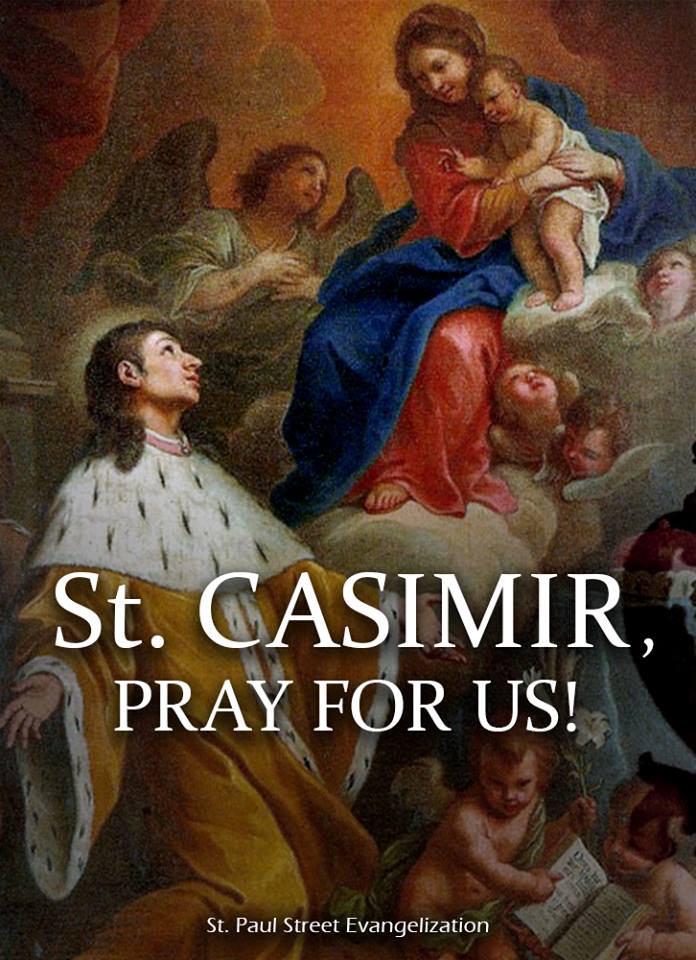
The calendar of the saints is studded with young saints: Agnes, Aloysius, Doiminic Savio, Maria Goretti……many more and today’s saint, Casimir. They chose to be different, independent and very bold during the times they lived. They chose to stand out from the crowd (almost the complete opposite of the desire of most of the young) and because of this choice, they had to walk a very singular path to sanctity. Casimir and Aloysius, both were princes but chose devotion to God above all, at a very early age. Youth too, needs its. saints and God sends them to us!
St Casimir pray for us especially for our youth!

Quote of the Day – 4 March
Quote of the Day – 4 March
““(St Casimir’s) life of purity and prayer
beckons you to practice your faith
with courage and zeal,
to reject the deceptive attractions
of modern permissive society
and to live your convictions
with fearless confidence and joy.”
St John Paul in 1984, to Lithuanian pilgrims, on the 500th anniversary of St Casimir’s death

One Minute Reflection – 4 March – “But above all these things have charity, which is the bond of perfection…” – Col 3:14
One Minute Reflection – 4 March – The Memorial of St Casimir (1458-1484) Confessor, Prince
“But above all these things have charity, which is the bond of perfection…” – Col 3:14
REFLECTION – “By the power of the Holy Ghost, Casimir burned with a sincere and unpretentious love for Almighty God that was almost unbelievable in its strength. So rich was his love and so abundantly did it fill his heart, that it flowed out from his inner spirit toward his fellow men. As a result nothing was more pleasant, nothing more desirable for him, than to share his belongings and even to dedicate and give his entire self to Christ’s poor, to strangers, to the sick, to those in captivity and all who suffer. To widows, orphans and the afflicted, he was not only a guardian and patron but a father, son and brother.” (From the Biography of Saint Casimir, written by a contemporary).

PRAYER – Loving Father, pour out Thy divine love into my heart and soul. Let me co-operate with that love and in this way strive for perfection in all virtues. St Casimir, you are a shining example to us all of how love should look, of how love should behave, please pray that we may too become beacons and hearts burning with love for all! Amen.
Our Morning Offering – 4 March
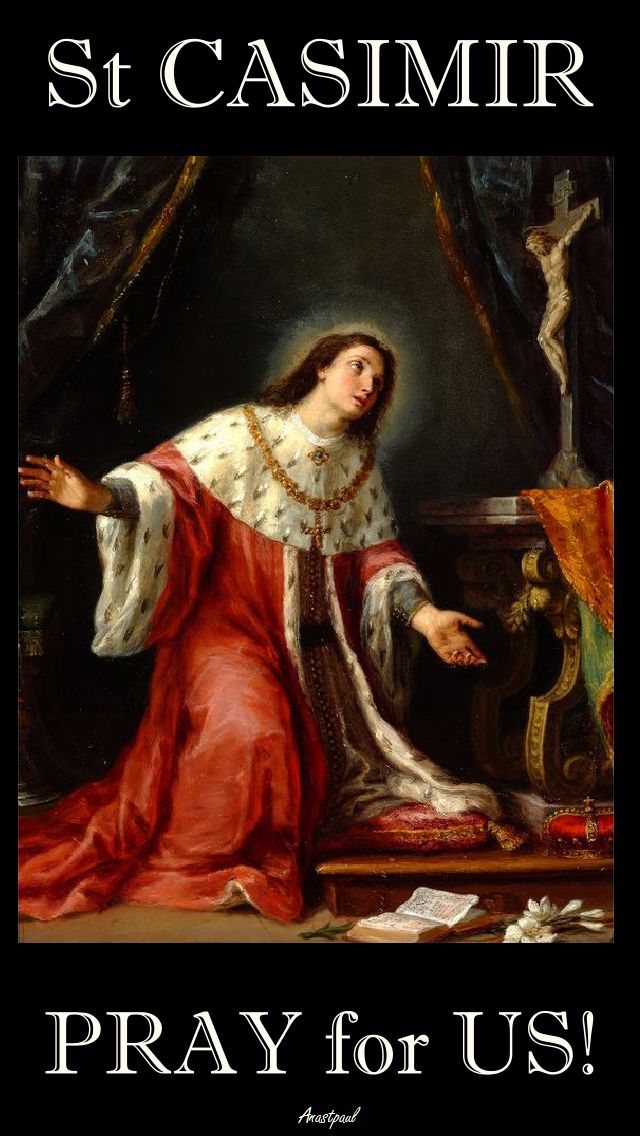
Our Morning Offering – 4 March – The Memorial of St Casimir (1458-1484 -aged 25)
Prince Casimir chose a life of celibacy and asceticism. He died at the age of twenty-six from tuberculosis, on 4 March 1484. He was buried in the cathedral at Vilna (now Vilnius, Lithuania). When in 1604 his tomb was opened for translation to the church that Sigismund III built in his name, his body was found to be fresh and whole. He was holding this prayer to the Virgin in his hands, in perfect condition.
His Memorial is today, 4 March.
Every day, O my soul,
pay your respects to Mary,
Make her feasts solemn
and celebrate her brilliant virtues.
Contemplate and admire her elevation;
Proclaim her blessedness
both as Mother and Virgin.
Honour her, so that she delivers you
from the weight of your sins.
Invoke her, so as not to be driven
by the torrent of passion.
I do know if anybody
can honour Our Lady worthily
Yet, he who keeps silent
in her praises is senseless.
Everyone should exalt
and love her in a special way,
And never cease to cherish and pray to he.
O Mary, the honour and glory of all women,
You who God has raised above all creatures,
O Virgin of Mercy, hear the prayers of those
who never stop praising you.
Purify those who are guilty
and make them worthy of heaven.
Hail, O holy Virgin,
through whom the gates of heaven
were opened to undeserving souls
You, who, the old serpent’s snares
never managed to seduce.
You repair and console despairing souls,
Preserve us from the evils
that will fall on the wicked,
Obtain perpetual peace for me,
And save us from the misfortune
of the flames of Gehenna;
Obtain for us the virtues of chasty and modesty,
and male us gentle, kind, sober, pious, prudent, upright
and the enemy of all falsehood.
Grant me meekness, love of harmony and purity.
Make me strong and constant
on the path of righteousness.
Amen
 AnaStpaul
You must be logged in to post a comment.