
Saint of the Day – 21 January – Blessed Walter of Bruges OFM (c1225-1307) Priest and Friar of the Friars Minor and the Bishop of Poitiers, student and disciple of St Bonaventure, spiritual writer, Master of Theology and Provincial General of the Order, Defender of the Faith and the Popesparticularly against King Philip the Fair. for France. Born in 1225 in Zande, near Ostend, Belgium and died on 21 January 1307 in Poitiers, France of natural causes. Also known as – ,Guatier Van den Zande, Gautier of Poitiers, Gualterus Brugensis, Gualterus de Brugge, Galtier… Gauthier… Gualterus… Gualtiero… Walter…
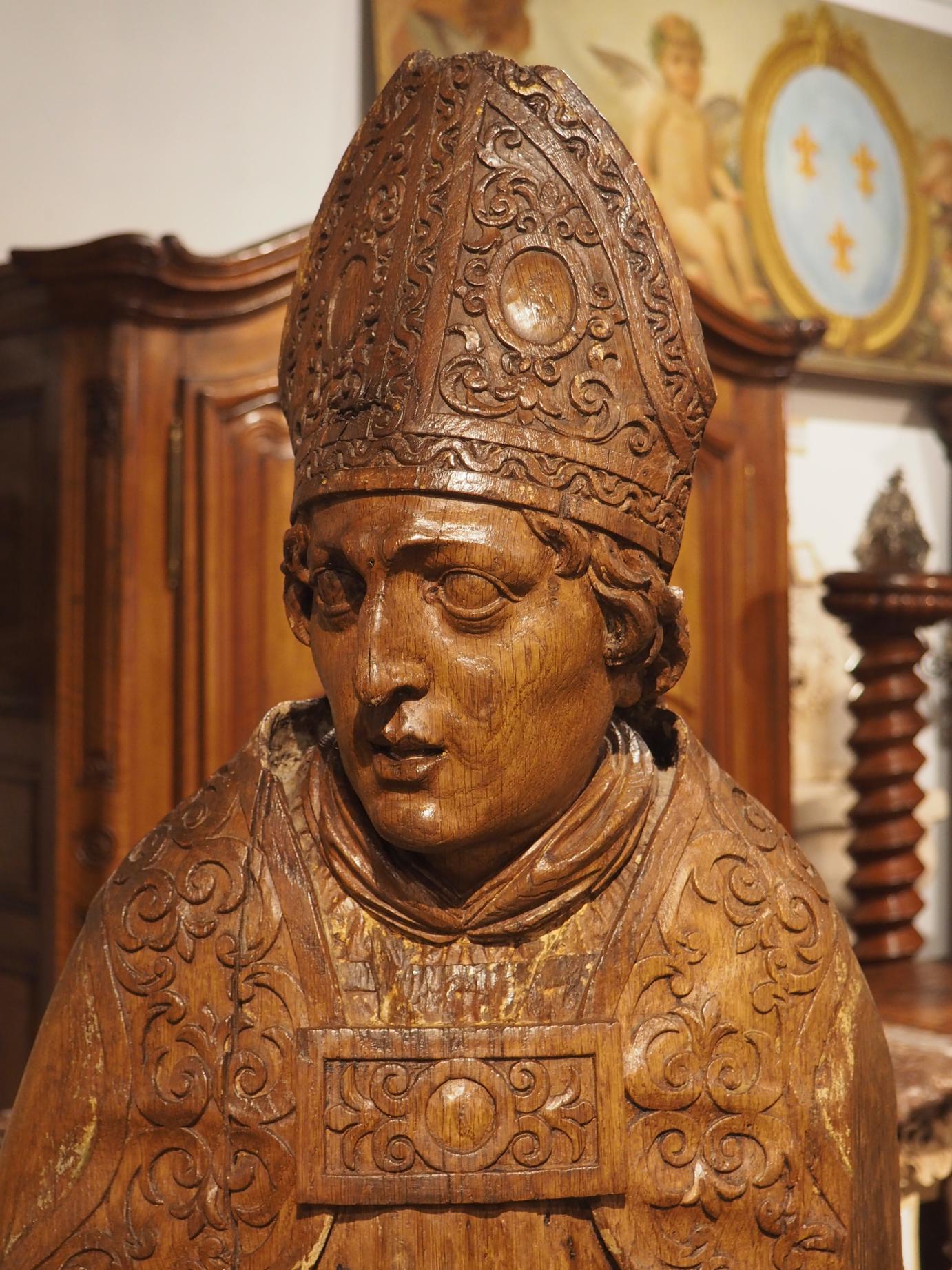
In 1240, when Walter was barely fifteen when he entered the Franciscans in Bruges in the County of Flanders. He studied theology at the Sorbonne University in Paris and became a pupil of the renowned Franciscan Doctor of the Church, St Bonaventure owho was Walter’s Professor at the Sorbonne University in Paris.
St Bonaventure was a Doctor of Theology, Prefect of the Franciscan study house in Paris and also the General Superior of all Franciscans. Walter was promoted to Doctor of Theology and he became a Lecturer in Theology at the Sorbonne University of Paris.
From 1267 to 1269, he was a teacher there and also became a celebrated preacher. In 1269 he became the Provincial Superior of the French Franciscans. As such, took part in the General Chapters of the Order at Lyon (1274), Padua (1276) and Assisi (1279).
On 4 December 1279, Pope Nicholas III appointed him as the Bishop of the important Seat of Poitiers, despite the determined resistance of the Franciscan, also supported by the General of the Order, St Boponaventure and very much against Walter’s will.
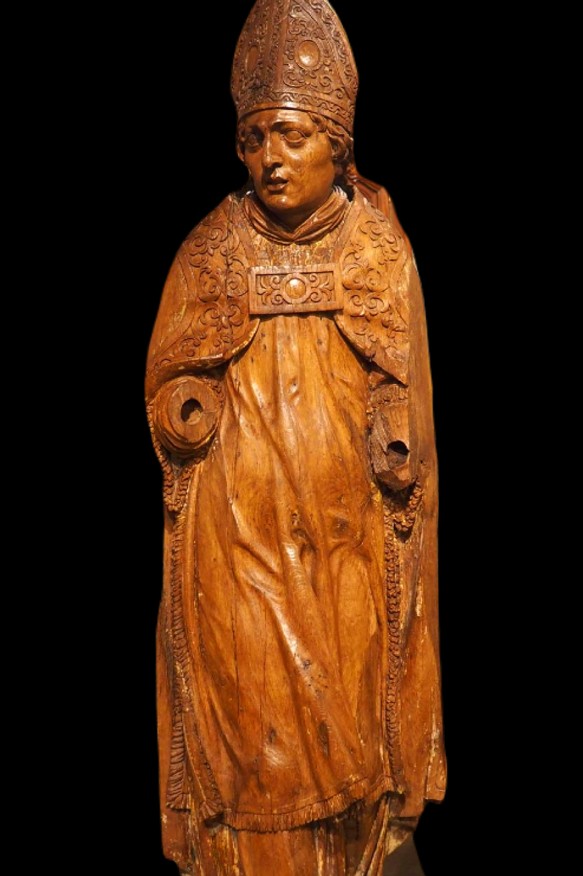
Walter exercised his Office with great fidelity to the appointment, demonstrating uncommon qualities of government and a great love for the poor. In particular, he distinguished himself for his strenuous defence of the rights of his Church and of Popes Nicholas III and Boniface VIII, against King Philip the Fair and his friends, including the Archbishop of Bordeaux, Bertrand de Got. When the latter became Pope Clement V in 1305, Walter’s position, due to the King’s intrigues, became more delicate than ever and the Pope accepted his resignation from the Episcopal Office, a resignation which had already been presented, in the past in 1296 and in 1304, to the aforementioned 2 Popes.
Walter then retired to a Convent in Poitiers where he spent his last years in meditation and prayer. He died a saintly death in Poitiers in 1307 and was buried in the Franciscan Church in Poitiers. Walter was soon venerated as such by the people. Many miracles were attributed to him, of which we possess contemporary reports and sworn testimonies. Pope Clement V, in the same year of Walter’s death, went to visit his tomb and had him exhumed to learn the content of an appeal, written by Walter and placed in his hands in the tomb, in which he proclaimed his innocence to Pope Clement’s beliefs that some of his writings were heretical. Later, the legends that arose to obscure the memory of Clement V would dramatise this event.
Walter received public veneration immediately after his death and Pope Clement V himself did not oppose popular piety; this veneration continued uninterrupted, even after 1562 when the Huguenots desecrated his sumptuous tomb. A liturgical Office recited in the Cathedral of Poitiers in his honour dates to the end of the 15th Century or the beginning of the 16th Century. The testimonies of the public veneration paid to Walter, throughout the centuries, are innumerable. To this day, however, the apostolic process for a formal recognition of this cult by the Holy See has not yet been concluded.
Walter’s writings, of Augustinian-Bonaventurian orientation, testify to his openness to Thomistic theses.





 AnaStpaul
You must be logged in to post a comment.