Posted in Uncategorized

Notre-dame-de-toute-aide de Querrien, France / Our Lady of All Help (1652) and Memorials of the Saints – 6 October

Notre-dame-de-toute-aide de Querrien, France / Our Lady of All Help (1652) – 6 October, for the Feast of the Holy Rosary on 7 October) 15 August (the Assumption) and the Sunday following 8 September (Feast of the Nativity of Our Lady):

According to legend, in 574, the Monk Saint Columban came from Ireland and landed on the coast of Brittany with 12 companions. The Monk Saint Gall, friend and companion of St Colomban, was part of the group. The latter stopped at Querrien and there, he found a clear and limpid spring gushing out of the ground “so that the inhabitants can knead bread there” . St Gall also built a wooden Oratory which he dedicated to Our Lady. He placed there, a wooden Statue, representing the Virgin and Child , a Statue he had sculpted himself. Over time, the Oratory was abandoned, it disintegrates and the Statue fell to the ground and was buried in the mud near the source of the spring..
On 15 August 1652, Jeanne Courtel a 12-year-old girl, deaf and dumb from birth. while guarding the family’s sheep saw a “beautiful lady” who spoke to her. Thereupon, Jeanne was immediately able to hear and to speak to the great astonishment of all the inhabitants of the village. A few days later, Jeanne saw the beautiful lady again who asked to have the ground dug up near the source of the spring, where the Statue of the Virgin was buried. The wooden Statuette was found at the place indicated,, confirming for the people, the authenticity of the Apparition. There were a total of fifteen appearances of Our Lady with which Jeanne was favoured, until September of the same year. From that time on, pilgrims arrived and numerous miracles were recorded.
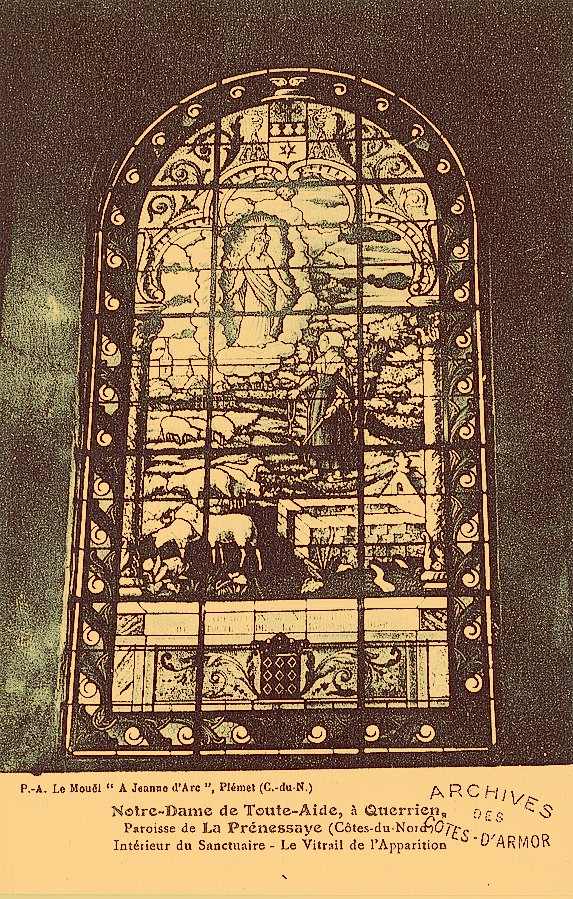
Shortly after this miracle became known, there was a second one just as remarkable. There was a community benefactor whose son was at death’s door with a high fever. Invoking Our Lady before this same Statue the man saw his son instantly cured. After this second wondrous miracle, the Statue was moved into the Chapel and there were many miracles that followed. One miracle was worked in favour of a religious Sister who had been terribly burned and was she was instantly cured. A Priest, falsely accused of a crime, was acquitted after special prayers to the “miracle lady.” The statue had had no name before this but the Parishioners decided now to call her Our Lady of All Help, Quick Help, or Our Lady of Good Remedy.
The local Bishop, Denis de La Barde, launched an investigation and went there to verify the child’s declarations. Satisfied with his hearings, he had a chapel erected in 1652 to organise the devotion of the faithful. After having carried out a canonical investigation, the Bishop of Saint-Brieuc issued a positive opinion on the Apparition and decided to have a Chapel built and to organise worship there. The following 29 September, the Bishop returned to bless the first stone of the Chapel during a celebration which brought together 1,500 pilgrims.
On 14 August 1950, a great celebration was held in the Sanctuary. This celebration was attended by 20,000 pilgrims, several Bishops, the Abbots of Brittany and 200 Priests from Saint-Brieuc, Rennes and Vannes , for the crowning of the Statue of Notre-Dame de Tout-Aide . It was Archbishop Clément Roque of Rennes who placed the crown designed by Émile Daubé and made by goldsmith René Desury on the head of the Statue. This coronation was carried out with the authorisation and blessing of Pope Pius XII.
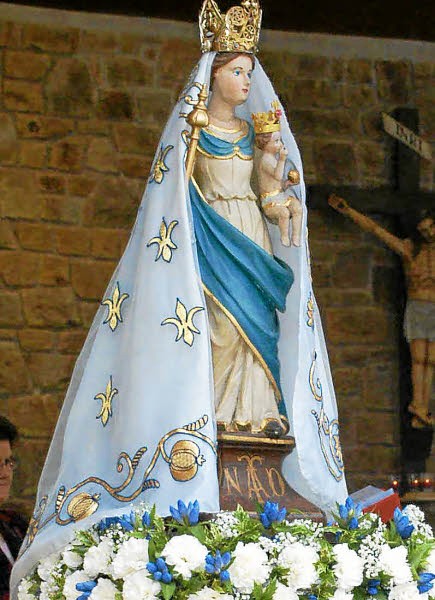
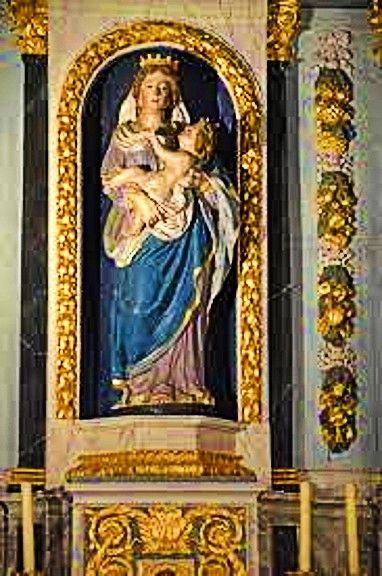
The Processional Statue of Our Lady of All Help

The Statue itself is only about 60 centimetres tall. The Blessed Virgin Mary is crowned, and holds her Infant Son in one arm, and a sceptre in the other. At the time of the French Revolution and during the accompanying Reign of Terror, the Abbey was destroyed. A pious lady took the Statue of Our Lady of All Help and safeguarded it until the trouble was over. After her death the Statue was restored to the community. The Statue of Our Lady of All Help has survived several wars since.

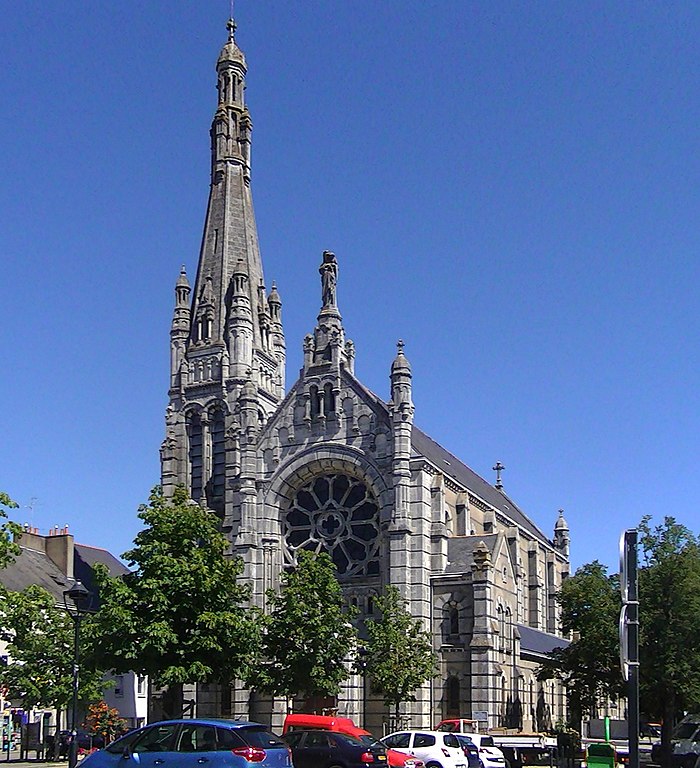
In 1998, a series of renovations began which would continue for several years. Today pilgrimages continue all year with often as many as 10 000 attending the major celebrations. The current Church incorporates the small Chapel (the remains of which, can still be seen on the north side of the building).

There is a short and very lovely prayer which, for centuries, has been associated with this Statue. It is, “Oh, Mother of All Help, say but one word in our behalf to Thy Divine Son, for He cannot refuse thee any favour. Amen.”
St Bruno O.Cart (c 1030-1101) Priest, Confessor, Hermit, Monk, Mystic, Founder of the Carthusian Order, Philosopher, Theologian, Teacher, Advisor, Writer,
Biography of St Bruno:

https://anastpaul.wordpress.com/2017/10/06/saint-of-the-day-6-october-st-bruno-c-1030-1101/

Blessed Adalbero of Lambach (c 1010–1090) Bishop of Würzburg and Count of Lambach-Wels, Reformer, Mediator and Advisor, founder of Churches and Monasteries.
His Life:

https://anastpaul.com/2020/10/06/saint-of-the-day-6-october-blessed-adalbero-of-lambach-c-1010-1090/

St Alberta of Agen
Bl Artaldo of Belley
St Aurea of Boves
St Ceollach
St Epiphania
St Erotis

St Faith of Agen (Died 3-4th Century) Virgin Martyr, Confessor.
Her Life and Death:

https://anastpaul.com/2021/10/06/saint-of-the-day-6-october-saint-faith-of-agen-died-3-4th-century-virgin-martyr/

Bl Isidore of Saint Joseph
St Iwi
St John Xenos
Bl Juan de Prunera
St Magnus of Orderzo
Saint Mary Frances of the Five Wounds of Jesus TOSF (1715-1791) Virgin, a member of the Third Order of the Friars Minor, Recluse.

St Pardulf
St Renato of Sorrento
St Romanus of Auxerre
St Sagar of Laodicea

Martyrs of Capua – 4 Saints: A group of Martyrs who were either killed in Capua, Italy, or that’s where their relics were first enshrined. We now know nothing but their names – Aemilius, Castus, Marcellus and Saturninus.

Martyrs of Trier: Commemorates the large number of Martyrs who died in Trier, Germany in the persecutions of Diocletian.

Posted in SAINT of the DAY

Memorials of the Saints – 6 October

No verifiable or details untraceable Marian Memorial today.

St Bruno O.Cart (c 1030-1101) Priest, Confessor, Hermit, Monk, Mystic, Founder of the Carthusian Order, Philosopher, Theologian, Teacher, Advisor, Writer (Optional Memorial)
Biography of St Bruno:

https://anastpaul.wordpress.com/2017/10/06/saint-of-the-day-6-october-st-bruno-c-1030-1101/

Blessed Marie Rose Durocher SNJM (1811-1849) Virgin, Third Order Franciscan, Mystic, Stigmatist, Apostle of Charity. (Optional Memorial)
Her Story:

https://anastpaul.com/2018/10/06/saint-of-the-day-6-october-blessed-marie-rose-durocher-s-n-j-m-1811-1849/

Blessed Adalbero of Lambach (c 1010–1090) Bishop of Würzburg and Count of Lambach-Wels, Reformer, Mediator and Advisor, founder of Churches and Monasteries.
His Life:

https://anastpaul.com/2020/10/06/saint-of-the-day-6-october-blessed-adalbero-of-lambach-c-1010-1090/

St Alberta of Agen
Bl Artaldo of Belley
St Aurea of Boves
St Ceollach
St Epiphania
St Erotis
St Faith of Agen (Died 3-4th Century) Virgin Martyr
St Francis Trung Von Tran
Bl François Hunot
Bl Isidore of Saint Joseph
St Iwi
St John Xenos
Bl Juan de Prunera
St Magnus of Orderzo

St Pardulf
St Renato of Sorrento
St Romanus of Auxerre
St Sagar of Laodicea

Martyrs of Capua – 4 saints: A group of martyrs who were either killed in Capua, Italy, or that’s where their relics were first enshrined. We now know nothing but their names – Aemilius, Castus, Marcellus and Saturninus.

Martyrs of Kyoto – 52 beati: Fifty-two Japanese lay people, some single, some married, some parents, some children, who were martyred together during one of the government sponsored persecutions of Christians.

Martyrs of Trier: Commemorates the large number of martyrs who died in Trier, Germany in the persecutions of Diocletian. 287 in Trier, Germany.

Posted in SAINT of the DAY

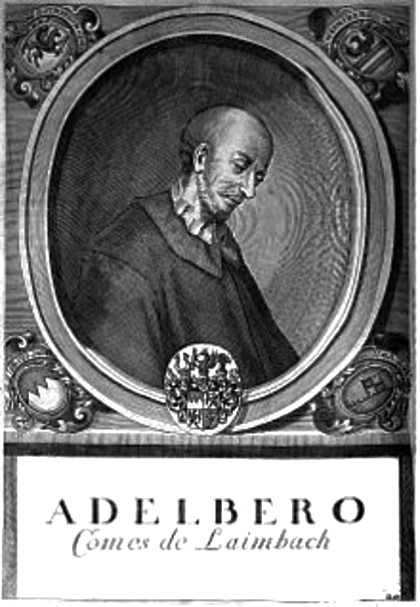
Saint of the Day – 6 October – Blessed Adalbero of Lambach (c 1010–1090)

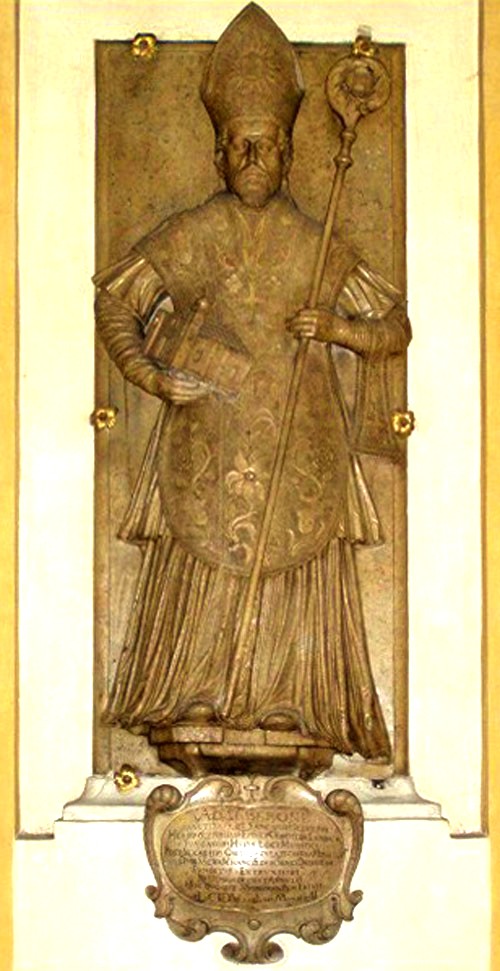
Saint of the Day – 6 October – Blessed Adalbero of Lambach (c 1010–1090) Bishop of Würzburg and Count of Lambach-Wels, Reformer, Mediator and Advisor, founder of Churches and Monasteries – born c 1010 in Lambach an der Traun, Austria and died on 6 October 1090 at the Abbey at Lambach, Austria of natural causes, where his mortal remains were buried. Blessed Adalbero’s Episcopal Motto was “Christ yesterday, today and forever.”

Adalbero was born around 1010 in Lambach an der Traun. He was the youngest son of the Carinthian Margrave. Arnold II of Lambach-Wels (Upper Austria) and his wife, the East Franconian Countess Reginlindis. The youngest and, after the violent death of his brothers in 1050, the last male offspring of the family. He was sent to study at the Würzburg Cathedral School, which at the time was highly regarded.

After his studies in the Cathedral School at Würzburg and later in Paris, Adalbero became a Canon of Würzburg. In 1045, King Henry III, nominated Adalbero successor to Bruno, who was Adalbero’s Uncle, as Bishop of Würzburg.

Bishop Adalbero continued the construction of the new Würzburg Cathedral begun by Bruno, adding the east crypt and the east choir. He established the “Neumünsterkirche” (“New Minster Church”) (built between 1058 and 1063). Significant contributions in the reform of ecclesiastical life are attributed to him. He was in close contact with the reformers at Cluny, Gorze and Hirsau. He brought the monk Egbert from Gorze, who proved extremely effective firstly in bringing about renewal.

In 1056 he began the restoration of the Abbey of Lambach, founded by his father in the family castle. After the death of Henry III that same year, Adalbero, Godfather to Henry IV, spent more time attending court, where he gained a reputation as an advisor and mediator. He also intensified his involvement in the councils of the empire and in the synods.

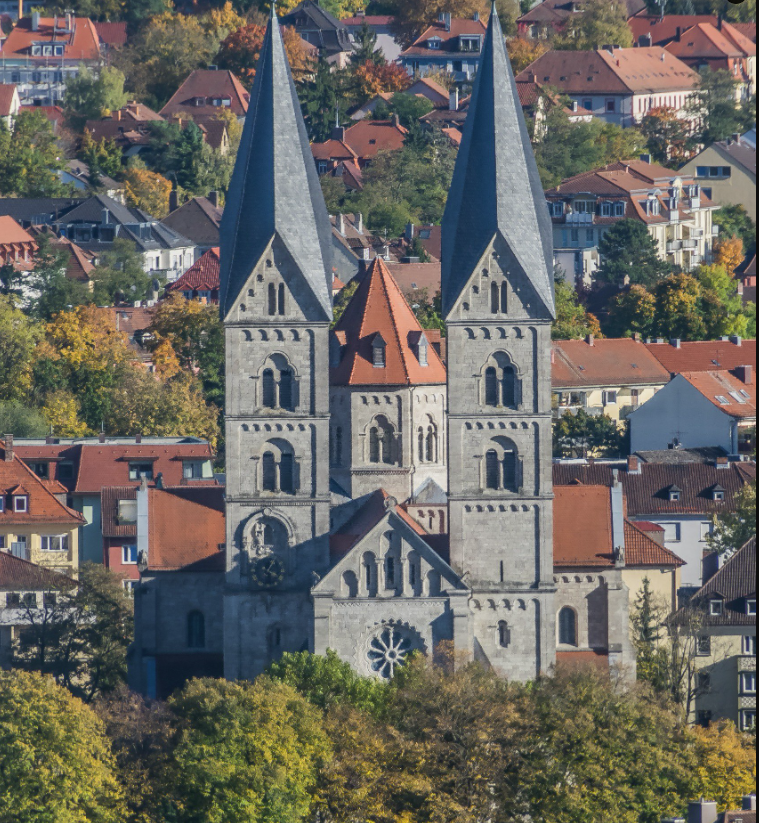
Lambach Abbey

In 1057 Adalbero re-settled the Abbey of St Peter, Paul and Stephen in Würzburg, until then a College of Canons Regular, with Benedictines from Münsterschwarzach. In 1066 in Würzburg he performed the marriage ceremony between Henry IV and Bertha of Savoy. Together with other Princes he brokered the Peace of Speyer in 1075.

Steadfast fighter for the Church and the Pope:
In the Investiture Controversy (Controversy between Church and State related to the choosing and investiture of Bishops) which broke out shortly afterwards, Adalbero took the side of Pope Gregory VII in opposition to Henry IV (remember he was the Godfather of Henry IV and his tutor). Gregory objected to the practice of the appointment of Bishops being vested in territorial princes rather than in the Papacy. The Synod of Worms however, supported Henry against Gregory’s ideas and declared the Pope deposed, whereupon Gregory excommunicated Henry, forcing him to set off on the famous “walk to Canossa” (January 1077) to see the Pope and seek absolution.

Having obtained this, however, the dependency of the Bishops on the King was once again reinforced. Adalbero and other Princes, therefore, in March 1077 appointed as anti-king Duke Rudolf of Rheinfelden. Henry IV, hastened to return to Germany and in the same year besieged Wurzburg. Wurzburg was strategically important because it controlled communications between the rebel areas of Saxony and Swabia. Having succeeded in raising the citizens against Adalbero, the Bishop had to leave the city. King Henry appointed a series of anti-bishops.

In 1086 Rudolf of Rheinfelden returned him to Würzburg but he was soon ejected again. Adalbero rejected all attempts at mediation and compromise proposals – Henry IV is said to have offered him the diocese again, saying that he would die rather than yield. At the Synod of Mainz in 1085, therefore, he was formally deposed and forced into exile. He remained faithful to the Pope and was sent to his Monastery in Lambach. In 1088 Adalbero renounced his episcopal dignity and dedicated the Monastery of Komburg, near Schwabisch Hall, in Württemberg. The following year, he was also co-founder of Zwiefalten Abbey in Swabia. On 6 October 1090 he died in Lambach and was buried in the Abbey church which he himself had founded and dedicated.

Soon after his death he began to be venerated as a saint in his Austrian home and his veneration in Münsterschwarzach is evidenced since the 17th century.

In 1883 Pope Leo confirmed Adalbero’s cult and Beatified him. Since 1948, in the “Neumünsterkirche” in Würzburg there has been a glass shrine, by Josef Amberg, containing a thighbone of Adalbero as a relic. Also in Würzburg is the neo-Romanesque St Adalbero’s Church.

Posted in MYSTICS, SAINT of the DAY

Memorials of the Saints – 6 October

St Bruno O.Cart (c 1030-1101) Priest, Founder (Optional Memorial)
Biography of St Bruno:

https://anastpaul.wordpress.com/2017/10/06/saint-of-the-day-6-october-st-bruno-c-1030-1101/

Bl Marie Rose Durocher SNJM (1811-1849) Founder (Optional Memorial)
Her Story:

https://anastpaul.com/2018/10/06/saint-of-the-day-6-october-blessed-marie-rose-durocher-s-n-j-m-1811-1849/

Blessed Adalbero of Lambach (c 1010–1090) Bishop
St Alberta of Agen
Bl Artaldo of Belley
St Aurea of Boves
St Ceollach
St Epiphania
St Erotis
St Faith of Agen
St Francis Trung Von Tran
Bl François Hunot
Bl Isidore of Saint Joseph
St Iwi
St John Xenos
Bl Juan de Prunera
St Magnus of Orderzo
St Mary Frances of the Five Wounds TOSF (1715-1791) Mystic, Stigmatist
Her Life:

https://anastpaul.com/2019/10/06/saint-of-the-day-6-october-saint-mary-frances-of-the-five-wounds-tosf-1715-1791/
St Pardulf
St Renato of Sorrento
St Romanus of Auxerre
St Sagar of Laodicea

Martyrs of Capua – 4 saints: A group of martyrs who were either killed in Capua, Italy, or that’s where their relics were first enshrined. We now know nothing but their names – Aemilius, Castus, Marcellus and Saturninus.

Martyrs of Kyoto – 52 beati: Fifty-two Japanese lay people, some single, some married, some parents, some children, who were martyred together during one of the government sponsored persecutions of Christians.

Martyrs of Trier: Commemorates the large number of martyrs who died in Trier, Germany in the persecutions of Diocletian. 287 in Trier, Germany.