
Saint of the Day – 3 September – Blessed Guala de Ronii of Brescia OP ( 1180-1244) Bishop, Priest and Friar of the Order of Preachers, being one of the earliest disciples of St Dominic, Papal Envoy, Peace-maker. Also known as – Guala of Roniis, Guala Romanoni, Guala of Bergamo, Walter… Wilhelm… Guala was Beatified on 1 October 1868 by Pope Pius IX. Additional Memorials – 2 September (Diocese of Brescia), 20 April as one of the Saints of the Diocese of Brescia and 4 September on some calendars.
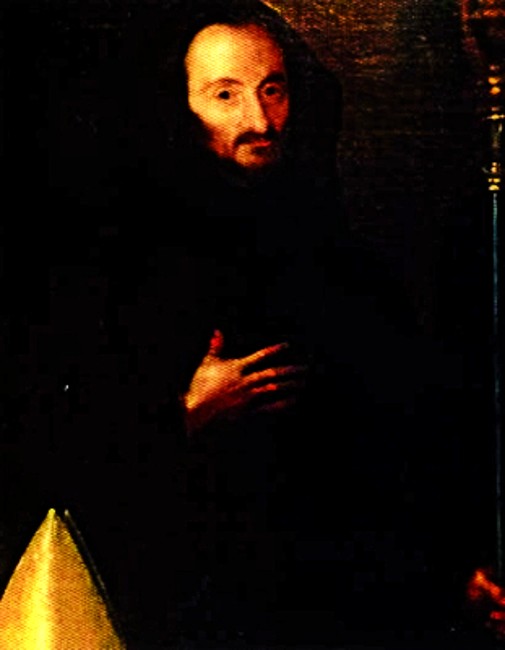
Guala de Ronii was born in 1180 in the Bergamo Province and belonged to a famed noble Roman house. His parents oversaw his initial education and his excellent progress caused his parents to entertain great hopes for his future, while neglecting to entertain the thought that perhaps God had a surprise in store for their son and the course of his life.
Guala heard St Dominic preach in 1219 and – like others – was so enchanted by St Dominic’s character that he was one of the first to seek him out for enrollment into his new Order of Preachers. Guala soon received the habit from St Dominic himself and later received Ordination as a Priest. St Dominic soon called the Priest to Bologna in order to appoint him as one of four entrusted with the building of Saint Agnes’ convent for Dominican nuns.
He served as one of the Saint’s first disciples and received the latter’s appointment as the first Prior of the Order in Brescia where Dominic founded a Monastery. Both Theoderic of Apolda, the Hagiographer and Blessed Jordan of Saxony were his Dominican contemporaries.
When Guala learned of St Dominic’s death ,which he received in Brescia, with tremendous grief. Prior to this news, he had fallen asleep with his head against a Church bell tower and saw a Friar ascending a ladder into Heaven where Angels surrounded him – that Friar was Dominic, unbeknownst to him at the time. He was about to depart for Bologna when he learned that Dominic had died at the time of his vision!
The Priorship of Saint Nicholas in Bologna – now titled as Saint Dominic – became vacant and the people there elected him to the position in 1226. But his tenure became difficult with tensions between Bologna and rival Mantua which prompted Pope Honorius III to appoint him as the Papal Envoy to the two Cities, n order that he might secure reconciliation between the warring towns – he managed to negotiate peace terms sto remain in place and to be abided by, for a decade. The new Pope Gregory IX then appointed him as the Papal Legate to Frederick II in order to induce him to keep his often broken promise, to march on a crusade for the relief of the faithful in Jerusalem. On 20 July 1225 he oversaw the successful Treaty of San Germano in Cassino.
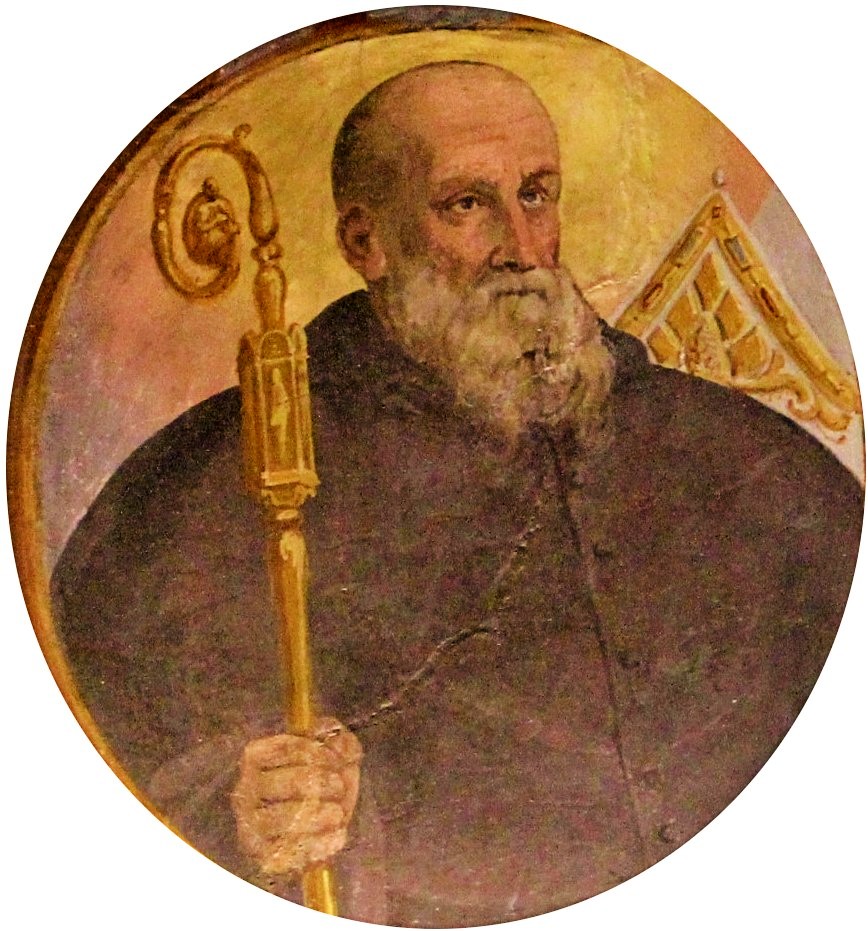
Brescia longed for his return and when the Bishop of the Diocese died the people pleaded with intense supplications for the Fr Guala’s appointment to replace the deceased. Guala reluctanly accepted his appointment in 1229 as the Bishop of Brescia from Pope Gregory IX and he received his Episcopal Consecration soon after.
His Episcopate intended as a particular objective to make provision for the temporal care of poor children of the Diocese. But ,the Pontiff also made him an Apostolic Delegate to both Treviso and Paduaas peacemaker, when the two were at odds with each other – despite putting the new Bishop far from his flock – and it was he who conducted successful peace negotiations.
Guala’s contemporaries described him as “a man of great prudence, well acquainted with the world, and of accomplished manners” and said that “he governed the Diocese entrusted to his care with such holiness that, both during his life and after his death, he wrought many wonders through God.”
The years of labour and civil strife wore him down. He resigned his See in 1242 in order to enter complete seclusion and pray without interruption, in preparation for death. Therefore, he retired to the Vallumbrosan Monastery of San Sepolcro d’Astino in Bergamo, his hometown, where he lived as a Hermit – despite his retreat into peaceful solitude – many still flocked to seek his wise counsel. Guala died on 3 September 1244. He was buried in the Benedictine Church,and after many miracles at his tomb, his cause was promoted.



 AnaStpaul
You must be logged in to post a comment.