Posted in MARIAN TITLES, PRAYERS for VARIOUS NEEDS, PRAYERS to the SAINTS, SAINT of the DAY

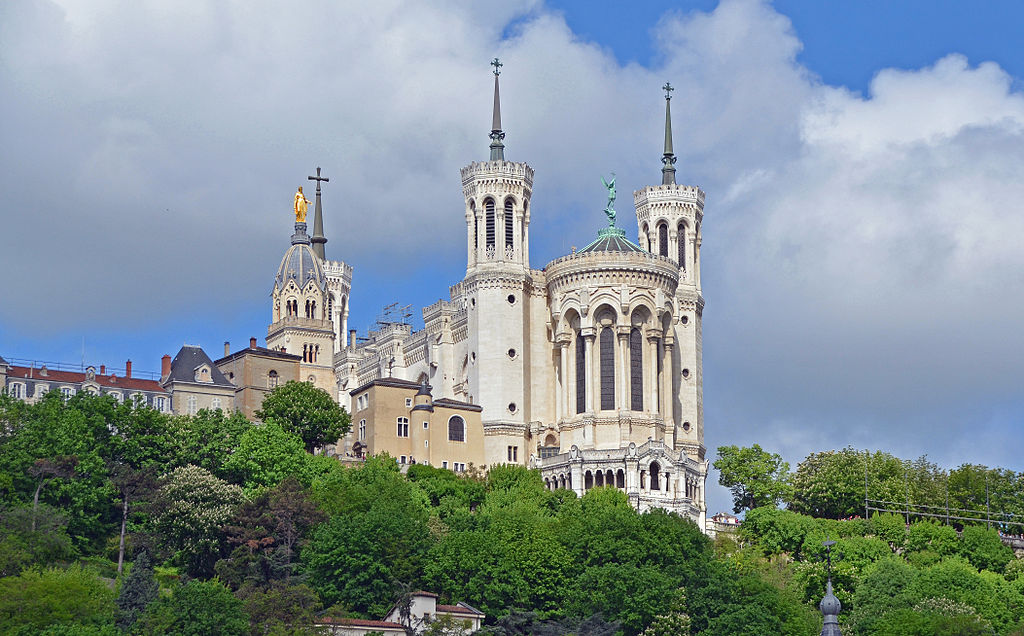
Notre-Dame de Fourvière Basilica / Our Lady of Lyons, France (1643), Memorials of the Saints and a Prayer to St Edepitus in Urgent Need – 19 April

Feria Day – Wednesday in the Second Week of Easter

Notre-Dame de Fourvière Basilica / Our Lady of Lyons, France (1643) – 19 April:
HERE:

https://anastpaul.com/2021/04/19/notre-dame-de-fourviere-basilica-our-lady-of-lyons-france-1643-and-memorials-of-the-saints-19-april/
St Alphege of Winchester (c 953–1012) ArchBishop and Martyr, Monk, Hermit, Abbot, Teacher, Apostle of charit, His body is incorrupt.
About St Alphege:

https://anastpaul.wordpress.com/2017/04/19/saint-of-the-day-19-april-st-alphege/

St Apollonius the Priest
St Aristonicus of Melitene
Blessed Bernard of Sithiu (Died 1182) Penitent, Pilgrim, Hermit

Blessed Conrad of Ascoli OFM (1234-1289) Priest, Friar of the Friars Minor, Missionary, Evangeliser, Penitent, zealous Preacher, Cardinal-elect.
Biography:

https://anastpaul.com/2021/04/19/saint-of-the-day-19-april-blessed-conrad-of-ascoli-ofm-1234-1289/

St Crescentius of Florence

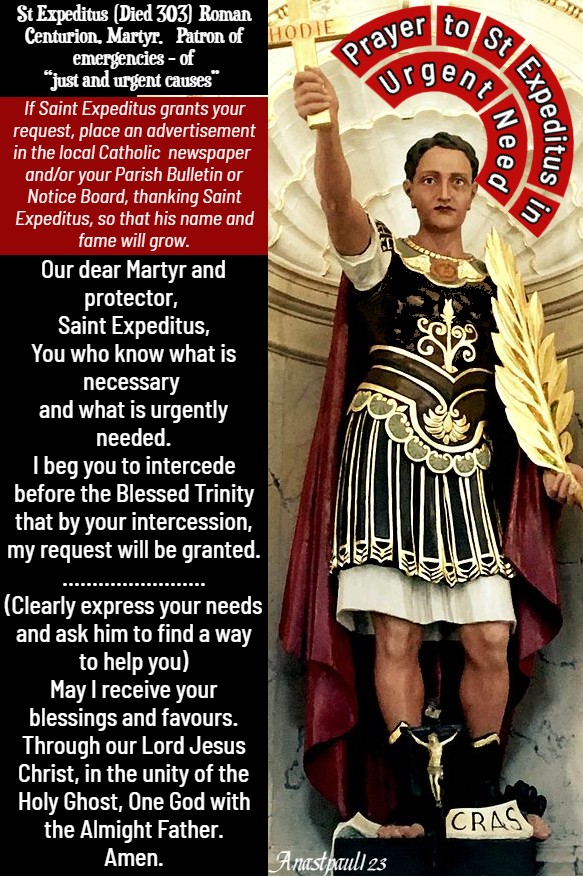
St Expeditus (Died 303) Roman Centurion, Martyr. Patron of emergencies – of “just and urgent causes” – hence his name.
His Life and Death:

https://anastpaul.com/2019/04/19/saint-of-the-day-19-april-st-expeditus-died-303-martyr/

Prayer to St Expeditus in Urgent Need

Our dear Martyr and protector, Saint Expeditus,
You who know what is necessary
and what is urgently needed.
I beg you to intercede
before the Blessed Trinity
that by your intercession,
my request will be granted.
……………………
(Clearly express your needs
and ask him to find a way to help you.
)
May I receive your blessings and favours.
Through our Lord Jesus Christ,
in the unity of the Holy Ghost,
One God with the Almighty Father.
Amen.

If Saint Expeditus grants your request, place an advertisement in the local Catholic  newspaper  and/or your Parish Bulletin or Notice Board, thanking Saint Expeditus, so that his name and fame will grow.
St Gaius of Melitene
St Galata of Melitene
St George of Antioch
St Gerold of Saxony

Blessed James Duckett (Died 1602) Layman Martyr.
James Duckett was Beatified by Pope Pius XI on 15 December 1929.
His Life and Death:

https://anastpaul.com/2020/04/19/saint-of-the-day-19-april-blessed-james-duckett-died-1602-layman-martyr/

St Pope Leo IX (1002-1054) known as “Apostolic Pilgrim
When the German Pope Damasus II died in 1048, Bishop Bruno was selected by the Emperor, Henry III, to succeed him.   Bruno agreed to go to Rome and to accept the Papacy if freely elected thereto by the Roman people.   He wished, at least, to rescue the See of Peter from its servitude to the German Emperors.   When, in company with Hildebrand he reached Rome and presented himself to its people clad in pilgrim’s guise and barefooted but still tall and fair to look upon, they cried out with one voice that him and no other would they have as Pope.   Assuming the name of Leo, he was solemnly enthronedon 12 February, 1049.
Biography:

https://anastpaul.wordpress.com/2018/04/19/saint-of-the-day-19-april-st-pope-leo-ix-1002-1954/

St Martha of Persia
St Rufus of Melitene
St Vincent of Collioure

Martyrs of Carthage – 17 Saints: A group of Christians Martyred in the persecutions of Decius. We know little more than the names – Aristo, Basso, Credula, Donato, Ereda, Eremio, Fermo, Fortunata, Fortunio, Frutto, Julia, Mappalicus, Martial, Paul, Venusto, Victorinus and Victor. Died in the year 250 in prison in Carthage, North Africa (modern Tunis, Tunisia).

Posted in MARIAN TITLES, SAINT of the DAY

Notre-Dame de Fourvière Basilica / Our Lady of Lyons, France (1643) and Memorials of the Saints – 19 April

Monday of the Third Week of Easter

Notre-Dame de Fourvière Basilica / Our Lady of Lyons, France (1643) – 19 April:

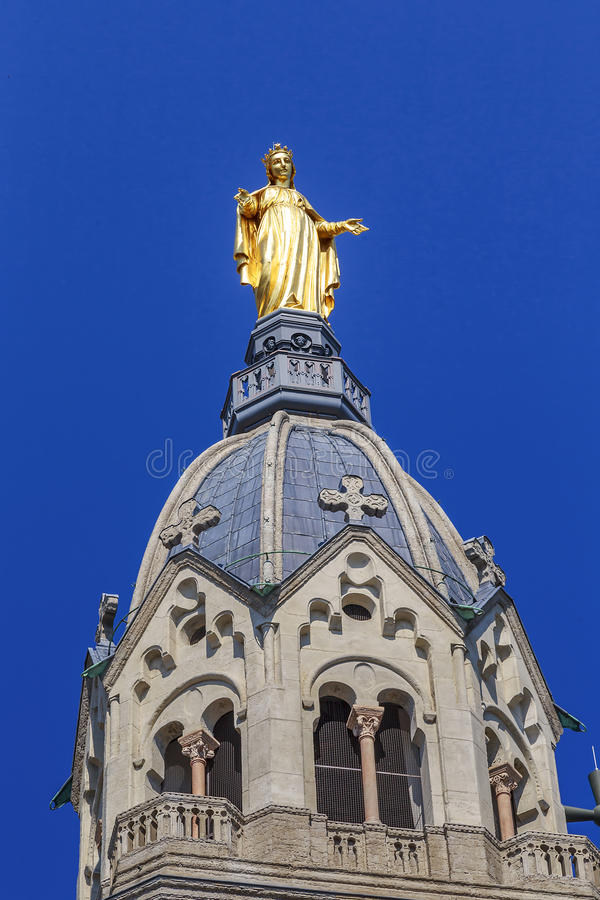
In about the year 150 Saint Pothinus, the Apostle of Gaul and first Bishop of Lyon, is said to have enshrined a picture of Our Lady in an underground chapel which is now beneath the Church of Saint Nazaire, or Nizier, in Lyons where many Christians suffered death in the Old Forum on the Hill of Blood.
According to tradition, there was once a temple to Attis on the site, whose followers precipitated a persecution against the Christians in about the year 177. Later, in the 5th century, a Basilica was built on the site and the remains of many Christian martyrs from that persecution were buried there, as well as the Bishops of Lyon. The Church takes its name from Nicetius of Lyon, who was the 28th Bishop there in the 6th century, due to the numerous miracles that occurred there after his burial.
In 1168 the Canons of the Cathedral started building a larger Church over the Shrine. In thanksgiving for the cure of his son by this Saint, King Louis VII of France made a pilgrimage to Lyons, where he had an ex-veto tablet set up before the Shrine of Our Lady. In 1466 King Louis XI founded a daily Mass in perpetuity, to be followed always by the Salve Regina, solemnly sung.
In the year 1638, King Louis XIII consecrated France to the Blessed Virgin Mary. Already, vast pilgrimages came to seek Mary’s aid, especially in time of famine and plague.

In 1643, the bubonic plague swept across Europe. The people of Lyon dedicated their city to Our Lady and consecrated themselves to Our Lady of Fourviere, pledging to make a solemn procession on 8 September of each year in thanksgiving for the end of the epidemic. Instantly, all traces of the plague vanished and, until 1792, twenty-five Masses were said daily in thanksgiving. The annual procession continues even to this day, with the participation of the Mayor of Lyons or one of his representatives. On that day, the people make a present to the Virgin of a seven-pound candle and a gold coin.

During the years of the French Revolution the Sanctuary was profaned and the Church used as a warehouse. Sometimes pilgrims would still come to visit the Shrine at night under peril of their lives.
In 1805, Pope Pius VII himself presided at the opening or re-opening of the Shrine. Shortly before the battle of Waterloo, the Shrine was threatened with destruction when Napoleon wanted the hillside fortified. The Marshall was given the order to demolish the Shrine but he refused to do so.
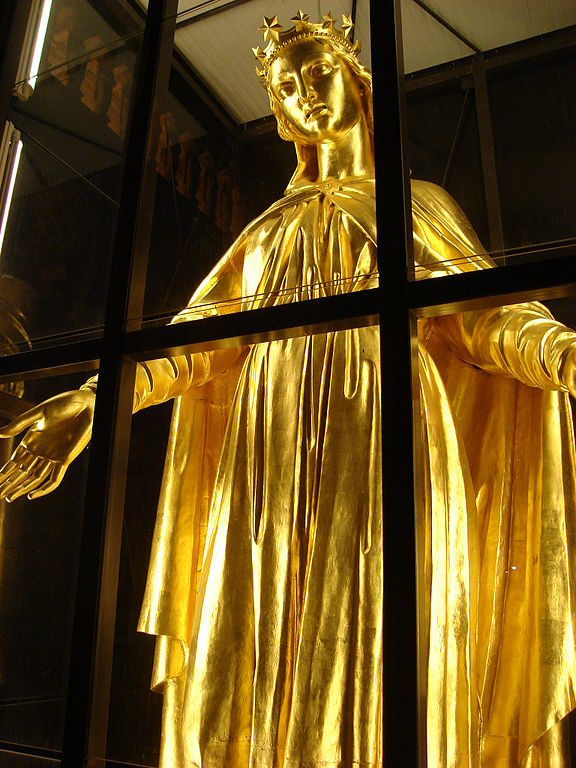
Because the City was spared many vicissitudes during the revolutions of 1830 and 1848, the people of Lyons decided to show their gratitude by adding a tall Tower to the Church surmounted by a great bronze figure of Our Lady. The inauguration of the renovated Church and Tower was scheduled for 8 September 1852 but the date was moved to 8 December because of heavy flooding. Even then, the festivities and fireworks planned for the celebration had to be cancelled due to heavy rains. The citizens of Lyons, undismayed, put lanterns on their windowsills as a sign of their devotion. This episode is the origin of the street illuminations now observed on 8 December and has become part of the annual tradition. On this day, the faithful put candles or lanterns in their windows and make the pilgrimage up the hill to the Basilica by candlelight or flashlight, called the Fête des Lumieres, or the “festival of lights.”
The Virgin is also credited with saving the City from a Cholera epidemic in 1832 and from Prussian invasion in 1870. During the Franco-Prussian War, Prussian forces, having taken Paris, were progressing south toward Lyon. Their pause and inexplicable retreat were attributed by the Church to the intercession of the Virgin Mary.
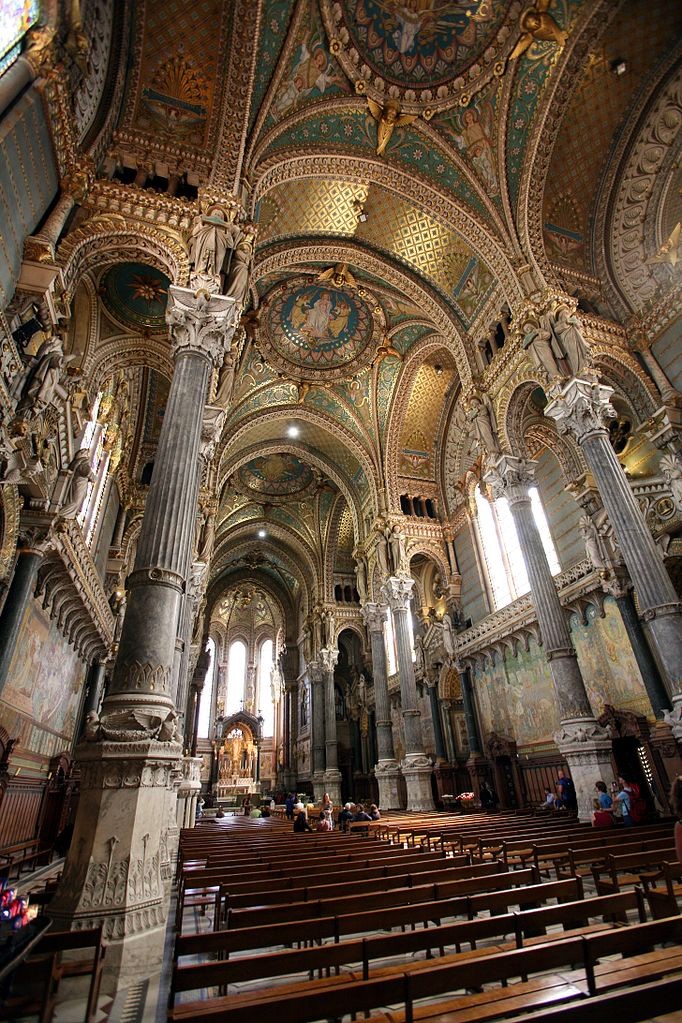
After the Franco-Prussian war of 1870, a vast Basilica to Our Lady was built next to the old Shrine, which remained almost untouched. The crypt of Saint Pothinus, under the choir of the Church of St. Nazaire, was completely destroyed in 1884.

St Alphege of Winchester (c 953–1012) ArchBishop and Martyr

About St Alphege:
https://anastpaul.wordpress.com/2017/04/19/saint-of-the-day-19-april-st-alphege/
St Apollonius the Priest
St Aristonicus of Melitene
Blessed Conrad of Ascoli OFM (1234-1289) Friar Missionary
St Crescentius of Florence
St Expeditus (Died 303)
His Story:
https://anastpaul.com/2019/04/19/saint-of-the-day-19-april-st-expeditus-died-303-martyr/
St Gaius of Melitene
St Galata of Melitene
St George of Antioch
St Gerold of Saxony
Blessed James Duckett (Died 1602) Layman Martyr
His Life and Death:
https://anastpaul.com/2020/04/19/saint-of-the-day-19-april-blessed-james-duckett-died-1602-layman-martyr/
Bl Jaume Llach-Candell
St Pope Leo IX (1002-1054)
Biography:
https://anastpaul.wordpress.com/2018/04/19/saint-of-the-day-19-april-st-pope-leo-ix-1002-1954/

St Martha of Persia
Bl Ramon Llach-Candell
St Rufus of Melitene
St Vincent of Collioure

Martyrs of Carthage – 17 saints: A group of Christians martyred in the persecutions of Decius. We know little more than the names – Aristo, Basso, Credula, Donato, Ereda, Eremio, Fermo, Fortunata, Fortunio, Frutto, Julia, Mappalicus, Martial, Paul, Venusto, Victorinus and Victor. Died in the year 250 in prison in Carthage, North Africa (modern Tunis, Tunisia).
Posted in SAINT of the DAY

Saint of the Day – 19 April – Blessed James Duckett (Died 1602) Layman Martyr

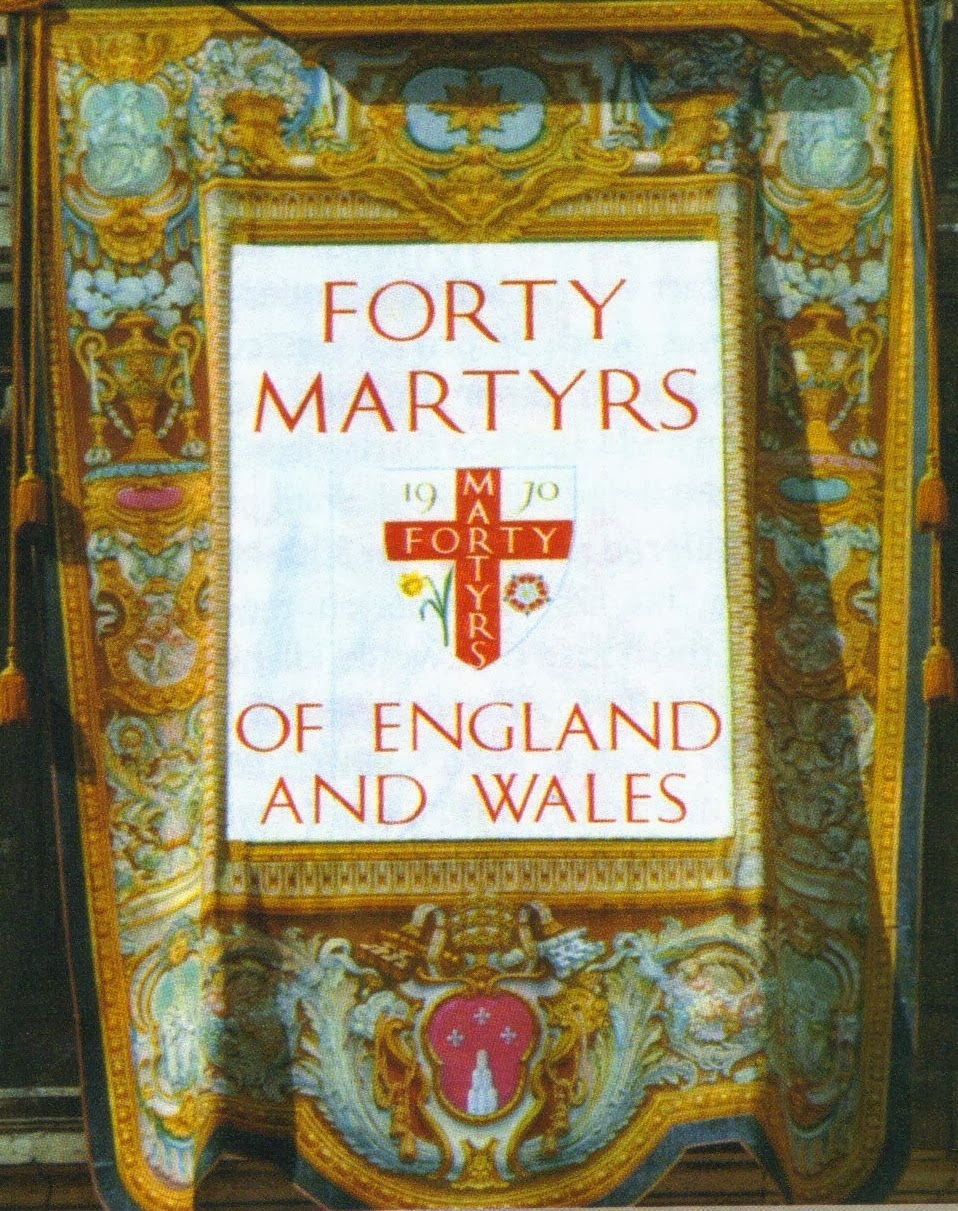
Saint of the Day – 19 April – Blessed James Duckett (Died 1602) Layman Martyr, Bookseller and Publisher – born at Gilfortrigs, Skelsmergh, Westmorland, England and died by hanging on 19 April 1602 at Tyburn, London, England. Patronages – booksellers and publishers.   Blessed James is also celebrated with the 40 Martyrs of England and Wales on 4 May.header for forty martyrs of england and wales banner

James became a bookseller and publisher in London.   Brought up a Protestant, he was converted by a book, a friend of his, Peter Mauson lent him The Foundation of the Catholic Religion while Duckett was serving his apprenticeship in London.   After reading it he became convinced of the truths of the faith and he decided to become a Catholic.   Earlier he had twice been imprisoned in Bridewell for not attending the Protestant services.   Both times, his employer interceded arranged for him to be freed, presumably paying the required bail.    However, it seems his employer was concerned for his own safety and requested James to find a job elsewhere.

He was received into the Catholic Church by an old priest named Weekes who was imprisoned in the Gatehouse at Westminster.   Two or three years later, about 1590, he married a Catholic widow but out of his twelve years of married life, nine were spent in prison for his new faith.    Their son later became a Carthusian monk and recorded much of what we know about his father.

fortyEnglishMartyrs-e1409667175548 tyburn
Tyburn – Martyrs of England and Wales including three Carthusians

He was active in propagating Catholic literature.   He was finally betrayed by Peter Bullock, a bookbinder, who in order to obtain his own release from prison, betrayed James.    Duckett’s house was searched on 4 March 1601 and he was arrested on a charge of having 25 copies of Fr Southwell’s [the Martyr St Robert Southwell (1561-1595)] books on his premises.   For this he was at once thrown into Newgate.

At the trial, Bullock testified that he had bound various Catholic books for Duckett, who admitted this but denied other false accusations in a self-possessed manner.   The jury found him not guilty but the judge, Sir John Popham, the Lord Chief Justice, browbeat the jury, which reversed its verdict and Duckett was found guilty of felony.   Despite the betrayal of Duckett, Bullock was taken to his death at Tyburn in the same cart as Duckett on 19 April 1601.martyrs of england and wales book cover

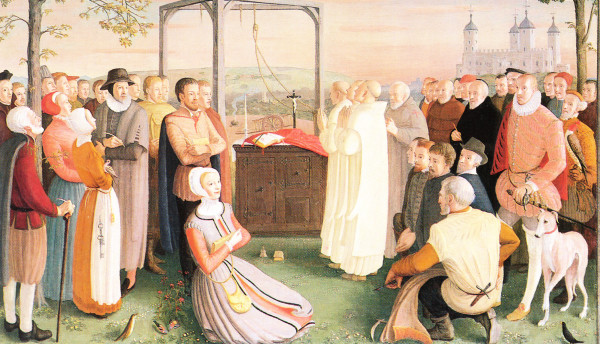
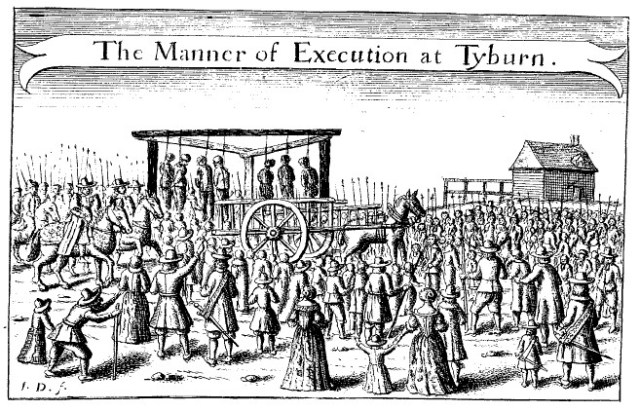
James Duckett’s son was the John Duckett who later became Prior of the English Carthusians at Nieuwpoort in Flanders.   He related that on the way to Tyburn his father was handed a cup of wine, which he drank and told his wife to drink to Peter Bullock and to forgive him.   When she declined, he chided her gently until she did.   On arrival at Tyburn Tree, James kissed and embraced Bullock, beseeching him to die in the Catholic faith, without success.execution-at-tyburn1

At the same trial, three priests, Thomas Tichborne, Robert Watkinson, and Francis Page, were condemned to death.   For some reason their execution was remanded to the following day.

James Duckett was  Beatified by Pope Pius XI on 15 December 1929.martyrs of england and wales lawrence lew

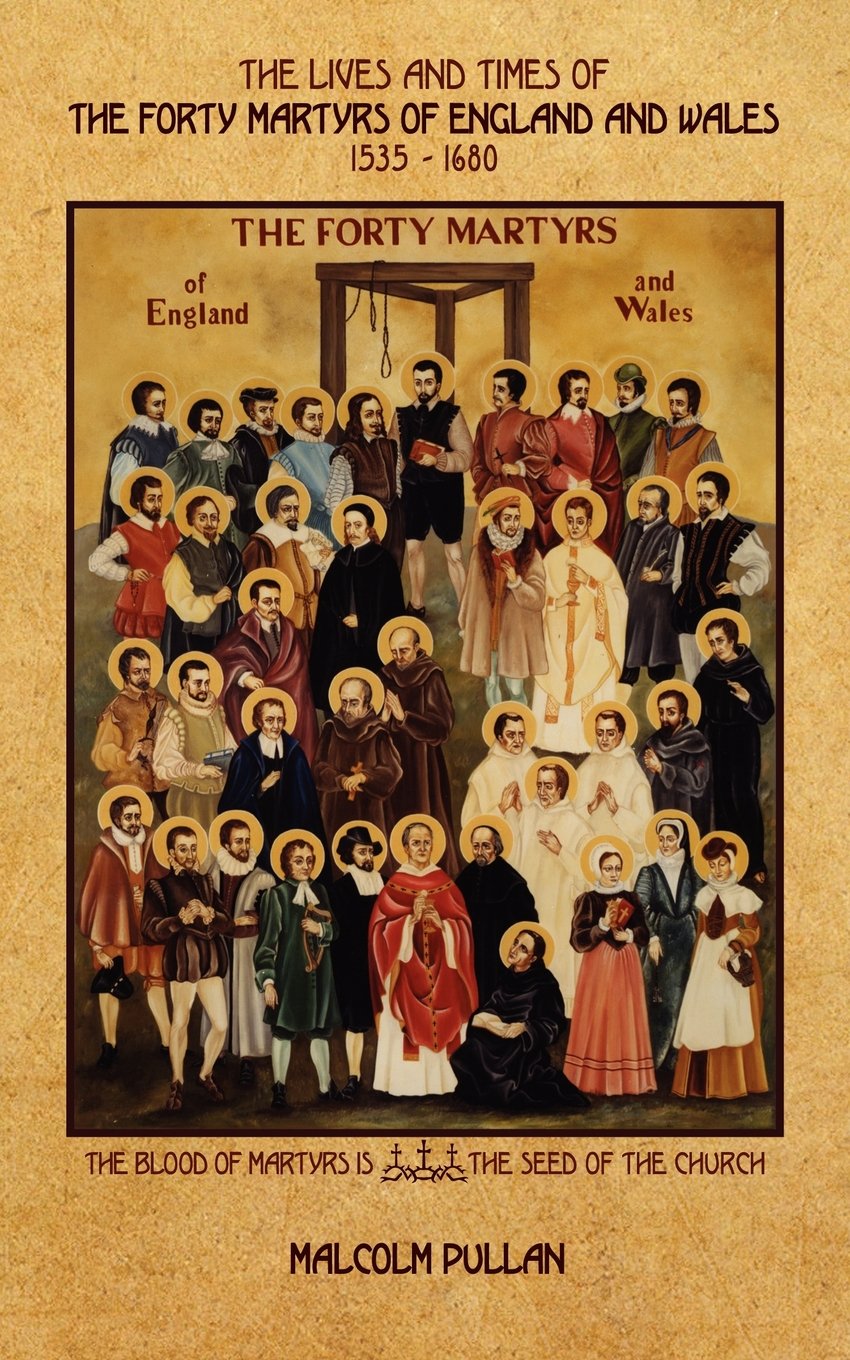
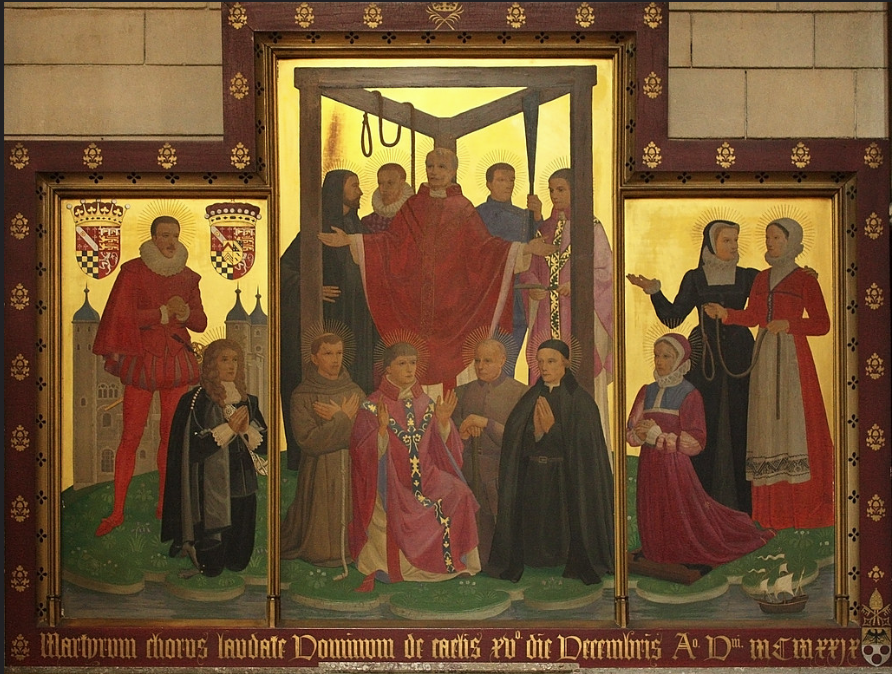
The Triptych above, with the following quote is from Fr Lawrence Lew OP:

“A tryptich in St James’ church, Spanish Place in London showing some of the martyrs who died for the Catholic faith from 1535 – 1680 and whose memory is kept collectively on 4 May.   In the centre is the triple gallows known as the ‘Tyburn Tree’.

Below is a citation from the Tudor Stuff blog.

From 1535 to 1681 Tyburn was transformed into a place of cruelty, torture and execution for men and women because of their religious belief.   It had become an act of high treason to be a Catholic priest, or to associate with Catholic priests  . It was also legal treason to refuse to accept the monarch as “the only Supreme Head on earth of the Church of England”, in the reign of King Henry VIII, from 1534 onwards under Elizabeth I, Charles I and Charles II.

Tyburn had been a place of public spectacle where crowds gathered for entertainment. The martyrs, however, brought a new spirit into the barbarities and butchery of Tyburn. This new spirit was one of joy, spontaneous humour and wholehearted forgiveness of those who had brought them to their life’s end at Tyburn.   This spirit flowed over into the crowds around the Tyburn Gallows.

“Thus”, write the nuns at Tyburn Convent, dedicated to those who died, “the holy Martyrs transformed Tyburn’s Deadly Nevergreen Tree into the Tree of Life and the Gate of Heaven, which it remains to this very day”.”