Posted in CARMELITES, franciscan OFM, MARIAN TITLES, SAINT of the DAY

The Second Sunday in Lent, Notre-Dame-de-Grande-Puissance / Our Lady of Great Power, Quebec (1673), St Walburga and the Saints for 25 February

St Adelelmo of Engelberg
St Aldetrudis
St Ananias of Phoenicia

St Caesarius of Nazianzen (c329-369) Celibate Layman, Son of Saint Gregory of Nazianzen the Elder and Saint Nonna, Brother of Saint Gorgonia and Saint Gregory of Nazianzen.

St Donatus the Martyr
St Felix III, Pope
St Gerland the Bishop
St Gothard the Hermit
St Herena the Martyr
St Justus the Martyr

St Nestor of Side
St Riginos

St Tharasius
St Victor of Saint Gall

Posted in SAINT of the DAY

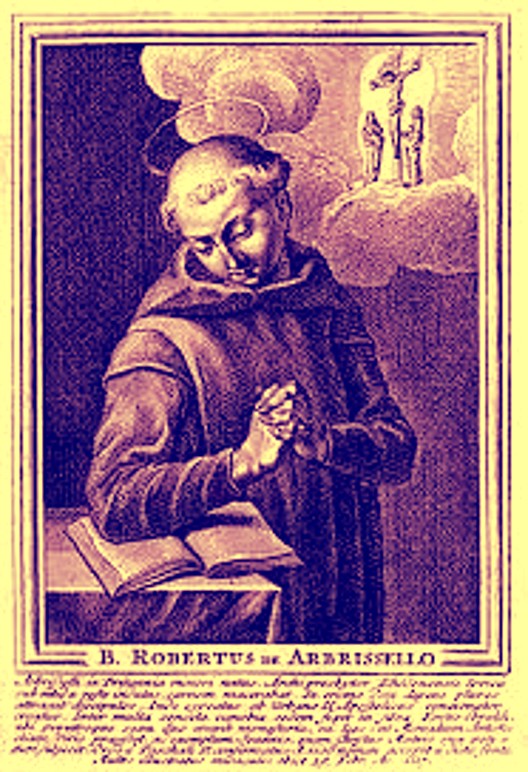
Saint of the Day – 25 February – Blessed Robert of Arbrissel (c1045 – 1116) Priest, Missionary Preacher, Founder

Saint of the Day – 25 February – Blessed Robert of Arbrissel (c1045 – 1116) Priest, Itinerant Apostolic Missionary Preacher of immense talent, Founder of the renowned dual Monastery of Fontevraud-l’Abbaye in Pays-de-la-Loire, France, Teacher, both a Reformer, as well as possessing the sometimes opposite virtue of being a Peacemaker. A quite astonishing man.

The first Vita (Life) of Blessed Robert was written by Baudri, Archbishop of Dol in Brittany, Robert’s intimate friend, at the request of Venerable Petronilla of Chemillé, widow and first Abbess of this immense and celebrated Monastery, who was named by Robert to replace him at his death, as Superior General of the Order of Fontevrault. The Feast of Venerable Petronilla (Died 1149) is celebrated by the Order of Fontevrault on 24 April.

Blessed Robert, one of the principal historical figures of his time and one of the most astonishing Saints of the Church, was born at Arbrissel, now Arbressec, a short distance from Rennes, in about 1045, the son of Domalioch and Orguende. His father was a Parish Priest. Married clergy were not uncommon prior to the Gregorian reform.

He studied in Paris, sustained in his poverty by the assistance of charitable benefactors and became there a celebrated Doctor in the Sacred sciences. His remarkable gifts were everywhere appreciated.

It is supposed that he was Ordained a Priest in Paris, before the Bishop of his native Diocese of Rennes recalled him in 1085 to assist him in reforming his flock. There in Brittany, as Archpriest, Robert devoted himself to the healing of feuds, the suppression of simony, lay investiture and irregular marriages. He was compelled, by the hostility his reforming zeal had caused, to leave the Diocese when his Bishop died in 1093.

In 1095, after teaching Theology for a time in Angers, Robert became a Hermit near Laval, living a life of severe penance with several others, in the company of St Bernard of Thiron, afterwards Founder of the Congregation of Tiron, St Vitalis of Savigny, Founder of Savigny Abbey and others of considerable note. In 1096, Robert himself, founded a Monastery at the site where they were then dwelling in the forest of Craon near Roe. This was the Monastery of La Roé of Canons Regular, with Robert becoming himself the first Abbot.

The reputation of the solitaries had attracted many to visit them and the piety, kindness, eloquence and powerful personality of Robert, in particular, drew many followers. It is said that the forest of Craon became the dwelling-place of a multitude of Anchorites, as once the deserts of Egypt were.

Robert was summoned by Pope Urban II to go to Angers to preach for the dedication of a Church. The Pope then sent him out from there as Apostolic Missionary, on a preaching mission of the various Provinces. He left his Abbacy at and taught abandonment of the world and evangelical poverty all over western France. Robert found a patron in Hildebert, Bishop of Le Mans.

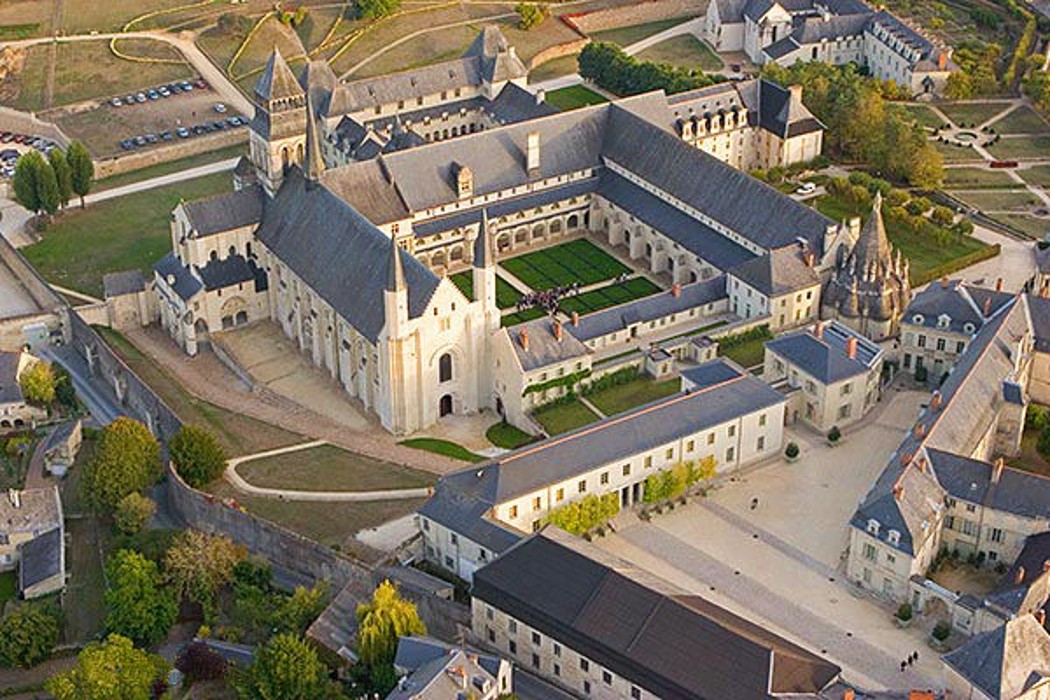
His gifts of grace and nature, his eloquence, heightened by his strikingly ascetic appearance, attracted crowds and effected countless conversions. His disciples were of all ages and conditions, including lepers; even whole families followed him everywhere. Thus was founded his famous Monastery of Fontevrault, not far from Cannes, to lodge these flocks of determined followers of the Gospel. The men dwelt in a separate region from the women; each group had its Chapel and the lepers their quarters apart. Charity, silence, modesty and meekness characterised these establishments, which were sustained by the products of the earth and the alms offered by the neighbouring populations.

Until the death of the holy preacher in 1116, he continued to preach everywhere in western France. The enemy of souls could not remain indifferent to all of this Christian sanctity. Persecuted by certain heretics and others during his life, Blessed Robert was accused of exaggeration and calumniated after his death but the accusatory writings were eventually declared to be forgeries. A calumniatory letter, attributed falsely to an Abbot of western France, who had, in other situations shown a vindictive spirit, was definitely proved not to be from his hand but written by the heretic Roscelin and containing pure fabrications.

Blessed Robert is remembered for his ideal of perfect poverty, both exterior and interior, according to the words of Our Lord, His first beatitude – “Blessed are the poor in spirit.” He was buried at Fontevrault, as he had desired to be but his remains were later transferred to a house of the Order, restored in 1806 after the revolution, at Chemillé in the Diocese of Angers.

Fontevrault Monastery
Posted in MARIAN TITLES, SAINT of the DAY

Saturday after Ash Wednesday – A Day of Fasting, Notre-Dame-de-Grande-Puissance / Our Lady of Great Power, Quebec, Canada, (1673) and Memorials of the Saints – 25 February

Saturday after Ash Wednesday – A Day of Fasting

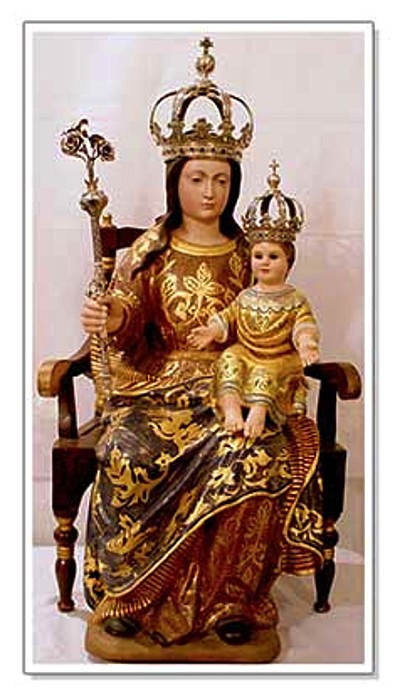
Notre-Dame-de-Grande-Puissance / Our Lady of Great Power, Quebec, Canada, (1673) – 25 February:
HERE:

https://anastpaul.com/2021/02/25/our-lady-of-great-power-quebec-canada-1673-and-memorials-of-the-saints-25-february/
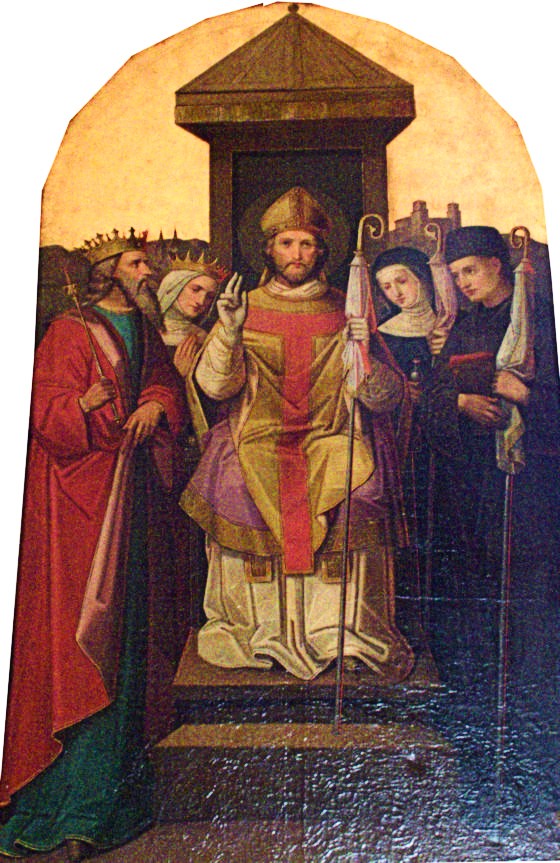
St Walburga (c 710-779) Nun and Missionary. Daughter of St Richard the King. Sister of St Willibald and St Winebald, niece of St Boniface.
The Life of St Walburga
image below with her noble and Saintly family:
https://anastpaul.com/2017/02/25/saint-of-the-day-25-february-st-walburga/
Blessed Sebastian of Aparicio OFM (1502-1600) “The Angel of Mexico,” Franciscan Lay Brother, Confessor, Ascetic, apostle of the poor, builder of roads and bridges in Mexico and thus is honoured as the founder of the transport and road system in Mexico.
About the Amazing Blessed Sebastian
:
https://anastpaul.com/2021/02/25/saint-of-the-day-25-february-blessed-sebastian-of-aparicio-ofm-1502-1600-the-angel-of-mexico/

St Adelelmo of Engelberg
St Aldetrudis
St Ananias of Phoenicia

Blessed Avertano of Lucca O.Carm ( 1320-1380 ) Lay Brother of the Order of Carmel, Miracle-worker, Avertano had a great devotion to the Passion of Christ.
Biography:

https://anastpaul.com/2022/02/25/saint-of-the-day-25-february-blessed-avertano-of-lucca-o-carm-1320-c-1366/

St Caesarius of Nanzianzen
St Donatus the Martyr
Saint Felix III, Pope
St Gerland the Bishop
St Gothard the Hermit
St Herena the Martyr
St Justus the Martyr

St Nestor of Side
St Riginos
Blessed Robert of Arbrissel (c1045 – 1116) Priest, Itinerant Missionary Preacher, Founder of the renowned dual Monastery of Fontevraud-l’Abbaye in Pays-de-la-Loire, France, Teacher, both a Reformer, as well as possessing the opposite virtue of being a Peacemaker. A quite astonishing man.
St Tharasius
St Victor of Saint Gall

Martyrs of Egypt – A group oSeven f Christian men who were exiled to Egypt for their faith and were eventually Martyred for their faith in the persecutions of Numerian. We know little more than their names: Claudianus, Dioscurus, Nicephorus, Papias, Serapion, Victor, Victorinus.