Posted in SAINT of the DAY

Saint of the Day – 10 October – St Cerbonius (c493-575) Bishop and Confessor

Saint of the Day – 10 October – St Cerbonius (c493-575) Bishop and Confessor of Populonia, Miracle-worker. He was the Bishop during the Barbarian invasions. St Pope Gregory I the Great, praises him in Book XI of his Dialogues. Born in c493 in North Africa and died in 575 in Elba, Italy. Patronages – of Baratti, Piombino, Massa Marittima, the Diocese of Massa Marittima-Piombino, the Diocese of Piombino. Also known as – Cerbonius of Piombino, … of Populonia, Cerbonius of Massa Marittima, Cerbo…Cerbone…Cerbonio…

The Roman Martyrology reads today: “At Piombino in Tiscany, St Cerbonius, Bishop and Confessor, who, as St Gregory relates, was renowned for miracles, both during life and after death.

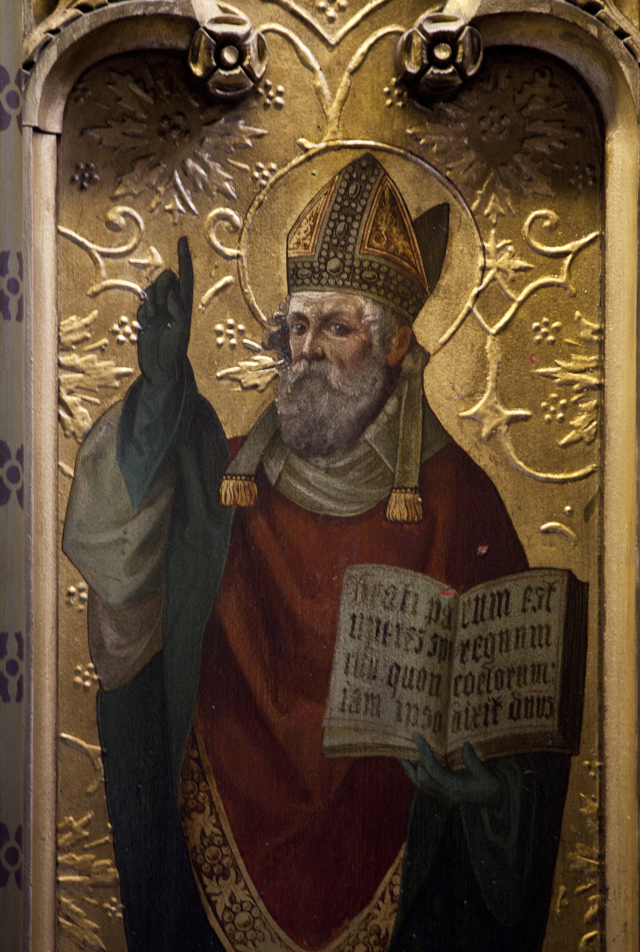
Stained glass – Saint Cerbonius of Populonia

Cerboneius was born in North Africa to a Christian family. When he became a Priest, to escape the persecution of Christians by the Vandals, he fled to Italy. The ship landed on the Maremma coast, in Tuscany, in the Gulf of Baratti.

In Populonia, Cerbonius was proclaimed as the Bishop. The locals were unhappy with him because he had the habit of saying Mass at dawn—too early for those who lived in the countryside far from Town. Their complaints reached the Pope.

Two Clerics were sent to Populonia to accompany the Bishop to the Pontiff. During the journey, Cerbonius performed miracles – the companions were thirsty and exhausted from the journey and Cerbonius approached two doe, who tamely let themselves be milked for good milk. When the bBshop then encountered a flock of geese, he invited them to follow him to Rome. And so it happened. The geese, docile and obedient, follow Cerbonius and only took flight when he arrives before the Pope.
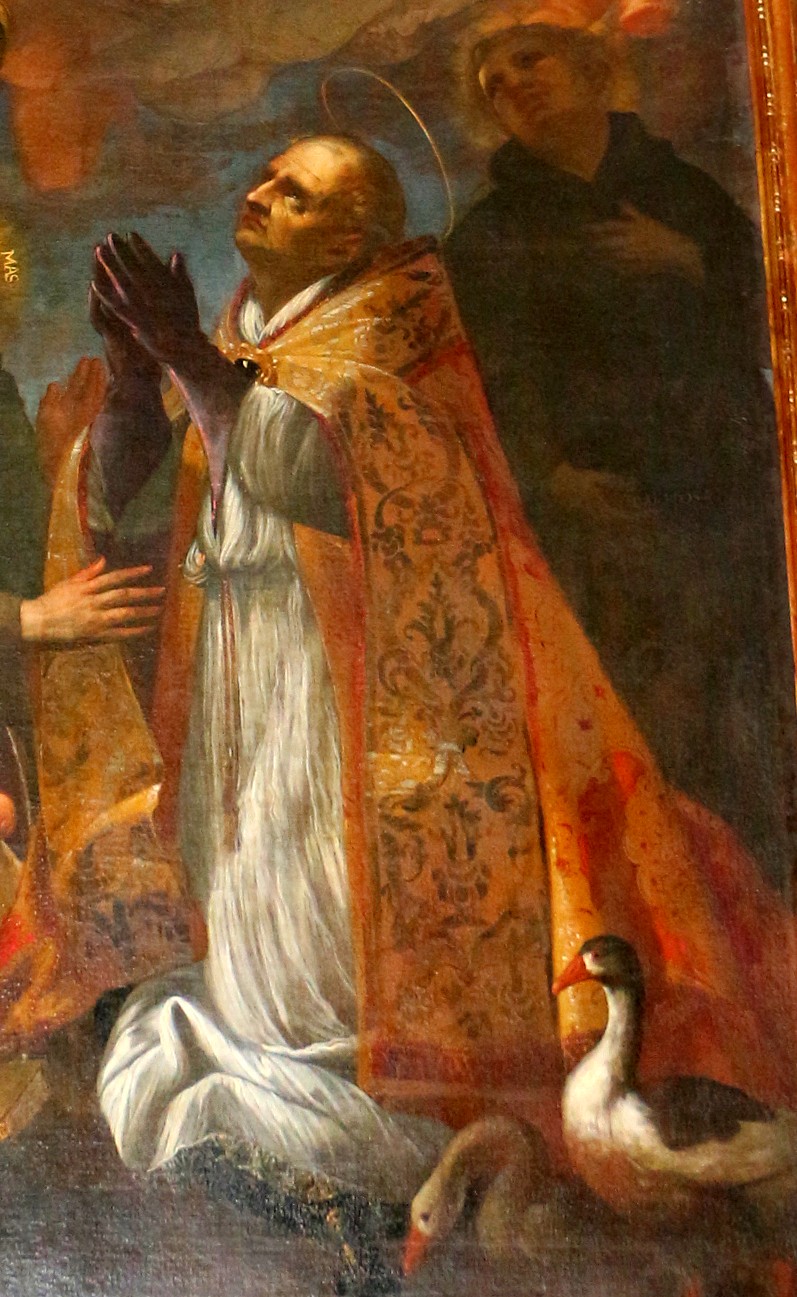
Saint Cerbonius of Populonia – Raffaello Vanni

The Pope, for his part, wishes to personally attend Cerboniud’ famous Dawn Mass. The Pontiff thus realises that he was in the company of a Saint. Indeed, during the Mass, a sublime melody was heard emanating from a Choir of Angels. From that day on, Cerbonois was happily supported by the people in celebrating his Dawn Mass.

Upon their return to Maremma, the battle between the Goths and the Byzantines rages. Cerbonius was imprisoned by the cruel Gothic King, Totila, accused of having favoured the enemy. The punishment must demonstrate an example – to be torn to pieces by a ferocious bear but the beast, instead of attacking Cerboneius, crouches beside him like a lamb, licking his feet. The King was astonished and decides to release the prisoner.
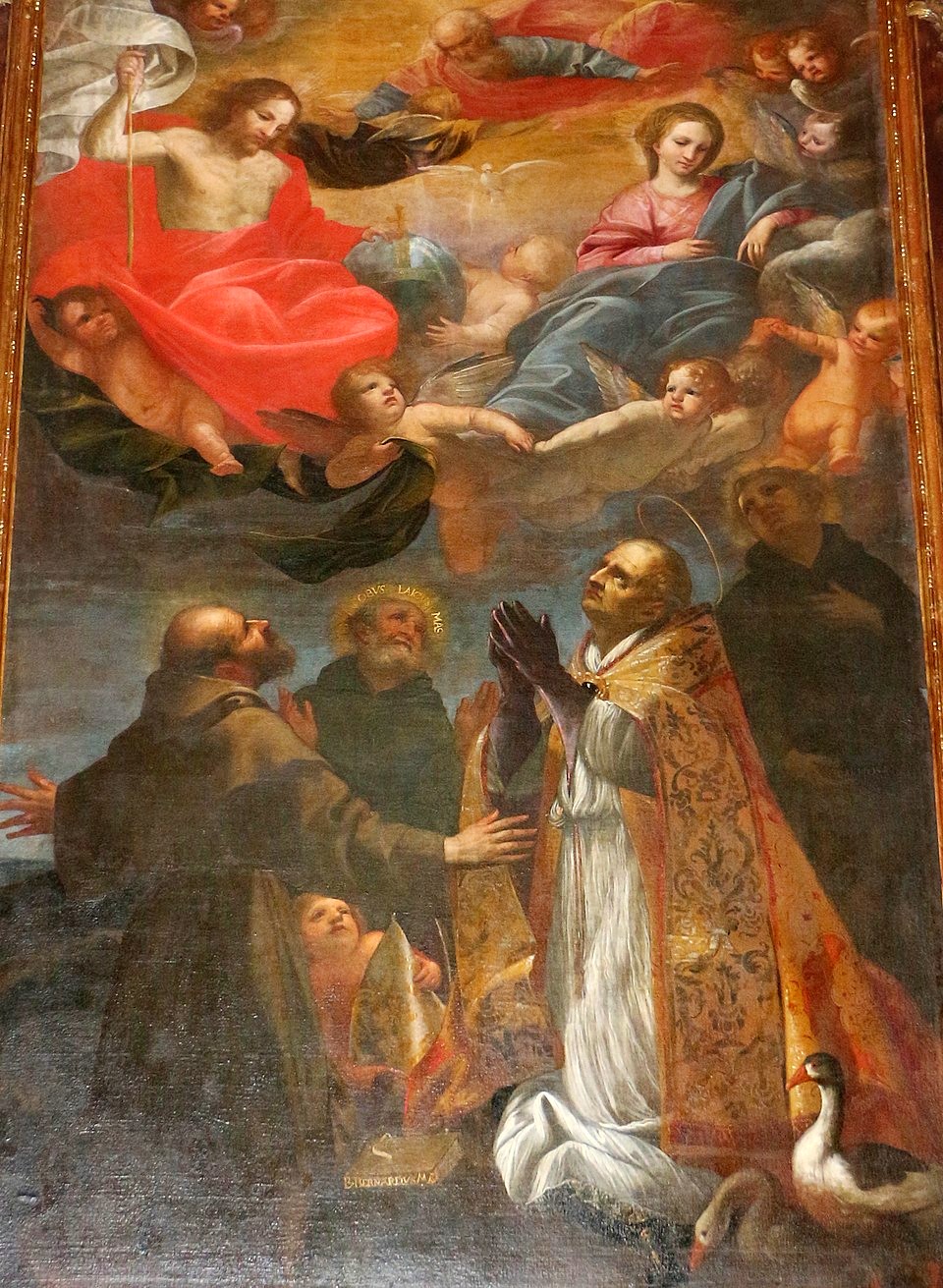
Saint Cerbonius of Populonia – Raffaello Vanni

During the Lombard invasion, Cerbonius escapes to the Island of Elba, defended by the Byzantines. There the Bishop lived a Hermit’s life and, when in 575, he felt his death approaching, he asked to be buried on dry land.

Thanks to a miraculous storm which kept the Lombards at bay, the ship carried the Bishop’s body to the Town of Baratti (Piombino), where he was buried in a small Church. In this spot, the famous San Cerbonius Spring still flows today, giving rise to the saying: “He who does not drink at San Cerbonius is a thief or a scoundrel.” Today, San Cerbonius rests in the Cathedral of Massa Marittima (Grosseto).
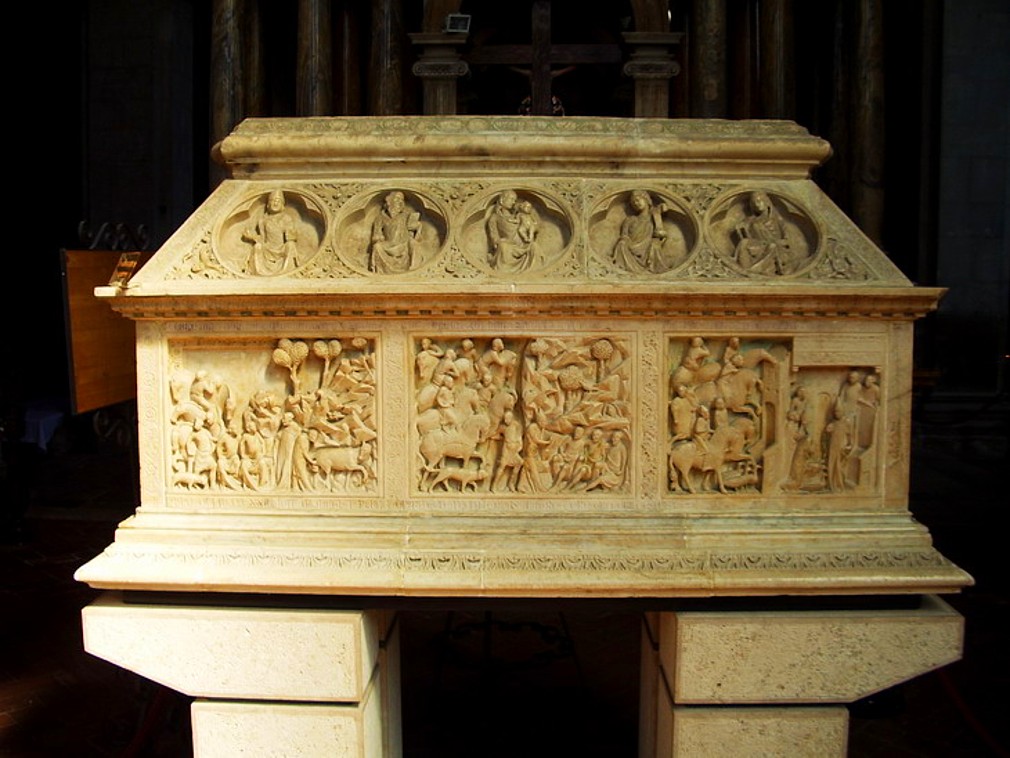
Sarcofago San Cerbone Duomo di Massa
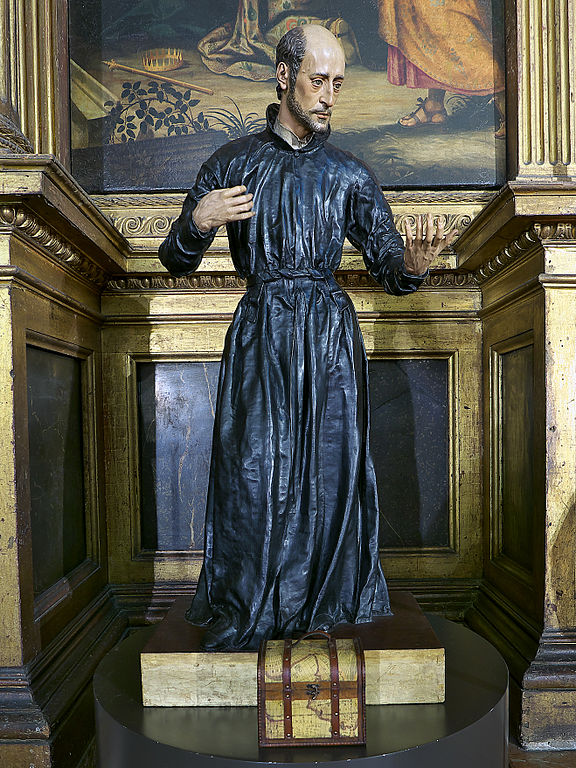
St Cerbonius Statue in the Cathedral in Massa Marittima
Posted in JESUIT SJ, MARIAN TITLES, SAINT of the DAY

La Naval de Manila / Our Lady of the Most Holy Rosary , Philippines (1593), St Francis Borgia and the Saints for 10 October

La Naval de Manila / Our Lady of the Most Holy Rosary , Quezon City, Philippines (1593) – Second Sunday of October:
Also known as Nuestra Señora del Santísimo Rosario / The Grand Lady of the Philippines.
HERE:

https://anastpaul.com/2021/10/10/twentieth-sunday-after-pentecost-la-naval-de-manila-the-grand-lady-of-the-philippines-1593-and-memorials-of-the-saints-10-october/

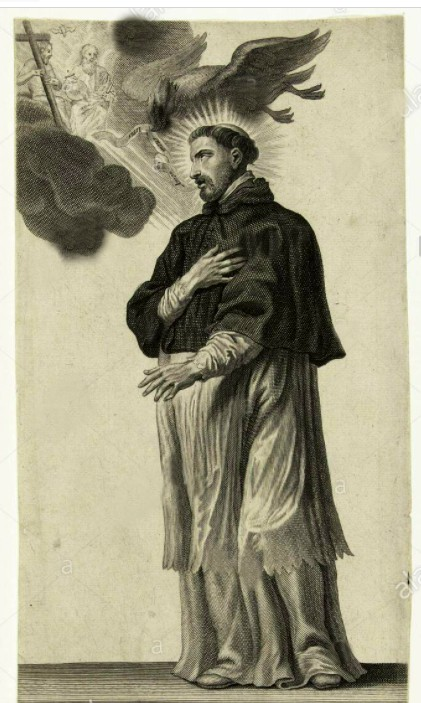
St Francis Borgia SJ (1510-1572) Confessor, Priest of the Society of Jesus, Advisor, Missionary, Evangelist, Administrator par excelleance. Francisco de Borja y Aragon was the 4th Duke of Gandía, was a Grandee of Spain, a Spanish Jesuit and third Superior General of the Society of Jesus
Biography:

https://anastpaul.wordpress.com/2017/10/10/saint-of-the-day-10-october-st-francis-borgia-s-j-1510-1572/
AND The Childhood and Youth of St Francis Borgia SJ (1510-1572) Confessor and a note on Monthly Patrons:
https://anastpaul.com/2022/10/10/saint-of-the-day-10-october-the-childhood-and-youth-of-st-francis-borgia-sj-1510-1572-confessor-and-a-note-on-monthly-patrons/ patrons/
AND:
We continue – ST FRANCIS at COURT and his MARRIAGE until the DEATH of the EMPRESS – his “DAMASCUS MOMENT”:

https://anastpaul.com/2023/10/10/saint-of-the-day-10-october-st-francis-borgia-sj-1510-1572-confessor/

St Aldericus
St Cassius
St Cerbonius (c493-575) Bishop and Confessor of Populonia in Tuscany, Italy
St Cerbonius of Verona
St Clarus of Nantes
Bl Demestrius of Albania
Bl Edward Detkens
St Eulampia
St Eulampius
St Florentius the Martyr
St Fulk of Fontenelle
St Gereon
St Gundisalvus
Bl Hugh of Macon

St John of Bridlington OSA (1319-1379) Priest, Prior of the Monastery of the Canons Regular of St Augustine.
His Life and Legacy:

https://anastpaul.com/2021/10/10/saint-of-the-day-10-october-saint-john-of-bridlington-osa-1319-1379/

St Maharsapor the Persian
St Malo the Martyr
St Patrician
St Paulinus of Capua

St Paulinus of York (c584-644) First Bishop of York, Missionary – Paulinus was a member of the Gregorian mission sent in 601 by Pope Gregory I.
His Holy and Zealous Life:

https://anastpaul.com/2020/10/10/saint-of-the-day-10-october-st-paulinus-of-york-c-584-644/

Bl Pedro de Alcantara de Forton de Cascajares
St Pinytus of Crete
Bl Pontius de Barellis
St Tanca
St Teodechilde
St Victor of Xanten

Martyrs of Ceuta – 7 Beati: A group of seven Franciscan Friars Minor missionaries to Muslims in the Ceuta area of modern Morocco. Initially treated as madmen, within three weeks they were ordered to convert to Islam and when they would not they were first abused in the streets, then arrested, tortured and executed.
Angelo, Daniele di Calabria, Donnolo, Hugolinus, Leone, Nicola, Samuele.
They were beheaded in 1227 in Mauritania Tingitana (Ceuta, Morocco). Local Christians secreted the bodies away and gave them proper burial in Ceuta. They were Beatified in 1516 by Pope Leo X.