
Saint of the Day – 15 August – Saint Arduinus of Rimini (Died 1009) Priest, Hermit, Monk, Apostle of the needy, a shining light of the imitation of his Lord. Born around the middle of the 10th Century in Rimini, in the district of Romagna in Italy and died at the Monastery of St Gaudenzio in the Town of San Godenzo in 1009 of natural causes. Also known as – Arduino.
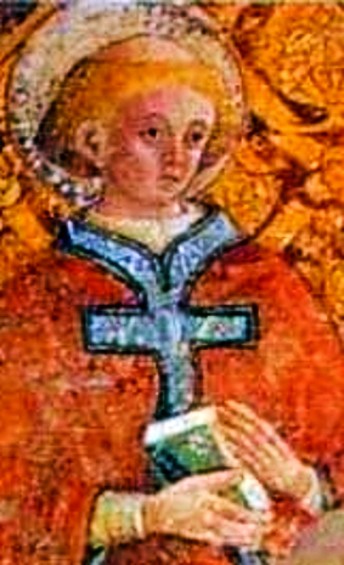
St Peter Damian OSB (1007-1072) Cardinal Bishop of Ostia, Father and Doctor of the Church, when he found himself having to demonstrate the validity and efficacy of the Sacraments – even when administered by unworthy Priests and Prelates, – used to cite the example of our Saint Arduinus of Rimini, who had died several decades before but whose memory was still very much alive throughout Romagna.
Arduinus, in fact, had received Priestly Ordination from the Bishop of Rimini, Uberto, a well-known simoniac, who had purchased his Office in exchange for gold. Yet, Ordination by this unworthy Prelate did not prevent Arduinus from living in an exemplary manner and dying in the odour of sanctity.
St Peter Damian, a great opponent of simony, could, therefore, draw arguments from this case in favour of his thesis – that is, that the efficacy of the Sacraments does not depend upon the merits of those who actually administer them – but rather, derives from the Infinite Merits of Christ.
Arduinus was born in Rimini towards the middle of the 10th Century and had been a disciple of the Venerius, the Rector of the Church of St Gregory.
Driven by the desire to reach a greater degree of perfection and sanctity, the master and disciple moved to the plain of Ravenna, finding refuge in the solitary Church of St Apollinarus in Classe, today famous for its luminous architecture and even more so for the precious Byzantine mosaics it houses.
The memory of Arduinus which has been handed down depicts him as a zealous Priest, a rare case in that time of daily celebration of the most Sacred and Holy Mass. His wonderful example could thus prove edifying for the clergy and the faithful. He used to teach, admonish and fight corruption, without fear of arousing the wrath of the powerful. He regularly donated alms to the neediest, contenting himself with surviving on the few remaining scraps. Being a man himself, he often found himself in the grip of temptations and, to overcome them, he used to roll in the nettles.
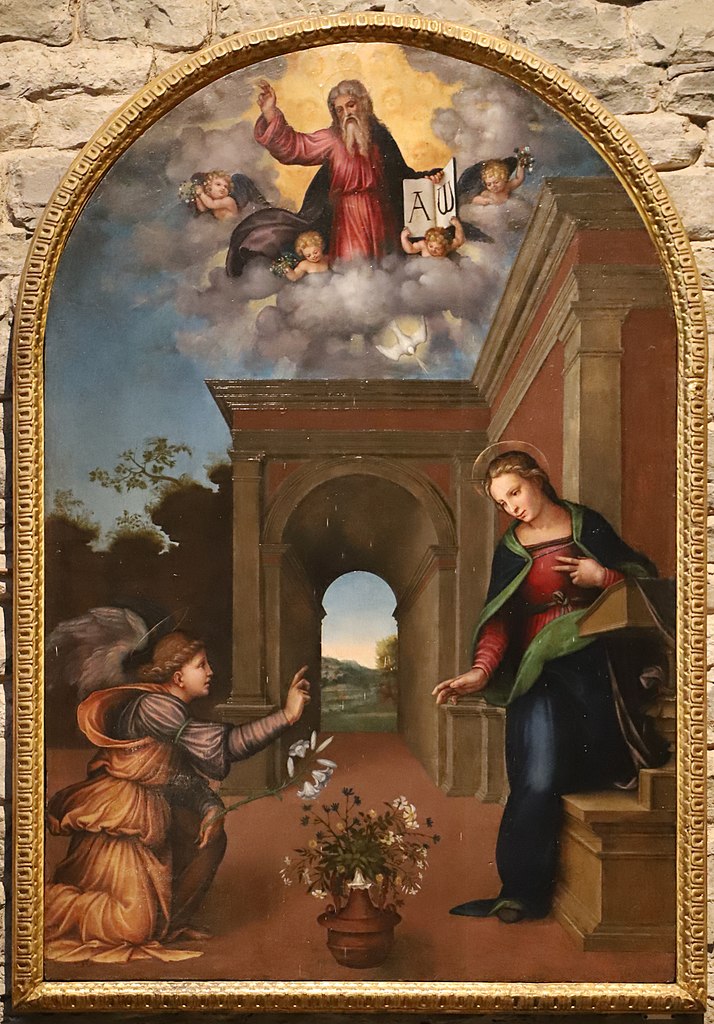
When Venerius was already old, Arduinus advised him to accept the position of Abbot of St Gaudenzio Monastery in the Town of San Godenzo and he, as an inhabitant Monk, thus became a useful and faithful assistant to his teacher. Below is one of the paintings in the Abbey of San Gaudenzio: The Annunciation attributed to in the Franciabigio, 1500s.
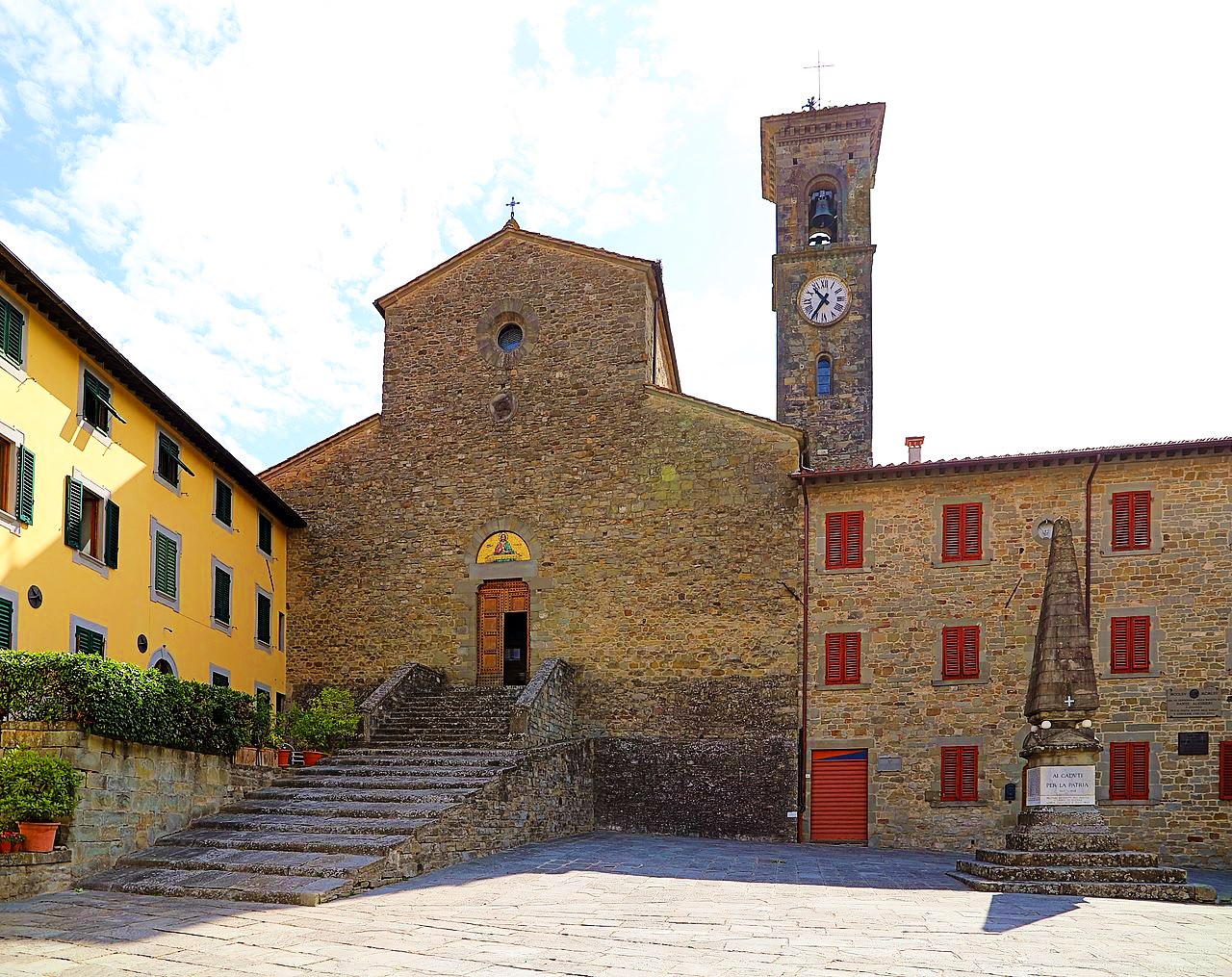
This Abbey had been built in 1028 in honour of Saint Gaudentius, the Hermit Saint who, around the 6th Century, retired to the surrounding mountains to live a life of silence and prayer. Today it is famous for its beautiful Romanesque Church containing wonderful artworks and for Dante’s memories of the first years of his exile.
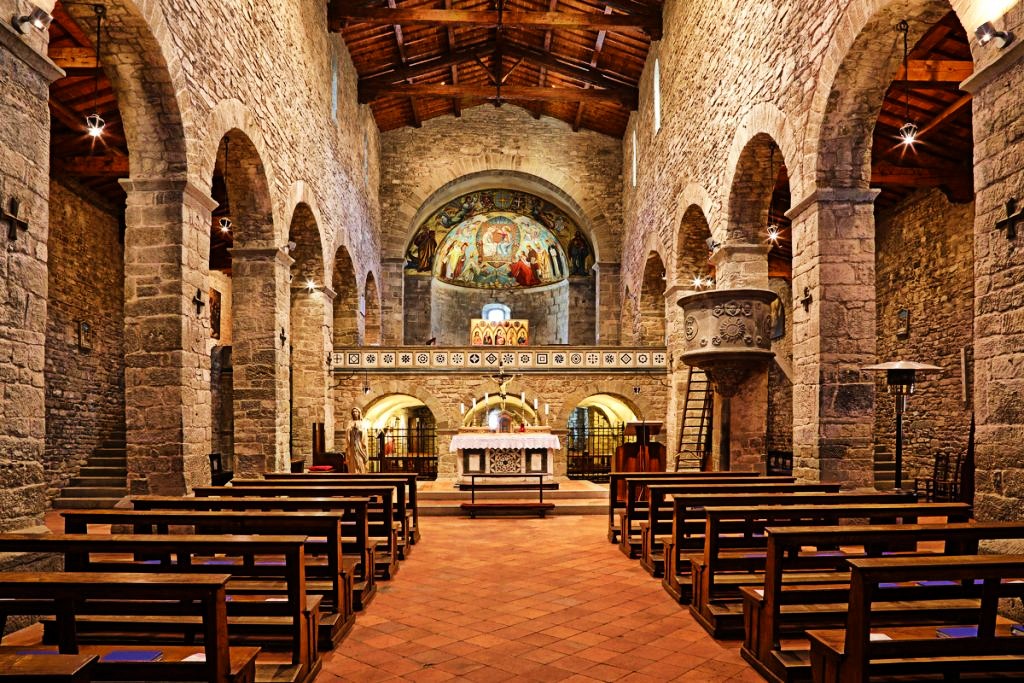
But, already a thousand years ago, the Abbey of St Gaudentius was an important centre of Benedictine spirituality, active in the manual, spiritual, intellectual and social fields, true to their motto ‘Ora et Labora.’
In this context, in 1009, Saint Arduinus of Rimini died, immediately venerated as a Benedictine Saint, even if it seems he never officially wore the Habit of this Order. (From Italian by Author: Fabio Arduino).

 AnaStpaul
You must be logged in to post a comment.