
Saint of the Day – 24 December – Saint Gregory of Spoleto (Died c304) Priest Martyr. Died in Spoleto, Italy after many tortures by being beheaded in c304.
The Roman Martyrology reads today: “At Spoleto, the holy Priest, Gregory. In the time of the Emperors Diocletian and Maximian, he was first beaten with rough clubs and then, after being exposed on the gridiron and improised, was struck on the knees with iron carding instrucments, burned on the sides with firebrands and finally, beheaded.”
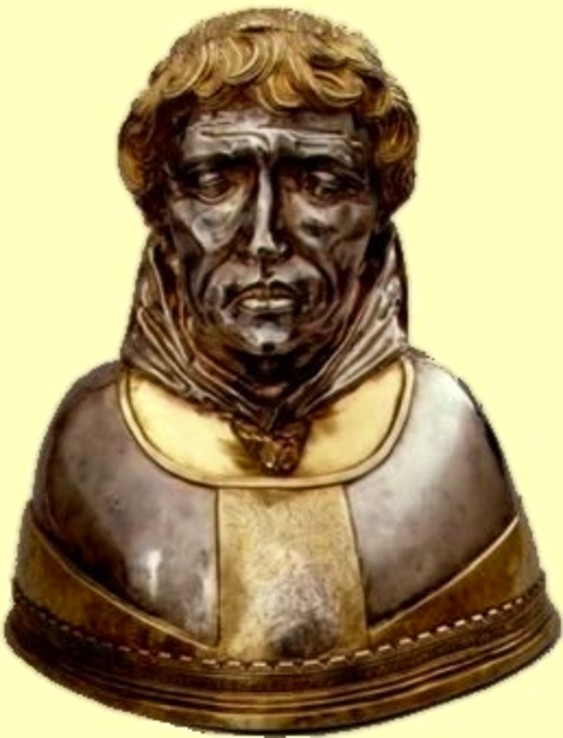
Gregory was a holy Priest of Spoleto, in Italy, who employed his time, night and day, in fasting and prayer and in teaching others the holy law of God.
It happened that Flaccus, a General of the armed forces, arrived at that City with a special order from the Emperor Maximian, to punish all the Christians. An information was laid before him, stating that Gregory seduced many and despised the gods and the Emperors. Soldiers were immediately despatched to bring him bound before his tribunal. When he appeared, Flaccus, with a stern countenance, said: “Are you Gregory of Spoleto?” The Martyr answered, “I am.” Flaccus again said, “Are you the enemy of the gods and the enemy of the princes?” St. Gregory replied, “From my infancy, I have always served the God Who formed me out of the earth.” Flaccus asked, “Who is your God?” “He,” replied the Martyr, “Who made man to His Own Image and likeness, Who is all-powerful and immortal and Who will render to all men according to their works.” Flaccus said, “Do not use many words but do what I command you.” The Martyr replied, “I know not what your command implies but I do what I am bound to do.” Flaccus urged, “If you desire to save yourself, go to the wonderful temple and sacrifice to the great gods and you shall be our friend and shall receive many favours from our most invincible Emperors.” St Gregory said, “I desire not such a friendship, nor do I sacrifice to devils but to my God, Jesus Christ.”
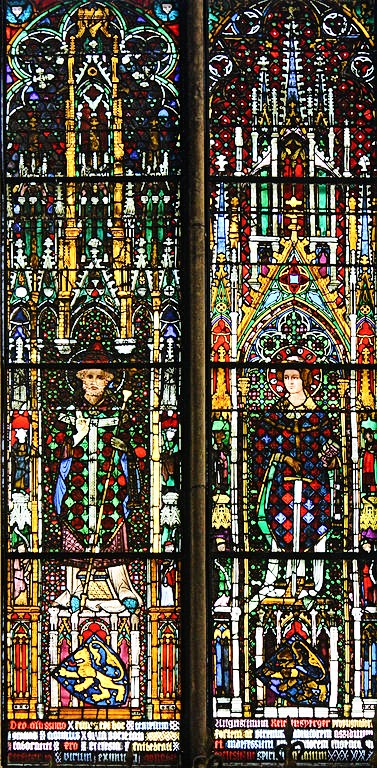
The Judge commanded him to be buffeted on the face, beaten with clubs and tortured on the rack and at length, ordered his head to be cut off. This happened in 304. His Relics were originally enshrined in a Church which bears his name at Spoleto. In the 10th Century, St Bruno, the Archbishop of Cologne, transferred Gregory’s Relics to his City’s Cathedral, which gave rise to an impressive local iconography and cultus. In the few figures of the Saint (the 14th Century stained glass window of the Cathedral and the frontispiece of the Cologne Missal) Gregory is depicted in priestly robes with a book in his hand, the Palm of Martyrdom and the sword with which he was beheaded.
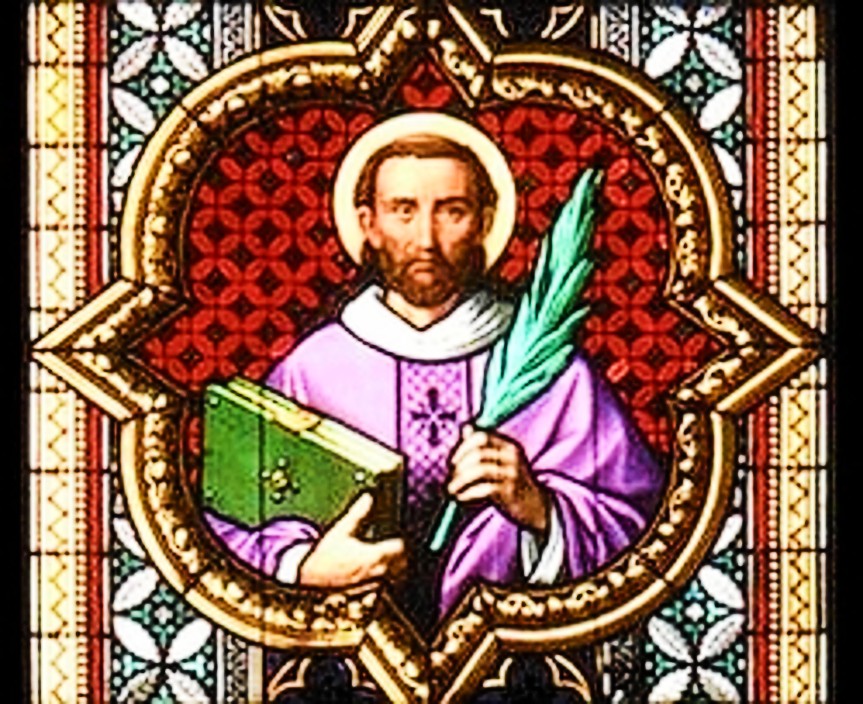
In 1037, Baronius found a copy of these Acta of our Saint Gregory, an authentic testimony of a glorious miracle wrought by the touch of these Relics.



 AnaStpaul
You must be logged in to post a comment.