Posted in SAINT of the DAY

Saint of the Day – 6 August – St Hardulph 7th Century Hermit

Saint of the Day – 6 August – St Hardulph 7th Century Hermit in Breedon-On-The-Hill, Leicestershire, England.
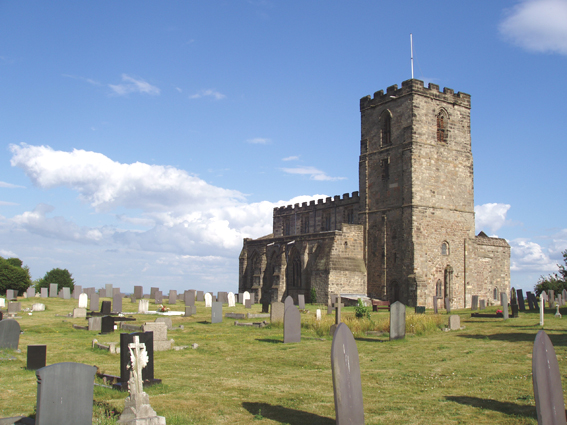
The ruins of Breedon Monastery

St Hardulph is a mysterious figure within Anglo-Saxon texts. It seems certain that his history is somehow intertwined with that of Eardwulf or Eaduulf of Northumbria and perhaps, they are one and the same man. Hardulph’s name chiefly appears immortalised in the joint dedication of the Priory Church at Breedon-On-The-Hill, Leicestershire, to St Mary and St Hardulph.
The incomplete tale of Eardwulf agrees extremely well, with that of Hardulph, From that which we know, Eardwulf was
recalled from exile in 796, to replace the deposed King Osbert of Northumbria. Eardwulf’s lineage is not known, other than that his father was also called Eardwulf.

The Angel of Breedom

A certain Eardwulf is also recorded as having succeeded a King Aldfrith of Northumbria in, 705 (according to the Venerable St Bede) — a full 91 years earlier, thus who perhaps maybe the same or a different King.

Eardwulf was inaugurated at York Cathedral on 26 May 796. In the year 790, it is reported that the Northumbrian King Aethelred I put Eardwulf to death in Ripon, Yorkshire. Eadwald was found alive the next day and so was venerated by some, as a Saint. Eardwulf was reinstated as King sometime between 808–830
(dependent on sources). Little is known about the end of his reign, although it is assumed that he died in or near Breedon-on-the-Hill and is buried there which could be why the Church is dedicated to him. This information comes from a list of saints’ final resting places written by Hugh Candidus in the 12th Century, which lists an ‘Ardulphus Rex’ as buried at Breedon. This is also where the link between Hardulph and Eardwulf is made.

The connection between Hardulph and Anchor Church becomes even more obscure. The main evidence linking the two is a fragment written in a 1541 book on the life of St Modwenna which lists a ‘St Hardulche’ as living in a ‘cell in a cliff a little from the Trent.’

Whilst Anchor Church is very likely the ‘cell’ referred to here, there is no explicit mention of it. Similarly, it has been pointed out that Modwenna died in the late 6th Century and so, unless this is a different Modwenna, this cannot be Eardwulf. The dating is closer to that of the ‘Eadwulf’ mentioned earlier, although not close enough.

The link then, is tentative — however, with the gaps in history and a great lack of written documents from the time-period, it is by no means impossible that all of which has previously been stated, is very close to the truth.

Hardulph, then, is an endlessly mysterious character. Perhaps we shall never know whether he truly ever inhabited Anchor Church and indeed, whether he was a King a long way from
home, whisked away from a tumultuous home in Northumbria. Either way, the mystery of the cave and the mystery of the man seem a perfect fit for one another, a story perhaps never to be fully told but never ceasing to intrigue.

St Hardulph’s Cell known as the ‘Anchor Church’
Posted in FEASTS and SOLEMNITIES, MARIAN TITLES, SAINT of the DAY, The TRANSFIGURATION

The Transfiguration of Our Lord, Nossa Senhora das Graças / Our Lady of Graces, Brazil (1936),Day One of the Assumption Novena, St Xystus II & Companions, Pope and Martyr and Memorials of the Saints – 6 August

The Transfiguration of Our Lord
https://anastpaul.com/2018/08/06/feast-of-the-transfiguration-of-the-lord-6-august-todays-gospel-mark-92-10/
AND:
https://anastpaul.wordpress.com/2017/08/06/august-6-the-feast-of-the-transfiguration-of-the-lord/
AND:
https://anastpaul.com/2022/08/06/the-transfiguration-of-our-lord-6-august/

St Pope Sixtus II/ Xystus (Died 258) Pope and Martyr, Philosopher. 25th Pope from St Peter. Papal Ascension 30 August 257. He was Martyred along with seven deacons, (St Lawrence of Rome a few days later) during the persecutions of Christianity by Emperor Valerian. This is the St Sixtus who is commemorated in the Roman Canon Eucharistic Prayer.
His Life and Death:

https://anastpaul.com/2021/08/06/saint-of-the-day-6-august-saint-sixtus-ii-died-258-pope-and-martyr/

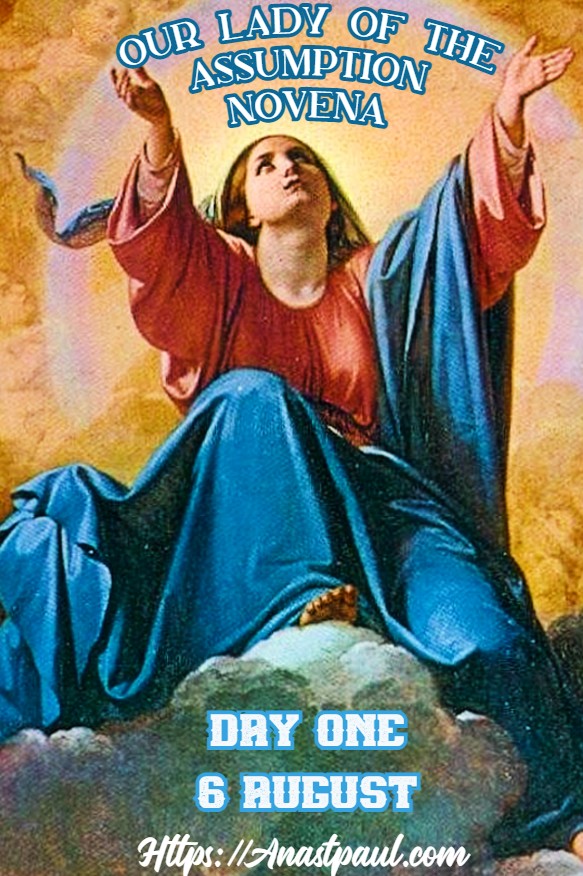
Novena to Our Lady of the Assumption – DAY ONE

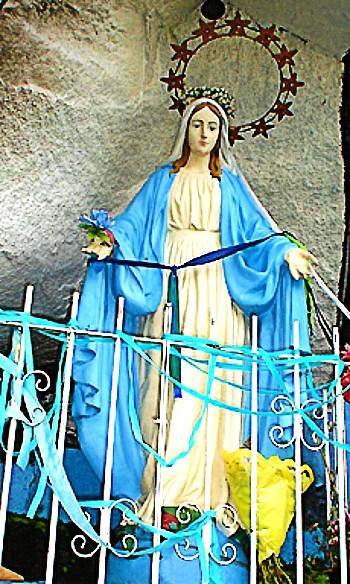
Nossa Senhora das Graças / Our Lady of Graces, Pesqueira, Pernambuco, Northeast, Brazil (1936) – 6 August :
HERE:

https://anastpaul.com/2021/08/06/feast-of-the-transfiguration-of-our-lord-nossa-senhora-das-gracas-our-lady-of-graces-pesqueira-pernambuco-northeast-brazil-1936-and-memorials-of-the-saints-6-august/

St Gezelin O.Cist. (Died 1149) known as “The Apostle of Hainaut” – Lay Brother of the Cistercian Order, Hermit of Schlebusch
A Miraculous Life:

https://anastpaul.com/2023/08/06/saint-of-the-day-6-august-saint-gezelin-of-schlebusch-o-cist-died-1149/


St Gislain of Luxemburg

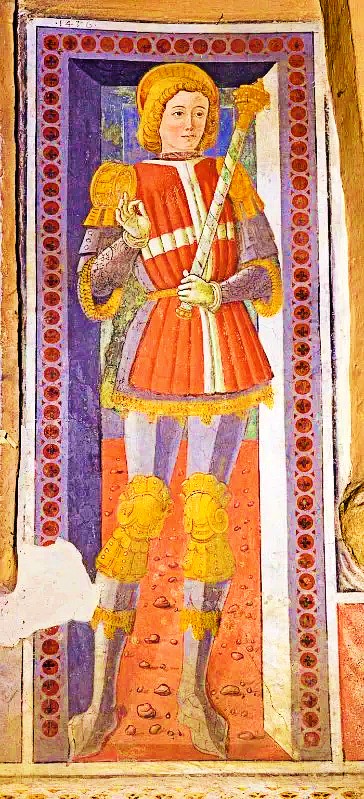
St Glisente (Died 796) Hermit, Soldier known in the region as “The Warrior on the Mountain.”
Hermit Warrior St Glisente:

https://anastpaul.com/2024/08/06/saint-of-the-day-6-august-saint-glisente-died-796-hermit-the-warrior-on-the-mountain/

Bl Goderanno
Bl Guillermo Sanz
St Hardulph 7th Century Hermit in Breedon, Leicestershire, England.

St Pope Hormisdas (c450-523) Bishop of Rome from 514 until his death in 523. A talented diplomat, arbitrator and negotiator.
His Life:

https://anastpaul.com/2019/08/06/saint-of-the-day-6-august-saint-pope-hormisdas-c-450-523/

St James the Syrian

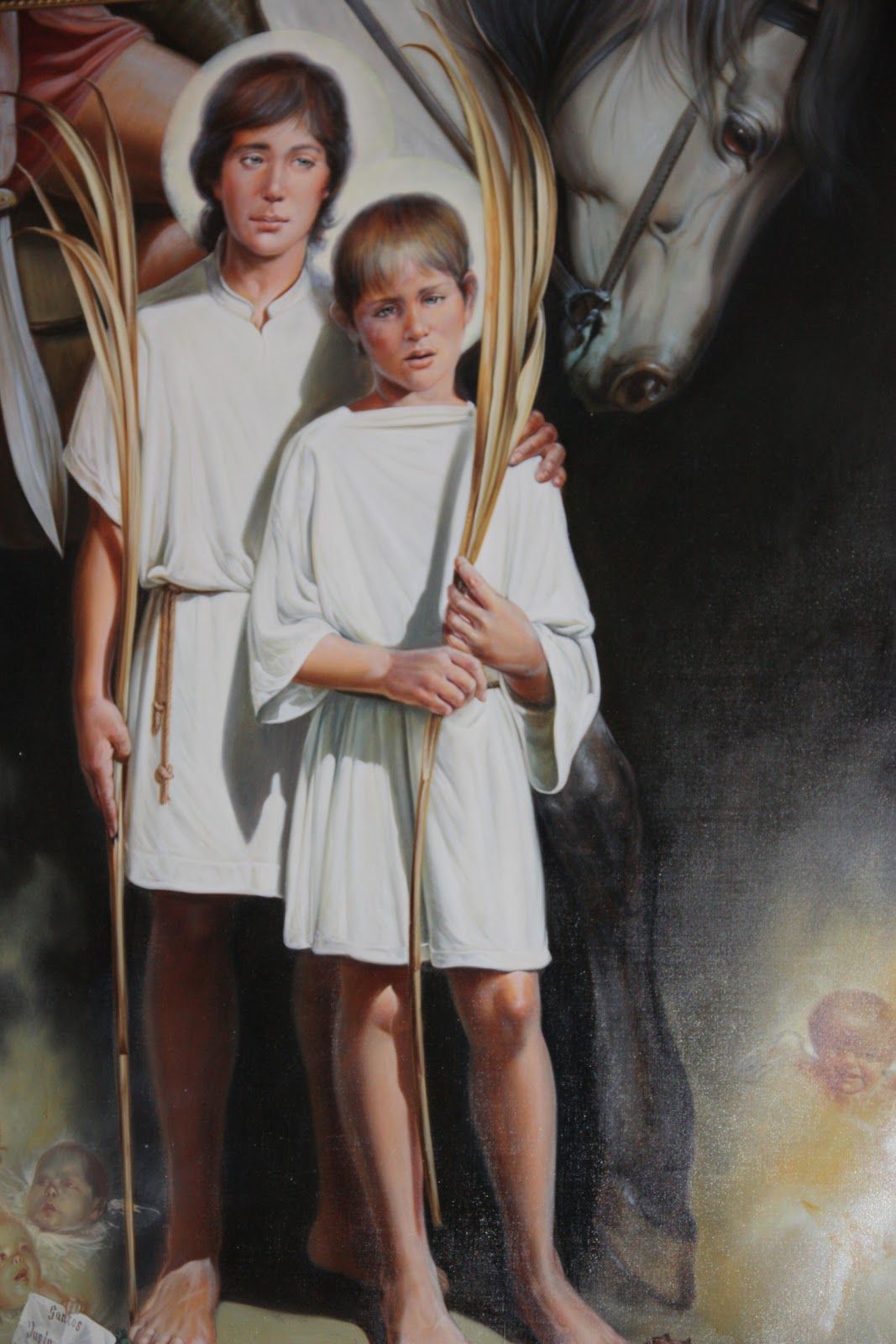
St Justus and St Pastor – Holy Martyred Children (Died 304) Saints Justus and Pastor of Alcala were two brothers, who in their tender age overcame, with an heroic courage, the rage and power of Dacian, armed with all the instruments of cruelty.
The Martyred Children:

https://anastpaul.com/2020/08/06/saints-of-the-day-6-august-saints-justus-and-pastor-the-holy-martyred-children-of-alcala-de-henares-in-spain-died-304/

Bl Octavian of Savona
St Stephen (Died 872) Abbot and Martyr of Cardeña

Martyrs of Cardeña: Two hundred Benedictine Monks at the Saint Peter of Cardegna monastery, Burgos, Spain who were Martyred in the 8th century by invading Saracens. They were buried by local Christians in a nearby churchyard in Burgos, Spain and Beatified in 1603 by Pope Clement VIII (cultus confirmed).