
Saint of the Day – 16 February – St Juliana (Died c305) Virgin Martyr of Nicomedia. Patronages – against bodily ills, of the sick, Pedrosa de Río Úrbel, Spain. Also known as – Juliana of Cumae. Additional Feast – 25 February.
The Roman Martyrology reads today: “At Cunae in Campania, the Translation of St Juliana, Virgin and Martyr. Under the Emperor Maximian, she was first severely scourged by her own father, Africanus, then made to suffer many torments by the Prefect, Evilasius, whom she had refused to marry. Later, being thrown into prison, she encountered the evil spirit in a visible manner. Finally, as a fiery furnace and a cauldron of boiling oil could do her no injury, she terminated her Martyrdom by decapitation.”
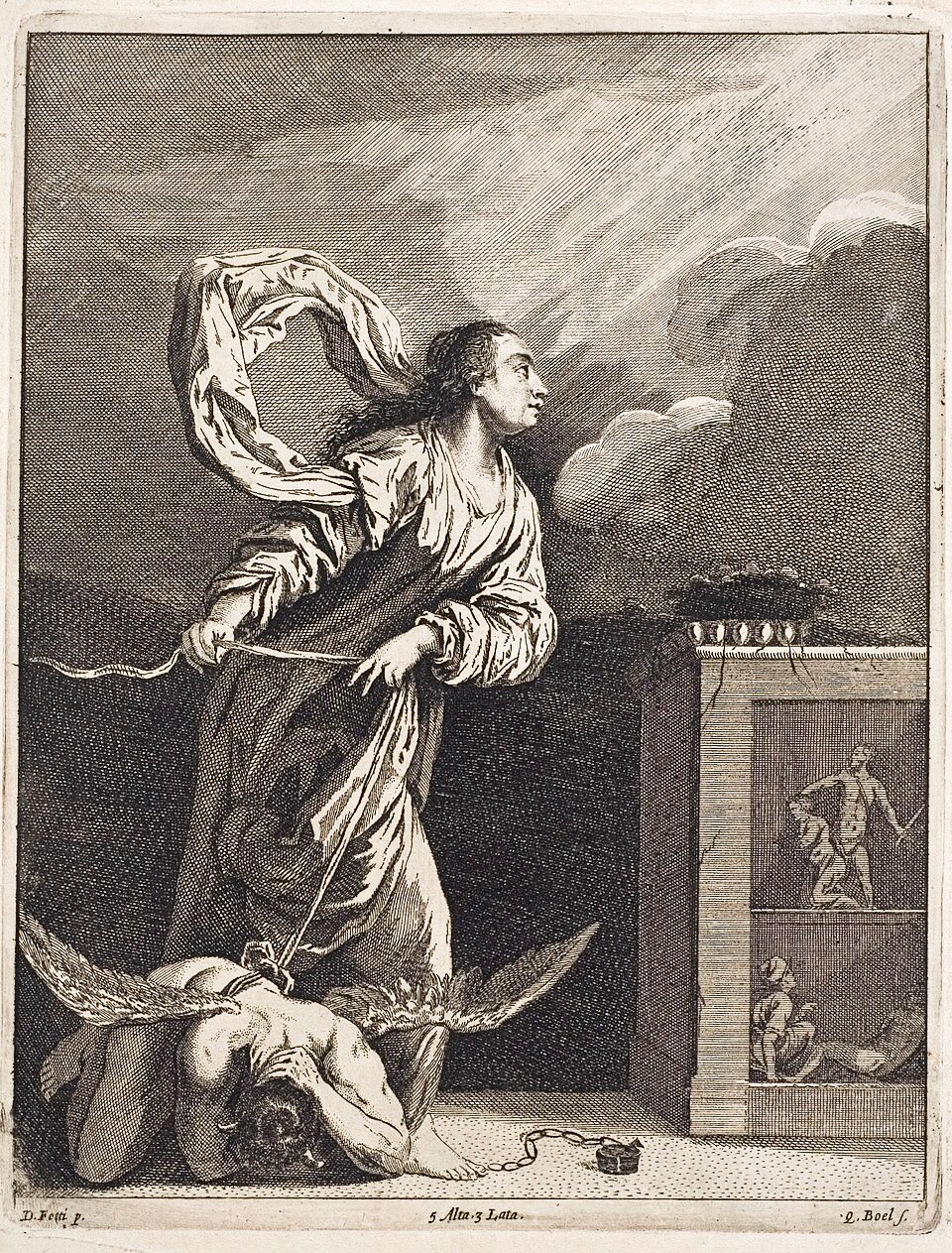
According to the text of the Passion of Juliana, she was born around 285 in Nicomedia, now Izmit, Turkey. She was the only Christian in her family. Her father, in particular, was a zealous follower of pagan deishe was the only member of her family to follow Christ and her father, Africanus, was a zealous follower of pagan deities.
Being promised in marriage to a pagan named Evilasius, she initially declared that she would marry the City Prefect, only on condition that he converted to Christianity. Evilasius, then, irritated by the young woman’s demands, had her brought before his tribunal. Nothing could change her mind, neither torture nor imprisonment.

After boiling cauldrons of oil and fiery furnace could not harm her, finally, she was sentenced to beheading, thus consummating her Martyrdom. This occurred during the time of Maximian, around 305.
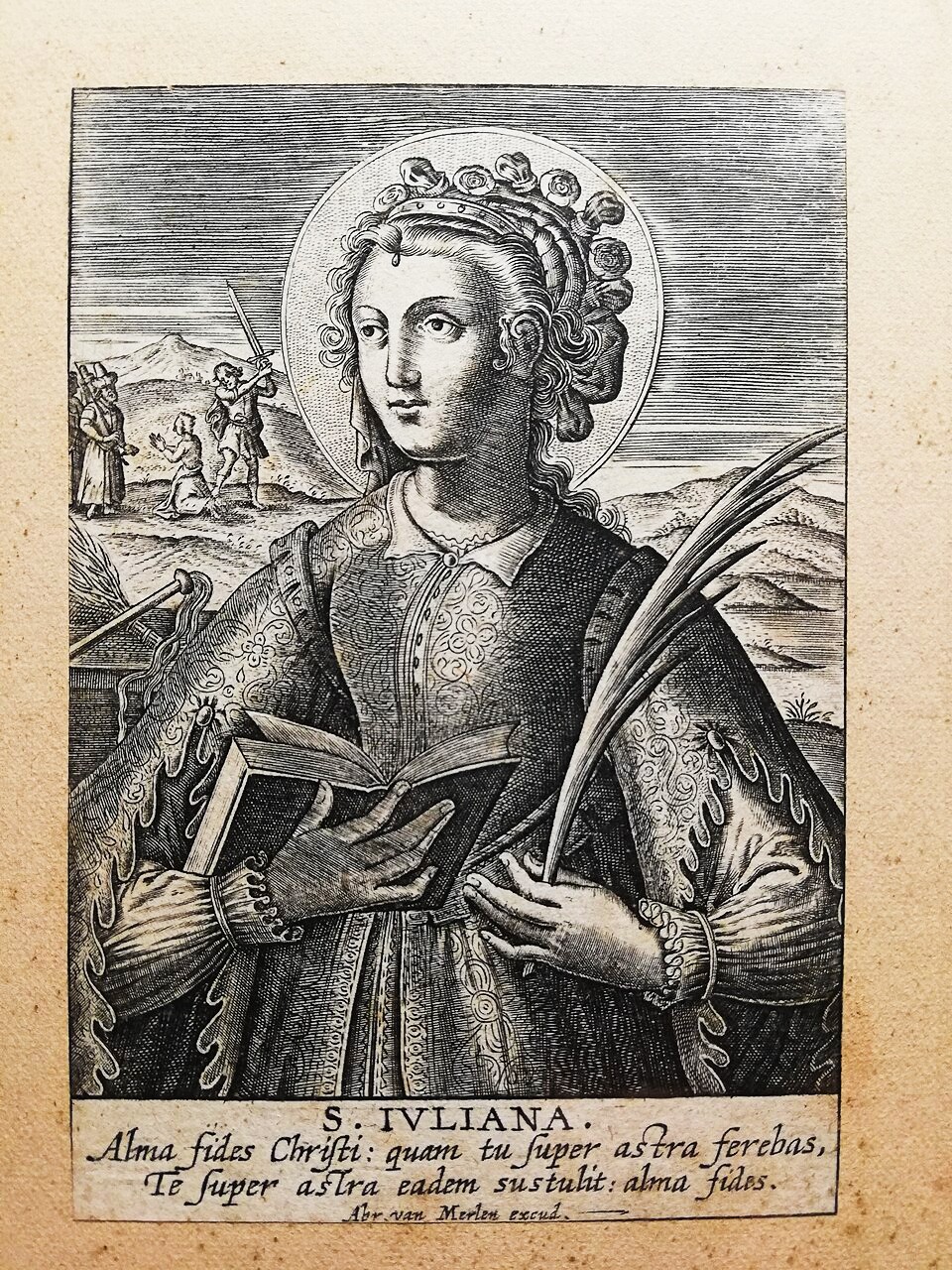
Her Feast today, 16 February was the probably date of the translation (perhaps the second) of the Relics of the holy Virgin Martyr. These would have first been transferred from Nicomedia to Pozzuoli, then at the time of the Lombard invasion (around 568) they were placed in safety in Cumae and from there, in 1207, finally on 25 February they were translated to Naples. This explains the spread of the Saint’s cult throughout the region as well as her presence in the 9th Century marble calendar.
It would certainly be difficult to clarify the problem of partial translations that could justify the claims of numerous Churches in Italy, Spain, Holland and other European Countries to possess Juliana’s Relics.





 AnaStpaul
You must be logged in to post a comment.