
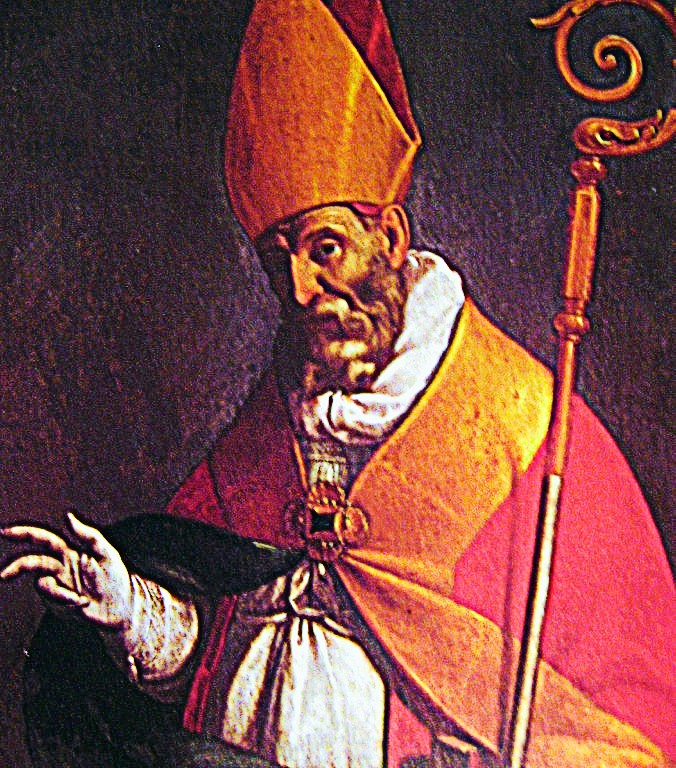
Saint of the Day – 27 August – St Osio (c256-c357) Bishop and Confessor of Córdoba, Spain, Spiritual writer, Born in c256 in Córdoba, Hispania (modern Córdoba, Spain) and died in c357 in Sirmium, Pannonia (modern Sremska Mitrovica, Serbia). Also known as – Hosius, Hossius… Hozius… Ossios… Osius… Ossiuo… Ossius… Córdobalı Hosius.
Osio’s exact date of birth is unknown, although, based on the facts of his life, it can be deduced that he was born in Córdoba around 256 and died in Sirmium around 357, reaching the respectable age of over one hundred years.

He must have quickly given proof of his holiness, prudence, culture and zeal for the glory of God, since around 295 we find him as the Bishop of Córdoba, the former metropolitan See of Baetica. There are also serious doubts about his Episcopal Ordination. According to the Episcopal catalogue of Córdoba, he appears to have been acclaimed by the Clergy and the people, thanks to his life, marked by a reputation for holiness.
Many authors attach great importance to Osio and his thought within the life of the Church in antiquity; two lost works are attributed to him: “De laude virginitatis” and the “Treatise on Priestly Vestments.”
Ossio distinguished himself at the Council of Elvira, whose acts he signed eleventh. It seems that at this Council, Ossio acquired his great fame as a theologian. Those who claim that Ossio distinguished himself at this Baetic Council for his theological ability are plausible.
Diocletian’s accession to the throne revolved around the date of our Bishop’s Consecration and a few years later he launched a persecution against Christians. This was one of the first problems the new Bishop of Cordoba encountered:
And so Osio governed his See peacefully with great fruit, until the year 303, when at Easter which was on the 18th of April, the decree of the cruelest and bloodiest persecution was published which flooded the Provinces with the blood of Martyrs.
This is what the Episcopology tells us but it seems that bloodshed did not come until 304. This terrible persecution lasted until May 305, when Diocletian resigned his office. One of Christ’s Confessors during this persecution was Bishop Osio, who, although he escaped bloody Martyrdom, saved his life by God’s permission and for the benefit of his Church. It seems that the illustrious Bishop suffered great torments for Christ, bearing in his life the scars and signs of that attack which earned him the prestigious title of Confessor of the Faith which is Christ. It is known that the shepherds of the Church were greatly persecuted and this Osio, in particular.
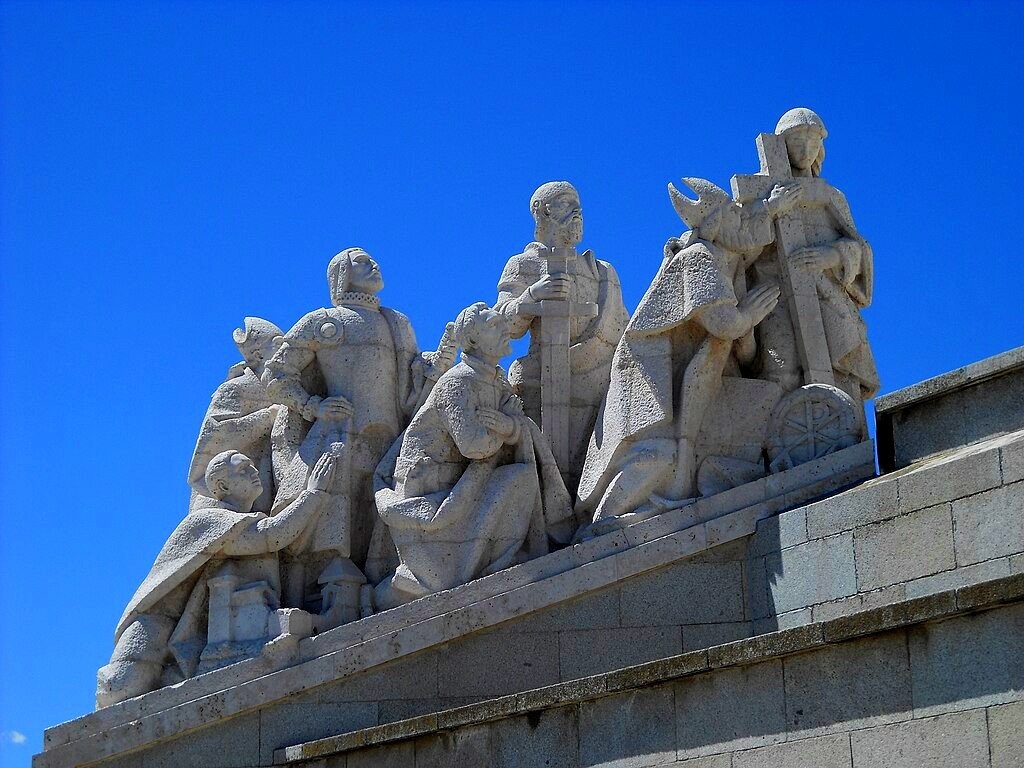
He will make the Bishop of Córdoba a courageous witness to the Faith which will bring him torture and exile. He himself will later describe to Constantine: “I have confessed the Faith of Christ.”
After the end of the persecution and following the promulgation of the Edict of Peace (Edict of Milan in 313), and especially from 313 to 326, we find Osio in close relationship and communication with the Emperor Constantine apparently playing a possible advisory role. Constantine’s rise to imperial power marked the inauguration of a new era not only in the history of the Church but also in universal history.
The Council of Arles, the Alexandrian question of nascent Arianism, the celebration of the Church’s first Ecumenical Council and its post-conciliar controversies, would shape the future of imperial policy and the development of the Church. On all these occasions, the figure of Bishop St Osio of Córdoba appears explicitly. Hence the need to shed light on the importance and significance of this distinguished figure of the Spanish Episcopate and of the century marked by his life and ministry. Holy St Osio please pray for the Church of Christ and for us all! Amen.


 AnaStpaul
You must be logged in to post a comment.