Posted in Uncategorized

Saint of the Day – 23 February – Saint Romana (Died c324) Virgin, Recluse

Saint of the Day – 23 February – Saint Romana (Died c324) Virgin, Recluse, Miracle-worker. Born in c308 and died in c324 in her cave in Todi, Umbria, Italy of natural causes.

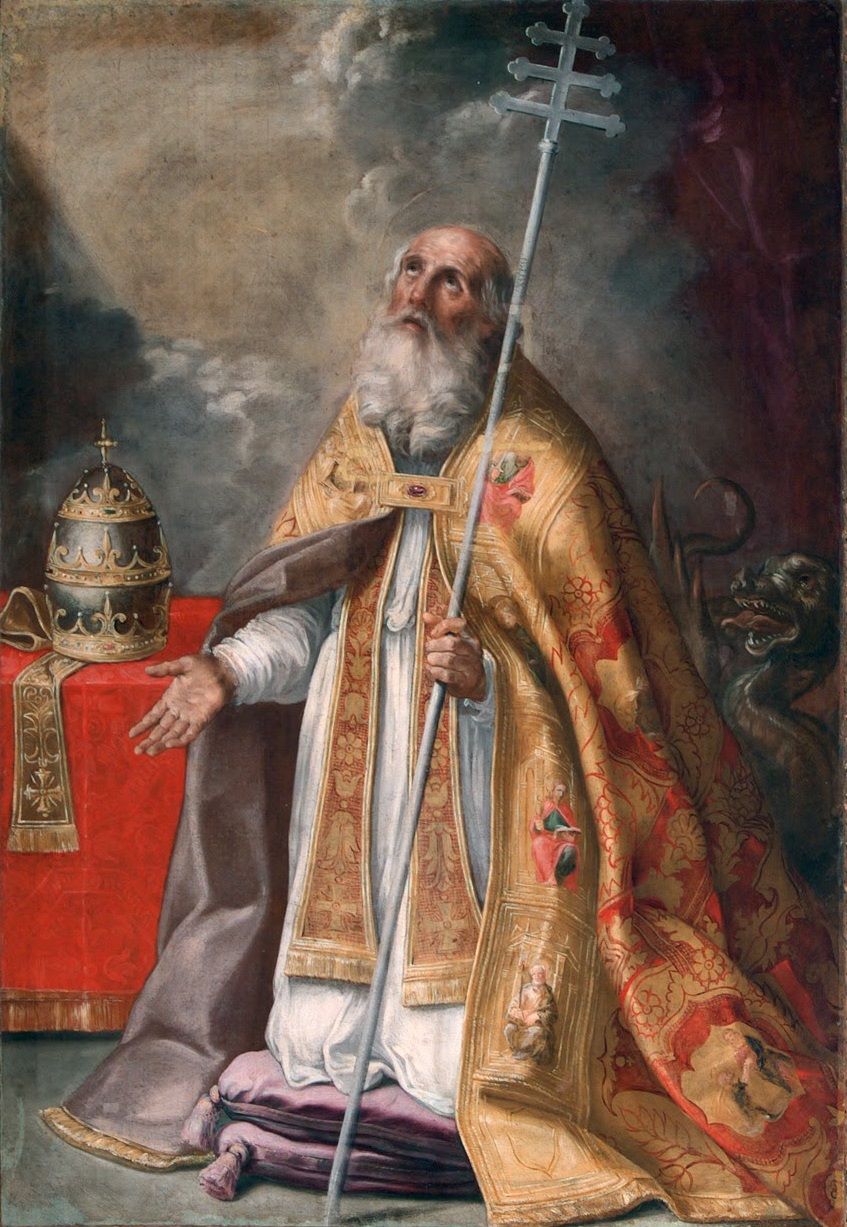
The Roman Martyrology reads today: “At Todi, St Romana, Viurgin, who was Baptised by Pope St Sylvester. She led a heavenly life in caves and dens and wrought glorious miracles.

St Pope Sylvester

Romana was the daughter of Calfurnius, the Prefect of Rome. Having embraced the Christian Faith, she renounced all the comforts and conveniences which her rank would have allowed her.

Following her religious vocation, she ran away from home and, at the age of 10, she reached St Silvester on Mount Soratte, to be Baptised.

Inside the church of Santa Romana on Soratte (a mountain in Sabina) there is the following inscription:
“23 FEBEUARII ^ TUDERTI ^ St ROMANE VIRGINIS QUE A S. SILVESTRO BAPTIZATA IN HANC ANTRI ET SPELUCIS CELESTE VITA DUXIT ET MIRACULORV.GLORIS CLARUIT.”
(23 FEBRUARY ^ TUDERTI ^ ST ROMAN VIRGIN WHO WAS BAPTISED BY ST SILVESTER IN THIS CAVE. SHE LIVED A CELESTIAL LIFE AND WAS REPLETE WITH MIRACULOUS GLORY).
Nowadays it is almost illegible.

Romana on Mount Soratte. lived in a hermitage, She wanted to live in that very cave, perhaps because she felt close to Pope Sylvester, whose sanctity she admired. And it is in these places that a legendary relationship was born, between the Saint and his devotee, who reached him at the top of the mountain, perhaps using some secret passage, wedging herself into the bowels of the mountain.

Silvester warned her each time and once said to her: “now you will return when the roses have bloomed.” It was the middle of winter which had often stained the steep climbs of the mountain with white, when one morning Romana returned to Silvester with a rose; it had bloomed.

The Saint then set out alone towards the City of Todi. In the gorges of Forello, she established her home inside a cave. Although she lived alone, her constant prayer and her faith, were such that many Christians approached her, praising her sanctity.

Romana died in prayer surrounded by the faithful, in the year c324. The body of the Saint was buried in the cave where she lived and in which an Altar was built, where masses were continuously celebrated.

In 1301 her body was transferred to St Fortunatus Church in Todi.

Posted in DOCTORS of the Church, LENT, MARIAN TITLES, SAINT of the DAY

Sexagesima Sunday, Nuestra Señora de la Peña / Our Lady of the Rock (1434), St Peter Damian and the Saints for 23 February

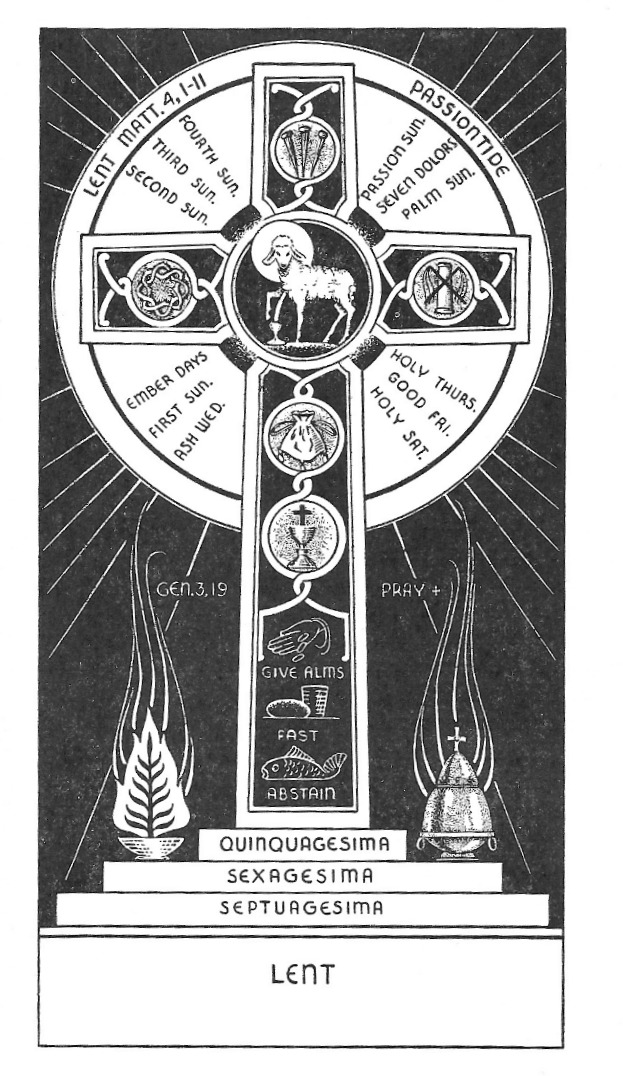
SEXAGESIMA SUNDAY: (Latin – Sexagesima, sixieth) The name means “sixtieth” as it falls within the 50-60 day ranges before Easter and the second before Lent. The Ordo Romanus, St Alcuin and others, count the Sexagesima from this day to Wednesday after Easter. The name was already known to the Fourth Council of Orléans in 541. To the Latins it is also known as “Exsurge” from the beginning of the Introit. The Station was at Saint Paul’s Outside the Walls of Rome and hence, the oratio calls upon the Doctor of the Gentiles. The Epistle is from Paul, 2 Corinthians 11 and 12, describing his suffering and labours for the Church. The Gospel (Luke 8) relates the falling of the seed on good and on bad ground, while the Lessons of the first Nocturn continue the history of man’s iniquity and speak of Noah and of the Deluge.

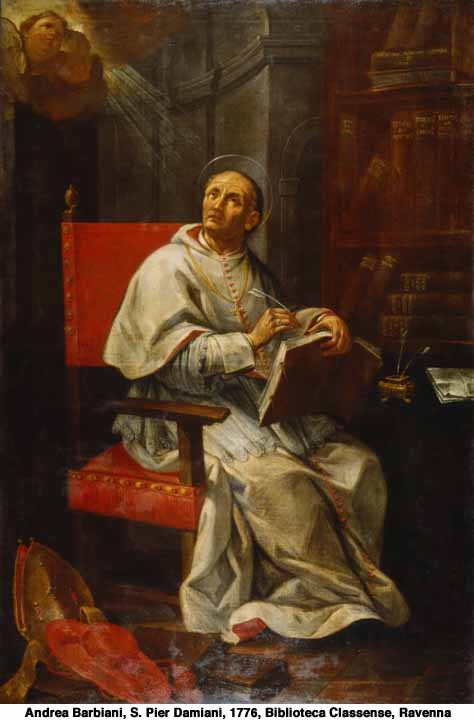
St Peter Damian OSB (1007-1072) Cardinal Bishop of Ostia, Benedictine Monk, Confessor, Theologian, Reformer, Writer, Teacher, Preacher, Poet, Papal Envoy, Father and Doctor of the Church. Dante placed him in one of the highest circles of Paradiso as a great predecessor of Saint Francis of Assisi. Peter was acclaimed as “one of the most accomplished Latinists of his time, one of the greatest writers of medieval Latin.
The wonderful St Peter here:
https://anastpaul.wordpress.com/2017/02/21/saint-of-the-day-21-february-st-peter-damian/
AND:
https://anastpaul.com/2019/02/21/saint-of-the-day-21-february-st-peter-damian-osb-1007-1072-doctor-of-the-church/

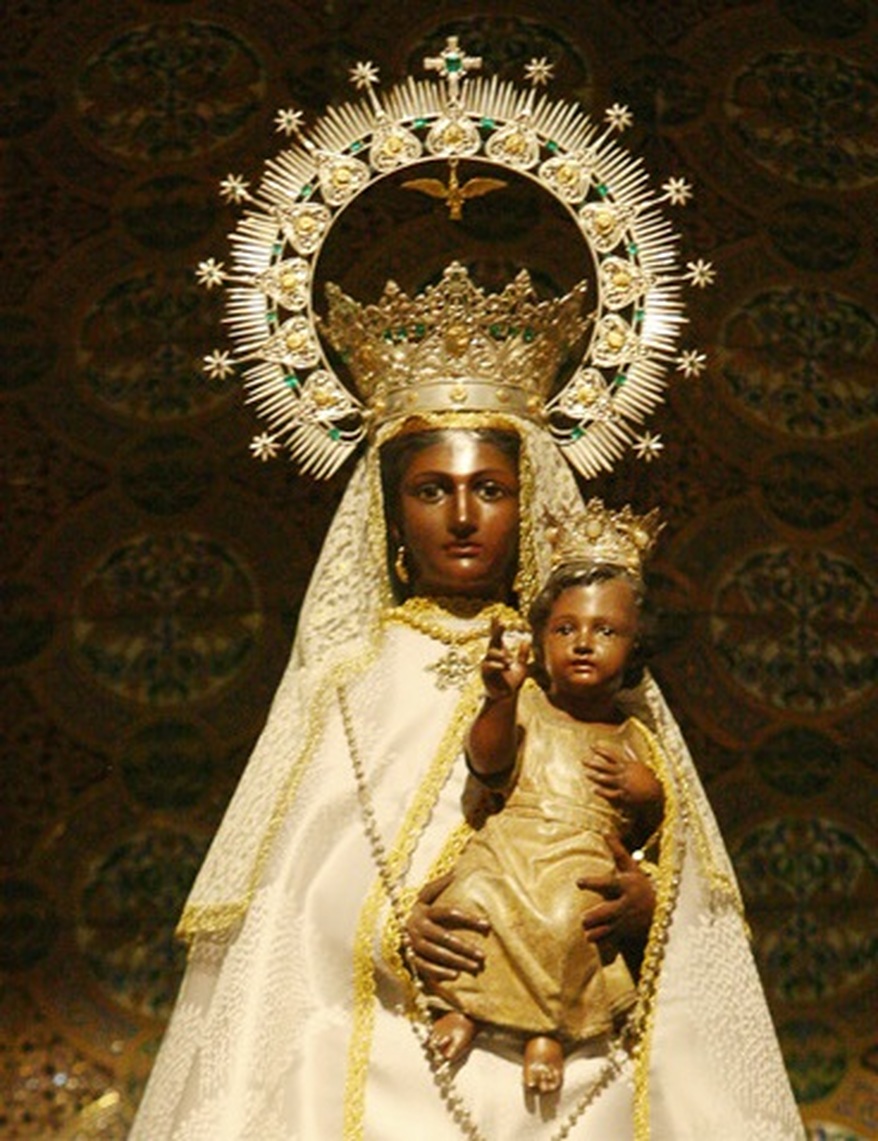
Nuestra Señora de la Peña / Our Lady of the Rock, Pena de Francia, near Salamanca, Spain (1434) – 23 February:
HERE:

https://anastpaul.com/2021/02/23/our-lady-of-the-rock-pena-de-francia-near-salamanca-spain-1434-and-memorials-of-the-saints-23-february/

St Alexander Akimetes
St Boswell
St Dositheus of Egypt
St Felix of Brescia
St Florentius of Seville
St Giovanni Theristi (1049–1129) Monk
Bl John of Hungary

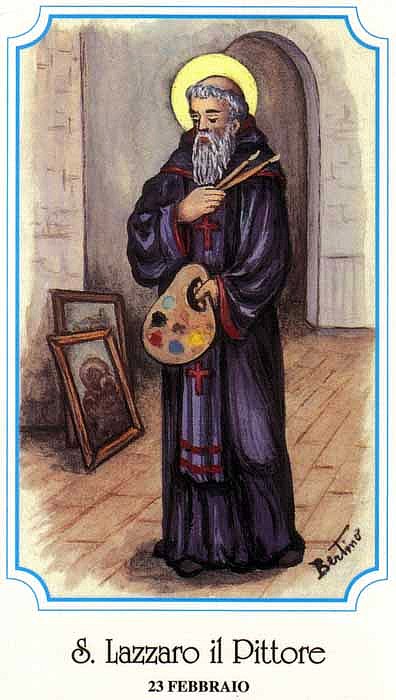
St Lazarus Zographos (c810-c 867) Priest, Monk known as “the Painter and the Iconographer.” Lazarus lived before and during the second period of Byzantine Iconoclasm.
The Roman Martyrology states of him today: “St Lazarus, a Monk, whom the Iconoclast Emperor Theophilus ordered to be put to torture for having painted holy images. His hand was burned with a hot iron but, being healed by the power of God, he painted anew the holy images which had been defaced and finally rested in peace.”
The Painter Saint:

https://anastpaul.com/2022/02/23/saint-of-the-day-23-february-st-lazarus-zographos-810-865/

St Martha of Astorga
St Medrald

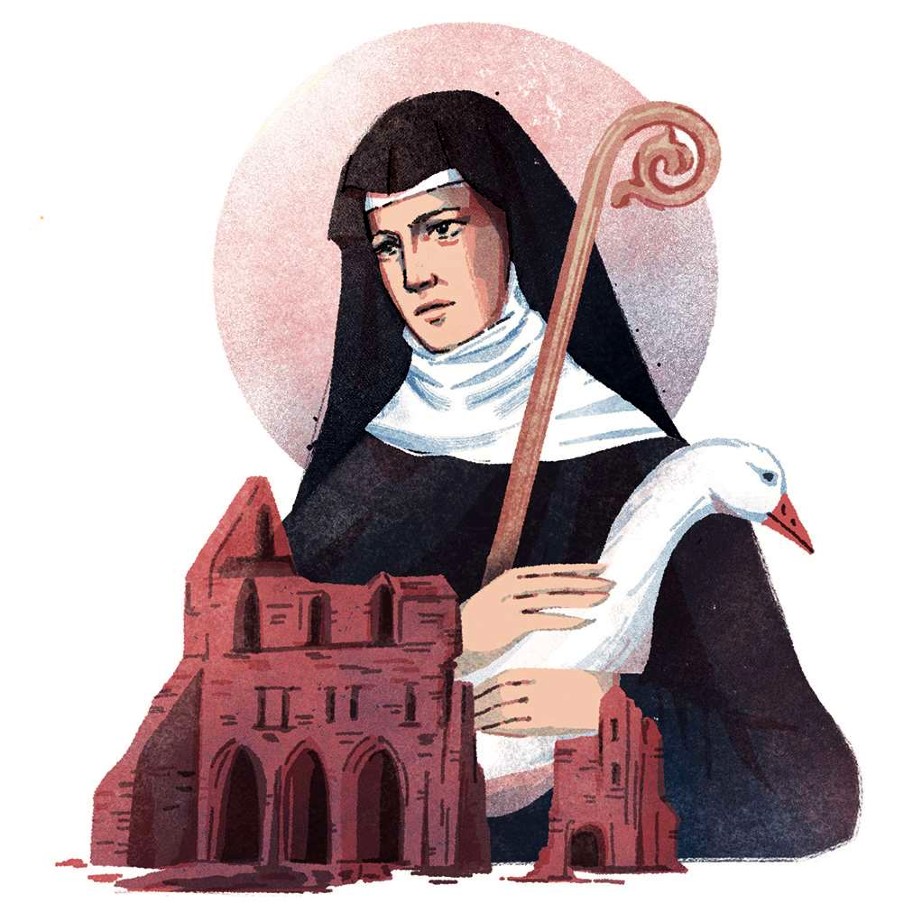
St Milburga (Died 715) Virgin, Prioress, Abbess, Miracle-worker.
Biography:

https://anastpaul.com/2023/02/23/saint-of-the-day-23-february-saint-milburga-died-715-abbess/

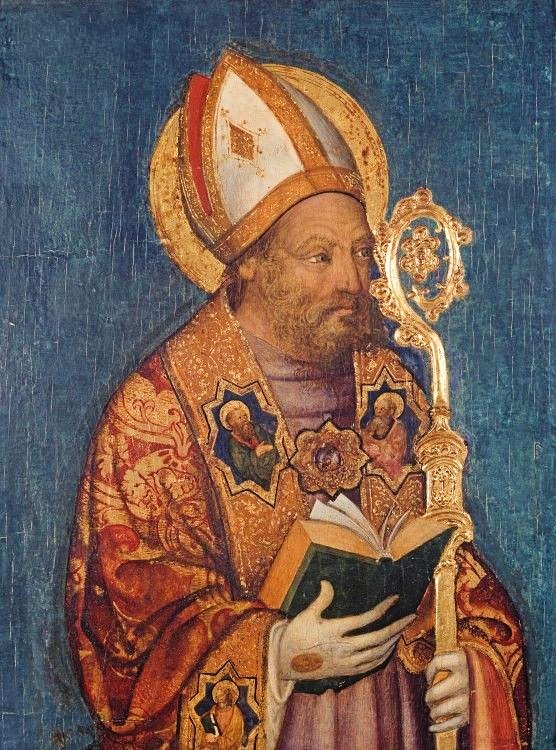
St Milo (Died c1077) Bishop of Benevento, Teacher, Spiritual Guide and most zealous Shepherd of his flock and a loving father to the poor, the sick and the nedy. B
Loving Father St Milo, Pray for Us!:

https://anastpaul.com/2024/02/23/saint-of-the-day-23-february-saint-milo-of-benevento-died-c1077-bishop/

St Ordonius
St Polycarp of Rome
St Romana (Died c324) Virgin

St Serenus the Gardener (Died 307) Martyr. Serenus was by birth a Grecian. He left his family estate, friends and country to serve God in celibacy, penance and prayer. With this design he bought a garden in Sirmium in Pannonia, which he cultivated with his own hands and lived on the fruits and herbs it produced.
His Life and Death:

https://anastpaul.com/2019/02/23/saint-of-the-day-23-february-st-serenus-the-gardener-died-307-martyr/

St Willigis of Mainz (c940-1011) Archbishop of Mainz, Reformer, builder of the Cathedral of Mainz and many Churches, bridges and roads throughout his Diocese, de facto Regent of Germany during the minority of Otto III, to whom he was Guardian.
About St Willigis:

https://anastpaul.com/2021/02/23/saint-of-the-day-23-february-saint-willigis-of-mainz-c-940-1011-archbishop/

St Zebinus of Syria

Martyrs of Syrmium – 73 Christians who were Martyred together in the persecutions of Diocletian. We know no details about them, and only six of their names – Antigonus, Libius, Rogatianus, Rutilus, Senerotas and Syncrotas.