Posted in SAINT of the DAY

Saint of the Day – 1 April – Saint Tewdrig (5th-6th Century) Hermit, Martyr

Saint of the Day – 1 April – Saint Tewdrig (5th-6th Century) Hermit, Martyr, King of Gwent and Glywysing. Born in Cardiff in Wales and died in the 6th Century in Mathern, Wales from the wounds received in battle against the pagan Saxons. Also known as – Tewdrig ap LLywarch, Tewdrig of Tintern, Tewdrig of Glamorgan, Theodoricus, Theodoric, Theoderick, Teudrig, Tewdric, Tudric.

Tewdrig was a Prince of Glywysing roughly corresponding to the present-day County of Glamorganshire in Wales – and married to Gowan. He initially defeated the invading Saxons at the Battle of Llandaff, now a district in Cardiff and later became Patron of this Church there.

He abdicated in favour of his son, Meurig (Maurice) and withdrew to live as a Hermit on a rocky spot by the river, on the site of the Monastery founded in 1131 in Tintern.
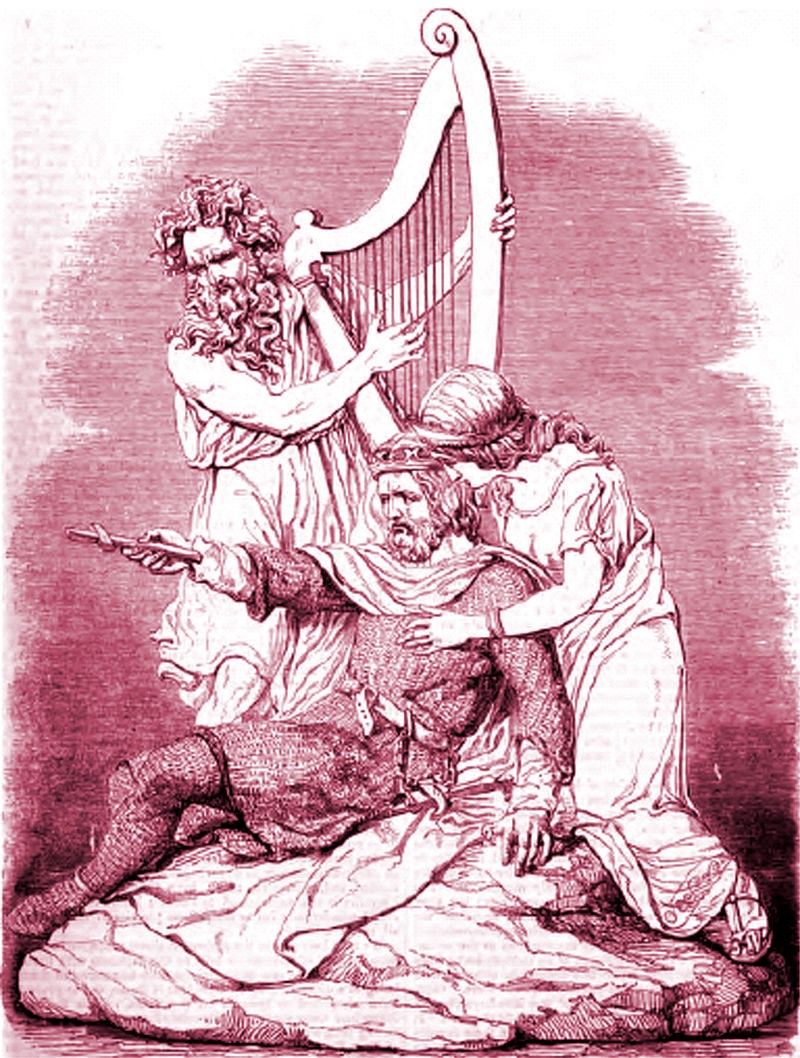
Drawing after a statue by J Evan Thomas: St Tewdrig’s Death,

However, his son called him back to service in order to lead the army against the invading Saxon troops who had previously devastated the area around Hereford. He won the battle but was mortally wounded near his hermitage. He asked to be taken to the Island of Flat Holm but died before reaching the destination, in Mathern, after three days’ travel.

Tradition tells us that the journey was made in a cart drawn by two stags. Wherever the deer rested, a miraculous spring sprang up.

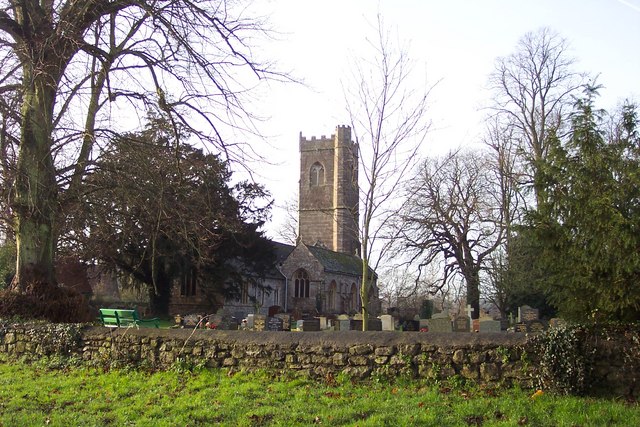
Since the Saxons were pagans and Tewdrig was a Christian, he is considered a Martyr. His son, Meurig had a Church built on the site of his Grave in Mathern The story of Tewdrig is recorded in the Book of Llandaff which was written around 1125, to justify the rights of this Episcopate’s See against the rival Sees of St David’s and Hereford. In 1615, Bishop Godwin of Llandaff reported seeing a skull, with a hole through it in a coffin before the Altar of the Church in Mathern, presumably being St Tewdrig’s Relics. The image below is the Church in Mathern dedicated to our Saint.

Posted in MARIAN TITLES, SAINT of the DAY

April Devotion, Nostra Signora delle Lacrime / Our Lady of Tears, Sicily (1953) and the Saints for 1 April

Devotions for the Month of April
The Resurrection and The Blessed Sacrament
‘I am the Resurrection and the Life’

Nostra Signora delle Lacrime / Our Lady of Tears, Sicily (1953) – 1 April:
HERE:

https://anastpaul.com/2021/04/01/maundy-thursday-2021-our-lady-of-tears-sicily-1953-and-memorials-of-the-saints-1-april/

Blessed Abraham of Bulgaria
Blessed Alexander of Sicily
Saint Anastasio
Blessed Antonius of Noto
Saint Berhard of Amiens
Blessed Bernhardin of Noto

Saint Celsus (c1080-1129) Archbishop of Armagh, Reformer. He was responsible for the change from lay control of the Church in Ireland, to a Clerical-Episcopal model. Himself a hereditary lay administrator, he decided to seek Priestly Ordination and be embraced celibacy in order that the reform introduced by Pope St Gregory VIII on the Continent, could take effect also in Ireland.
Holy and Brave St Celsus:

https://anastpaul.com/2023/04/01/saint-of-the-day-1-april-saint-celsus-of-armagh-c1080-1129-archbishop/

Saint Dodolinus of Vienne
Blessed Enrico Alfrieri OFM (1315-1405) Vicar General of the Friar’s Minor
Blessed Gerard of Sassoferrato
Saint Gilbert de Moray
Blessed Giuseppe Girott
Blessed Hugh of Bonnevaux

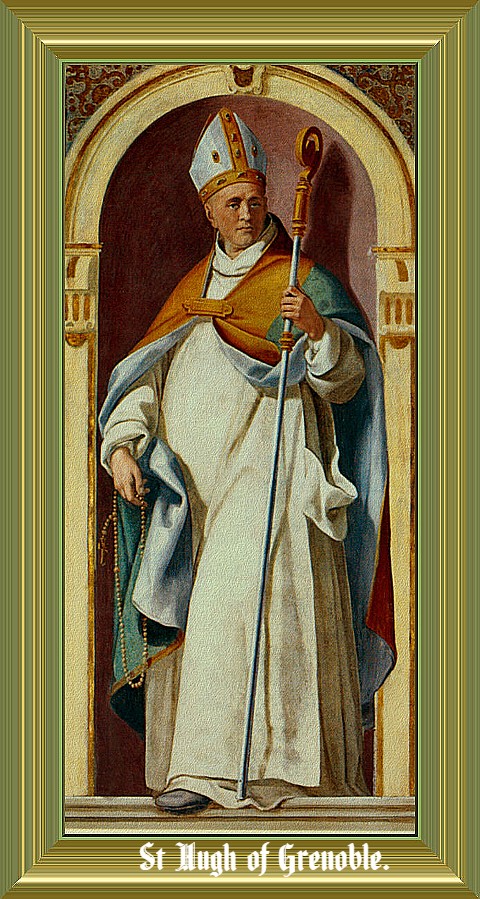
Saint Hugh (1053-1232) Bishop of Grenoble , Reformer, in the foundation of the Carthusian Order, founded a Monastery at Chalais.
The Roman Martyrology reads: “In Grenoble in Burgundia, in today’s France, St Hugh, Bishop, who worked for the reform of the customs of the clergy and the people and, during his Episcopate, ardently loving solitude, gave St Bruno at the time, his teacher and to his companions, the hermitage of Chartroux, of which he was also the first Abbot. He ruled his Church for about fifty years with the thoughtful example of his charity.
This Wonderful Zealous St Hugh:

https://anastpaul.com/2022/04/01/saint-of-the-day-1-april-saint-hugh-of-grenoble-1053-1232/

Saint Jacoba of Rome
Blessed John Bretton
Saint Leucone of Troyes

Blessed Marcelle

Saint Mary (c344-c 421) Desert Mother in Egypt, Penitent, Recluse.
Her Devout Life of Solitude:

https://anastpaul.com/2021/04/01/saint-of-the-day-1-april-saint-mary-of-egypt-c-344-c-421/

Saint Melito (Died c 180) Early Church Father, Bishop of Sardis (Died c 180), ecclesiastical Writer, Confessor, Apologist, Defender of Christ’s dual nature. Saint Melito is believed to have been martyred around the time he wrote his apology to Marcus Aurelius circa 180.
Brilliant St Melito:

https://anastpaul.com/2019/04/01/saint-of-the-day-1-april-st-melito-died-c-180/

Blessed Nicolò of Noto
Saint Prudentius of Atina
Saint Tewdrig (5th-6th Century) Hermit, Martyr
Saint Theodora of Rome

Saint Valéry of Leucone (c565-c619) Priest, Abbot, Founder of the Abbey of Saint-Valery-sur-Somme, a man of Miracles and Visions. Born around 565 in the Auvergne in France and died on 1 April c619 (?) in Leuconay, today St-Valéry-sur-Somme. Patronages – of horticulturists and gardeners, of Death Row Prisoners,fishermen and of of Saint-Valéry-sur-Somme.
The Roman Martyrology reads: “At Amiens, the Abbot, St Valéry, whose Tomb is made illustrious by frequent miracles.
Miraculous St Valéry:

https://anastpaul.com/2024/04/01/saint-of-the-day-1-april-saint-valery-of-leucone-c565-c619-priest-abbot/

Saint Venantius of Spalato
Blessed Vinebault

Apostles of Picardy – Martyrs:
Saint Caidoc
Saint Fricor

Martyrs of Thessalonica – 6 Saints: A group of Christians Martyred. We know nothing about them but the names Alexander, Dionysius, Ingenianus, Panterus, Parthenius and Saturninus. Martyred in Thessalonica, Greece, date unknown.