Posted in SAINT of the DAY

Saint of the Day – 2 November – Saint Theodotus (c260–c335) Bishop

Saint of the Day – 2 November – Saint Theodotus (c260–c335) Bishop of Laodicea (in modern Turkey), Philosopher, possibly a Physician, Theologian. He initially defended the Arians but after being provisionally excommunicated, he repented his stance and became a defender of orthodoxy.

The Roman Martyrology reads today: “At Laodicea in Syria, St Theodotus, a Bishop, powerful in words and adorned with good works and virtues.

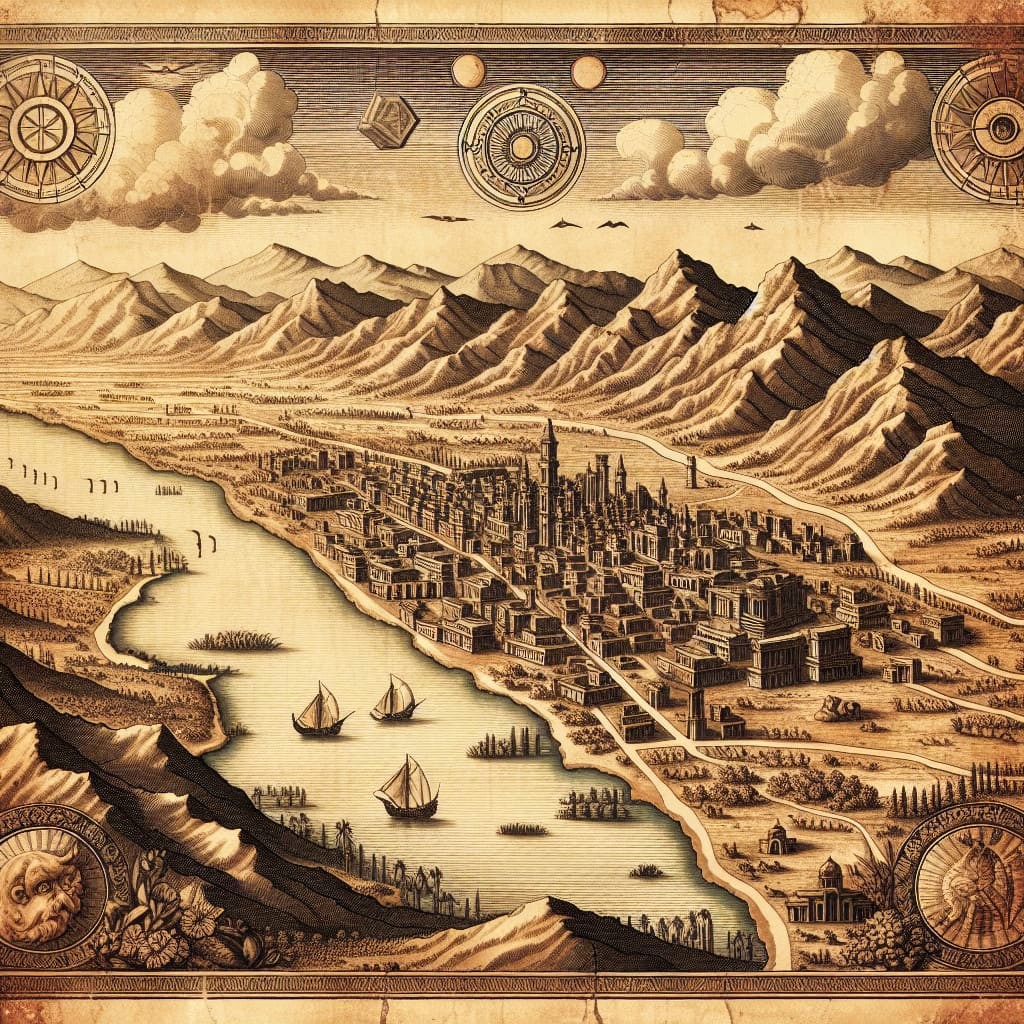
An artist’s representation of Laodicea

According to St Eusebius of Caesarea’s Historia Ecclesiastica, Theodotus “proved his personal name … true” and was a gift from God to the Diocese of Laodicea. St Eusebius also praises him for his knowledge of “the science of bodily healing” and for being a “dedicated student of divine teachings”, implying that he was trained in both medicine and theology, prior to becoming bishop. He used his medical training to treat the faithful during the Great Persecution. Eusebius and Theodotus were probably born around the same time. They were close friends and Ecclesiastical allies throughout their Episcopal careers. Eusebius dedicated two Apologetic works, Praeparatio evangelica and Demonstratio evangelica, written between about 312 and 318, to Theodotus.

Theodotus attended the Provincial Council of Antioch held in late 324 or early 325. He was one of only three Bishopswho refused to subscribe to the Council’s statement of faith which was based on the theology of the Bishop of Alexandria, Alexander I, an Arian. They were excommunicated pending their recantation at the “great and holy Synod” scheduled for June 325. Theodotus attended the Synod, which took place in Nicaea and subscribed to the Nicene Creed and Decrees, thus redeeming himself. He attended at least 2 further Councils and supported orthodoxy.

Because none of Theodotus’ writing survives, it is impossible to know Theodotus’ exact interpretation and theology with any exactitude. He may have defended Arius more out of loyalty to the Alexandrian Church, with which Laodicea had strong connections, than out of strong theological agreement.
Posted in FEASTS and SOLEMNITIES, NOVEMBER - Month of the SOULS in PURGATORY, SAINT of the DAY, The HOLY SOULS

All Souls Day, First Saturday, Notre-Dame D’Emminont / Our Lady of Emminont. France (12th Century) and Memorials of the Saints for 2 November

FIRST SATURDAY OF THE MONTH

Notre-Dame D’Emminont / Our Lady of Emminont. Abbeville, France (12th Century) – 2 November:
HERE:

https://anastpaul.com/2021/11/02/the-commemoration-of-all-the-faithful-departed-all-souls-day-notre-dame-demminont-our-lady-of-emminont-abbeville-france-12th-century-and-memorials-of-the-saints-2-november/

St Ambrose of Agaune
St Amicus of Fonte Avellana
St Amicus of Rambone
St Baya of Scotland
St Domninus of Grenoble
St Erc of Slane
St Eustochium of Tarsus
St George of Vienne

Blessed John Bodey (1549-1583) Layman, Martyr, Husband and Schoolmaster.
Born in 1549 at Wells, Somerset, England and died on 2 November 1583 at Andover, England by being hanged, drawn and quartered for the crime of being a Catholic and refusing to accept Elizabeth I, Queen of England, as the Head of the Church. Blessed John was Beatified on 15 December 1929 together with Blessed John Slade (feast day 30 October), by Pope Pius XI.
His Life and Death:

https://anastpaul.com/2023/11/02/saint-of-the-day-2-november-blessed-john-bodey-1549-1583-layman-martyr/

St Jorandus of Kergrist
St Justus of Trieste
St Marcian of Chalcis

St Maura of Scotland
St Theodotus (c260–c335) Bishop of Laodicea

St Victorinus of Pettau (Died c 304) Bishop Martyr, learned Exegetists on both the Old and the New Testament, ecclesiastical writer, theologian.
His Life and Death:

https://anastpaul.com/2021/11/02/saint-of-the-day-2-november-st-victorinus-of-pettau-died-c-304/

St Willebald of Bavaria

Martyrs of Isfahan – 5+ Saints: Acindynus, Pegasius and Anempodistus were Persian priests who were imprisoned, tortured, interrogated and Martyred in the persecutions of king Sapor II of Persia; he considered any Christian to be a Roman spy and anti-Persian.

Martyrs of Sebaste – 10 Saints: A group of ten soldiers in the imperial Roman army of Emperor Licinius Licinianus who were executed together for refusing to burn incense as a sacrifice to the emperor. The only details that have survived are five of their names – Agapius, Cartherius, Eudoxius, Styriacus and Tobias. They were burned at the stake in 315 in Sebaste (in modern Turkey).