
Saint of the Day – 3 November – Saint Winifred (Died 7th Century) Virgin Martyr. Born in Tegeingl (modern-day Flintshire) Wales and died in Gwytherin (in modern-day Conwy) also in Wales. Patronages – of Holywell in Flintshire, Wales; against unwanted advances, of the Diocese of Shrewsbury. Also known as – Winefride, Wenefreda, Winifreda, Gwenffrewi.
The Roman Martyrology reads today: “In England, St Winifred, Virgin and Martyr.”
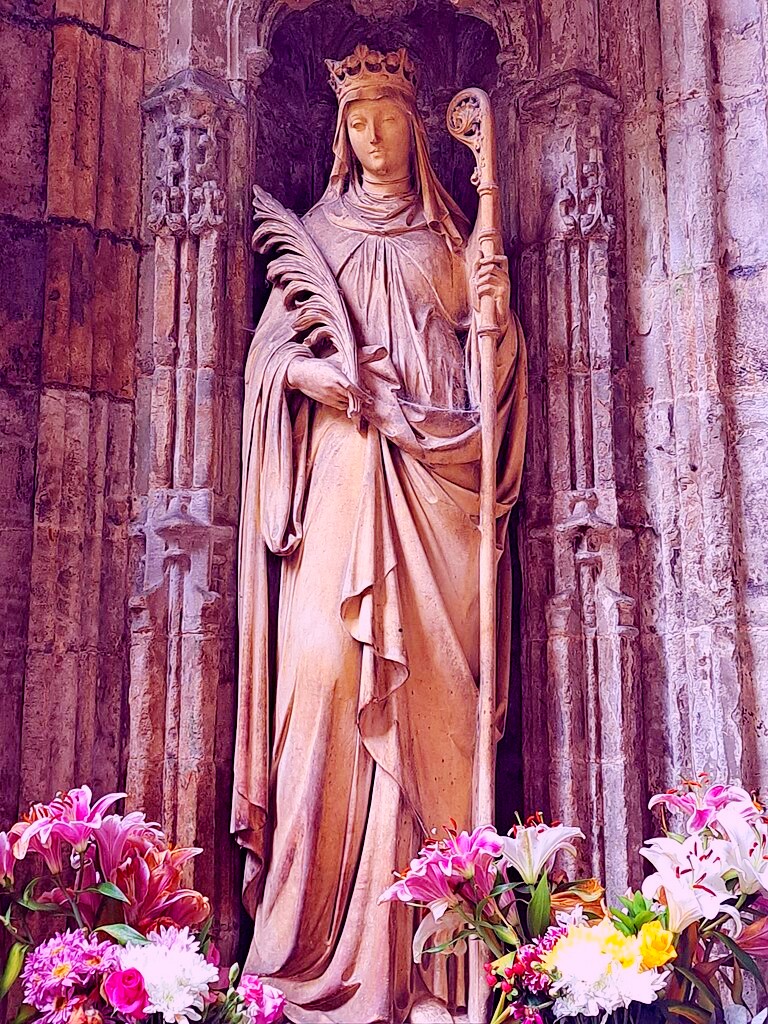
The story of St Winifred, the 7th Century Virgin and Martyr is told in two 12th Century ‘Lives’ one written by Robert Pennant, Prior of Shrewsbury Abbey in Shropshire in England and a shorter work of unknown authorship, known as the Vita Prima. Both works tell substantially the same story of the origin of theour Saint and of her famous Well.
Winifred was the daughter of Teuyth, a chieftain of Tegeingl, who had permitted St Beuno to establish a Church within his territory. Beuno became Winifred’s religious instructor and spiritual guide (later iterations of the story make him Winefride’s uncle) and, at an early age, she took a vow of chastity, intending to devote her life to God.
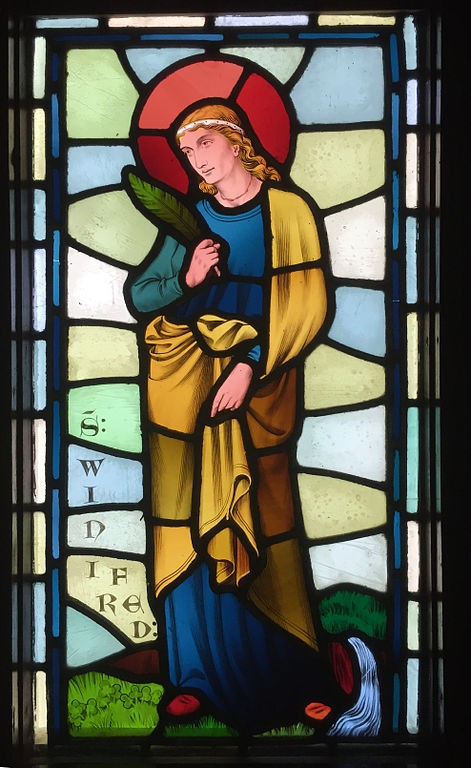
One Sunday morning, while her parents were at Mass, a Prince named Caradoc visited their home. Finding Winifred alone, he tried to coerce her to unchaste actions, threatening to force her if she refused. Winifred pretended to consent, only asking that she first be allowed to retire to her chamber to change her garments. By this ruse she managed to escape the house and fled down the valley towards St Beuno’s Church. As she reached it, Caradoc caught up with her and decapitated her with his sword. Her body fell to the ground, outside the Church door, but her head landed inside the threshold,and where it fekk, a spring burst forth from the earth.
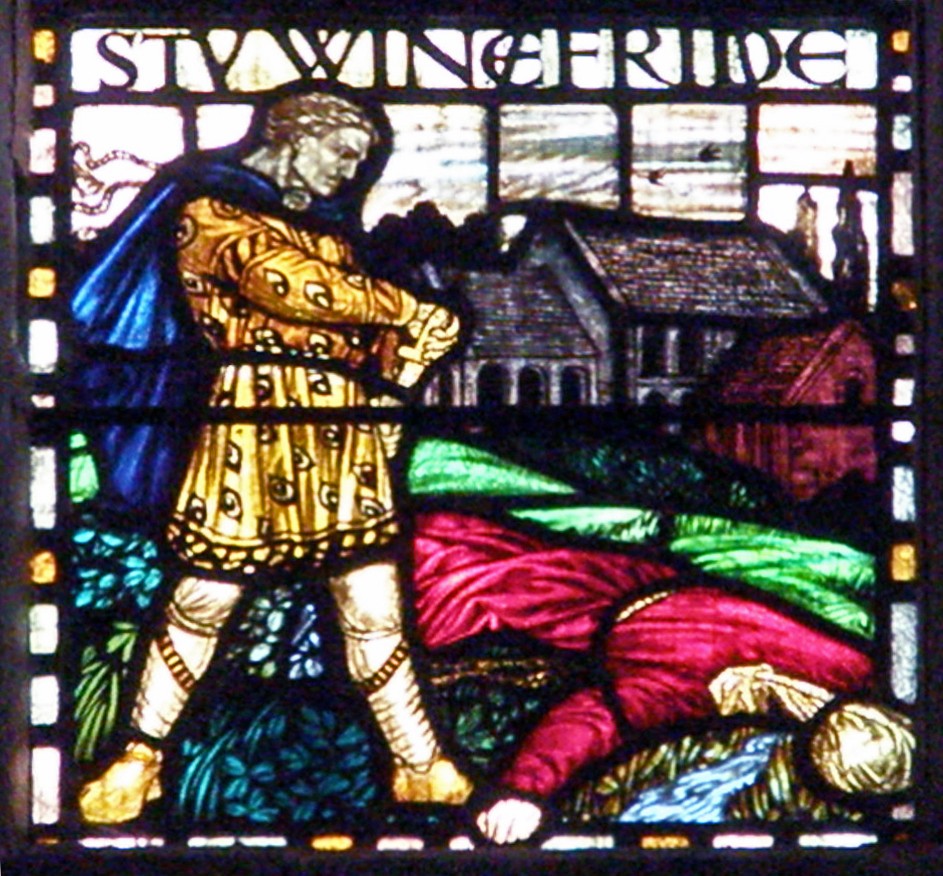
St Beuno came forward and pronounced a curse upon Caradoc, who was instantly struck dead. Then St Beuno placed Winifred’s head back onto her body and prayed for her revival. The prayer was granted and Winifred returned to life, the only trace of her injury being a thin white line around her neck. The two 12th-century source give differing accounts of her later life but both agree that she took command of an Abbey in Gwytherin, where she eventually died and was buried.
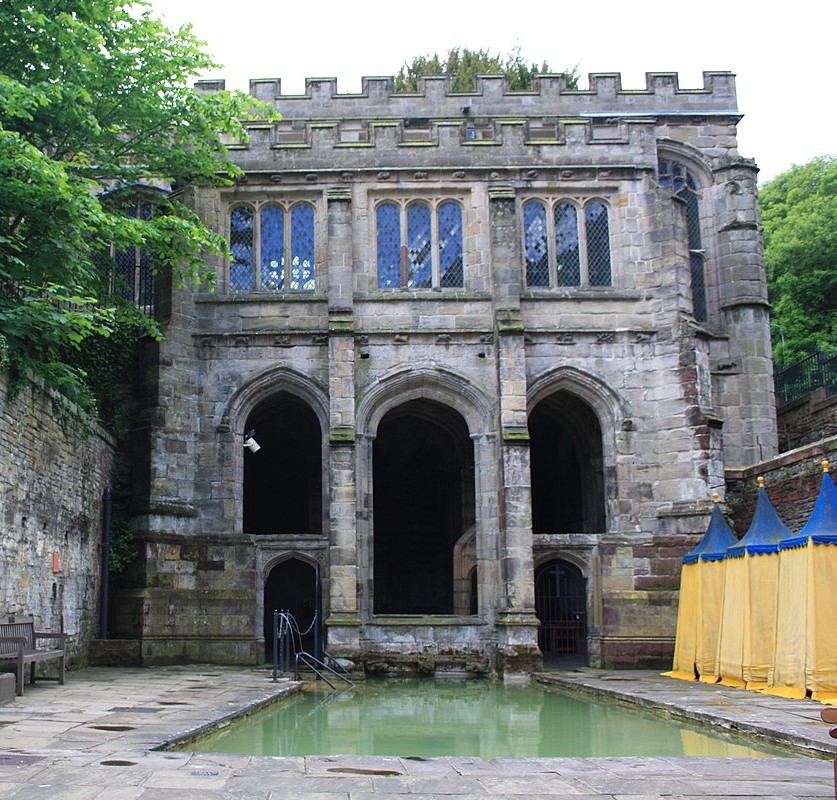
St Winifred’s Well, a holy and miraculous Well and a Welsh National Shrine located in the Welsh Town of Holywell in Flintshire of which Town, St Winifred is the Patron. The Well is unique among Britain’s sacred sites in that it retained a continuous pilgrimage tradition throughout the English Reformation.
During the Middle Ages, the Well formed part of the Estate of nearby Basingwerk Abbey. It was visited by several English Monarchs, including Richard II and Henry IV.
Veneration of Winifred as a Virgin Martyr Saint is attested from the 12th Century. She is mostly venerated in England, not in Wales which led Caesar Baronius to list her as an “English Saint” in his Roman Martyrology of 1584.
In 1138, Relics of Winifred were carried to Shrewsbury to form the basis of an elaborate Shrine there, hence her Patronage of that Town. The Church of St. Winifred, Stainton is a 12th Century Church located in the Village of Stainton, South Yorkshire.




 AnaStpaul
You must be logged in to post a comment.