
The Twenty Second Sunday after Pentecost
Christ the King: “Therefore, by our Apostolic authority,
we appoint the Feast of Our Lord Jesus Christ the King,
annually, on the last Lord’s day in the Month of October,
that is to say, on the Sunday which immediately precedes
the Feast of All Saints, to be observed everywhere in the world.
Likewise we enjoin, that the dedication
of the human race to the Most Sacred Heart of Jesus
be annually renewed upon that selfsame day.”
From the Encyclical Letter of Pope Pius XI
Quas Primas; 11 December 1925
https://anastpaul.com/2018/11/25/25-november-the-solemnity-of-our-lord-jesus-christ-king-of-the-universe/
AND:
https://anastpaul.com/2022/10/30/30-october-christ-the-king/
Nostra Signora di Oropa / Our Lady of Oropa, Piedmont, Italy (3rd Century) – 29 October:
HERE:
https://anastpaul.com/2021/10/29/nostra-signora-di-oropa-our-lady-of-oropa-piedmont-italy-3rd-century-and-memorials-of-the-saints-29-october/
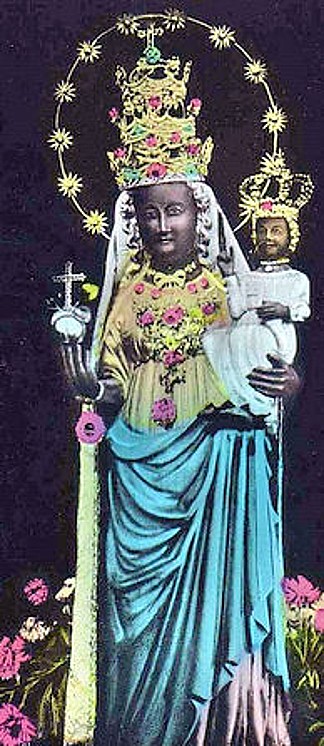
Beata Vergine delle Grazie / The Blessed Virgin of Grace, Udine, Friuli-Venezia Giulia, Italy (1479) – Fourth Sunday of October:
HERE:
https://anastpaul.com/2021/10/24/twenty-second-sunday-after-pentecost-beata-vergine-delle-grazie-the-blessed-virgin-of-grace-udine-friuli-venezia-giulia-italy-1479-and-memorials-of-the-saints-24-october/

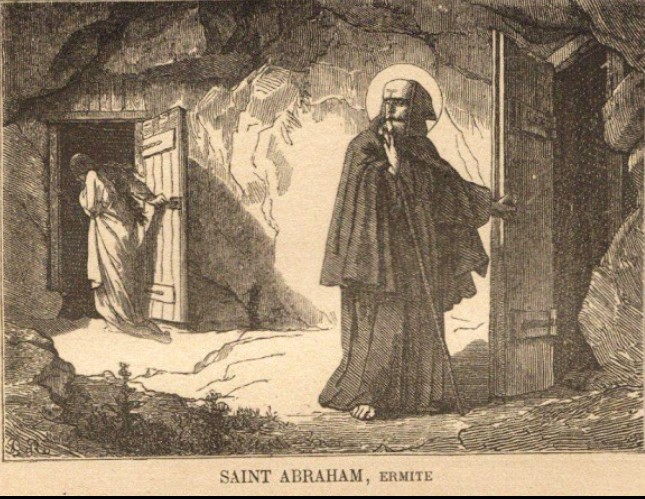
St Abraham Kidunaia (c296-c366) Priest, Hermit. The Vita of St Abraham was written by his friend, St Ephrem (306-373) Father and Doctor of the Church.
Biography:
https://anastpaul.com/2021/10/29/saint-of-the-day-29-october-saint-abraham-kidunaia-c-296-c-366/
Saint Achahildis (Died c970) Married Laywoman, Apostle of the poor, Miracle-worker, she built the Church in Wendelstein, Germany.
Her Holy Life:
https://anastpaul.com/2022/10/29/saint-of-the-day-29-october-saint-achahildis-died-c-970/
St Abraham of Rostov
St Anne of Mount Olympus
St Colman of Kilmacduagh
St Dodone of Wallers-en-Fagne
St Donatus of Corfu
St Ermelinda of Meldaert
St Eusebia of Bergamo
St Felician of Carthage
St Honoratus of Vercelli
St John of Autun
St Kennera
St Mary of Edessa
St Narcissus of Gerona
St Narcissus of Jerusalem (c99-c215) Bishop of Jerusalem, Miracle-worker.
His Life:
https://anastpaul.com/2019/10/29/saint-of-the-day-29-october-st-narcissus-of-jerusalem-c-99-c-215/
St Sigolinus of Stavelot
St Stephen of Cajazzo
St Terence of Metz
St Theodore of Vienne (Died c575) Abbot
St Zenobius of Sidon
Martyrs of Douai – 160 Saints and Beati: 160 Priests, Laymen and Religious who studied at the English College in Douai, France, then returned to minister to covert Catholics in England during a period of government persecution of the Church and were murdered for their work.
Martyrs of Lucania – 4 Saints: A group of Christians executed together for their faith. Only their names have survived – Felician, Hyacinth, Lucius and Quintus. Their Martyrdom occurred in Lucania, southern Italy.



 AnaStpaul
You must be logged in to post a comment.