Posted in MARIAN TITLES, SAINT of the DAY

Day Two of the St Joseph Novena, Monday of the Fourth Week in Lent, Nossa Senhora das Florestas / Our Lady of the Forests, Portugal (12th Century) and the Saints for 11 March

NOVENA for the INTERCESSION of ST JOSEPH
DAY TWO

Click Link: DAY TWO

St Aengus the Culdee
St Alberta of Agen
St Amunia

St Candidus the Martyr
St Constantine II
St Constantine of Carthage

St Firmian the Abbot
St Firmin of Amiens
St Firmus the Martyr
St Gorgonius the Martyr
St Heraclius of Carthage + Martyr

St Peter the Spaniard
St Pionius
St Piperion the Martyr
St Rosina of Wenglingen
St Sophronius of Jerusalem (c550-c638) Bishop of Jerusalem from 634 until his death, Father of the Church.
St Thalus the Martyr
St Trophimus the Martyr
St Vigilius of Auxerre
St Vincent of Leon

St Zosimus of Carthage + Martyr

Posted in SAINT of the DAY

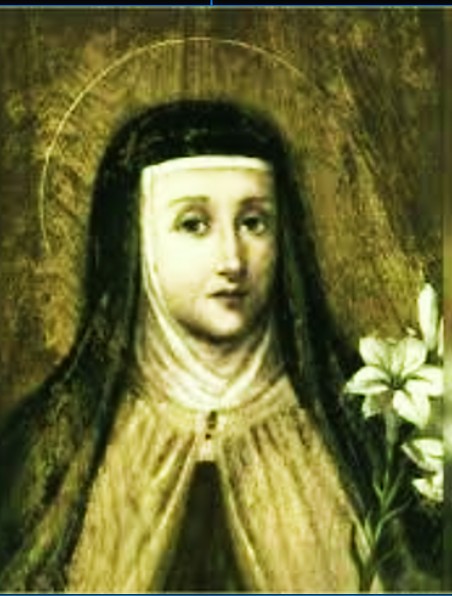
Saint of the Day – 11 March – St Aurea of San Millán (1043-1070) Spanish Nun and Anchorite

Saint of the Day – 11 March – St Aurea of San Millán (1043-1070) Spanish Nun and Anchorite, Ascetic, Visionary, Miracle-worker. Born in c1042 at Villavelayo, Spain and died in 1069 at San Millán de la Cogolla, La Rioja, Spanish Navarre of natural causes. Also known as – Oria (from the Latin: golden). Patronage – Villavelayo.

Aurea was born in 1043 in the village of Villavelayo, then part of Zaragoza, a region controlled by the Moors. Her mother was St Amunia who died in 1069 and her memory is also celebrated today.

As a child, Aurea studied the Scriptures and the lives of the early martyrs of the Church, under the guidance of a Monk named Munio, who would later write her Vita. Her favourite Saints to meditate upon and to try to imitate, were Saint Agatha, Saint Eulalia and Saint Cecilia.

When she was aged nine years old, Aurea decided to leave the world and to embrace a life of asceticism. Her mother took her to the Benedictine Monastery of San Millán de la Cogolla, where they appealed to the Prior, St Dominic de Silos (1000-1073) (later founder and namesake of the Abbey of Santo Domingo de Silos) for help in this. After some consideration as to how to proceed, Prior Dominic had a narrow cell built for her in the wall of the Monastery Church, with a small window through which she could see the Altar and another to the outside. He became her spiritual guide and she took the vows of a Benedictine Nun..

Aurea completely applied herself to the contemplative life. By the age of 20, she was living in a cave, where she received a vision of her three favourite Saints and was encouraged to follow her chosen lifestyle with more zeal. St. Eulalia gave her a pigeon, which image became connected to her, instructing her to follow it as an example of how she was to seek God.

Aurea performed many miracles and many people began to seek her advice and prayers. She supported herself by embroidering vestments for the Monastery and hosts for the Mass.

She did not live long after her visions. During the winter of 1070 she contracted a painful disease. At the time of her death, Aurea was twenty-seven years old.

Her body was initially buried in her cave which served as her shrine until 1609, when the bulk of her remains were enshrined at the Monastery, with some being given to the Parish Church of her home town of Villavelayo, where a special Chapel was built to house them and to honour her as the Patron Saint of the Town.

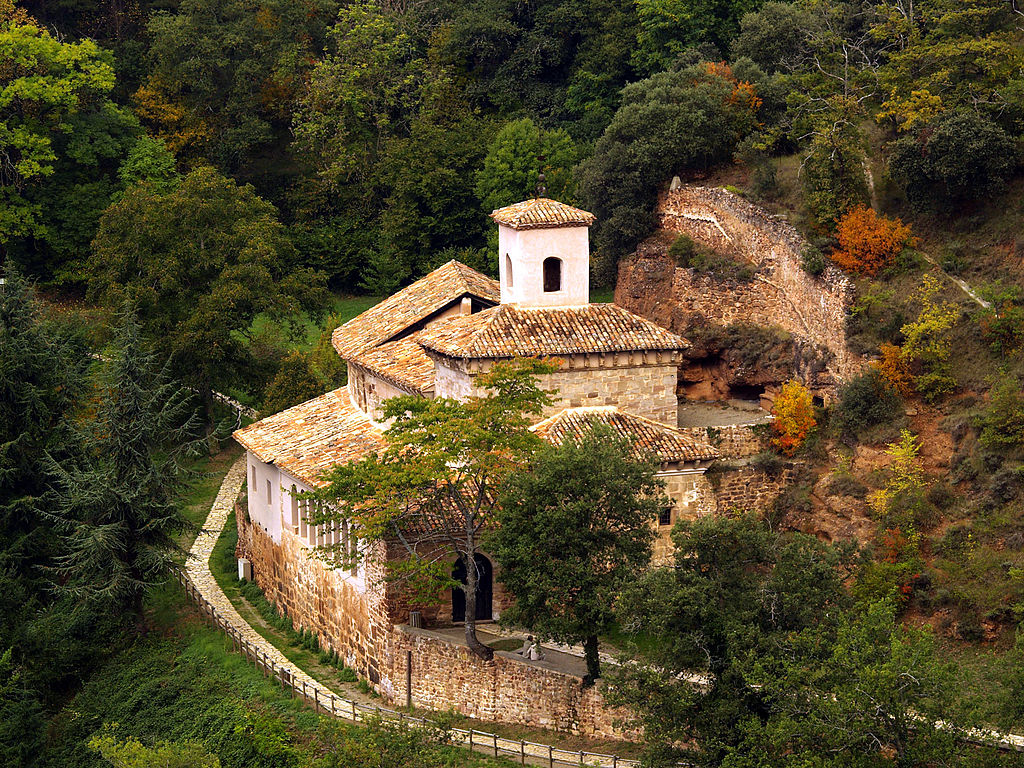
The Monastery of San Millán de la Cogolla

A Confraternity established to honour her, cares for the Shrine and organises an annual pilgrimage to the Shrine at the Monastery.

Posted in INCORRUPTIBLES, MARIAN TITLES, SAINT of the DAY

Saturday of the Second Week in Lent, Nossa Senhora das Florestas,/ Our Lady of the Forests, Portugal (12th Century) and Memorials of the Saints – 11 March

Saturday of the Second Week in Lent – FAST

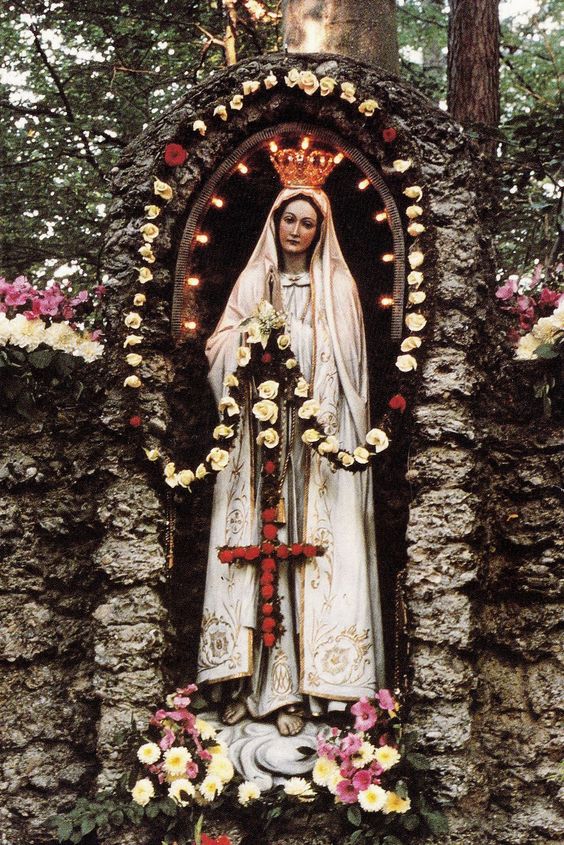
Nossa Senhora das Florestas,/ Our Lady of the Forests, Porto, Portugal (12th Century) – 11 March:
HERE:

https://anastpaul.com/2021/03/11/our-lady-of-the-forests-porto-portugal-12th-century-and-memorials-of-the-saints-11-march/
St Aengus the Culdee
St Alberta of Agen
St Amunia
St Aurea of San Millán (1043-1070) Spanish Nun and Anchorite

St Benedict Crispus of Milan (Died 725) Archbishop of Milan from c 685 until his death. A poem written about ten years after his death, De laudibus Mediolani- In Praise of Milan, praises him and remembers his veneration by the entire land and informs us that he was buried in the Basilica of Saint Ambrose.
His Life:

https://anastpaul.com/2020/03/11/saint-of-the-day-11-march-saint-benedict-crispus-of-milan-died-725/

St Candidus the Martyr
St Constantine II
St Constantine of Carthage

St Eulogius of Córdoba (Died 857) Priest and Martyr, Writer, Poet, Theologian, Teacher.
Biography:

https://anastpaul.com/2019/03/11/saint-of-the-day-11-march-st-eulogius-died-857-priest-and-martyr/

St Firmian the Abbot
St Firmus the Martyr
St Gorgonius the Martyr
St Heraclius of Carthage

Blessed John Baptist Righi of Fabriano OFM (1469–1539) Priest, Confessor, Friar of the Friars Minor, Ascetic, Ecstatic, renowned Preacher, Peace-maker, Hermit. Blessed John was Beatified by Pope Leo XIII in 1903. His body is incorrupt.
About Blessed John:

https://anastpaul.com/2022/03/11/saint-of-the-day-11-march-blessed-john-baptist-righi-of-fabriano-ofm-1469-1539/

St Peter the Spaniard
St Pionius
St Piperion the Martyr
St Rosina of Wenglingen
St Sophronius of Jerusalem
St Thalus the Martyr
St Trophimus the Martyr
St Vigilius of Auxerre
St Vincent of Leon

St Vindician of Cambrai (c 632-c 712) Bishop of Arras-Cambrai, Belgium. He was a spiritual follower of Saint Eligius (588- 660) (Saint Eloi).
His Life:

https://anastpaul.com/2021/03/11/saint-of-the-day-11-march-saint-vindician-of-cambrai-c-632-c-712-bishop/

St Zosimus of Carthage

Martyrs of Antioch: A group of Christians Martyred together by Emperor Maximian Galerius. Martyred in c 300 in Antioch, Syria.