Posted in MARIAN TITLES, SAINT of the DAY

Friday within the Octave of Corpus Christi, Heilige Maria im Walde / Holy Maria in the Forest, Dolina, Grafenstein, Carinthia, Austria (1849) and Memorials of the Saints – 17 June

Friday within the Octave of Corpus Christi +

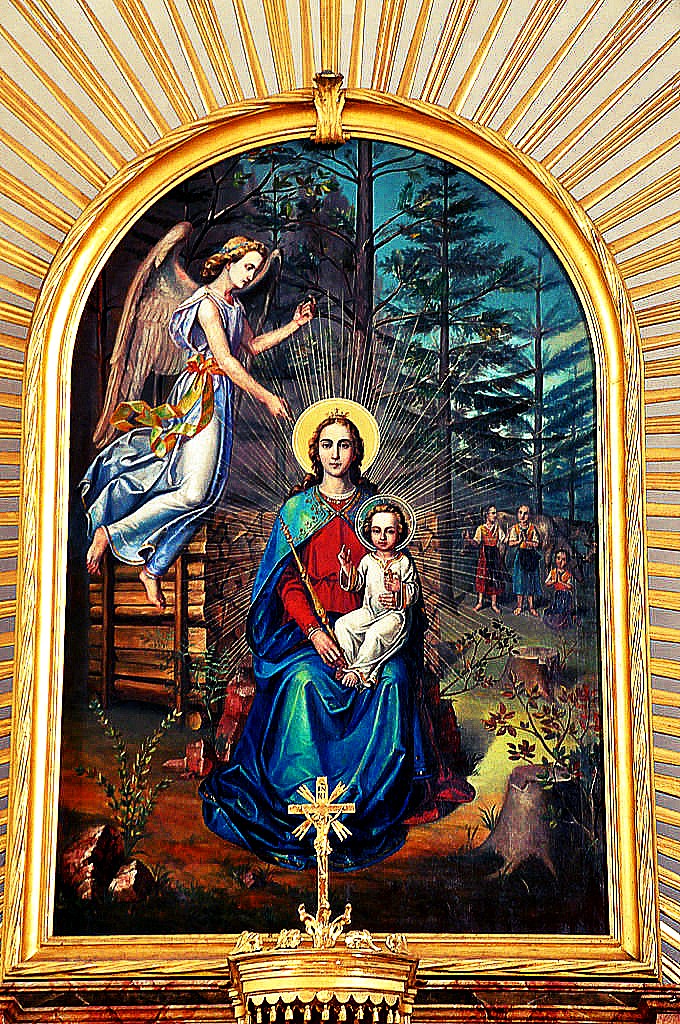
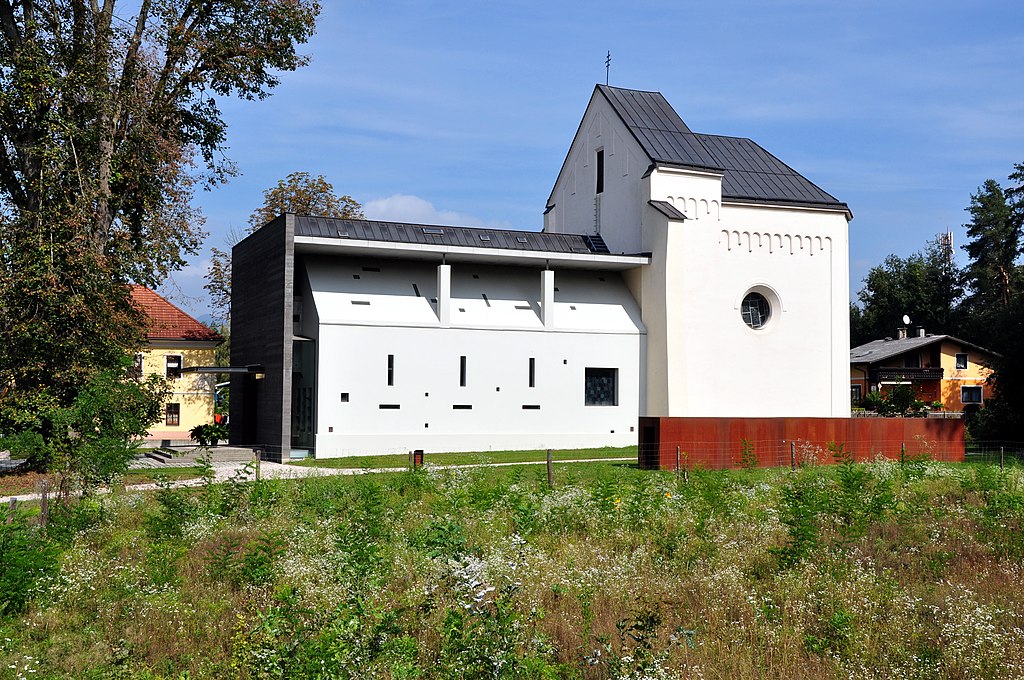
Heilige Maria im Walde / Holy Maria in the Forest, Dolina, Grafenstein, Carinthia, Austria (1849) – 17 June:
HERE:
https://anastpaul.com/2021/06/17/heilige-maria-im-walde-holy-maria-in-the-forest-dolina-austria-1849-and-memorials-of-the-saints-17-june/

St Adolph of Utrecht
St Agrippinus of Como
St Antidius of Besançon
Bl Arnold of Foligno
St Avitus of Perche
St Blasto of Rome

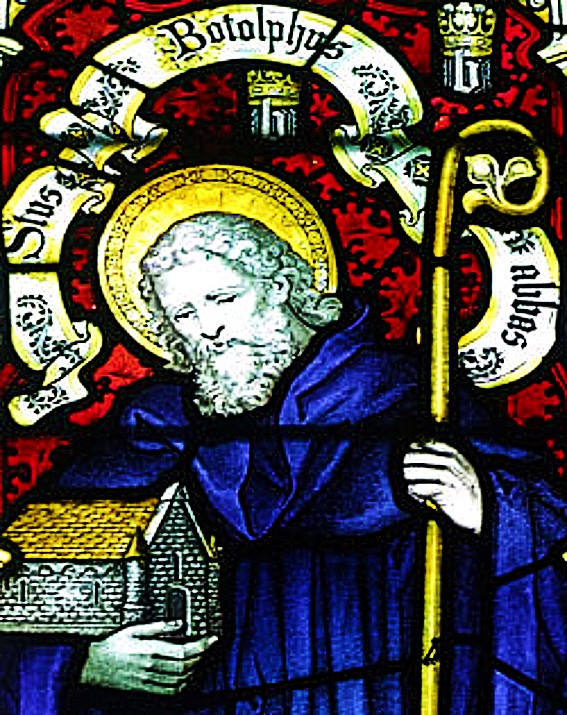
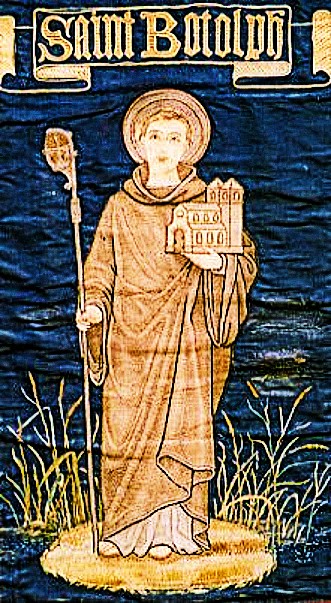
St Botolph of Ikanhoe (Died 680) English Abbot, Missionary, Founder of the Monastery of Ikanhoe, Spiritual Director.
Biography:

https://anastpaul.com/2021/06/17/saint-of-the-day-17-june-st-botolph-of-ikanhoe-died-680/

St Briavel of Gloucestershire
St David of Bourges
St Dignamerita of Brescia
St Diogenes of Rome
St Emily de Vialar
St Gundulphus of Bourges

St Gregory Barbarigo (1625-1697) Cardinal who served as the Bishop of Bergamo and later as the Bishop of Padua, Canon and Civil lawyer, Vatican prelate, Reformer, Apostle of Charity.
About St Gregory:

https://anastpaul.com/2018/06/18/saint-of-the-day-18-june-2018-st-gregory-barbarigo-1625-1697/

St Hervé (c 521–c 556) Hermit, Abbot, Musician and singer, Miracle-worker, blind from birth. Patron of the Blind and of Eye Diseases and Musicians
His Holy Life:

https://anastpaul.com/2020/06/17/saint-of-the-day-17-june-st-herve-c-521-c-556/

St Himerius of Amelia
St Hypatius of Chalcedon
St Molling of Wexford
St Montanus of Gaeta
St Nectan of Hartland
Bl Paul Burali d’Arezzo
Bl Peter Gambacorta
Bl Philippe Papon
St Prior
St Rambold of Ratisbon
St Ranieri Scaccero (c 1117-1161) Pilgrim, Monk
St Theresa of Portugal

Martyrs of Apollonia – 7 Saints: A group of Christians who fled to a cave near Apollonia, Macedonia to escape persecution for his faith, but were caught and executed. The names we know are – Basil, Ermia, Felix, Innocent, Isaurus, Jeremias and Peregrinus. They were beheaded at Apollonia, Macedonia.

Martyrs of Aquileia – 4 Saints: Four Christian Martyrs memorialised together. No details about them have survived, not even if they died together – Ciria, Maria, Musca and Valerian. c.100 in Aquileia, Italy.

Martyrs of Chalcedon – 3 Saints: Three well-educated Christian men who were sent as ambassadors from King Baltan of Persia to the court of emperor Julian the Apostate to negotiate peace between the two states, and an end of Julian’s persecutions of Christians. Instead of negotiating, Julian imprisoned them, ordered them to make a sacrifice to pagan idols and when they refused, had them executed. Their names were Manuel, Sabel and Ismael. They were beheaded in 362 in Chalcedon (part of modern Istanbul, Turkey) and their bodies burned and no relics survive.

Martyrs of Fez – 4 Beati: A group of Mercedarians sent to Fez, Morocco to ransom Christians imprisoned and enslaved by Muslims. For being openly Christian they were imprisoned, tortured, mutilated and executed. Martyrs – Egidio, John, Louis and Paul. They were martyred in Fez, Morocco.

Martyrs of Rome – 262 Saints: A group of 262 Christians Martyred in the persecutions of Diocletian. In c303 in Rome, Italy. They were buried on the old Via Salaria in Rome.

Martyrs of Venafro – 3 Saints: Three Christian lay people, two of them imperial Roman soldiers, who were converts to Christianity and were Martyred together in the persecutions of Maximian and Diocletian – Daria, Marcian and Nicander. They were beheaded c.303 in Venafro, Italy. By 313 a basilica had been built over their graves which were re-discovered in 1930. They are patrons of Venafro, Italy.
Posted in SAINT of the DAY

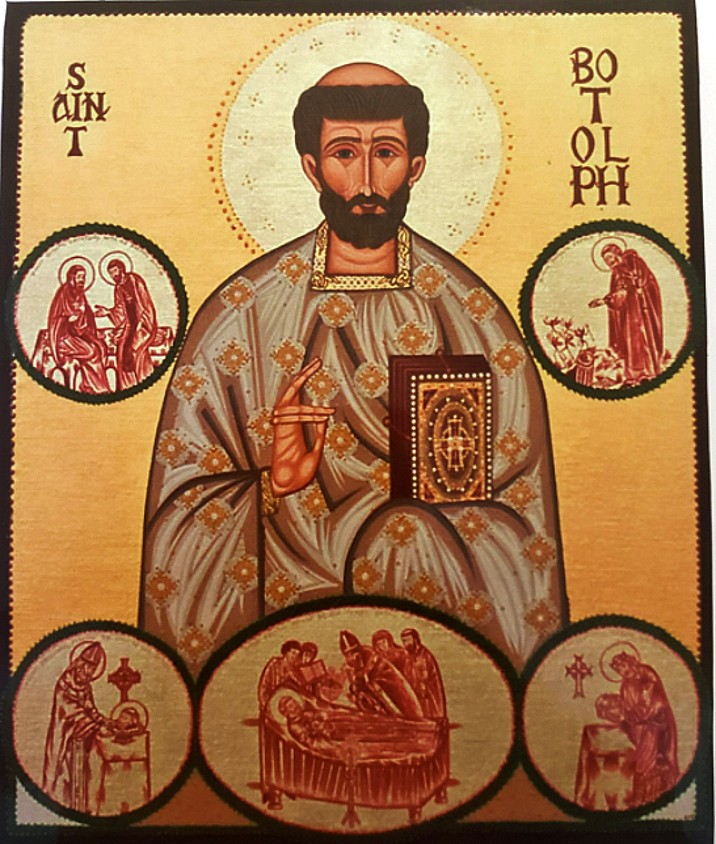
Saint of the Day – 17 June – St Botolph of Ikanhoe (Died 680)

Saint of the Day – 17 June – St Botolph of Ikanhoe (Died 680) Abbot, Missionary, Founder of the Monastery of Ikanhoe, Spiritual Director. Born in c 610 in East Anglia, England and died on 17 June 680 of natural causes following a lengthy illness. Also known as – Botolph, Botulf, Botwulf. , Patronages – agricultural workers, farm workers, farmers, sailors, mariners, watermen, travellers. 7 cities. Additional Memorial – 1 December – translation of his relics.

Little is known about Botolphf’s life, other than details in an account written four hundred years after his death by the 11th-century Monk Folcard. Botulph, a seventh century Saxon from an aristocratic Christian family is the brother of Saint Adolph of Utrecht. He was educated with his brother, at the Monastery of Cnobersburg (Burgh Castle), Suffolk under the direction of its Founder, Saint Fursey. When Mercian forces under King Penda invaded the region, the boys were sent to study at the Monastery at Bosanham, Sussex.

He became a Benedictine Monk at Farmoutiere-en-Brie, Gaul (modern northeastern France) and was sent back to the British Isles in 647 to establish the Benedictine Order there.

With the support of Saint Syre, Saint Aubierge and their brother, King Anna of East Anglia, Botulph founded the Monastery of Ikanhoe in East Anglia, declining the offer of a part of the Royal estate and settling for a wild, barren site that was removed from people, reported to be haunted by demons and which would require endless work to sustain the Monks.

For many years it was believed that the area that grew up around it came to be called Botulph’s Town, contracted to Botulphston and later contracted to Boston in Lincolnshire but recent research has shown, that the original site is another location. The Saxon Chronicle indicates, that by 654, Botulph had attracted enough brother Monks and hermits that work began on the Monastery. Through hard work and faith, the Monastery grew in population; the Monks built several structures, turned large areas of marsh and scrub into productive farming and grazing lands and dispelled the people’s fears of demons.

Botulph served as Spiritual Director for Saint Ceolfrith and worked as a travelling missionary through rough, bandit-plagued areas of East Anglia, Kent and Sussex.

His legacy continued for centuries in the strength of the Benedictine movement in the Isles and in the dozens of Churches named for him, many of them built at City gates to serve as safe-haven for travellers in times when robbers roamed the roads and many in port or river towns.

He died while being carried to Chapel for compline services and was buried at Ikanhoe. His relics were moved in 870 to keep them from being destroyed by invading Danes and then transferred to Grundisburgh in 983. They were later distributed to Monasteries at Thornery, Westminster, and Edmundsburg, Suffolk. Tradition says that for safety, the cask of relics destined for Edmundsburg were taken there in the middle of the night but the travellers were guided by a light that hovered above the relics’ new Shrine. In our times too, processions of the relics through Edmundsburgh has ended droughts there by the intercession of St Botolph.

Posted in MARIAN TITLES, SAINT of the DAY

Heilige Maria im Walde / Holy Maria in the Forest, Dolina, Austria (1849) and Memorials of the Saints – 17 June

Heilige Maria im Walde / Holy Maria in the Forest, Dolina, Grafenstein, Carinthia, Austria (1849) – 17 June:

The Apparitions occurred, as the Immaculate Conception, in a wooded area near Dolina, Grafenstein, Carinthia, Austria on the 17, 18 and 19 June 1849 to three young shepherdesses, prior to the public proclamation of the Dogma of the Immaculate Conception ion 1854.
Thus began the influx of pilgrims and in the woods, just where she had appeared as the Immaculate Conception, a wooden Chapel was erected.
The Church, begun in 1861 but was never fully completed.
A local artist painted an image called the Madonna del Bosco, inspired by the descriptions of the three shepherdesses. This painting was a picture of grace that inspired faith and devotion of many.

St Adolph of Utrecht
St Agrippinus of Como

St Albert Chmielowski TOSF (1845-1916) The Painter Who Became an Advocate for the Poor and then a Saint! Artist, Founder, Tertiary Franciscan, Apostle of Charity.
His Life:

https://anastpaul.com/2017/06/17/saint-of-the-day-17-june-st-albert-chmielowski-t-o-s-f-the-19th-century-polish-saint-who-was-influenced-by-st-francis-of-assisi-later-influenced-pope-st-john-paul-ii/
AND:
https://anastpaul.com/2018/06/17/saint-of-the-day-17-june-st-albert-chmielowski-t-o-s-f-1845-1916/

St Antidius of Besançon
Bl Arnold of Foligno
St Avitus of Perche
St Blasto of Rome
St Botolph of Ikanhoe (Died 680) Abbot
St Briavel of Gloucestershire
St David of Bourges
St Dignamerita of Brescia
St Diogenes of Rome
St Emily de Vialar
St Gundulphus of Bourges

St Hervé (c 521–c 556) Hermit, Abbot, Musician and singer, miracle-worker, blind from birth.
His Holy Life:

https://anastpaul.com/2020/06/17/saint-of-the-day-17-june-st-herve-c-521-c-556/

St Himerius of Amelia
St Hypatius of Chalcedon
St Molling of Wexford
St Montanus of Gaeta
St Nectan of Hartland
Bl Paul Burali d’Arezzo
Bl Peter Gambacorta
St Phêrô Ða
Bl Philippe Papon

Blessed Joseph-Marie /Pierre-Joseph Cassant OCSO (1878-1903) Died aged 25 – Priest, Trappist Monk.
Biography:

https://anastpaul.com/2019/06/17/saint-of-the-day-17-june-blessed-joseph-marie-cassant-ocso-1878-1903/

St Prior
St Rambold of Ratisbon
Bl Ranieri Scaccero
St Theresa of Portugal

Martyrs of Apollonia – 7 saints: A group of Christians who fled to a cave near Apollonia, Macedonia to escape persecution for his faith, but were caught and executed. The names we know are – Basil, Ermia, Felix, Innocent, Isaurus, Jeremias and Peregrinus. They were beheaded at Apollonia, Macedonia.

Martyrs of Aquileia – 4 saints: Four Christian martyrs memorialised together. No details about them have survived, not even if they died together – Ciria, Maria, Musca and Valerian. c.100 in Aquileia, Italy.

Martyrs of Chalcedon – 3 saints: Three well-educated Christian men who were sent as ambassadors from King Baltan of Persia to the court of emperor Julian the Apostate to negotiate peace between the two states, and an end of Julian’s persecutions of Christians. Instead of negotiating, Julian imprisoned them, ordered them to make a sacrifice to pagan idols and when they refused, had them executed. Their names were Manuel, Sabel and Ismael. They were beheaded in 362 in Chalcedon (part of modern Istanbul, Turkey) and their bodies burned and no relics survive.

Martyrs of Fez – 4 beati: A group of Mercedarians sent to Fez, Morocco to ransom Christians imprisoned and enslaved by Muslims. For being openly Christian they were imprisoned, tortured, mutilated and executed. Martyrs – Egidio, John, Louis and Paul. They were martyred in Fez, Morocco.

Martyrs of Rome – 262 saints: A group of 262 Christians martyred in the persecutions of Diocletian. In c303 in Rome, Italy. They were buried on the old Via Salaria in Rome.

Martyrs of Venafro – 3 saints: Three Christian lay people, two of them imperial Roman soldiers, who were converts to Christianity and were martyred together in the persecutions of Maximian and Diocletian – Daria, Marcian and Nicander. They were beheaded c.303 in Venafro, Italy. By 313 a basilica had been built over their graves which were re-discovered in 1930. They are patrons of Venafro, Italy.