
Saint of the Day – 26 October – Saint Fulk of Pavia (1164-1229) Bishop, Confessor, Peacemaker, Protector of the poor and educator of their children, Religious Reformer and Social Reformer, Defender of the Church and its rights. Born 1164 in Piacenza, Italy and died on 16 December 1229 of natural causes in Pavia, Italy aged 65. Co-Patron of Pavia. Fulk’s forefathers originally came from Ireland, hence the family name Scotti or Scotus but by the time of his arrival into the world, his family name had become one of the richest and most influential in the region. Scotia was originally the Latin name for Ireland (also called Hibernia by the Romans). Our Saint is known too as – Fulk of Piacenza, Folco Scotti, Foulques… Additional Memorial 21 May in Pavia and 16 December on some calendars.
The Roman Martyrology reads: “In Pavia, Saint Fulk, Bishop, man of peace, full of zeal and charity”
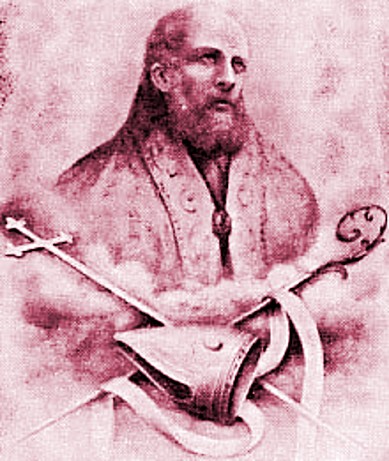
Nothing is known of Fulk’s birth or childhood, except that his parents were members of a greatly influential and immensely wealthy family, originally the descendants of Irish emigrants. In 1186, aged 22, he entered the Regular Canons of the Parish of St Eufemia, and later (1491) Fulk joined the Renana Congregation of the Most Holy Saviour..
Fulk was so talented that he was sent to Paris to complete his studies in theology. In 1194, at the age of 30, he had to return to Piacenza as he had been appointed Prior of St Eufemia. Bishop Grimerius (1199-1210) depended to a large extent on Fulk’s assistance and, in 1207, he gave him the responsibility of delivering the opening speech at the Synod. The following year, Fulk was appointed Canon at the Cathedral and Archpriest. He was also appointed Lecturer in theology at the Seminary in Piacenza.
When, in 1210, Bishop Grimerius died, Fulk was elected his successor as Bishop of Piacenza. This election was not confirmed by Pope Innocent III (1198-1216) but, nevertheless, he administered the Diocese for six years before being officially Consecrated in 1216, by Pope Honorius III (1216-1227).
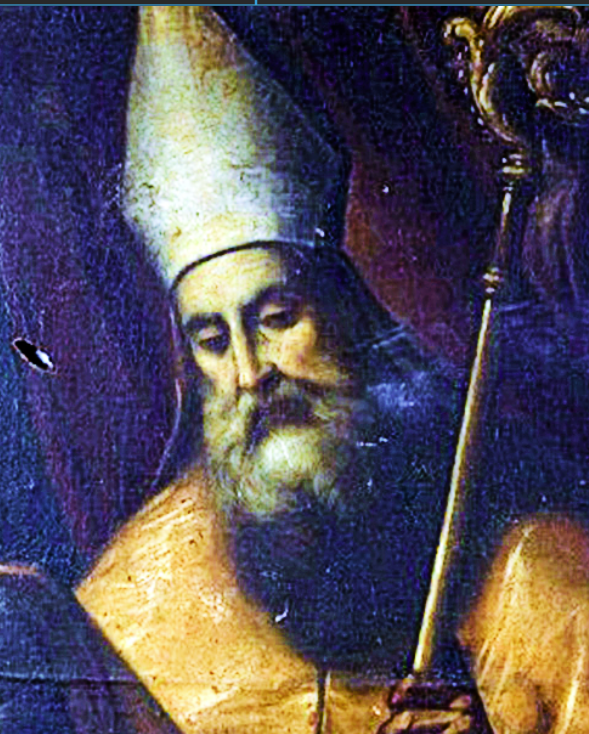
In the same year,1216, the electors of Pavia Diocese elected Fulk as the City’s 49th Bishop and he held the office of Bishop of Pavia for thirteen years.
At that time, there was strong enmity between the Cities of Pavia and Piacenza, which was not unusual for neighbouring Cities. Even today, the rivalry between the two Cities lives on in colourful traditions and competitions. But, in the Middle Ages, the rivalry was not colourful folklore but violent and bloody and entailed great sorrow and ruin. Bishop Fulk, who was from Piacenza and was the Bishop of Pavia, became the foremost peacemaker between the two Cities. He first worked for internal peace in the Cities which were also characterised by violent factional battles. He then worked for peace between them.
Bishop Fulk founded a number of social institutions which, among other things, provided food for the poor and free education for their children. He also reformed religious houses, including the Monastery of San Pietro in Ciel d’Oro, and he defended the freedom of the Church against the Civil authorities.
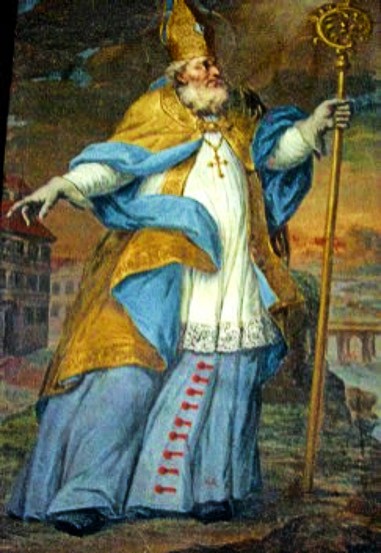
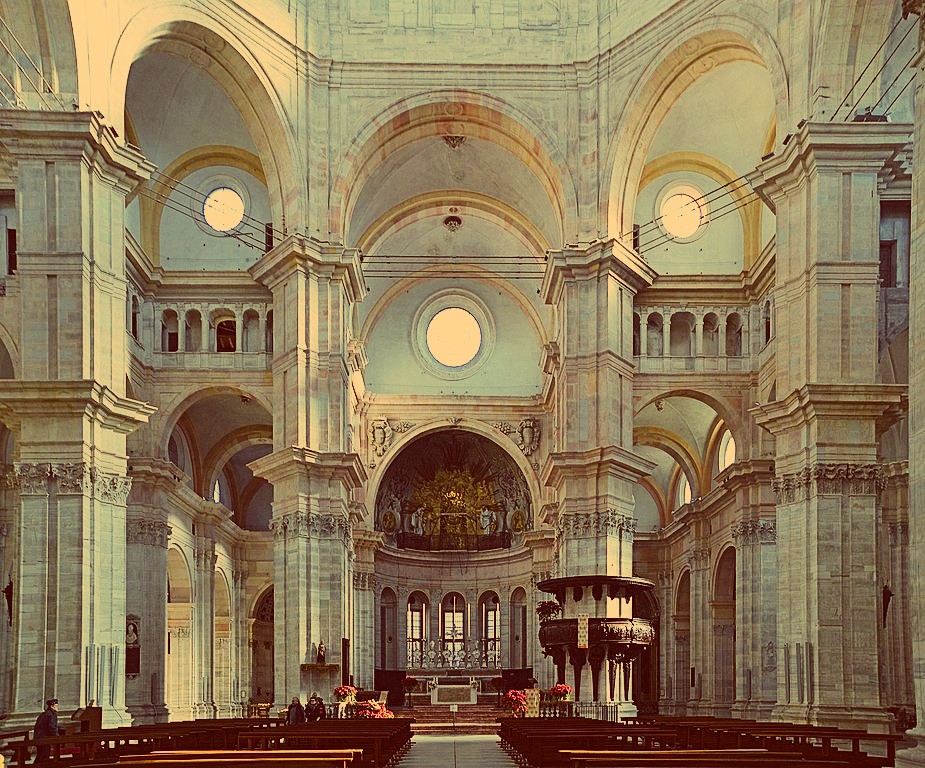
Fulk died on 16 December 1229 and was buried in the Cathedral. He was succeeded by Saint Rodobald II de’ Cipolla. His memorial day is 26 October. In the Cathedral of Pavia he is celebrated on 21 May. He was Canonised by Pope Gregory IX.
Our Saint Fulk goes down in history as an extraordinary peacemaker. Supported by his unshakable faith and the teachings of Jesus, the Bishop often managed to restore peace, so much so that he is loved by both the people of his own birthplace, Piacenza and the people of his beloved See, Pavia.


 AnaStpaul
You must be logged in to post a comment.