Posted in MARIAN TITLES, SAINT of the DAY

Month of the Seven Sorrows of the Blessed Virgin Mary and of The Holy Cross, Collection of all the Feasts of Our Lady, celebrated at Louvain, Feast of St Giles, Twelve Holy Brothers: Martyrs and all the Saints celebrated on 1 September

Month of the Seven Sorrows of the Blessed Virgin Mary and of The Holy Cross

First Fridays

St Abigail the Matriarch
St Aegidius
St Agia
St Anea
St Arcanus
St Arealdo of Brescia
Bl Colomba of Mount Brancastello
St Constantius the Bishop
St Donatus of Sentianum
St Felix of Sentianum

St Gideon the Judge

St Lythan
St Nivard of Rheims (Died 673) Bishop
St Priscus
St Regulus
St Sixtus of Rheims
St Terentian
St Verena
St Victorious
St Vincent of Xaintes

Exiles of Campania

Posted in MARIAN TITLES, SAINT of the DAY

Collection of all the Feasts of Our Lady, celebrated at Louvain -and Memorials of the Saints – 1 September

“Month of the Seven Sorrows of Mary”

Collection of all the Feasts of Our Lady, celebrated at Louvain – 1 September:

The Abbot Orsini writes that “A feast is kept in honour of the Blessed Virgin, called the Collection of all the Feasts of Our Lady.”

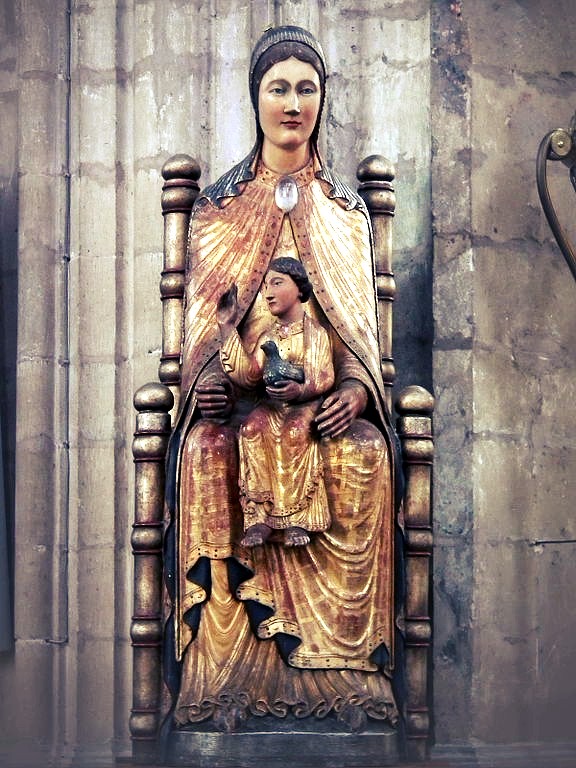
Louvain refers to Leuven, the capital of the Province of Flemish Brabant in the Flemish Region of Belgium. There was once a Chapel called Our Lady of Louvain, which had stood near the Church tower of a separate Church dedicated to Saint Peter. The Chapel owed its origin to an image of the Blessed Virgin Mary that was given by a group of Monks from Abbey Park as a sign of brotherhood in 1132. According to tradition, the wooden statue,
which depicted the Blessed Virgin seated with the Divine Child in her lap, was a gift from heaven deposited on the earth by heavenly Angels. The image excited a lively religious fervour upon its reception and there are numerous miracles credited to pious devotion to the image of Our Lady of Louvain.

Over 350 years later, as the Chapel of Our Lady of Louvain was built on land that was needed for the construction of the new and larger Church of Saint Peter, it was necessary to demolish the Chapel. In a letter dated 28 March 1496, Bishop John Horne of Liege, authorised the transfer of materials from the Chapel of Our Lady of Louvain to the new Basilica of Saint Peter The old Chapel was demolished two years later in 1498 and the Statue of the Virgin was placed on a special Altar in the collegiate Church of Saint Peter. Every year, on the eve of the first Sunday in September, the miraculous image of Our Lady of Louvain had been carried in procession by the canons and members of the local council while bells tolled and musicians accompanied the image singing the Salve Regina. Sometime later, the Statue became known by the title of Notre-Dame-sous-la-Tour. The original Church of Saint Peter was made entirely of wood and completed in about 986. It burned to the ground in 1176. It was rebuilt in Romanesque style with two west towers, and that image is still used as the ancient seal for the City. The Church was then enlarged in 1425 in the Brabantine Gothic style. The Church of Saint Peter was heavily damaged in both world wars but most importantly, the original Statue of Our Lady of Louvain was completely destroyed in 1944 by
allied bombing during World War II and it is now only a replica that is on display at the Church.

Abigail the Matriarch
St Aegidius
St Agia
St Anea
St Arcanus
St Arealdo of Brescia
Bl Colomba of Mount Brancastello
St Constantius the Bishop
St Donatus of Sentianum
St Felix of Sentianum

St Gideon the Judge

St Giles (c 650 – c 710) Monk, Hermit, Abbot.- One of the 14 Holy Helpers
About St Giles here:

https://anastpaul.wordpress.com/2017/09/01/saint-of-the-day-1-september-st-giles/
About the 14 Holy Helpers here: https://anastpaul.wordpress.com/2018/07/25/thought-for-the-day-25-july-the-memorial-of-st-christopher-died-c-251-one-of-the-fourteen-holy-helpers/

Blessed Giuliana of Collalto OSB (1186-1262) Benedictine Nun
Bl Giustino of Paris
Bl Giovanna Soderini
St Jane Soderini
St Joshua the Patriarch
Bl Juliana of Collalto
St Laetus of Dax

St Lupus of Sens (Died 623) Bishop of Sens – France, Confessor, Monk, Missionary.
About St Lupus:

https://anastpaul.com/2020/09/01/saint-of-the-day-1-september-saint-lupus-of-sens-died-623-bishop/

St Lythan
St Nivard of Rheims
St Priscus
St Regulus
St Sixtus of Rheims
St Terentian
St Verena
St Victorious
St Vincent of Xaintes

Exiles of Campania
Twelve Holy Brothers: Martyrs of the South –
A group of Martyrs who died c 303 at various places in southern Italy. In 760 their relics were brought together and enshrined in Benevento, Italy as a group.
• Saint Arontius of Potenza
• Saint Donatus of Sentianum
• Saint Felix of Sentianum
• Saint Felix of Venosa
• Saint Fortunatus of Potenza
• Saint Honoratus of Potenza
• Saint Januarius of Venosa
• Saint Repositus of Velleianum
• Saint Sabinian of Potenza
• Saint Sator of Velleianum
• Saint Septiminus of Venosa
• Saint Vitalis of Velleianum
One tradition describes Saint Boniface of Hadrumetum and Saint Thecla of Hadrumetum as their parents.

Martyred in the Spanish Civil War:
Martyred Hospitallers of Saint John of God – (12 beati)
• Blessed Alejandro Cobos Celada
• Blessed Alfonso Sebastiá Viñals
• Blessed Amparo Carbonell Muñoz
• Blessed Antonio Villanueva Igual
• Blessed Carmen Moreno Benítez
• Blessed Crescencio Lasheras Aizcorbe
• Blessed Enrique López y López
• Blessed Francesc Trullen Gilisbarts
• Blessed Guillermo Rubio Alonso
• Blessed Isidro Gil Arano
• Blessed Joaquim Pallerola Feu
• Blessed Joaquín Ruiz Cascales
• Blessed José Franco Gómez
• Blessed José Prats Sanjuán
• Blessed Josep Samsó y Elias
• Blessed Manuel Mateo Calvo
• Blessed Mariano Niño Pérez
• Blessed Maximiano Fierro Pérez
• Blessed Miquel Roca Huguet
• Blessed Nicolás Aramendía García
• Blessed Pedro Rivera
• Blessed Pio Ruiz De La Torre

Posted in MARIAN TITLES, SAINT of the DAY

Feast of Our Lady of Montevergine and Memorials of the Saints – 1 September

Our Lady of Montevergine:
Also known as –
• Madonna di Montevergine
• Madonna Bruna
• Mamma Schiavona
One of the so-called Black Madonnas, image of the Blessed Virgin Mary, normally holding the Christ Child, who have been “inculturated”, that is, made the little Jewish girl Mary look more like the people in the area of the artist, or which are actually black in color. This one serves as part of the altar piece of the Sanctuary on Montevergine. This site is the goal of thousands of pilgrims each year.
More on Our Lady of Montevergine here:
https://anastpaul.com/2018/09/01/1-september-the-memorial-of-our-lady-of-montevergine/

Abigail the Matriarch
St Aegidius
St Agia
St Anea
St Arcanus
St Arealdo of Brescia
Bl Colomba of Mount Brancastello
St Constantius the Bishop
St Donatus of Sentianum
St Felix of Sentianum
St Fiacre (Died 670)
Biography:

https://anastpaul.com/2019/09/01/saint-of-the-day-1-september-saint-fiacre-died-670/
St Gideon the Judge

St Giles (c 650 – c 710) One of the 14 Holy Helpers
About St Giles here:

https://anastpaul.wordpress.com/2017/09/01/saint-of-the-day-1-september-st-giles/
About the 14 Holy Helpers here: https://anastpaul.wordpress.com/2018/07/25/thought-for-the-day-25-july-the-memorial-of-st-christopher-died-c-251-one-of-the-fourteen-holy-helpers/

Bl Giustino of Paris
Bl Giovanna Soderini
St Jane Soderini
St Joshua the Patriarch
Bl Juliana of Collalto
St Laetus of Dax
St Lupus of Sens (Died 623) Bishop
St Lythan
St Nivard of Rheims
St Priscus
St Regulus
St Sixtus of Rheims
St Terentian
St Verena
St Victorious
St Vincent of Xaintes

Exiles of Campania
Twelve Holy Brothers: Martyrs of the South –
A group of Martyrs who died c 303 at various places in southern Italy. In 760 their relics were brought together and enshrined in Benevento, Italy as a group.
• Saint Arontius of Potenza
• Saint Donatus of Sentianum
• Saint Felix of Sentianum
• Saint Felix of Venosa
• Saint Fortunatus of Potenza
• Saint Honoratus of Potenza
• Saint Januarius of Venosa
• Saint Repositus of Velleianum
• Saint Sabinian of Potenza
• Saint Sator of Velleianum
• Saint Septiminus of Venosa
• Saint Vitalis of Velleianum
One tradition describes Saint Boniface of Hadrumetum and Saint Thecla of Hadrumetum as their parents.

Martyred in the Spanish Civil War:
Martyred Hospitallers of Saint John of God – (12 beati)
• Blessed Alejandro Cobos Celada
• Blessed Alfonso Sebastiá Viñals
• Blessed Amparo Carbonell Muñoz
• Blessed Antonio Villanueva Igual
• Blessed Carmen Moreno Benítez
• Blessed Crescencio Lasheras Aizcorbe
• Blessed Enrique López y López
• Blessed Francesc Trullen Gilisbarts
• Blessed Guillermo Rubio Alonso
• Blessed Isidro Gil Arano
• Blessed Joaquim Pallerola Feu
• Blessed Joaquín Ruiz Cascales
• Blessed José Franco Gómez
• Blessed José Prats Sanjuán
• Blessed Josep Samsó y Elias
• Blessed Manuel Mateo Calvo
• Blessed Mariano Niño Pérez
• Blessed Maximiano Fierro Pérez
• Blessed Miquel Roca Huguet
• Blessed Nicolás Aramendía García
• Blessed Pedro Rivera
• Blessed Pio Ruiz De La Torre

Posted in MARIAN TITLES, SAINT of the DAY

Sunday 22 C, Our Lady of Montevergine, 5th World Day of Prayer for the Care of Creation and Memorials of the Saints – 1 September

Twenty Second Sunday in Ordinary Time, Year C *2019
The 5th World Day of Prayer for the Care of Creation *2019

Our Lady of Montevergine:
Also known as –
• Madonna di Montevergine
• Madonna Bruna
• Mamma Schiavona
One of the so-called Black Madonnas, image of the Blessed Virgin Mary, normally holding the Christ Child, who have been “inculturated”, that is, made the little Jewish girl Mary look more like the people in the area of the artist, or which are actually black in color. This one serves as part of the altar piece of the Sanctuary on Montevergine. This site is the goal of thousands of pilgrims each year.
More on Our Lady of Montevergine here:
https://anastpaul.com/2018/09/01/1-september-the-memorial-of-our-lady-of-montevergine/

Abigail the Matriarch
St Aegidius
St Agia
St Anea
St Arcanus
St Arealdo of Brescia
Bl Colomba of Mount Brancastello
St Constantius the Bishop
St Donatus of Sentianum
St Felix of Sentianum
St Fiacre (Died 670)
St Gideon the Judge

St Giles (c 650 – c 710) One of the 14 Holy Helpers
About St Giles here:  https://anastpaul.wordpress.com/2017/09/01/saint-of-the-day-1-september-st-giles/
About the 14 Holy Helpers here:  https://anastpaul.wordpress.com/2018/07/25/thought-for-the-day-25-july-the-memorial-of-st-christopher-died-c-251-one-of-the-fourteen-holy-helpers/

Bl Giustino of Paris
Bl Giovanna Soderini
St Jane Soderini
St Joshua the Patriarch
Bl Juliana of Collalto
St Laetus of Dax
St Lupus of Sens
St Lythan
St Nivard of Rheims
St Priscus
St Regulus
St Sixtus of Rheims
St Terentian
St Verena
St Victorious
St Vincent of Xaintes

Exiles of Campania
Twelve Holy Brothers: Martyrs of the South –
A group of martyrs who died c 303 at various places in southern Italy. In 760 their relics were brought together and enshrined in Benevento, Italy as a group.
• Saint Arontius of Potenza
• Saint Donatus of Sentianum
• Saint Felix of Sentianum
• Saint Felix of Venosa
• Saint Fortunatus of Potenza
• Saint Honoratus of Potenza
• Saint Januarius of Venosa
• Saint Repositus of Velleianum
• Saint Sabinian of Potenza
• Saint Sator of Velleianum
• Saint Septiminus of Venosa
• Saint Vitalis of Velleianum
One tradition describes Saint Boniface of Hadrumetum and Saint Thecla of Hadrumetum as their parents.

Martyred in the Spanish Civil War:
Martyred Hospitallers of Saint John of God – (12 beati)
• Blessed Alejandro Cobos Celada
• Blessed Alfonso Sebastiá Viñals
• Blessed Amparo Carbonell Muñoz
• Blessed Antonio Villanueva Igual
• Blessed Carmen Moreno Benítez
• Blessed Crescencio Lasheras Aizcorbe
• Blessed Enrique López y López
• Blessed Francesc Trullen Gilisbarts
• Blessed Guillermo Rubio Alonso
• Blessed Isidro Gil Arano
• Blessed Joaquim Pallerola Feu
• Blessed Joaquín Ruiz Cascales
• Blessed José Franco Gómez
• Blessed José Prats Sanjuán
• Blessed Josep Samsó y Elias
• Blessed Manuel Mateo Calvo
• Blessed Mariano Niño Pérez
• Blessed Maximiano Fierro Pérez
• Blessed Miquel Roca Huguet
• Blessed Nicolás Aramendía García
• Blessed Pedro Rivera
• Blessed Pio Ruiz De La Torre
• Blessed Simó Isidre Joaquím Brun Ararà

Posted in MORNING Prayers, SAINT of the DAY

Thought for the Day – 1 September – the Memorial of St Giles, one of th Fourteen Holy Helpers

Thought for the Day – 1 September – the Memorial of St Giles, one of th Fourteen Holy Helpers

Despite the fact that much about St Giles is shrouded in mystery, we can say that he was one of the most popular saints in the Middle Ages.   St Giles may not have been a martyr but, as the word martyr means, he was a true witness to the faith.   This is attested to by the faith of the People of God in the Middle Ages.   He became one of the “holy helpers” and can still function in that role for us today.

It seems appropriate, that St Giles, who loved nature and whom nature loved, who made his home in a forest, in a hollow tree, should have his feast day today, 1 September, the World Day of Prayer for the Care of Creation.

There is nothing random, nothing that happens by chance – all is held in God’s hands!

St Giles pray for us and for all of God’s creation.st giles pray for us


Posted in SAINT of the DAY

Saint of the Day – 1 September – St Giles

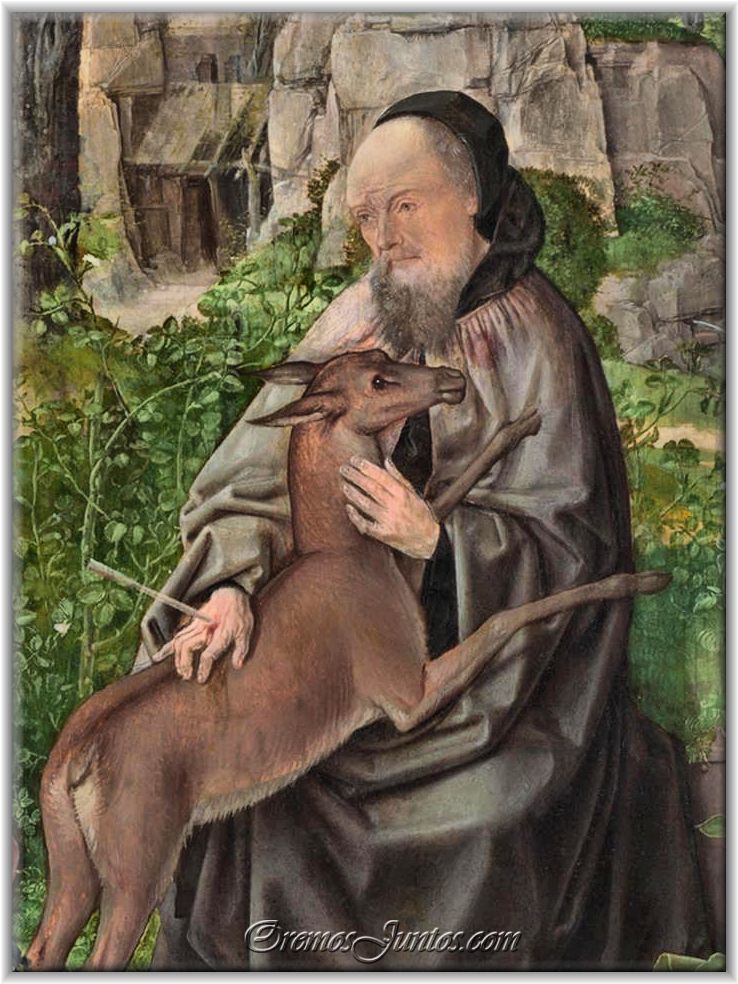
Saint of the Day – 1 September – St Giles (c 650 at Athens, Greece – between 710 and 724 in France of natural causes).   Monk, Hermit, Abbot.   St Giles is also known as Giles the Hermit, was a Greek, Christian, hermit saint from Athens, whose legend is centered in Provence and Septimania.   Giles founded the abbey in Saint-Gilles-du-Gard whose tomb became a place of pilgrimage.   It was a stop on the road that led from Arles to Santiago de Compostela, the pilgrim Way of St. James.   Giles is one of the Fourteen Holy Helpers.  Patronages: • cancer patients; against breast cancer• epileptics; against epilepsy• against fear of night or noctiphobia• mentally ill people; against insanity or mental illness• lepers, against leprosy• against sterility• beggars• blacksmiths• breast feeding• disabled, handicapped, crippled or physically challenged people• forests, woods• hermits• horses• paupers, poor people• rams• spur makers• Monte San Savino, Italy• Tolfa, Italy• Edinburgh, Scotland.Saint Giles and the Deer.3.
The life of St Giles, known in early writings as Aegidius, is derived from a mixture of legend and history woven together around the deeds of a saint.   He is reputed to have been born in Athens, the son of Theodore and Pelagia, in about 640.   When he was twenty-four his parents died and Giles, stricken by the double loss and unconsoled by the pleasures of fashionable life, sold all that he had and gave to the poor in order to follow Christ.

He took to sea and landed on the coast of Provence.   On the shore he saw human footsteps and following these, he found a cave in which an old hermit had lived for years on roots and herbs and who was content to share his cave, his food and his prayers with the young man.   After three days Giles began to fear his friends might find him, so he hailed a passing ship and sailed on further westwards to Marseilles.   Still seeking solitude, he crossed the Rhone and travelled towards a rocky promontory above the river Gardon and here, in a cave, the entrance of which was hidden by a thicket, he found another solitary, also a Greek.   He stayed only a short time before continuing his journey until, finally, in the depth of a forest near Nimes, he found a hollow of a rock in a green glade by a stream, shaded by four gigantic oaks.   There he lived in peace and prayer, his only companion a gentle hind (his emblem), whose milk he drank.

Founding a monastery:  Here he was discovered by Flavius (Wamba), king of the VisiGoths.  The king was out hunting and shot an arrow at the hind, missed it and hit Giles, who was at his devotions. One hunter shot an arrow into the thorn bush, hoping to hit the deer but instead hit Giles in the leg, crippling him.   The king sent doctors to care for hermit’s wound and though Giles begged to be left alone, the king came often to see him.  Though wounded, Giles continued at his prayers and refused all compensation for the injury done to his body.   This incident made him a great favourite at Court, especially with Wamba, who pressed him to stay.   The king would have given him lands for any foundation he chose, but no entreaties would persuade him to desert his life of solitude and prayer.

From this, Gile’s fame as sage and miracle worker spread and would-be followers gathered near the cave.   The French king, because of his admiration, built the monastery of Saint Gilles du Gard for these followers and Giles became its first abbot, establishing his own discipline there.   Legend goes on to say that Giles consented to be the founder of the monastery near Nimes about 673, which flourished till the Saracen invasion, when it was burned down and he and his monks took refuge with Charles Martel, aiding him by their prayers in his great battle for Christianity in the West.   St. Giles’ monastery was restored, and with the words, ” Lord, now lettest Thou Thy servant depart in peace,” he died on September 1st, 720.

The patron saint of the outcast:  St Giles became one of the most popular saints in the West, the patron saint of woodland, of lepers, beggars, cripples and of those struck by sudden misery and driven into solitude like the hind, which, according to one tradition, came to St. Giles wounded.

The combination of the town, monastery, shrine and pilgrims led to many handicapped beggars hoping for alms;  this and Giles’ insistence that he wished to live outside the walls of the city and his own damaged leg, led to his patronage of beggars, and to cripples since begging was the only source of income for many.   Hospitals and safe houses for the poor, crippled, and leprous were constructed in England and Scotland, and were built so cripples could reach them easily.   On their passage to Tyburn for execution, convicts were allowed to stop at Saint Giles’ Hospital where they were presented with a bowl of ale called Saint Giles’ Bowl, “thereof to drink at their pleasure, as their last refreshing in this life.”   Once in Scotland during the seventeenth century his relics were stolen from a church and a great riot occurred.

In Spain, shepherds consider Giles the protector of rams.   It was formerly the custom to wash the rams and colour their wool a bright shade on Giles’ feast day, tie lighted candles to their horns and bring the animals down the mountain paths to the chapels and churches to have them blessed.   Among the Basques, the shepherds come down from the Pyrenees on 1 September, attired in full costume, sheepskin coats, staves and crooks, to attend Mass with their best rams, an event that marks the beginning of autumn festivals, marked by processions and dancing in the fields.

He is also the patron saint of over one hundred and fifty churches in the United Kingdom, (though not to be confused with another abbot of the same name, who was in the same province two hundred years earlier).   In the Prayer Book he is described as “St. Giles, Abbot and Confessor”