Posted in FEASTS and SOLEMNITIES, MARIAN DEVOTIONS, MARIAN TITLES, SAINT of the DAY

Feast of the Divine Maternity and Memorials of the Saints for 11 October

St Agilbert of Paris

St Anastasius V
St Anastasius the Apocrisarius
St Andronicus of Ephesus
St Andronicus the Soldier
St Ansilio
St Canice
St Digna of Sicily
St Dionisio de Santarem
St Emilian of Rennes
St Ethelburga of Barking (Died c782) Virgin, Abbess
St Eufridus
St Firminus of Uzes
St Germanus of Besancon
St Gratus of Oloron
St Guiadenzio of Gniezno

St Juliana of Pavilly
St Nectarius of Constantinople
St Philip the Deacon
St Philonilla
St Placidia
St Probus of Side
St Santino of Verdun
St Sarmata
St Taracus of Cladiopolis
St Zenaides

Posted in Uncategorized

Feast of the Divine Maternity and Memorials of the Saints – 11 October

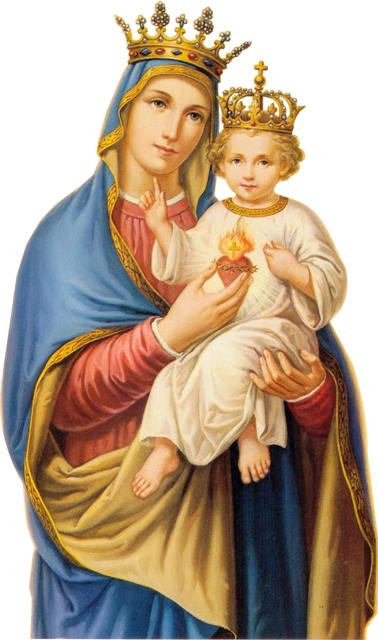
Feast of the Divine Maternity – Second Sunday in October or 11 October:

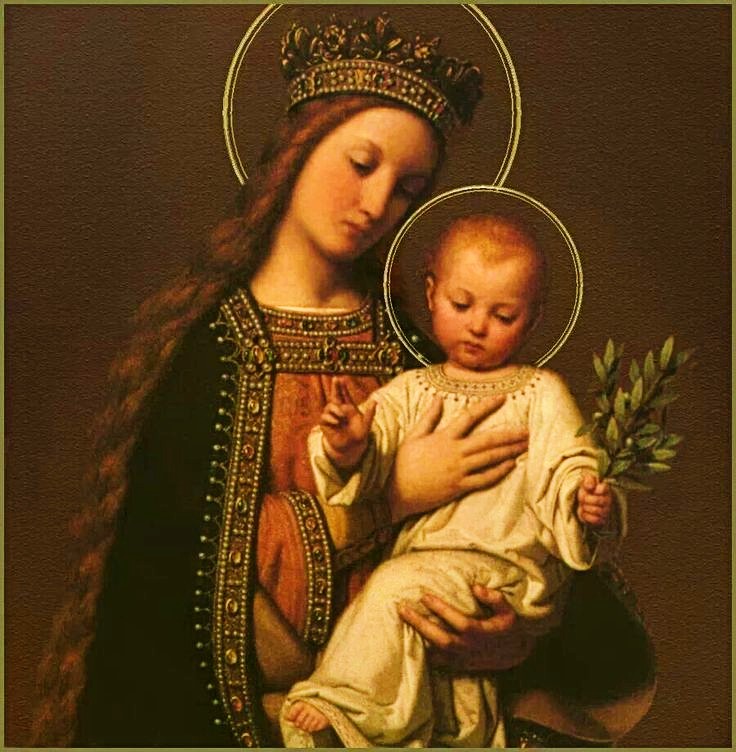
The object of this feast is to commemorate the dignity of the Mary as Mother of God. Mary is truly the Mother of Christ, who in One Person unites the Human and Divine Nature. This title was solemnly ratified by the Council of Ephesus on 22 June, 431.
It was long celebrated in Portugal, where the Maternity of Our Lady was declared a feast on 22 January in 1751, at the request of King Joseph Manuel. The feast, granted to the Dioceses of Portugal, Brazil, and Algeria, was assigned to the first Sunday in May. In the following year it was extended to the Province of Venice; in 1778, to the Kingdom of Naples; in 1807, to Tuscany. It was finally instituted in 1931 by Pope Pius XI in view of the fifteenth Centenary of the Council of Ephesus.
At the same time the Pope ordered, at his own cost, the restoration of the Marian mosaics in Saint Mary Major, much decayed through age. He issued an encyclical letter, “Lux veritatis.”In this, among the objects of the new festival, is named one truth that was particularly close to the heart of Pius XI, “…that Mary, who is loved and revered so warmly by the separated Christians of the East, would not suffer them to wander and be unhappily led further away from the unity of the Church and, therefore, from her Son, whose Vicar on earth we are.”
At present the feast is not found in the Universal Calendar of the Church but nearly all Diocesan calendars have adopted it.

St Agilbert of Paris

St Alexander Sauli CRSP (1534-1592) Bishop “The Apostle of Corsica,” Clerk Regular of the Congregation of Saint Paul (The Barnabites) – St Alexander is referred to as “The Second Founder,” Missionary, Writer, Teacher of philosophy and theology at the University of Pavia, Reformer, Evangeliser, Confessor, Superior-General of the Barnabites in 1565. In addition, St Alexander Sauli was both friend, advisor and spiritual comfort to St Charles Borromeo, who held him in very high esteem.
His Life:

https://anastpaul.com/2020/10/11/saint-of-the-day-11-october-saint-alexander-sauli-crsp-1534-1592/

St Anastasius V
St Anastasius the Apocrisarius
St Andronicus of Ephesus
St Andronicus the Soldier
St Ansilio
St Bruno the Great
St Canice
St Digna of Sicily
St Dionisio de Santarem
St Emilian of Rennes
St Ethelburgh of Barking
St Eufridus
St Firminus of Uzes
St Germanus of Besancon
St Gratus of Oloron
St Guiadenzio of Gniezno

St Gummarus (717-774) Confessor, Married Lay Hermit, Soldier, Courtier.
Biography:

https://anastpaul.com/2021/10/11/saint-of-the-day-11-october-saint-gummarus-717-774/

Blessed James Grissinger OP (c 1407-1491) Lay brother of the Order of Preachers, Artist of Religous imagery.
St Juliana of Pavilly
St Nectarius of Constantinople
St Philip the Deacon
St Philonilla
St Placid
St Placidia
St Probus of Side
St Santino of Verdun
St Sarmata
St Taracus of Cladiopolis
St Zenaides

Martyrs of Vilcassin – 4 Saints: Four Christians who were Martyred together. We know little more than the names – Nicasius, Pienza, Quirinus and Scubicolus. Their martyrdom occurred in Vexin Lugdunense territory of Gaul (modern Vilcassin, France), date unknown.

Martyrs of Sicily: A group of eight Christians who were Martyred together. We know little more than the names – • Ampodus, • Anastasius, • Faustus, • Januarius, • Jovinian, • Marcellus, • Martialis and • Placidus. They died in Sicily, Italy,

Martyrs of Vilcassin: Four Christians who were Martyred together. We know little more than the names – Nicasius, Pienza, Quirinus and Scubicolus. They died in the Vexin Lugdunense territory of Gaul (modern Vilcassin, France).

Posted in PATRONAGE - SPOUSAL ABUSE / DIFFICULT MARRIAGES / VICTIMS OF ABUSE, PATRONAGE-INFERTILITY & SAFE CHILDBIRTH, SAINT of the DAY

Saint of the Day – 11 October – Saint Gummarus (717-774)

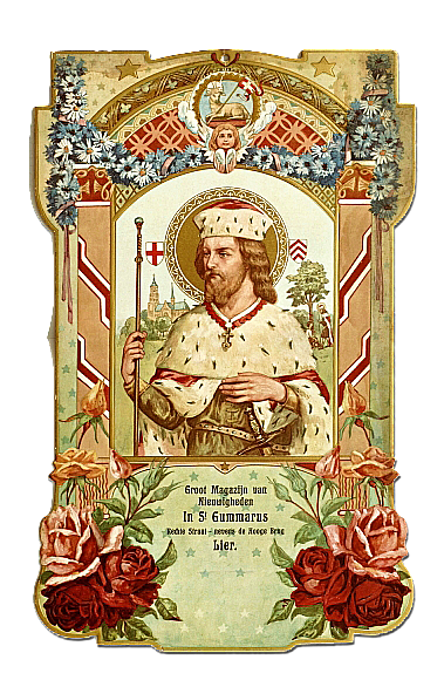
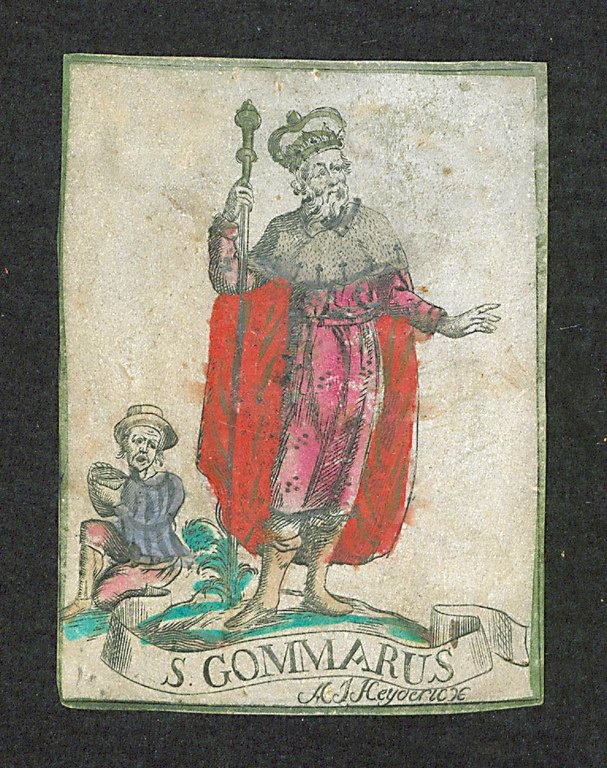
Saint of the Day – 11 October – Saint Gummarus (717-774) Lay Hermit, Confessor, Soldier, Courtier, Married. Born in 717 at Brabant, Belgium and died in 774 of natural causes. Patronages – childless people, courtiers, cowherds, difficult marriages, glove makers, hernia sufferers, separated spouses, woodcutters. Also known as – Gommarus of Lier, Gomer, Gommaire, Guntmar, Gummar, Gommar.

Gummarus was a native of a noble family of Emblehem, referring to an area including Lier and not just the Town of Emblem, in Brabant and a relative of King Pepin the Younger, who called him to his Court and entrusted him with important offices. The King arranged a marriage between Gummarus and a wealthy noblewoman named Guinmarie, who was extravagant and haughty. His wife appears to have been shrewish, as well as abusive to their household servants in his absence. They had no children.

Gummarus accompanied Pepin on a number of military campaigns and spent eight years in the field. Upon his return from military campaigns, Gummarus tried to reconcile with his wife and remedy the injustices she had laid upon the people in their service. That he might have a place of quiet and retirement and in order to attend his private devotions, he built a Chapel called Nivesdunc.

Gummarus and his wife eventually separated. He became a Hermit at Nivesdunc and the Town of Lier, Belgium grew up around the site of the hermitage and where, with Saint Rumbold of Mechelen he founded an Abbey. Gummarus died at his Abbey in 774. In 815 he was recognised as a Saint.

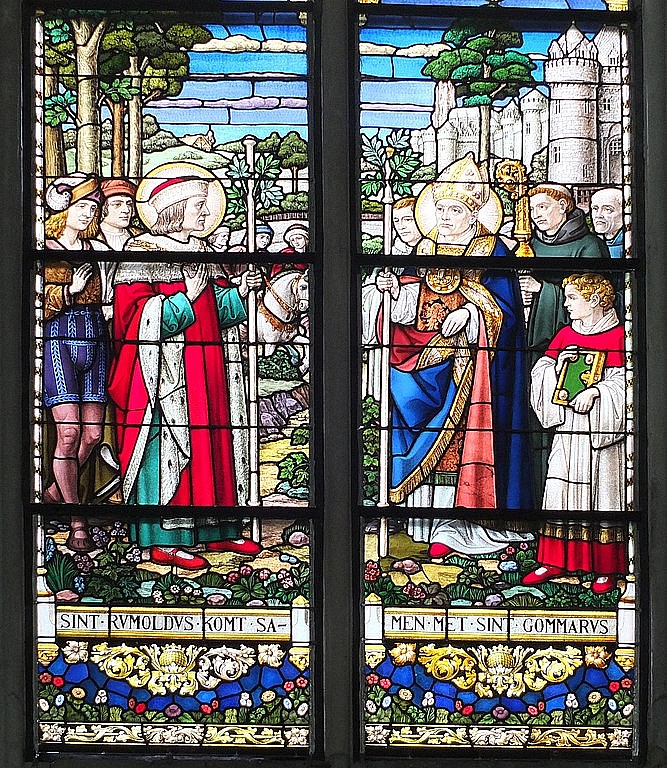
Saint Rumbold ands Saint Gummarus, at the Cathedral of Mechelen

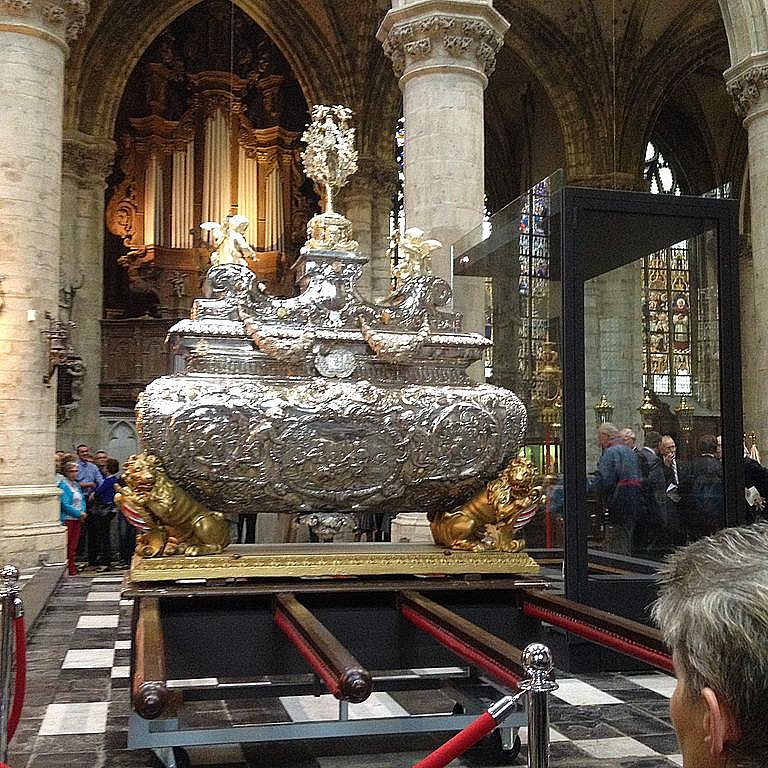
The site of his hermitage is now St Peter’s Chapel. The Church of St Gummarus was built in Brabant in 1378. Every year on the first Sunday after 11 October, the City of Lier, holds the St Gummarus Fair, which includes a procession in which the Saint’s relics are carried through the streets of Lier.

The Reliquary enshrined at St Gummarus Church in Lier
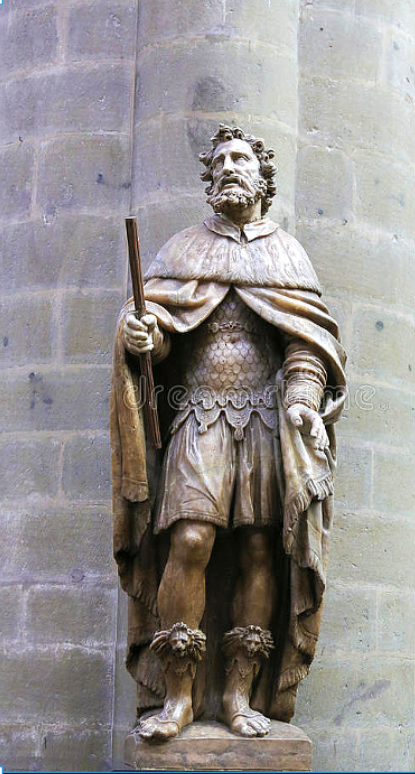
Statue of St Gummarus at his Church in Lier
Posted in MARIAN TITLES, SAINT of the DAY

Feast of the Divine Maternity and Memorials of the Saints – 11 October

Feast of the Divine Maternity – Second Sunday in October or 11 October:

The object of this feast is to commemorate the dignity of the Mary as Mother of God. Mary is truly the Mother of Christ, who in One Person unites the Human and Divine Nature. This title was solemnly ratified by the Council of Ephesus on 22 June, 431.
It was long celebrated in Portugal, where the Maternity of Our Lady was declared a feast on 22 January in 1751, at the request of King Joseph Manuel. The feast, granted to the Dioceses of Portugal, Brazil, and Algeria, was assigned to the first Sunday in May. In the following year it was extended to the Province of Venice; in 1778, to the Kingdom of Naples; in 1807, to Tuscany. It was finally instituted in 1931 by Pope Pius XI in view of the fifteenth Centenary of the Council of Ephesus.
At the same time the Pope ordered, at his own cost, the restoration of the Marian mosaics in Saint Mary Major, much decayed through age. He issued an encyclical letter, “Lux veritatis.In this, among the objects of the new festival, is named one truth that was particularly close to the heart of Pius XI, “…that Mary, who is loved and revered so warmly by the separated Christians of the East, would not suffer them to wander and be unhappily led further away from the unity of the Church and, therefore, from her Son, whose Vicar on earth we are.
At present the feast is not found in the Universal Calendar of the Church but nearly all Diocesan calendars have adopted it.

St Pope John XXIII (1881-1963) (Optional Memorial) Angelo Giuseppe Roncalli became the 261st successor of St Peter, He reigned from 28 October 1958 until his death on 3 June 1963.
Biography here:

https://anastpaul.wordpress.com/2017/10/11/saint-of-the-day-11-october-st-pope-john-xxiii-1881-1963/
AND:
https://anastpaul.com/2018/10/11/saint-of-the-day-11-october-st-pope-john-xxiii-1881-1963-good-pope-john/

St Agilbert of Paris

St Alexander Sauli CRSP (1534-1592) Bishop “The Apostle of Corsica,” Clerk Regular of the Congregation of Saint Paul (The Barnabites) – St Alexander is referred to as “The Second Founder,” Missionary, Writer, Teacher of philosophy and theology at the University of Pavia, Reformer, Evangeliser, Confessor, Superior-General of the Barnabites in 1565. In addition, St Alexander Sauli was both friend, advisor and spiritual comfort to St Charles Borromeo, who held him in very high esteem.
His Life:

https://anastpaul.com/2020/10/11/saint-of-the-day-11-october-saint-alexander-sauli-crsp-1534-1592/

St Anastasius V
St Anastasius the Apocrisarius
St Andronicus of Ephesus
St Andronicus the Soldier
St Ansilio
St Bruno the Great
St Canice
St Digna of Sicily
St Dionisio de Santarem
St Emilian of Rennes
St Ethelburgh of Barking
St Eufridus
St Firminus of Uzes
St Germanus of Besancon
St Gratus of Oloron
St Guiadenzio of Gniezno
St Gummarus (717-774) Lay Hermit
Bl James Grissinger
St Juliana of Pavilly

St Maria Soledad Torres Acosta (1826-1887) Religious Nun and Founder of Servants of Mary.
Her Life:

https://anastpaul.com/2019/10/11/saint-of-the-day-11-october-saint-maria-soledad-torres-acosta-1826-1887/

St Nectarius of Constantinople
St Phêrô Lê Tùy
St Philip the Deacon
St Philonilla
St Placid
St Placidia
St Probus of Side
St Santino of Verdun
St Sarmata
St Taracus of Cladiopolis
St Zenaides

Martyrs of Vilcassin – 4 saints: Four Christians who were martyred together. We know little more than the names – Nicasius, Pienza, Quirinus and Scubicolus. Their martyrdom occurred in Vexin Lugdunense territory of Gaul (modern Vilcassin, France), date unknown.