
Saint of the Day – 28 January – Saint Julián of Cuenca (1127-1208) the second Bishop of Cuenca, Spain from c 1196 until his death. Professor, Hermit, Reformer, Miracle-worker, basket-weaver using the money he gained from this trade to support the poor and needy, He was also a regular visitor to prisoners, assisting them spiritually and with material succour. Born as Julián Ben Tauro in c 1127 at Burgos, Spain and died on 28 January 1208 in Cuenca, Spain of natural causes, aged around 80 years. Patronages – basket-weavers, for rain, of the City and Diocese of Cuenca. Also known as – Julian of Burgos. Canonised on 18 October 1594 by Pope Clement VIII.
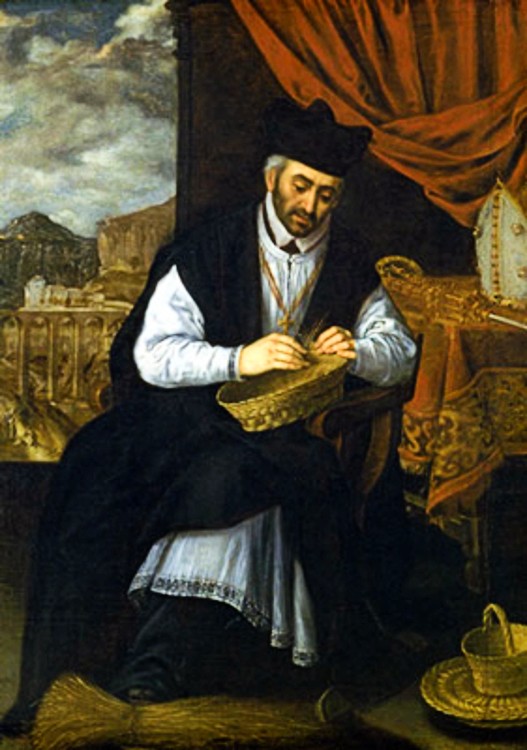
Most details we have collected about Saint Julián’s life are due to tradition (mixed with “pious” stories), writings that developed, especially from the 16th Century. These writings depict a holy man, chosen by God from the mother’s womb (like the prophets), a man full of humility and apostolic zeal, great benefactor of the poor, with a deep and intense spirit of prayer and great devotion to the Virgin Mary.
Julián’s name was Julián Ben Tauro (meaning Julián son of Tauro). His surname indicates his Mozarab ancestry – that is, Christians who lived in Muslim kingdoms, thus, in a delicate position. This document leads most historians to state the Toledan Mozarab origins of Julián.
Historical sources do not offer much information on the early life of Julián, except that he was born in Burgos to the nobleman Tauro. He studied at the Cathedral school there before he studied at the University of Palencia where he earned his Doctorate. In 1153, he was appointed a Professor in the philosophical and theological departments in Palencia in 1153. During his time in Palencia he worked as a basket-weaverr in order to earn extra income for the poor, as well to support himself.
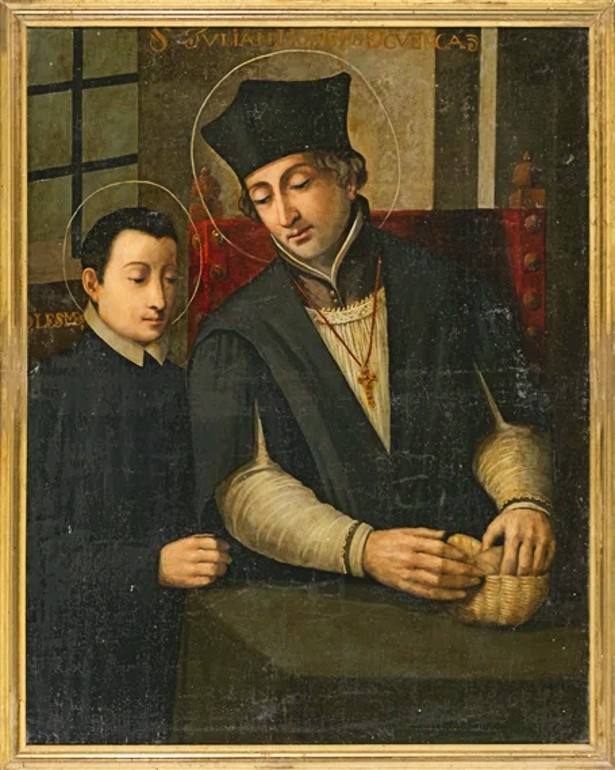
In 1163 he left Palencia and his teaching duties to live a life of solitude in a modest house outside Burgos, located on the banks of the Arlanzón. He was Ordained to the Priesthood in 1166 after having received the minor orders. He and his servant, Lesmes lived a life of mortification and contemplation. The two then took to the road as itinerant preachers and reached both Córdoba and Toledo in 1191. A note about Lesmes – “the figure of Lesmes, the loyal servant who would not leave the company of Saint Julián until his death.”
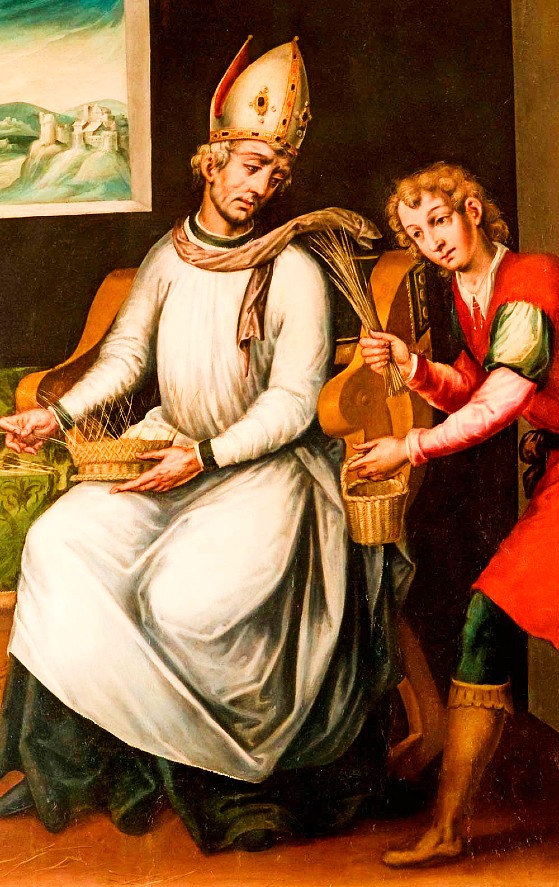
But this solitude and travelling ended in 1191 when the Archbishop of Toledo, Martín II López de Pisuerga appointed Julián as the Archdeacon at Toledo. He exercised his administrative duties but continued preaching, as well as making baskets in order to generate income for the poor. From 1196, Julián served as the Archdeacon until the Bishop of Cuenca, Juan Yáñez died and Alfonso VIII of Castile chose Julián to succeed him.
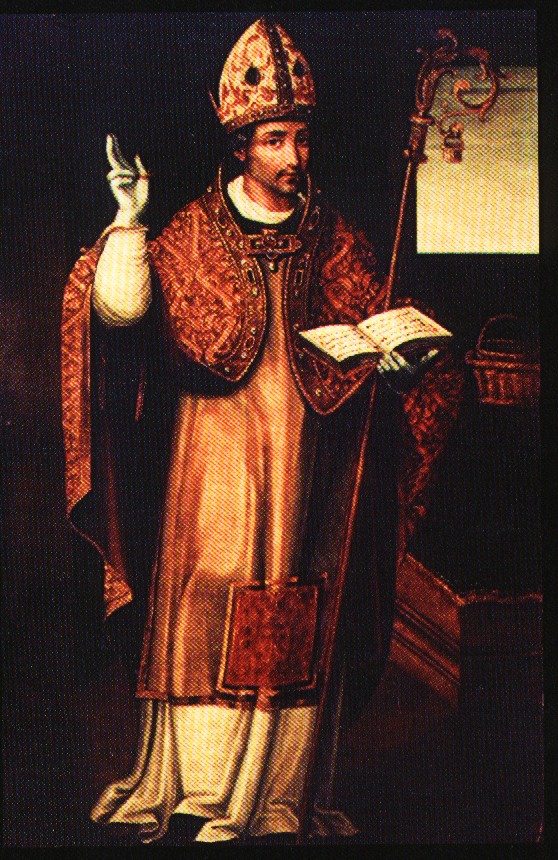
The Archbishop of Toledo conferred Episcopal Consecration upon him that June of 1196. Julián was known for his almsgiving and he visited the poor in prisons too. His outreach to all faiths was equally generous and kind, as was his desire to make pastoral visits to care for the faithful in his Diocese. He often offered grain to the poor to alleviate their suffering and also aided the poor peasant farmers in the region.
He continued to preach during his travels to all the areas in his Diocese, as well as reforming the practices of the Diocesan Priests in addition to engaging with charitable organisations to better help the poor. He likewise supported these charities to provide for the needs of his flock, in addition to the Jews and Muslims. On an annual basis, he would retire to live a life of solitude and contemplation and continued his habit of making baskets. There is a wonderful miracle reported that one day Jesus Himself appeared to him in the guise of a beggar, in order to thank him.
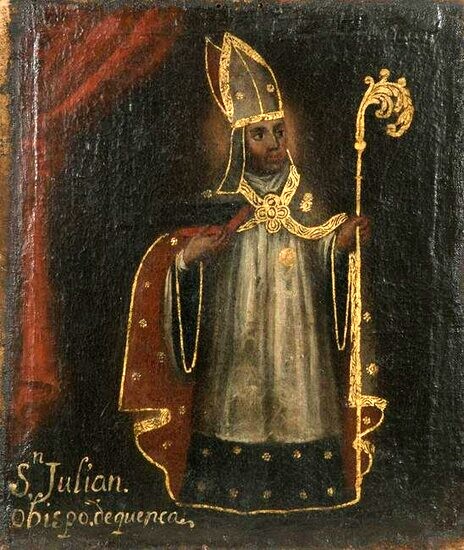
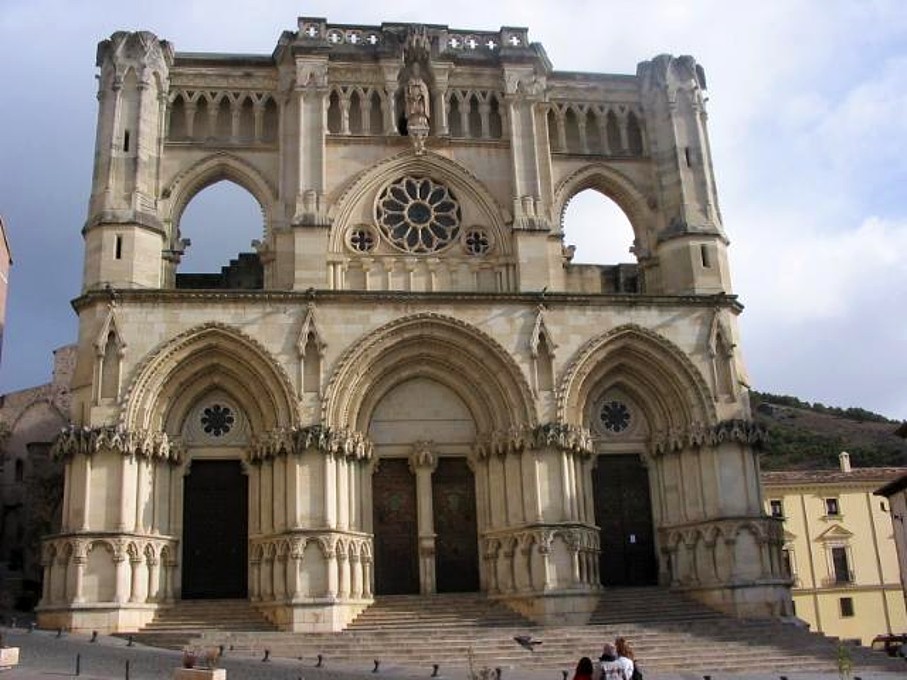
He died in his Diocese in 1208. His remains were housed in the Cuenca Cathedral but his body was re-interred in 1578 under an Altar built in his honour in a side Chapel at the same Cathedral.
In the Reading V of the Office it is stated that “he was a true father of the poor and used his money and his talents to help the needy, widows and orphans. He used the yield of his Church to help the miserable, as well as to establish and decorate the Churches, using little support for himself, obtaining what he needed personally with his own hands. He was devoted to prayer, through which he achieved from God many and great things for his people. The beautiful miracle is related as follows: Since the whole Diocese suffered shortage of grain and nothing was left in the Episcopal barns, taking pity on the people suffering this great calamity, he prayed fervently to the Lord along with many tears. Then it occurred that a huge quantity of grain was transported to the gates of the Episcopal palace carried by numerous donkeys, which disappeared after leaving their load.
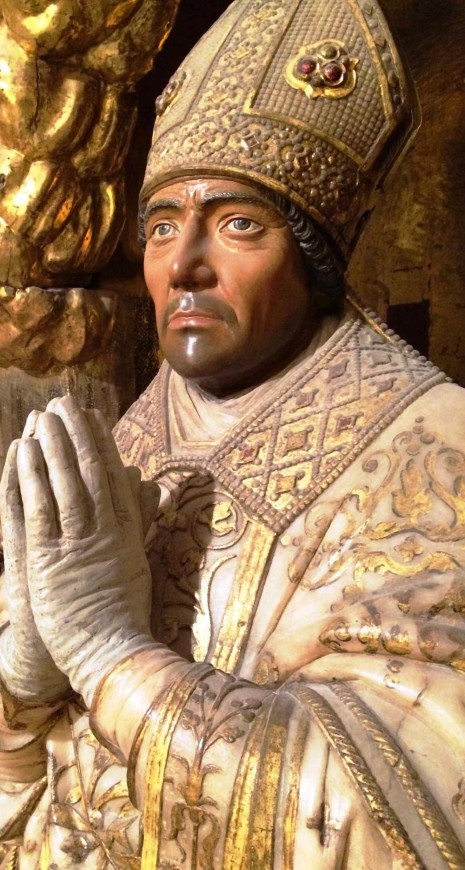
In memory and as a tribute to the charity of Saint Julián, the Chapter established at the beginning of the 15th century the “Chest of Saint Julián” or “of the Alms”, which became a charitable institution to attend the urgent needs of the dispossessed. Essentially it gave daily alms of bread, ensured the upbringing and accommodation of orphan children and provided dowries so orphan ladies could marry, something otherwise impossible given the customs and the way of thinking at the time. (This Chest was perpetuated in Cuenca until recent times).
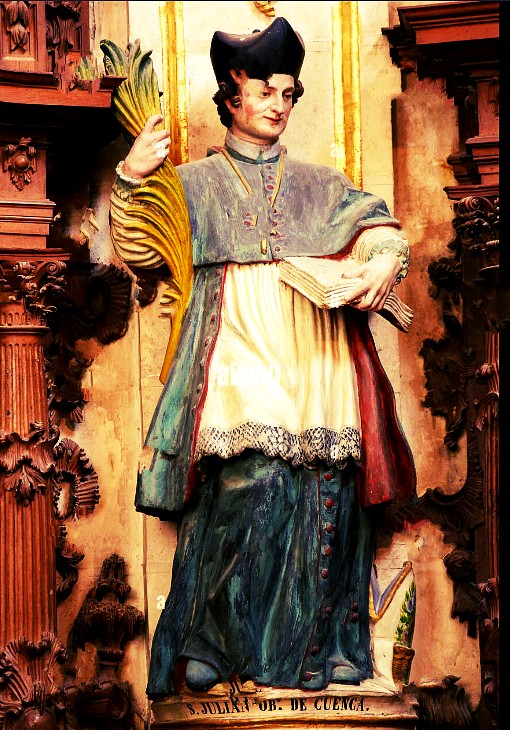
According to the old obituaries of Cuenca’s Bishopric, the death or departure of Saint Julián took place on 20th January 1208, at the age of 80. However, his celebration was set on the 28th of the same month, probably for the sake of liturgical-pastoral expediency, and during centuries his festivity has been celebrated on that date in Cuenca and in other places where he is greatly venerated.
As the tradition brings to light and is easy to imagine, Saint Julián was a great preacher, going through many places of Spain preaching the Gospel of Salvation. He was an excellent missionary, also within Cuenca’s recently created Diocese, repopulated with peoples from the North, as a result of the re-conquest. Despite the many difficulties of travelling from one place to another, Julián spared no effort to preach the Gospel to everyone, as the Lord commended after His Resurrection.
Saint Julián’s Canonisation was solemnised under Pope Clement VIII on 18 October 1594.


 AnaStpaul
You must be logged in to post a comment.