Quote/s of the Day – 22 November – St Cecilia (Died 3rd Century) Virgin Martyr – Ecclesiasticus 51:13-17, Matthew 25:1-13 – Scripture search here: https://www.drbo.org/
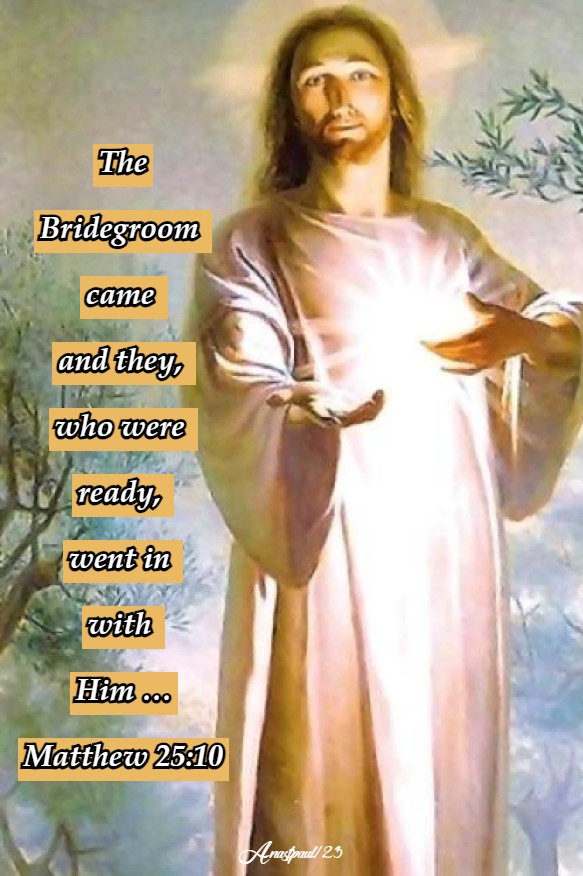
“ … The Bridegroom came and they, who were ready, went in with Him … ”
Matthew 25:10
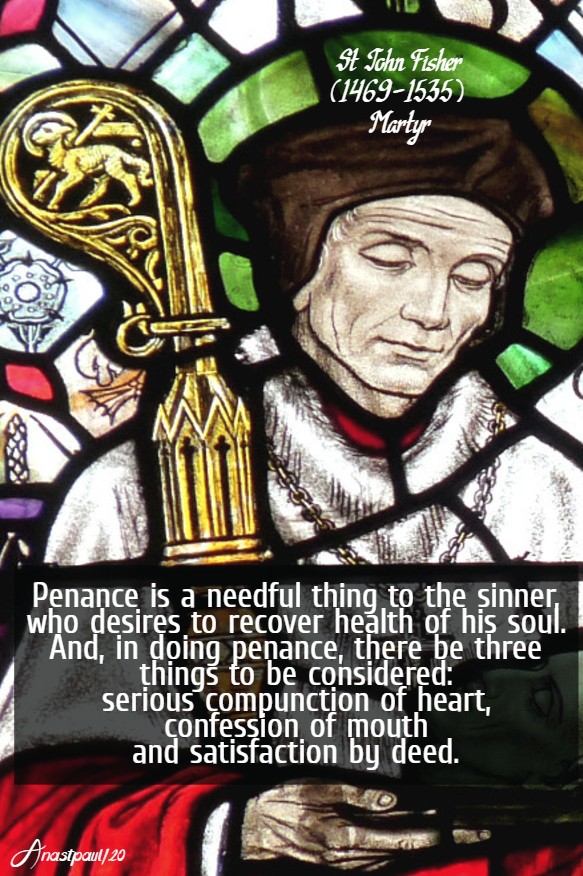
“Penance is a needful thing to the sinner, who desires to recover health of his soul. And, in doing penance, there be three things to be considered: serious compunction of heart, confession of mouth and satisfaction by deed.”
St John Fisher (1469-1535) Martyr
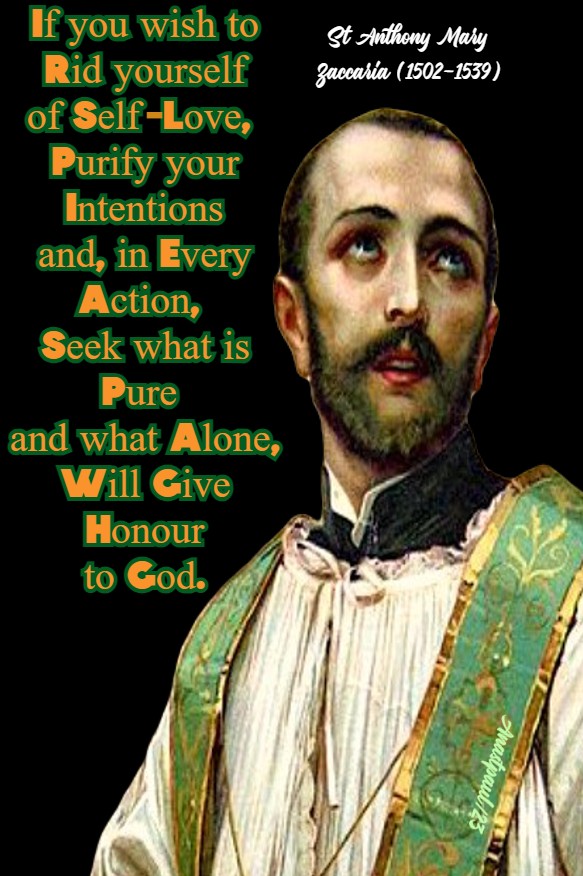
“If you wish to rid yourself of self-love, purify your intentions and, in every action, seek what is pure and what alone, will give honour to God.”
St Anthony Mary Zaccaria (1502-1539)
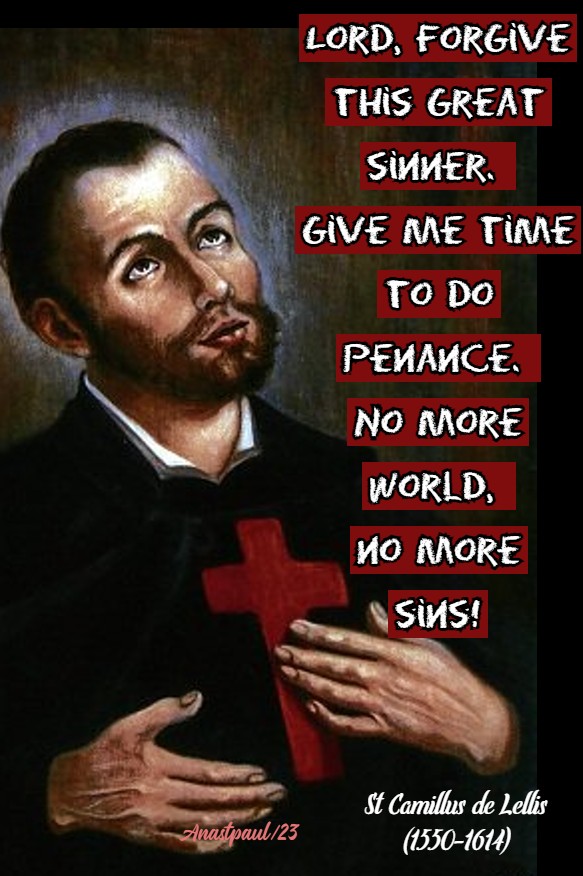
“Lord, forgive this great sinner. Give me time to do penance. No more world, no more sins!”
St Camillus de Lellis MI (1550-1614)
“Our Lord, Who saved the world, through the Cross, will only Work for the good of souls, through the Cross.”
St Madeleine Sophie Barat (1779-1865)
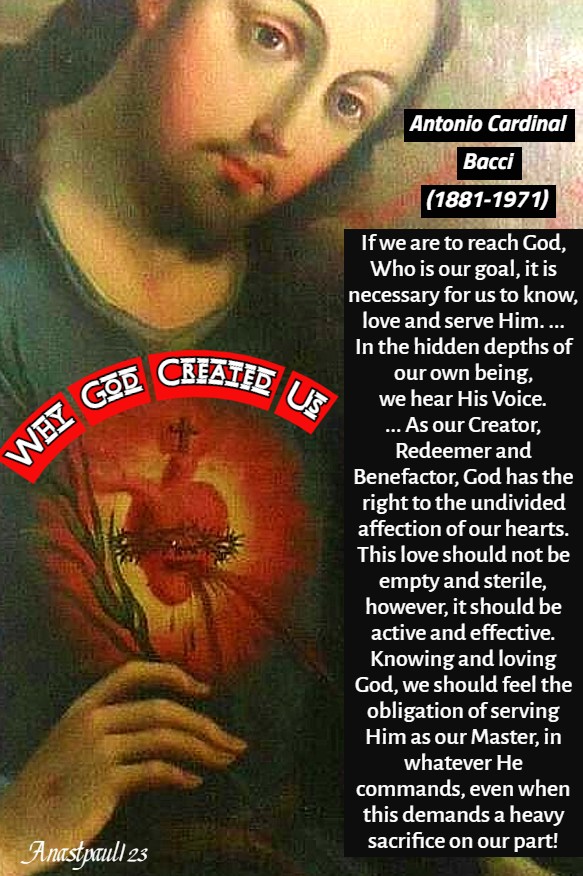
“If we are to reach God, Who is our goal, it is necessary for us to know, love and serve Him. In the hidden depths of our own being, we hear His Voice. As our Creator, Redeemer and Benefactor, God has the right to the undivided affection of our hearts. This love should not be empty and sterile, however, it should be active and effective. Knowing and loving God, we should feel the obligation of serving Him as our Master, in whatever He commands, even when this demands a heavy sacrifice on our part!”
Quote/s of the Day – 11 September – “Month of The Seven Sorrows of the Blessed Virgin Mary and The Holy Cross” – St Protus and St Hyacinth (Died c257) Brother Martyrs – Wisdom 3:1-8, Luke 21:9-19 – Scripture search here:
“And you shall be hated by all men, for My Name’s sake.”
Luke 21:17
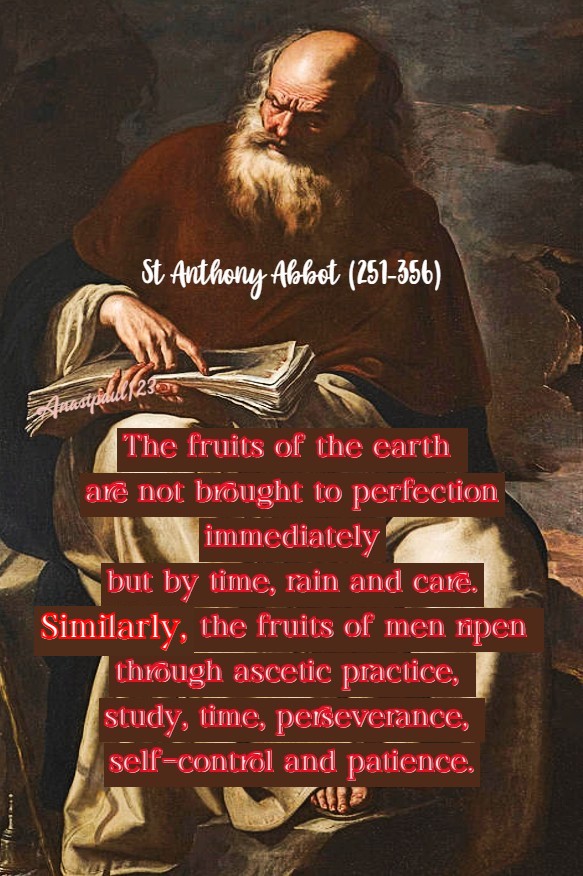
“The fruits of the earth are not brought to perfection immediately but by time, rain and care. Similarly, the fruits of men ripen through ascetic practice, study, time, perseverance, self-control and patience.”
St Anthony Abbot (251-356)
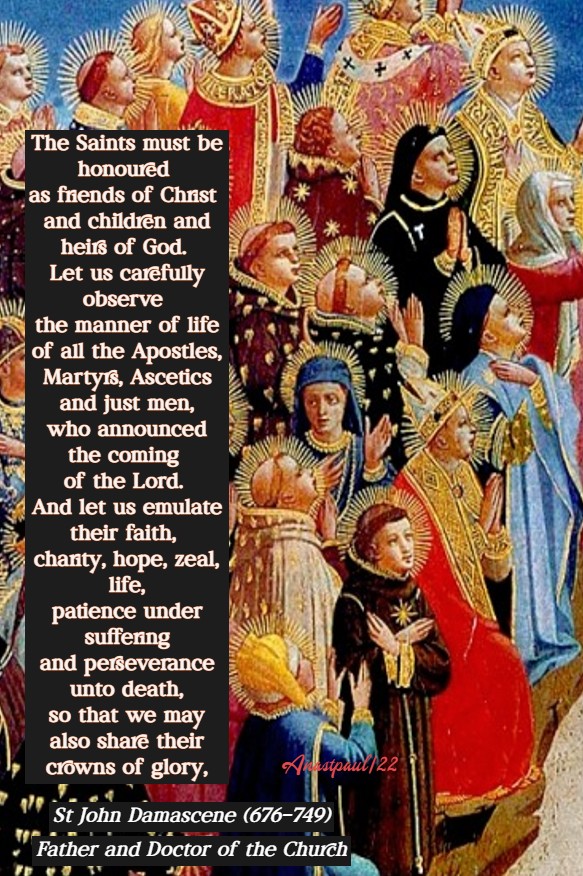
“The Saints must be honoured as friends of Christ and children and heirs of God. Let us carefully observe the manner of life of all the Apostles, Martyrs, Ascetics and just men, who announced the coming of the Lord. And let us emulate their faith, charity, hope, zeal, life, patience under suffering and perseverance unto death, so that we may also share their crowns of glory.”
St John Damascene (676-749) Father and Doctor of the Church
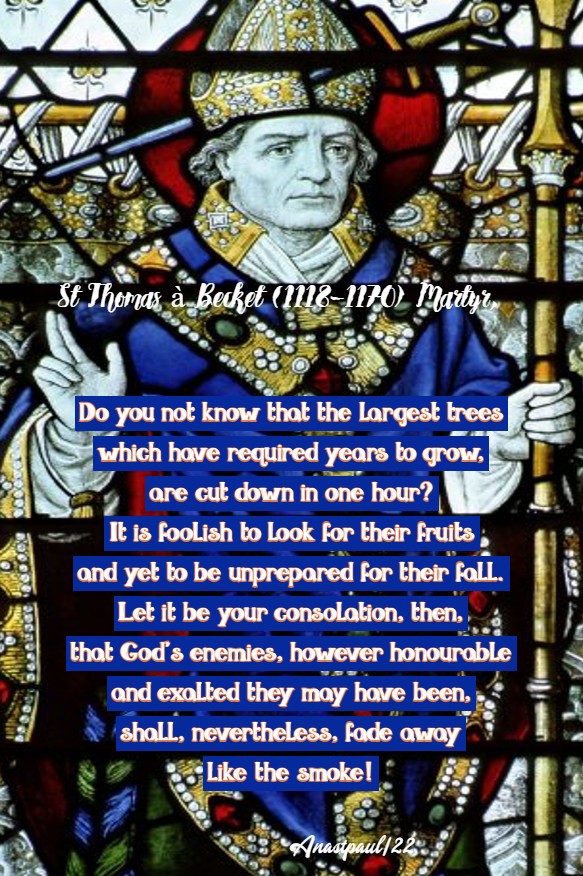
“Do you not know that the largest trees which have required years to grow, are cut down in one hour? It is foolish to look for their fruits and yet to be unprepared for their fall. Let it be your consolation, then, that God’s enemies, however honourable and exalted they may have been, shall, nevertheless, fade away like the smoke!”
St Thomas à Becket (1118-1170) Martyr, Archbishop of Canterbury
“Now, you must always persevere in firmly placing all your trust in our Lord, in the troublesome business you have in hand. It will give you a fine opportunity of laying a good foundation of submission to God’s will and peace of soul.”
St Francis de Sales (1567-1622) Doctor Caritatis
“Our Lord, Who saved the world, through the Cross, will only Work for the good of souls, through the Cross.”
St Madeleine Sophie Barat (1779-1865)
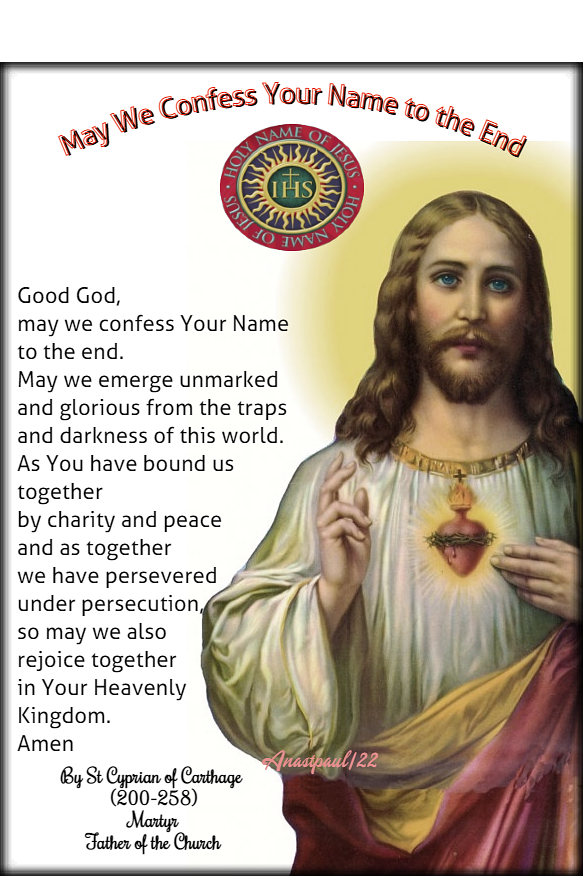
May We Confess Your Name to the End By St Cyprian of Carthage (200-258) Bishop and Martyr Apostolic Father of the Church
Good God, may we confess Your Name to the end. May we emerge unmarked and glorious from the traps and darkness of this world. As You have bound us together, by charity and peace and as together, we have persevered under persecution, so may we also rejoice together in Your Heavenly Kingdom. Amen
St Pope Gregory VII (1015-1085) Confessor, Bishop of Rome 22 April 1073 to his death in 1085, Monk, Priest, Reformer, Administrator, Adviser. Pope Gregory “was probably the most energetic and determined man ever to occupy the See of Peter and was driven by an almost mystically exalted vision of the awesome responsibility and dignity of the papal office” (Eamonn Duffy, Saints and Sinners: A History of the Popes). Biography: https://anastpaul.com/2018/05/25/saint-of-the-day-25-may-st-pope-gregory-vii-c-1015-1085/
St Aldhelm of Sherborne (640-709) Confessor, Abbot of Malmesbury and Bishop of Sherborne Bl Antonio Caixal Bl Bartolomeo Magi di Amghiari St Canio St Denis Ssebuggwawo St Dionysius of Milan St Dunchadh of Iona St Egilhard of Cornelimünster Bl Gerardo Mecatti St Gerbald St Injuriosus of Auvergne St Iosephus Chang Song-Jib Bl James Bertoni Bl Juan of Granada St Leo of Troyes
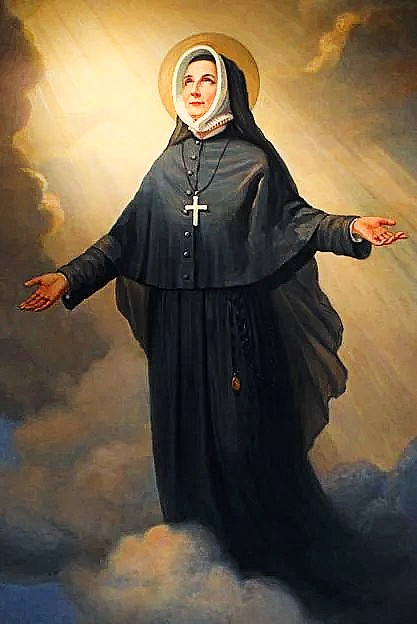
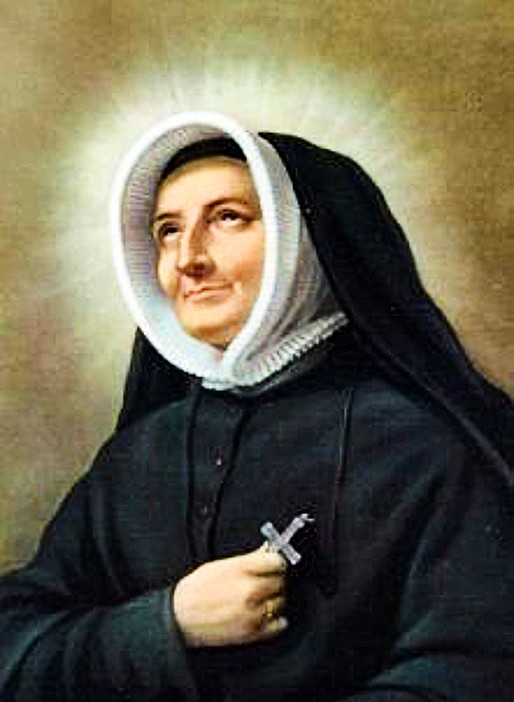
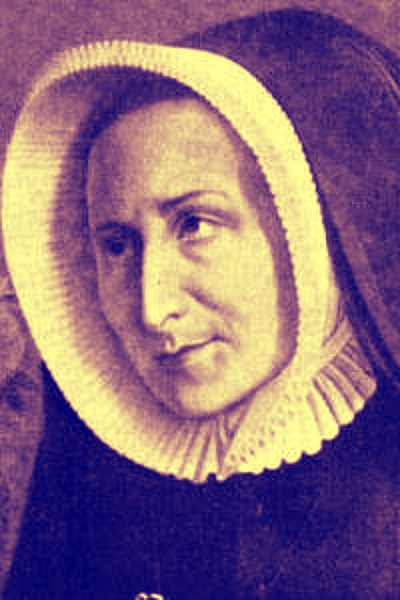
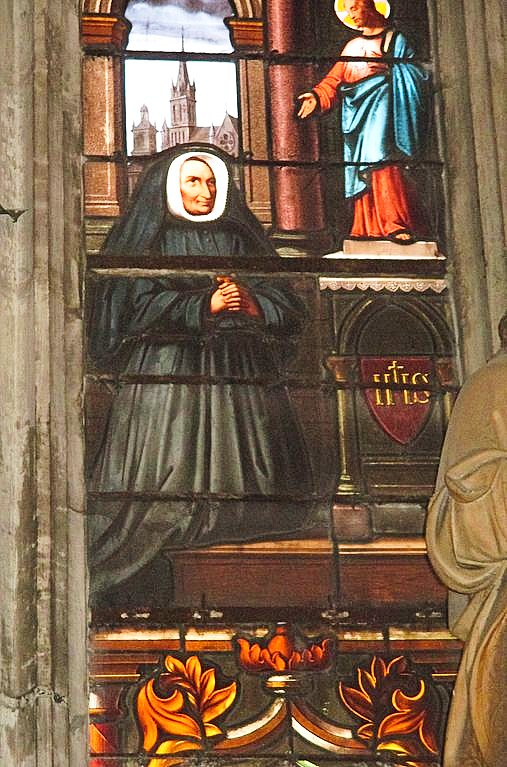
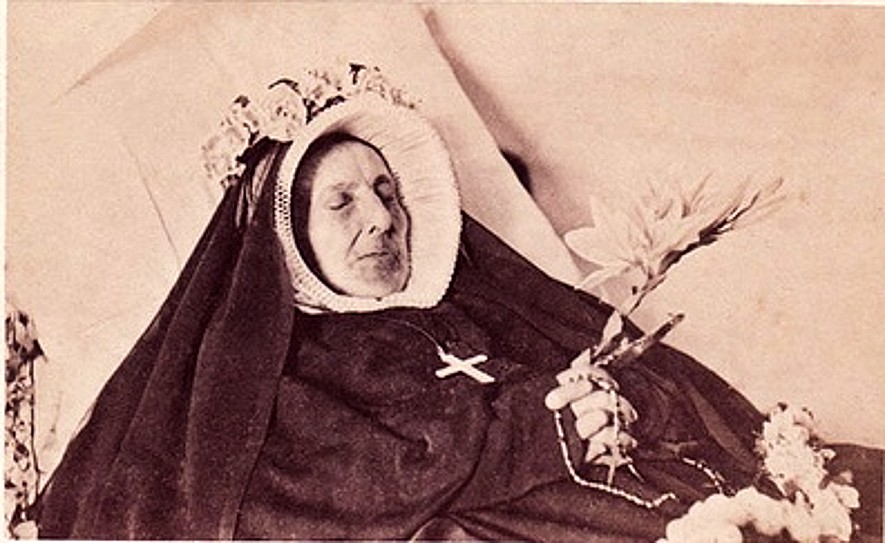
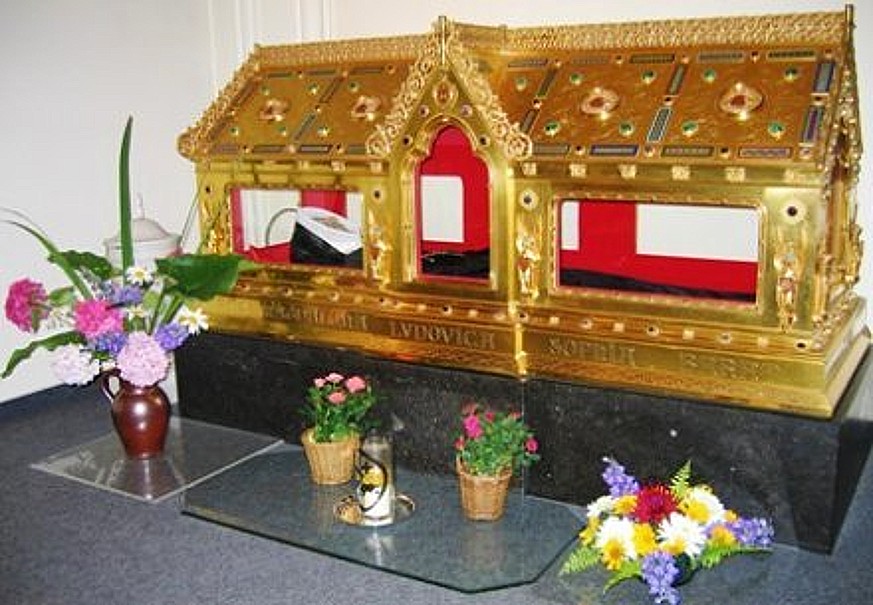
St Madeleine Sophie Barat RSCJ (1779-1865) Virgin, Religious, Foundress of the Religious of the Sacred Heart of Jesus, Institute of Teachers. Patronage – Teachers. Her body is incorupt. Saint Madeleine Sophie died in Paris on 25 May, 1865. Ascension Day. She was buried in the cemetery at Conflans. In 1904, when the French Sisters were expelled by the Combes laws, her body was transferred to the Sacred Heart at Jette, Brussels. Since her Beatification in 1908 by St Pius X, her well-preserved body has been exposed in a Shrine. She was Canonised n 24 May 1908 by Pope Pius XI Her Life of Love: https://anastpaul.com/2022/05/25/saint-of-the-day-25-may-st-madeleine-sophie-barat-rscj-1779-1865-v/
St Matthêô Nguyen Van Ðac Phuong St Maximus of Evreux Bl Nicholas Tsehelsky St Pasicrates of Dorostorum Bl Pedro Malasanch St Pherô Ðoàn Van Vân St Scholastica of Auvergne St Senzio of Bieda St Urban I, Pope St Valentio of Dorostorum St Victorinus of Acquiney St Winebald of Saint Bertin St Worad of Saint Bertin St Zenobius of Florence
Quote/s of the Day – 4 January – “The Month of the Most Holy Name of Jesus” – Octave of the Holy Innocents – Apocalypse 14:1-5 , Matthew 2:13-18 –Scripture search here: https://www.drbo.org/
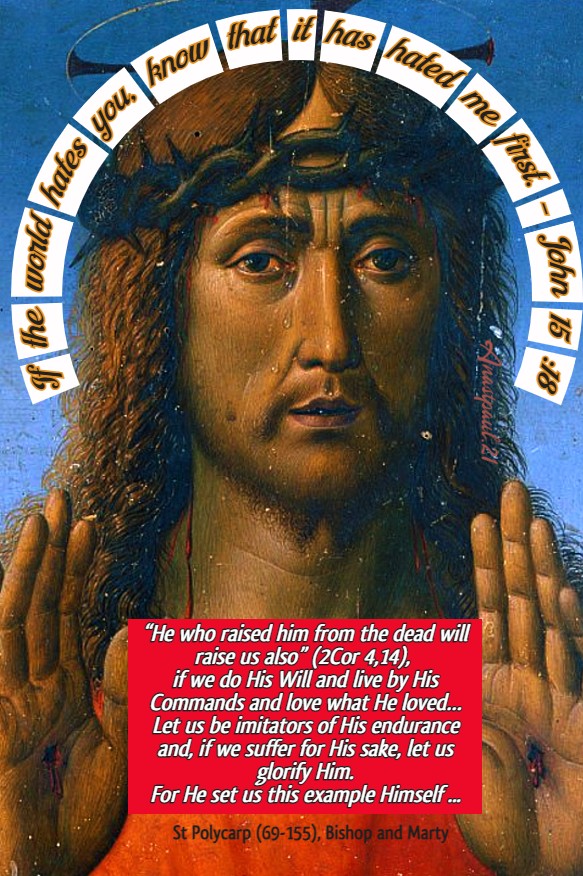
“If the world hates you, know that it has hated Me first.”
John 15:18
“He who raised Him from the dead will raise us also” (2Cor 4,14), if we do His Will and live by His Commands and love what He loved… Let us be imitators of His endurance and, if we suffer for His sake, let us glorify Him. For He set us this example Himself …”
St Polycarp (69-155) Apostolic Father, Bishop and Martyr
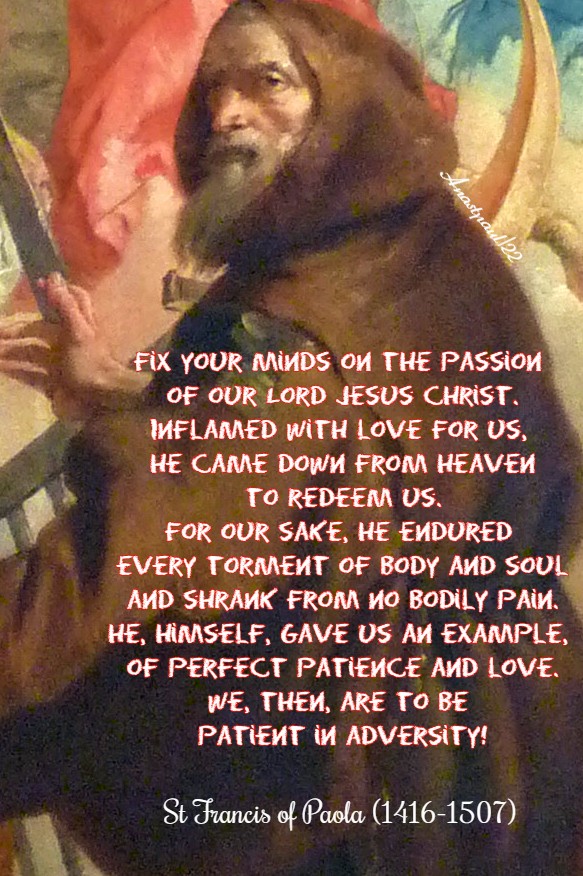
“Fix your minds on the Passion of our Lord Jesus Christ. Inflamed with love for us, He came down from Heaven to redeem us. For our sake, He endured every torment of body and soul and shrank from no bodily pain. He, Himself, gave us an example of perfect patience and love. We, then, are to be patient, in adversity!”
“The recollection of an injury, is . . . a rusty arrow and poison for the soul.”
St Francis of Paola (1416-1507)
“You will be consoled according to the greatness of your sorrow and affliction; the greater the suffering, the greater will be the reward.”
St Maria Magdalena de’ Pazzi (1566-1607)
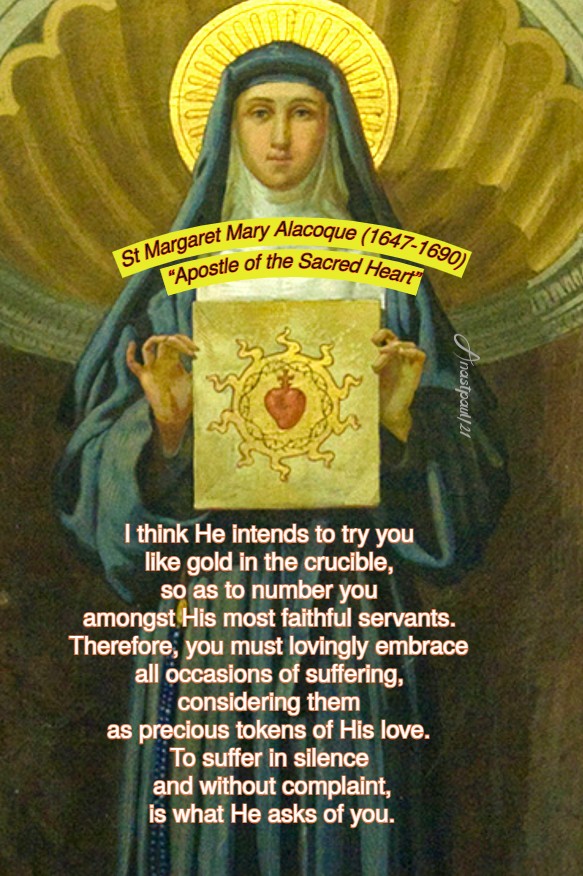
“I think He intends to try you like gold in the crucible, so as to number you amongst His most faithful servants. Therefore, you must lovingly embrace all occasions of suffering, considering them as precious tokens of His love. To suffer in silence and without complaint, is what He asks of you.”
St Margaret Mary Alacoque (1647-1690) “Apostle of the Sacred Heart”
“Our Lord, Who saved the world, through the Cross, will only Work for the good of souls, through the Cross.”
Quote/s of the Day – 25 May – St Madeleine Sophie Barat RSCJ (1779-1865) Virgin, Religious, Foundress of the Religious of the Sacred Heart of Jesus
“Our Lord, Who saved the world, through the Cross, will only Work for the good of souls, through the Cross.”
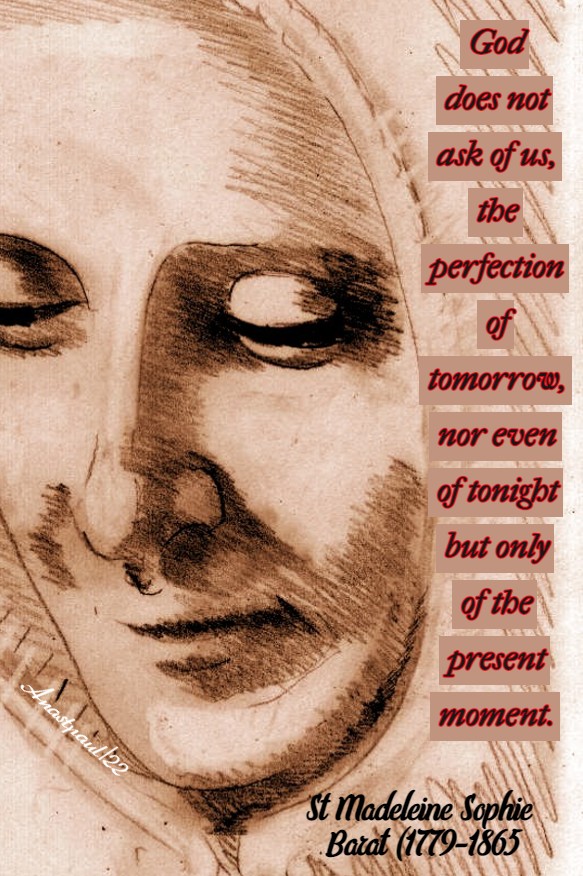
“God does not ask of us, the perfection of tomorrow, nor even of tonight but only, of the present moment. ”
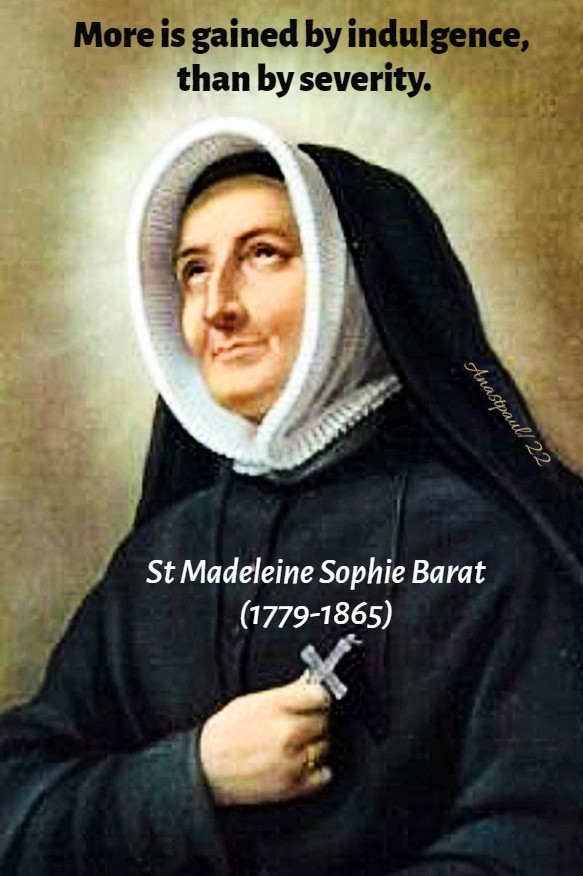
“More is gained by indulgence, than by severity.”
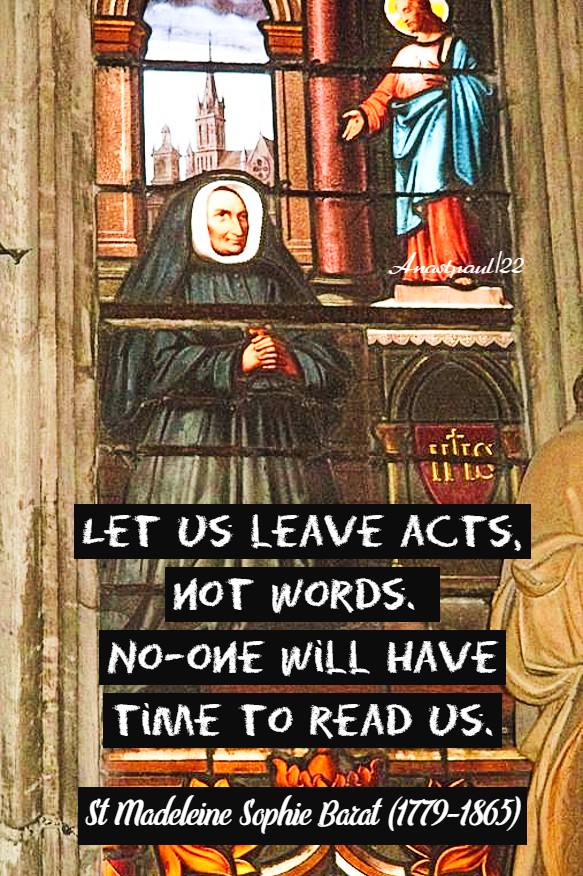
“Let us leave acts, not words. No-one will have time to read us.”
“Give only good example, to the children; never correct them, when out of humour or impatient. We must win them by an appeal to their piety and to their hearts. Soften your reprimands with kind words; encourage and reward them. That is, in short, our way of educating.”
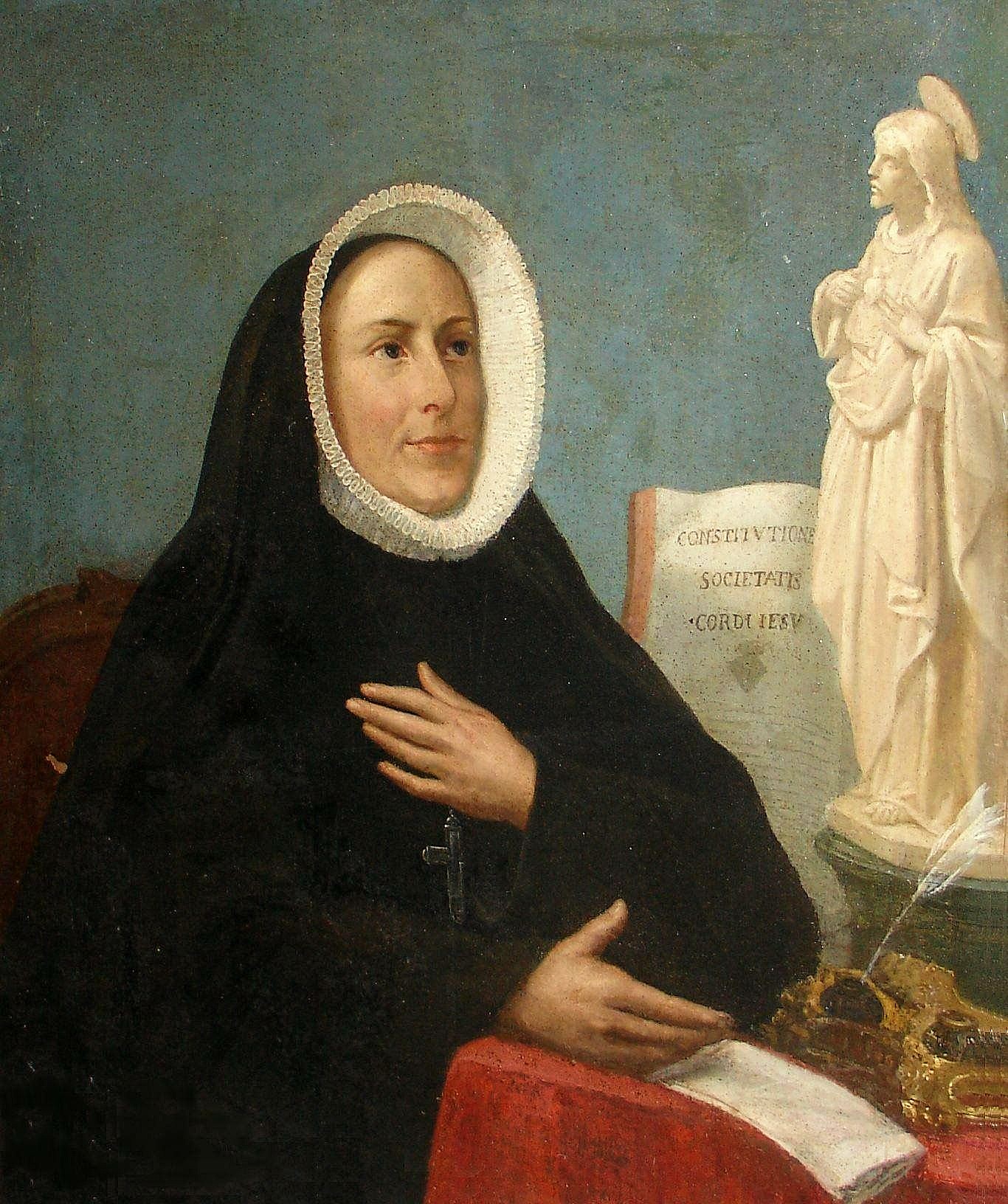
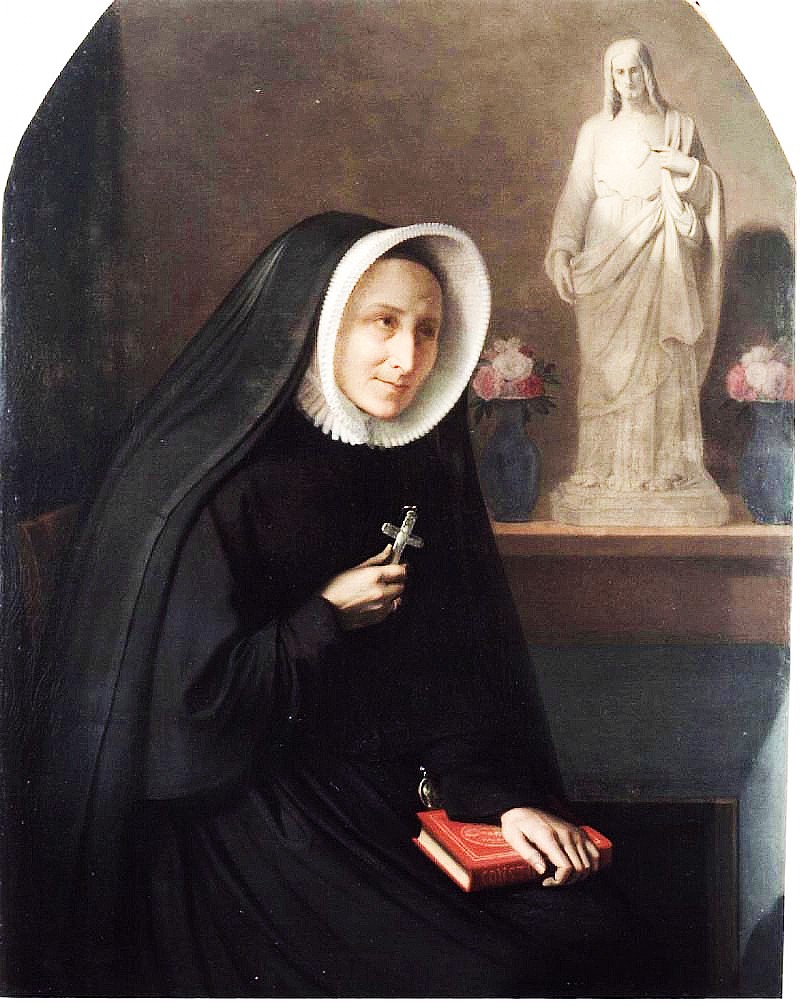
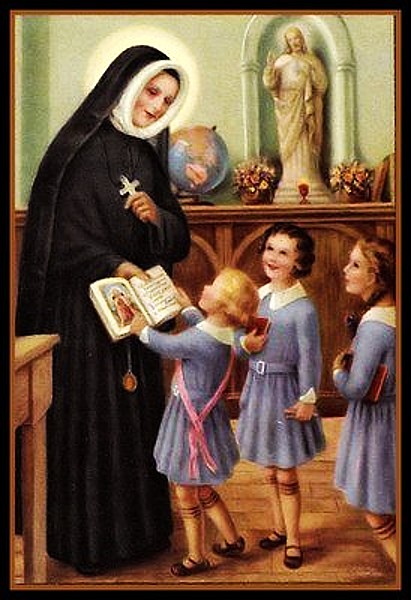
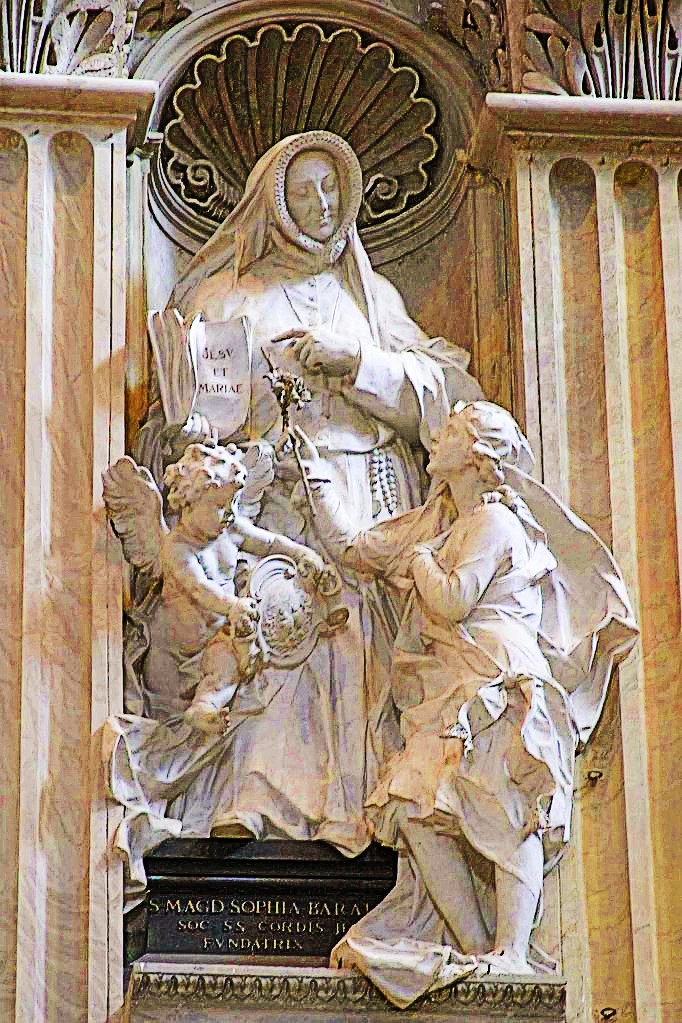
Saint of the Day – 25 May – St Madeleine Sophie Barat RSCJ (1779-1865) Virgin, Religious, Foundress of the Religious of the Sacred Heart of Jesus, a worldwide religious institute of Teachers. Born on 12 December 1779 at Joigny, France and died on Ascension Thursday, 25 May 1865, aged 85 at Paris, France of natural causes. Patronage – Teachers. Her body is incorupt.
She was a delicate little girl, spoilt, bubbling over with life and intelligence. Born during the night of 13 December 1779 in the little Burgundian town of Joigny in the glimmer from a neighbour’s burning house, she was premature and so frail that she was Baptised at dawn. She was the third child in a family of craftsmen, barrel-makers and vine-growers, who lived comfortably enough, in a small house in the rue du Puits-Chardon (today, 11 rue Davier). When she was seven, she became the pupil of her brother Louis, eleven years her senior. He was teaching in the local college until he was old enough to be able to be Ordained Priest. Under his austere direction, she made astonishing progress in all her subjects, both secular and religious, yet she regretted hardly having time to play with friends her own age, even at the time of the grape harvest and traditional holiday in the country of vineyards! Her family’s Jansenistic severity, might have crushed and destroyed her liveliness but, fortunately, she kept her spontaneous vivacity and joyful character.
During the Revolution, Sophie was a courageous adolescent. She, who so loved study had to work as a seamstress and became an excellent embroidress. She had to be the link between her father, a good workman but illiterate and her mother, more refined, sensitive and cultured. Above all, she had to sustain the courage of her family when her brother was made prisoner by the revolutionaries and only escaped the guillotine by the intervention of providence. It was then that Sophie discovered devotion to the Sacred Heart and now, she put all her trust in the love of Christ.
Still very young, she gave proof of resolve and generosity, when her brother, liberated by the fall of Robespierre, asked her to come to Paris to continue her education. Certainly it cost her dearly to tear herself away from her mother’s tenderness but she was resolved to give herself entirely to God. The Revolution had closed all the Convents and her brother’s offer ,opened to her a way of renunciation and generosity. For five years she lived in Paris, a life of prayer and study, giving herself to catechising the children of the Marais quartier.
In 1800 her brother introduced her to Fr Varin who was trying to establish a congregation of religious women, founded on the spirituality of the Heart of Christ and vowed to education. She had wanted to enter Carmel but the appeal of Fr Varin made her reflect. The exceptional culture she had acquired, the needs of a society that was gradually coming out of the revolutionary torments and which lacked guidelines, were these not signs of the Will of God for her?
On 21 November 1800, in Paris, she made her first religious commitment. A year later, a first community was established at Amiens, of which she was soon named Superior. While for political reasons, the Congregation could only take the name of Society of the Sacred Heart in 1815. II spread gradually, to Grenoble, then to Poitiers where the first noviciate was opened. She was named Superior General at the age of twenty-six. Henceforward, Madeleine Sophie’s life merged with that of the Society of the Sacred Heart, which she governed. She crossed France and Europe, going wherever she was asked to found Boarding Schools. And she insisted on opening a free school, or sometimes an orphanage, alongside each one, to which poor girls came flocking, since at that time, there were no communal schools.
This long religious life from 1800 to 1865 was filled with prayer, work and suffering but also with deep joy.
First, prayer, intense and prolonged for seven hours, day and night sometimes. Faith in the Love of God, manifested in the Heart of Jesus, was so important for her, that what counted was to respond to this Love by adoration and making it known and loved by all, throughout the world.
This prayer animated her immense work and her entire life. To bring up children and young people one must first love them, seek to understand them, respect their budding personality, instruct them in awakening their faculties, exercising their judgement, affirming their will and developing in them, the sense of responsibility. It was in that spirit that she formed the Religious of the Sacred Heart to be Teachers. Her task was varied. She had to open schools, to negotiate with religious and civil authorities, buy or rent property, construct or adapt buildings. She also had to send groups of religious to various places, at a time when these had to assume almost single-handedly, all the tasks of teaching, administration and material work.
Once she had established Convents, she had to visit them. But journeys at that time, by coach hired with much trouble, were long, difficult and sometimes dangerous. There was also, a large correspondence to maintain, so as to keep in touch, advise and encourage. She opened 122 Convents. Several disappeared, suppressed as a result of war, persecution by hostile regimes or simply because, certain foundations had not been wise.
At her death in 1865, 89 of them were flourishing. Thousands of young people were being educated there, by 3,500 religious. These houses were dispersed throughout 16 countries of Europe, Africa, North and South America. In 1818, she had sent St Philippine Duchesne to the United States, where she opened the first schools in very hard conditions and in great poverty.
These results that might make one think of a triumphant development, should not create an illusion – they were only obtained in the midst of great trials and at the price of suffering,: long and repeated illnesses, epidemics which ravaged entire regions, decimating religious and pupils alike. 1350 Religious of the Sacred Heart died before their foundress. Political troubles, revolutions and persecutions, chased the religious from Northern Italy and Switzerland. Mother Barat was also faced with contradictions and even calumnies against herself and her work, dissensions at the interior of the Congregation, as a result of misunderstandings and incomprehension. Twice, from 1809 to 1815 and from 1839 to 1843, crises put in peril the very existence of the Society of the Sacred Heart. Madeleine Sophie rose above them all with her usual weapons – silence, humility and the prayer which united her ever more closely to Jesus Christ. From Him she drew an unshakeable hope and full forgiveness for those who made her suffer.
What can one say of the joys, which, on the other hand lightened her life – her union with God, the approbation and support of the Church, to which she was so deeply attached, the esteem and affection which responded to her loving devotedness, for she had a truly exceptional gift of communion with others and friendship.. She welcomed everyone in the same way – Ecclesiastical dignitaries, Princesses, men distinguished by their culture or their power, workmen, religious, pupils and their parents. She showed so much interest, such a quality of listening and sympathy that one left her conscious of having been understood and comforted. Her preferences were for the poor and the deprived, for whom she always had time, help and delicate attention.
In her old age, the only relaxation she allowed herself, was to see the Junior School of the Rue de Varenne, brought to see her by their mistress. They came across the garden to the Mother House, Boulevard des Invalides and sat round her under a great cedar tree, whence ensued joyous exchanges. Saint Madeleine Sophie listened to them, asked them questions, answered their questions and passed round sweets. It was mutual joy; for the children knew well who loved them.
Saint Madeleine Sophie died in Paris on 25 May, 1865. Ascension Day. She was buried in the cemetery at Conflans. In 1904, when the French Sisters were expelled by the Combes laws, her body was transferred to the Sacred Heart at Jette, Brussels. Since her Beatification in 1908 by St Pius X, her well-preserved body has been exposed in a Shrine. She was Canonised n 24 May 1908 by Pope Pius XI
Since 20 May 1998, her Shrine has been at 31 rue de l’Abondance 1210 Brussels. You can go there to pray to Saint Madeleine Sophie.
Today nearly 4,000 religious try to follow her example and continue her work. All over the world, thousands of pupils, former pupils and all sorts of people, benefit, often without knowing it,, from her influence, her holiness and her love. St Madelein Sophie Barrat, pray for our children, pray for us all! Thanks be to God, amen.
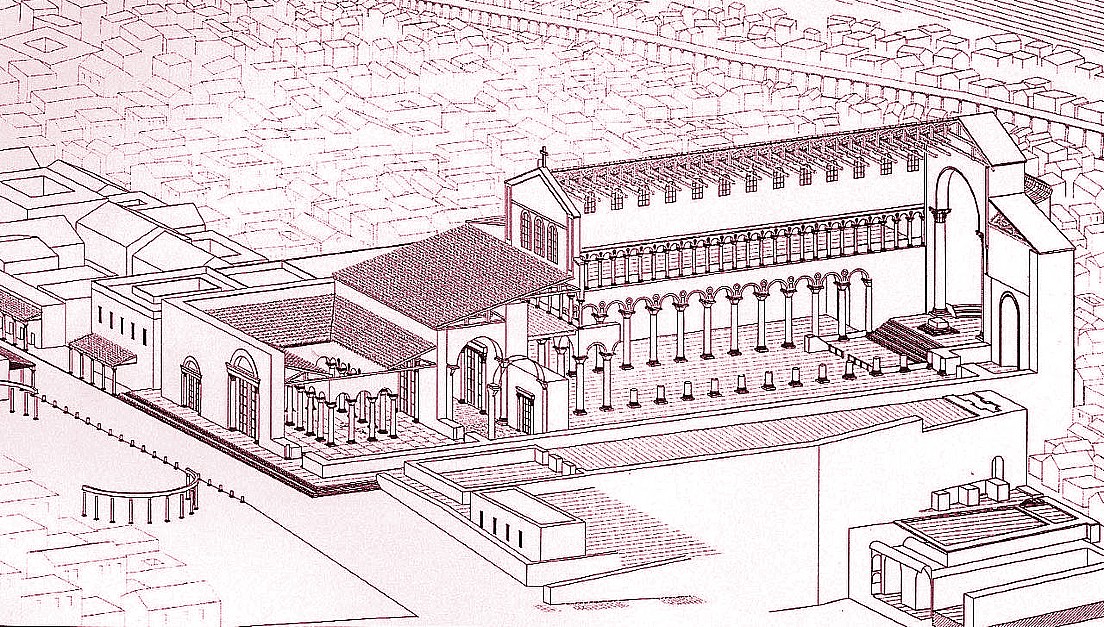
Our Lady the Nea/New Church of the Virgin Mary or New Church of St Mary, Mother of God, built by the Emperor Justinian the Good, Jerusalem (530) – 25 May:
The Abbot Orsini wrote: “Our Lady the Nea or New, at Jerusalem, built by the Emperor Justinian, at Jerusalem, in the year 530.”
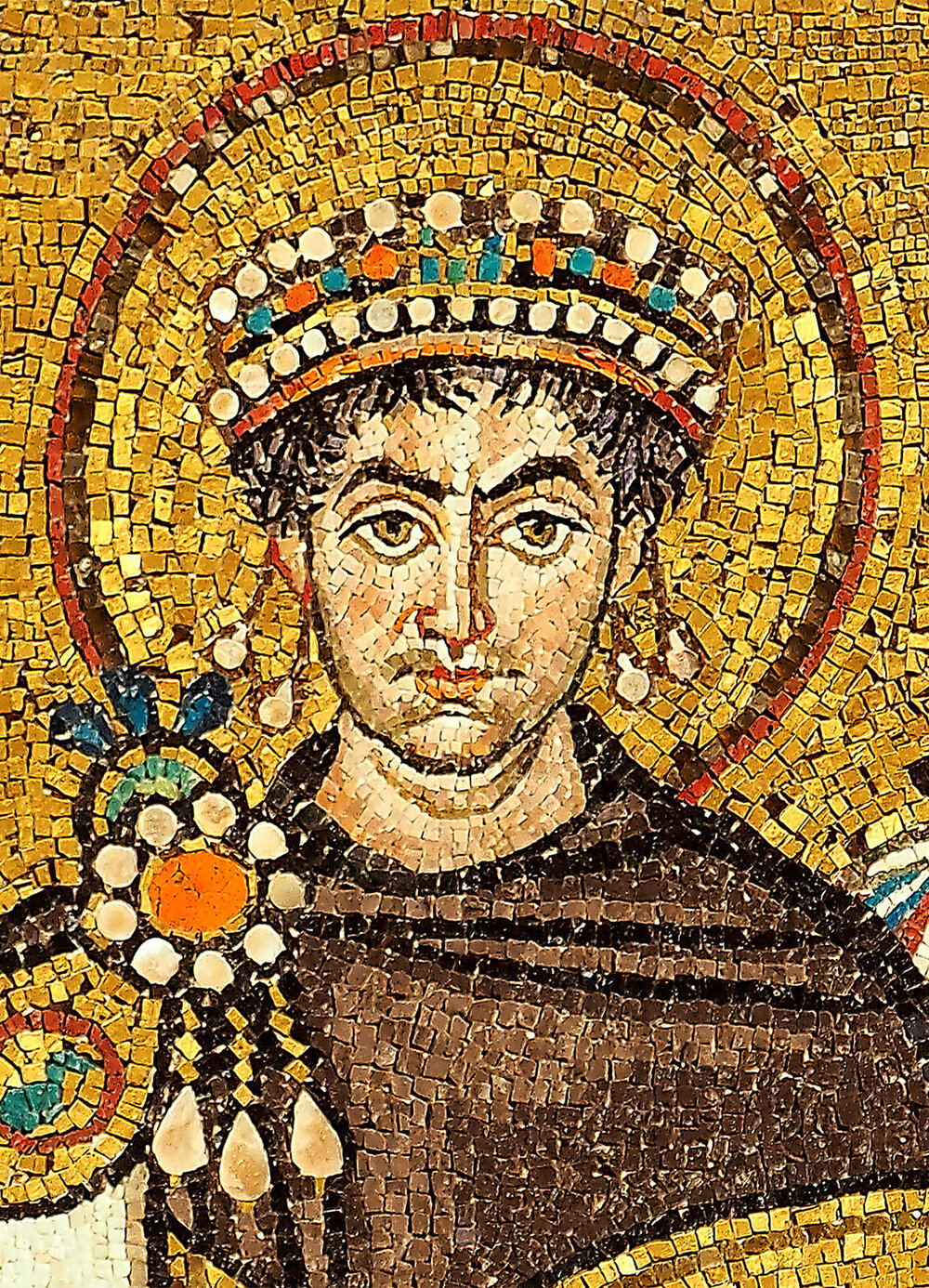
The Emperor Justinian the Good, is justifiably famous for many achievements and among them his construction of the magnificent Church of the Holy Wisdom, the Hagia Sophia, which is now a mosque in Istanbul. There was once another Church, though, dedicated to the Blessed Virgin, that must have been just as splendid and an architecture wonder, as is, the Hagia Sophia but this magnificent structure was destroyed by an earthquake.
Recent archeological excavations have uncovered the foundations of the Church, but there were also one of Justinian’s court historians, a man named Procopius of Caesarea, who wrote in great detail about the construction of the Nea Church of Our Lady the New, Mother of God:
“These things the Emperor Justinian accomplished by human strength and skill but he was also assisted by his pious faith, which rewarded him with the honour he received and aided him in this cherished plan. The Church required throughout, columns whose appearance would not fall short of the beauty of the building and of such a size, that they could resist the weight of the load which would rest upon them. However, the site itself, being very far from the sea, inland and walled about on all sides by hills, that were quite steep, made it impossible for those who were preparing the foundations to bring columns from outside.
But when the impossibility of this task was causing the Emperor to become impatient, God revealed a natural supply of stone, perfectly suited to this purpose, in the nearby hills, one which had either lain therein concealment previously, or was created at that moment. Either explanation is credible to those who trace the cause of it to God, for while we, in estimating all things by the scale of man’s power, consider many things to be wholly impossible, for God nothing in the whole world can be difficult or impossible. So, the Church is supported on all sides by a number of huge columns from that place, which in colour resemble flames of fire, some standing below and some above and others in the stoas which surround the whole Church, except on the side facing the east.
Two of these columns stand before the door of the Church, exceptionally large and probably second to no column in the whole world. Here is added another colonnaded stoa, which is called the narthex, I suppose because it is not broad. Beyond this is a court with similar columns, standing on the four sides. From this there lead doors to the interior, which are so stately, that they proclaim to those walking outside what kind of sight they will meet within. Beyond there is a wonderful gateway and an arch, carried on two columns, which rises to a very great height. Then as one advances, there are two semi-circles which stand facing each other on one side of the road which leads to the Church, while facing each other on the other side, are two hospices, built by the Emperor Justinian. One of these is destined for the shelter of visiting strangers, while the other is an infirmary for poor persons suffering from diseases.”
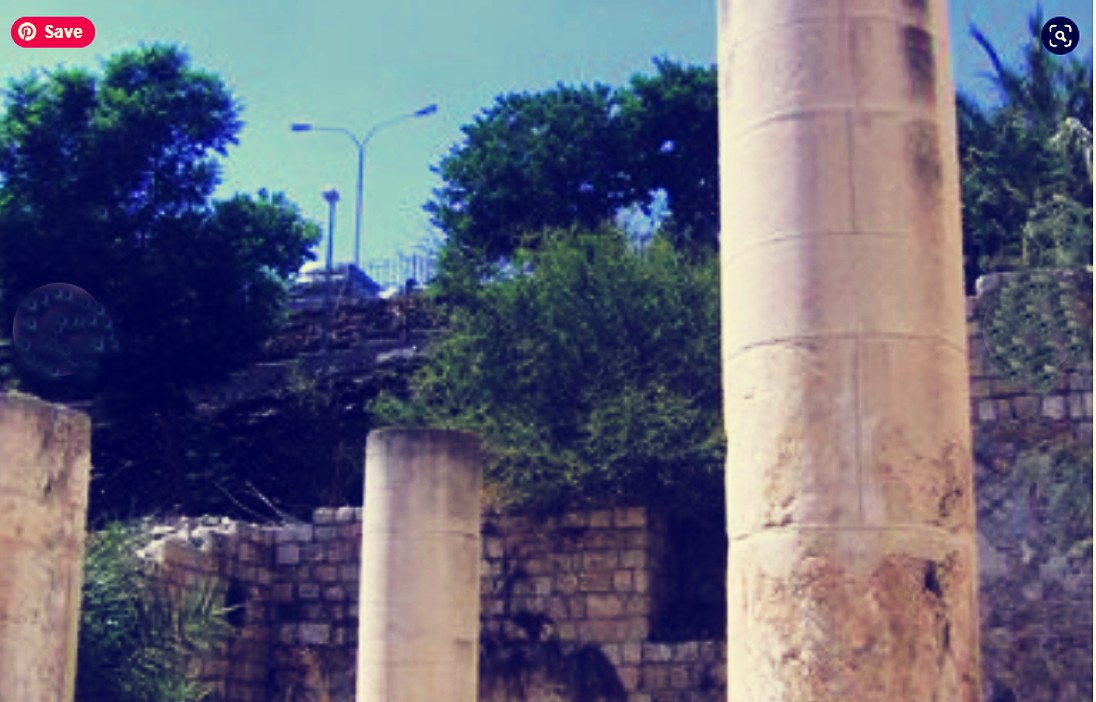
Ruins of the Columns
Archaeologists working in the region near Jerusalem, believe they have found this miraculous quarry. They have found a stone pillar that was cracked and, therefore, not used, in a field of similar stones. Although the field cannot be linked to the Nea, it does seem to prove, that the stone for the Church was available for the project.
Recent archeology confirms that the Church was very large for the time, at over 100 meters long and 52 meters wide and probably had 5 aisles. St Antoninus of Piacenza, who visited the Basilica in about 570, wrote: “with its great congregations of Monks and its guest houses for men and women. In catering for travellers, they have a vast number of tables and more than three thousand beds for the sick!”
. In 1977, archeologists, led by Professor Nachman Avigad, found a large Greek inscription above a Cross that confirmed that construction of the Church was attributed to the generosity of Emperor Justinian. At that time, a corner of the Church, outside the Old City walls, was incorporated into the Beth Shalom Garden. In the following years, investigative and preservation work continued and in 1988 the restored vaults were incorporated into the Garden of Redemption.
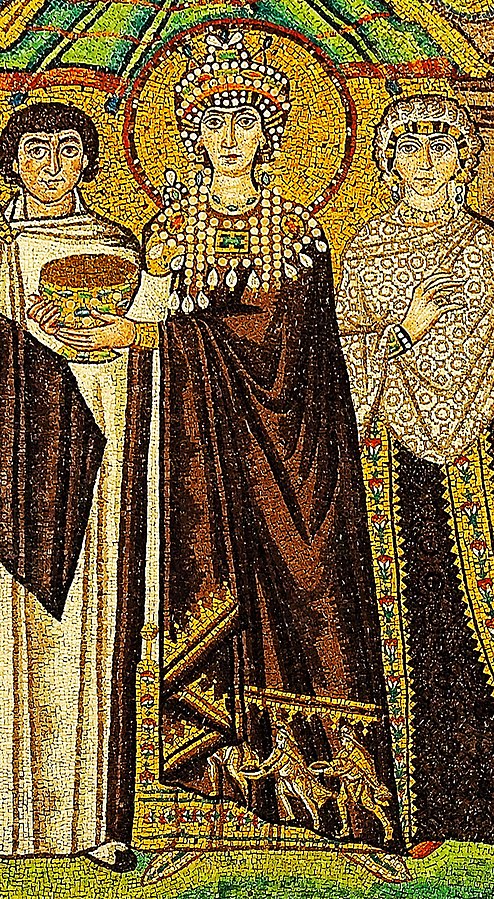
Emperor Justinian the Good
St Pope Gregory VII (1015-1085) Confessor, Bishop of Rome 22 April 1073 to his death in 1085, Monk, Priest, Reformer, Administrator, Adviser. Pope Gregory “was probably the most energetic and determined man ever to occupy the See of Peter and was driven by an almost mystically exalted vision of the awesome responsibility and dignity of the papal office” (Eamonn Duffy, Saints and Sinners: A History of the Popes). Biography: https://anastpaul.com/2018/05/25/saint-of-the-day-25-may-st-pope-gregory-vii-c-1015-1085/
St Agustin Caloca St Aldhelm of Sherborne Bl Antonio Caixal Bl Bartolomeo Magi di Amghiari St Canio St Cristobal Magallanes Jara St Denis Ssebuggwawo St Dionysius of Milan St Dunchadh of Iona St Egilhard of Cornelimünster Bl Gerardo Mecatti St Gerbald St Injuriosus of Auvergne St Iosephus Chang Song-Jib Bl James Bertoni Bl Juan of Granada St Leo of Troyes St Madeleine Sophie Barat RSCJ (1779-1865) Virgin, Religious, Foundress of the Religious of the Sacred Heart of Jesus. St Matthêô Nguyen Van Ðac Phuong St Maximus of Evreux Bl Nicholas Tsehelsky St Pasicrates of Dorostorum Bl Pedro Malasanch St Pherô Ðoàn Van Vân St Scholastica of Auvergne St Senzio of Bieda St Urban I, Pope St Valentio of Dorostorum St Victorinus of Acquiney St Winebald of Saint Bertin St Worad of Saint Bertin St Zenobius of Florence
Our Morning Offering – 18 November – Thirty Third Sunday in Ordinary Time, Year B and the Memorial of St Rose Philippine Duchesne RSCJ (1769-1852)
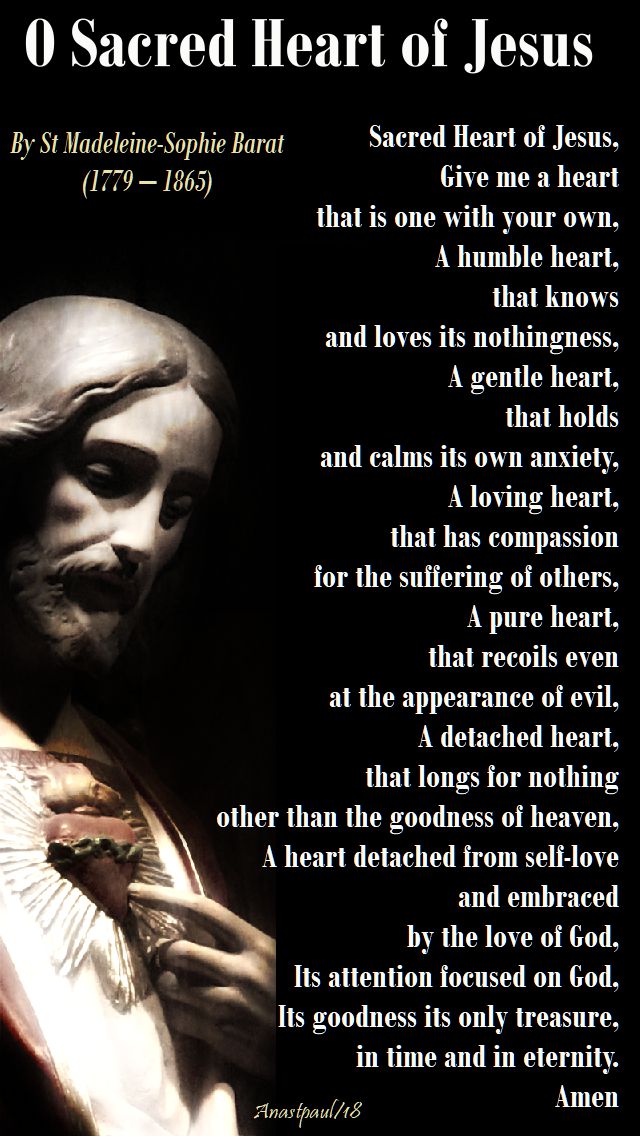
The Prayer below is by the Founder of the Religious Sisters of the Sacred Heart of Jesus, St Madeleine-Sophie Barat (1779 – 1865)
O Sacred Heart of Jesus By St Madeleine-Sophie Barat (1779 – 1865)
Sacred Heart of Jesus,
Give me a heart
that is one with your own,
A humble heart,
that knows and loves its nothingness,
A gentle heart,
that holds and calms its own anxiety,
A loving heart,
that has compassion
for the suffering of others,
A pure heart,
that recoils even
at the appearance of evil,
A detached heart,
that longs for nothing
other than the goodness of heaven,
A heart detached from self-love
and embraced by the love of God,
Its attention focused on God,
Its goodness its only treasure,
in time and in eternity.
Amen
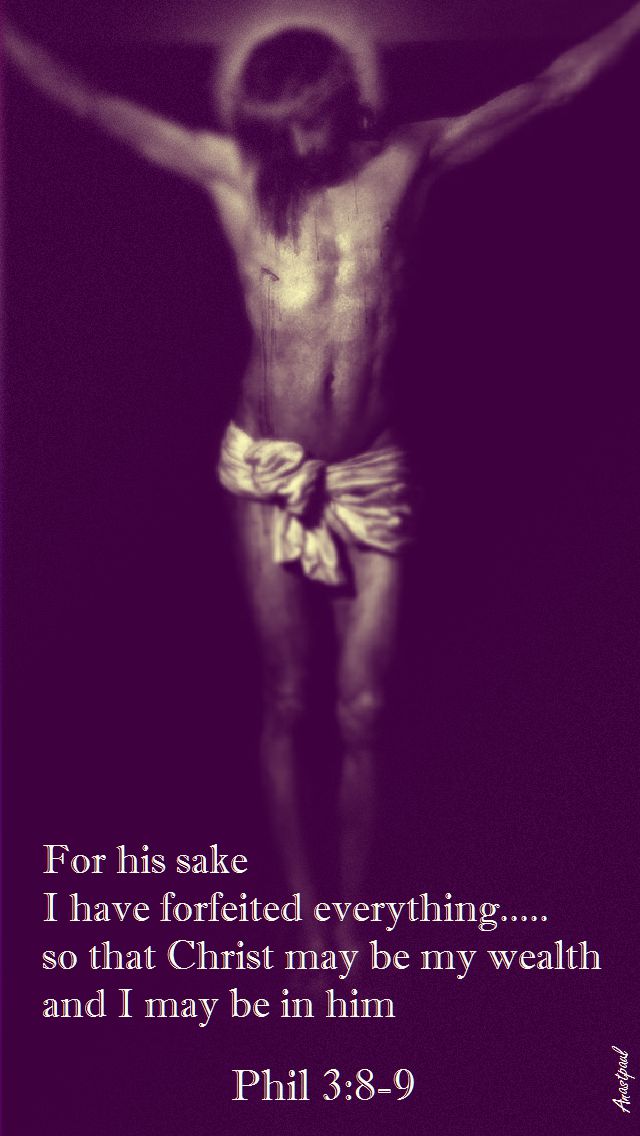
For his sake I have forfeited everything…..
so that Christ may be my wealth and
I may be in him…………Phil 3:8-9
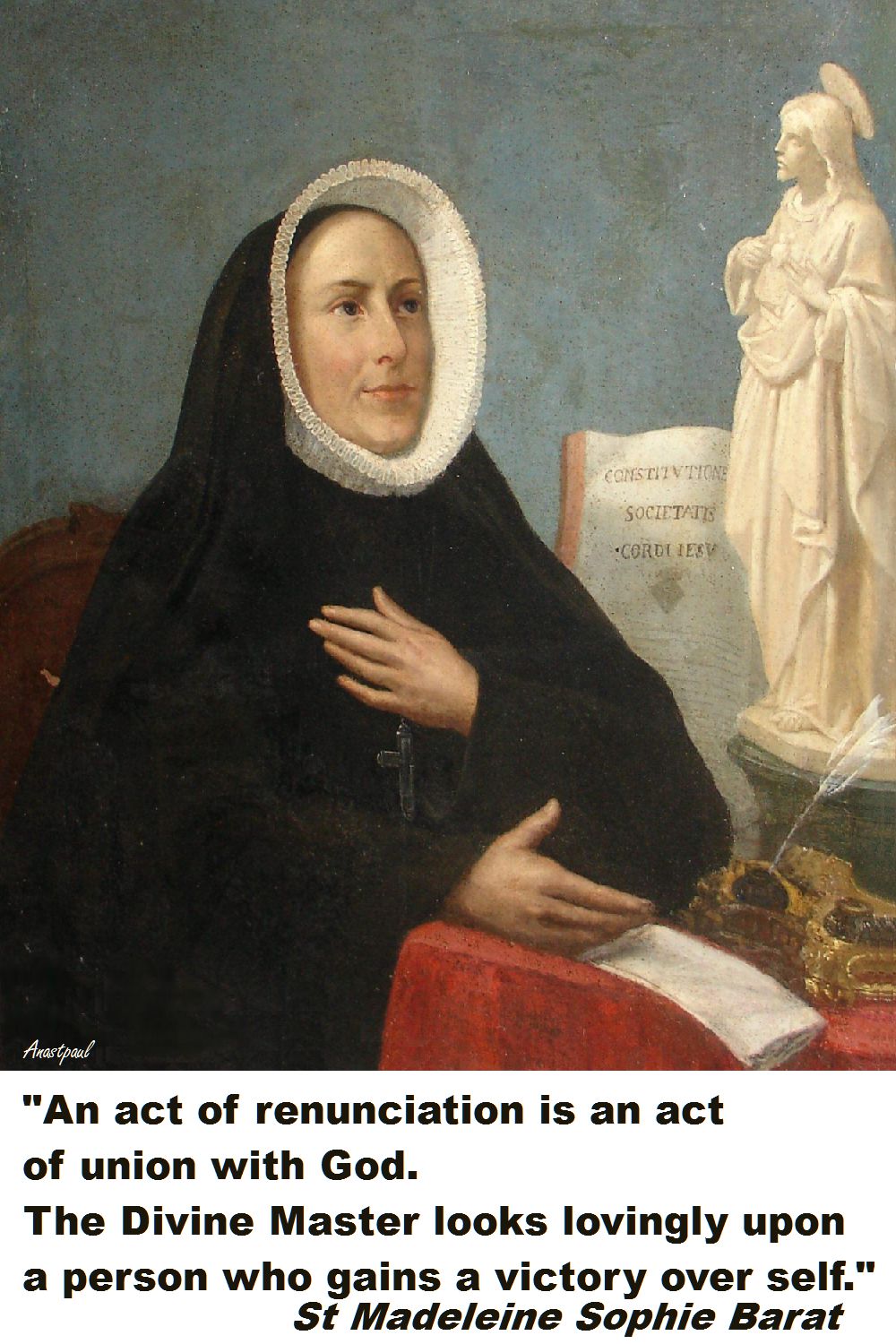
REFLECTION – “An act of renunciation is an act of union with God.
The Divine Master looks lovingly upon a person who gains a victory over self.”……….St Madeleine Sophie Barat
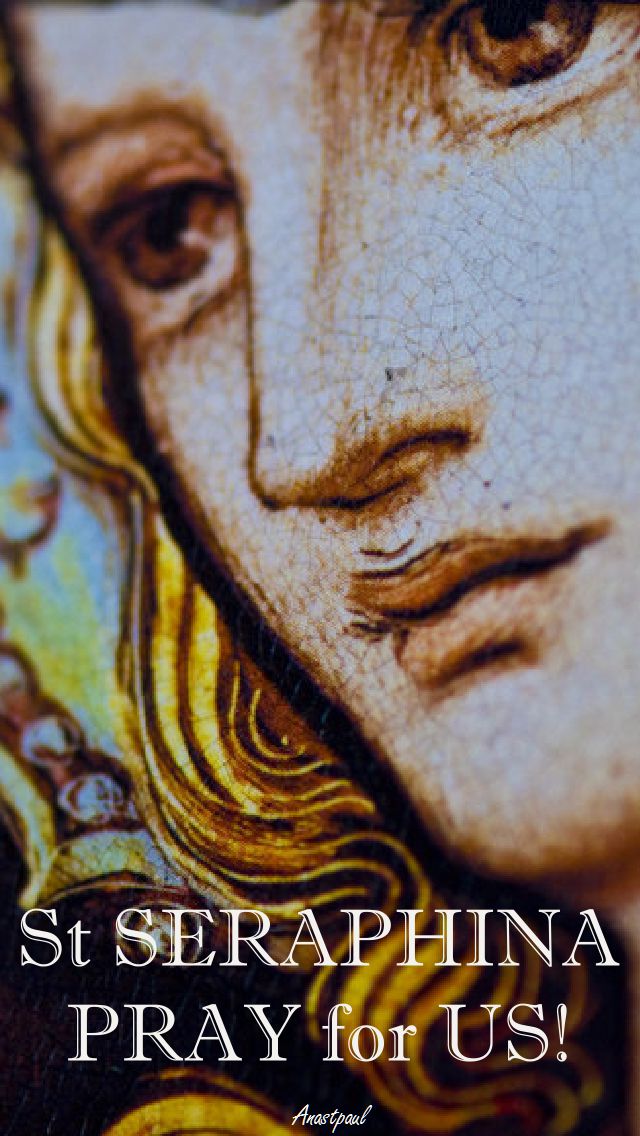
PRAYER – Divine Master, teach me to give up all things so that I may be united closely to You. Let me be willing to lose all things rather than give up my union with You. Dear St Seraphina, so young and innocent, you knew completely serenity in suffering and union with the Father, please pray for us! Amen









 AnaStpaul
You must be logged in to post a comment.