
Saint of the Day – 21 February – Saint Maximian of Ravenna (c499-556) Bishop and Confessor, Defender of the orthodox Faith against heresy, a renowned Scholar and prolific Historical and Spiritual Writer. St Maximian was the 28th Bishop of Ravenna, indeed, he bears the honour of being the 1st Bishop in the West, to bear the title of Archbishop as holder of a City Diocese governing a number of surrounding Bishops. Born in c499 in Pola, Istria (modern Pula, Croatia) and died in 556 of natural causes in Ravenna, Italy. Also known as – Maximià, Massimiano, Maximianus.
The Roman Martyrology reads: “In Ravenna, St Maximian, Bishop, who faithfully carried out his pastoral office and defended the unity of the Church against heresy.”
Maximian had received Episcopal Consecration from Pope Vigilius in 546 and held the Seat for ten years. Thanks to his solid financial condition and exploiting, with his great intuition, the eminent position of Vicar of Pope Vigilius and the Emperor Justinian, he became one of the most important figures in 6th Century Italy.
Quite precise information has been handed down about him thanks to the Biography written by the Priest Historian, Andreas Agnellus, who, despite having lived two Centuries later, was a profound expert on the writings of the holy shepherd.
Maxiamian was born in c499 in Pola, Istria, today in Croatian territory and became a Deacon of the local Church. The fortunate discovery of a ‘treasure’ at the hands of himself or his father, allowed him to arrive at the Imperial Court of Constantinople, where he was able to earn the esteem of the Emperor Justinian.
In 545, upon the death of the Bishop of Ravenna, the faithful of the City asked the Emperor to award the Pallium to a candidate they had proposed but the latter instead, advised Pope Vigilius to appoint Maximian to the vacant See. So it was and the new Bishop was Consecrated on 14 October 546 but this inevitably caused strong friction with the population of Ravenna, who considered his appointment nothing more than an undue interference in City life. Maximian had no choice but to camp outside the walls, as a guest of the Arian bishop of the Goths but, with tact and diplomacy, he gradually managed to win the sympathy of his faithful and obtain permission to take possession of the Episcopal Seat.
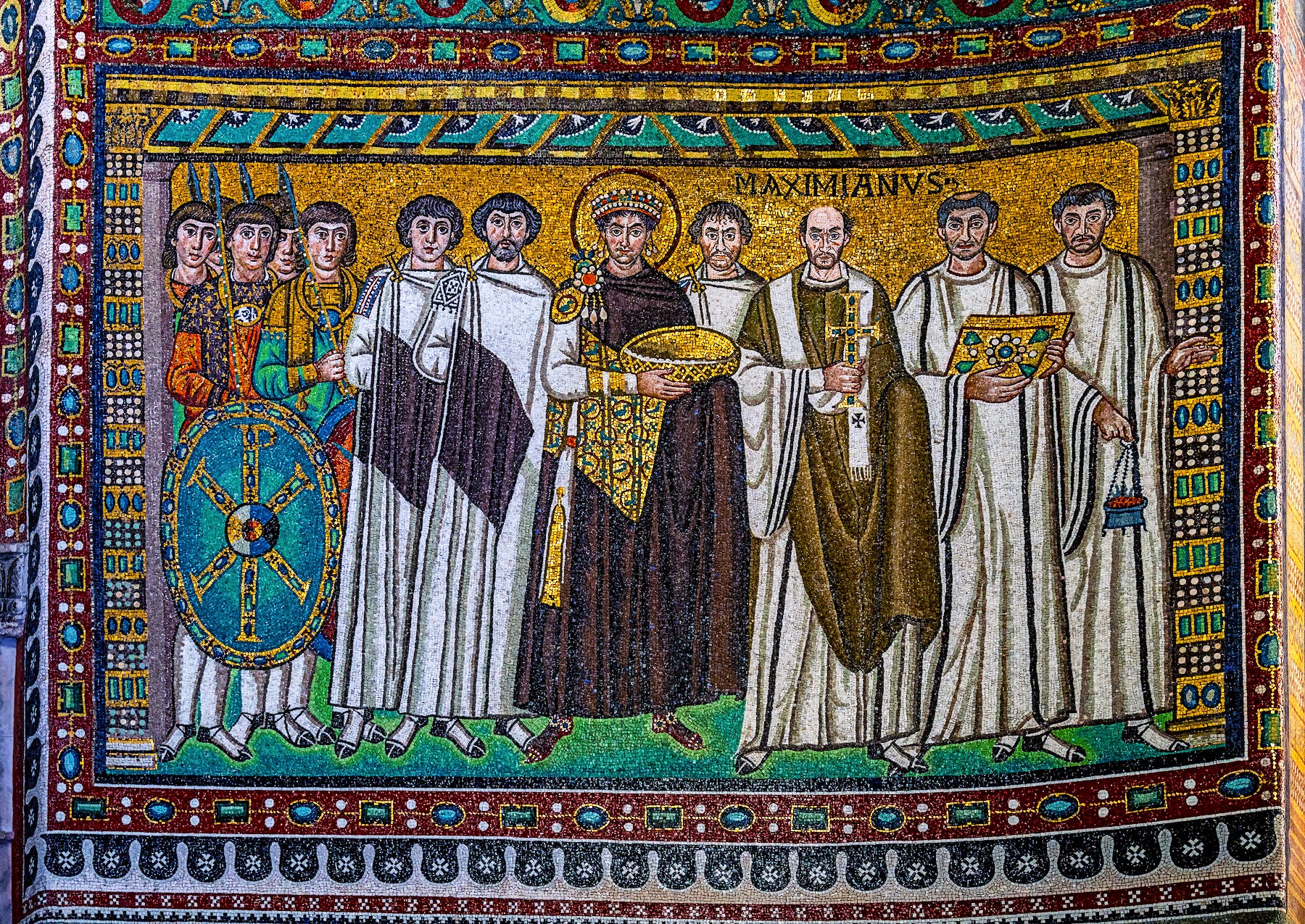
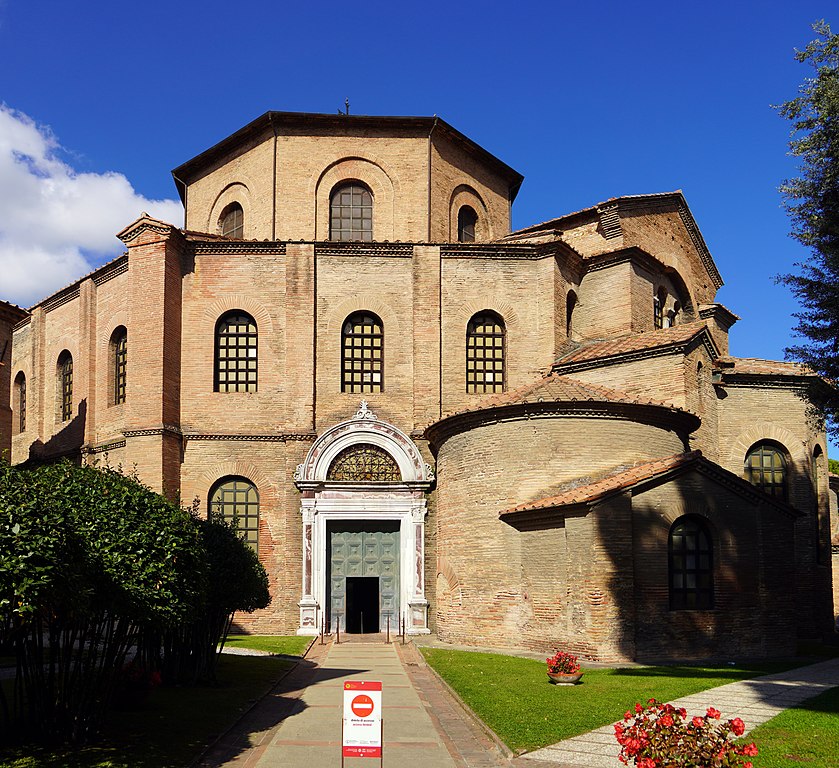
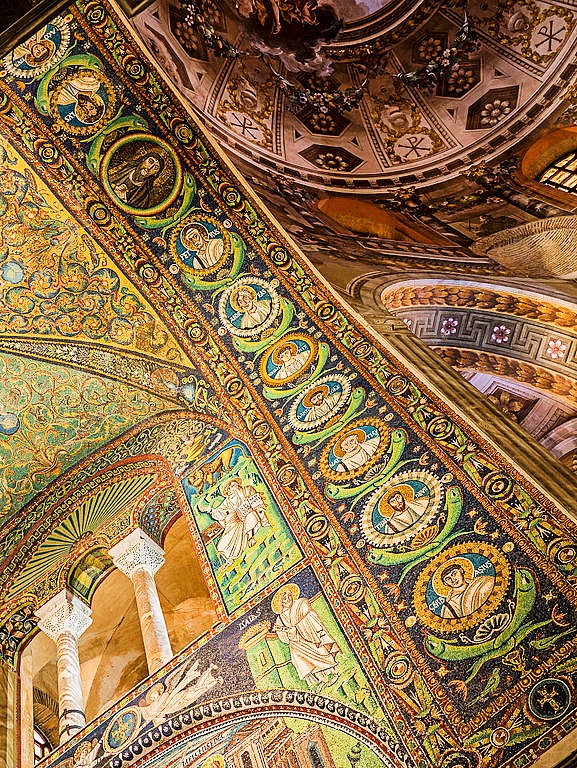
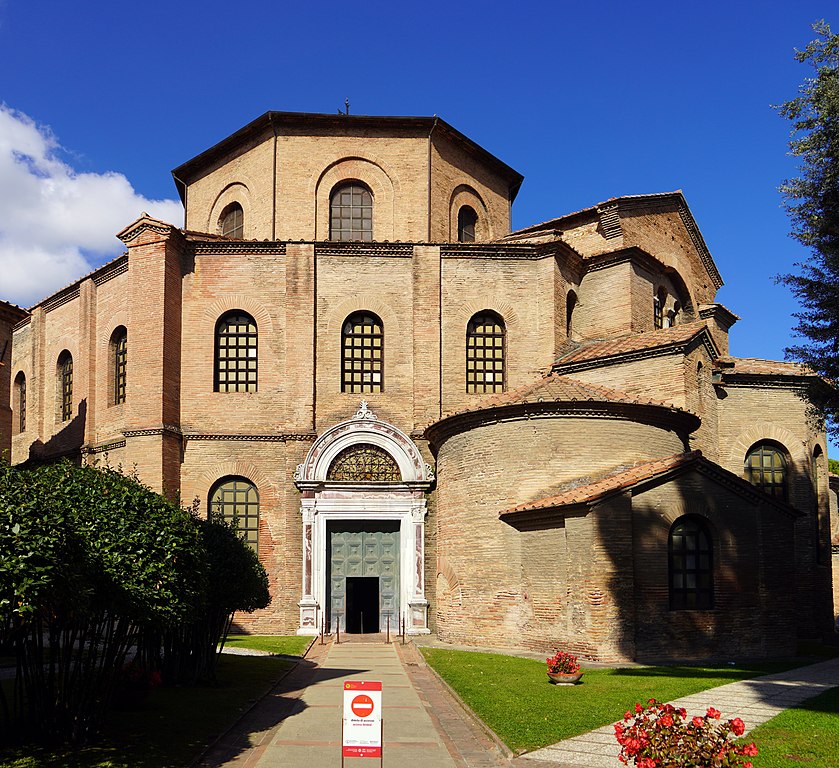
His Episcopate represented the golden age of the Church of Ravenna, in fact, the Basilicas of St Michael and St Vitale were completed and Consecrated. Many others were embellished,and St John, St Stephen and many other Churches in the Diocese, were built or embeliished and all entirely due to him, including the splendid mosaics.
The quantity of books he authored was large – chronicles, descriptions of Ravenna, catalogues of the City’s Bishops and twelve volumes of his sermons! He also prepared an accurate edition of the Sacred Scriptures, accompanied by notes and commentary. He also wrote a Sacramentary on which the Leonine one was presumably later based. His activities extended to the whole of Italy, of which he was to all intents and purposes, Primate during the long absence from Rome of Pope Vigilius and his efforts were particularly focused on restoring harmony and unity within of the Churches, divided by the schism known as the “Three Chapters.” His Biographer, Andreas Agnellus also described him as a shepherd who “welcomed strangers, called back those who fell into error, gave the poor what they needed and consoled the suffering.”
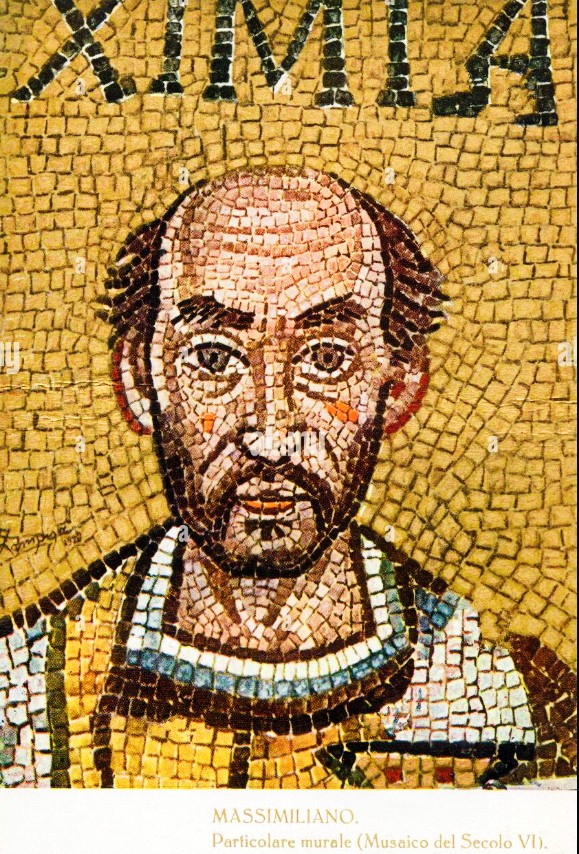
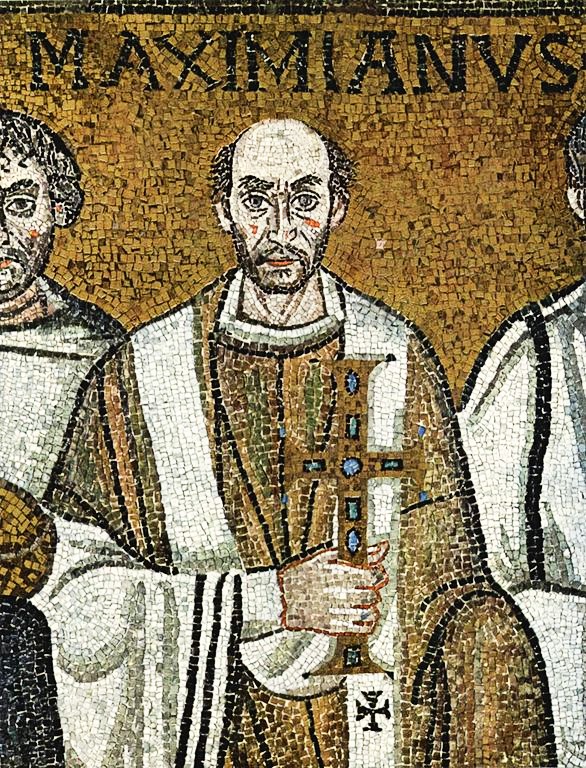
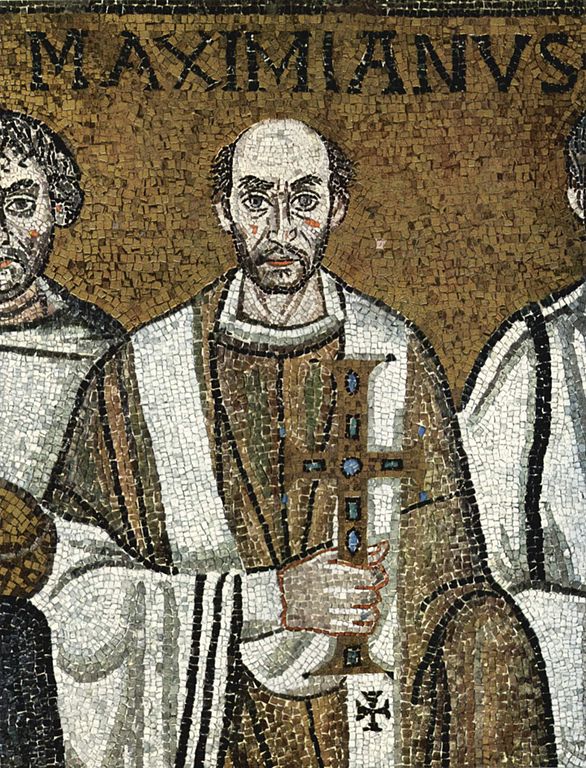
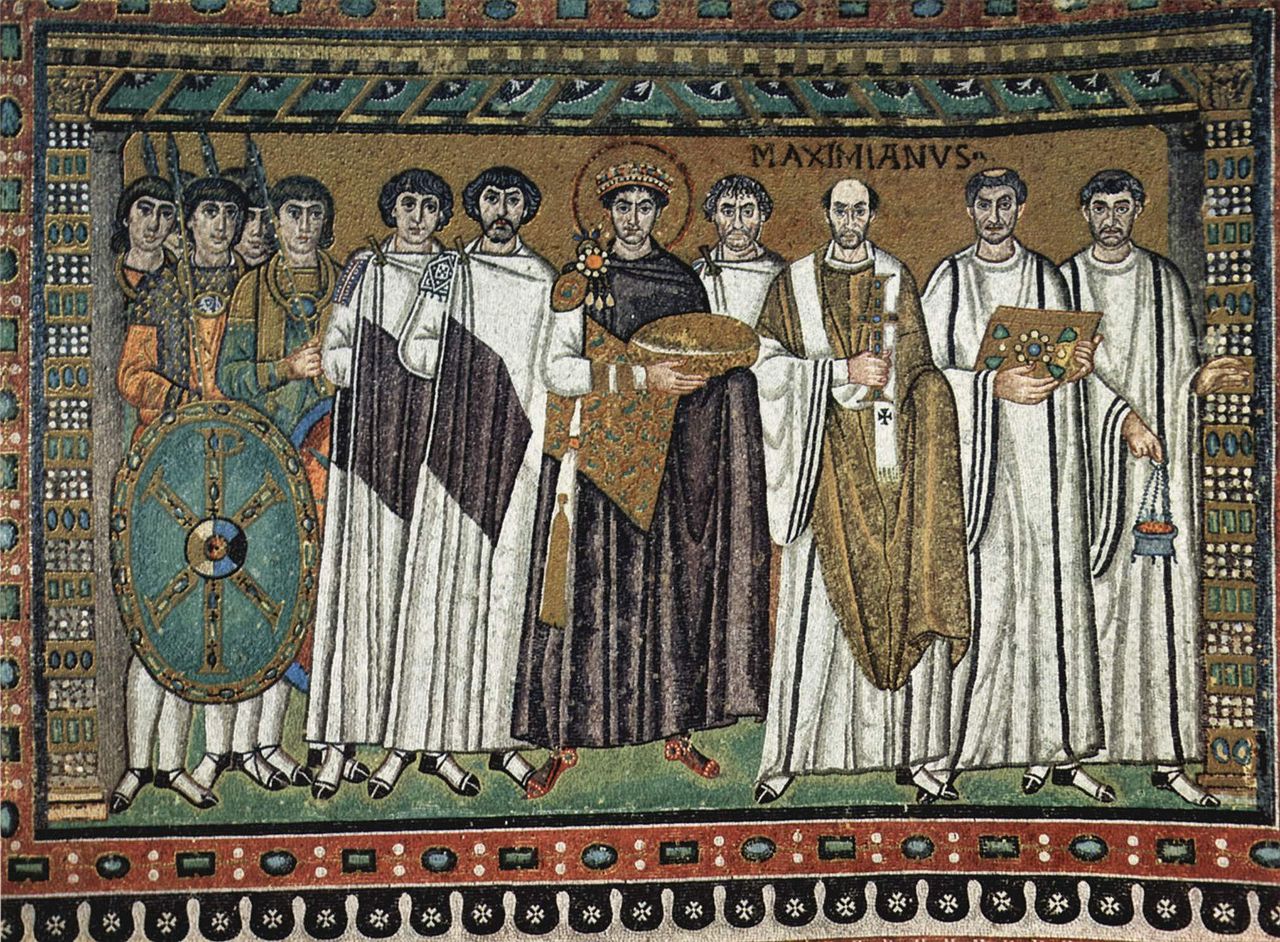
Maximian died in Ravenna on 22 February 556 and his remains were buried in the Basilica of St Andrew, where they remained until 1809 when they were transferred to the Cathedral, following the deconsecration of the Church by the Napoleonic administration of the City. In the Basilica of St Vitale, inaugurated with great pomp in the presence of the Emperors Justinian and Theodora, Saint Maximian is depicted next to the Emperor in the grandiose mosaic on the north side of the Sanctuary, holding a gem-studded Cross in his hand.




 AnaStpaul
You must be logged in to post a comment.