
Saint of the Day – 1 Septembert – Saint Nivard of Rheims (Died 673) Bishop Born in the early 7th Century near Rheims, Gaul (modern France) and died on 1 September 673 at the Abbey of San Pietro di Hautvillers of natural causes and was buried there. He served the Diocese for over 20 years becoming a Co-Founder and/or builder of many Monasteries and Churches, including the one where he retired and was buried at Hautvillers. Also known as – Nivardo, Nivo.
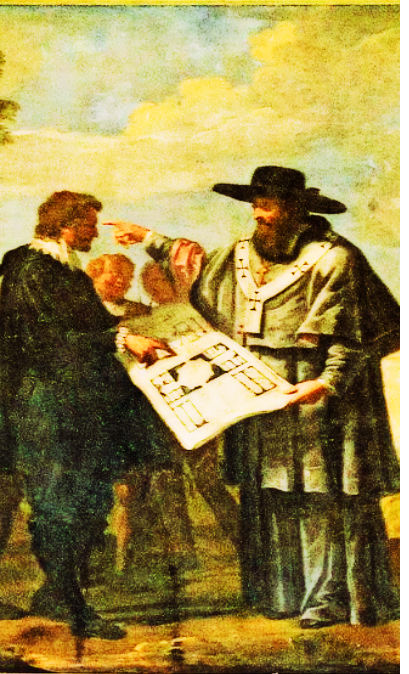
Nivard was born of a rich family belonging to the high Merovingian nobility, in the region of Rheims, He was raised at the Court and was the brother-in-law of King Childeric II of Austria. He entered the Clergy as a fully mature adult.
Having successively received all the Orders – something uncommon at that time – in 657 he succeeded Landone as the Bishop of Rheims. This City was then the Capital of King Clovis II. Remaining extraneous to political controversies, Nivard and his Diocese did not have to suffer from changes in dynasties but rather, always benefited from the favour of the powerful.
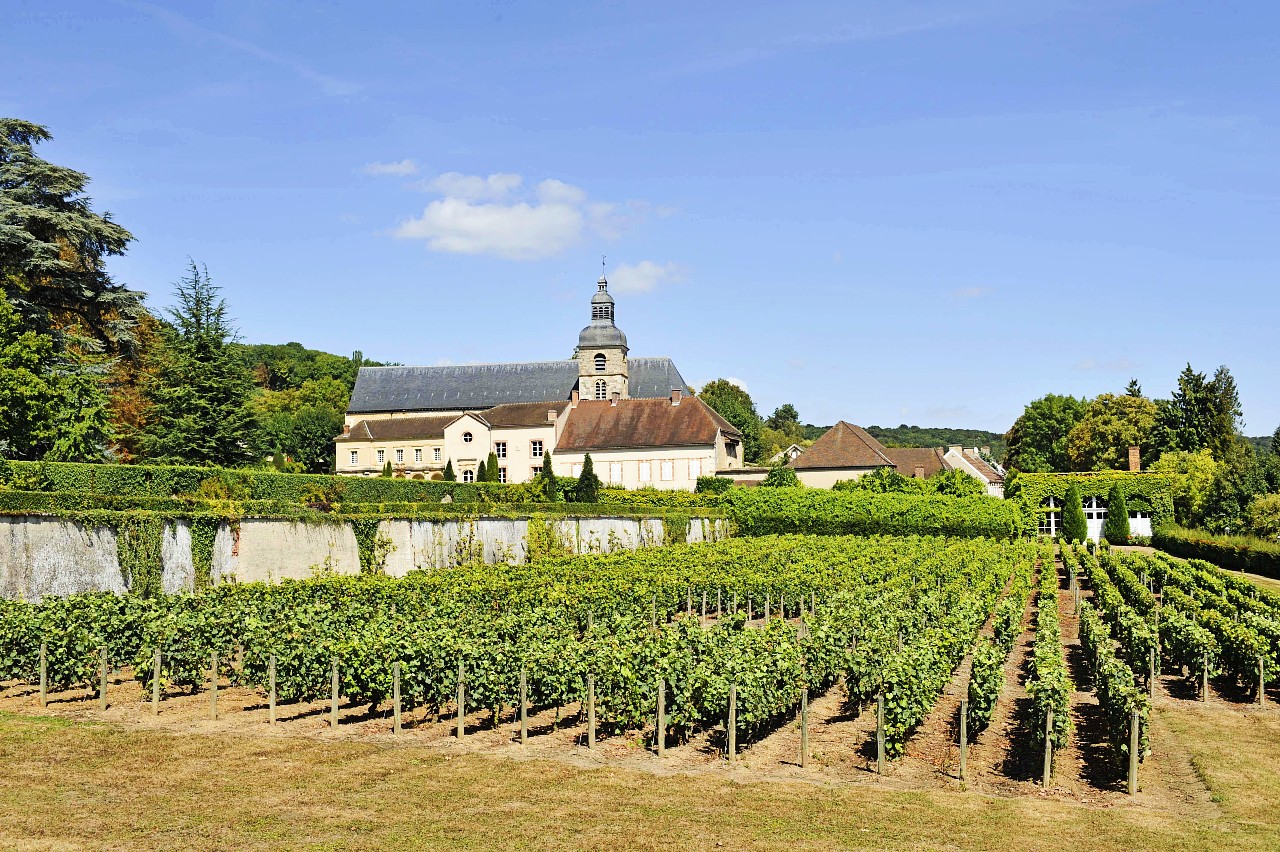
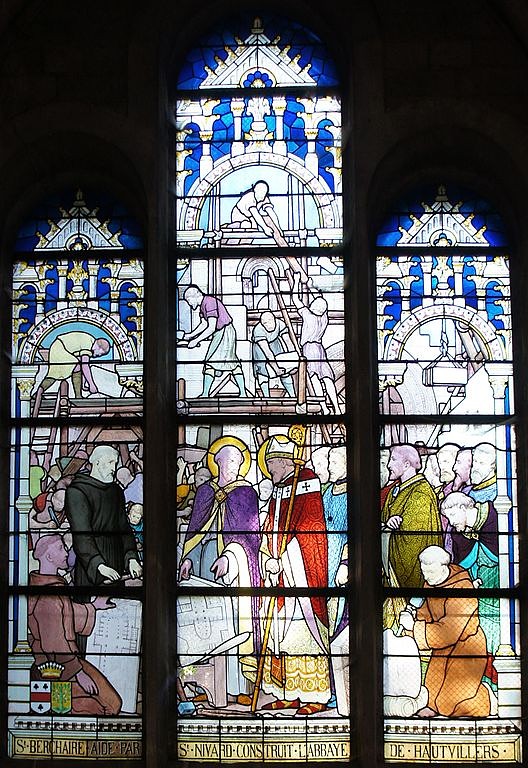
For his part, Nivard always showed great concern for the Monks. He co-operated with St Bercarius at the foundation of the Monastery of Hautvilliers, whose rule was a fusion of that of St Benedict and that of St Columba. The choice of location gave rise to many difficulties but Nivard managed, not only to build the Abbey but to reconcile those who opposed it. Some of these even entered the Monastery whose direction had been entrusted to St Bercarius.
Nivard’s benevolence and financial help also extended to other famous Monasteries (Corbie, Soissons, Fontenelle, today Saint-Wandrille). He was a patron of the Churches of Rheims, especially St Maria and St Remigius which he endowed extensively.
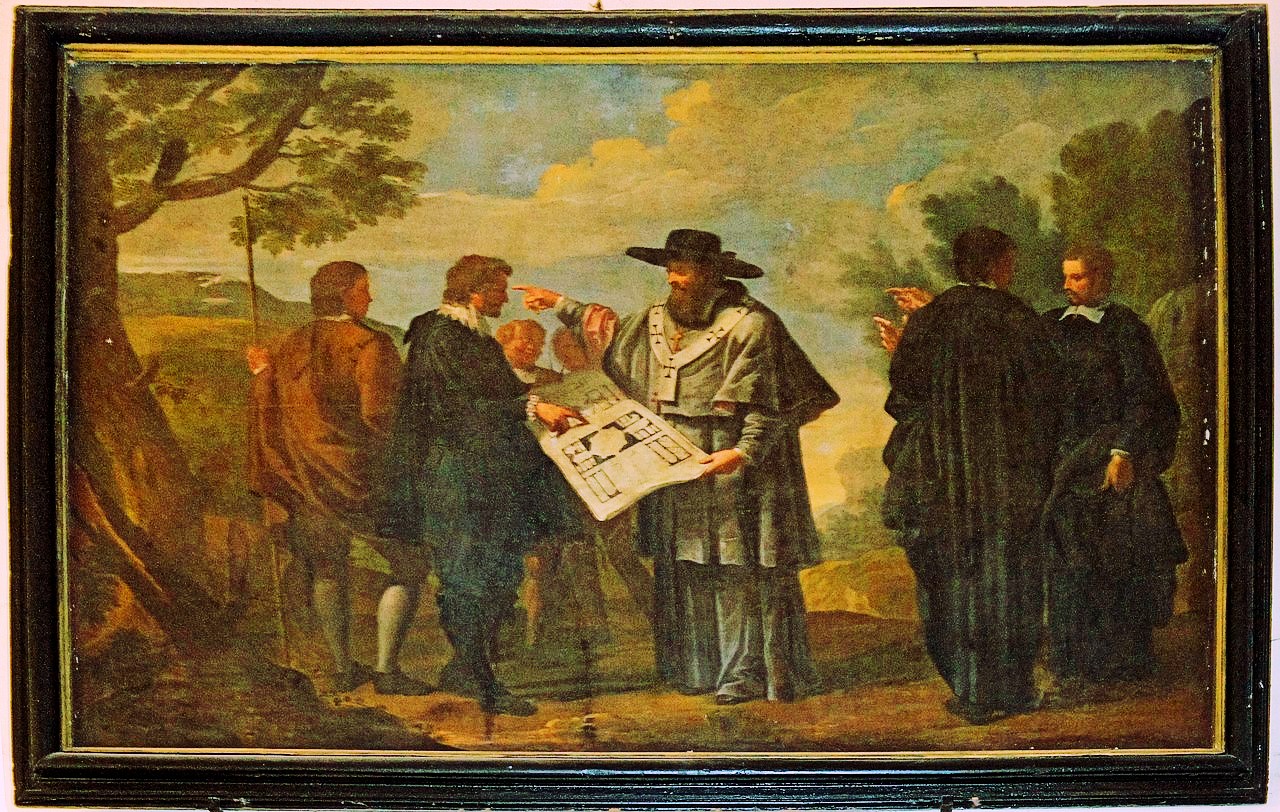
Having obtained a privilege of immunity for Hautvilliers and full jurisdiction over the Abbey for the Bishop of Rheims, Nivard chose it as his preferred residence. There, he died on 1 September 673.
The Abbey of Hautvillers in the 9th Century became a famous school of miniatures and in the 18th Century, one of its Monks, Pérignone, perfected the “art and way of treating wines” thus inventing Champagne!


 AnaStpaul
You must be logged in to post a comment.